





Thinking about a bathroom remodel? Discover what a recessed bathroom medicine cabinet with mirror is, the exact wall specs you need, and the pros and cons of installation.
Let’s be honest. If you are staring at a bathroom counter that looks like a mini drugstore exploded, you need more storage. But in a small American bathroom, floor space is precious. You can’t just shove a giant cabinet in there. This is exactly why a recessed bathroom medicine cabinet with mirror is one of the best upgrades you can make. It gives you extra storage without making the room feel cramped, and it doesn't eat up a single inch of your floor or counter space.
But what exactly is it, and does it make sense for your house? As someone who has installed more than a few of these, let me give you the unfiltered truth.
The Core Concept: Hiding the Box in the Wall
Simply put, a recessed cabinet is a storage unit that is installed inside the wall cavity, rather than hanging on the outside surface.
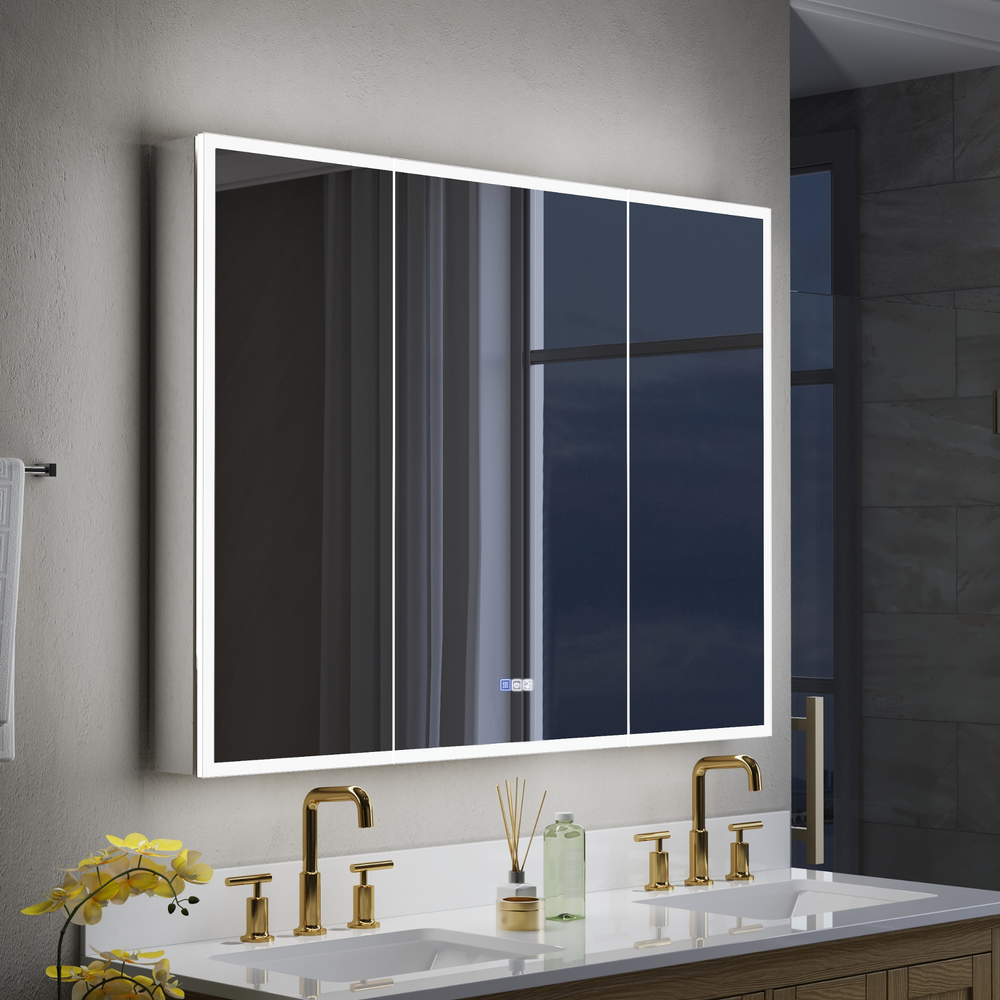
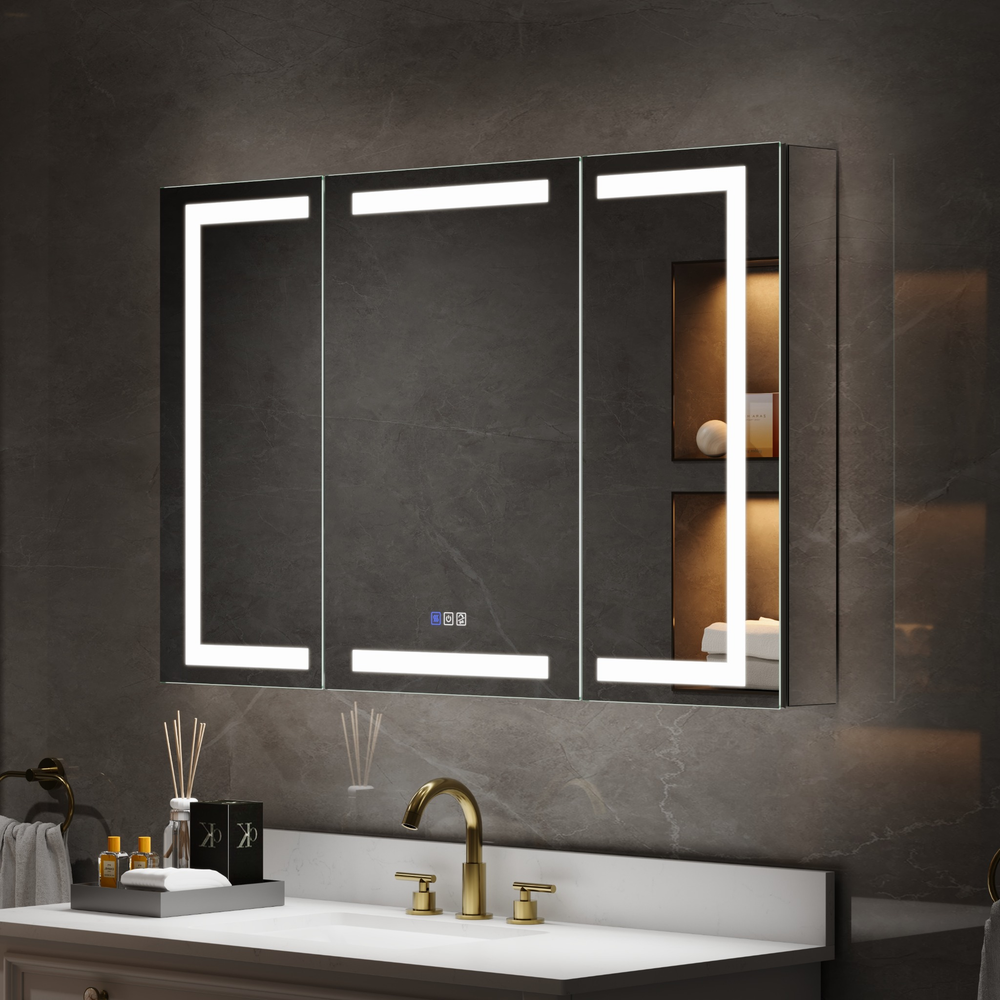
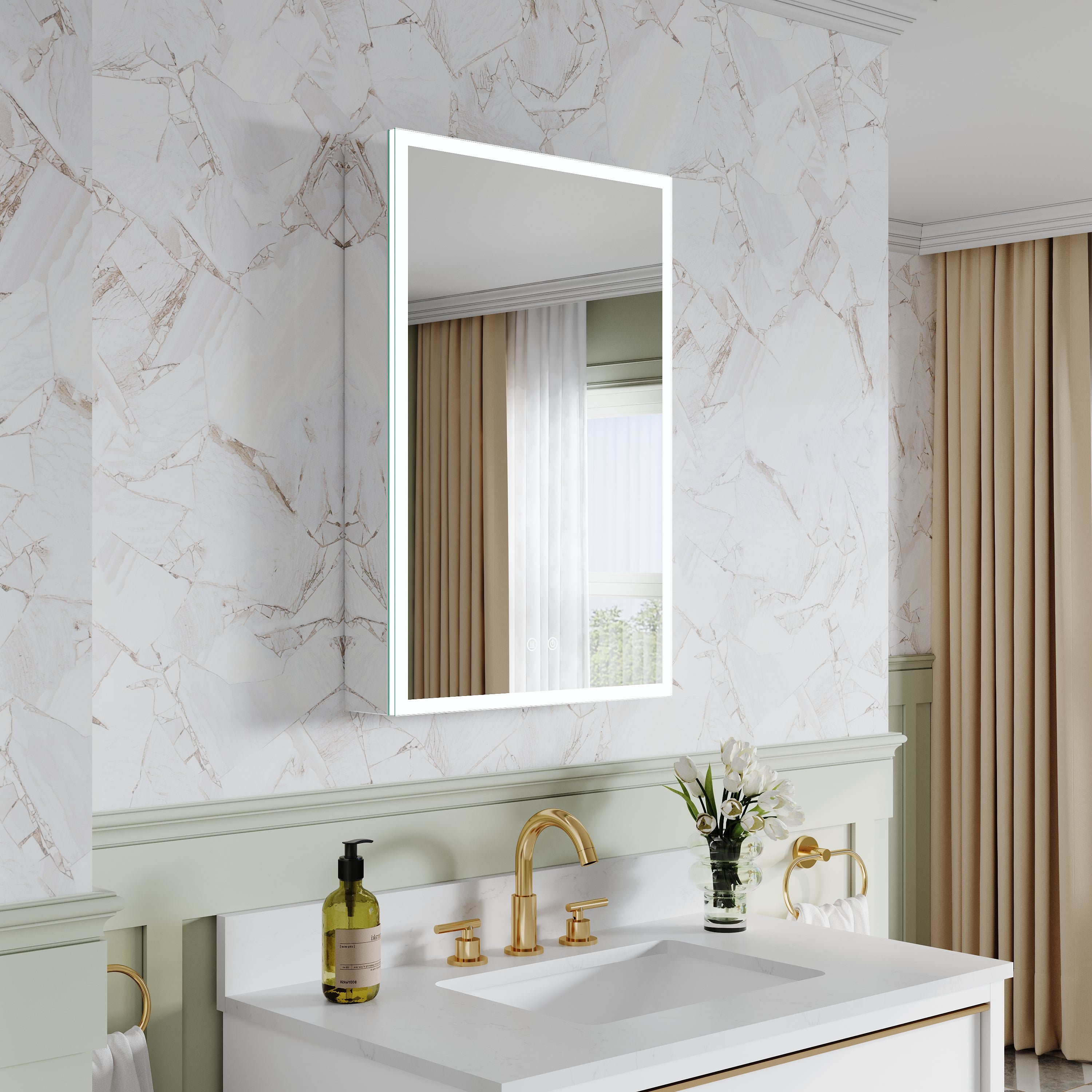
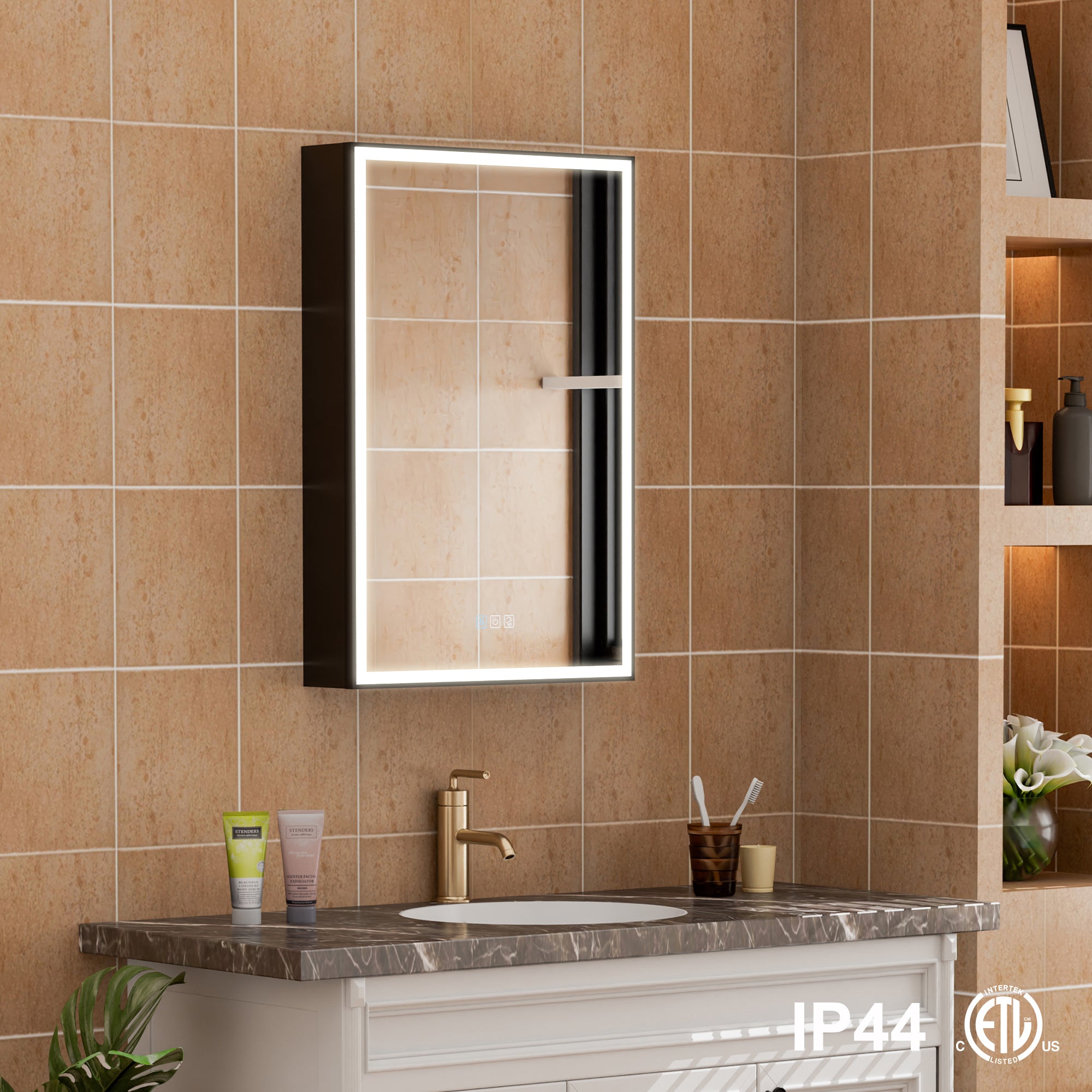
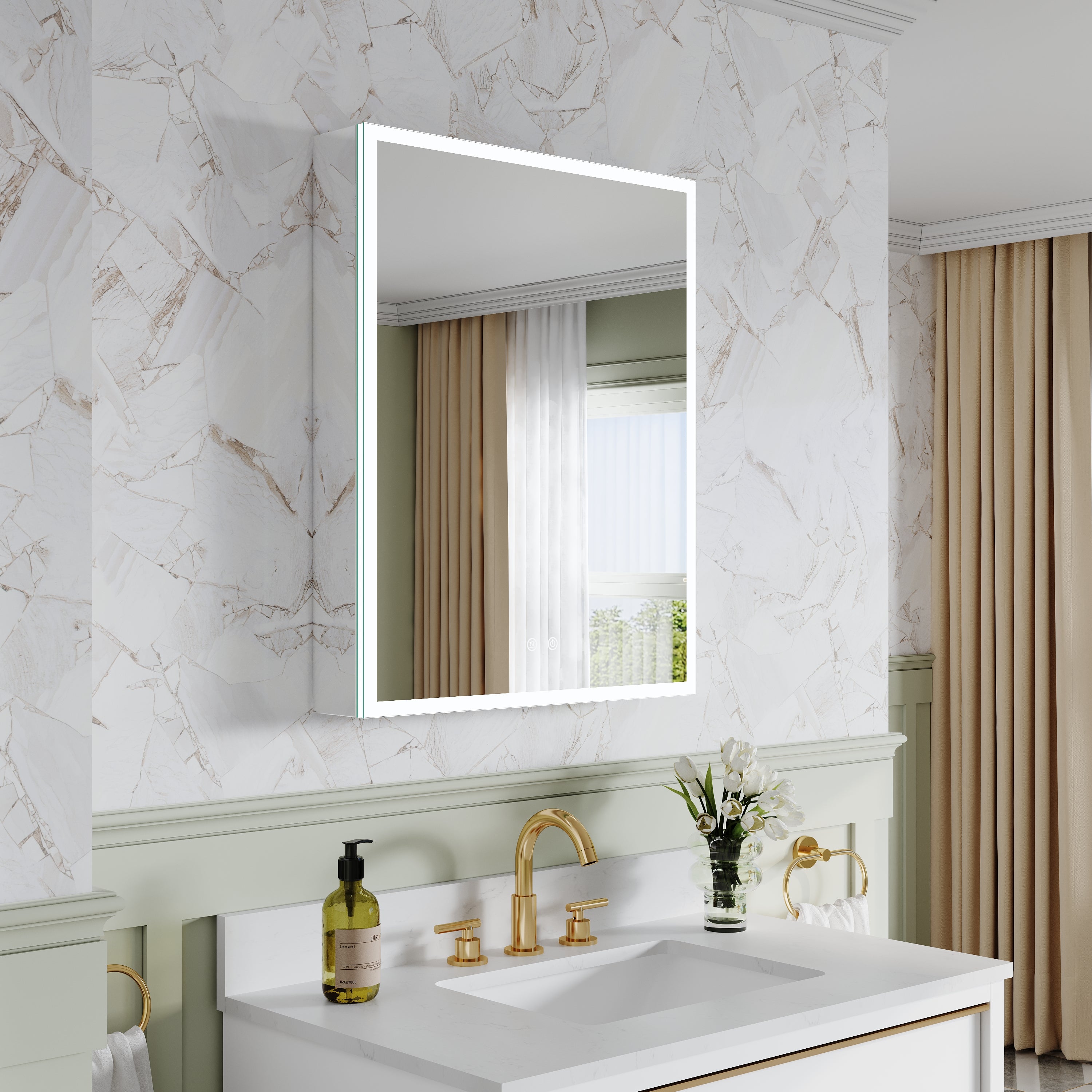
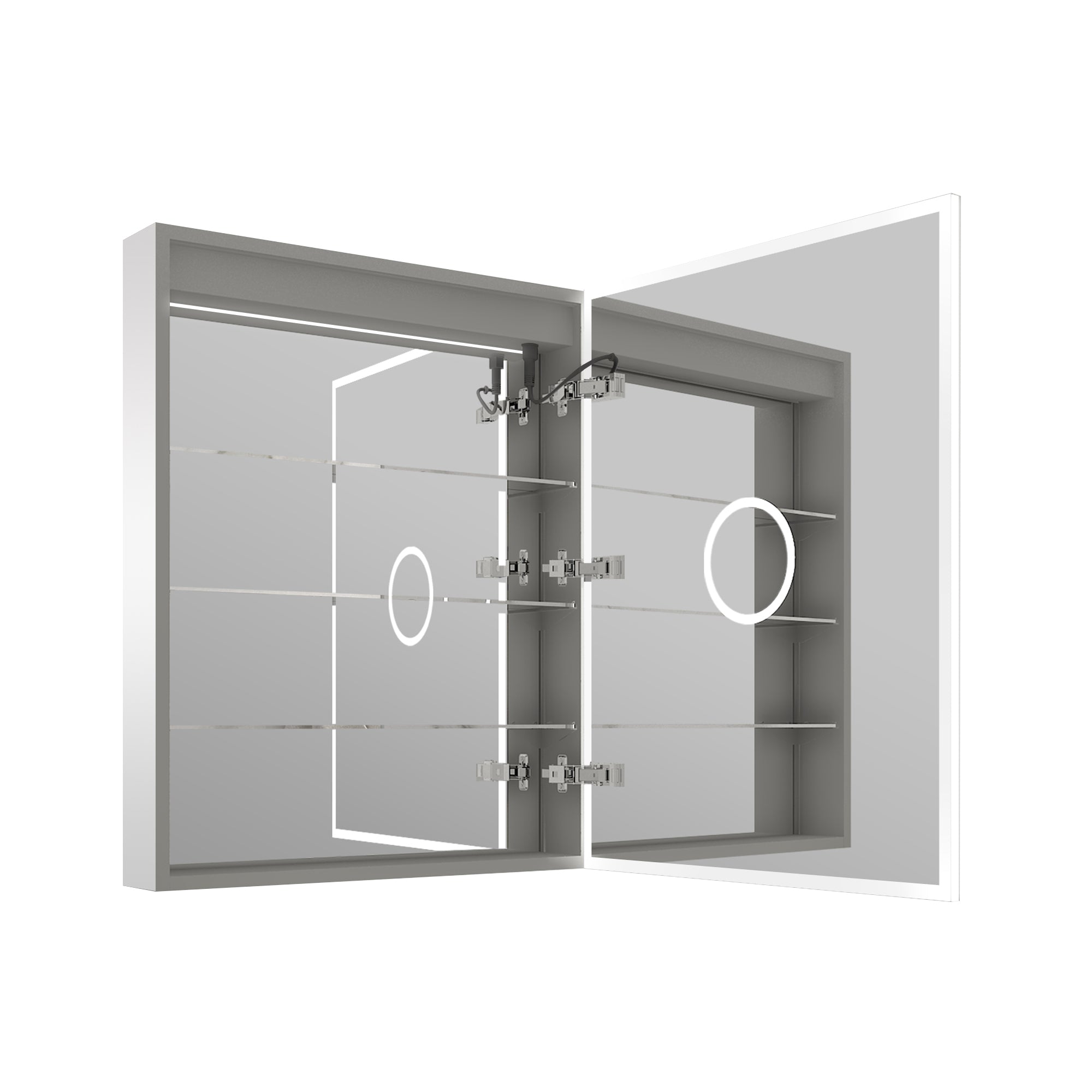
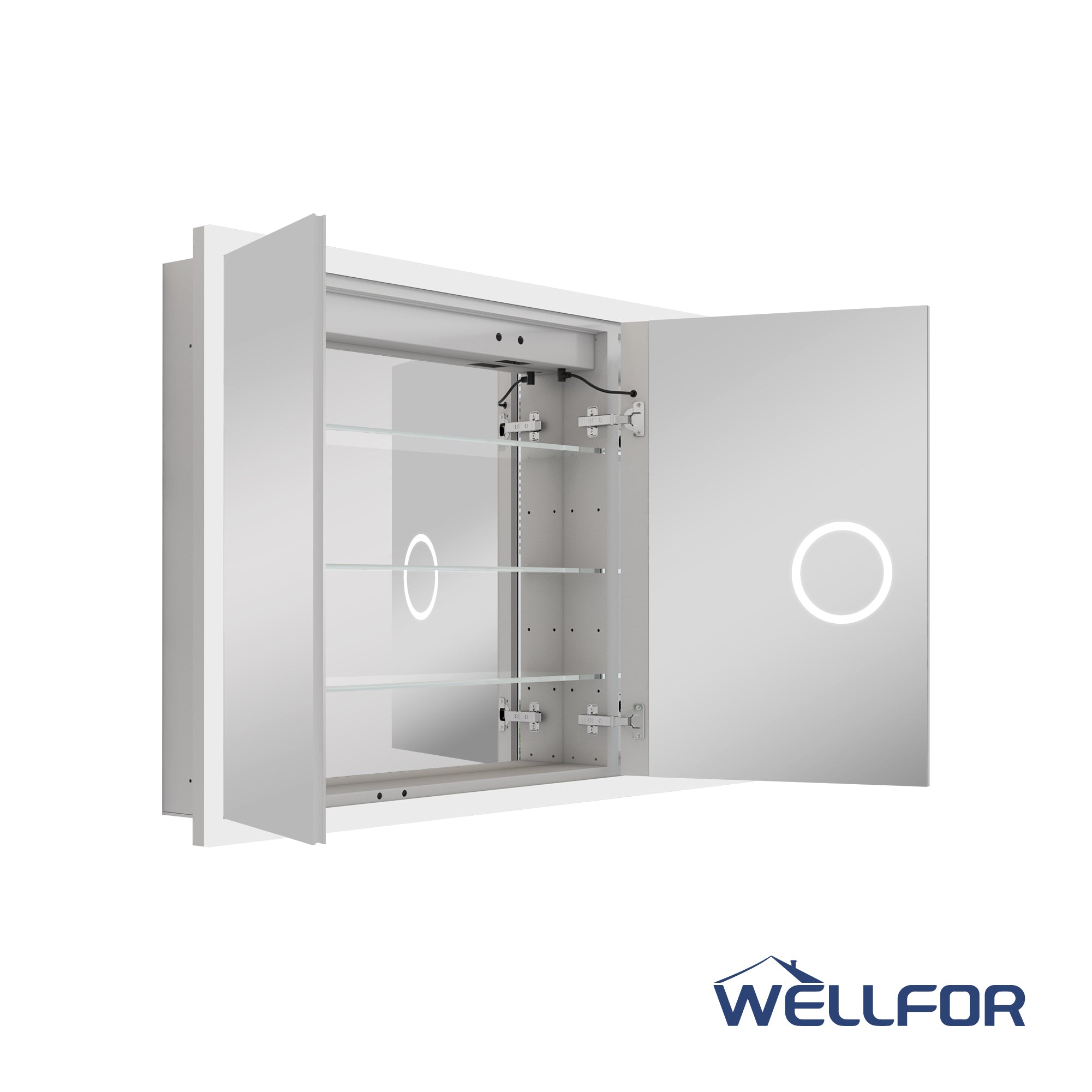
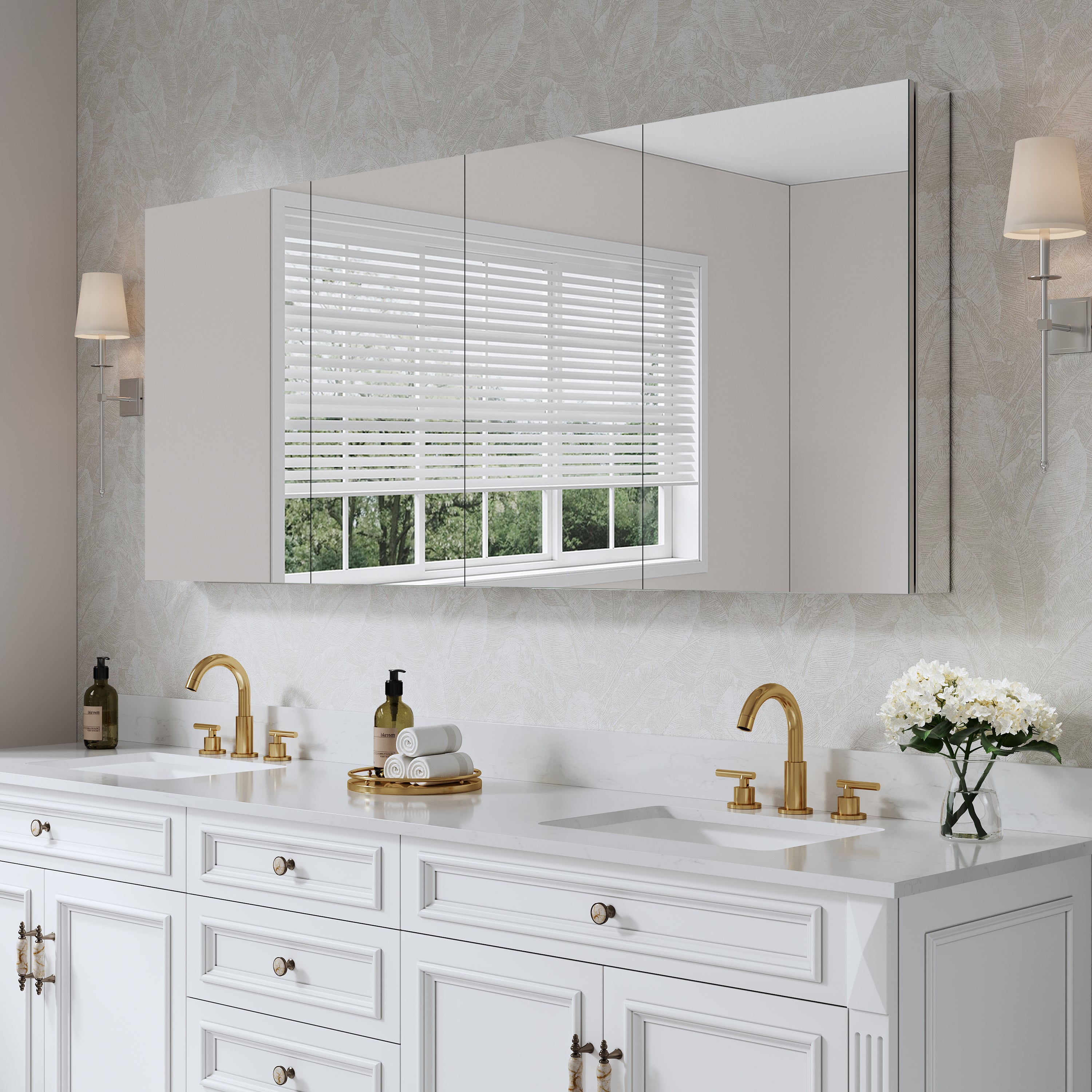
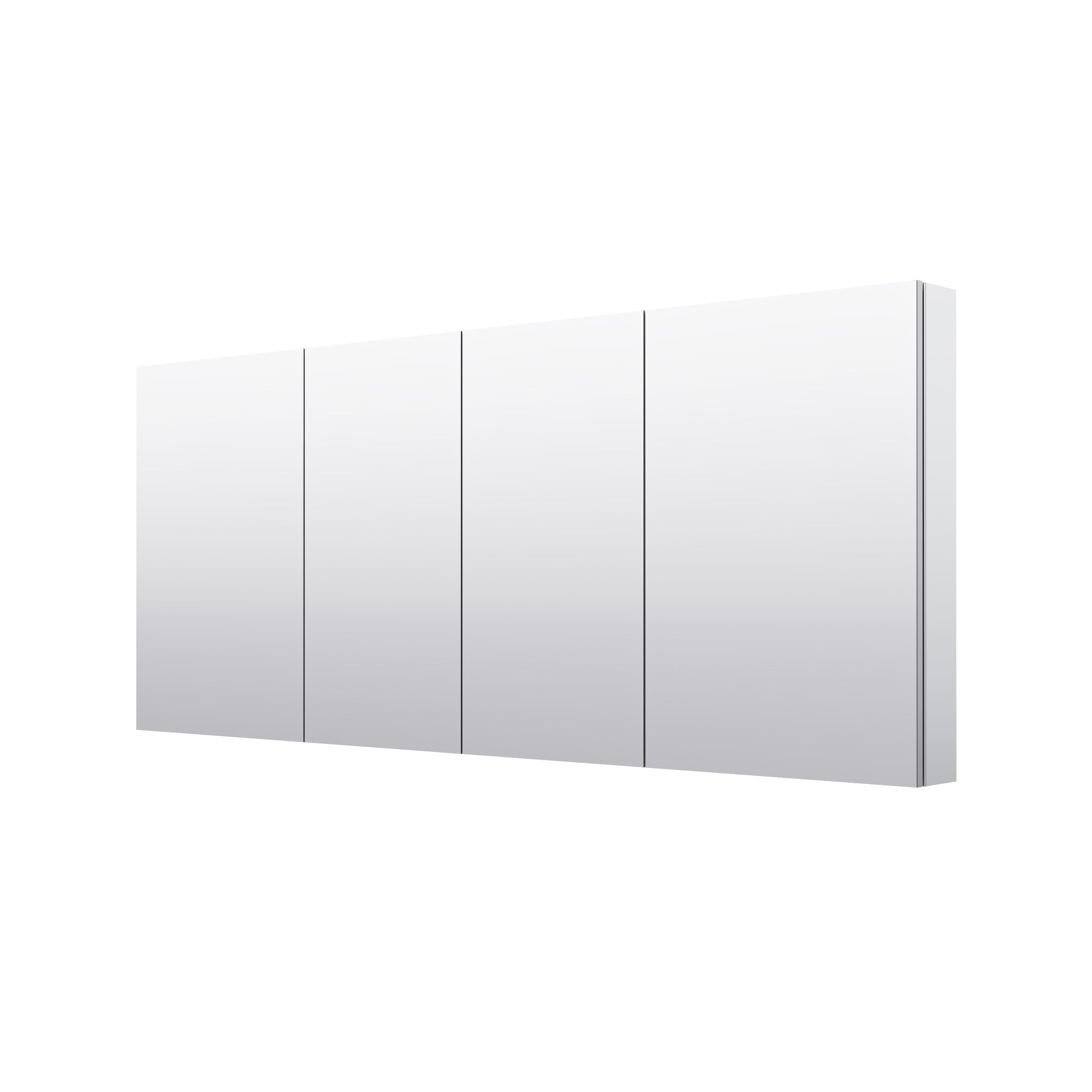
Instead of a flat piece of glass hanging on your wall, you get a hollow box filled with shelves, covered by a mirrored door. When you close the door, it looks like a standard bathroom mirror. When you open it, you have immediate access to your medications, skincare products, and razors.
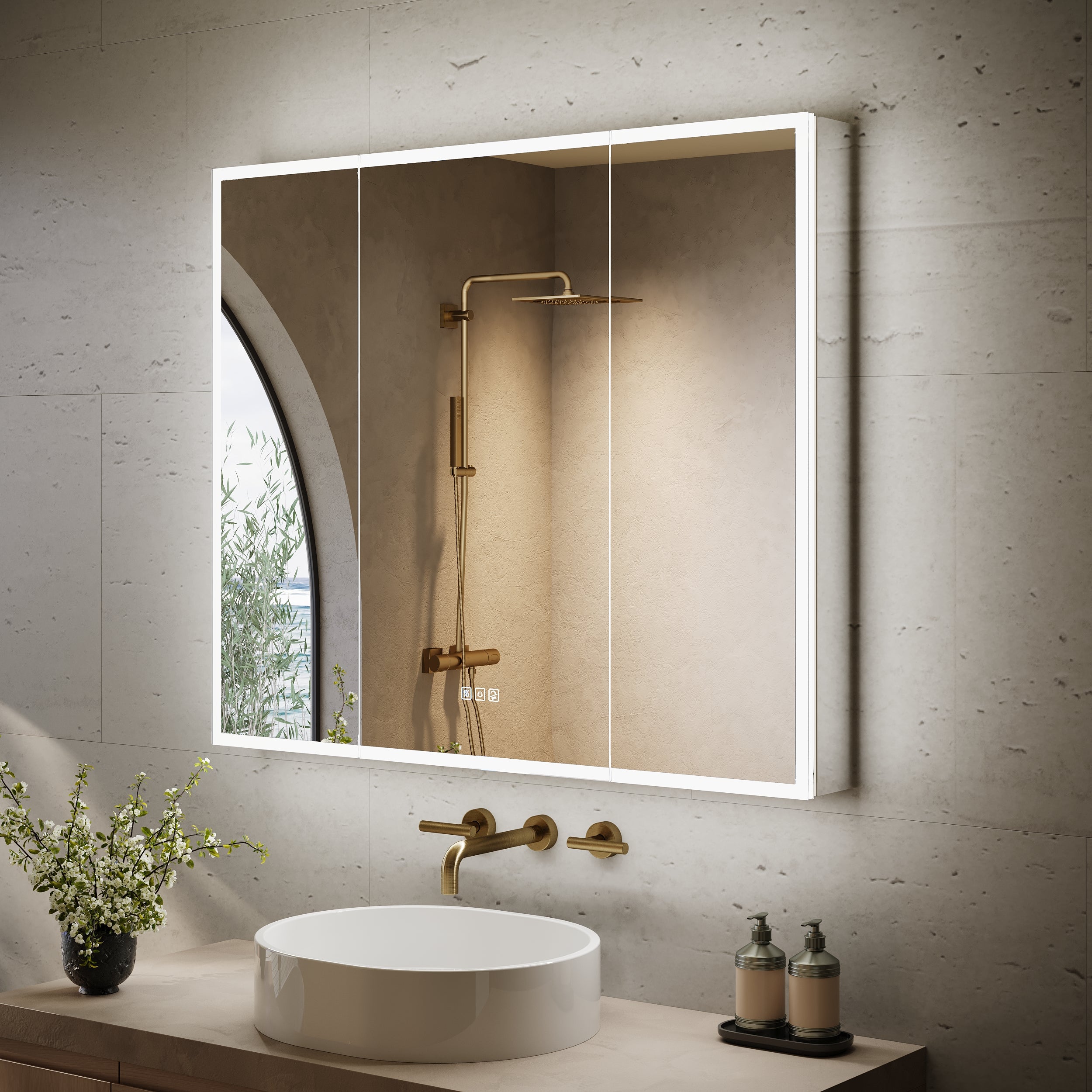
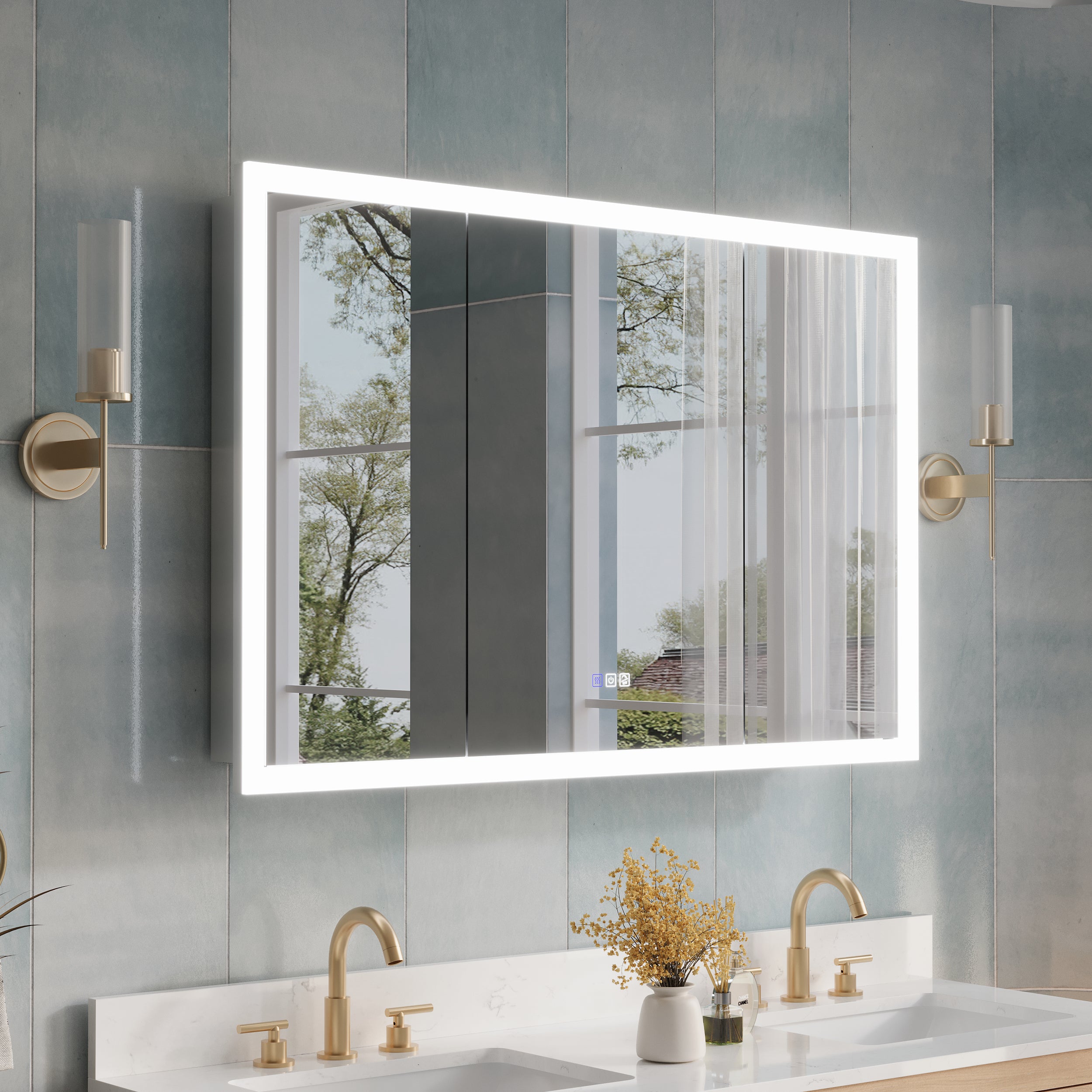
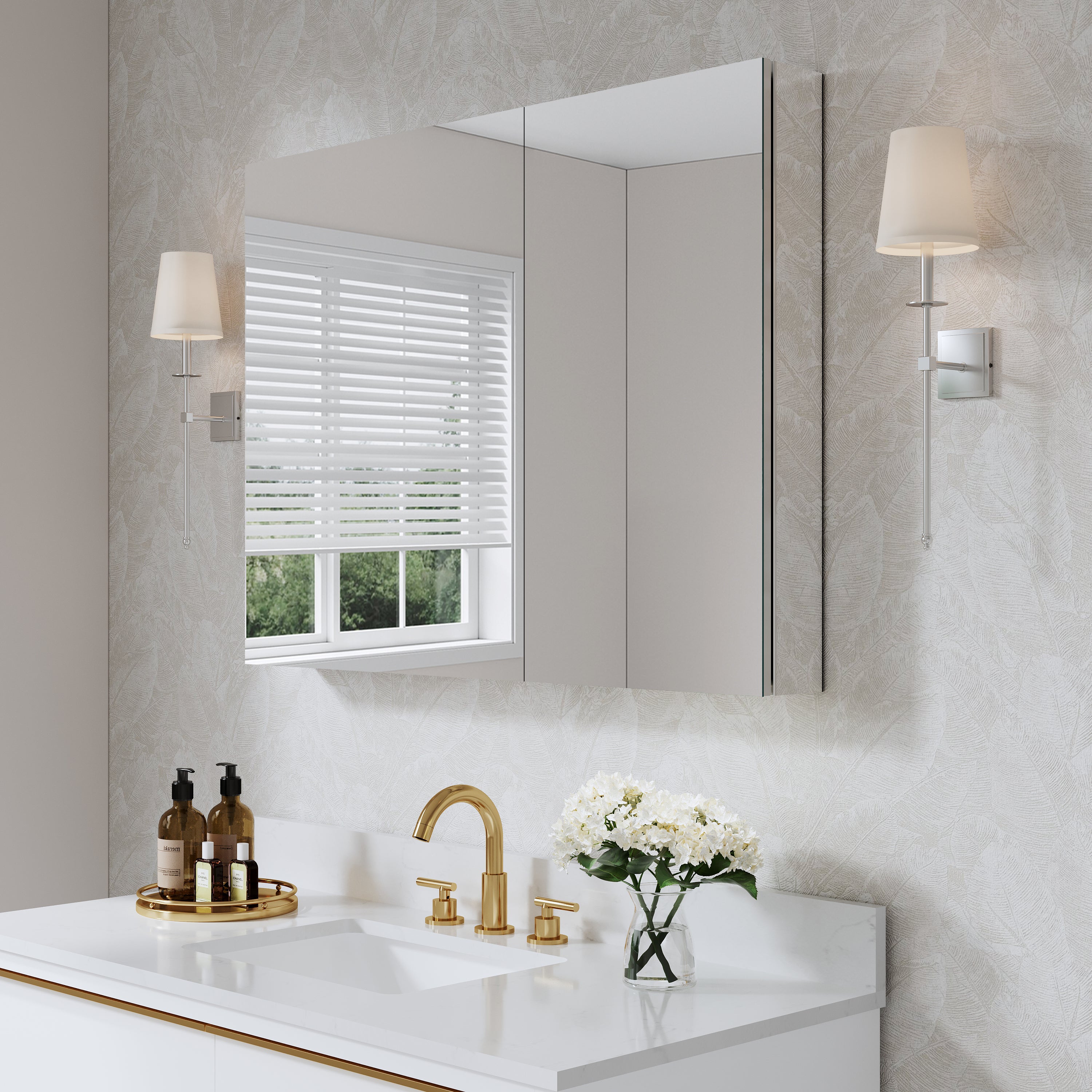
Because the entire cabinet body sits inside the wall, the front of the mirror is practically flush with your drywall. This creates an incredibly clean, high-end, built-in look. It makes even a tiny powder room feel a lot more spacious because nothing is sticking out into the walking area.

The Make-or-Break Spec: Wall Depth
Here is where things get tricky. You can't just cut a hole in any wall and shove a cabinet in.
To make a recessed unit work, you absolutely need a wall cavity that is deep enough to hold the box. According to industry specs, most standard recessed medicine cabinets require a minimum of 3.5 to 4.5 inches of interior wall depth. (Source: Family Handyman) If you are putting it in a standard 2x4 stud wall, you usually have about 3.5 inches of clear space.
But here is the contractor's reality check: you also have to check for obstructions. If there is a plumbing vent pipe, electrical wiring, or HVAC duct running right where you want to cut, you are out of luck. I’ve seen plenty of DIYers start cutting into drywall, only to hit a pipe and have to instantly pivot to a surface-mounted cabinet.
If you are doing a full gut renovation and the walls are open, installing a recessed cabinet is an absolute breeze. If your walls are finished? You might want to hire a pro.
Why Choose Recessed Over Surface-Mounted?
The biggest advantage of a recessed cabinet is the clearance.
Surface-mounted cabinets are easy to install, but they protrude into the room—sometimes by up to 6 inches. In a narrow bathroom, leaning over the sink can feel incredibly claustrophobic. I can't tell you how many times I've bumped my head on a surface-mounted mirror. A recessed unit eliminates this issue completely because it stays out of the way.
However, there is one trade-off: interior depth. Because a recessed unit is limited by the wall cavity, the storage inside is usually shallower. You can fit small bottles and pill organizers perfectly, but your giant bottle of mouthwash or a bulky hair dryer might not fit. If you need deep storage, you might have to look at semi-recessed options (which stick out just a little bit) or stick to a surface-mounted unit.
The Mirror and Lighting Features
Of course, the "mirror" part of the equation is crucial.
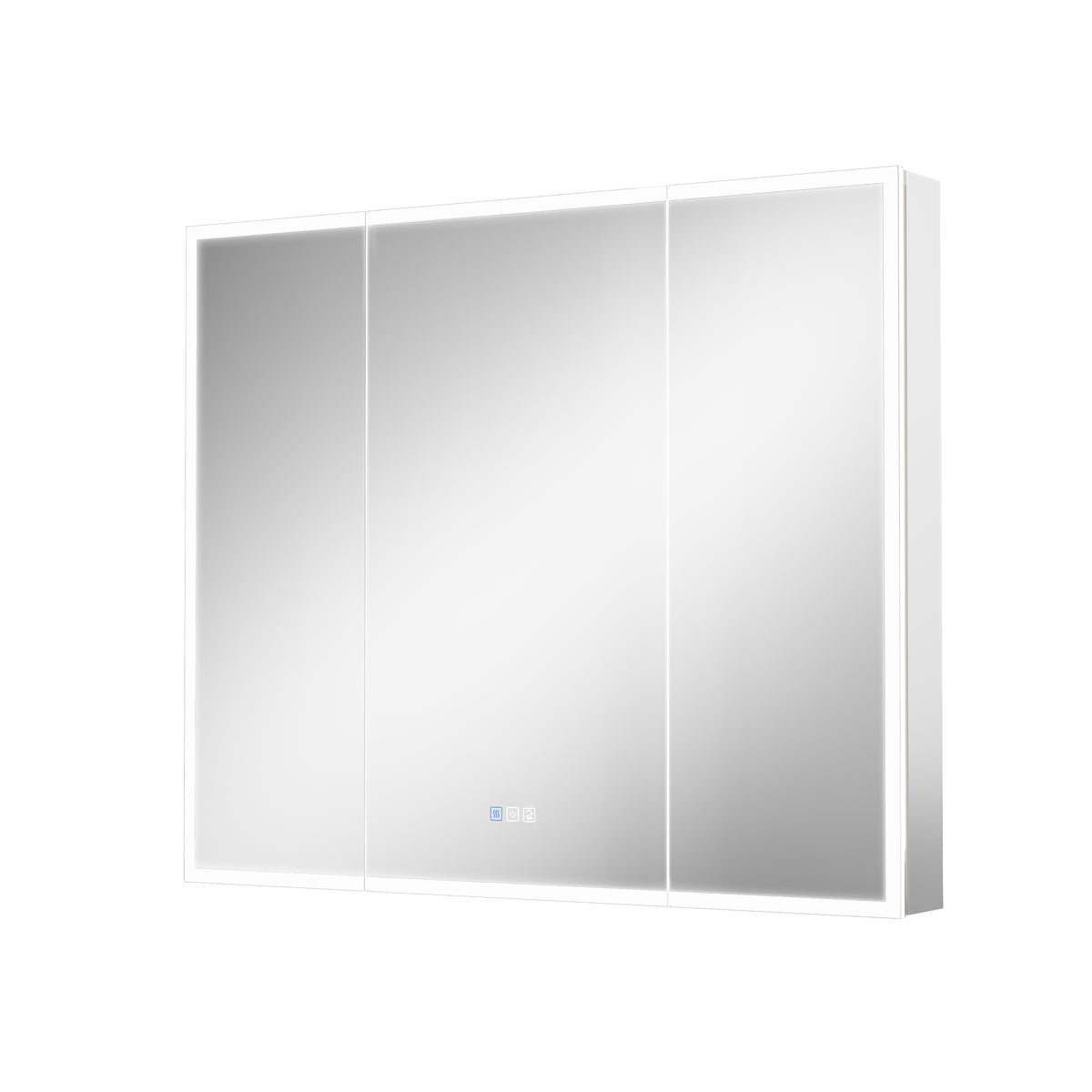
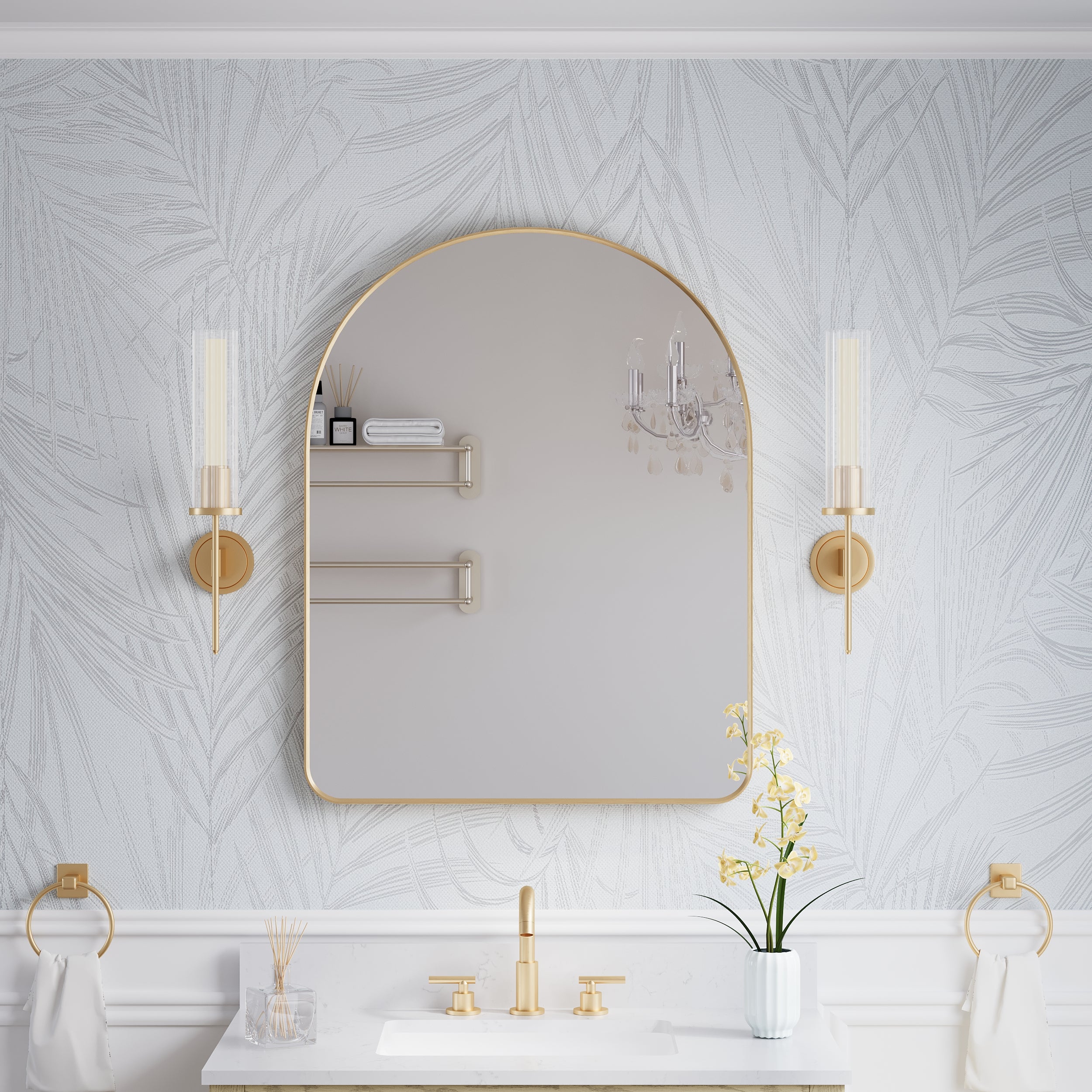
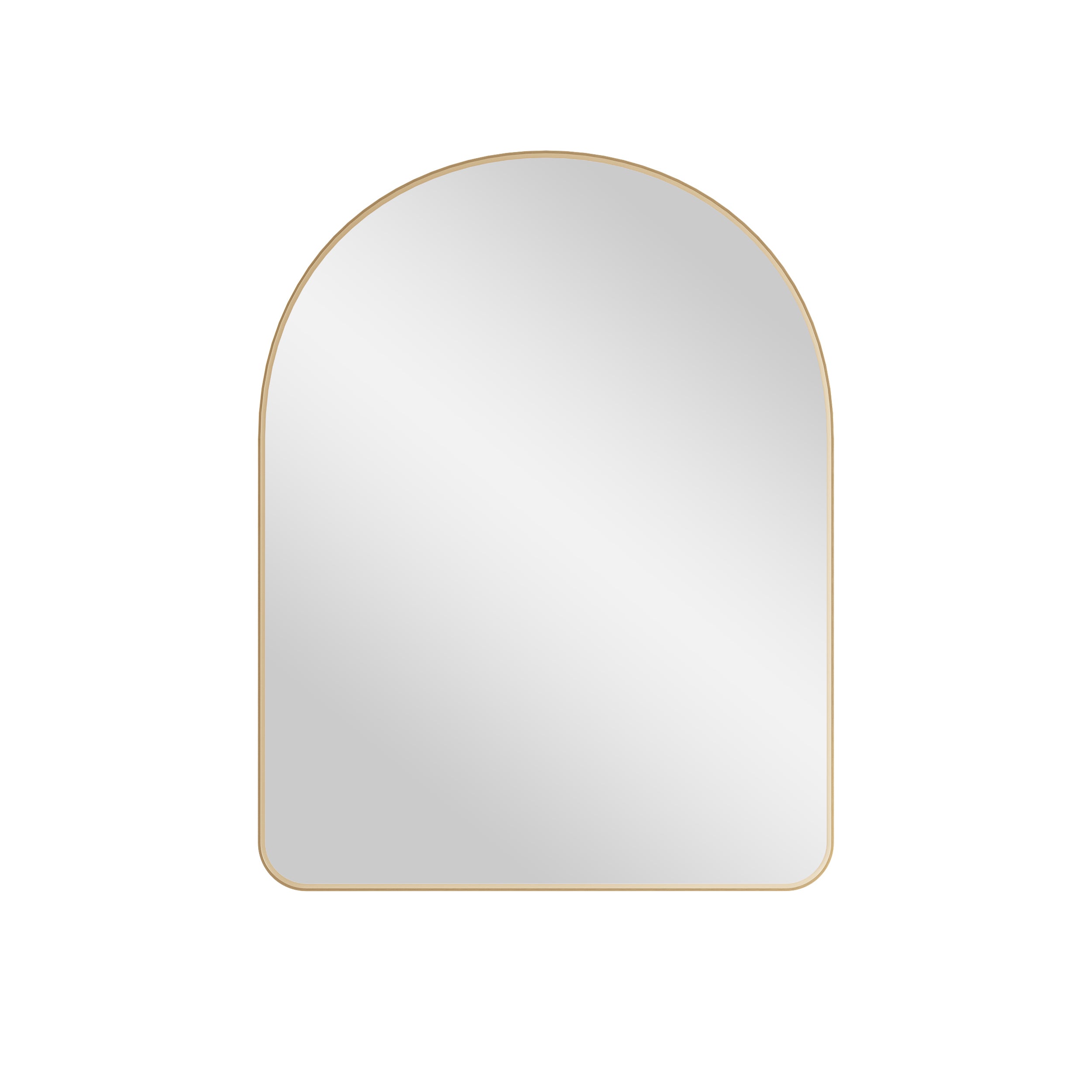
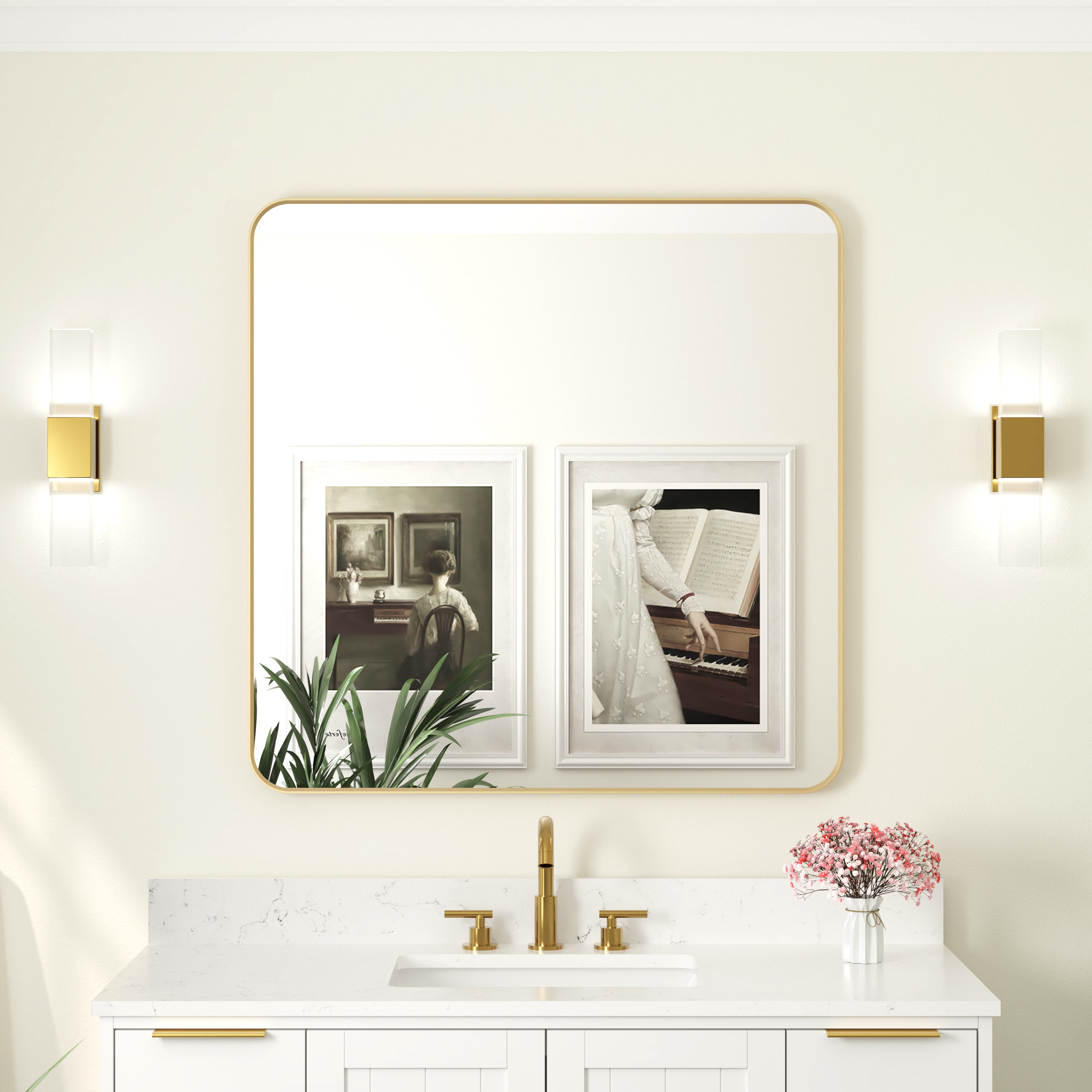
Most of these cabinets come with a high-quality, frameless mirrored door, or a mirrored door with a slim metal frame. Frameless designs are incredibly popular because they look modern and are easy to wipe clean.
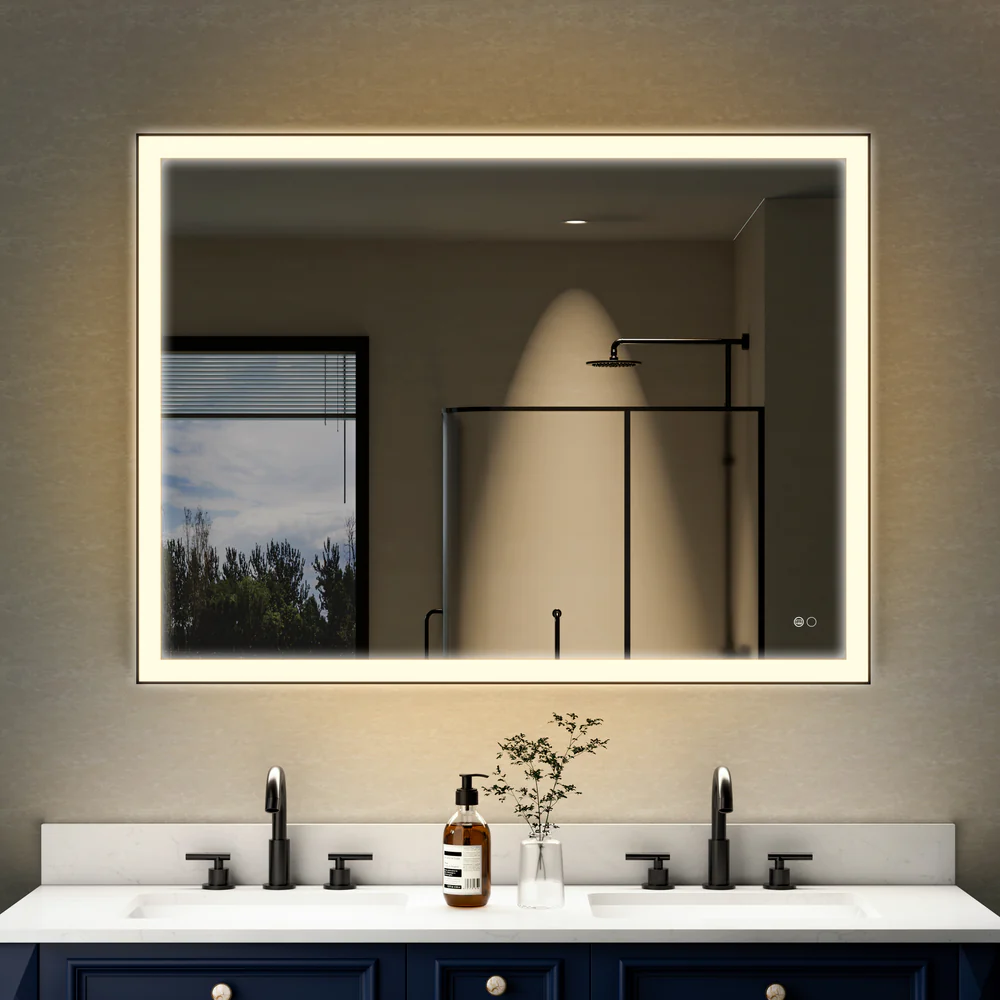
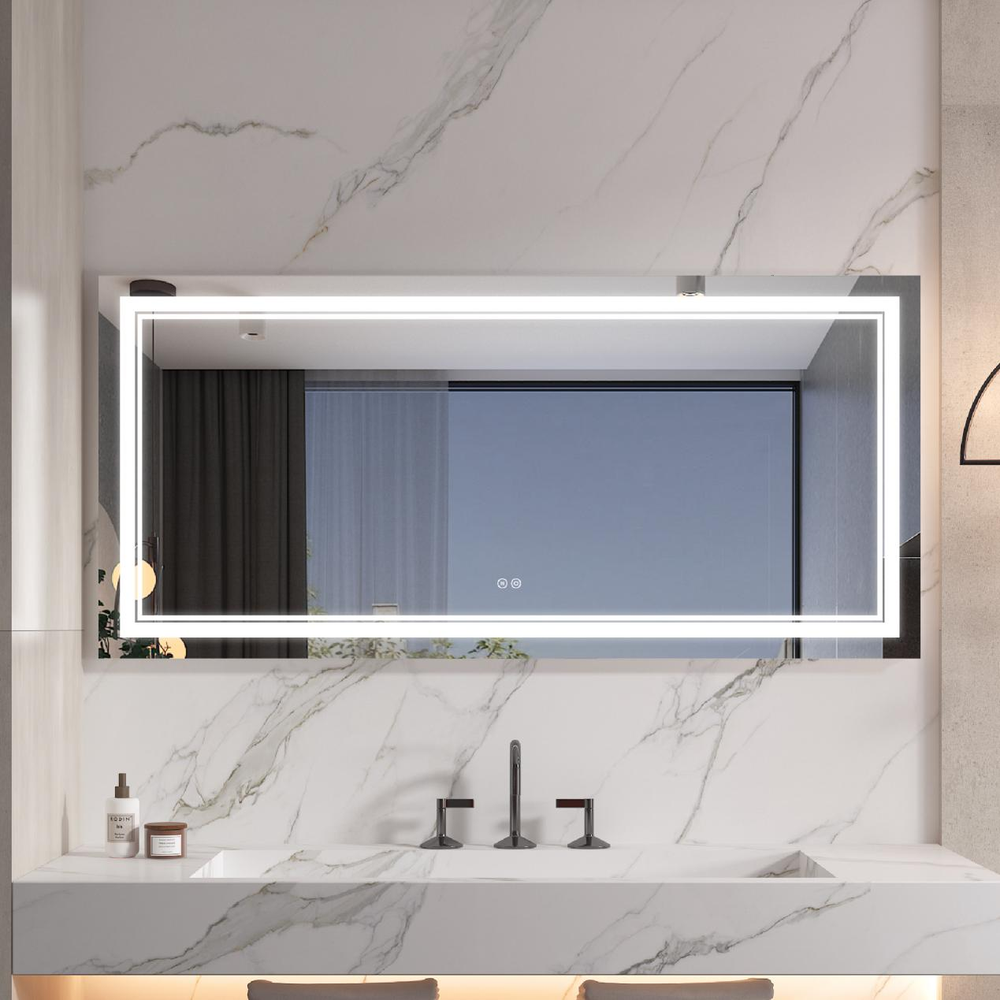
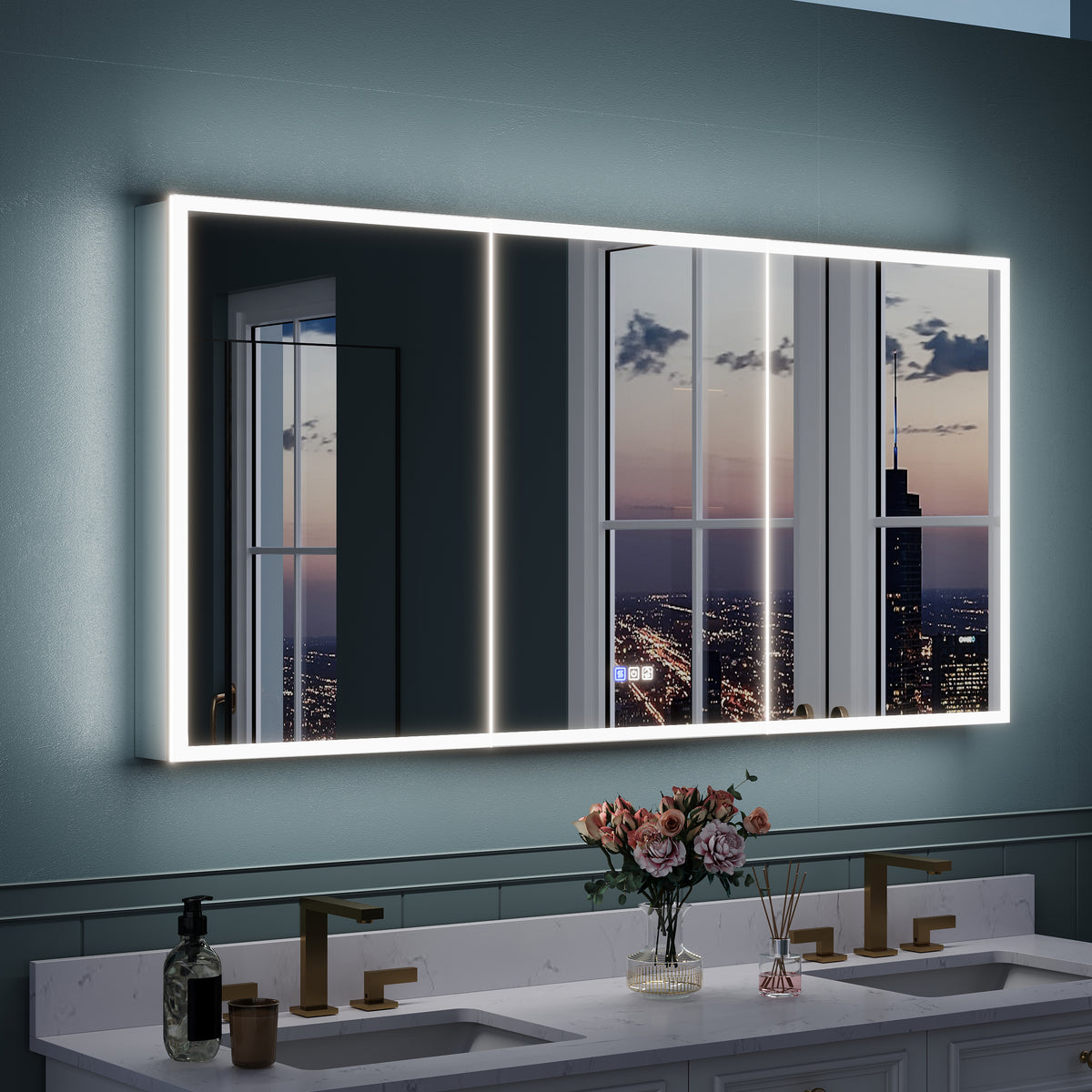
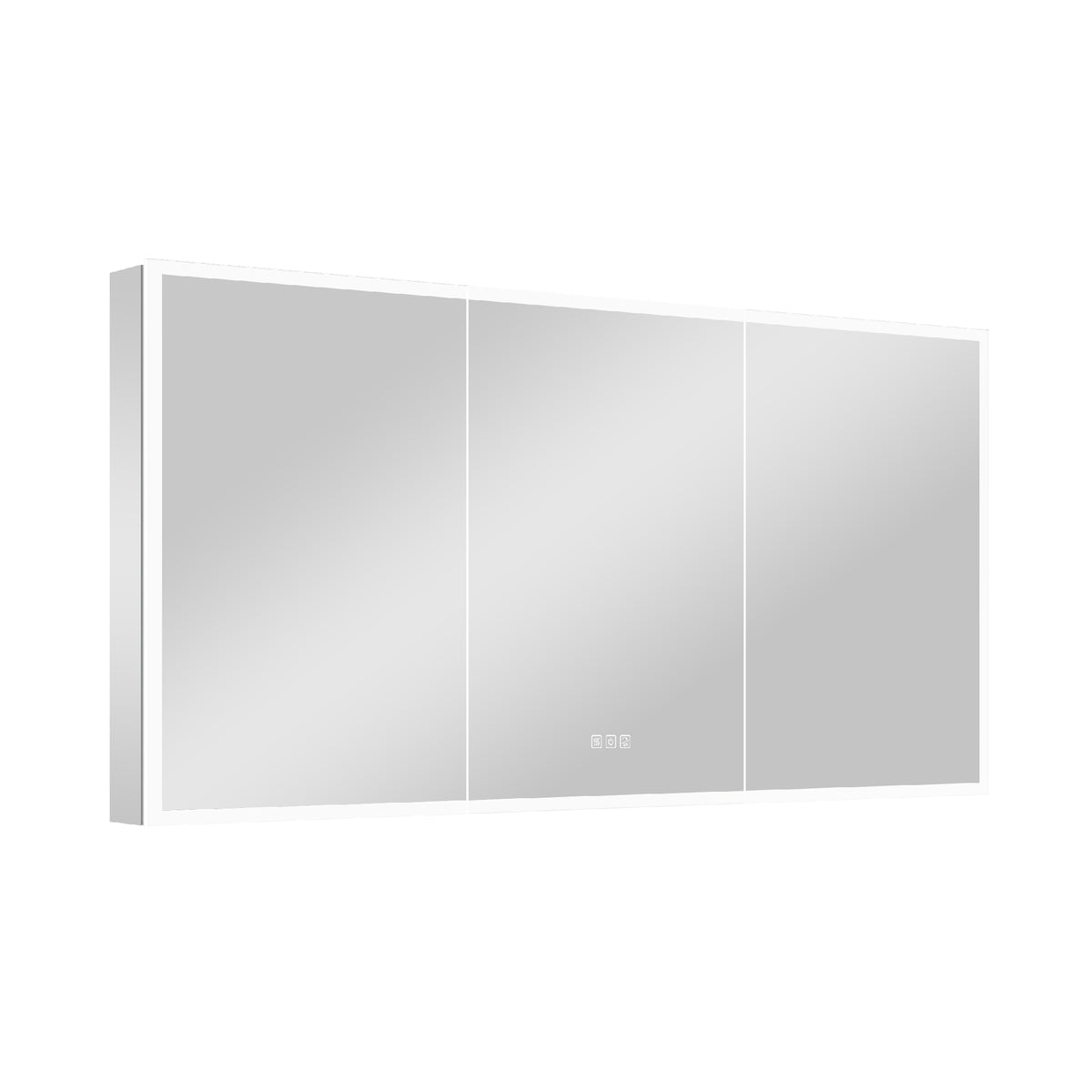
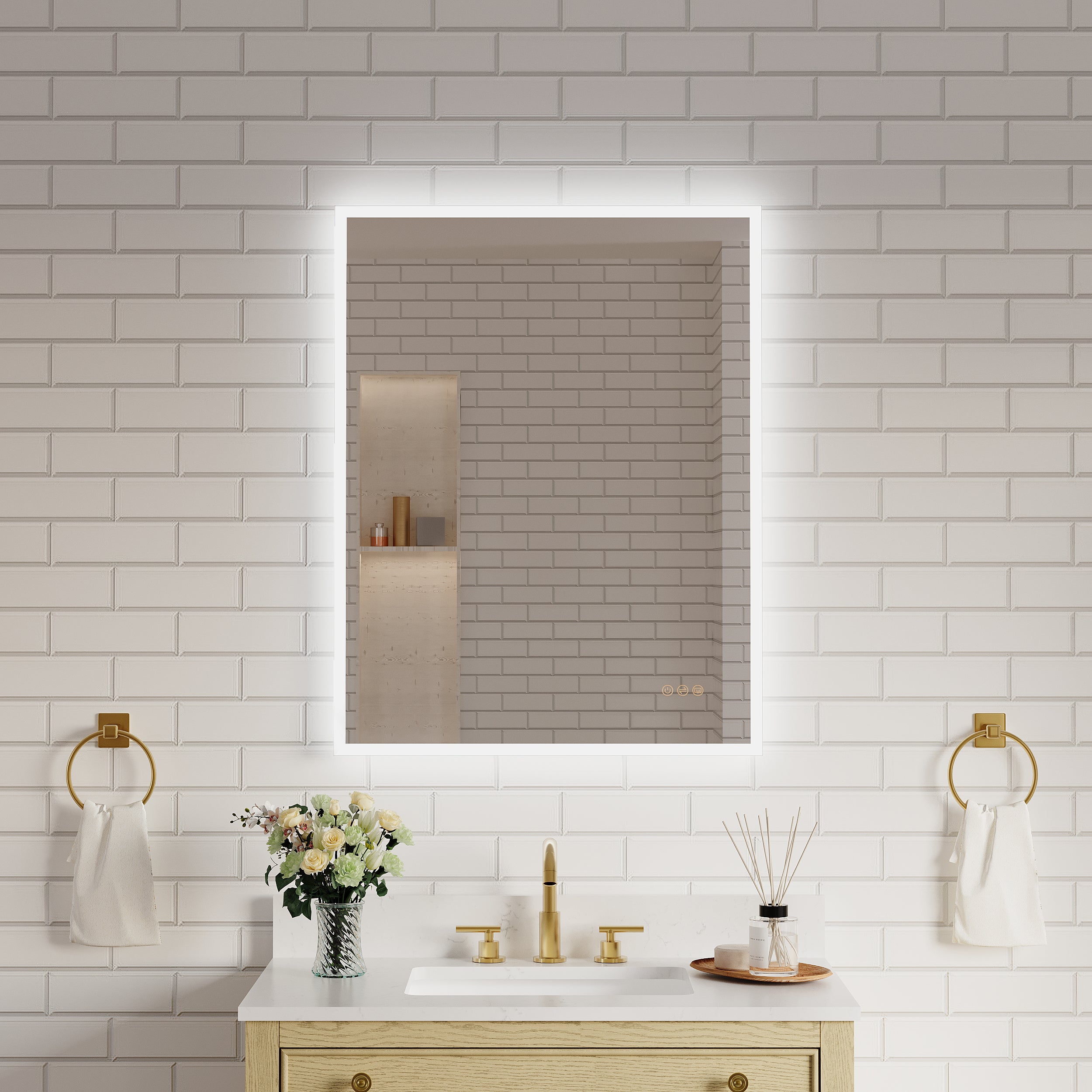
If you want a serious upgrade, look for a lighted recessed cabinet. These models have LED strips built into the frame. They provide perfect, shadow-free lighting for shaving or applying makeup. Many high-end models even include anti-fog technology, which keeps the mirror perfectly clear after a hot shower. (Source: Kohler) Just remember, if you want lights, you need to have electrical wiring run to the cabinet location.
Sizing It Right for Your Vanity
Don't just guess the size. If your cabinet is too wide or too narrow compared to your sink, it will look completely wrong.
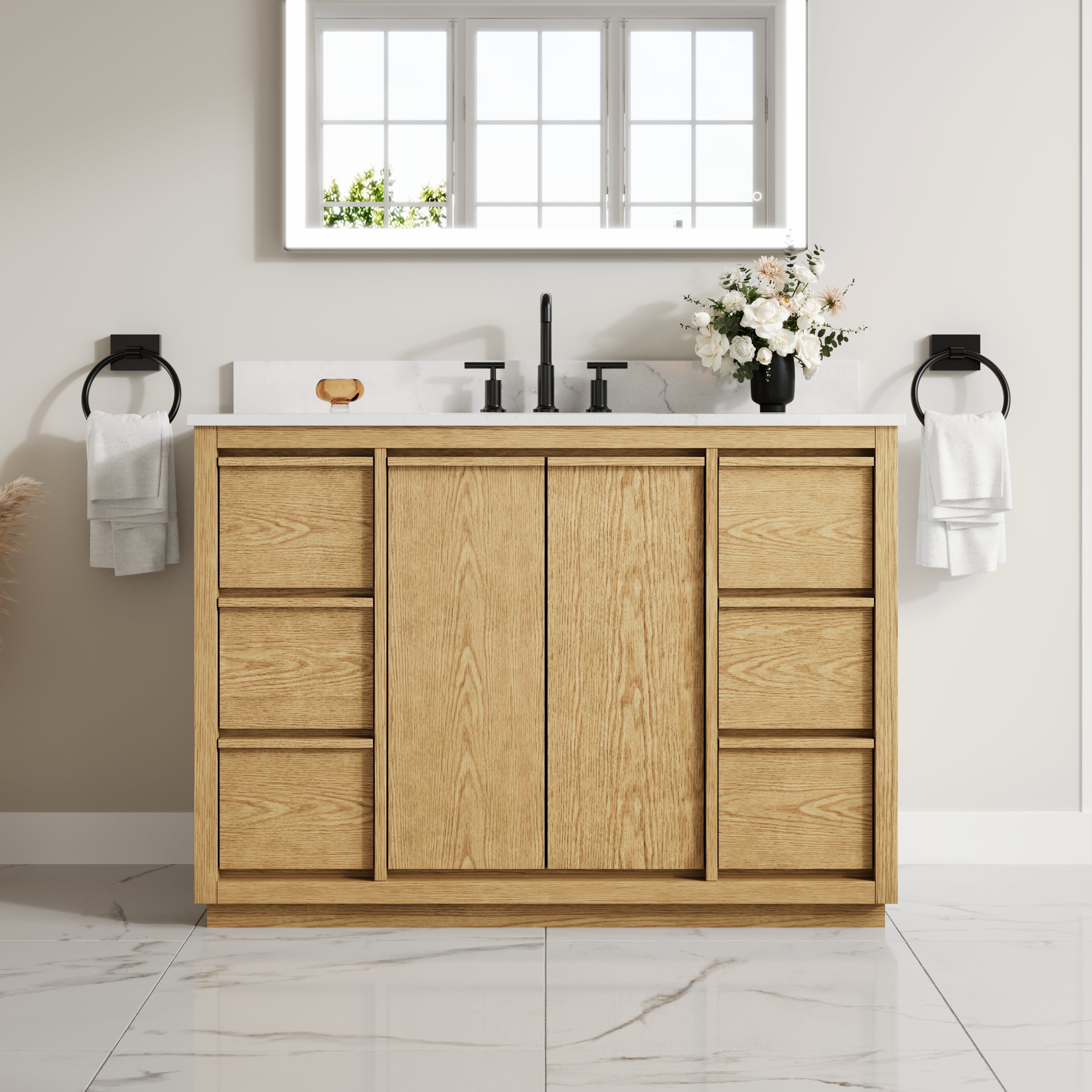
A good rule of thumb is that the cabinet should be roughly 2 to 6 inches narrower than your vanity. If you have a standard 36-inch vanity, a cabinet in the 24 to 30-inch range will look perfectly proportioned. (Source: Lowe's)
Also, think about the door swing. Most doors are hinged on the right, but if you have a side wall or a towel ring on the right side, the door won't open fully. You can easily order left-hand hinged models or reversible doors to fix this issue.
The Final Verdict
If you want to maximize your bathroom storage without sacrificing an inch of floor space, a recessed bathroom medicine cabinet with mirror is hard to beat. It looks custom, stays out of your way, and hides all your daily clutter behind beautiful glass. Just check your wall depth first, measure your vanity, and you’ll be good to go.













Leave a comment
This site is protected by hCaptcha and the hCaptcha Privacy Policy and Terms of Service apply.