



Discover what a light mirror is, how the integrated LED technology works, and the exact electrical specs you need to know before upgrading your bathroom vanity.
Let’s be real: standard bathroom lighting is usually awful. You know the look—one harsh bulb directly above your head, casting deep, unflattering shadows under your eyes. If you are remodeling, you’ve probably heard the term light mirror tossed around. But what actually is it, and how does it work?
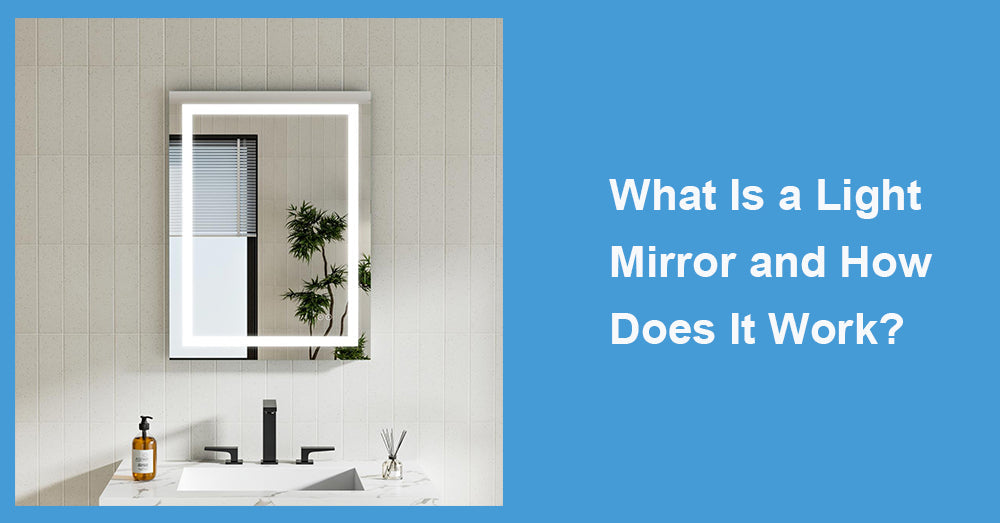
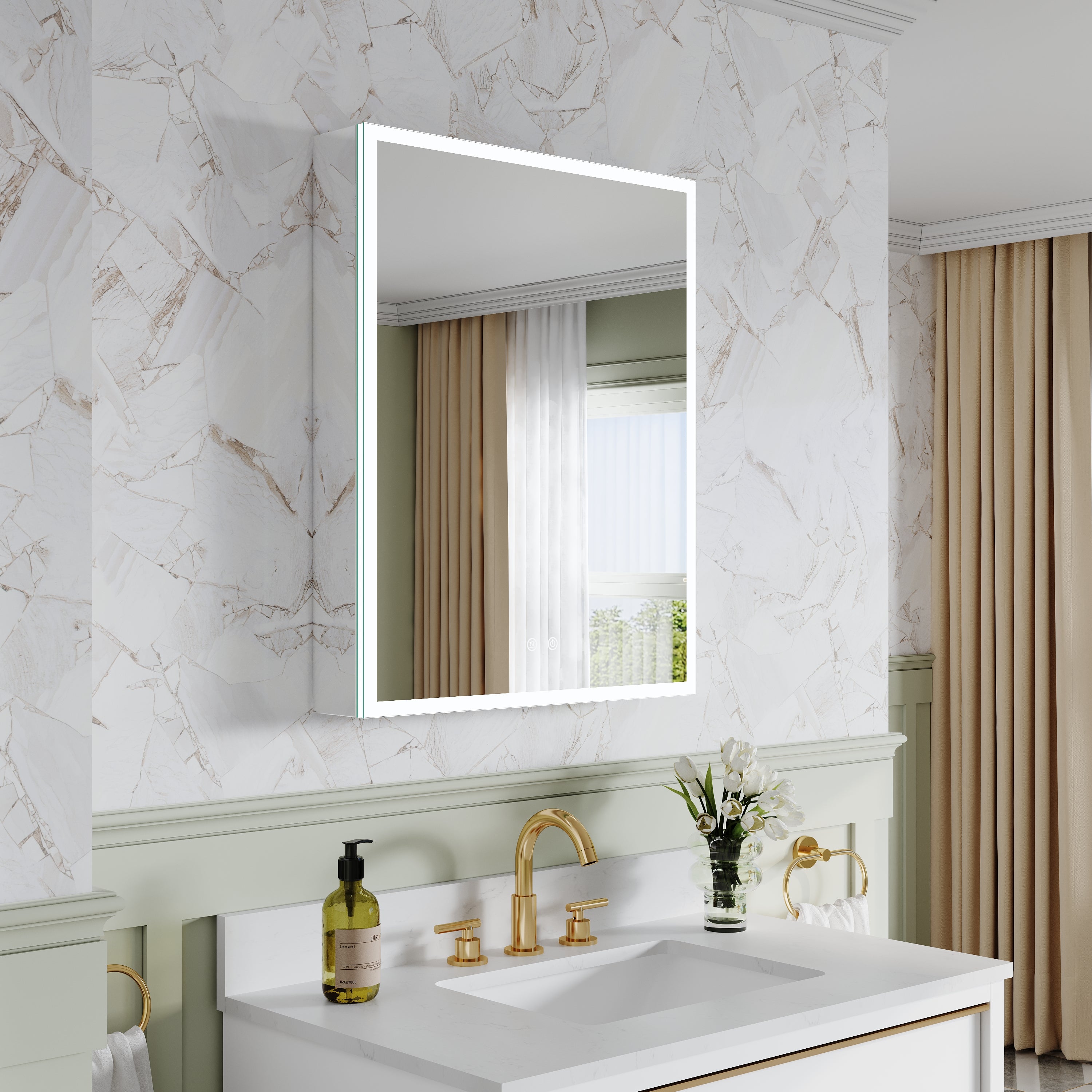
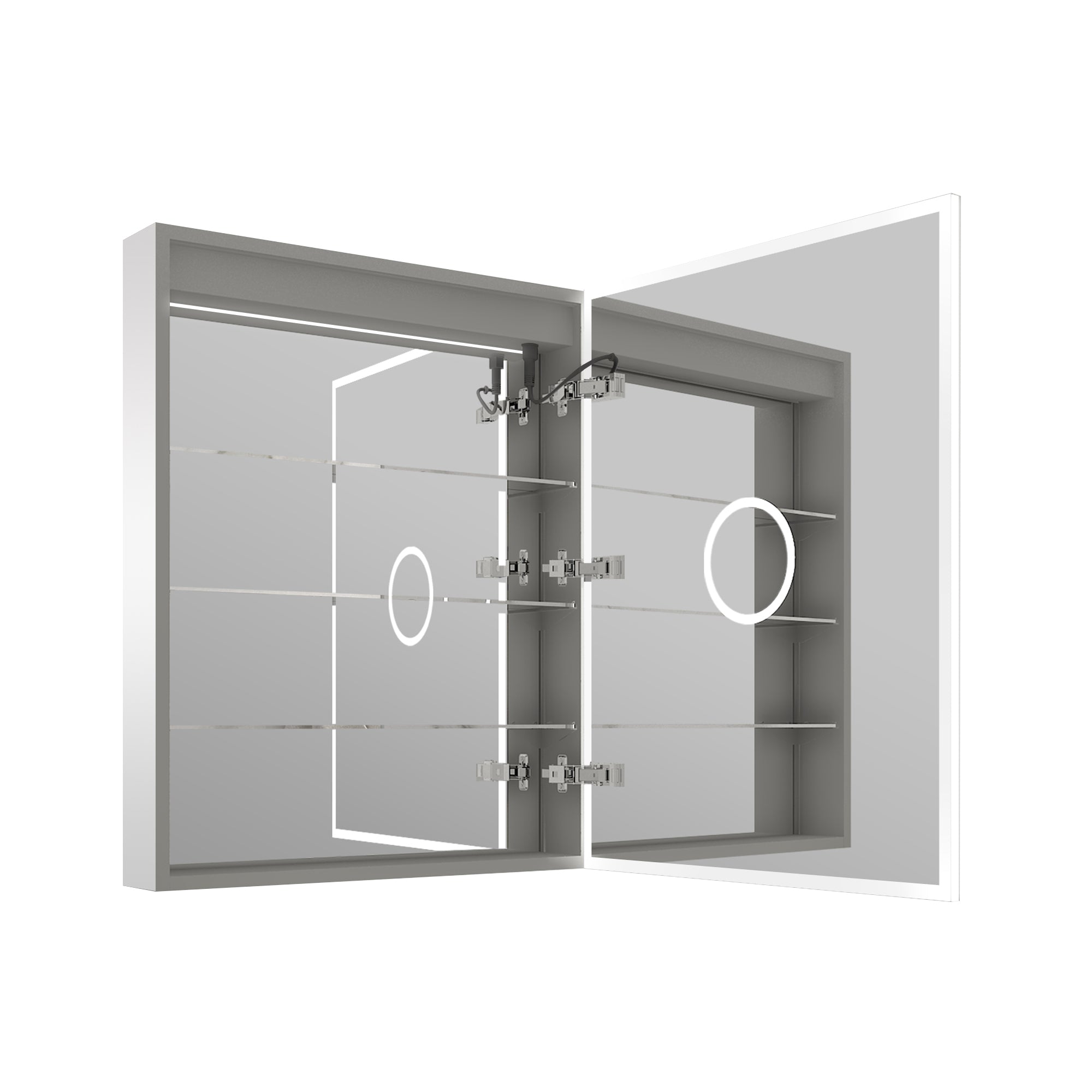
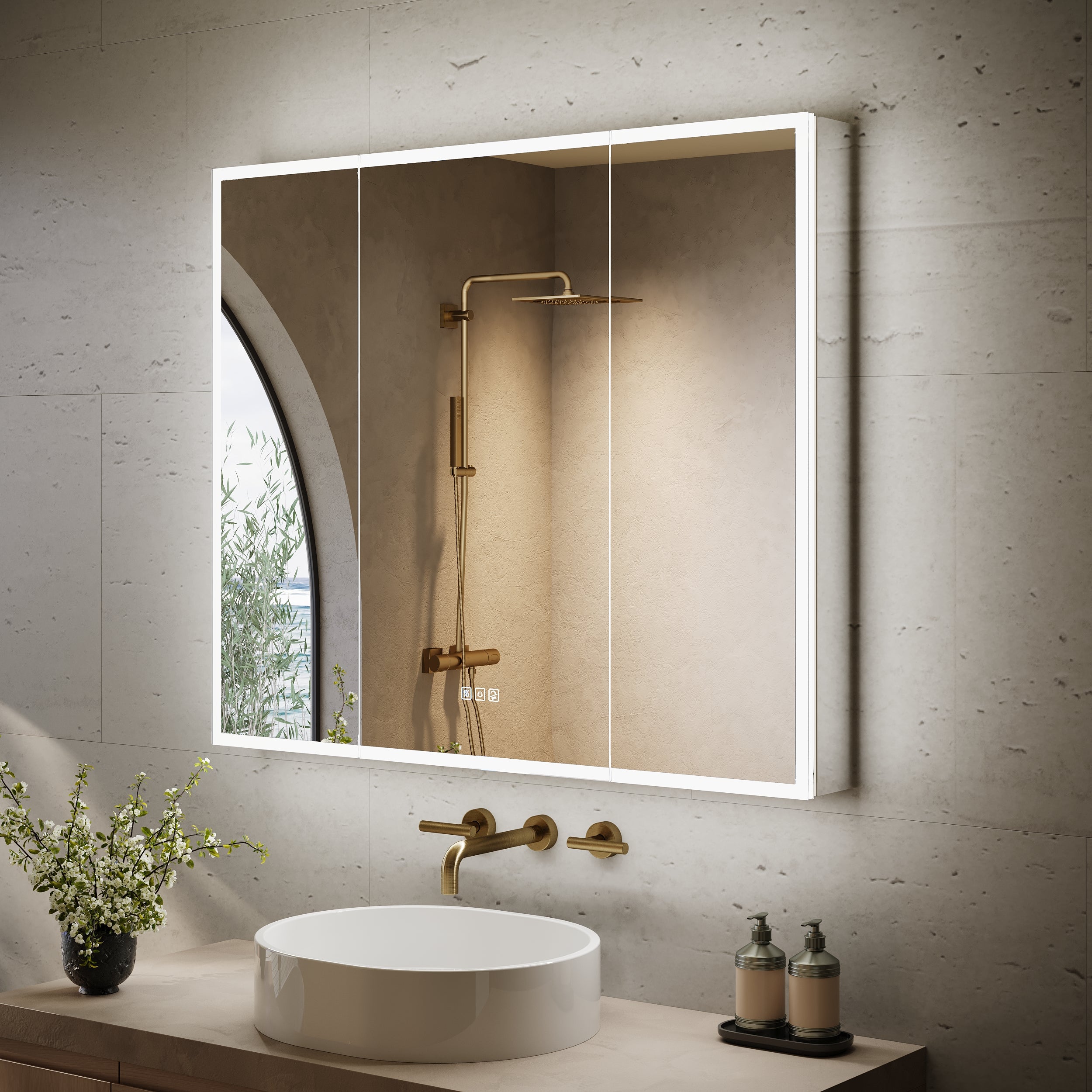
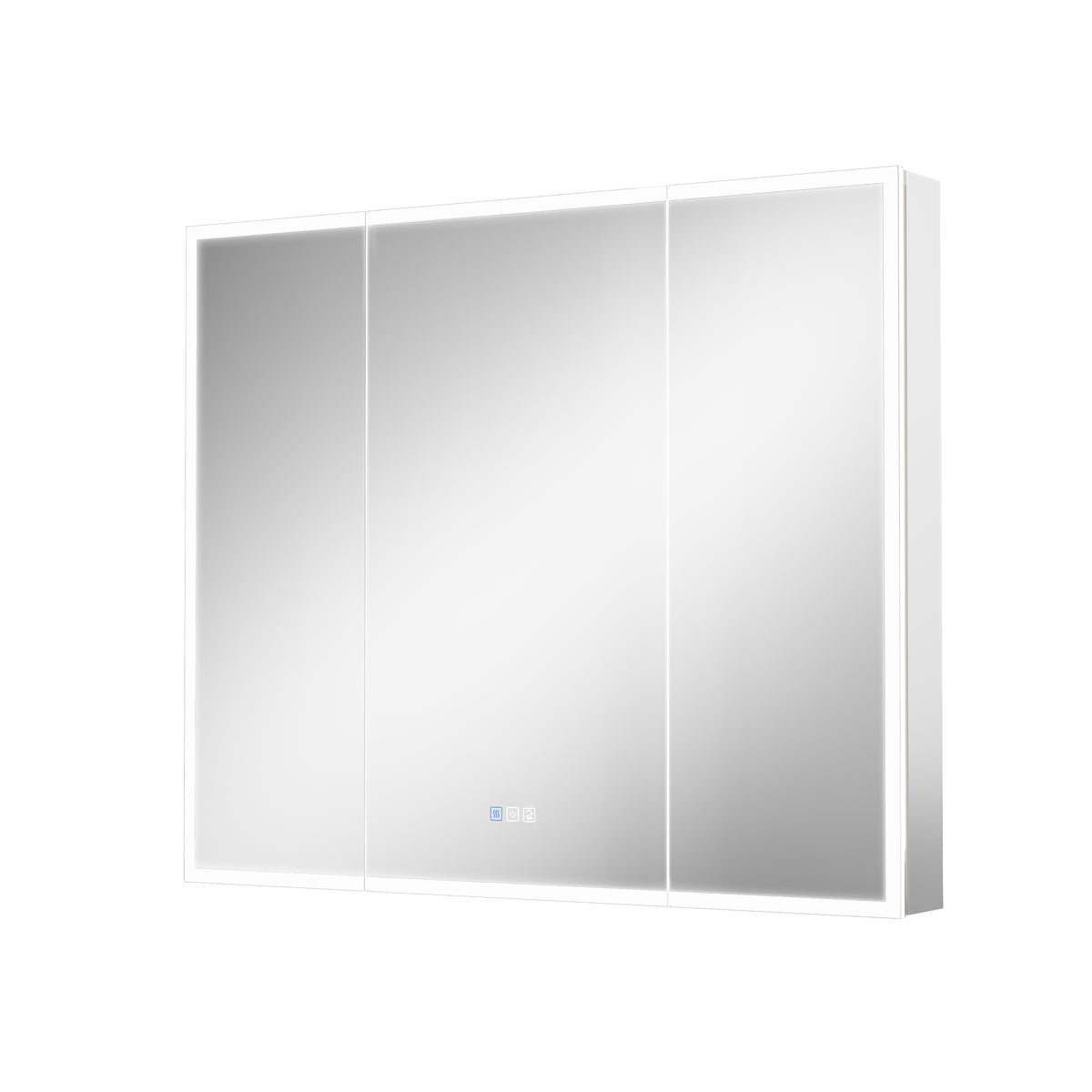
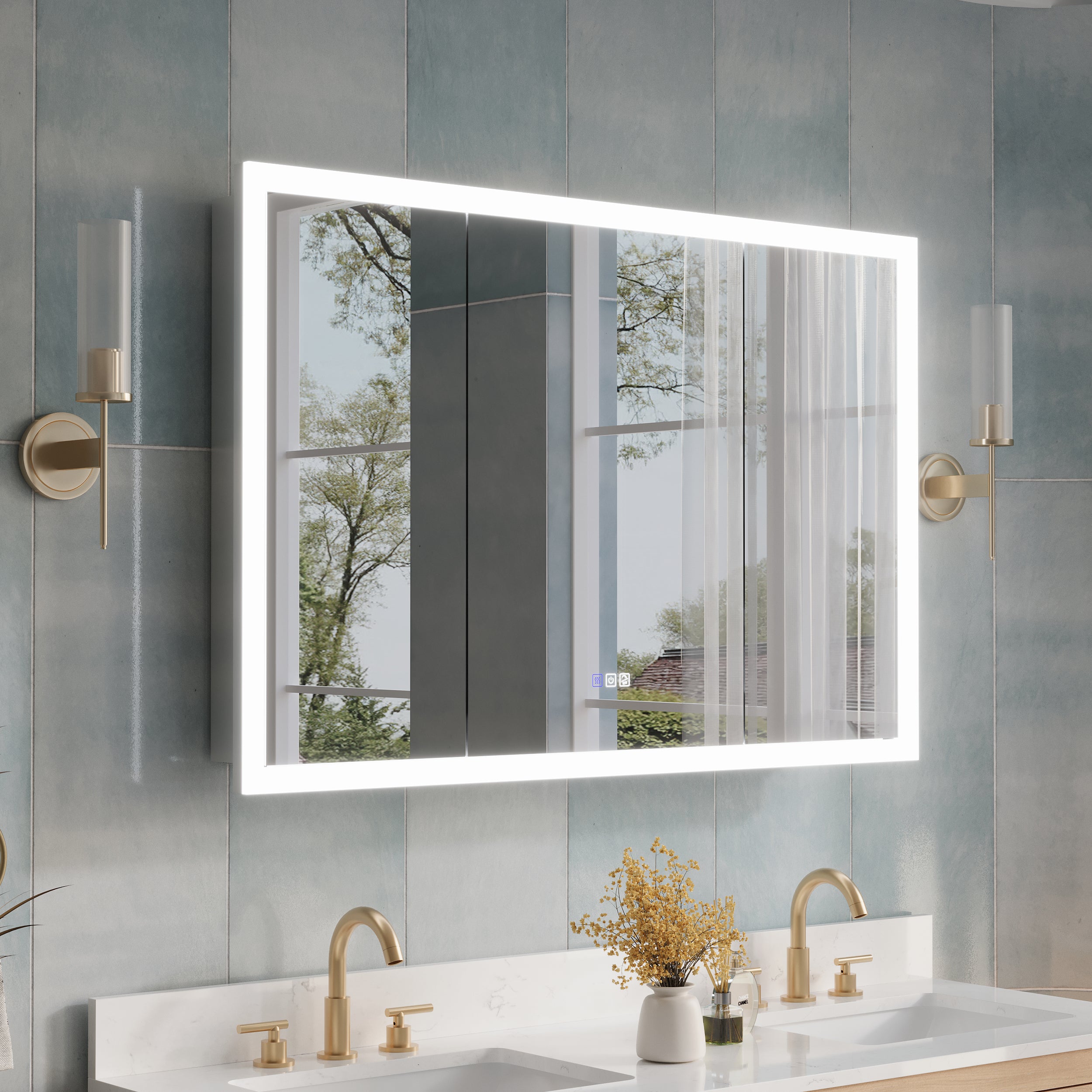
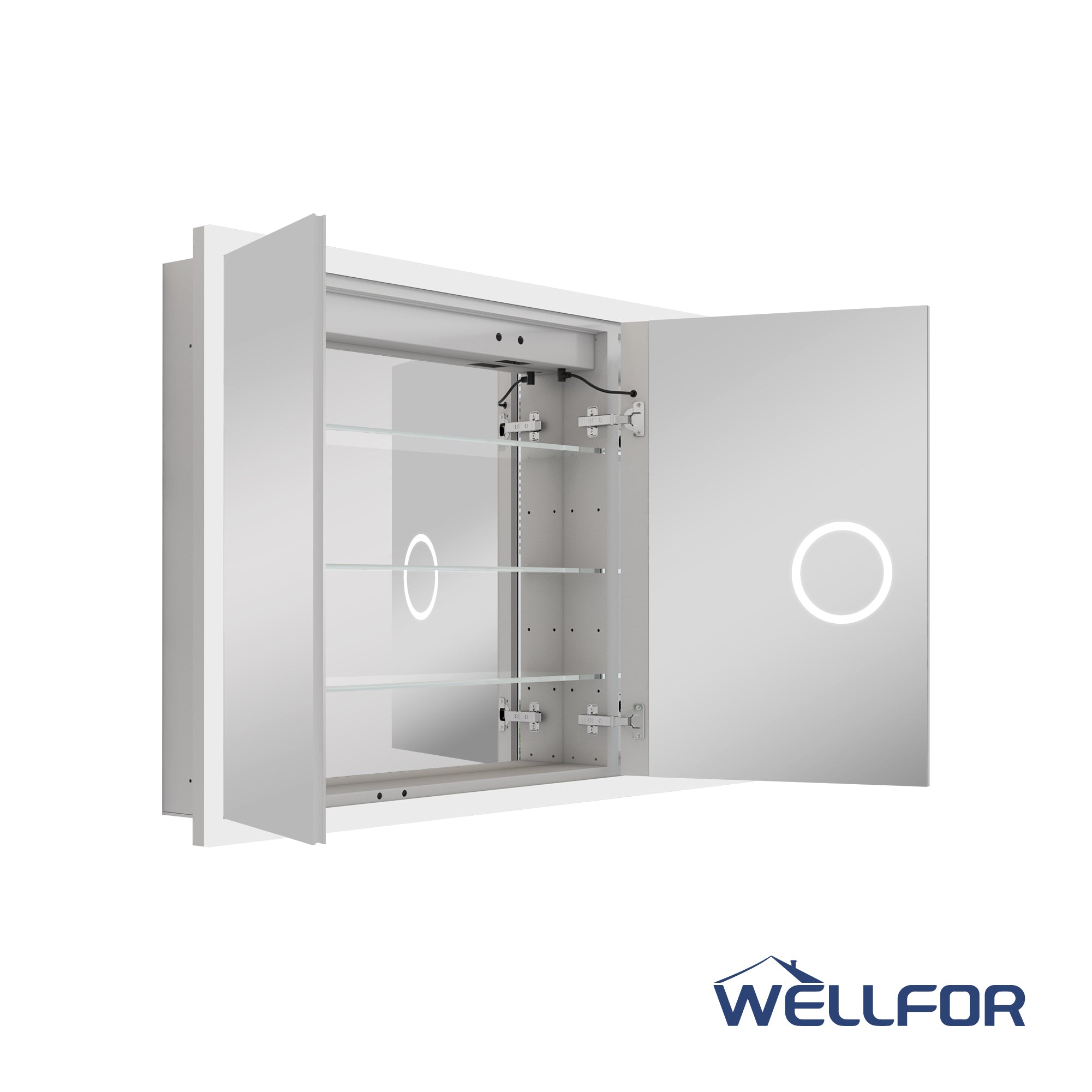
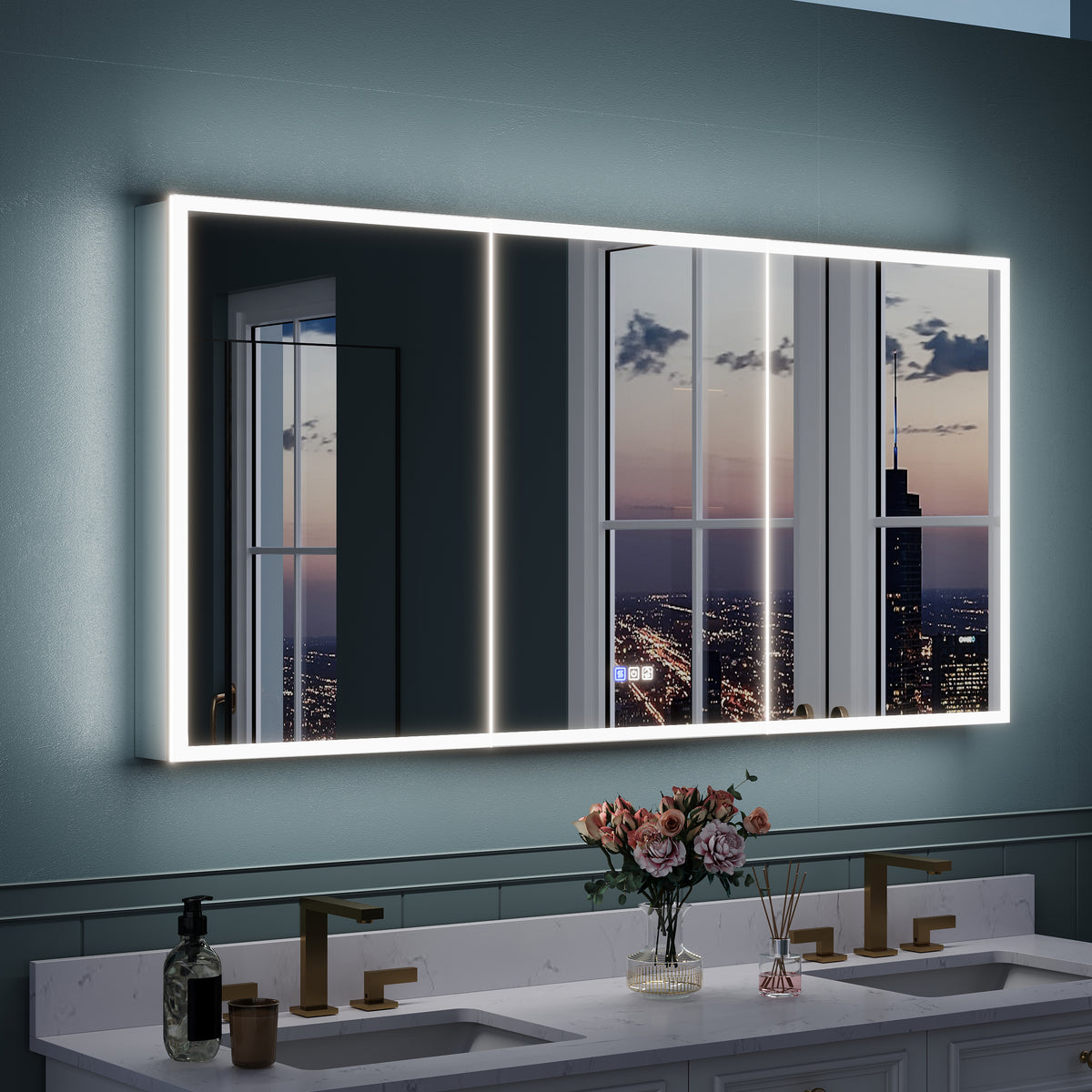
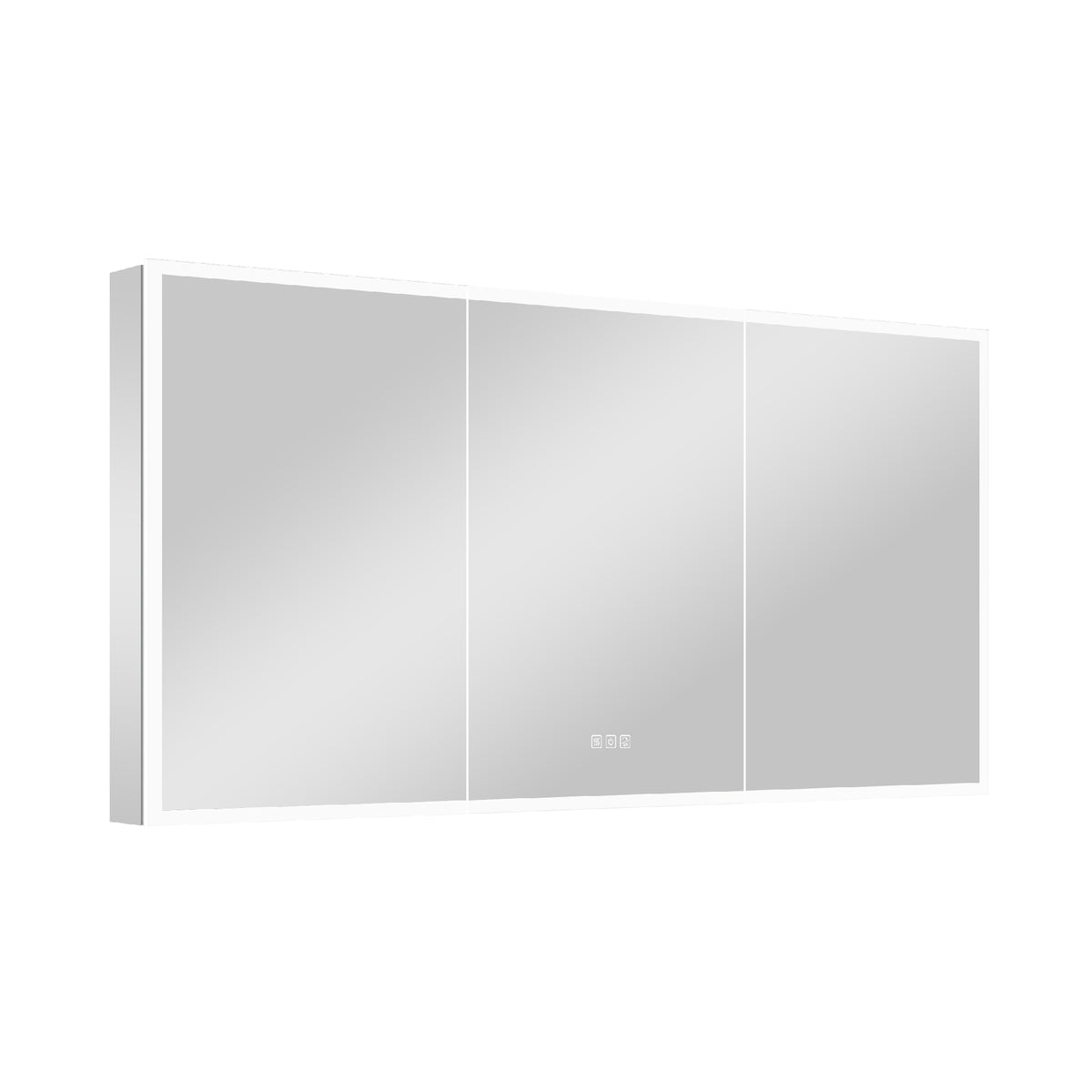
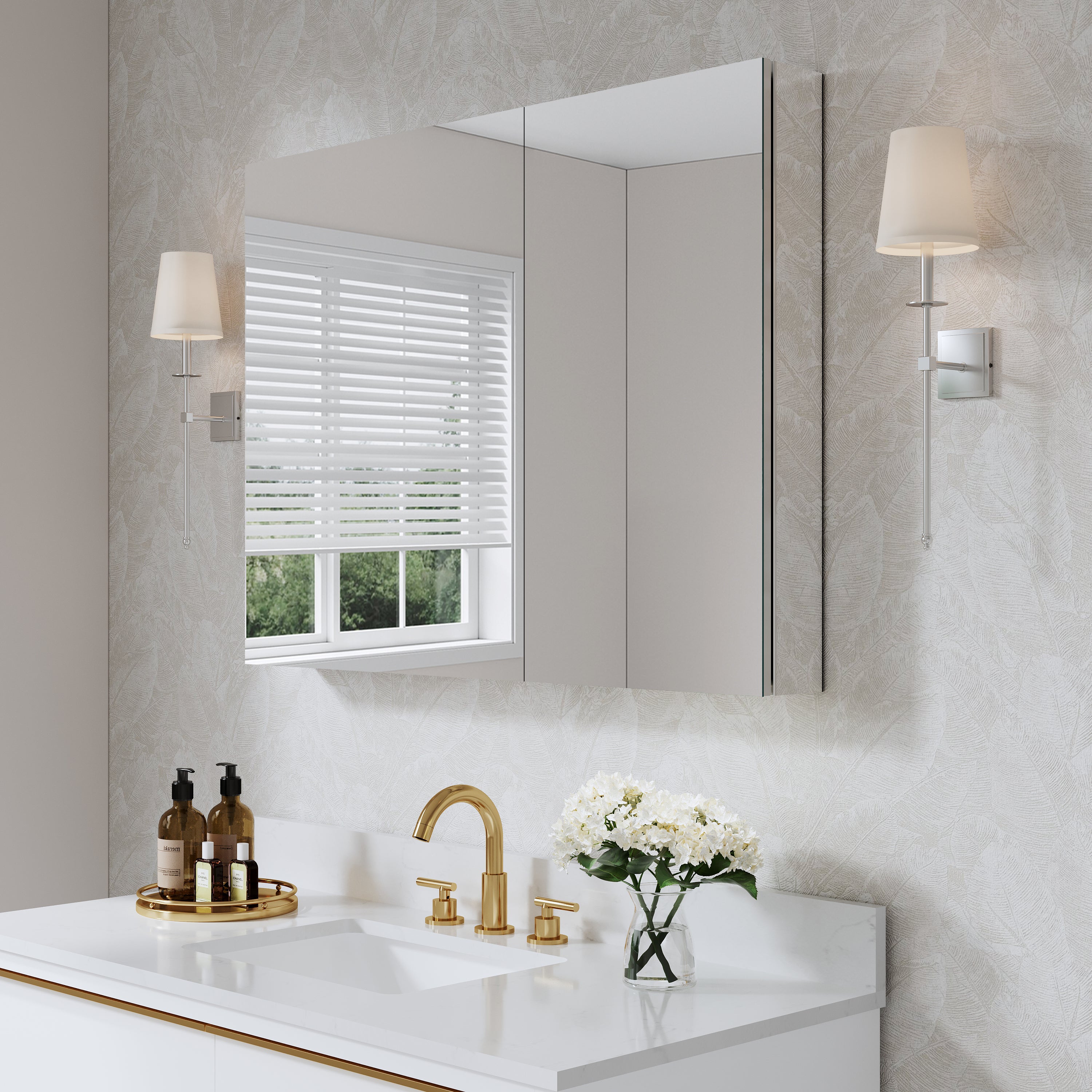
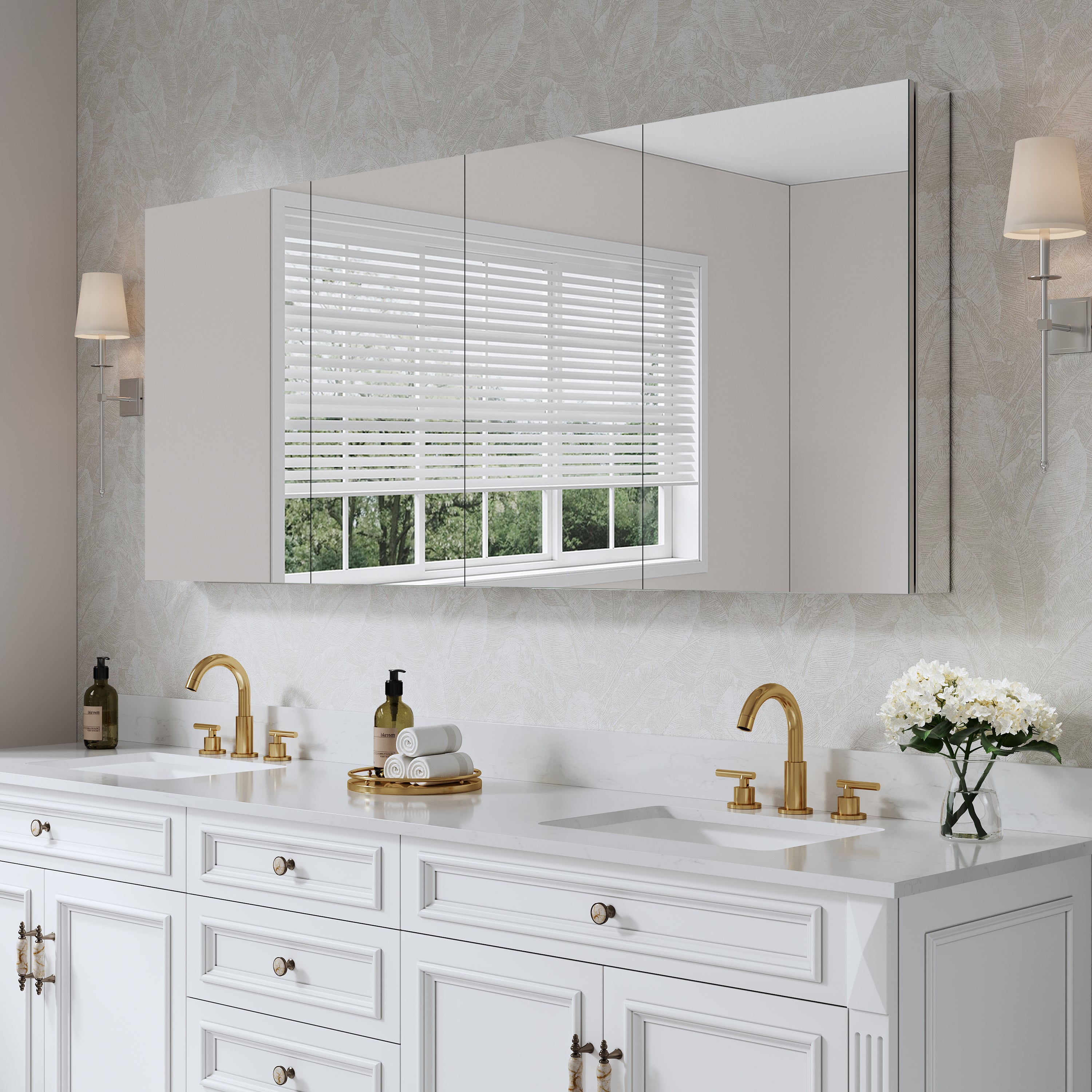
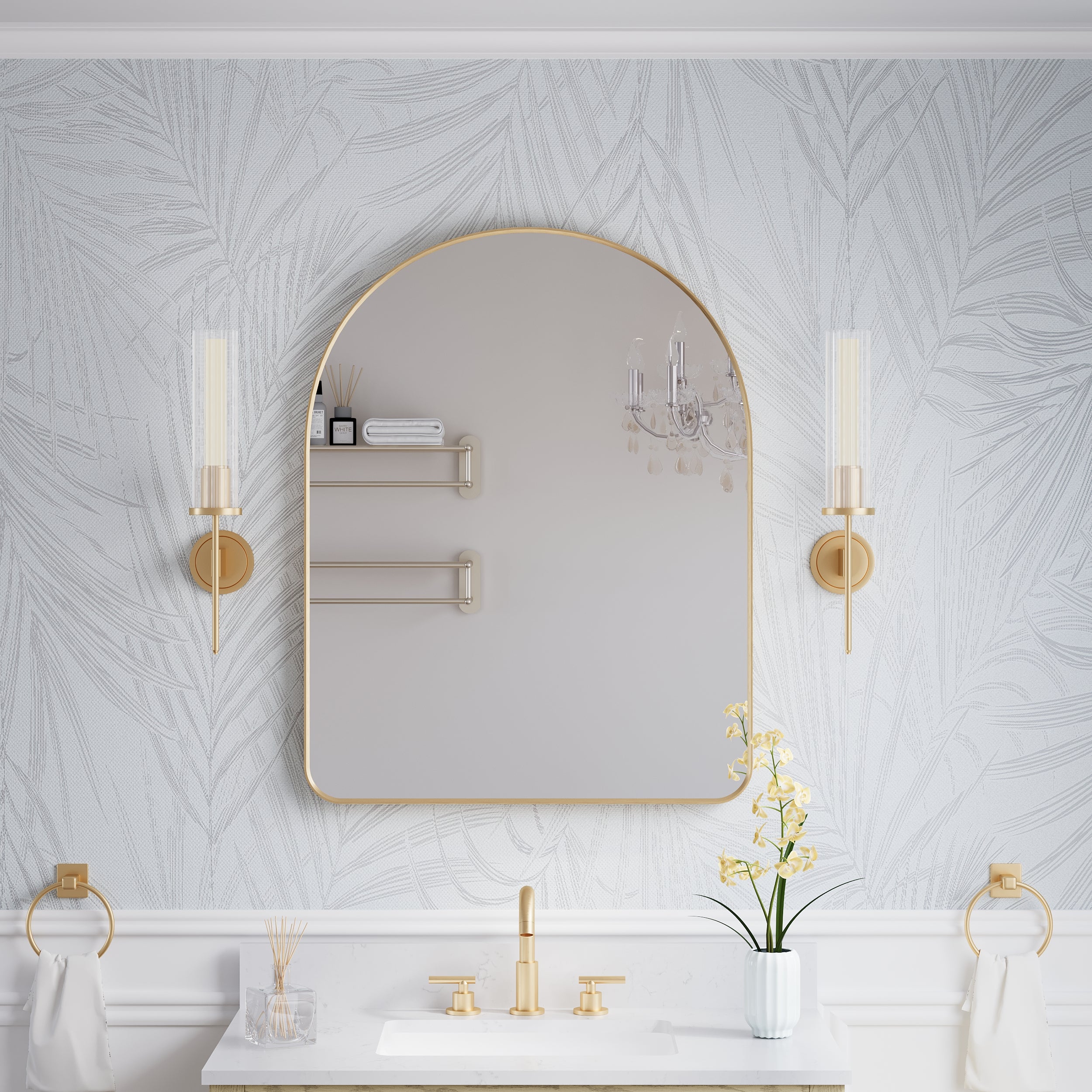
Simply put, a light mirror (often called a lighted or illuminated mirror) is a two-in-one fixture. It’s a mirror and a light source built into a single unit. Instead of hanging a flat piece of glass and mounting separate sconces on the wall, the LED lighting is integrated directly into the mirror’s frame or hidden behind the glass itself. As someone who has wired and installed dozens of these, I can tell you they completely change the game for bathroom design. Here is the unfiltered breakdown of how they work and what you need to know.
The Tech Behind the Glow
So, where does the light actually come from?
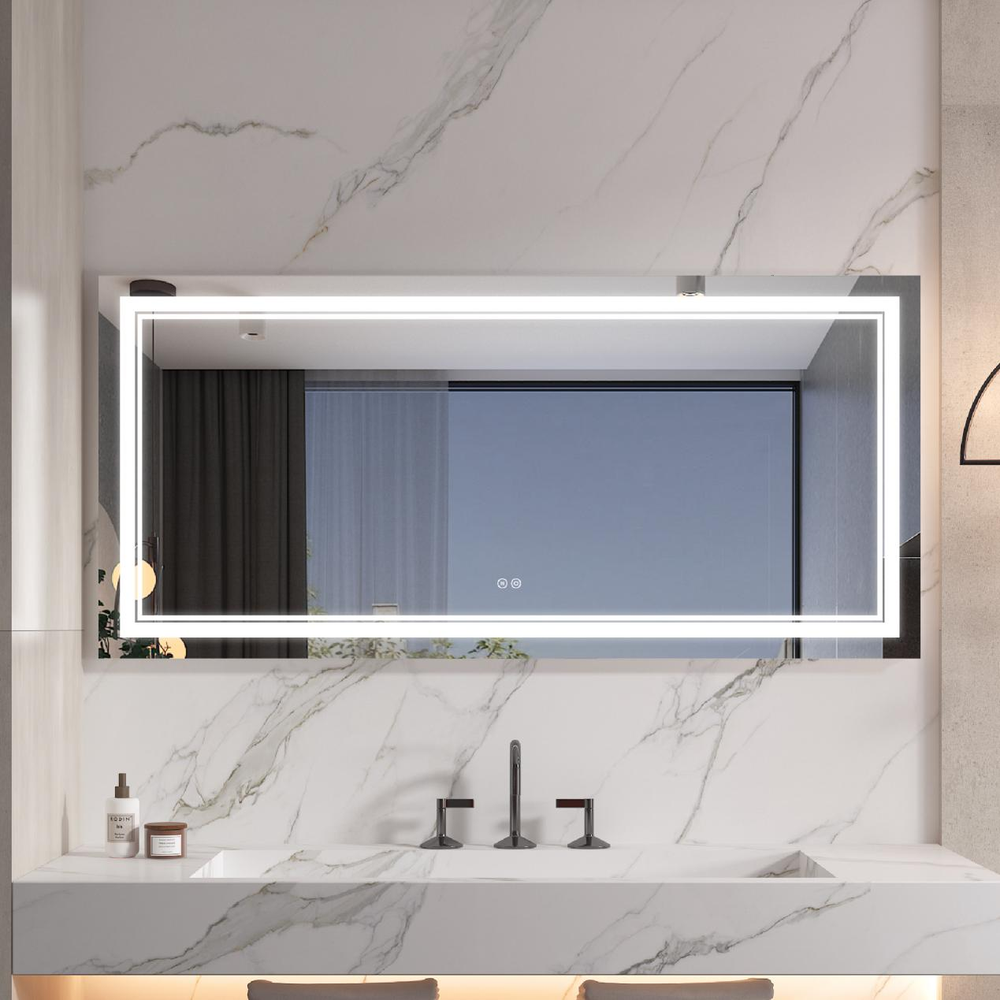
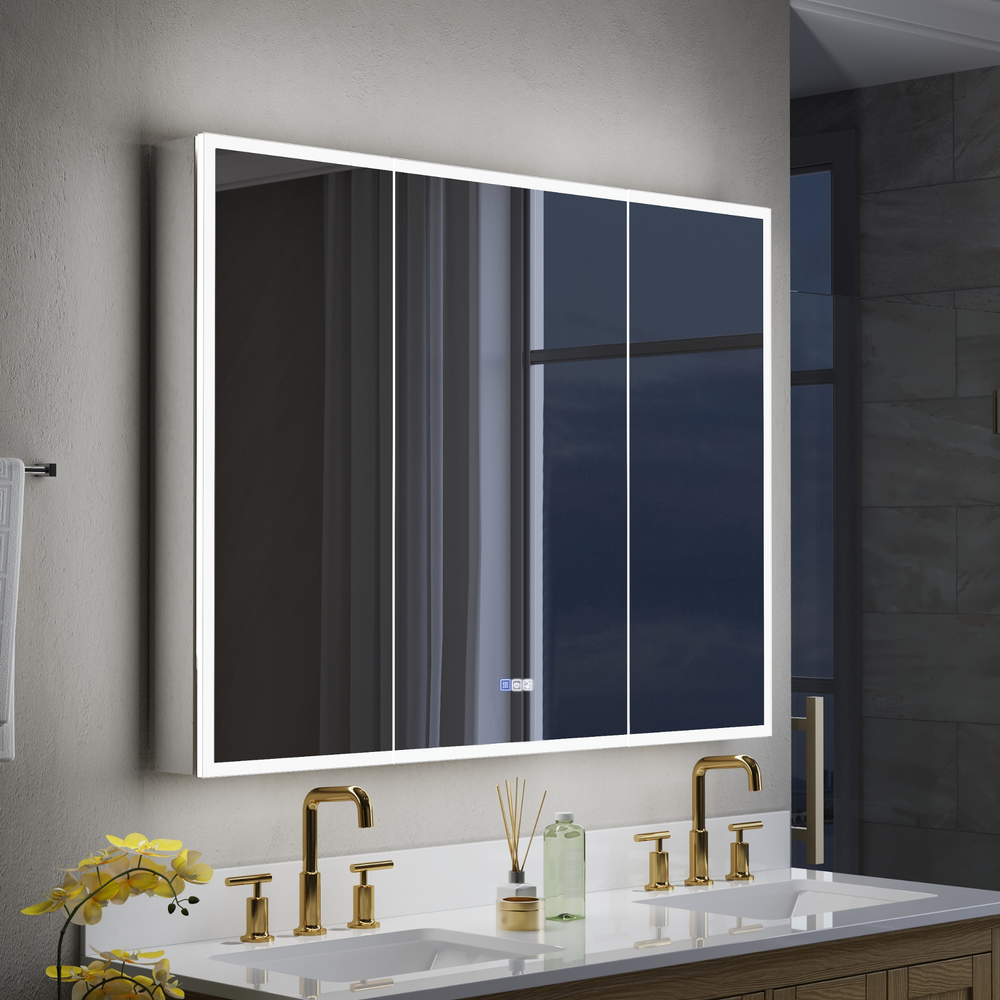
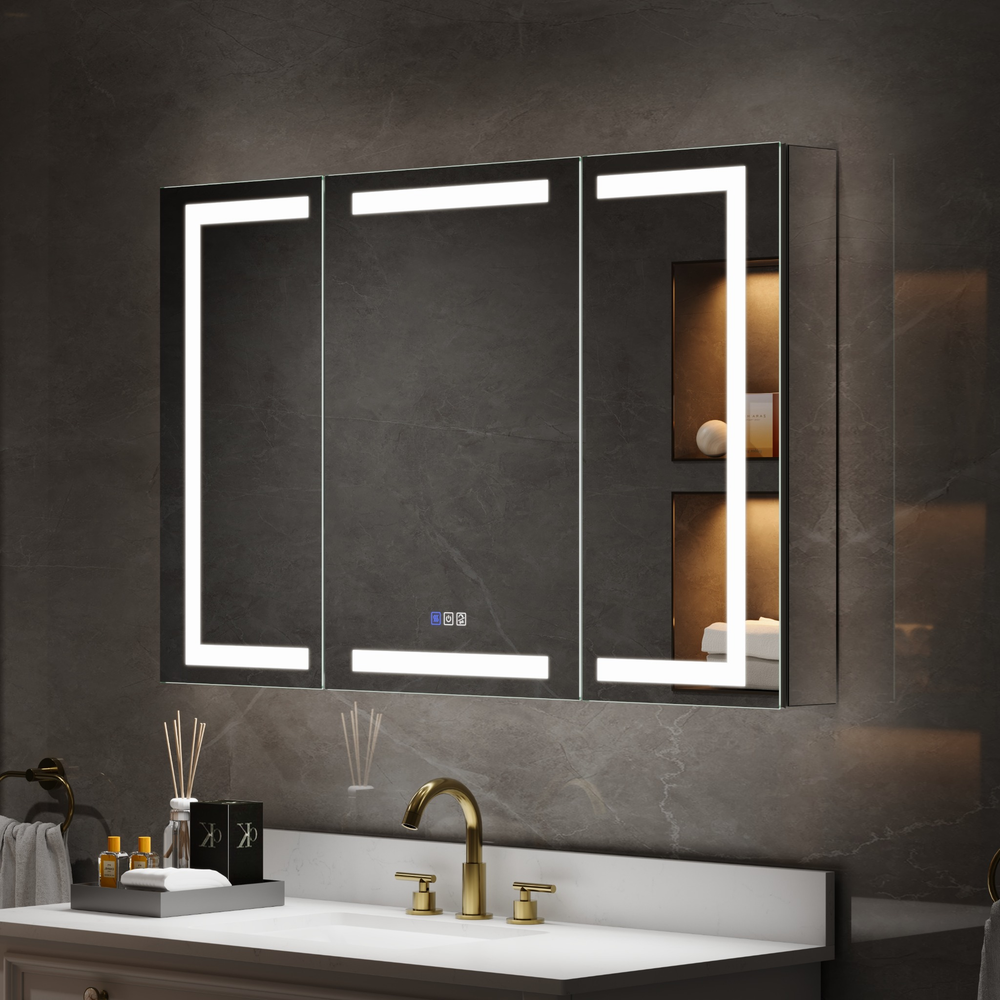
There are a few different designs. The most common is a "front-lit" or "edge-lit" mirror. The manufacturer bonds an LED strip to the back edge of the glass. When turned on, the light shines through a frosted diffuser strip built into the frame. It gives you a beautiful, even glow right across your face without blinding you.
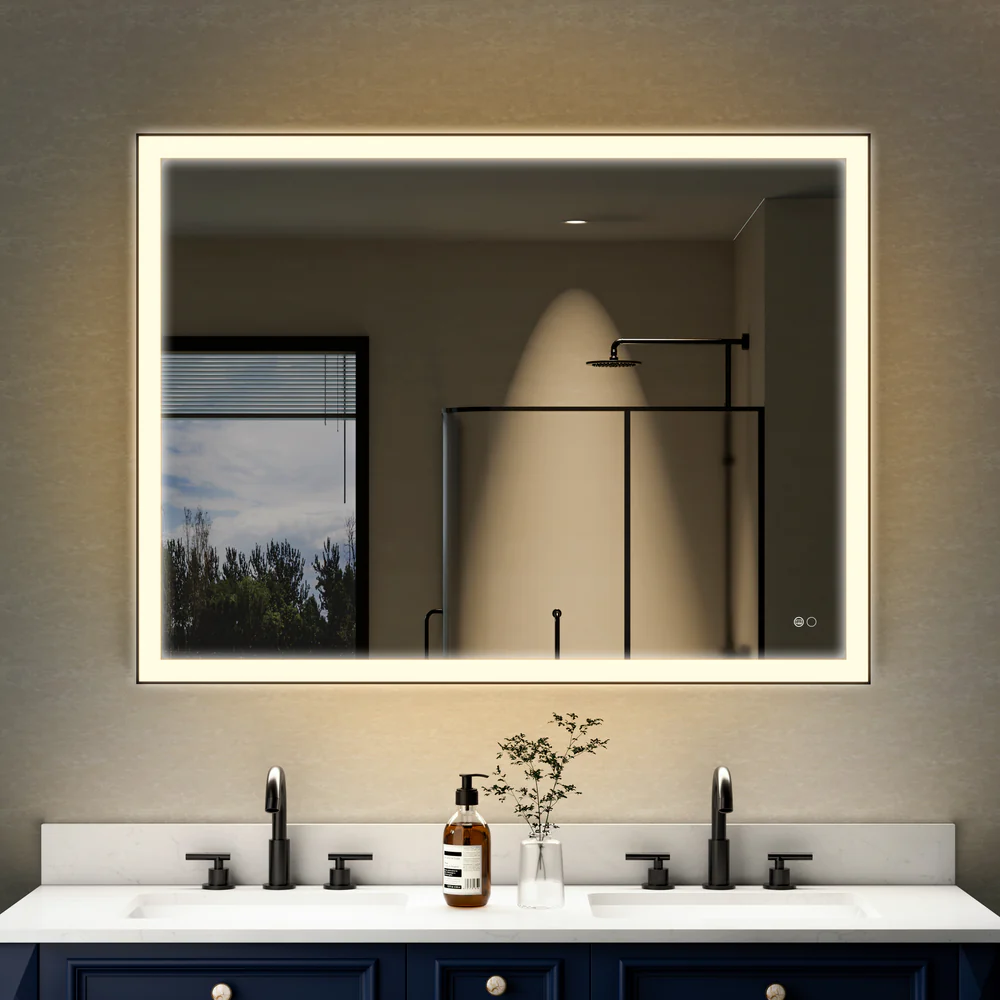
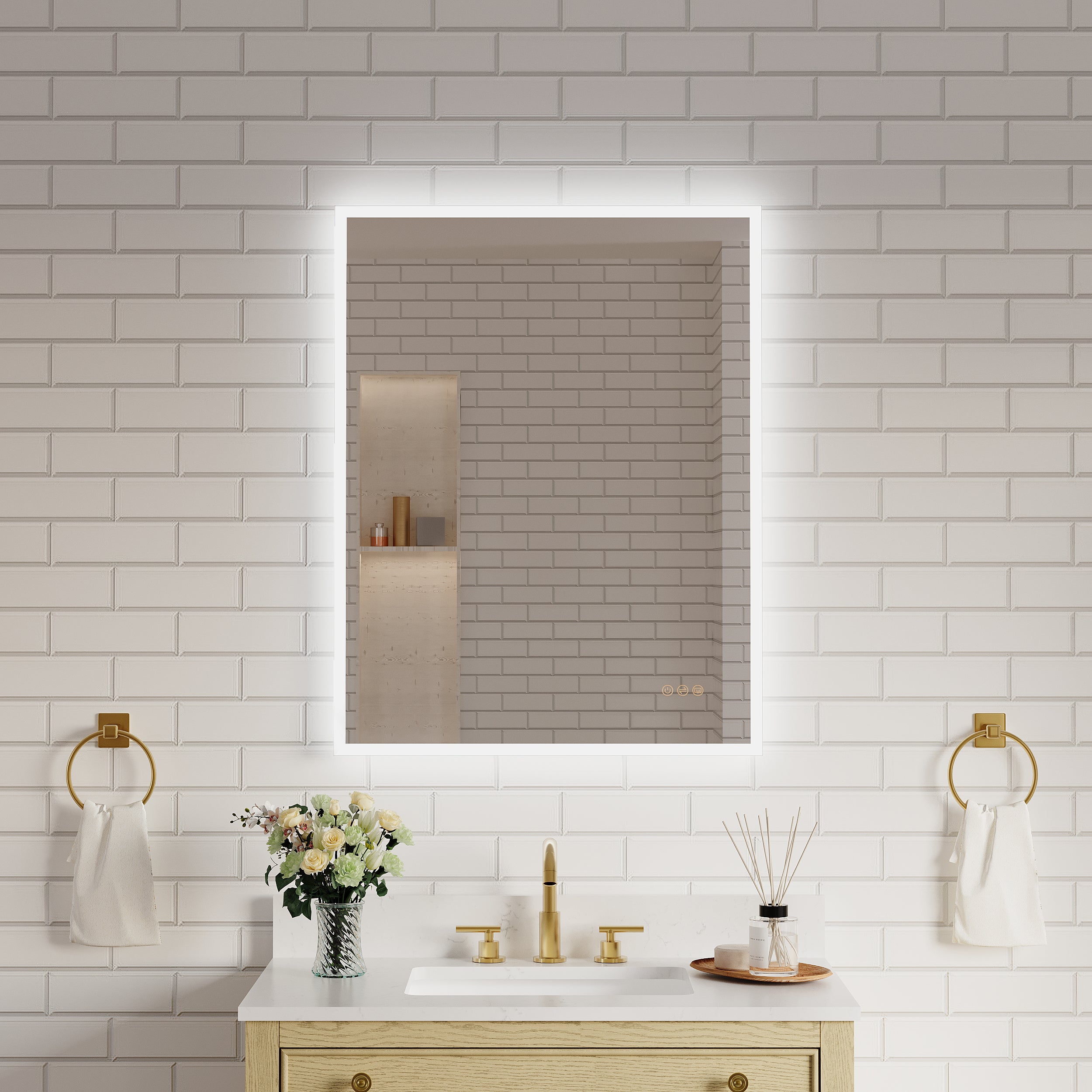
Then you have "backlit" mirrors. With these, the LED strips are mounted on the back of the mirror, facing the wall. This creates a stunning "halo" effect. The light bounces off the wall and reflects back into the room. It looks incredibly high-end and makes the mirror appear to float. However, keep in mind that a backlit mirror provides more ambient light than direct task lighting. If you need to shave or put on makeup, a front-lit or edge-lit mirror is usually more practical.
The Magic of Anti-Fog Technology
Here is the biggest game-changer for daily comfort: anti-fog technology.
We’ve all been there—you step out of a hot, steamy shower, and the mirror is completely useless. You have to blindly wipe it with a towel, which just smears the condensation around. Most high-quality light mirrors feature a built-in heating element. This is a thin, transparent heating film applied to the back of the glass. When you turn the mirror on, the film heats up just enough to keep the glass slightly warmer than the ambient dew point. (Source: Kohler)
Because the glass stays warm, condensation can't form. You step out of the shower, and the mirror is perfectly clear. Trust me, once you have this, you can never go back.
Critical Specs You Must Check Before Buying
Not all light mirrors are created equal. If you buy a cheap one on Amazon without checking the specs, you might end up with a mirror that makes your face look green or one that dies in six months. Here is what you need to look for:
Color Temperature: This is measured in Kelvin (K). You want a light that offers a temperature between 3000K and 5000K. 3000K is a warm, cozy light, while 5000K is a crisp, bright daylight. Many high-end models allow you to adjust this, which is awesome for transitioning from a relaxing bath to a precise morning shave.
CRI (Color Rendering Index): Look for a CRI of 90 or higher. This means the light shows the true colors of your skin and makeup. A cheap mirror with a low CRI will make you look washed out or sickly.
IP Rating: Because it’s in a wet bathroom, you need a mirror with an IP44 or higher rating. This ensures the internal electrical components are protected from splashes and steam.
The Electrical Reality Check
Here is where things get tricky for DIYers.
Unlike a standard mirror that just hangs on a nail, a light mirror requires electricity. If you are replacing an old, standard mirror, you likely don't have a power source behind it. You will need to hire a licensed electrician to run a new wire, add a switch, or install a GFCI outlet nearby. This will significantly add to your project's cost. I always tell my clients to plan their electrical layout before they even buy the mirror.
Also, according to the National Electrical Code (NEC), any outlets or wiring in a bathroom must be protected by a Ground-Fault Circuit Interrupter (GFCI). (Source: National Fire Protection Association) This is a non-negotiable safety requirement.
Sizing and Placement

Even with a light mirror, sizing is critical.
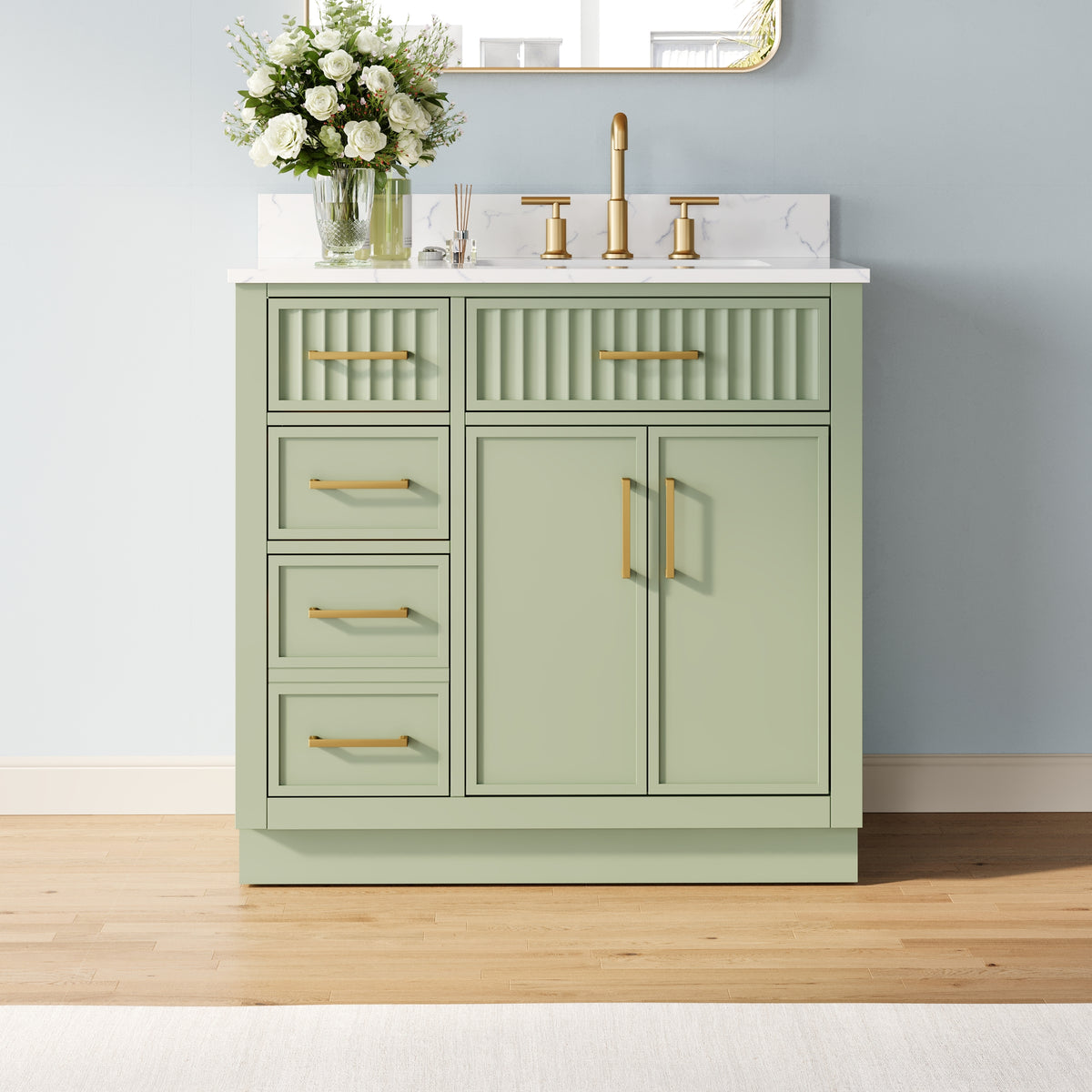
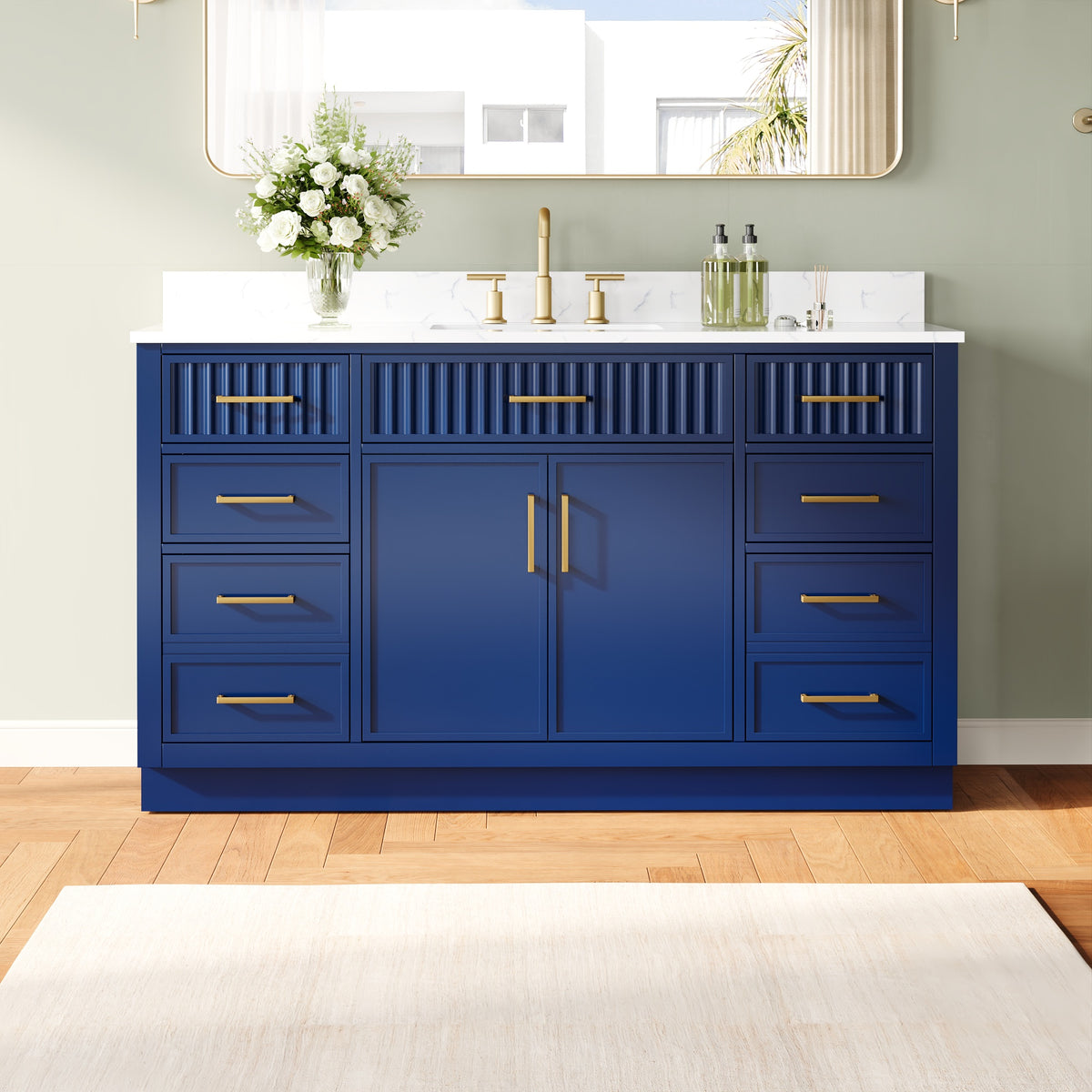
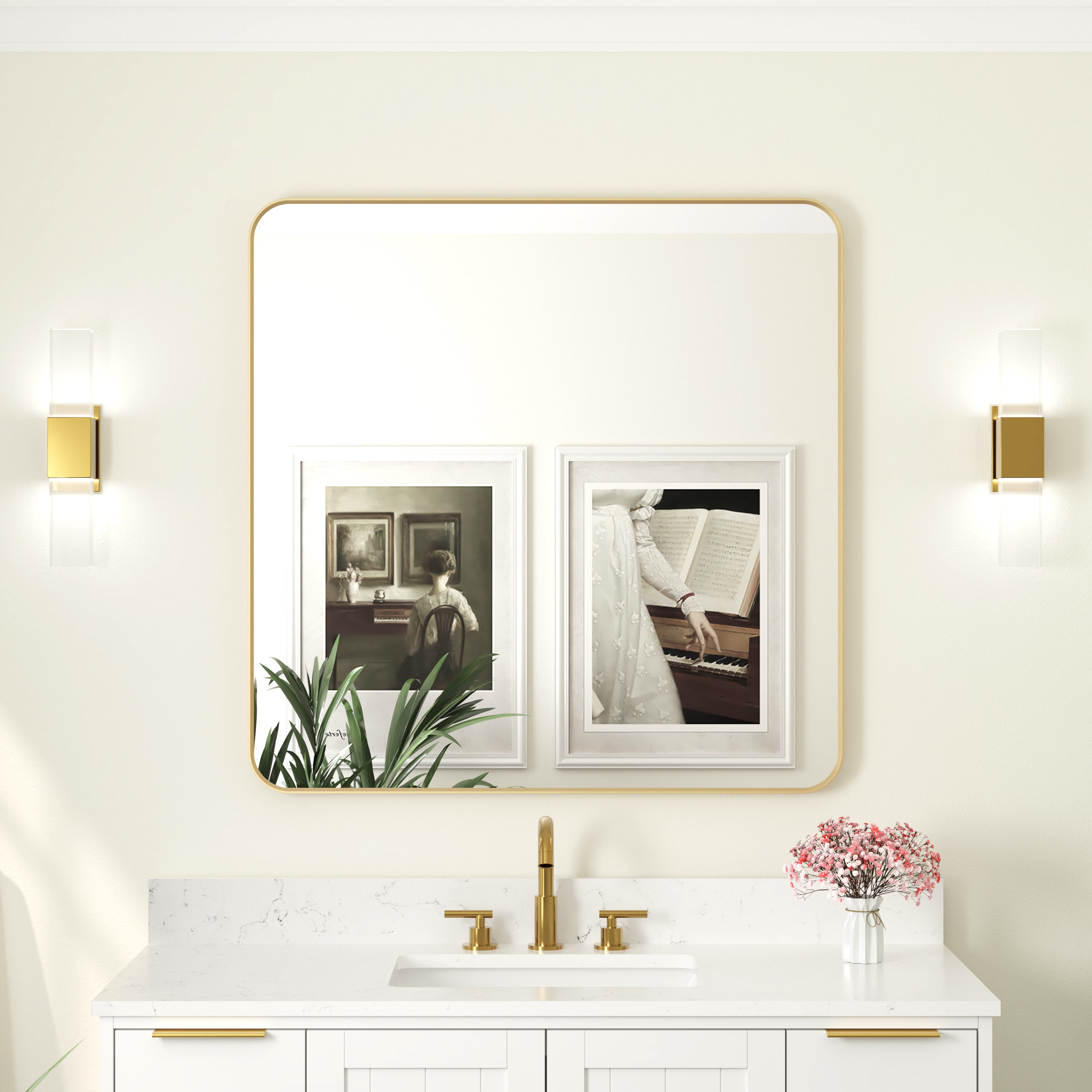
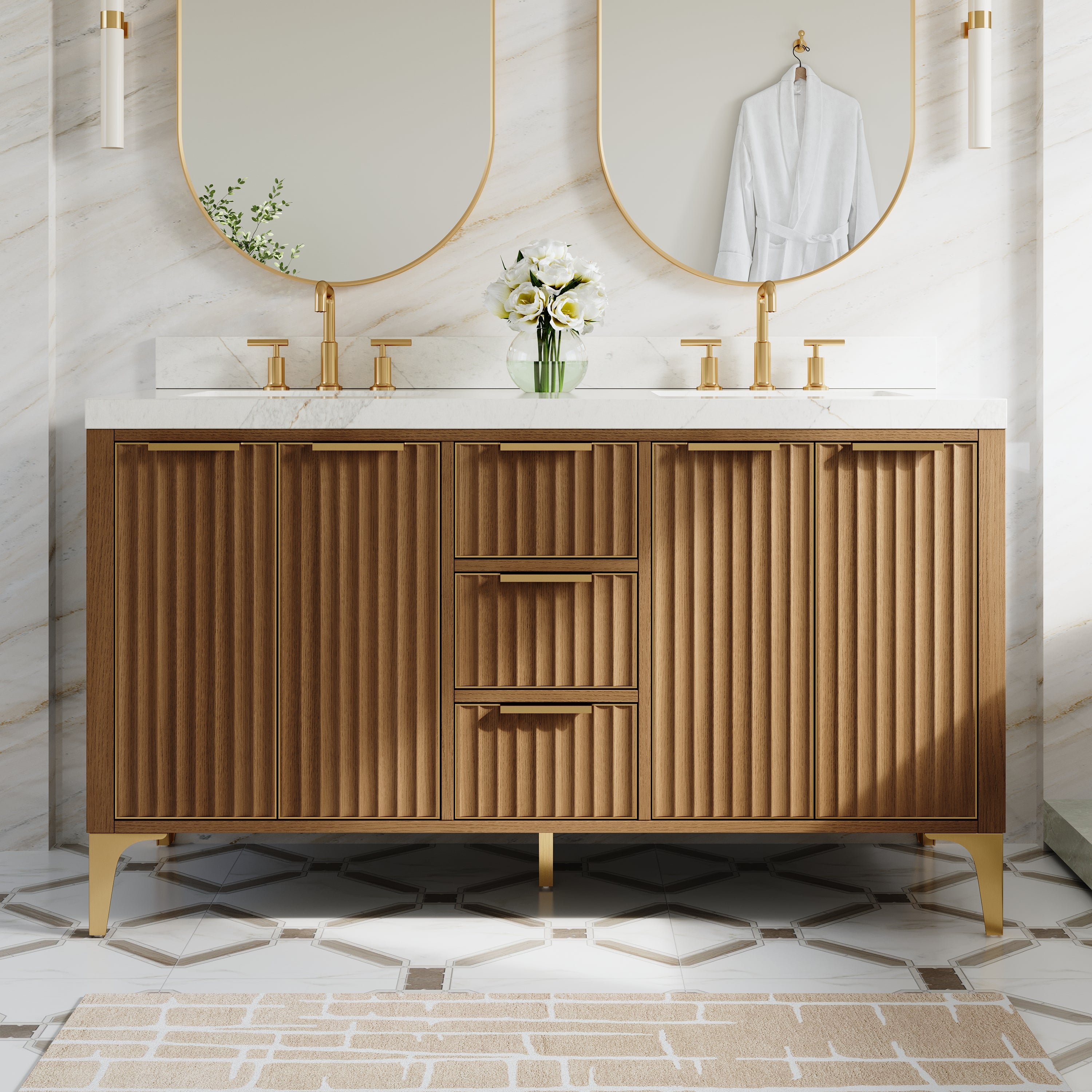
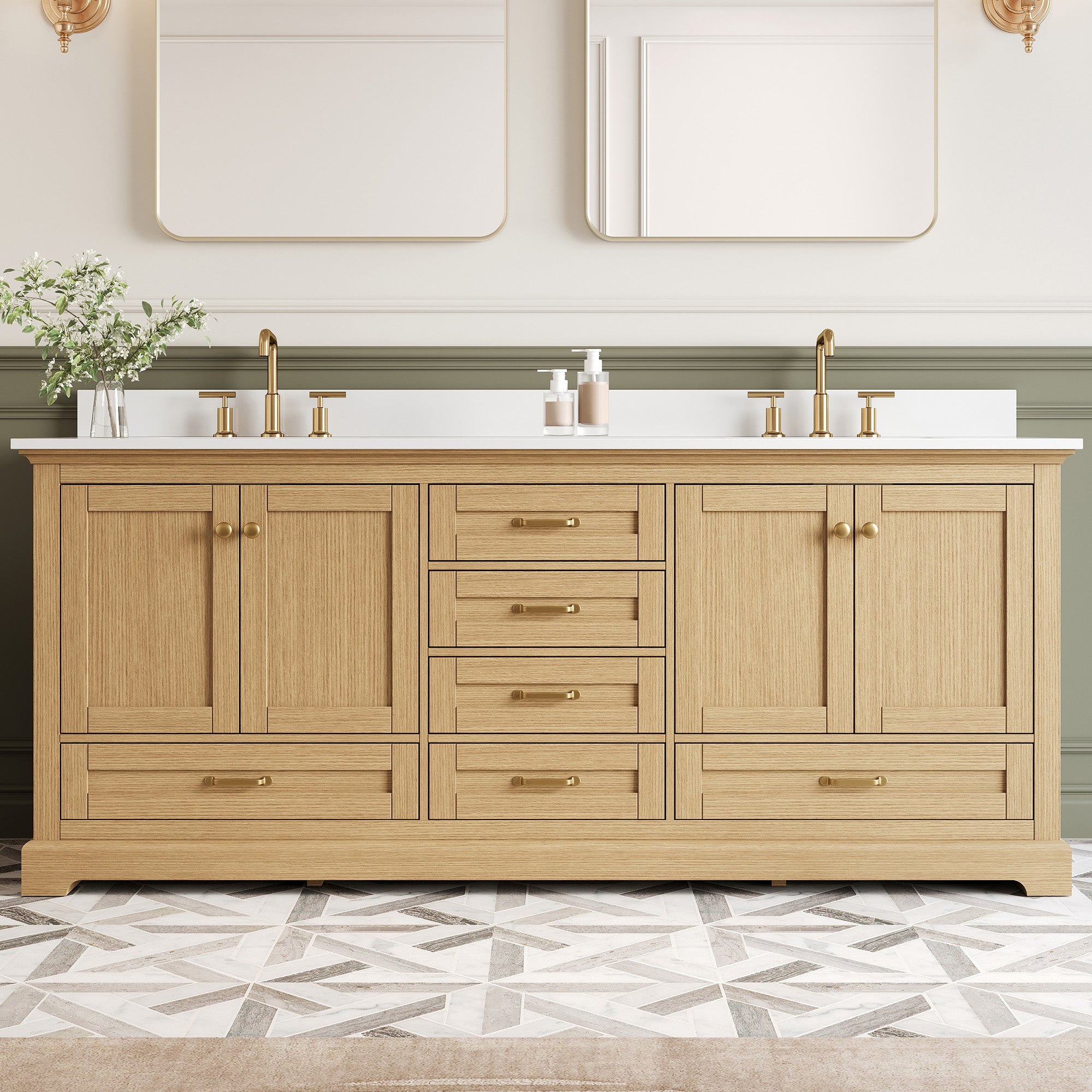
A good rule of thumb is that the mirror should be slightly narrower than your vanity. For a standard 36-inch vanity, a 24 to 30-inch wide mirror works beautifully. (Source: Houzz) Mounting height matters too. The center of the mirror should typically sit around 60 to 65 inches from the floor. (Source: Lowe's)
If you are installing a backlit mirror, remember that the light will cast a glow onto the wall behind it. Make sure your wall is painted smoothly and isn't covered in heavily textured tile, as the texture will cast weird shadows.
The Final Verdict
If you want a modern, spa-like bathroom that feels bigger and brighter, a light mirror is a fantastic upgrade. It simplifies your wall design, provides perfect task lighting, and keeps your vision clear with anti-fog tech. Just plan your electrical wiring early, check the CRI, and enjoy the glow.















Leave a comment
This site is protected by hCaptcha and the hCaptcha Privacy Policy and Terms of Service apply.