
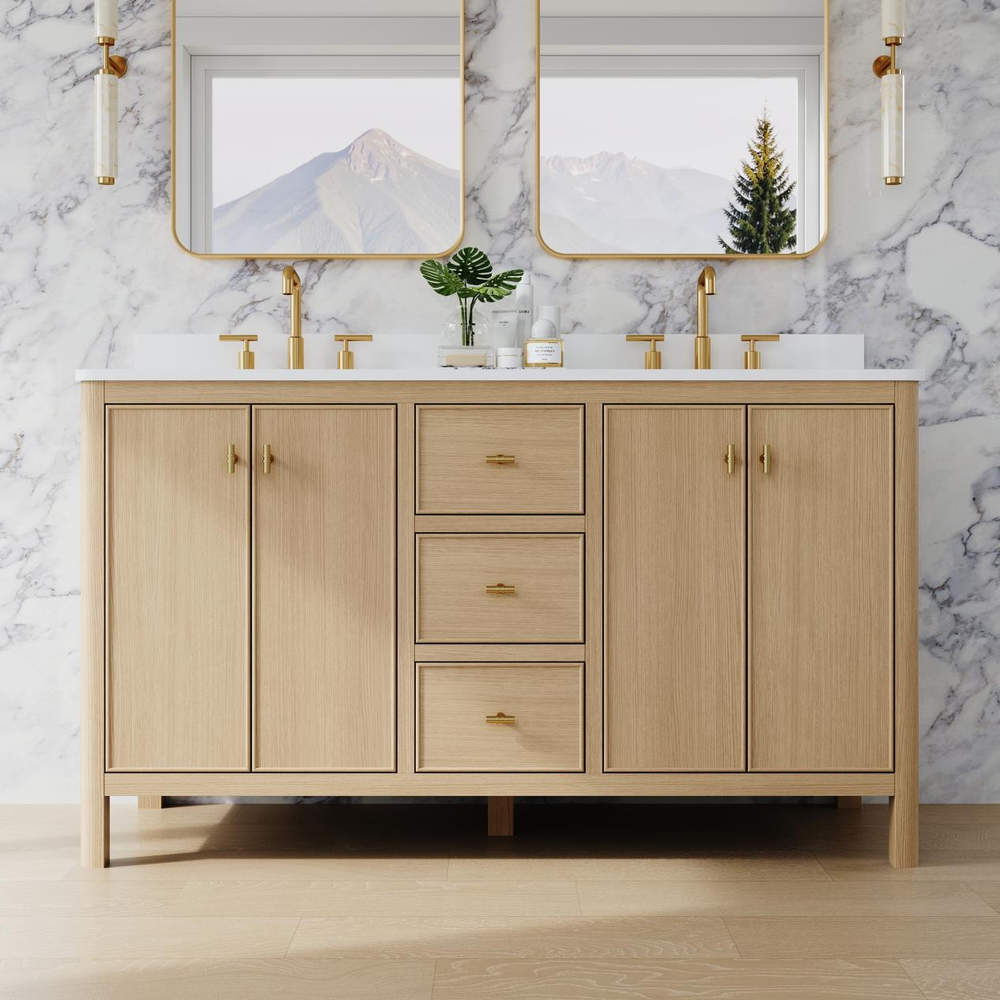
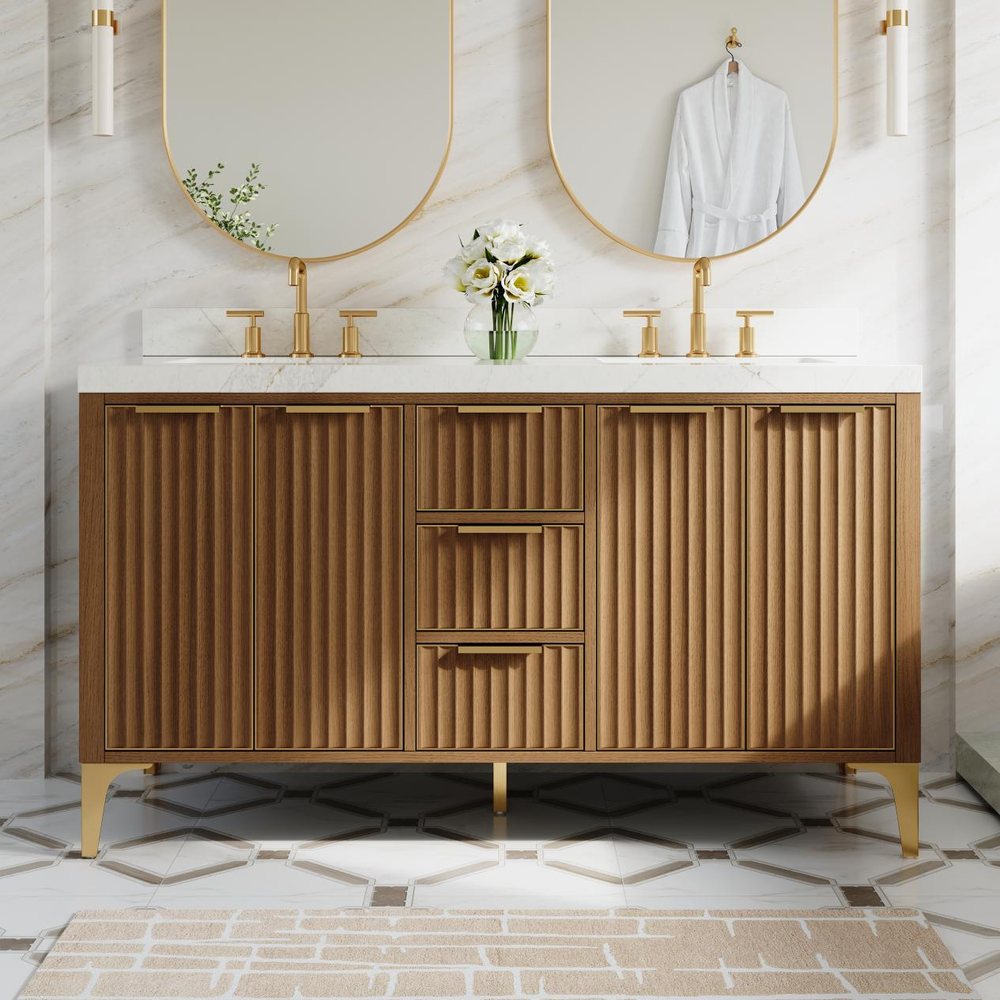
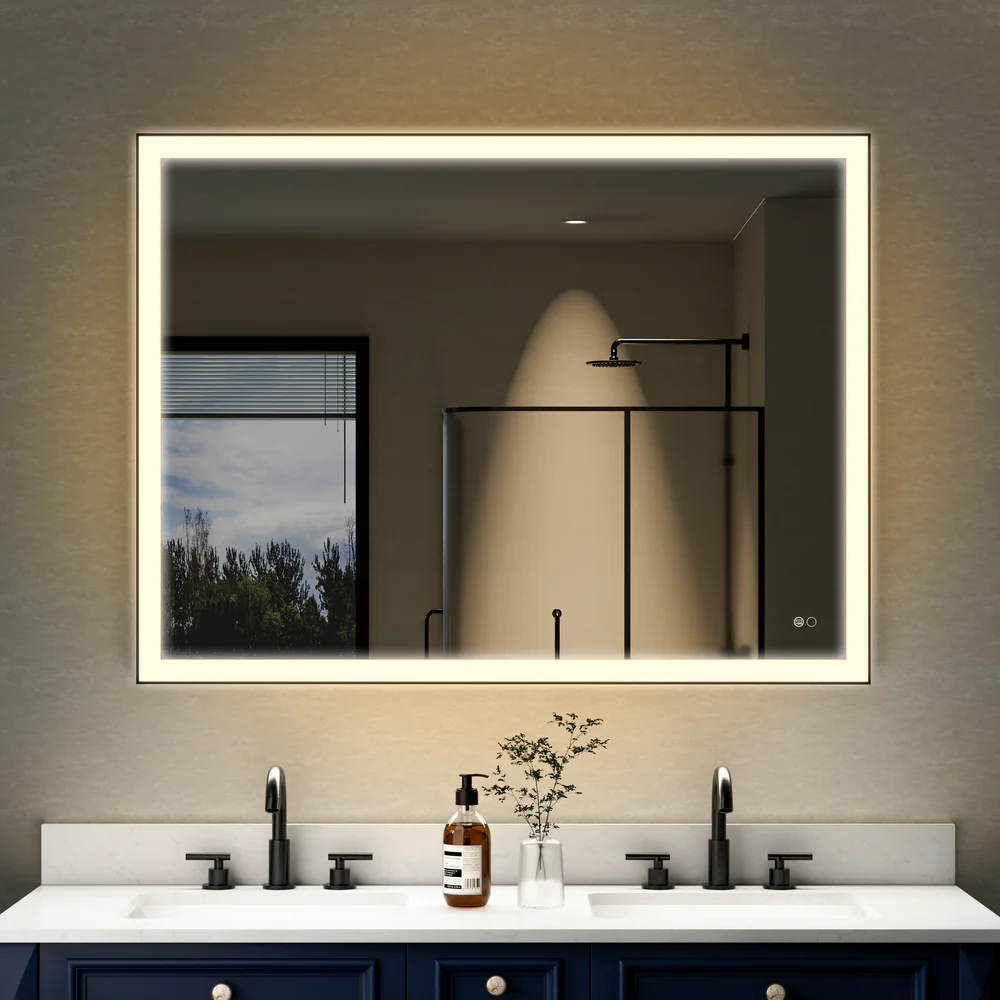


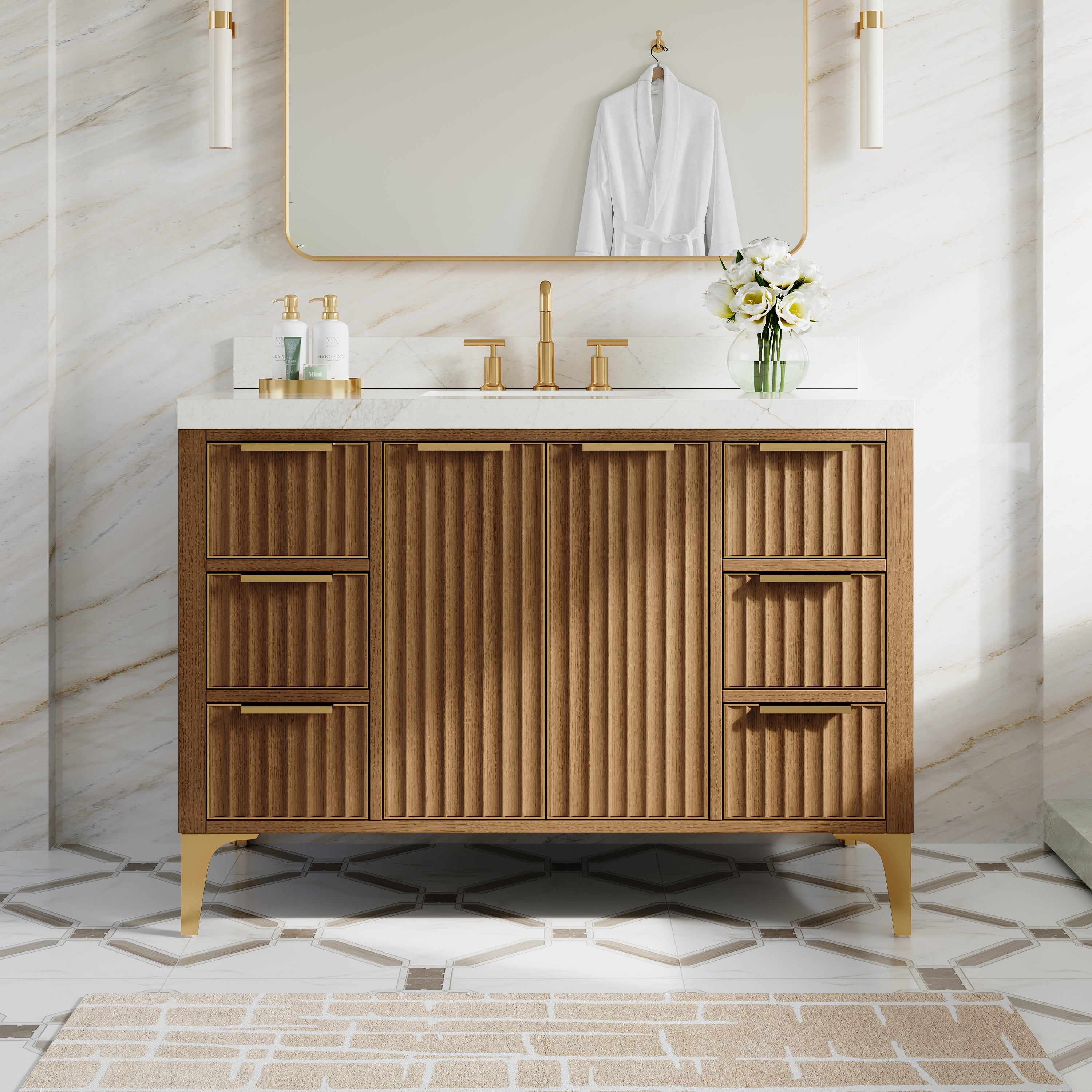
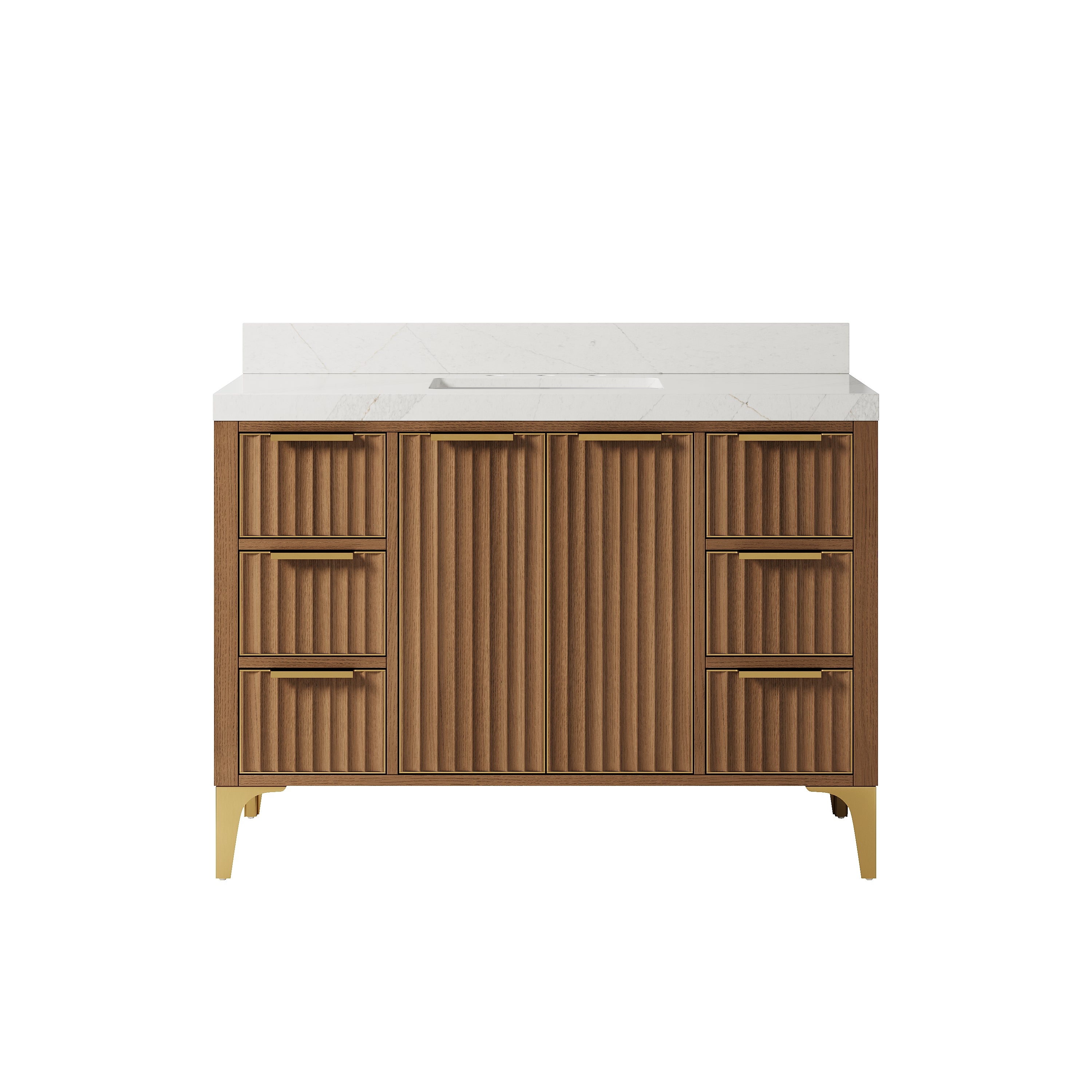
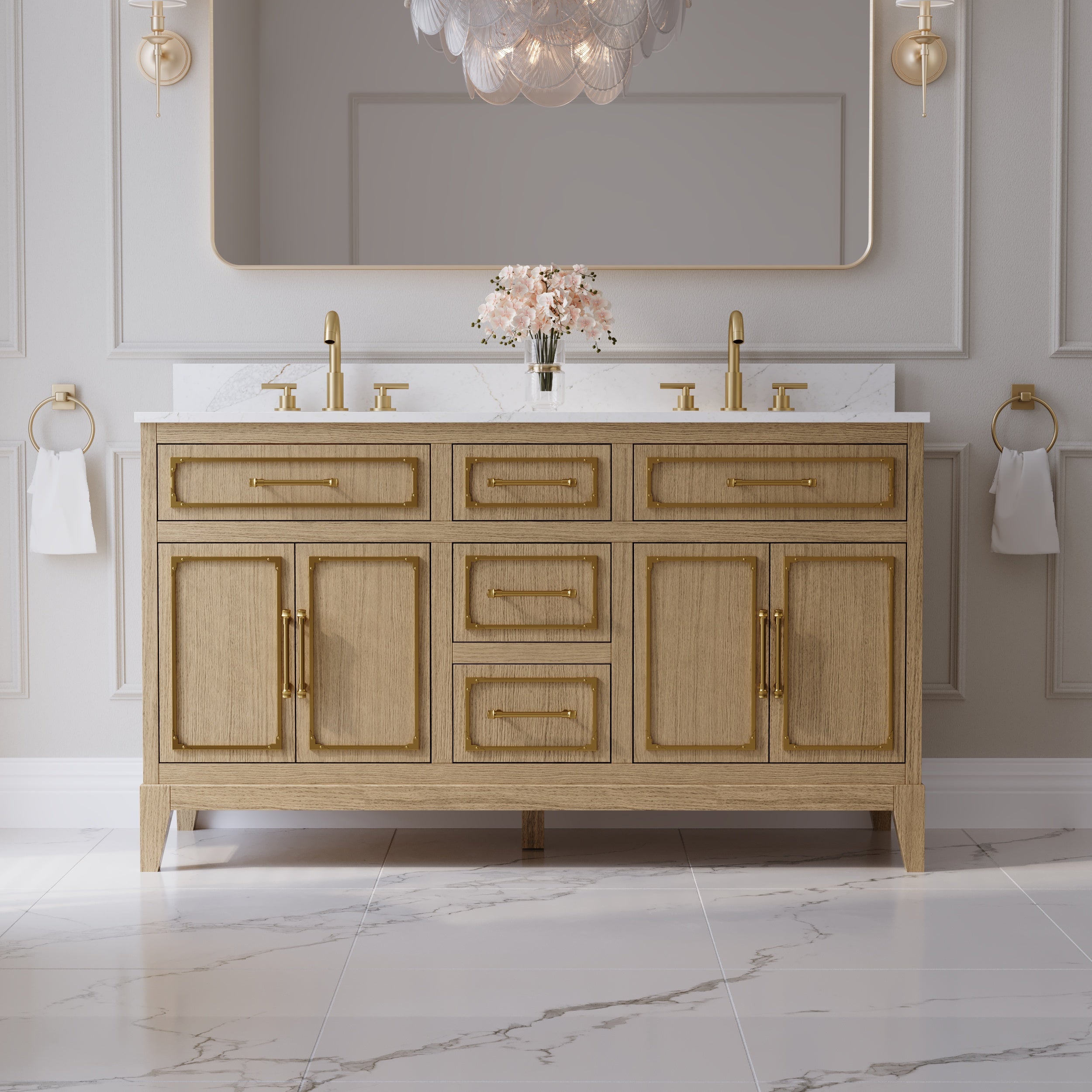
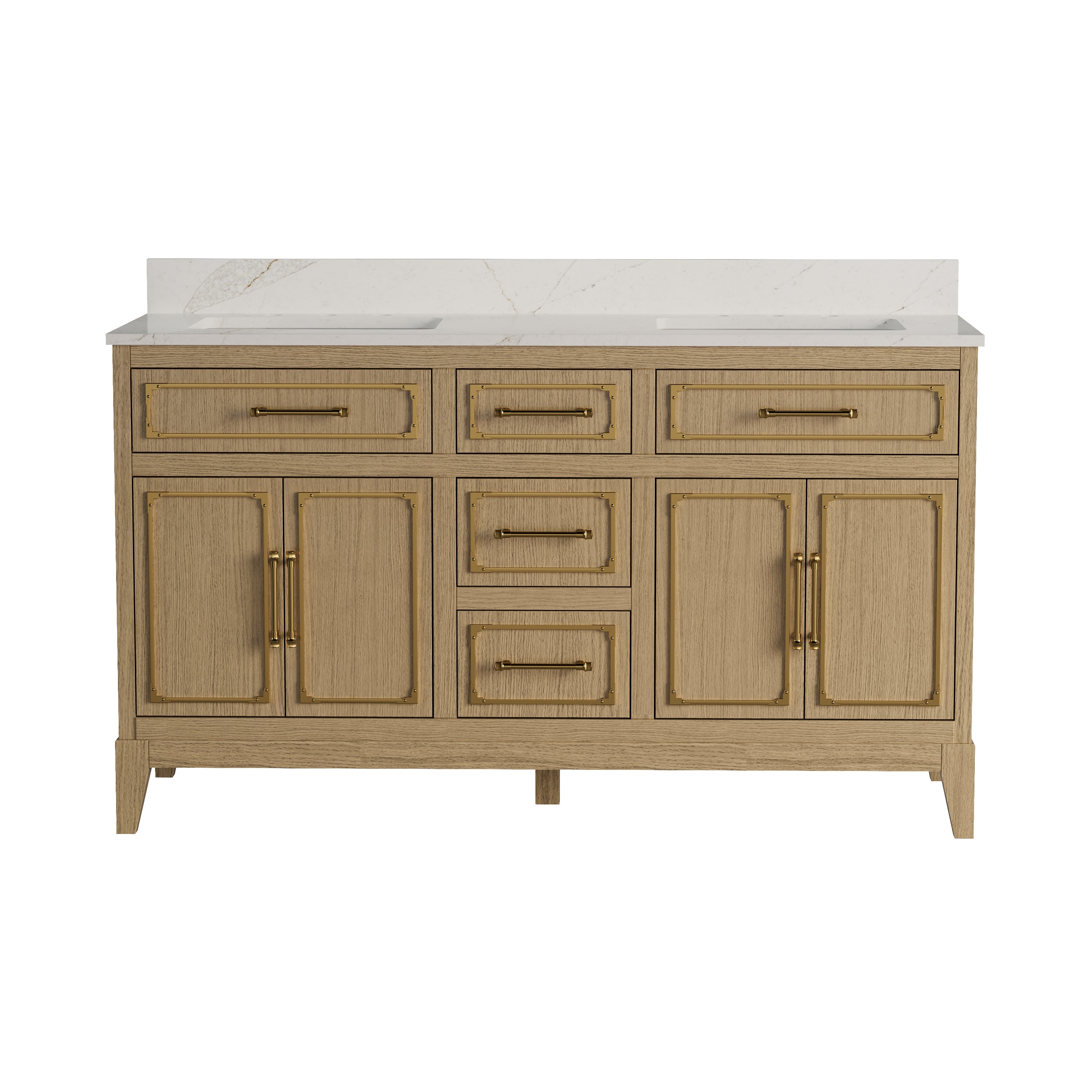
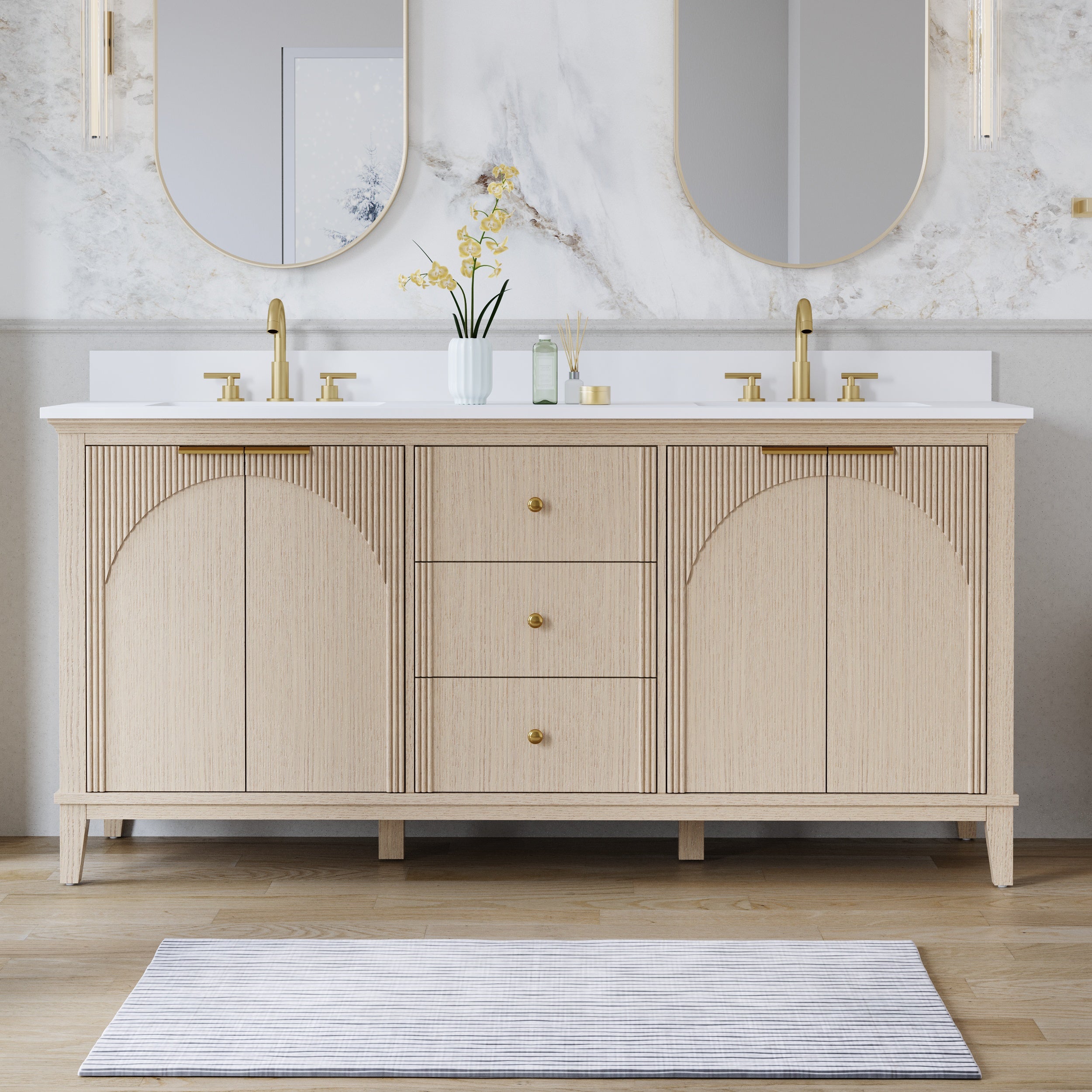
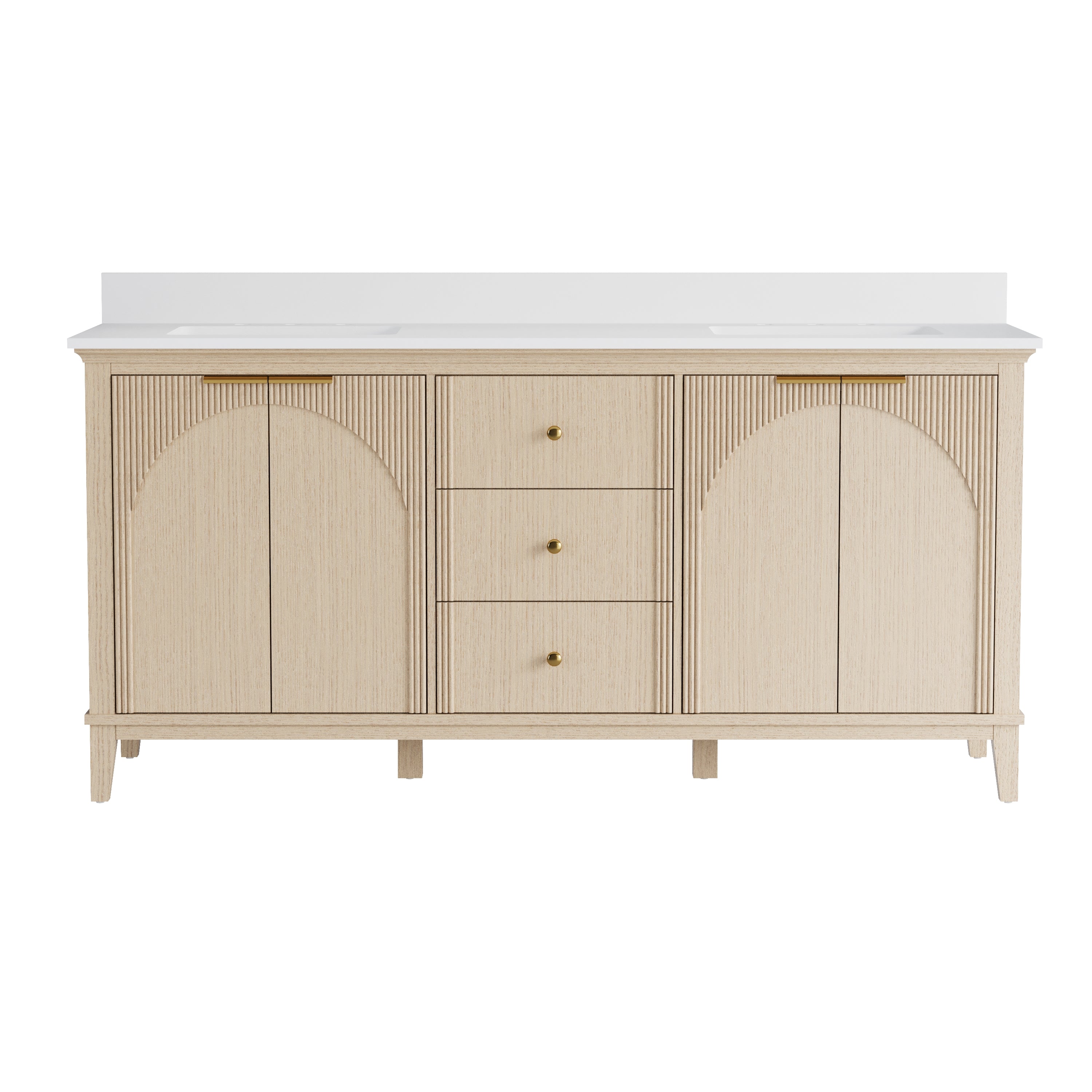
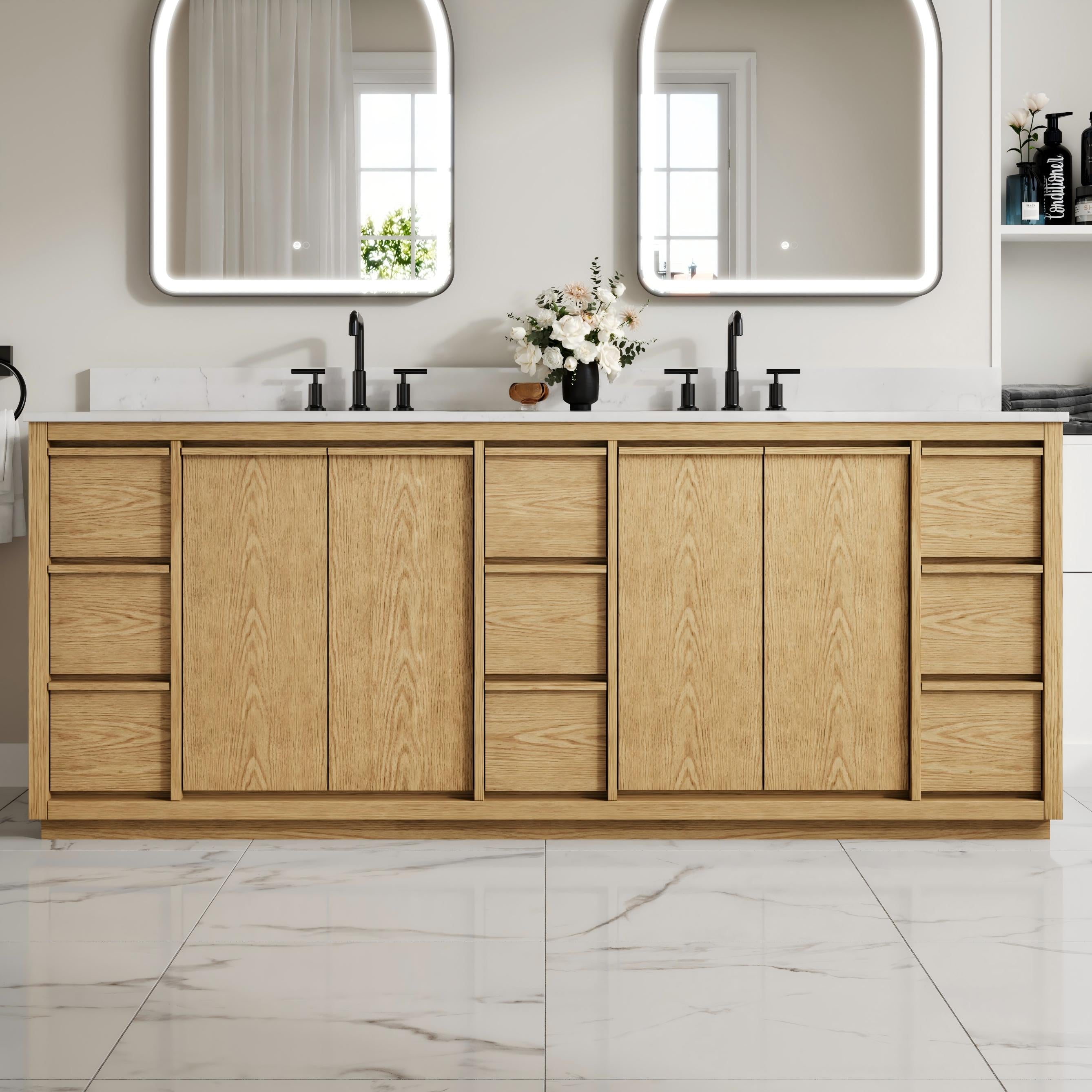
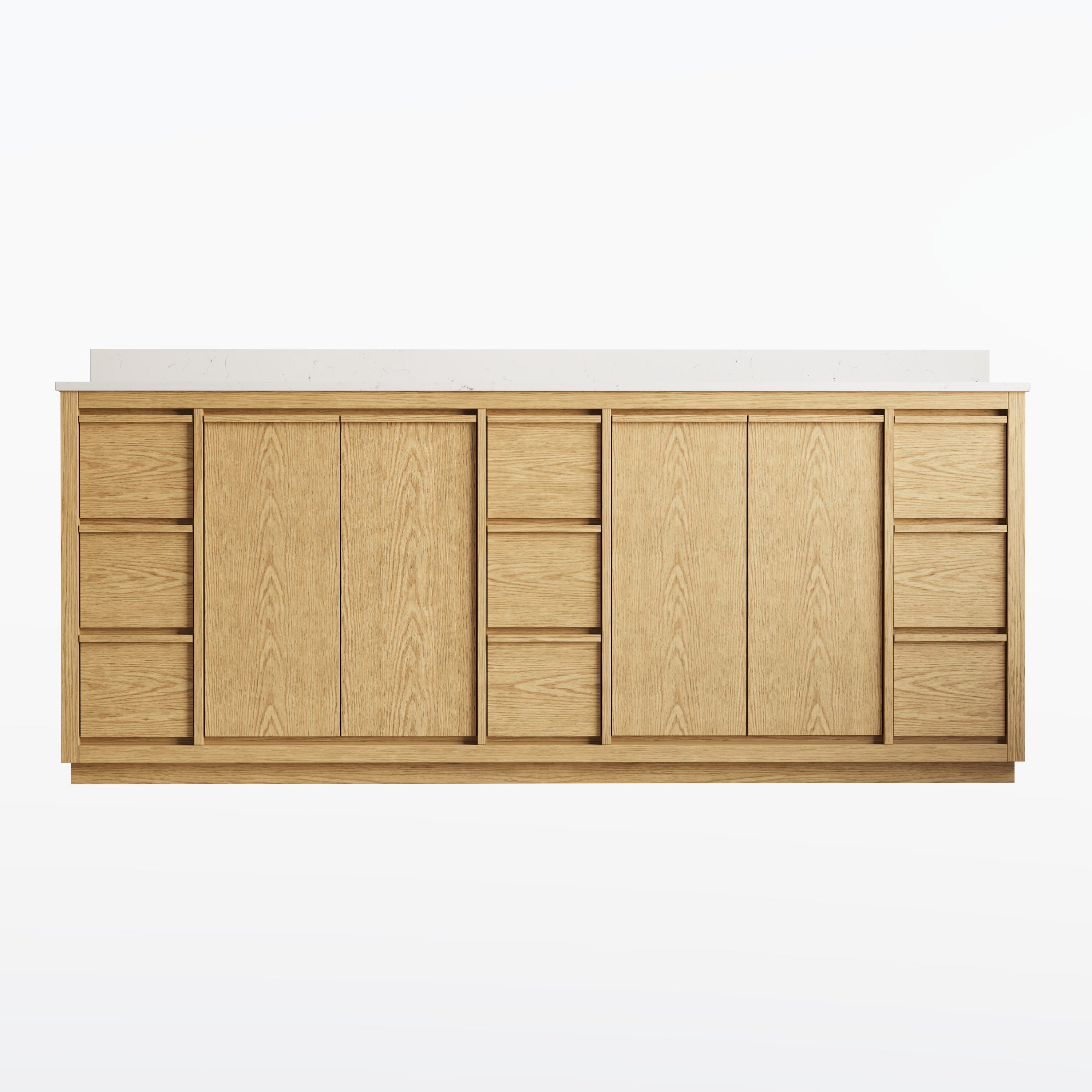
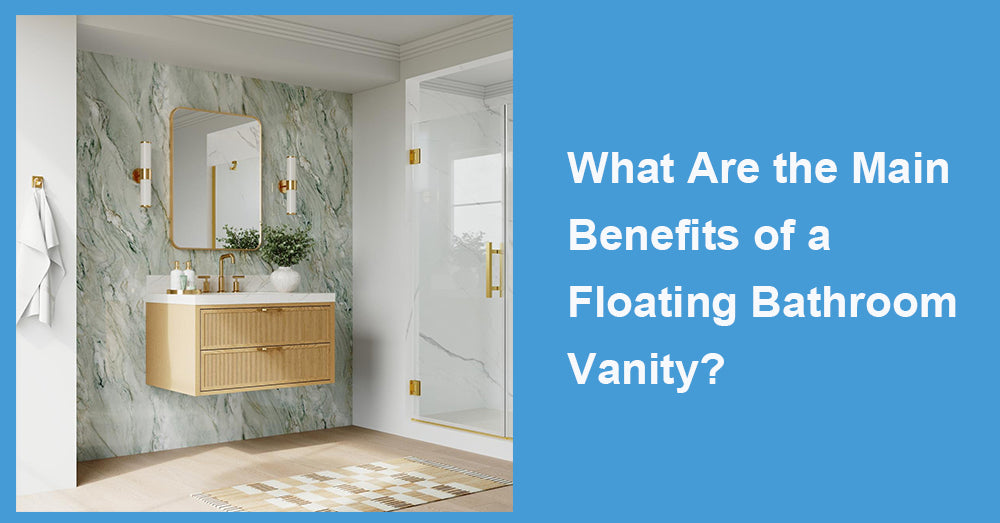
A floating bathroom vanity can make a bathroom feel larger, cleaner, and more thoughtfully designed without changing the room’s actual dimensions. After more than two decades of reviewing bathroom layouts and cabinetry, I have found that wall-mounted vanities work especially well in modern homes where floor space, easy maintenance, and visual simplicity matter. They offer clear advantages, but they also require stronger installation planning than a standard freestanding cabinet.
The appeal is not simply that the vanity “floats.” Its real value comes from how the open space beneath it changes movement, cleaning, storage, and the proportions of the entire room.
1. A Floating Bathroom Vanity Makes the Room Feel Larger
The most immediate benefit is visual openness. Because the cabinet does not extend to the floor, more flooring remains visible. The eye can travel beneath the vanity instead of stopping at a solid block of cabinetry.
This effect is particularly useful in small bathrooms, apartment baths, and narrow guest suites. A wall-mounted vanity will not create more square footage, but it can prevent the room from feeling crowded. Even a relatively wide model may appear lighter than a smaller freestanding cabinet with legs or a full base.
In larger primary bathrooms, the same feature creates a more refined, architectural look. The vanity feels integrated into the wall rather than placed on the floor like a separate piece of furniture.
The result is calm. That is one reason floating designs appear so often in spa-inspired bathrooms.
2. Cleaning Under the Vanity Becomes Much Easier
Traditional cabinets create tight corners around legs, toe kicks, and floor edges. Dust, hair, and moisture collect in those areas, yet reaching them can be frustrating.
A floating vanity removes many of those obstacles. A mop, vacuum, or cleaning cloth can pass beneath the cabinet without working around a base. This is a practical advantage in bathrooms used by families, pet owners, or anyone who wants to keep the floor looking tidy with less effort.
It can also help reveal leaks sooner. Water spreading from a plumbing problem is easier to notice when the floor beneath the cabinet remains visible. With a floor-standing vanity, moisture may stay trapped around the base until swelling or staining appears.
A cleaner look still requires regular care
Some buyers assume the open area will always look spotless. It will not.
Because the floor is visible, dust and water marks may be easier to notice. Cleaning is simpler, but it may need to happen more frequently. This is usually a reasonable trade-off for homeowners who value a crisp, uncluttered bathroom.
3. The Installation Height Can Be Customized
One of the most useful benefits of a floating bathroom vanity is installation flexibility. A freestanding model usually has a fixed height, while a wall-mounted cabinet can be positioned to better suit the users.
Taller adults may prefer a slightly higher countertop that reduces bending. A lower installation may be more comfortable for children or certain accessibility needs. This flexibility can make the vanity feel more personal and improve daily comfort.
The final height must account for the countertop, sink, plumbing, mirror, and lighting. Mounting the cabinet first and thinking about those details later is a common mistake.
Height affects both comfort and appearance
A vanity mounted too low may look awkward and become uncomfortable to use. One installed too high can create problems for shorter family members and may leave an oversized gap beneath the cabinet.
Mock up the height before installation. Mark the countertop position on the wall and stand at the proposed sink location. This simple step often catches proportion problems before they become expensive.
4. Modern Storage Can Be More Efficient
Floating does not have to mean impractical. Many well-designed wall-mounted vanities use wide, deep drawers that provide better access than a large cabinet beneath the sink.
Drawers keep skincare, grooming tools, cosmetics, and small toiletries visible. They also prevent items from disappearing behind drainpipes. U-shaped drawer designs can work around plumbing while preserving usable storage.
There are limitations. A floating cabinet usually has less total interior height than a floor-standing model of the same width. Households storing large quantities of towels, cleaning supplies, and backup toiletries may find the capacity restrictive.
For a guest bathroom or a primary suite with separate linen storage, that may not matter. In a busy family bathroom with no other cabinets, storage should be reviewed carefully before buying.
5. It Supports a Wide Range of Modern Styles
A floating vanity naturally suits minimalist, contemporary, Scandinavian, and Japandi interiors. Flat drawer fronts and concealed pulls create a streamlined look, while natural wood introduces warmth without adding visual weight.
The style is more flexible than many homeowners expect. A white floating cabinet can brighten a compact bathroom. Walnut creates depth in a larger space. Light oak works well with warm stone, textured tile, and softer neutral walls.
Under-cabinet lighting can add another layer. When installed correctly, it creates a gentle nighttime glow and emphasizes the floating effect. The light should be warm and subtle. Bright strips or visible individual bulbs can make the design feel more commercial than luxurious.
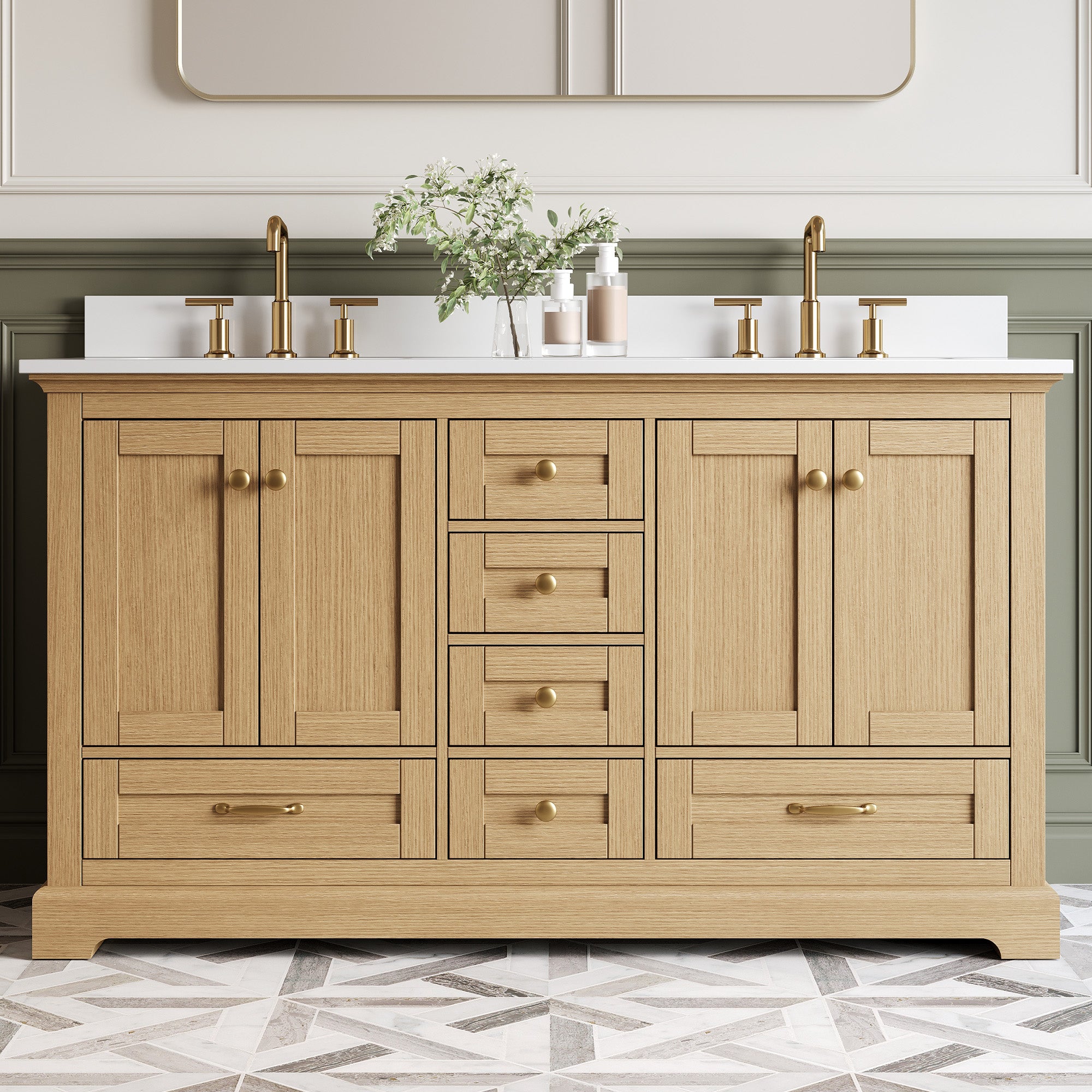
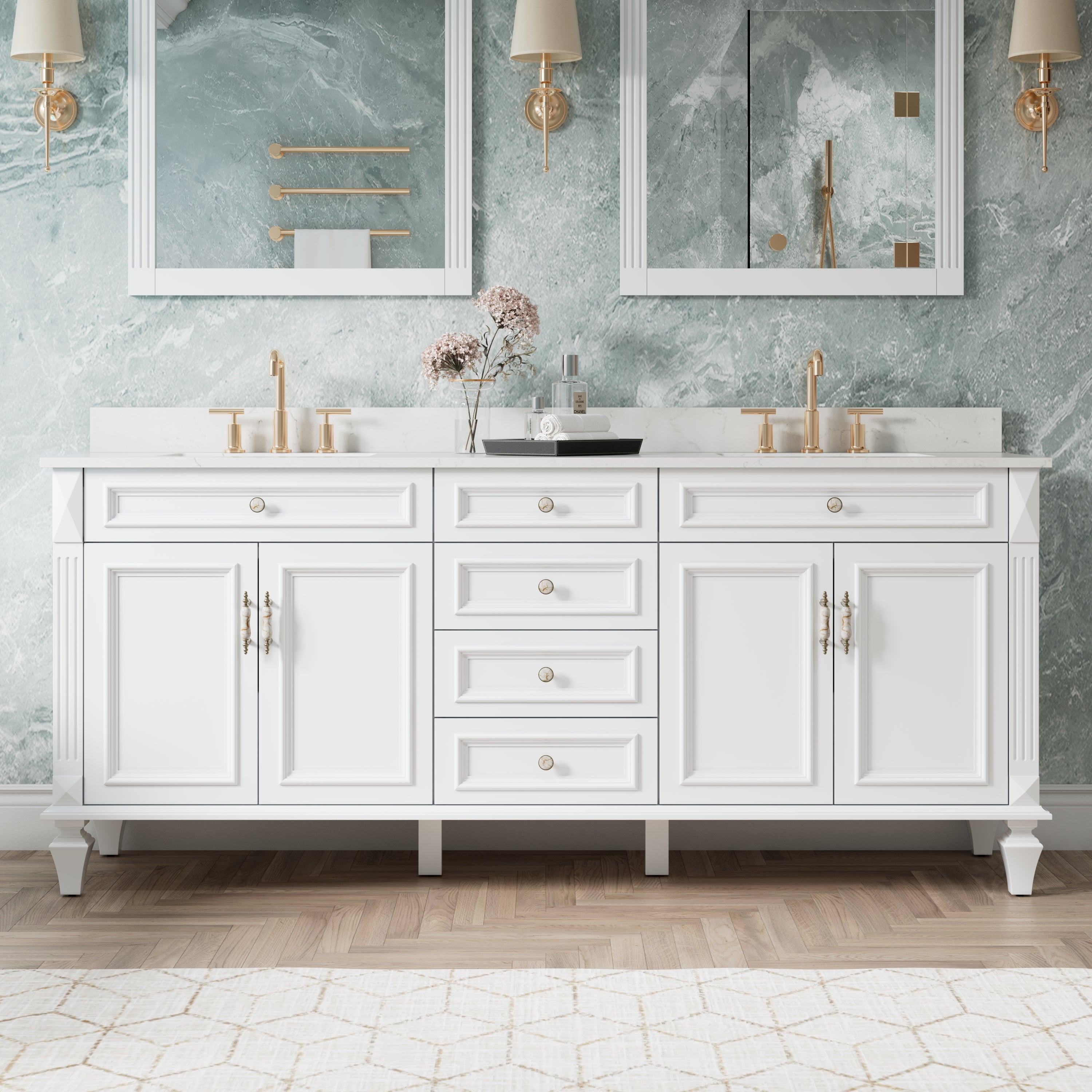
A wall-mounted vanity may be less convincing in a strongly traditional bathroom. Rooms with ornate molding, classic paneling, or antique-inspired fixtures often benefit from furniture-style cabinetry that visually connects with the architecture.

6. Installation Requires Proper Wall Support
The biggest disadvantage is installation complexity. A floating vanity must support the cabinet, countertop, sink, stored items, and the pressure created by daily use.
The wall needs suitable framing, blocking, or an approved mounting system. Drywall anchors alone are rarely enough for a substantial vanity. Stone countertops and large sinks add considerable weight, so the installer should understand the complete assembly before choosing hardware.
Plumbing placement matters too. Exposed drainpipes or supply lines can weaken the clean appearance, while interior drawers may conflict with existing rough-ins. Moving plumbing after the vanity arrives can increase labor and remodeling costs.
This is not the place to improvise. Professional installation is often worth the expense, particularly for wider cabinets or heavy countertop materials.
Once installed, check the wall connection, seals, plumbing, and drawer alignment periodically. Wipe standing water near the sink, use mild cleaners, and keep the space below dry.
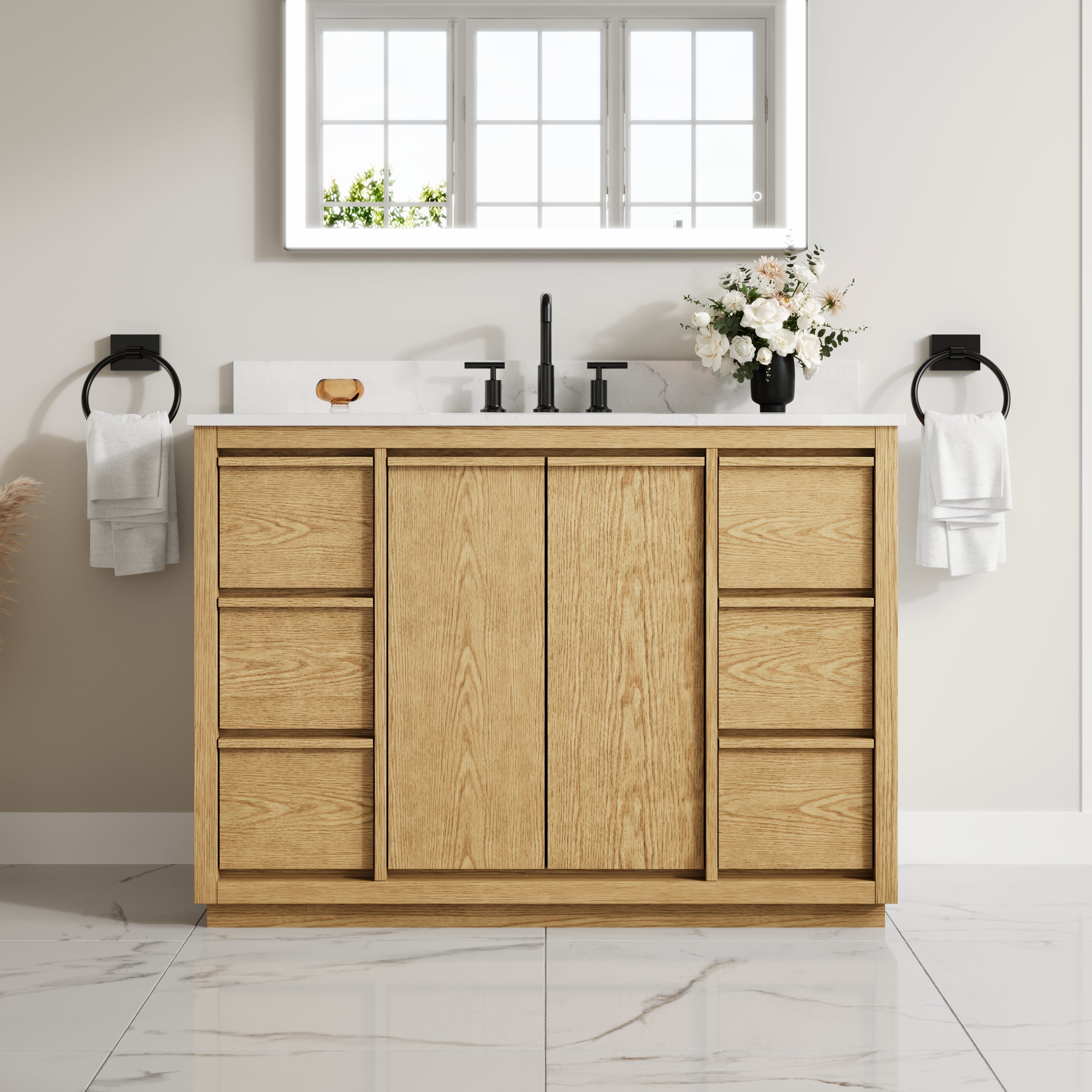
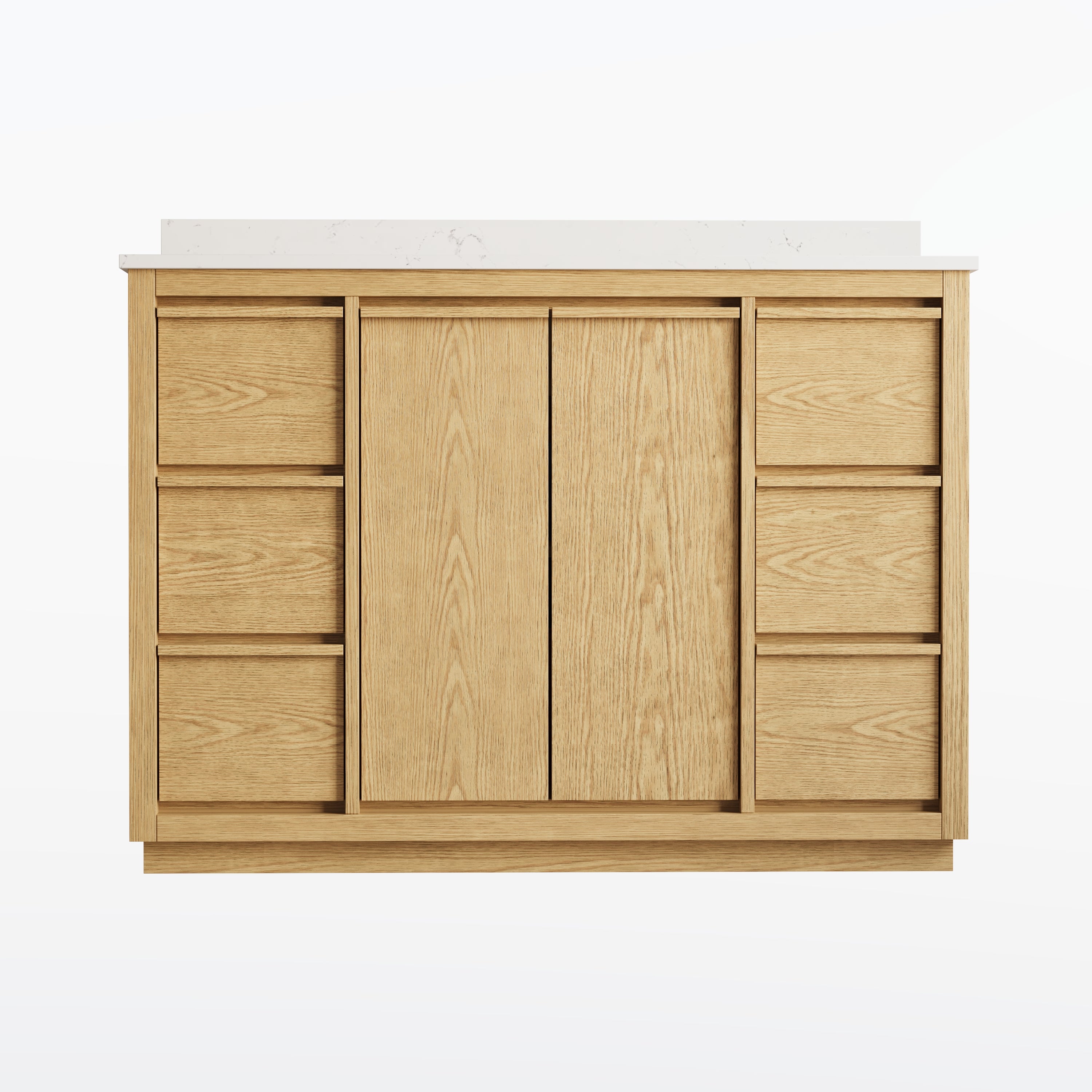
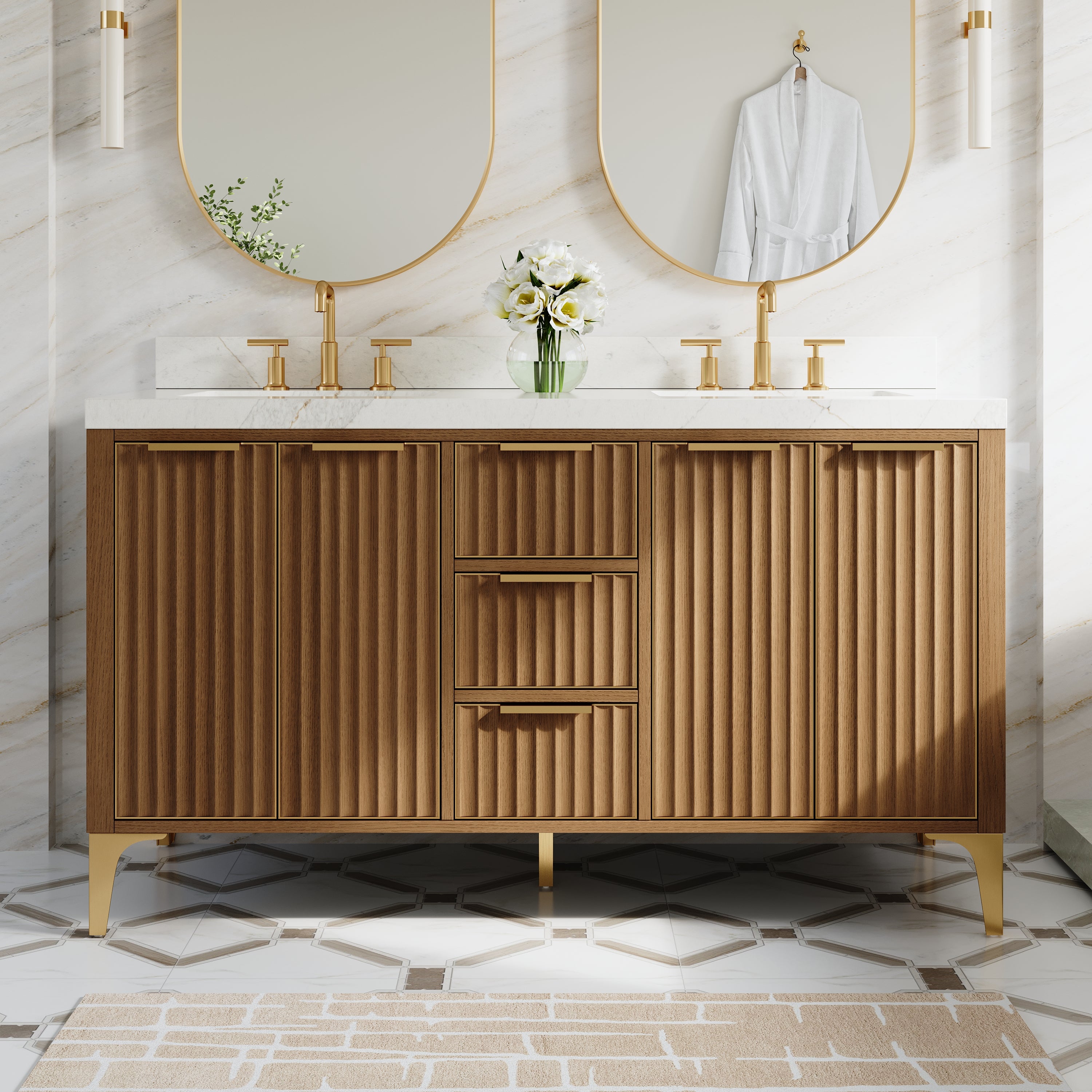
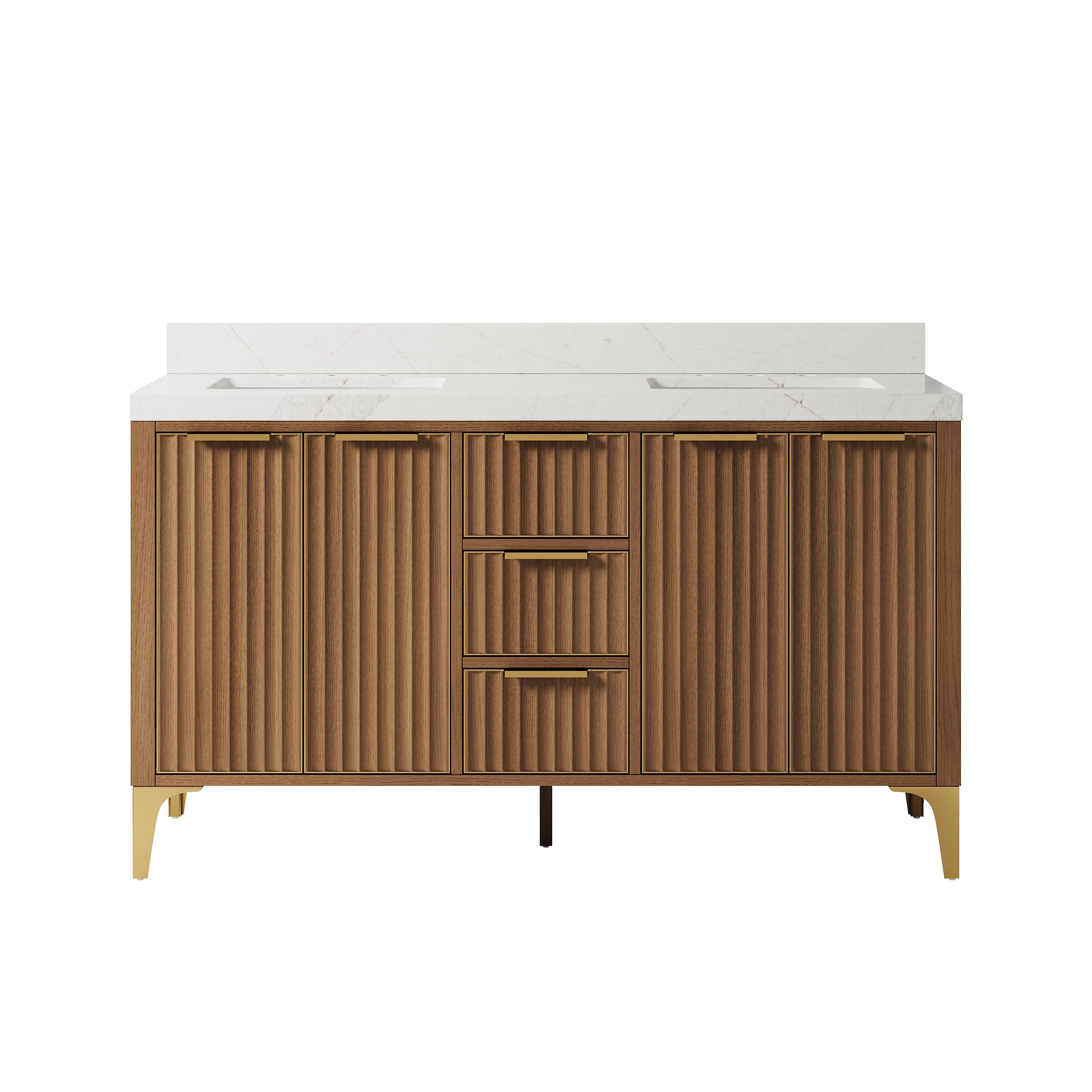
When comparing options from Wellfor, choose a floating bathroom vanity only after confirming the wall structure, storage needs, plumbing position, and preferred mounting height. In the right bathroom, it can improve visual space, simplify cleaning, and give daily routines a more comfortable, polished setting. Select the cabinet for the way the room will actually be used, and let the floating design serve a practical purpose rather than functioning as decoration alone.















Leave a comment
This site is protected by hCaptcha and the hCaptcha Privacy Policy and Terms of Service apply.