















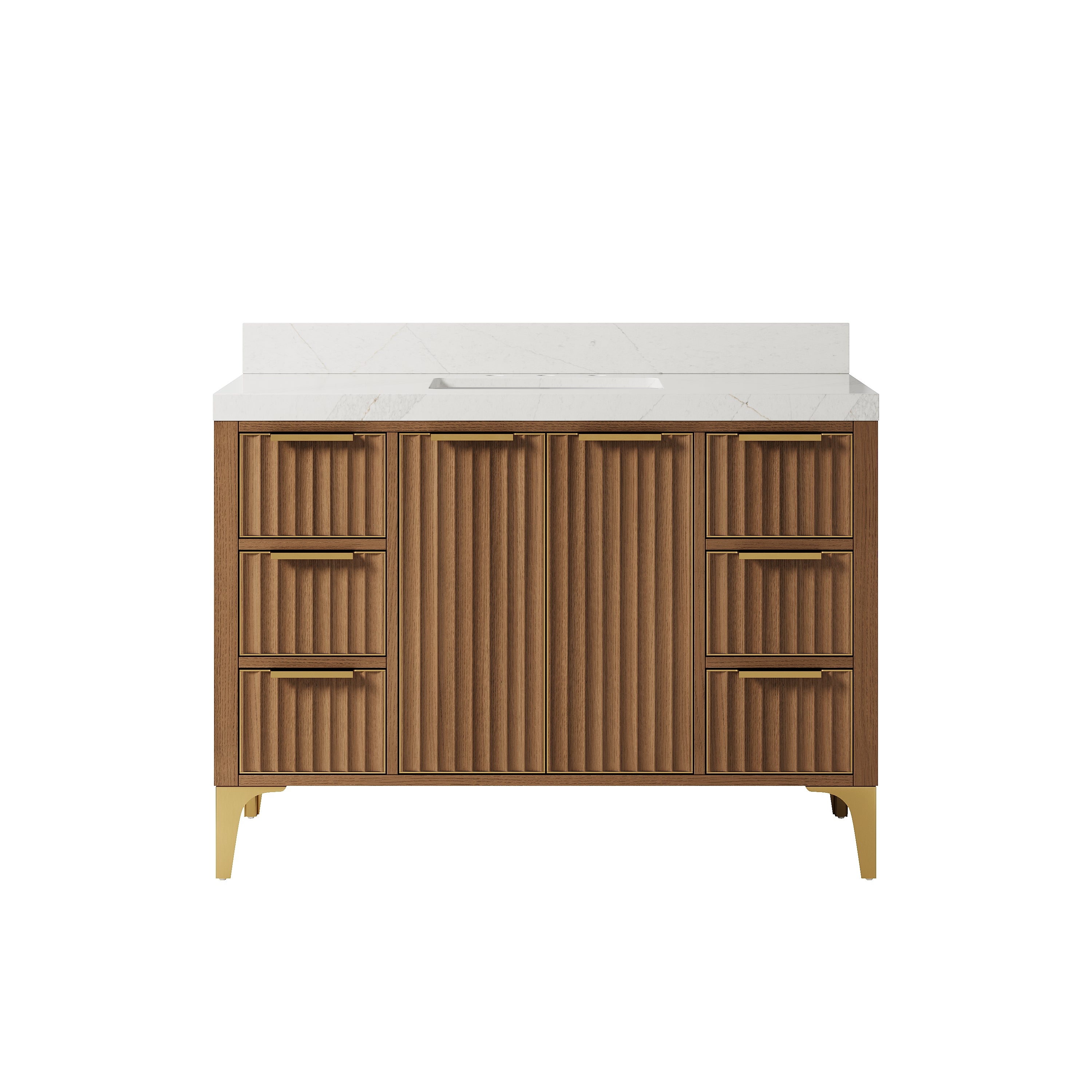


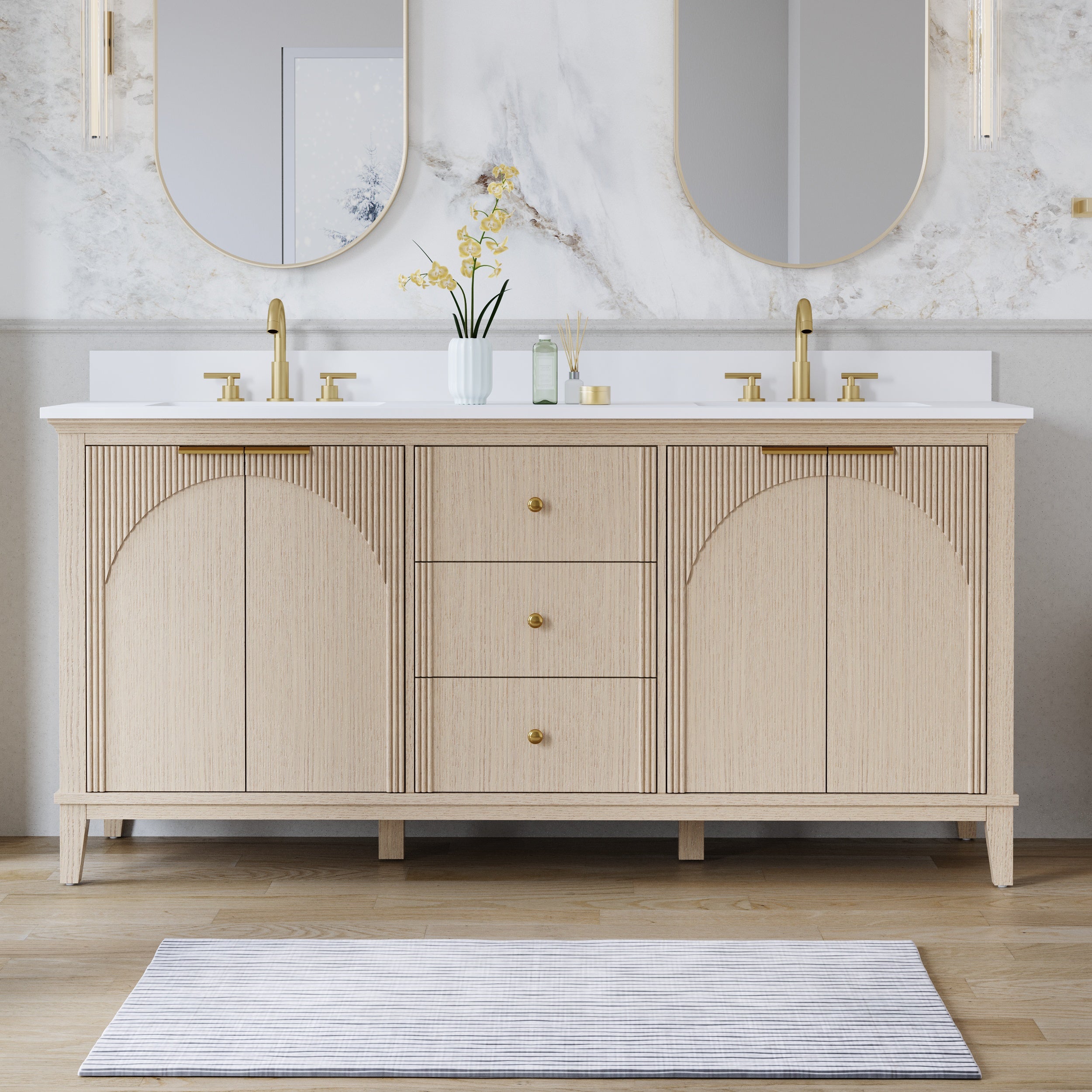
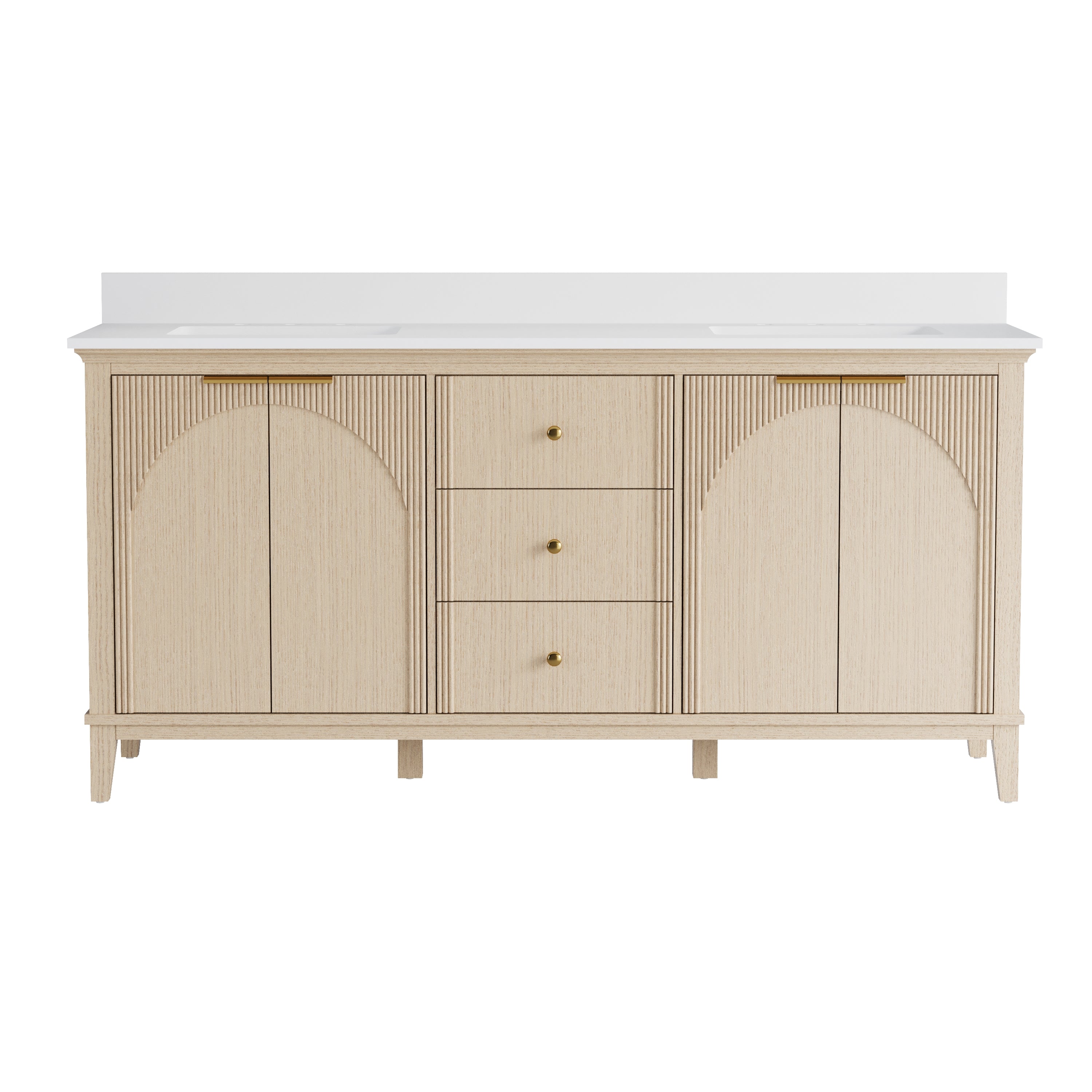

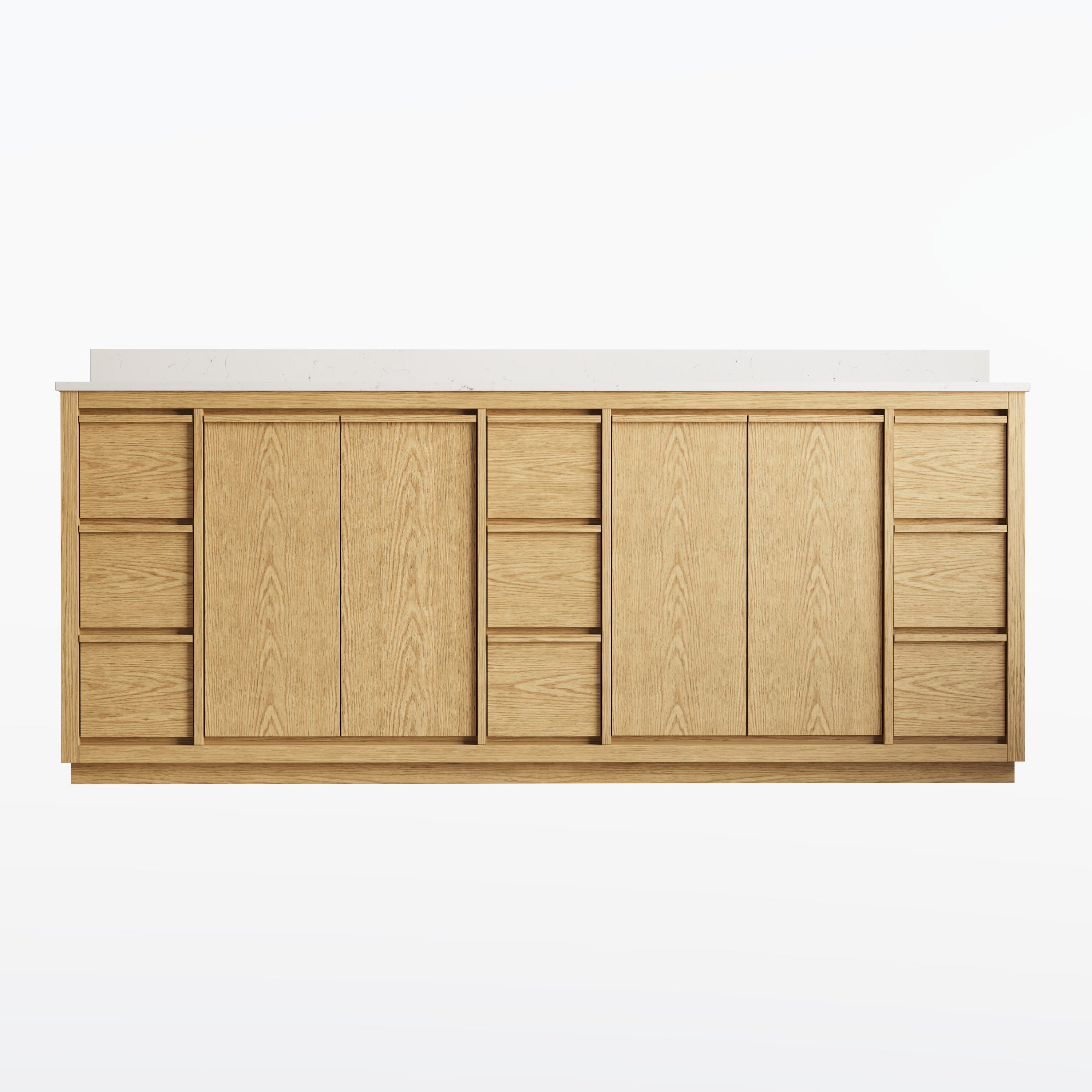

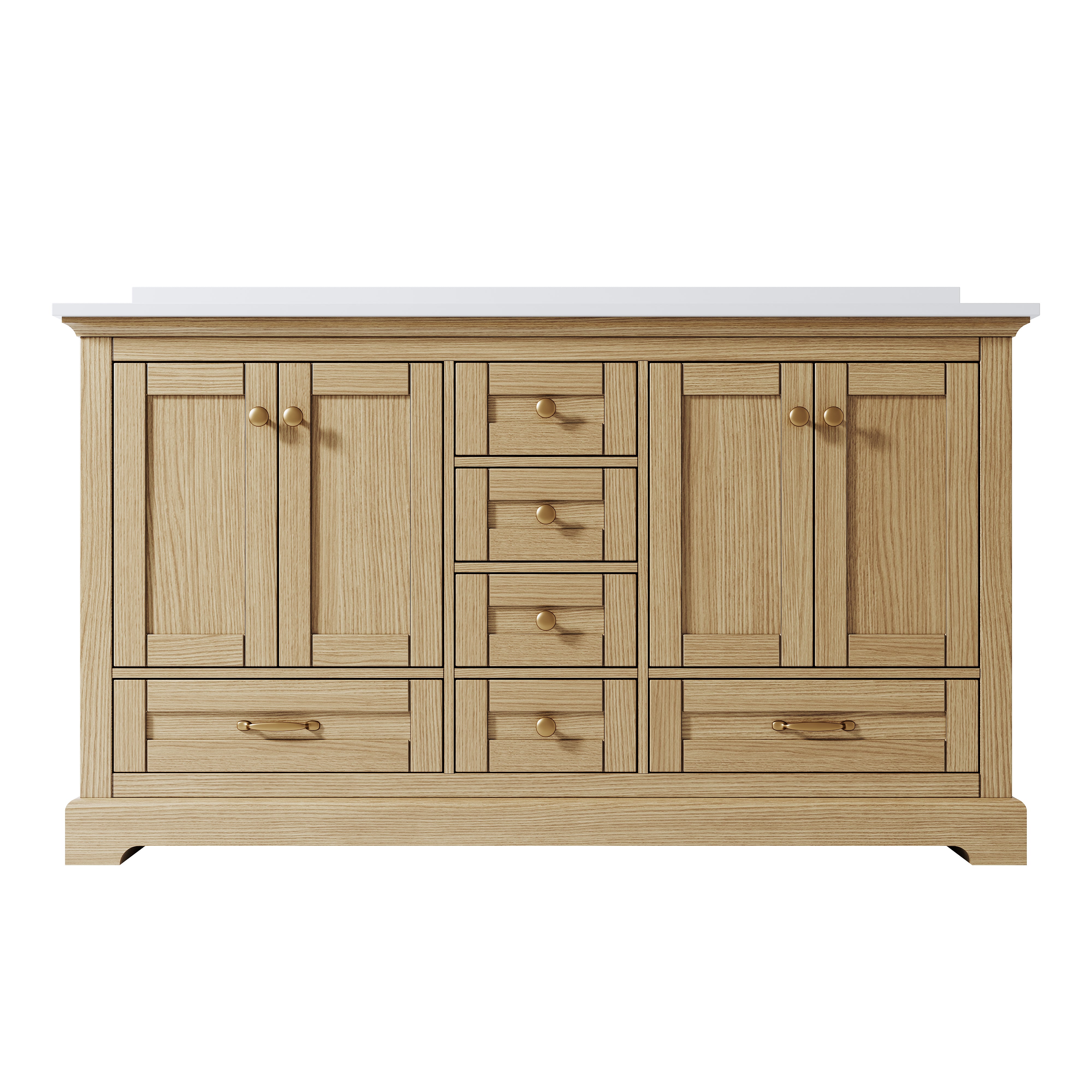
A wooden vanity brings warmth and natural character to a bathroom, but humidity can test even a well-made cabinet. During more than two decades of working with bathroom products, I have seen solid, carefully finished vanities remain attractive for years in busy family bathrooms. I have also seen newer cabinets swell, stain, or develop misaligned doors because moisture was allowed to linger. The difference usually comes down to ventilation, installation, and a few consistent maintenance habits.
Wood does not need to be avoided in humid areas. It simply needs to be treated as a natural material rather than a waterproof surface.
1. Understand What Humidity Does to a Wooden Vanity
Wood responds to changes in the surrounding air. When humidity rises, it can absorb moisture and expand slightly. As the room dries, it releases moisture and contracts. Small seasonal movement is normal, but repeated exposure to heavy steam can eventually affect doors, drawer alignment, joints, and surface finishes.
The risk is greater when the bathroom stays damp for hours after every shower. Poor ventilation allows moisture to settle around cabinet edges, inside drawers, and beneath the countertop. Over time, the finish may become cloudy, the wood may feel rough, or drawer fronts may begin to rub.
Not every vanity reacts in the same way. Solid wood has strength and repair potential, while quality plywood often offers good dimensional stability. Poorly sealed particleboard is less forgiving because water can penetrate the outer layer and cause the core to swell.
2. Control Humidity Before Cleaning the Cabinet
Many homeowners concentrate on cleaning products when the real issue is the bathroom environment. A clean vanity can still suffer if the room never dries properly.
Run the exhaust fan while showering and leave it on afterward. The fan should continue operating until the mirror clears and the air no longer feels heavy. In a large or frequently used bathroom, that may take 20 minutes or longer.
Open the bathroom door once privacy is no longer needed. If the room has a window, use it when outdoor conditions allow. Coastal homes, basement bathrooms, and spaces without windows may benefit from a compact dehumidifier.
Make sure the fan is actually working
Noise does not prove that an exhaust fan is moving enough air. Dust, blocked ductwork, or an undersized unit can reduce its effectiveness.
A simple test is to hold a sheet of tissue near the grille while the fan is running. The tissue should be pulled toward the vent. If steam remains in the bathroom long after showering, the fan may need cleaning, repair, or replacement.
3. Remove Water Before It Reaches Vulnerable Areas
Ordinary splashes are not usually a serious problem when they are wiped promptly. Standing water is different.
Pay close attention to the area around the faucet, sink rim, backsplash, and countertop seams. Water can collect in these locations and slowly reach the cabinet below. Wipe the surface with a dry cloth after heavy use, especially in children’s bathrooms or shared family baths.
Do not hang wet washcloths or towels over cabinet doors. The trapped moisture sits directly against the finish and may work its way into joints or edges. Damp bottles should also be dried before being placed inside drawers.
Hidden leaks cause the worst damage
A slow plumbing leak can remain unnoticed for months. By the time the cabinet base feels soft or shows staining, the damage may already be extensive.
Check the drain, supply lines, shutoff valves, and faucet connections every few months. Run a dry tissue around each fitting to detect small amounts of moisture. Keep the area under the sink organized enough that you can see the plumbing rather than hiding it behind tightly packed supplies.
4. Clean the Finish Gently
A wooden bathroom cabinet rarely needs aggressive cleaning. Use a soft microfiber cloth with mild soap or a non-abrasive cleaner recommended for finished wood.
Apply cleaner to the cloth rather than spraying it directly onto drawer gaps, door edges, or hardware openings. Then dry the surface. Leaving cleaner or water behind defeats the purpose of the maintenance routine.
Avoid abrasive pads, strong bleach solutions, ammonia-heavy cleaners, and harsh solvents. These products may dull or weaken the protective coating. Once the finish is compromised, moisture can reach the wood more easily.
Hair dye, cosmetics, toothpaste, and tinted skincare products should be removed quickly. Some can stain pale wood or painted finishes when left overnight.
5. Inspect the Finish and Hardware Regularly
Look closely at the vanity several times a year. Check the lower edges, corners, areas beside the sink, and spots around frequently touched handles. Small chips and scratches are easier to repair before moisture reaches the exposed material.
Do not automatically apply furniture oil or wax. Many bathroom vanities have sealed factory finishes that do not need either product. An incompatible treatment may create residue, change the sheen, or make future repairs more difficult.
Hinges and drawer slides also deserve attention. Loose hinges can make doors scrape against the frame, damaging the finish. Tighten hardware carefully and correct drawer alignment as soon as it begins to shift.
6. Protect the Vanity During Installation
Maintenance starts before the vanity is used. The cabinet should be level, securely mounted, and protected from plumbing leaks. Countertop, sink, and backsplash joints need continuous sealing so water cannot run behind the cabinet.
Freestanding models should not sit in areas where the bathroom floor regularly becomes wet. Floating vanities reduce contact with floor moisture, but they require strong wall support and precise installation.
If the cabinet arrives unfinished or has exposed cutouts for plumbing, those vulnerable areas may need additional sealing. Follow the manufacturer’s instructions rather than using a random coating that could react with the existing finish.

7. Know When Wood Is the Right Choice
A wooden vanity works well in primary bathrooms, guest baths, and family spaces with dependable ventilation. Its warmth, natural variation, and repairability make it more inviting than many synthetic alternatives.
It is less suitable for bathrooms with recurring leaks, frequent flooding, or no realistic way to control humidity. In those rooms, a highly moisture-resistant cabinet may be the more sensible purchase. No wood product should be expected to solve a building problem.
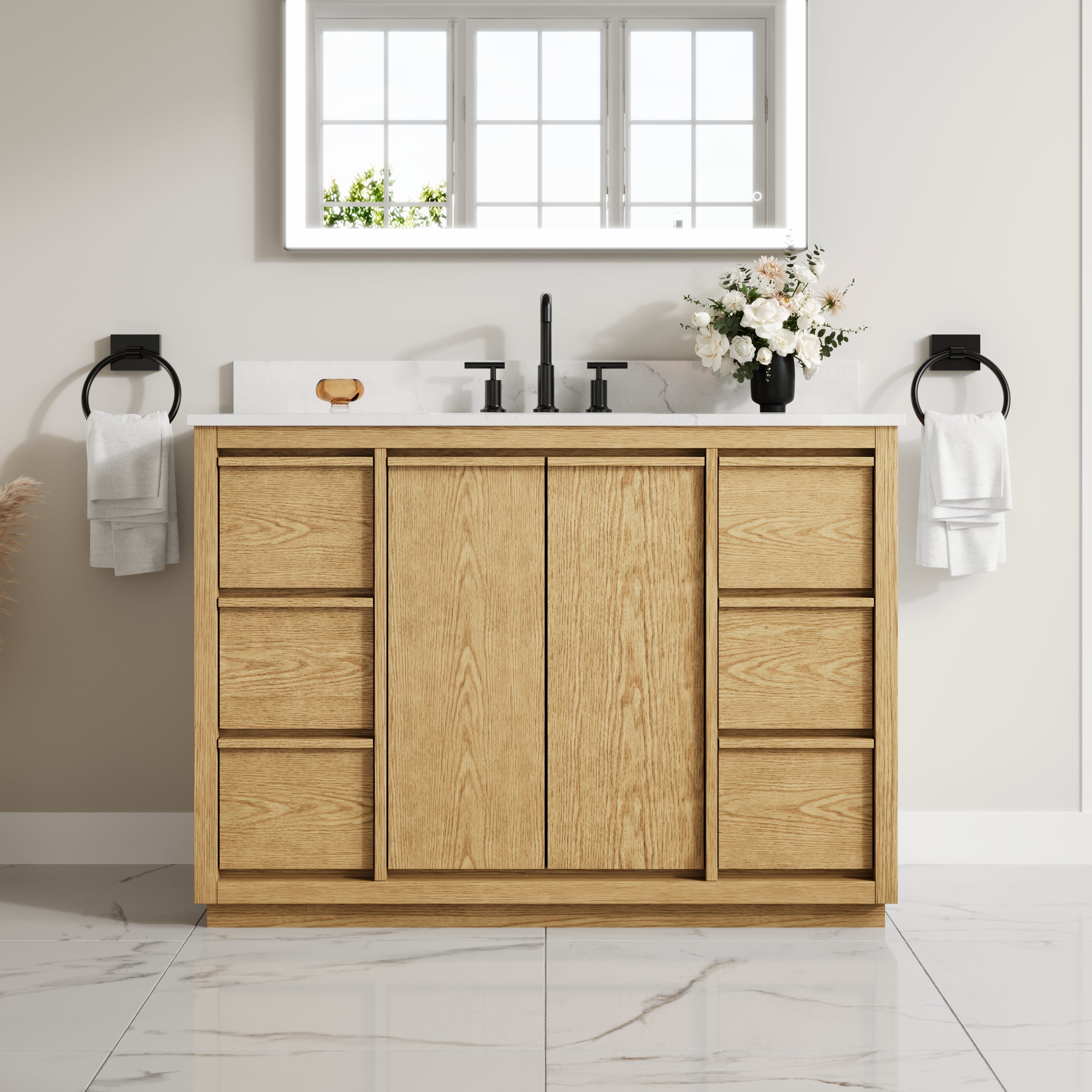
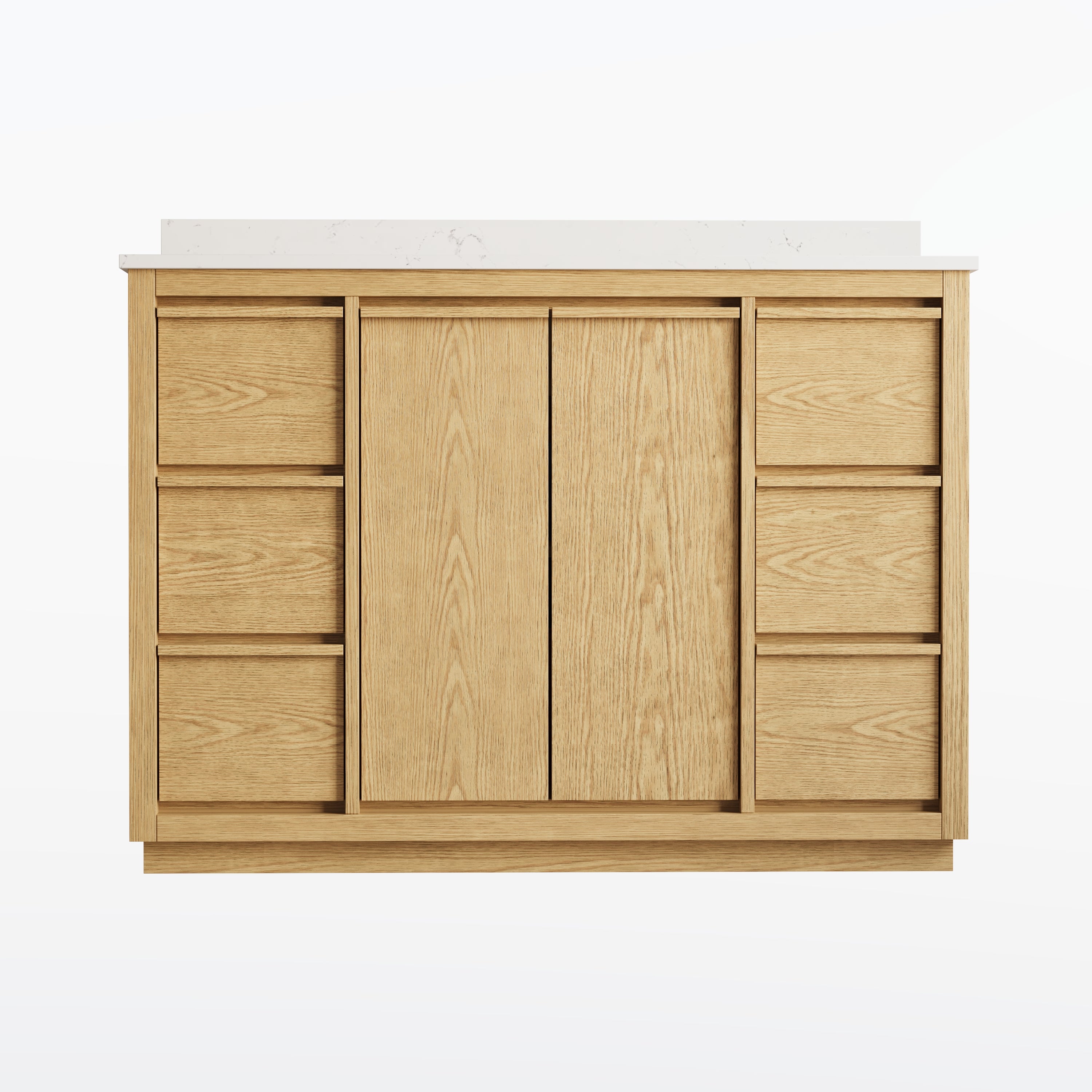
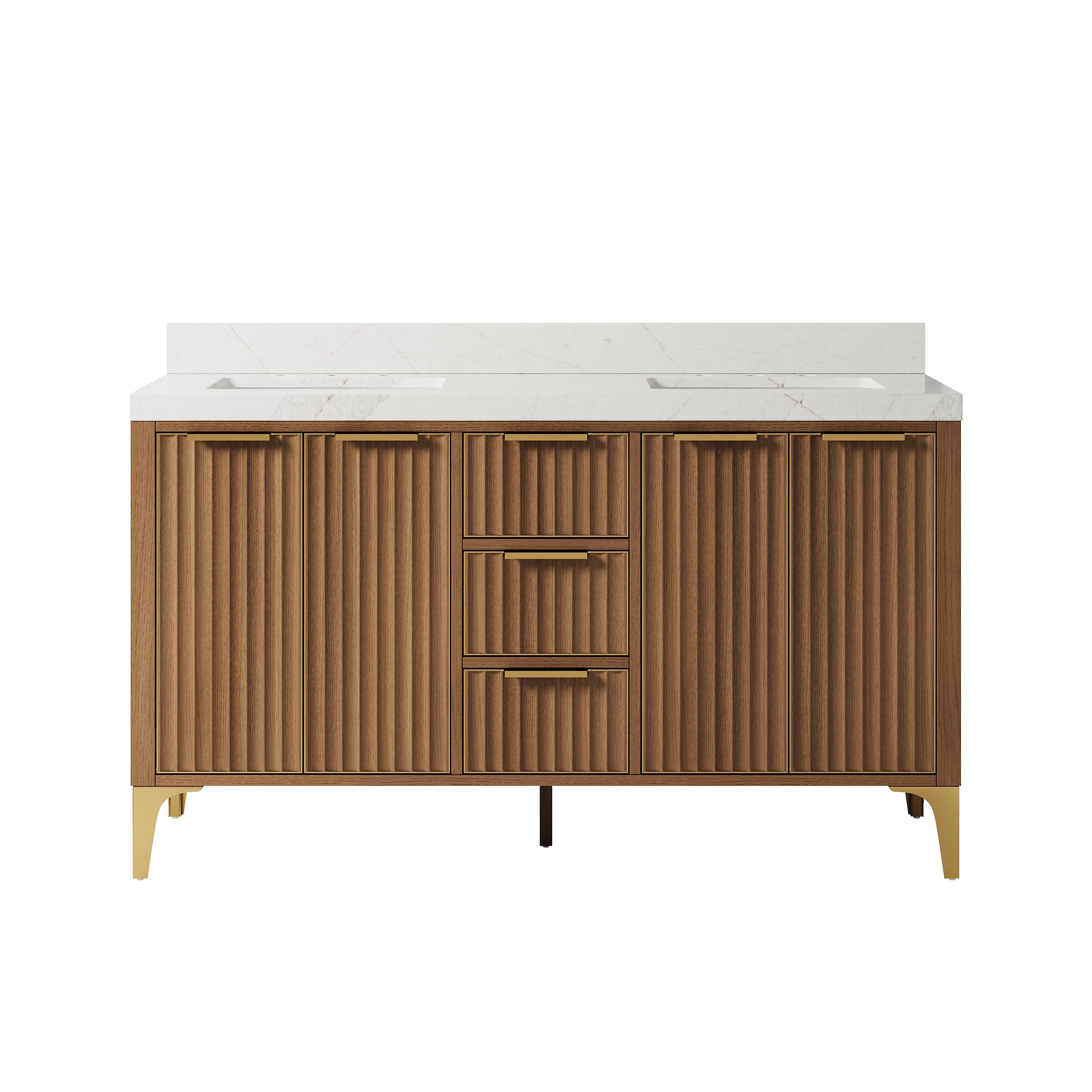
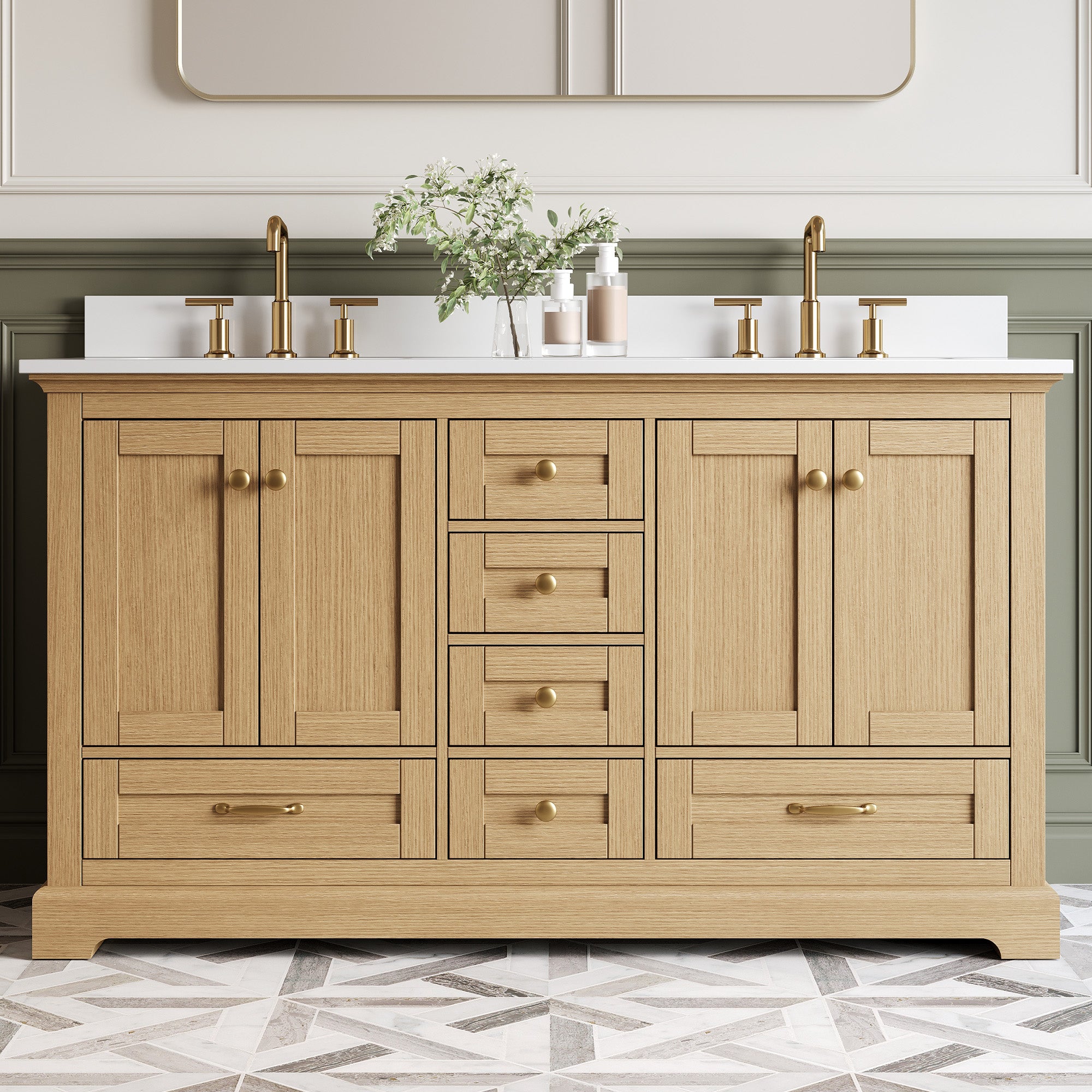
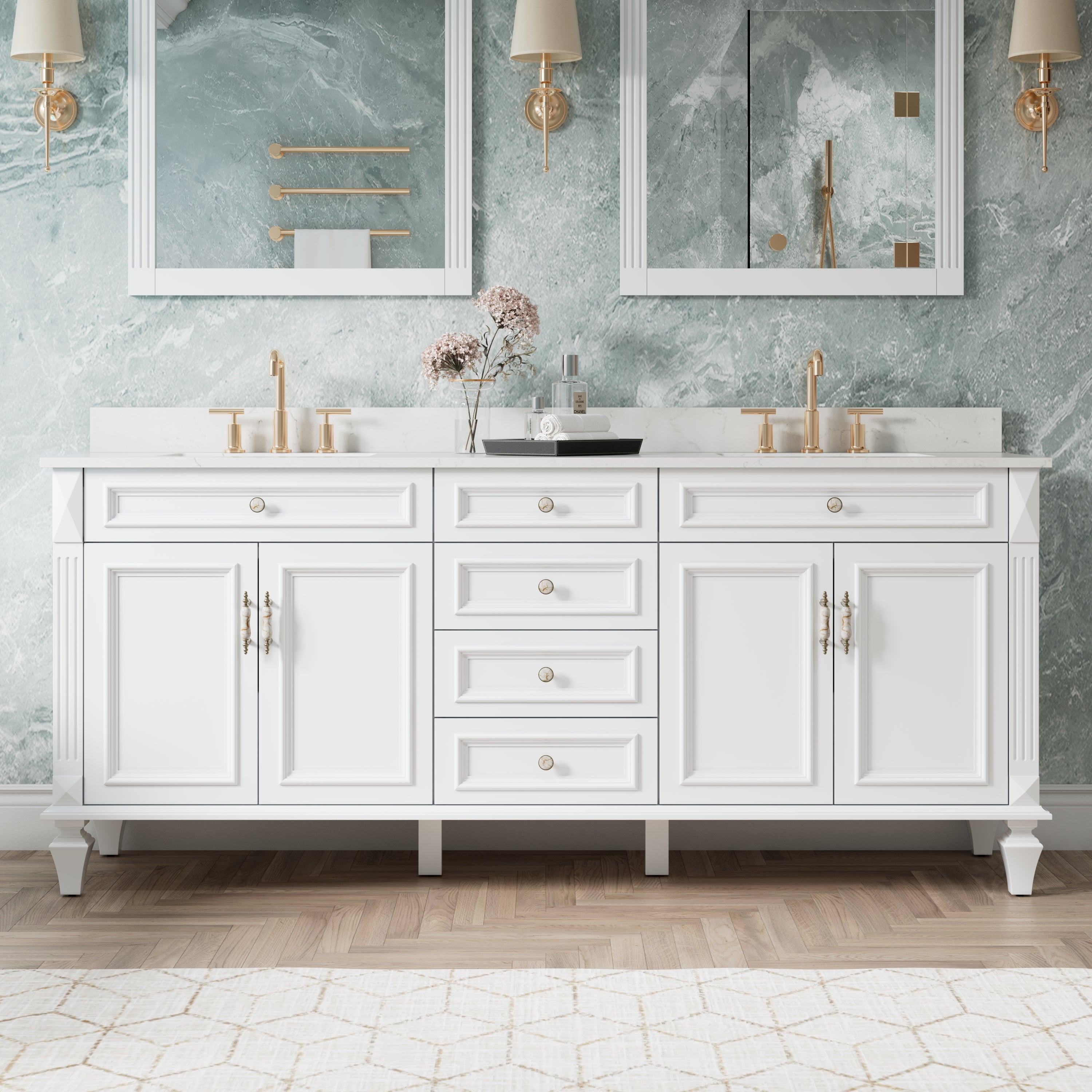
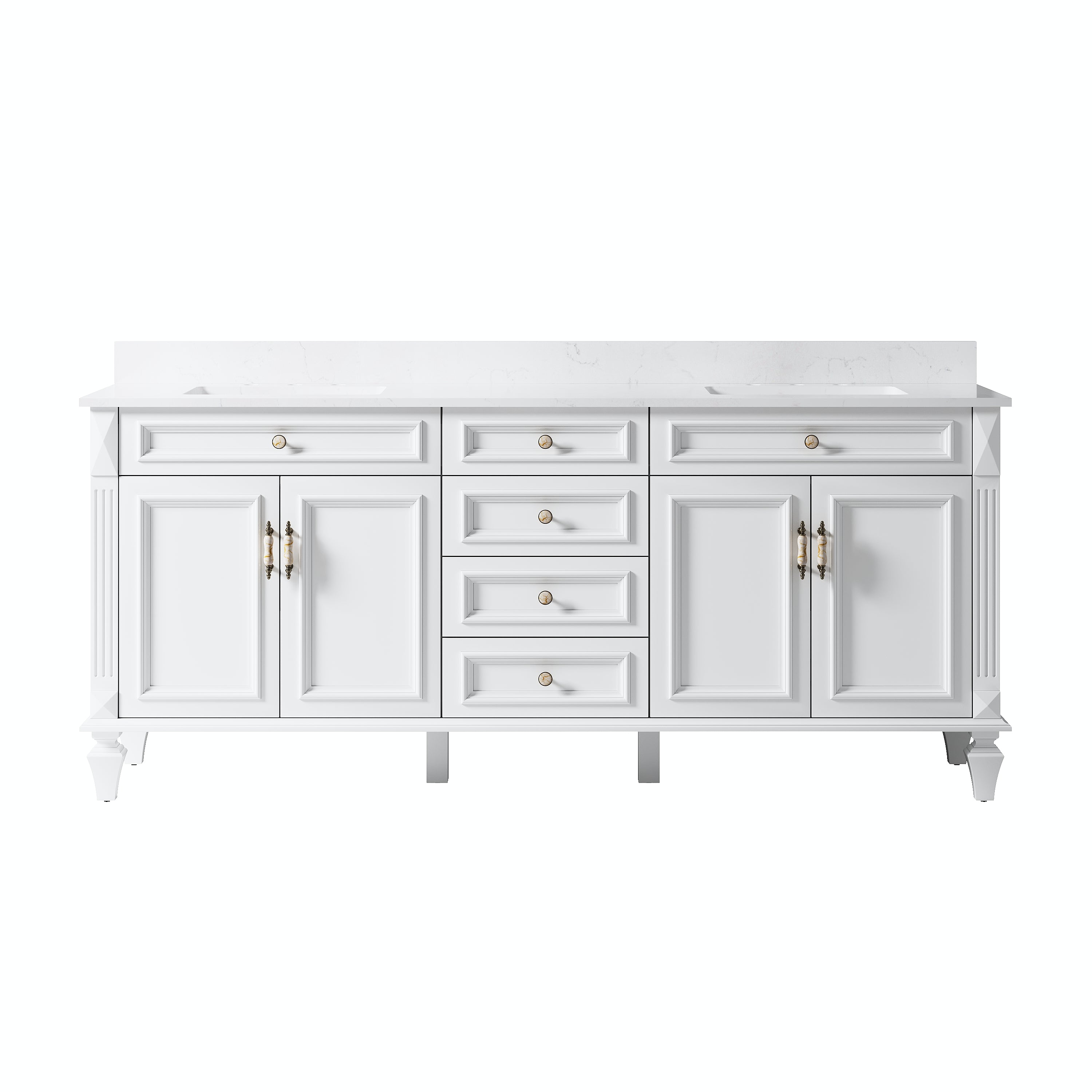
When comparing Wellfor options, look beyond the wood tone. Check cabinet construction, finish coverage, sealed edges, hardware quality, and installation requirements. Once the vanity is in place, keep the room ventilated, remove standing water, inspect plumbing, and repair small areas of damage early. Those simple habits give a wooden vanity the best chance to remain stable, useful, and naturally beautiful through years of humid bathroom conditions.




















Leave a comment
This site is protected by hCaptcha and the hCaptcha Privacy Policy and Terms of Service apply.