




















Introduction
Natural wood bathroom vanities have become more than a style preference. In 2026, they also represent a smarter environmental conversation. I have seen plenty of homeowners assume that “wood” automatically means eco-friendly, then buy the wrong product for the wrong bathroom and end up replacing it far too soon. A better question is not whether wood sounds sustainable. It is whether the vanity is responsibly sourced, built to last, healthier for indoor air, and worth keeping for years.
That is where natural wood starts to separate itself from many synthetic or heavily processed alternatives.
1. Why Natural Wood Bathroom Vanities Start With a Better Environmental Story
Wood has one major advantage before the vanity is even installed: when sourced responsibly, it is a renewable material with a lower-impact story than many more heavily processed options. According to FSC, wood is durable, recyclable, and has a lower carbon footprint than other building materials, though that benefit depends on responsible sourcing and forest management.
(Source: FSC)
In real remodeling terms, that matters because the bathroom is full of materials that already lean hard toward manufacturing intensity—tile, stone composites, metal fixtures, glass, engineered surfaces. A natural wood vanity introduces a material that can feel warmer and less industrial, but the real environmental benefit is not just aesthetic. It comes from choosing something renewable and potentially longer-lasting.
I also think wood earns points for aging better visually. If a vanity still looks good after five or eight years, it is much less likely to be replaced just because it feels dated. That is one of the most overlooked sustainability advantages in any bathroom product.
2. Durability Is an Environmental Benefit Too
A lot of sustainability talk gets stuck on sourcing and forgets lifespan. In actual homes, longevity is one of the strongest environmental benefits a vanity can offer.
A cheap cabinet that swells, chips, or peels after a short period may have looked affordable, but it creates waste faster. A well-made natural wood vanity usually has a better chance of staying useful, repairable, and visually relevant over time. That reduces replacement cycles, labor, packaging waste, and the extra materials that come with doing the job twice.
This also lines up with what homeowners are choosing. According to Houzz, solid wood remains the top material choice for vanities among renovating homeowners, favored by 74% of those selecting new vanities.
(Source: Houzz)
That statistic does not prove wood is automatically the greenest option in every case. It does show that homeowners continue to value wood where durability and long-term satisfaction matter most.
A common mistake buyers make
The biggest mistake I see is confusing “natural look” with genuine environmental value. A vanity may look like natural wood and still be made with poor substrates, weak veneers, or finishes that shorten its life in a humid room.
If a vanity cannot survive real bathroom conditions, the environmental story weakens quickly. Sustainability has to include durability, not just appearance.
Where the environmental advantage can fade
A natural wood vanity is not the best choice in every bathroom. If the room has poor ventilation, frequent standing water, or a plumbing leak that goes ignored, even a quality vanity can age badly. When that happens, the owner may end up replacing a product that could have lasted much longer in a better-maintained environment.
So yes, wood can be a greener choice. It still needs the right room and the right habits.
3. Indoor Air Quality Matters More Than People Think
Environmental responsibility in a bathroom is not only about forests and carbon. It is also about what the vanity brings into the air inside the home.
This is where buyers need to pay attention to finishes, adhesives, and composite components. According to the EPA, formaldehyde emission standards under TSCA Title VI apply to composite wood products such as hardwood plywood, medium-density fiberboard, and particleboard, as well as finished goods containing them.
(Source: EPA)
That does not mean every engineered component is a bad choice. It means homeowners should ask better questions about what is inside the cabinet, not just what is visible on the front. A vanity that uses lower-emission materials and more careful construction can support a healthier indoor environment, especially in a bathroom where heat and humidity amplify everything.
What to look for before buying
I usually suggest focusing on four questions:
Where is the wood sourced from? Is there responsible certification or transparent sourcing information? What is the cabinet box actually made from? What kind of finish is used? And is the vanity built in a way that makes repair or touch-up realistic later?
Those questions matter more than marketing language like “eco,” “natural,” or “organic.”

4. Why 2026 Design Trends Are Supporting This Shift
Natural materials are not just a niche preference anymore. They are becoming central to how bathrooms are being designed. According to NKBA’s 2026 Bath Trends Report, wood-faced vanities have overtaken painted vanities in popularity, with 62% of respondents identifying wood-faced vanities as growing in appeal.
(Source: NKBA)
I do not read that as proof that every wood vanity is environmentally superior. I read it as a sign that homeowners are moving toward materials that feel more grounded, more timeless, and less disposable. Those choices often align well with sustainability because they are less dependent on short-term trend cycles.
Natural wood bathroom vanities are especially well suited to primary bathrooms, guest baths, and remodels where the goal is long-term comfort rather than quick visual impact. They are less ideal for neglect-heavy environments, poorly ventilated bathrooms, or situations where the owner wants something completely maintenance-free.
Installation matters too. A vanity that is level, sealed properly, and protected from leaks is far less likely to fail early. Maintenance matters just as much. Wipe standing water, run the fan long enough to clear steam, and avoid harsh cleaners that can break down protective finishes.
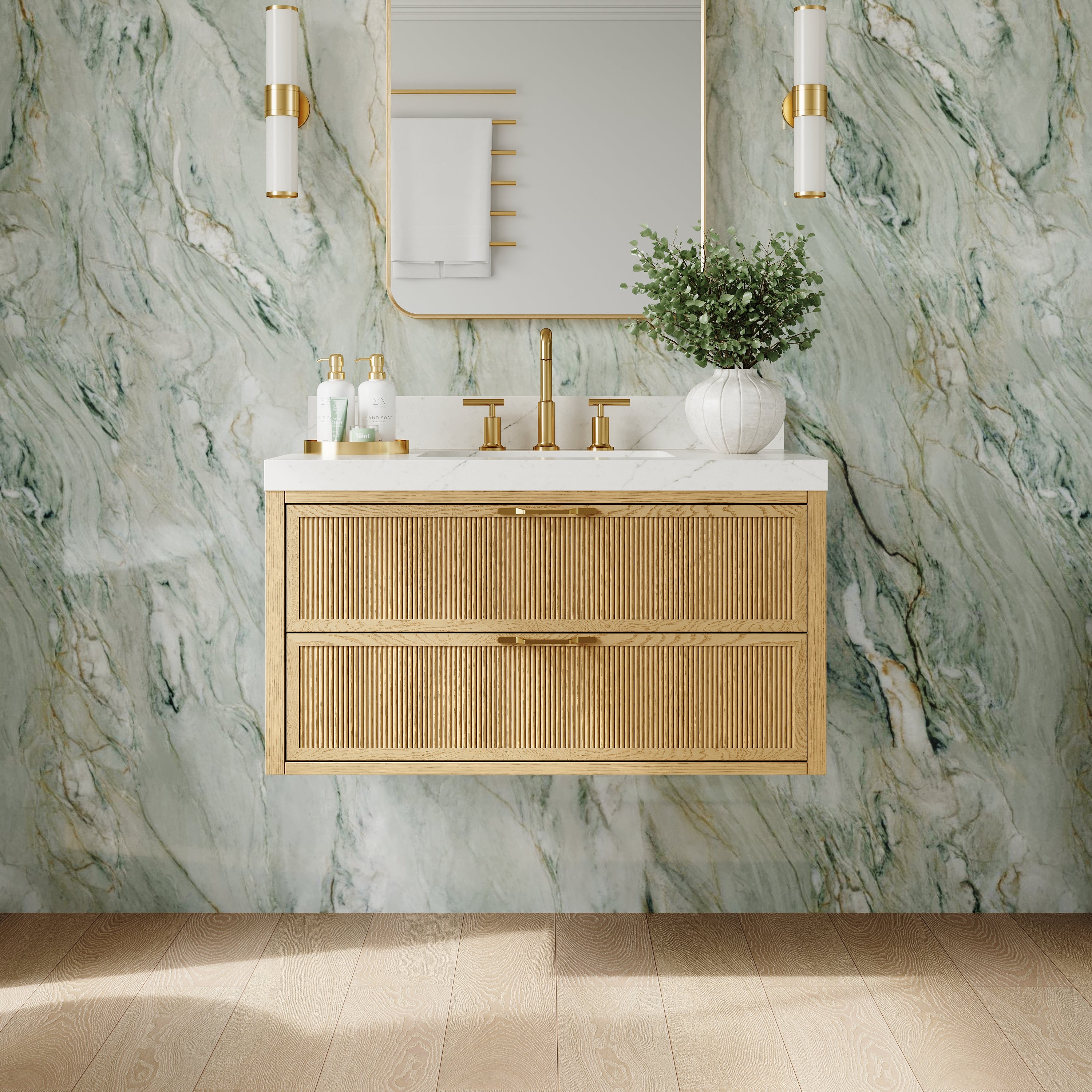
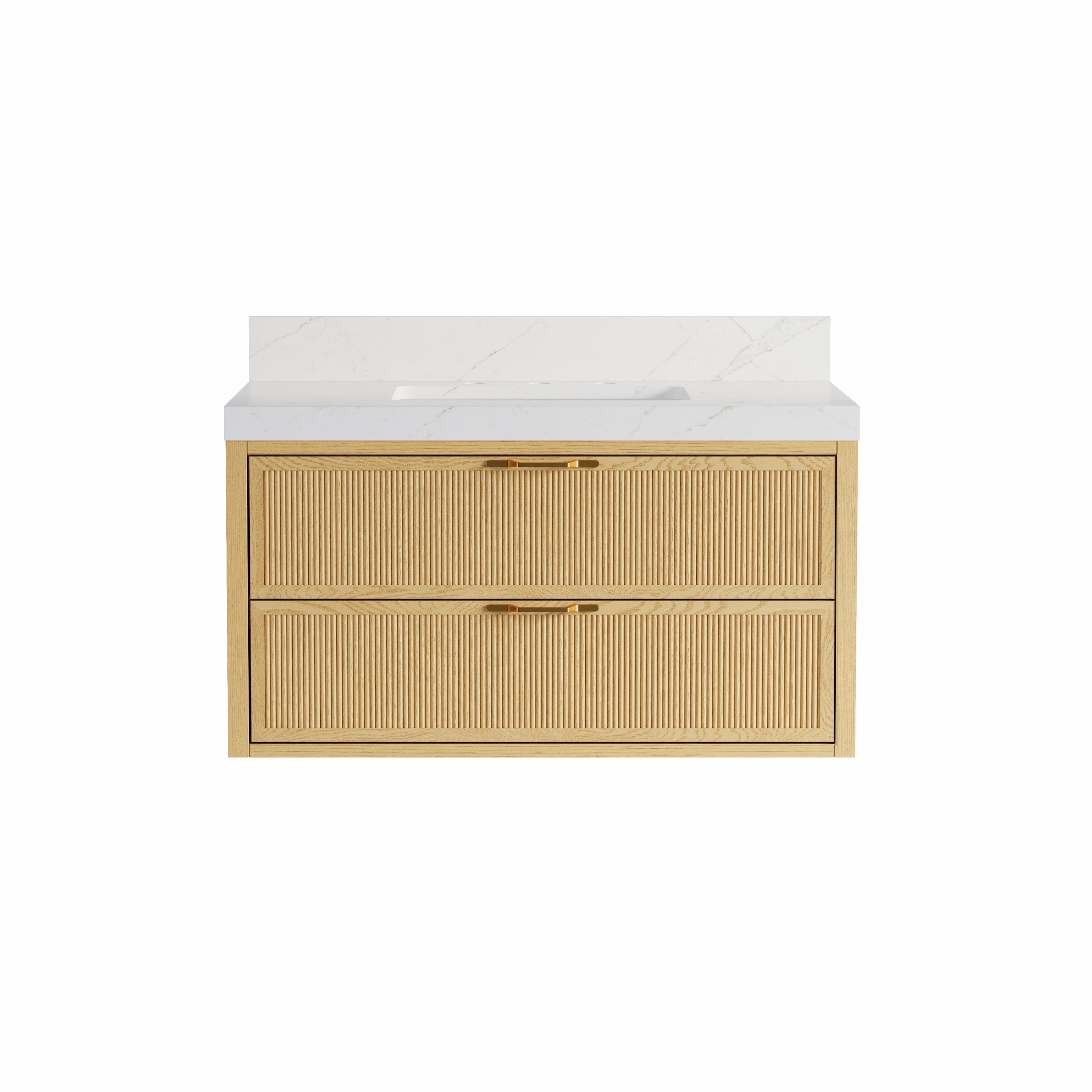
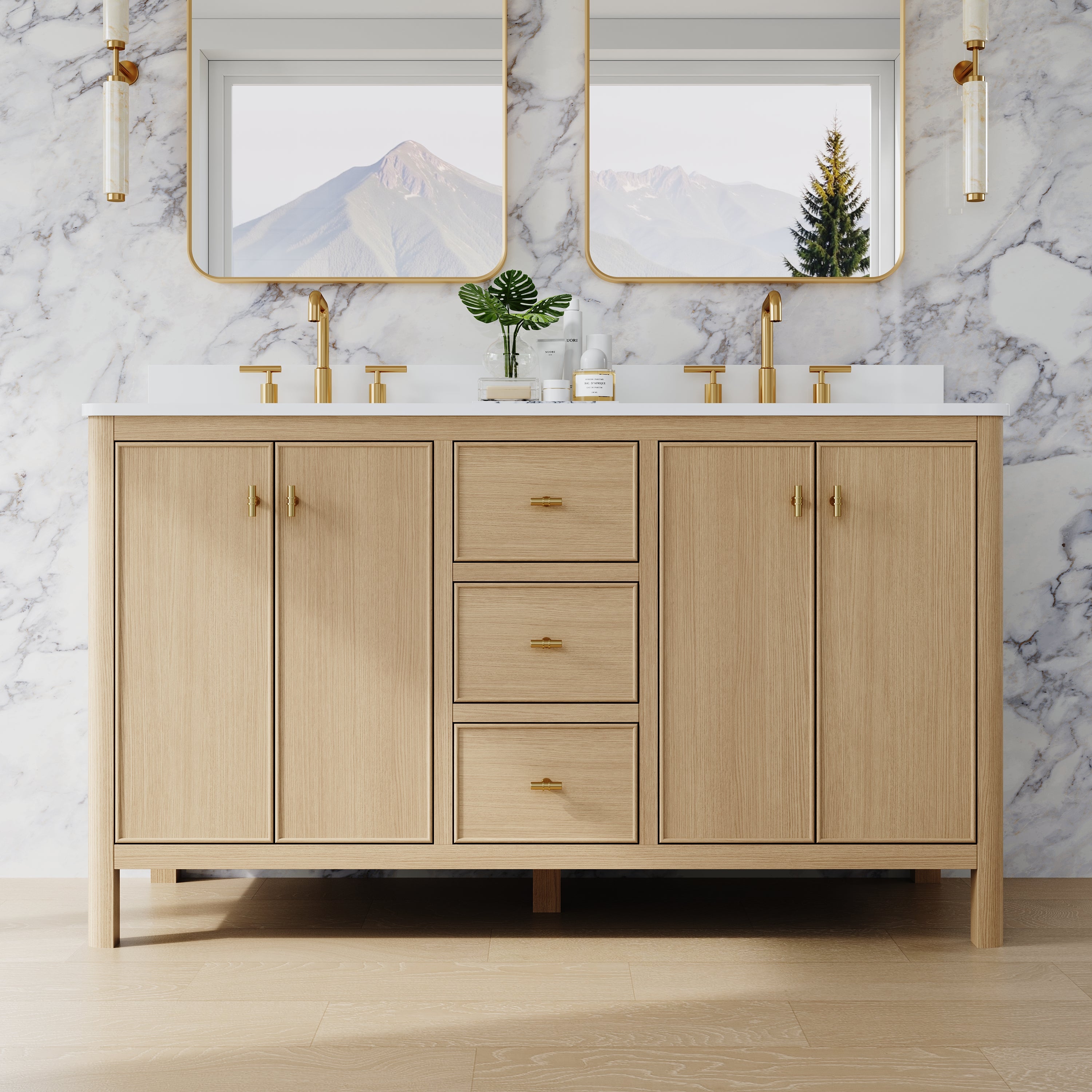
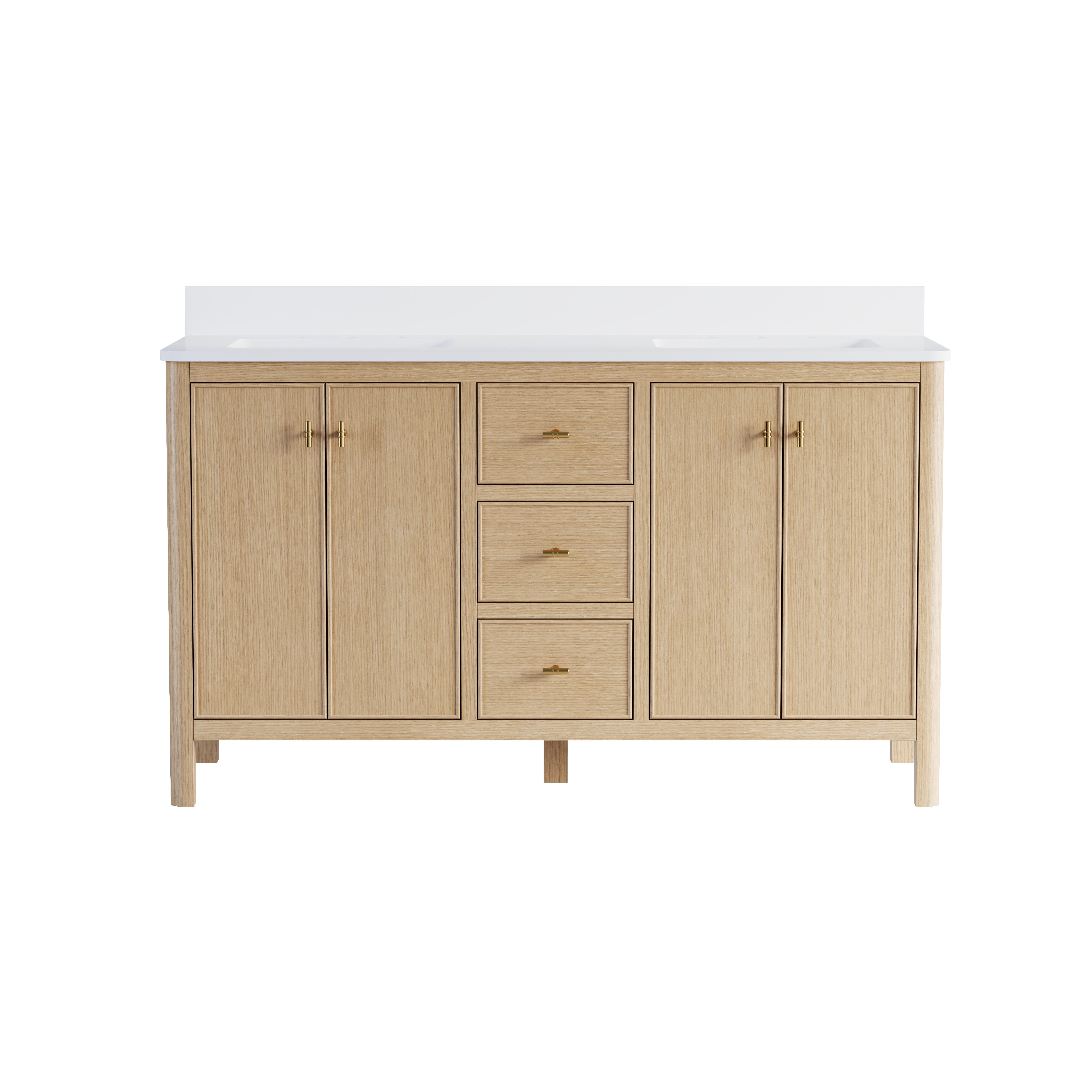
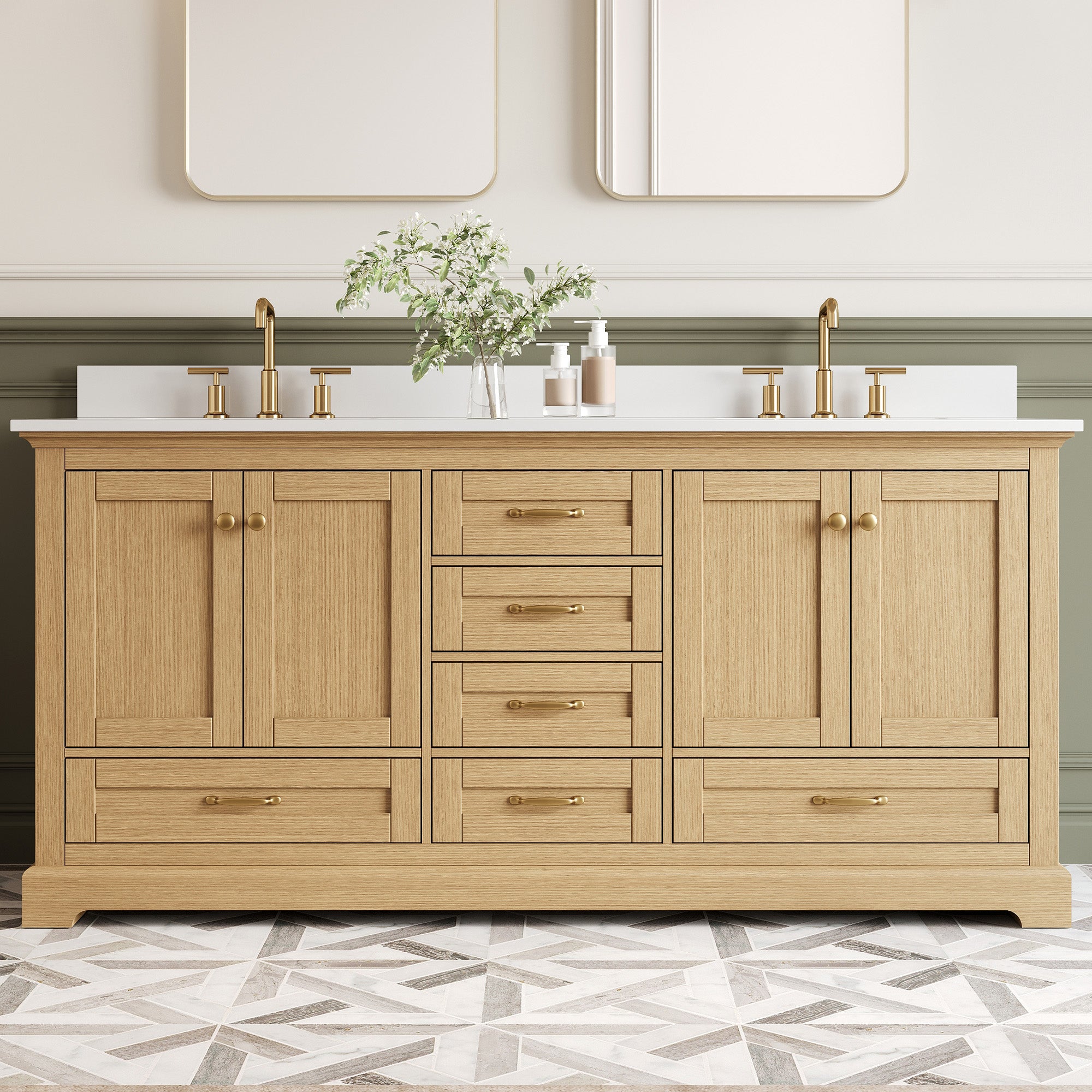
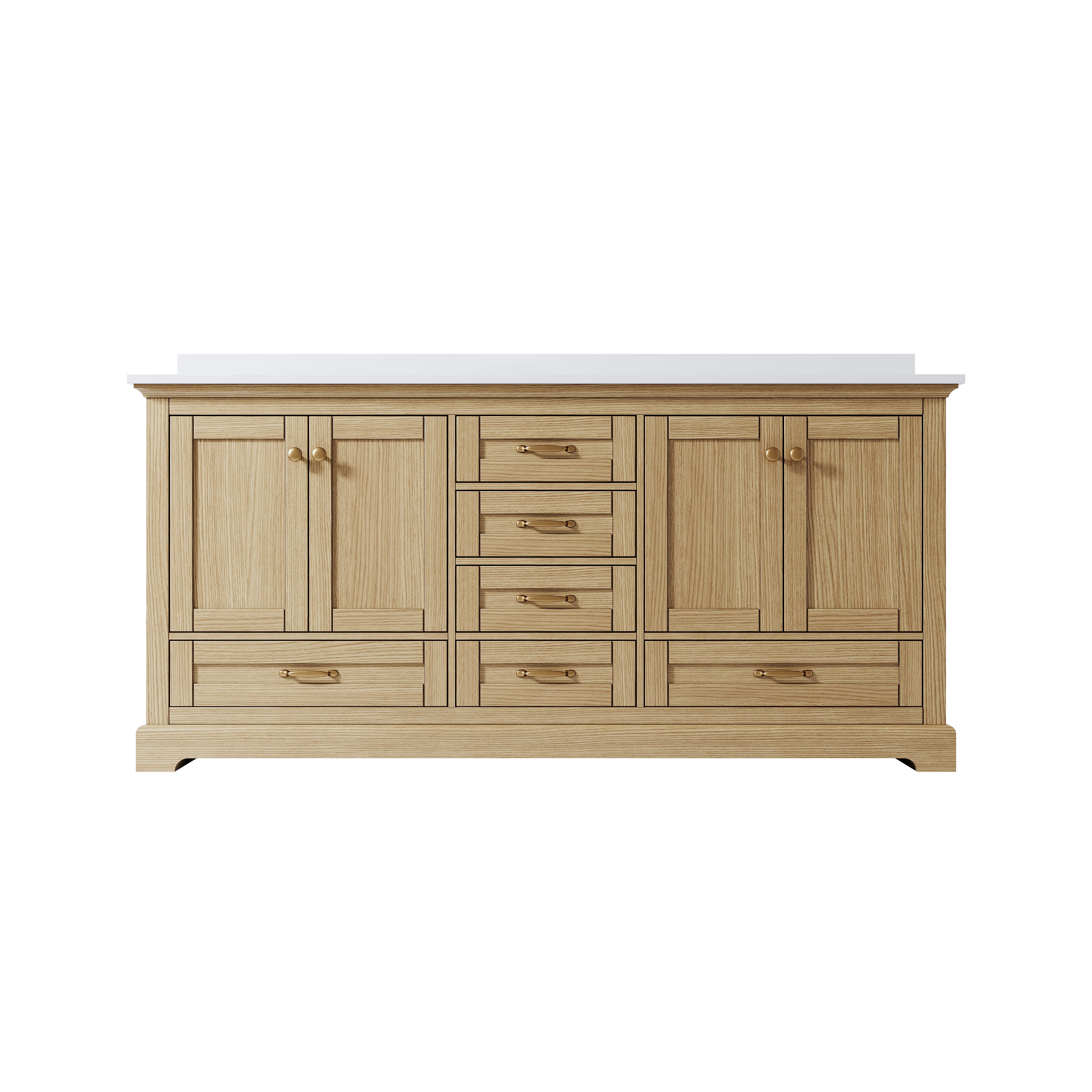
For homeowners considering brands like Wellfor, the smartest move is to buy natural wood bathroom vanities the way you would buy any long-term fixture: by looking at sourcing, construction, finish quality, and whether the bathroom can support the material properly. When the wood is responsibly chosen and the vanity is built to stay in place for years, the environmental benefits become real, not just decorative.



































Leave a comment
This site is protected by hCaptcha and the hCaptcha Privacy Policy and Terms of Service apply.