
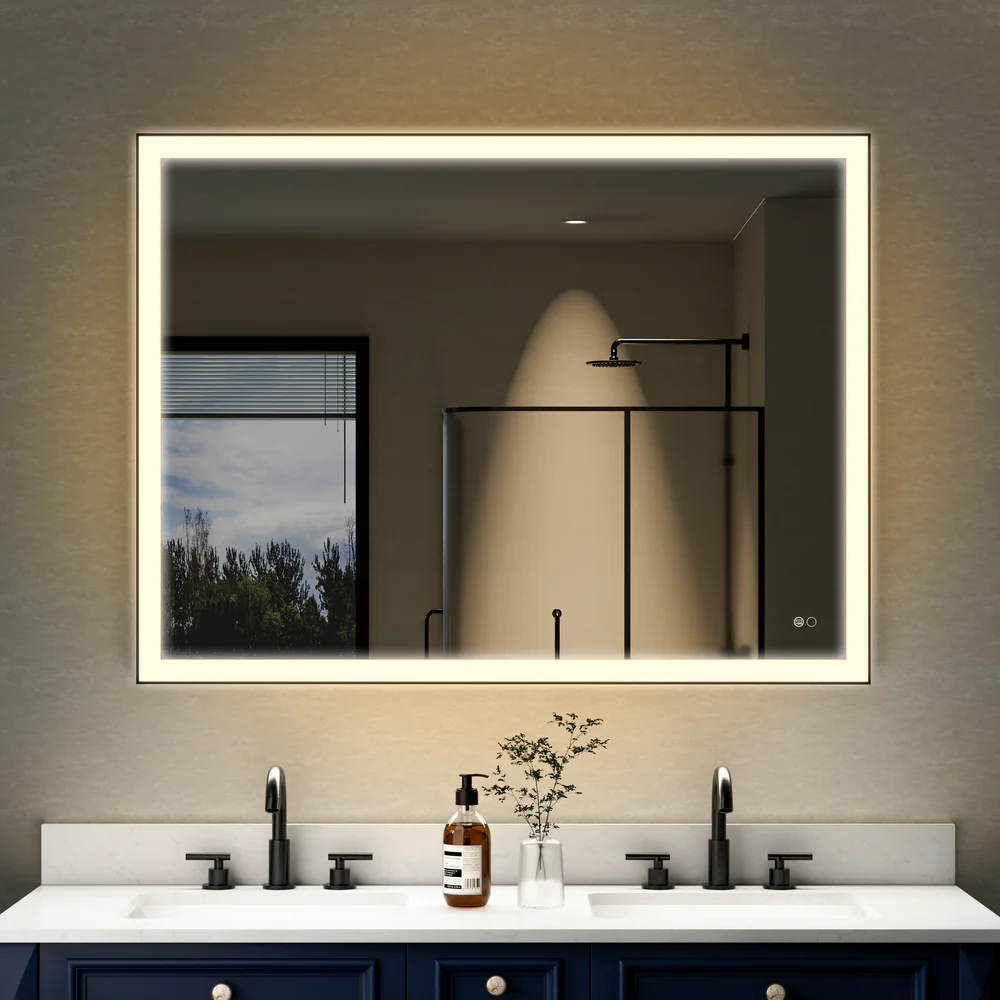
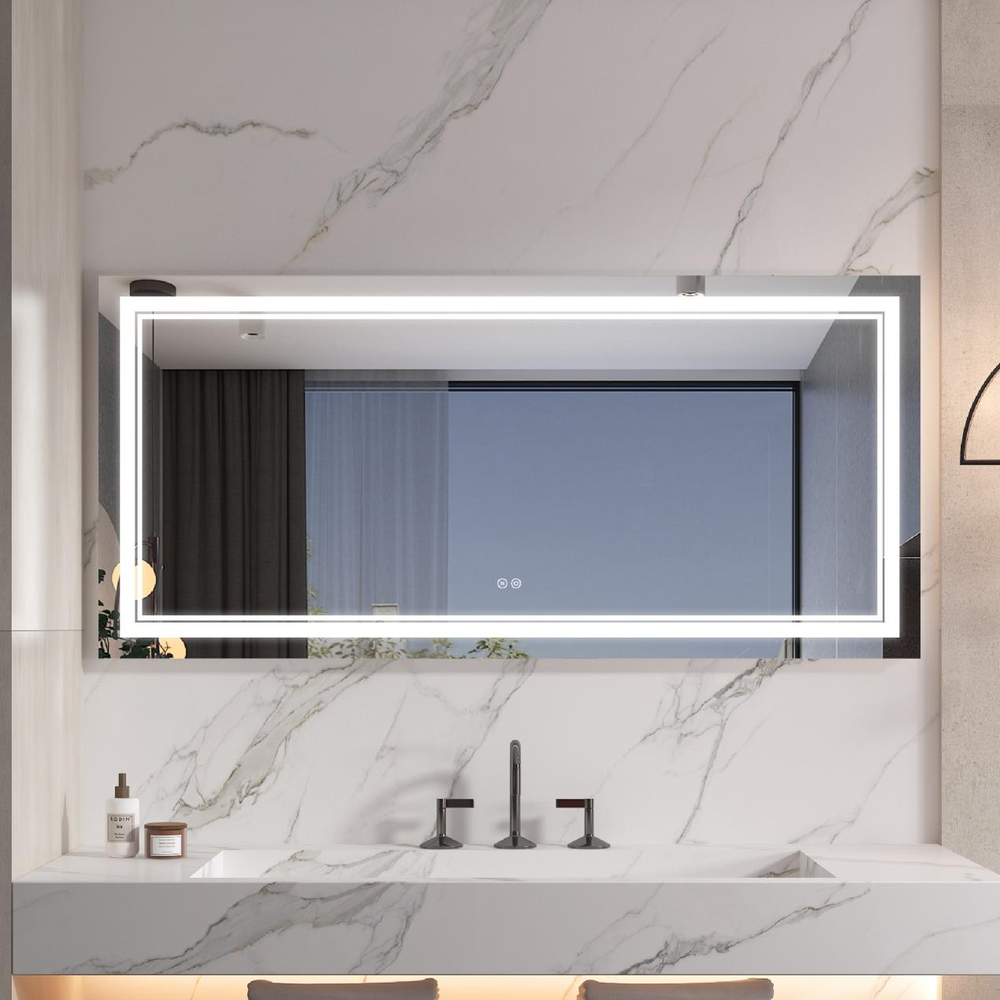
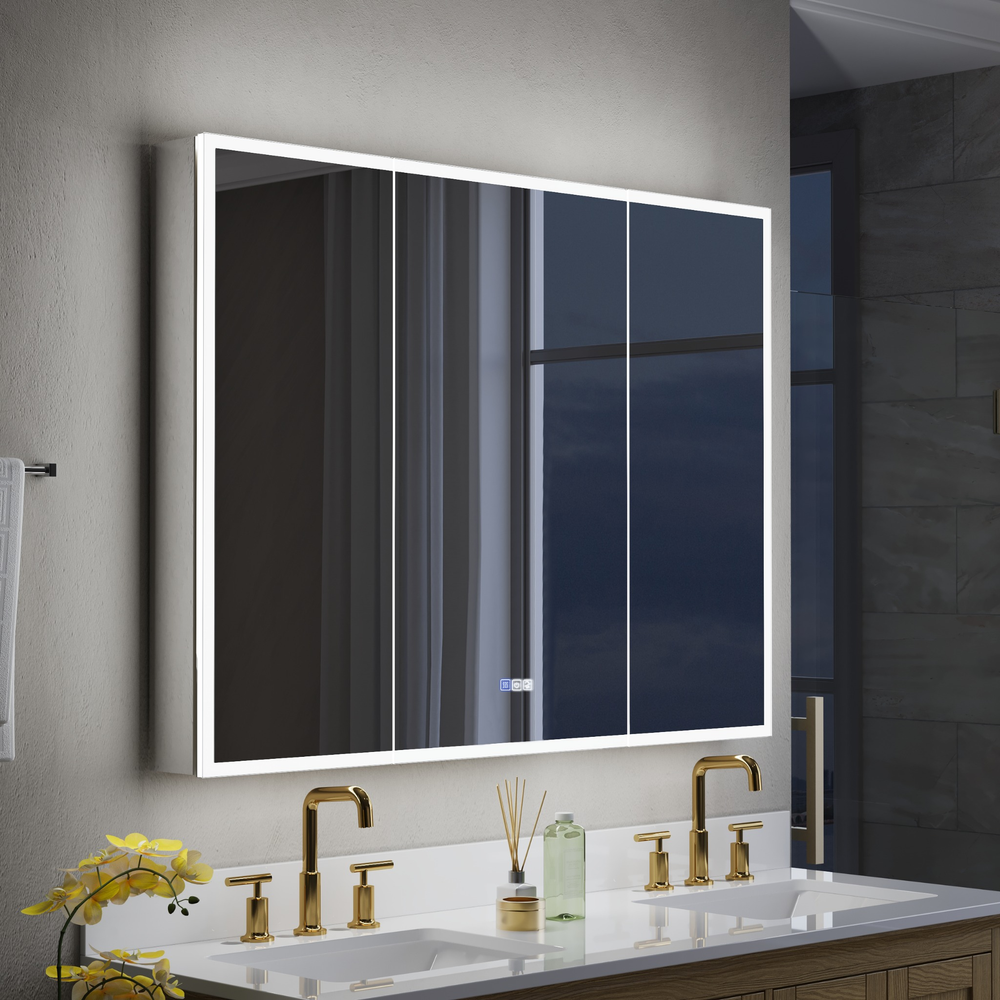
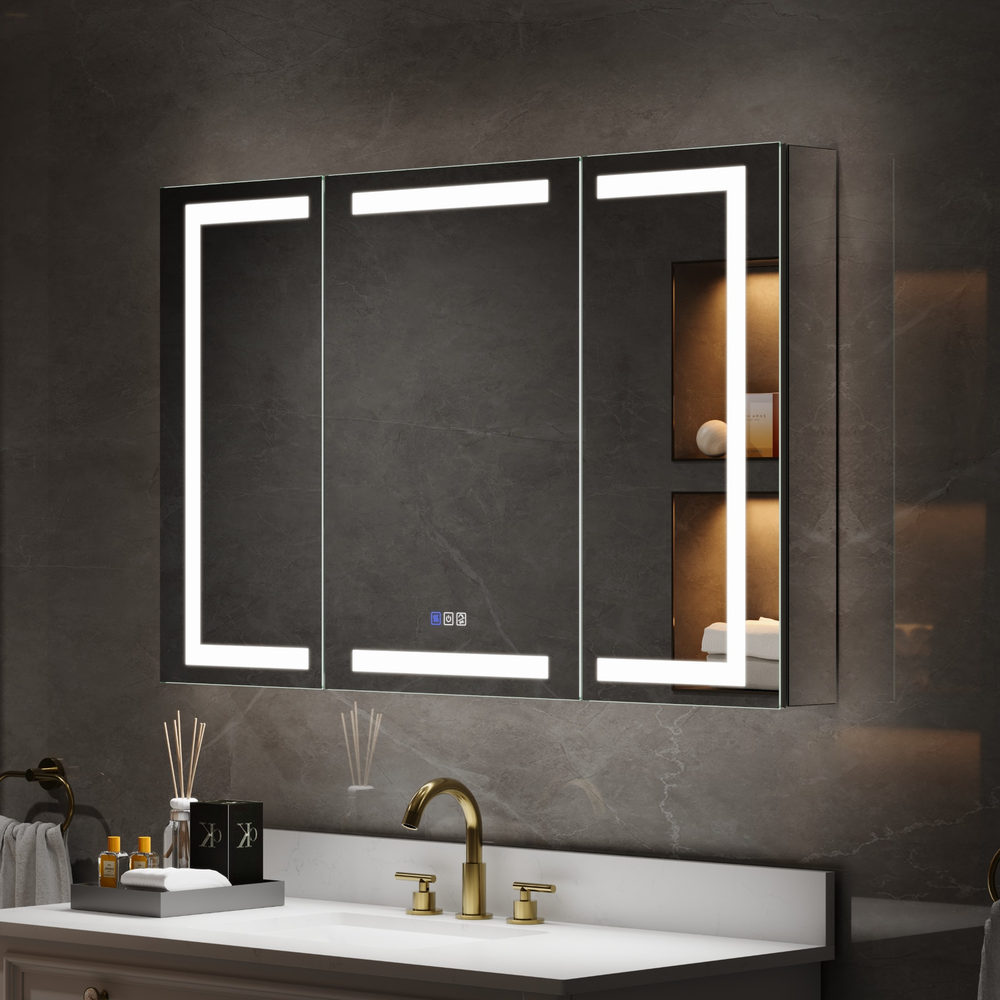


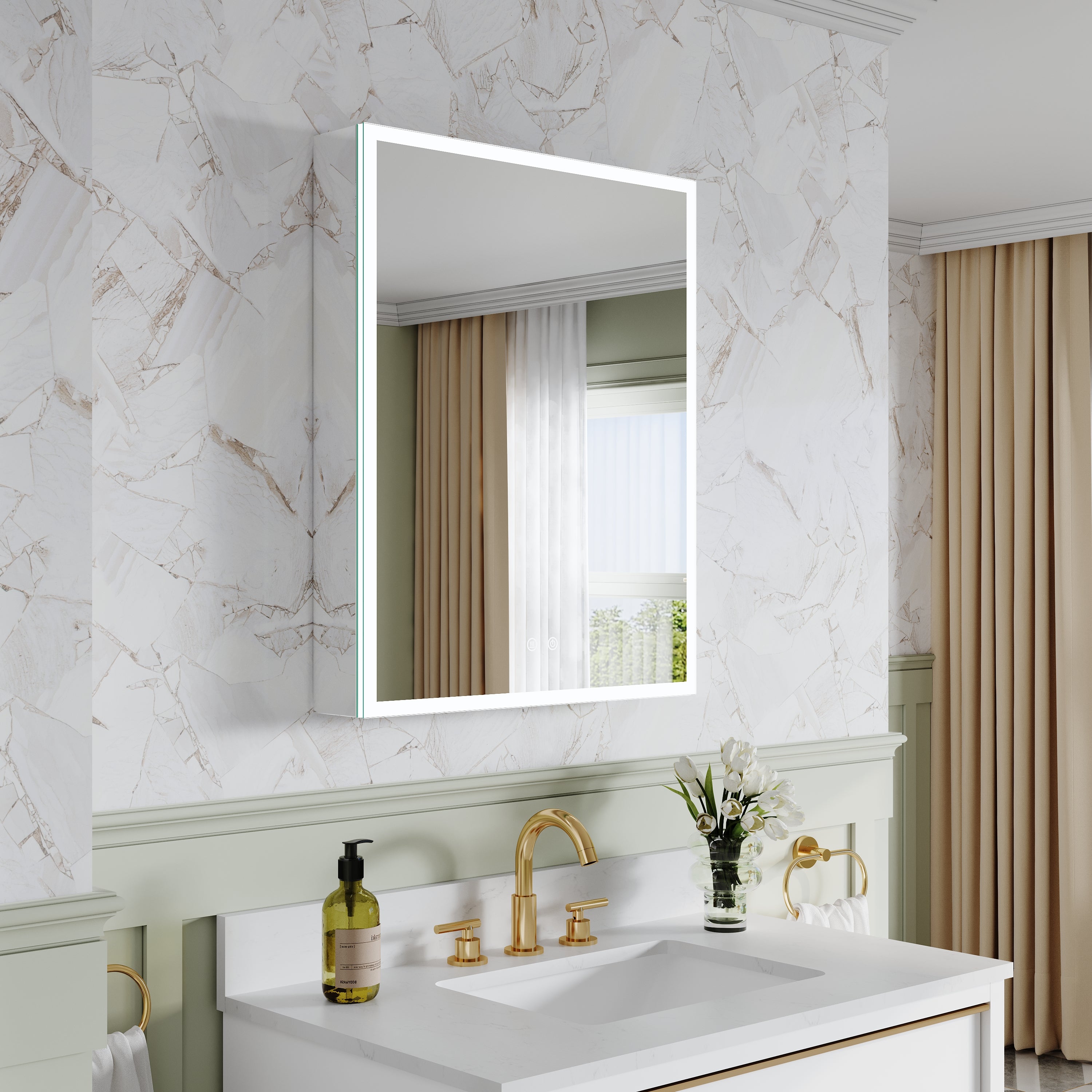
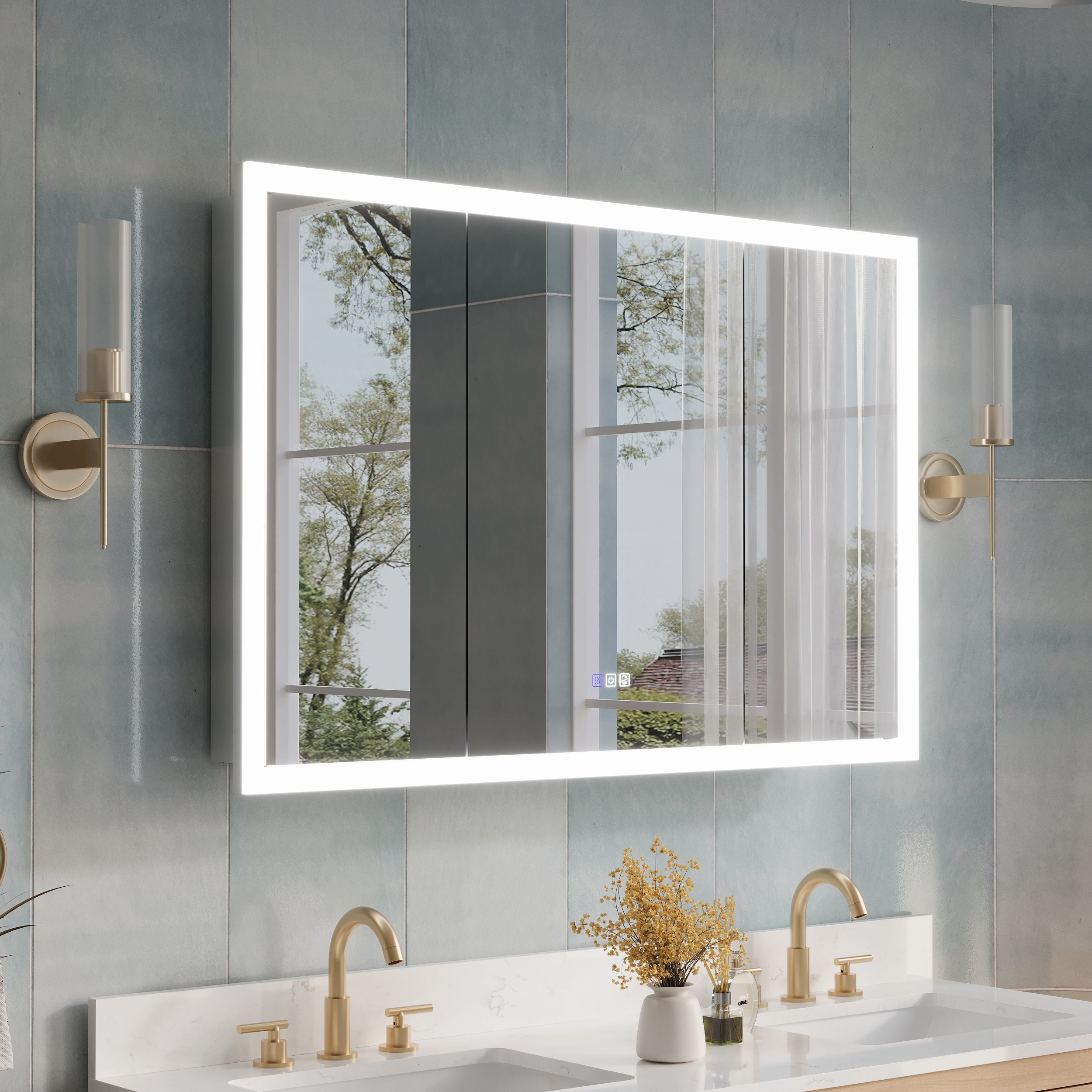
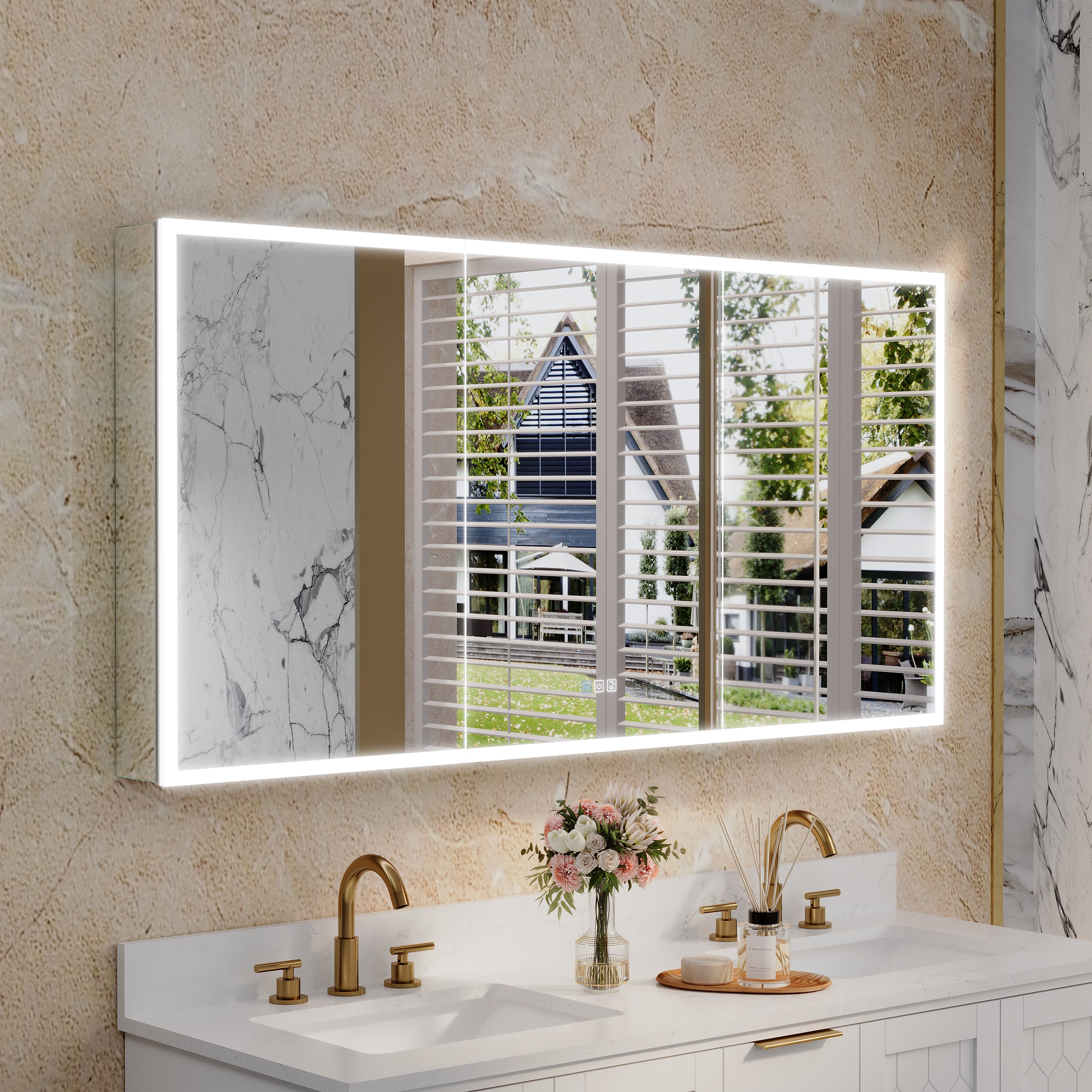
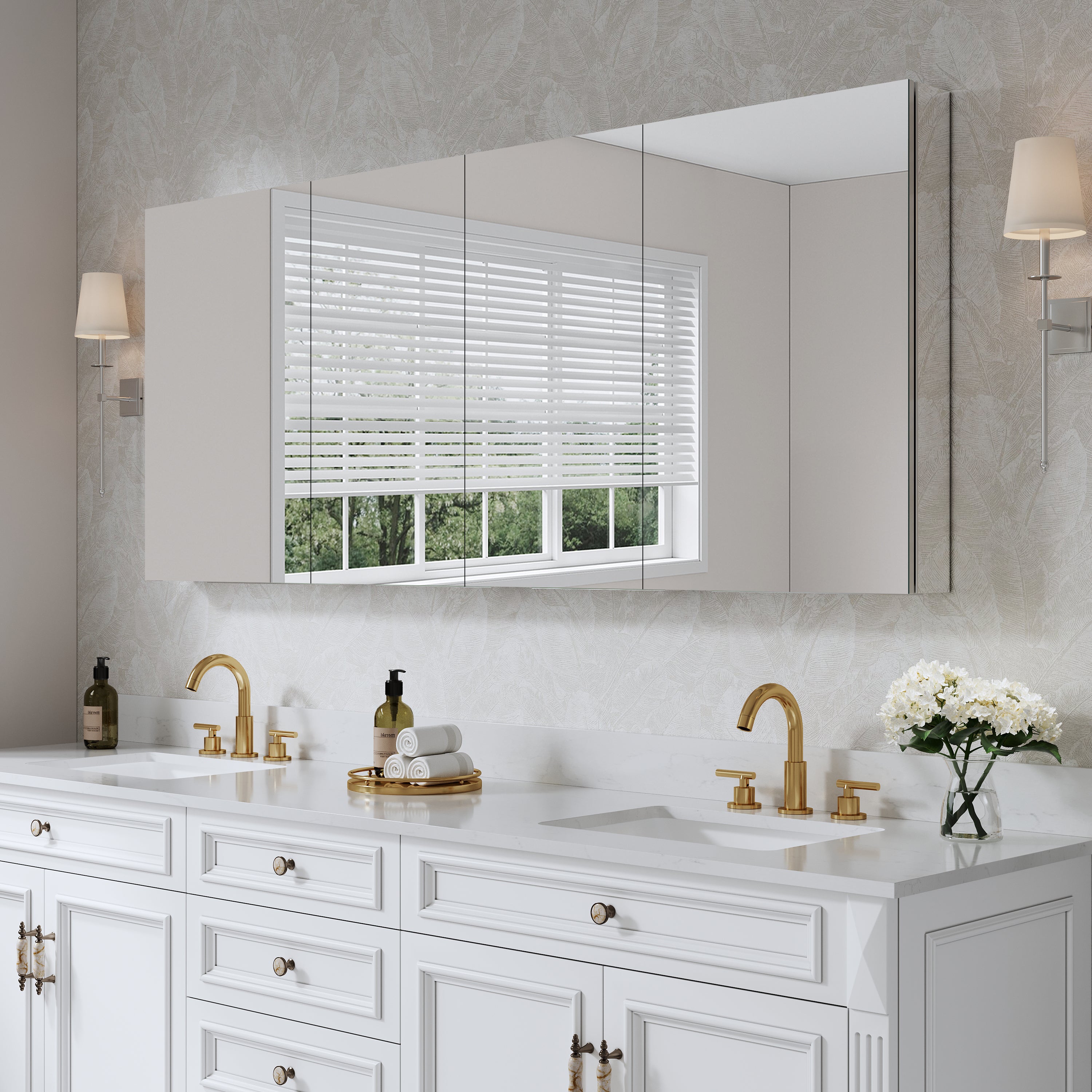
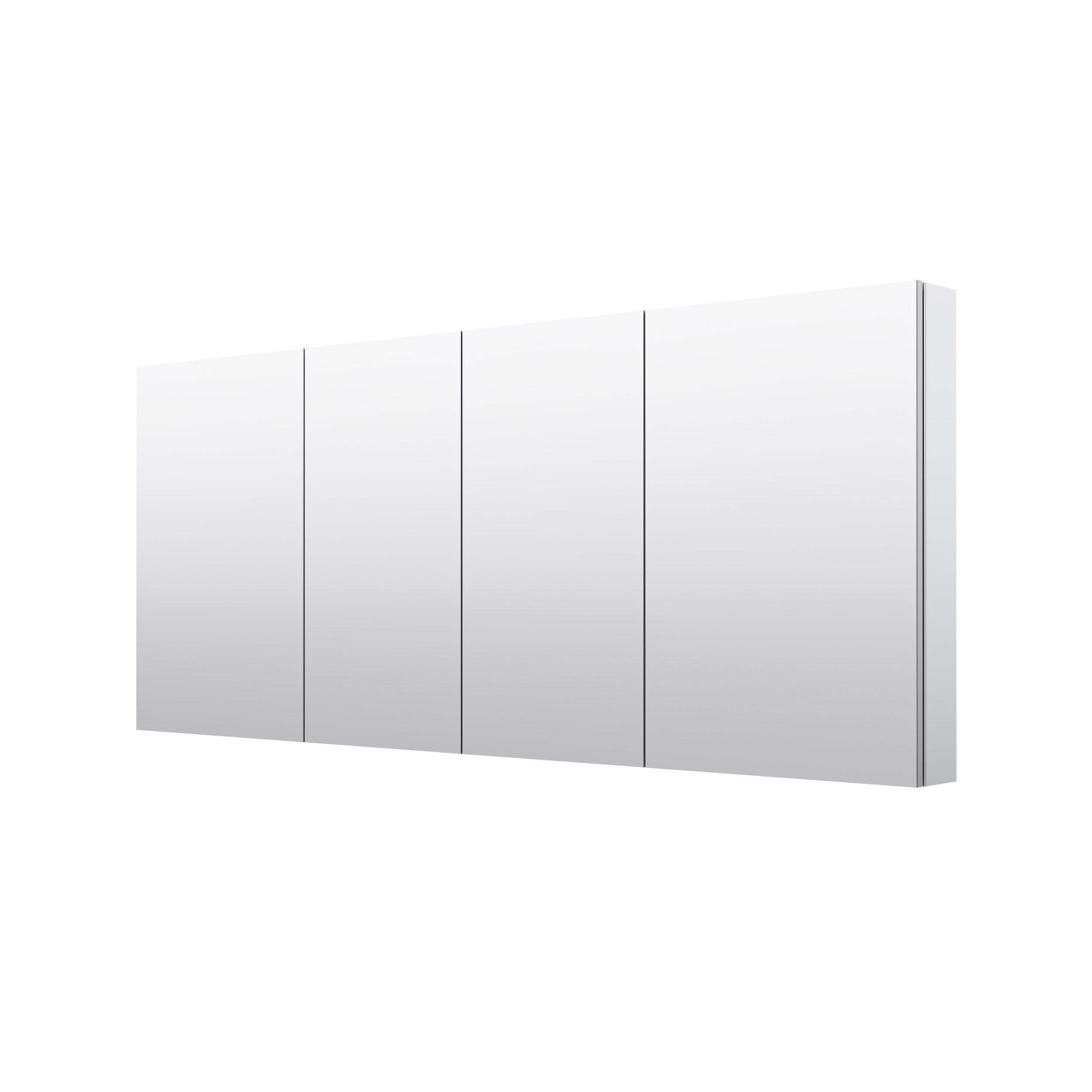
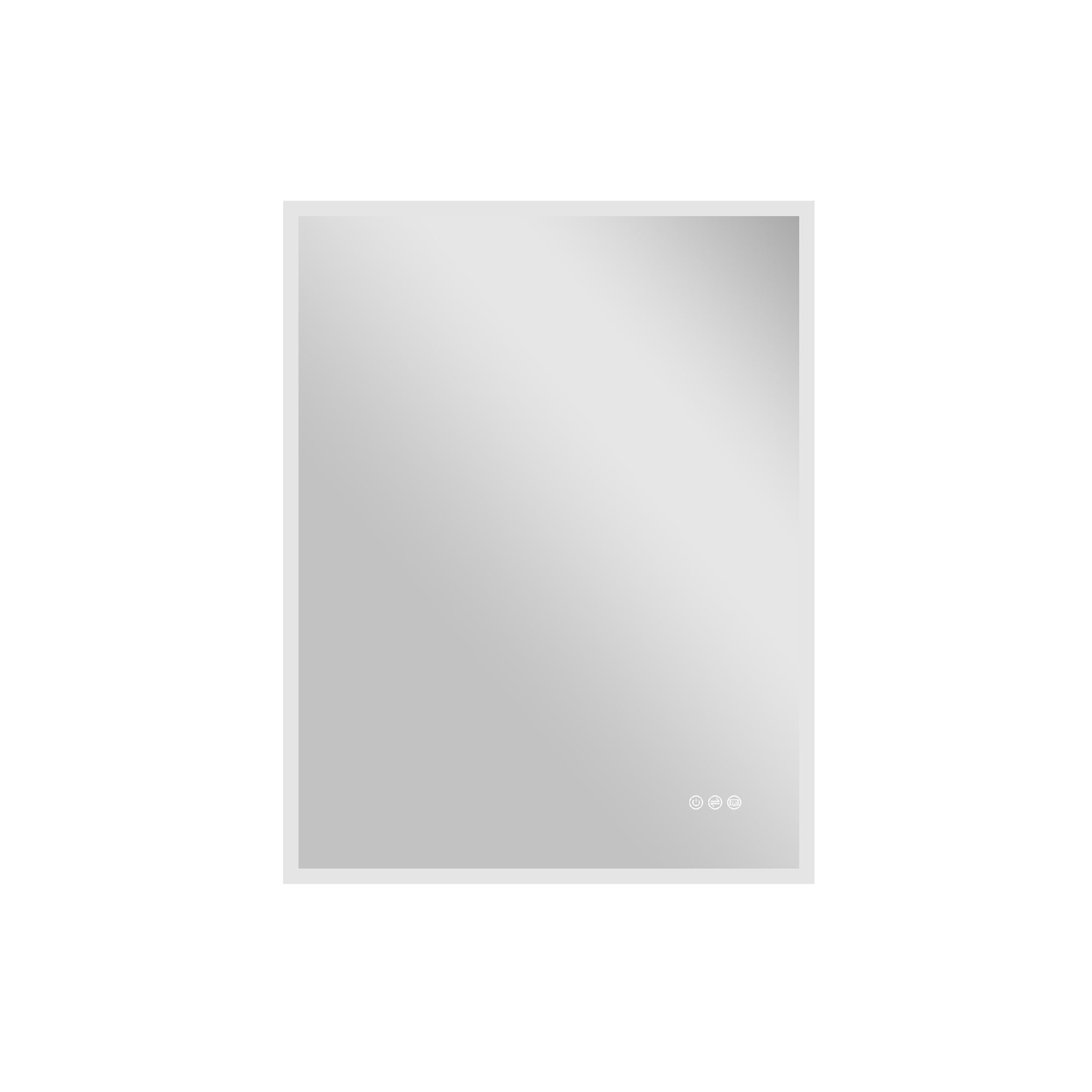
A recessed bathroom medicine cabinet with mirror can be one of the most practical storage upgrades in a bathroom, particularly when floor space and countertop space are limited. By fitting most of the cabinet body inside the wall, it provides useful shelves without making the vanity area feel bulky. After working with bathroom fixtures for years, I have found that the best cabinets are rarely the ones with the longest feature lists. Good dimensions, usable shelves, durable hardware, and proper installation matter far more.
1. What Makes a Recessed Bathroom Medicine Cabinet with Mirror Worth Buying?
The biggest advantage is space efficiency.
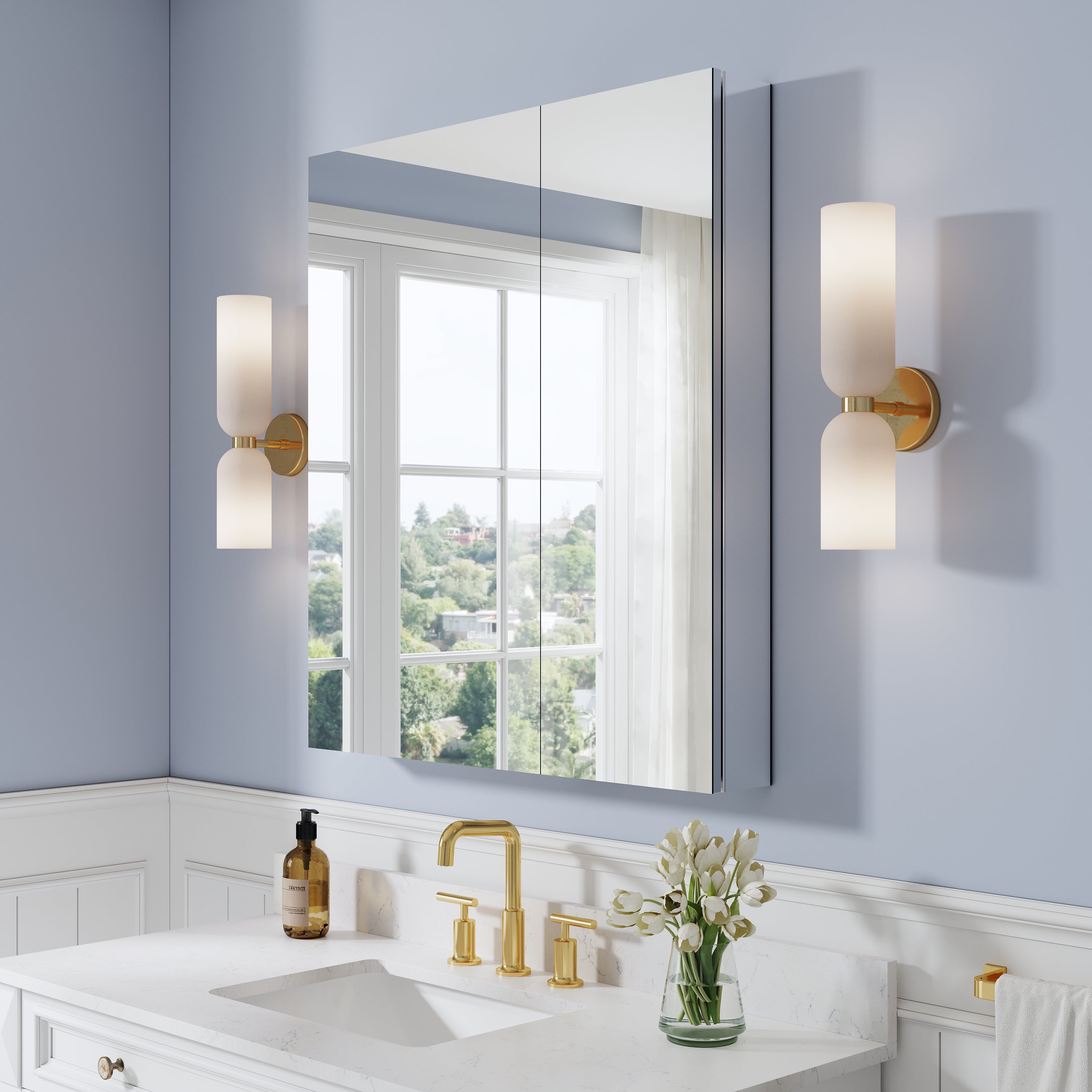
A standard mirror uses wall space but offers no storage. A surface-mounted cabinet adds storage but projects several inches into the room. A recessed cabinet gives you both functions while keeping most of its depth hidden inside the wall.
This matters in narrow bathrooms, powder rooms, apartments, and guest baths where every inch around the vanity counts.
Daily products also become easier to reach. Toothpaste, shaving supplies, skincare, medicine, and contact lens products can stay at eye level instead of disappearing into deep vanity drawers.
The result is usually a cleaner countertop and a bathroom that feels less cluttered.
2. The Best Cabinet Size Depends on the Vanity
There is no single cabinet width that works for every bathroom.
I usually start with the vanity rather than the medicine cabinet. A narrow cabinet above a wide vanity can look undersized, while an oversized mirror can dominate a compact wall.
Measure the vanity width, sink position, faucet height, backsplash, surrounding walls, and lighting before choosing a cabinet.
Leave enough visual space around the mirror as well. A cabinet squeezed tightly between two walls or light fixtures rarely looks intentional.
Do Not Forget the Door Swing
This is one of the most common planning mistakes.
A cabinet may fit perfectly in the available opening but still be frustrating if the mirrored door hits a wall or nearby fixture.
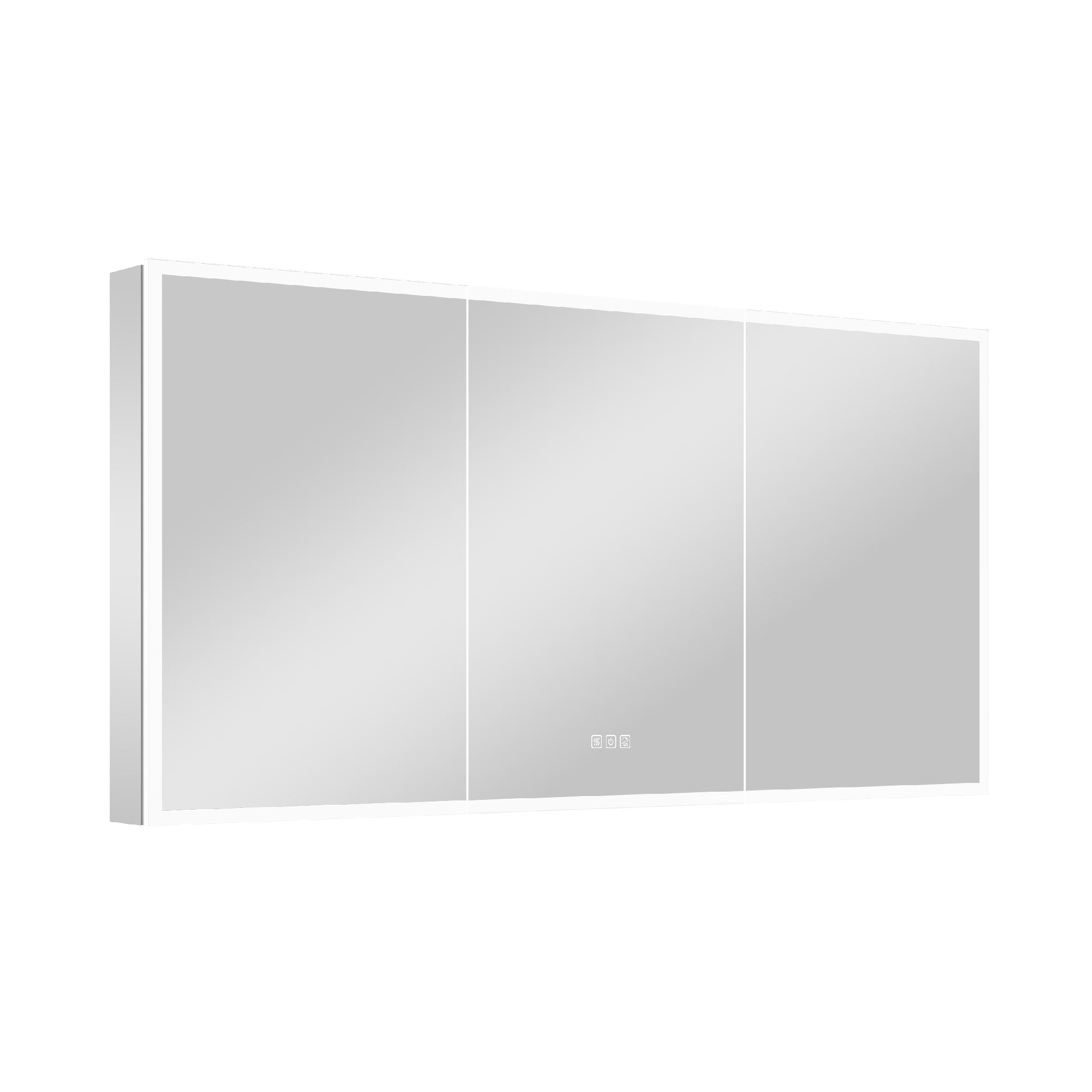
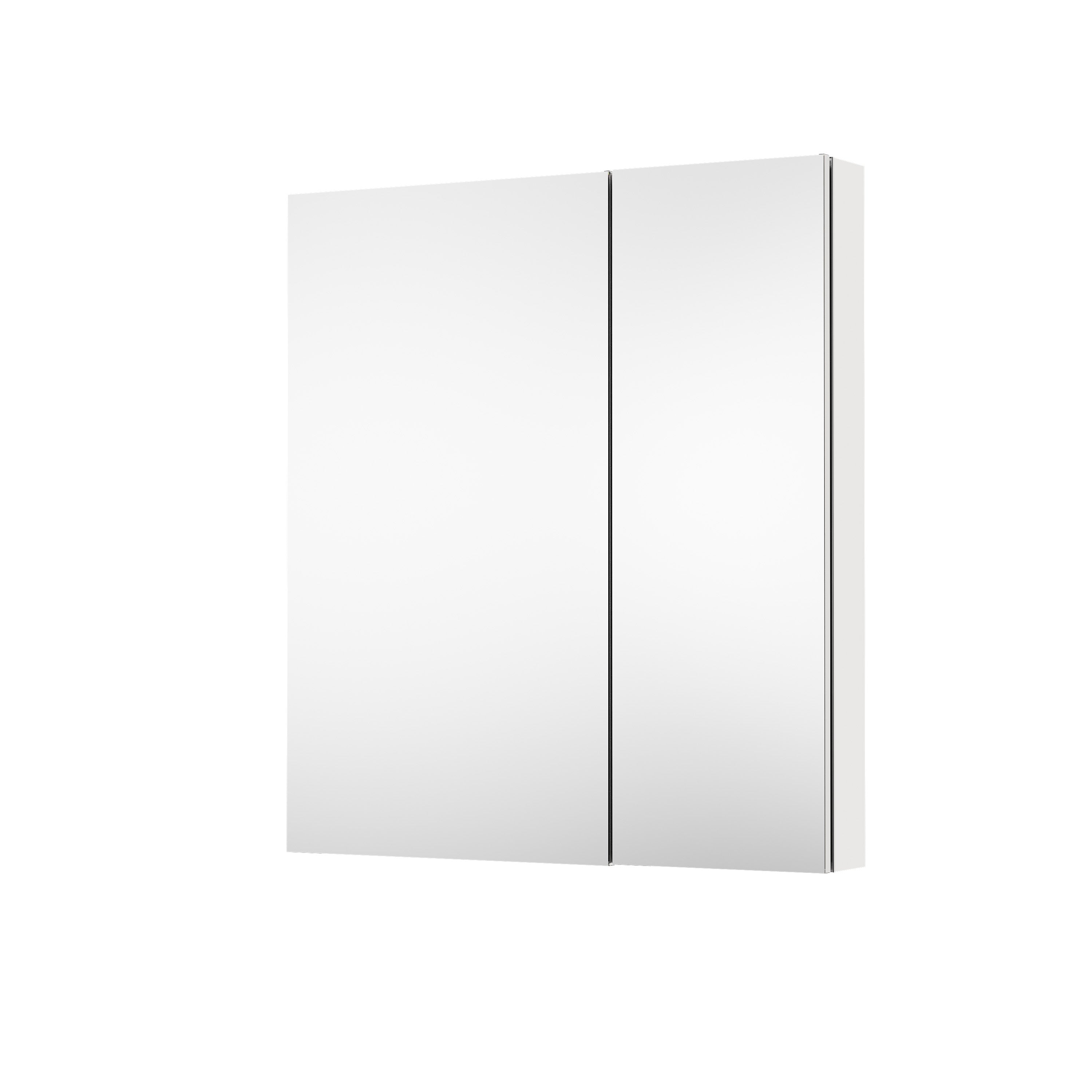
Check which direction the door opens. For double- or triple-door designs, consider how the panels move when more than one is open.
Daily usability matters more than whether the cabinet technically fits.
3. Adjustable Shelves Usually Beat Fixed Shelves
Interior organization deserves almost as much attention as the mirror itself.
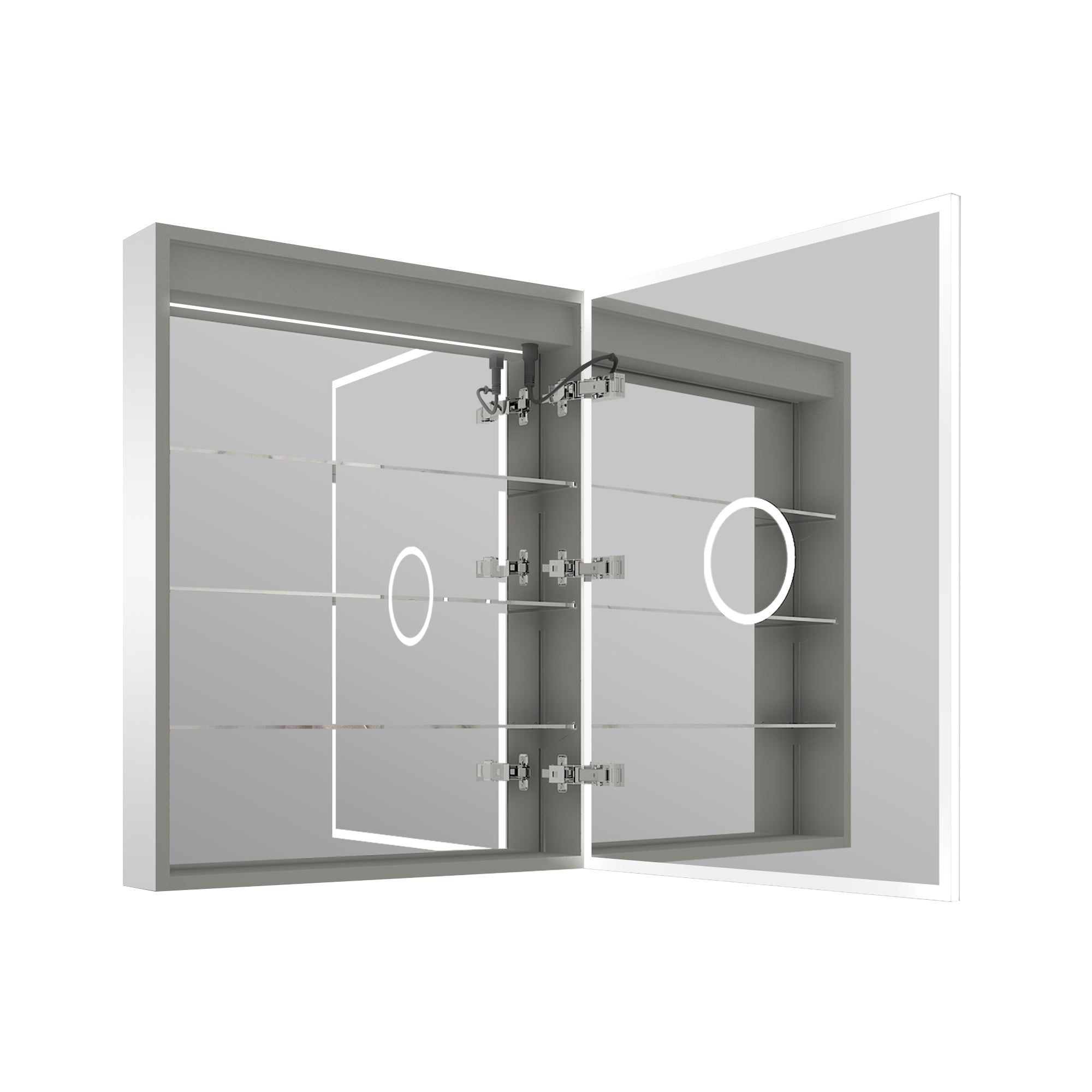
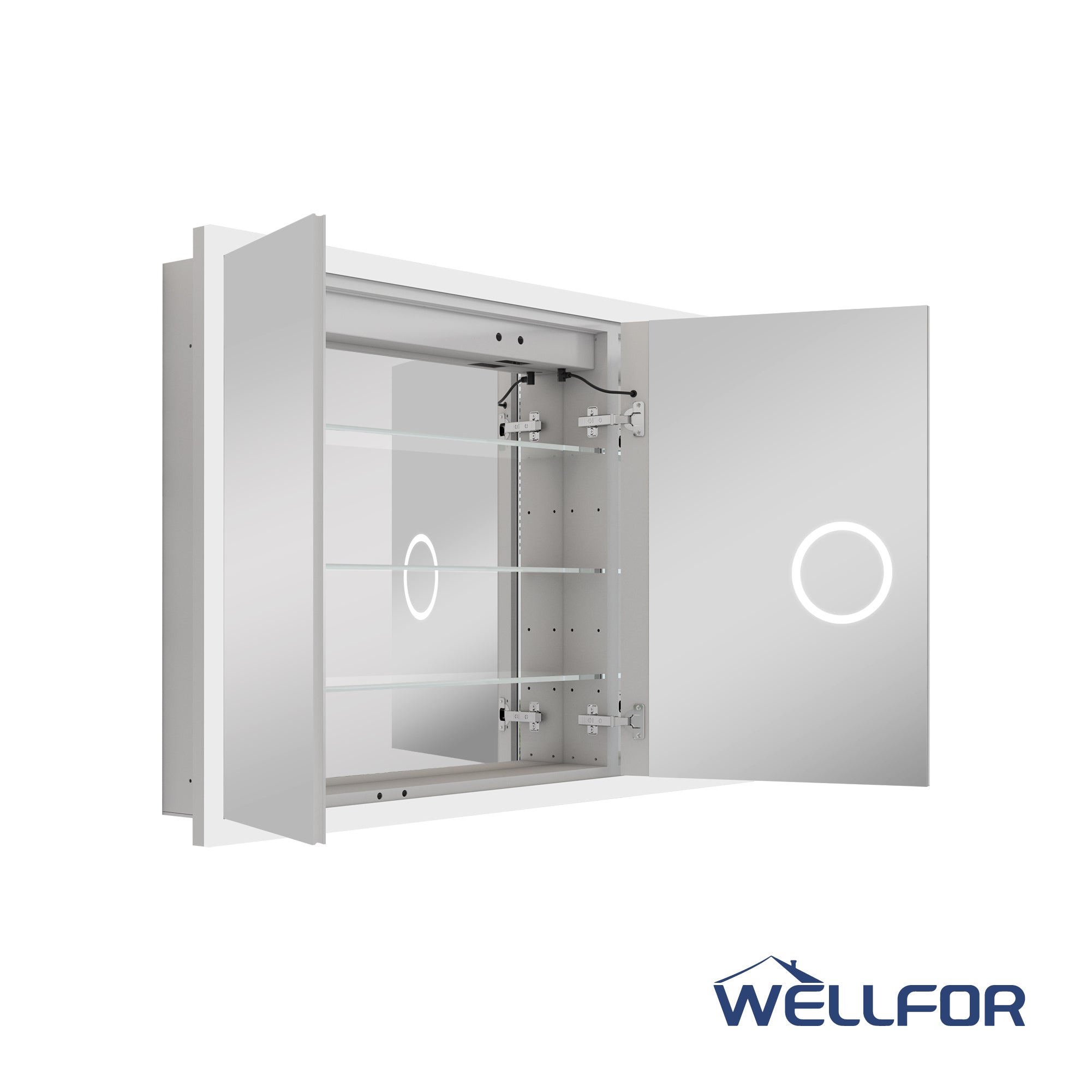
Adjustable shelves let you accommodate short jars, toothpaste tubes, tall skincare bottles, and grooming products without wasting vertical space.
Fixed shelves can work, but they limit flexibility.
One advantage of medicine cabinets is their relatively shallow storage depth. People sometimes see shallow shelves as a drawback, yet they make small products easier to see. Items are less likely to disappear behind one another.
Before buying, measure a few of the tallest products you actually use. Product photos often make cabinet interiors look larger than they are.
4. Recessed Installation Is Not Always Possible
The clean, built-in appearance of a recessed cabinet is attractive, but the wall determines whether installation is practical.
There may be studs, pipes, wiring, or ventilation components behind the drywall.
Never assume the cavity is empty.
This is especially important during an existing bathroom remodel. Relocating plumbing or electrical wiring can turn a relatively simple cabinet installation into a much larger project.
If significant wall modification is required, a surface-mounted model may be more sensible.
Check the Rough Opening Before Ordering
Cabinet dimensions and rough-opening dimensions are not always identical.
Always review the manufacturer's installation specifications before cutting the wall. The opening needs to be properly framed, level, and large enough for the cabinet body while still allowing secure attachment.
I would rather adjust the product choice before ordering than discover a framing problem halfway through installation.
5. Which Features Are Actually Useful?
Some features genuinely improve daily use.
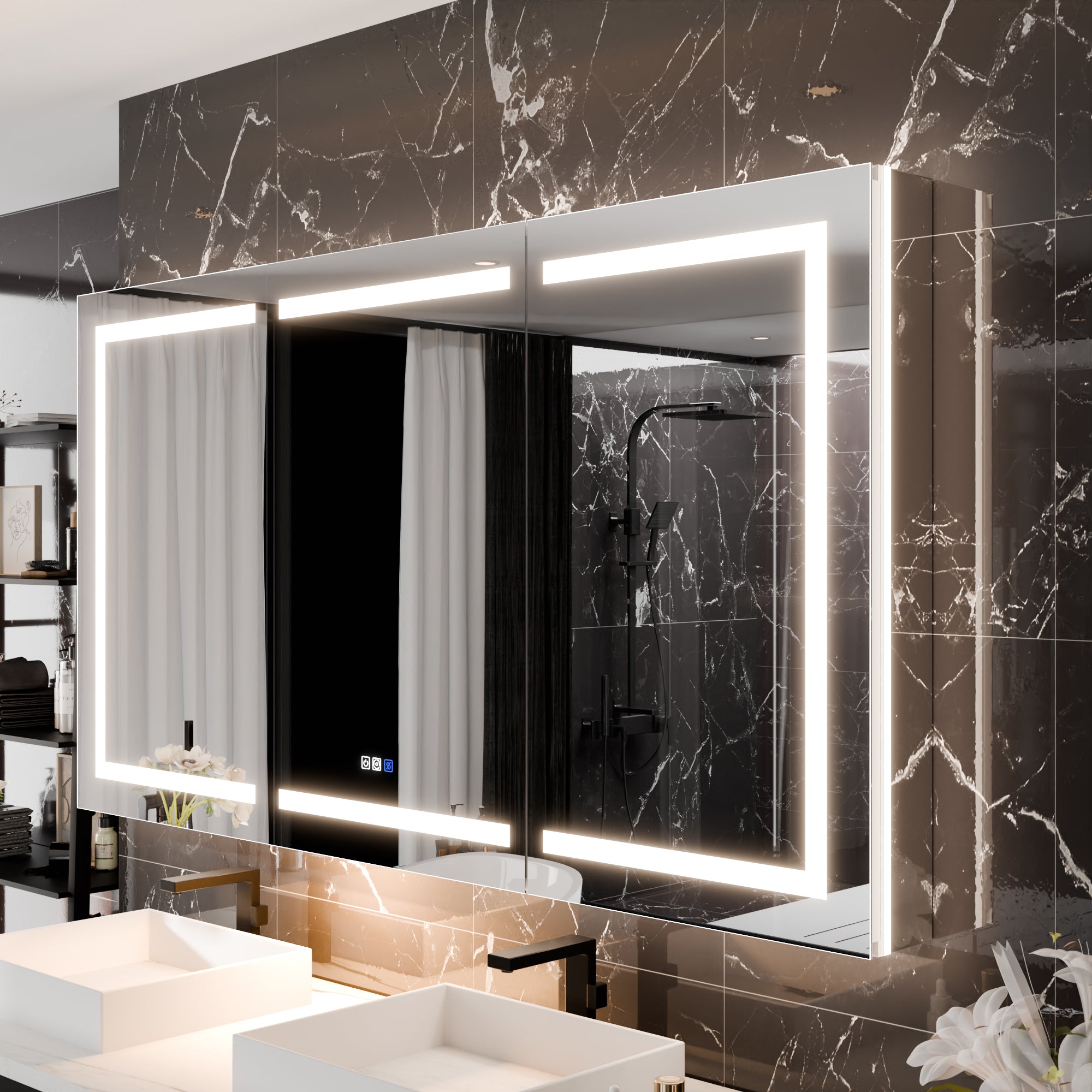
Mirrored interiors are useful because you can continue using the mirror while the door is open. Soft-close hinges reduce slamming and tend to feel better on cabinets that are opened several times a day.
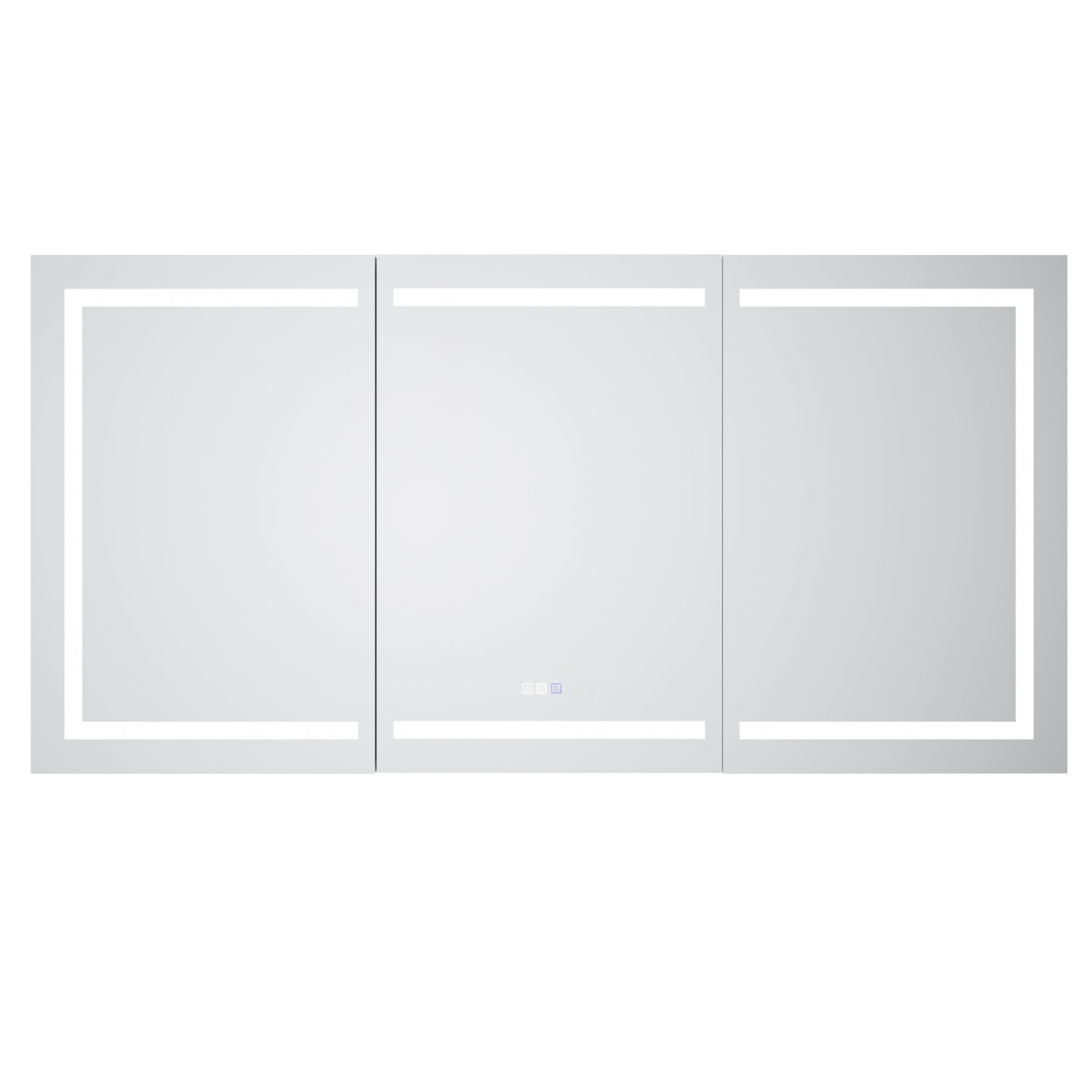
Integrated lighting can be worthwhile in bathrooms with poor vanity illumination.
Electrical outlets inside the cabinet can also help with toothbrushes or grooming tools, but they require more installation planning.
At Wellfor, I would prioritize practical features in this order: good cabinet construction, sensible shelf layout, smooth hinges, clear mirror quality, and then convenience features such as lighting or defogging.
Fancy electronics cannot compensate for poor basic design.
6. Know the Limitations Before You Buy
A recessed medicine cabinet is excellent for smaller personal-care items, but it is not a replacement for all bathroom storage.
Hair dryers, towels, toilet paper, cleaning supplies, and large refill bottles usually need a vanity or linen cabinet.
Storage depth is also limited by the wall cavity.
Another consideration is access. If the cabinet is installed too high, shorter family members may struggle to reach upper shelves. Install it around actual users rather than simply centering it visually on the wall.
There is also more installation work than with a conventional mirror.
For renters or quick cosmetic updates, that may be reason enough to choose a simpler solution.
7. Material and Hardware Quality Matter in Bathrooms
Bathrooms expose fixtures to humidity every day.
For that reason, cabinet construction, hinges, shelf supports, and mirror backing deserve close attention.
Cheap hinges can loosen or corrode over time, especially in poorly ventilated rooms. Shelves should feel stable when loaded with bottles rather than flexing easily.
Mirror quality matters too. Distortion is particularly noticeable because you use the cabinet at close range.
A clean edge finish and smooth door alignment usually tell you more about product quality than decorative features.
8. Maintenance Should Stay Simple
Use a microfiber cloth and a suitable glass cleaner on mirrored surfaces.
I prefer spraying cleaner onto the cloth instead of directly onto the cabinet. It reduces the chance of liquid working into edges, hinges, or electrical components.
Every few months, empty the shelves and remove expired or unused products. Wipe the interior before reorganizing it.
Bathroom ventilation is equally important. Persistent condensation can shorten the life of metal hardware, mirror backing, and cabinet finishes.

9. Choose for the Bathroom You Actually Have
The best recessed medicine cabinet is not necessarily the largest or most expensive model.
It is the one that fits the wall correctly, provides enough storage for everyday products, opens without interference, and suits the people using the bathroom.
Before ordering, inspect the wall, measure carefully, compare rough-opening dimensions, and look closely at the interior shelf arrangement.
If your goal is to reduce countertop clutter while keeping the vanity area visually clean, a properly sized recessed bathroom medicine cabinet with mirror is one of the most useful storage investments you can make.










Leave a comment
This site is protected by hCaptcha and the hCaptcha Privacy Policy and Terms of Service apply.