














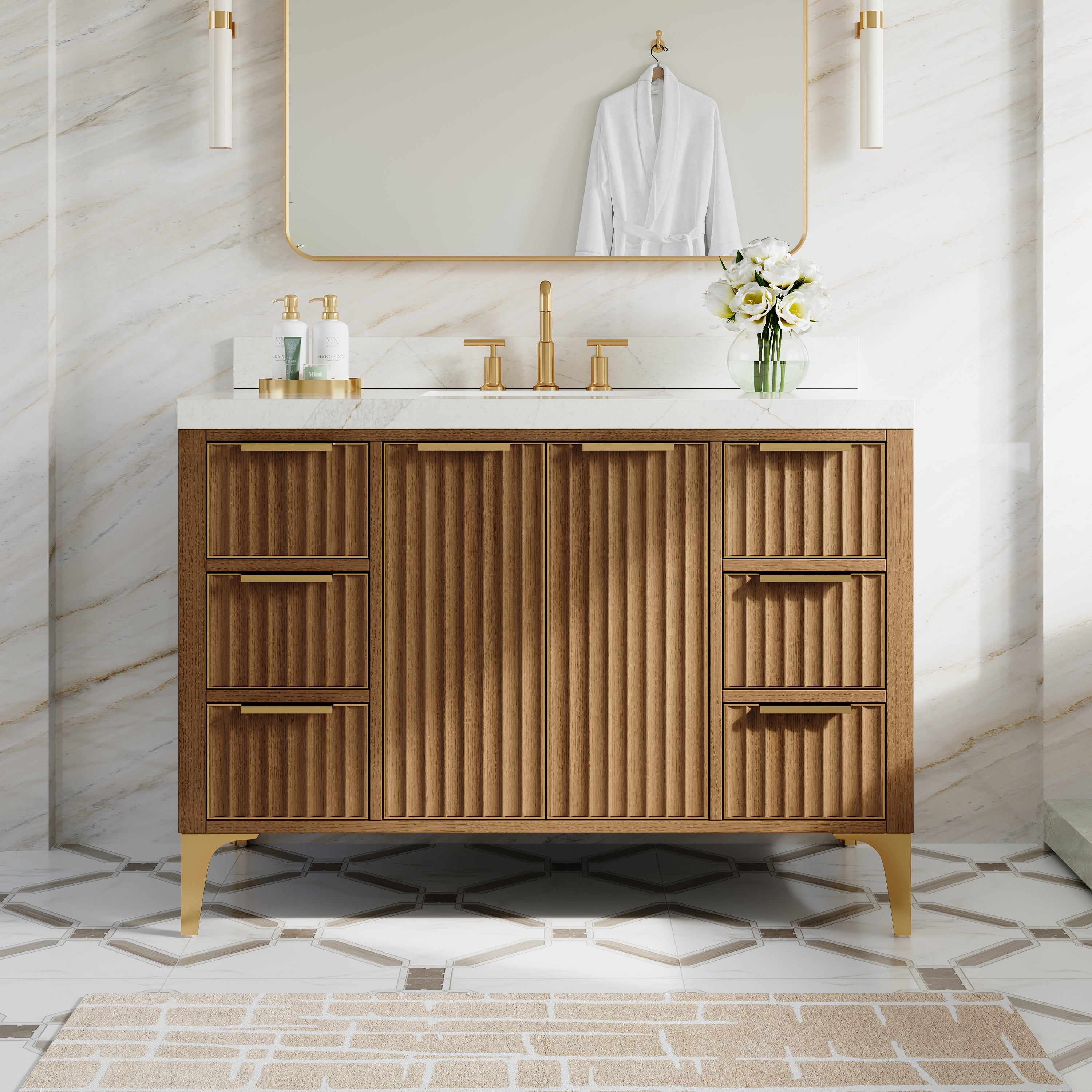
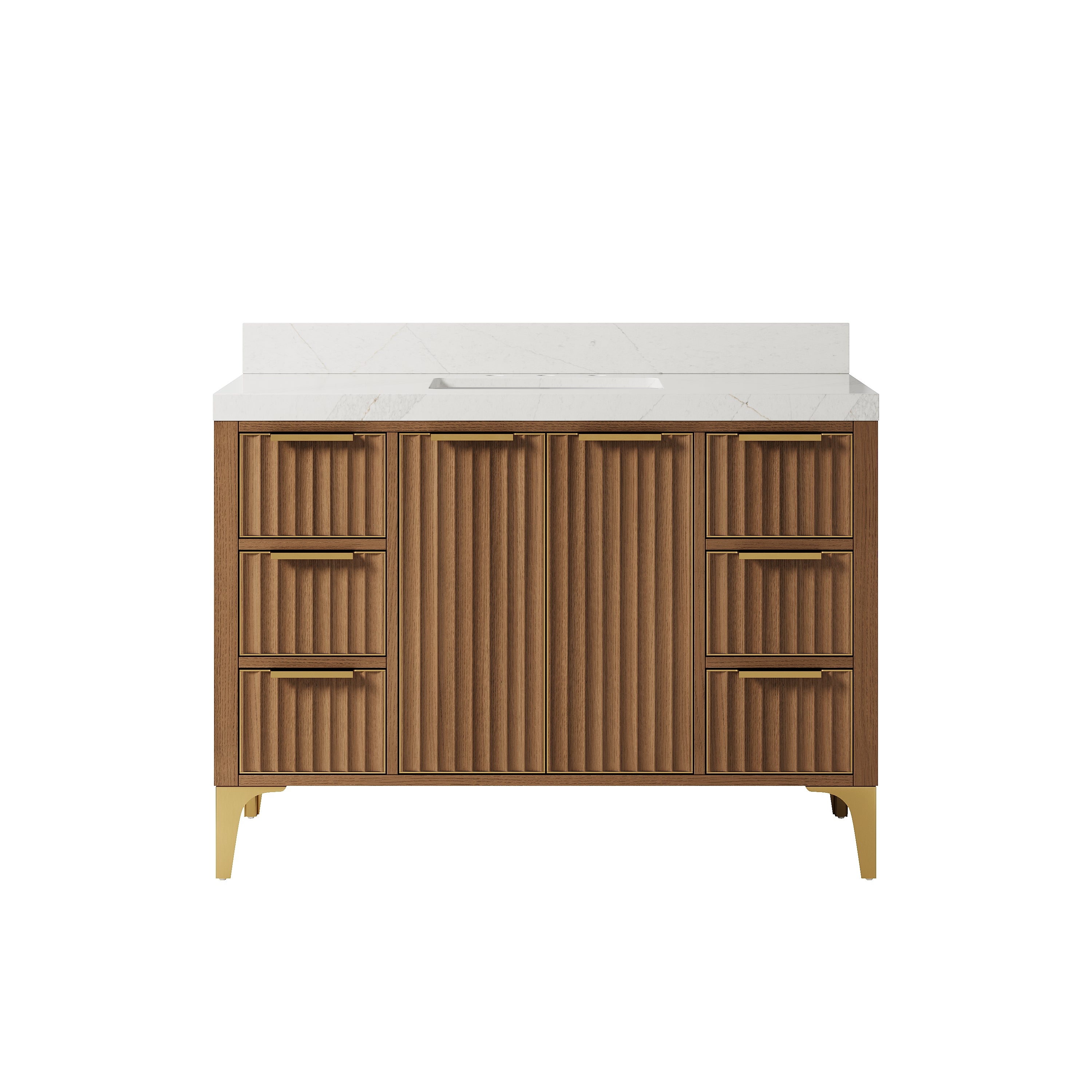


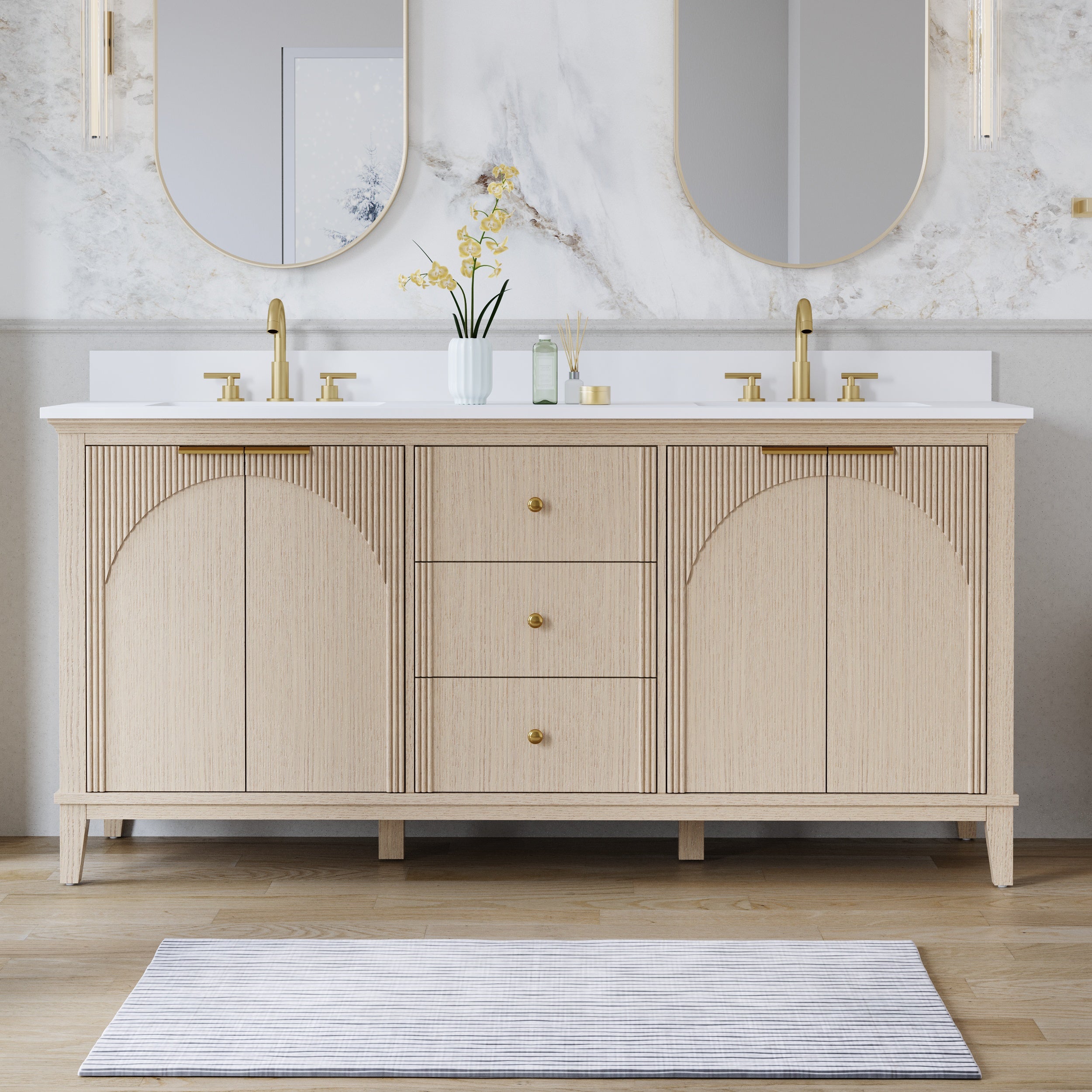
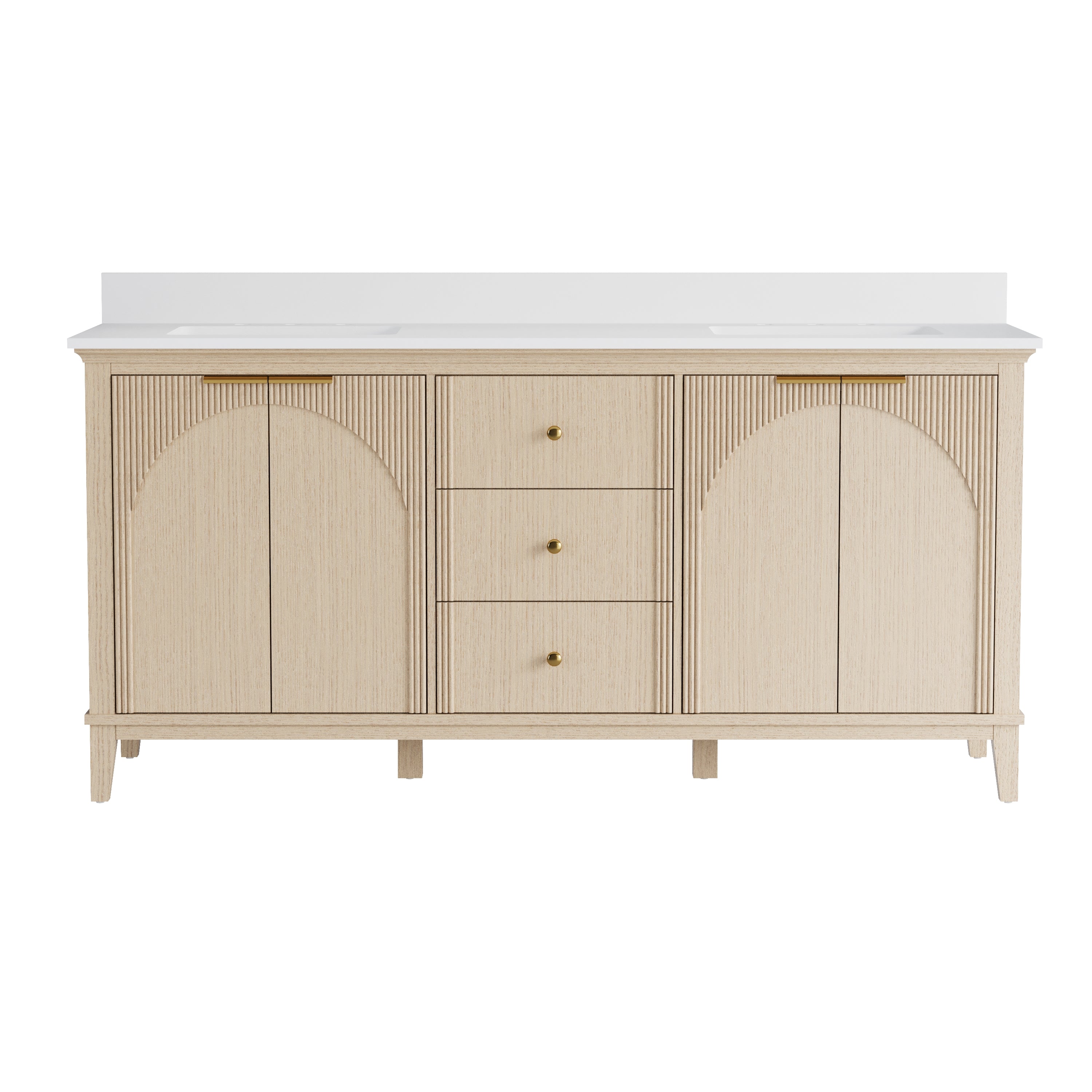
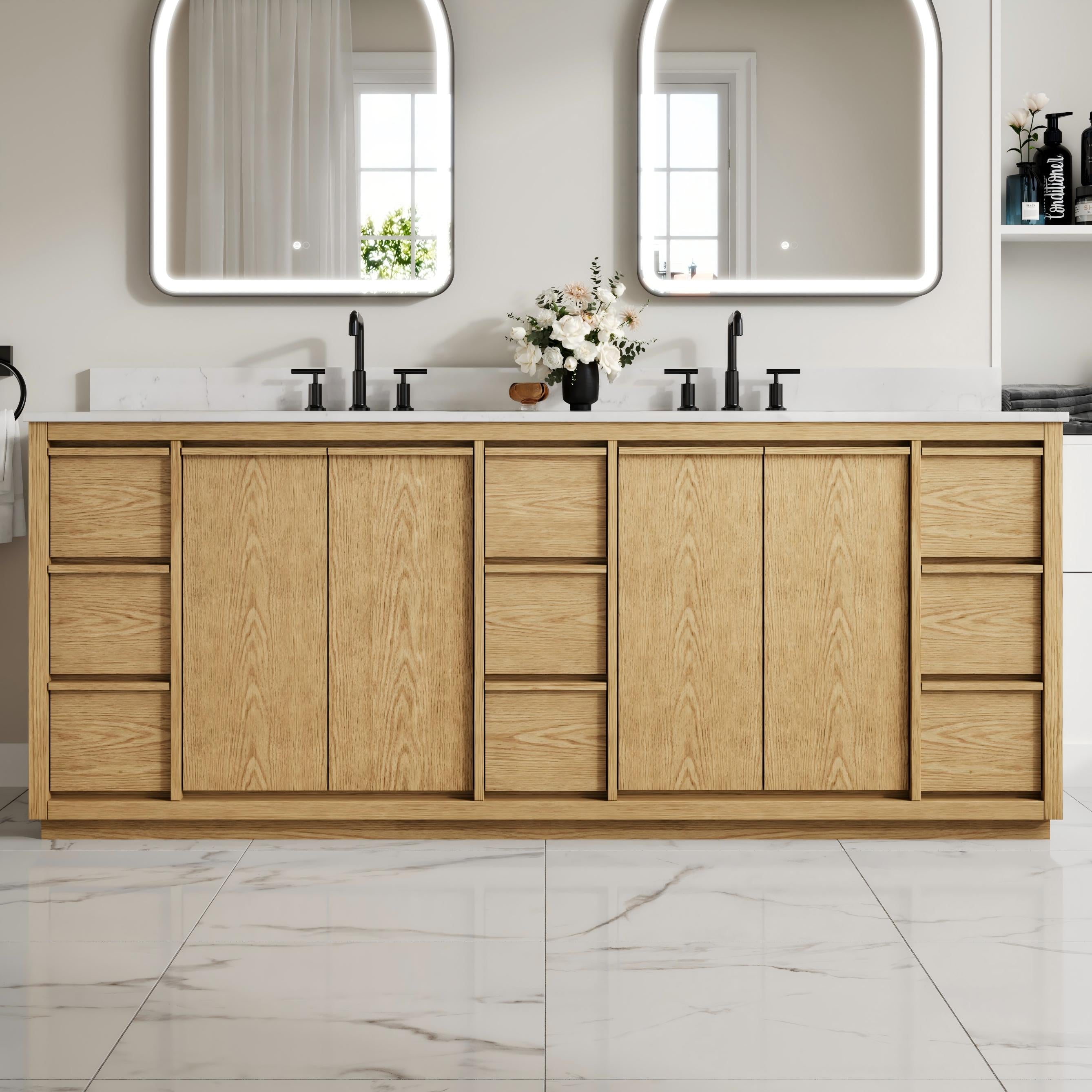
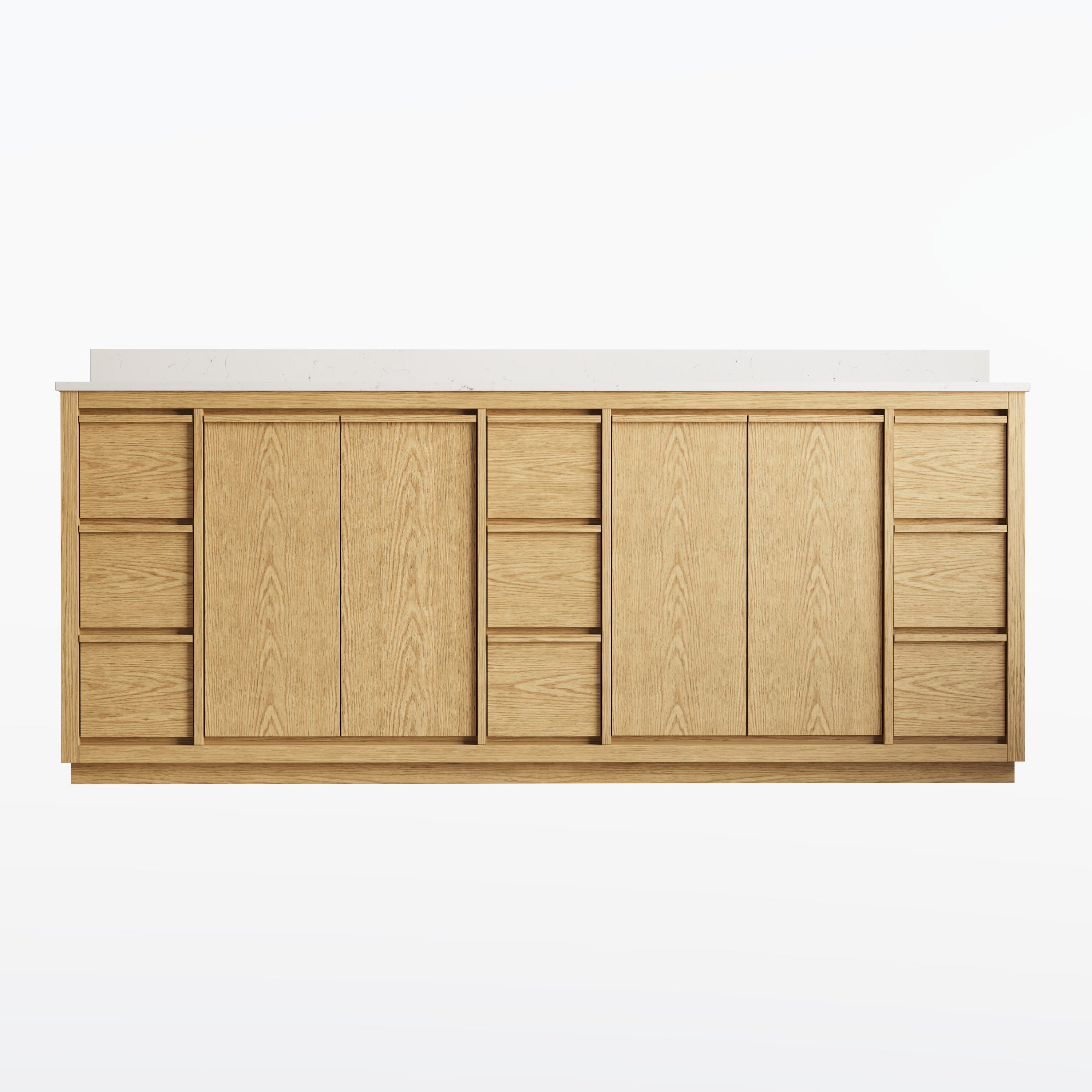
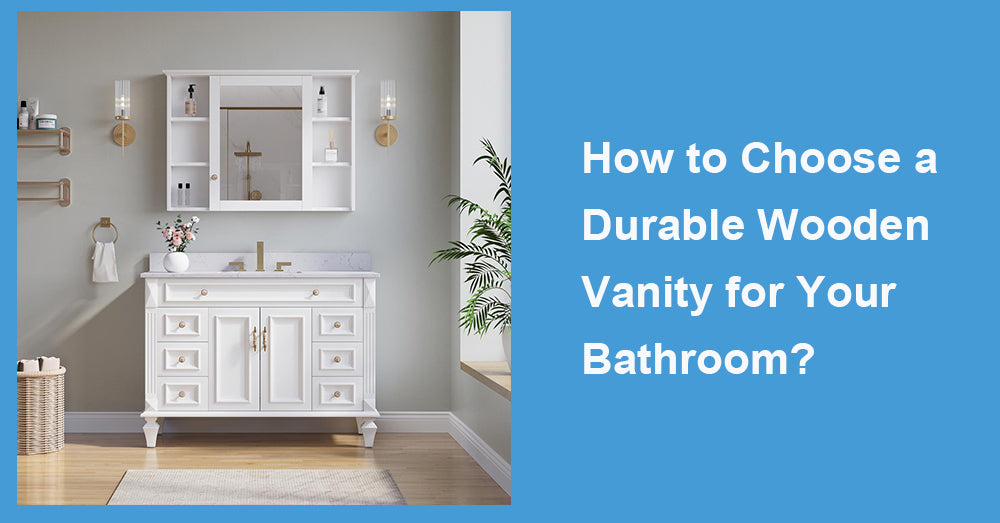
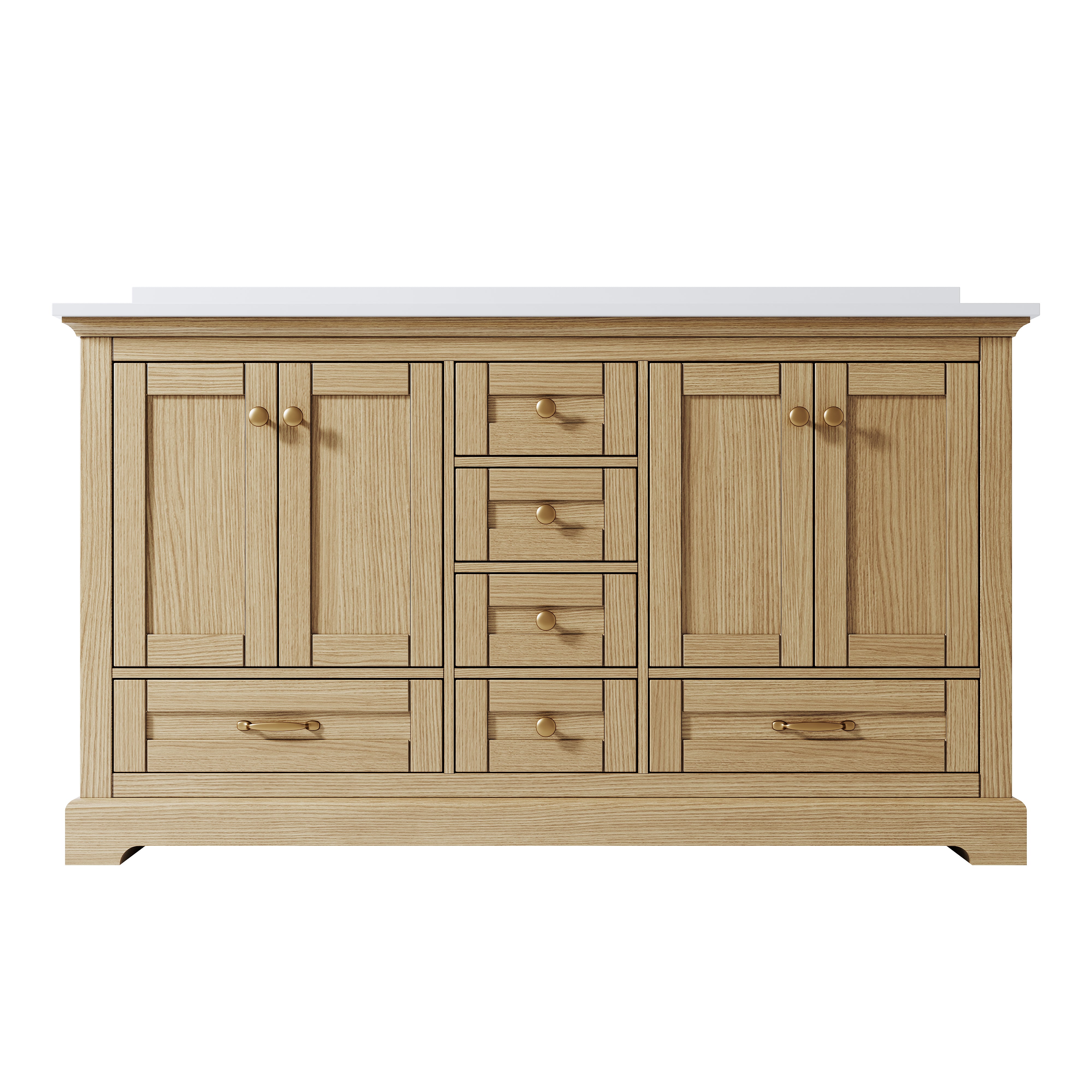
A wooden vanity can bring warmth, texture, and practical storage to a bathroom, but choosing one requires more thought than simply finding a finish you like. Bathrooms expose furniture to humidity, splashes, temperature changes, and daily wear, so construction quality matters just as much as appearance. In my experience, the most durable vanities are not always the heaviest or most expensive. The better choice is usually the one built with suitable materials, reliable hardware, and a finish designed for a damp environment.
1. Start with the Construction of the Wooden Vanity
The first thing I look at is what the cabinet is actually made from.
“Wood” can describe several very different constructions. Some bathroom vanities use solid wood frames with engineered panels, while others rely heavily on MDF, plywood, or particleboard. Each material behaves differently around moisture.
Solid wood is strong and attractive, but it naturally expands and contracts as humidity changes. High-quality plywood can also perform very well because its layered construction gives it dimensional stability. MDF offers a smooth painted finish, though damaged edges can become vulnerable if water penetrates the surface.
Particleboard is often found in lower-cost furniture. It can work when properly sealed, but prolonged water exposure is less forgiving.
The label matters less than the quality of construction and moisture protection.
2. Look Closely at the Finish
A good finish acts as the first line of defense between the cabinet and bathroom moisture.
Paint, stain, lacquer, and protective coatings should cover exposed surfaces evenly, especially around doors, drawer fronts, edges, and joints. When inspecting a vanity, I pay particular attention to corners and underside areas where manufacturers sometimes cut costs.
A beautiful front panel means little if unfinished edges are exposed near the floor.
Do Not Confuse Water Resistance with Waterproofing
This is a common mistake.
Most wooden bathroom furniture is designed to tolerate normal splashes and humidity, not standing water. Even a well-sealed cabinet can eventually swell, discolor, or deteriorate if water is allowed to collect around its edges.
A durable vanity still requires sensible use.
3. Check the Bathroom Before Choosing the Cabinet
The room itself affects how long a wooden vanity will last.
A well-ventilated bathroom with a properly sized exhaust fan is much easier on wood cabinetry than a windowless space where steam remains for an hour after every shower.
Look at where the vanity will sit. If it is directly beside a bathtub or open shower, expect more frequent water exposure.
In those situations, I would be more cautious about delicate natural finishes and pay closer attention to sealed surfaces, raised legs, and cabinet materials.
Floor-mounted vanities also need protection from water left on the floor. Floating models avoid direct floor contact, although installation becomes more demanding.
4. Storage Design Matters as Much as Durability
A cabinet that lasts 15 years but frustrates you every morning is not a good purchase.
Think about what you actually store.
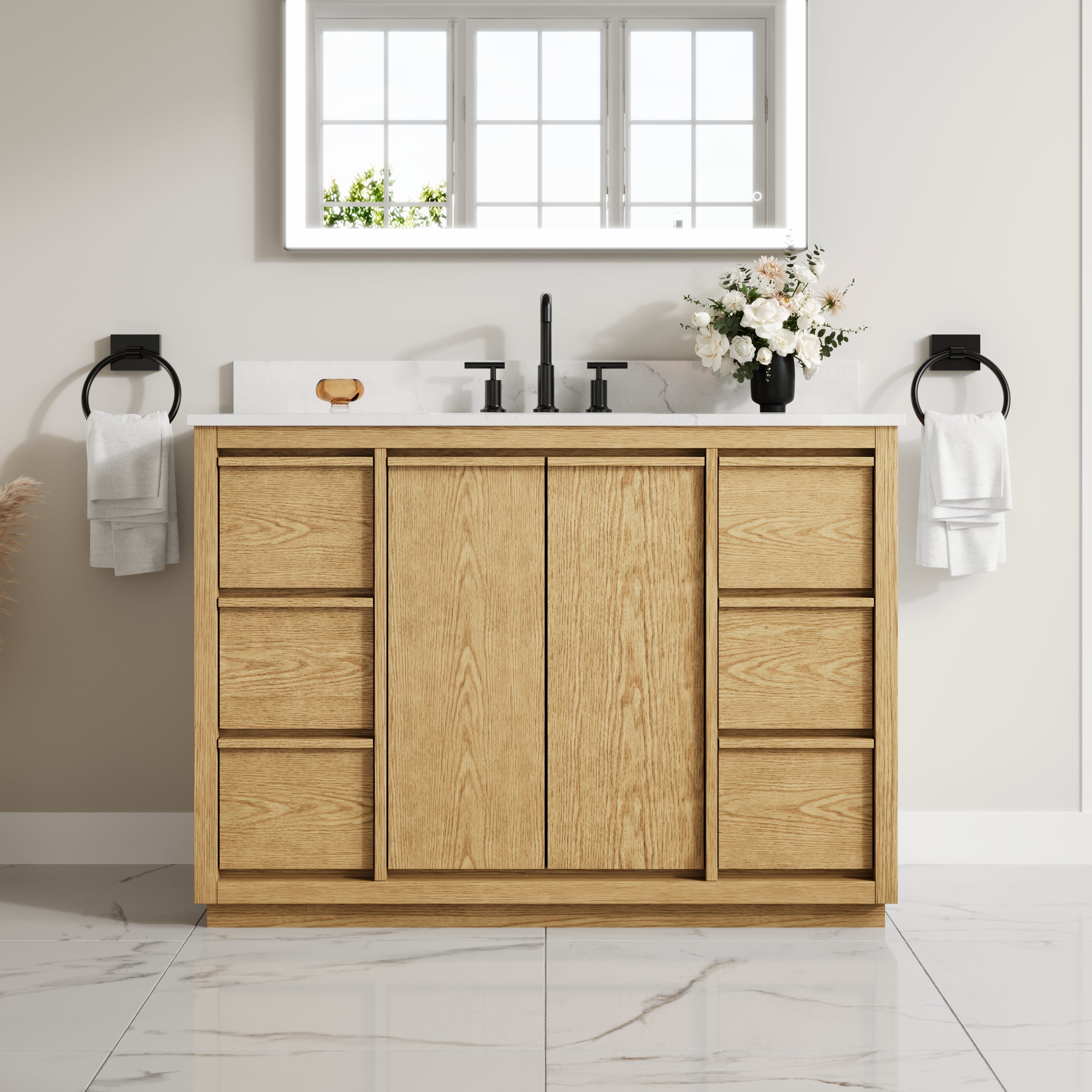
Drawers work particularly well for cosmetics, grooming tools, toothpaste, and smaller bottles. Deep cabinets are useful for taller items but can become messy without shelves or organizers.
Plumbing reduces usable storage space, especially around the center of the vanity. Product photos sometimes hide this reality.
Before buying, study interior drawings or dimensions and check how drawers are shaped around the sink and drain.
5. Hardware Can Reveal the Quality of a Vanity
Hinges and drawer slides receive constant use.
Cheap hardware often becomes noticeable long before the cabinet body fails. Doors begin to sag, drawers stop closing evenly, or handles loosen.
I prefer soft-close hinges and full-extension drawer slides when the budget allows. They are not necessary for durability, but well-made hardware generally improves daily use and reduces repeated impact on doors and drawers.
Test the Drawers If Possible
A drawer should move smoothly without twisting or feeling loose.
When shopping online, look closely at hardware specifications rather than relying only on lifestyle photography. If the manufacturer provides little information about drawer slides or hinges, I treat that as something worth investigating before purchase.
6. Choose the Countertop with the Cabinet in Mind
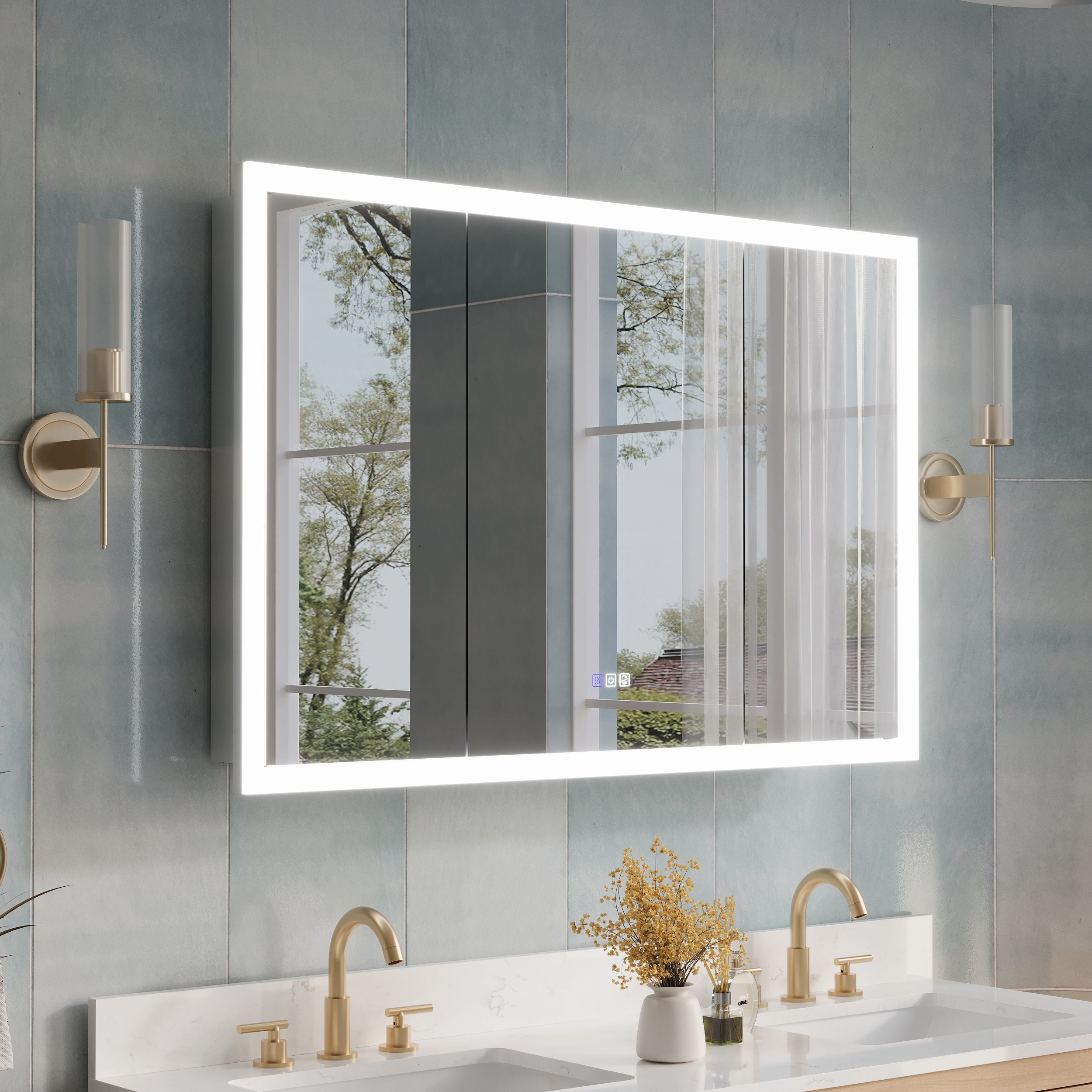
A wooden vanity does not work alone. The countertop protects much of the cabinet from direct water exposure.
Quartz, engineered stone, ceramic, and other low-maintenance surfaces are commonly paired with bathroom vanities because they handle routine splashes well.
Pay attention to countertop overhang and sink installation. Water that repeatedly runs over an edge and down the cabinet face can eventually damage even a good finish.
Seams around the sink and backsplash should also be properly sealed.
This is one reason installation quality has such a large effect on cabinet lifespan.
7. Know When Wood May Not Be the Best Choice
Wood brings warmth that metal, glass, and glossy synthetic surfaces often cannot match. It also works across many styles, from traditional bathrooms to modern spaces with natural finishes.
Still, it is not perfect for every situation.
If a bathroom has persistent moisture problems, poor ventilation, or frequent water pooling, a delicate wood finish may require more care than you want to give it.
Households with young children may also benefit from tougher painted or engineered finishes that are easier to wipe down.
There is no reason to choose real wood simply because it sounds more premium. Practicality should come first.
8. Installation Has a Direct Effect on Durability
A vanity should be installed level and securely supported.
An uneven cabinet can cause doors and drawers to fall out of alignment, while gaps around the countertop may allow moisture to reach vulnerable areas.
Check plumbing connections carefully after installation. Slow leaks inside the cabinet are especially damaging because they may continue unnoticed for weeks.
Wall-mounted vanities need secure attachment to appropriate structural support. The cabinet, countertop, sink, and stored items create considerable weight.
For complicated plumbing or floating installations, professional help is usually worth the cost.
9. Simple Maintenance Extends Cabinet Life
Wooden bathroom furniture does not require complicated care.
Wipe away standing water promptly. Use a soft cloth and a mild cleaner recommended for the finish, and avoid abrasive products that can damage protective coatings.
Inspect areas around the sink, cabinet base, and plumbing periodically.
Ventilation matters too. Running the bathroom fan during and after showers helps reduce prolonged humidity throughout the room.
At Wellfor, I would treat vanity maintenance as part of normal bathroom care rather than something you address only after damage appears.

10. Choose for the Way Your Bathroom Is Actually Used
Before ordering, compare materials, finish quality, interior layout, hardware, countertop construction, and installation requirements.
Do not buy on appearance alone.
For a busy family bathroom, prioritize moisture resistance and easy maintenance. For a guest bath, design may carry more weight because the cabinet sees less daily use. In a humid primary bathroom, ventilation and finish quality deserve extra attention.
A well-made wooden vanity should feel appropriate for both the room and the people using it. Choose a size that fits comfortably, protect it from standing water, and pay for solid construction where it matters. That approach will usually serve you better than chasing a particular wood species or decorative trend.


















Leave a comment
This site is protected by hCaptcha and the hCaptcha Privacy Policy and Terms of Service apply.