














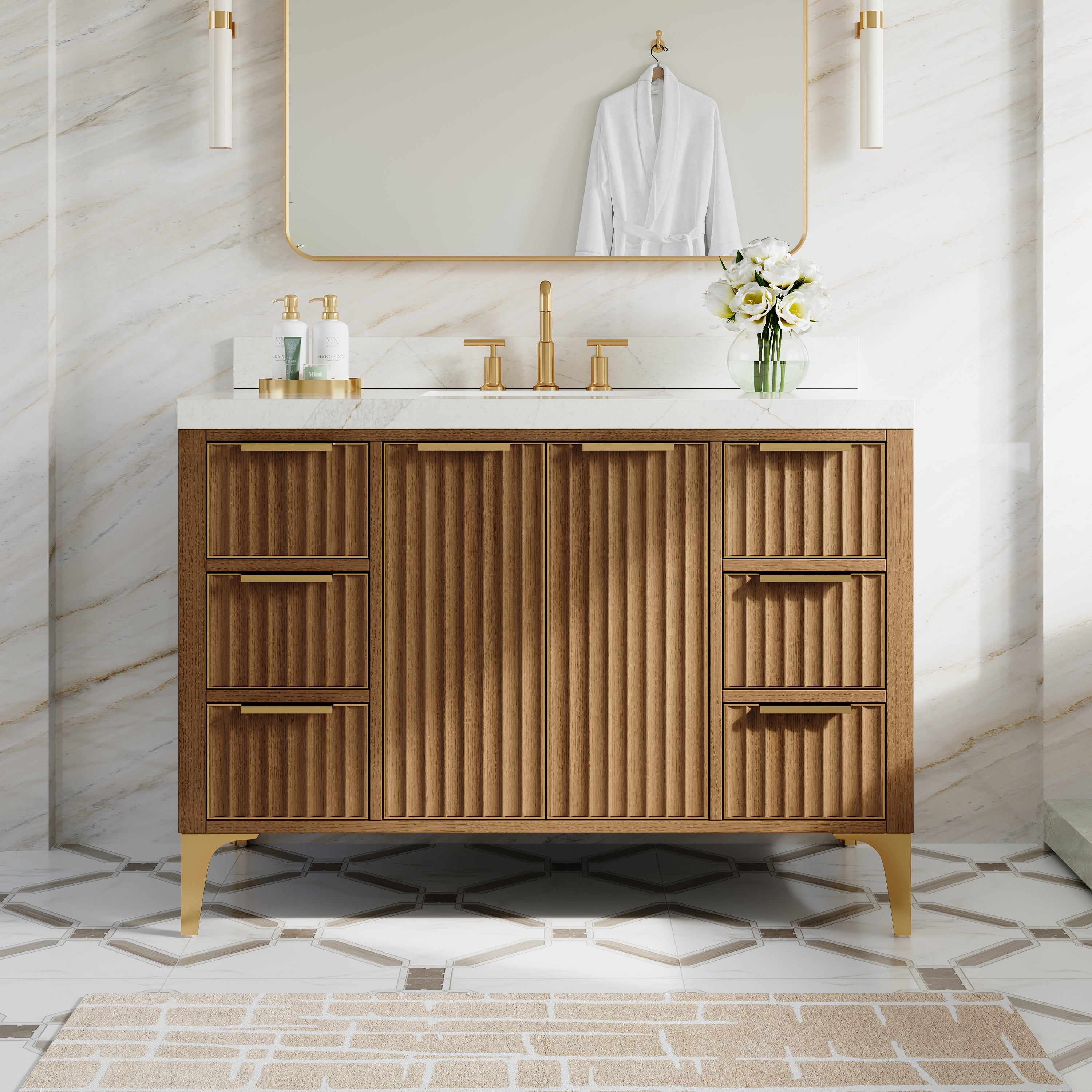
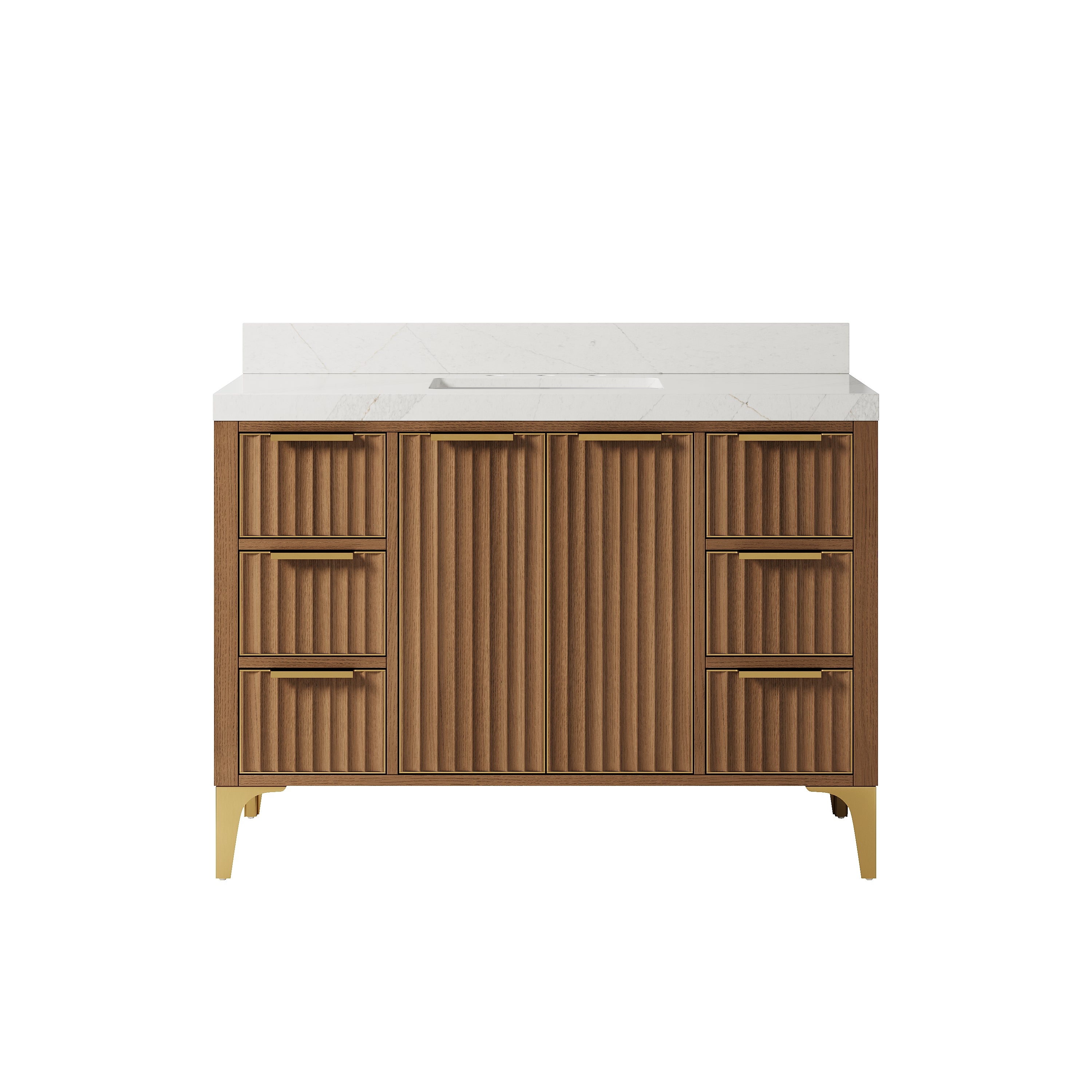


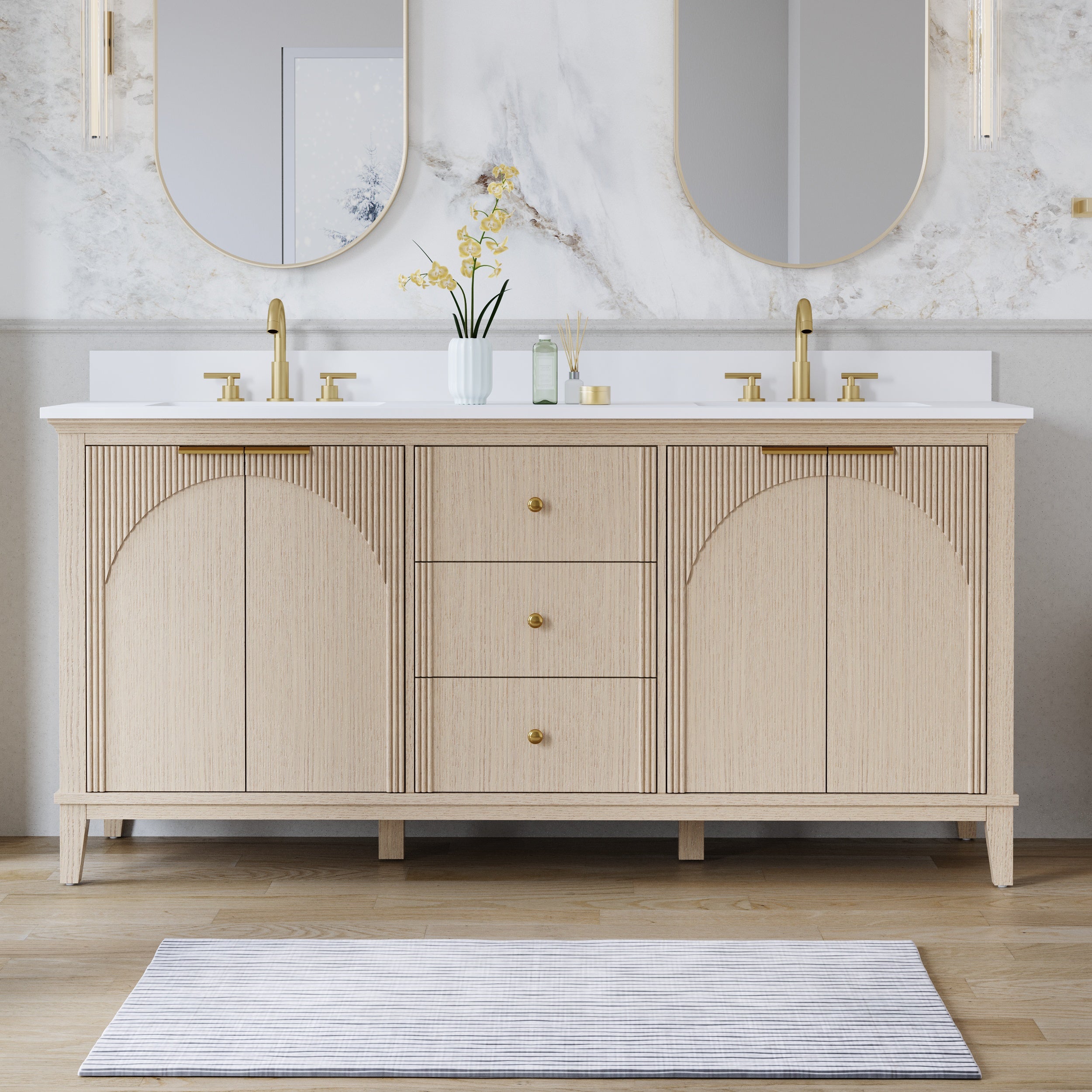
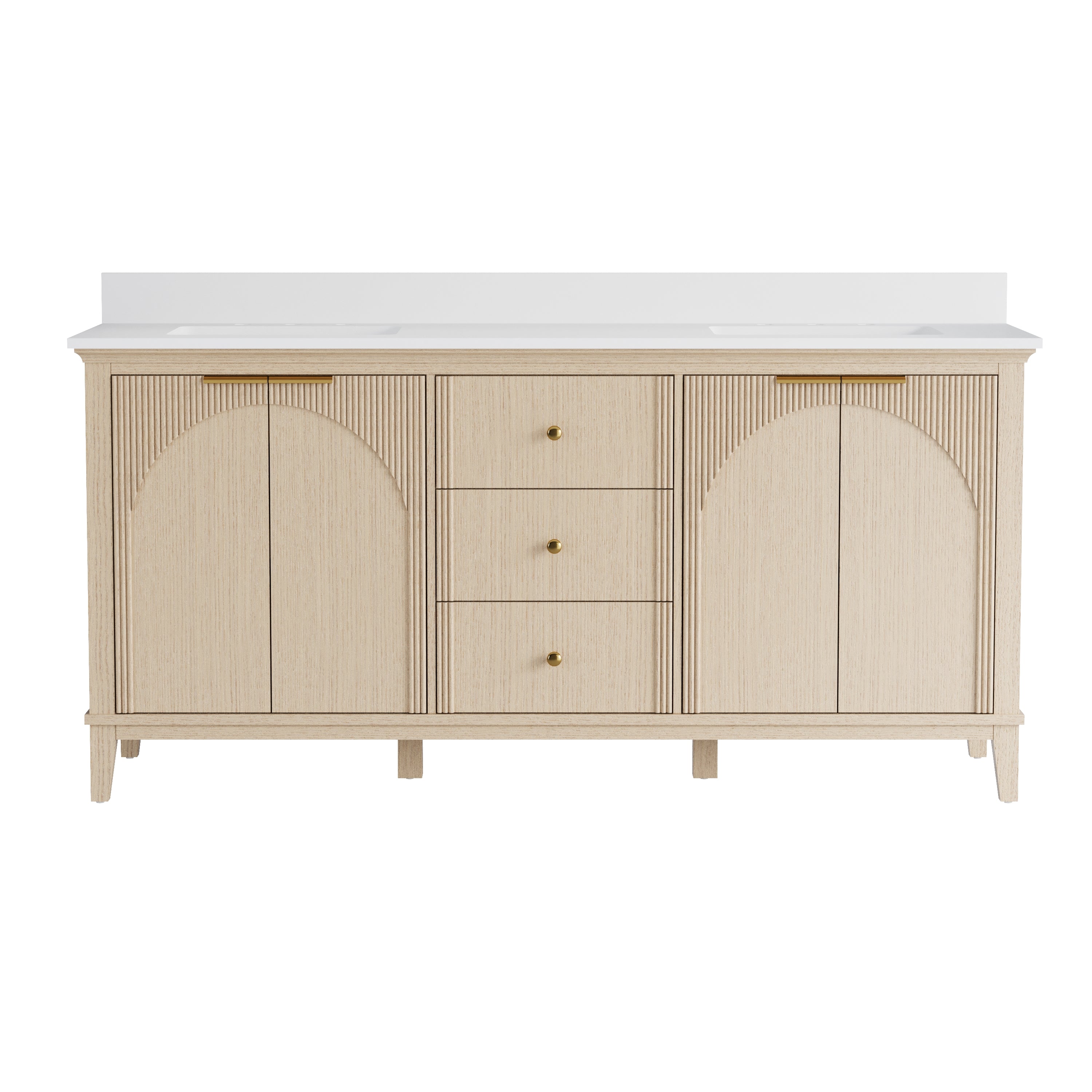


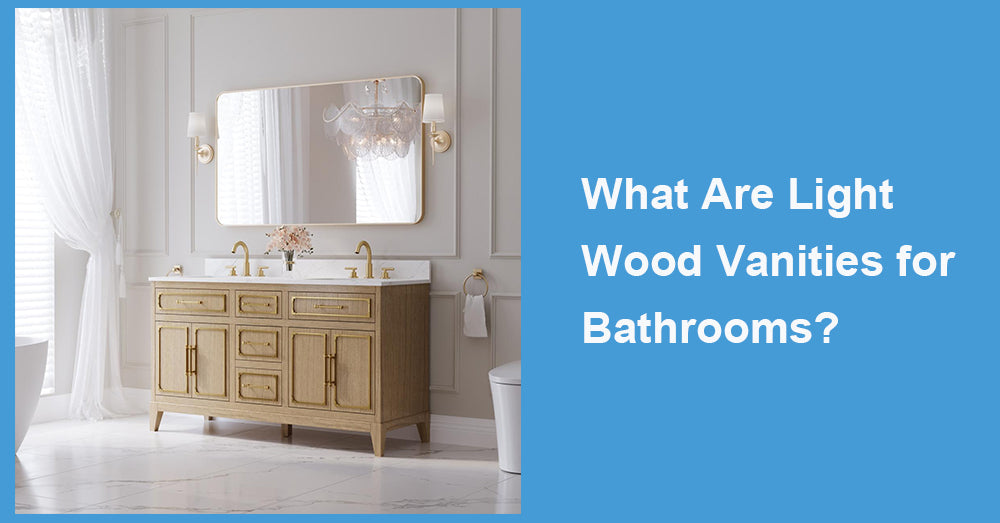
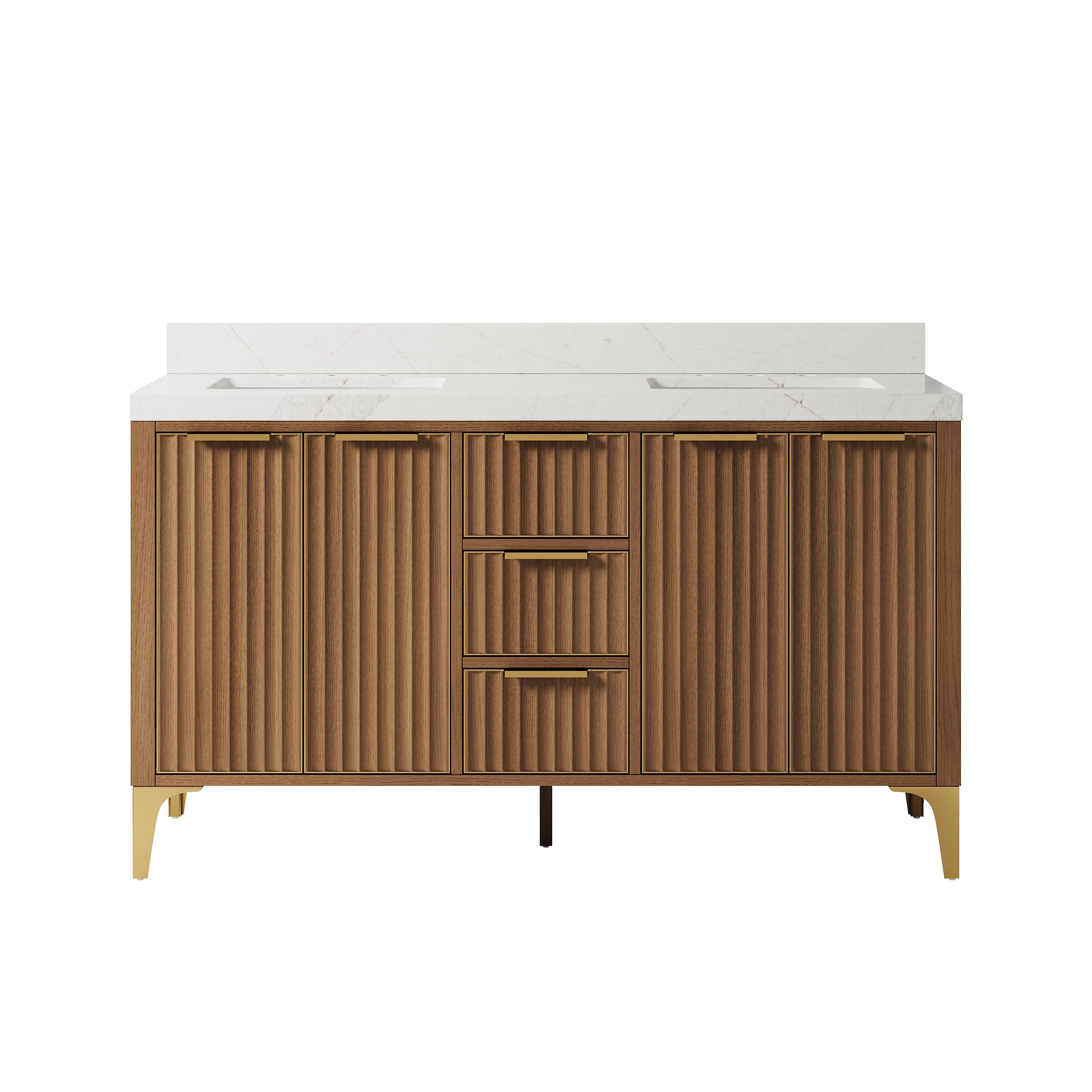
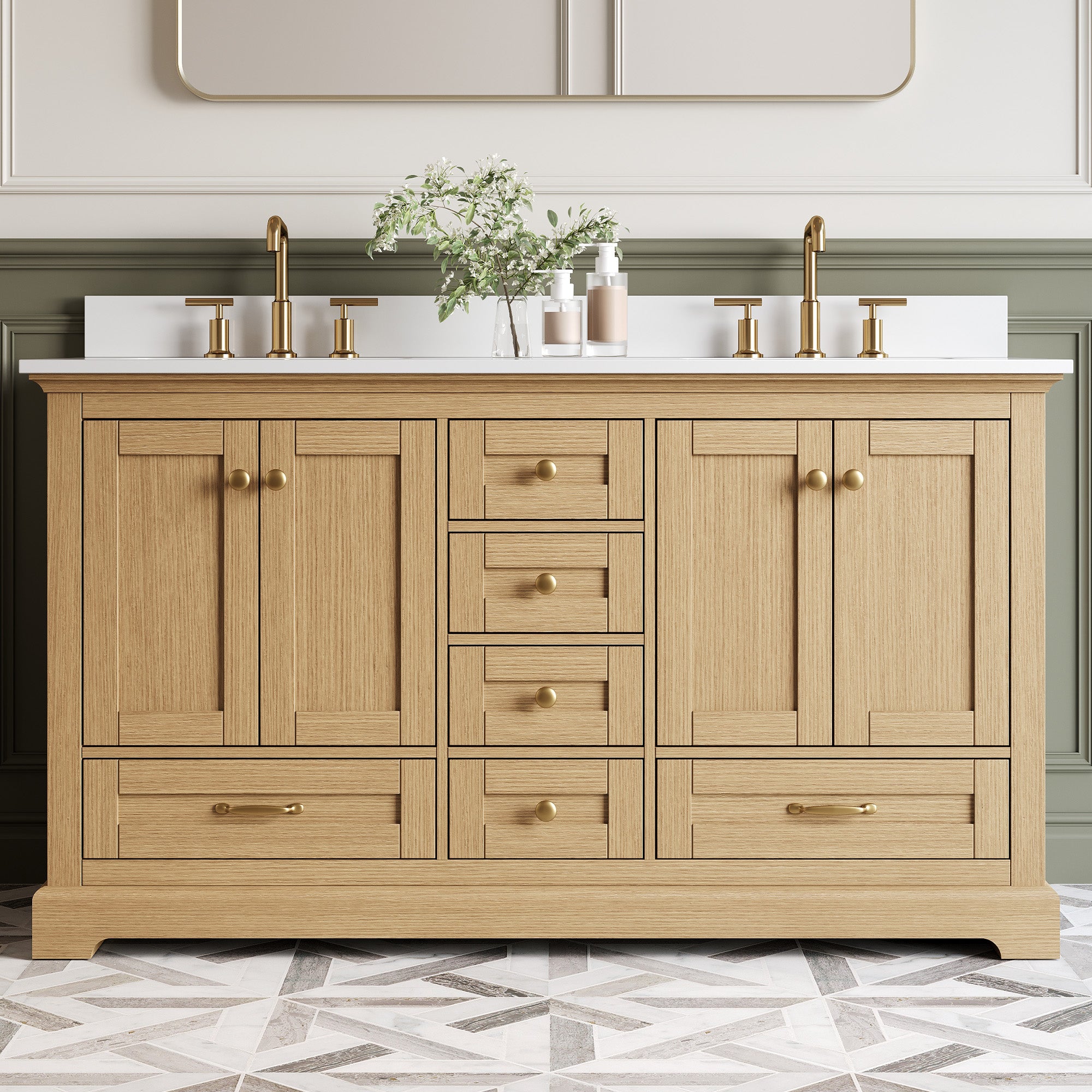
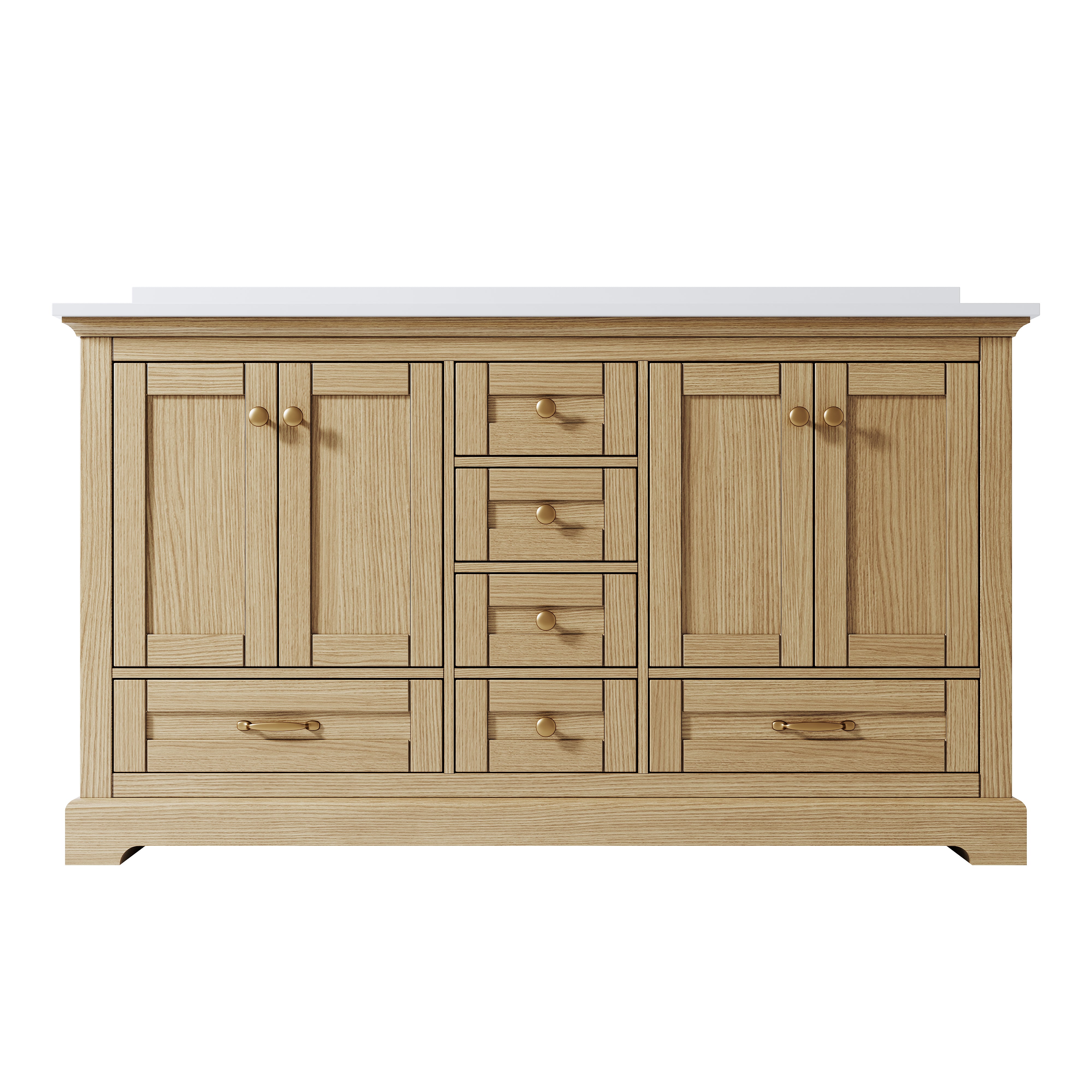
Light wood vanities for bathrooms are cabinetry pieces finished in pale natural tones such as white oak, ash, maple, or light-toned wood veneers. After more than 20 years of working with bathroom cabinetry and remodel projects, I have seen these vanities become a reliable choice for homeowners who want warmth without making the room feel heavy. They fit modern, Scandinavian, transitional, and spa-inspired interiors particularly well. Yet appearance is only part of the decision. Construction, moisture resistance, storage, and room proportions still matter.
1. Why Are Light Wood Vanities for Bathrooms So Appealing?
Bathrooms contain plenty of hard materials: porcelain, stone, glass, mirrors, and metal. A pale wood cabinet introduces natural texture and softens those surfaces without creating strong visual contrast.
That makes light wood particularly useful in smaller bathrooms.
Unlike dark walnut or espresso finishes, pale oak and similar tones generally do not dominate the lower half of the room. They can add warmth while preserving the bright, open quality many homeowners want.
Natural grain also gives the cabinet character that a completely uniform painted finish may lack.
2. Light Wood Works With Several Bathroom Styles
One reason I recommend light wood so often is its flexibility.
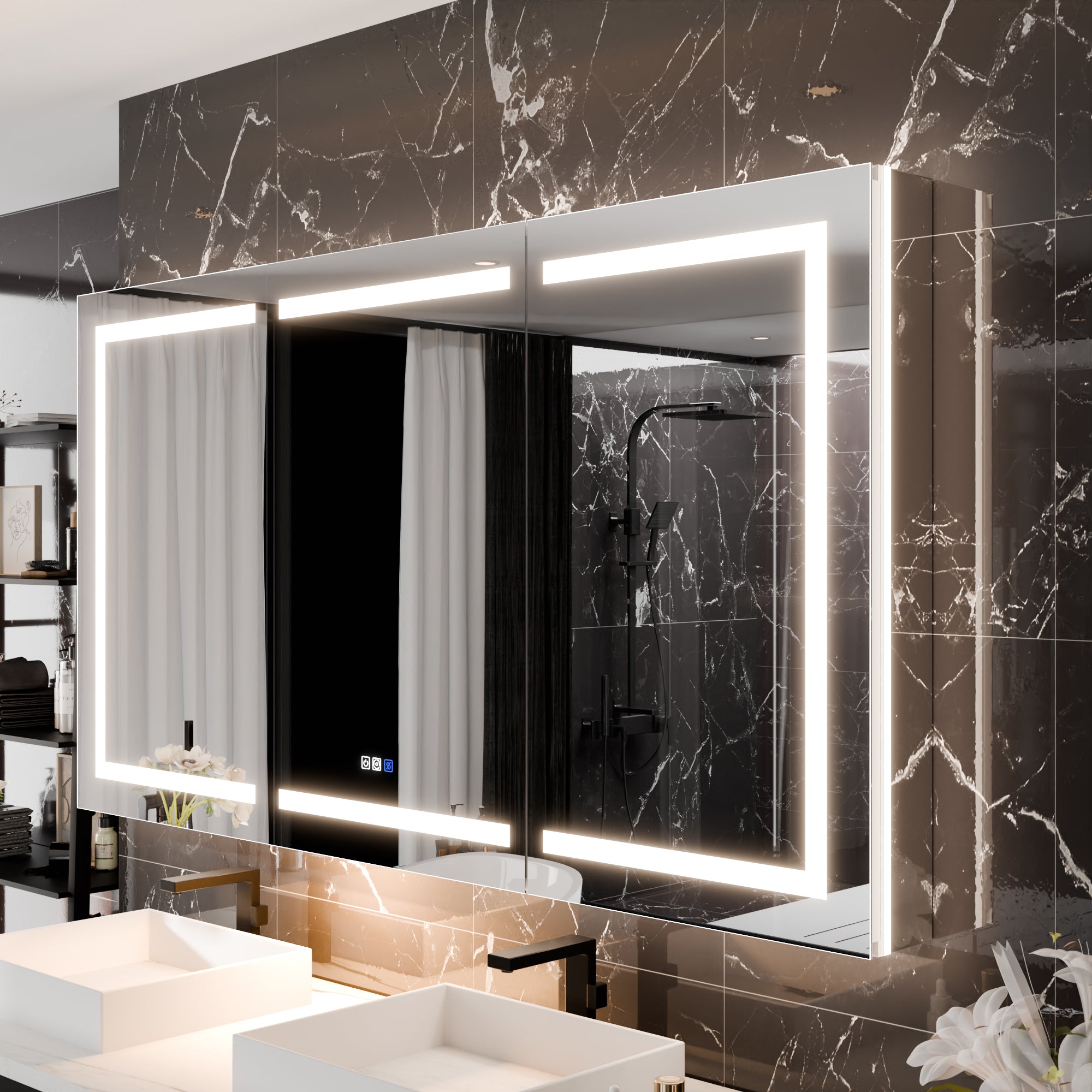
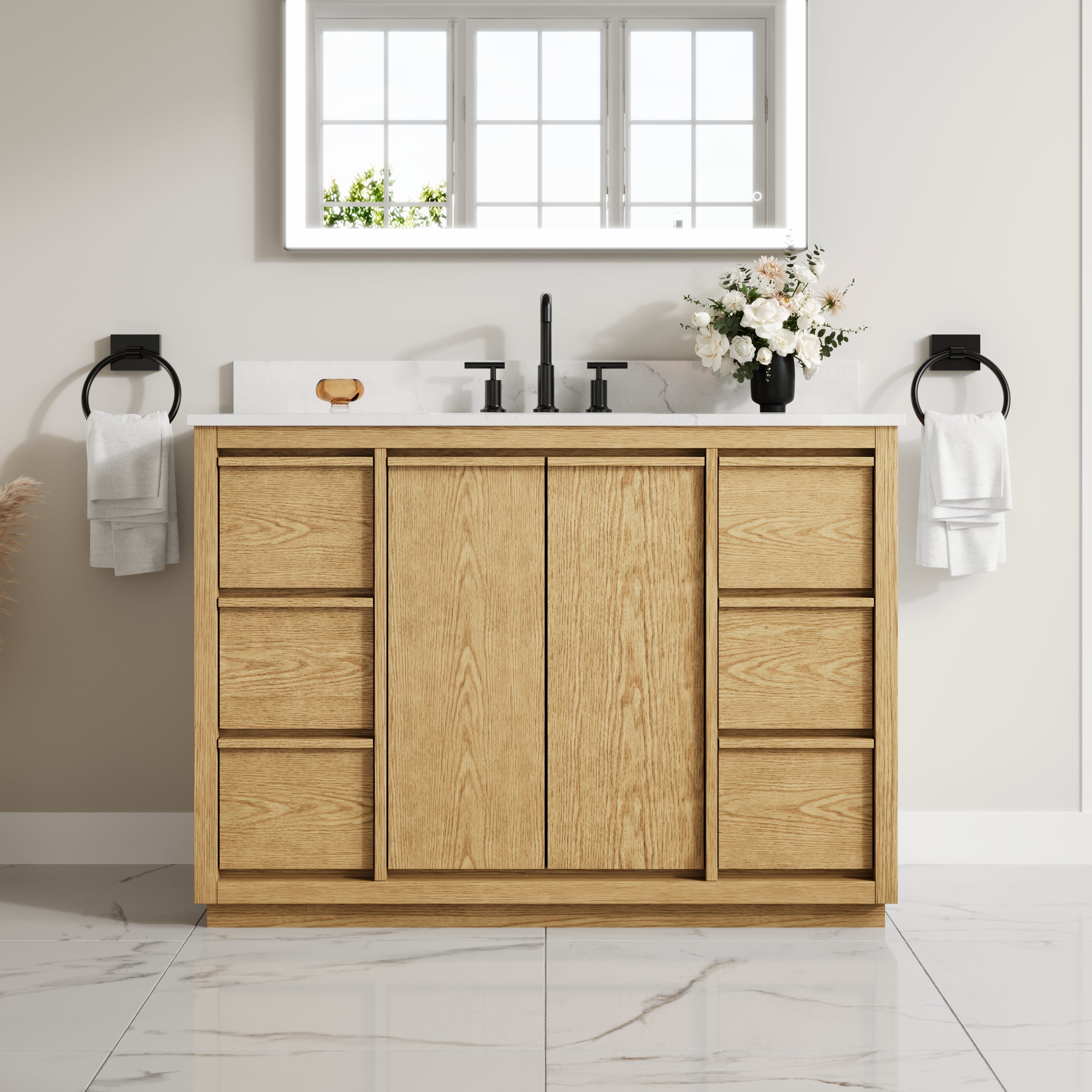
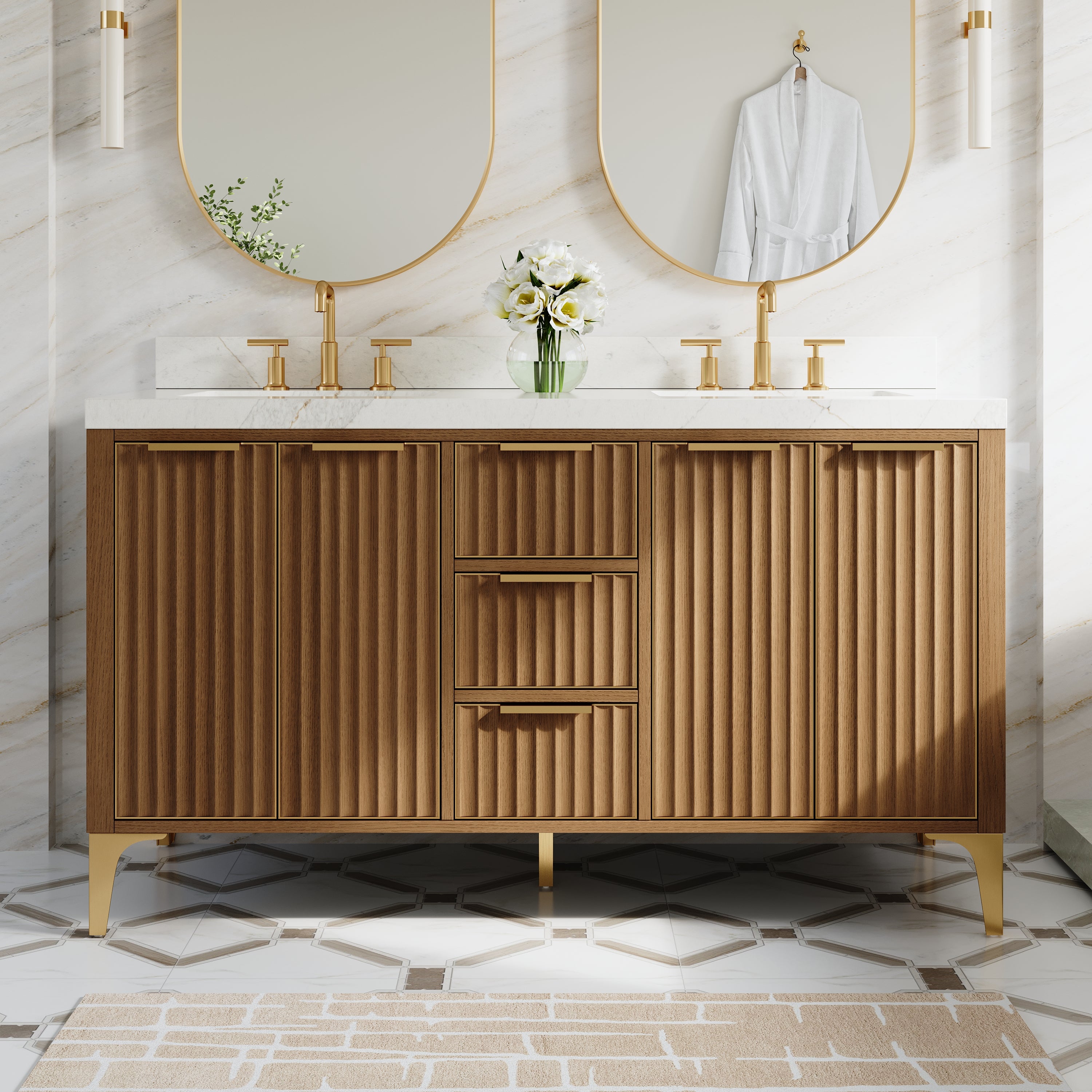
Pair a simple oak vanity with white quartz, large-format tile, and matte black hardware, and it looks contemporary. Use warm stone, brushed brass, and cream walls, and the same general wood tone becomes softer and more organic.
The Door Style Changes the Mood
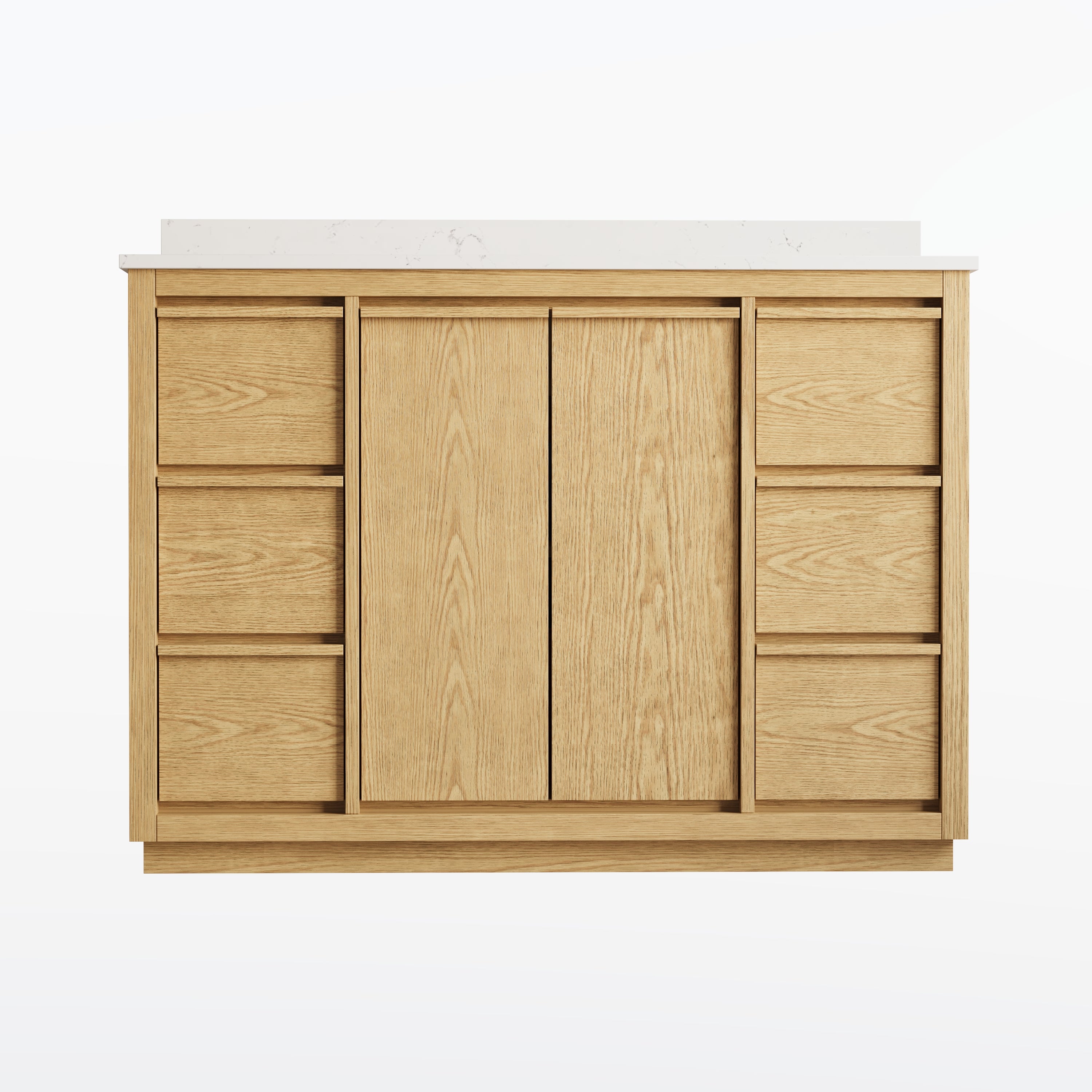
Flat-front drawers emphasize clean modern lines. Shaker-style doors work naturally in transitional bathrooms.
Furniture-style detailing can move light wood toward a more traditional look, although I usually prefer restrained profiles when the grain itself is attractive.
The material does not determine the entire style. Cabinet shape, countertop, hardware, and lighting all play a role.
3. They Can Help a Small Bathroom Feel Less Heavy
A light finish does not physically enlarge a bathroom, but it can reduce visual weight.
This works particularly well when the vanity is installed against pale walls or flooring. A floating light wood vanity takes the effect further because more flooring remains visible underneath.
Still, there is a common misconception worth correcting: a pale cabinet cannot rescue poor proportions.
A vanity that is too deep will still narrow the walkway. One that is too wide can crowd the toilet or shower door.
Measure first. Choose the finish second.
4. Natural Grain Hides Some Everyday Wear Well
Light wood can be forgiving in daily use.
Dust is often less noticeable than it is on very dark cabinetry. Small fingerprints and dried droplets may also blend into natural grain better than they would on glossy white or black finishes.
That does not mean the cabinet can be neglected.
Cosmetics, toothpaste, hair dye, and standing water should still be cleaned promptly. Certain stains may be more visible on pale surfaces, especially if the protective finish has been damaged.
Finish Quality Matters
I pay close attention to sealed edges, drawer fronts, lower corners, and plumbing cutouts.
A good protective finish helps prevent moisture from reaching the material underneath. Poorly sealed edges can swell or discolor even when the vanity initially looks excellent.
5. Construction Matters More Than the Wood Tone
Do not assume every cabinet with a natural-looking surface is built the same way.
Some vanities use solid wood components. Others combine wood fronts with plywood cabinet boxes or quality veneers. Well-sealed engineered materials can also perform successfully in bathrooms.
The label matters less than the execution.
Check drawer bottoms, joints, hinges, slides, and interior edges. Open every drawer if you are viewing the vanity in person.
A cabinet that feels rigid and operates smoothly is usually a better investment than one chosen simply because the grain photograph looks attractive.
6. Storage Should Fit Your Real Routine
Light wood may attract you visually, but storage determines whether you enjoy the vanity after six months.
Deep drawers are particularly useful for skincare, cosmetics, grooming tools, and smaller toiletries. They keep products visible and easier to reach.
Under-sink cabinets work better for tall bottles, cleaning supplies, and spare paper products.
Do not count drawer fronts without inspecting the interior. The basin and plumbing may occupy space behind some of them.
For a family bathroom, full-extension drawers and adjustable storage usually provide more value than decorative detailing.
7. Light Wood Still Needs Protection From Humidity
Wood and wood-based materials can perform very well in bathrooms, but none should be treated as waterproof.
Persistent humidity, direct splashing, and slow plumbing leaks can damage cabinetry over time.
Run the exhaust fan during and after showers. Wipe water around the sink instead of allowing it to remain on the countertop or cabinet edges.
Avoid leaving wet towels against doors.
In my experience, hidden plumbing leaks are often more damaging than normal bathroom humidity. Check beneath the sink periodically for moisture, staining, or unusual odors.
8. Know Where Light Wood Works Best
Light wood is especially successful in guest baths, compact primary bathrooms, modern family bathrooms, and spaces where you want warmth without sacrificing brightness.
It also works well in rooms with statement tile because the cabinet can provide texture without competing aggressively with the pattern.
There are situations where it may not be the best fit.
If the bathroom already contains several yellow-toned woods, adding another slightly different pale wood can make the palette look mismatched. Dark, dramatic interiors may also benefit from a richer cabinet finish.
Compare samples whenever possible.
9. Installation Can Make or Break the Result
Before ordering, measure wall width, cabinet depth, countertop overhang, and clearance around nearby fixtures.
Check the drain and supply-line locations against the cabinet interior. Plumbing that passes through functional drawers can reduce storage or require relocation.
Install the vanity level so doors and drawers remain properly aligned.
Floating models require secure structural wall support. Freestanding units are generally easier to retrofit, but the cabinet base should be protected from recurring floor moisture.
Seal the sink, faucet openings, countertop, and backsplash carefully.

10. Choose the Wood Tone Under Real Bathroom Lighting
A cabinet can look very different under warm artificial lighting than it does in a product photograph.
Some pale woods lean golden. Others appear beige, gray, or slightly pink.
Compare the finish with your tile, countertop, wall color, and metal fixtures. If the countertop has dramatic veining, I usually prefer quieter wood grain. With a simple white top, more visible grain can become an attractive focal point.
When comparing Wellfor options, prioritize dimensions, construction, storage layout, moisture protection, and plumbing compatibility before choosing a particular shade. Light wood vanities for bathrooms are a strong choice when you want natural warmth and a visually lighter room, but the best one should work just as well inside the drawers and beneath the sink as it does in the finished bathroom.































Leave a comment
This site is protected by hCaptcha and the hCaptcha Privacy Policy and Terms of Service apply.