














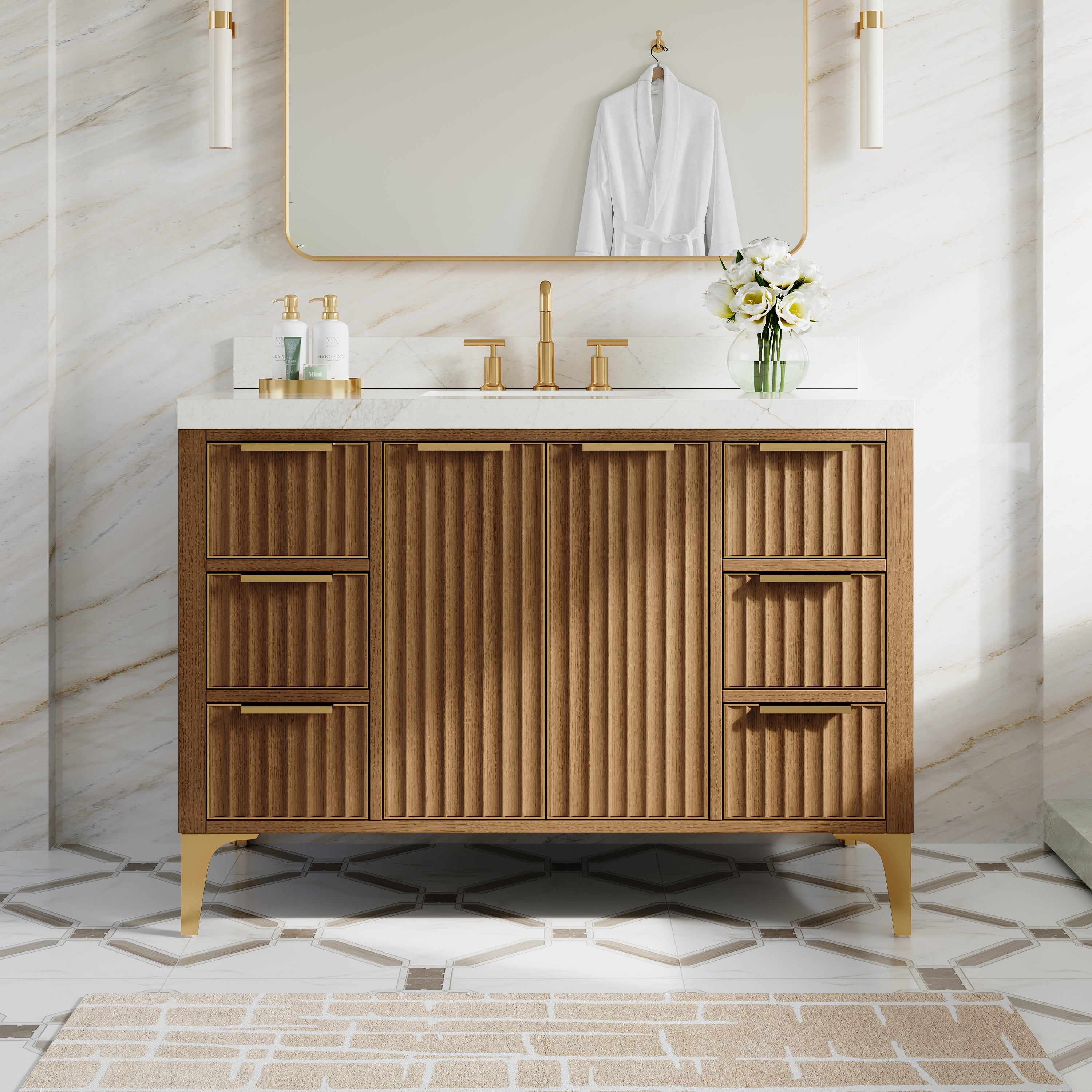


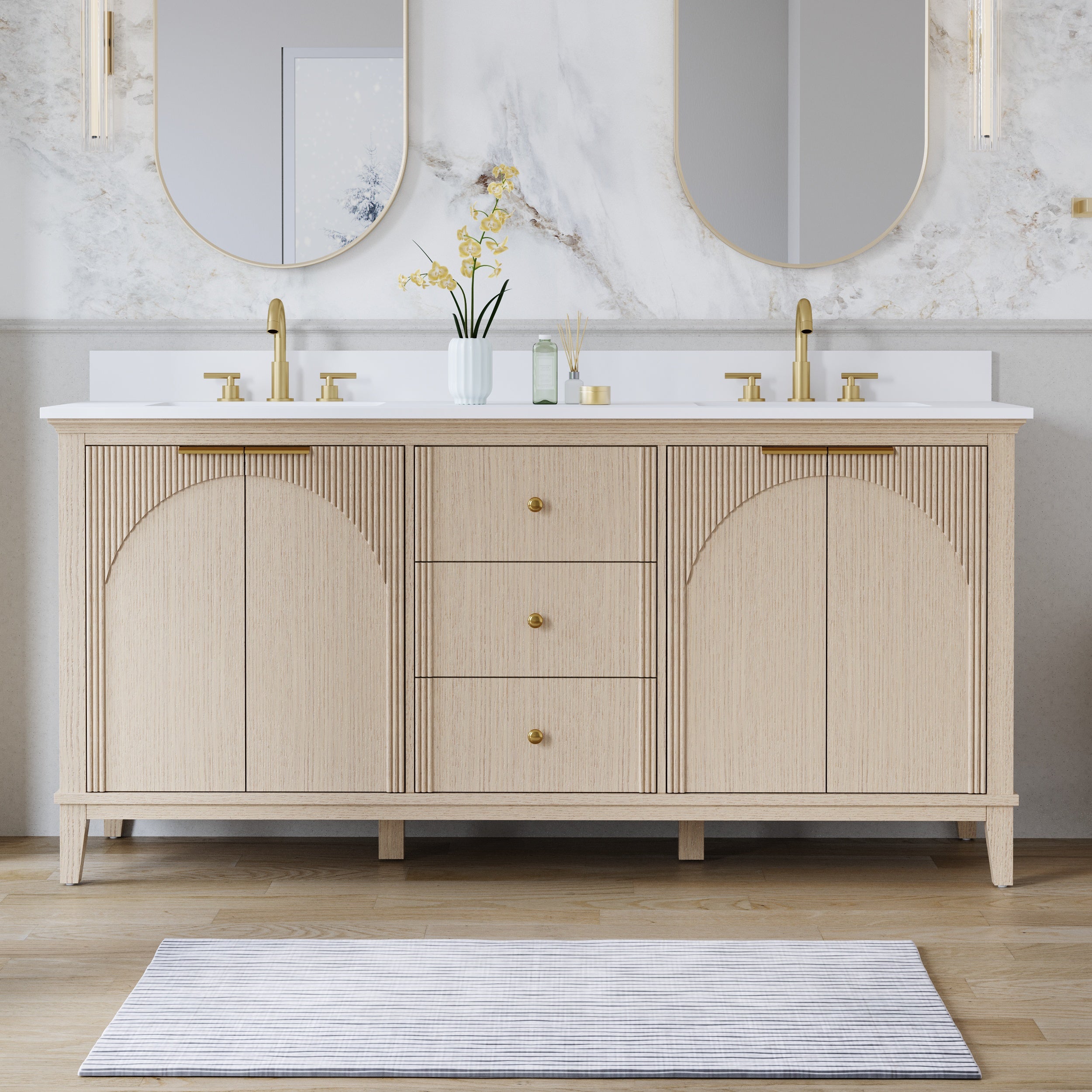
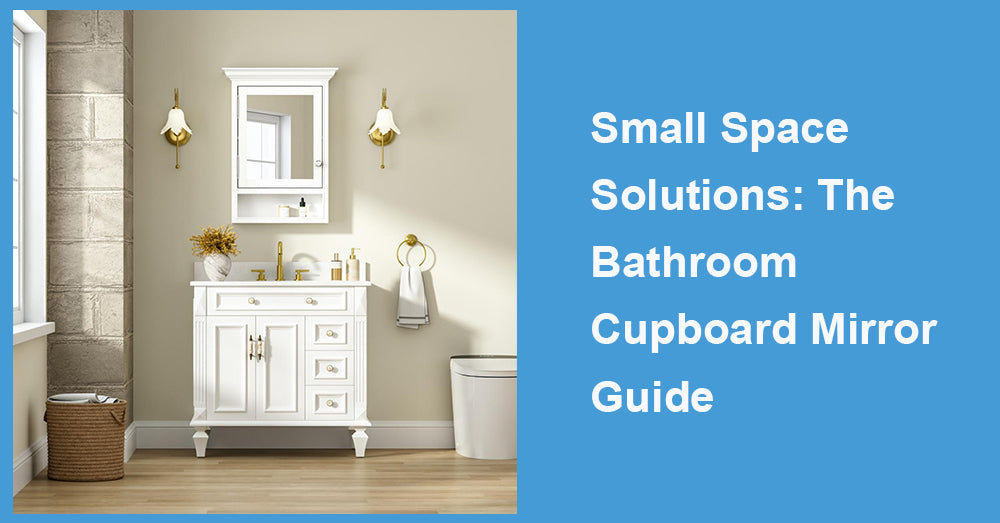
With the increasing trend of compact bathroom spaces, bathroom cupboard mirror are becoming a key solution for optimizing the layout of small bathrooms. Compared to traditional flat mirrors, the structure that integrates mirror surface and storage functions can significantly improve vertical storage capacity without occupying additional ground space. Industry data shows that in bathrooms with an area of less than 70 square feet, over 50% of renovation projects choose mirror cabinet systems with storage functions to reduce countertop accumulation and improve spatial order. For small spaces, choosing the appropriate size and structure of the mirror cabinet is the core strategy to achieve maximum functionality.
1. Why do small spaces require mirror cabinet structures more?
In a single-basin space with a width of 24 or 30 inches, the countertop area is usually limited. If skincare products, toothbrushes, electric shavers, and other items are placed on the table, it will visually appear crowded.
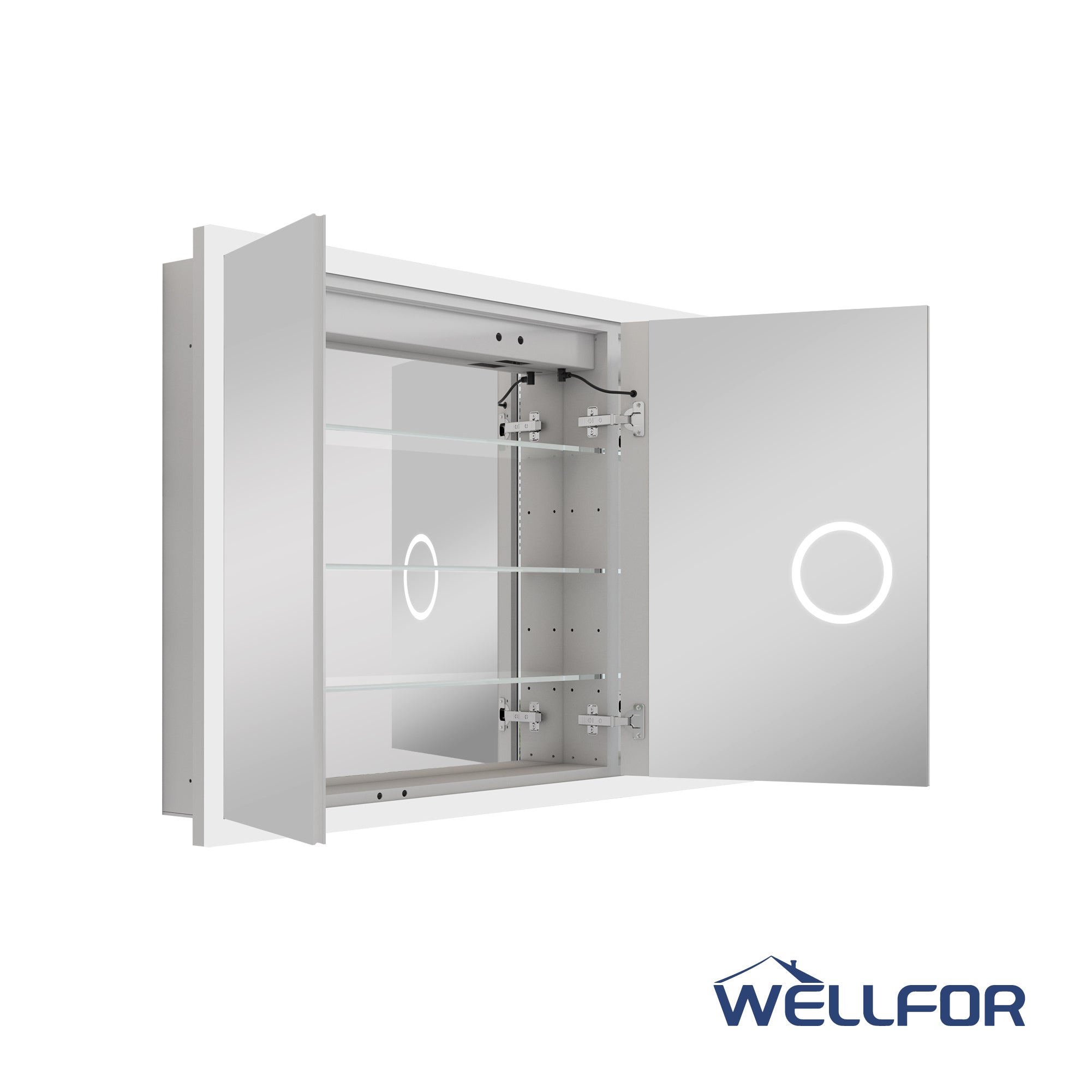
The depth of the mirror cabinet is usually 4-6 inches, and the internal height is about 24-30 inches. By incorporating 3-4 adjustable partitions, it can provide more than 60% more storage capacity than a single-layer countertop. The data shows that after reasonable stratification, the search time for daily items can be reduced by about 30%.
For spaces smaller than 60 square feet, extending storage upwards is more effective than expanding outward.
2. Size selection: How to match a small basin?
Common small basin widths include 24 inches, 30 inches, and 36 inches. The width of the mirror cabinet is usually recommended to be set to 80%-100% of the tabletop width.
For example:
24-inch countertop → 20-24-inch mirror cabinet
30-inch countertop → 24-30-inch mirror cabinet
36-inch countertop → 28-36-inch mirror cabinet
It is recommended to keep the distance between the bottom of the mirror and the tabletop at 5-10 inches, and the distance between the top of the mirror and the ceiling at least 6 inches, to ensure visual proportion coordination.
In a space with a height of about 96 inches, a 30-inch mirror cabinet is a common choice, which not only meets storage needs but also does not compress the sense of space above.
3. Embedded vs Surface Mount
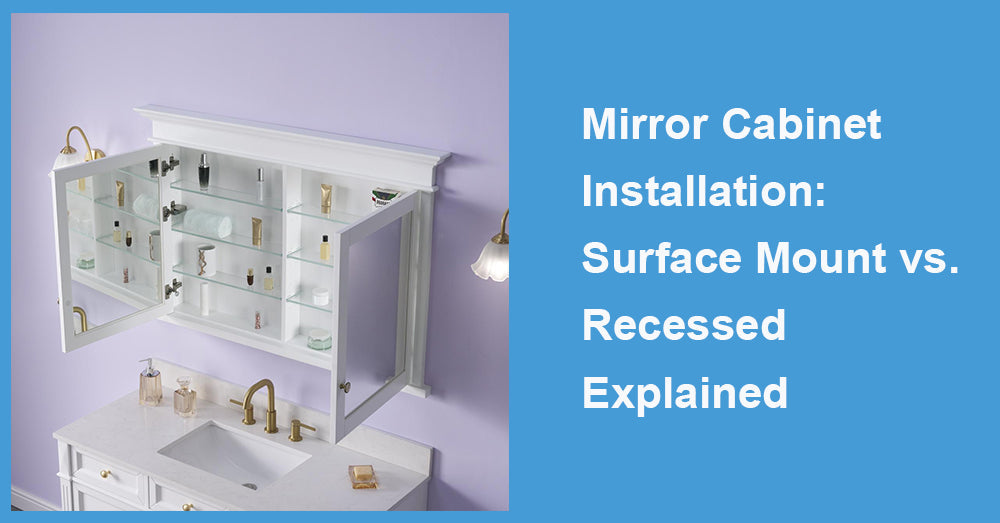
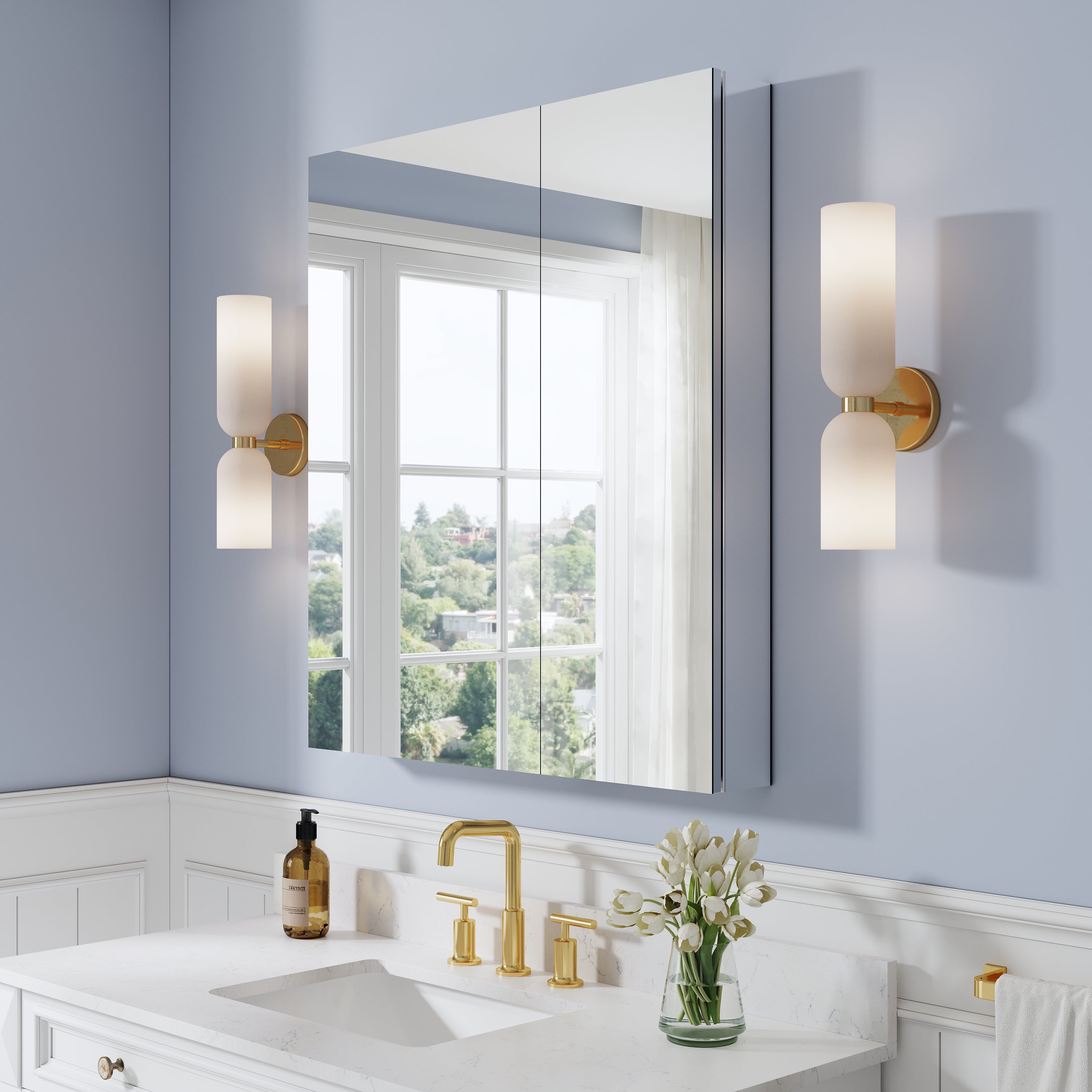
For small spaces, embedded structures have obvious advantages. After being embedded in the wall, the mirror cabinet will not extend outward by an additional 4-6 inches, thus preserving the passage space. Industry data shows that, within structural constraints, the selection ratio for embedded mirror cabinets is about 20% higher than for surface-mounted cabinets.
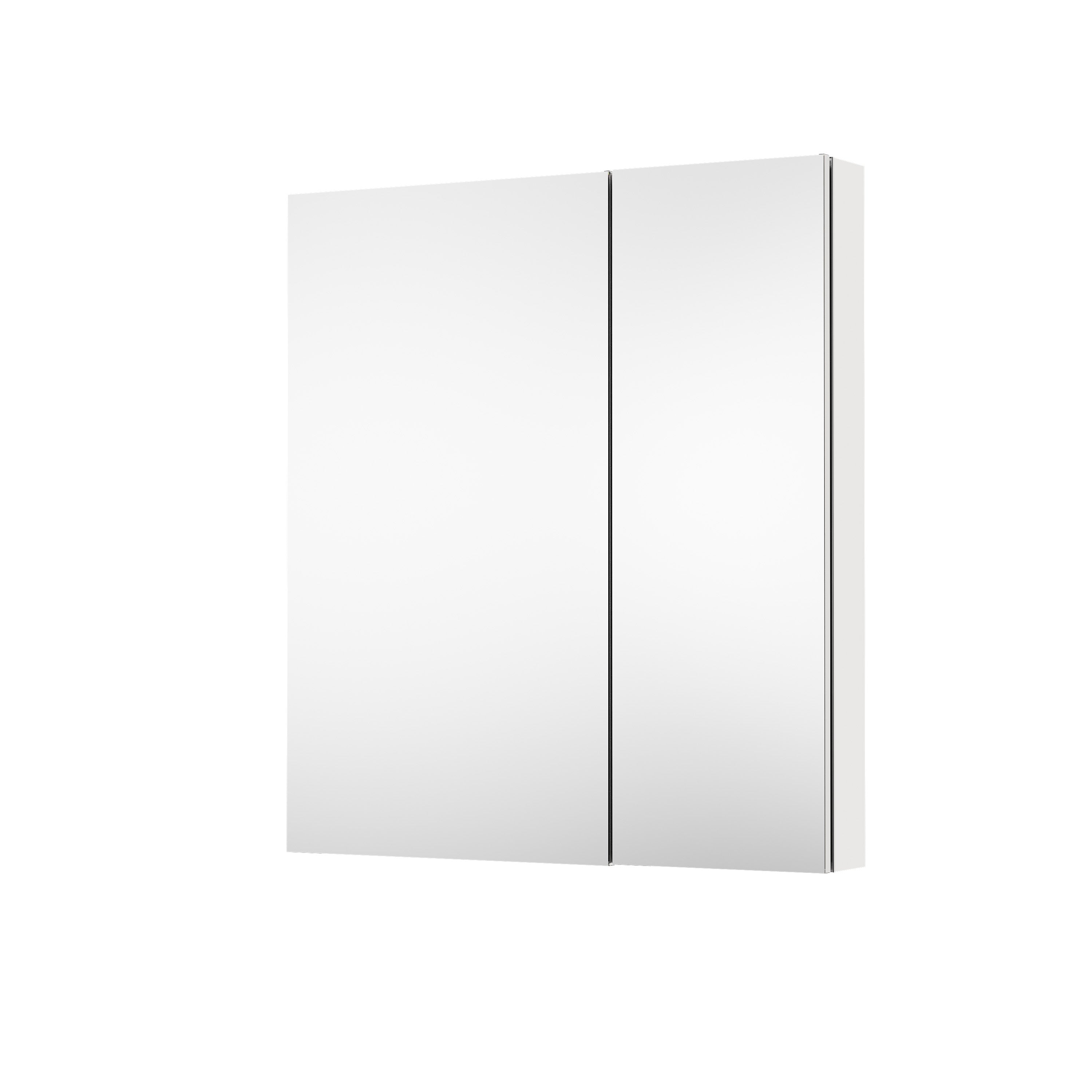
However, if the wall structure is limited, surface installation is also a practical solution. Choose models with depth control within 4 inches to reduce pressure.
4. Internal structure design: partitioning is more important
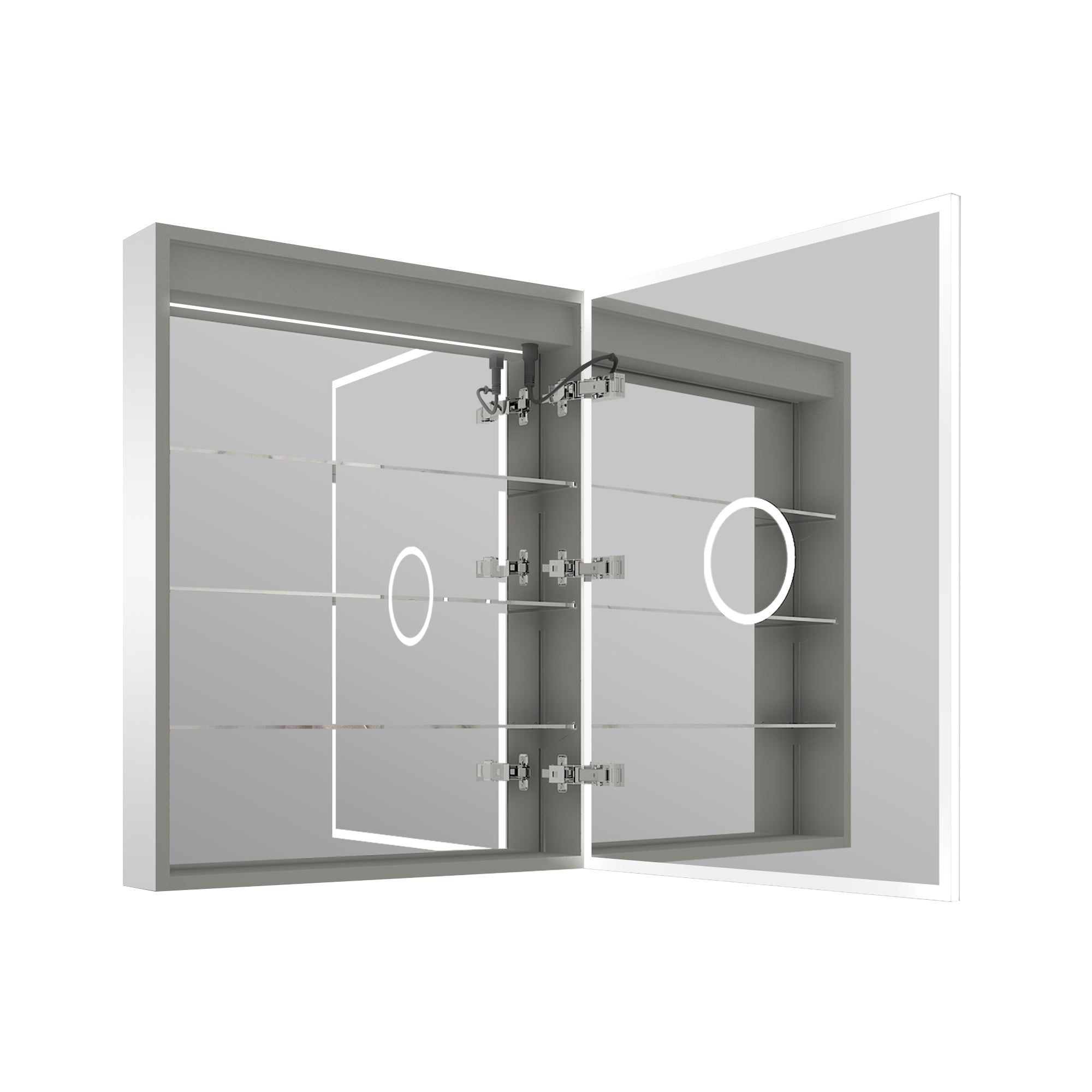
In a limited space, the rationality of the internal structure is more crucial than capacity alone. Suggest adopting the following partitioning method:
Upper level: Spare drugs or low-frequency supplies
Middle level: Daily skincare and shaving products
Lower level: high-frequency items such as toothbrushes and power tools
Using a small partition box with a width of approximately 4-6 inches further subdivides the space. The data shows that after adopting separated storage, the internal availability rate has increased by about 25%.
5. Lamp mirror cabinet: dual function integration
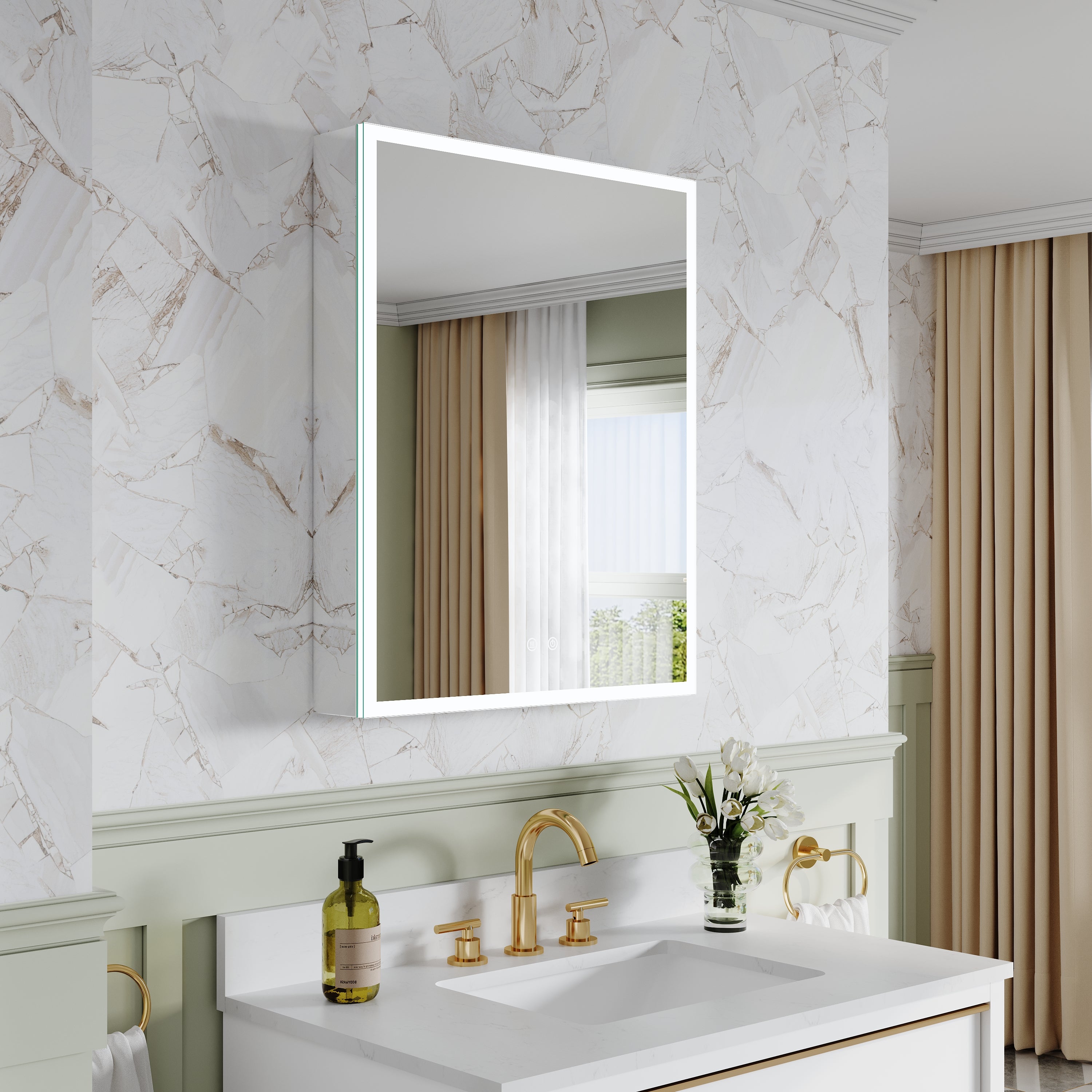
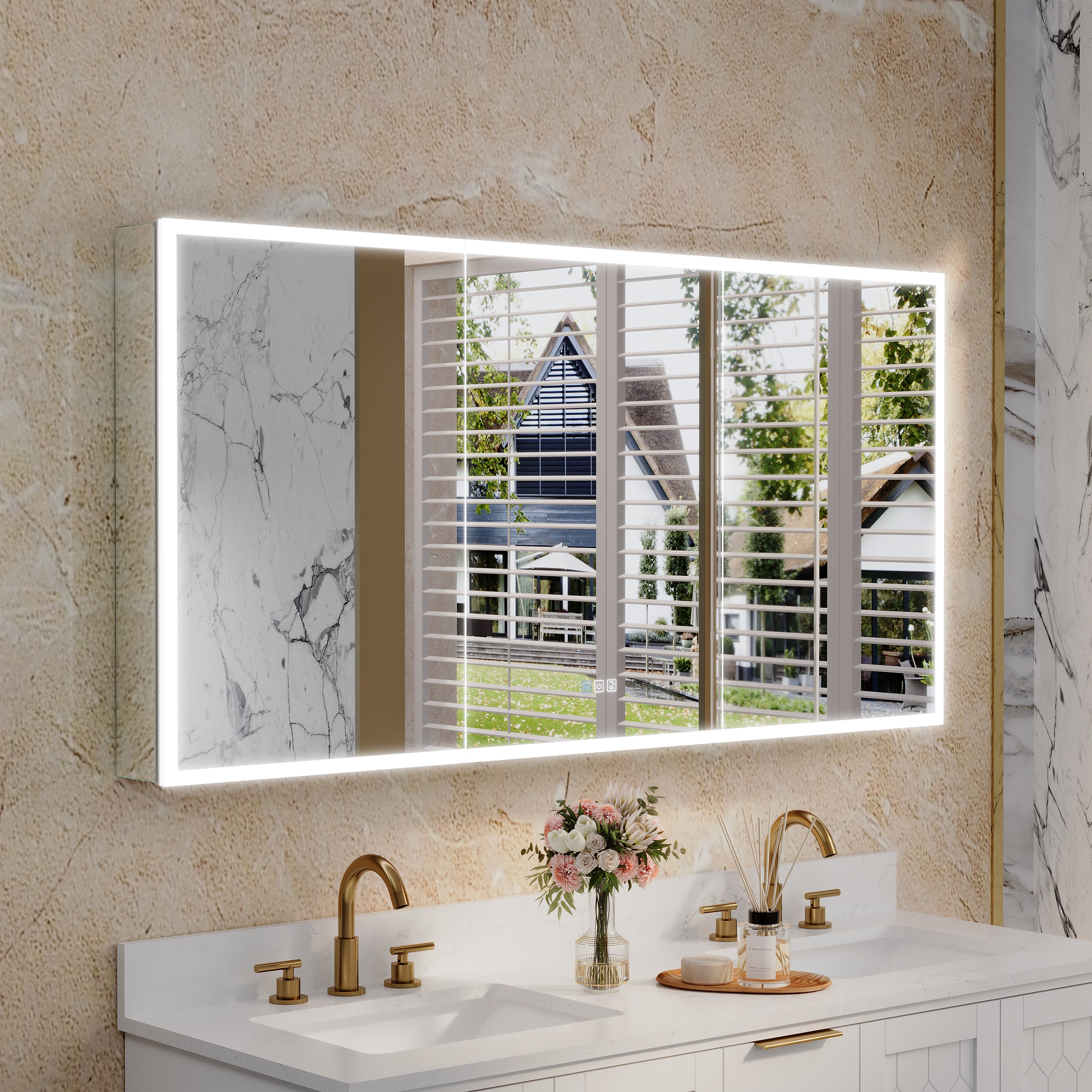
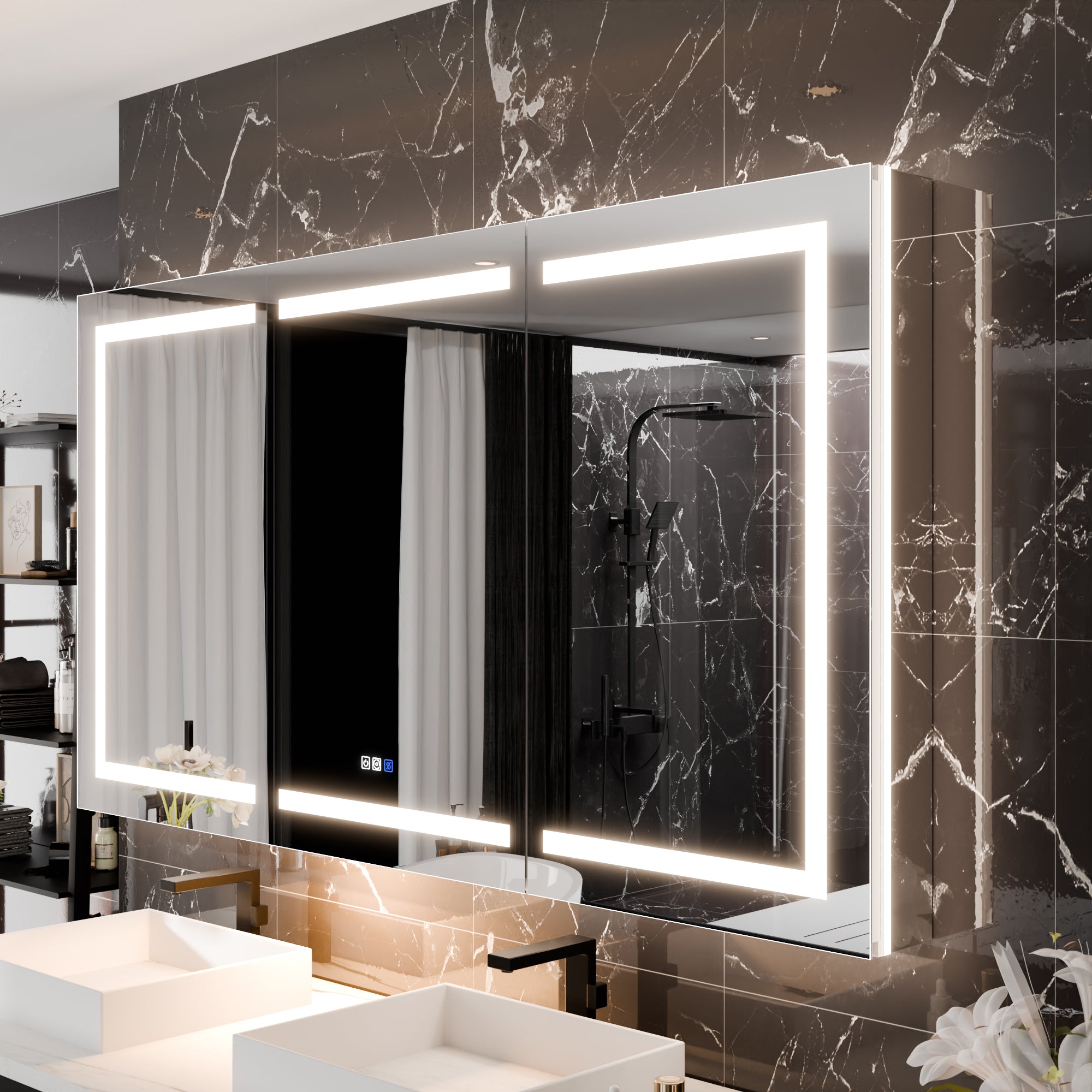
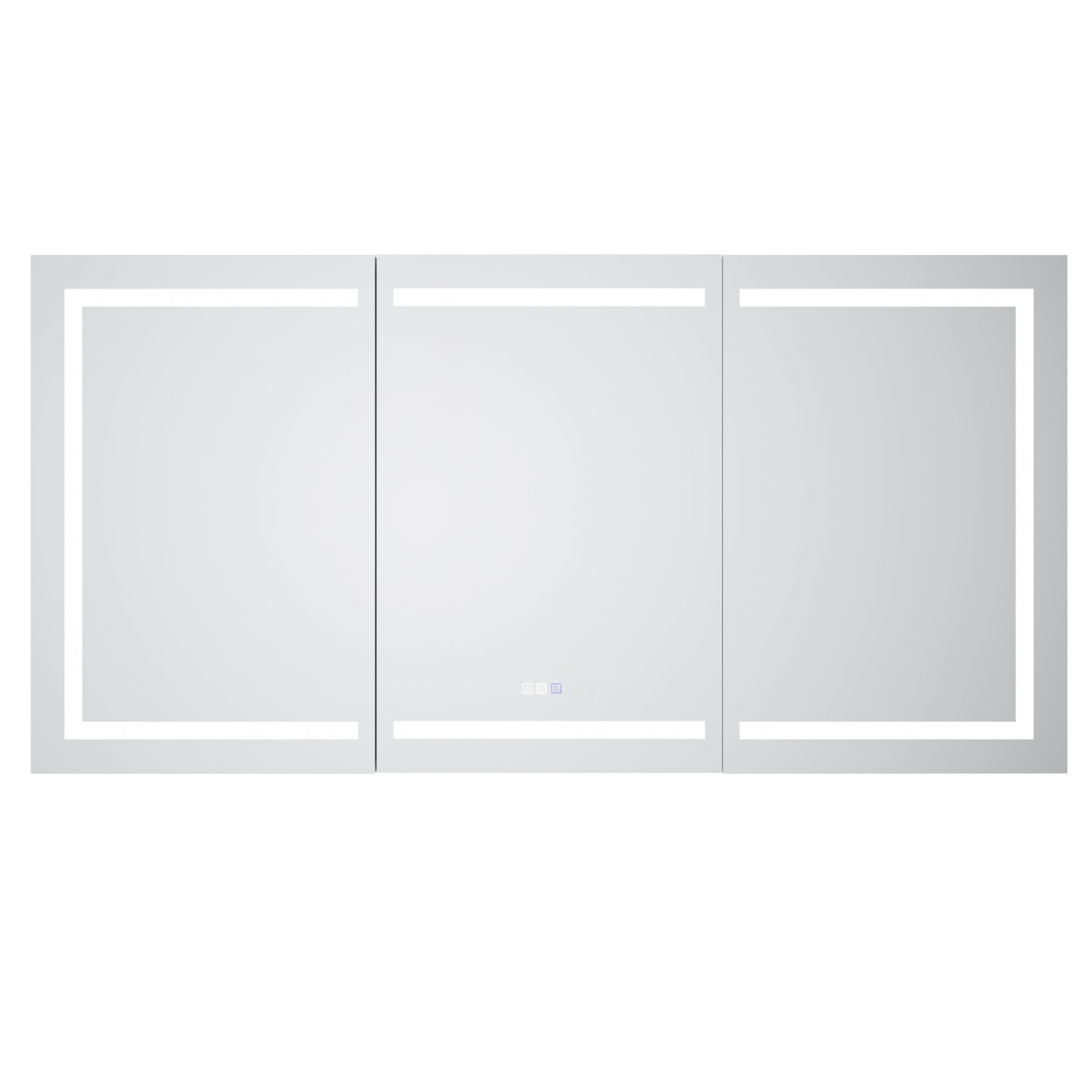
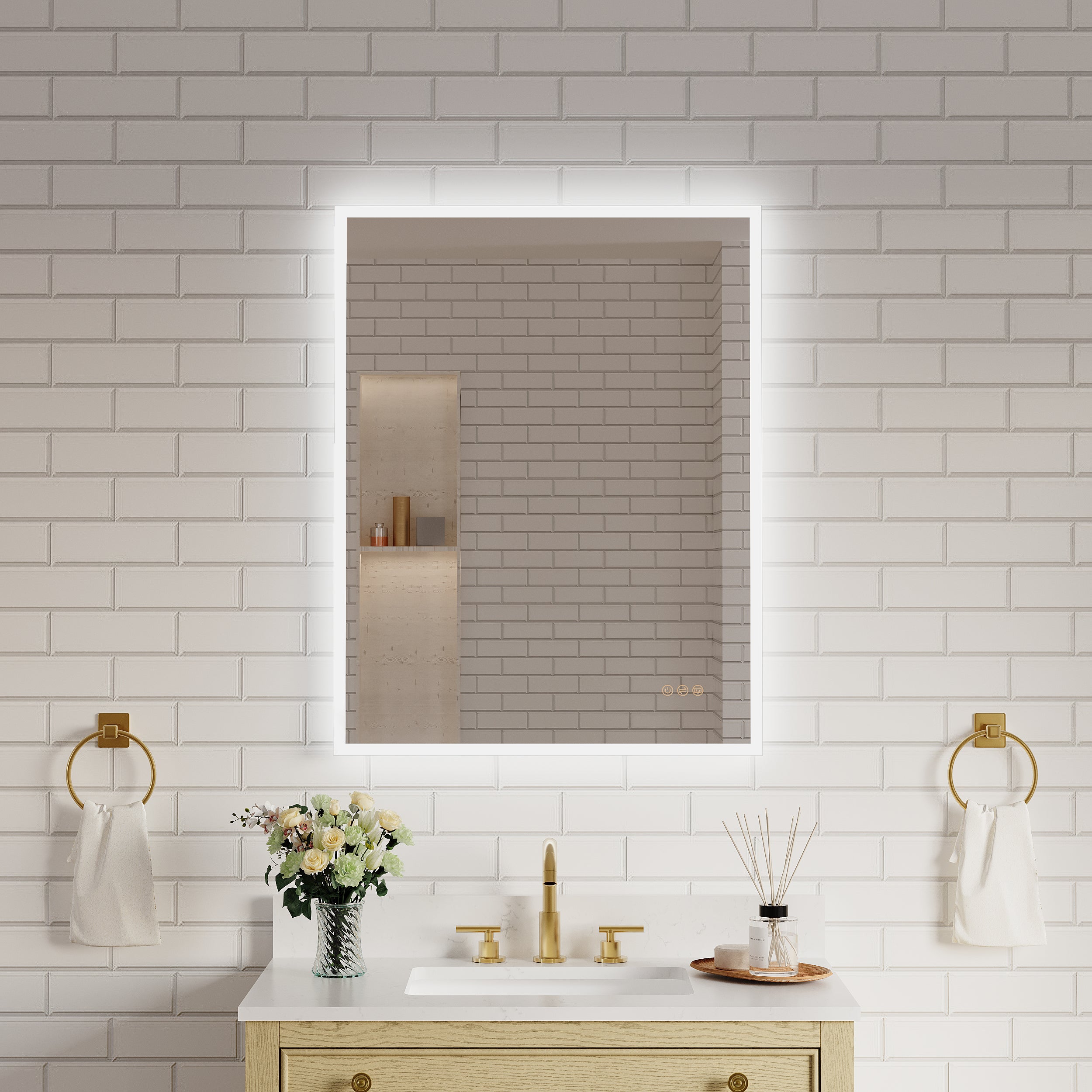
Small spaces often lack natural lighting, so mirror cabinets with LED lighting have more advantages. Integrated light strips not only provide facial lighting but also reduce the additional space occupied by wall lights.
It is recommended to use CRI 90 or higher light sources for lighting, with a color temperature range of 3000K to 6000K. Data shows that in spaces with illuminated mirror cabinets, overall brightness can be improved by about 20%-30%.
For small basins with widths of 24 or 30 inches, the integrated luminous mirror cabinet solves both lighting and storage problems simultaneously.
6. Anti-fog and adaptability to wet areas
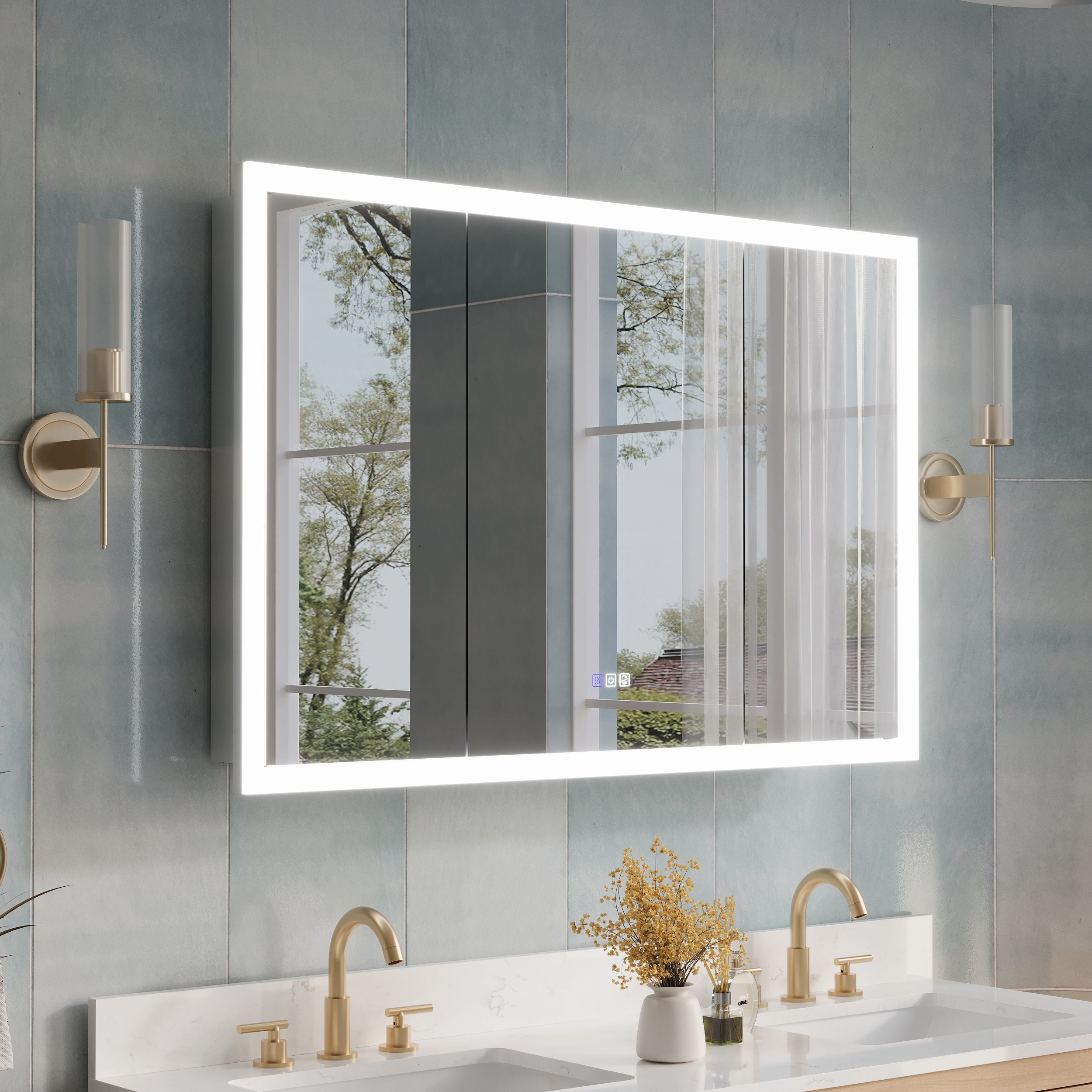
In spaces with showers, mirror fogging can affect usage efficiency. A mirror cabinet with heating and defogging functions can shorten the mirror recovery time by about 80%. For main bathrooms with limited space, this function is particularly practical.
Meanwhile, it is recommended to choose an anti-rust aluminum alloy or stainless steel structure to enhance moisture resistance.
7. Visual extension effect
Mirror cabinets not only provide storage but also enhance spatial reflection effects. Data shows that in windowless small bathrooms, large-area mirrors can enhance visual expansion by about 20%.
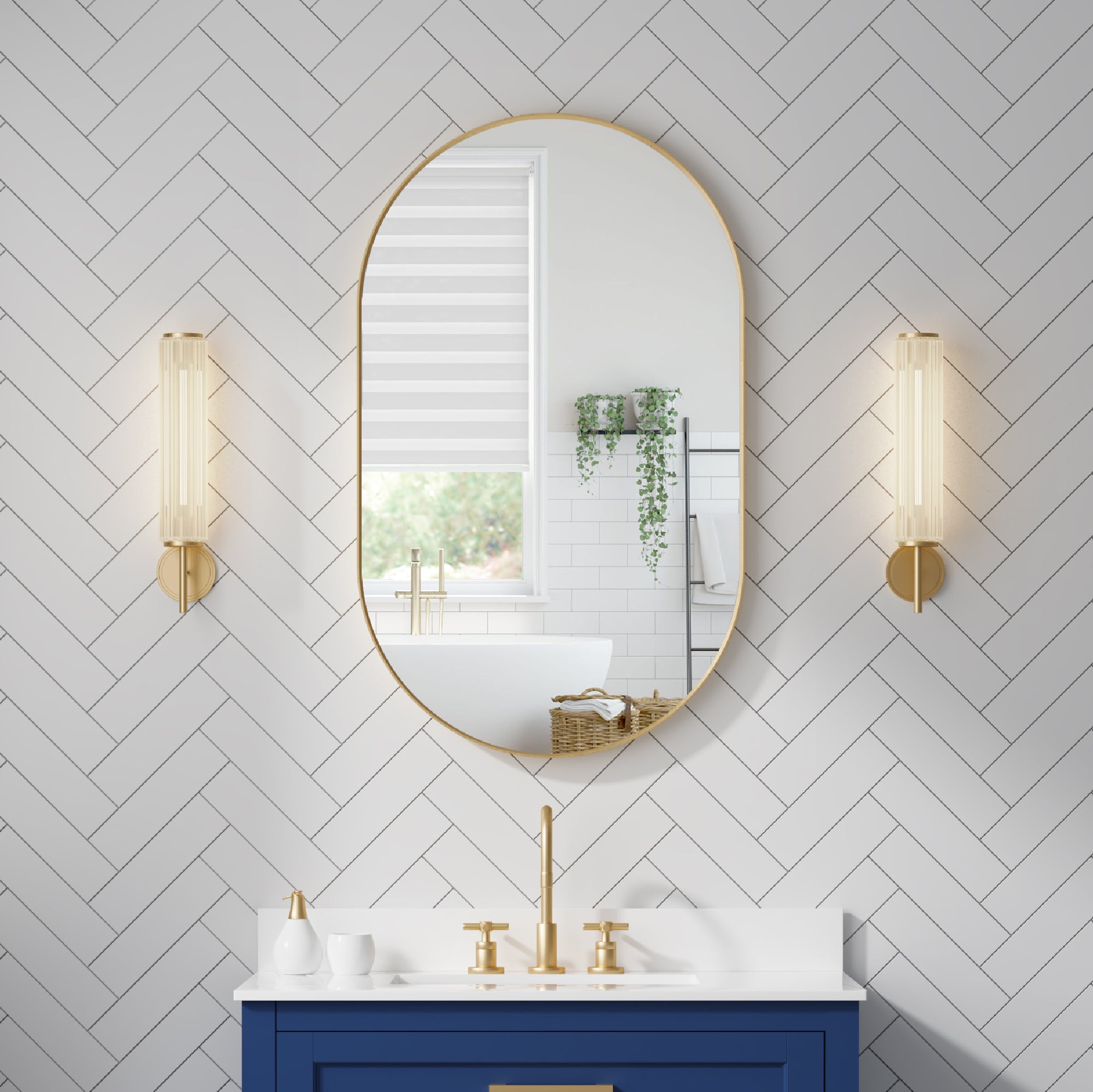
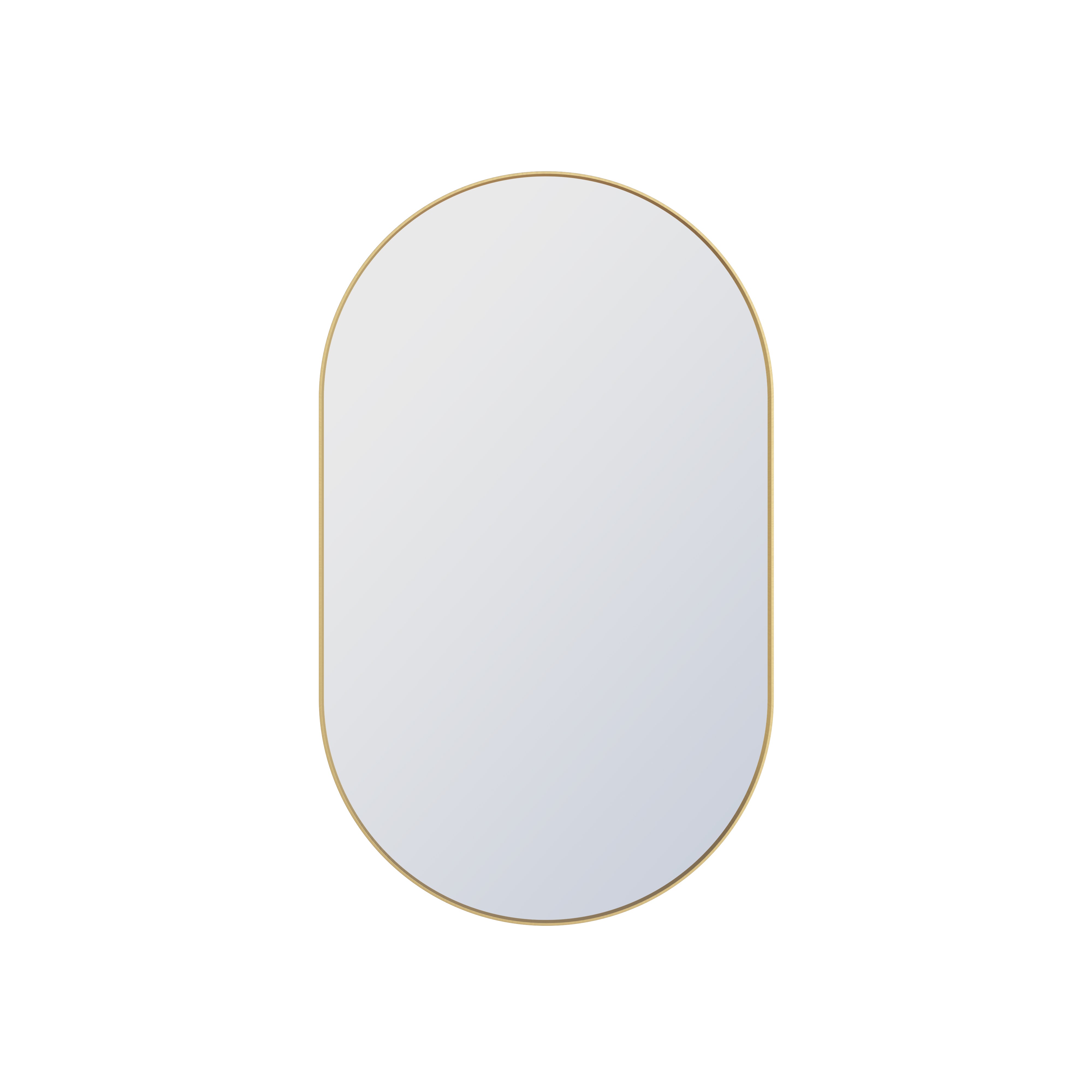
Choosing a frameless or narrow border design can reduce visual weight. For spaces with a width less than 30 inches, a simple design is particularly important.
8. Double Small Space Solution
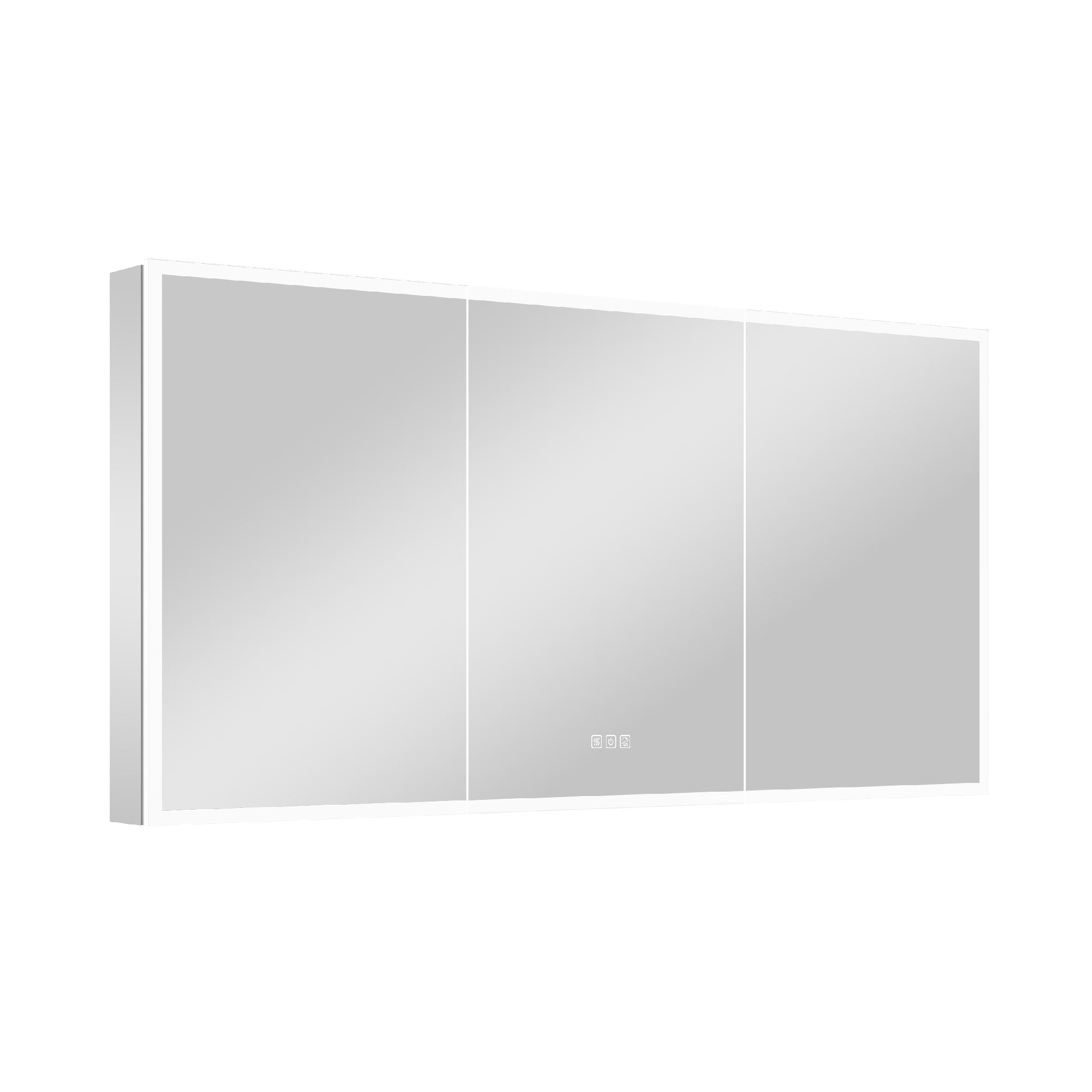
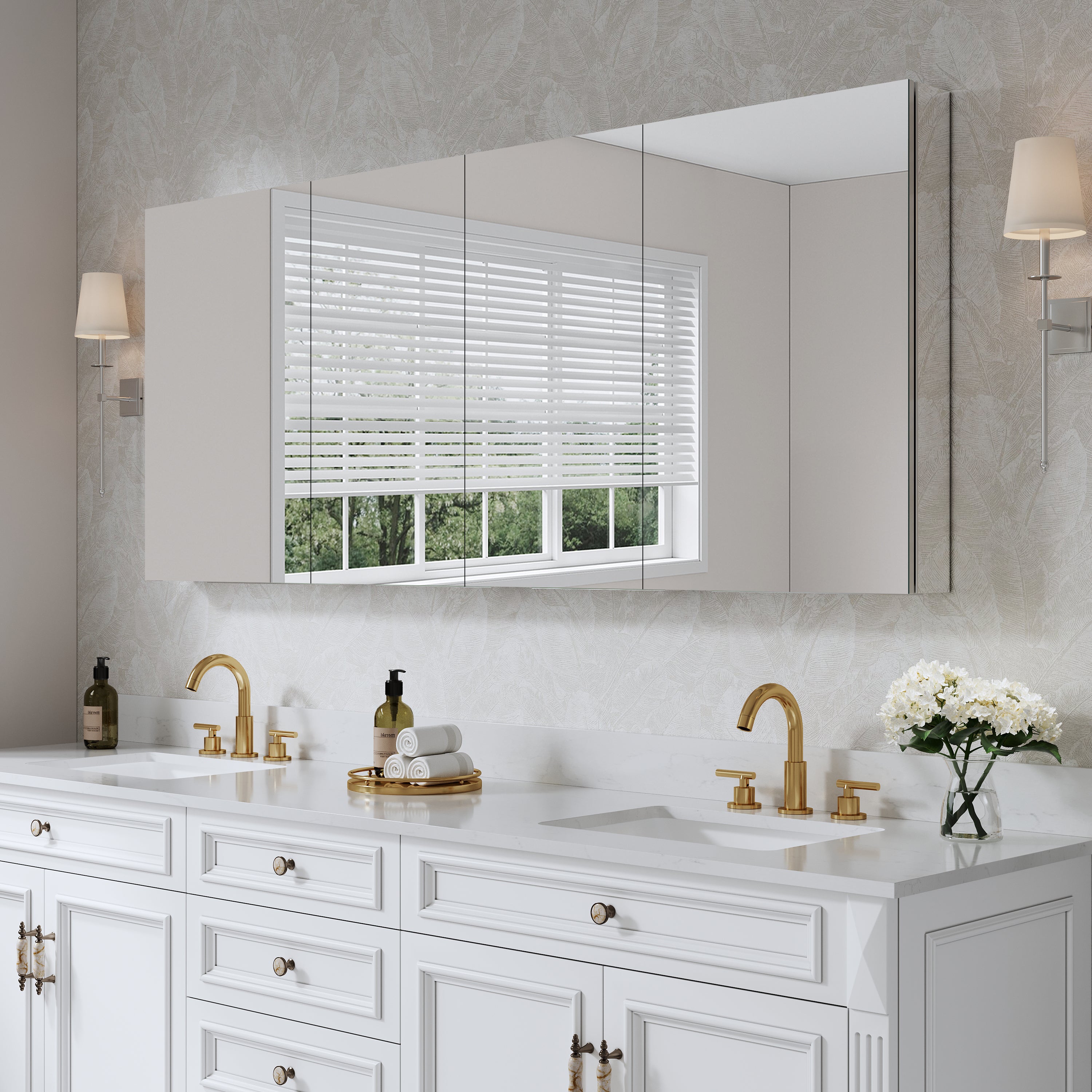
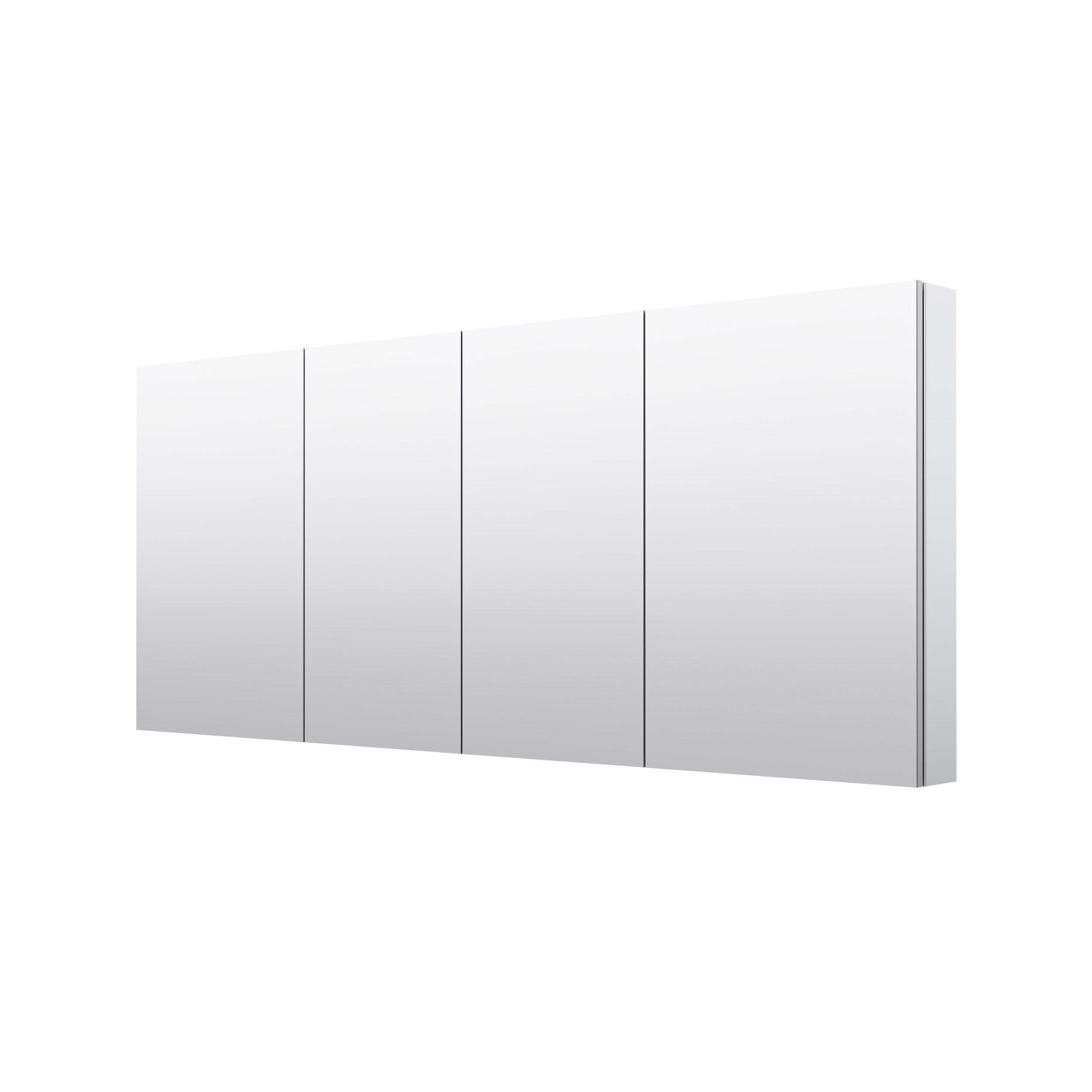
If the space width reaches 48 or 60 inches but the area is still limited, a single-wide mirror cabinet or a double-door structure can be chosen. Each side partition can independently adjust its height to prevent household items from mixing.
Data shows that in a clearly partitioned dual-use environment, daily organization conflicts are reduced by about 35%.
9. Long-term maintenance and organization suggestions
Small spaces require regular organization. It is recommended to clean up expired drugs and unused items every 6 months. Industry surveys show that about 20% of items in home mirror cabinets are idle.
By regularly optimizing the internal structure, sustainable space efficiency can be maintained.

10. Conclusion
In small bathrooms, the bathroom cupboard mirror is not only a mirror but also a key tool for maximizing vertical space. Through reasonable size matching, embedded installation, scientific zoning, and lighting integration, dual optimization of storage and visual effects can be achieved within a limited area.
For compact spaces ranging from 24 inches to 36 inches, mirror cabinet systems can significantly increase functional density, making the space cleaner and more efficient. Reasonable planning and scientific selection are the keys to achieving large functions in small spaces.












Leave a comment
This site is protected by hCaptcha and the hCaptcha Privacy Policy and Terms of Service apply.