














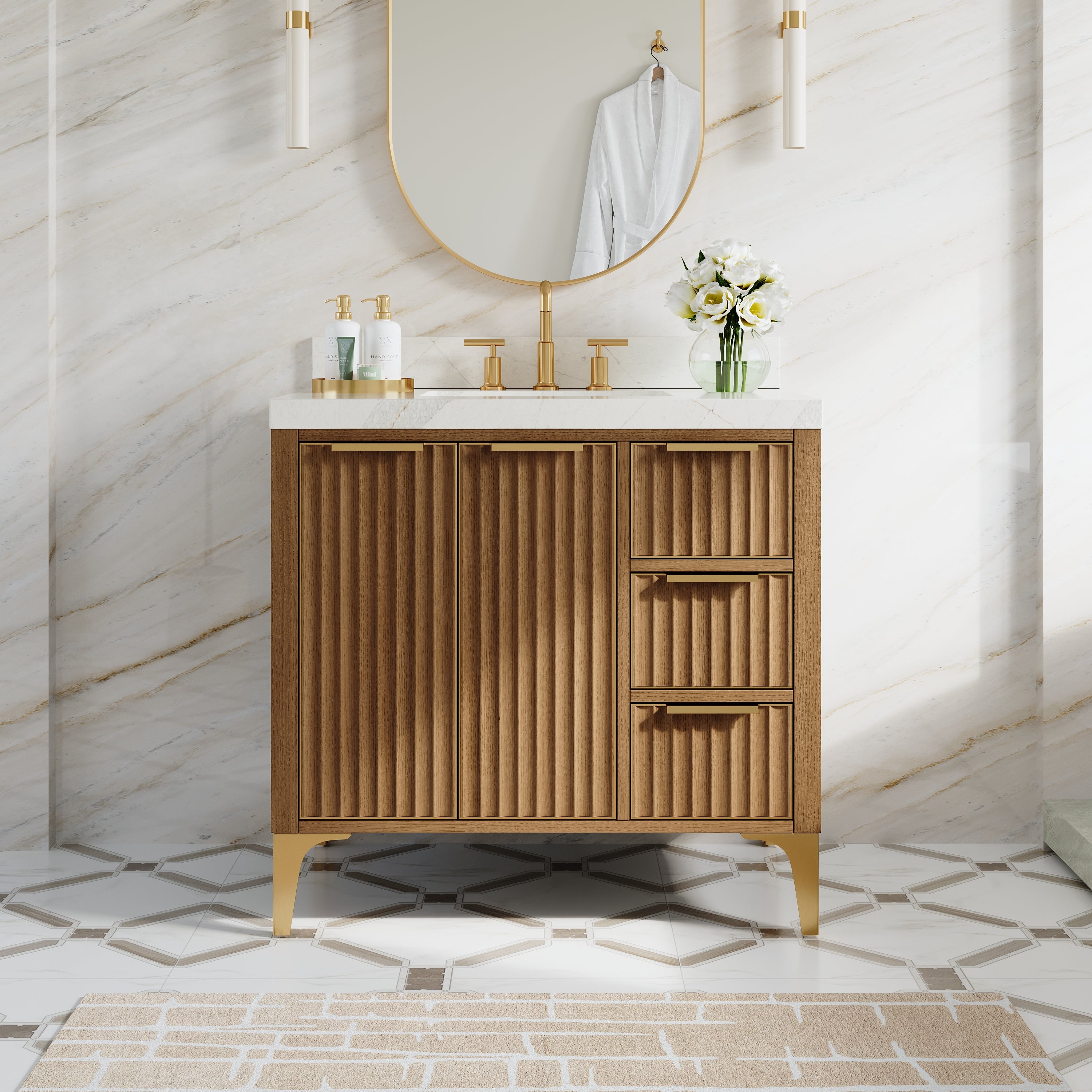


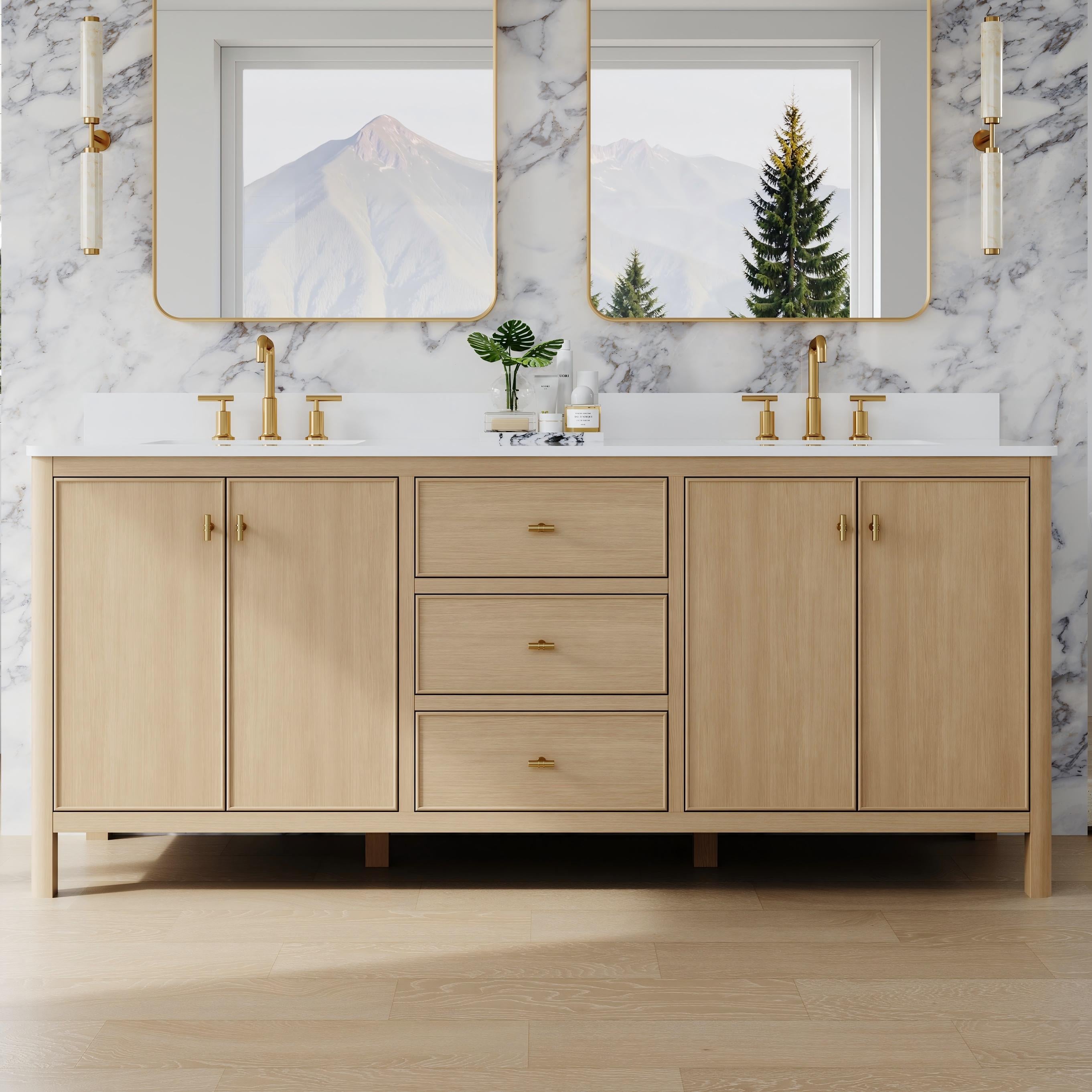
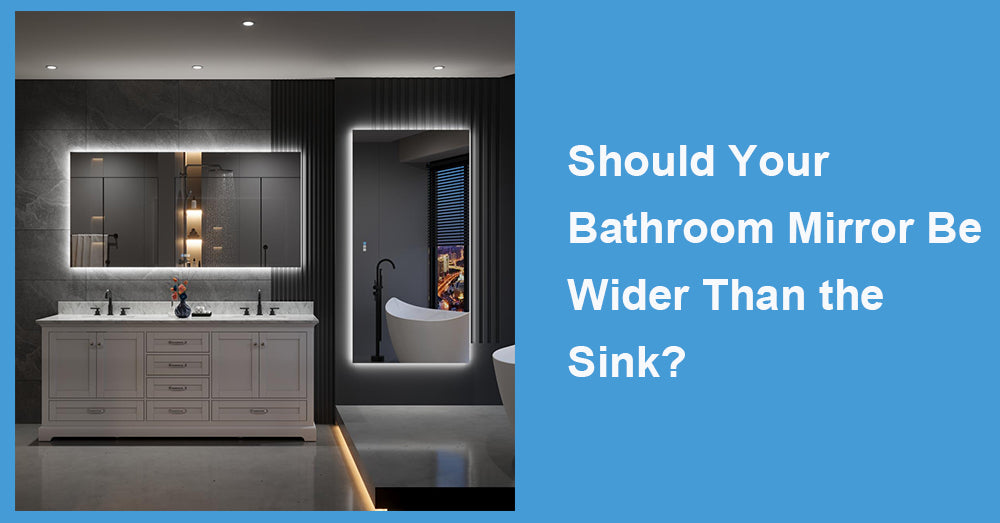
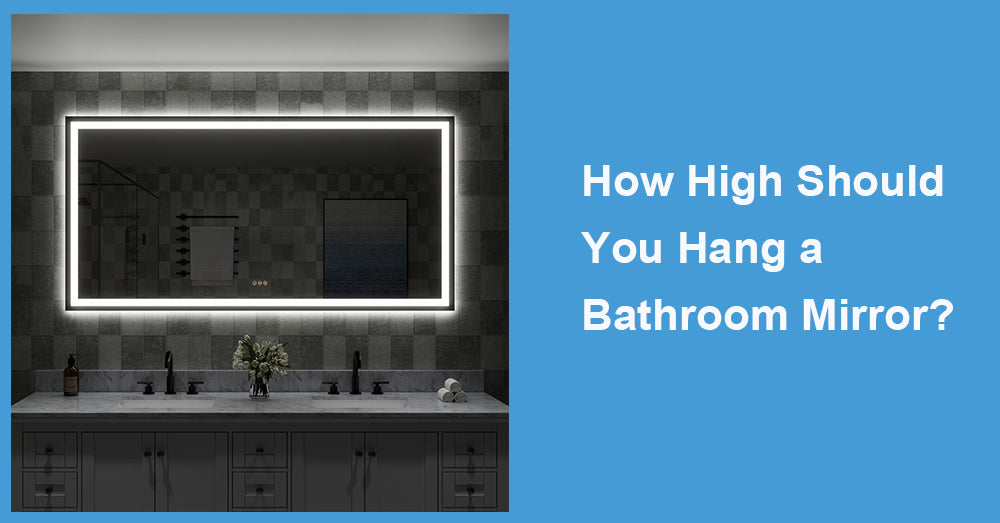
If you are standing at the vanity every day, the right bathroom mirror is not just a decoration. It affects how comfortable the space feels, how well you can see for grooming, and whether the whole wall looks balanced. So, should the mirror be wider than the sink? In most bathrooms, the better question is, “Should the mirror be wider than the vanity zone?” Because the sink is often smaller than the cabinet beneath it, a mirror that is wider than the sink is usually fine, and often looks better, as long as it stays proportional to the vanity and lighting plan.
The Short Answer
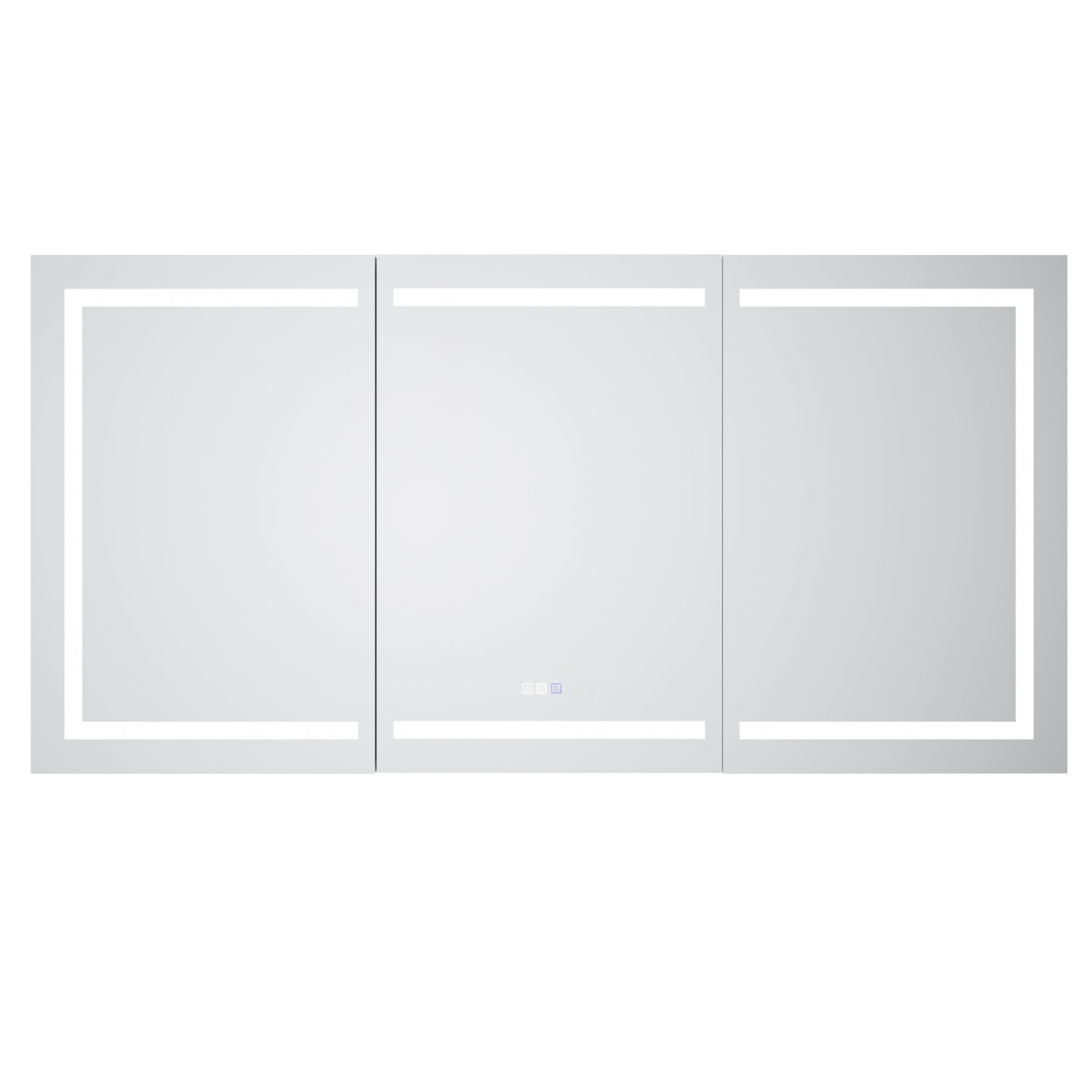
Yes, your mirror can be wider than the sink, and it often should be. The sink basin is rarely the correct reference point. A more reliable rule is to size the mirror relative to the vanity width and the usable wall space, then check that it supports daily tasks without creating awkward proportions.
1. Why the Sink Is a Weak Sizing Reference
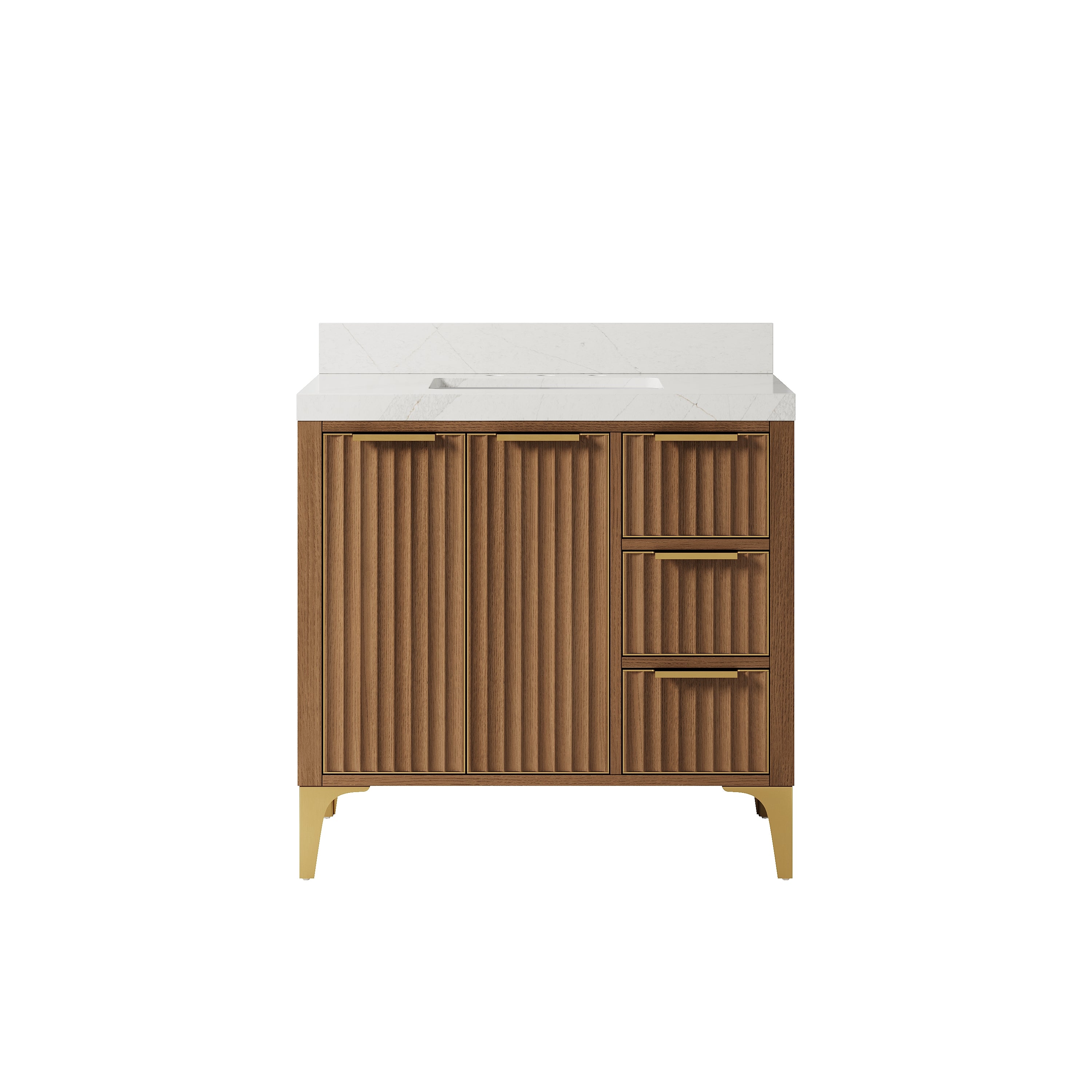
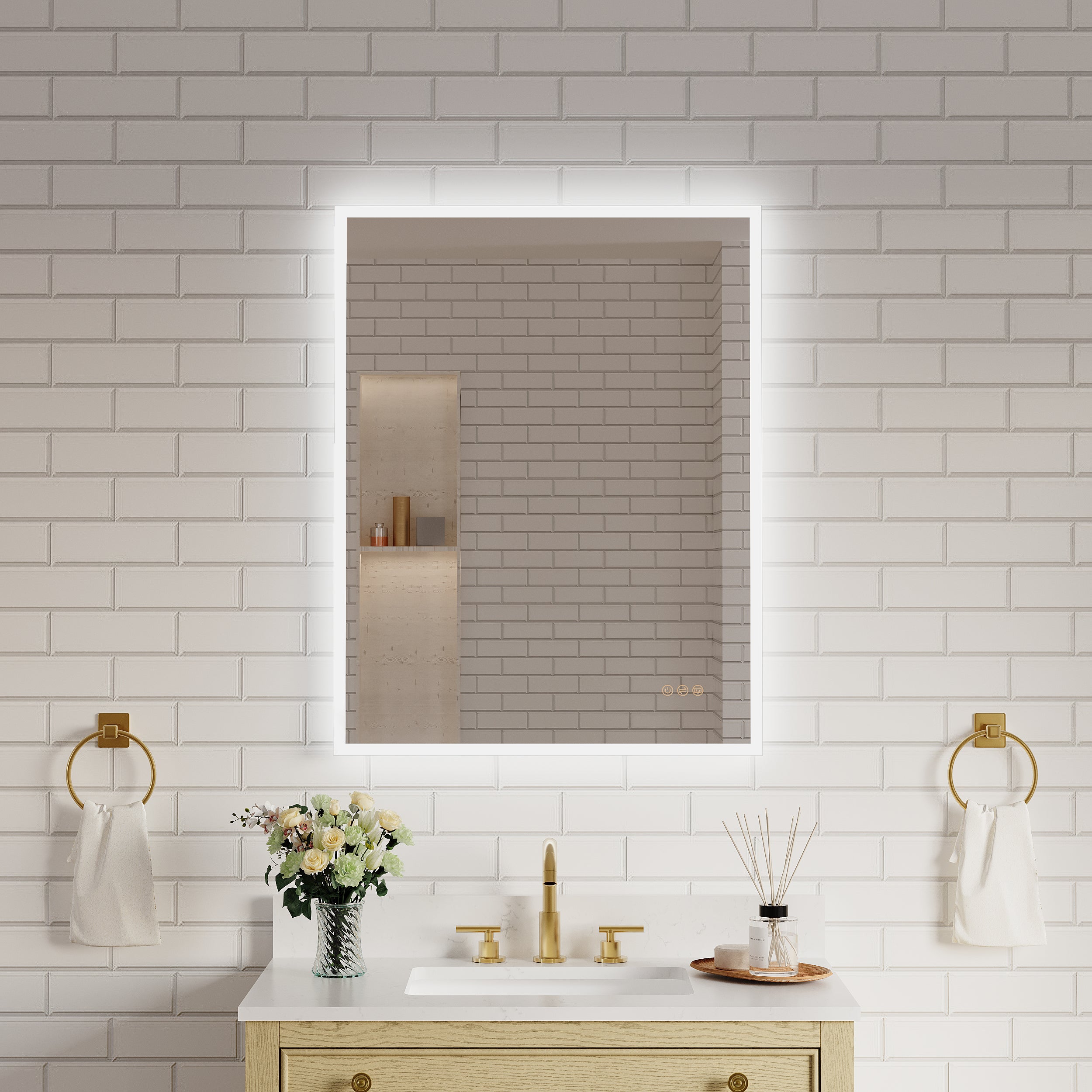
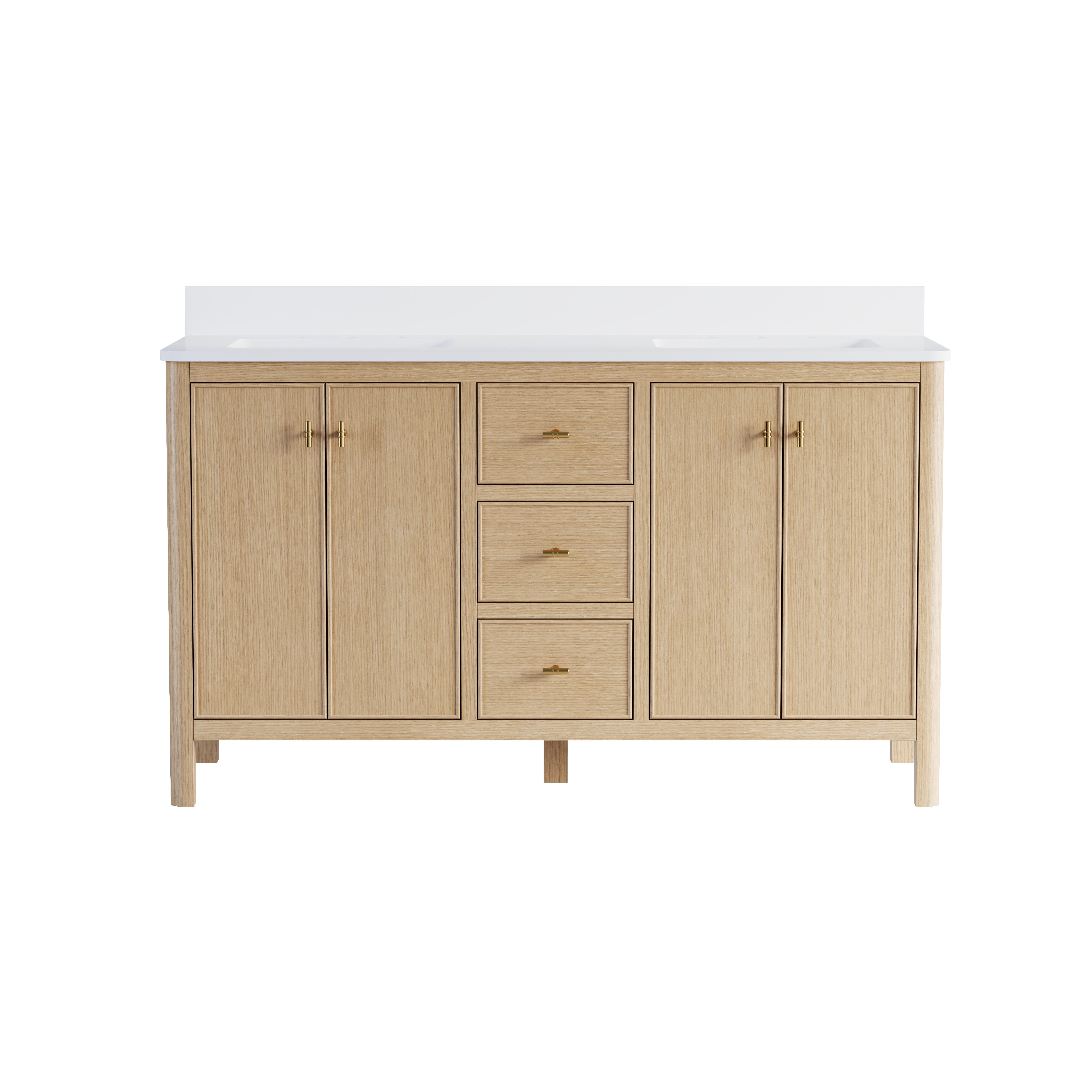
Many sinks are visually centered but physically narrow. A 36 in vanity might have a sink bowl that is only 18 to 22 in wide. If you match the mirror to the sink only, you can end up with a mirror that looks undersized and “floating” above a wide cabinet. This becomes even more noticeable when you add lighting or backsplash tile, because the mirror feels like a small object sitting in a large composition.
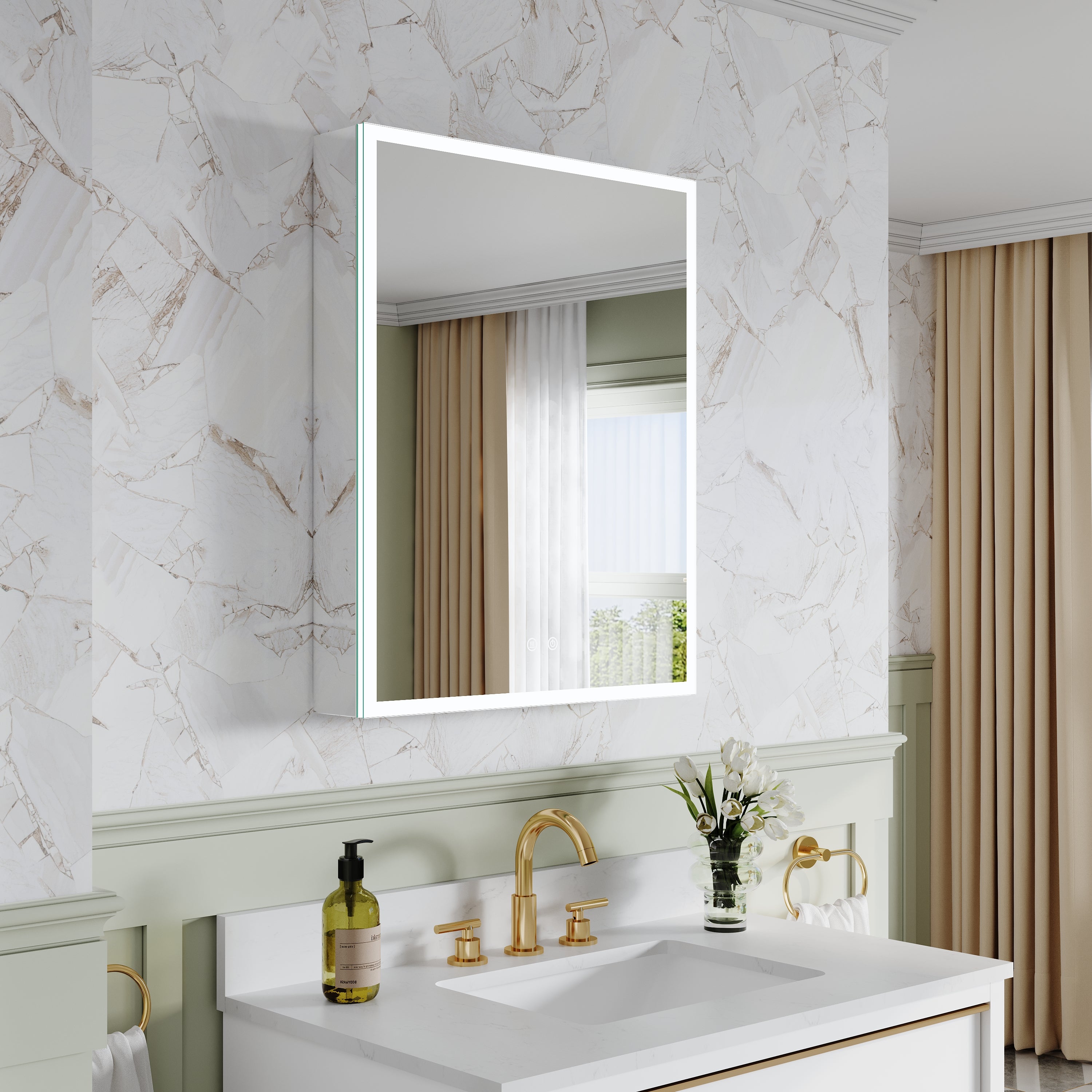
A better approach is to treat the vanity as the primary anchor. In most bathrooms, the vanity is what defines the “working zone” for hands, face, and storage. The mirror should visually support that zone.
2. A Practical Width Rule That Works in Most Bathrooms
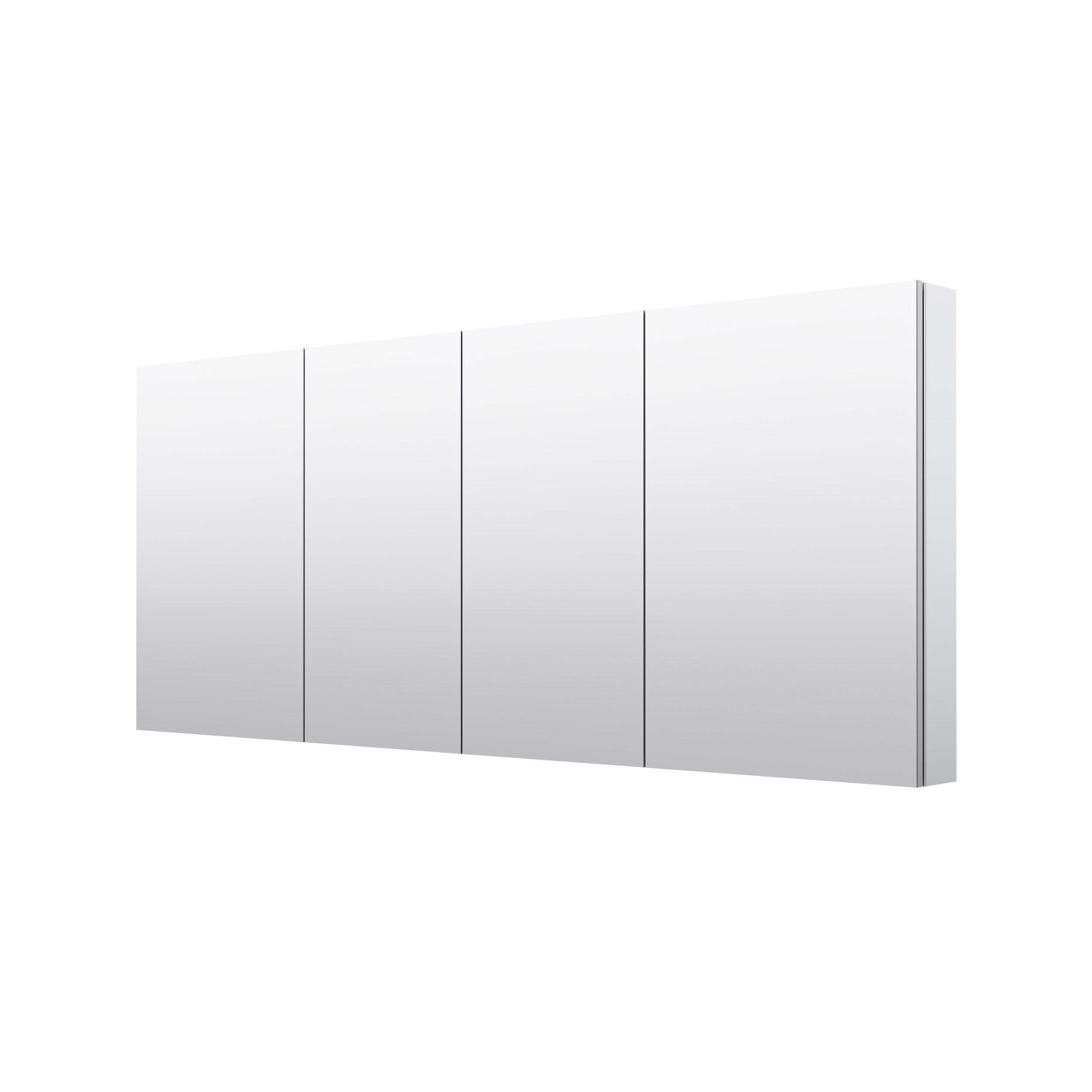
A commonly used guideline is for the mirror to span about 70 percent to 90 percent of the vanity width. This usually creates balance without making the mirror feel oversized. (Source: Edward Martin mirror sizing guidance)
Example calculations
· 30 in vanity: mirror width about 21 to 27 in
· 36 in vanity: mirror width about 25 to 32 in
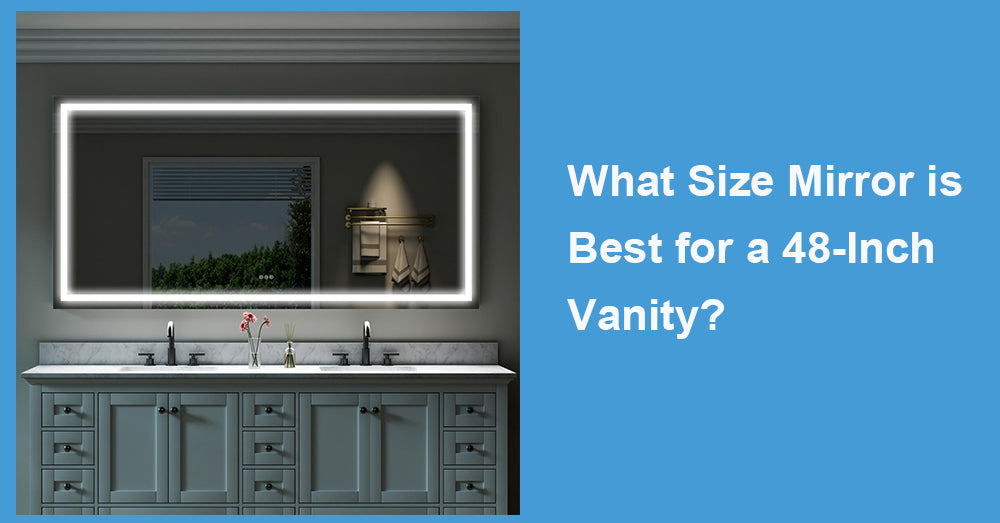
· 48 in vanity: mirror width about 34 to 43 in
· 60 in vanity: mirror width about 42 to 54 in
This is why mirrors are often wider than the sink. The vanity is frequently much wider than the basin, so a mirror sized to the vanity naturally exceeds the sink width.
3. When a Mirror Should NOT Be Wider Than the Sink
There are situations where going wider than the sink can look or feel wrong.
A. Very small powder rooms with tight walls
If the wall is narrow and the mirror nearly touches side trim, door casing, or tile edges, the space can feel cramped. In that case, even if the sink is small, keep the mirror scaled to the wall clearance.
B. When sconces must fit on both sides
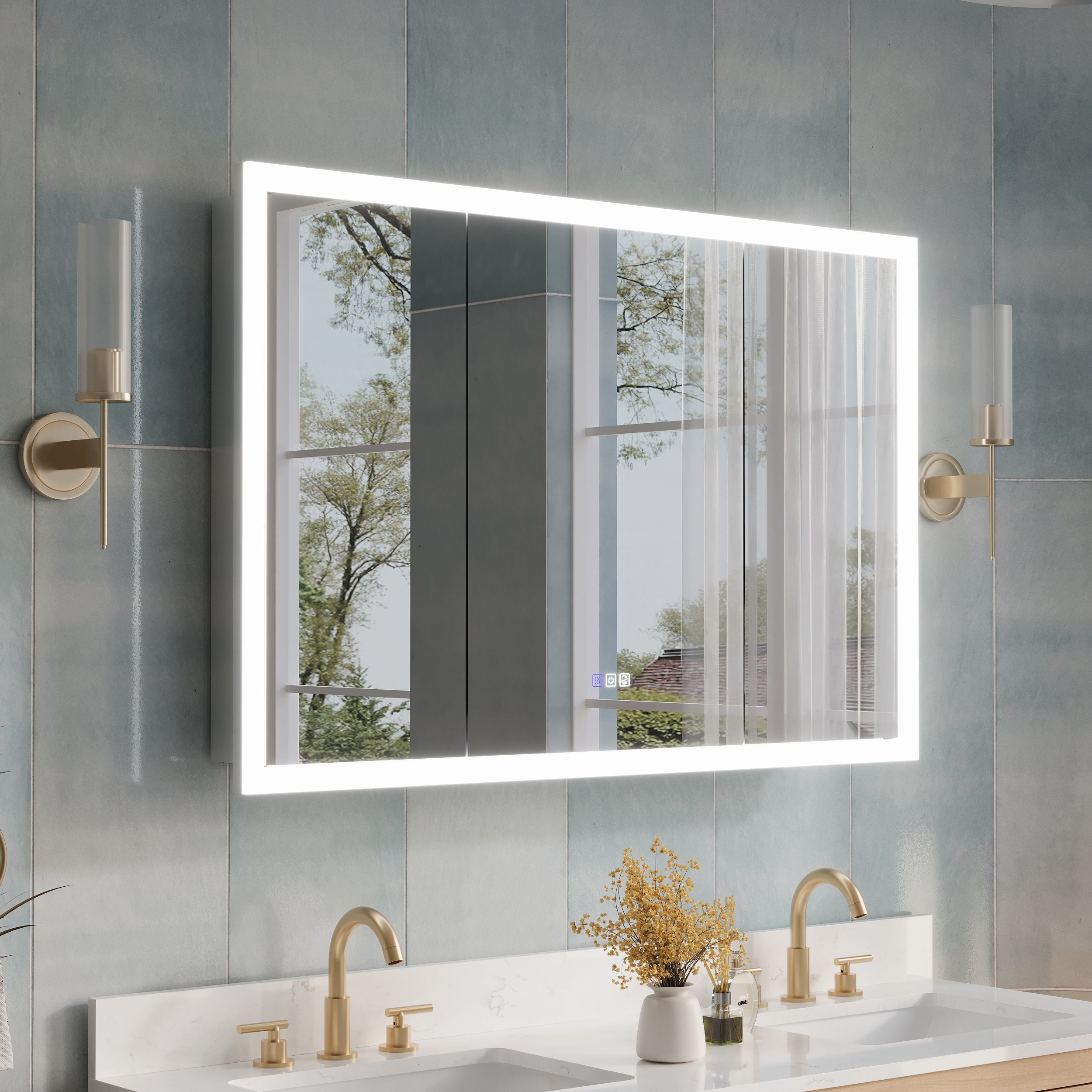
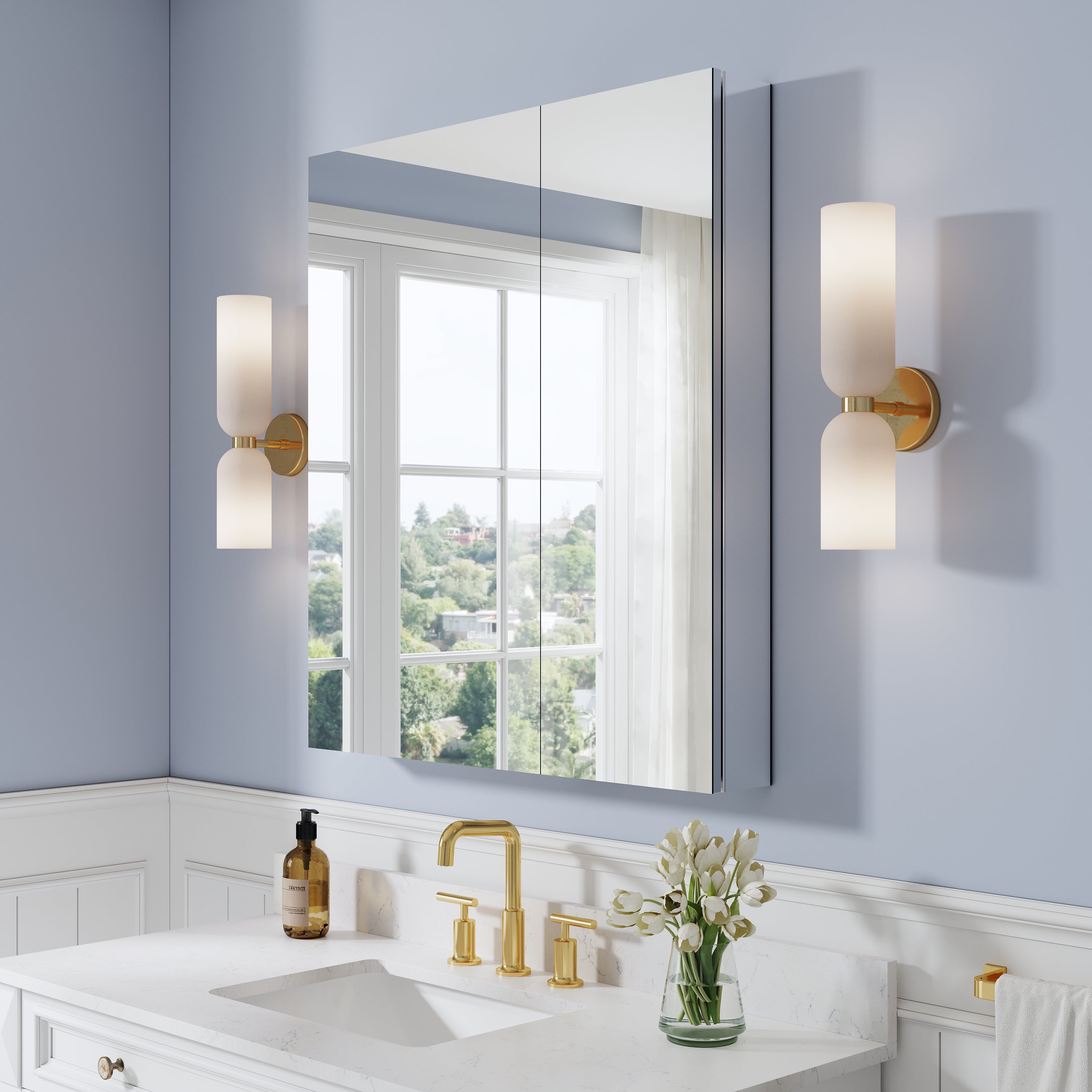
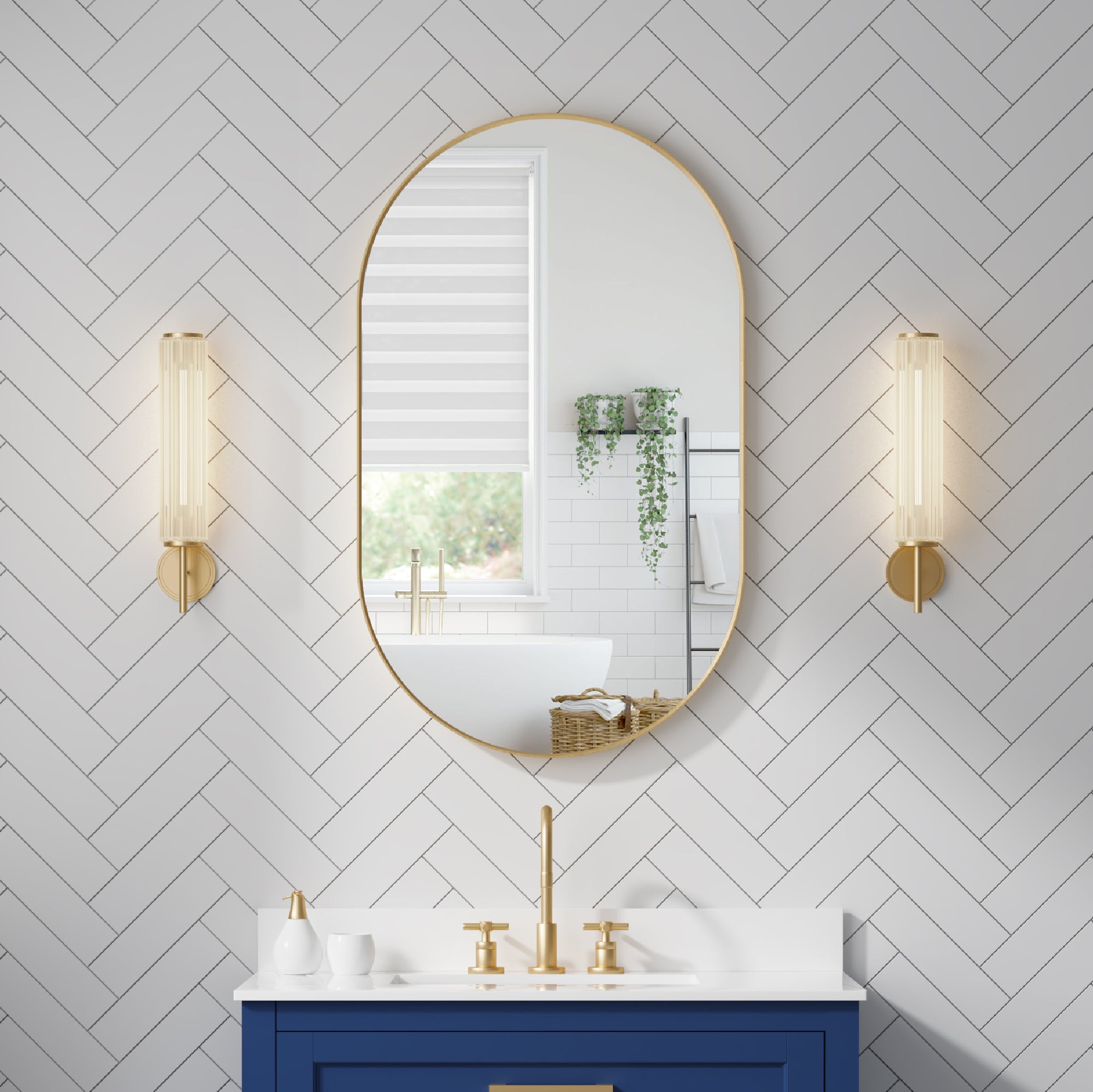
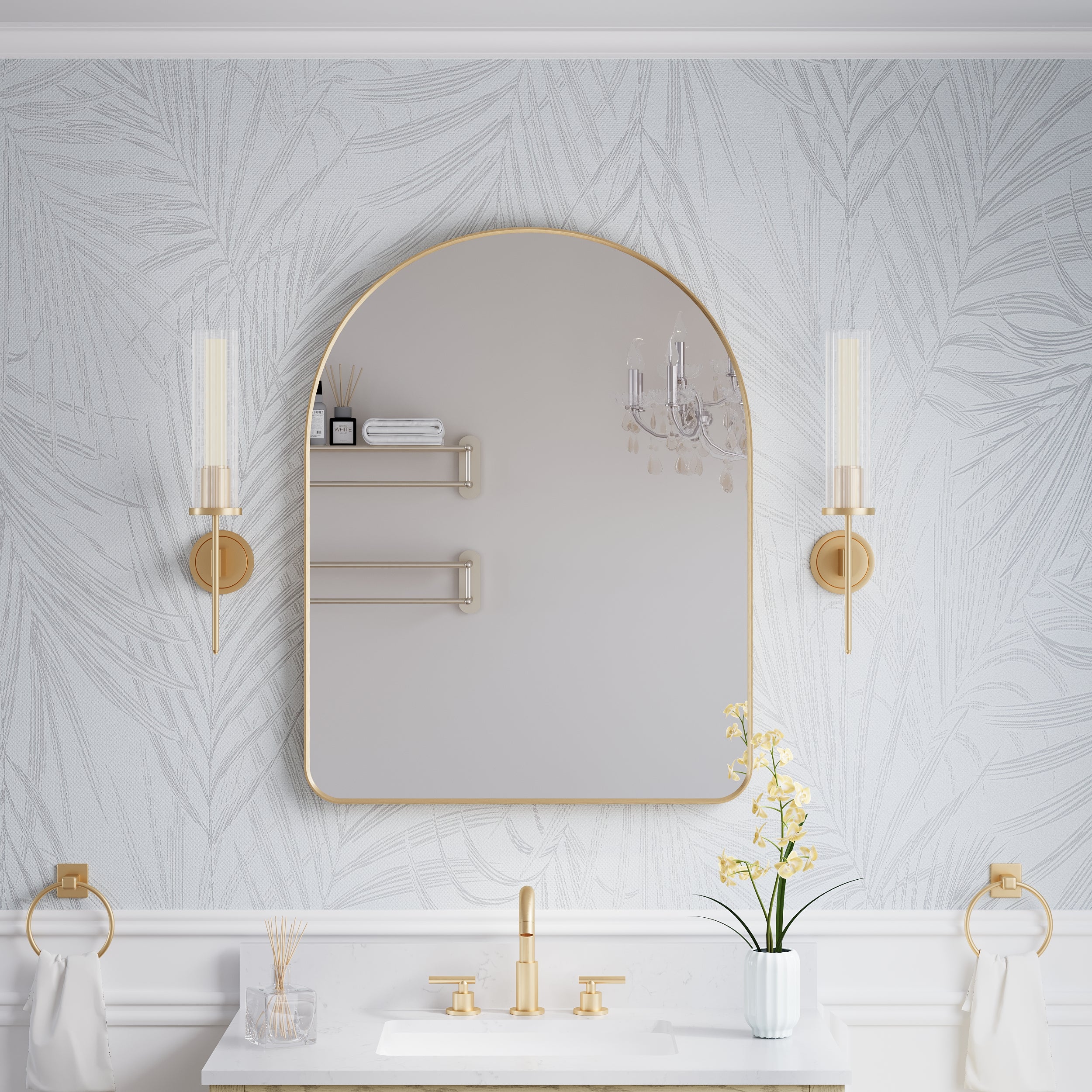
If you plan to install wall sconces, you may need a narrower mirror so the fixtures fit cleanly and do not look awkwardly pushed outward. A design reference suggests that when leaving room for sconces, the mirror can be closer to 60 percent to 70 percent of the vanity width to allow the sconces to sit comfortably in the composition. (Source: Houzz mirror and vanity lighting guidance)
C. When the sink is part of a furniture-style focal point
In some traditional or furniture-inspired vanities, the sink and faucet are meant to be the visual focus. A mirror that is too wide can overpower that focal point. In those cases, choose a mirror that aligns more closely with the sink and faucet center area, but still remains proportionate to the cabinet.
4. The “2 to 4 Inches” Method for Clean Proportions
If you want a simple rule that is easy to apply in the field, many guides recommend keeping the mirror 2 to 4 inches narrower than the vanity on each side, rather than matching the sink. This creates a visually framed look and prevents the mirror from overwhelming the cabinet. (Source: Signature Glass and Windows sizing guide)
This method usually produces a mirror that is wider than the sink, but still looks intentional and tailored.
5. Single Sink vs. Double Sink: Different Logic
Single sink vanities
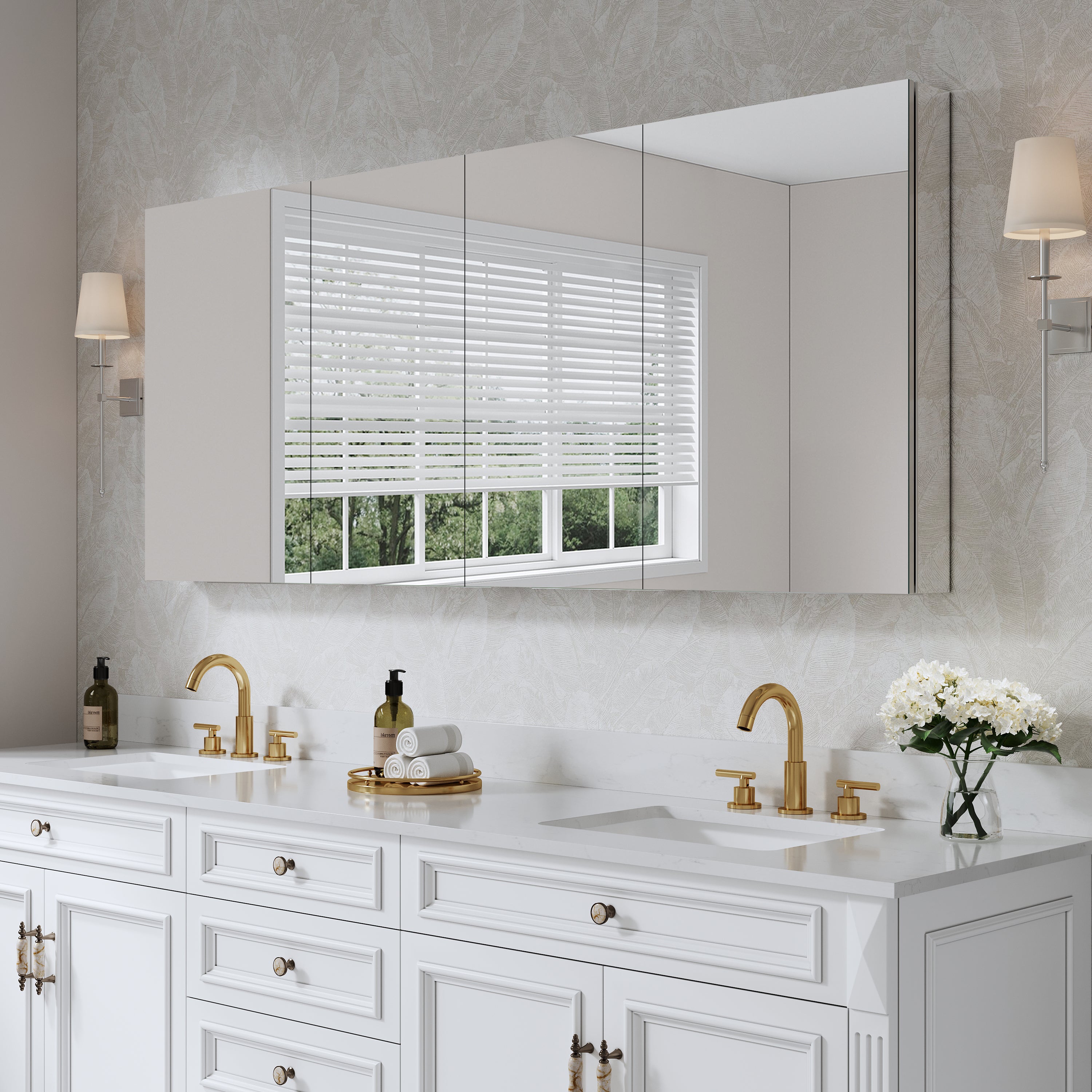
For a single sink, a mirror wider than the sink is normal and often preferred. It increases the usable reflection area and makes the vanity feel more substantial.
Double sink vanities
You usually have two strong options:
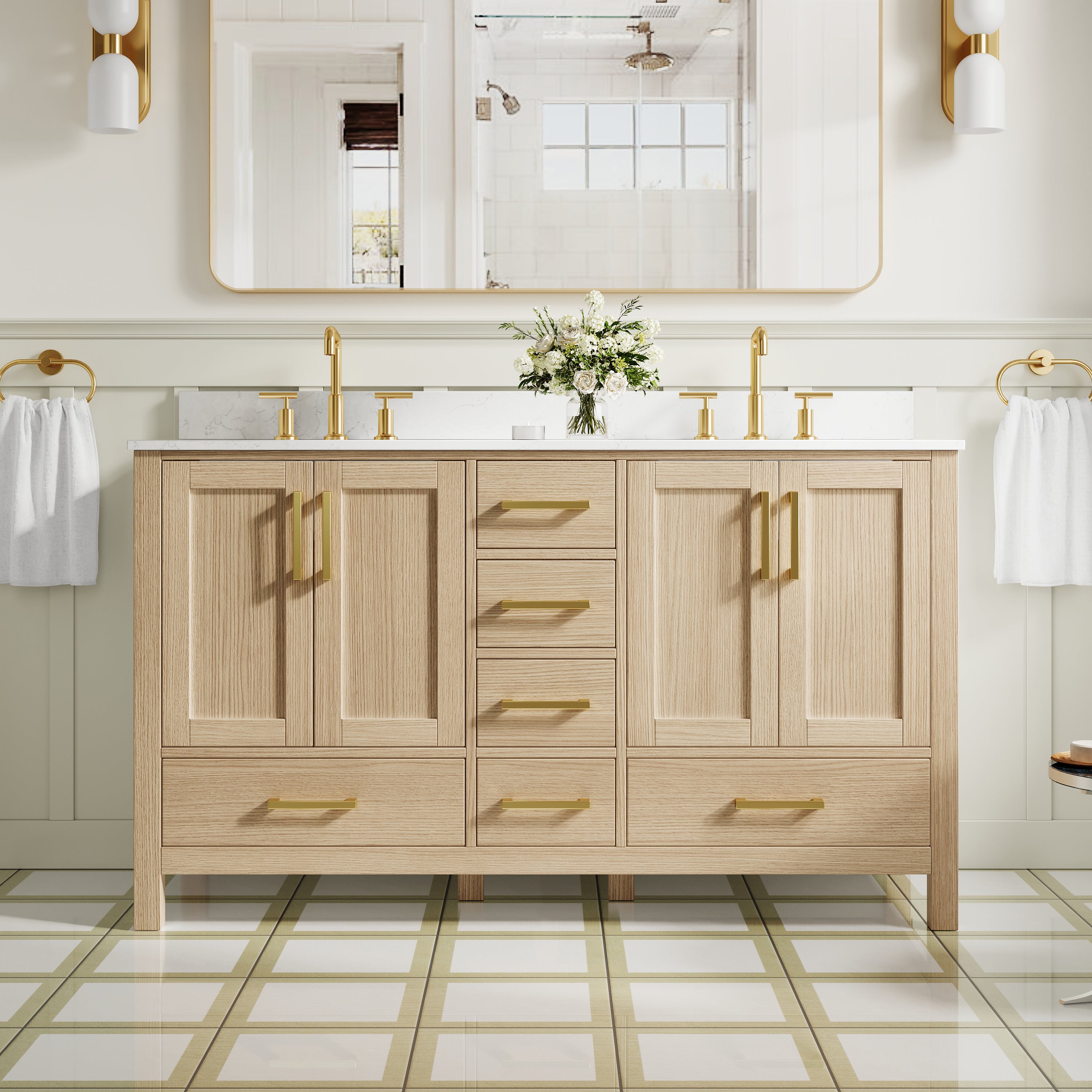
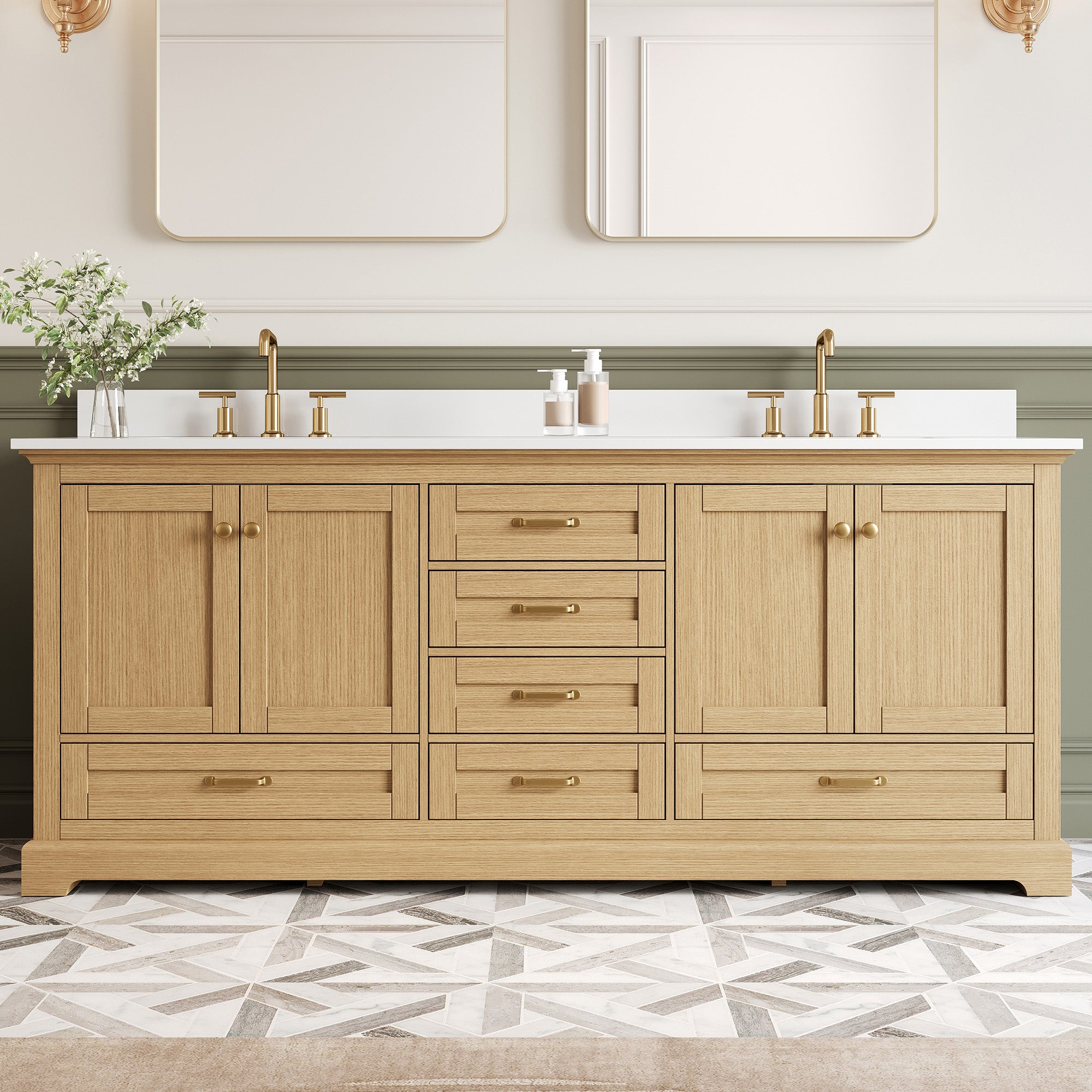
1. One large mirror spanning most of the vanity width
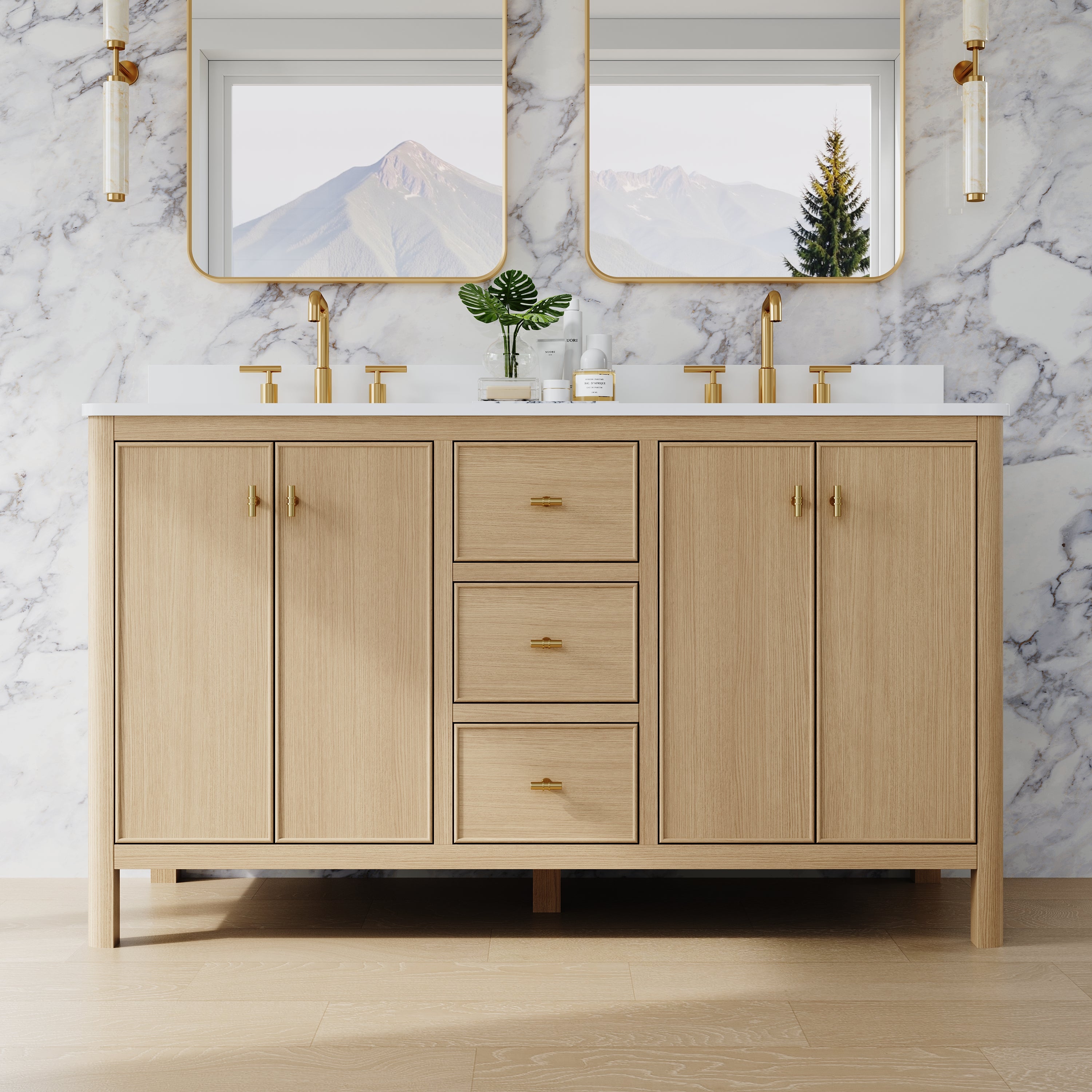
2. Two separate mirrors centered over each sink
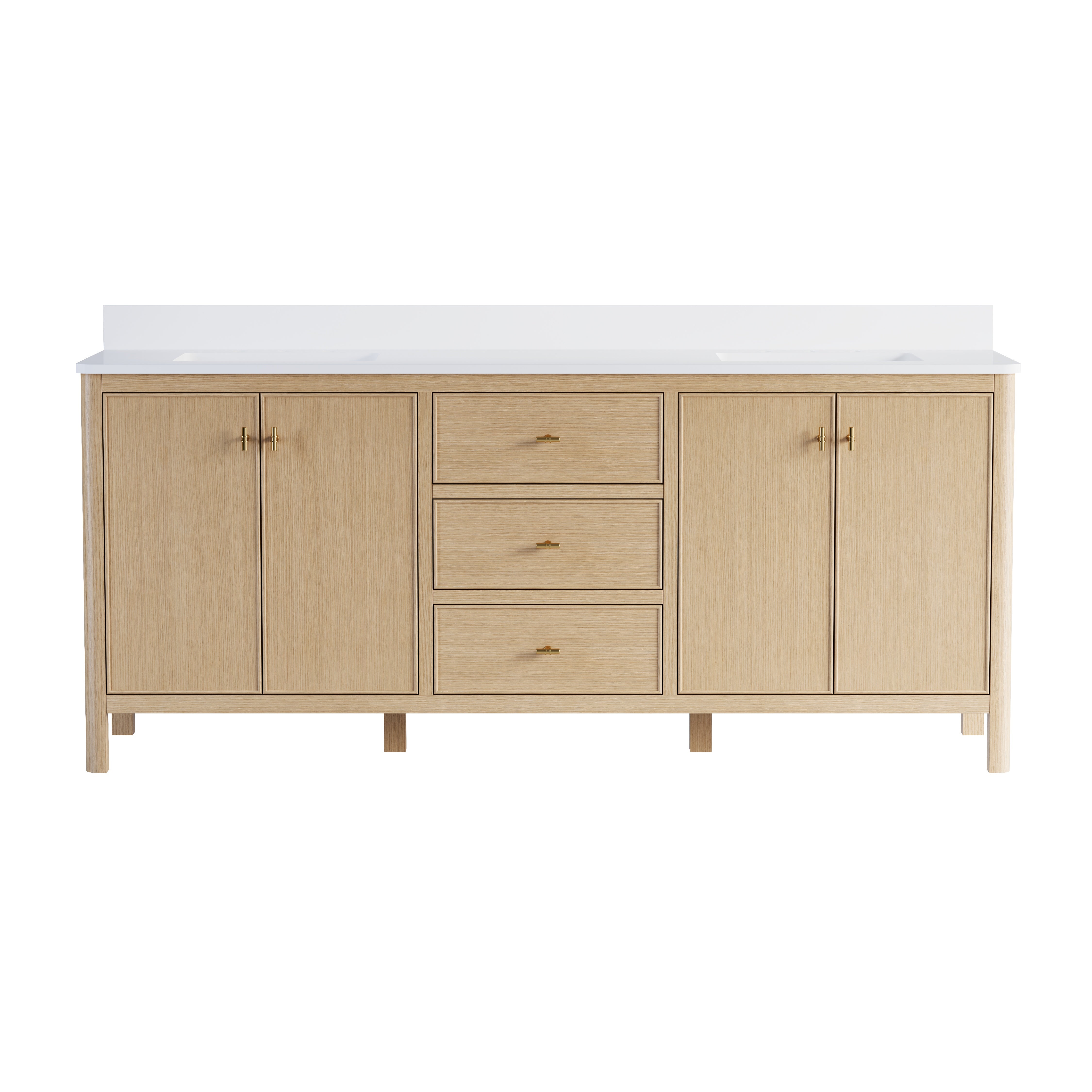
If you use one large mirror, it will almost always be wider than each sink, and that is expected. If you use two mirrors, size each mirror to its own sink zone, but keep spacing consistent and align them visually.
6. Height and Placement Matter as Much as Width
A mirror that is the perfect width can still feel wrong if it is mounted too high. A widely cited accessibility standard states that mirrors above lavatories or countertops should have the bottom edge of the reflecting surface no more than 40 inches above the finished floor. (Source: 2010 ADA Standards for Accessible Design, Section 603.3)
Even in a private home, this is a useful “reality check” so the mirror works for more people and feels comfortable for daily use.
One more detail many people miss: measurements are based on the reflecting surface, not the outer frame edge. Thick frames can shift the effective reflection area upward. (Source: InspectionsADA explanation of mirror measurement)
7. Lighting: The Hidden Factor That Changes Everything
A mirror is only as useful as the lighting around it. Poor lighting creates harsh shadows and makes grooming harder, even if the mirror size is perfect.
A frequently cited range for bathroom lighting levels is 20 to 50 foot-candles, depending on the application and task needs. (Source: IES recommended light level compilations)
What this means in practice:
· Overhead-only lighting often creates shadows under eyes and chin.
· Sconces at face height or well-designed mirror lighting can improve visibility.
· If you plan to add sconces, decide mirror width and sconce spacing together.
8. A Quick Decision Checklist
Use this checklist to decide whether your mirror should be wider than the sink.
Choose a mirror wider than the sink if:
· The sink bowl is much narrower than the vanity.
· You want more usable reflection area for grooming.
· You prefer a balanced look that matches the cabinet width.
Avoid going wider than the sink if:
· The wall is tight and the mirror would crowd trim or tile edges.
· You need side sconces and spacing is limited.
· The design style calls for a smaller, furniture-like focal composition.

Conclusion
A mirror wider than the sink is usually not only acceptable, but often the better choice. The sink is typically too narrow to guide proportions. Instead, size your bathroom mirror to the vanity and the wall, then coordinate it with your lighting plan. As a strong starting point, aim for about 70 percent to 90 percent of the vanity width, and adjust narrower if sconces or tight wall conditions require it. (Source: Edward Martin mirror sizing guidance; Houzz sconce spacing guidance)














Leave a comment
This site is protected by hCaptcha and the hCaptcha Privacy Policy and Terms of Service apply.