






















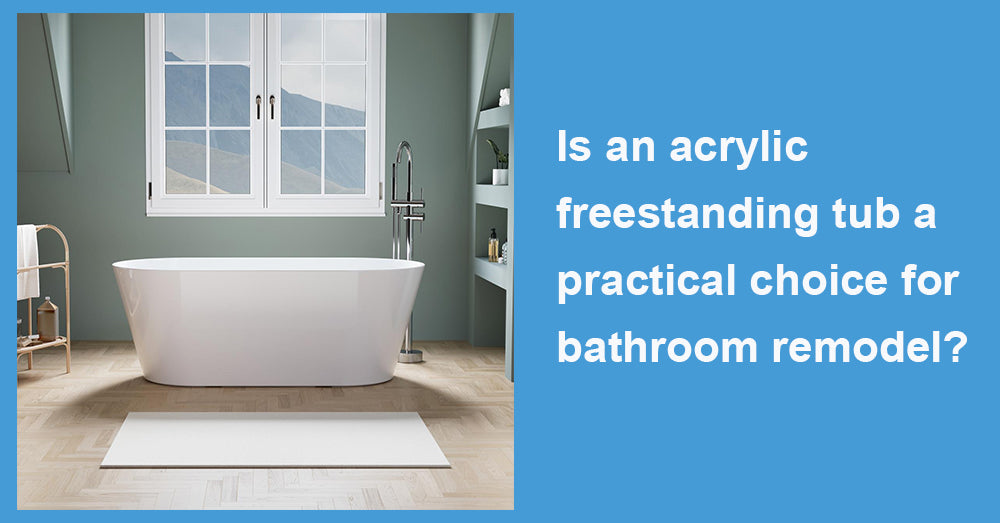
In bathroom remodels today, one product keeps showing up in design plans, inspiration boards, and real estate listings: the acrylic freestanding tub. It has become a visual shortcut for “updated, modern primary bath.”
The rise of acrylic freestanding tubs is closely tied to three significant trends in the U.S. home market:
1. The “spa at home” mindset
2. Since more people work from home and spend more time indoors, the bathroom is no longer just a basic washroom. Homeowners want a space where they can relax, unplug, and recharge. A deep soaking tub in the middle of the room fits this idea perfectly.
3. Social media and real estate photos
4. On Instagram, Pinterest, and listing sites, a freestanding tub instantly makes a bathroom look more expensive. For sellers and flippers, it helps properties stand out. For buyers, it signals that the bathroom has been thoughtfully updated.
5. Better access through mainstream retailers
6. Large home improvement chains and online platforms now carry many acrylic freestanding models at mid-range prices. What used to be a “designer-only” product is now accessible to the middle market.
Because acrylic is light, affordable, and easy to shape, it’s the material that has allowed freestanding tubs to move from luxury showrooms into everyday homes.

Everyday practicality: weight, structure, and installation
From a practical standpoint, weight is one of acrylic’s biggest strengths.
· Lighter than cast iron or stone
· In typical wood-frame houses, especially two-story homes, extremely heavy tubs can create structural concerns. Acrylic tubs are much lighter, which:
· Reduces the load on upper floors
· Makes it easier for installers to move the tub upstairs and through hallways
· Often avoids the need for expensive floor reinforcement.
· Faster, simpler installation
· Because the tub is lighter, contractors may need fewer workers and less equipment. This can shorten installation time and lower the risk of damage to walls and floors.
For remodelers trying to control labor costs and project schedules, these practical advantages are a significant reason acrylic freestanding tubs have become a go-to choice.
Daily use: comfort, warmth, and real bathing habits
Looks matter, but comfort decides whether the tub gets used or just collects dust.
1. Warm to the touch
Acrylic surfaces generally feel warmer than steel or enamel when you first get in. For homeowners in colder climates, this makes a difference. You don’t get that icy shock when you sit down, which encourages more frequent use.
2. Heat retention
Acrylic does a decent job of holding water temperature. It’s not as insulating as some solid-surface materials. Still, for typical 20–40-minute baths, most users find it’s good enough—especially if the bathroom is heated or the water heater is sized correctly.
3. Ergonomic designs
Because acrylic is easy to mold, manufacturers offer many shapes:
· Slipper tubs with one raised end for lounging
· Symmetrical double-ended tubs for flexible seating positions
· Compact soaking tubs designed for smaller bathrooms
These shapes support the back and neck better than many older built-in tubs, making them more practical for absolute relaxation, not just for show.
Cleaning and maintenance: what households really care about
For many families, the real test of “practical” is how hard something is to clean.
· Smooth, non-porous surface
· Acrylic is non-porous, so soap scum and mineral deposits stay on the surface instead of soaking in. This makes regular cleaning with mild bathroom cleaners time-efficient.
· Gentle cleaners recommended
· The main caution is to avoid harsh abrasives, strong solvents, or metal scrub pads, which can scratch. Many brands clearly label recommended cleaning products.
· Repairable surface
· Light scratches or dull spots on acrylic can sometimes be buffed and polished rather than requiring a full replacement. This is a plus compared with some brittle enamel coatings.
For households that balance work, kids, and busy schedules, the “wipe and go” nature of an acrylic tub is a strong point in its favor.
Cost, value, and where acrylic fits in the market
When remodel budgets are set, the bathtub is just one of many line items. There are also vanities, tile, lighting, plumbing, and sometimes structural work. That’s where acrylic’s pricing advantage becomes clear.
· Lower material cost than cast iron and stone resin
· Acrylic freestanding tubs usually sit in the mid-range price range, making them affordable for many homeowners doing a full bathroom update.
· High visual impact for the price
· Even though the material is affordable, the visual impression is strong. For real estate value, this cost-to-impact ratio is beautiful.
· Flexibility for mid-market remodels
· Contractors can offer a “spa look” package—including an acrylic freestanding tub—at a price that still works for many suburban and urban homeowners.
In the current U.S. remodeling climate, where cost control and visual appeal both matter, acrylic hits a sweet spot.
Space, layout, and plumbing: practical planning for homes
Freestanding tubs, including acrylic ones, change how space is used.
· Room to clean around the tub
· Designers suggest leaving enough space on at least one or two sides for cleaning. Pushing a tub too close to a wall may look good in photos, but it can be inconvenient later.
· Type of filler
· Floor-mounted tub fillers create a dramatic look but add cost and complexity. In more budget-conscious remodels, wall-mounted faucets paired with an acrylic freestanding tub are becoming a common compromise in the market.
· Plumbing access
· Because the tub often sits away from the walls, the drain location must be carefully planned. Acrylic’s lighter weight makes adjustments easier during installation, but proper planning remains crucial.
These practical layout choices often decide how “livable” the new bathroom feels once the excitement of the remodel fades.
Final verdict: practical for most, with wise choices
So, is an acrylic freestanding tub a practical choice for a bathroom remodel?
For most homeowners, the answer is yes—especially if they want:
· A spa-like look without luxury-level material costs
· A tub that is comfortable, warm, and inviting to actually use
· A product that is relatively easy to clean and maintain
· A lighter option that works well in wood-frame, multi-story homes
To get the best experience, industry professionals often give this simple advice:
1. Avoid the very cheapest no-brand tubs
2. Check the tub’s weight, wall thickness, and warranty
3. Work with a licensed plumber or contractor on layout and installation
4. Choose a size that fits both the room and your real soaking habits
With these points in mind, the acrylic freestanding tub is not just a design trend. It has become a practical, realistic way to combine style, comfort, and value in modern bathroom remodels.









































Leave a comment
This site is protected by hCaptcha and the hCaptcha Privacy Policy and Terms of Service apply.