

















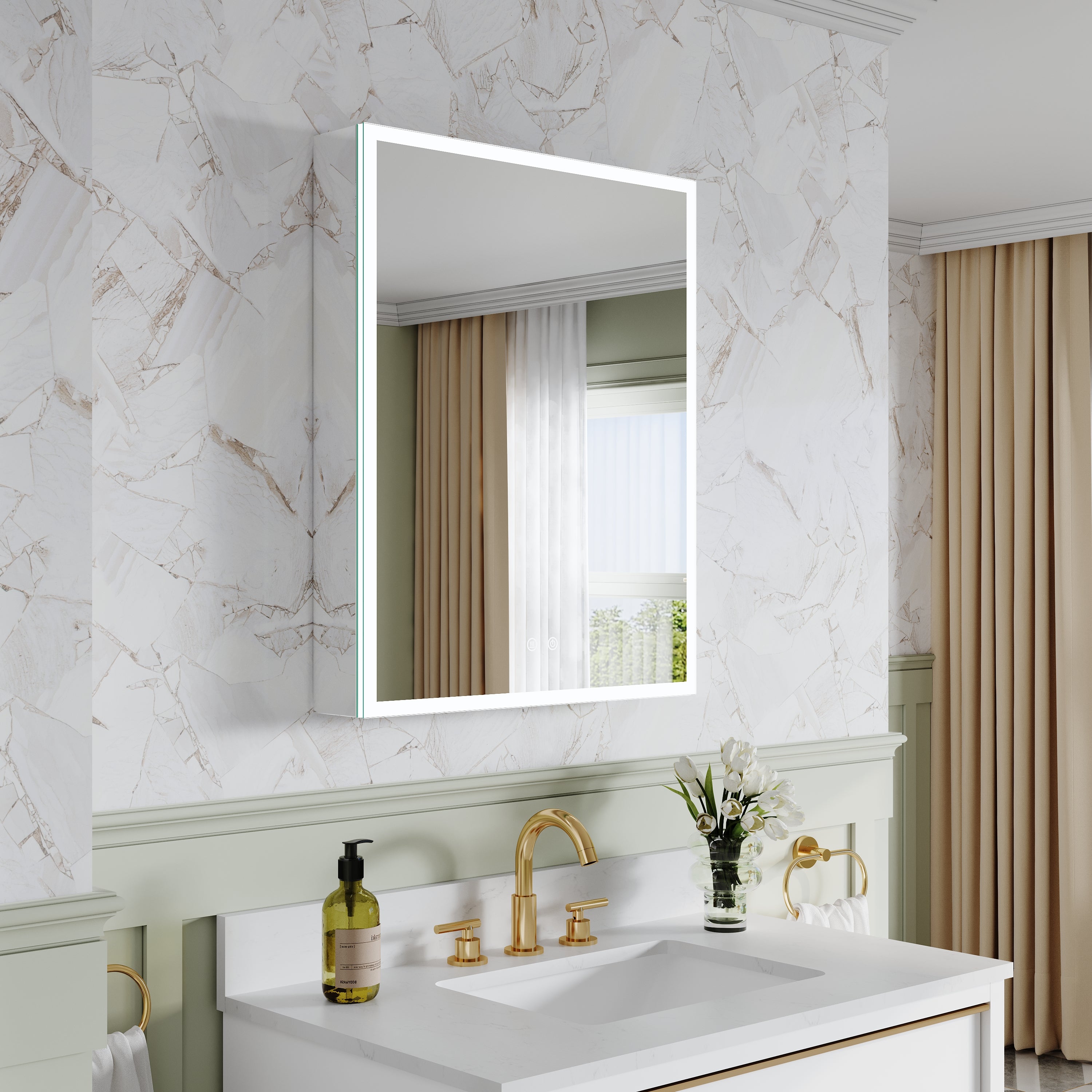
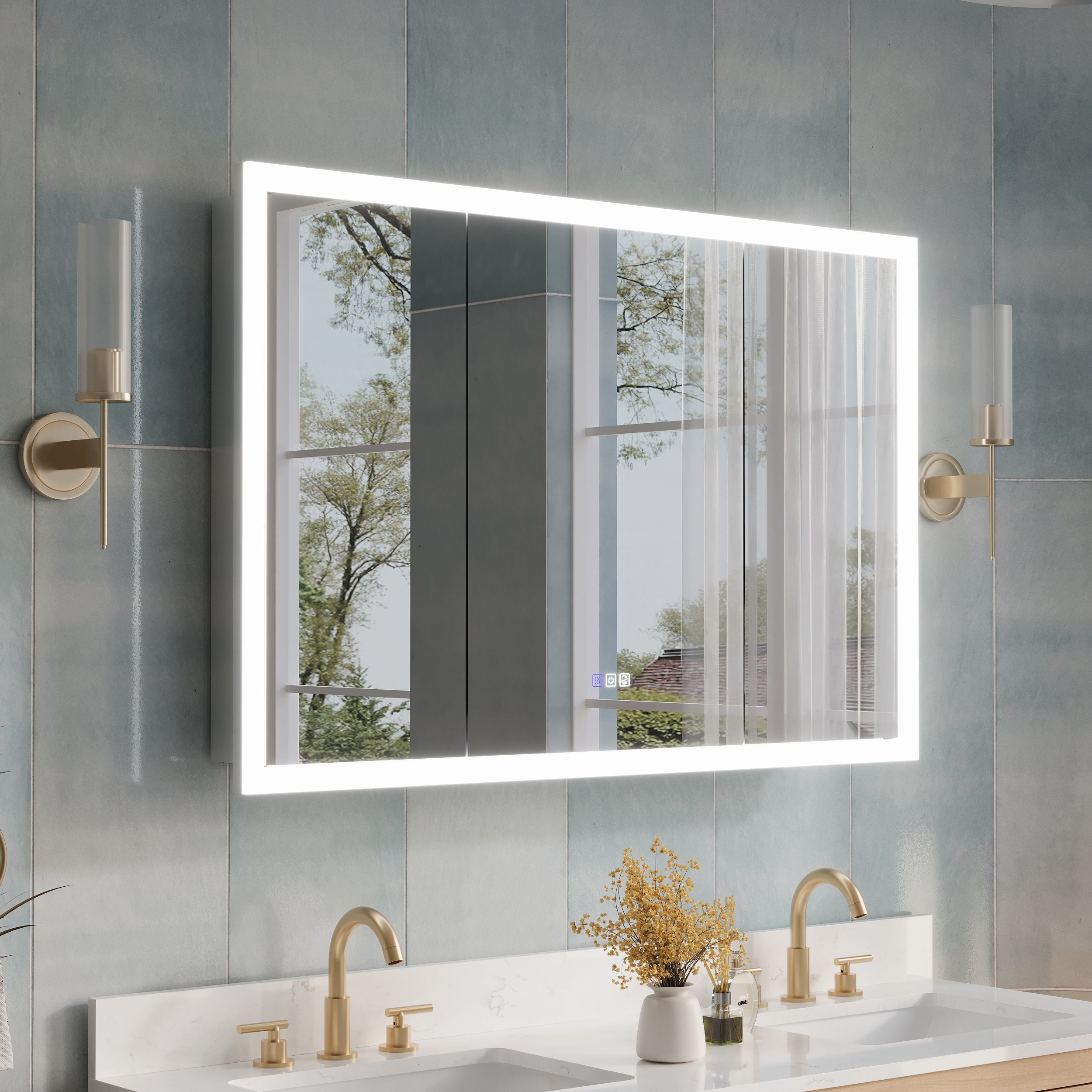
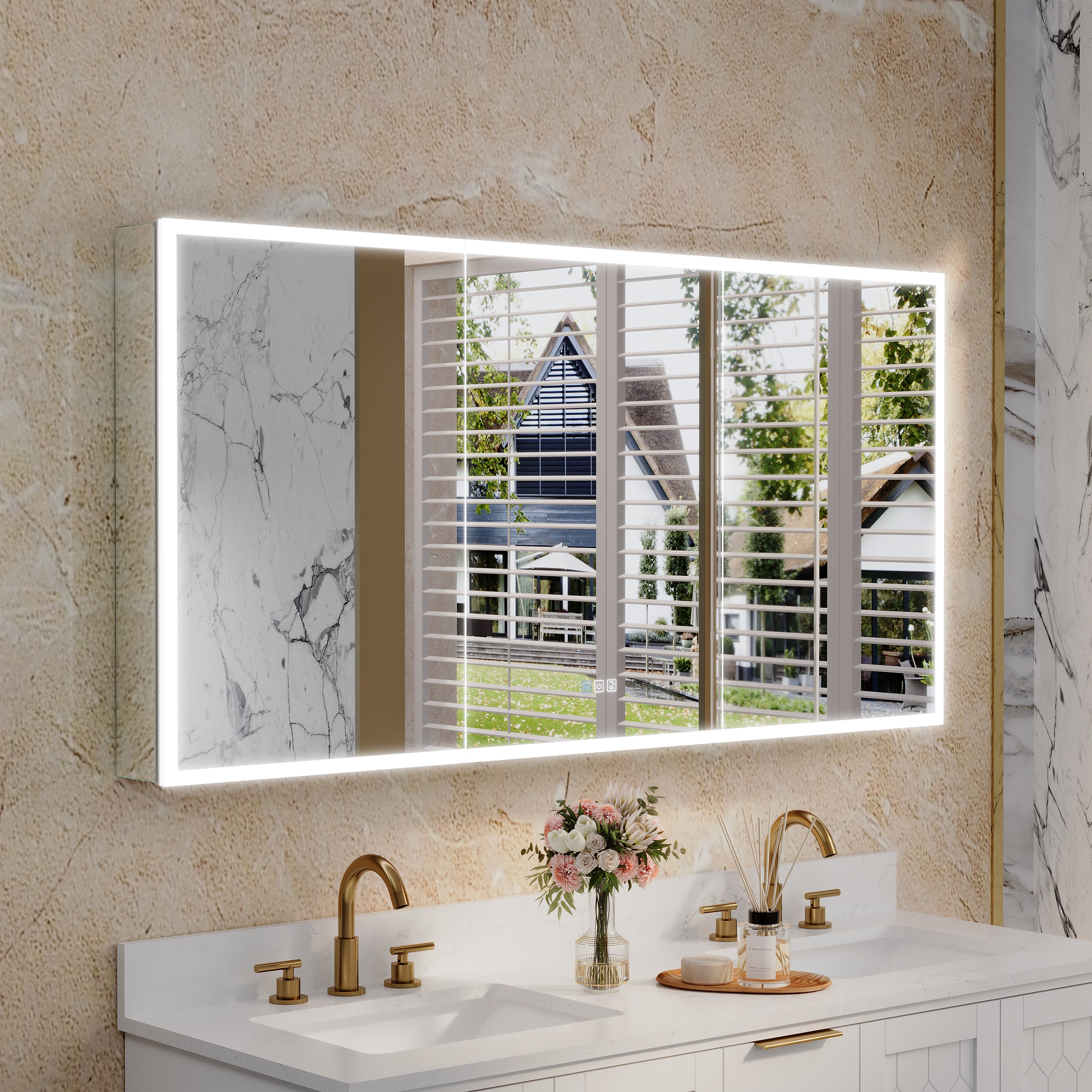
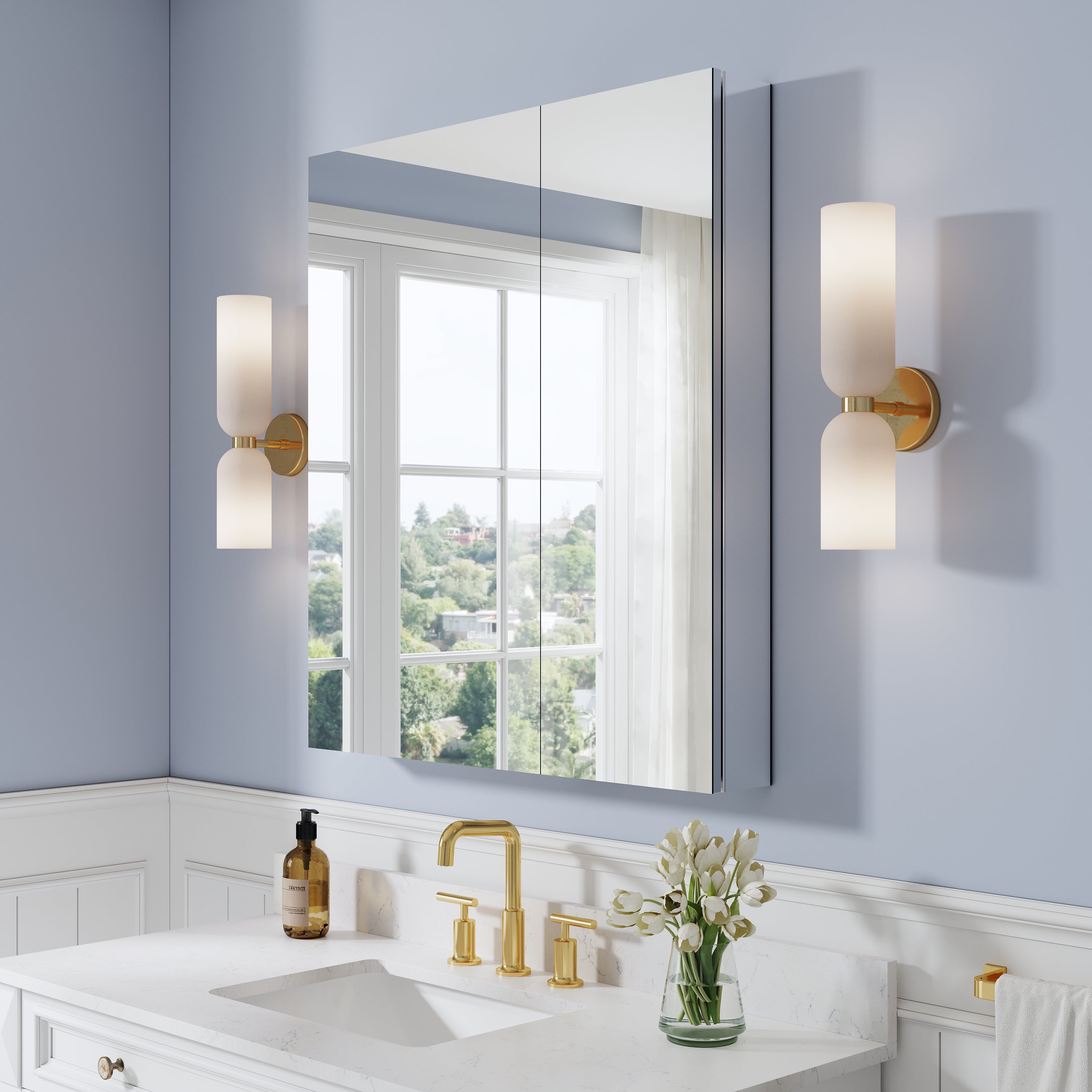
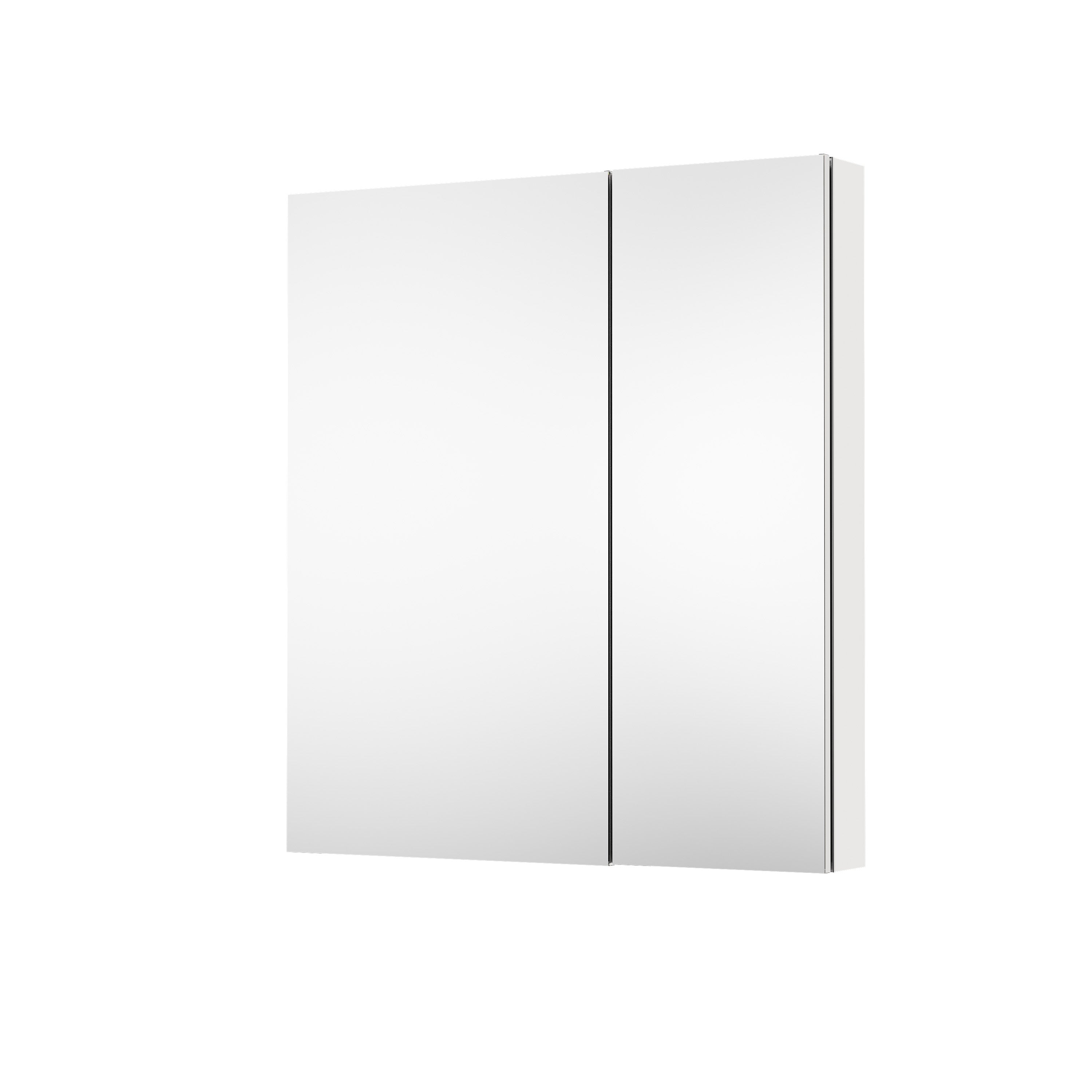
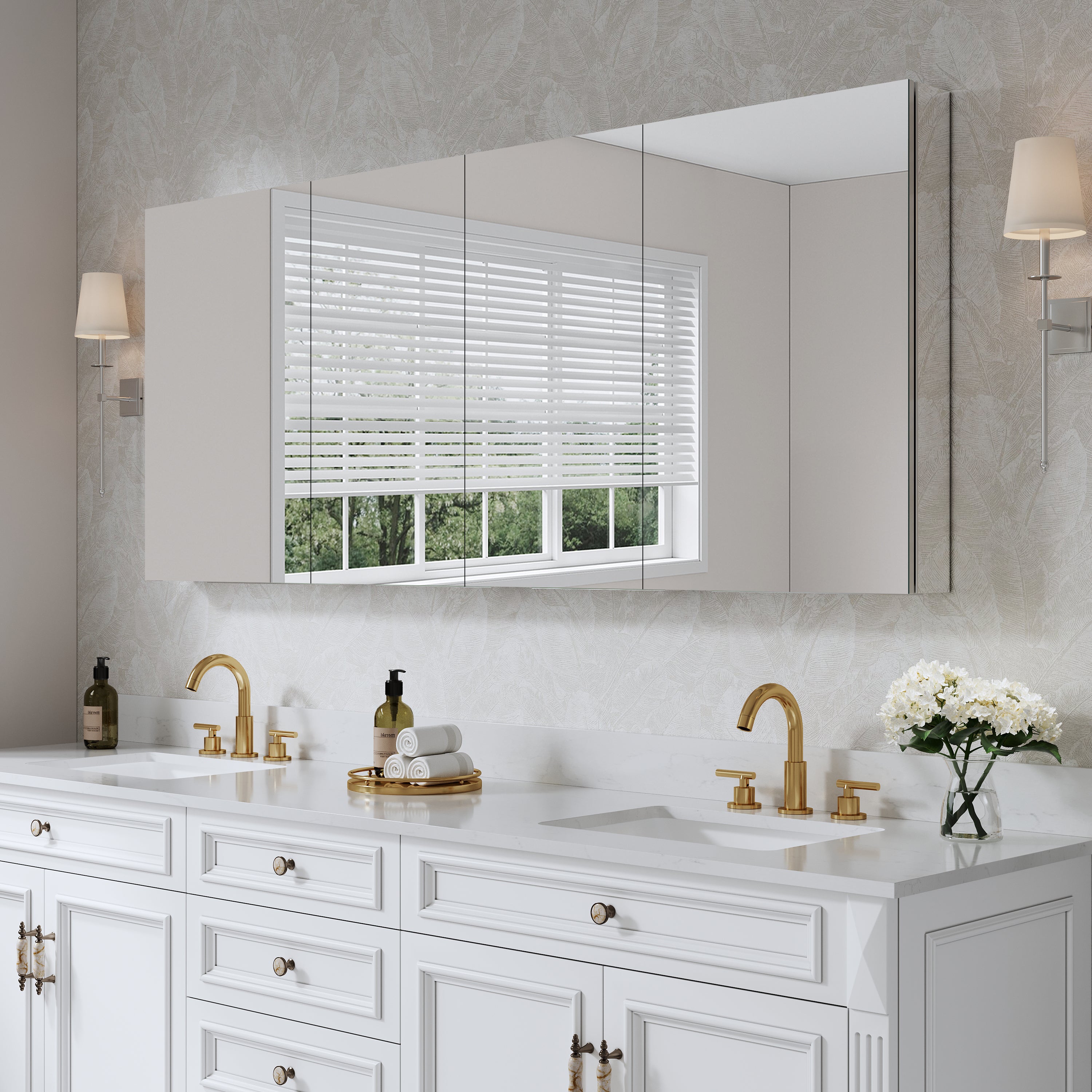
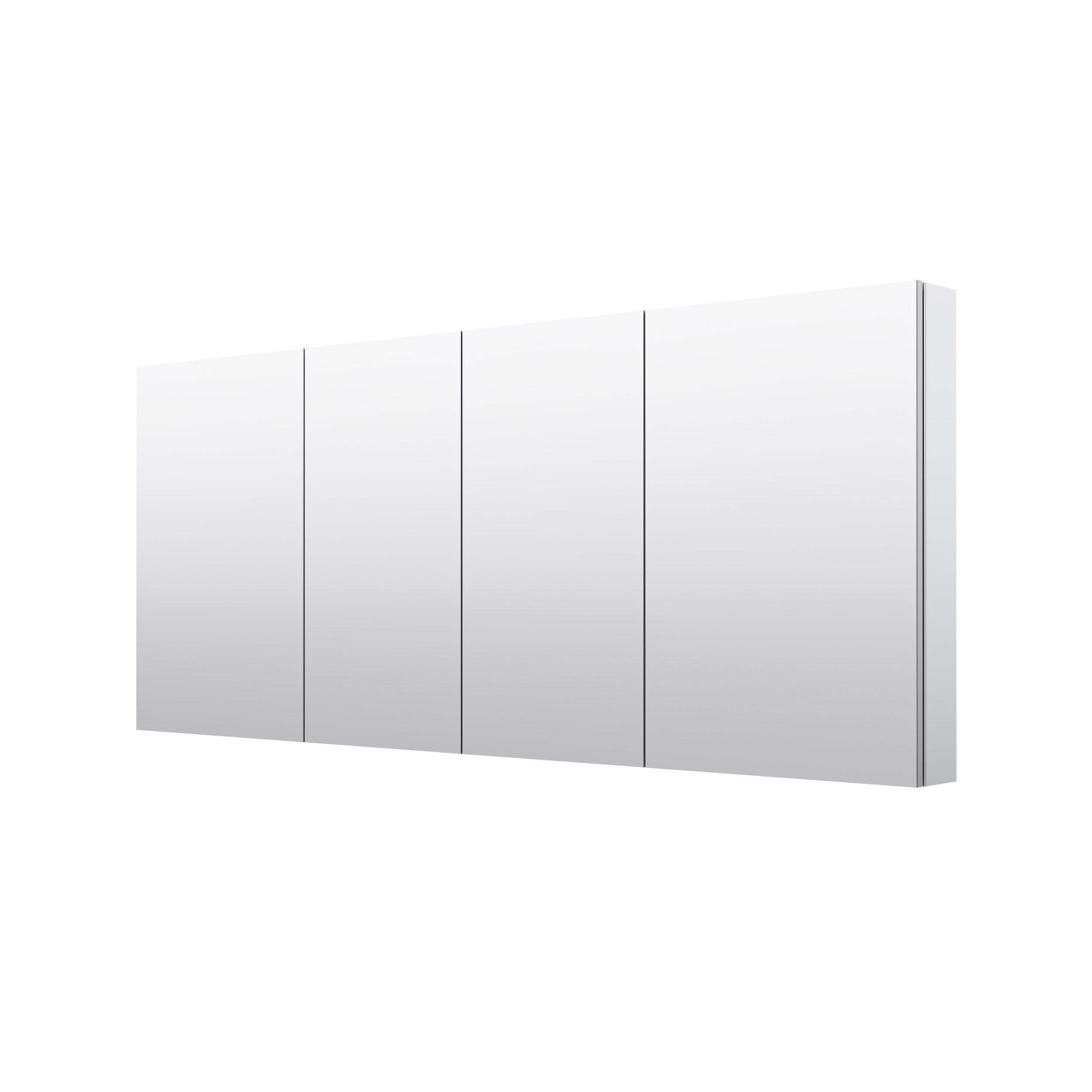
A surface mount medicine cabinet with mirror is usually easier to install than a recessed model because it hangs on the finished wall instead of fitting inside a framed opening. That advantage does not make every project simple. Cabinet weight, wall construction, tile, hidden utilities, door clearance, and electrical features can turn a quick upgrade into a professional job. The safest answer is yes, when the wall and product are compatible and the installer follows the model-specific instructions.
Why Surface Mounting Is Often Simpler
A recessed cabinet requires a carefully sized wall opening and may conflict with studs, plumbing vents, supply lines, drains, or wiring. A surface-mounted cabinet projects into the room, so the installer normally keeps the drywall intact and secures a mounting rail or cabinet back to the wall. That reduces demolition, patching, and uncertainty inside the wall.
The basic sequence is familiar: confirm the location, find structural support, level the mounting hardware, drill, hang the cabinet, and add the remaining fasteners. Some cabinets use a bottom cleat and top clips; others fasten through the back. Treat the included manual as the controlling document rather than reusing hardware from an old mirror.
Start with the Wall Not the Cabinet
Identify whether the wall is drywall over wood studs, metal framing, masonry, plaster, or tile. A fastener suitable for one assembly may be unsafe in another. When the instructions call for framing, confirm the stud center before drilling. Electronic finders can give false readings near pipes, metal, or dense tile.
Do not rely on an old mirror’s screw holes unless they match the new installation. Medicine cabinets add leverage because shelves project from the wall and doors move during use. The load includes the cabinet, mirrored doors, and contents. Follow any published storage limit when selecting attachment points and fasteners.
Measure the Whole Installation Area
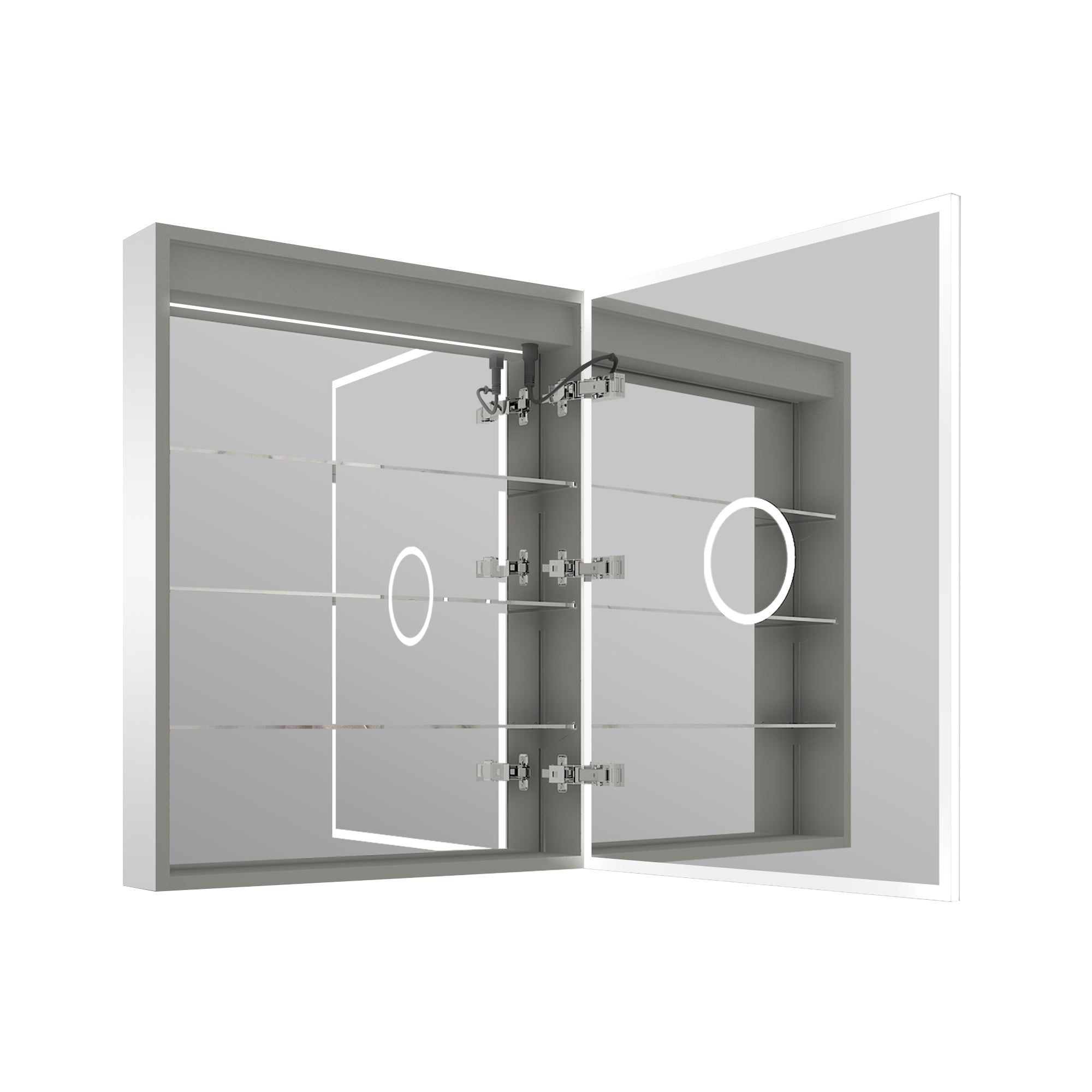
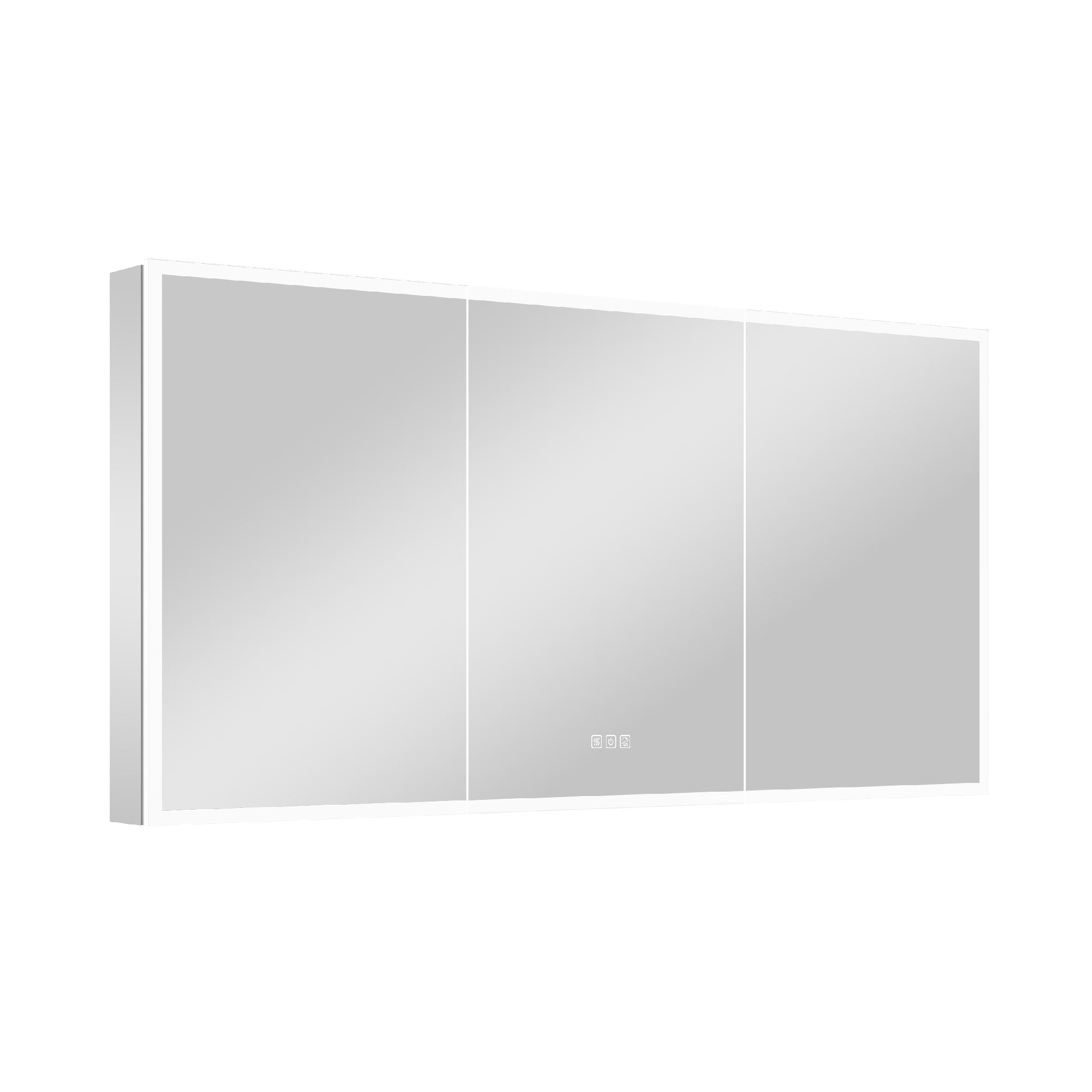
Measure the cabinet’s actual width, height, and depth, then mark its outline with painter’s tape. Check the faucet, backsplash, light fixture, ceiling, sidewall, outlets, and vanity width. Open nearby room and shower doors to make sure they will not strike the mirror. If the medicine cabinet has multiple mirrored doors, verify the hinge direction and maximum opening angle before choosing its final position.
Height should suit regular users while leaving clearance above the faucet. Confirm that the mounting rail lands where the manual permits. Use a level, because a tilted cabinet can cause doors to drift and gaps to look uneven. Measure at several points when walls are not flat.
Projection deserves attention in a narrow room. The U.S. Access Board’s ADA Standards limit certain wall-mounted objects to a 4 in. maximum projection when their leading edges are more than 27 in. and not more than 80 in. above the floor. These federal accessibility provisions do not automatically govern every private residential bathroom, but the dimensions offer a useful reminder to evaluate circulation and local requirements. (Source: U.S. Access Board, ADA Standards, Section 307 Protruding Objects)
Tile Changes the Difficulty
Mounting over tile requires the correct bit and technique for the material. A ceramic bit may not suit porcelain or natural stone. Keep the drill from skating, avoid hammer mode unless specified, and stop if the location may intersect a concealed pipe or cable. Cracked tile is difficult to disguise.
The wall behind the tile still provides the support. Tile itself is a finish, not a substitute for adequate framing or an approved anchor. If the selected mounting points miss framing, use only fasteners permitted by the cabinet manufacturer and rated for the actual wall assembly. When the instructions require blocking, add it rather than improvising with extra drywall anchors.

Plan for Two People
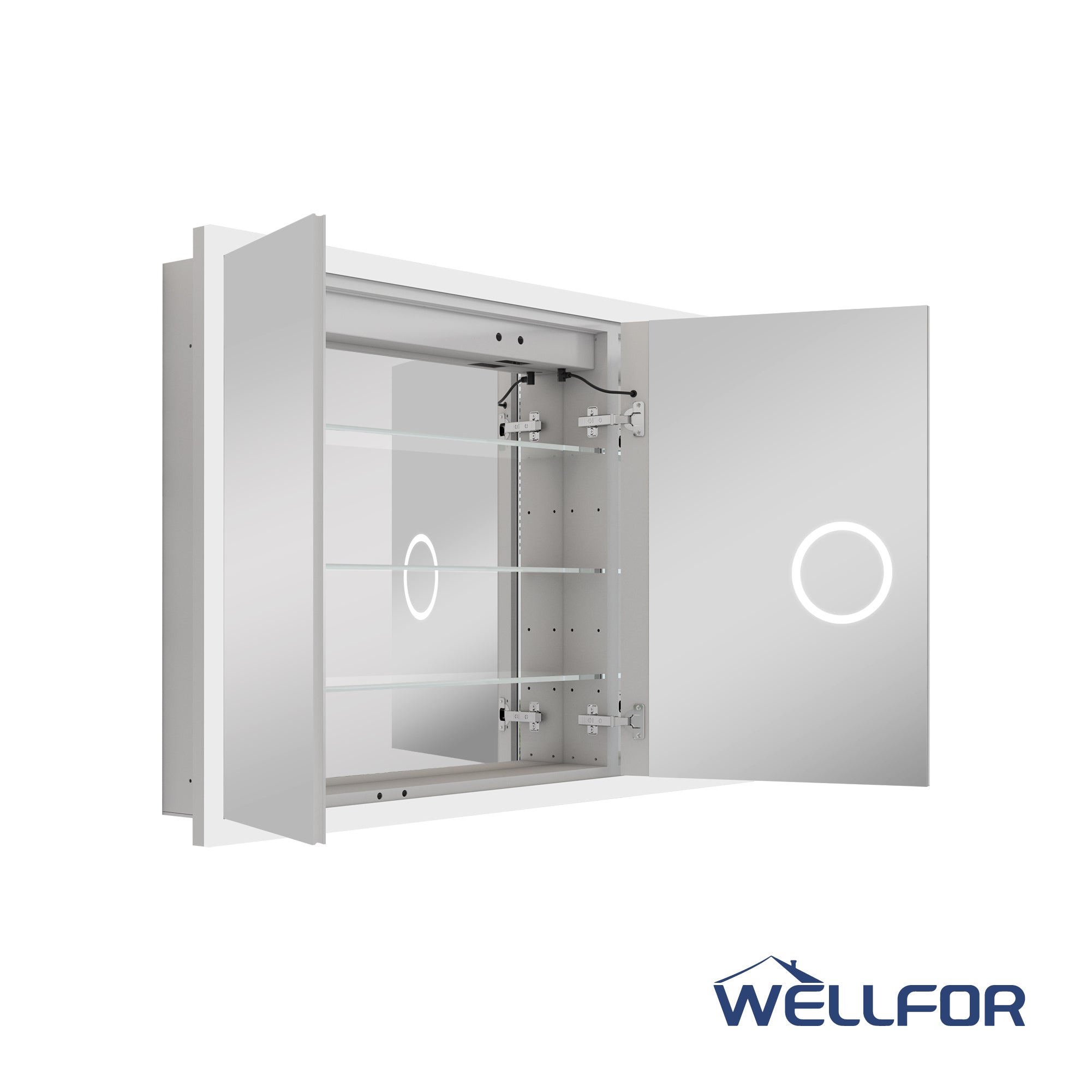
Even a cabinet one adult can lift may be awkward to hold level. Mirrored doors shift the center of gravity and are vulnerable at their edges. Two people are often safer: one steadies the cabinet while the other checks alignment and completes the fastening.
Remove doors or shelves only if the manual explains how. Place glass on a padded surface and organize the hardware. Never carry the cabinet by a door, cord, or shelf. Wear eye protection while drilling and cover the vanity top.
Electrical Features Raise the Skill Level
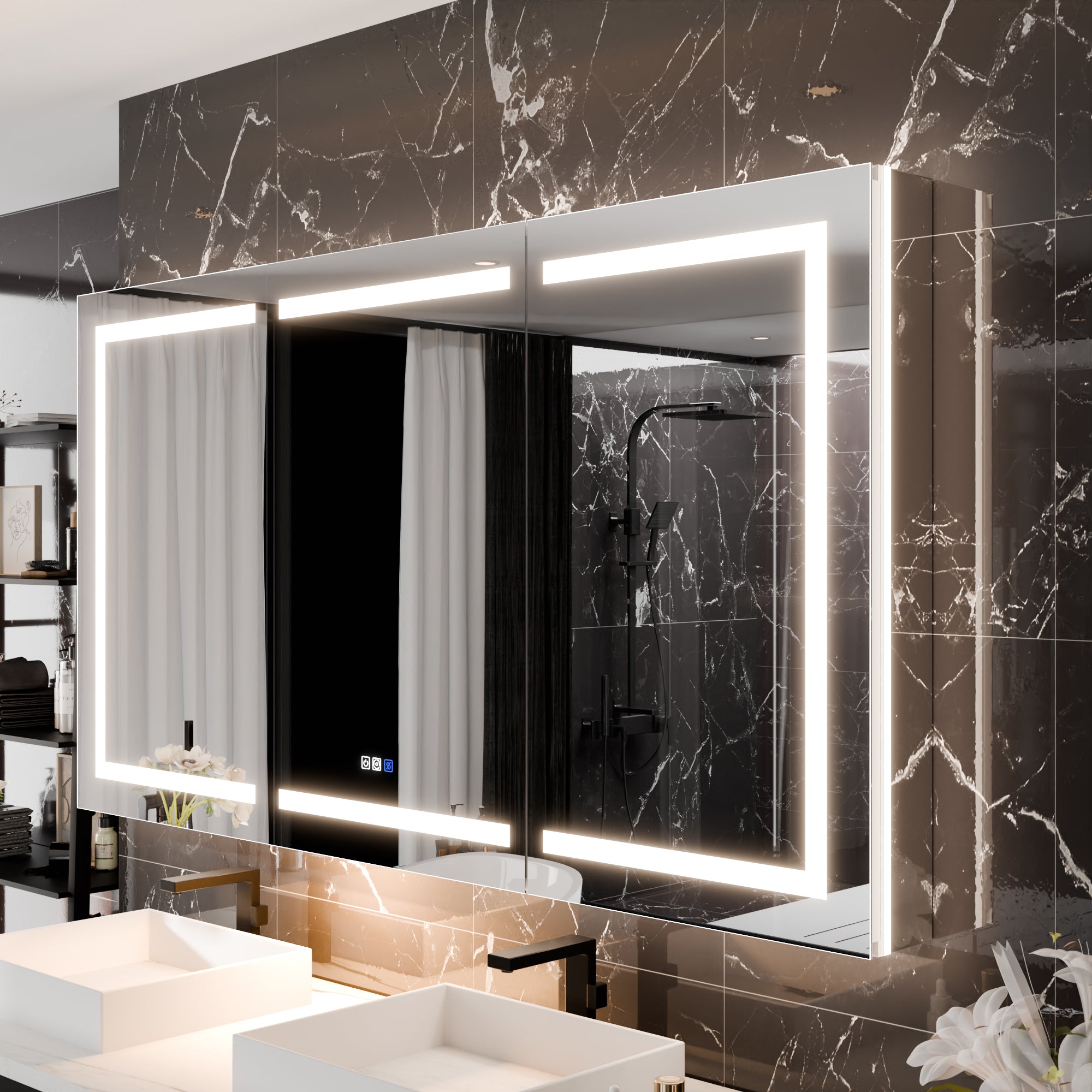
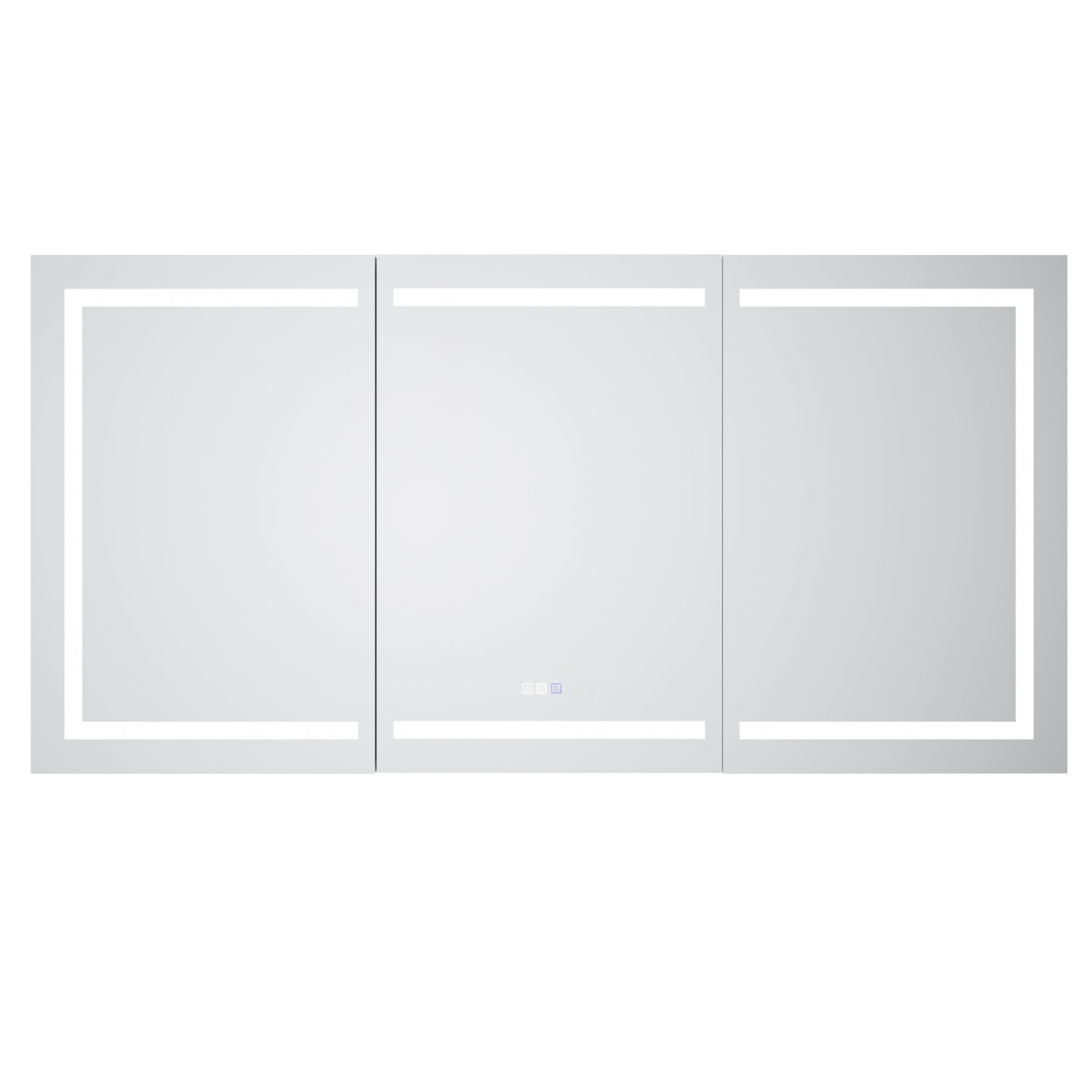
A plain mirrored cabinet may need no electrical work. A model with integrated lights, a defogger, USB ports, or an interior receptacle may require a hardwired connection positioned within a defined zone. Power location must be planned before the cabinet is hung, and the branch circuit, grounding, switching, and required protection must meet the manufacturer’s instructions and locally adopted code.
Look for a genuine certification mark applicable to the model and its intended use. OSHA’s Nationally Recognized Testing Laboratory program recognizes organizations that test and certify certain products to consensus standards within an approved scope. Certification does not replace correct installation, but it is an important purchasing check for an electrical cabinet. (Source: U.S. Occupational Safety and Health Administration, Nationally Recognized Testing Laboratory Program)
Use a licensed electrician when new wiring, a relocated box, or local permit rules require one. Turn power off at the breaker and verify it is off before permitted electrical work begins. A cord should never be pinched behind the cabinet or routed where it can contact the sink.
Finish with Alignment and a Load Check
After fastening, confirm that the cabinet sits flat and cannot lift off its rail. Reinstall shelves and doors according to the manual, then adjust hinges so gaps are even and doors close without rubbing. Add contents gradually and keep heavy bottles low. Do not exceed published shelf or cabinet limits, and recheck the fasteners if the cabinet shifts, creaks, or pulls away from the wall.
The Practical Verdict
Surface mounting is a manageable project for an experienced DIYer when the cabinet is non-electrical, the wall construction is known, framing aligns with the mounting system, and the installer can handle the unit safely. Tile drilling, uncertain utilities, missing structural support, unusually heavy cabinets, and hardwired features justify professional help. Careful measuring and attachment matter more than speed. A correctly installed cabinet should feel solid, open freely, and remain serviceable long after the tools are put away.














Leave a comment
This site is protected by hCaptcha and the hCaptcha Privacy Policy and Terms of Service apply.