


















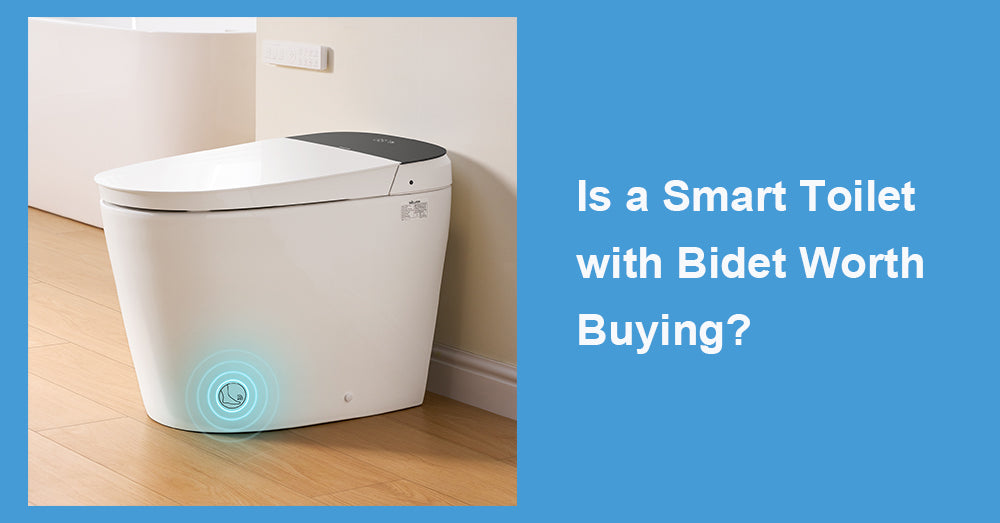
With the popularization of the concept of smart homes, smart toilet with bidet have gradually become a popular choice for upgrading modern bathrooms. From automatic cleaning and seat heating to air drying and automatic deodorization, smart toilets have redefined the bathroom experience through technological means. It not only significantly improves user comfort but also demonstrates potential in energy conservation, environmental protection, and health management. So, is such a relatively expensive smart device really worth buying? This article will conduct an in-depth analysis from the perspectives of functional experience, hygiene and health, energy-saving performance, and long-term value.
1. The Core Functions of a Smart Toilet with a Bidet
The most significant difference between smart toilets and traditional toilets is their integrated cleaning and control system. The built-in bidet function (washing device) can clean the perineum or the female genital area with adjustable water flow, replacing traditional toilet paper and providing greater hygiene and comfort.
Modern smart toilets typically have the following main functions:
Automatic lid opening and closing: opens when the user approaches and closes when they leave.
Temperature-controlled cleaning: adjustable water temperature, water pressure, and nozzle angle to meet personalized needs.
Seat heating: It can maintain a comfortable temperature during winter use.
Warm-air drying: No need to use tissues; reduce contact.
Deodorization and purification: Equipped with an activated carbon or ion filtration system, it automatically eliminates odors.
Night light and automatic flushing: providing soft lighting and sensing flushing at night to enhance convenience.
According to a report by Grand View Research, the global smart toilet market is expected to exceed $8 billion by 2024 and continue expanding at a compound annual growth rate of over 9% from 2025 to 2030 (source: GrandViewResearch.com). This indicates that innovative bathroom equipment is gradually becoming an essential component of home upgrades.
2. Hygiene and Health Advantages
Compared to traditional tissue-cleaning methods, the cleaning mode of a smart toilet with a bidet is more thorough and gentle, making it especially suitable for people with sensitive skin or hemorrhoid problems. Medical research has shown that using warm water for cleaning can effectively reduce bacterial residue and lower the risk of cross-infection (source: Healthline.com).
Meanwhile, many high-end models are equipped with self-cleaning nozzle systems that automatically flush the nozzle before and after use to maintain cleanliness and hygiene. Some products also use ultraviolet (UV) sterilization technology further to enhance hygiene and safety (source: MedicalDesignBrief.com).
For the elderly, pregnant women, or those with limited mobility, the hands-free operation and automatic cleaning functions of smart toilets significantly improve independence in daily use. They can also reduce the risk of falls and infections. This "contactless" design concept is becoming an essential direction for bathroom health design.
3. Energy Saving and Water Usage Performance
Many people are concerned about whether smart toilets will consume electricity or waste water, but the opposite is true. Modern smart toilets emphasize energy and water efficiency in their design.
According to data from the EPA WaterSense project, smart toilets require an average of only 1.1 to 1.28 gallons per flush, while traditional toilets require an average of 1.6 gallons or more (source: EPA.gov). At the same usage frequency, smart toilets can save about 20% of annual water consumption.
Meanwhile, LED energy-saving lighting, an intelligent heating system, and an automatic sleep mode can effectively reduce energy consumption. Many brands adopt "instant" heating technology that only starts heating water when in use, saving up to 30% in energy compared to traditional thermal storage designs.
4. Comfort and Technological Experience
Smart toilets not only improve hygiene standards but also greatly enhance daily comfort. The seat ring's temperature can be automatically adjusted by season, and the warm-air drying keeps the seat dry. In contrast, the automatic deodorization system keeps the bathroom fresh at all times.
Some high-end models even feature built-in human body-sensing technology that automatically recognizes the user and adjusts water pressure, water temperature, and nozzle position, delivering a truly personalized user experience. According to Statista data, sales of smart toilets with personalized adjustment and memory functions have increased by over 25% in the past three years and have become mainstream (source: Statista.com).
In addition, as the smart home ecosystem develops, some brands offer app control and voice assistant integration, allowing users to remotely adjust temperature and mode settings, or view water usage statistics, from their mobile phones, truly integrating sanitary spaces into the home IoT system.
5. Installation and Dimensional Considerations
When choosing a smart toilet, the size and installation conditions must be planned. The height of a standard smart toilet is generally 17 to 19 inches, and the seat length is typically 18 to 20 inches, making it suitable for mainstream bathroom spaces. If the existing sewage structure is of a ground- or wall-drainage type, a matching drainage direction should be selected.
Installing a smart toilet requires reserving a power socket, usually located about 8 to 12 inches next to the toilet. For renovating old bathrooms, a split-type intelligent cover plate (bidet seat) can be used, which is easy to install and only requires replacing the original seat ring to upgrade cleaning functionality.
If the space is small, a wall-mounted clever toilet design can be considered, with its water tank embedded inside the wall and a thinner overall thickness, saving front and rear space and making the bathroom more concise.
6. Maintenance and Service Life
Although smart toilets have complex functions, maintenance is relatively simple. It is recommended to clean the nozzle system, filter screen, and deodorizing device every 3 to 6 months to maintain stable performance. The service life of high-quality products can exceed 10 years, and LED displays and electronic modules also support modular replacement.
According to HomeAdvisor's statistics, the average annual maintenance cost of smart toilets is about $50 lower than that of traditional toilets, with the main expenses concentrated on electricity and occasional filter replacement (source: HomeAdvisor.com).
In addition, the core components of smart toilets are usually designed with waterproof sealing, and the electrical system meets IPX4 or higher standards, which can effectively resist the erosion caused by bathroom moisture and ensure long-term use safety (source: IECStandard.org).
7. Price and Long-Term Investment Value
At present, the price range of smart toilets on the market varies greatly, ranging from basic models around $500 to high-end models over $3000. Although the initial investment is relatively high, in the long run, its water-, energy-, and tissue-saving characteristics can recoup costs within a few years.
A study by EnergyStar shows that using innovative bathroom systems in households can save $100 to $150 in energy and paper costs annually (source: EnergyStar.gov). If comfort and health improvement are considered, such products can be regarded as highly cost-effective investments in one's life.
8. Trends and Future Development Directions
Smart toilets are moving from "functional innovation" to "system integration." Future products will emphasize the integration with health monitoring, such as analyzing urine and body temperature data through sensors to provide users with basic health feedback (source: TechCrunch.com).
Meanwhile, environmental design will continue to be strengthened. Some brands are already developing waterless cleaning and heat-recovery systems to improve energy efficiency. With reduced manufacturing costs and greater user awareness, smart toilets are expected to become increasingly popular and become a standard feature in bathrooms in the coming years.

9. Conclusion: Smart Toilet with Bidet is a Quality of Life Investment
In summary, the intelligent toilet with a bidet is not only a high-tech bathroom equipment, but also a comprehensive embodiment of the concepts of quality of life, health, and environmental protection. It makes daily toileting more comfortable, safe, and energy-efficient through intelligent cleaning and automation functions.
From the perspective of functional experience, energy-saving performance, and hygiene management, the value of smart toilets is far more than just a sense of technology. For families who value the details of life and a long-term user experience, choosing a high-quality smart toilet with a bidet is undoubtedly a worthwhile investment.






















Leave a comment
This site is protected by hCaptcha and the hCaptcha Privacy Policy and Terms of Service apply.