






















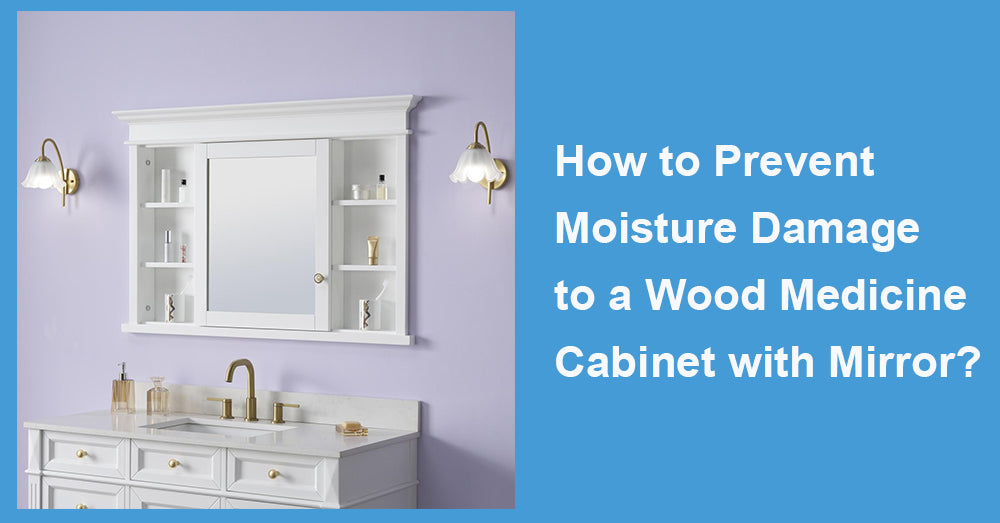
Moisture is the quiet enemy of bathroom storage. If you love the look of a wood medicine cabinet with mirror, the good news is you can keep it stable and beautiful with a few design choices and daily habits. This guide blends current U.S. market signals with practical steps any homeowner or contractor can act on right away.
Why this topic matters now
Homeowners are investing in bathroom upgrades that feel like a small spa but still work hard day to day. Survey data shows built-in storage and mirror features (like anti-fog and hidden outlets) are rising in remodels, and recessed installations remain the most common approach—signs that people want tidy, reliable gear over trend chasing. In the 2024 U.S. Bathroom Trends Study, 71% of medicine cabinets were recessed; 63% included mirrors on the outside and 37% on the inside; 23% of renovators added hidden outlets, and 14% added an anti-fog system.
There’s a business story, too. U.S. and global analysts track steady growth for medicine cabinets, with recent estimates around $9.4–9.6 billion in 2023 and continued expansion through the decade as “smart” and multifunction variants gain traction. That growth puts a premium on basic performance: fans that actually clear steam, finishes that really seal edges, and materials that hold up.
First principles: control humidity, move air
Keep indoor humidity low. The U.S. Environmental Protection Agency recommends holding relative humidity below 60%, ideally 30–50%. That single habit reduces mold risk and the wood movement (swelling and shrinking) that stresses joints and coatings. A $10–$50 humidity meter from a hardware store is enough to track it.
Run time matters. Industry guidance recommends keeping a bathroom fan on for at least 20 minutes after each use. That post-shower window is when steam condenses on cool surfaces like mirror backs, cabinet edges, and fasteners. A timer switch or humidity-sensing control makes this automatic.
Choose proven fans. ENERGY STAR-certified bathroom fans are tested to deliver airflow under realistic duct pressure, so you are more likely to get the CFM you paid for once the fan is installed. Quieter, more efficient models also tend to run longer without bothering anyone.
What moisture actually does to wood cabinets
Wood is hygroscopic—it takes on and gives off moisture. In a steamy room, fibers expand; as the space dries, they contract. Over time, that flexing can warp doors, open joints, lift veneers, or crack finishes. Condensation on the mirror can drip onto rails and edges, which acts like a slow-motion spill straight into the most vulnerable seams. The fix is not one “magic” product. It’s a small stack of good decisions that block, shed, and vent moisture before it becomes a problem.
A practical, phase-by-phase plan
1) Before you buy
· Check the substrate. Plywood or moisture-resistant MDF tends to be more dimensionally stable than raw particleboard in humid rooms. If you go with solid wood, look for even grain and a quality finish rather than just a fancy species.
· Inspect edge treatment. Fully sealed edges (all around the door and case) are your first line of defense. Ask how the backs and cutouts are sealed; those areas are often skipped.
· Look for real features, not just buzzwords. Anti-fog mirrors reduce condensation on the reflective surface; hidden outlets keep wet cords off the countertop; soft-close hardware reduces slam damage to coated edges. The latest Houzz survey shows these upgrades are no longer niche.
Tip: If you expect heavy daily steam, consider a recessed unit with a tight perimeter install. It exposes fewer raw edges to room air and splashes than a surface-mounted box.

2) During installation
· Seal what you don’t see. Before the cabinet goes on the wall, brush or spray a clear, moisture-resistant coating (e.g., polyurethane or water-borne varnish) on any unfinished surfaces: the back, the top/bottom edges, and hinge mortises. This takes minutes and pays for years.
· Mind the wall you’re mounting to. On cold exterior walls, add insulation and a proper vapor control layer where the building code requires it. A cold fence behind a warm bath breeds condensation.
· Vent straight, short, and outside. Short duct runs with smooth walls and tight joints maintain airflow. Vent hoods should open freely; crushed flex duct kills performance. Keep the fan’s rating aligned with the room size and code.
· Plan clearances. Keep the cabinet out of the shower splash zone, and design the sink/faucet so routine drips don’t hit the lower rail. Small layout shifts prevent years of micro-wetting.
3) Everyday use and care
· Run the fan every time you use hot water in the room, and for 20 minutes after. A humidity-sensing switch handles this for you.
· Wipe the “danger zones.” After steamy showers, a quick towel pass along the mirror bottom edge, door rails, and under-hinge corners keeps water from dwelling in seams.
· Don’t park wet items on wood. Hang damp towels on bars, not over cabinet doors. Water-heavy cups, razors, and hair tools should rest on trays or inside drawers with liners.
· Do a 10-minute check twice a year. Open doors and look for lifting edge banding, soft spots, cloudy finish, or sticky hinges. Touch up finish or re-seal edges before minor wear turns into swelling.
Simple spec sheet you can hand to a contractor
· Fan: ENERGY STAR-certified bath fan sized to room; ducted outside; timer or humidity control included.
· Ducting: smooth-wall or high-quality flex kept short and straight; sealed joints; exterior hood that opens fully.
· Cabinet prep: seal all hidden faces and cut edges before mounting; set fastener holes with a dab of clear sealant.
· Mounting: recessed where possible; avoid direct splash; confirm studs for load; maintain even reveals to limit air leaks at the box perimeter.
· Finishes: durable clear coat or paint rated for high humidity; spare touch-up kit left on site.
· Controls: 20-minute timer or humidistat; match the light color temperature so the mirror lighting doesn’t run cold and attract condensation.
· Care: wipe-downs after heavy steam; no wet towels over doors; semiannual inspection.
Market take: function sells
Remodeling platforms continue to show steady demand for storage with integrated power and fog control. Those features make mornings faster, and they help cabinets survive the micro-wetting that happens every day. The snapshot: recessed wins on installs; mirror-on-door is the default; anti-fog and hidden outlets are moving from “nice-to-have” to “normal.”
Bottom line
Before you buy a wood medicine cabinet with mirror, make a plan for humidity and air movement. Follow the EPA’s 30–50% RH target (always under 60%). Size and run the fan to ASHRAE 62.2. Let it run for 20 minutes after use. Choose a recessed install where it makes sense, seal every hidden surface, and treat edges like the weak points they are.
With a few habits and a little foresight, a wood medicine cabinet with a mirror can look great and work reliably for many years, even in a busy family bath.











































Leave a comment
This site is protected by hCaptcha and the hCaptcha Privacy Policy and Terms of Service apply.