
















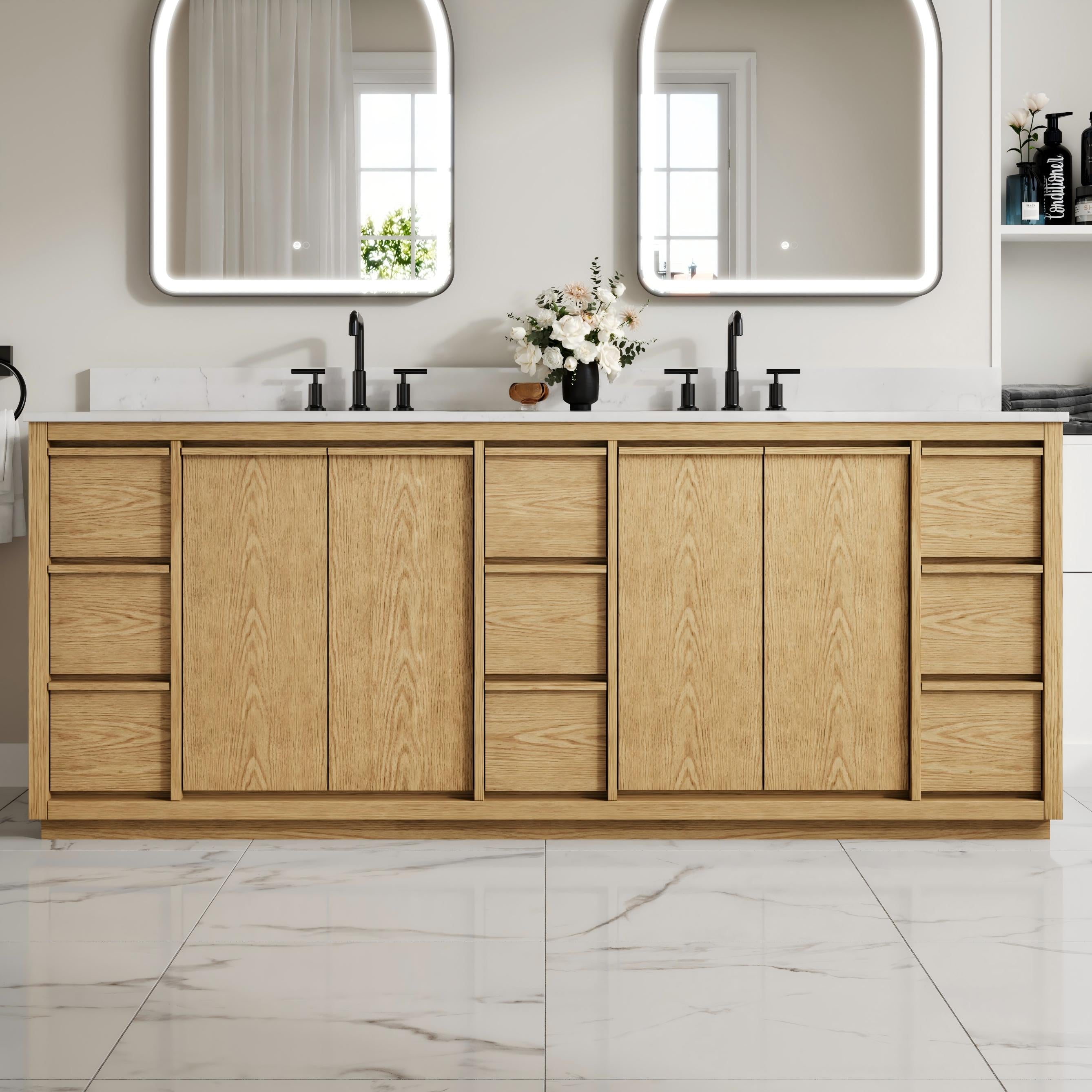

With the ongoing evolution of bathroom aesthetics, LED mirror have moved from a single lighting tool to a key component that combines functionality and decorative value. It not only affects the daily grooming experience but also directly determines the overall atmosphere, visual proportion, and spatial hierarchy of the bathroom. Faced with an increasingly diverse range of mirror sizes, color temperatures, shapes, and intelligent functions, choosing an LED mirror that is both practical and in line with one's bathroom style has become one of the most discussed topics in home decoration and renovation in 2025.
1. Starting from size: the most closely related factor to the visual proportion of the bathroom
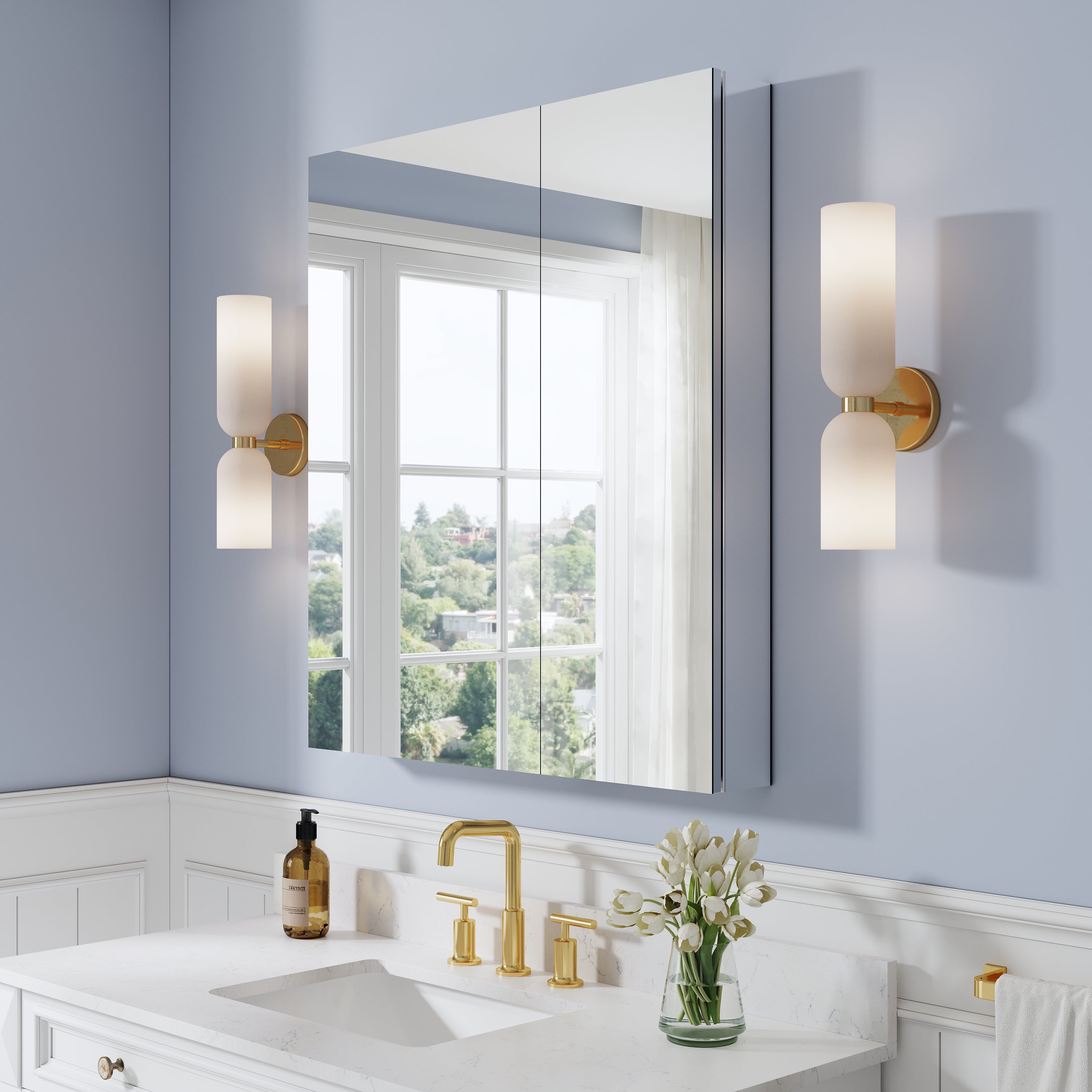
Among all the selection criteria, size is almost the first step in determining whether the LED mirror is coordinated. Industry research shows that mirrors measuring 24 and 36 inches have the highest installation rate over the past year (source: hiri.org). The reason is not just 'popularity', but because the interval precisely covers most standard vanity widths and presents a balanced visual proportion.
When choosing a size, there are three industry common principles:
The width should be close to 70% -100% of the width
For example:
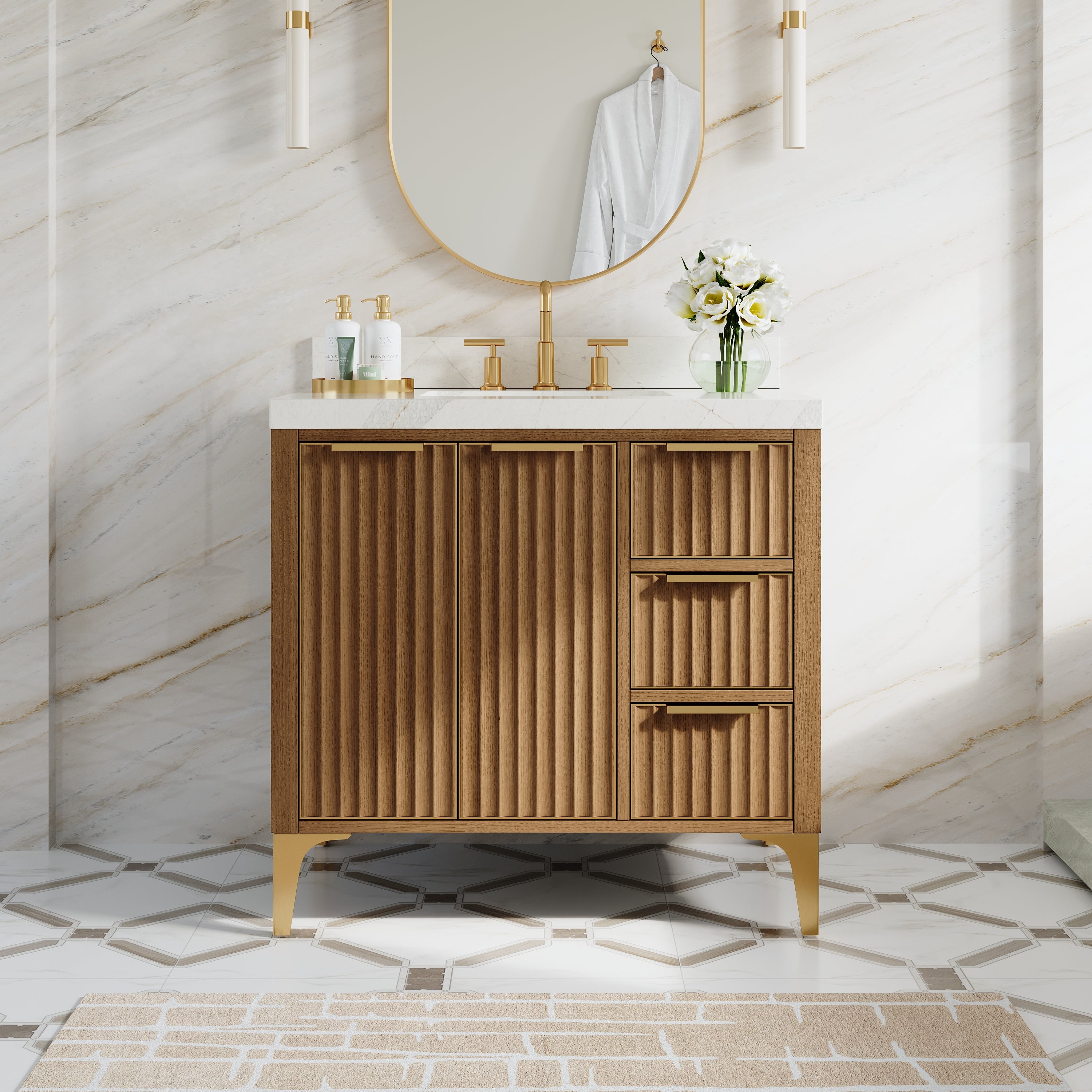
30-inch Vanity with 24-30-inch Mirror
36-inch vanity with 30-36-inch mirror
48 48-inch vanity allows for the selection of larger sizes above 40 inches
A too-small mirror surface can result in too much white space on the wall, damaging the overall feel; however, being too wide can compress the lighting layout or make it appear abrupt.
Larger size gives a more modern feel.
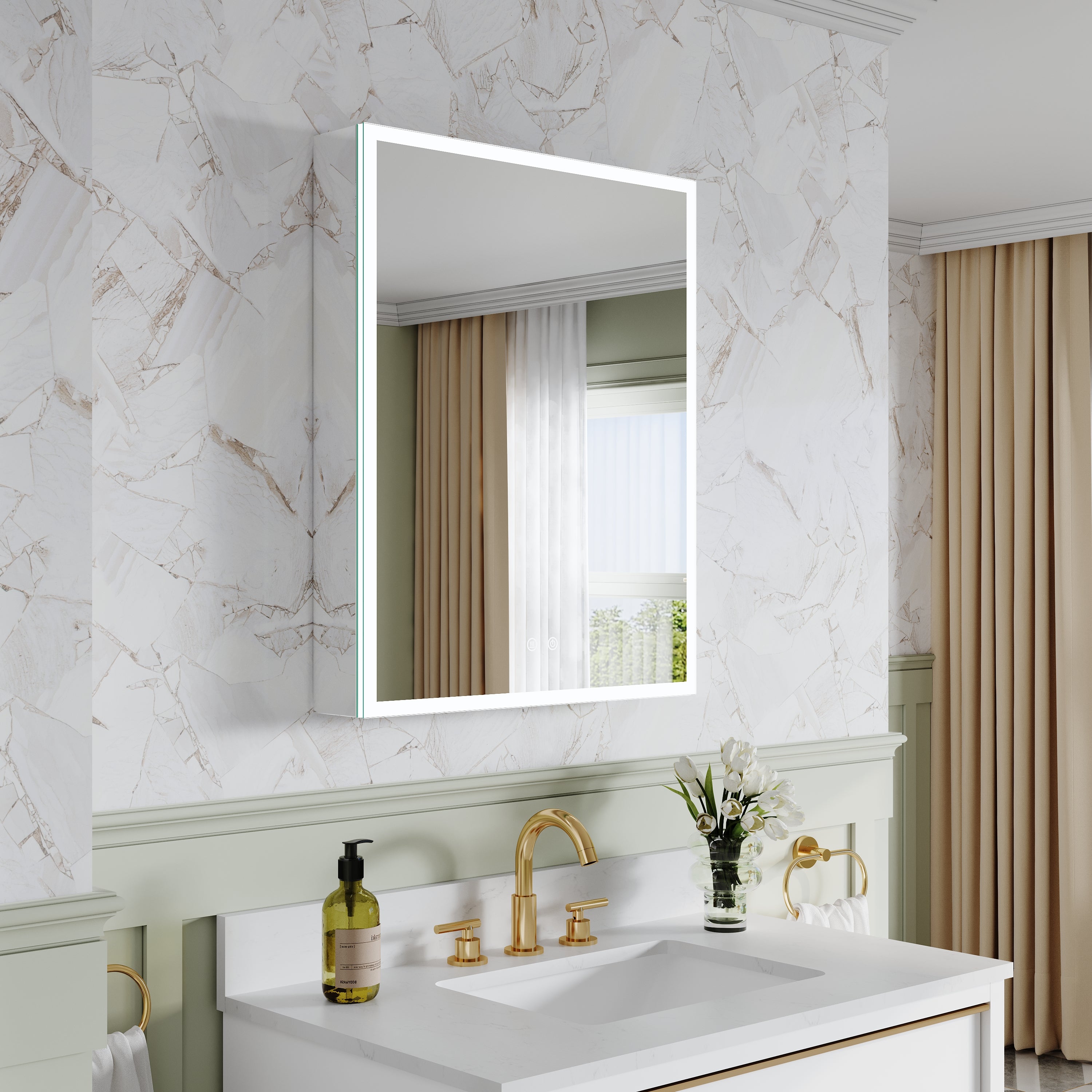
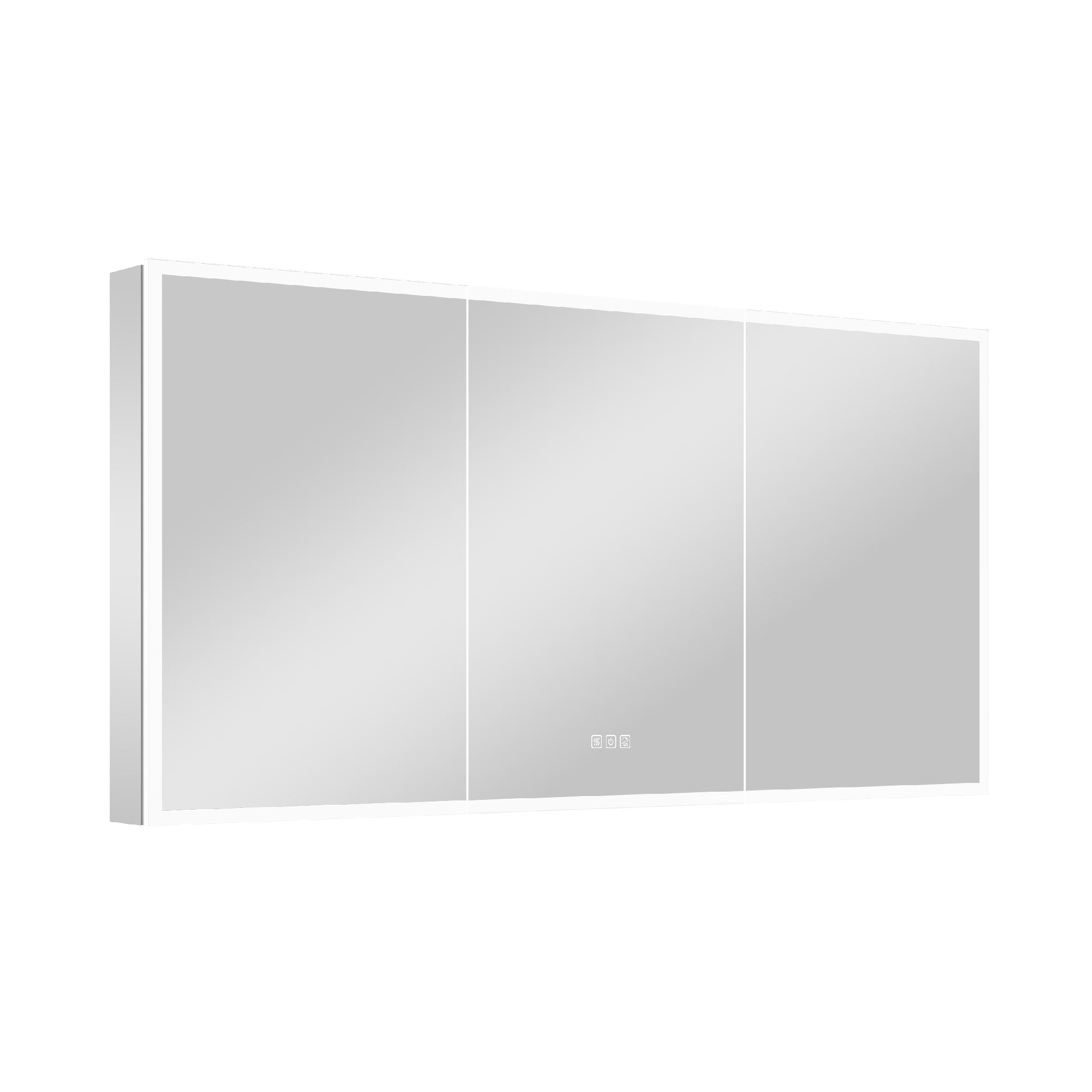
With the popularization of frameless and extremely narrow frame designs, larger mirrors of 36-48 inches appear more concise and bright in bathrooms, and also help expand visual space.
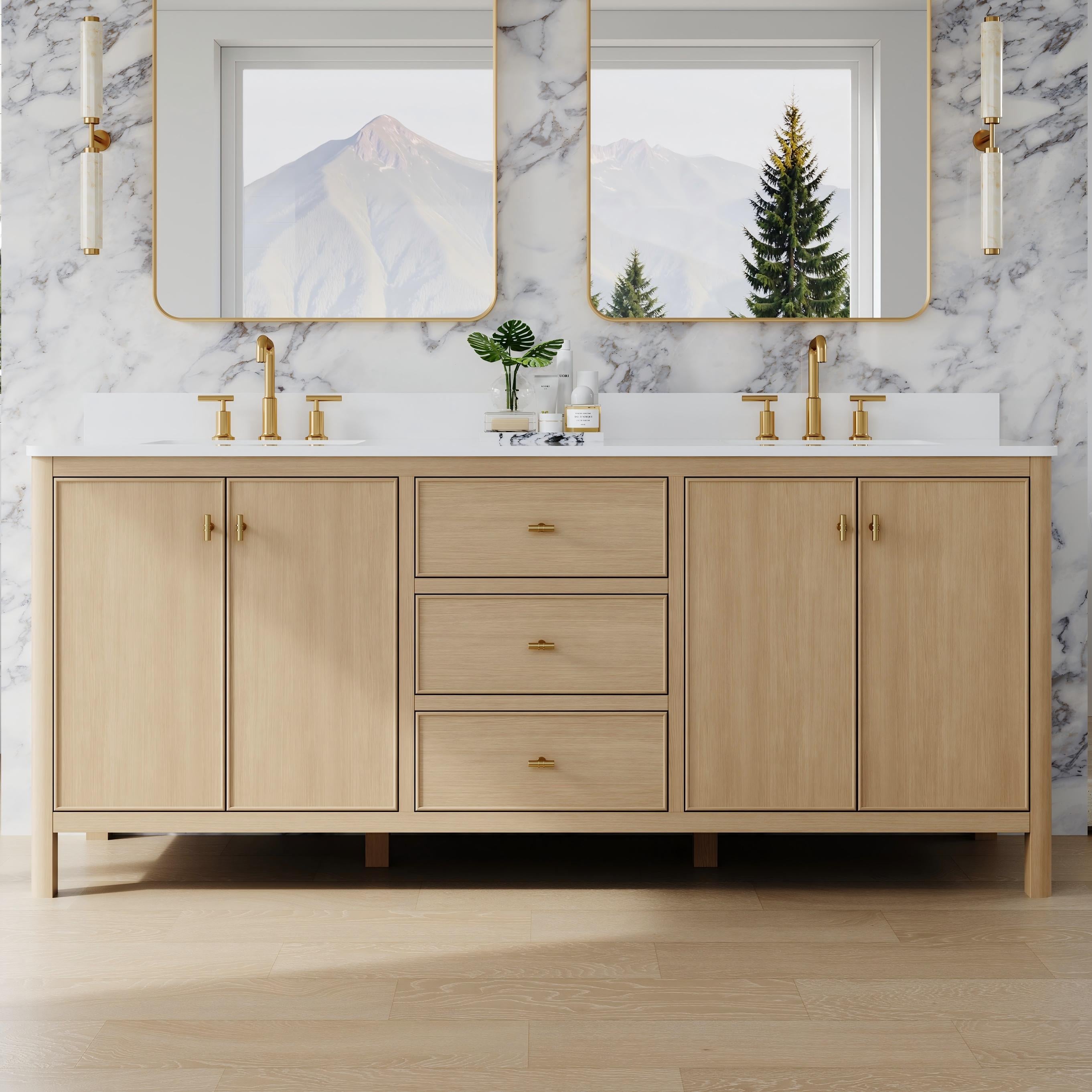
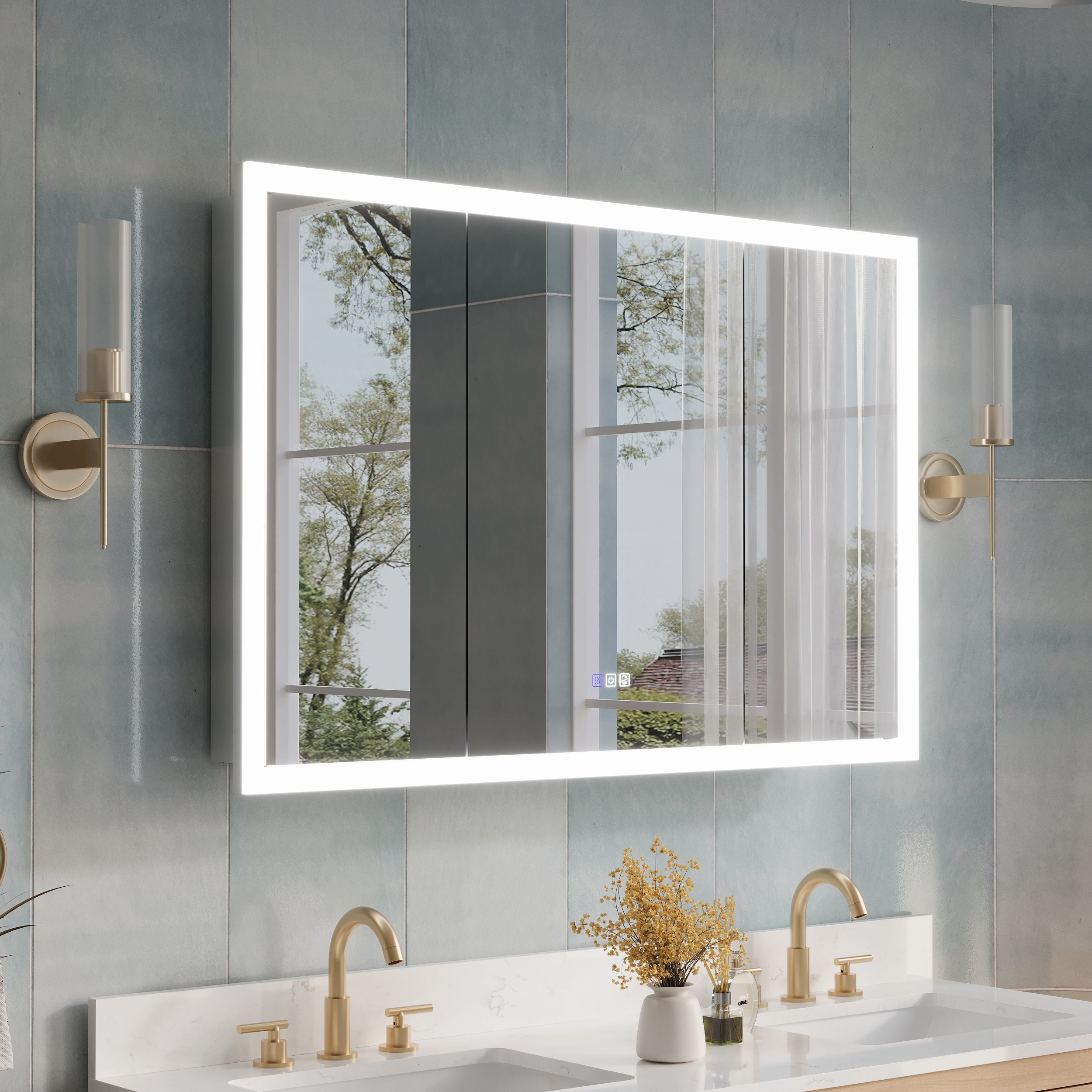
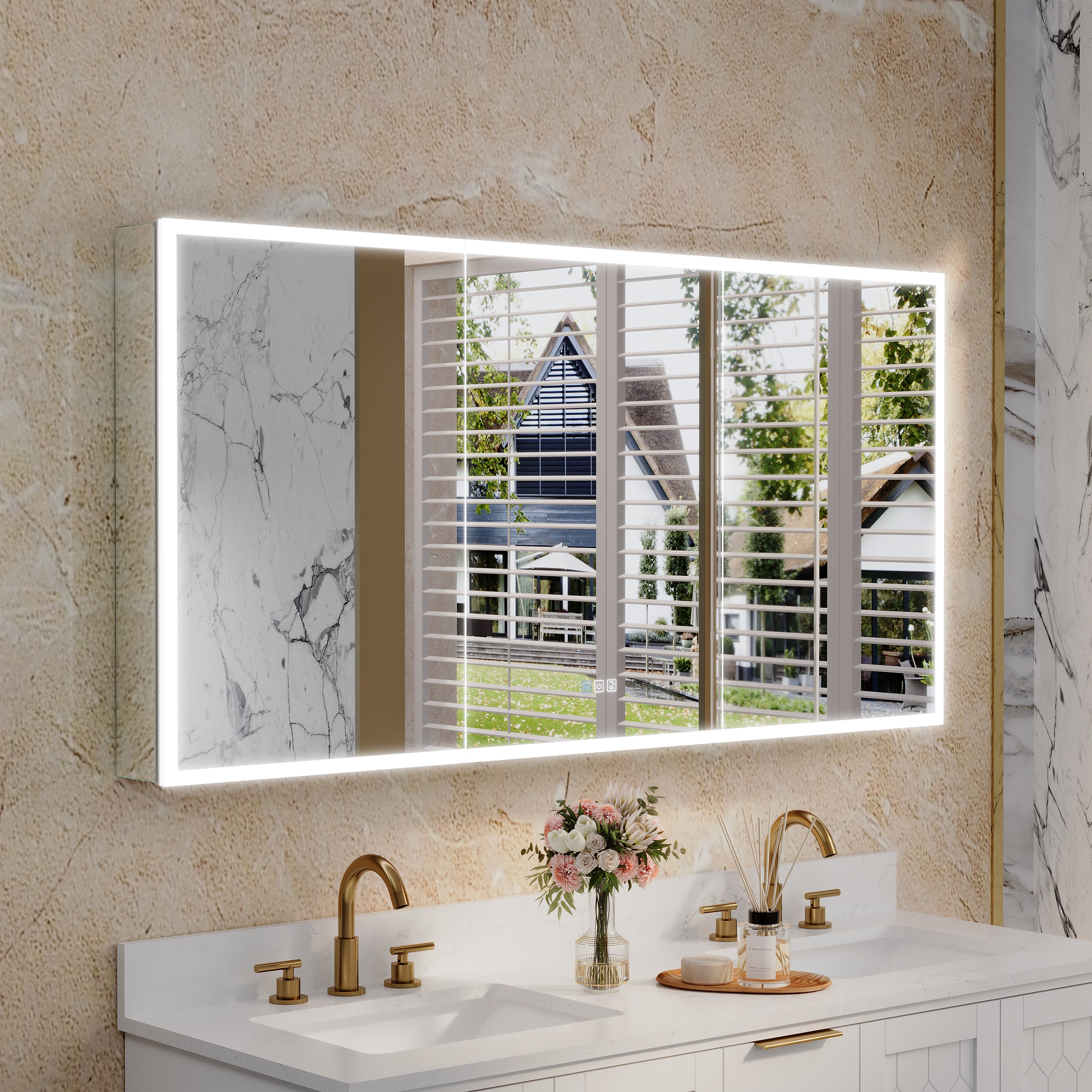
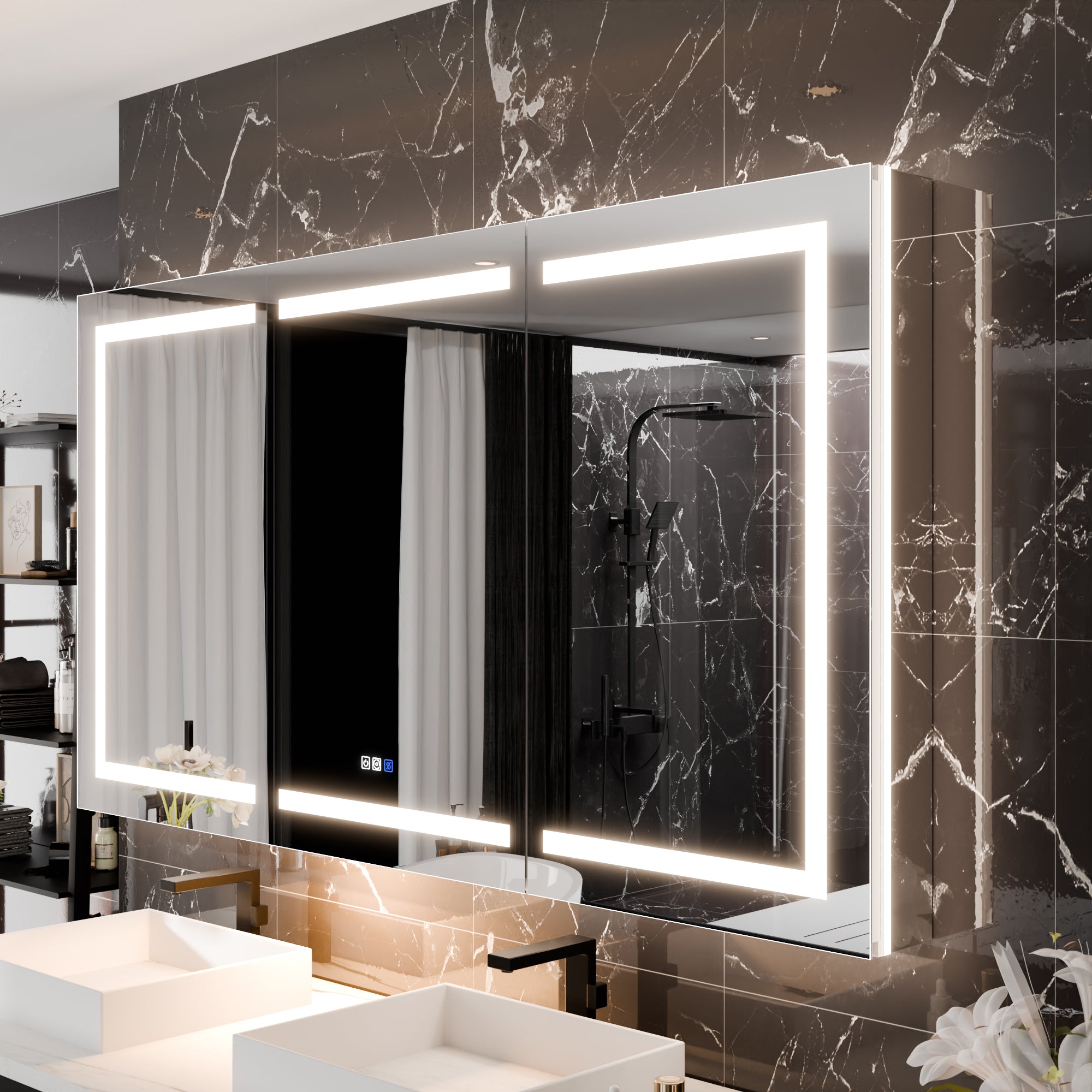
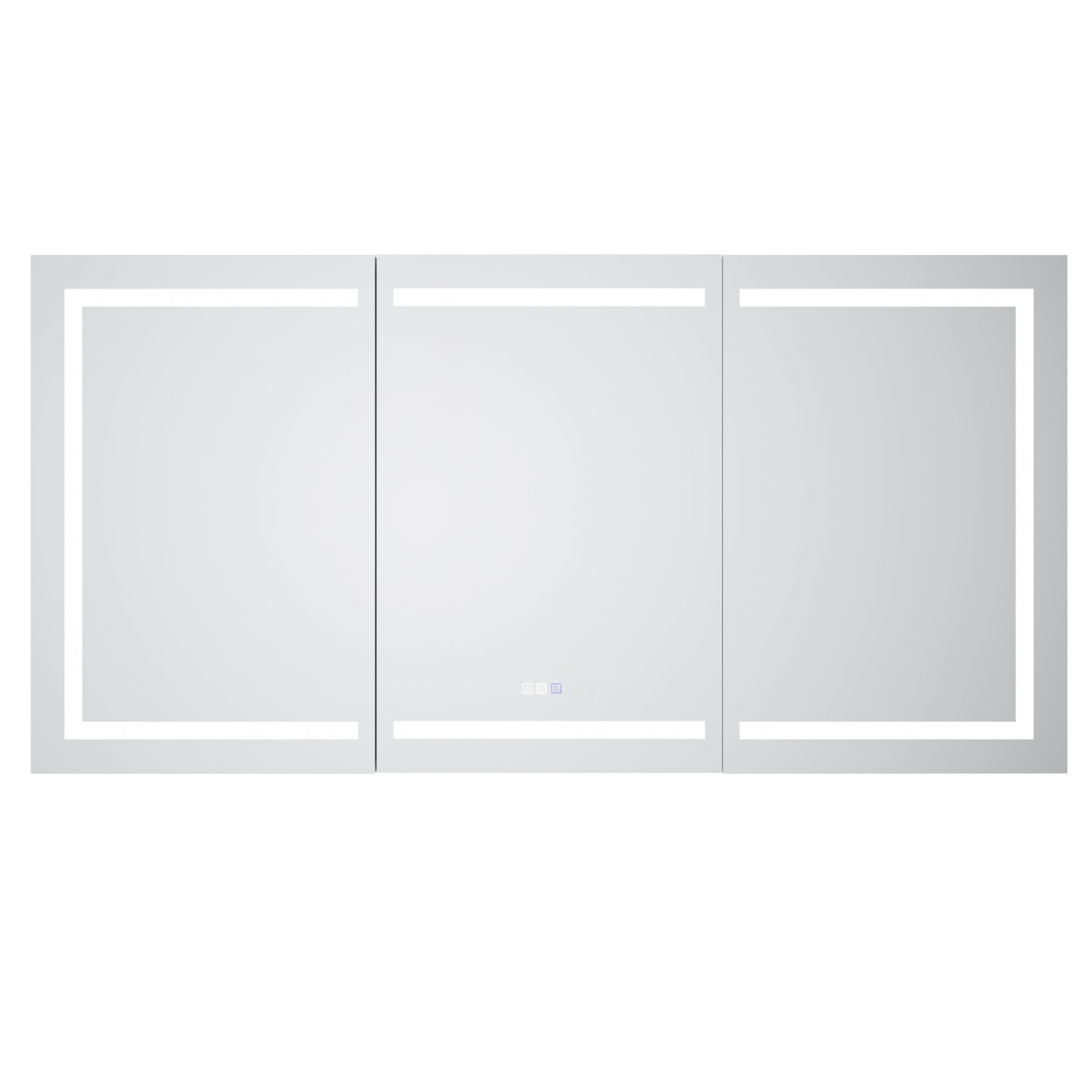
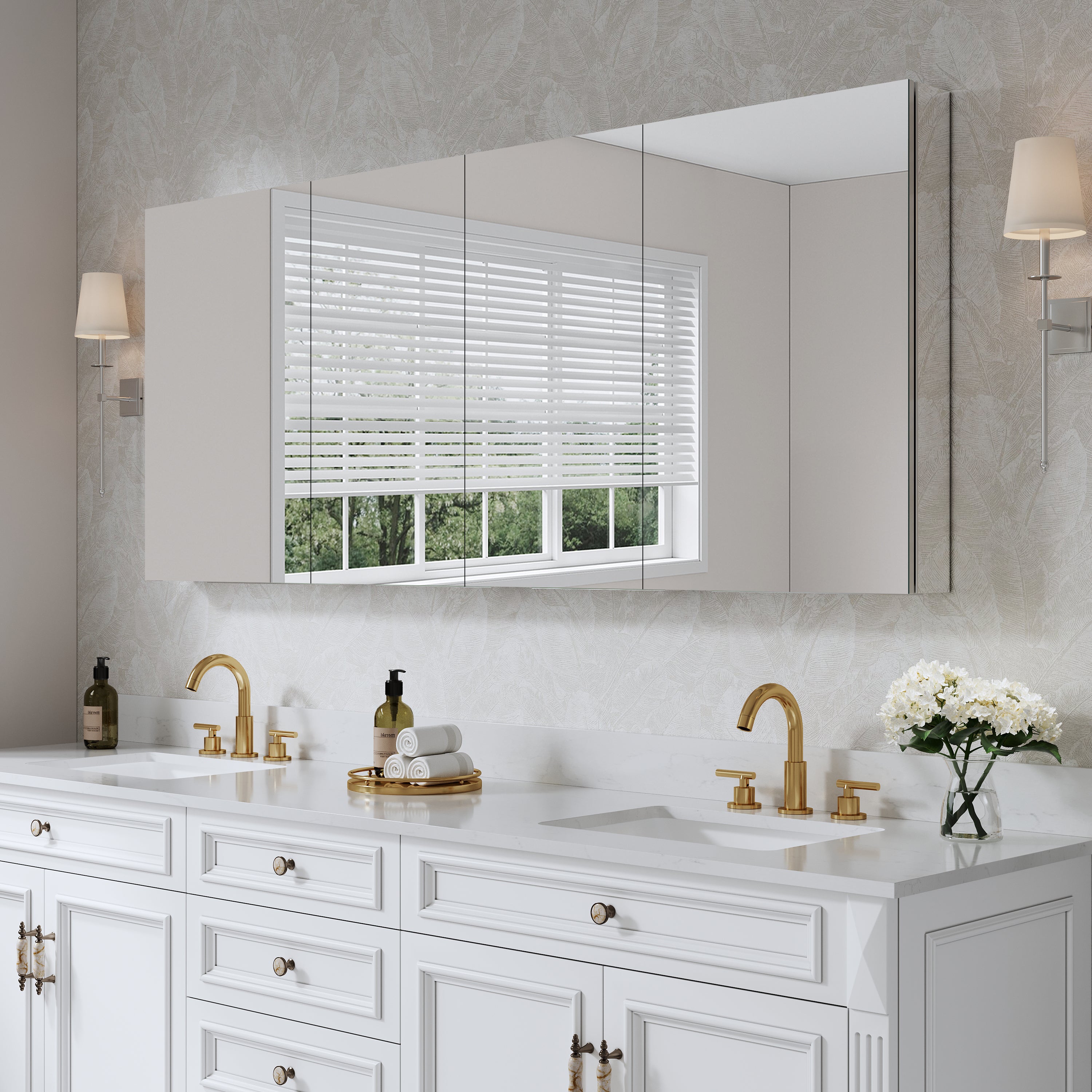
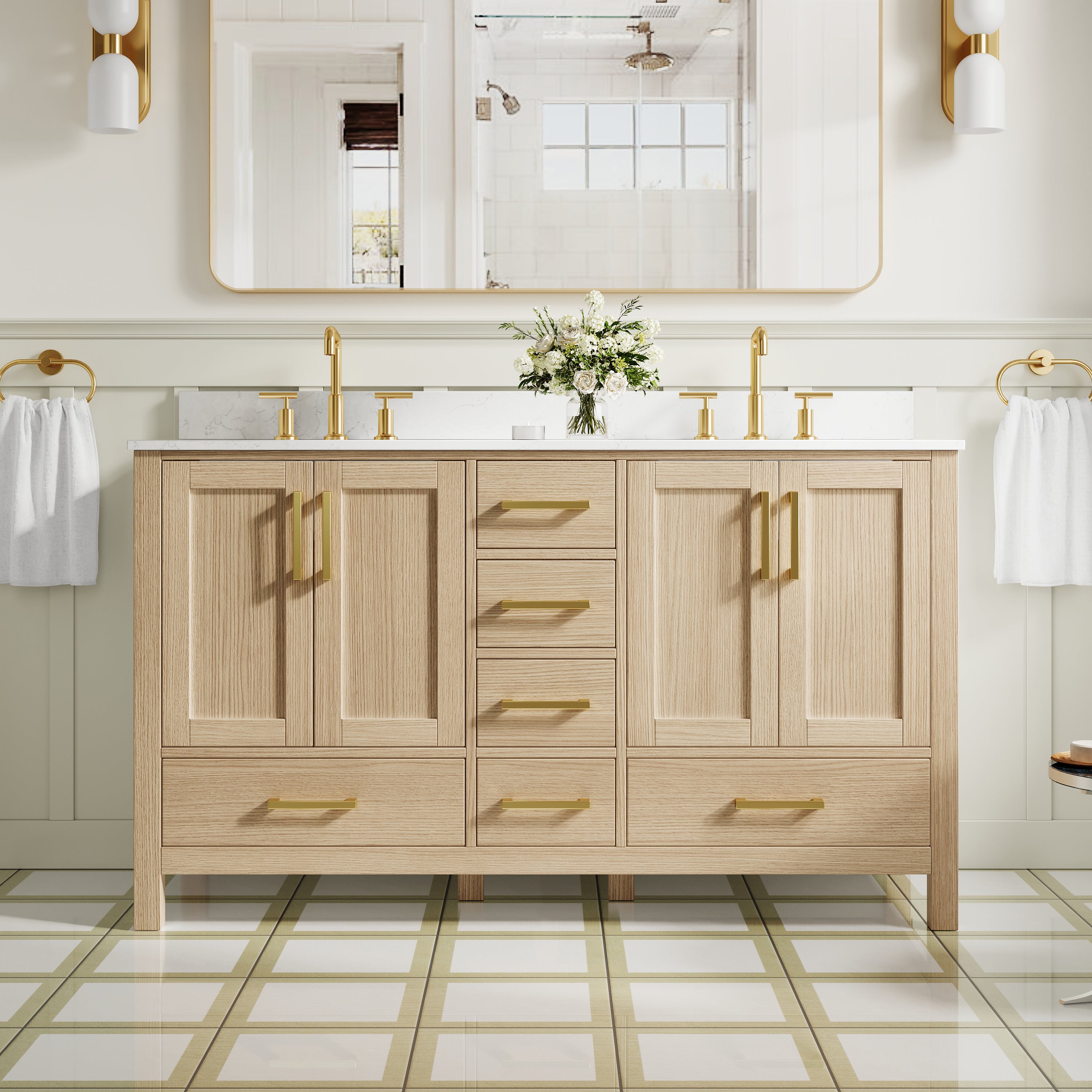
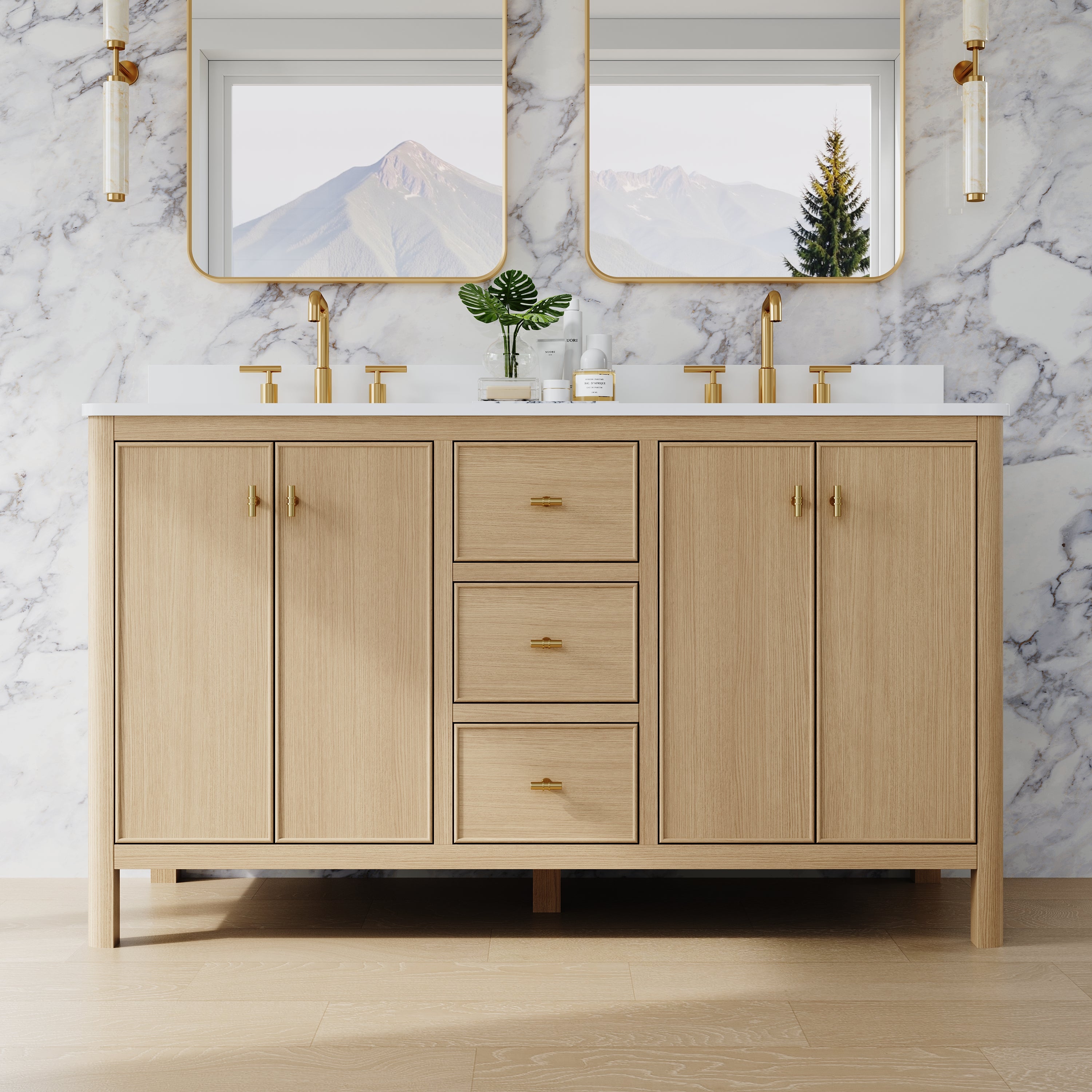
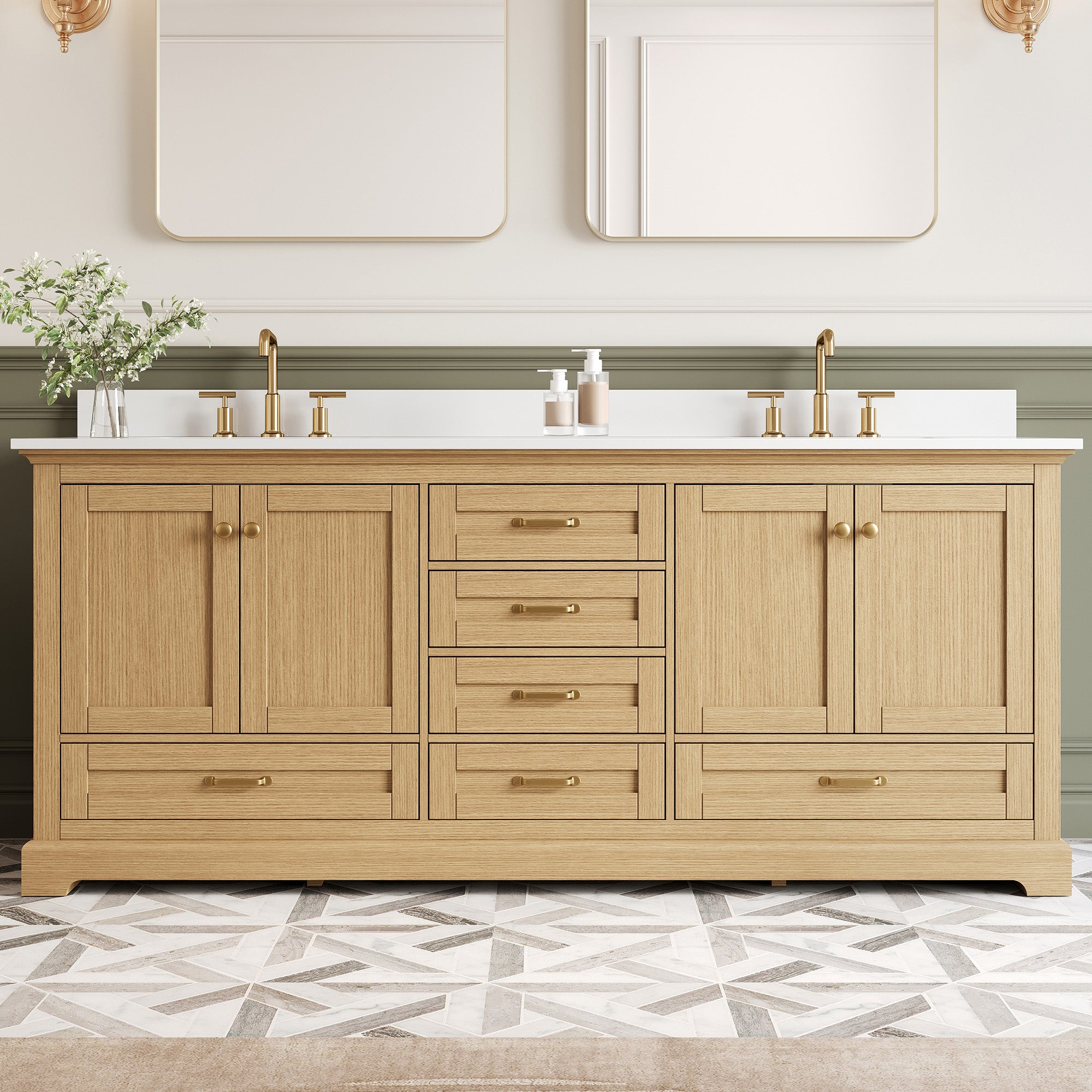
For a double vanity, it is recommended to use rectangular mirrors of 40 inches or more.
This is the only way to achieve even lighting and prevent dark areas from appearing when two people are using it.
Industry experts believe that the coordination between size and spatial proportions is one of the most important factors to consider when selecting bathroom mirrors.
2. Color temperature and light efficiency: the core indicators that determine whether it is easy to use or not
What truly determines the user experience of LED mirrors is not the appearance, but the light, whether it is soft, realistic, and can accurately restore skin tone.
According to research by the Lighting Research Center, the most suitable color temperature range for bathroom grooming is 3000K-5000K, providing lighting that is close to natural light without being excessively warm or cold (source: lrc.rpi.edu).
When choosing an LED mirror, the light efficiency can be judged from the following dimensions:
Adjustable color temperature function
Most high-end mirrors offer
Warm light (about 3000K)
Neutral light (approximately 4000K)
Cold light (about 5000K)
Capable of adapting to different needs, from simulating morning light to makeup and supplementary lighting.
A high color rendering index (CRI 90+) is key.
Energy Star's lighting data indicates that light sources with a color rendering index exceeding 90 can better present the actual color of skin and makeup (source: energystar.gov).
Especially in bathroom spaces with limited lighting, high CRI can significantly improve the visibility of details.
Uniform and glare-free light source for better eye protection
High-quality LED mirrors hide the light source within a diffuser or light-guide structure, forming a uniform light band and avoiding glare.
This is particularly important for dry-area dressing, shaving, skincare, and other procedures.
Whether the light effect is natural and realistic directly affects the comfort of the grooming experience and is also the core performance indicator for LED mirrors in 2025.
3. The key to style matching: frame material, mirror shape, and edge design
The bathroom style is usually composed of tiles, faucets, cabinets, lighting fixtures, etc., and mirrors are the most direct element that affects the visual focus. When selecting LED mirrors, it is necessary to judge whether they match the overall style from three perspectives: material, shape, and edge design.
3.1 Material: Aluminum frame, frameless, metal frame, each has matching directions
Frameless design
Suitable for minimalist, modern, and hotel-style bathrooms.
The characteristic is clean and visually spacious, and it is currently the most widely used type.
Brushed aluminum frame (silver, black)
Adapt to modern simplicity, industrial style, and Nordic style.
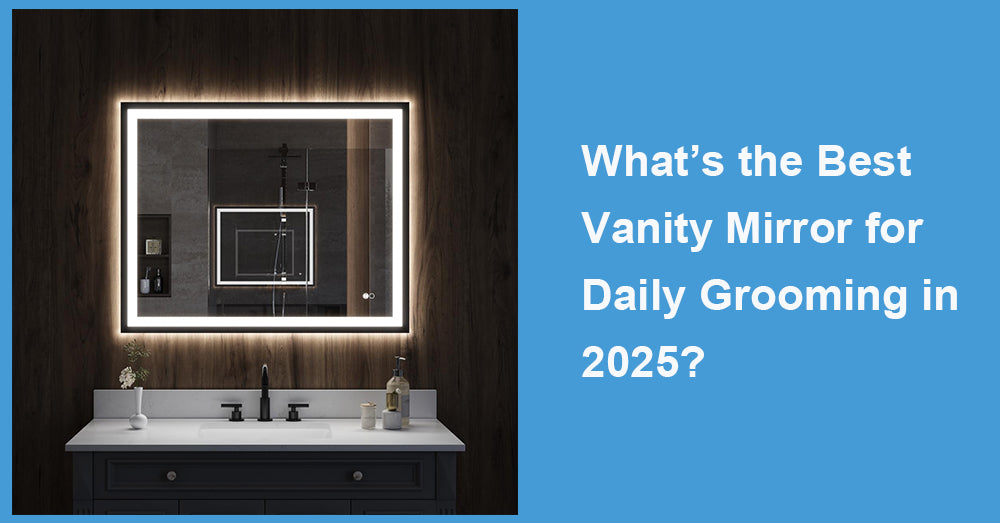
Especially the black-framed mirror; it is highly compatible with the black faucet and shower system.
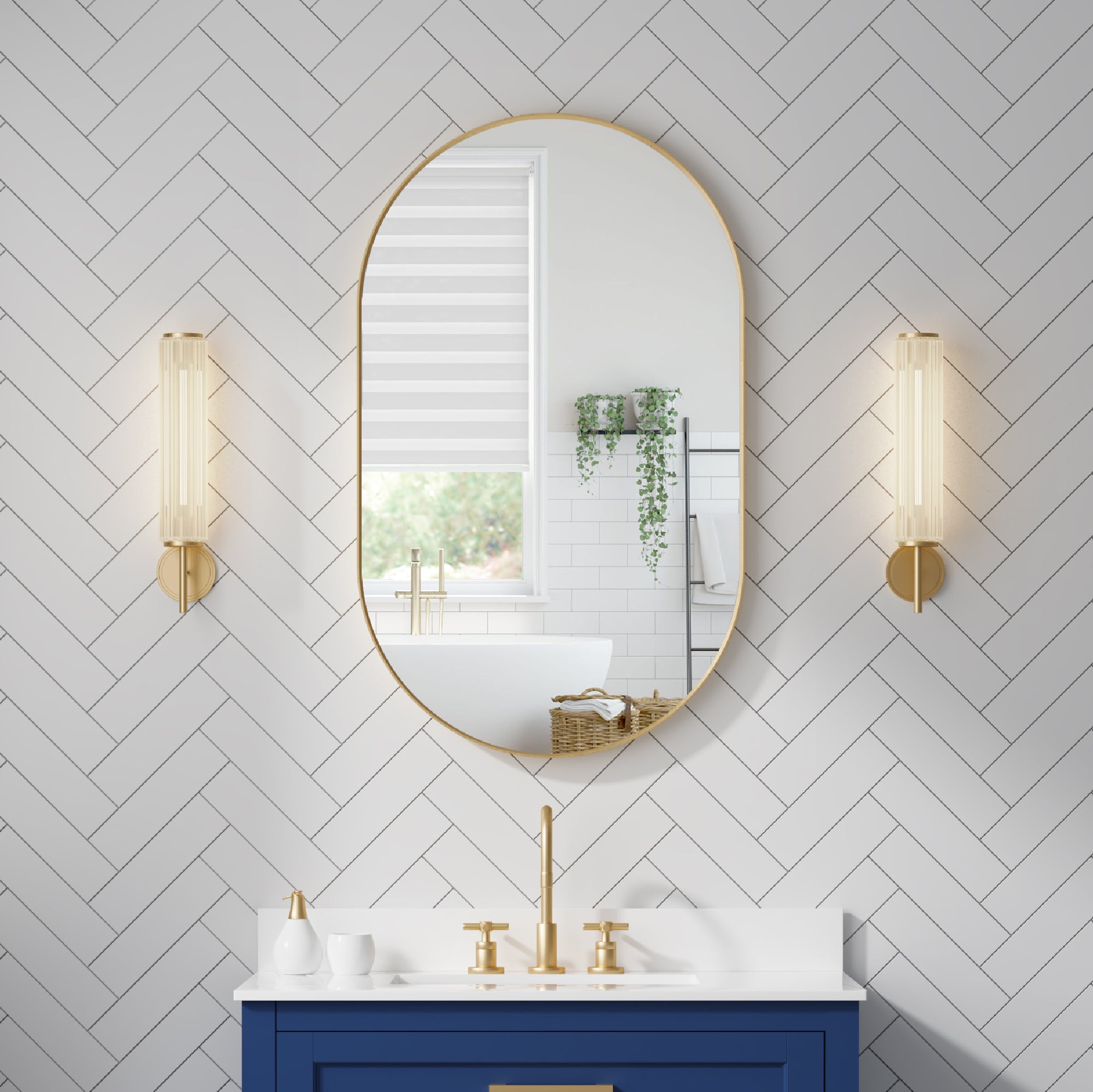
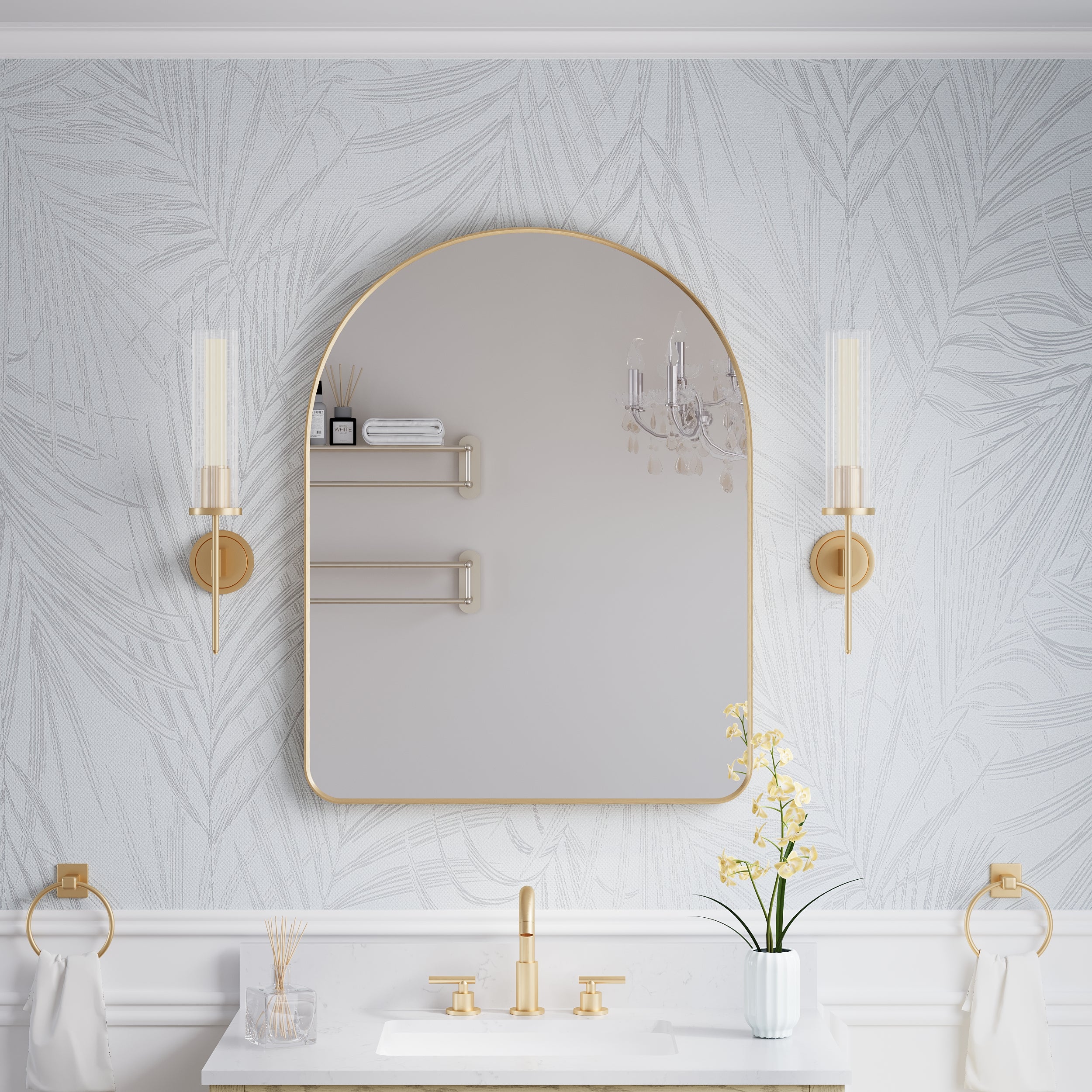
Brushed gold or champagne colored frame
Suitable for light luxury, modern, and mixed styles.
Perfectly coordinated with golden hardware and warm marble-patterned walls.
Selection principle: The frame material should match other metal parts in the bathroom, such as faucets, handles, and shower kits, to enhance the overall feel.
3.2 Mirror shape: Round is suitable for soft style, square is ideal for modern style
Circular or elliptical shape
Visually softer, suitable for light luxury, simplicity, and natural style.
Square or rectangular
More streamlined, suitable for modern, hotel-style, and business-oriented bathroom structures.
Large rounded rectangle
It is the fastest-growing mirror category in 2024-2025 (source: wayfair.com), combining modernity and softness, with the strongest style compatibility.
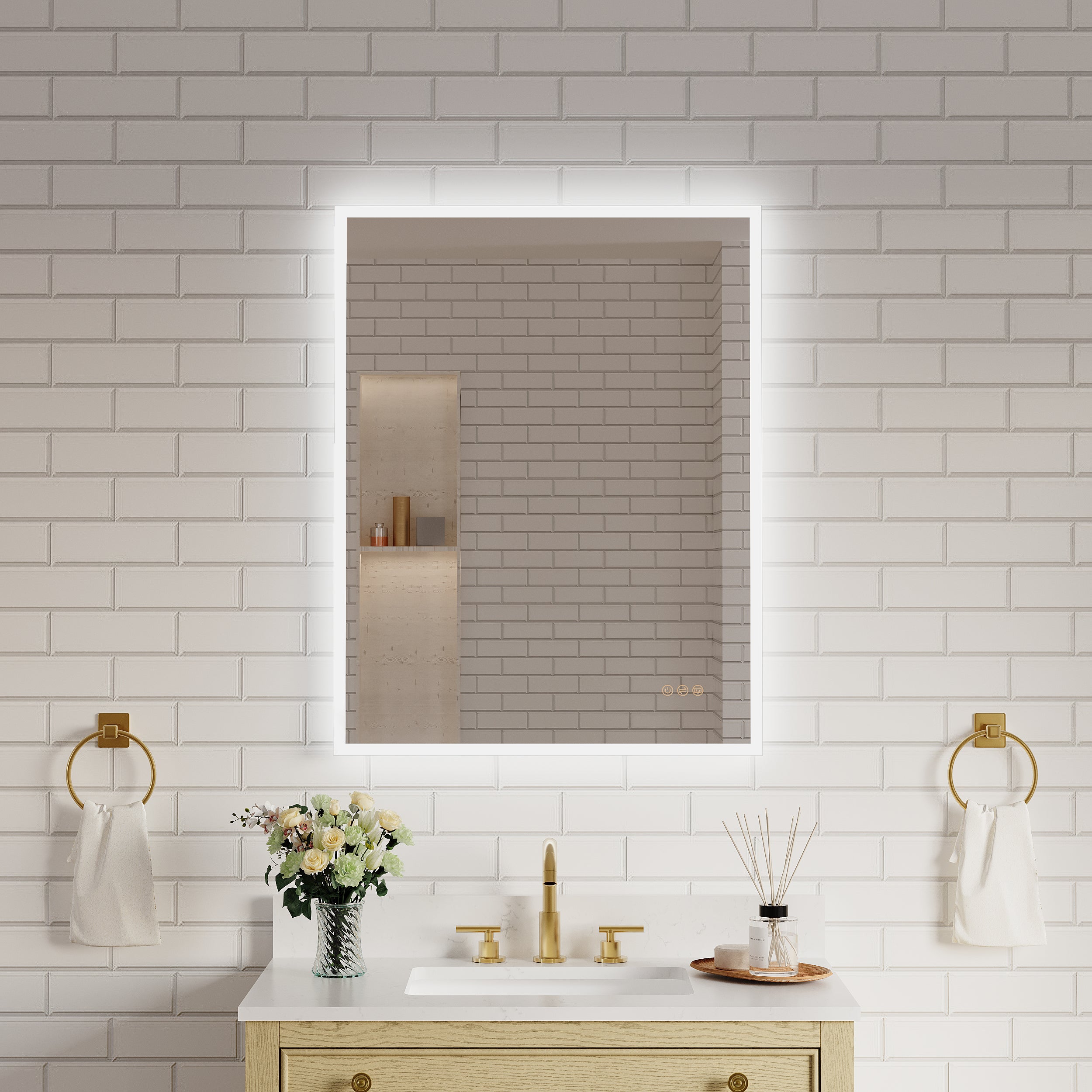
3.3 Backlight design and edge light style orientation are different
Backlit
Lightweight and atmospheric, emphasizing decorative properties.
Edge Light (Front Lit or Edge Lit)
More practical, suitable for bathroom spaces that require precise lighting.
When selecting, it can be combined based on the overall brightness, functional requirements, and the bathroom's style direction.

4. Do you need intelligent functions? Observing Space Usage Habits and Personal Needs
In 2025, LED mirrors have fully entered the intelligent stage, and according to Statista's data, the usage rate of bathroom mirrors with intelligent functions continues to rise (source: statista.com).
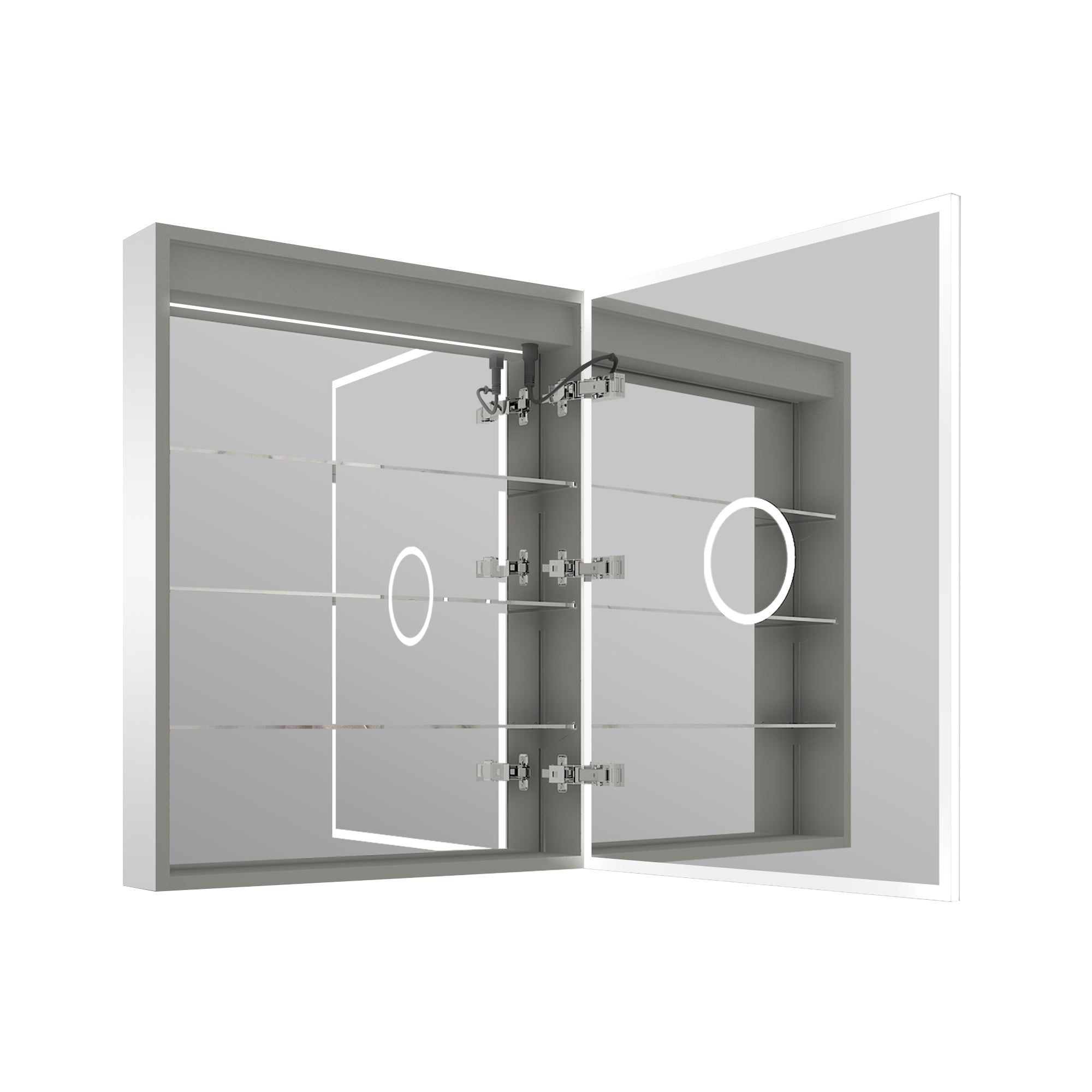
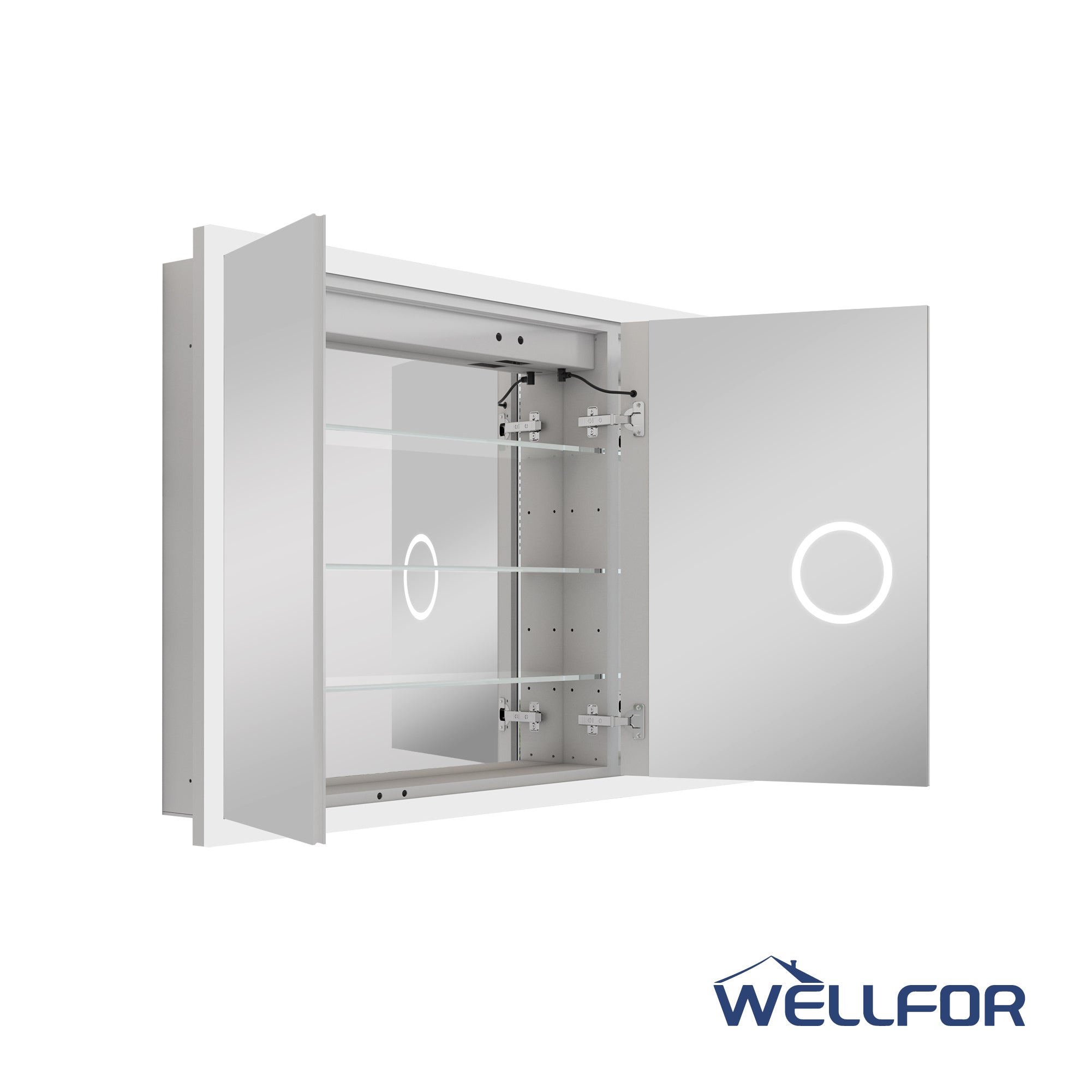
Standard practical functions include:
Touch dimming, color temperature adjustment
Anti-fog heating function
Brightness Memory Mode
Smart clock or temperature display
Automatic activation of ambient light sensing
If the bathroom steam is high or the mirror is used for a long time, the value of intelligent functions will be more obvious.
Conclusion: The most suitable LED mirror for bathroom style is a comprehensive choice of visual, lighting, and spatial coordination
The industry trend constantly emphasizes one point:
There is no single "perfect" LED mirror, only the one that best suits the style and usage habits of one's own bathroom.
When selecting a mirror, you can quickly judge based on the following logic:
Size First: Coordinate with Vanity Width
Light effect is king: adjustable color temperature + CRI 90+
Unified style: The frame material is consistent with the metal parts
Installation method adapted to the space
Safety and durability are the bottom line
Intelligent function selection on demand
An LED mirror that combines light efficiency, proportion, texture, and structural details not only enhances daily user experience but also significantly improves the overall beauty of the bathroom.














Leave a comment
This site is protected by hCaptcha and the hCaptcha Privacy Policy and Terms of Service apply.