






















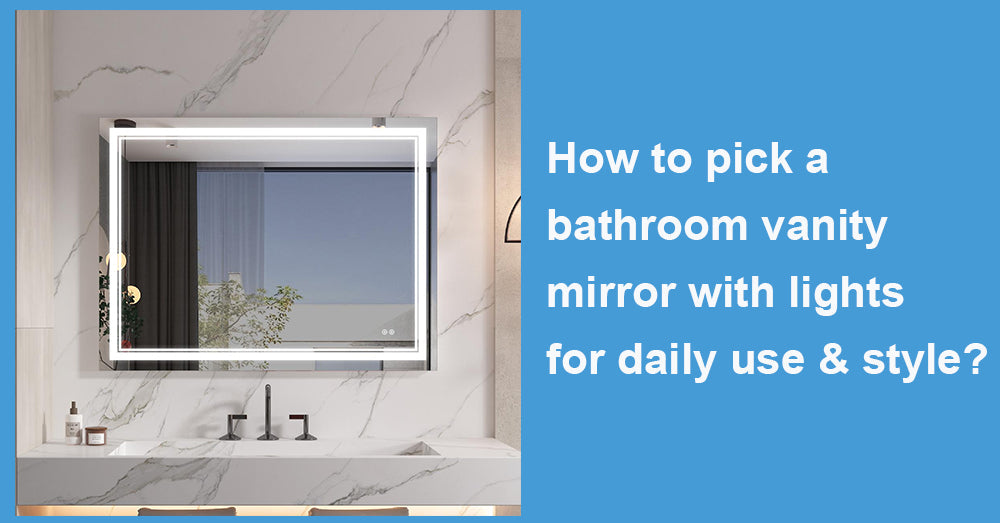
Bathroom vanity mirrors with built-in lights are quickly moving from “nice extra” to “must-have” in renovation projects. For brands and retailers, this small category is becoming a key traffic driver. For homeowners, it’s one of the easiest ways to upgrade both daily usability and bathroom style.
Lighted vanity mirrors: from niche product to renovation standard
In the bathroom renovation market, one product is showing strong growth: bathroom vanity mirror with lights. E-commerce platforms, home centers, and design studios all report a steady increase in demand for lighted mirrors, especially among young homeowners and apartment renovators.
Compared with a traditional mirror plus a single ceiling light, a lighted vanity mirror solves three pain points at once:
· Face is better lit for makeup, shaving, and skincare
· The bathroom looks more modern and high-end
· Night-time lighting becomes softer and more comfortable
This mix of practicality and aesthetics explains why the category is expanding so fast.
Size and shape: getting the basics right
When consumers walk into a showroom or scroll online, the first decision is still the most basic one: what size and shape?
1. Match the vanity width
Industry designers usually suggest that the mirror width should be about the same as the vanity, or slightly smaller. For example, a 90 cm vanity often pairs well with a 70–90 cm mirror. Oversized mirrors create a luxury feel; undersized mirrors can make the space look cramped or unbalanced.
2. Shape supports style positioning
· Rectangular mirrors remain the mainstream choice, especially for modern, minimalist bathrooms.
· Round and oval mirrors are gaining share because they soften the space and photograph well for social media.
· Arch and irregular shapes are popular in design-driven projects and boutique hotels, helping brands and studios create a signature look.
For manufacturers, offering multiple sizes and shapes on a shared lighting and electronics platform is becoming a common strategy to control cost while meeting diverse aesthetic needs.
Light quality: the new “hard indicator.”
As more consumers use the bathroom mirror not just to wash up but also to film content or to do detailed makeup or skincare, the quality of the light has become a new “hard indicator.”
1. Color temperature choice
Most lighted vanity mirrors on the market now offer at least two or three color temperature modes:
· Warm white (around 2700–3000K): Cozy and relaxing, suitable for evening use and wind-down time.
· Neutral white (around 3500–4000K): Close to natural indoor light, balanced for daily routines.
· Cool white (around 5000–6500K): Brighter and sharper, closer to daylight, suitable for precise makeup and shaving.
Consumers are starting to understand these terms. Many now actively ask whether the mirror can switch color temperatures with one touch, rather than being limited to a single, fixed tone.
2. Brightness and glare control
Adjustable brightness is another feature spreading rapidly from high-end to mid-range products. The market feedback is clear:
· Full brightness is needed for cleaning, detailed grooming, and checking skin condition
· Dimmed light is preferred for nighttime, quick bathroom visits, or long baths
At the same time, brands are working to reduce glare. Diffusers, frosted light covers, and indirect lighting designs are becoming standard, so users get enough light without straining their eyes.
Back-lit vs front-lit: two mainstream lighting designs
From a product design perspective, two lighting styles dominate the market.
1. Back-lit mirrors: atmosphere first
Back-lit mirrors hide the LED strip behind the glass. Light spills softly onto the wall, creating a halo. This design:
· Looks clean and minimalist
· Creates an intense atmosphere and “hotel bathroom” vibes
· Avoids direct glare from visible light points
It is especially popular in modern, Scandinavian, and spa-style bathrooms.
2. Front-lit mirrors: function first
Front-lit mirrors direct light onto the mirror surface itself, often as a ring, bar, or pattern along the edges. This design:
· Illuminates the face more directly
· Works well for makeup and grooming
· Delivers a clear, bright image for daily use
In many showrooms, designers recommend back-lit models for customers who prioritize ambience, and front-lit or double-lit (back + front) models for those who care more about function.
Daily-use features: beyond just lighting
Lighted vanity mirrors are also becoming carriers for more everyday functions. For consumers, these details often decide the final purchase; for brands, they are key to product differentiation.
1. Anti-fog function
In real bathrooms, steam is a constant problem. Many mid-range and high-end mirrors now include a heating film:
· One button turns on anti-fog
· After a hot shower, the central viewing area stays clear
· Users can continue shaving or applying skincare without wiping
This minor feature significantly enhances the daily experience and is often highlighted in online product descriptions.
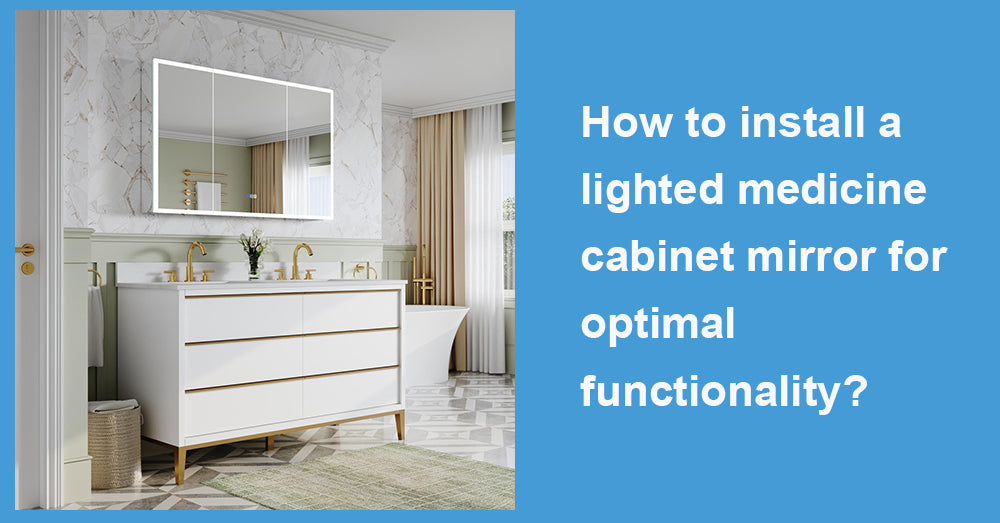
2. Extra storage and mirror cabinets
In compact apartments, storage is always in short supply. Lighted mirror cabinets combine:
· A mirror on the outside
· Shelves inside for skincare, toothbrushes, and medicine
· Built-in lighting around the edges or behind the door
For renovation companies, promoting mirror cabinets with built-in lighting helps increase order value while solving a real problem for homeowners.
3. Smart controls and integration
With smart homes becoming more common, mirror manufacturers are starting to add connectivity:
· Touch or gesture controls for on/off, color temperature, and brightness
· Timers for automatic shut-off
· Integration with smart speakers or apps so users can control the mirror with voice or phone
Although penetration is still growing, “smart lighted mirrors” are already a highlight in high-end showrooms and are gradually moving into mainstream price bands.

Style coordination: mirror as a design centerpiece
From an industry perspective, the mirror is no longer a simple accessory. It is increasingly treated as a visual centerpiece that connects wall tiles, vanity, faucets, and even the shower area.
Designers and brands tend to coordinate:
· Frame color and finish: black, brushed gold, chrome, or frameless to match faucets and shower sets
· Light color and brightness: to complement wall colors and tile textures
· Mirror shape: to echo the lines of the vanity and storage units
This “whole bathroom” thinking helps retailers sell matched sets and helps consumers avoid the trial-and-error of mixing random parts.
Simple checklist for consumers choosing a mirror
For everyday buyers facing a wall of options, the core advice remains simple:
1. Fit: size and shape should match your vanity and wall space.
2. Light: make sure color temperature and brightness work for both “function” and “relax” moments
3. Features: anti-fog, storage, and innovative functions should fit your real habits, not just look good on paper.
4. Quality: choose reliable brands and check for an explicit warranty and after-sales service
As expectations for comfort and design keep rising, the lighted bathroom vanity mirror will continue to grow from a niche upgrade to a standard feature in modern homes—serving both as a daily tool, and as a key element of bathroom style.







































Leave a comment
This site is protected by hCaptcha and the hCaptcha Privacy Policy and Terms of Service apply.