














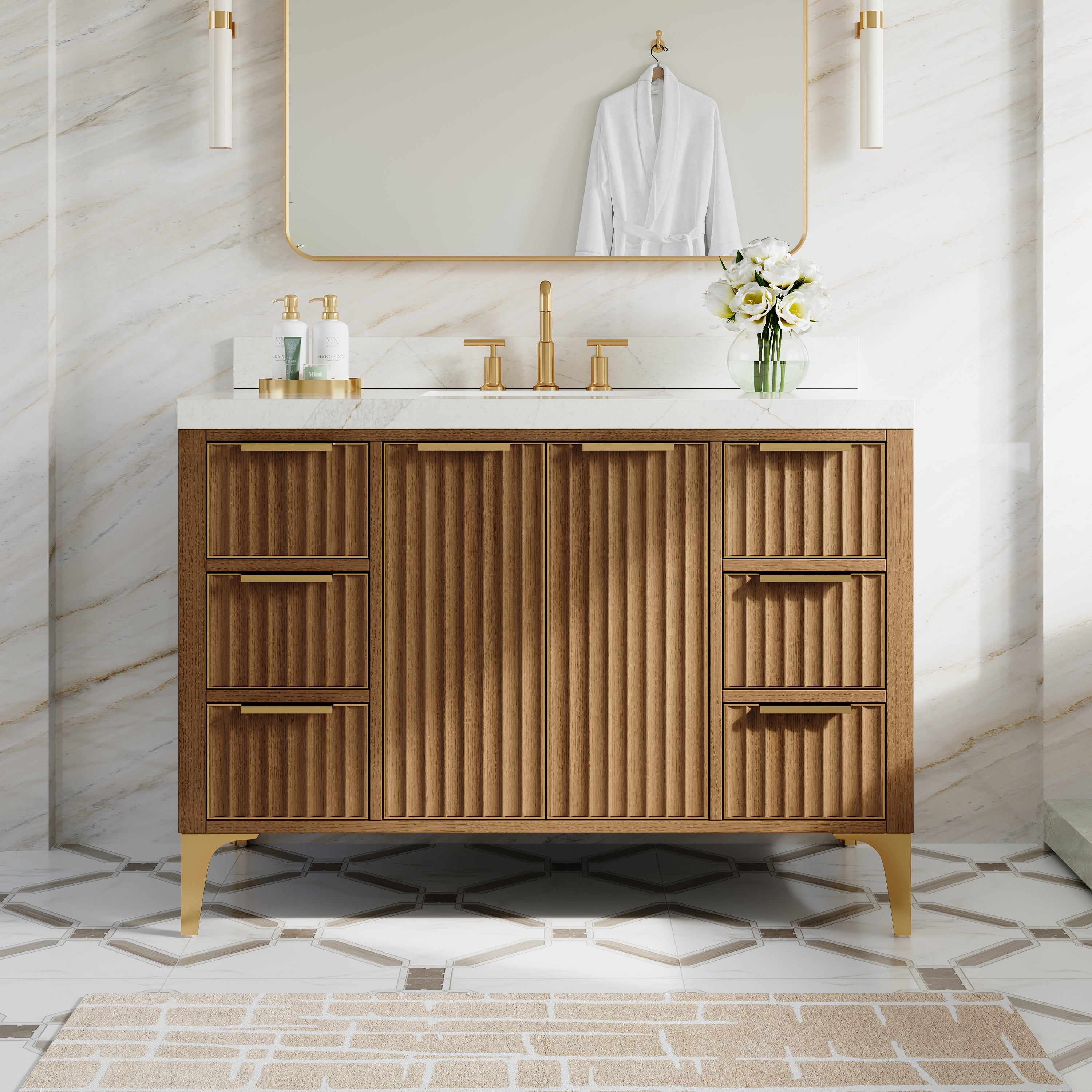
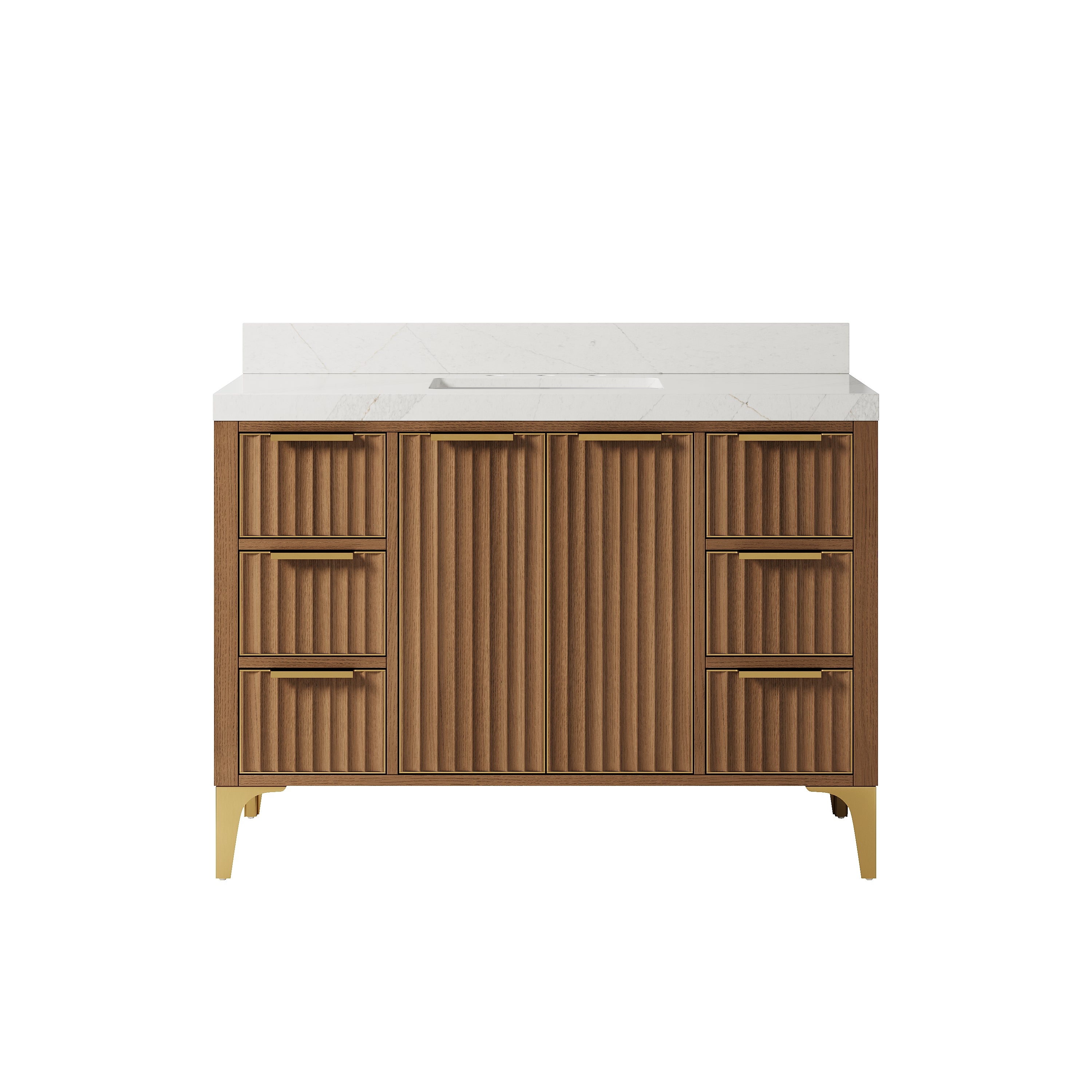


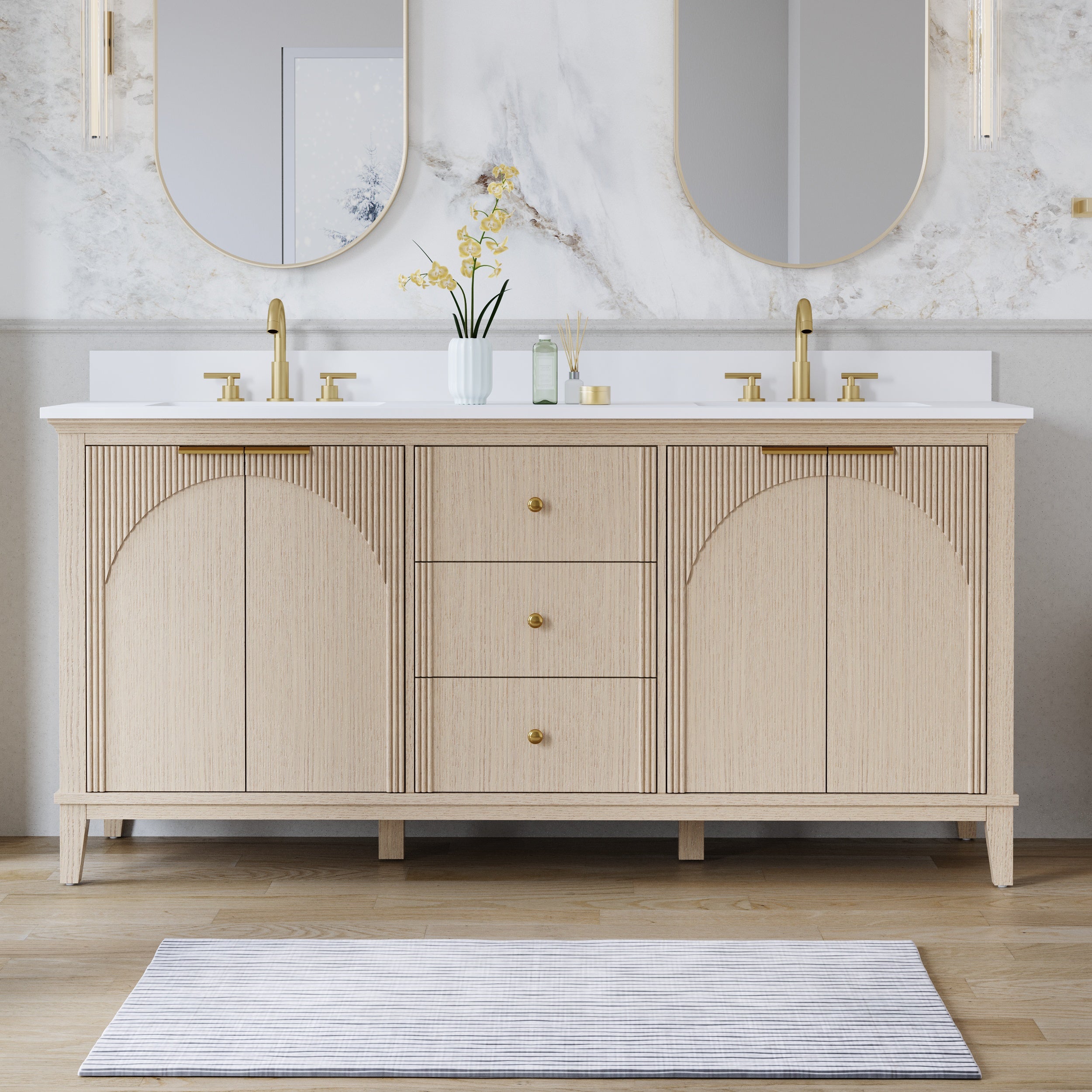
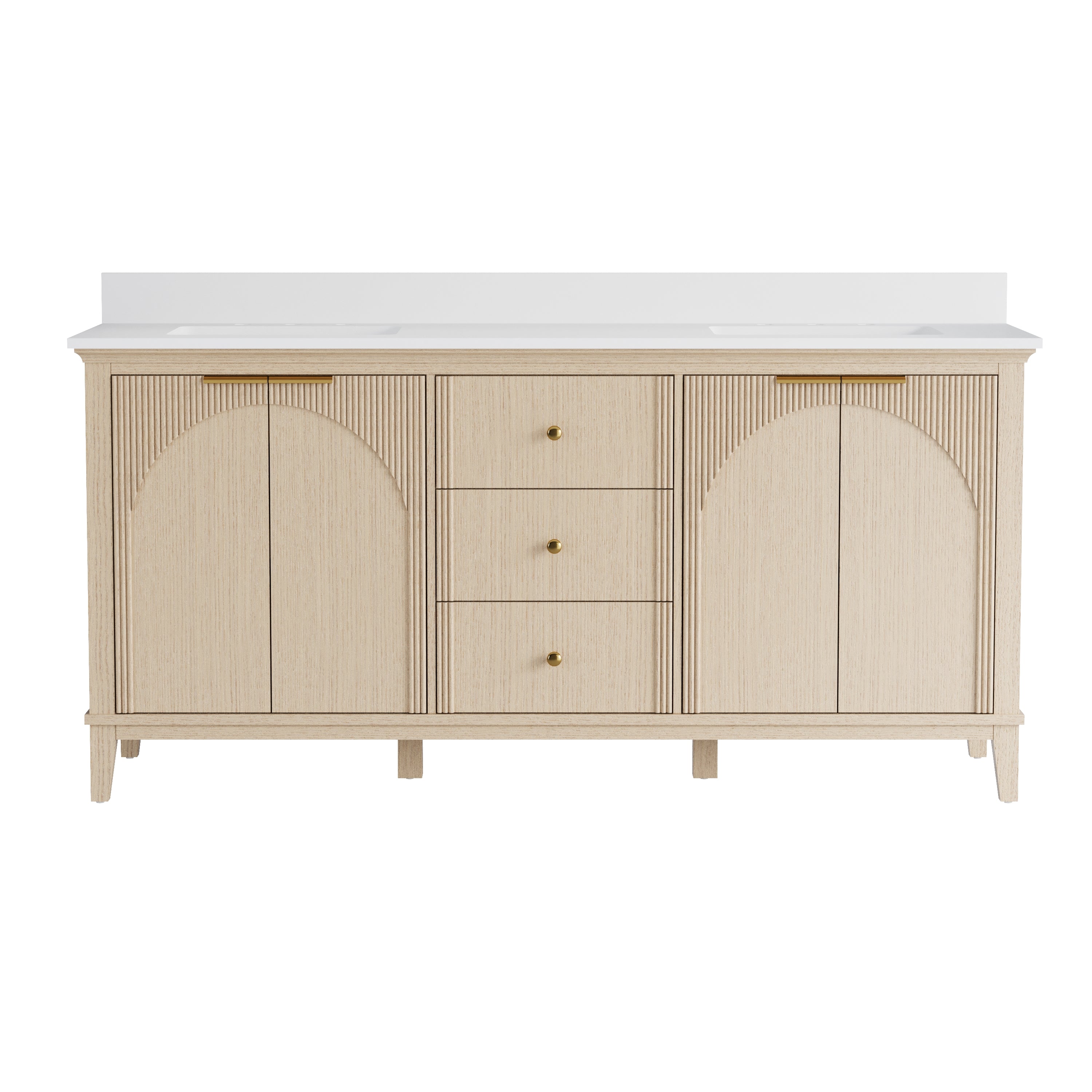
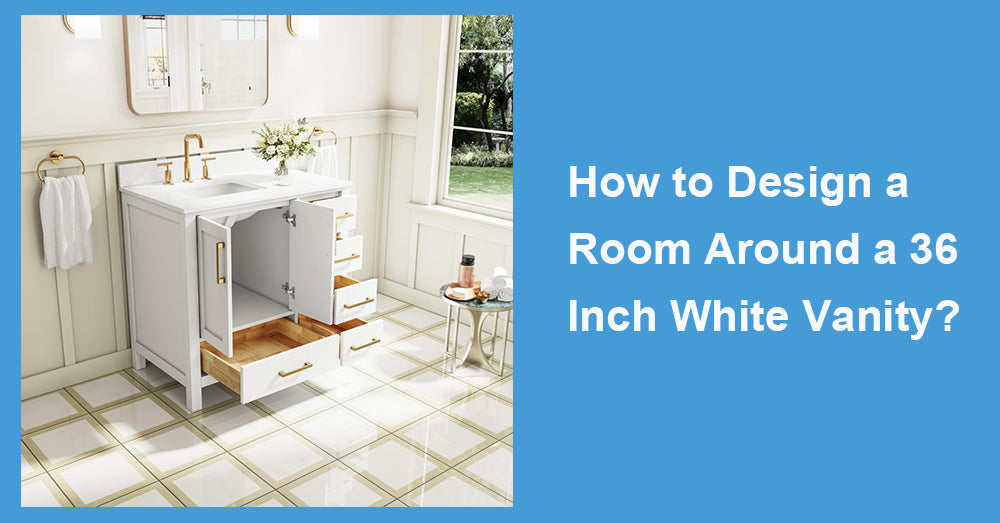
In the residential bathroom remodel market, 36-inch vanities have long been a sweet spot, perfectly balancing storage, functionality, and space efficiency. Whether for compact guest baths, cozy primary bathrooms, or mid-sized spaces, a 36-inch model offers noticeably more counter and storage space than a 30-inch vanity, without taking up as much wall space as larger 48- or 60-inch options.
Market trends show that consumers continue to invest heavily in their bathroom spaces. According to the 2026 U.S. Houzz & Home Renovation Trends Study, the median spend on primary bathroom renovations rose to $15,000 in 2025, up from $13,000 in 2024. Notably, the median spend for major renovations of primary bathrooms under 100 square feet reached $18,000. This reflects a growing focus among homeowners on overall functionality, aesthetic harmony, and long-term usability.

In this context, how to design a space around a 36-inch white bathroom vanity is becoming a design topic worth paying attention to in home bathroom decoration.
1. Why is the 36-inch size suitable for home bathrooms?
A bathroom vanity is not just a storage piece of furniture; it usually determines the visual center of the washbasin, mirror cabinet, lighting, and surrounding wall decorations.
According to the 2025 Houzz bathroom trend study, 47% of renovated households choose bathroom vanities of 48 inches or smaller, indicating that small and medium-sized bathroom vanities still have a wide market. Meanwhile, built-in bathroom vanities account for 58%, standalone ones account for 30%, and suspended ones account for 11%.
Therefore, the 36-inch bathroom vanity falls perfectly within this mainstream size range.
For bathrooms smaller than 100 square feet, the design focus is usually not simply on increasing furniture size, but on improving the utilization of every inch of space. The 36-inch bathroom vanity can serve as a visual center while reserving more reasonable flow lines for the opening of toilets, shower areas, and doors.
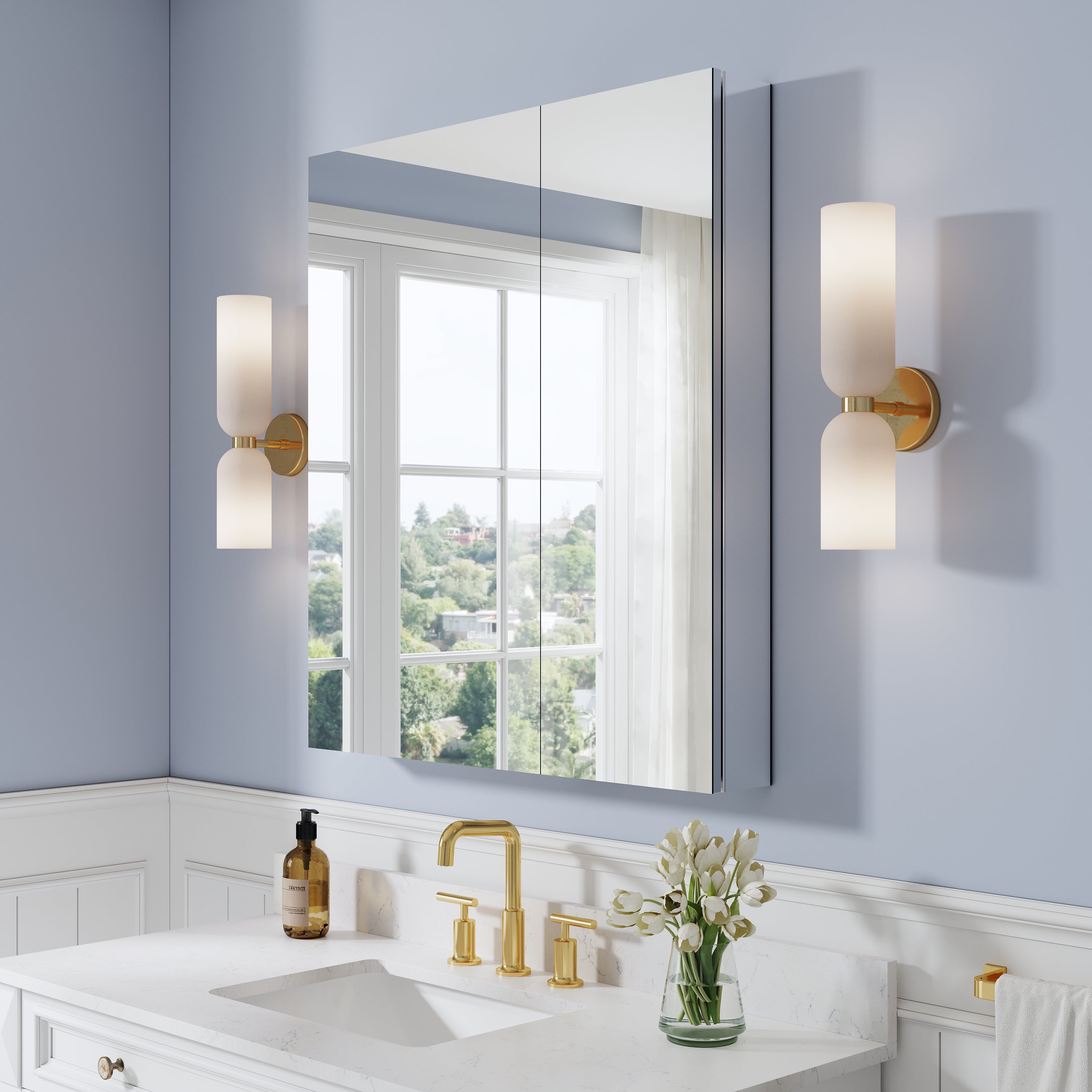
For narrow walls, pairing a 36-inch vanity with a matching 36-inch mirror creates clean vertical alignment, effortlessly drawing the eye upward.
2. The size of the mirror should be coordinated with the 36-inch vanity
After the 36-inch bathroom vanity is confirmed, the mirror is the second element that deserves the most attention.
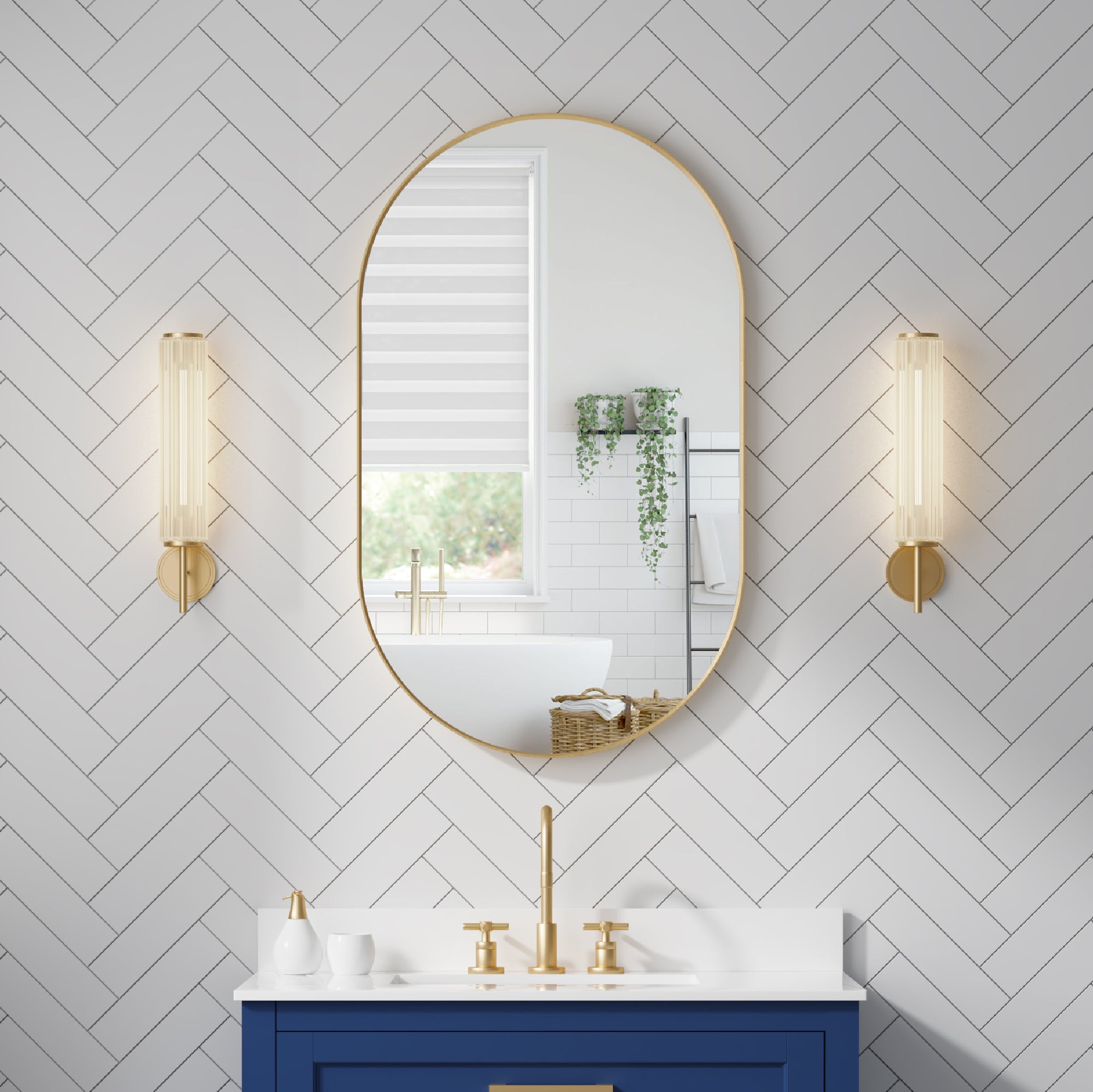
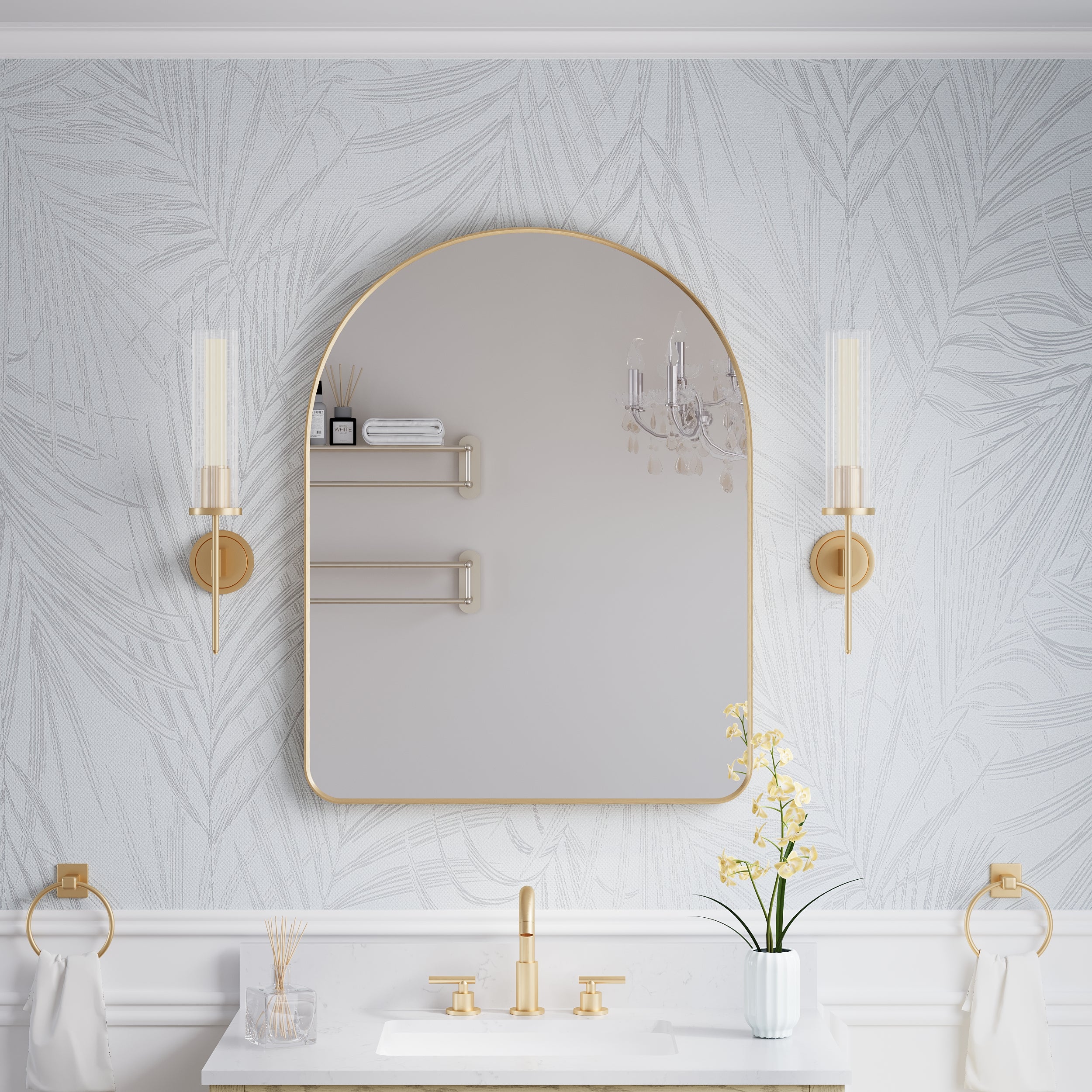
As a general rule, a mirror should not be significantly wider than the vanity, as this can make the space look top-heavy. For a 36-inch vanity, pair it with a rectangular mirror of a similar width, or choose a slightly narrower round or arched mirror for a softer, more balanced look.
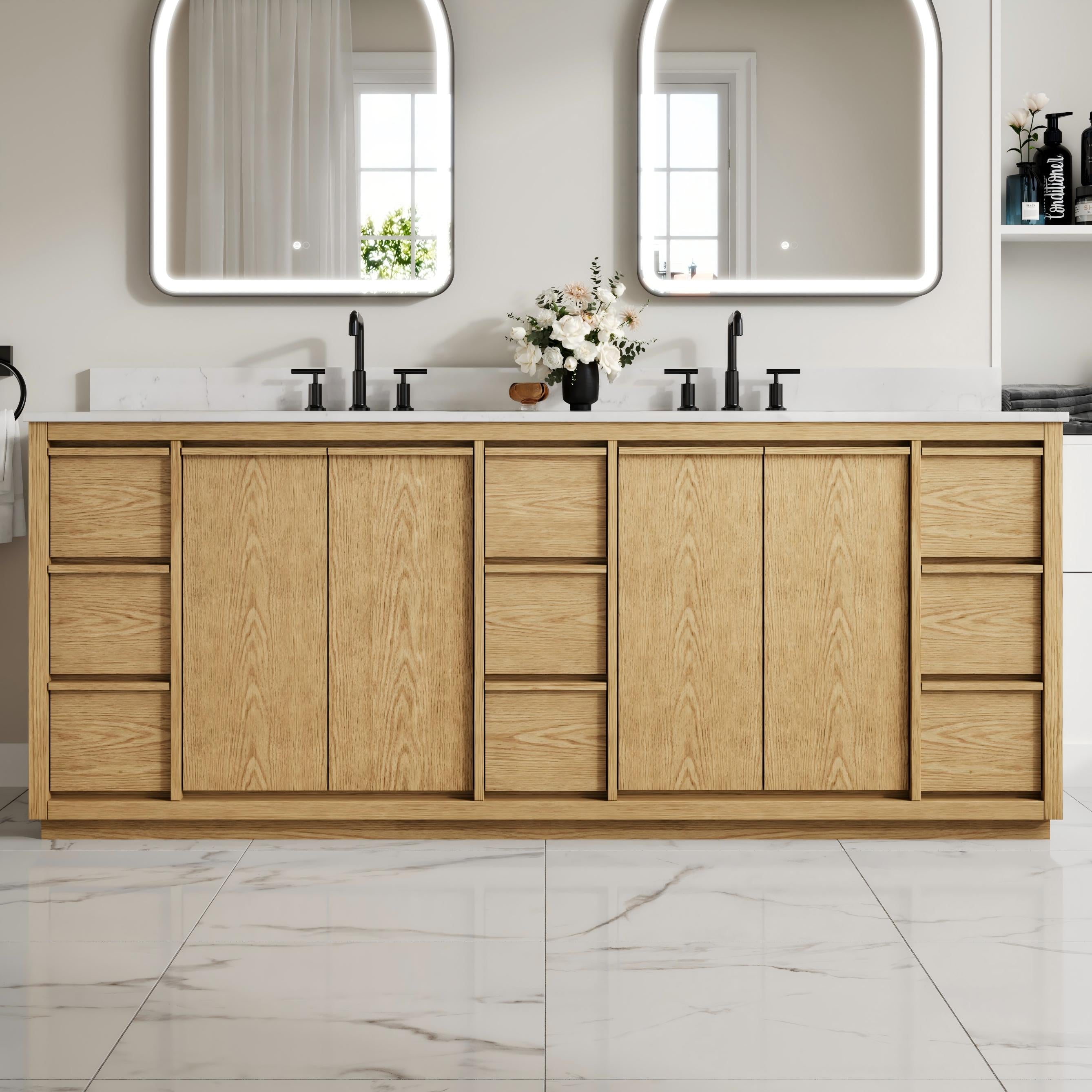
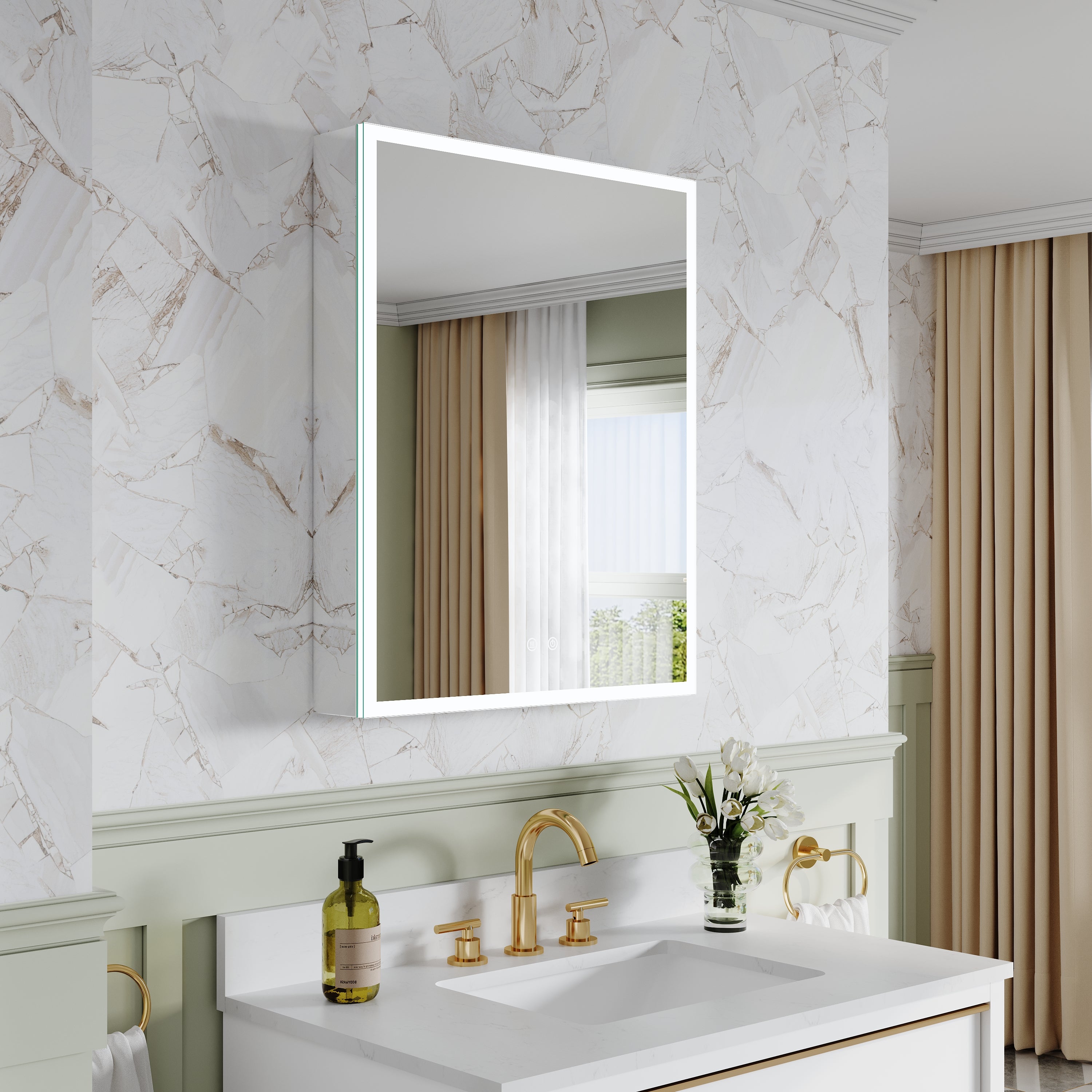
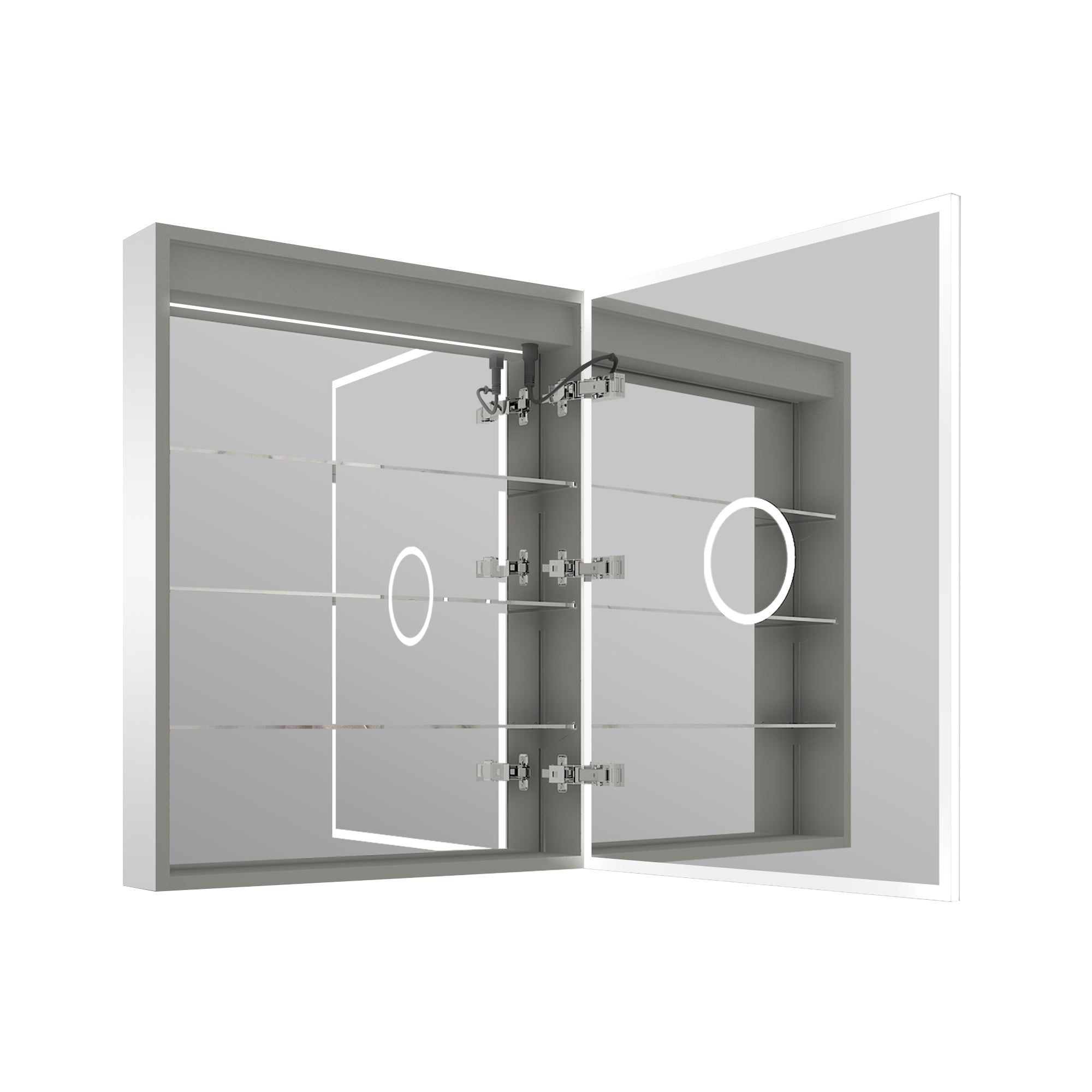
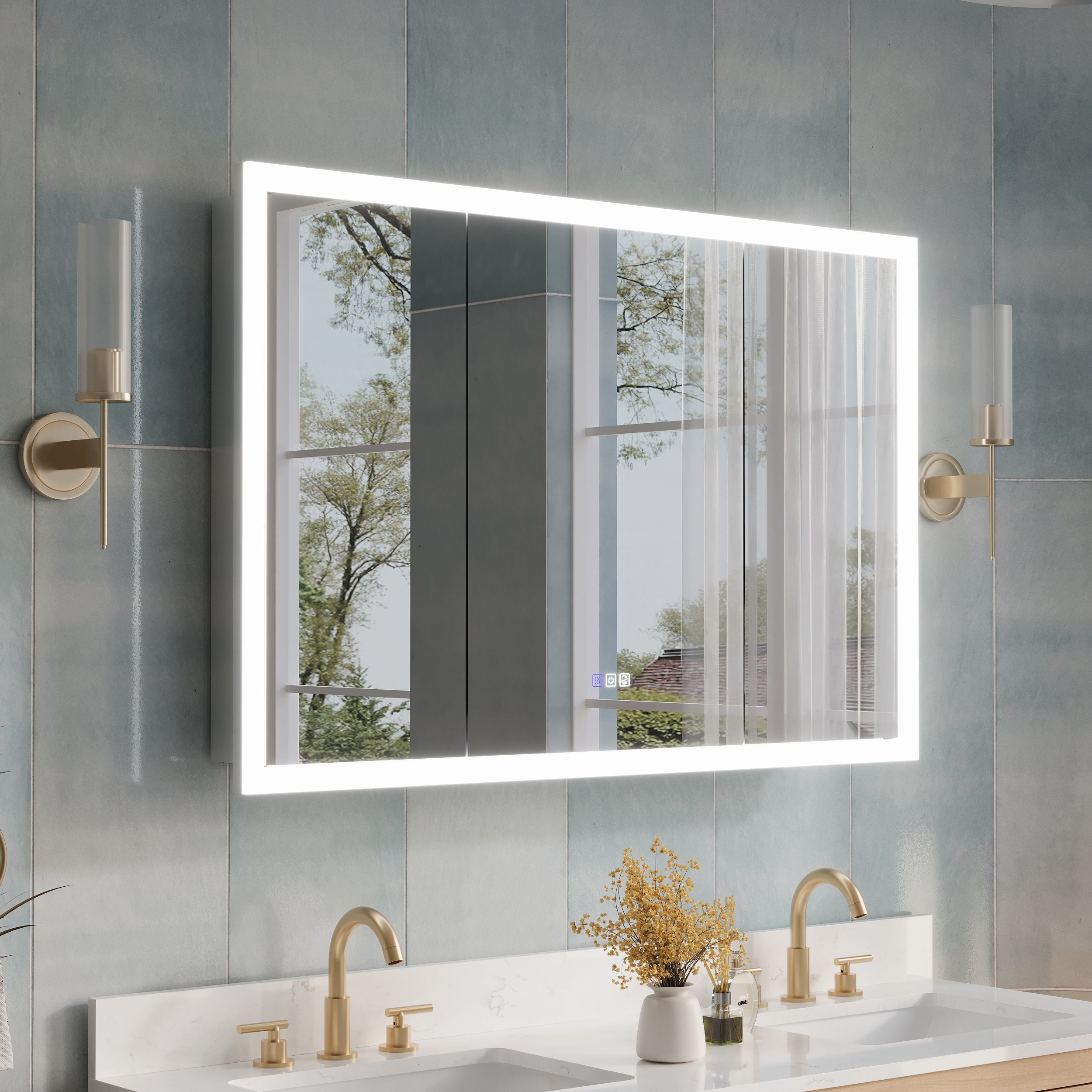
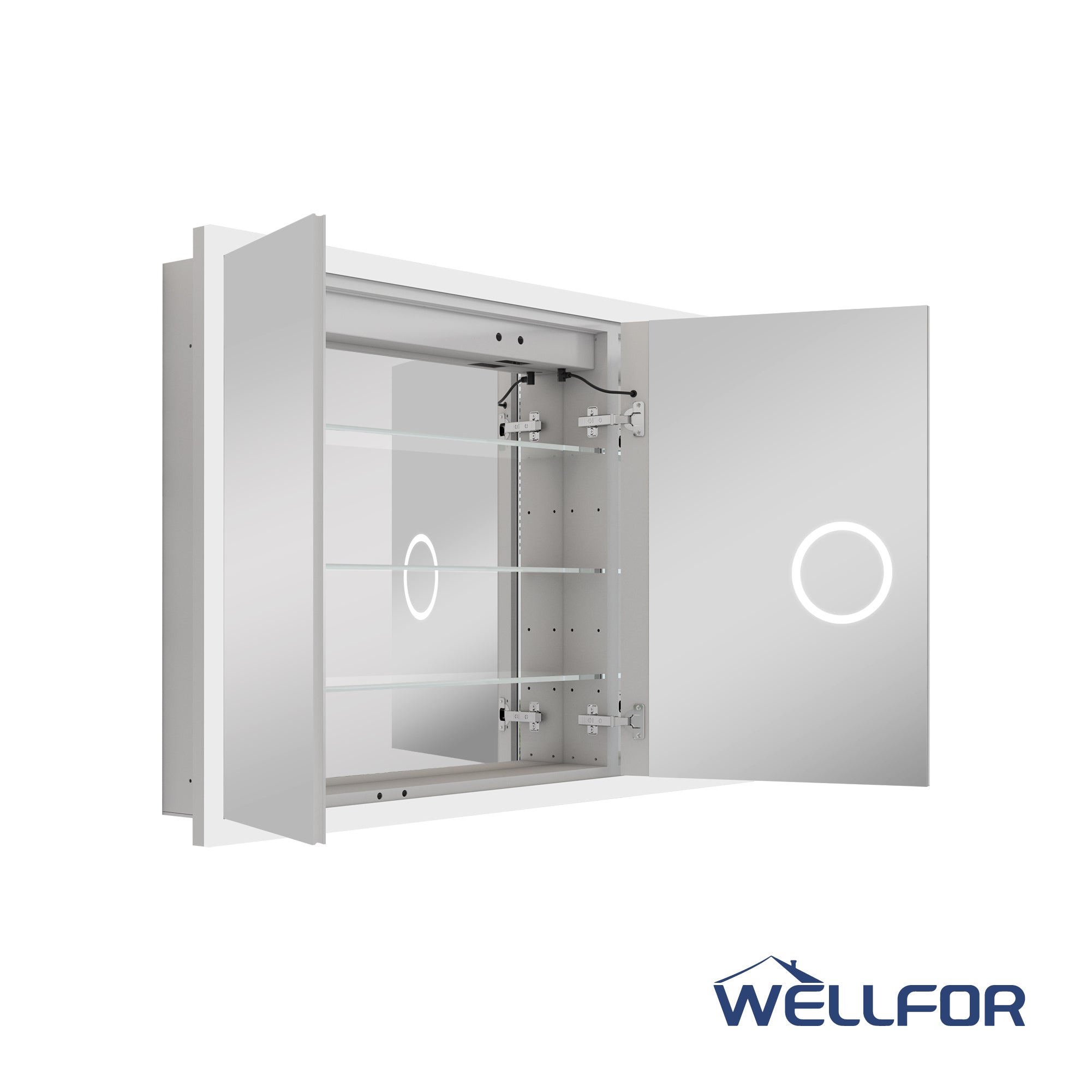
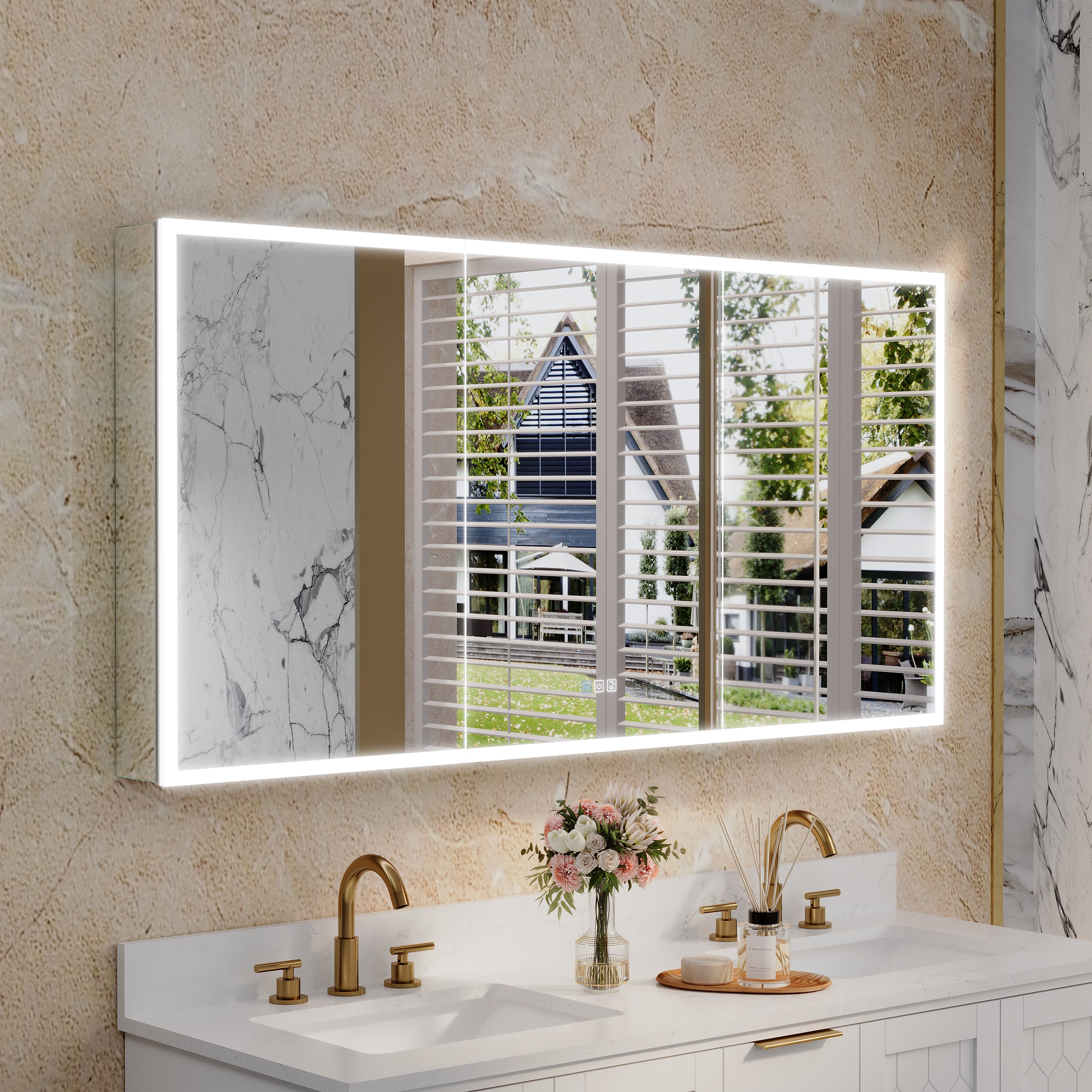
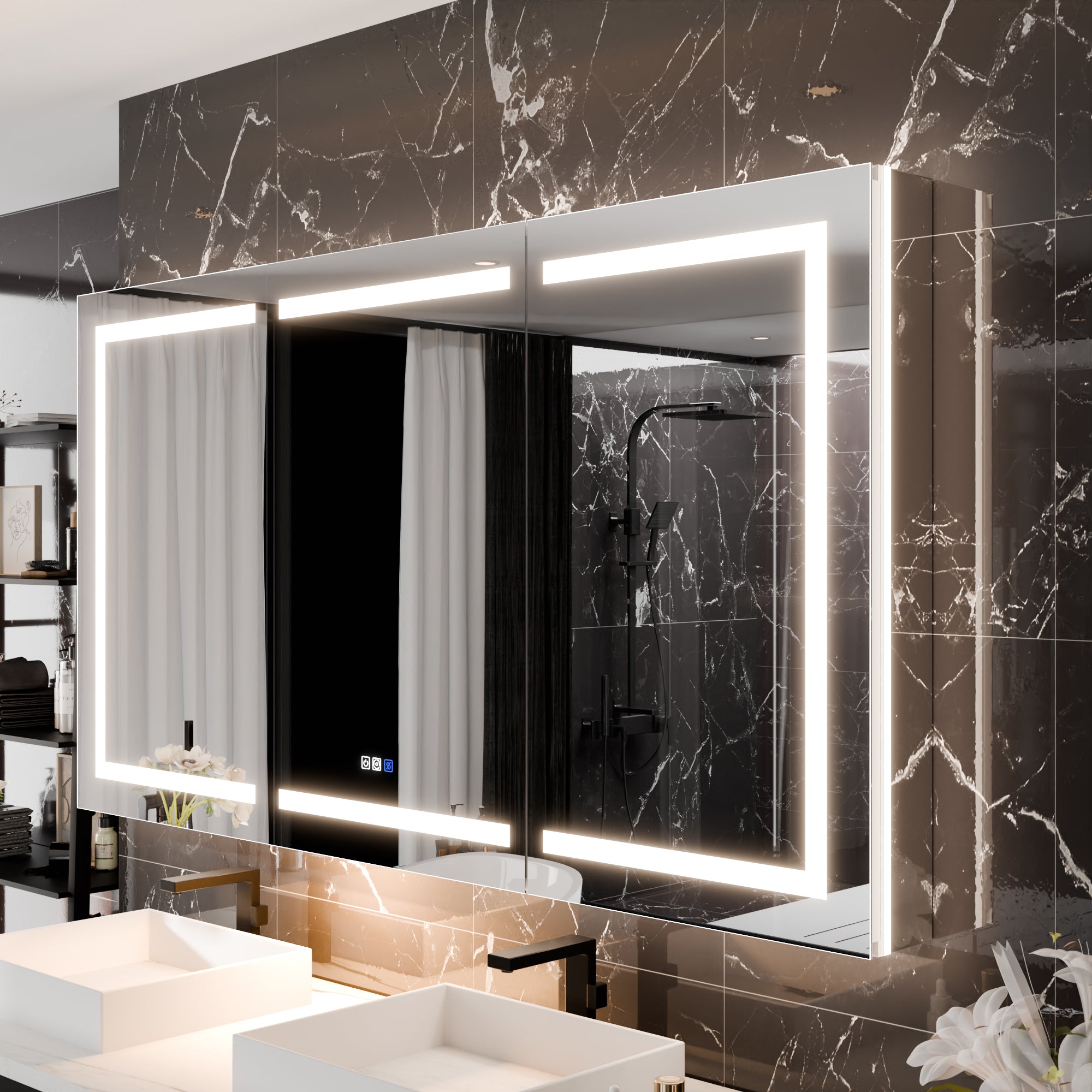
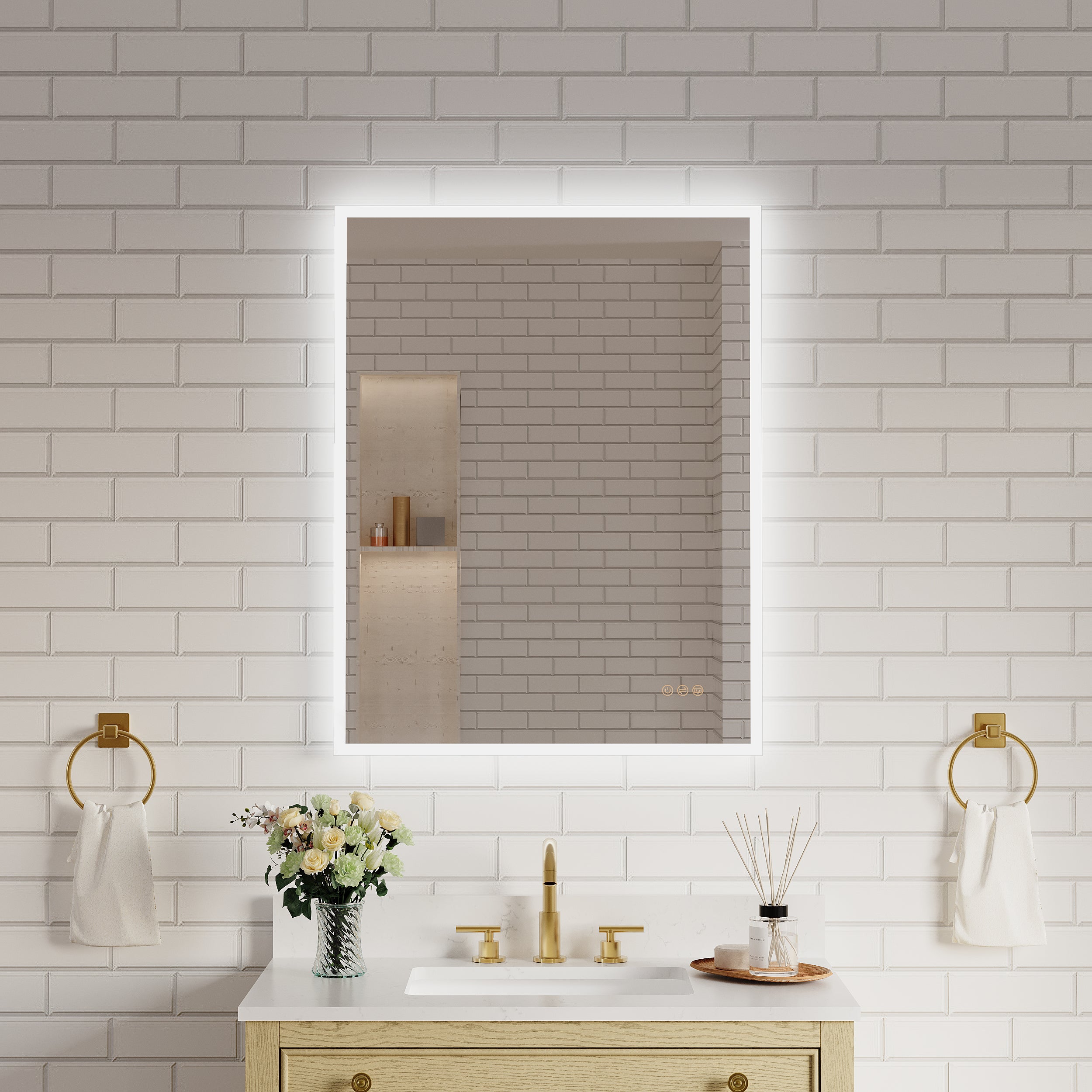
For modern American bathrooms, a combination of 36-inch white bathroom vanities and LED mirrors is relatively easy to achieve.
This is also in line with the trend of bathroom lighting. In recent years, NKBA has continued to emphasize layered lighting in bathrooms, including LED lighting, mirror cabinet lighting, adjustable lighting, and nighttime path lighting.
Therefore, when planning your space, don’t just think about mirror size—make sure the vanity lighting offers full, even coverage across the sink area.
3. The color of the countertop determines the overall style of the 36-inch bathroom vanity
The white vanity has a high degree of freedom in matching, so the countertop can become the visual highlight of the entire bathroom.
Data shows that in 2025 bathroom renovations, 48% of new countertops are white, with engineered quartz emerging as the most popular material at a 45% adoption rate.
Therefore, 36-inch white bathroom vanities can be prioritized for:
White Quartz countertop: suitable for modern and minimalist style;
Calacatta or Carrara textured countertops: adding a sense of sophistication;
Light gray textured countertop: suitable for modern American style;
Light beige countertop: more suitable for warm and natural bathrooms.
For smaller bathrooms, it is recommended to avoid using overly complex large-area textures. Simple and continuous textures are easier to maintain visual neatness.
4. Storage design is more important than simply increasing vanity size
One of the advantages of a 36-inch bathroom vanity is that it provides a relatively balanced storage capacity within a limited space.
According to 2025 Houzz data, 78% of homeowners renovating their bathrooms opt for soft-close drawers, and 75% choose soft-close cabinet doors. By comparison, vanities with built-in power outlets account for 29%, while drawer organizers stand at 22%.
This indicates that consumers are increasingly concerned about the daily use experience of bathroom vanities.
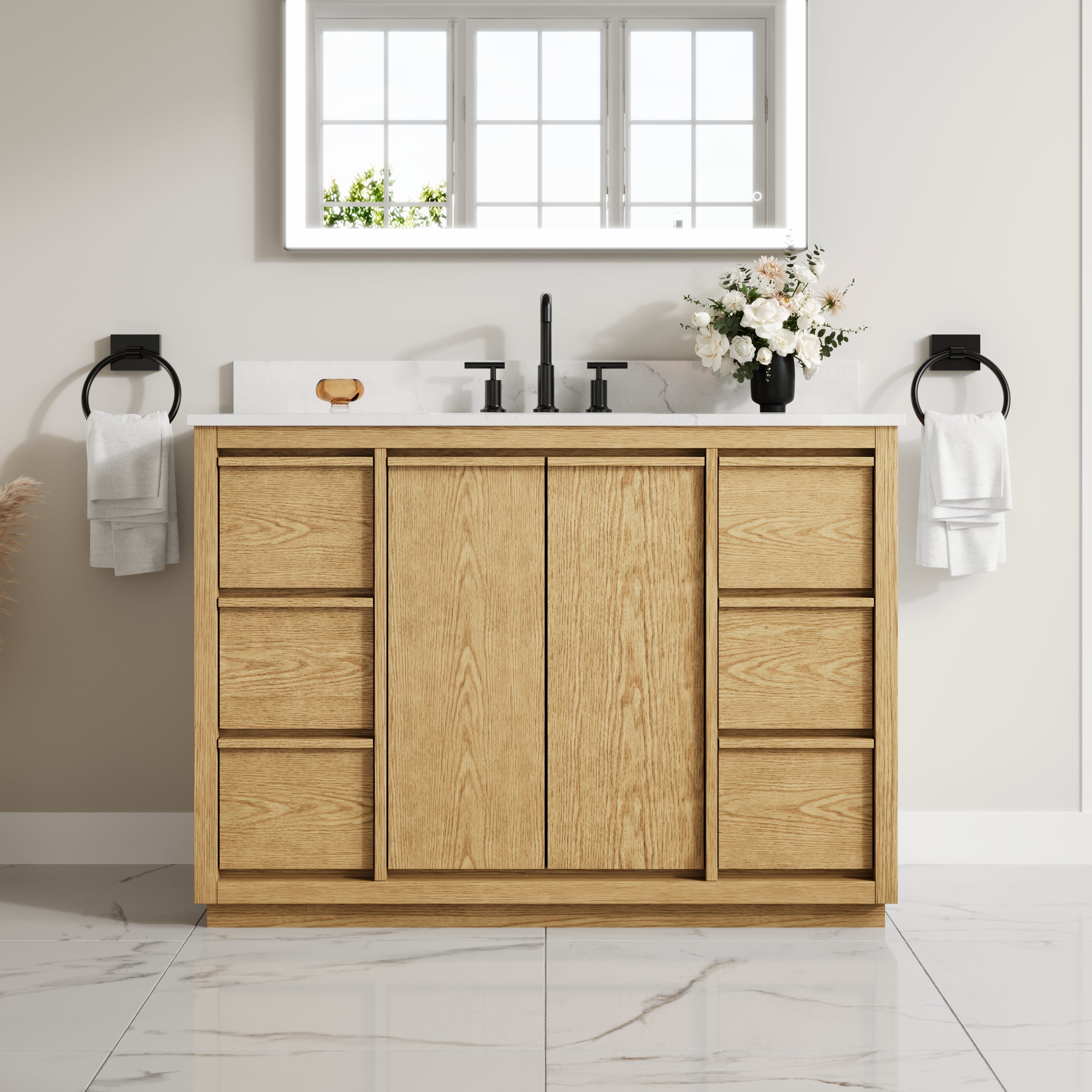
Therefore, in the design of a 36-inch bathroom vanity, the upper area can be used for toothbrushes, skincare products, and daily toiletries, while the lower area can be used for towels, cleaning supplies, and other items. The drawer-style design is particularly suitable for small items that are frequently used, which can reduce the problem of "stacking things together" that is common in traditional deep vanities.
5. 36-inch bathroom vanity is also suitable for future bathroom design
It is worth noting that consumers' demand for bathrooms is gradually shifting from "good-looking" to "user-friendly and long-lasting".
In 2025, a Houzz survey found that 68% of bathroom renovation consumers would consider special needs, an increase of 4 percentage points from the previous year; 47% of them expect that there may be related demand in the next five years or more.
This means that bathroom design needs to consider future use.
The 36-inch bathroom vanity has certain advantages here: it does not compress the channels like a super-large bathroom vanity, and can be combined with a more spacious floor activity area, easy-to-operate faucets, sufficient lighting, and clearer flow lines.
For families, this design concept is particularly suitable for long-term residences and shared bathrooms.
Conclusion: 36 inches is not a 'compromise size', but a high-efficiency choice
From the latest trend of bathroom renovation, consumers are pursuing functionality, storage, aesthetics, comfort, and long-term applicability simultaneously. By 2025, the median expenditure for the renovation of the main bathroom will reach $15000, further indicating that the bathroom has transformed from a simple functional space to an important investment area for home decoration.
In such a market environment, the value of a 36-inch white bathroom vanity is not just "just the right size", but rather its ability to become a highly combinable design foundation.
By combining a 36-inch white bathroom vanity, white or textured Quartz countertops, LED mirrors, layered lighting, light colored wall tiles, and transparent shower partitions, consumers can create a brighter, cleaner, and more modern bathroom space within a limited area.
Bathroom brands represented by WELLFOR are also meeting the market demand for consumers to shift from "buying a bathroom piece of furniture" to "creating a complete bathroom experience" through product design that pays more attention to size, storage, material, and overall space coordination.














Leave a comment
This site is protected by hCaptcha and the hCaptcha Privacy Policy and Terms of Service apply.