
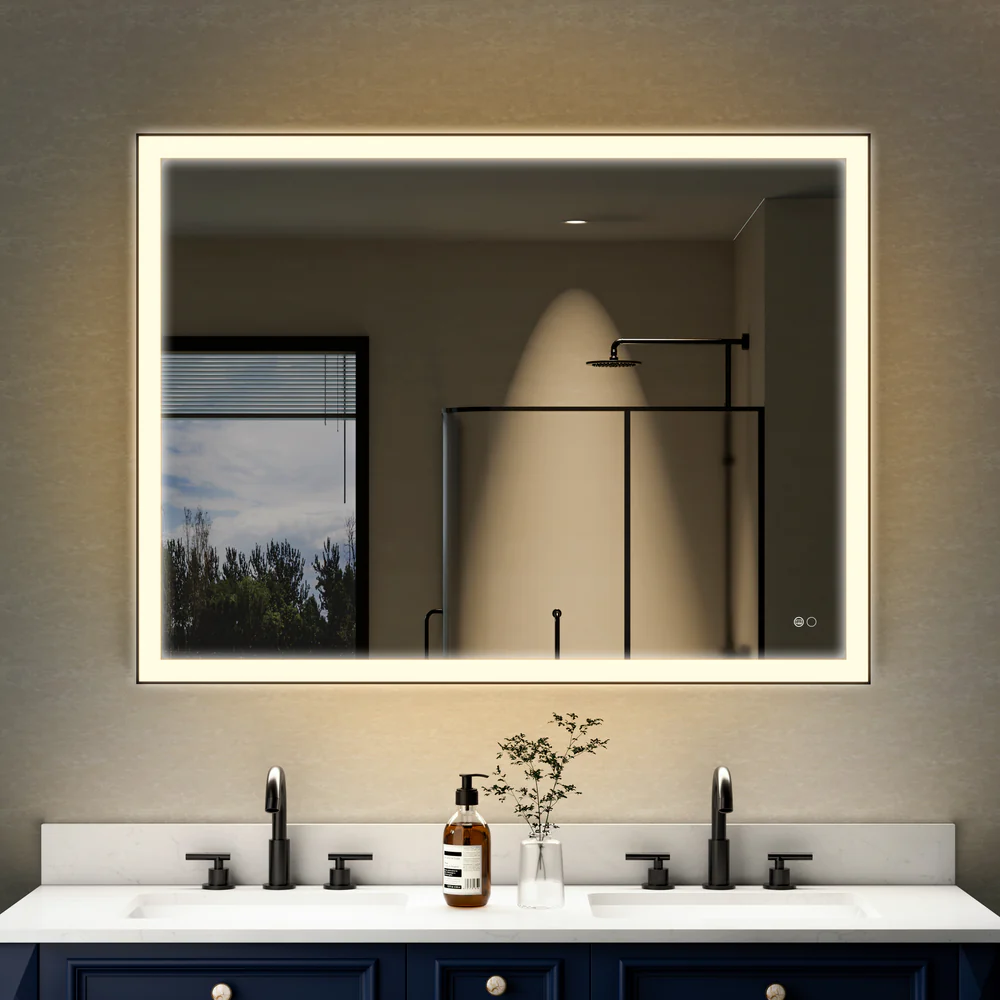
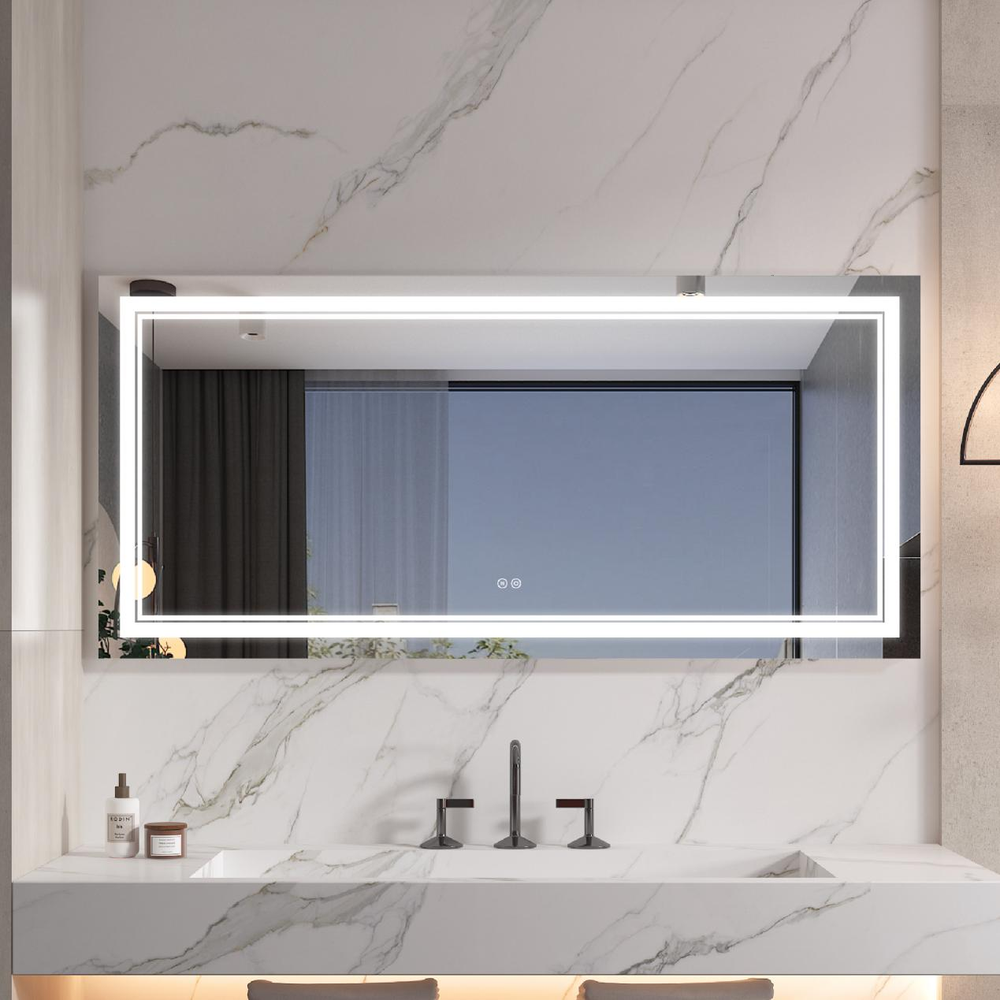
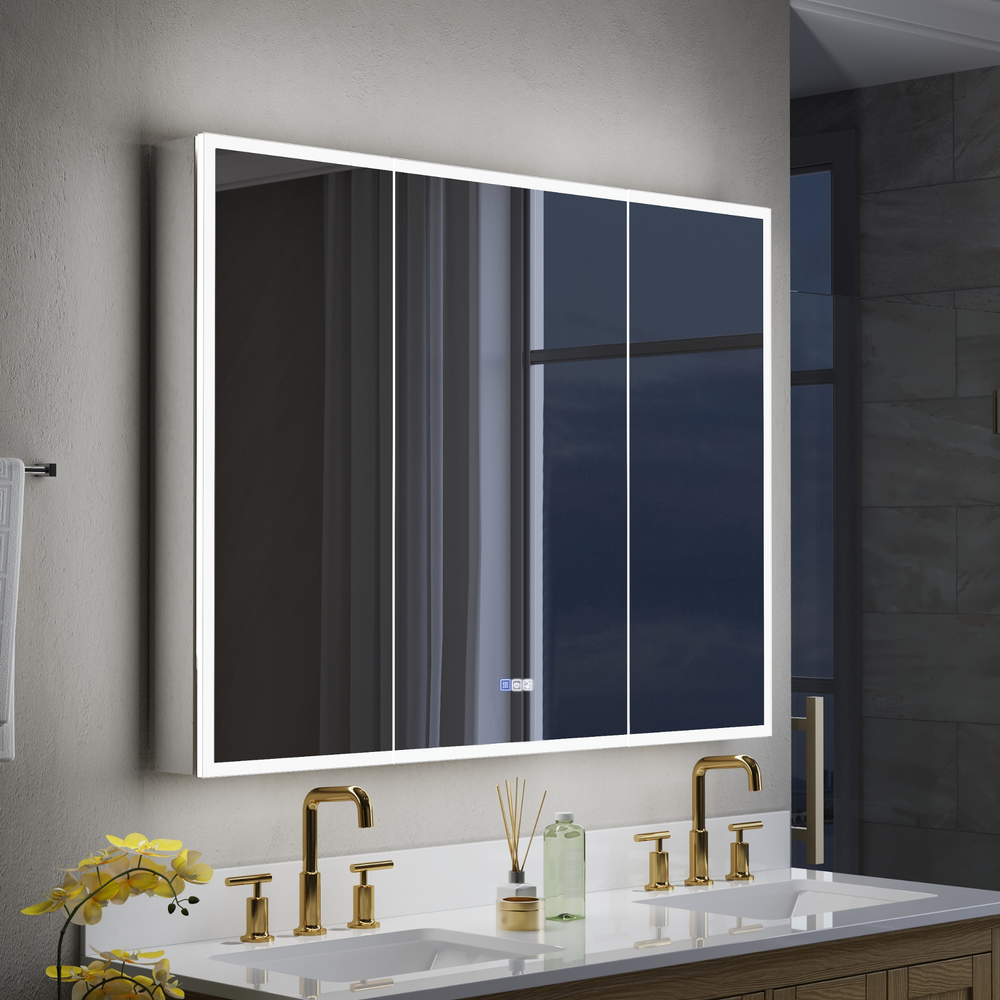
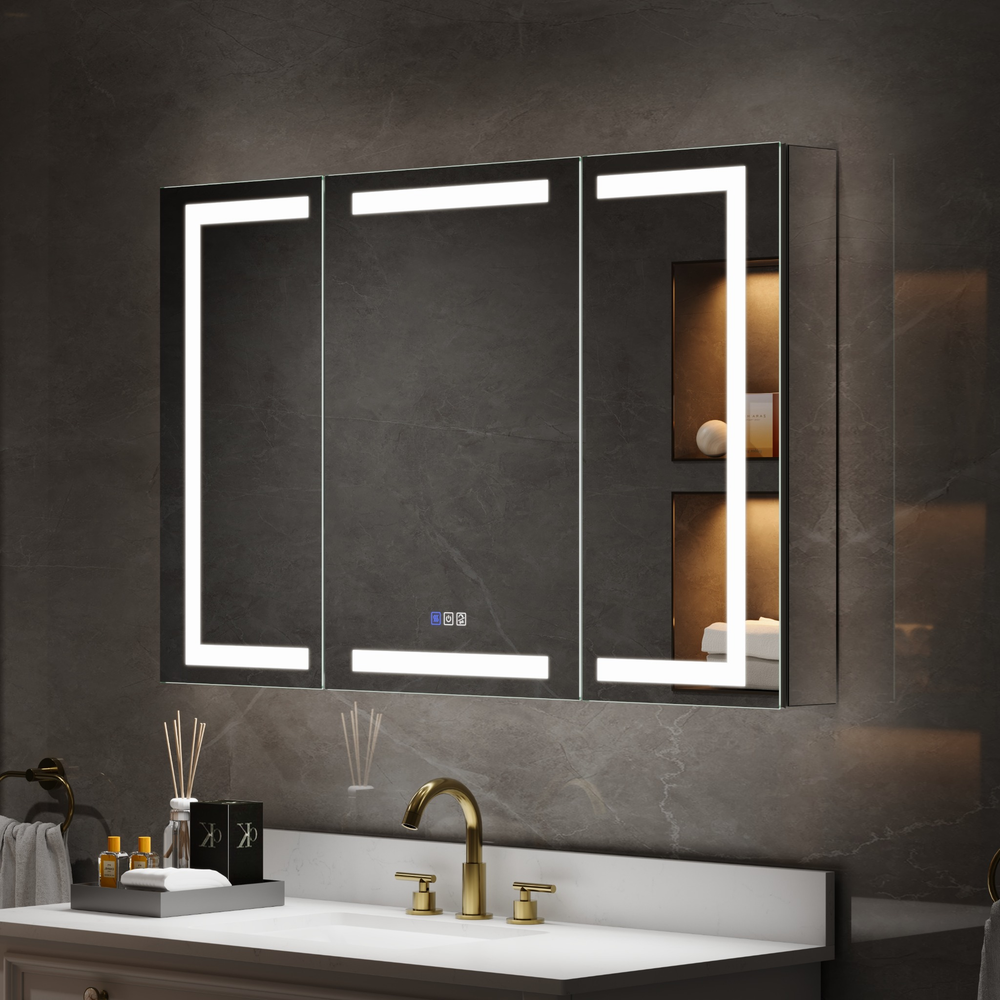



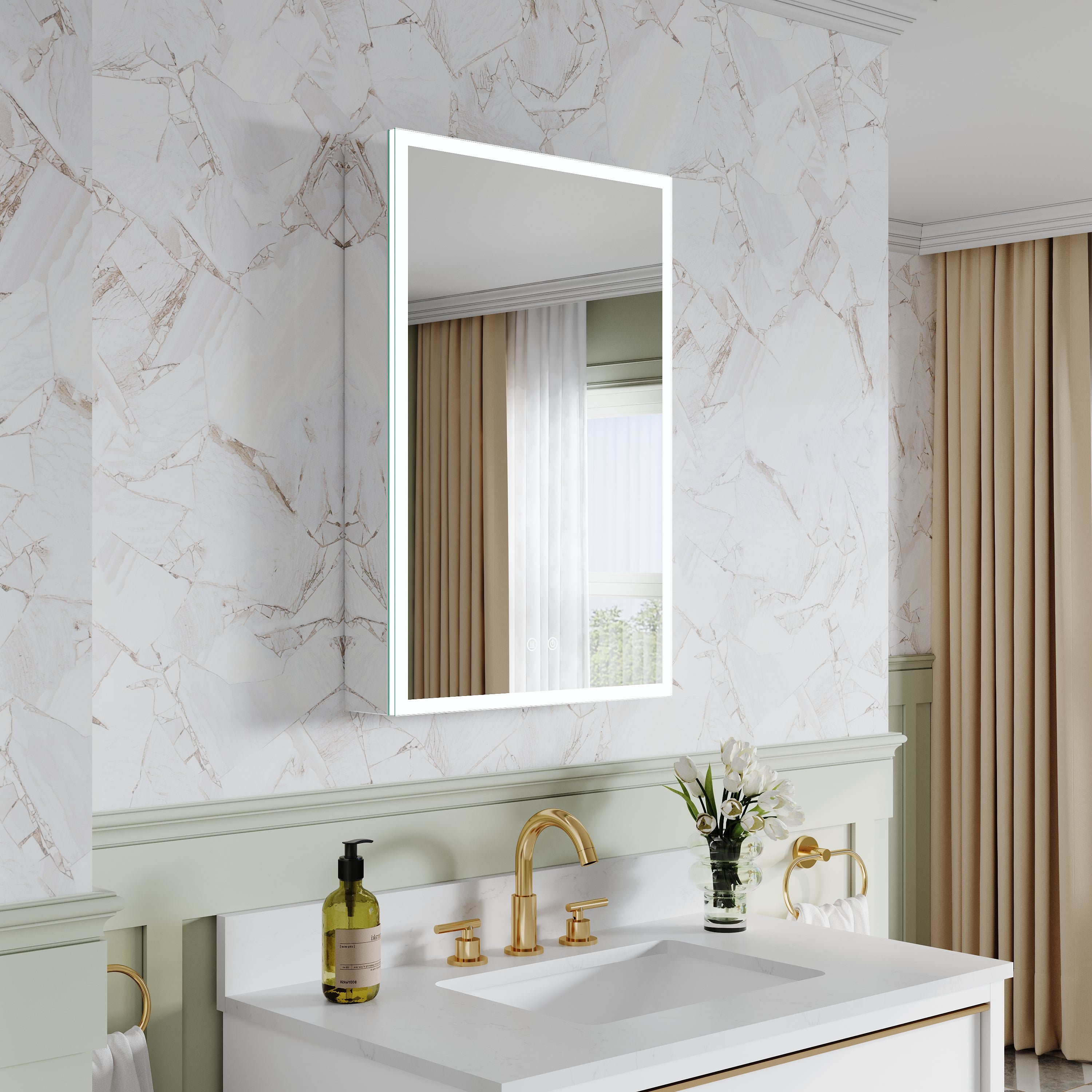
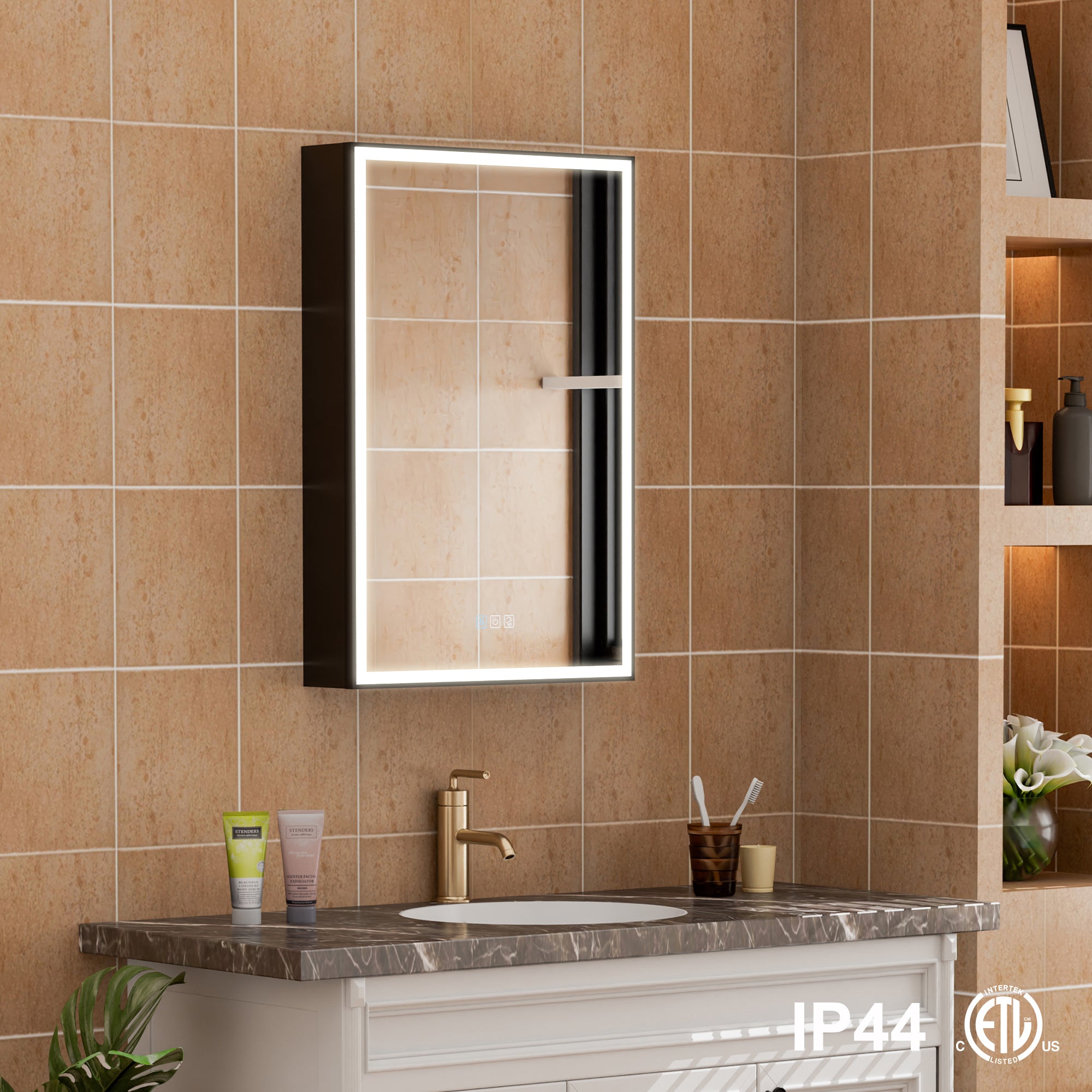


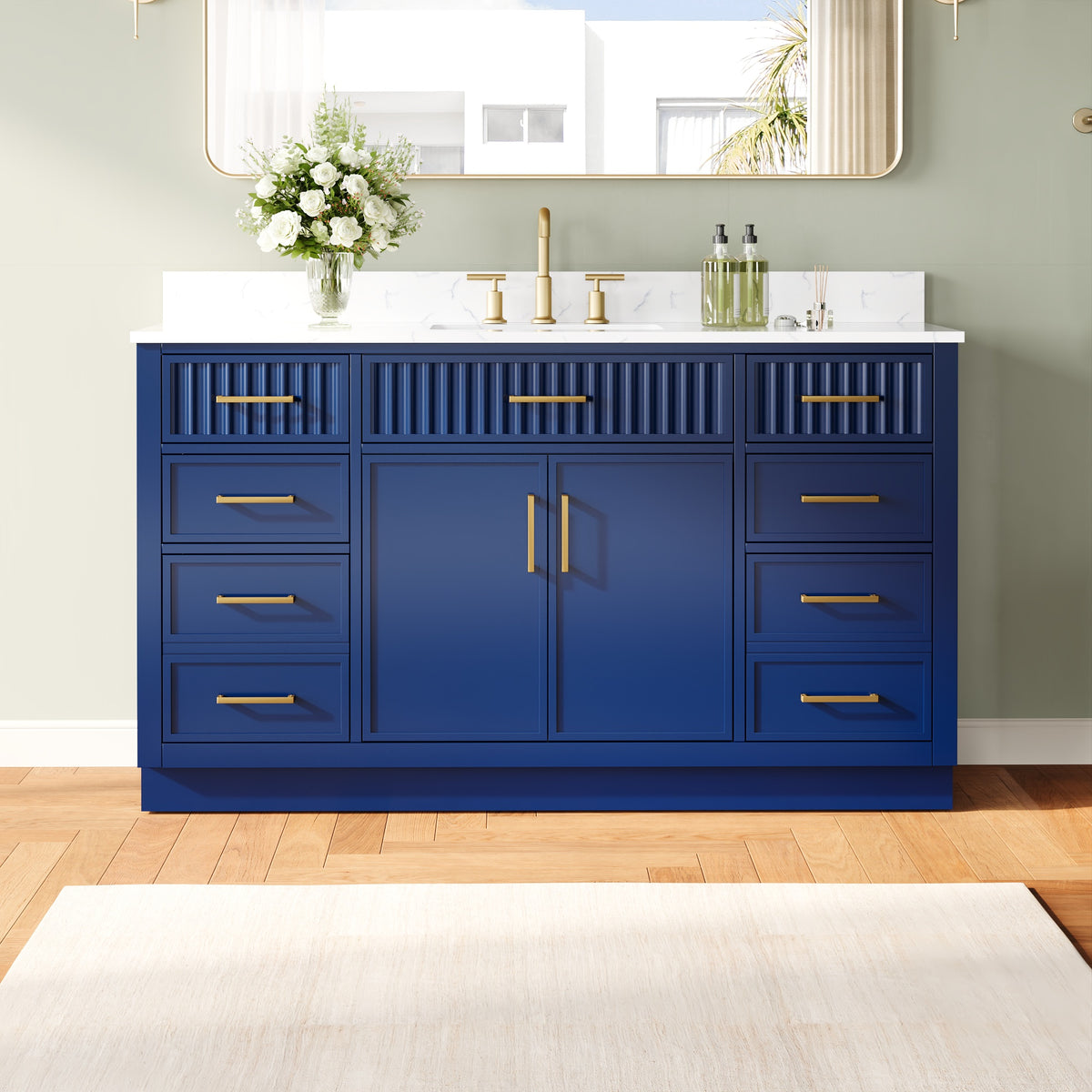
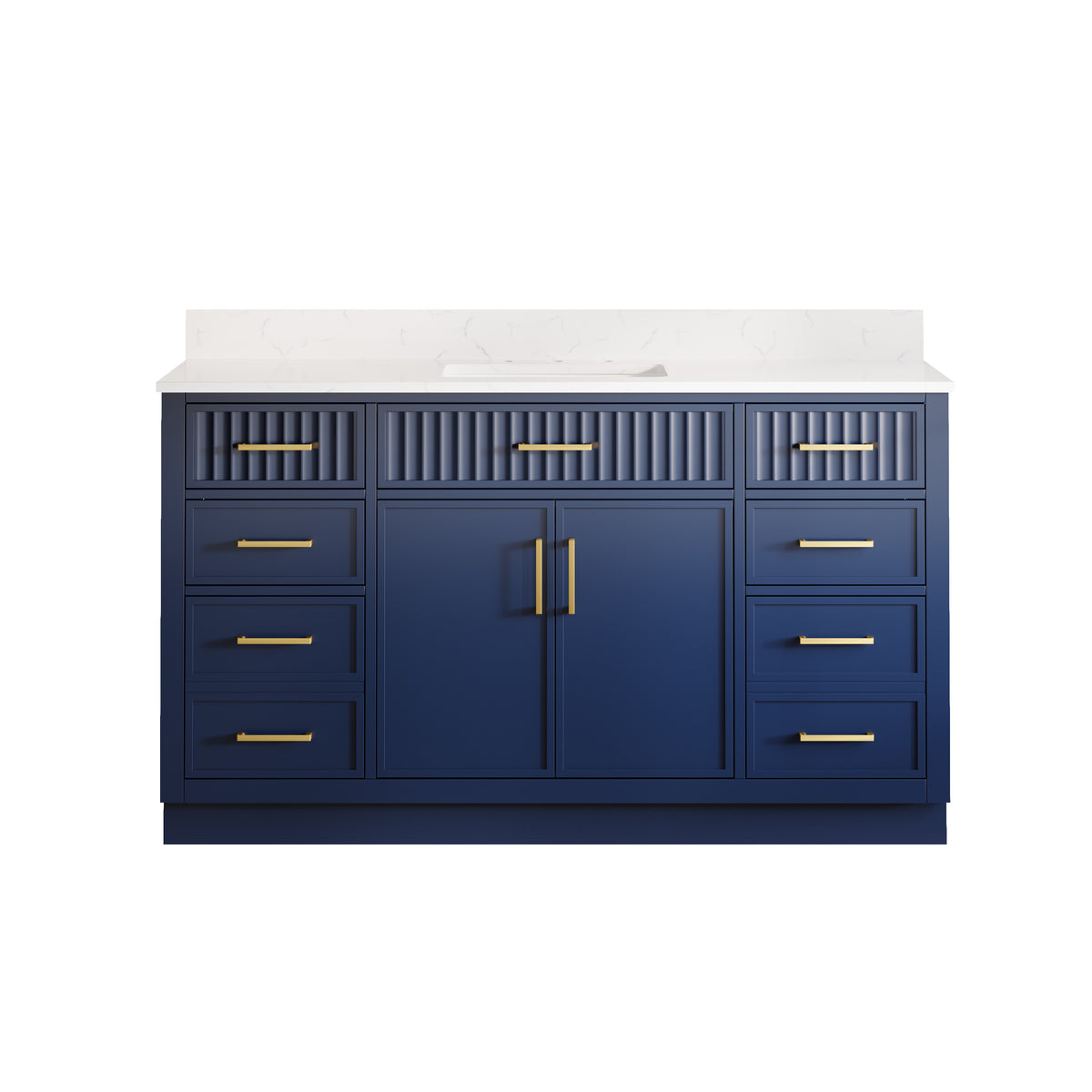
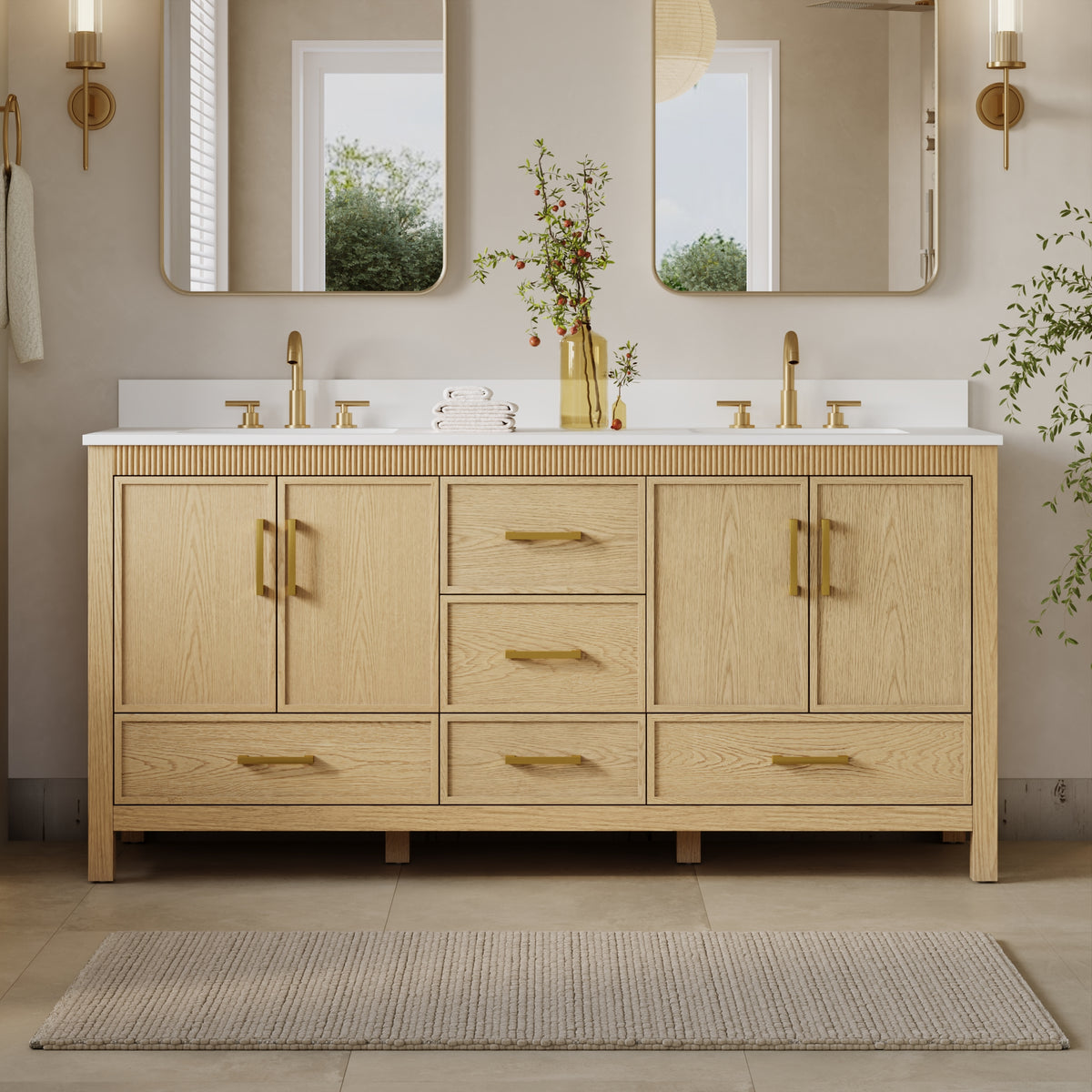
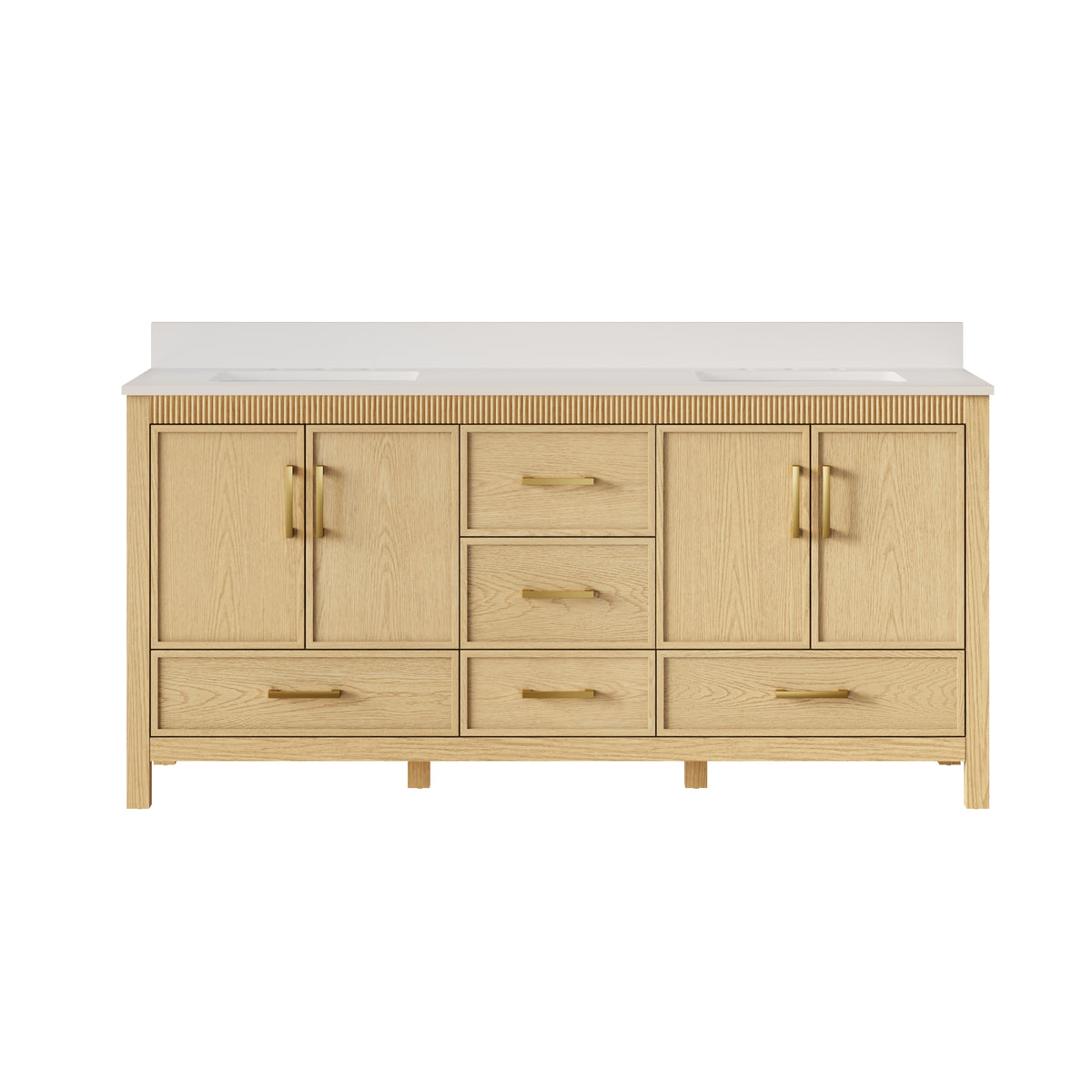
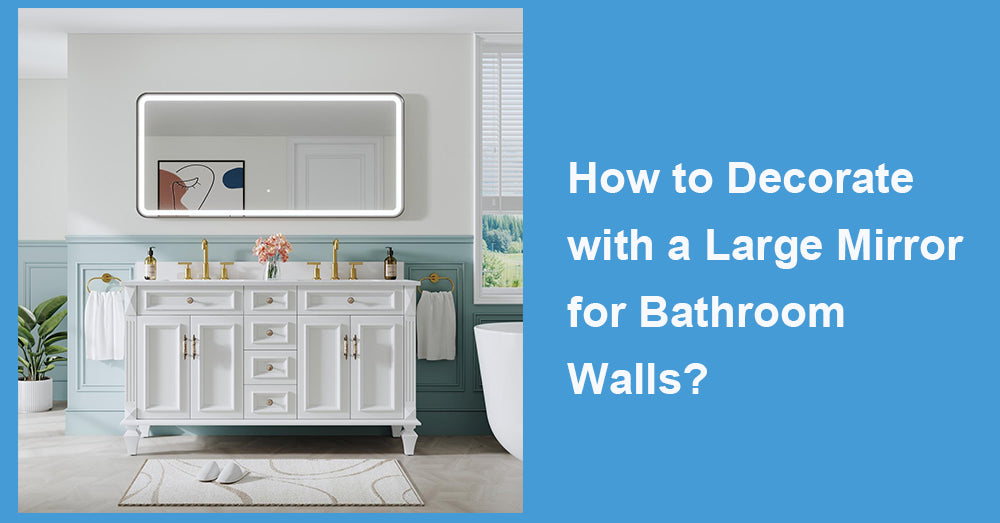
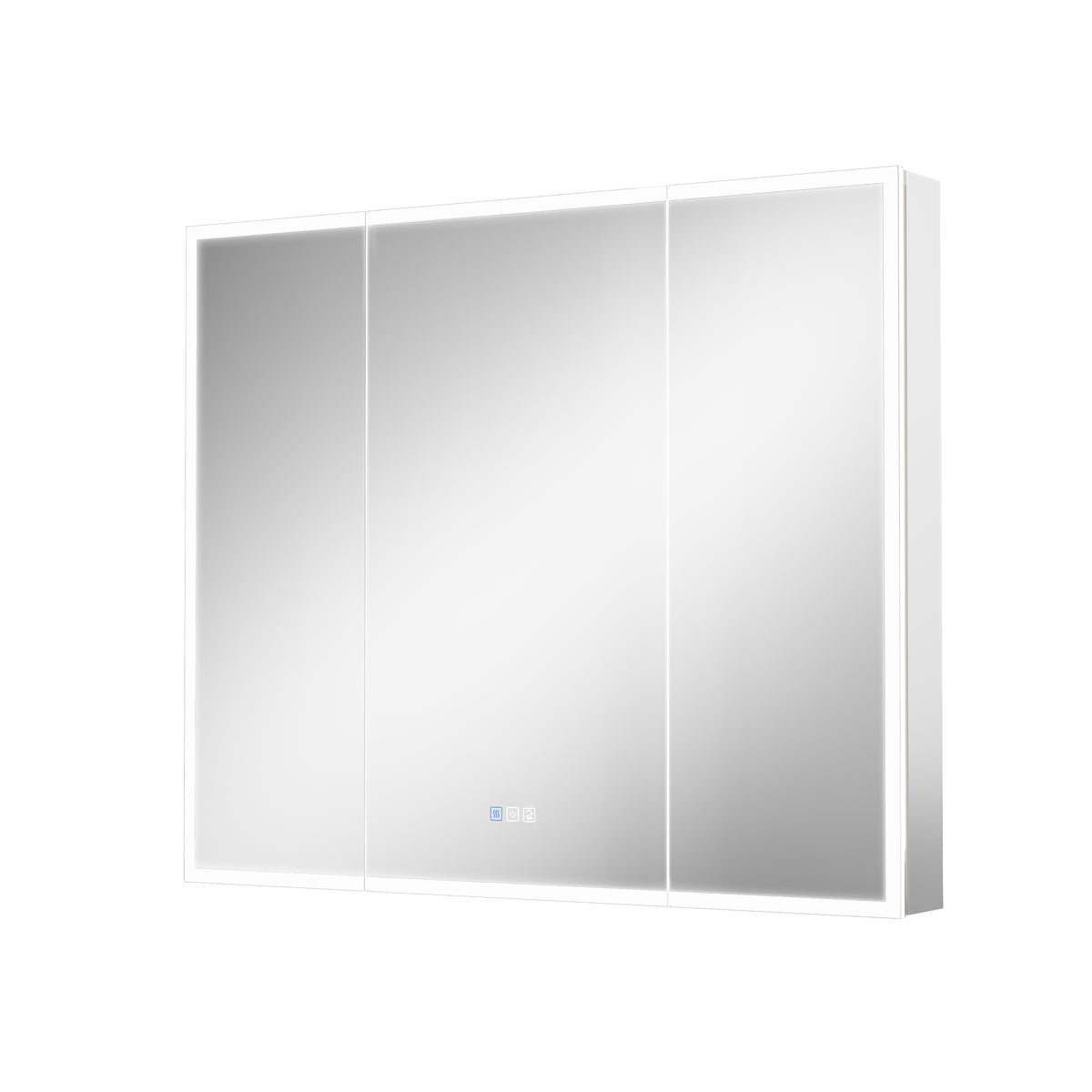
A large mirror for bathroom walls is the fastest way to make a small room feel twice its size. It bounces light, adds instant depth, and can double as a stunning piece of wall art. But here is the reality check. A massive sheet of glass in a wet, steamy room is heavy, dangerous if mounted wrong, and unforgiving if you don't plan the layout. A lot of people buy a beautiful 48-inch mirror, bring it home, and then realize it makes their bathroom look like a funhouse because the proportions are totally off. You need to think about weight, moisture, and what the glass is actually going to reflect.
Here is how to do it right without cracking the drywall or wrecking the vibe.
The Sizing Trap: Don't Be a Bobblehead
The biggest mistake is buying a mirror that is too small or mounted at the wrong height.
If you mount it too low, you’ll only see your chest and chin. You want the center of the mirror at eye level. As a general rule, the top edge of the mirror should sit at about 70 to 80 inches from the floor.
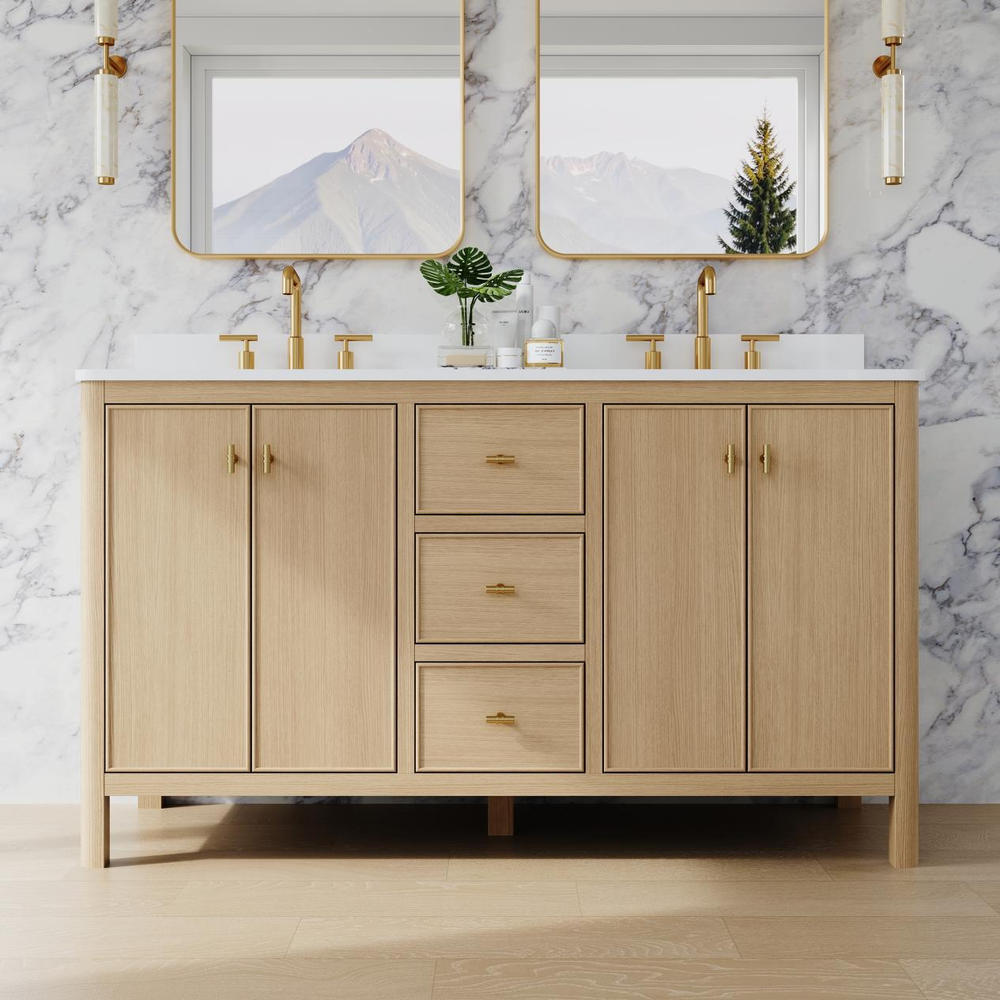
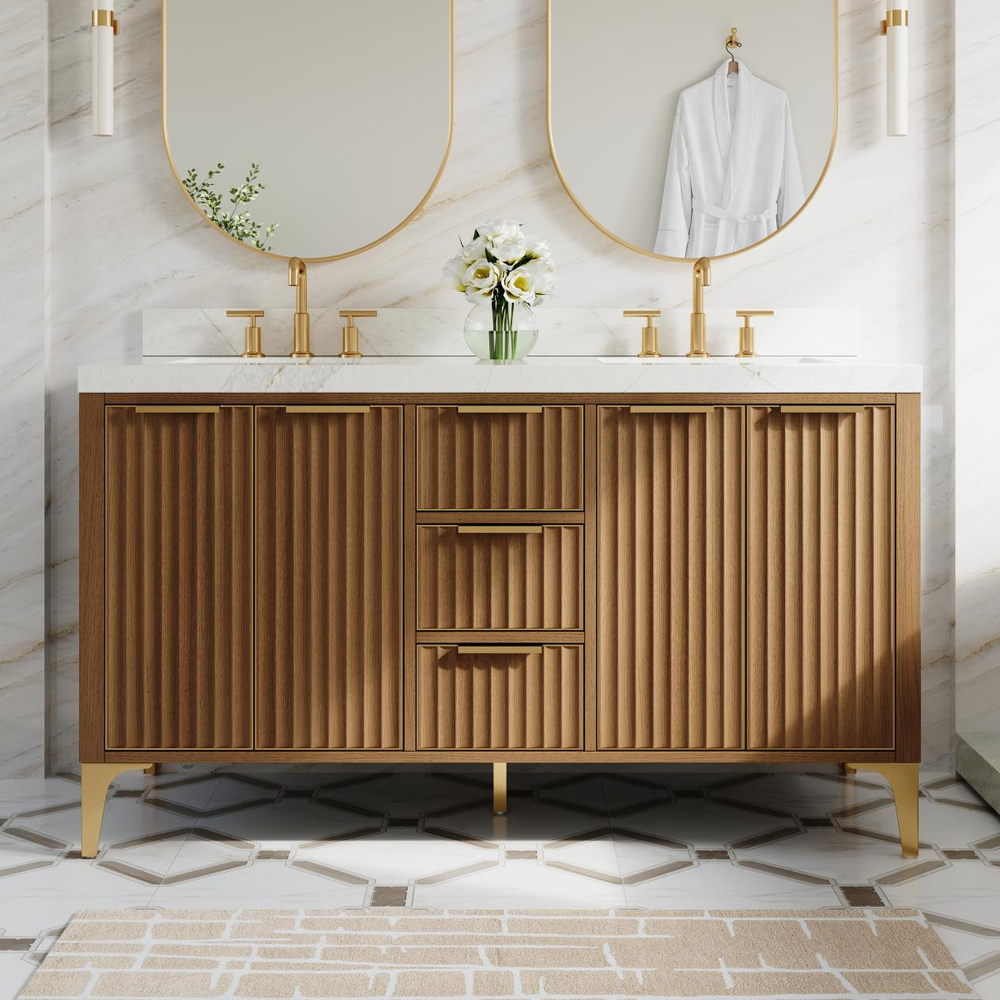
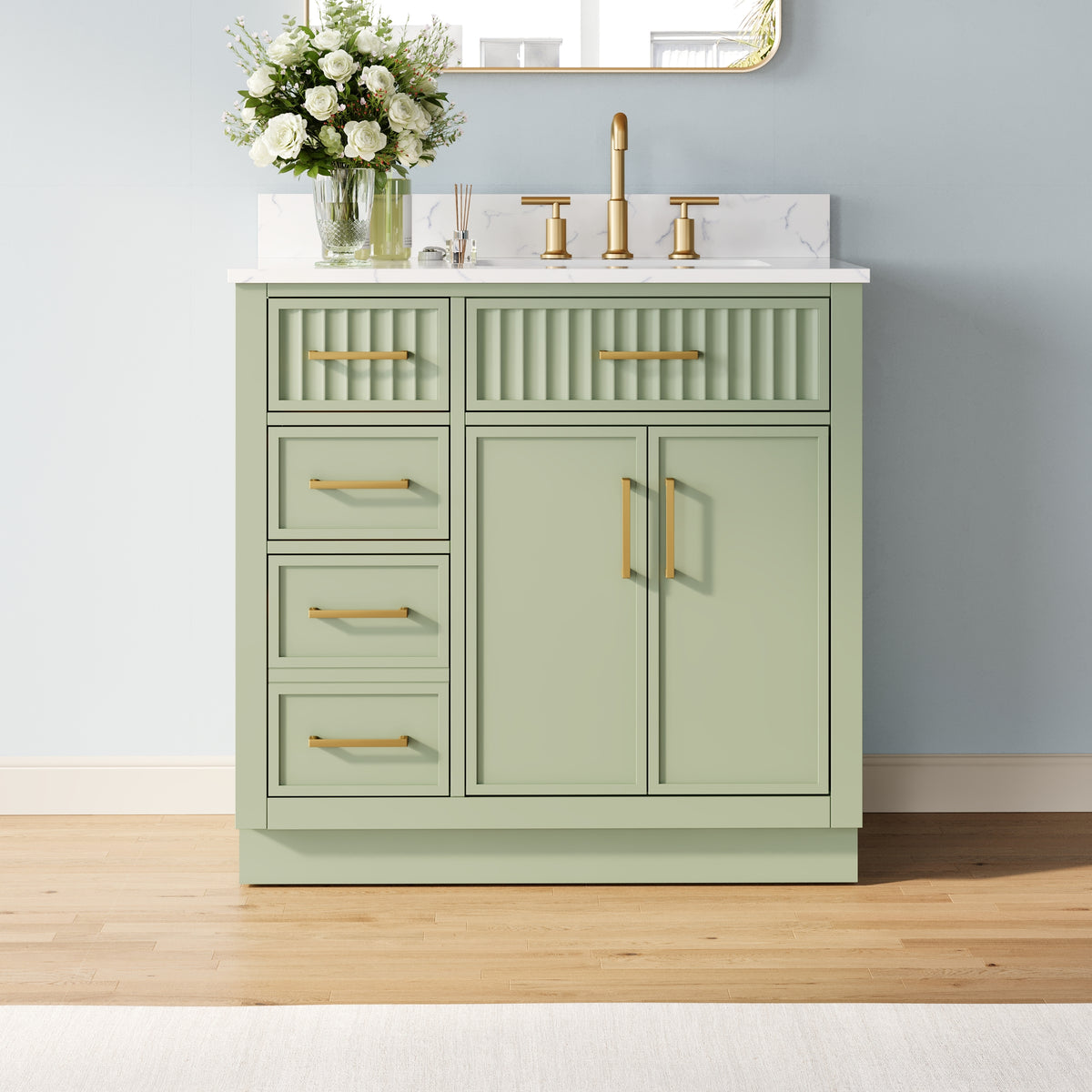
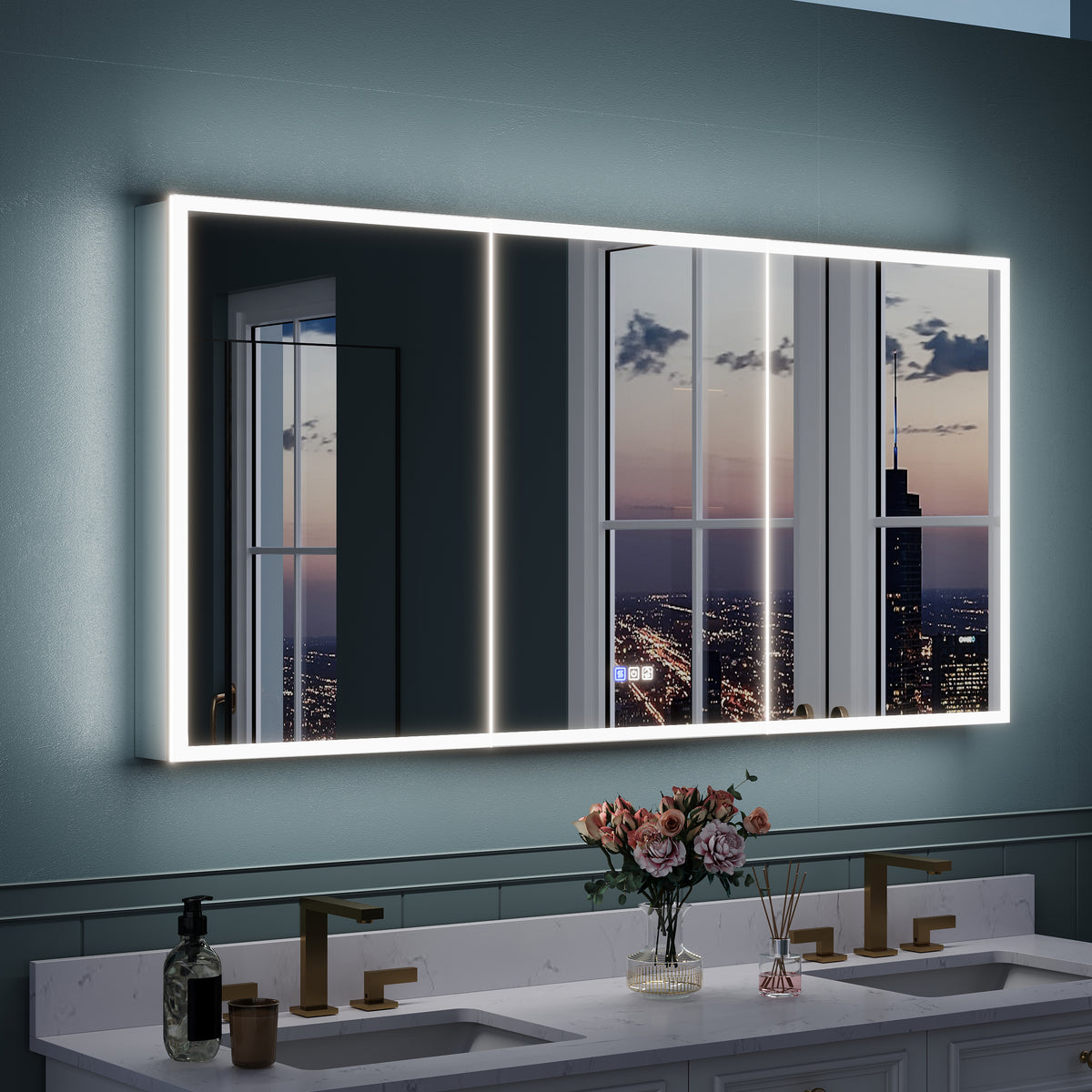
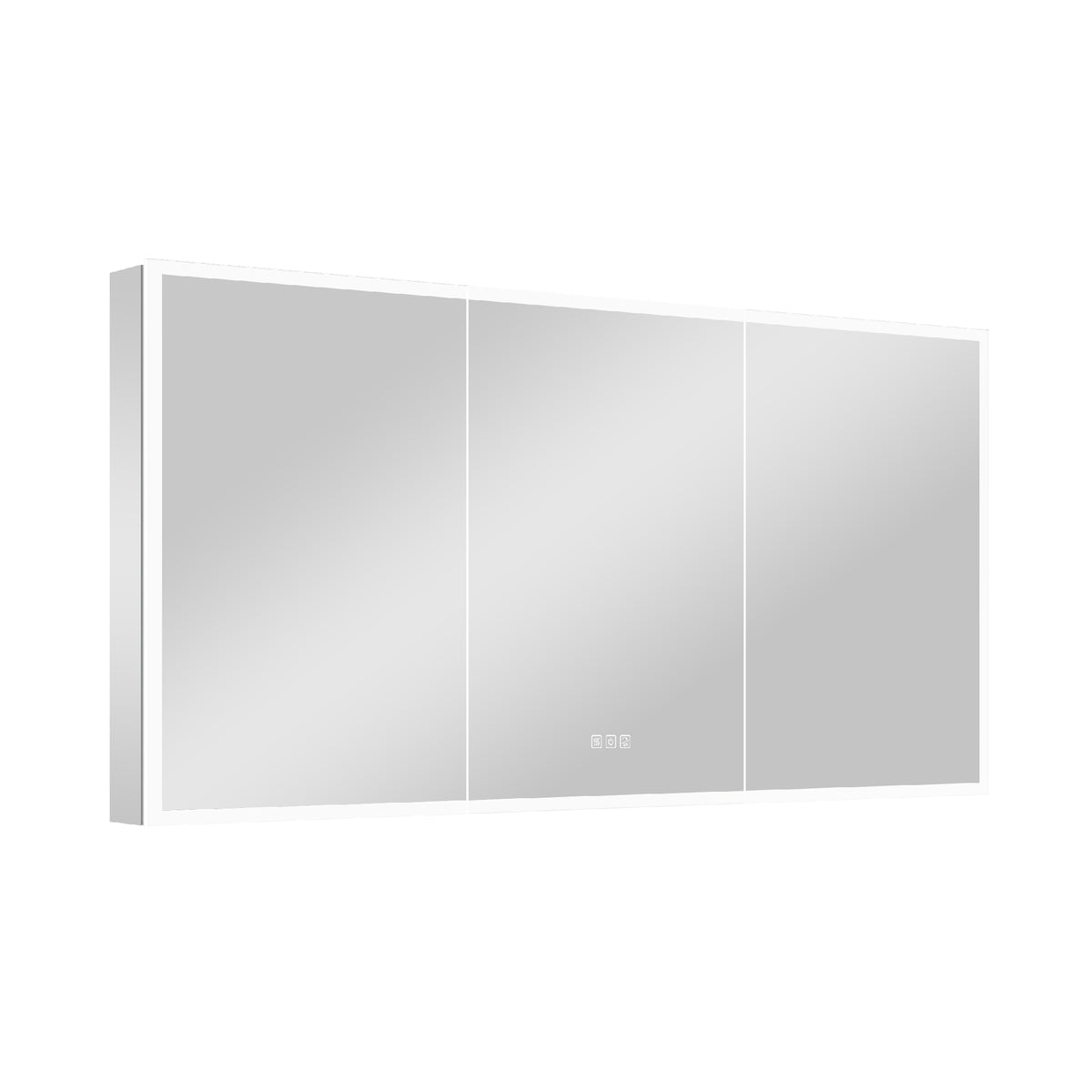
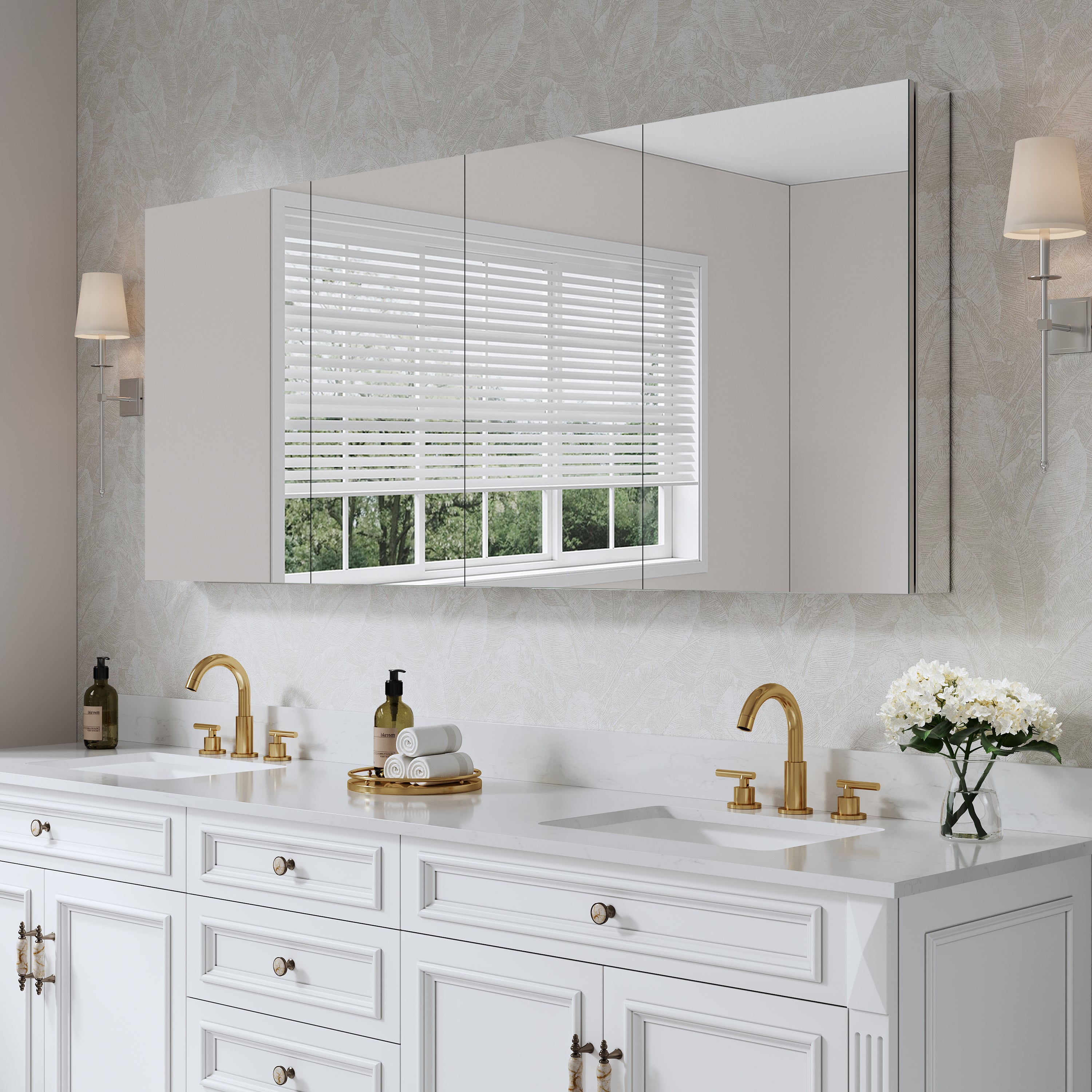
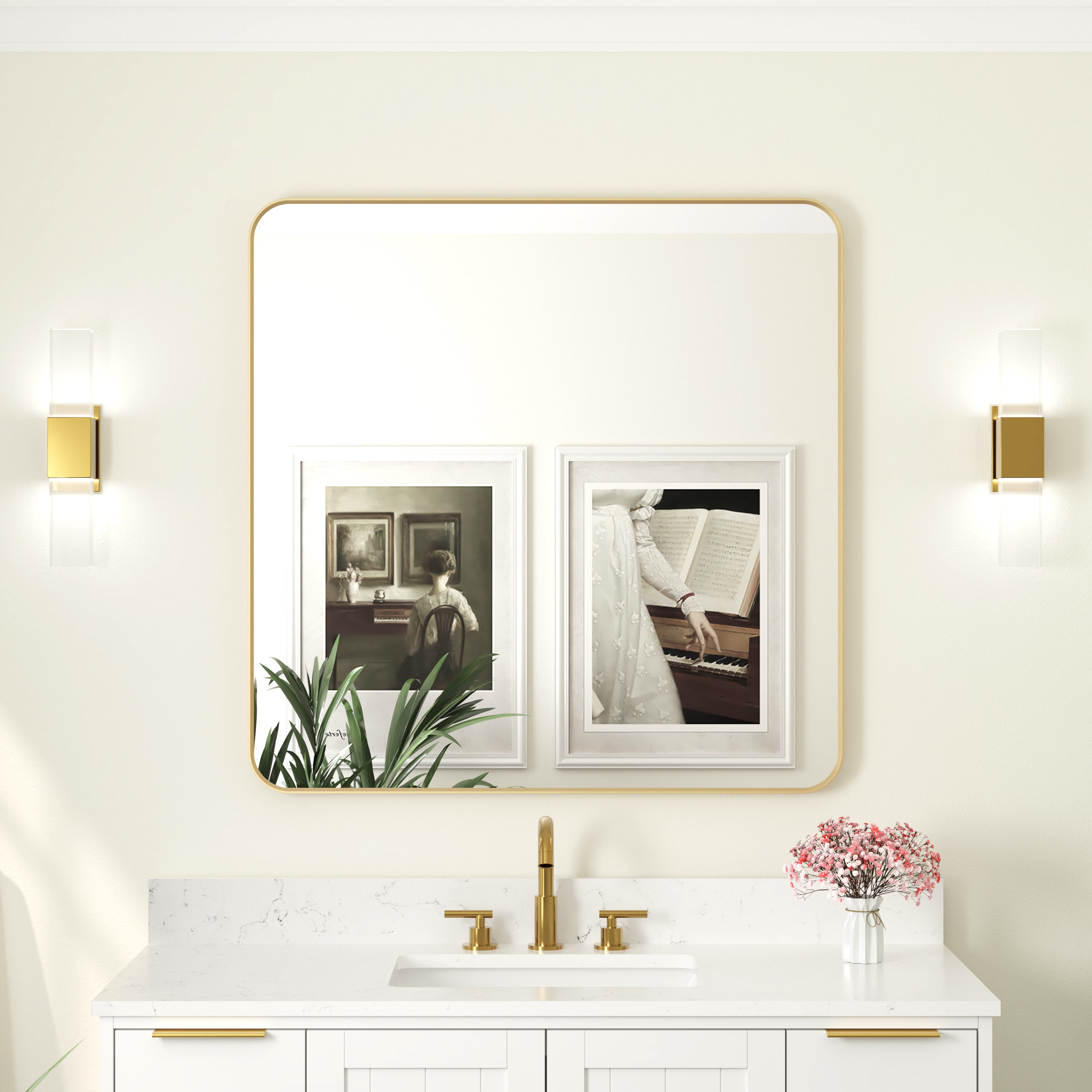
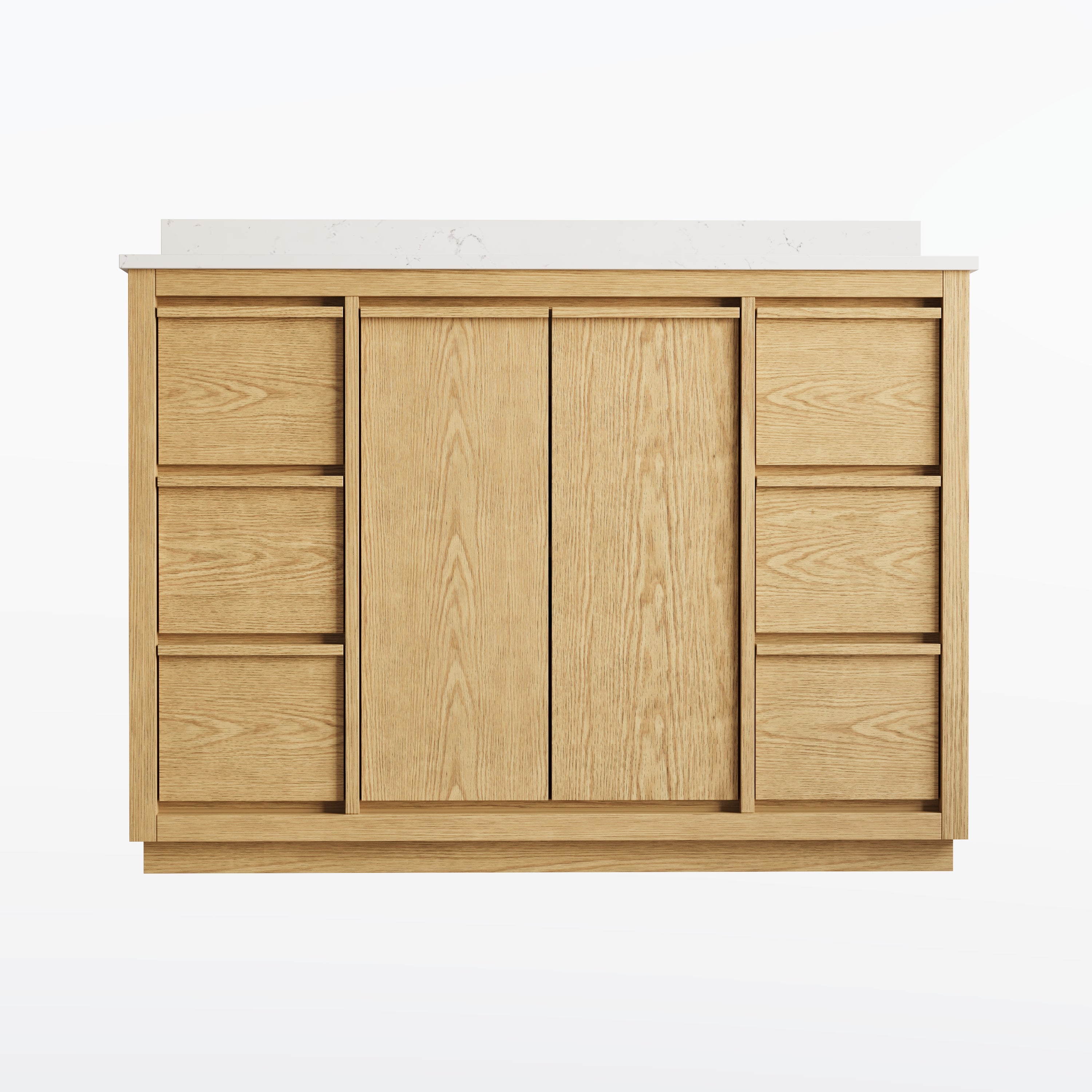
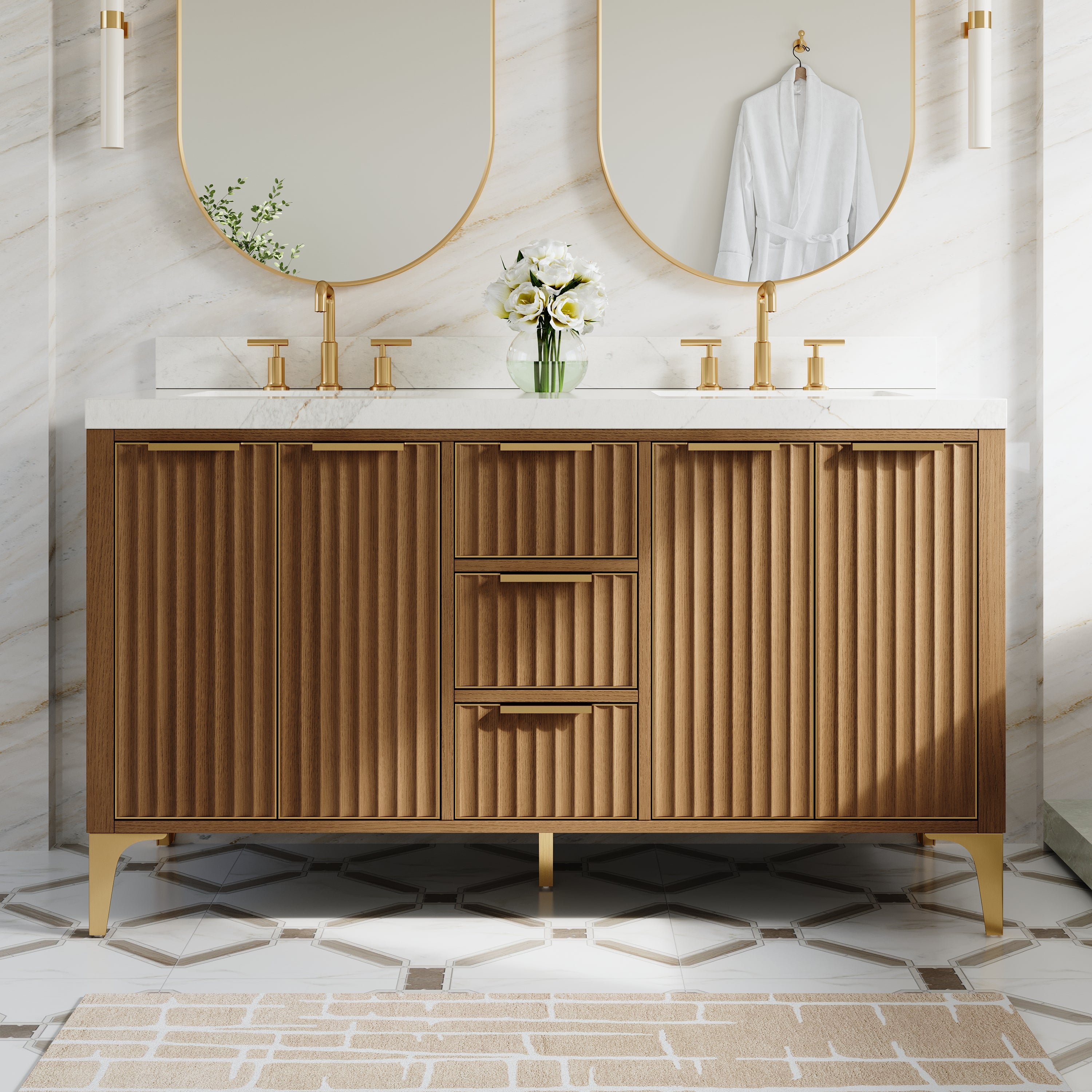
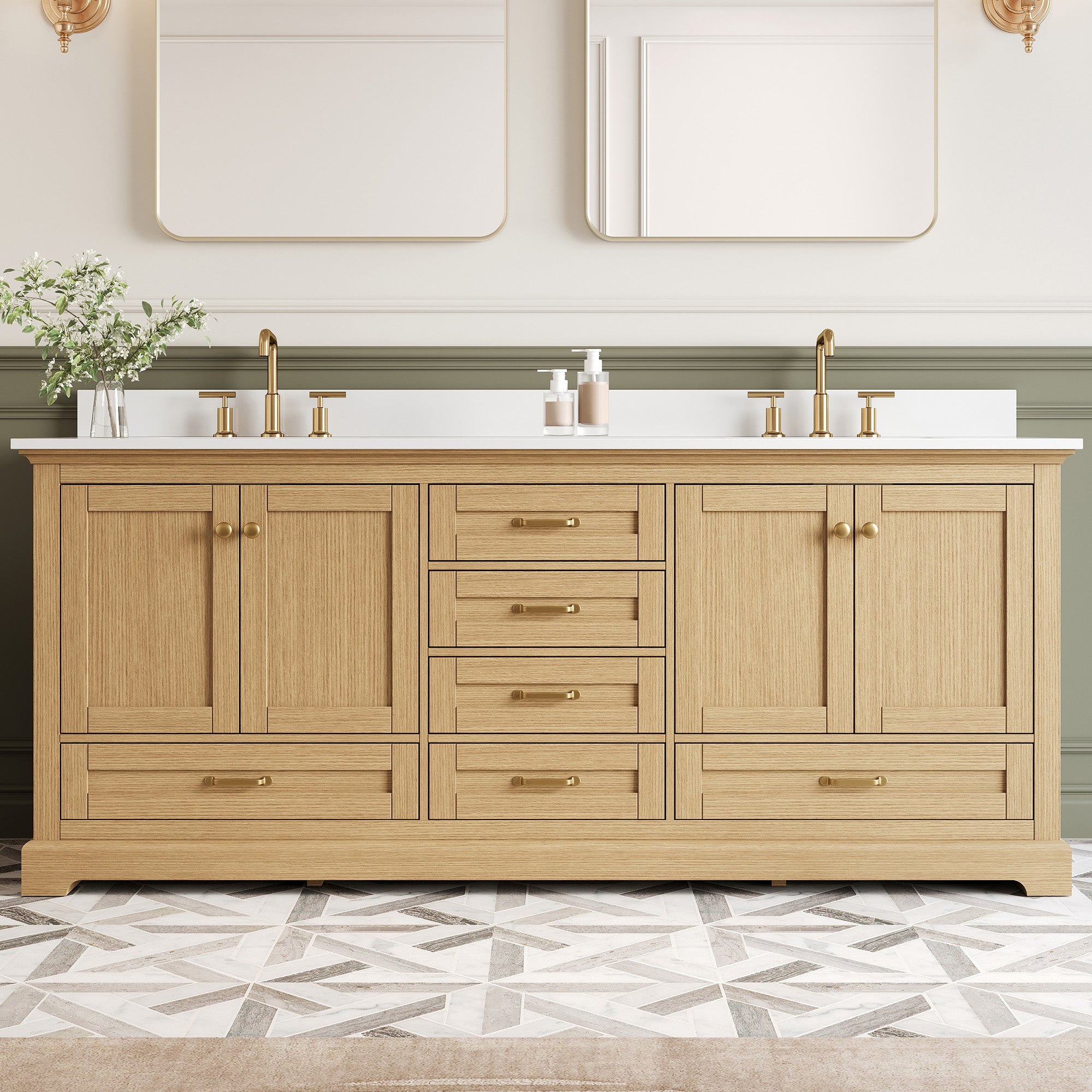
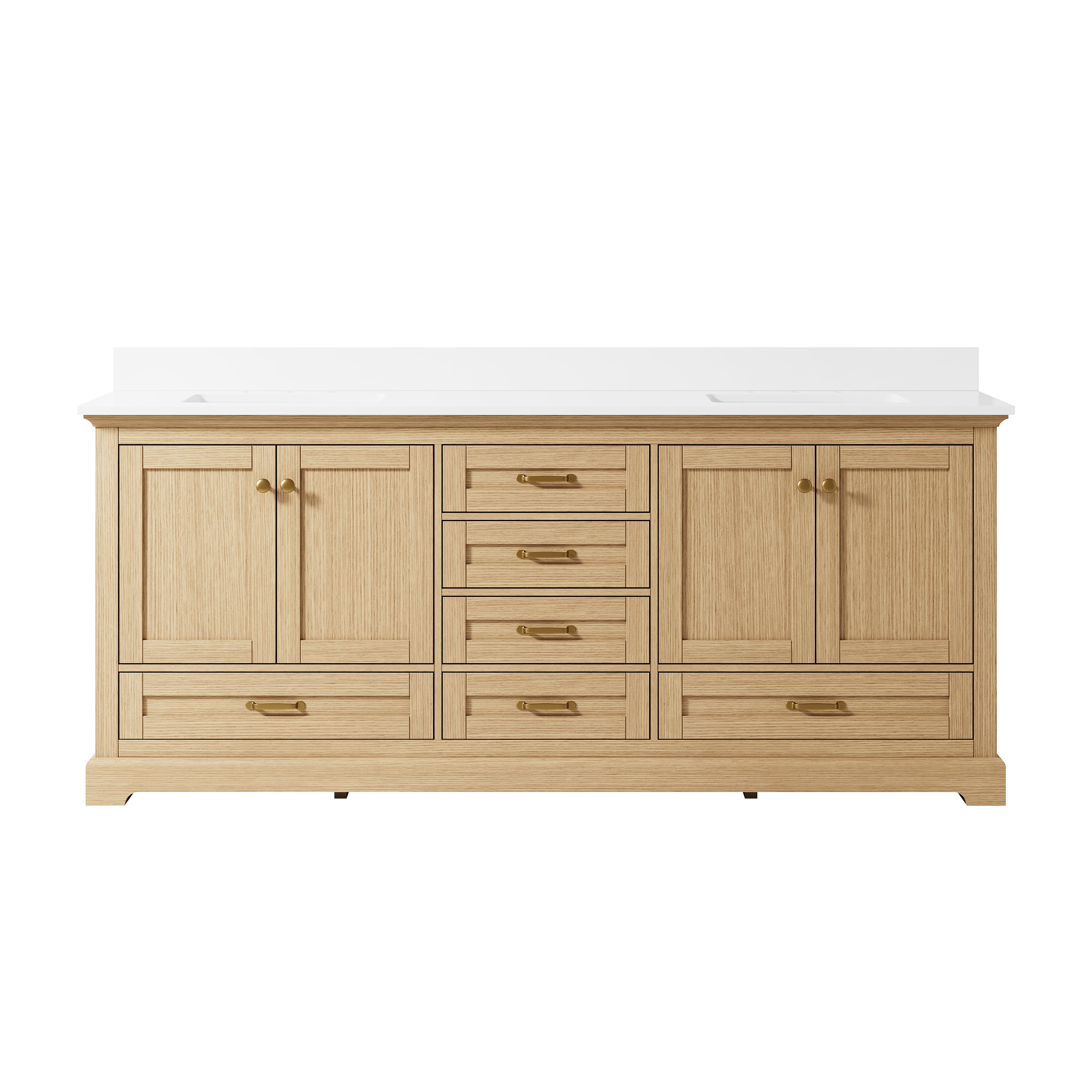
Width matters too. A common rule of thumb is that the mirror should be about two-thirds the width of your vanity. If your vanity is 36 inches wide, a 24-inch mirror looks proportional. But honestly, if you have a double vanity, skip the two small separate mirrors. Grab one massive, continuous mirror that spans the entire length of the vanity. It makes the room look custom and helps bounce light evenly.
Frame Materials: Water Will Destroy the Cheap Stuff
Bathrooms eat wood for breakfast. The humidity swings from dry to soaking wet every single day.
If you want a framed mirror, skip the cheap MDF. MDF swells when it gets wet, and the finish will bubble. Stick to aluminum, stainless steel, or kiln-dried solid wood with a water-resistant topcoat.
Actually, a better move for a wet bathroom is a frameless mirror with a beveled edge. The 1/4-inch bevel catches the light without giving water a place to hide. If you do want a frame, look for something that is specifically rated for wet environments.
Source: Fine Woodworking, "Protecting Wood from Humidity" (moisture movement studies).
The Lighting Problem (And How the Mirror Fixes It)

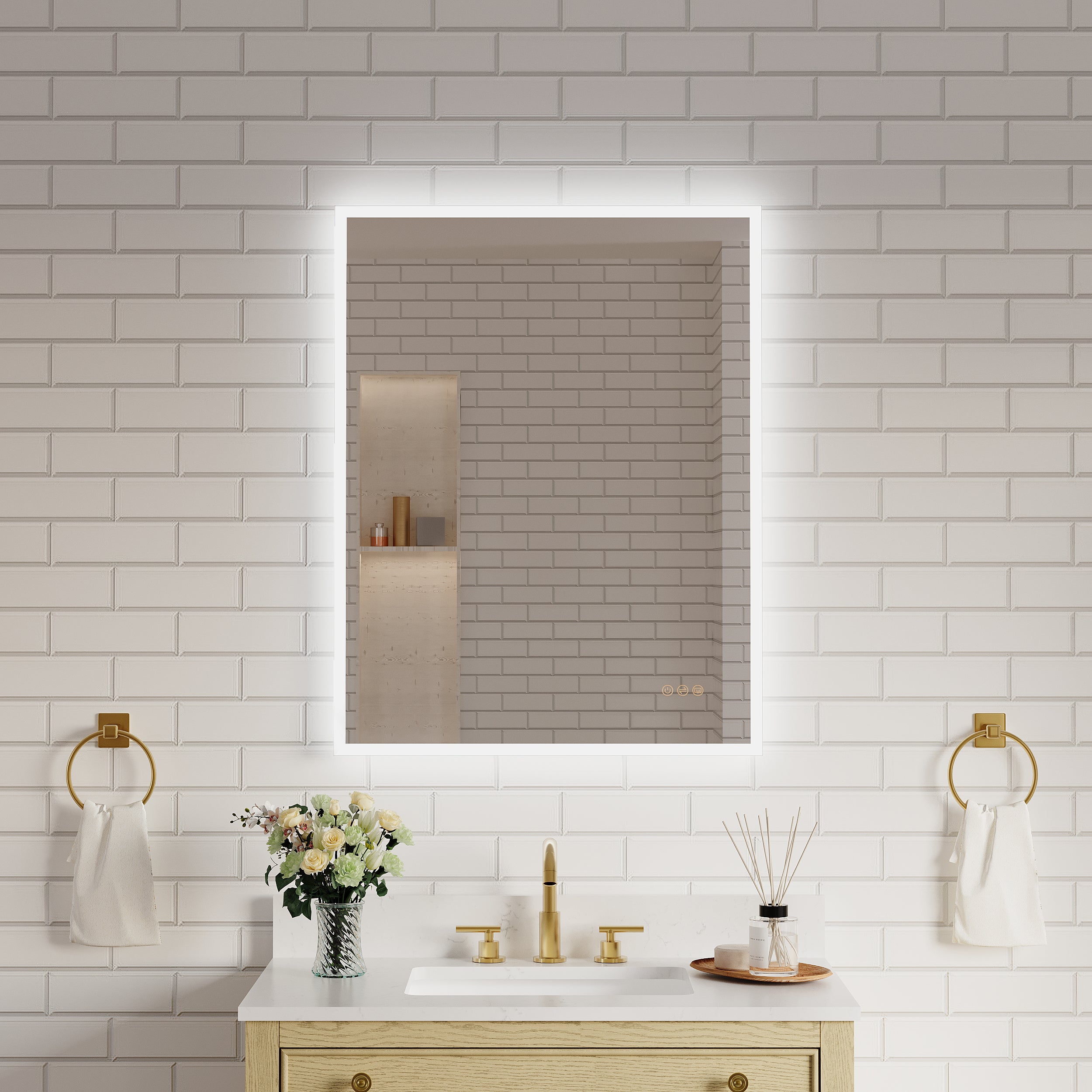
A mirror with no light is just a dark hole on the wall. If your only bathroom light is a fixture above the sink, it will cast harsh shadows down your face. You’ll look like a raccoon when you try to shave.
When you hang a massive mirror, you change the lighting dynamics. The glass acts as a giant reflector. If you have a window opposite the mirror, the room will flood with natural light. If you don't, you need to add sconces.
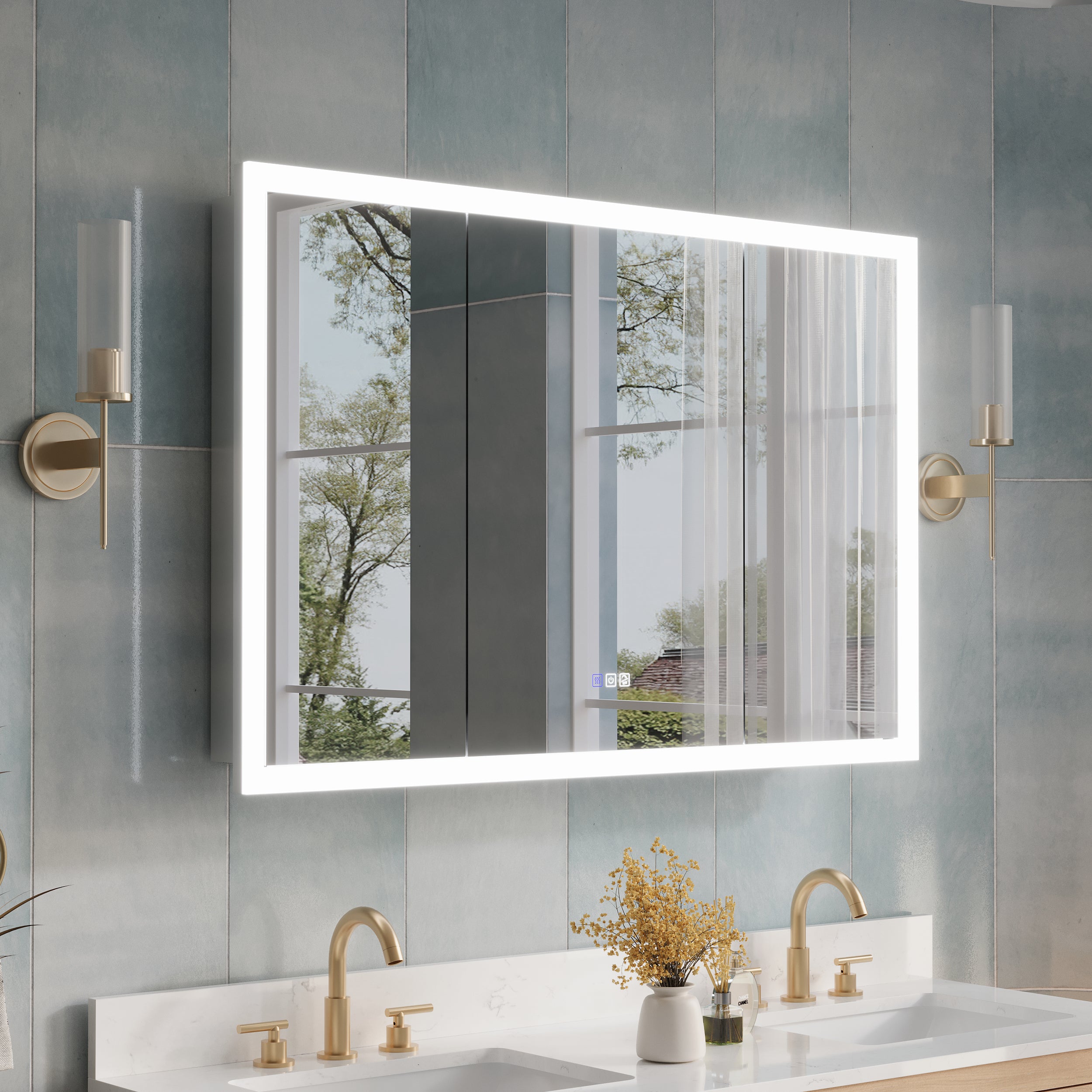
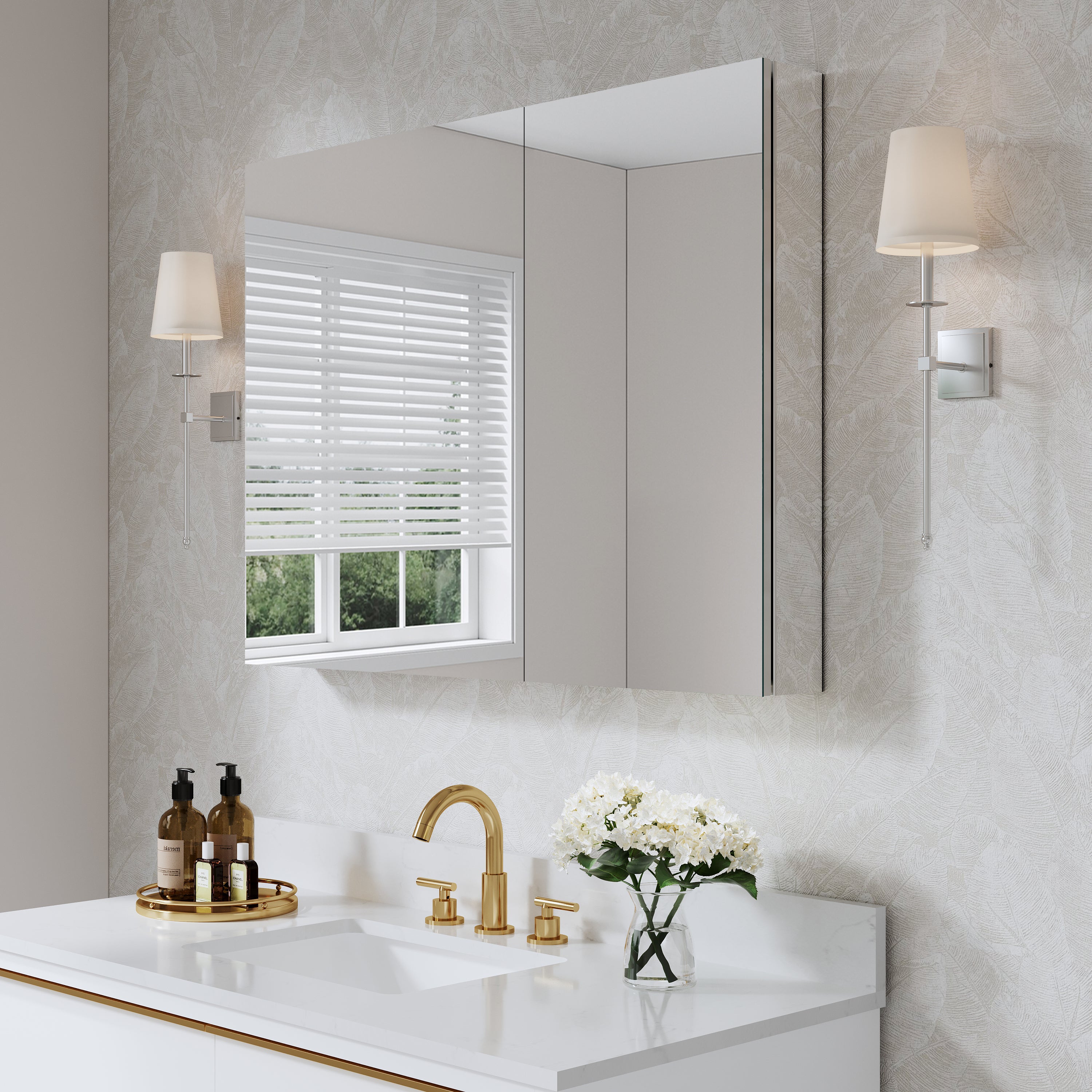
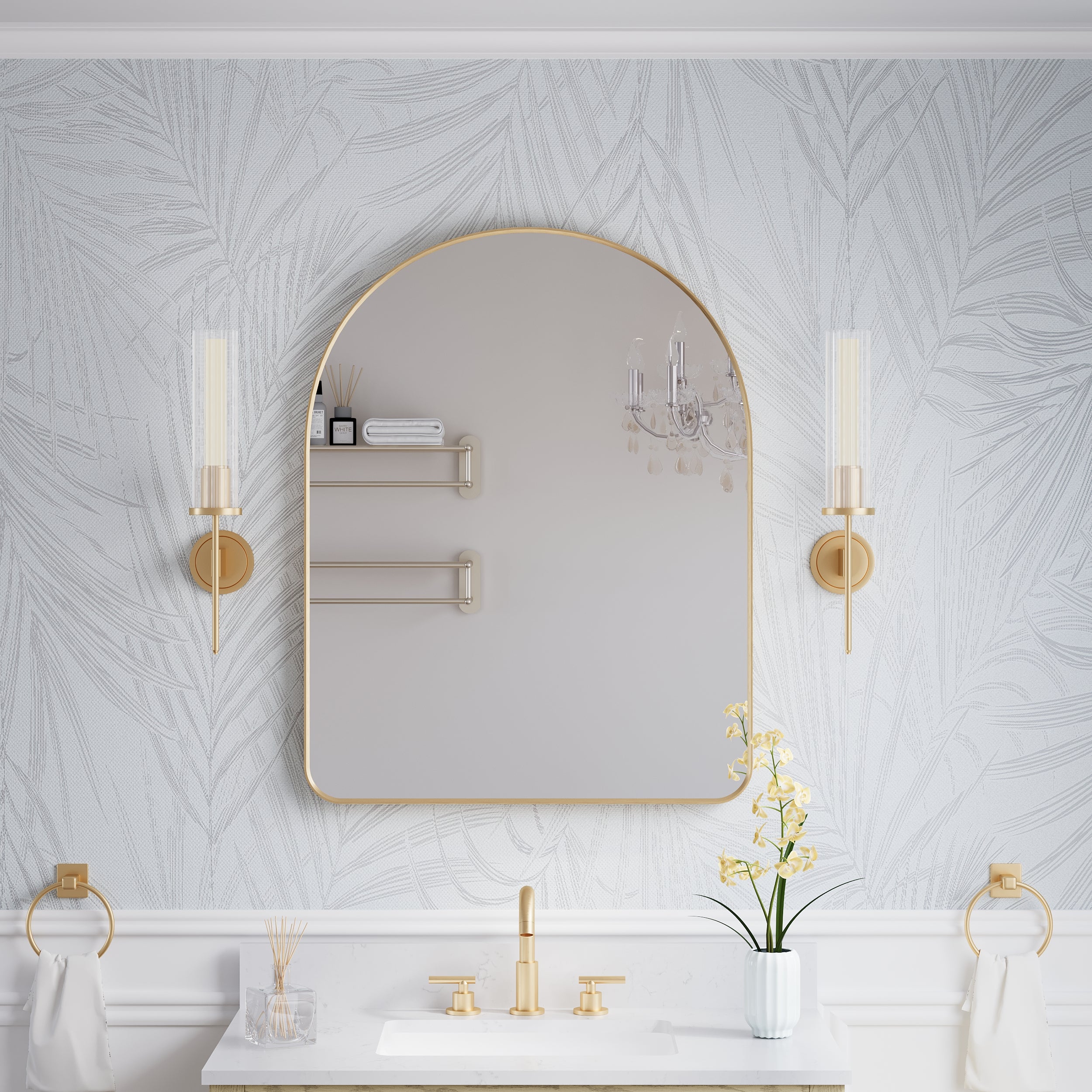
Don't just hang the sconces above the mirror. Hang them in front of the mirror, at eye level, on both sides. It’s a classic trick. The light hits your face directly, and the mirror bounces it around the room. Just make sure the sconces are rated for damp locations.
Glue vs. Screws: The Weight Reality
A large mirror is heavy. A 48-by-36-inch mirror at 1/4-inch thickness weighs about 50 to 60 pounds. If it's thicker glass, it weighs more.
Do not—and I mean absolutely do not—just glue a massive mirror to the drywall with construction adhesive or mirror mastic. Maybe it holds for a month. Maybe it holds for five years. Then the house settles, the bathroom gets steamy, and the whole thing slides off the wall and shatters in your sink.
You have to screw a cleat (a wood or metal strip) directly into the wall studs. Standard American studs are 16 inches on center. Use a stud finder, mark the studs, and screw a 1x2 or metal French cleat horizontally across the studs. Then, hang the mirror on the cleat. Use adhesive as a secondary bond, not the primary support.
If you are hanging a huge mirror over a tiled wall, you can't just screw through the tile. You have to drill carefully with a diamond bit to hit the studs behind it, or use heavy-duty toggle bolts designed for tile. If you don't trust yourself to do that, hire a pro.
Source: Builds and Buys, "Medicine Cabinet Installation Cost Guide" (weight and mounting safety); Glass Weight Calculators (standard 1/4-inch glass density).
What Is Your Mirror Reflecting?
People forget a mirror doubles everything in the room—the good and the bad.
Look at the opposite wall. What do you see? If your mirror faces the toilet, your guests will get a very clear view of it. If it faces a window, great. If it faces a blank wall, it will look a bit boring.
Also, look at your countertop. A massive mirror will reflect the clutter. If you have a messy counter, the mirror will make the bathroom look twice as messy. This is a good excuse to clear the counter and put everything in a drawer.
Frameless vs. Floating
If you want a modern look, a floating mirror is a great option. Instead of a frame, the mirror sits 1 to 1.5 inches off the wall. The trick is to use mirror clips or hidden mounting hardware. It casts a subtle shadow on the wall, which makes the mirror look like it’s hovering. Just make sure the hardware you buy is specifically rated for the weight of your glass.
The Bottom Line
A large mirror can be the best design move you make in your bathroom, but only if you treat it like a heavy, structural element. Measure your vanity width, find your studs, and avoid MDF frames. Get the mounting hardware right, and you’ll have a bathroom that feels twice as big, twice as bright, and twice as expensive as it actually is.













Leave a comment
This site is protected by hCaptcha and the hCaptcha Privacy Policy and Terms of Service apply.