
















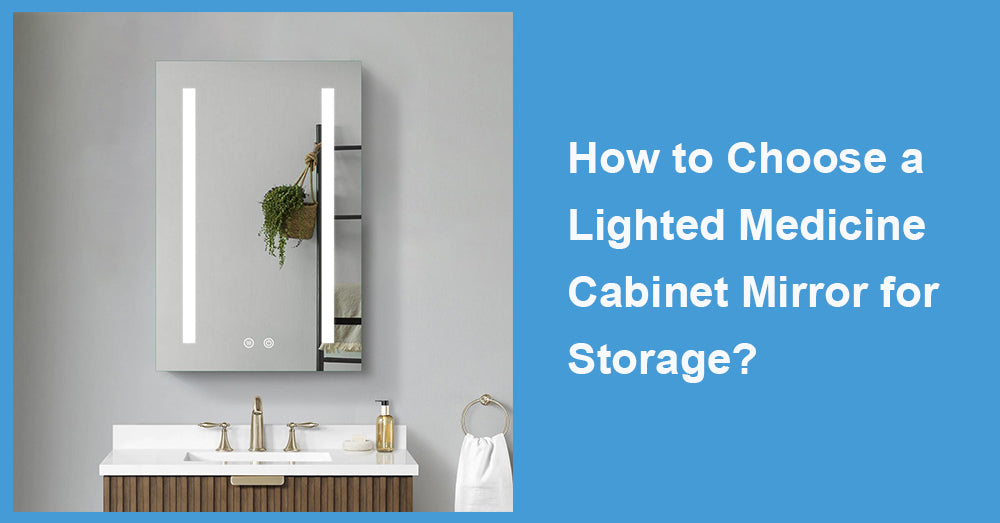
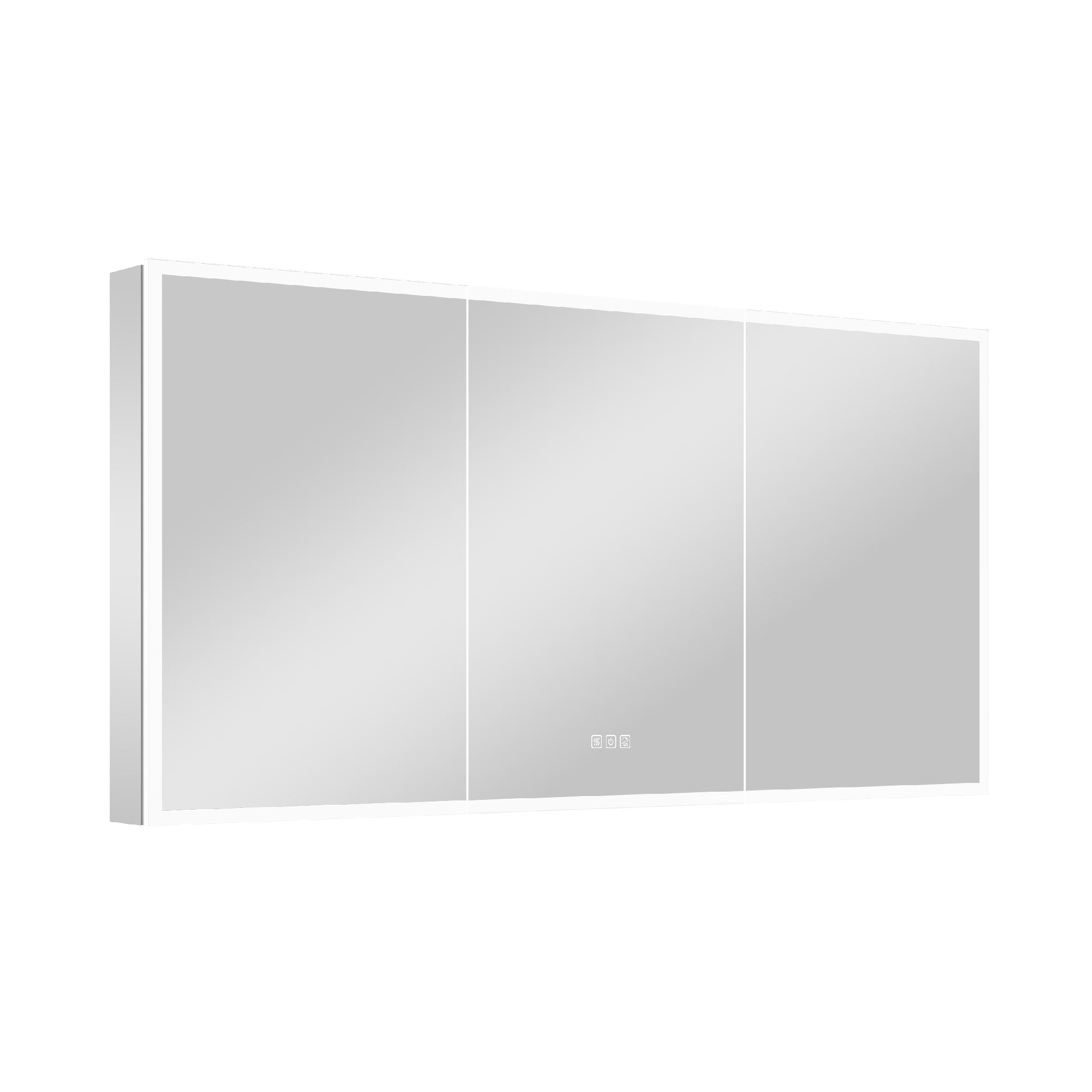
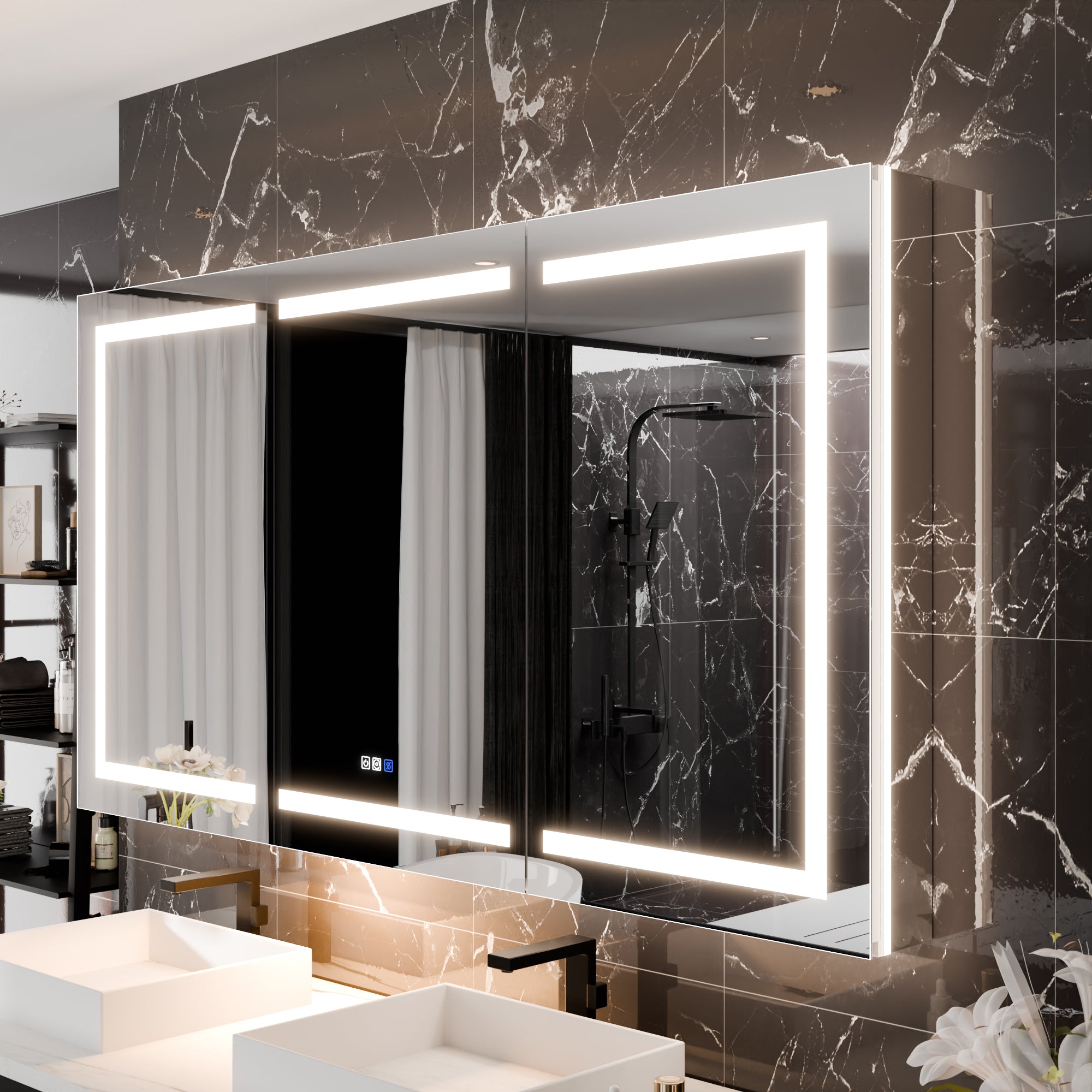
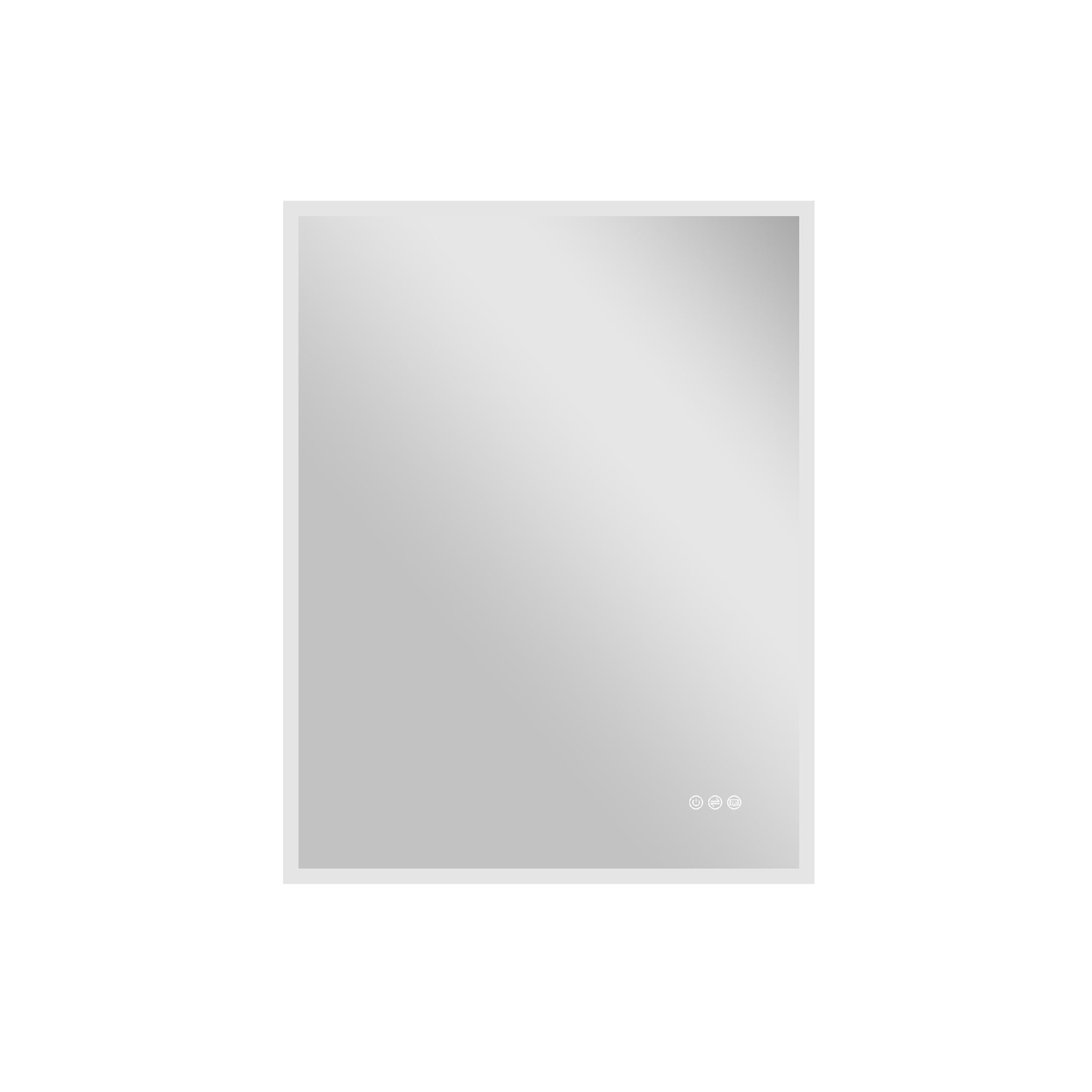
The role of lighted medicine cabinet mirror in bathroom space planning is constantly improving. As a combination of mirrors, storage cabinets, and lighting functions, it not only enhances the dressing experience but also significantly optimizes daily item management. With the maturity of product structure, materials, and lighting technology, choosing a mirror cabinet with lighting that truly meets storage needs, thereby improving space cleanliness and maintaining stability and durability in daily use, has become the focus of industry attention.
1. Storage space should be based on structure and capacity, not "cabinet size"
Many people focus only on whether the width matches when choosing a medicine cabinet, often using standard dimensions like 24, 30, or 36 inches. However, from a professional perspective, storage capacity does not depend on external dimensions, but on internal structure.
(1) Internal depth determines actual storage capacity
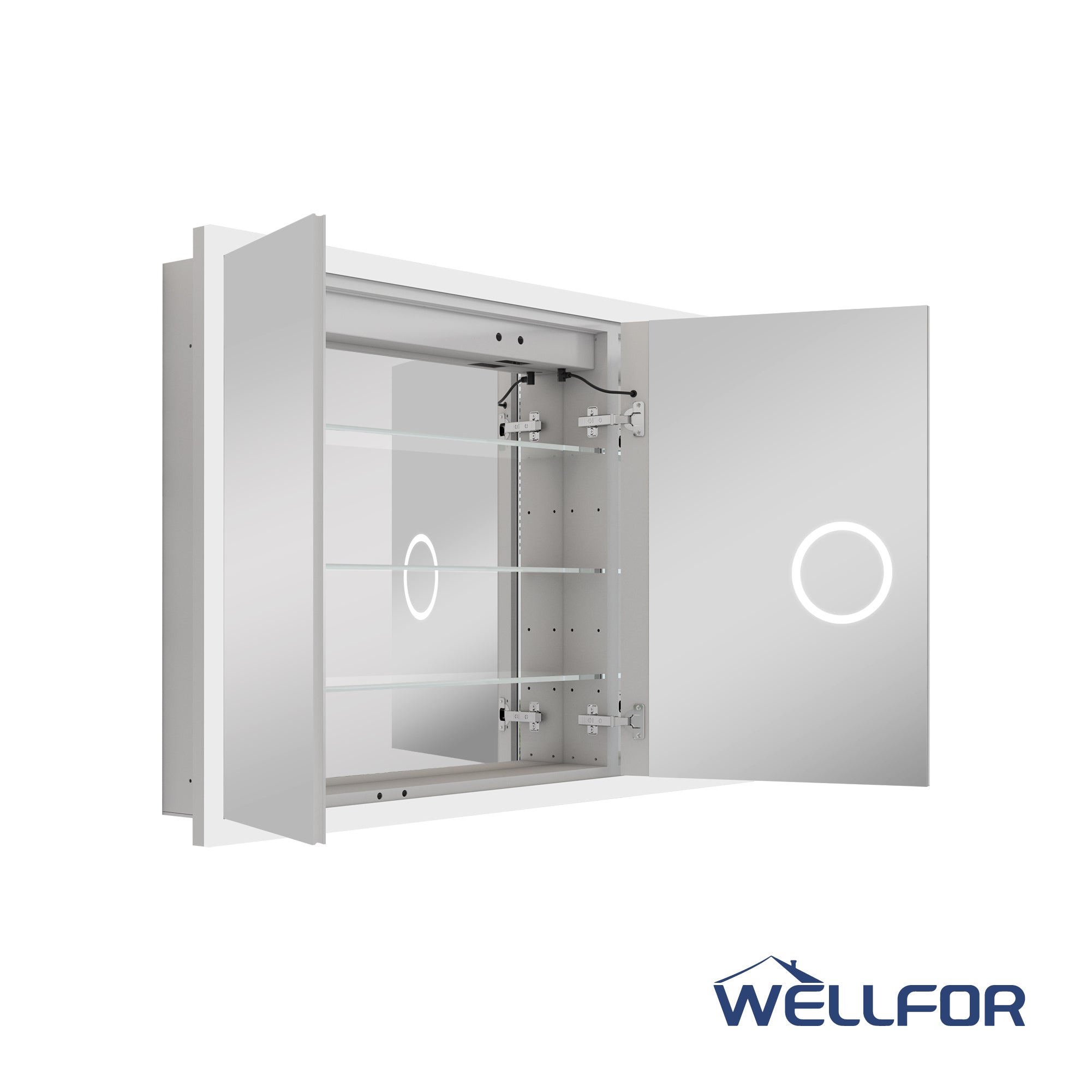
The depth of standard mirror cabinets is typically 4 to 5 inches, and if you want to effectively accommodate toiletries with tall bottles (such as 9- to 11-inch spray bottles or lotion bottles), the internal net depth should be at least 3.5 inches. Some products may appear thick, but due to the space occupied by the backplate structure, their actual depth is smaller.
(2) The adjustability of the laminated board is critical
Adjustable shelves can make storage space more flexible, especially for:
Bottles of different heights
Alien items such as electric toothbrushes and razors
Small zones for drugs and cosmetics
Houzz's bathroom storage research shows that the usage rate of adjustable shelves is much higher than that of fixed shelves, because they "adapt to different item sizes and have a longer service life" (source: Houzz.com).
(3) A double-door or triple-door structure brings higher organizational ability
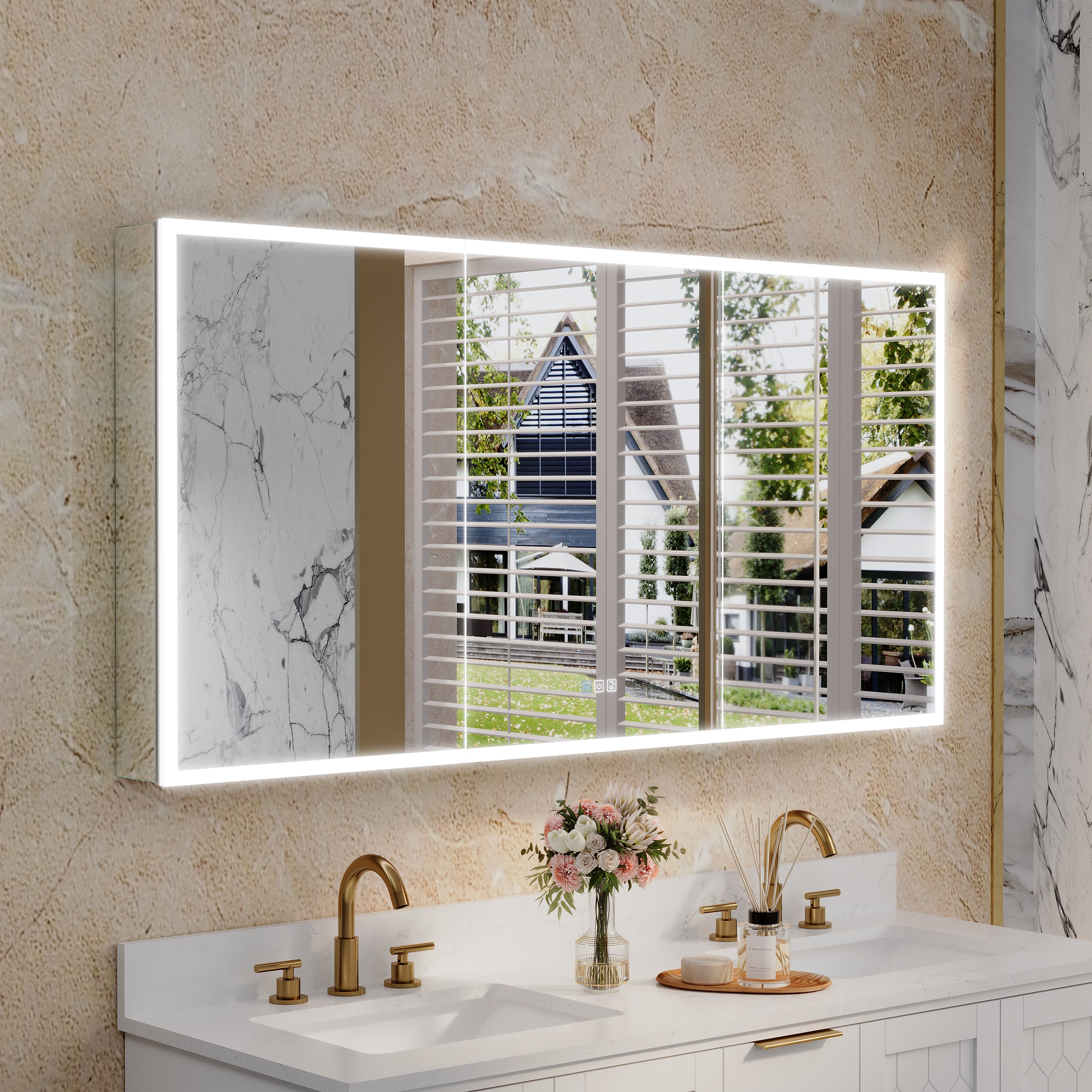
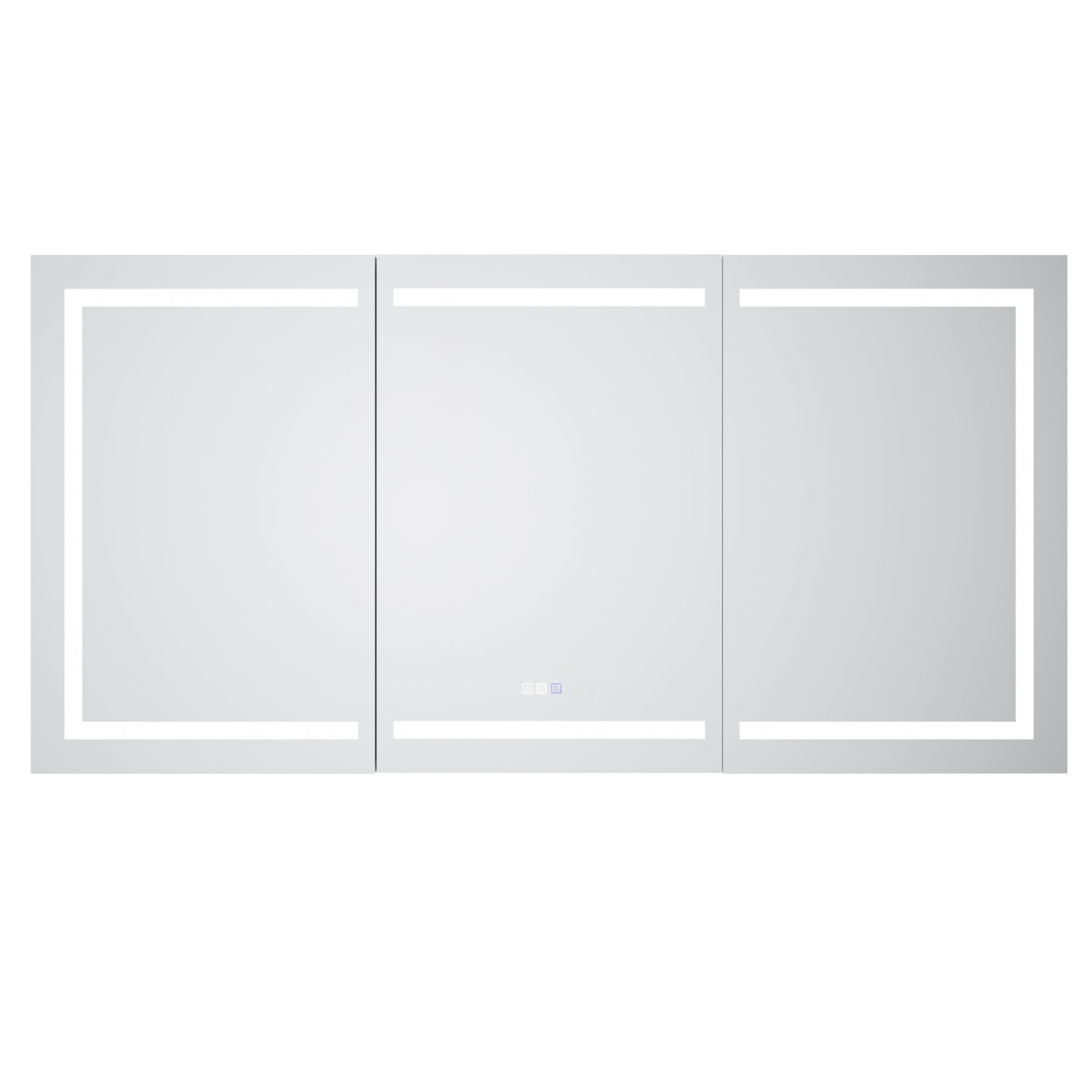
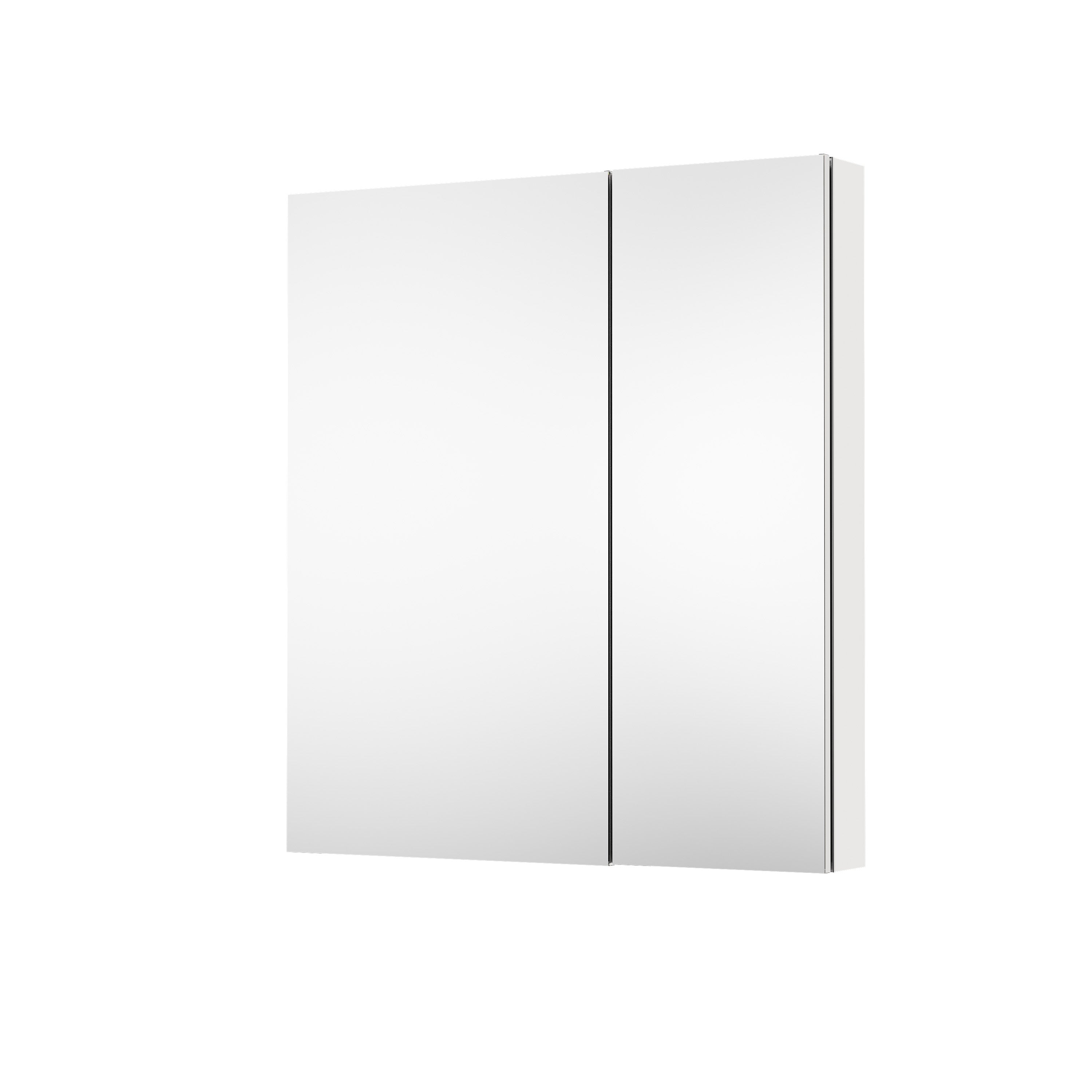
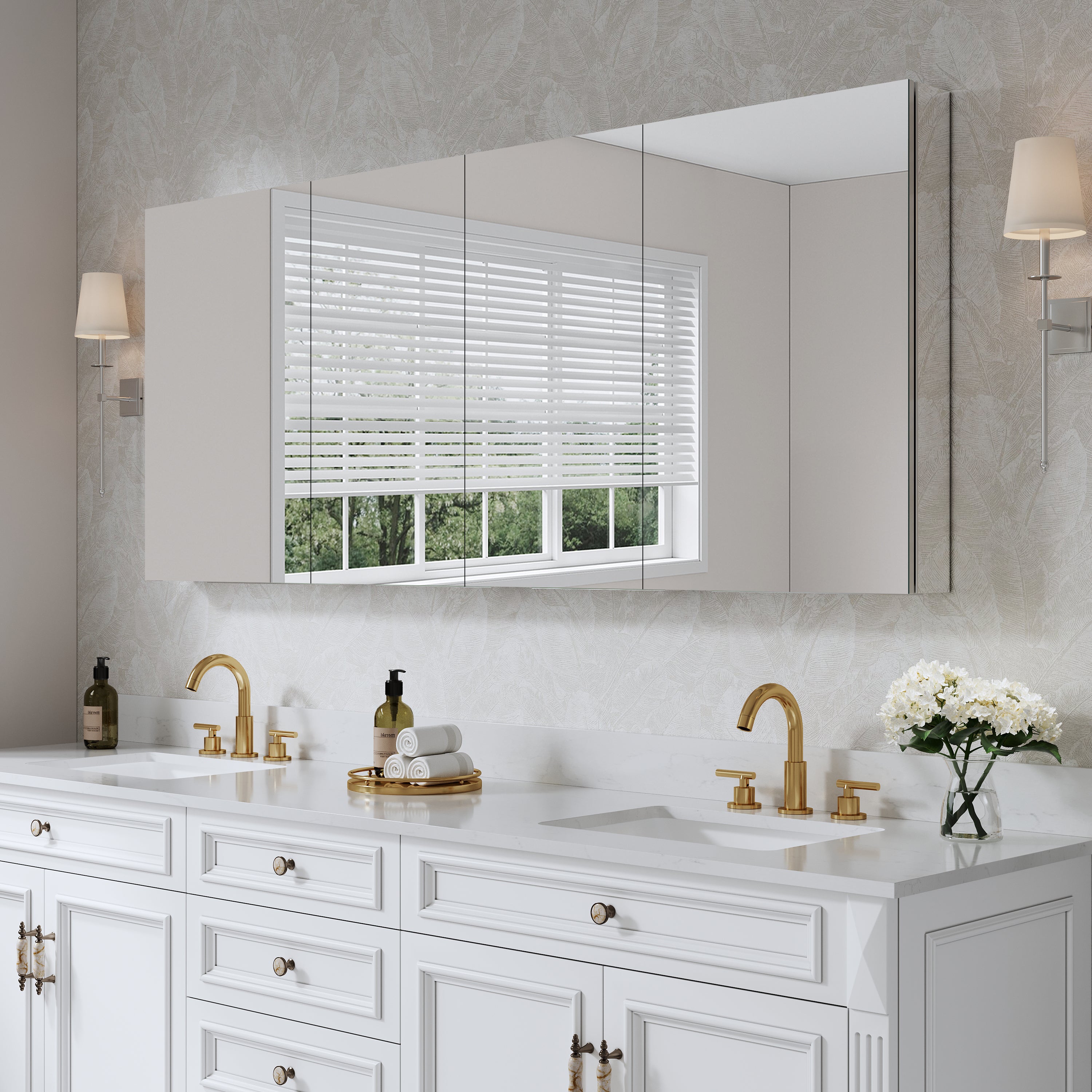
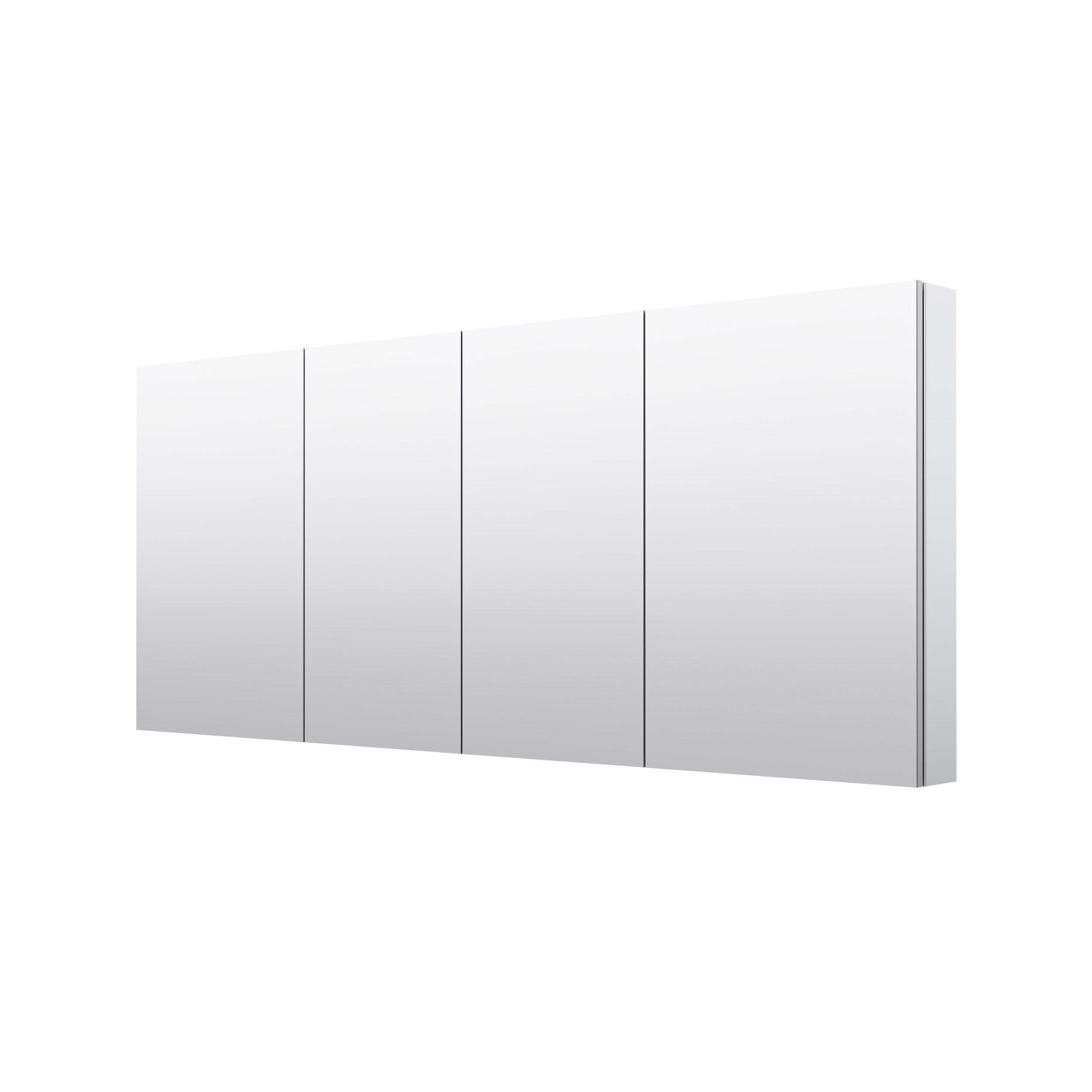
In a mirror cabinet with a width of 30 to 48 inches, a multi-door structure can provide more detailed organization, such as placing skincare products on the left, medicine in the middle, and daily necessities on the right, making items easier to access and reducing clutter from frequent searching.
2. Whether the lighting with a mirror cabinet is truly "practical" depends on the parameters of the light source
The lighting of the illuminated medicine cabinet mirror not only serves for dressing, but also affects the visual clarity after the cabinet door is opened. Industry research shows that the color rendering index, brightness, and color temperature of LED light sources directly determine the experience.
(1) CRI 90+ improves facial color accuracy
According to data from the Lighting Research Center, LED light sources with a color rendering index of 90 or higher can more closely approximate natural light in determining skin tone (source: LRC.rpi.edu). Many mirror cabinets with lights offer CRI 90+, making them especially suitable for makeup, shaving, care, and other scenarios.
(2) Is the brightness distribution uniform
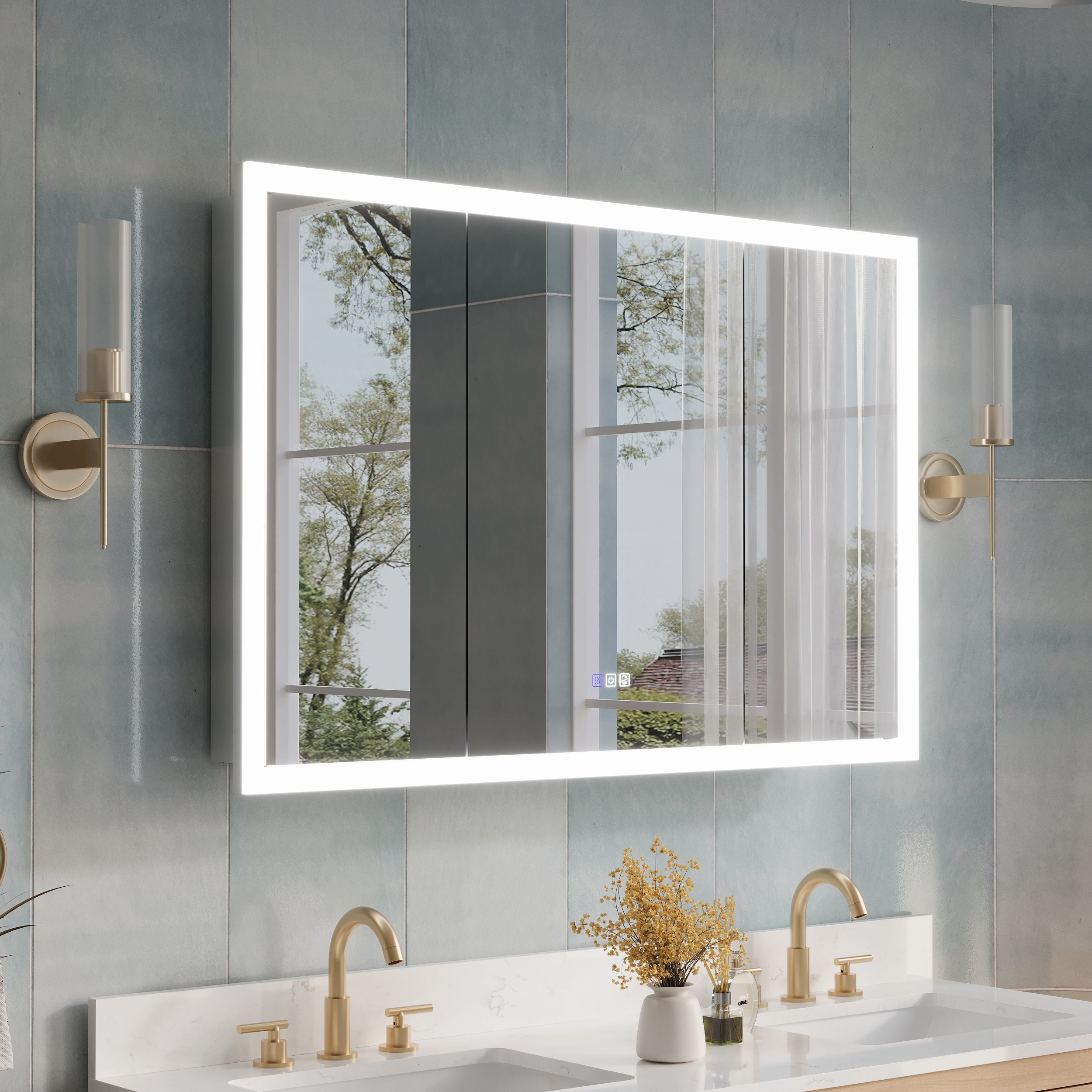
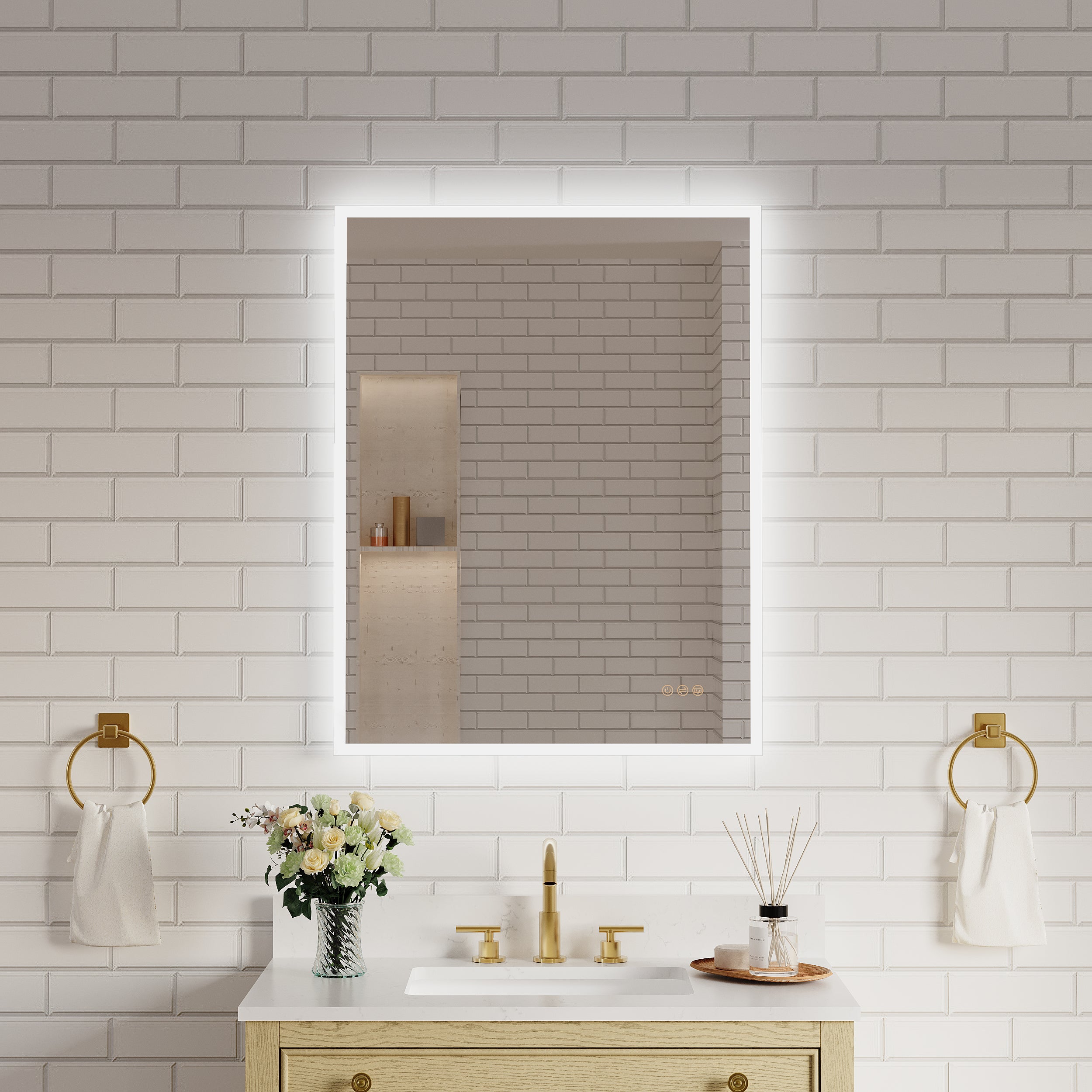
Compared to external lights, the mirror cabinet with lights uses a surround or front-illuminated design, which can reduce facial shadows more effectively. In the 24-inch to 60-inch mirror cabinet, the circular light strip can more accurately illuminate the center of the face, improving clarity during dressing.
(3) Adjustable color temperature can adapt to different time periods of use
Commonly available in three levels: 3000K, 4000K, 5000K, or 2700K to 6500K with stepless adjustment, making it easy to switch between morning, night, and different makeup needs.
3. The installation method affects the storage experience and service life
Different installation methods not only involve appearance but also directly affect storage efficiency and durability.
(1) Semi-embedded is the most compromised choice
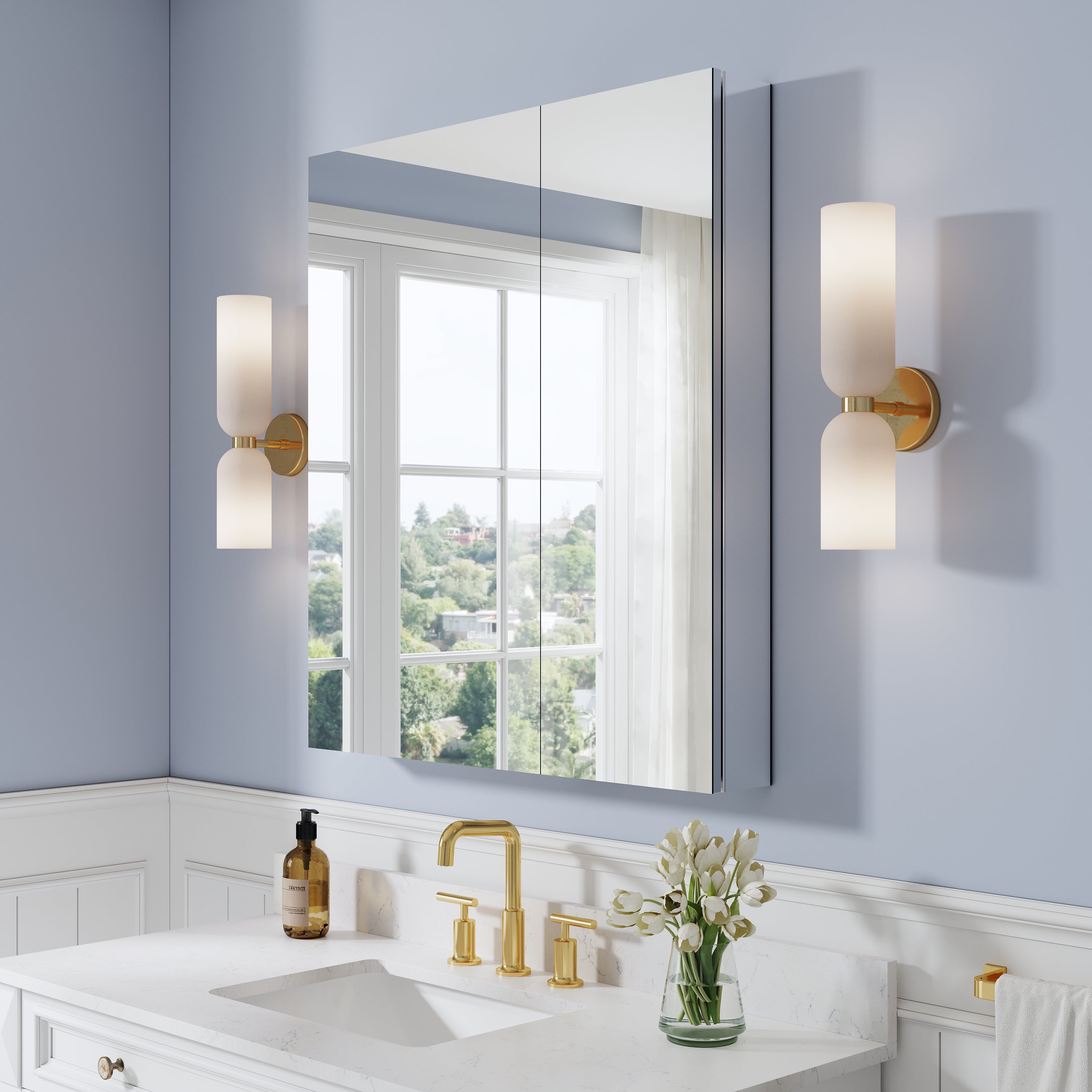
Fully embedded systems require a reserved depth within the wall, which, although most aesthetically pleasing, imposes many installation restrictions; wall-mounted installation is simple, but the cabinet thickness is more prominent. Combining the advantages of both semi-embedded systems, it can preserve storage space while also being visually cleaner.
(2) The direction of opening the door should match the layout of the bathroom
Unreasonable door opening direction can lead to:
The door touches the wall when opening and closing
Conflict with the faucet area
The user's standing position is uncomfortable
Industry advice: When choosing a 24-inch or 30-inch single-door mirror cabinet, clarify whether the left- or right-opening structure is suitable. The double door style from 36 inches to 48 inches usually does not require any hesitation about the opening direction and is more flexible.
(3) Attention should be paid to the wall structure when embedding the lamp mirror cabinet
In old houses or lightweight walls, the embedded installation needs to be confirmed:
Is there any load-bearing risk
Does it affect internal pipelines
Do you need additional reinforcement
These factors determine whether the cabinet can be stable and not lose for a long time.
4. Detailed craftsmanship determines product lifespan
The frequency of use of medicine cabinets is exceptionally high, with opening and closing times far exceeding those of ordinary furniture, so the craftsmanship must be rigorous.
(1) Damping hinge improves the opening and closing life
According to structural research on Cabinet Joint, the opening and closing life of high-quality damping hinges can exceed 50000 cycles (source: CabinetJoint.com), which is much higher than that of ordinary metal hinges.
(2) Mirror material anti-corrosion is more critical
The humidity in the bathroom is high, and if the anti-corrosion layer on the back of the mirror is poor, black spots are more likely to appear, while the edges of the mirror with lights are more likely to expose defects. The mirror surface with a double- or three-layer anti-corrosion structure has a longer service life and better resists long-term moisture erosion.
(3) Internal moisture-proof materials affect durability
Metal backboards, aluminum alloy cabinets, or structures with moisture-resistant coatings are more stable than wooden cabinets and are less prone to moisture-related expansion and deformation.
5. Functional details make the mirror cabinet more "worthy of installation"
The most advantageous aspect of the illuminated medicine cabinet mirror is its functional integration. The following features can significantly enhance the experience:
(1) Anti-fog function reduces waiting time
HomeGuide's bathroom product research shows that anti-fog function is one of the most satisfactory features for mirror cabinet use (source: HomeGuide.com). It can be used immediately after showering without wiping.
(2) Built-in socket and USB port make the countertop cleaner
Electric toothbrushes, razors, hair dryers, etc., can all be charged inside the cabinet, reducing cluttered cables and keeping the countertop clean.
(3) Internal lighting makes nighttime use more convenient
The light that automatically turns on when the cabinet door opens makes it easier to find items, especially in dark cabinets.

Conclusion
I want to choose an illuminated medicine cabinet mirror that is suitable for storage. The key is not to pursue "the more functions, the better", but to find a balance between storage structure, light source quality, installation method, and detailed craftsmanship.
An excellent product should have:
A sufficiently flexible storage structure
Uniform illumination of CRI 90+
Stable and durable hinges and moisture-proof materials
Reasonable installation method
Practical additional features such as anti-fog, sockets, and internal lighting
Only a mirror cabinet that delivers high performance across both functionality and user experience can genuinely enhance the daily quality of the bathroom.














Leave a comment
This site is protected by hCaptcha and the hCaptcha Privacy Policy and Terms of Service apply.