
















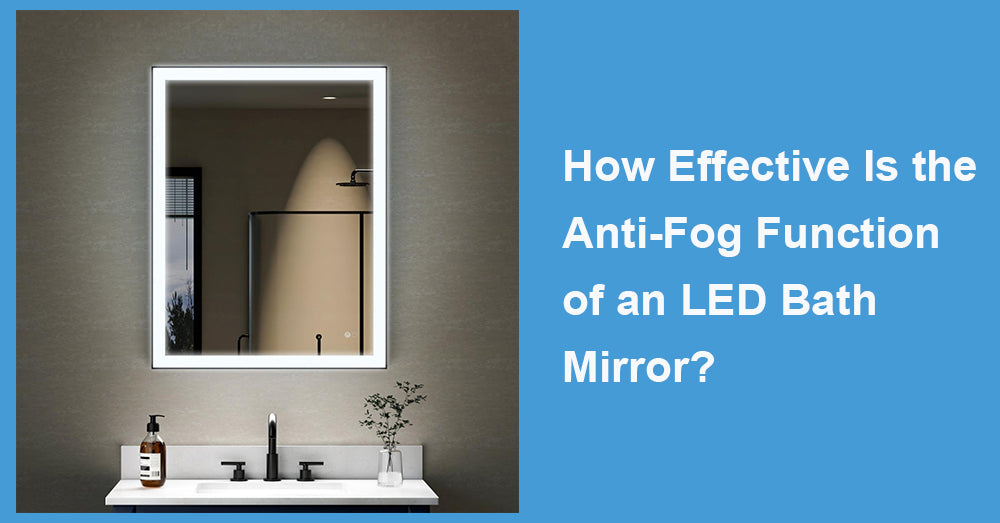
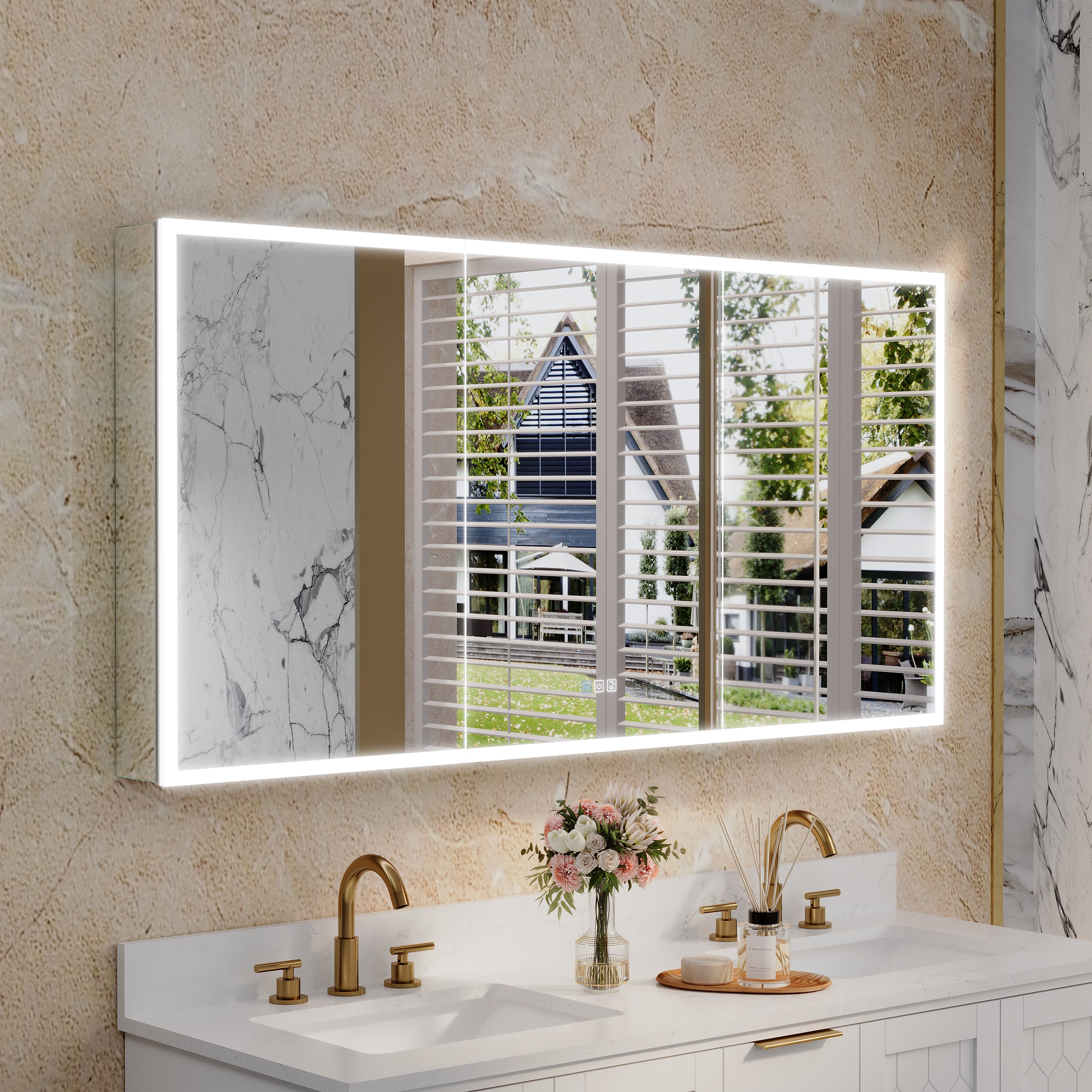
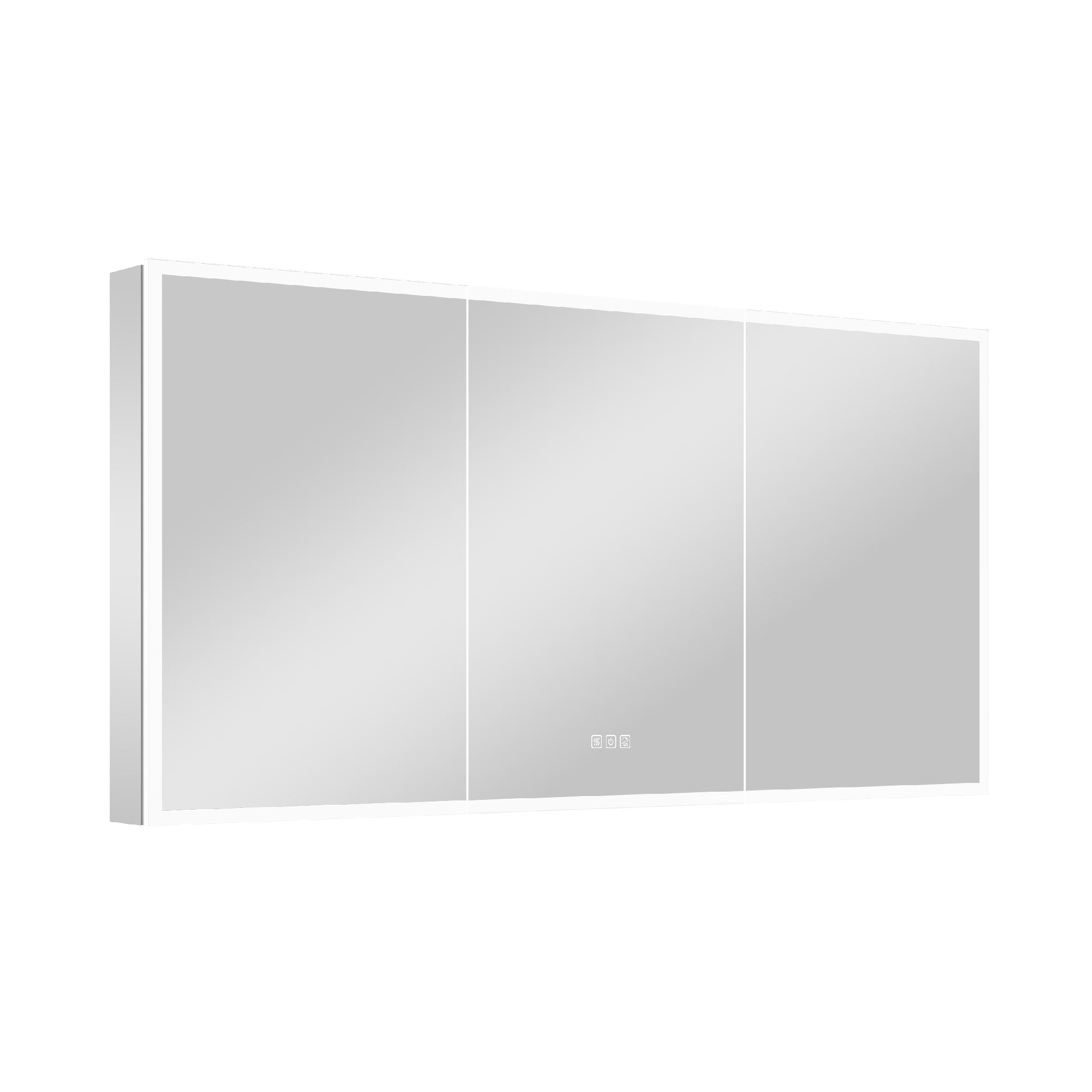
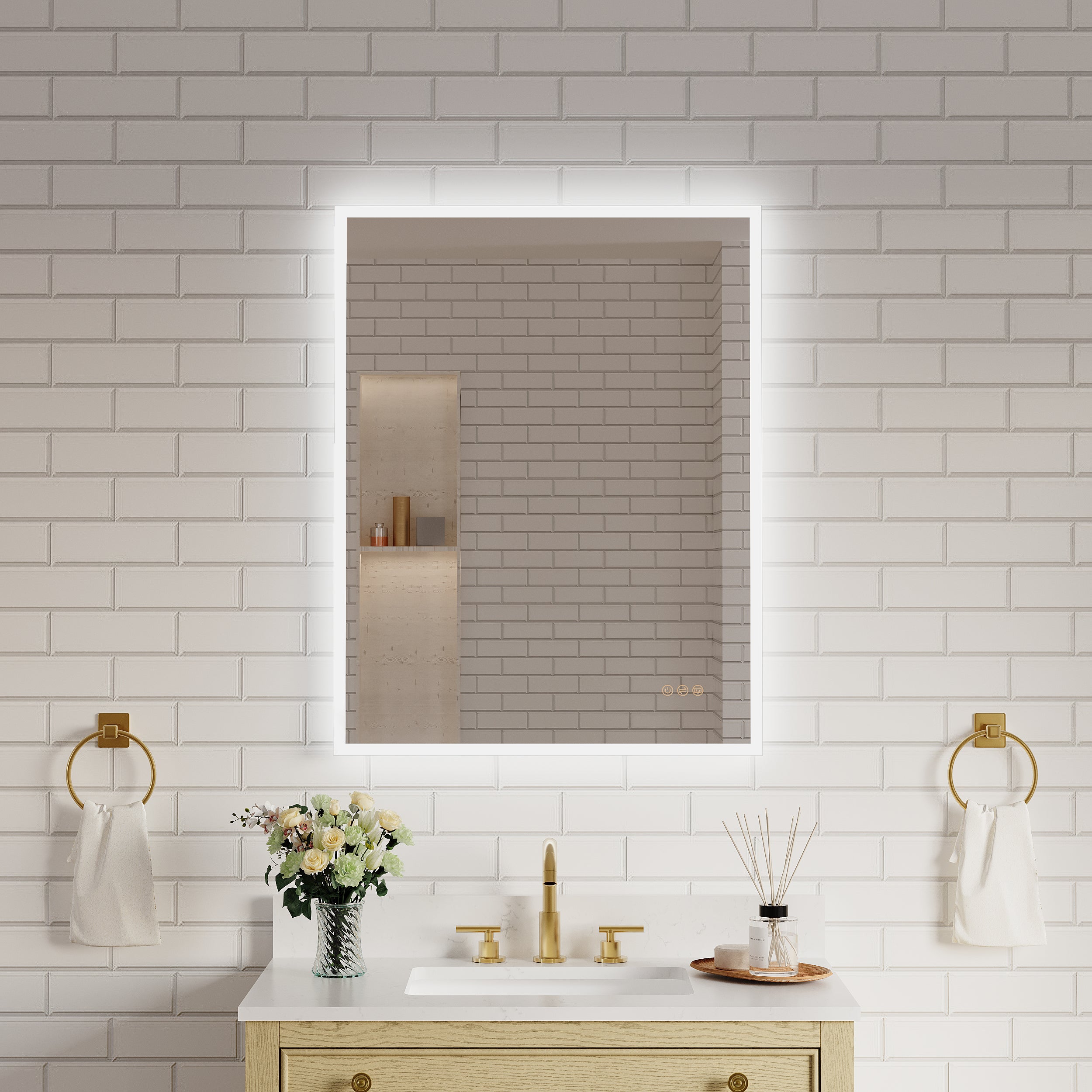
In recent years, as smart home technology permeates every corner of daily life, LED bath mirrors have emerged as a popular choice for upgrading bathroom spaces. Particularly with technological advancements, LED mirrors featuring "anti-fog functionality" have become a focal point within the industry. When shopping online for bathroom mirrors, "anti-fog mirror" and "led bath mirror" consistently rank among consumers' most searched keywords.
So, how effective is the anti-fog function in LED bathroom mirrors? How does it transform the user experience? What innovations are emerging in anti-fog technology within the industry? And what new phase will this feature reach by 2025? This industry report will provide a comprehensive view from multiple angles: technical principles, user experience, industry trends, market competition, and future outlook.
Why Has the Anti-Fog Feature of LED Bathroom Mirrors Suddenly Exploded in Popularity?
According to the 2024-2025 Smart Bathroom Products Market Report, sales of LED bath mirrors with anti-fog functionality surged over 40% in the past year, making them one of the most promising categories in bathroom smart technology.
Key reasons include:
- Compact urban living spaces and high humidity levels cause bathrooms to fog up easily;
Consumers' desire for refined living has heightened demands for mirror clarity.
Live-streaming e-commerce has accelerated the adoption of aesthetically pleasing and high-performance bathroom products.
Technological advancements have made anti-fog functionality more stable and responsive.
Transitioning from a "nice-to-have" to an "essential feature," anti-fog capability is emerging as the core competitive advantage of LED bathroom mirrors.
How Does LED Bathroom Mirror Anti-Fog Technology Actually Work?
Currently, the industry primarily employs two mainstream anti-fog technologies:
1. Electric Heating Anti-Fog Technology (Mainstream, accounting for 85%+)
This is the anti-fog method adopted by the vast majority of LED bathroom mirrors.
Principle:
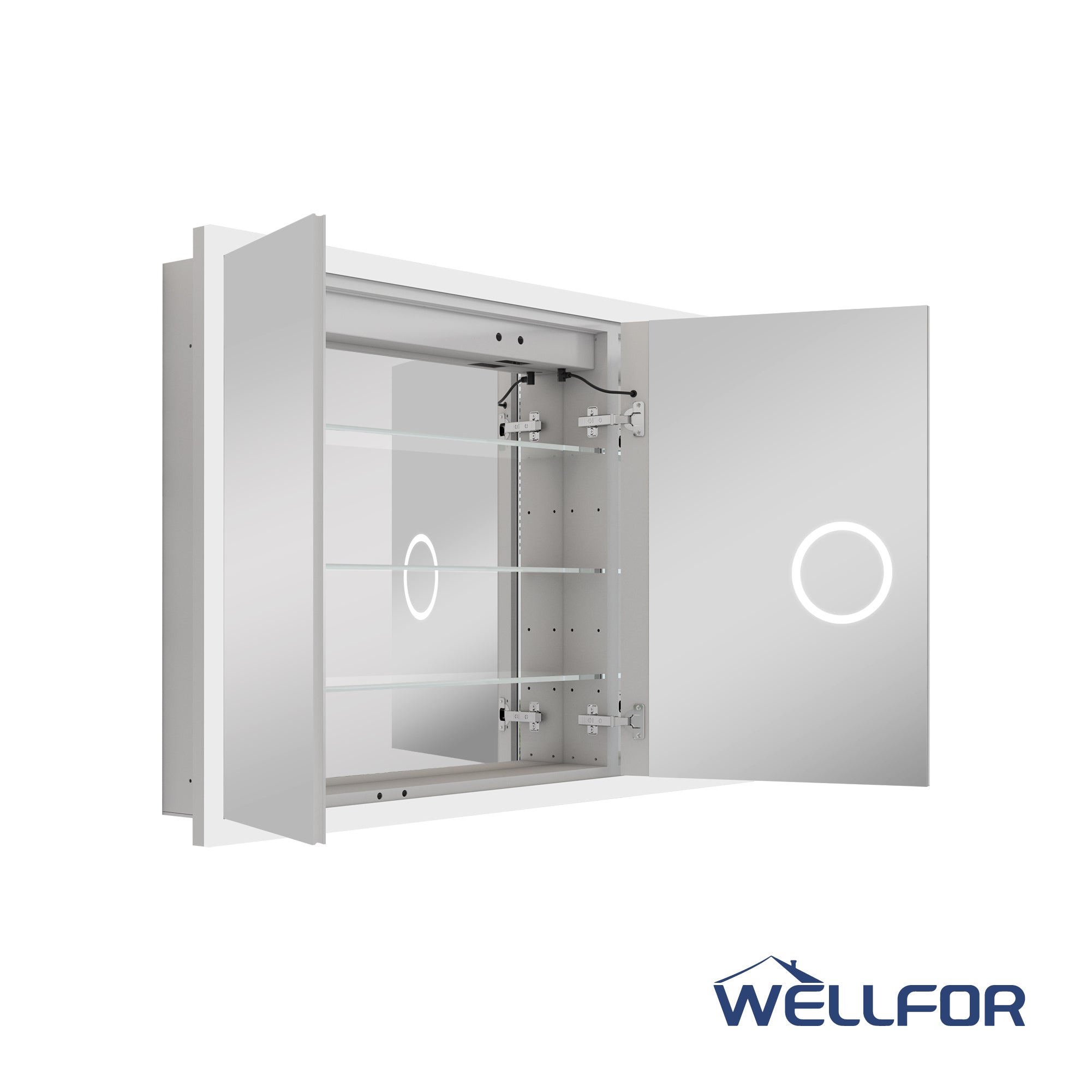
An anti-fog heating film is applied to the mirror's back surface. A low-current electrical charge heats the film, raising the mirror's temperature slightly above the dew point of ambient water vapor. This prevents condensation from forming.
Features:
Quick activation—typically clears fog within 3–5 minutes;
Wide coverage with uniform temperature distribution;
Long service life and high stability;
Does not interfere with the normal operation of the LED lighting system.
2. Nano-Coating Anti-Fog Technology (Emerging, 10–15% Market Share)
Primarily used in premium brands.
Principle:
The mirror surface is treated with nano-scale hydrophilic materials. This prevents water vapor from condensing into droplets, instead forming a uniform water film that maintains clarity.
Features:
No electrical heating, making it more eco-friendly.
Smooth mirror surface texture with minimal water residue.
Higher price point;
Anti-fog effectiveness depends on coating quality, with durability varying by brand.
From an industry-wide perspective, electrically heated anti-fog remains the most stable and cost-effective mainstream solution.

Real-World User Experience: Does the Anti-Fog Effect Live Up to Its Hype?
Based on evaluation data from major bathroom brands and e-commerce platforms, LED bathroom mirrors demonstrate overall excellent anti-fog performance, though significant variations exist between brands.
1. High-efficiency brands generally share these characteristics:
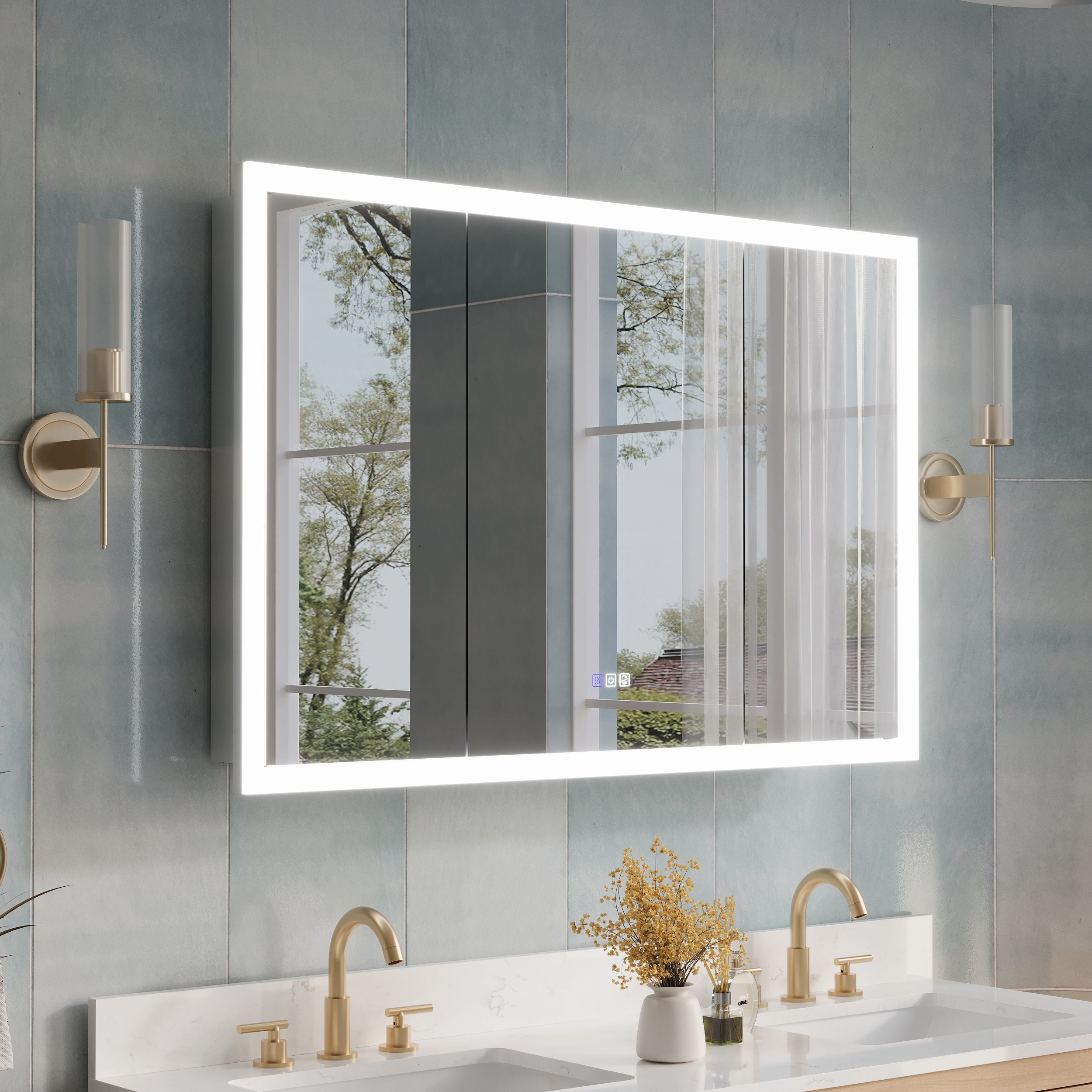
Anti-fog coating covers over 70% of the mirror surface.
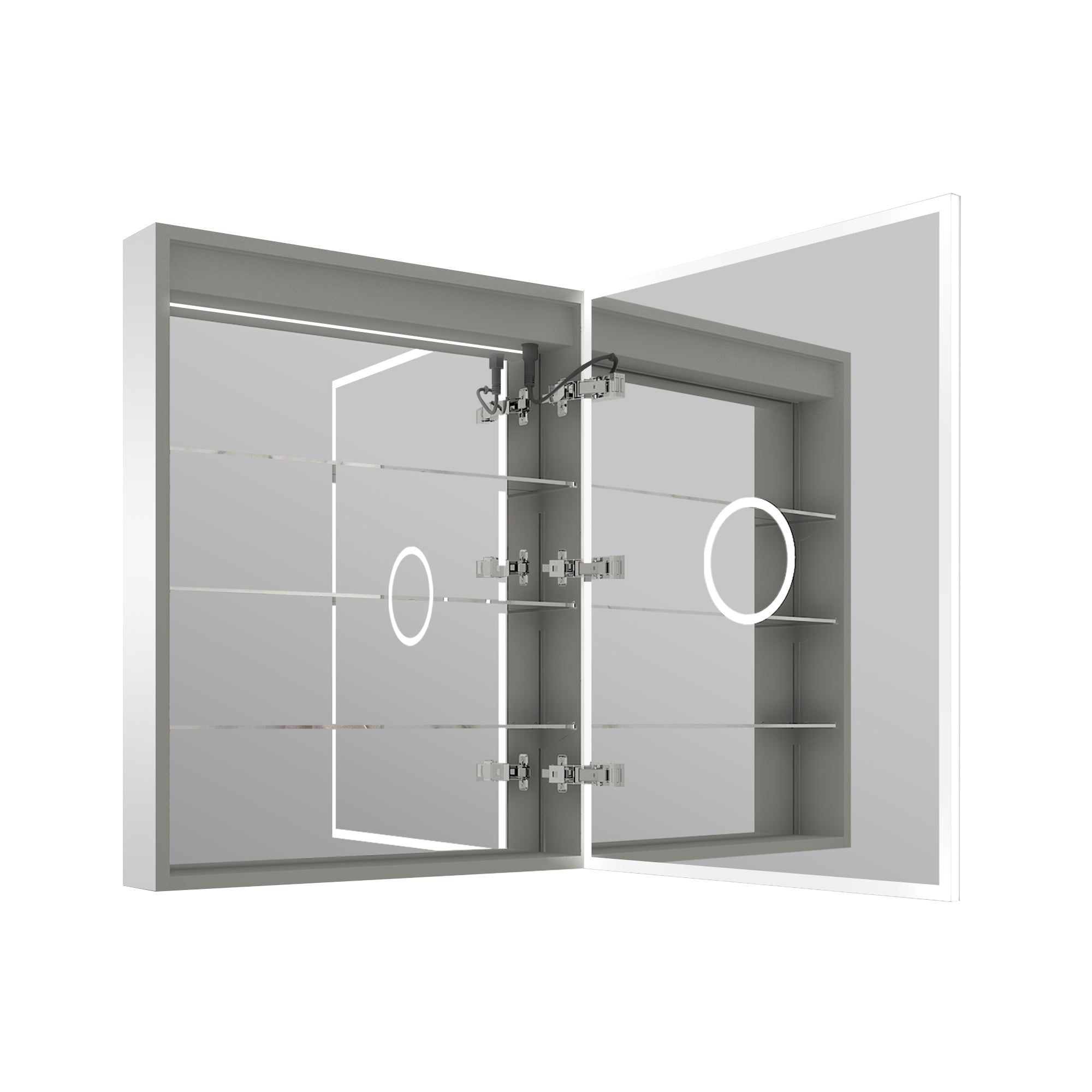
A zoned heating system ensures a stable temperature rise across the mirror surface.
Touch-sensitive switches offer independent control, enhancing energy efficiency and safety.
Waterproof rating reaches IP44 or higher.
Among these products, high-definition clarity is restored within 1–3 minutes after showering, allowing users to immediately groom or shave.
2. Common issues with subpar anti-fog products on the market:
Insufficiently large anti-fog area, leaving only a small section clear;
Inadequate heating power, causing recurring fog;
Immature technology causing "watermarks" or "spots" on the mirror surface;
Low-cost products use inferior heating films with short lifespans and susceptibility to damage.
This demonstrates:
Anti-fog effectiveness is determined not by "whether it has anti-fog," but by the "quality of anti-fog technology."
Industry Trend: Anti-fog Functionality Becoming a "Standard Selling Point" for LED Bathroom Mirrors
By 2025, several distinct trends emerged in the LED bathroom mirror sector:
Trend 1: Comprehensive Smart Function Upgrades
- Automatic sensor-activated anti-fog
- Constant temperature regulation
- Integrated anti-fog + sterilization
- Anti-fog systems linked to smart home ecosystems
In the future, "smart constant-temperature anti-fog" will become the premium feature standard.
Trend 2: Energy-efficient anti-fog technology emerges as a new growth driver
To meet energy-saving demands, brands are developing:
Low-power heating films
Zone-specific smart heating
Zero-power nano anti-fog coatings
Making anti-fog functionality greener.
Trend 3: Larger, More Uniform Anti-Fog Coverage
The industry is upgrading from traditional small-area anti-fog to "full-mirror large-area anti-fog."
High-end products even support multi-zone independent control to meet diverse usage needs.
Trend 4: Design Aesthetics and Functionality Merge as the Dominant Direction
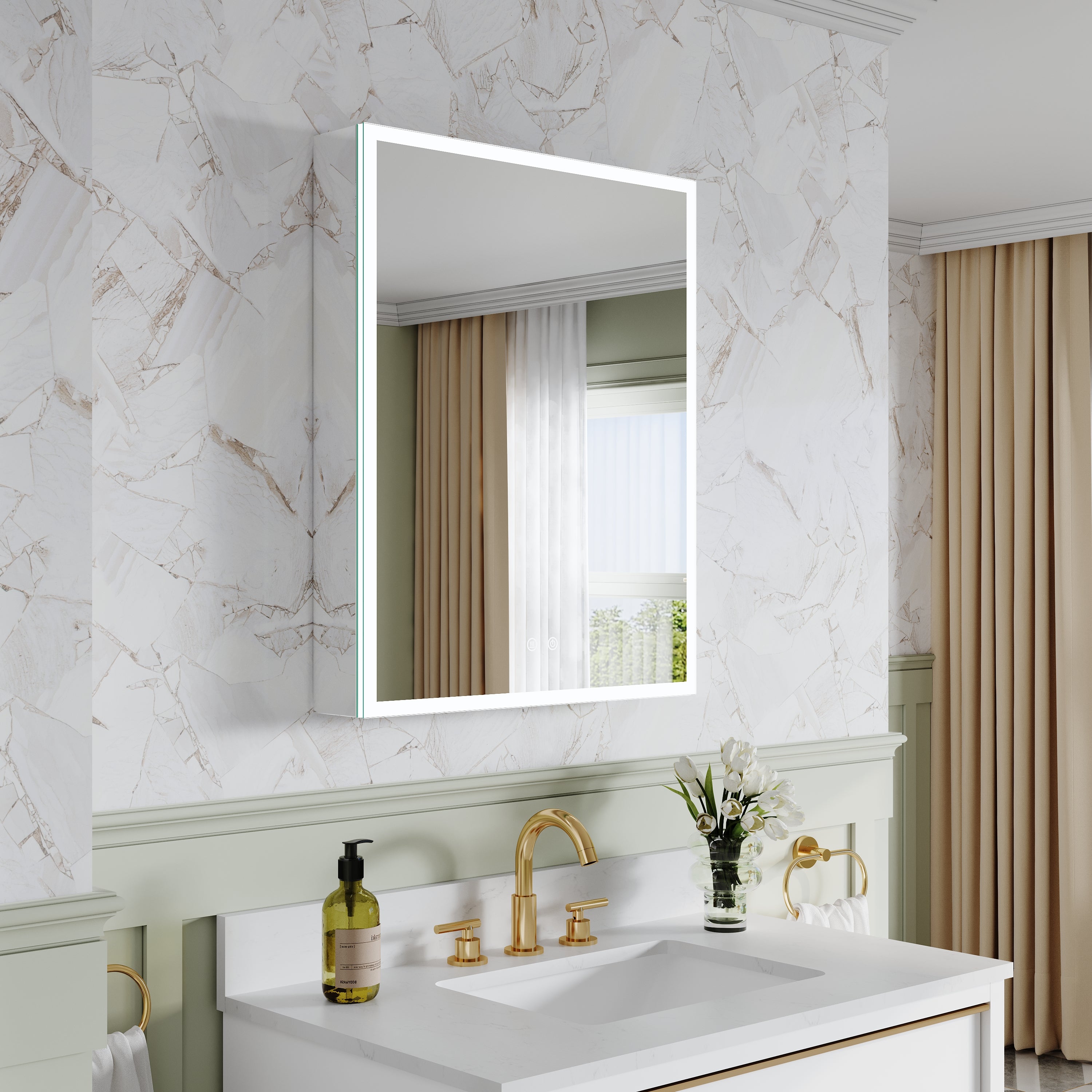
LED bathroom mirrors must not only be fog-free but also visually appealing.
2025 Trends:
Ultra-thin design (less than 1 inch)
Integrated ring light strips with the mirror body
Invisible touch buttons
Frameless design
Products are rapidly transitioning from "functional" to "artistic."
Intensifying Corporate Competition: How Brands Vie for Dominance in Anti-Fog Technology
Industry insiders note that future competition in LED bathroom mirrors will shift from "price wars" to "technology wars + experience wars."
1. Premium Brands Accelerate R&D Efforts
Leading brands are making substantial investments in:
Safer anti-fog electric drive systems
Long-lasting anti-fog coatings
Mirror materials with enhanced light transmission
AI-powered automatic temperature compensation
Technology refresh cycles are accelerating.
2. Emerging Brands Capture Market Share Through Value Proposition
Small-to-medium brands leverage live-streaming e-commerce and factory-direct models to rapidly attract consumers with high-value products, bringing LED bathroom mirrors into more households.
3. International Brands Drive Global Standard Advancement
Global bathroom brands are launching premium smart mirror products in China, compelling local manufacturers to elevate quality control standards. This trend accelerates the rapid maturation of anti-fog technology across the industry.
How Can Consumers Select LED Bathroom Mirrors with Truly Effective Anti-Fog Performance?
To avoid pitfalls, industry experts recommend evaluating the following:
1. Check the Area and Power of the Anti-Fog Heating Film
Larger areas ensure more uniform anti-fog performance.
For mirrors over 50cm, select heating films with ≥15W power.
2. Verify Independent Anti-Fog Switch Functionality
Avoid products that automatically activate anti-fog when lights turn on—this wastes energy and is inconvenient.
3. Examine the Waterproof Rating
Opt for IP44 or higher to ensure safety.
4. Evaluate brand craftsmanship and after-sales support
As a long-term appliance, reliable after-sales service is crucial.
5. Review actual user feedback and professional evaluations
Authentic user experiences are more credible than marketing claims.
Conclusion: Anti-fog technology is redefining the value proposition of LED bathroom mirrors
Evolving from an "add-on feature" to a core selling point, advancements in anti-fog technology are accelerating the bathroom industry's shift toward smart solutions.
Looking ahead, the integration of artificial intelligence, eco-friendly materials, and smart control technologies will unlock new possibilities for LED bathroom mirrors:
• Automatic temperature sensing and adjustment
• Synchronized operation with bathroom heaters and water heaters
• Zero-energy anti-fog coatings
• Intelligent skin-enhancing lighting systems
A smarter, greener, and more comfortable bathroom experience is on the horizon.












Leave a comment
This site is protected by hCaptcha and the hCaptcha Privacy Policy and Terms of Service apply.