














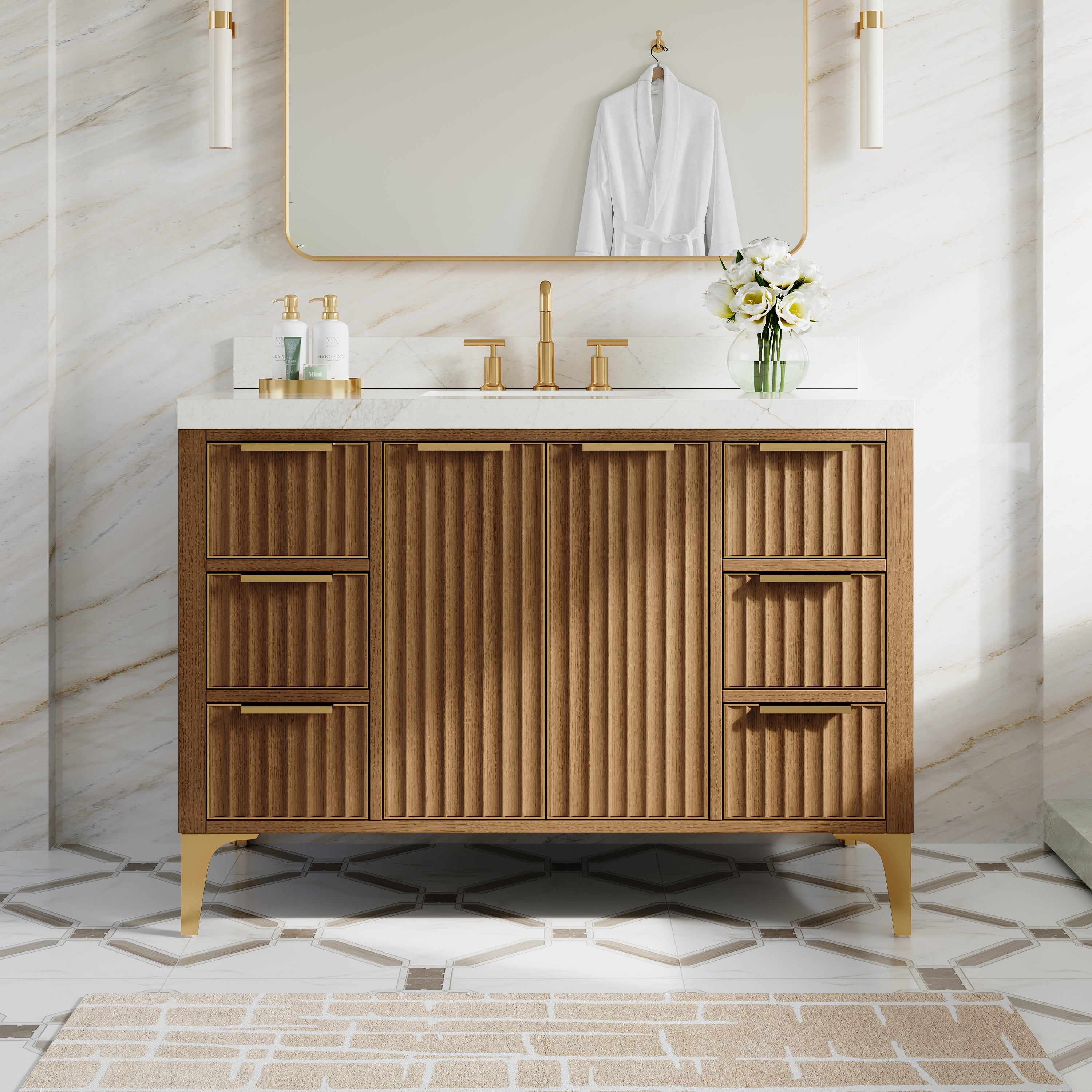


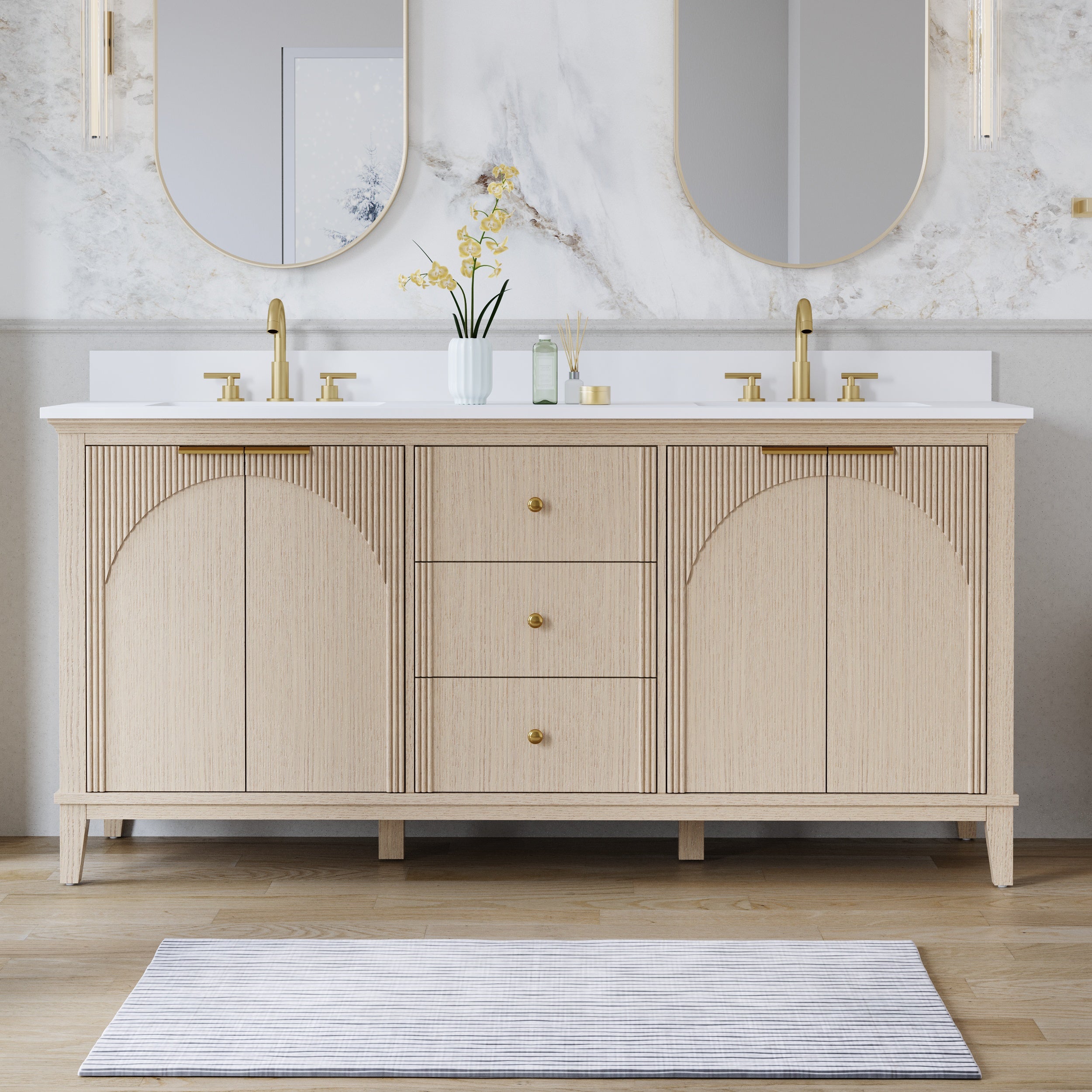
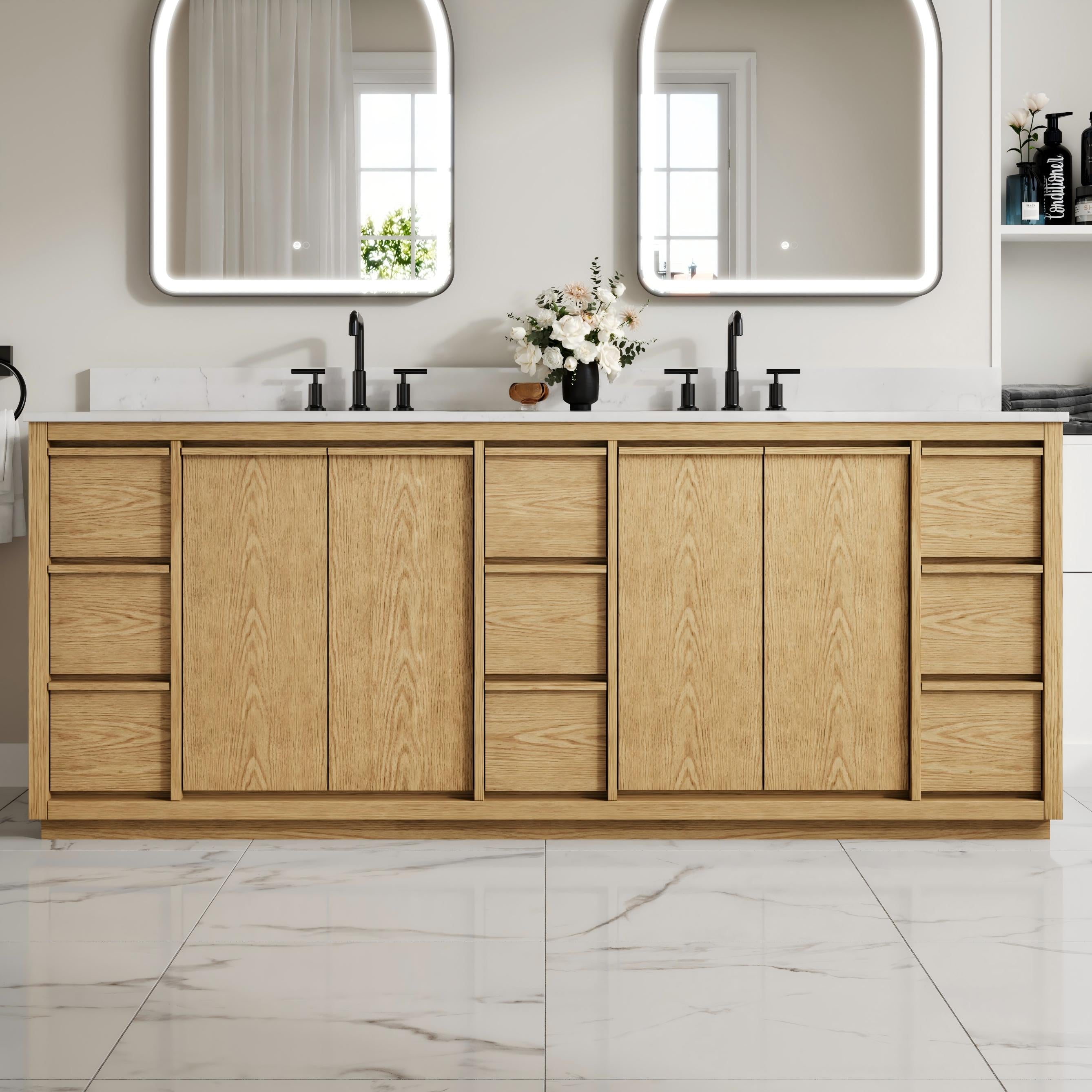

A lighted mirror can make everyday grooming noticeably easier because it puts useful illumination exactly where you need it—around your face. That sounds simple, but it solves a common bathroom problem: ceiling lights and overhead vanity fixtures often create shadows that make shaving, makeup application, skin care, and other detail work harder than they should be. From a practical bathroom-design standpoint, better lighting is often more valuable than adding another decorative feature.
1. Why a Lighted Mirror Makes Grooming More Accurate
Most bathrooms are designed to illuminate the room rather than the person standing at the vanity.
When light comes mainly from above, the brow, nose, and chin cast shadows across the face. You may not notice the problem until you try to apply foundation evenly, shape facial hair, or examine your skin closely.
A lighted mirror places illumination closer to eye level. That gives the face a more even appearance and makes small details easier to see.
For shaving, this can mean fewer missed areas around the jaw and neck. For makeup, it becomes easier to judge blending and coverage. People who wear contact lenses or follow detailed skin-care routines also benefit from clearer visibility.
It is a functional improvement, not just a style upgrade.
2. A Lighted Mirror Can Give You Better Control Over Your Routine
Modern bathroom lighting does not need to operate at one fixed brightness level.
Dimmable mirrors let you use stronger light for detailed tasks and softer light when you do not need full illumination. Early in the morning, bright task lighting can help you get ready quickly. Late at night, lower brightness is much more comfortable.
Some models also allow color-temperature adjustment.
Warm, Neutral, and Cool Light Serve Different Purposes
Warm light creates a relaxed atmosphere, but it can slightly alter how colors appear. Cooler light tends to show more detail, though too much can feel clinical.
For grooming, I usually prefer a neutral setting because it creates a balanced view of skin tone and facial details.
A mirror with several color-temperature options gives you more flexibility, but this is one area where buyers sometimes overfocus on specifications. Three useful settings are often better than a long list of modes you will never use.
3. It Can Reduce Awkward Shadows Around the Face
Good grooming light should reach the face from the front rather than relying only on overhead illumination.
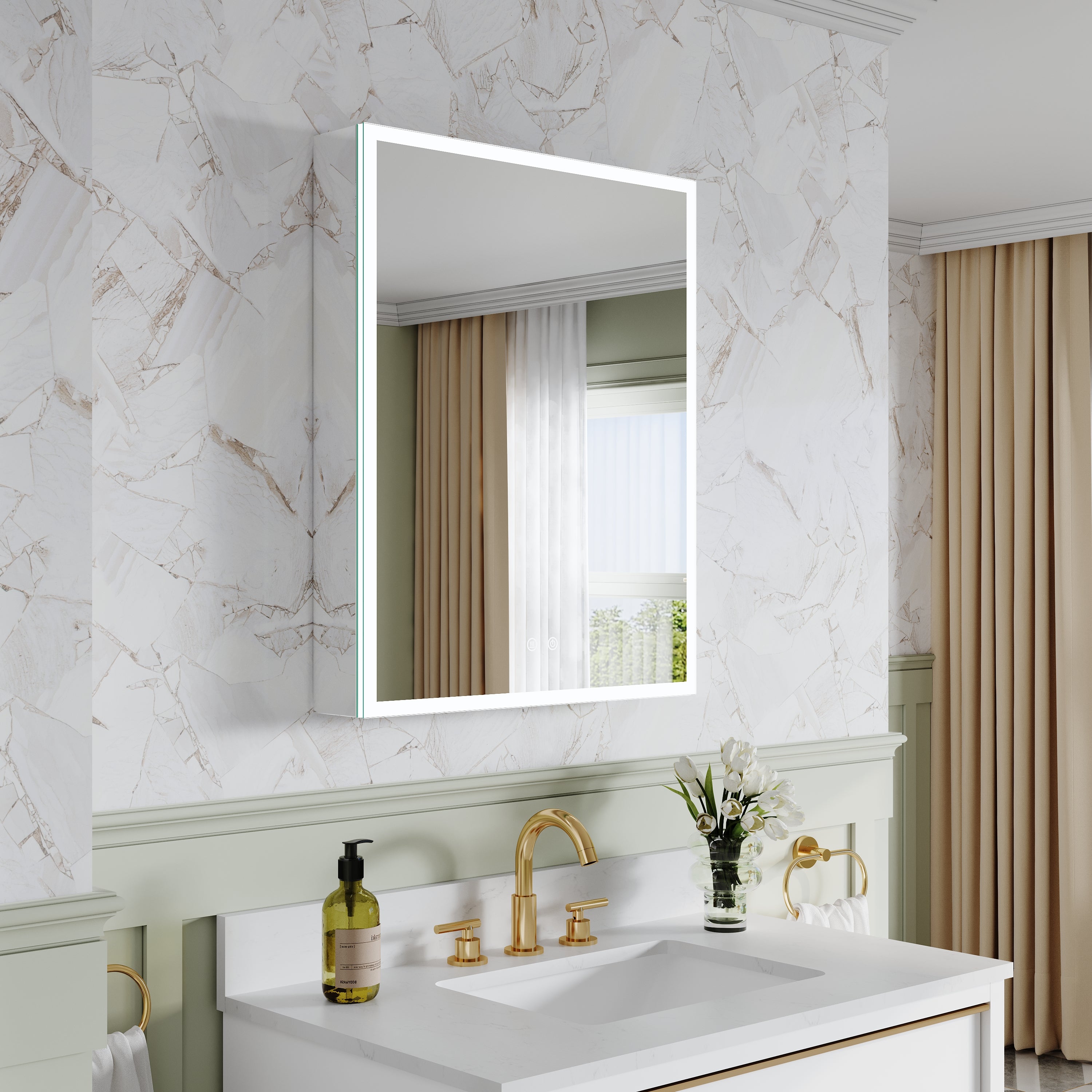
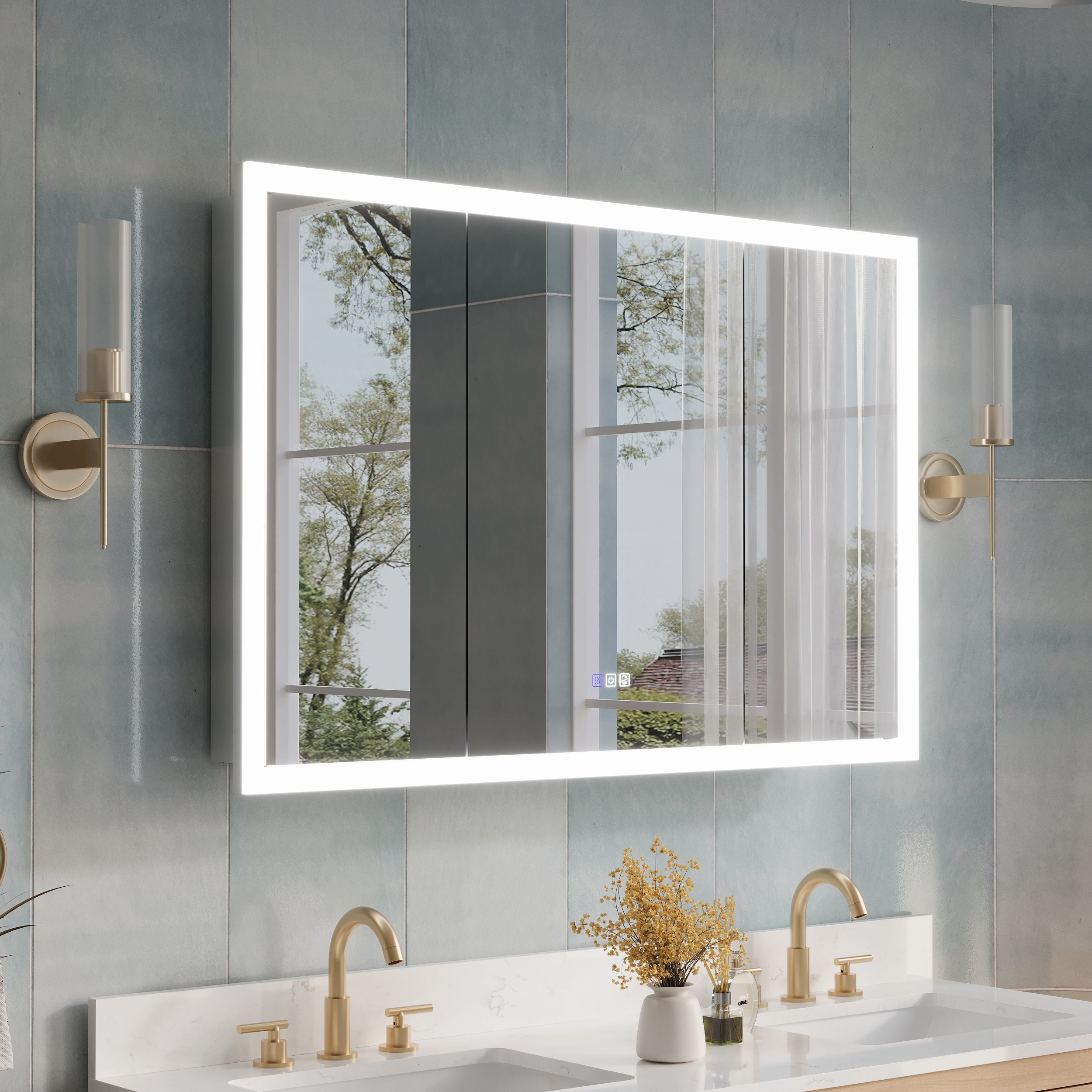
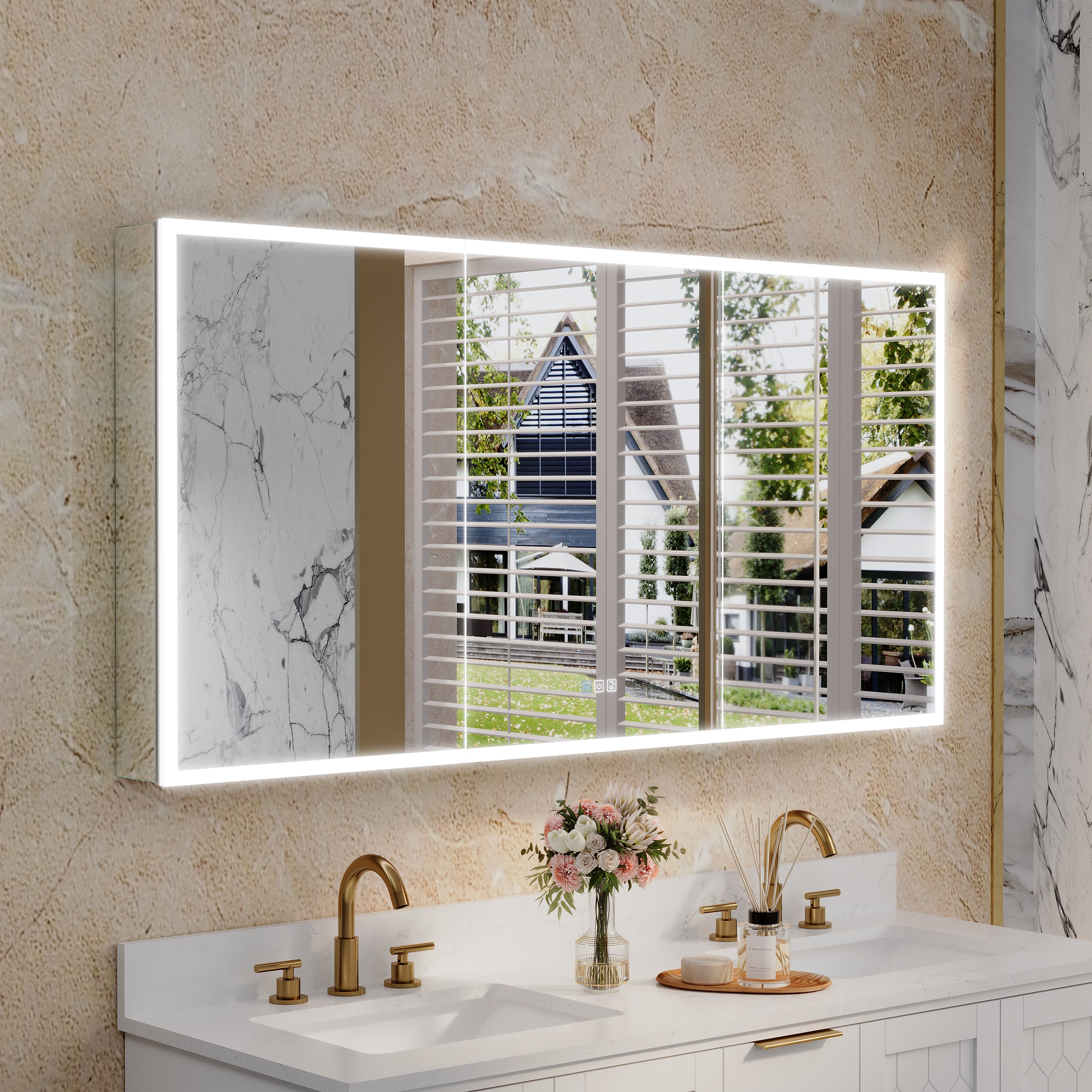
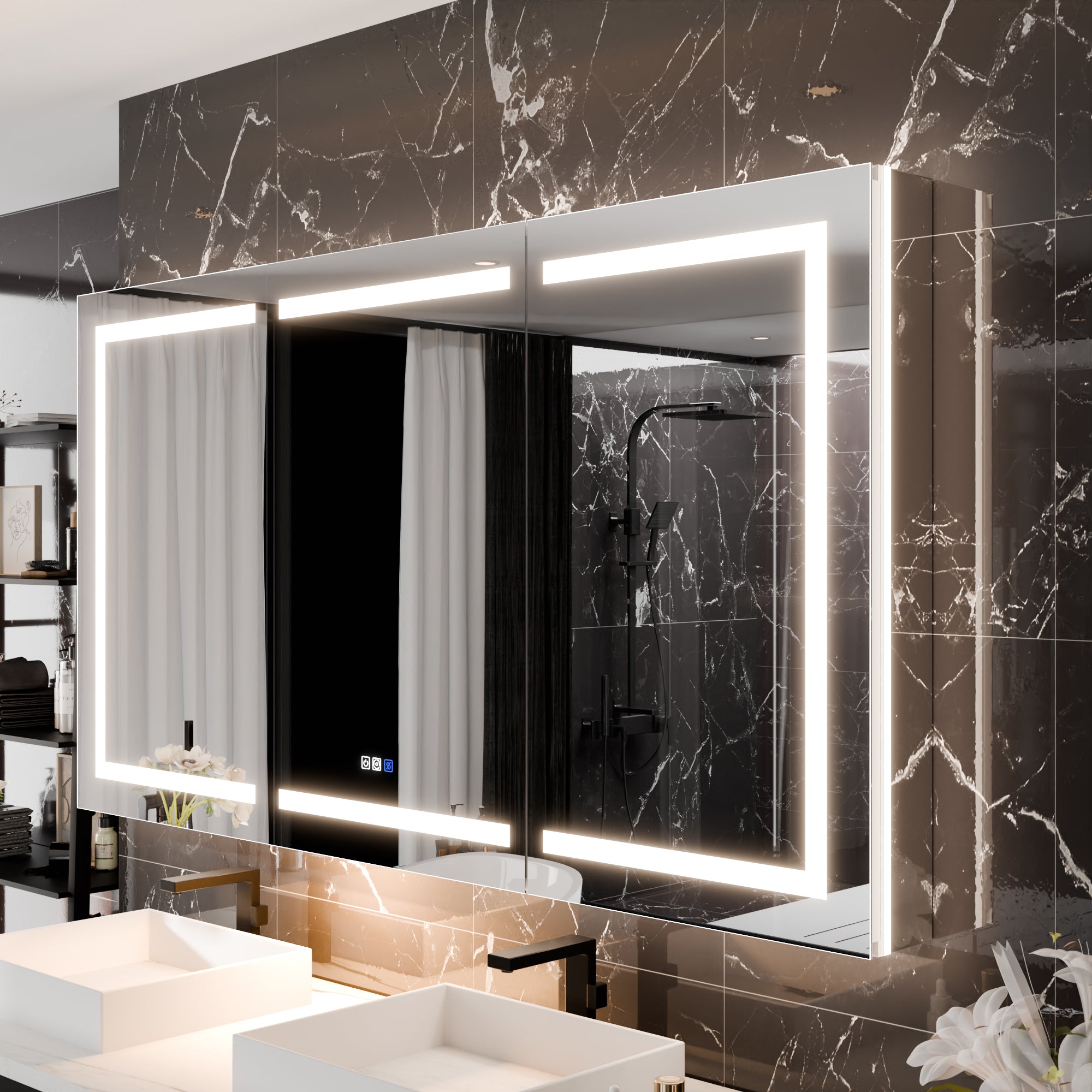
That is why front-lit mirrors are especially effective for task lighting. LEDs positioned around the mirror direct light toward the person using it, which can reduce uneven shadows.
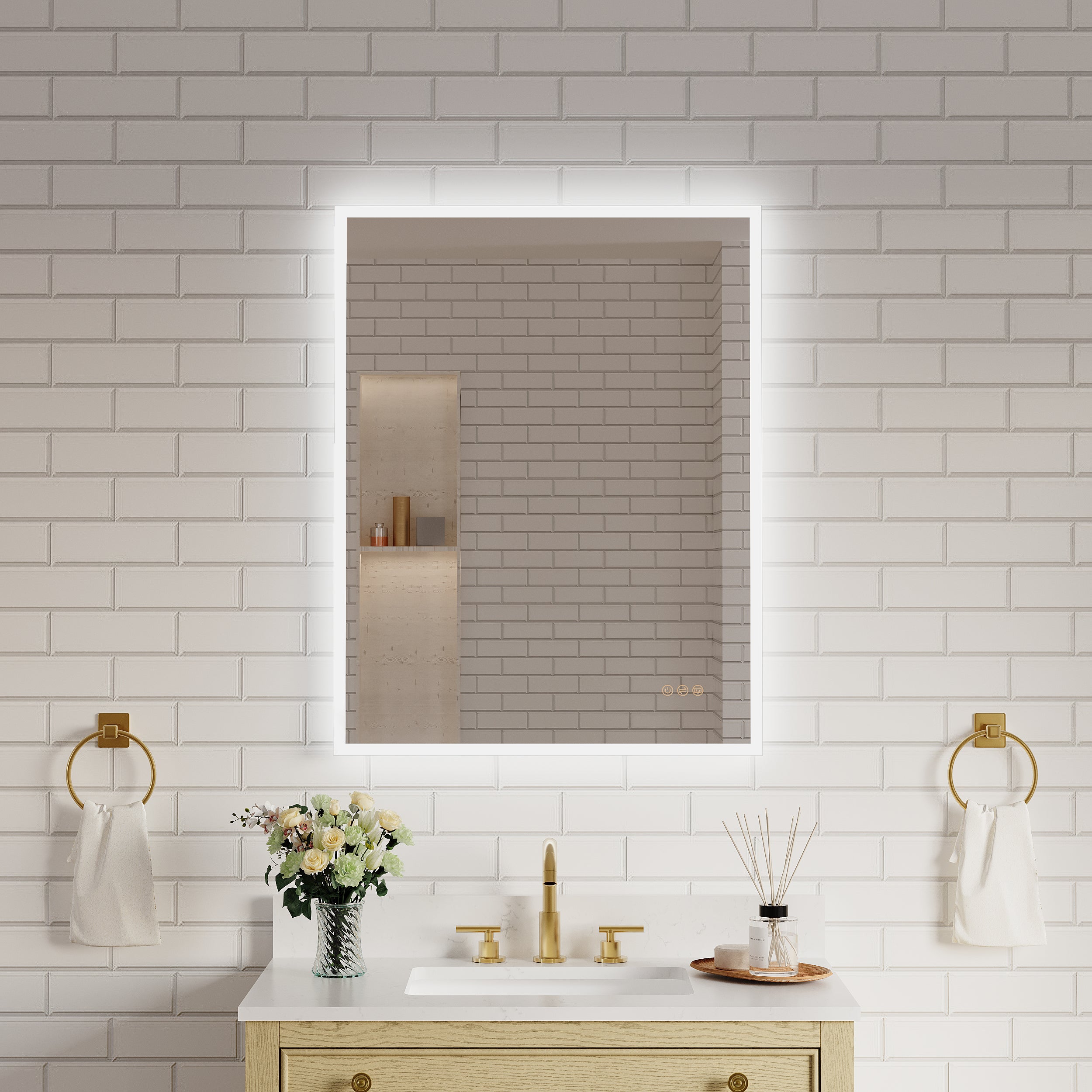
Backlit mirrors work differently. They cast a glow onto the wall behind the mirror and can make the bathroom feel more polished, but they are not always as strong for close grooming.
Some designs combine front and back lighting. Those models can provide both practical illumination and softer ambient light.
The best option depends on what you expect the mirror to do. If detailed grooming is the priority, front-facing light output deserves more attention than decorative glow.
4. Grooming Can Become Faster and More Consistent
Better visibility often means less second-guessing.
You are less likely to step toward a window after applying makeup just to check whether the color looks different in natural light. Shaving becomes easier when you can clearly see the contours of the face, and small tasks such as eyebrow grooming are less frustrating.
For couples or families sharing one bathroom, consistent lighting can also make the morning routine more predictable.
This is one reason illuminated mirrors have become common in modern bathroom renovations. They solve a daily-use issue while keeping the vanity wall relatively uncluttered.
Extra Features Can Help, but They Are Not Essential
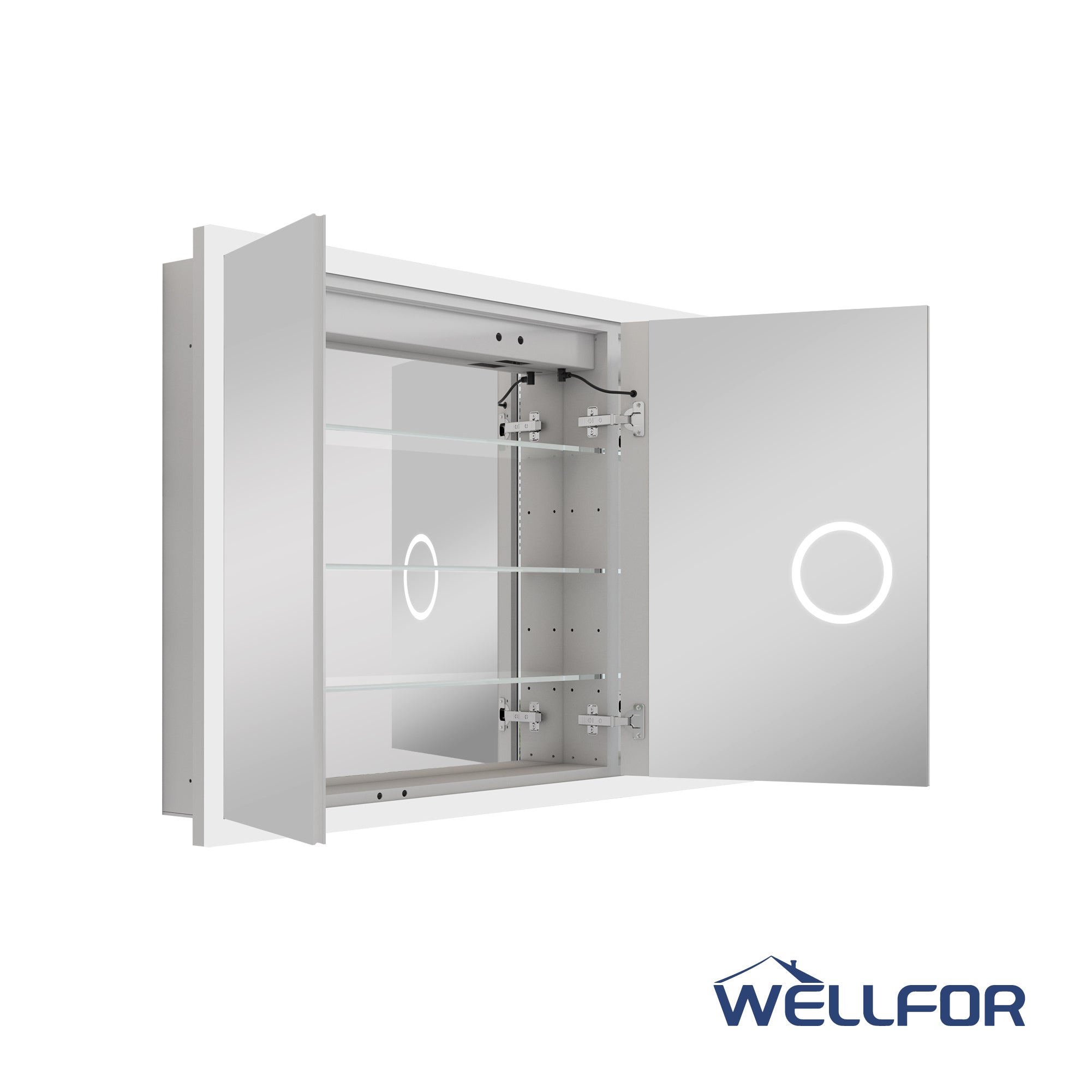
Defogging is useful if your mirror regularly disappears behind condensation after a hot shower. Memory settings are convenient if you use the same brightness every morning.
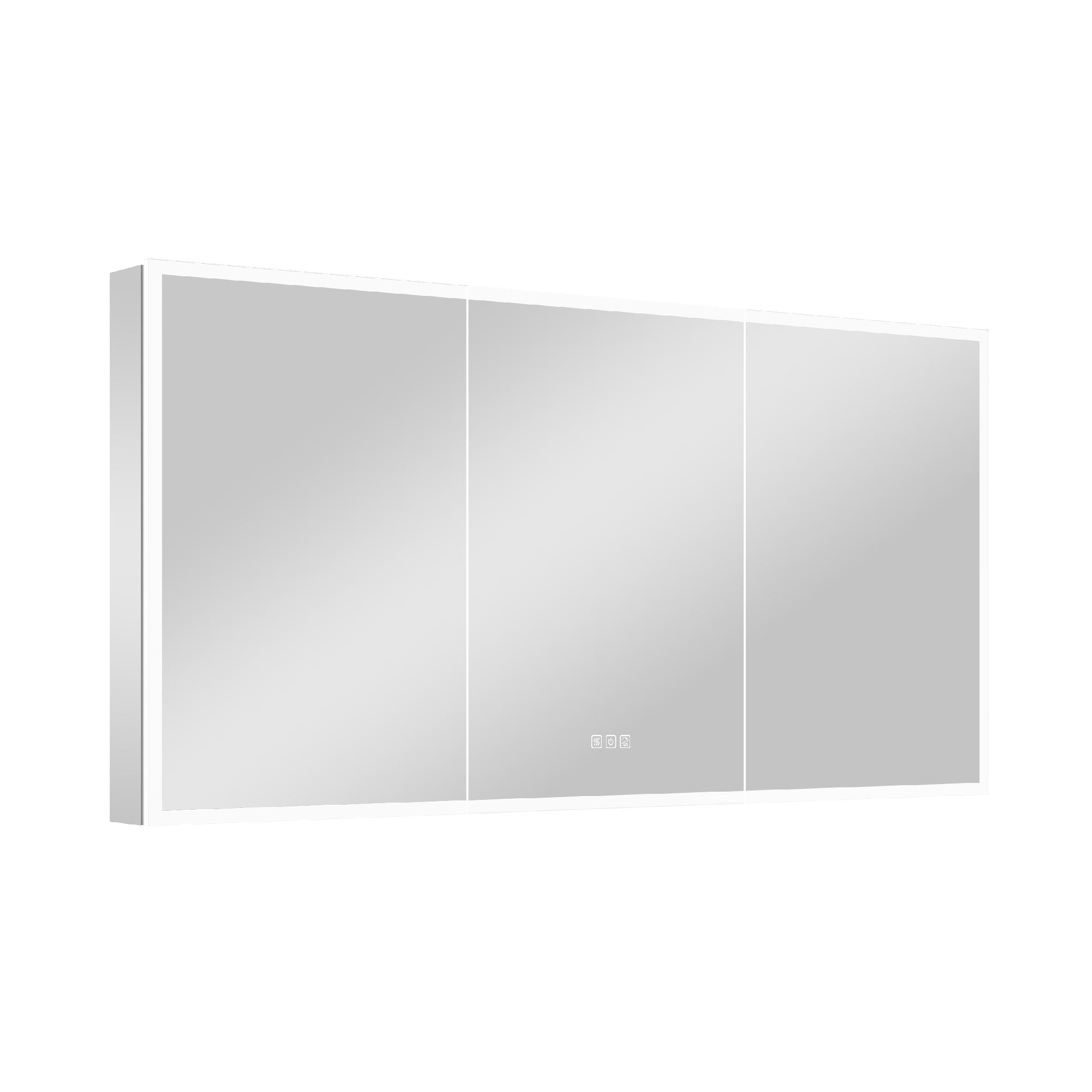
Touch controls create a clean appearance, though some people prefer a traditional wall switch.
None of these features matters as much as the quality and position of the light itself. I would rather buy a well-lit, simple mirror than a feature-heavy model with weak illumination.
5. There Are Some Limitations to Consider
A lighted mirror does not always replace every bathroom fixture.
Large bathrooms still need general ceiling lighting. If the mirror is the only light source, corners of the room may remain too dark.
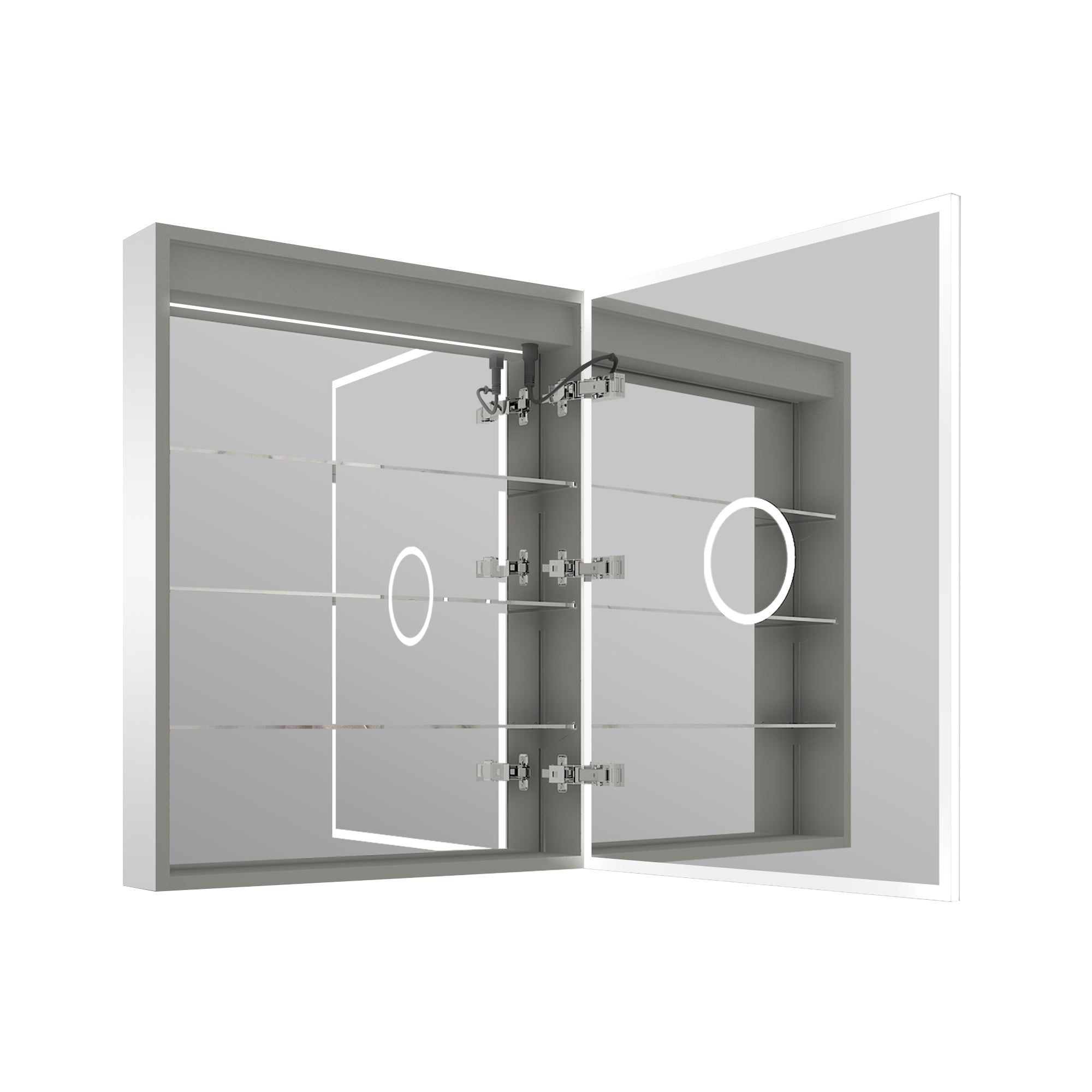
Installation can also be more involved than hanging a standard mirror. Hardwired models require an electrical connection, and work in a bathroom should follow applicable electrical requirements.
Repair is another consideration. A standard mirror and separate light fixture can often be replaced independently. With an integrated model, a lighting problem may require service to the entire unit.
Buyers should also be realistic about cost. A quality illuminated mirror usually costs more than a basic frameless mirror.
6. Where a Lighted Mirror Works Best
These mirrors make the most sense in bathrooms where grooming is part of the daily routine.
They are particularly useful over primary bathroom vanities, makeup stations, smaller bathrooms with poor lighting, and spaces without much natural daylight.
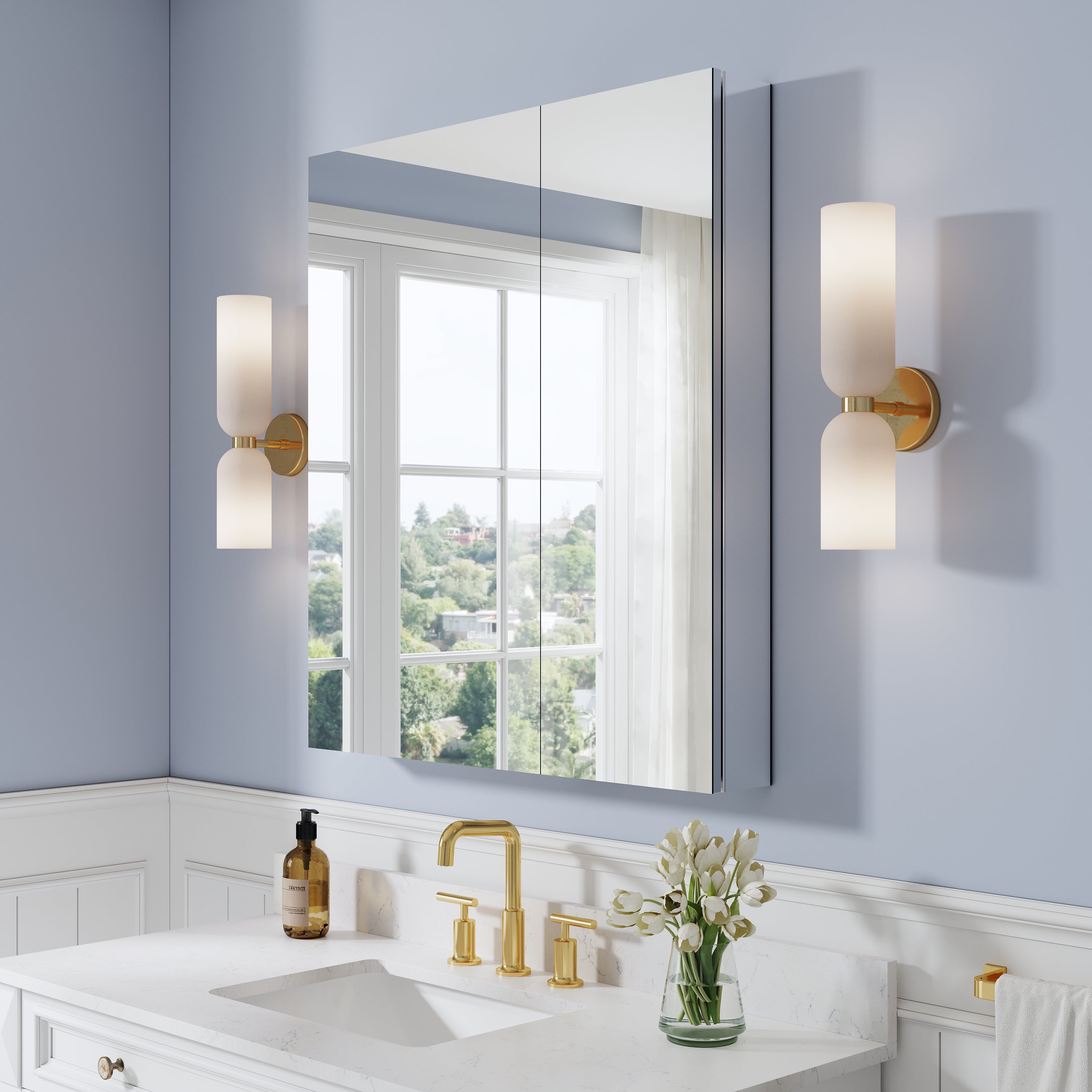
They may offer less value in a powder room that is used mainly by guests, or in a bathroom already equipped with excellent side sconces.
At Wellfor, I would suggest looking at how the room is actually used before choosing features. A stylish product is only worthwhile if it improves the routine happening in front of it.
7. Installation and Sizing Need Careful Attention
Do not choose size based only on available wall space.
The mirror should feel proportionate to the vanity. Check its width against the sink or cabinet below, and leave enough clearance from faucets, backsplashes, outlets, and nearby wall cabinets.
Mounting height should suit the people who use the bathroom most frequently.
If the model is hardwired, plan the electrical location before installation begins. Trying to adjust wiring after the mirror position has already been decided can turn a simple upgrade into unnecessary work.
8. Keep the Mirror Clean Without Damaging Its Components
Use a soft microfiber cloth for routine cleaning.
Rather than spraying cleaner directly onto the glass, apply it to the cloth first. This helps keep excess moisture away from mirror edges, touch controls, and electrical components.
Avoid abrasive pads or harsh cleaners, which may damage coatings or leave fine scratches.
Good bathroom ventilation also helps. Running the exhaust fan during and after showers reduces condensation and protects the mirror as well as nearby cabinetry, paint, and hardware.

9. Choose Lighting Quality Before Extra Features
When shopping, start with the way you groom. If makeup or detailed skin care is part of your routine, look for even front lighting and adjustable brightness. If you mainly need better visibility for shaving, strong, shadow-reducing illumination may matter more than decorative effects.
Check dimensions, installation requirements, controls, and whether the mirror provides the type of light you actually need.
A well-chosen lighted mirror should make grooming clearer, faster, and more comfortable without turning the bathroom into a complicated technology display. Focus on practical illumination first, then add features that genuinely fit your daily routine.













Leave a comment
This site is protected by hCaptcha and the hCaptcha Privacy Policy and Terms of Service apply.