





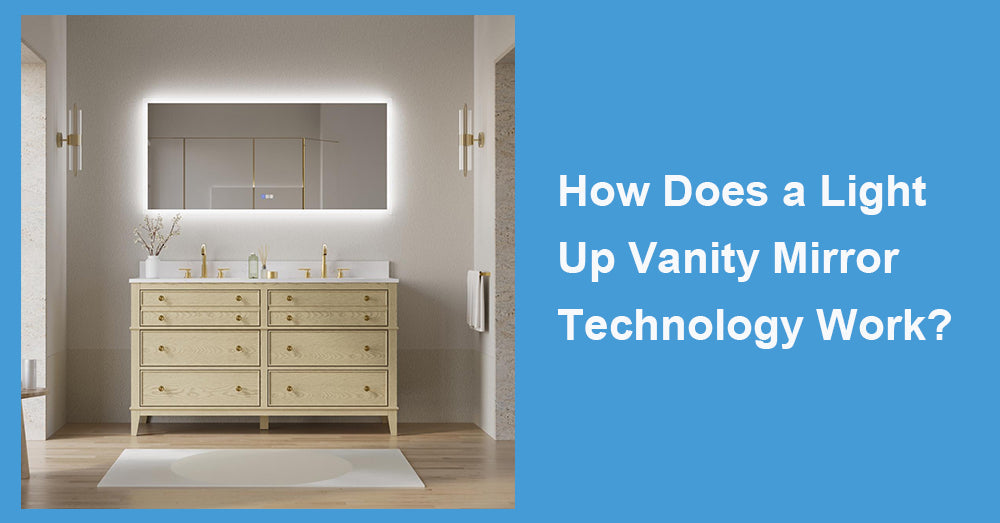
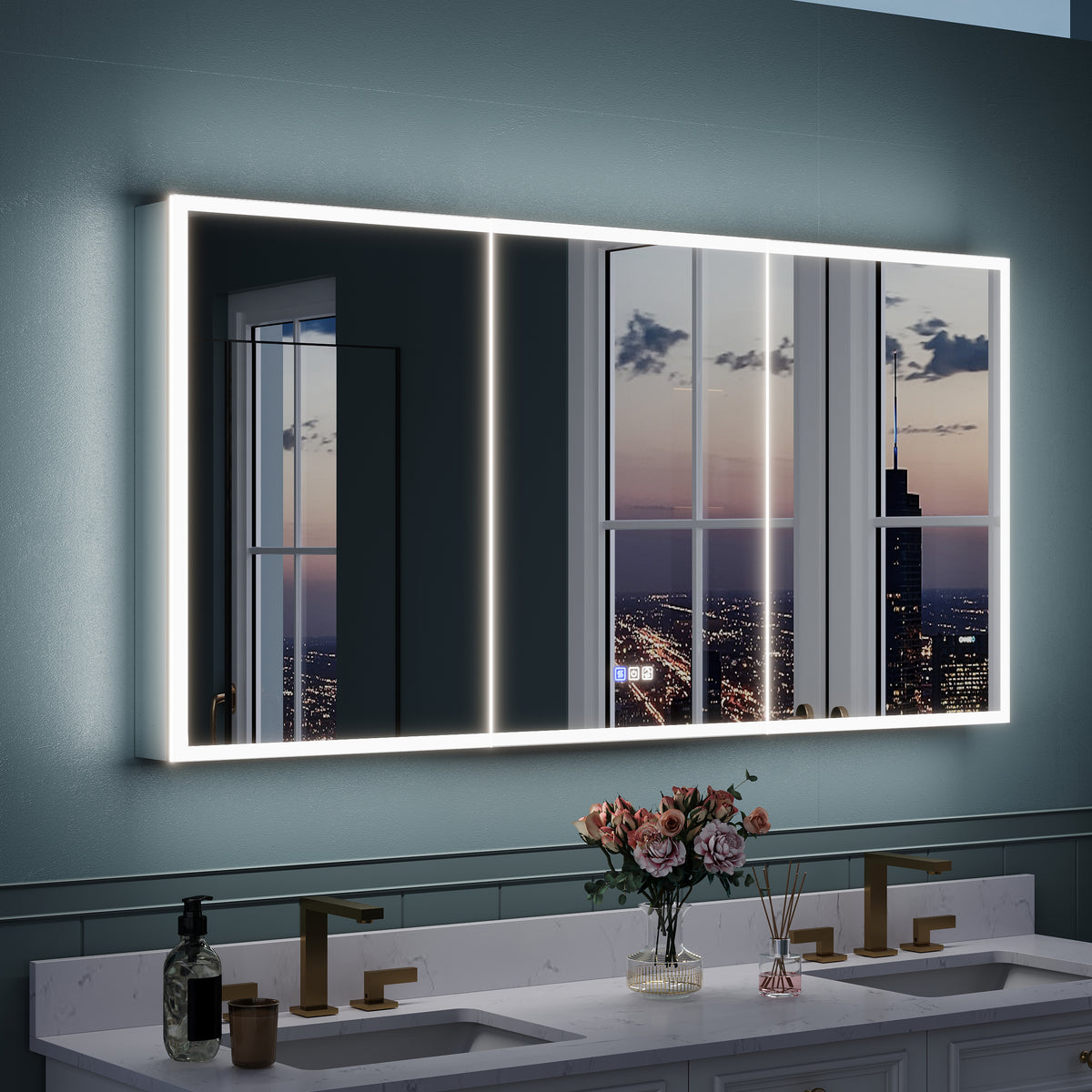
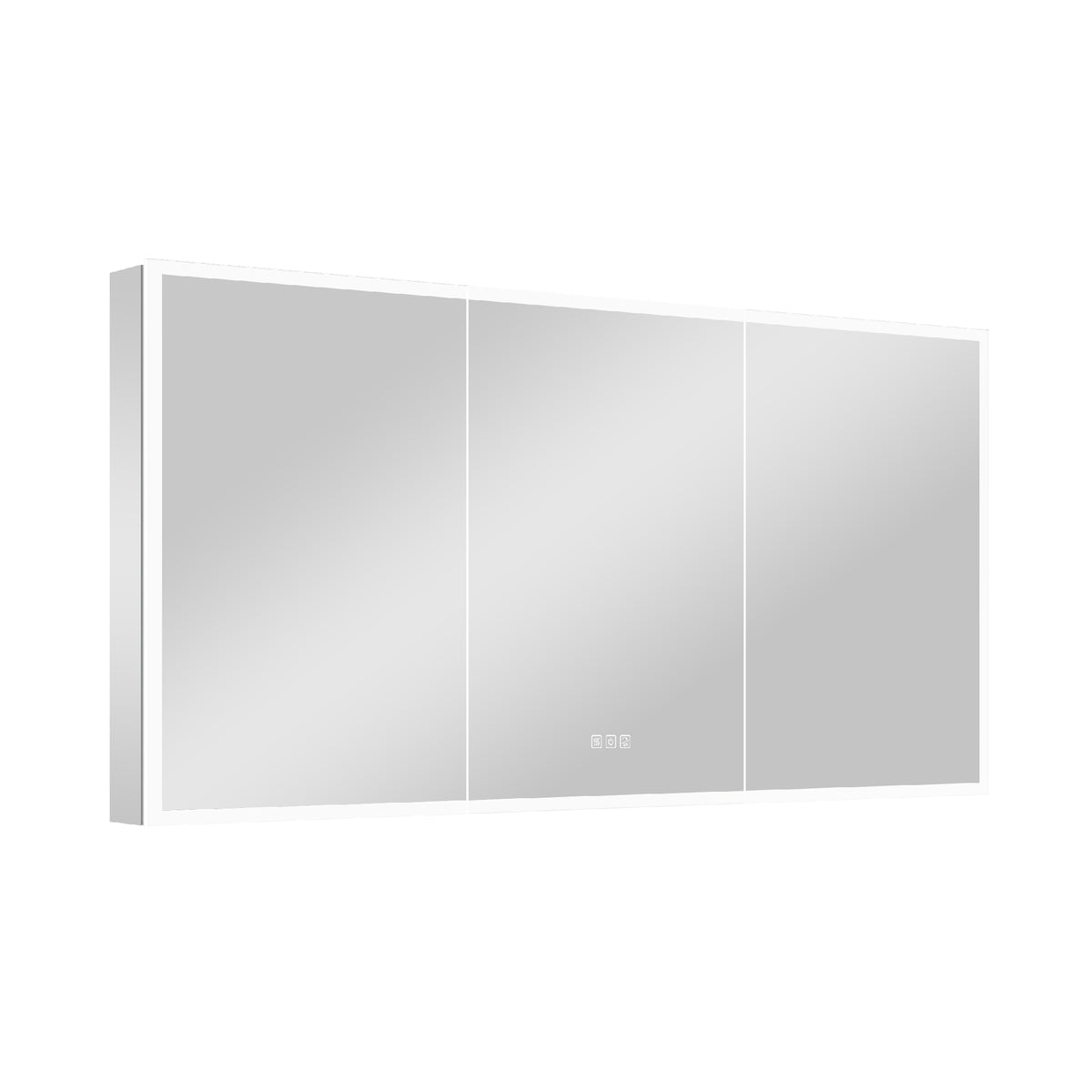
When people see a light up vanity mirror, they may think it is merely an ordinary piece of glass with a lighted frame around it. However, this mirror consists of several components that are used to produce the lighting effect. LEDs are responsible for light production; the diffuser is used to spread the light, and the electronic driver is responsible for providing energy to the lighting system. Depending on the design of the mirror, the touch controls can allow you to set the brightness level, change the color temperature, and switch on the defog feature. These functions are becoming more relevant now that bathroom lighting is gradually changing. According to the NKBA’s 2026 Bath Trends Report, the majority (91%) of specialists surveyed considered the quality of lighting equipment crucial; 47% said that they expect the integrated lighting solution to become popular in three years.
1. LED Technology Is the Starting Point
Most modern illuminated vanity mirrors use light-emitting diodes, commonly known as LEDs. Unlike traditional incandescent bulbs, LEDs generate light through a semiconductor when electrical current passes through it.
Their compact size makes them suitable for installation around a mirror's perimeter or behind the glass. They also consume relatively little electricity compared with older lighting technologies and can be arranged to create different lighting effects.
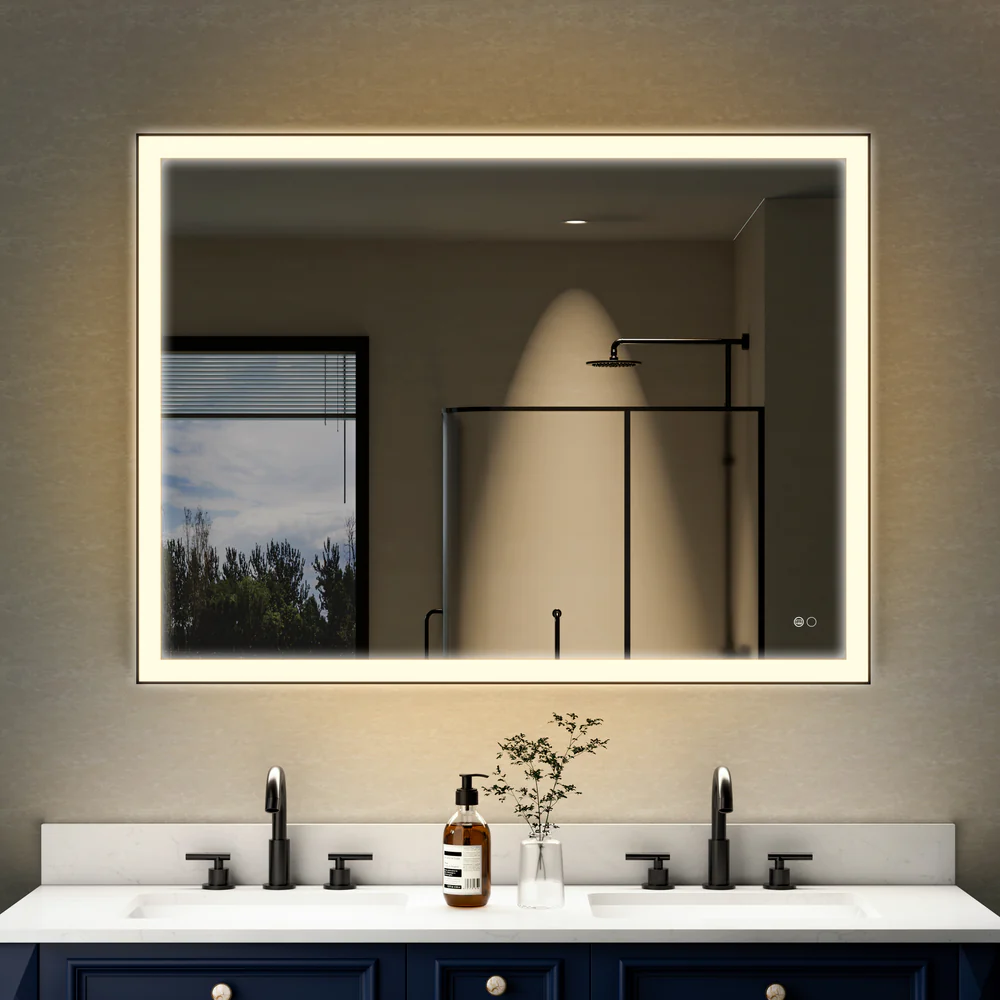
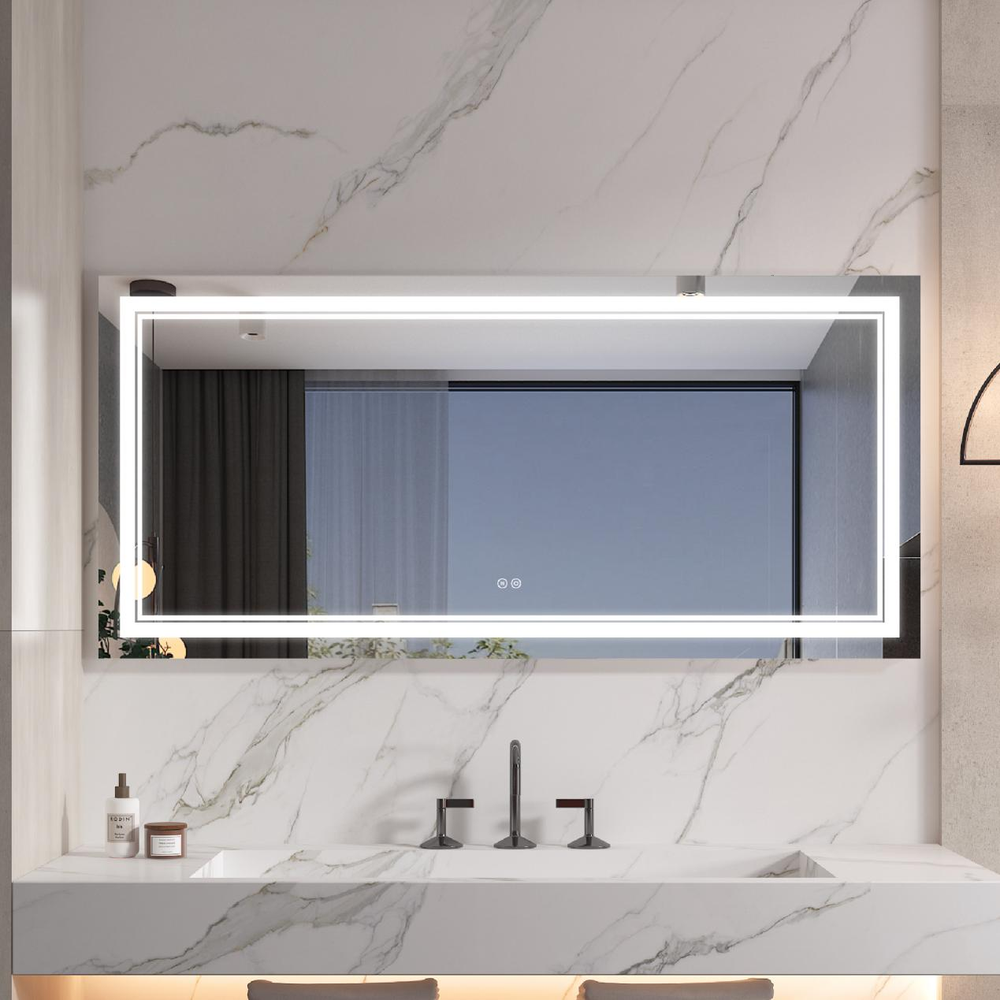
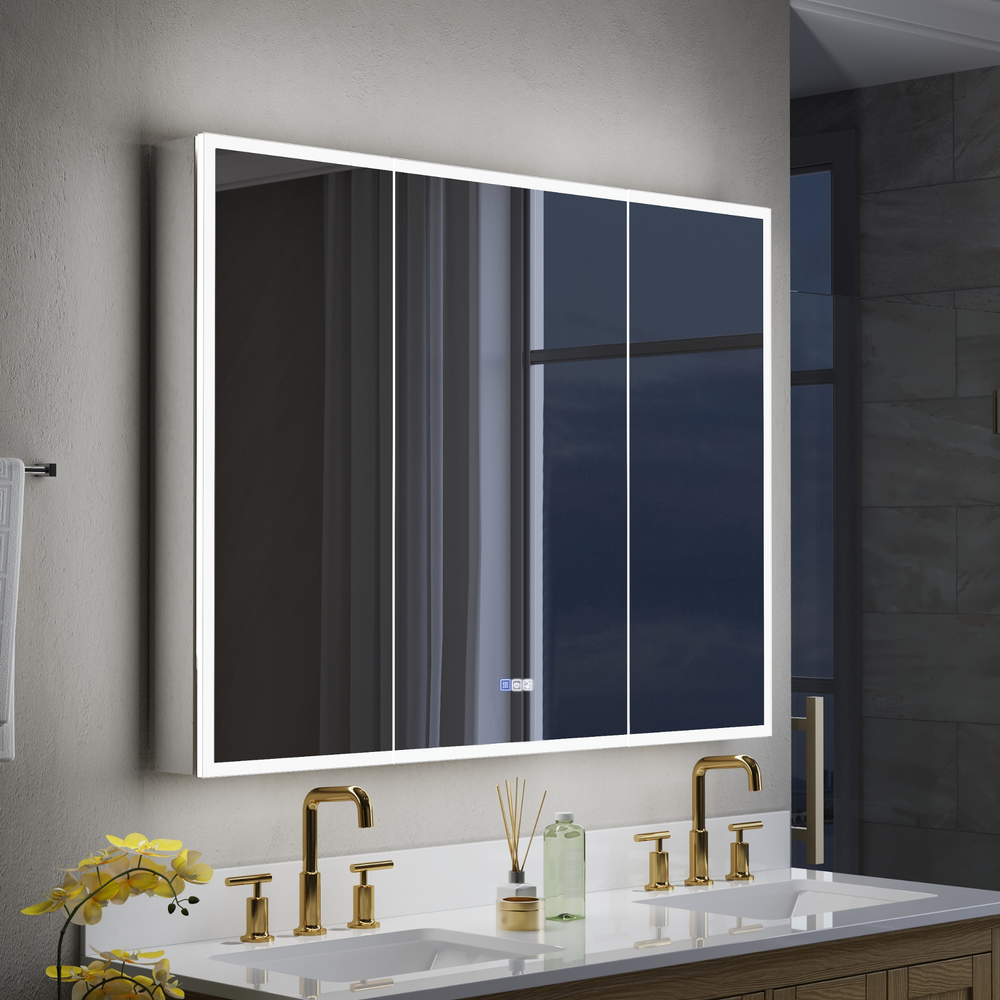
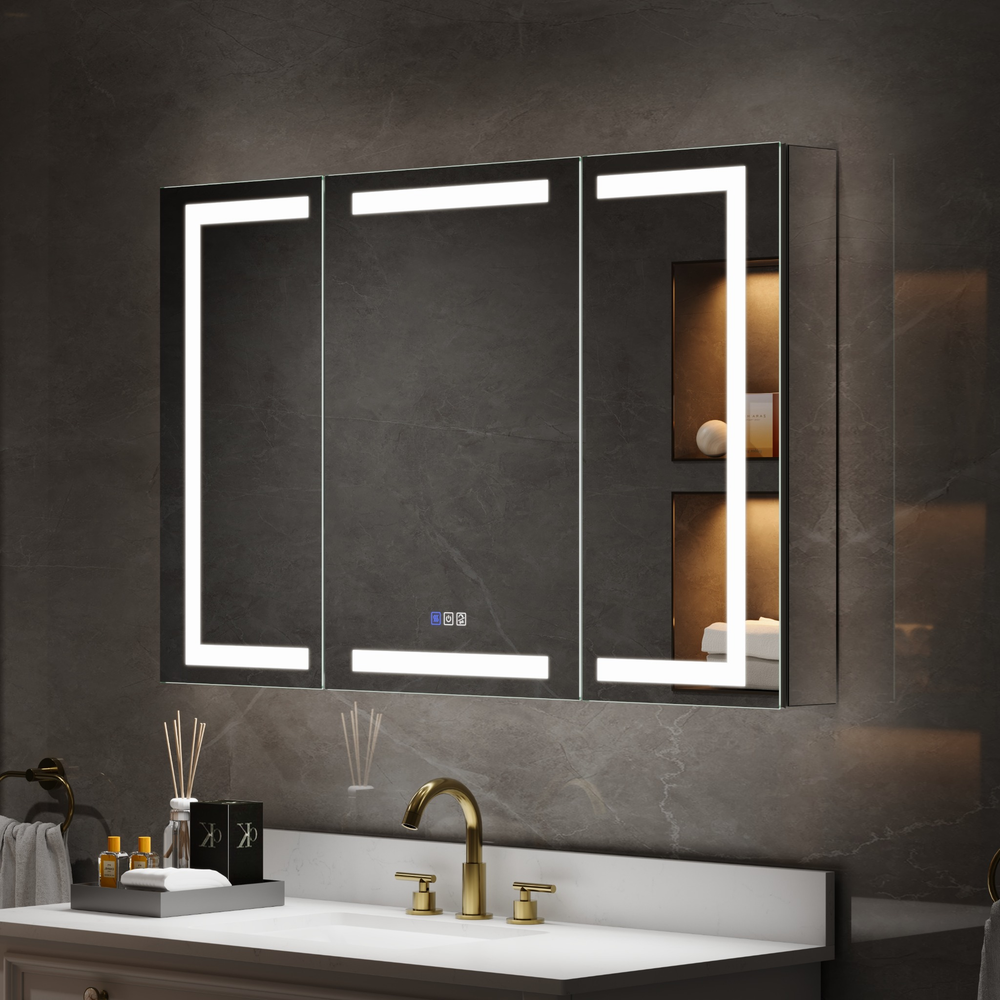
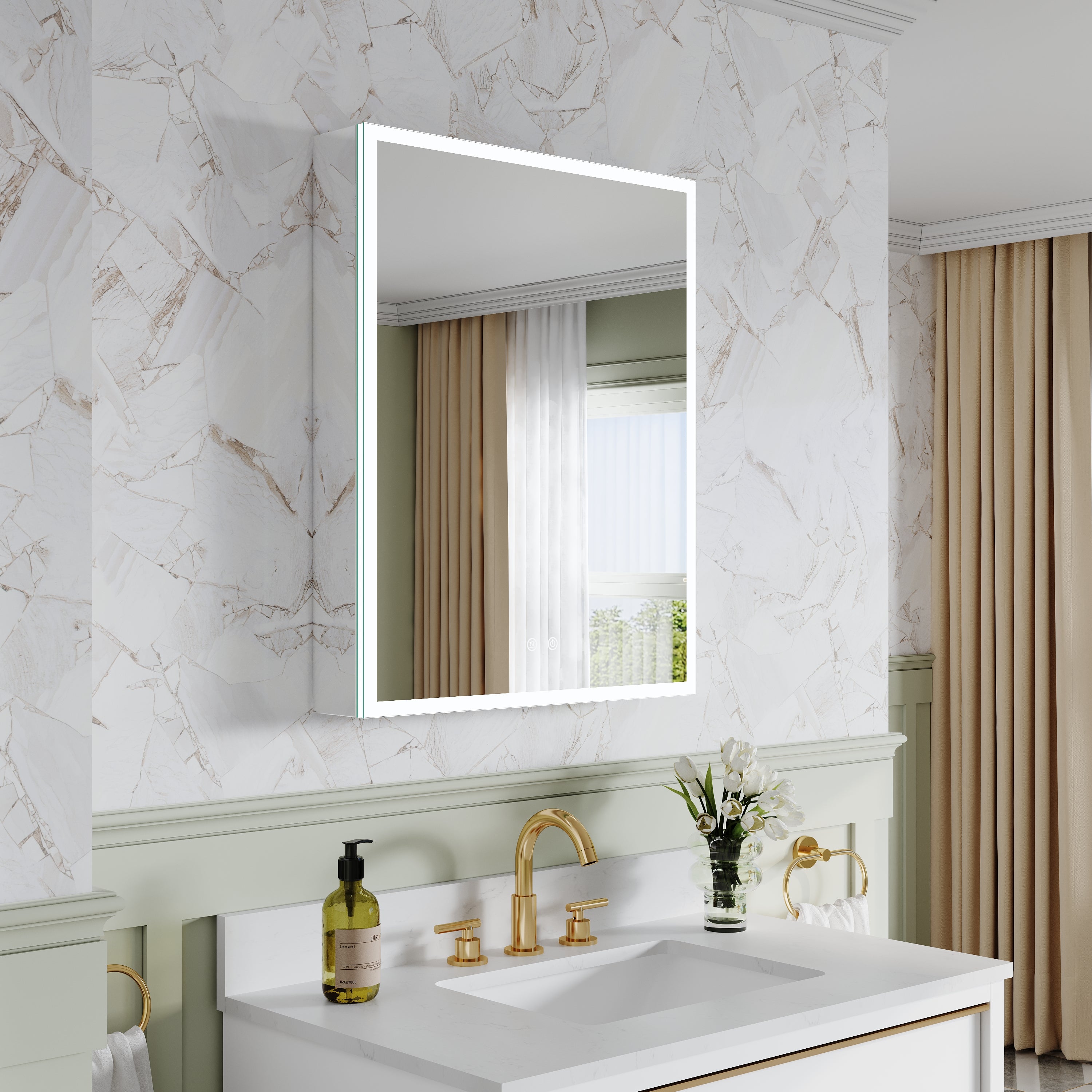
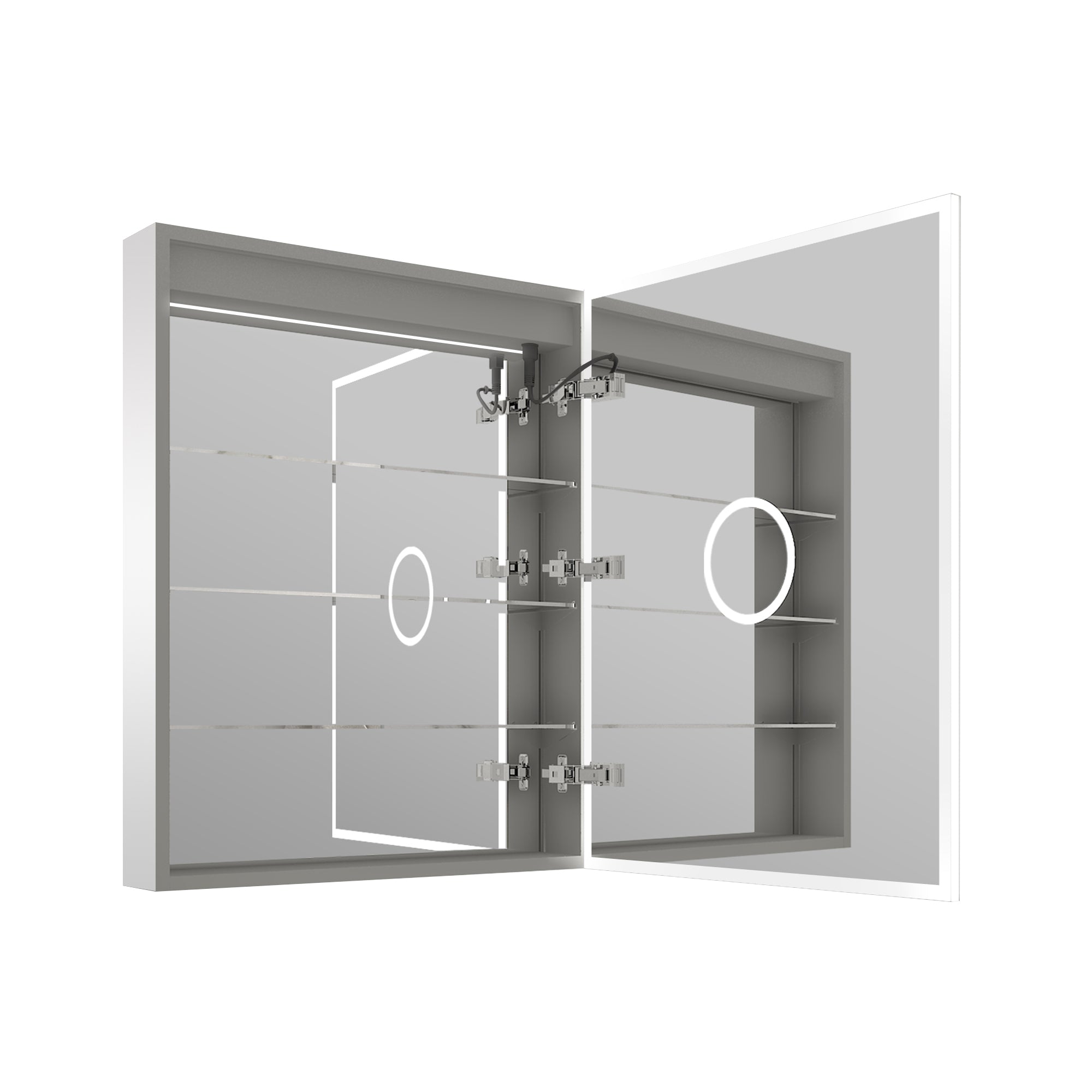
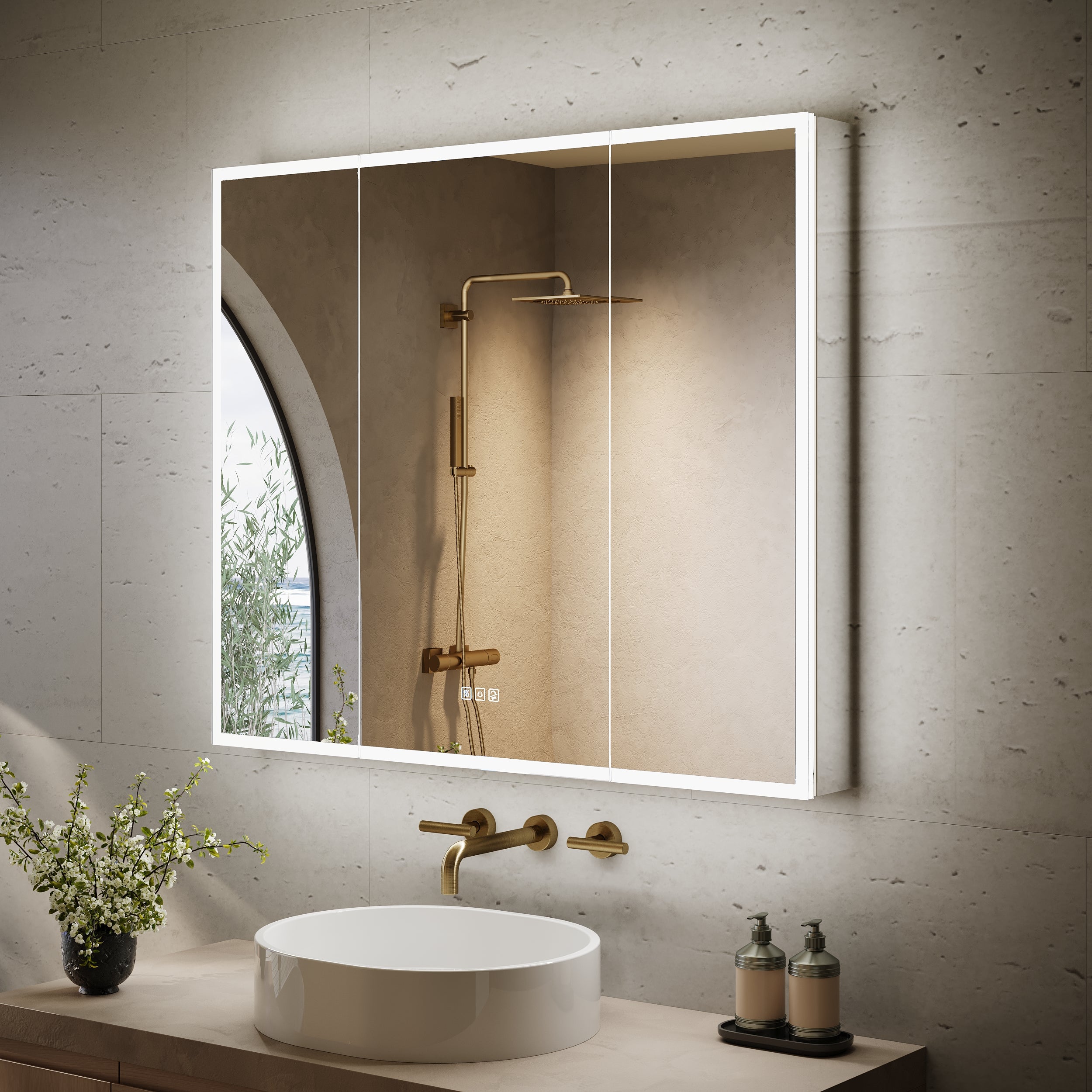
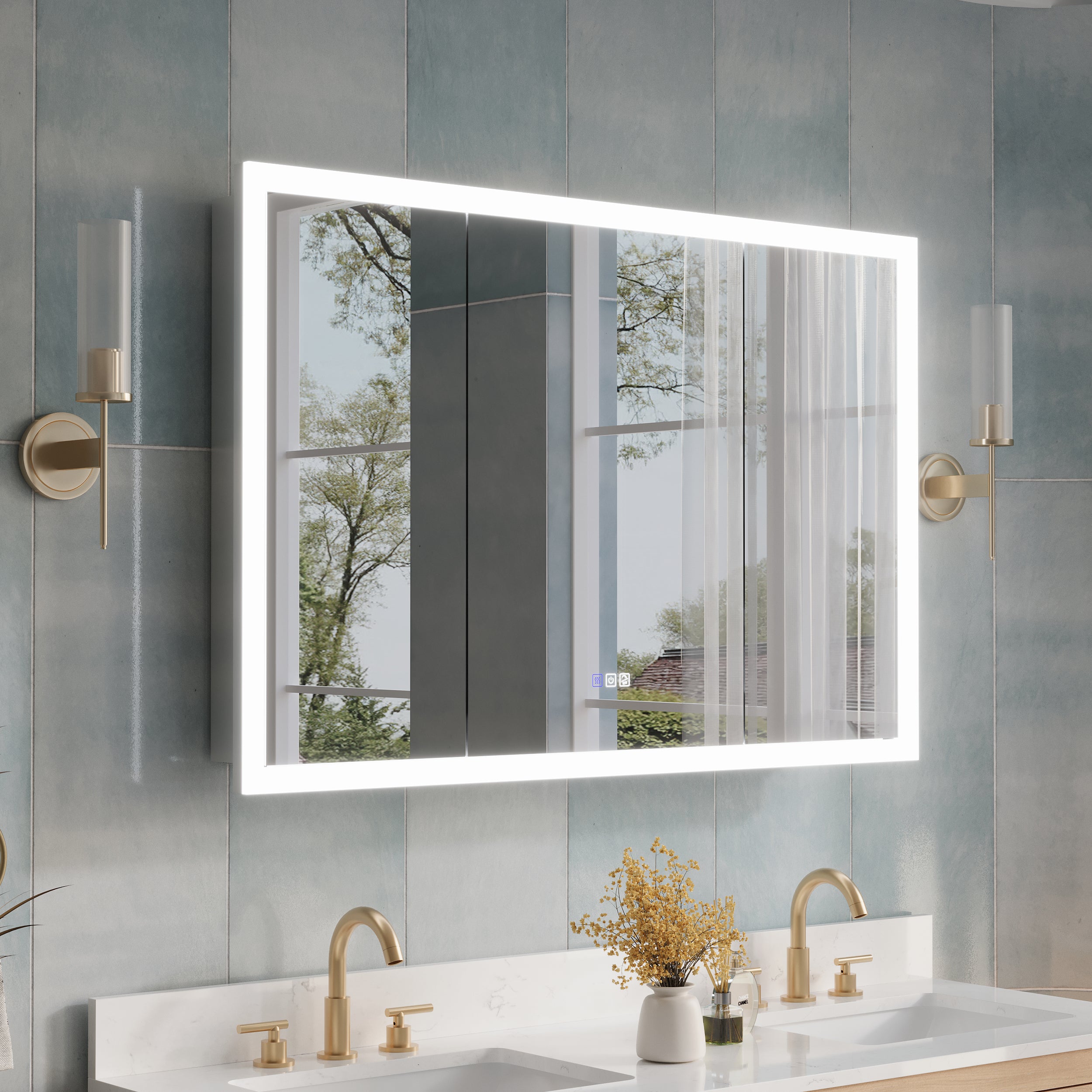
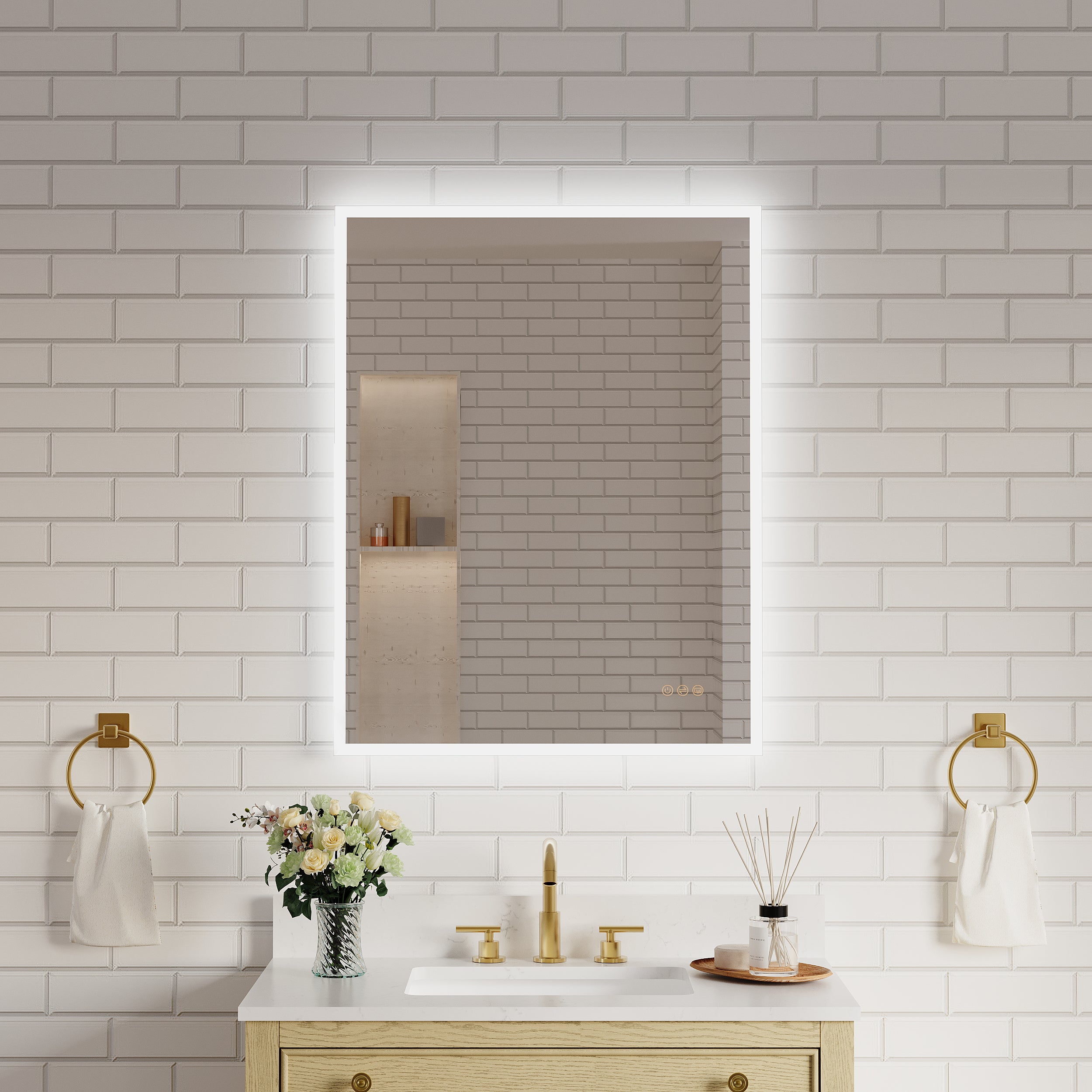
The way the LEDs are positioned changes the result. Front-lit mirrors direct light through a translucent section of the glass, providing illumination toward the face. Backlit mirrors direct light toward the wall behind the mirror, creating a softer halo. Some designs combine both arrangements to provide task lighting and ambient illumination.
2. A Diffuser Helps Create More Even Light
Individual LEDs are small, concentrated light sources. Without suitable optical components, their light can appear as separate bright spots rather than a continuous glow.
A diffuser helps scatter and distribute that light. Depending on the mirror's construction, it may use a frosted glass section, a translucent polymer panel, or another optical material.
LED spacing, diffuser quality, and the distance between the light source and the visible surface all affect uniformity. A well-designed system produces a consistent appearance without distracting hotspots.
This matters during shaving, skincare, and makeup application. A glowing border may look attractive, but useful task lighting also needs to illuminate the face comfortably.
3. The Driver Regulates Electrical Power
LEDs require controlled electrical current to operate properly. The driver converts incoming electrical power into the form and level required by the LED system.
Its performance influences lighting stability, dimming behavior, and overall reliability. An unsuitable or poorly matched driver can contribute to flickering, limited dimming range, or premature component failure.
Some mirrors use plug-in power connections, while others are designed for hardwired installation. The correct choice depends on the product specifications and bathroom layout. Electrical connections should follow the manufacturer's instructions and applicable local codes.
When comparing products, check whether the driver is replaceable, what warranty covers the electrical components, and whether the complete fixture is appropriately certified for its intended installation location.
4. Touch Controls Adjust Brightness and Color
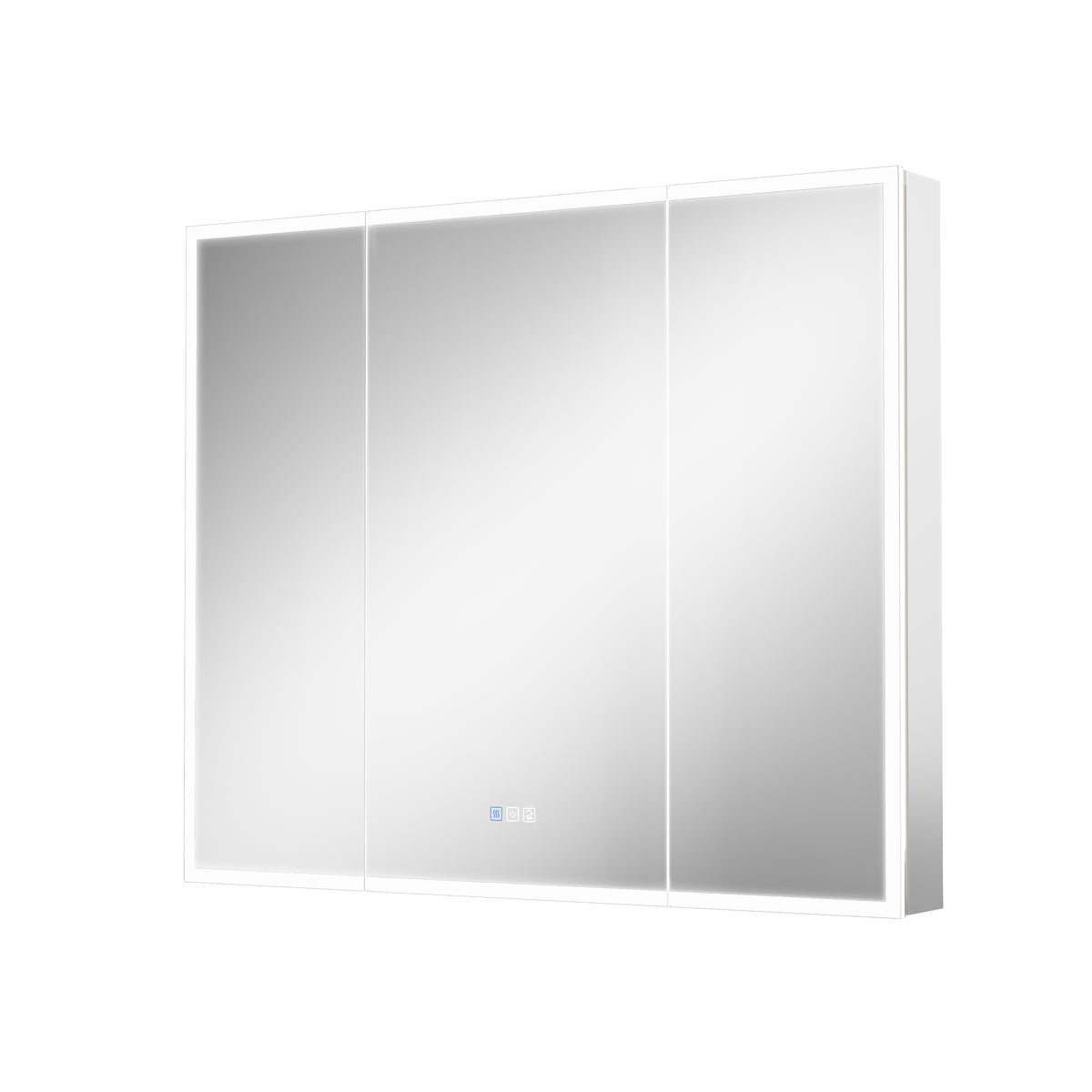
Many illuminated mirrors come equipped with capacitive touch switches built into their mirrored surface. These controls sense changes in capacitance in the event of a finger coming near or touching the particular area.
Briefly touching the control can result in the light being switched on or off, while pressing longer can help increase or decrease it. There are also models with the ability to pick different color temperatures.
Most often, the warm color, which can represent around 3000K, neutral color representing around 4000K, and cool color representing around 6000K are used. Warmer light makes the surrounding light softer, while neutral and cool colors can make it sharper for grooming.
Dimming is achieved by controlling the amount of power supplied to the LEDs, usually using pulse-width modulation or another method compatible with electronic devices.

5. Color Rendering Affects What You See
Lighting quality is not based only on the amount of light produced. A reflective surface can supply a lot of brightness but can distort the colors of the skin or makeup.
One of the methods of understanding color rendering is its Color Rendering Index (CRI), as identified by the Energy Department. It tells us how well the light source is able to recreate true colors. Light sources with CRI levels of about 80 or more are considered suitable for a light source within a home, while those with CRI levels of 90 or more give high-fidelity colors.
Regarding the vanity mirror, it needs to have a high color fidelity in order for the users to see the foundation, lipstick, and slight differences in skin color. However, this is not the only thing to think about since light distribution and glare also play a role in the overall picture.
6. Defogging Uses a Separate Heating System
Some lighted vanity mirrors include an anti-fog function. This typically uses a thin heating pad attached behind a portion of the mirror glass.
When activated, the pad gently warms the glass surface, reducing the condensation that forms when warm, humid air meets a cooler mirror. The cleared area allows users to continue grooming after a shower without repeatedly wiping the glass.
Coverage varies by model. Some systems clear a central viewing zone rather than the entire mirror, and many use a separate switch so the heater does not run unnecessarily.
Defogging does not replace bathroom ventilation. An exhaust fan is still important for controlling humidity throughout the room.
7. Energy Efficiency Depends on the Complete Design
LED technology is typically energy-efficient, but actual energy consumption differs according to the size of the mirror, the brightness, and the additional features that it includes. Larger mirrors with more lighting zones can consume more energy than smaller mirrors with just one LED strip.
According to the Houzz 2025 Bathroom Trends Study, in 2025 illuminated mirrors made up 22% of the upgraded bathroom lighting fixtures, which is an increase of three percent from the previous year. This finding confirms the rise of interest in the integration of lighting into bathroom fixtures instead of just relying on separate lighting that is placed on the walls or ceilings.
Ultimately, the technology works correctly when all of its components are developed to work in concert with each other – that is, LEDs make light, diffusers manage it, drivers provide power, while controls make the system adjustable according to day-to-day needs. When every part of the system performs its functions, the illuminated vanity mirror becomes a practical tool for lighting instead of simply a decoration.


















Leave a comment
This site is protected by hCaptcha and the hCaptcha Privacy Policy and Terms of Service apply.