
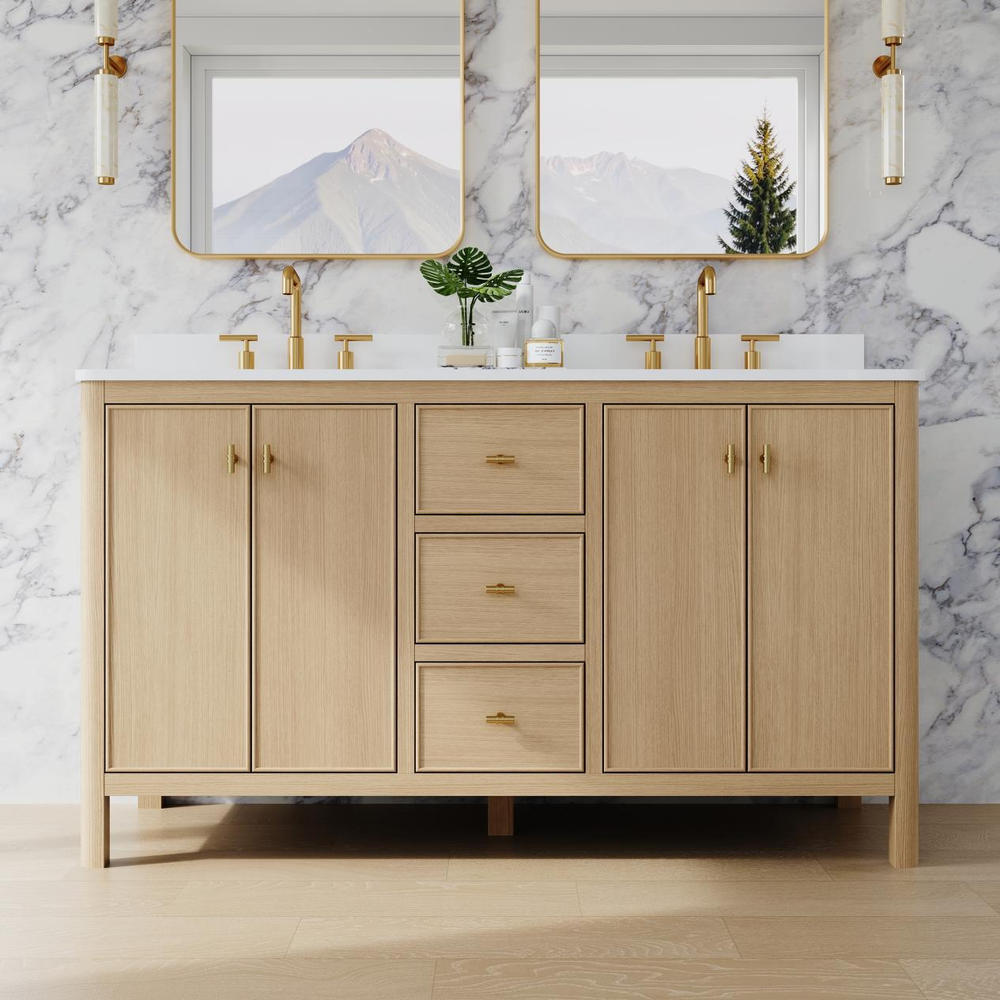
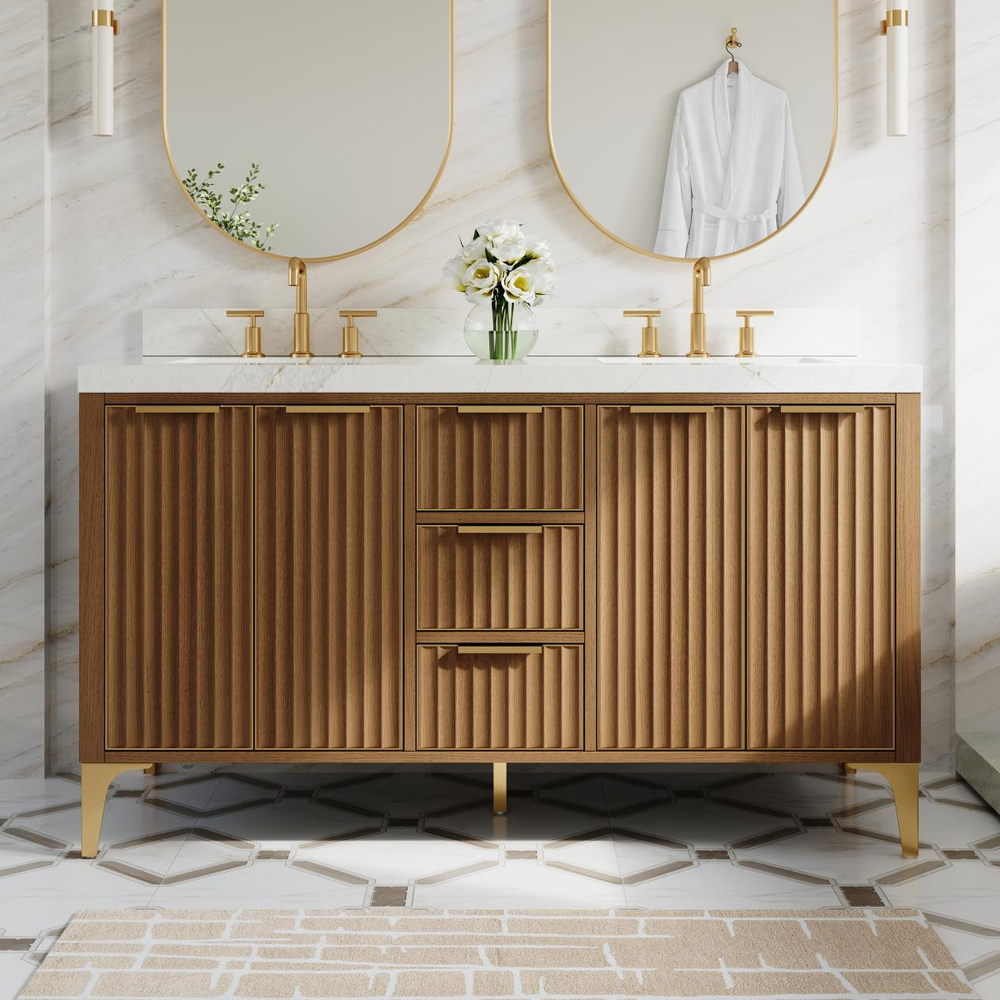




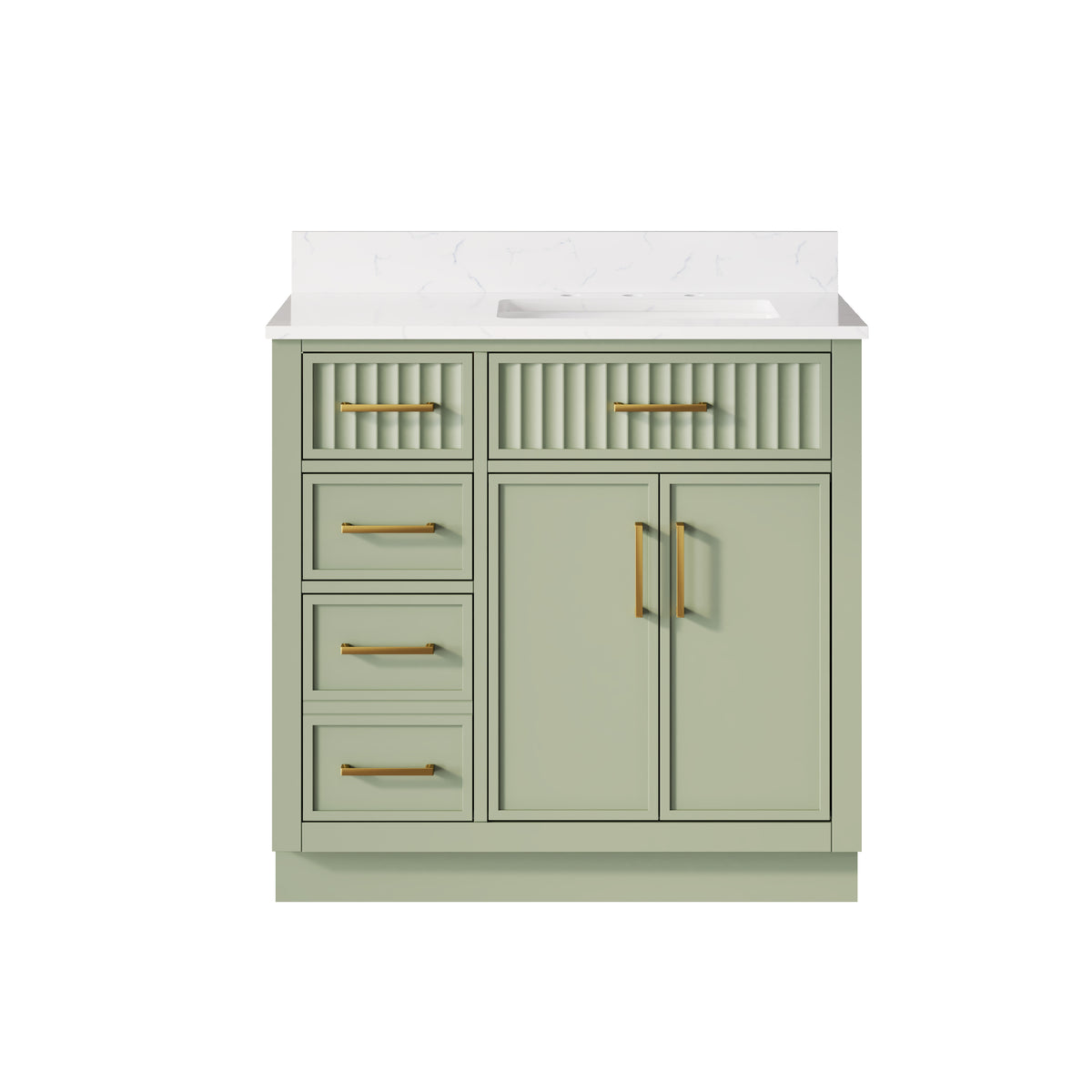
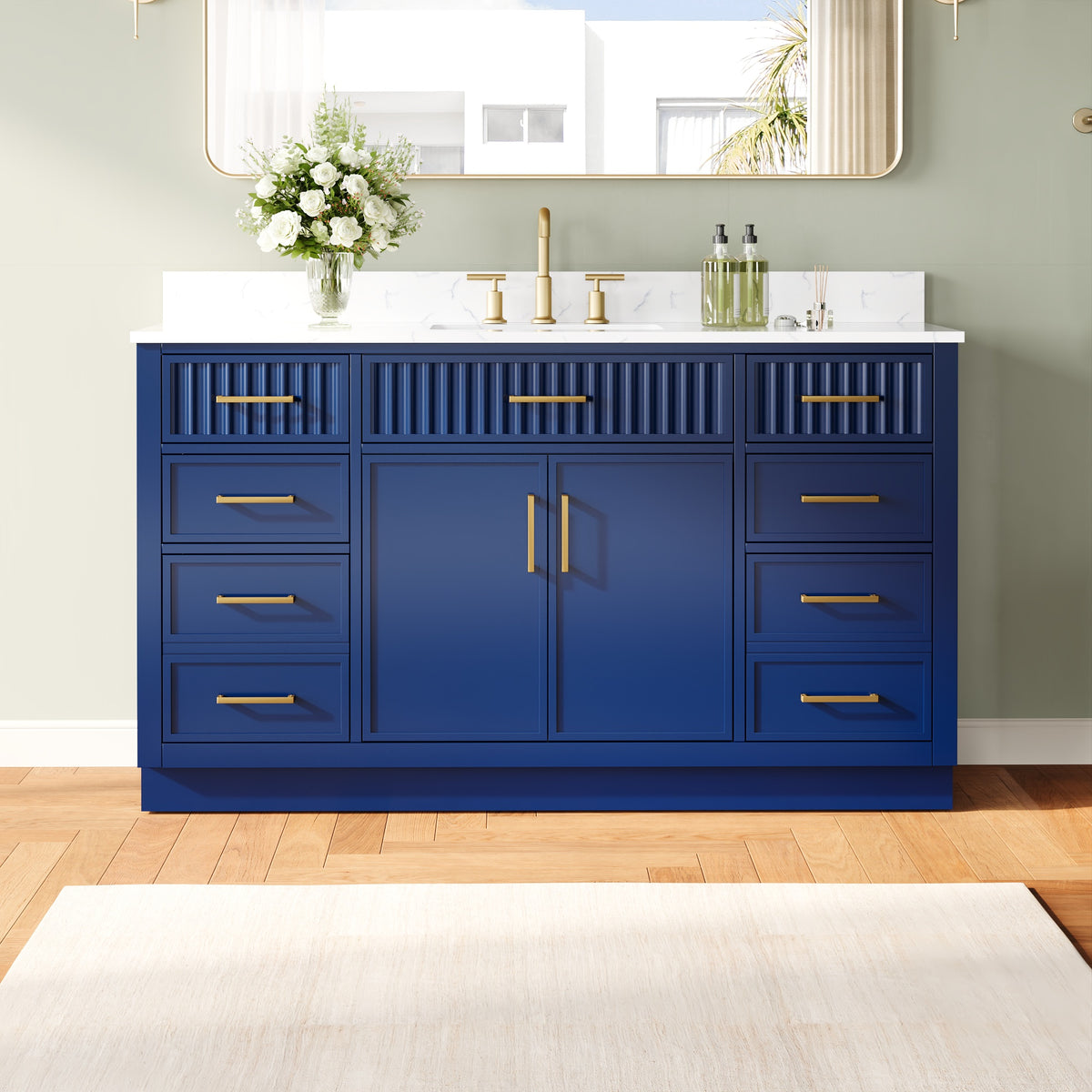
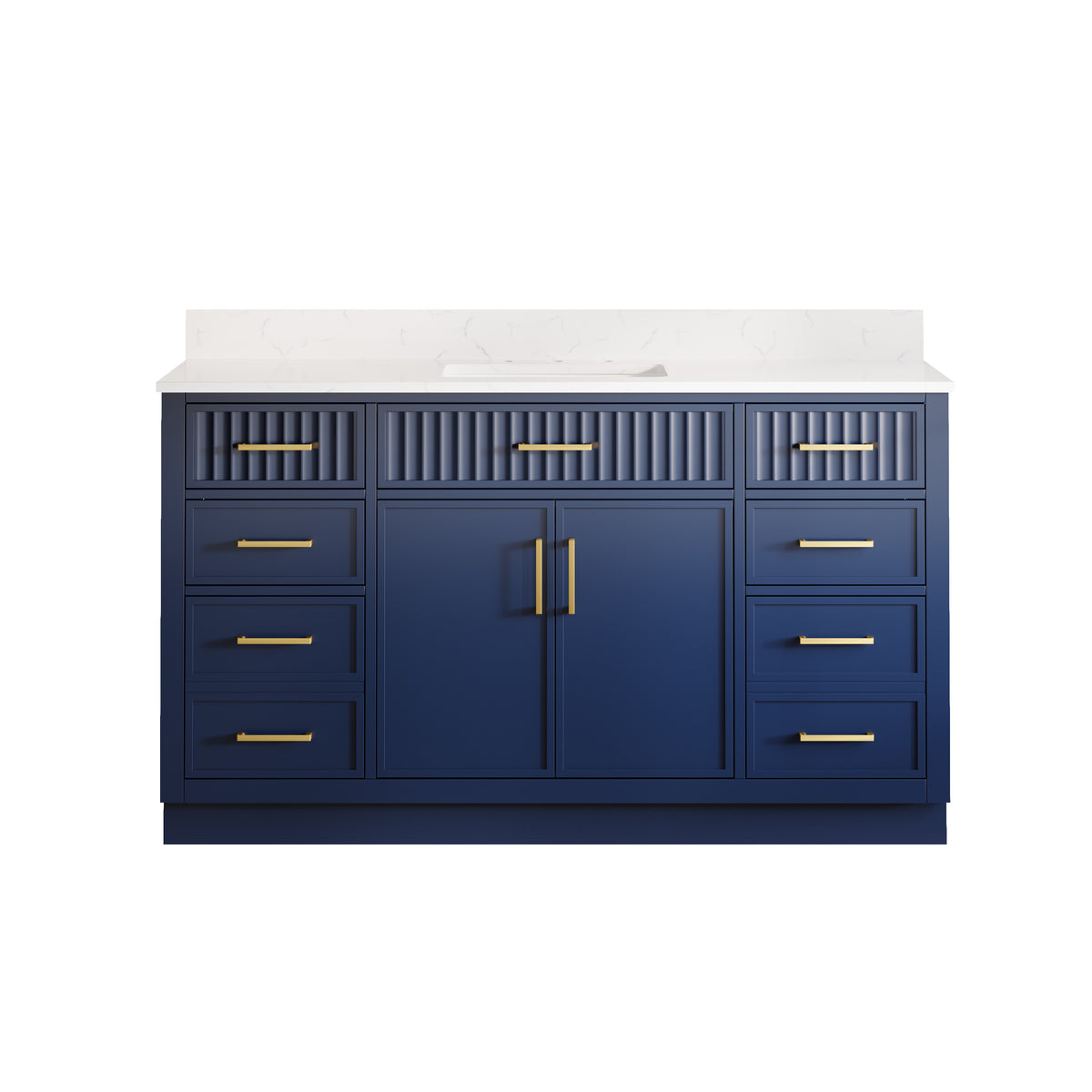
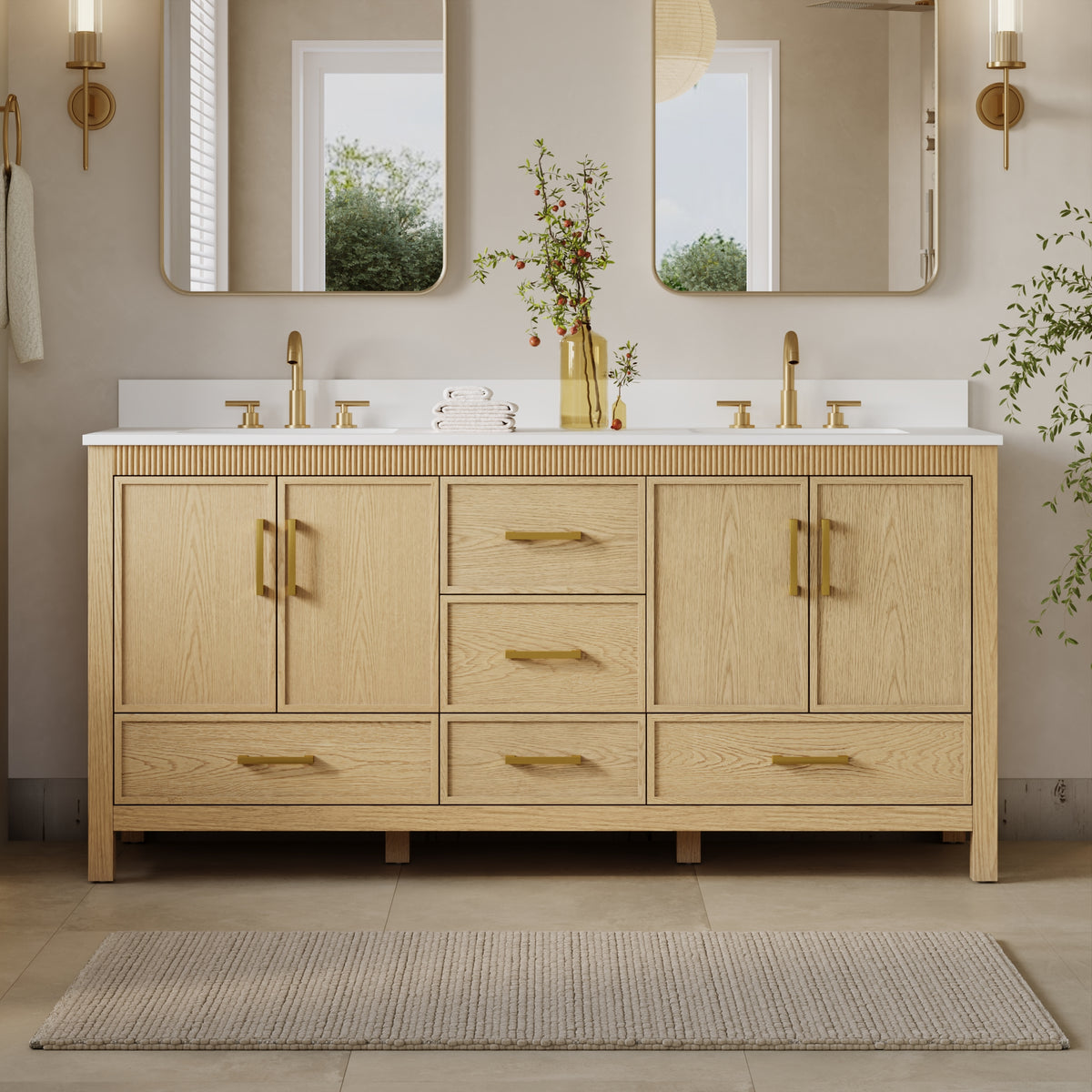
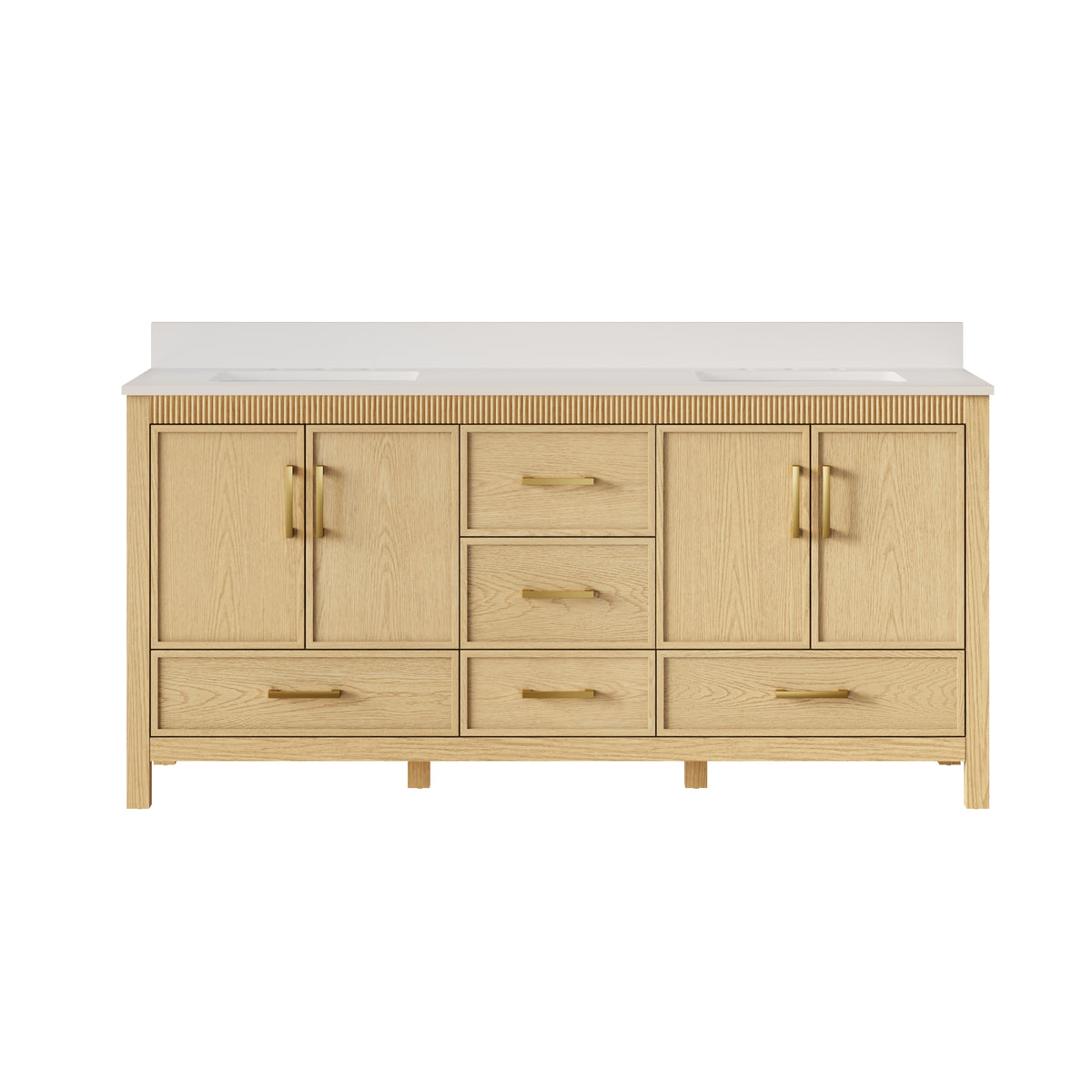
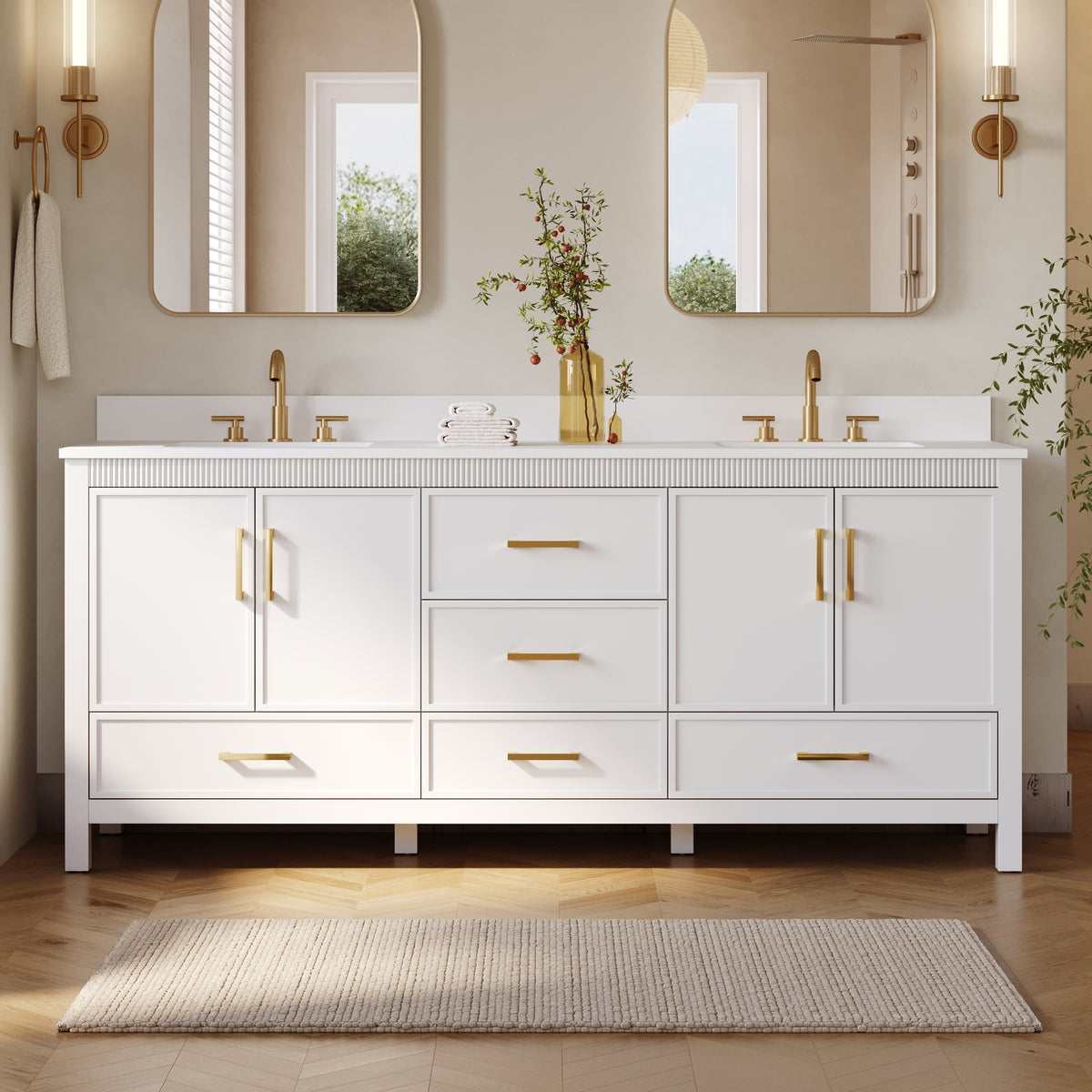
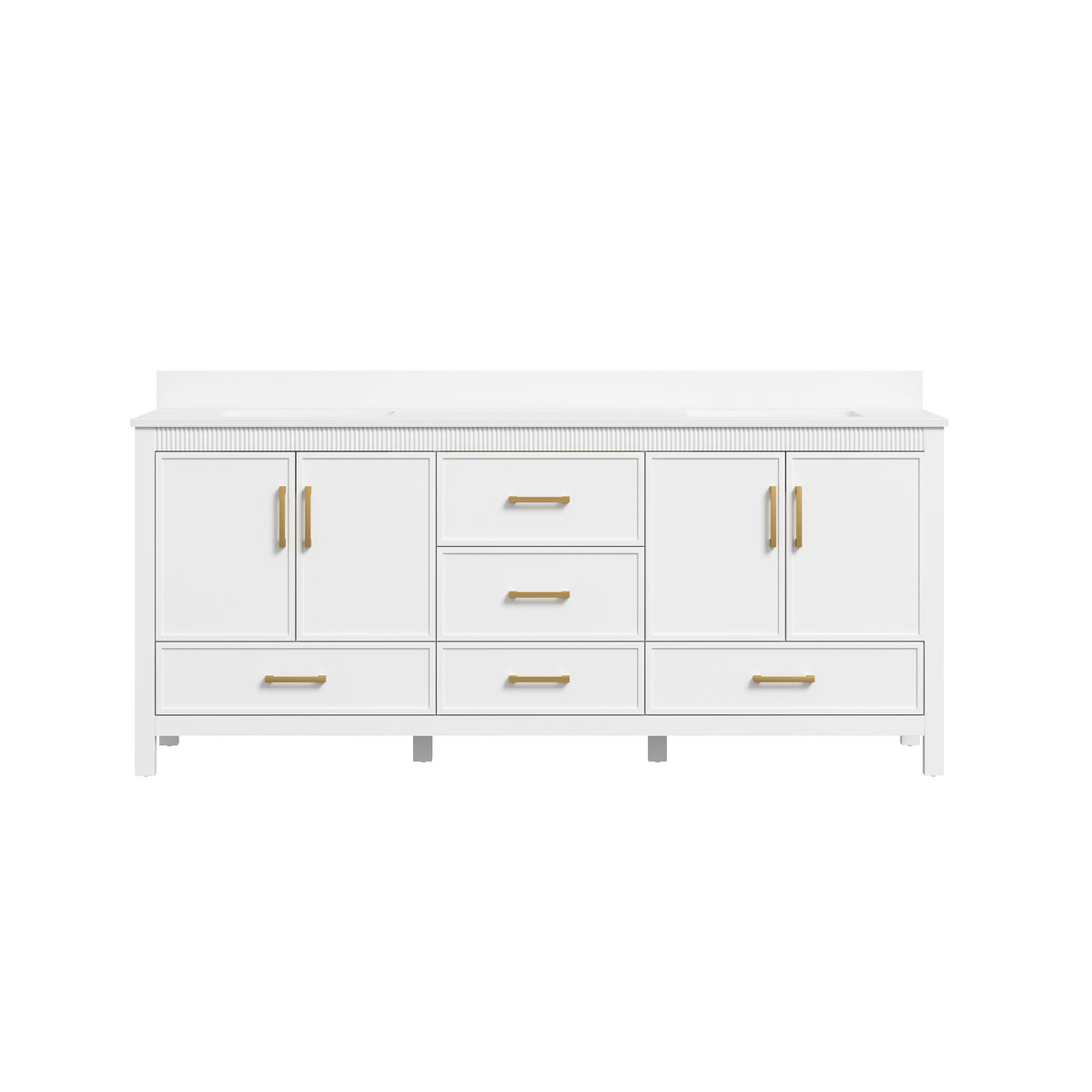
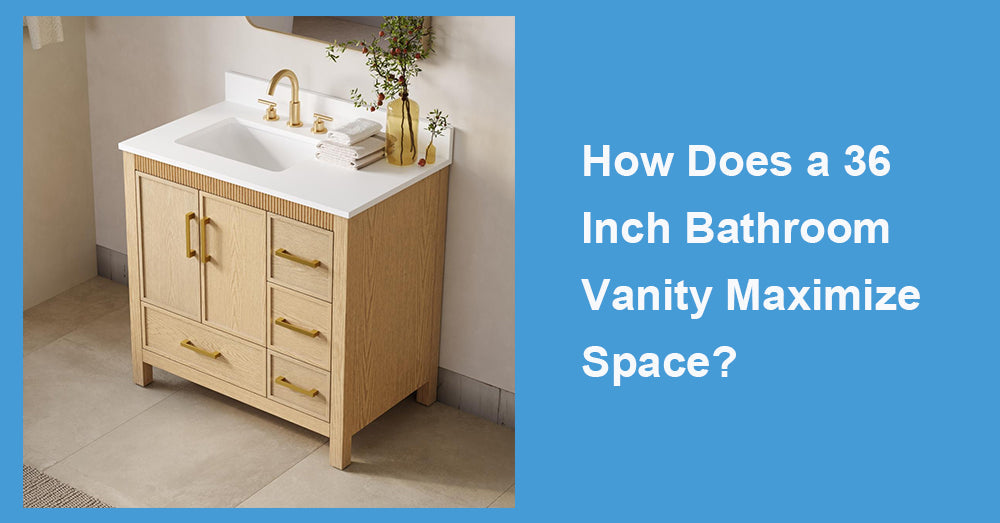
Small bathrooms force you to make decisions. There is no room for a piece of furniture that looks good but functions poorly, and there is certainly no room for wasted square footage. That is exactly why the 36 inch bathroom vanity has become the goldilocks solution for American homes. It is wide enough to feel substantial, hold a real sink, and offer usable storage, yet narrow enough to leave breathing room in a compact layout. But the real question is not whether it fits. It is how it actually maximizes the space you have. The answer comes down to a mix of smart mounting choices, internal organization, and the way a mid-size footprint changes how the whole room feels.
The Goldilocks Zone of Vanity Sizing
To understand why 36 inches works, you need to see where it sits in the broader sizing landscape. Standard single-sink vanities range from 24 to 48 inches wide, according to Angi’s sizing guide . That puts 36 inches right in the middle. It is not a cramped 24-inch powder room unit that leaves no counter space for a toothbrush, and it is not a 48-inch beast that swallows a small bathroom whole. Ferguson Home specifically calls out 36 to 48 inches as the standard range for single vanities, noting they are “a fantastic option for guest bathrooms and powder rooms” .
For a room that measures somewhere around 40 to 60 square feet—a common size for a three-quarter or Jack and Jill bathroom —a 36-inch vanity occupies a sensible slice of the floor plan. It leaves room for a toilet, a shower, and the clearance you need to actually move around. Angi recommends a minimum of 21 inches of clearance in front of the vanity for comfortable use . A 36-inch unit makes that clearance achievable in rooms where a larger vanity would turn the bathroom into an obstacle course.
Floating the Vanity to Free the Floor
One of the most effective ways a 36-inch vanity maximizes space is by getting it off the floor entirely. A floating, wall-mounted installation exposes the floor underneath, and that visual gap does something powerful: it makes the room feel larger without adding a single square foot.
Designers consistently recommend this approach for compact bathrooms. Coohom’s design guidance notes that a floating vanity “visually frees up floor space, making the room feel larger” . Another piece from the same source points out that wall-mounted units can make a small room “feel twice as big because you could see more floor” . The practical benefit goes beyond aesthetics. Cleaning the floor becomes effortless because there are no legs or toe kicks to scrub around. You also gain usable floor area underneath for a small step stool, a laundry basket, or a bathroom scale that would otherwise clutter the walking path.
The trade-off is installation. Floating vanities require solid anchoring to wall studs or a reinforced blocking system . If you are remodeling, that is a detail to plan for. If you are renting, it may not be an option. But for homeowners with the ability to install one, the space-maximizing effect is immediate.
Internal Storage That Actually Works
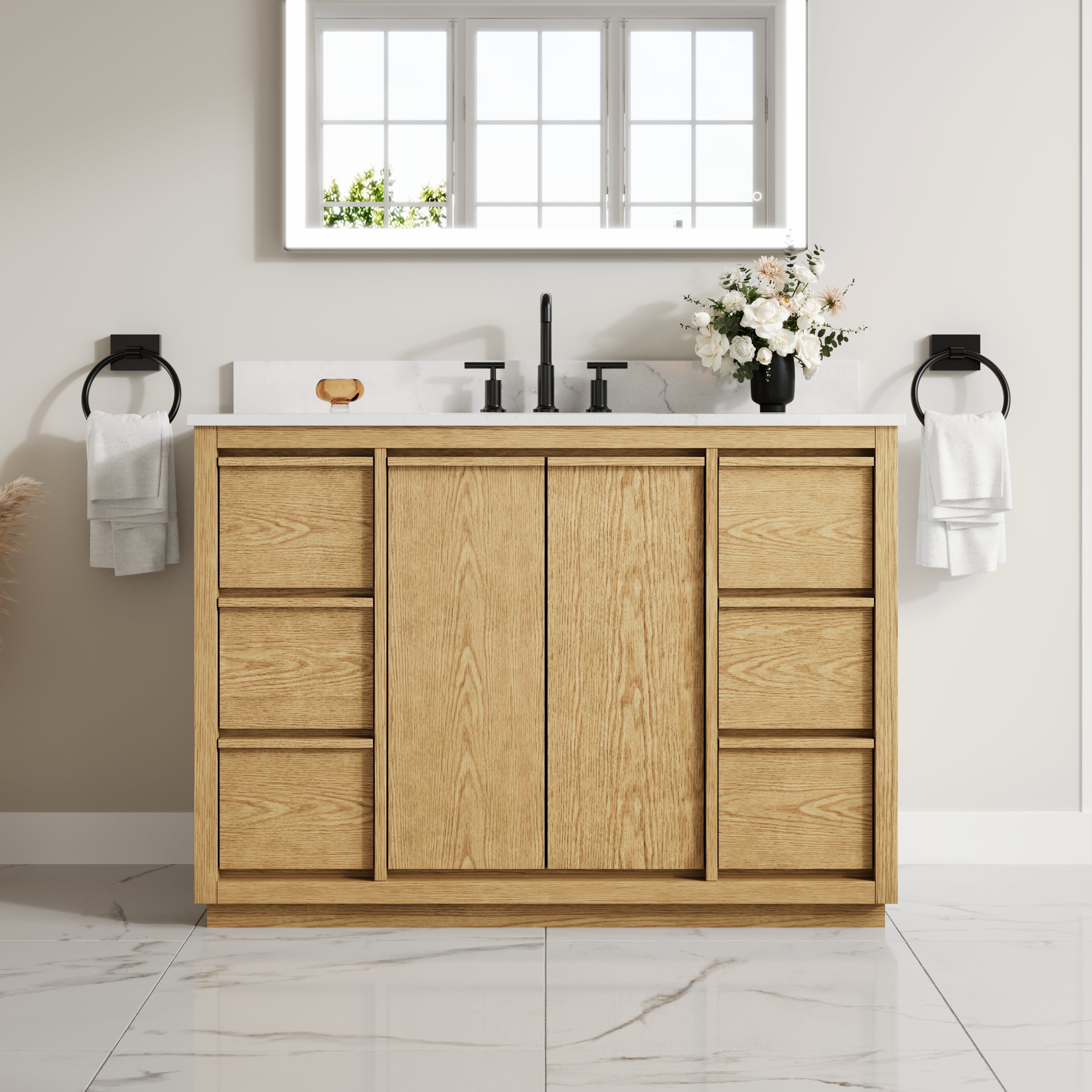
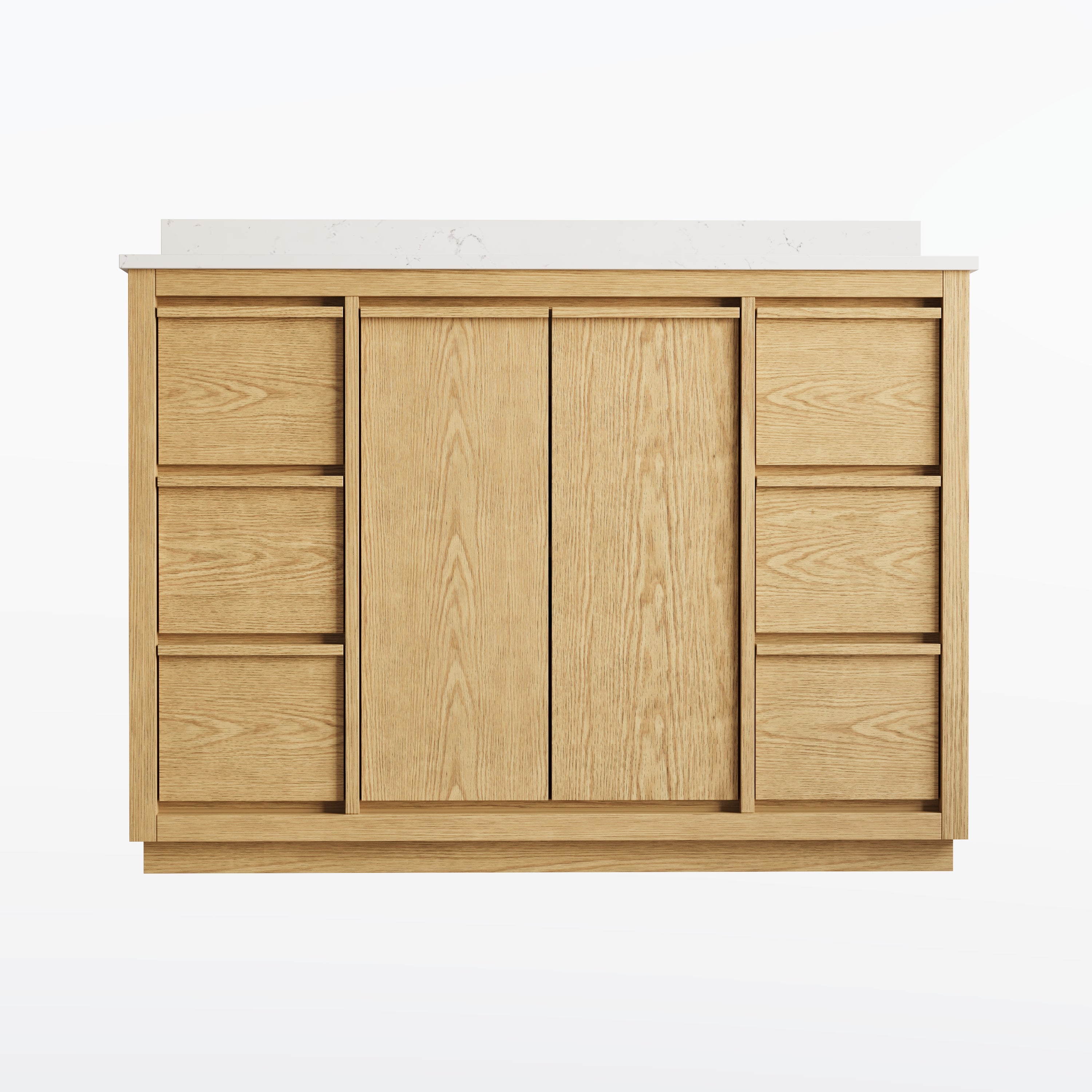
A 36-inch vanity cannot compete with a 60-inch double vanity on raw storage volume. What it can do is use its internal space more intelligently. The key is cabinetry design that prioritizes function over decorative flair.
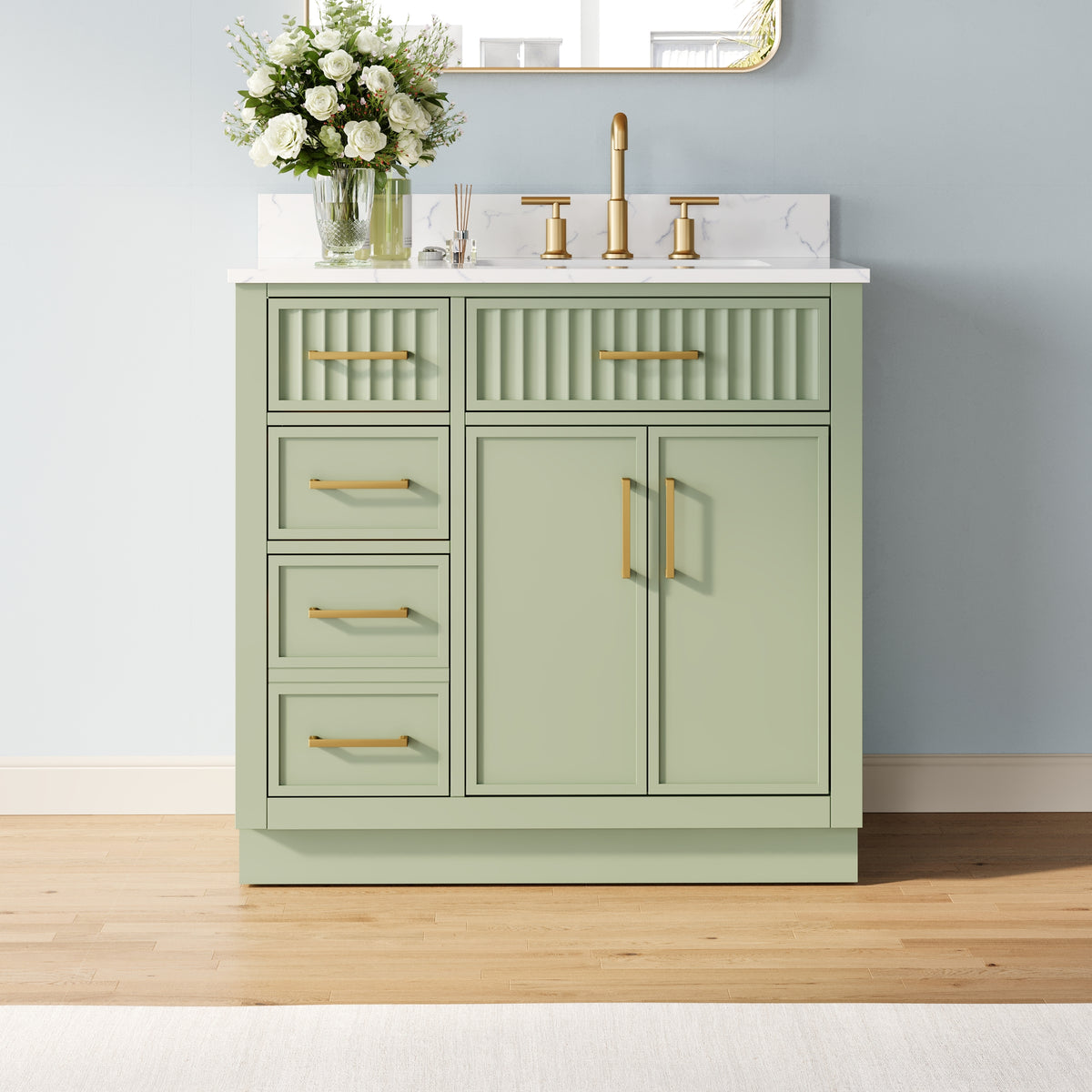
Coohom’s designers favor a 36-inch vanity with two wide drawers and integrated organizers. Shallow divided trays handle daily items like toothpaste and skincare, while a deeper bottom drawer holds towels or larger bottles . The warning is clear: cheap drawer slides sag over time, so heavy-duty hardware matters in a unit that will be opened multiple times a day.
Another approach is the shaker-style cabinet with organized inserts. The goal is to tame clutter before it starts, rather than letting bottles pile up on the countertop because there is nowhere else to put them . A 36-inch vanity with a well-planned interior can hold more than you expect, provided you resist the urge to fill every inch with tiny organizers that defeat the purpose.

The Vertical Opportunity
A 36-inch vanity solves the floor-level storage problem, but it also creates an opportunity above the counter. Because the vanity is not dominating the wall, there is room to go vertical.
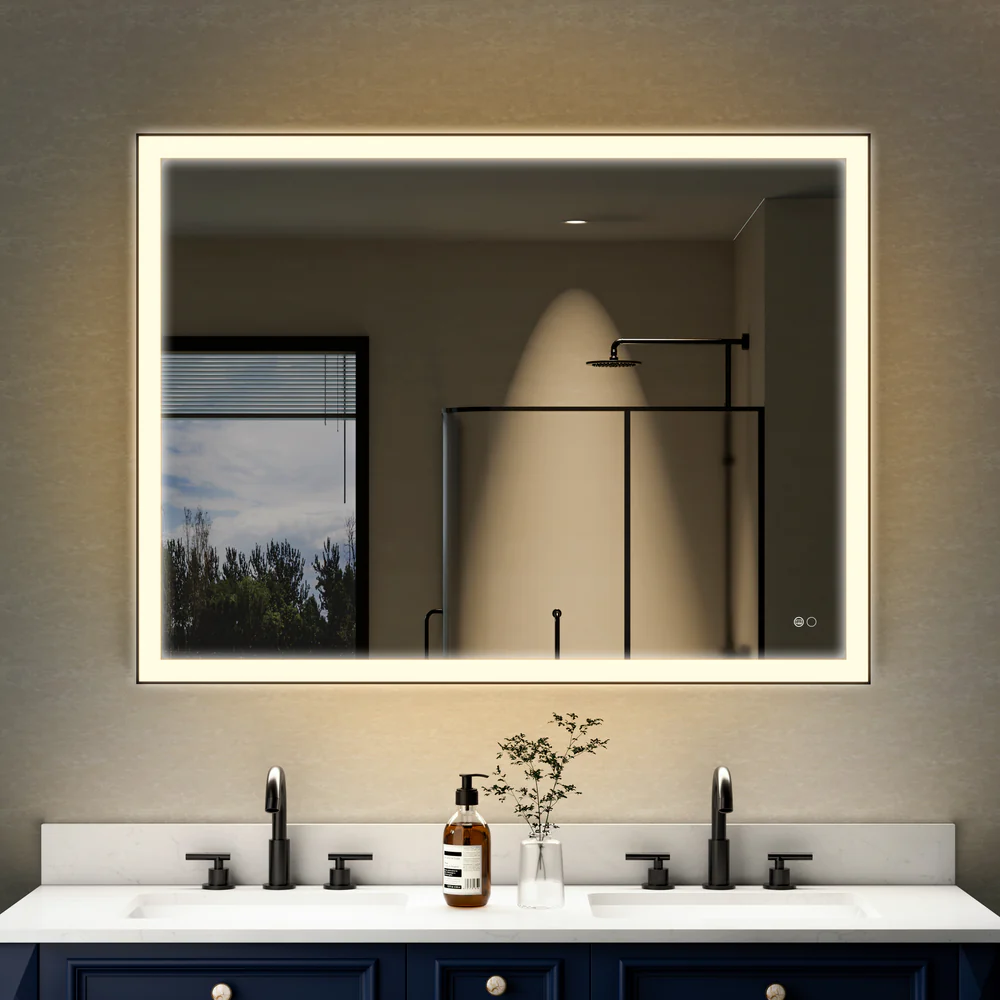
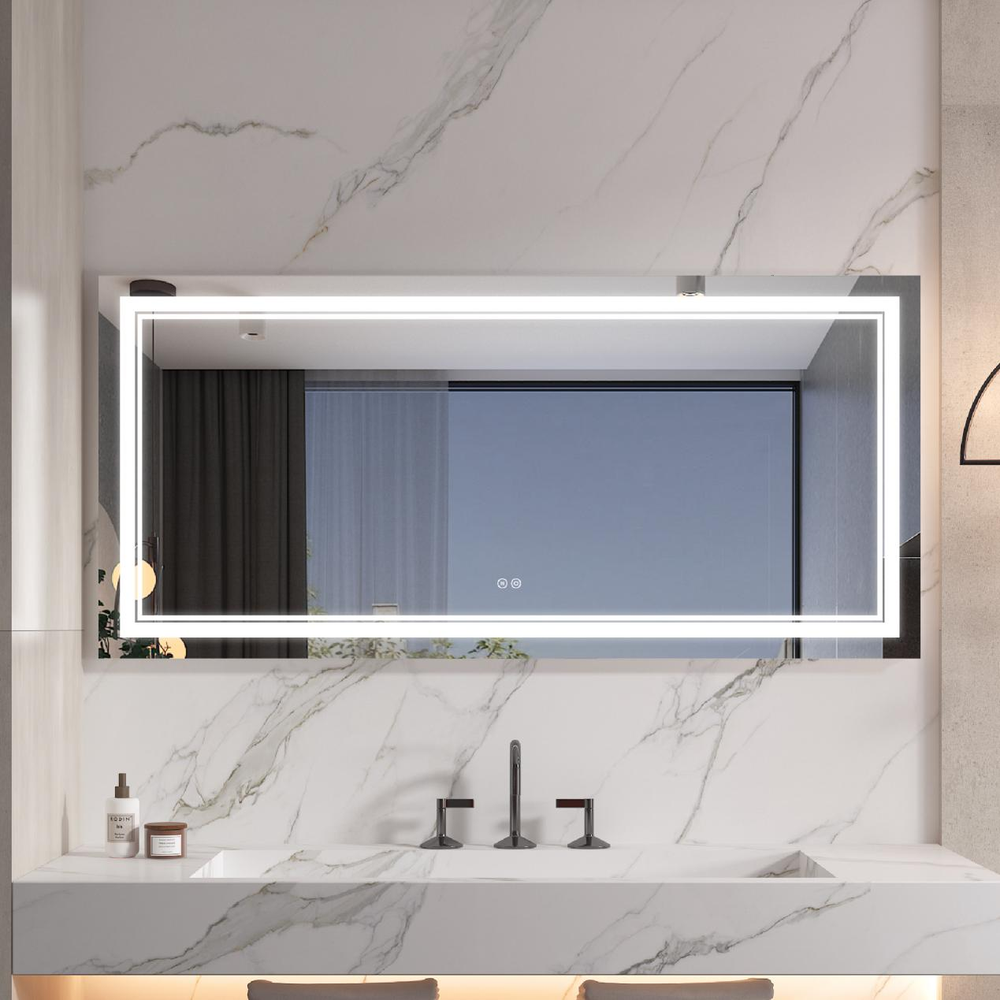
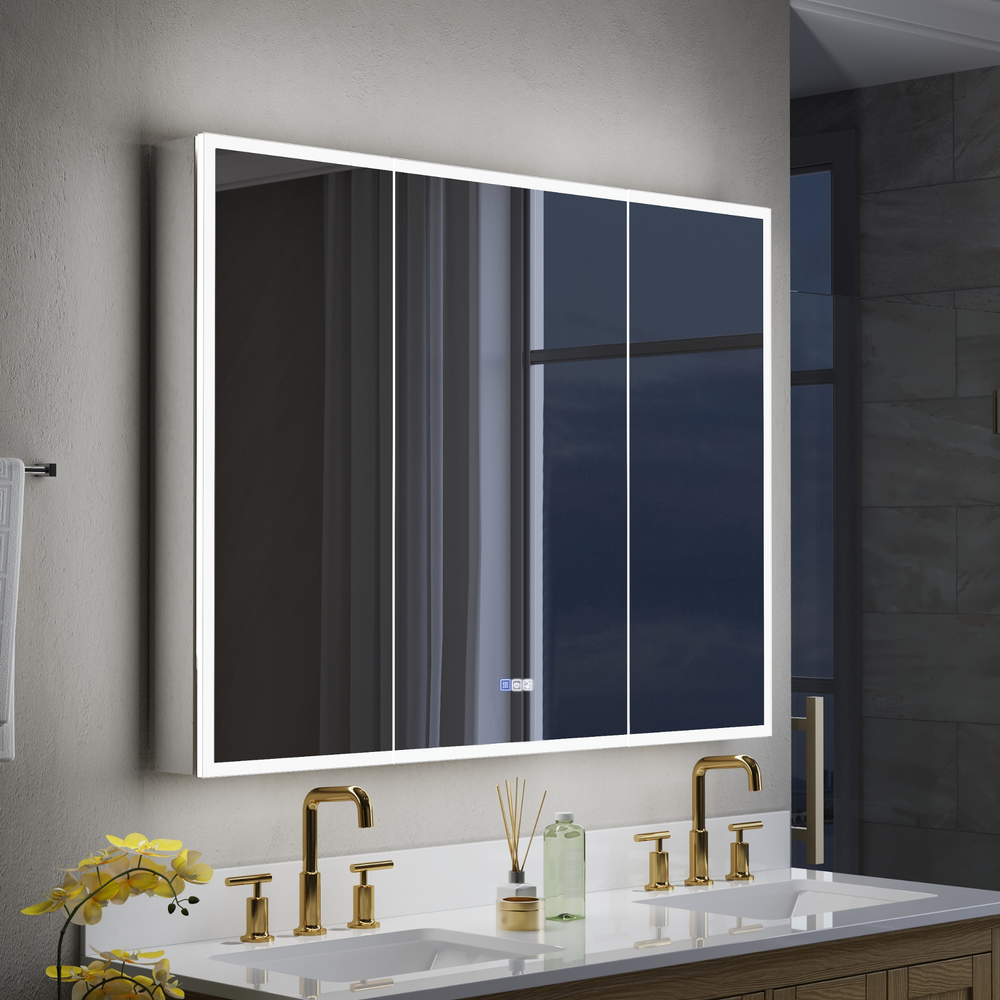
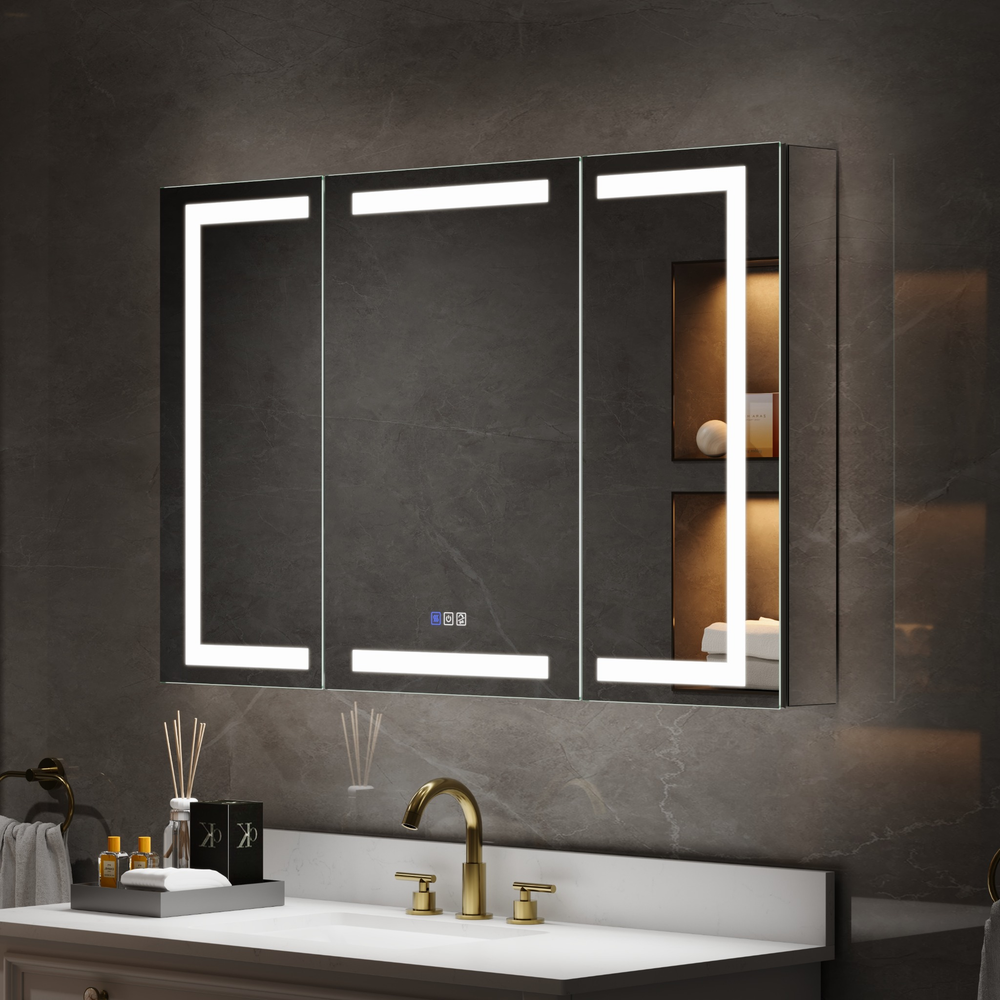
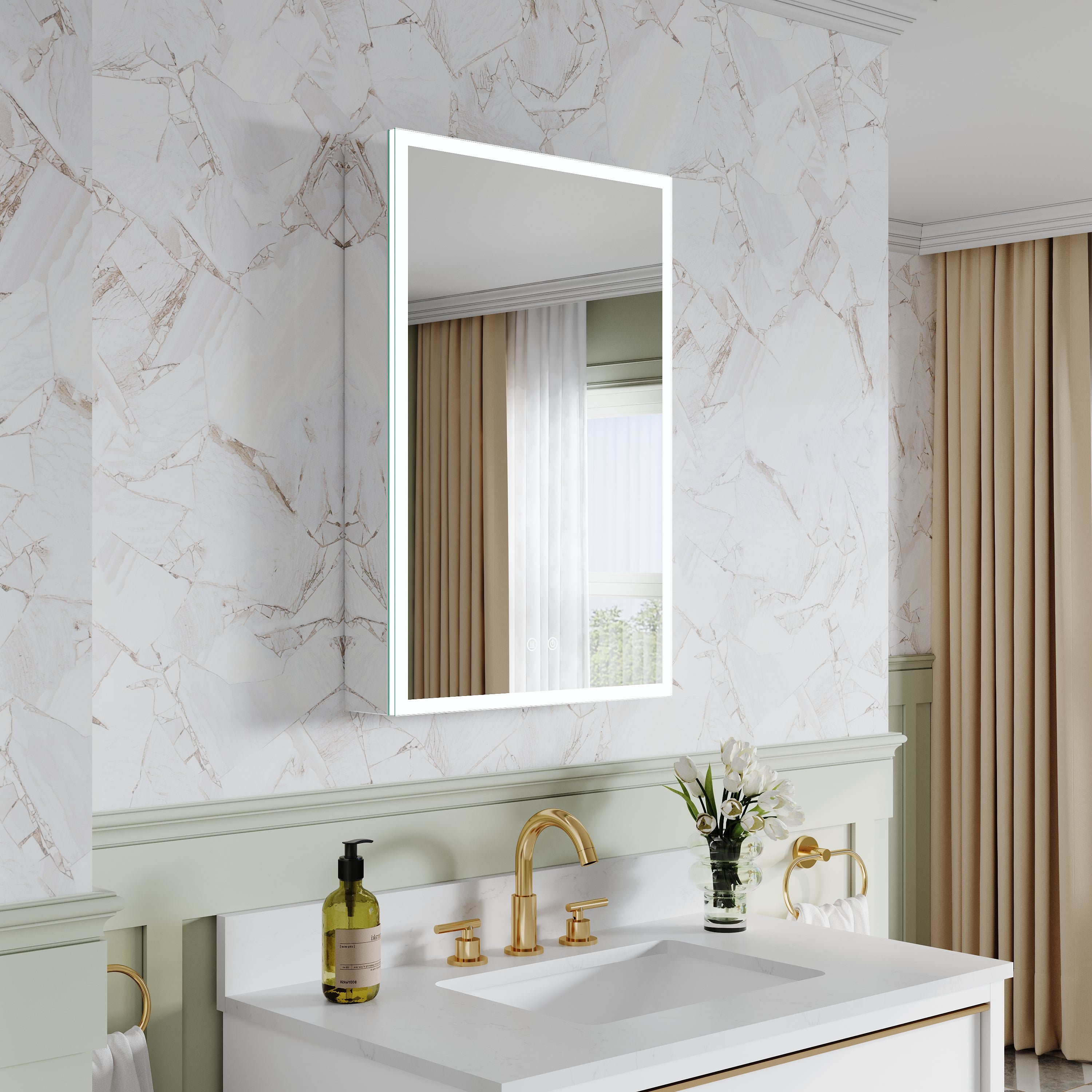
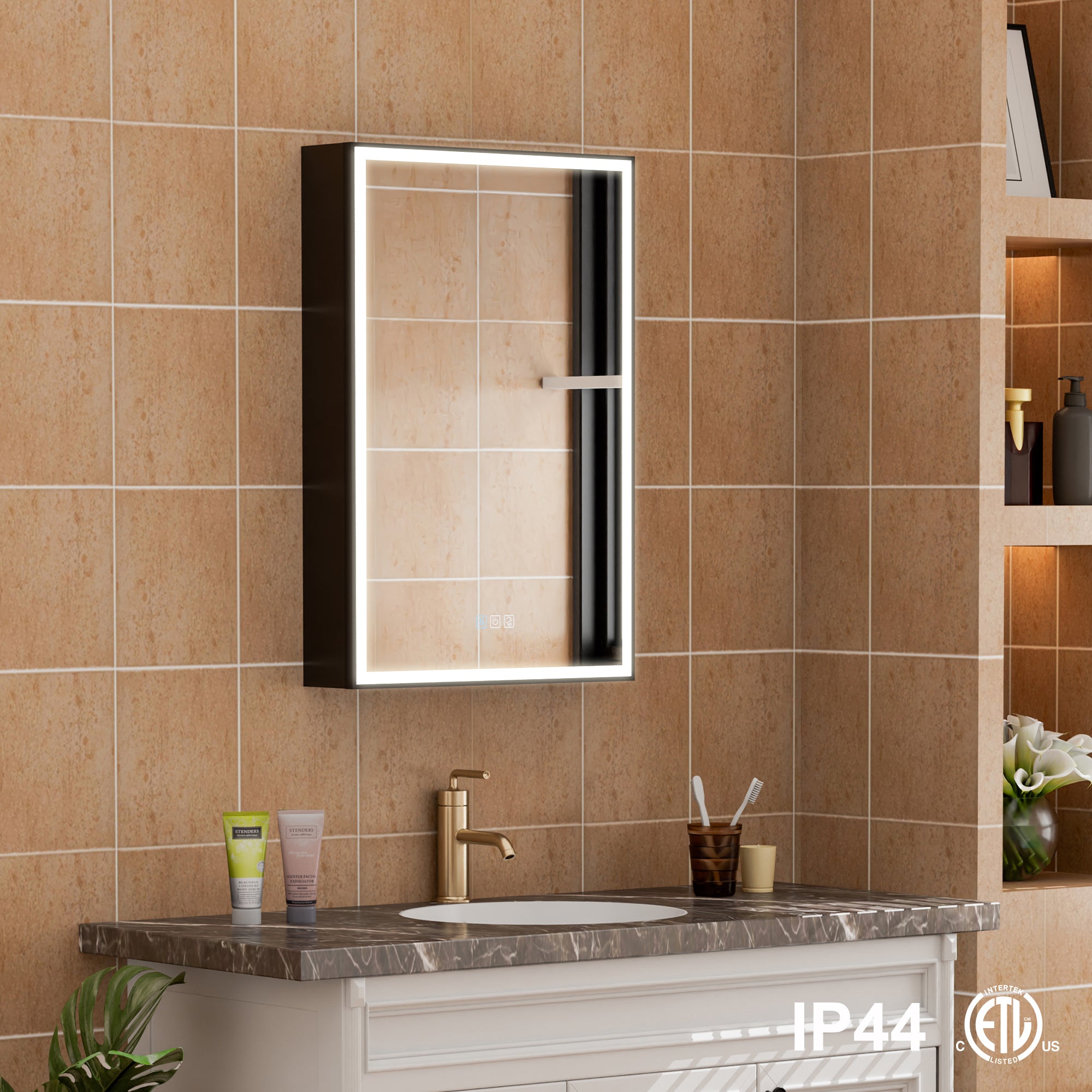
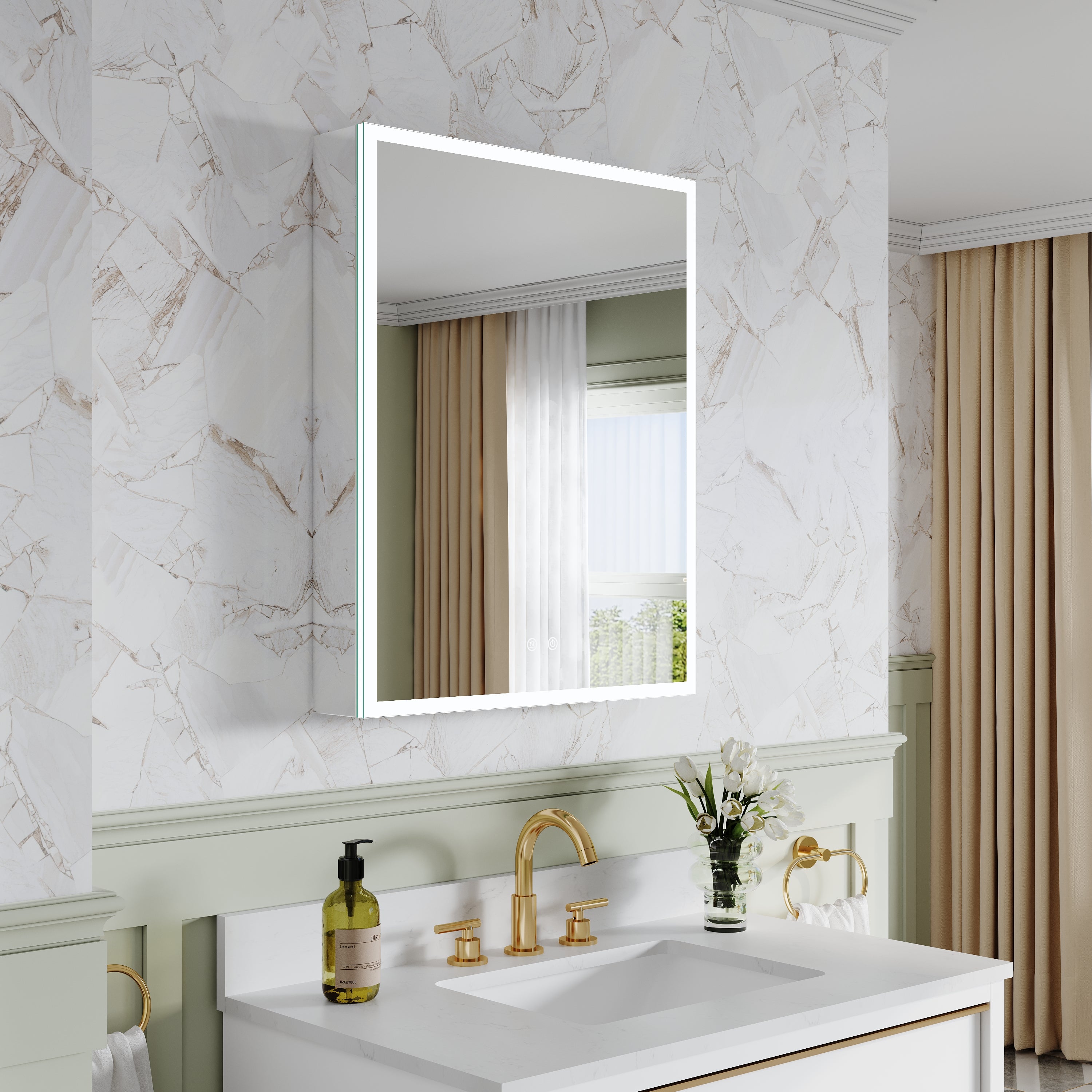
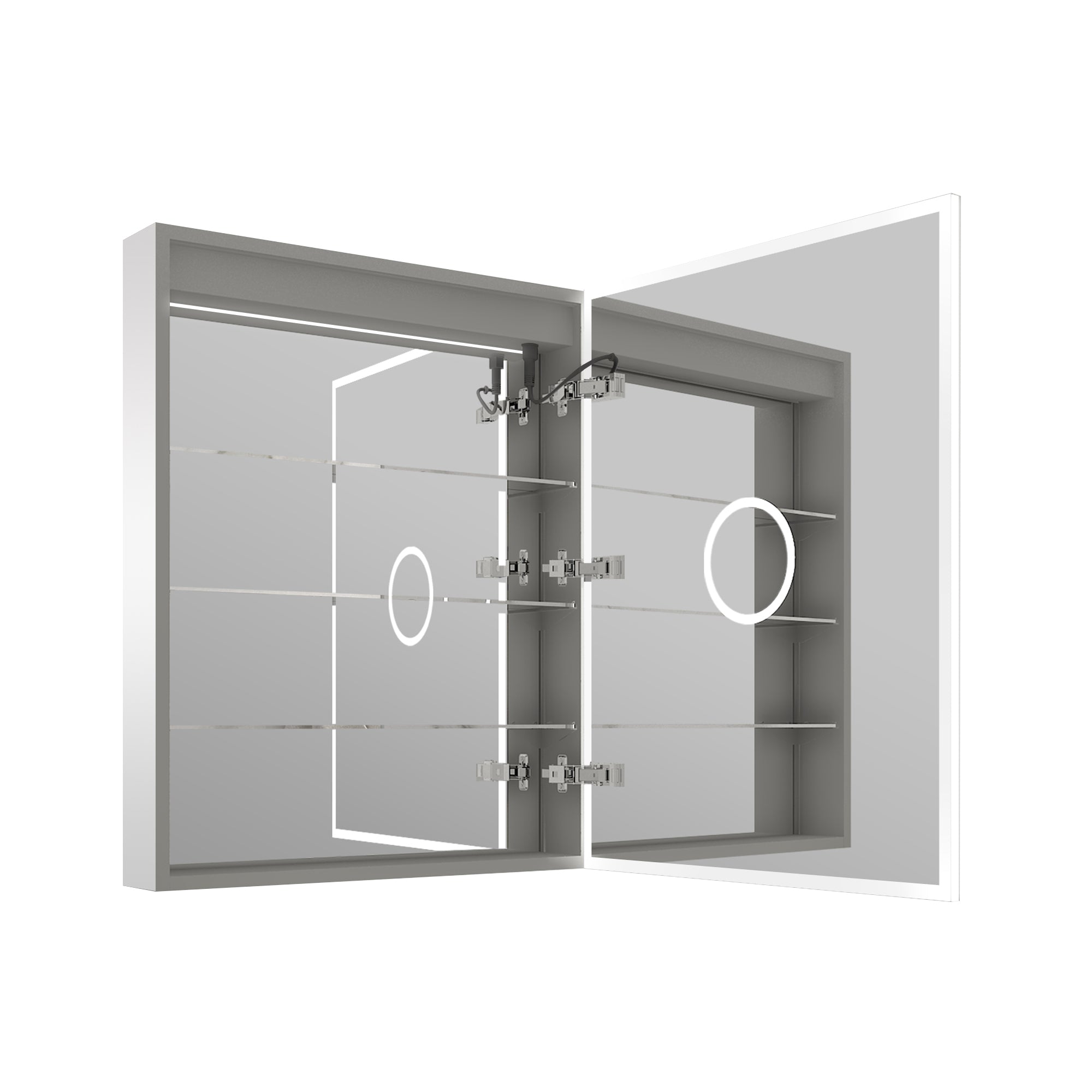
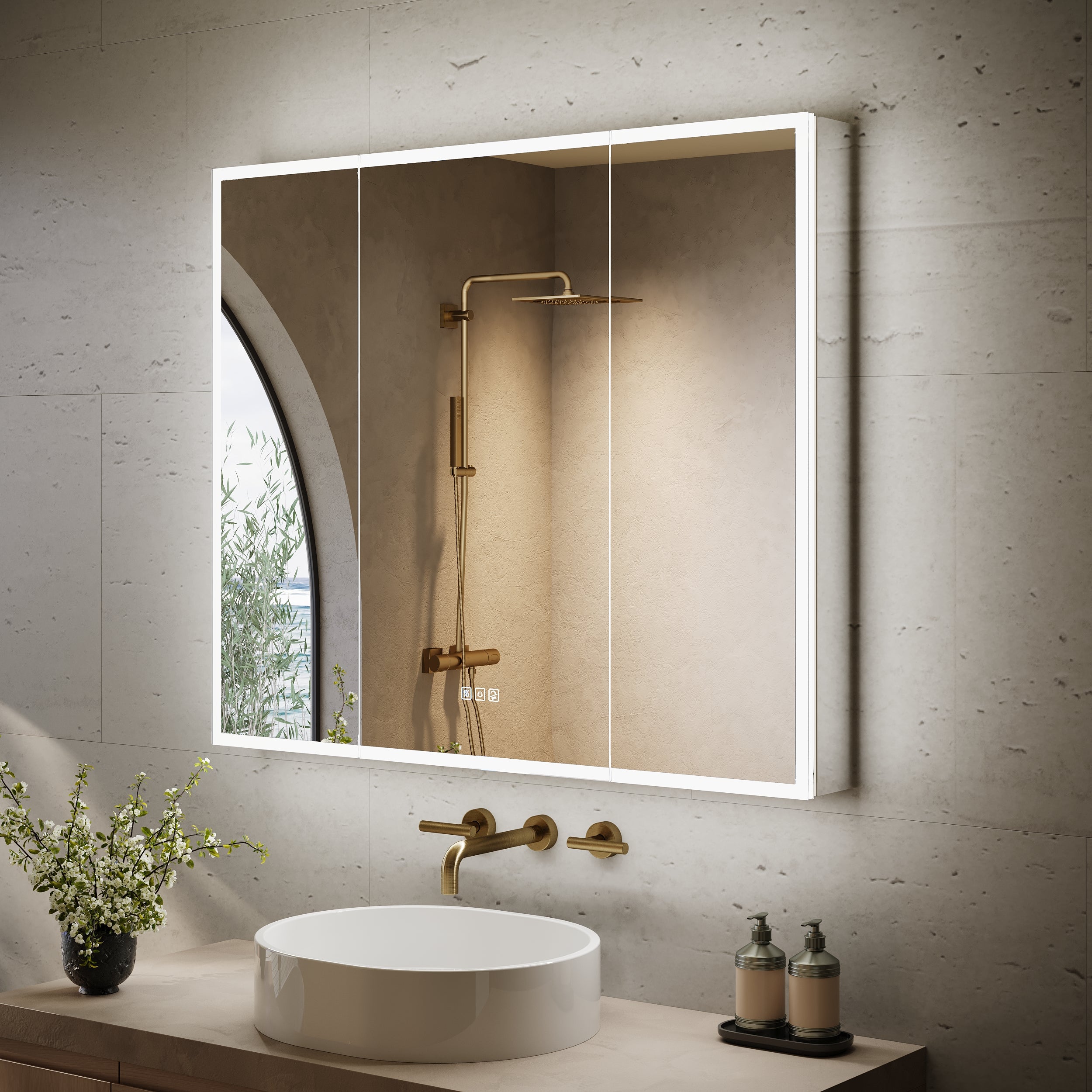
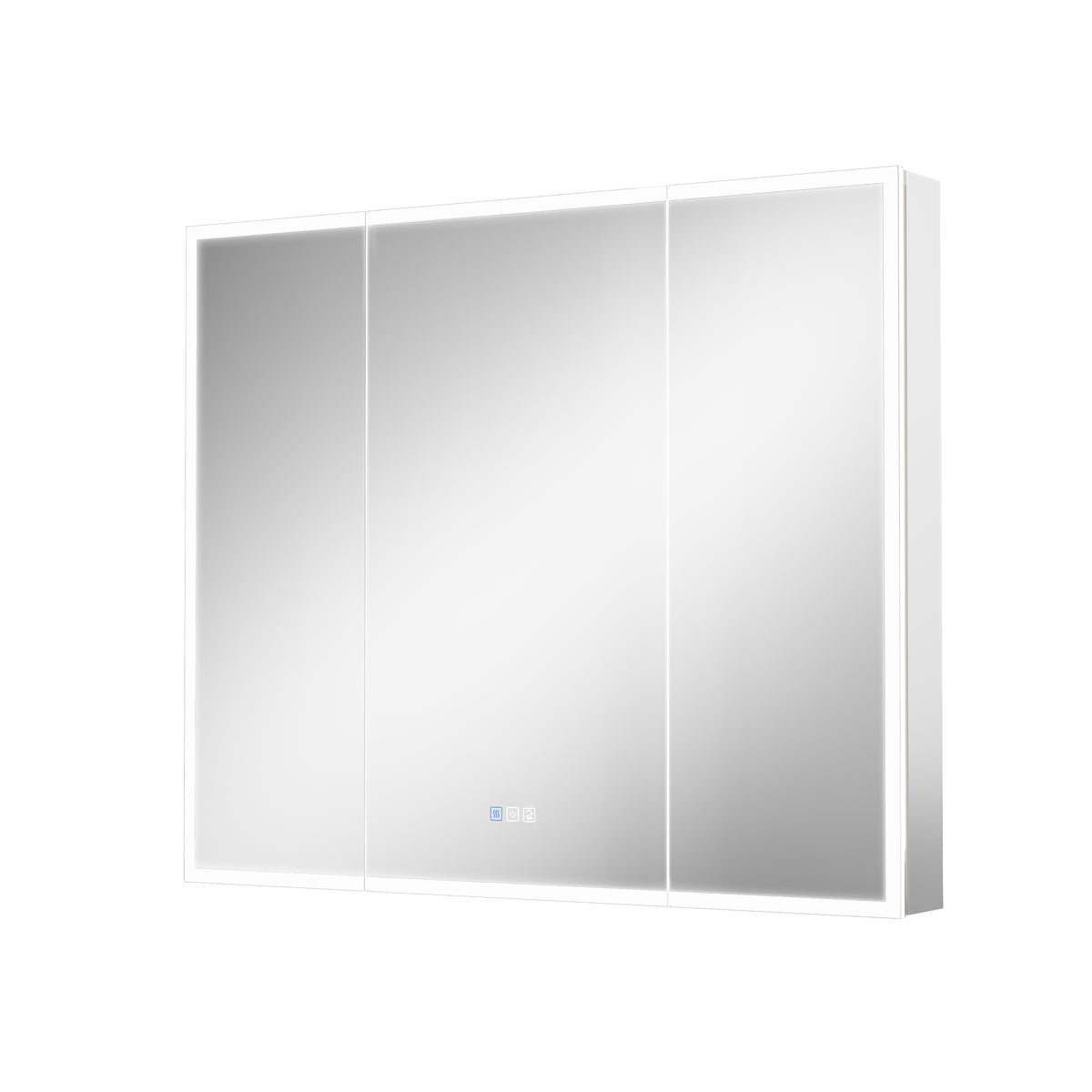
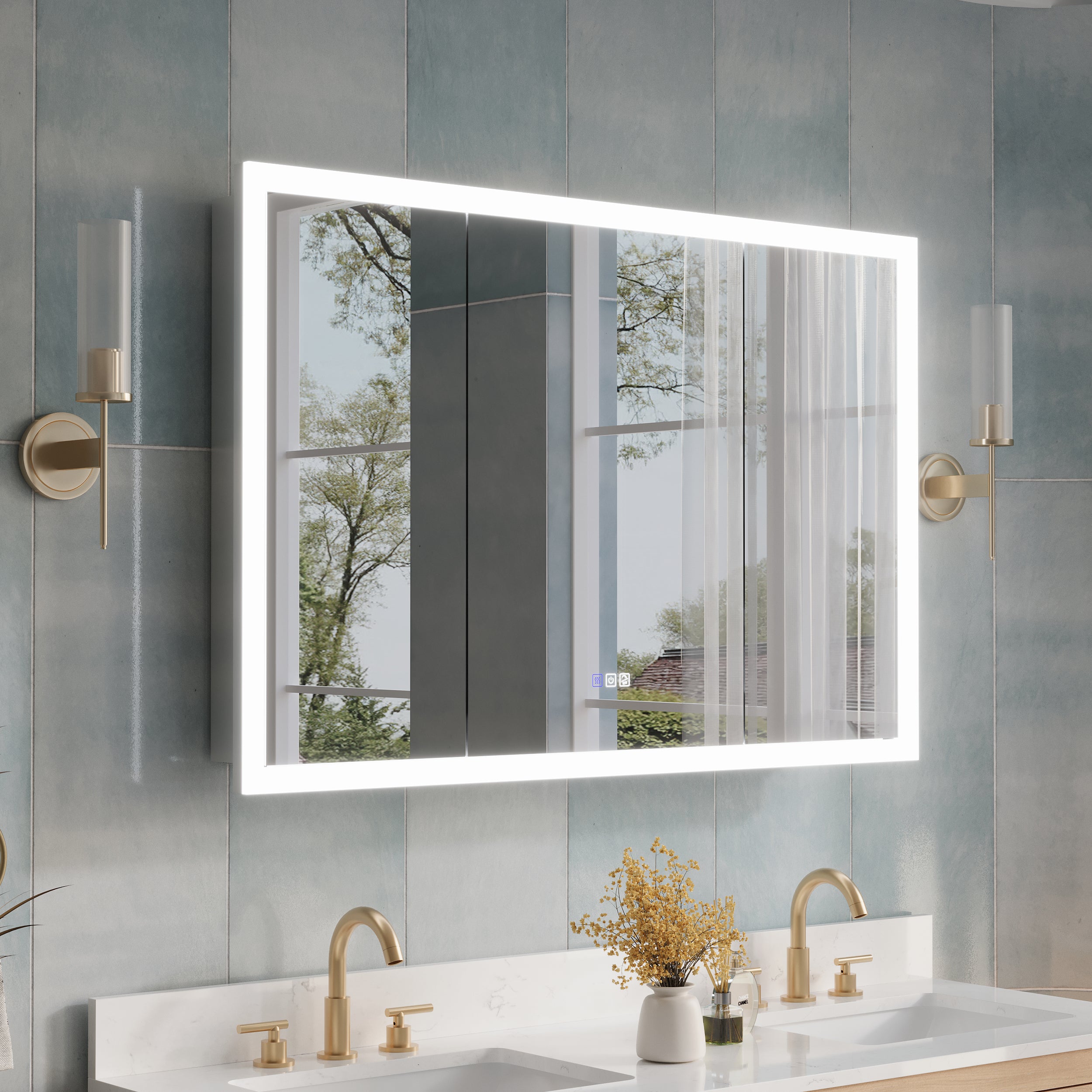
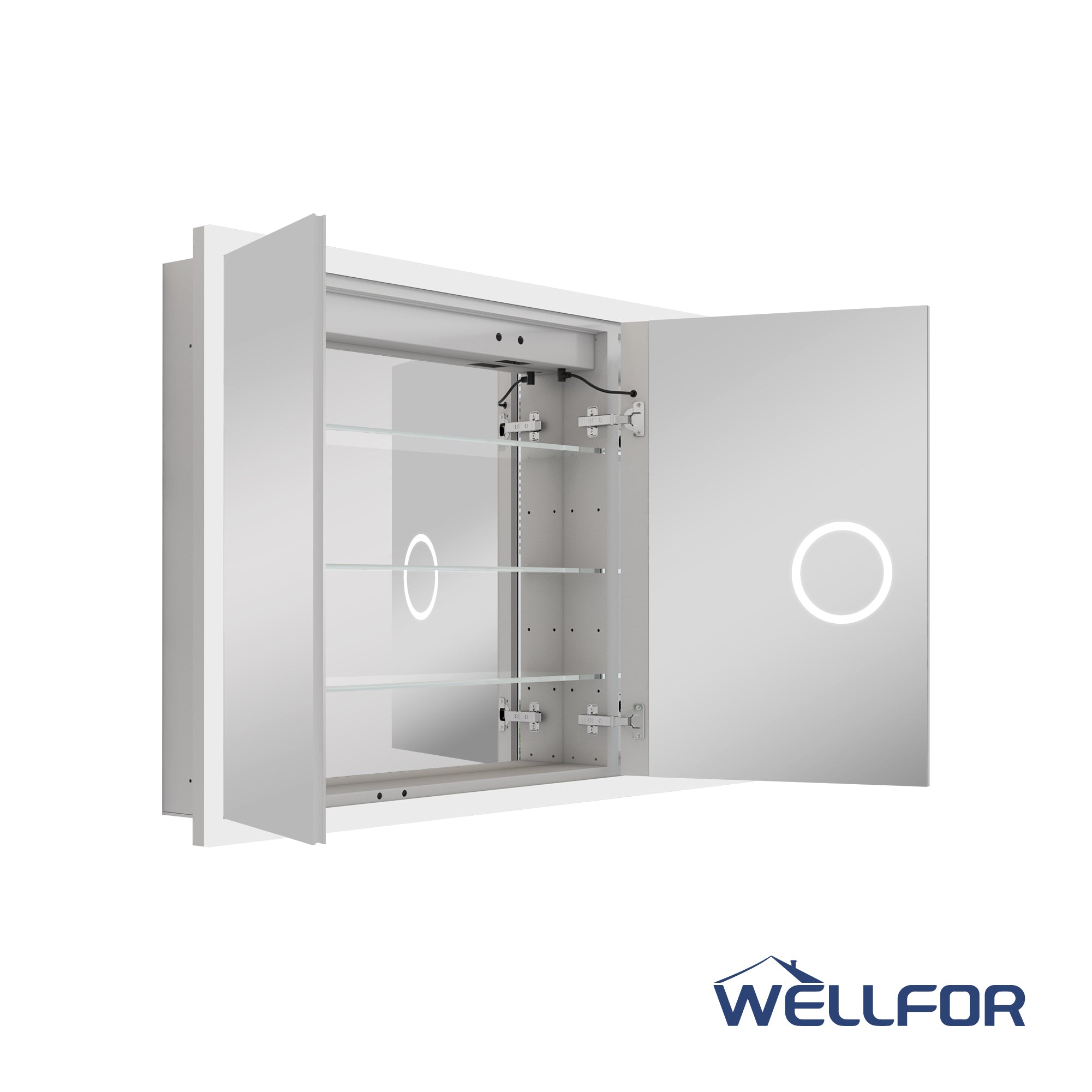
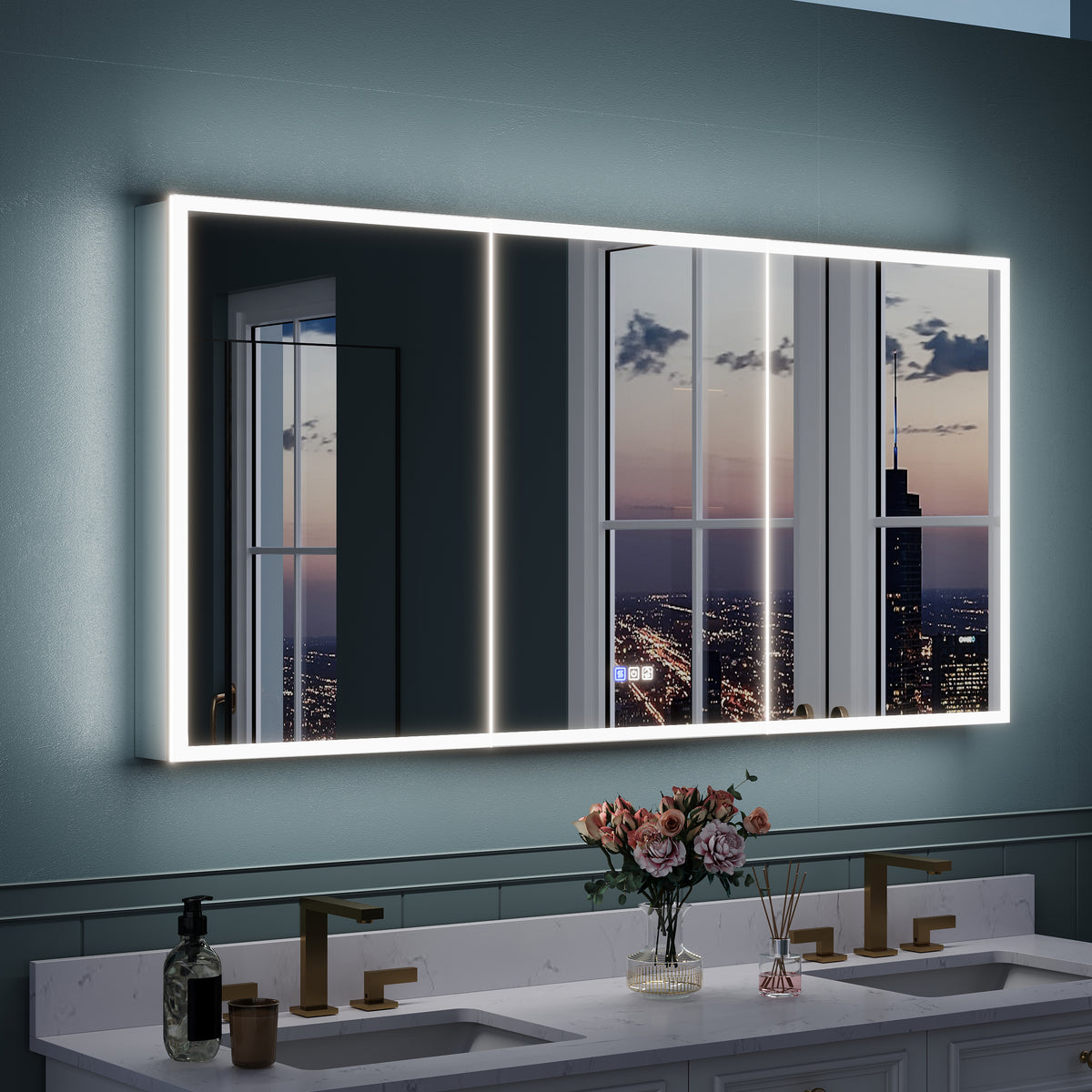
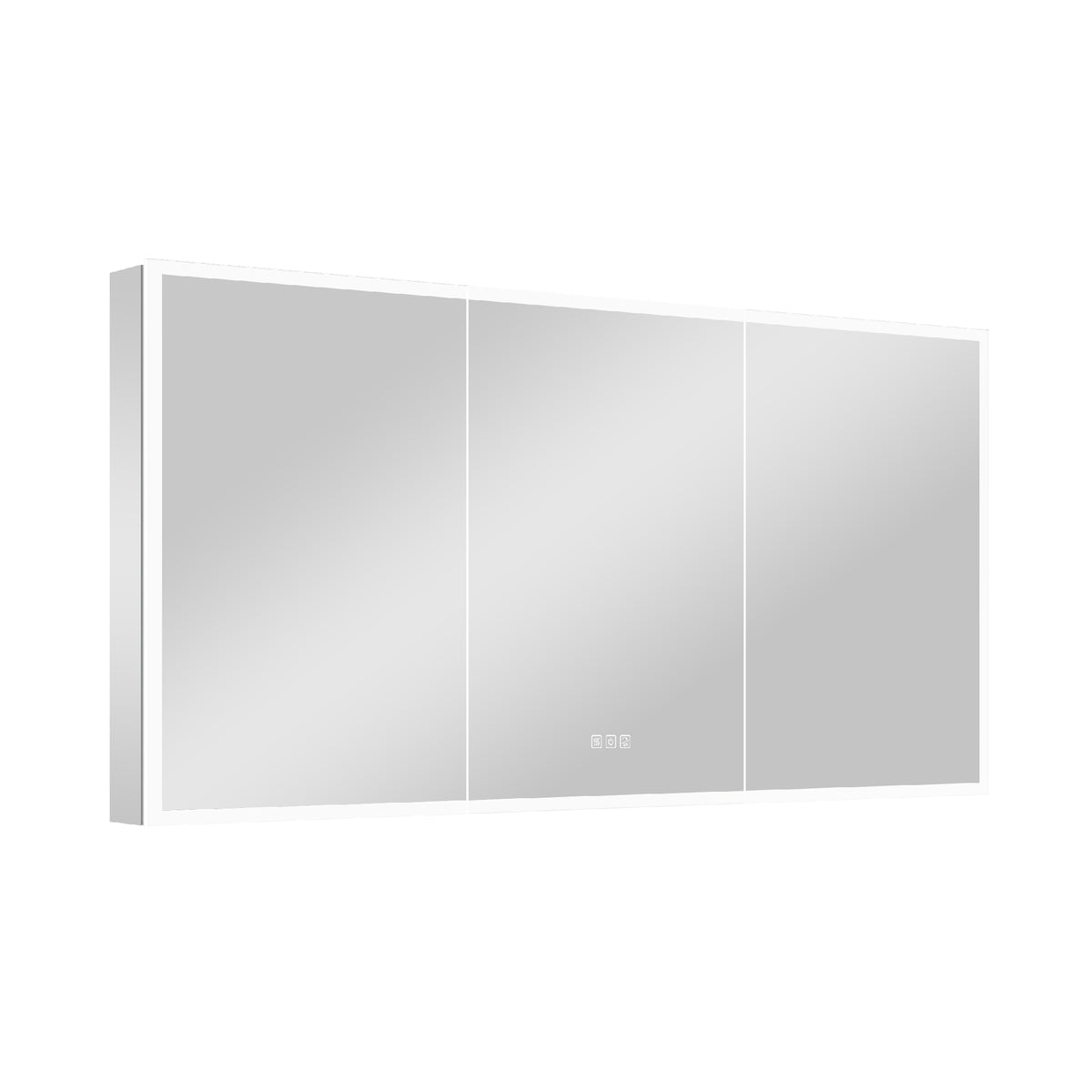
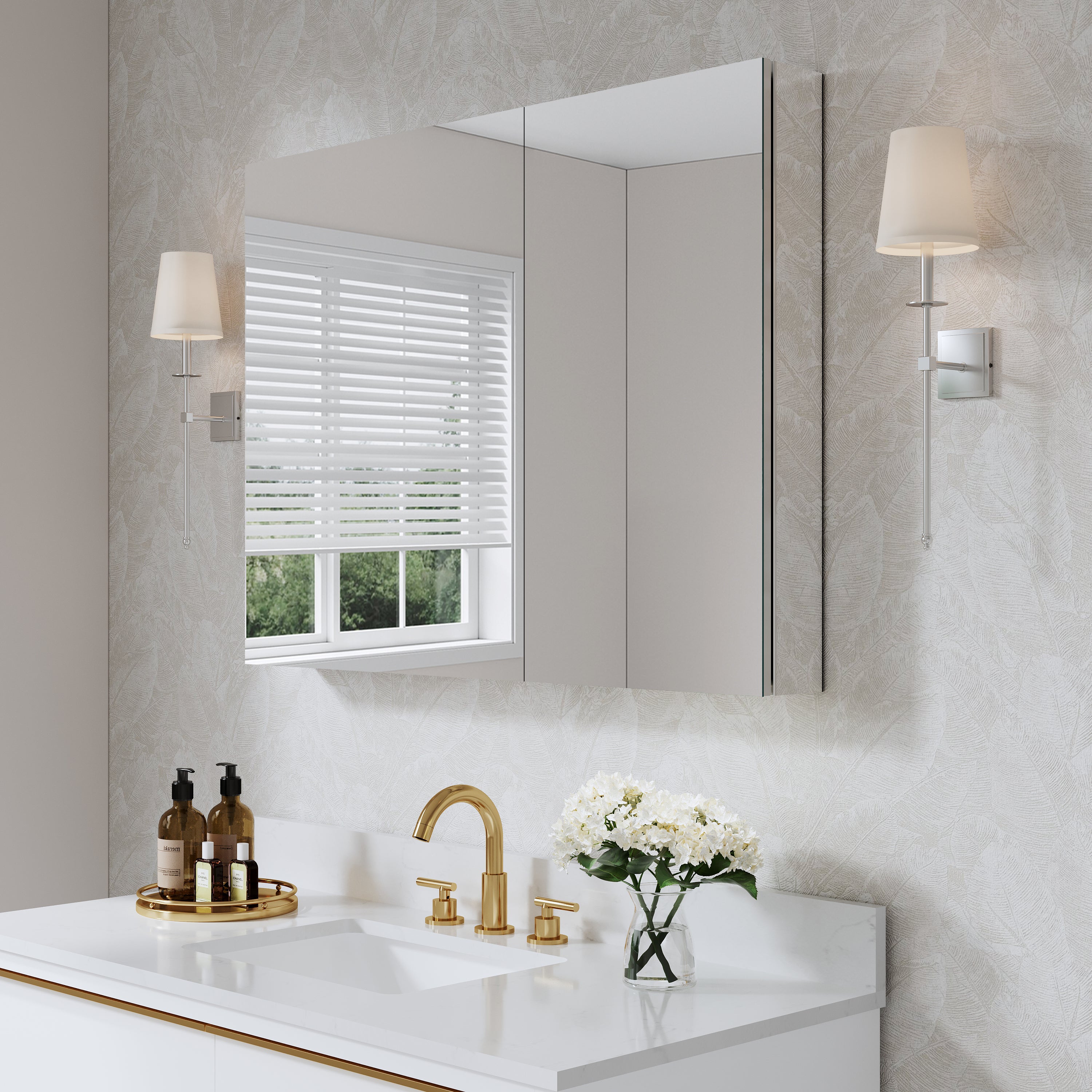
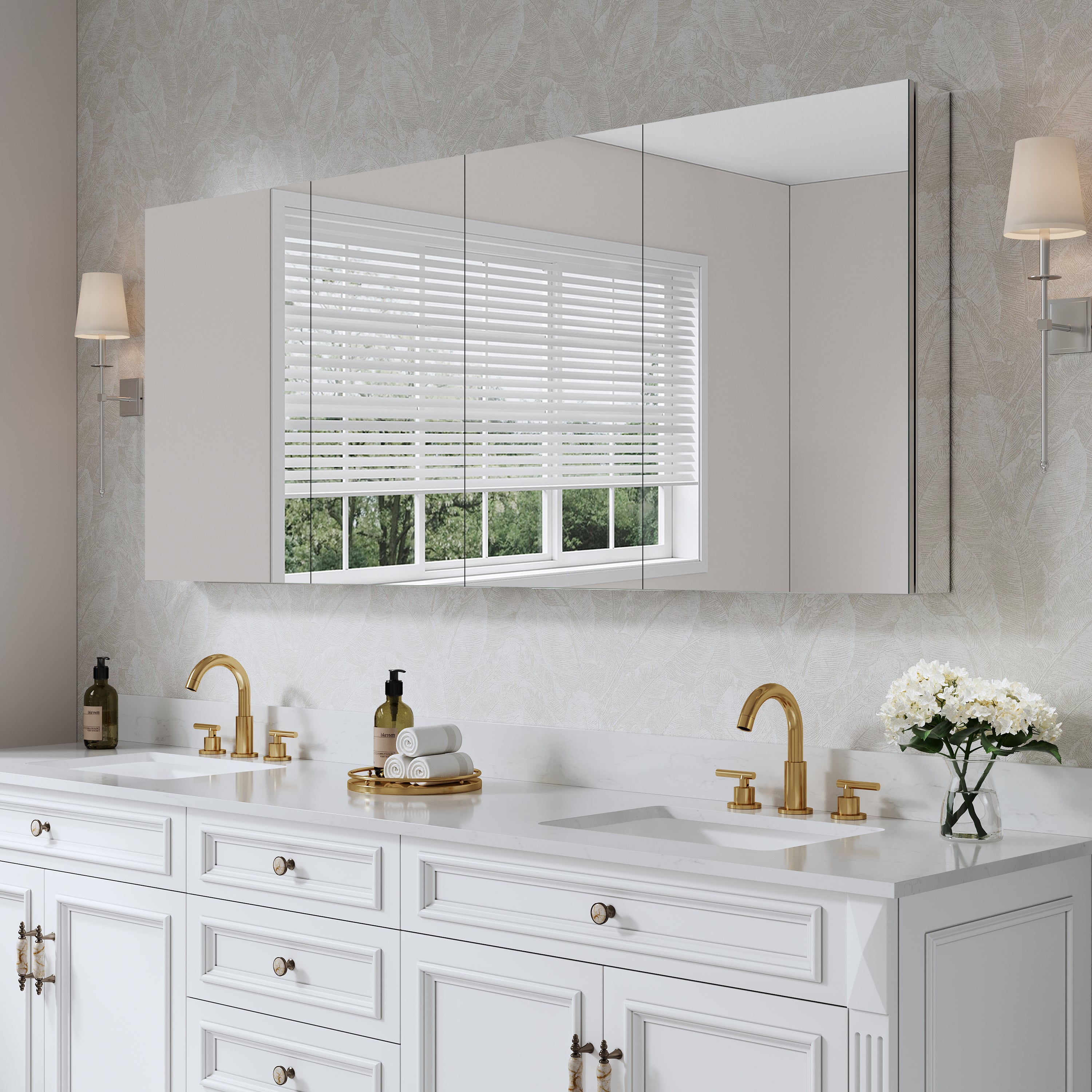
Designers often pair a compact vanity with a recessed medicine cabinet or wall-mounted shelving to extend storage upward without adding footprint . Laura Stephens, an interior designer quoted by Homes & Gardens, points out that people often fail to plan for bathroom storage and end up “stacking toiletries on the countertop or in corners,” which makes the space feel messy and the daily routine more frustrating . A 36-inch vanity with good internal storage, paired with a mirrored cabinet above, keeps the counter clear and the walls working harder.
What the Trends Say (and Why It Matters)
The broader American bathroom market is moving in the opposite direction of the 36-inch vanity. According to the 2026 Houzz trends report, the majority of renovators are opting for vanities over six feet long, and 21 percent of projects are ditching the standard 60-inch vanity for 72-inch models . Wood tones lead the color choices at 31%, and soft-close hardware is now standard in 83% of custom vanities .
This might seem to argue against the 36-inch choice. But here is the nuance: those oversized vanities are going into larger master bathrooms where the footprint allows for expansion. For the millions of American homes with compact guest baths, powder rooms, and secondary bathrooms, a 36-inch vanity remains the practical answer. It is not about following the luxury trend. It is about recognizing that a smaller space has different rules, and the best vanity is the one that respects the room’s limits.
Conclusion
A 36 inch bathroom vanity maximizes space by hitting a sweet spot between usable width and manageable footprint. It leaves the clearance needed for comfortable movement, especially when mounted as a floating unit that frees the floor visually and practically. Its internal storage, when designed with drawers and dividers rather than open shelves, can handle daily essentials without spilling onto the counter. And its modest width leaves room above for vertical storage solutions that keep the walls working. In a small bathroom, the goal is not to fit the biggest vanity possible. It is to choose the one that lets everything else in the room function better. For many homes, that number is 36.













Leave a comment
This site is protected by hCaptcha and the hCaptcha Privacy Policy and Terms of Service apply.