















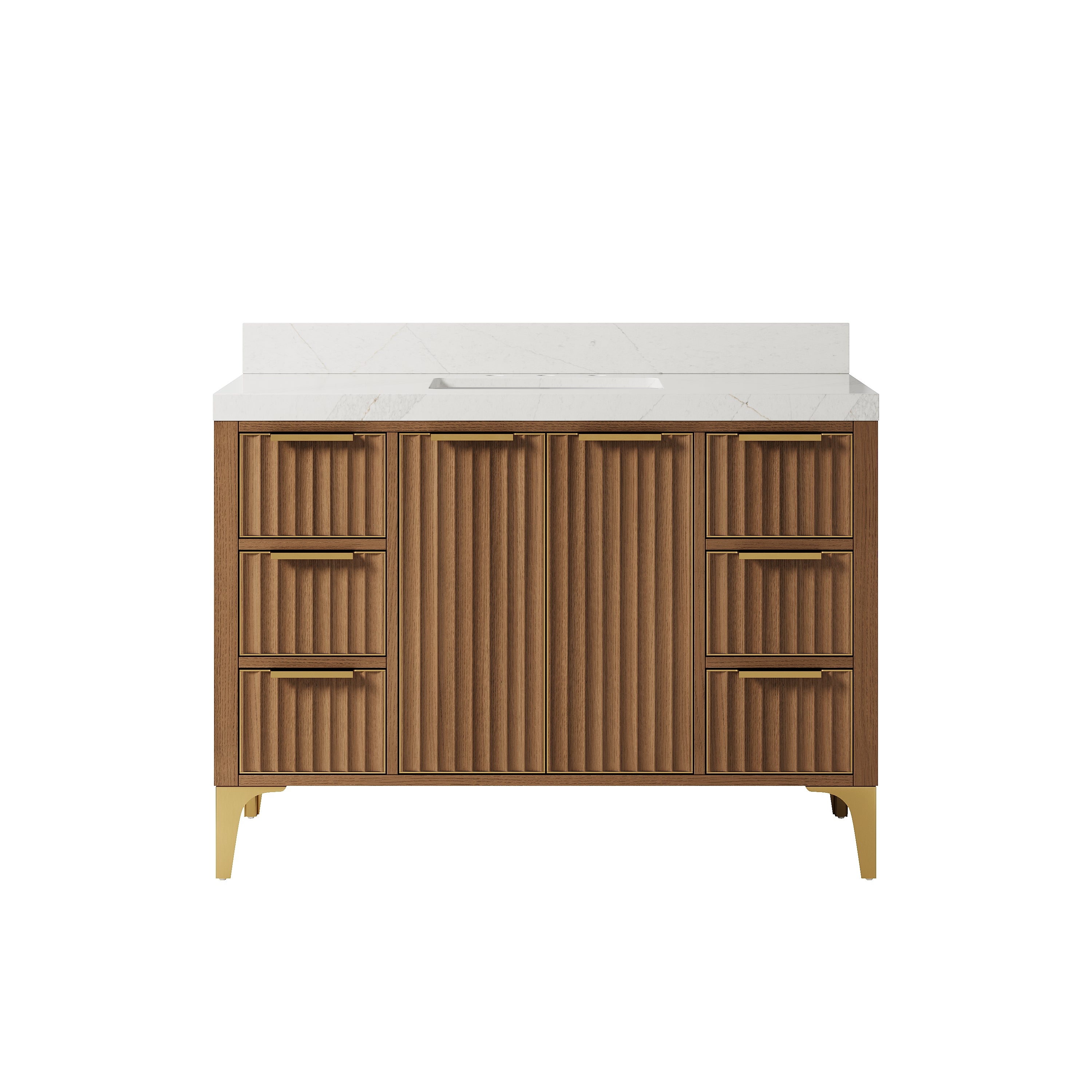







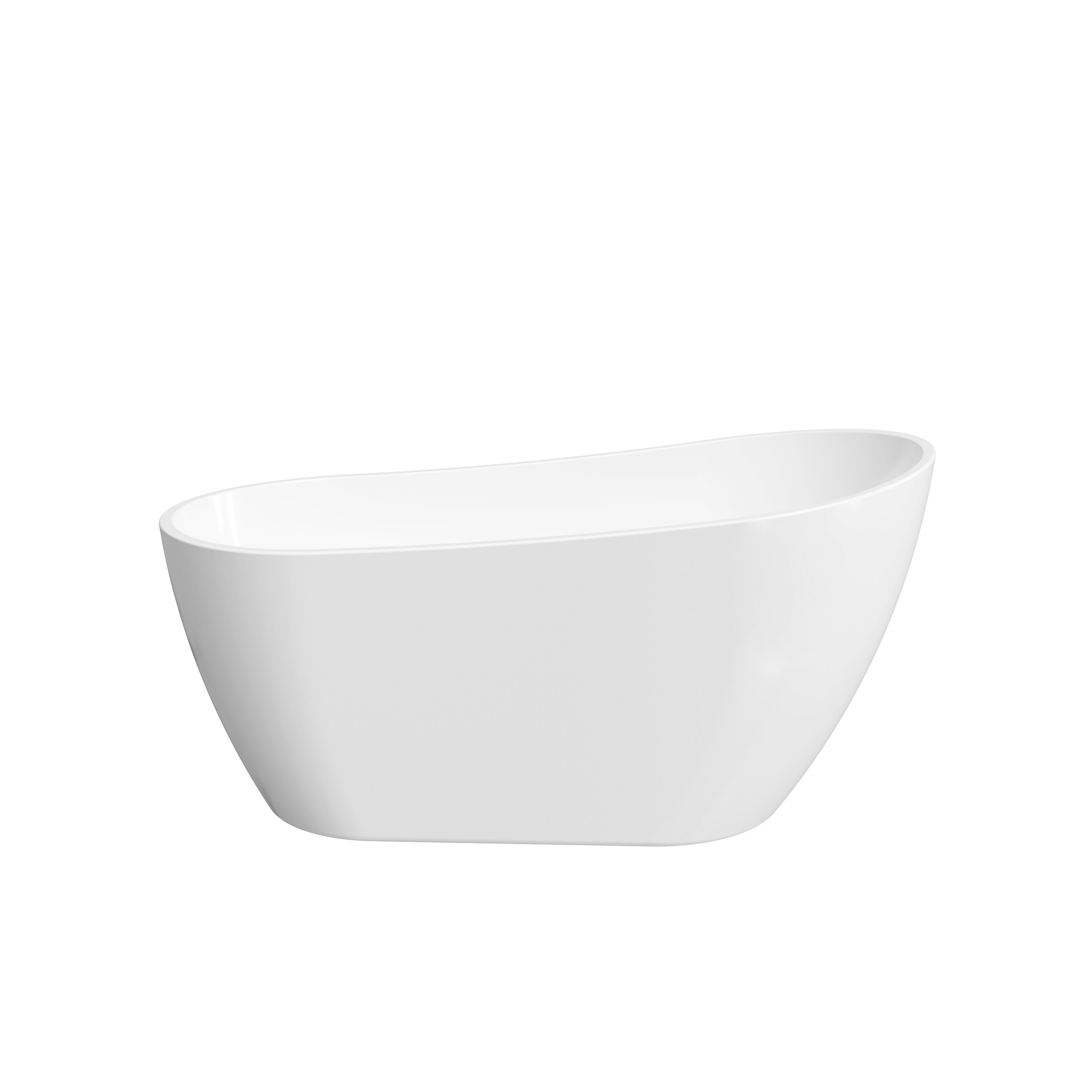
An acrylic bathtub can stay smooth, glossy, and comfortable for many years, but its appearance depends heavily on how it is cleaned and used. Acrylic is lighter and warmer to the touch than many traditional tub materials, which makes it popular in both renovations and new bathrooms. It is also softer than porcelain or cast iron, so aggressive cleaners and rough tools can cause damage surprisingly quickly. In my experience, simple maintenance done regularly is far more effective than occasional deep cleaning.
1. Clean Your Acrylic Bathtub Before Buildup Becomes a Problem
The easiest way to maintain acrylic is to prevent soap residue and mineral deposits from becoming established.
After bathing, rinse the tub with clean water to remove shampoo, body wash, and bath products. In a frequently used family bathroom, a quick wipe with a soft cloth or sponge every few days can make a noticeable difference.
For routine cleaning, use warm water with a mild liquid soap or a cleaner specifically labeled safe for acrylic surfaces. Apply it with a microfiber cloth or nonabrasive sponge.
Avoid steel wool, scouring pads, abrasive powders, and stiff brushes. They may remove dirt quickly, but they can also leave fine scratches that gradually make the surface look dull.
2. Be Careful With Strong Bathroom Cleaners
One of the most common maintenance mistakes is assuming that every cleaner sold for bathrooms is suitable for every bathtub.
Acrylic can react poorly to harsh solvents and highly abrasive products. Acetone, paint thinner, and similar chemicals should stay away from the tub. Strong cleaning products should not be used unless the bathtub manufacturer specifically confirms they are compatible with acrylic.
When trying a new cleaner, I recommend testing a small, inconspicuous section first.
Do Not Let Cleaners Sit Too Long
More contact time does not always mean better cleaning.
Leaving concentrated cleaner on acrylic longer than recommended can discolor the finish or affect its surface. Apply the product, give it enough time to loosen residue, then rinse thoroughly.
The same rule applies to products such as hair dye. If dye lands on the bathtub, clean it promptly rather than waiting until the end of the day.
3. Prevent Scratches Instead of Trying to Repair Them Later
Acrylic's softer surface is both an advantage and a limitation. It feels smooth and comfortable, but it requires slightly more care than a hard enamel surface.
Do not place metal tools, rough-bottomed containers, or sharp objects directly inside the bathtub. Even decorative items can leave marks if they are dragged rather than lifted.
Pet bathing deserves special attention. Dogs' nails can scratch acrylic, particularly if they become nervous and move around quickly. If you regularly wash pets in the tub, place a soft, acrylic-safe bath mat underneath them and remove it afterward so moisture does not remain trapped.
Minor surface scratches can sometimes be polished, depending on their depth and the tub's finish. Deep damage should be assessed before attempting DIY repair.
4. Manage Hard Water and Soap Scum Early
Hard-water deposits often appear around faucets, drains, and areas where water repeatedly dries on the surface.
Regular wiping is the best defense. When water droplets are removed before they evaporate, minerals have less opportunity to accumulate.
Soap choice matters too. Some bar soaps leave heavier residue than liquid body washes. That does not mean you need to change your bathing routine, but tubs exposed to heavy soap residue will need more frequent cleaning.
Watch the Drain and Overflow Areas
I pay particular attention to the drain, overflow cover, and faucet connection points because these areas tend to collect moisture and residue.
Wipe around metal fittings carefully and check for signs of leaking. A small plumbing leak is not just a cleaning issue. Water that reaches areas beneath or behind the bathtub can eventually cause much more serious problems.
5. Good Installation Makes Maintenance Easier
Long-term bathtub care actually begins during installation.
An acrylic tub needs proper support beneath it. If the base is not installed according to the manufacturer's requirements, the tub may flex more than intended when someone steps inside. Repeated movement can put stress on seals, drain connections, and surrounding finishes.
Caulking is equally important. The joint between the tub and wall should be sealed cleanly to prevent water from entering hidden spaces.
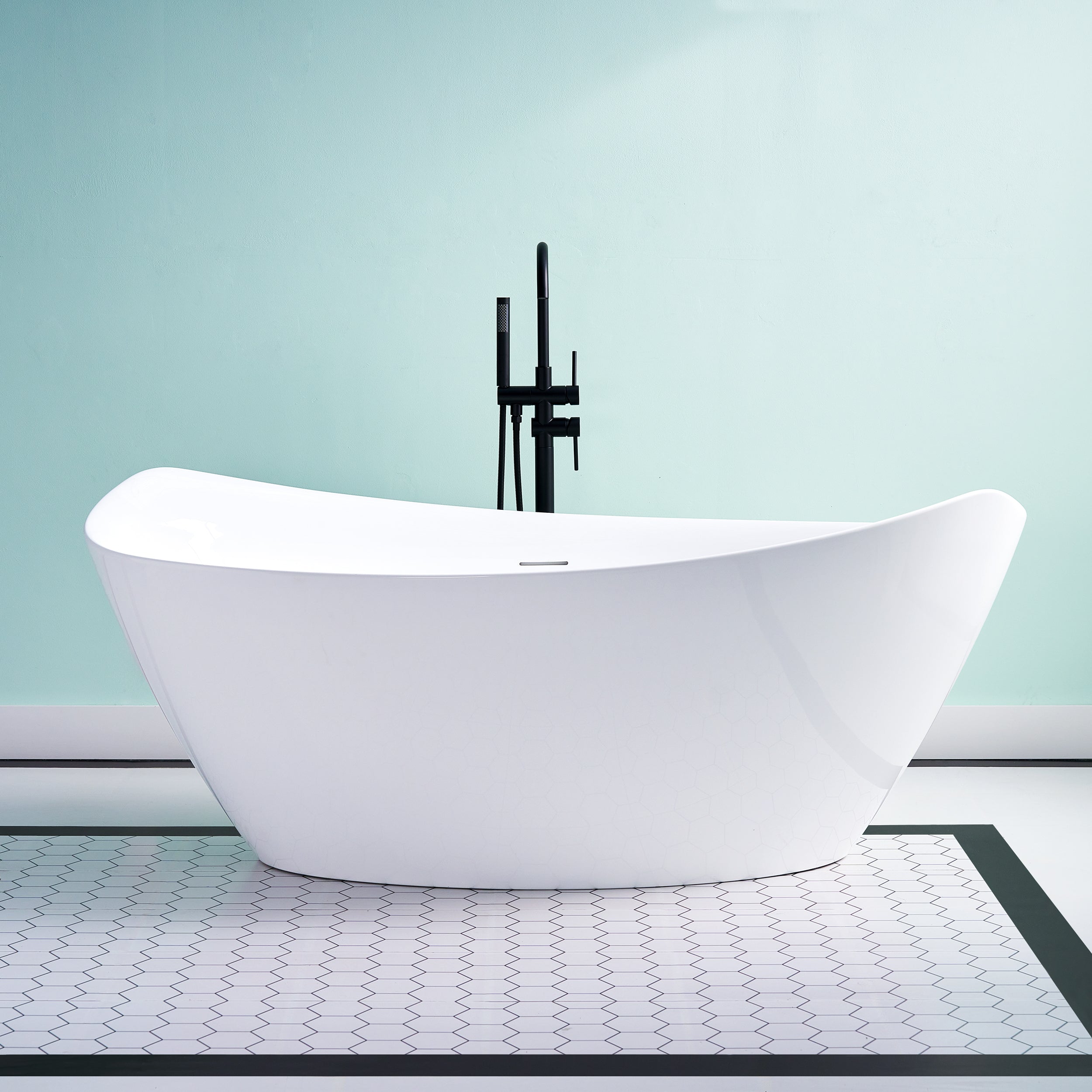
At Wellfor, I would always recommend checking the bathtub installation instructions before work begins rather than treating every acrylic model the same way. Freestanding, alcove, and other tub configurations can have different support and plumbing requirements.
If the floor is uneven or plumbing needs modification, professional installation is often worth the cost.
6. Understand Where Acrylic Works Best
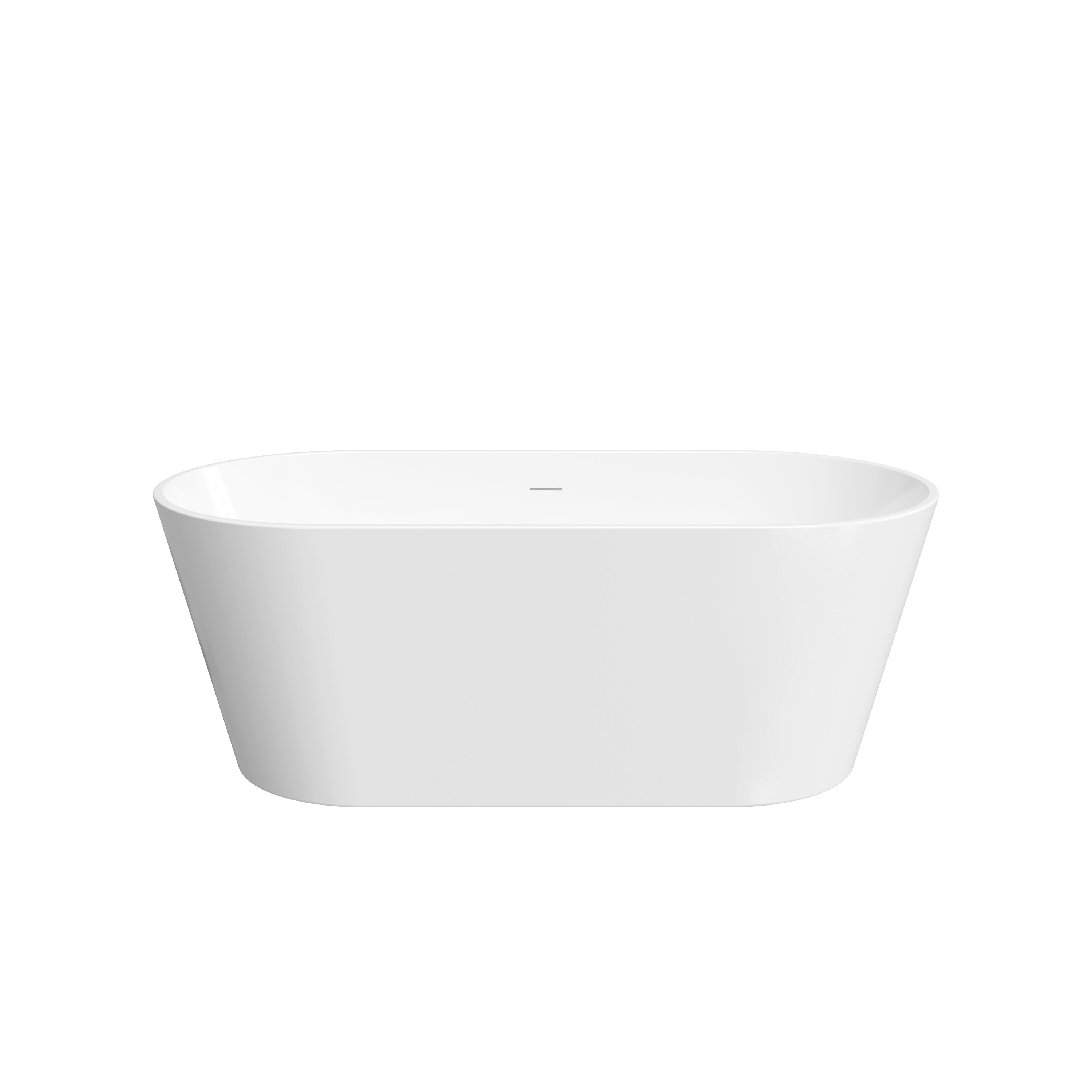
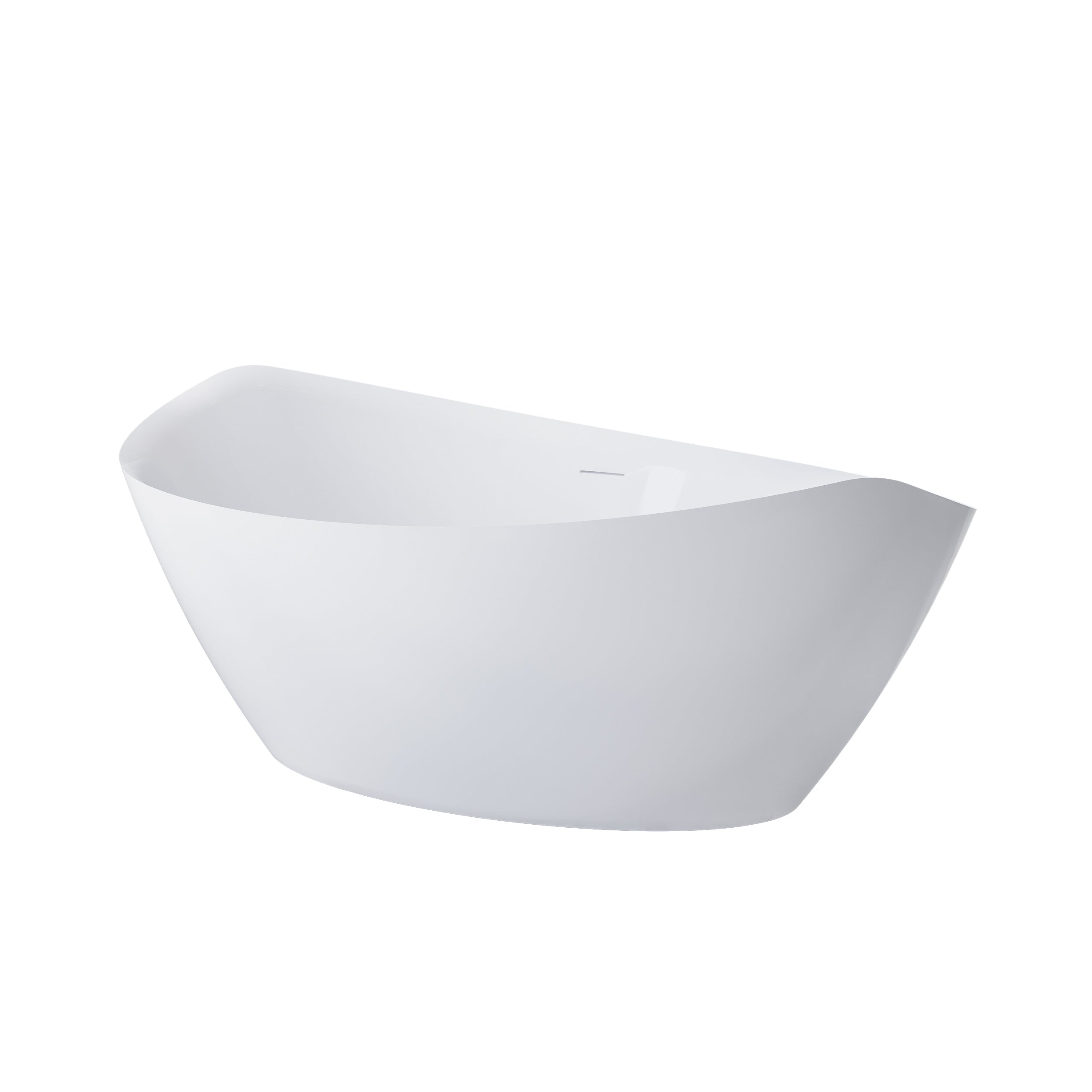
Acrylic is a strong choice for homeowners who want a bathtub that is relatively lightweight, comfortable, and available in a wide range of shapes.
Its warm surface is especially pleasant for longer baths. Because acrylic tubs are lighter than cast iron, they can also be easier to handle during remodeling.
There are compromises.
Acrylic is more vulnerable to scratching than harder materials, and cheaper tubs may flex if the shell and support structure are inadequate. People who want an extremely hard, impact-resistant surface may prefer another material.
For most residential bathrooms, though, good-quality acrylic offers a practical balance between comfort, appearance, installation requirements, and maintenance.
7. Avoid Maintenance Habits That Cause More Harm Than Good
Overcleaning is surprisingly common.
Scrubbing the tub aggressively every day is unnecessary and may shorten the life of the finish. Gentle, regular cleaning works better.
Do not leave wet bath mats, washcloths, bottles, or bathing accessories sitting against the surface for long periods. Moisture trapped underneath them can encourage residue buildup and staining.
Ventilation helps too. Run the bathroom exhaust fan during and after bathing to reduce humidity around the tub, walls, caulk, and surrounding fixtures.

8. Keep Maintenance Simple and Consistent
You do not need an elaborate cleaning routine to protect the bathtub. Rinse it after use, clean it regularly with a mild product, remove stains quickly, and avoid anything abrasive.
Check caulk, drains, and fittings from time to time rather than waiting for a visible leak. If the surface begins to look different, identify the cause before reaching for the strongest cleaner available.
When buying a new acrylic bathtub, look beyond shape and price. Ask about construction quality, installation requirements, surface-care recommendations, and warranty coverage. A well-made tub that is correctly installed and cleaned gently will usually reward that small amount of attention with years of comfortable everyday use.





































Leave a comment
This site is protected by hCaptcha and the hCaptcha Privacy Policy and Terms of Service apply.