














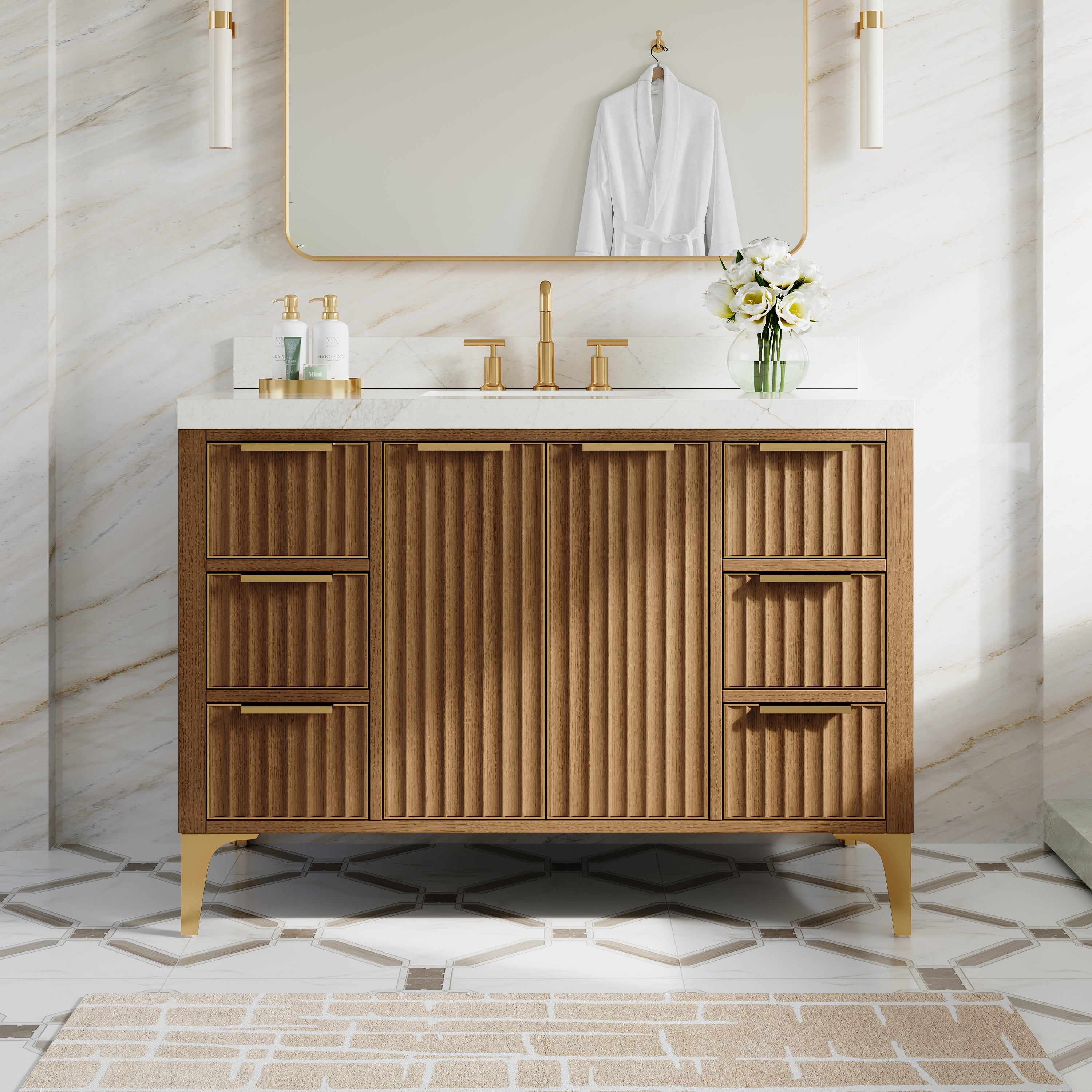
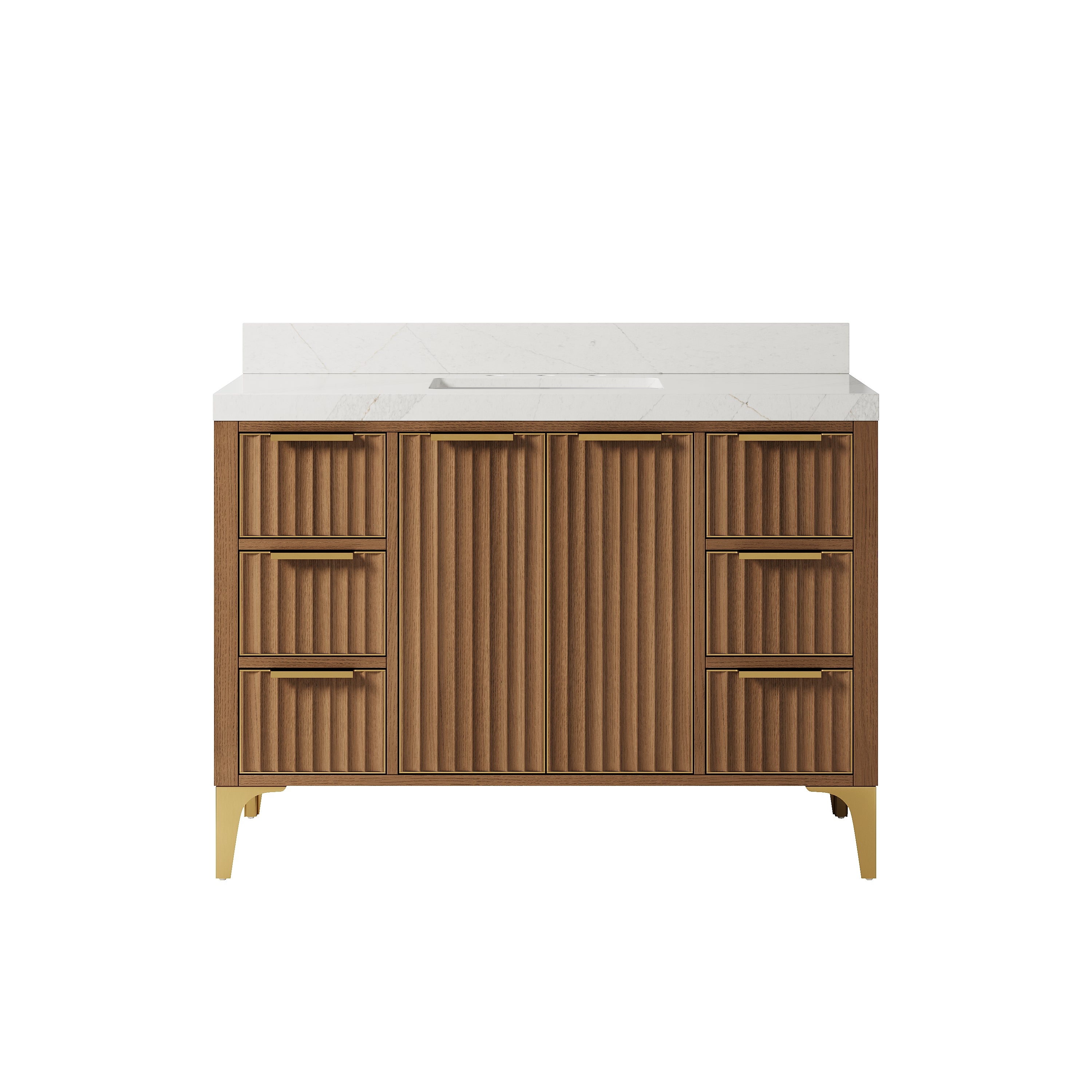


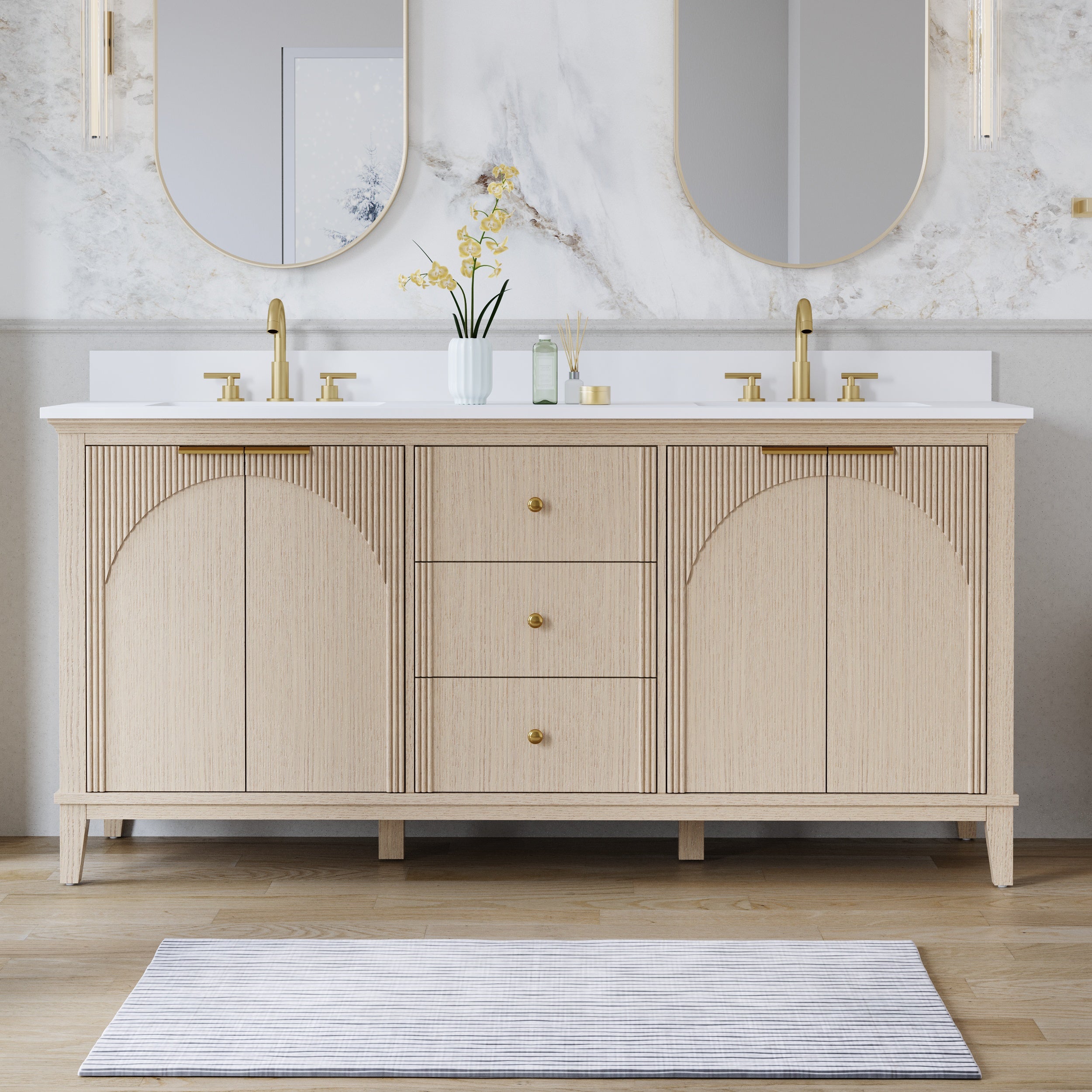
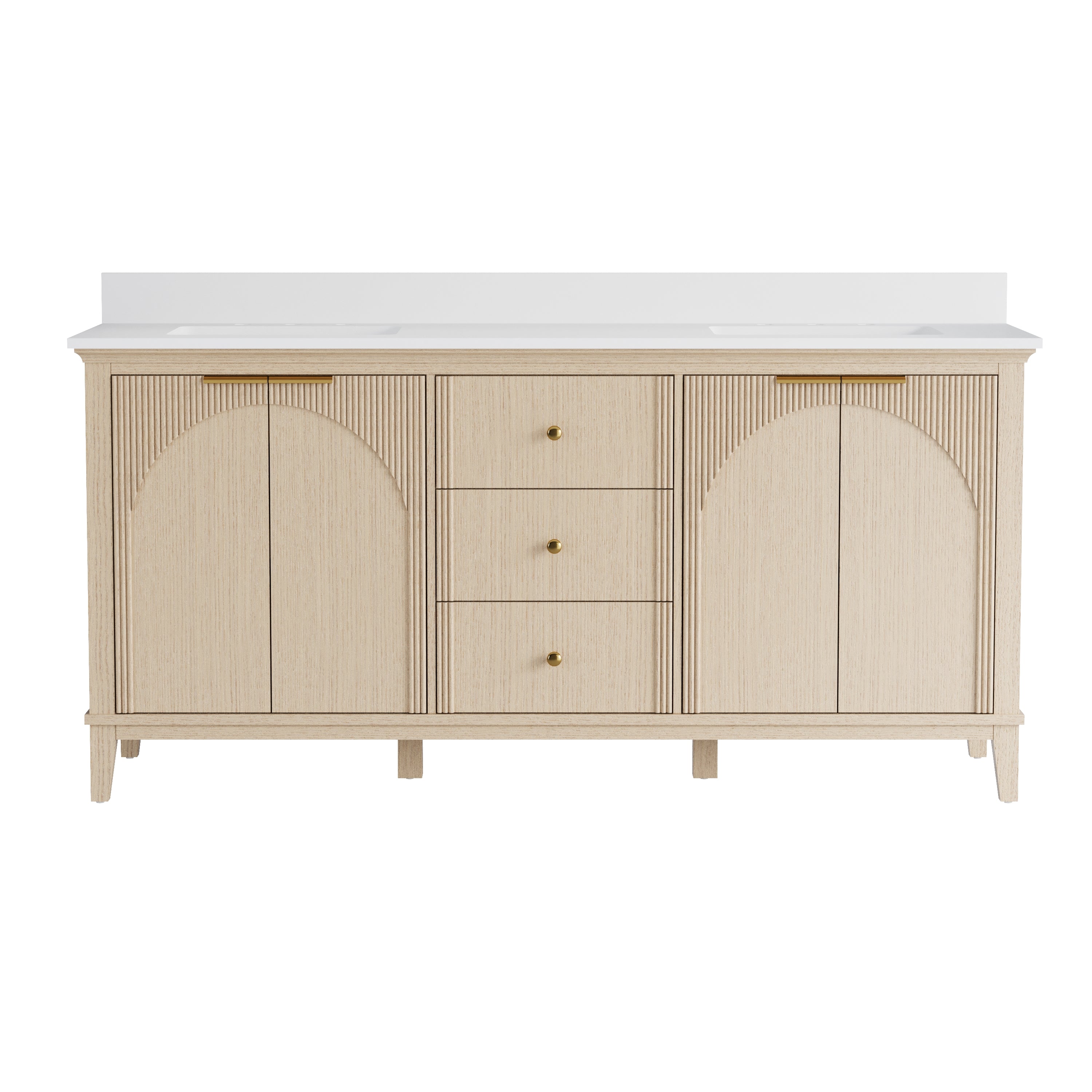
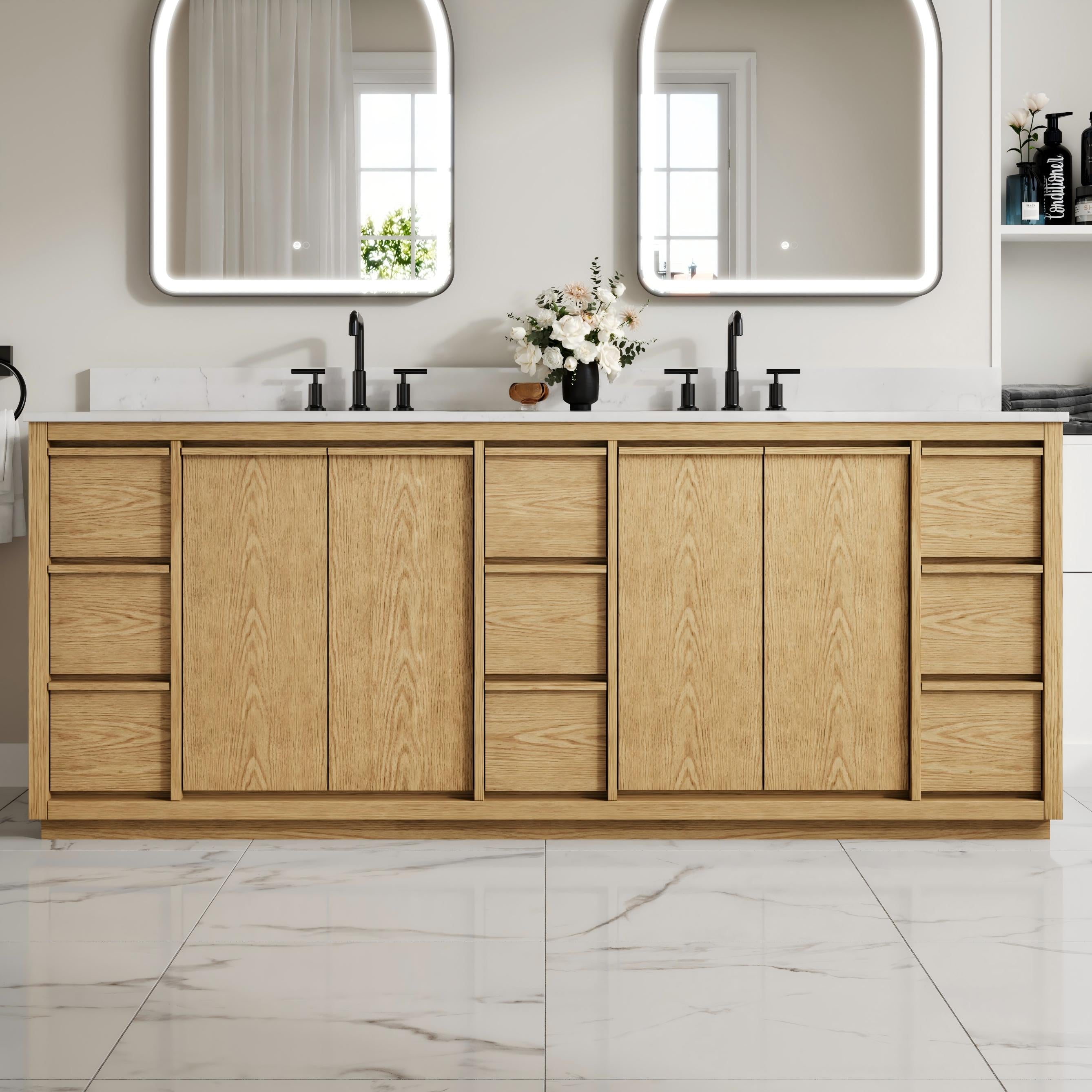
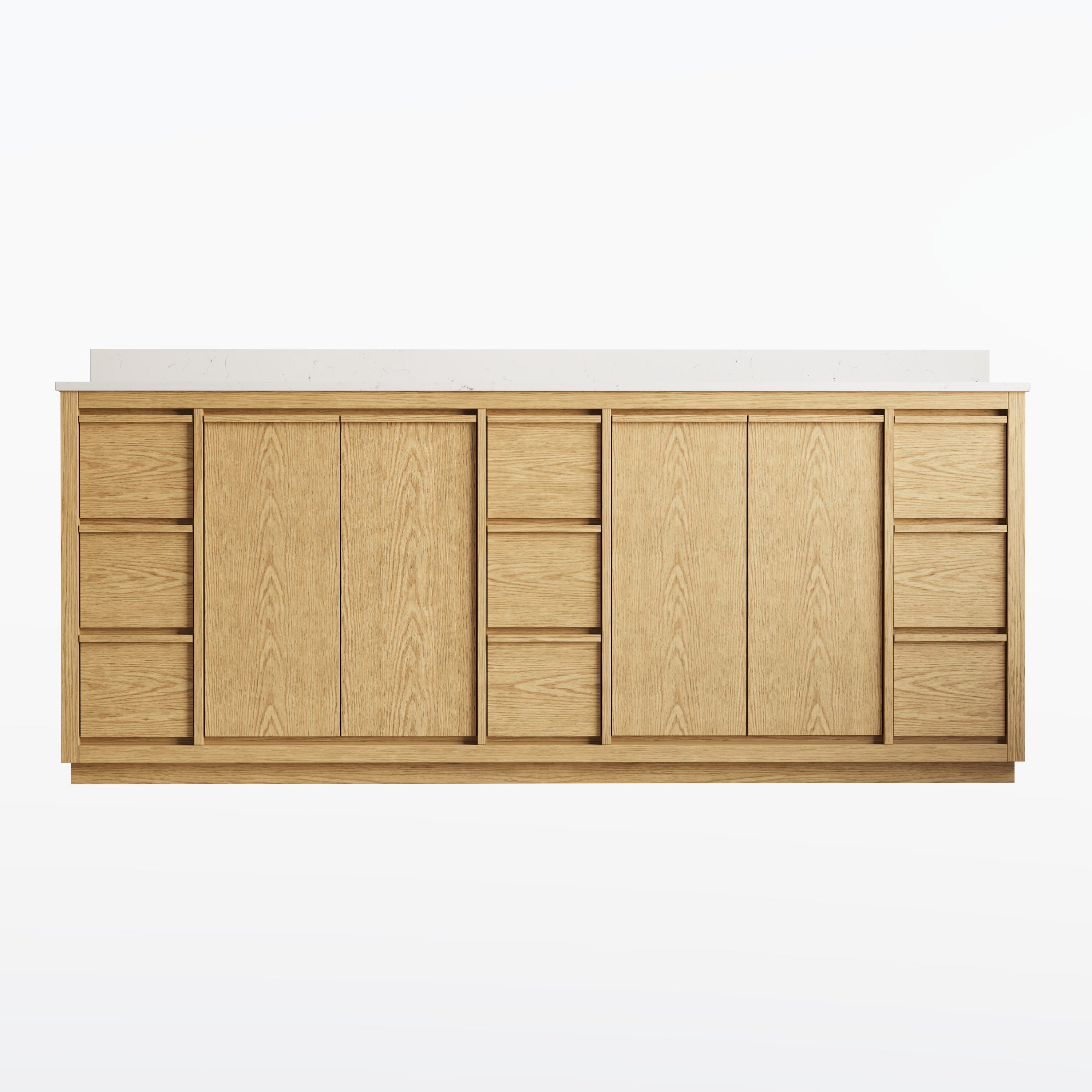

In the trend of residential renovation and high-quality bathroom upgrades, solid wood bathroom cabinets are increasingly the preferred choice for their long-term value and design stability. Compared to veneer or MDF structures, solid wood cabinets have significant advantages in structural strength, durability, texture, and sustainable maintenance. Industry data shows that the proportion of solid wood bathroom cabinets used in mid- to high-end residential renovation projects continues to rise, especially in the main bathroom, where the application rate is significantly higher than for basic board products. From a 30-inch single-pot structure to a 60-inch double-pot layout, solid wood cabinets not only serve a storage function but also become an important component of the space's long-term design language.
1. The structural strength determines the service life
Solid wood bathroom cabinets usually use a whole-board or panel structure with a thickness of about 3/4-inch, which is more resistant to bending and deformation than composite boards. In environments with long-term humidity fluctuations, solid wood structures exhibit greater stability when properly sealed.
Data shows that in environments with humidity maintained at 40% to 55%, the service life of high-quality solid wood cabinets can exceed 15 to 20 years, while some composite panel structures are more prone to edge expansion or layer deformation in high-humidity environments.
For the main bathroom space with daily high-frequency usage, structural durability directly affects long-term maintenance costs.
2. Natural texture brings a sense of time sedimentation
The natural wood grain and color hierarchy of solid wood make the space visually more profound. Compared to the uniform texture of surface film, solid wood exhibits subtle changes under different lighting angles.
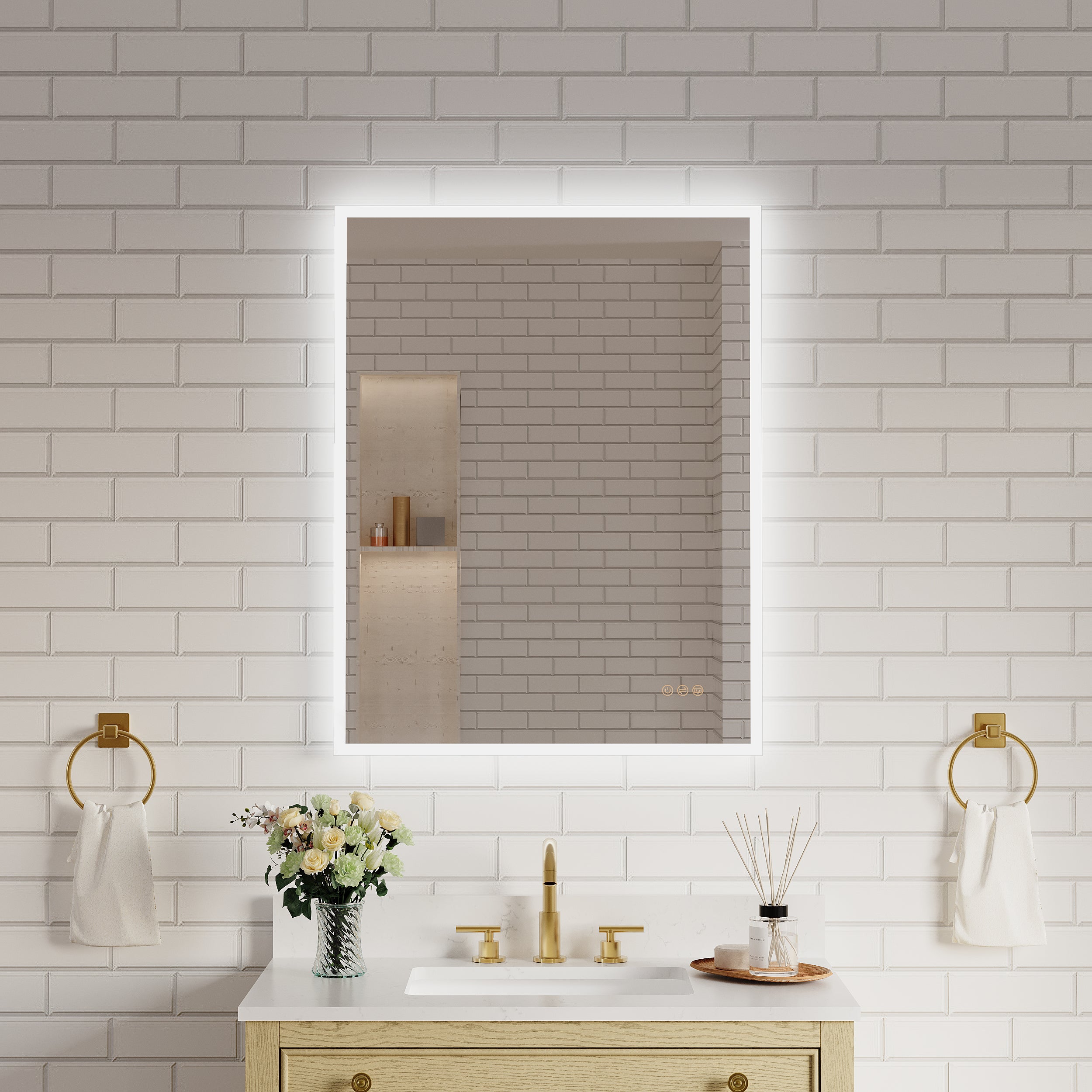
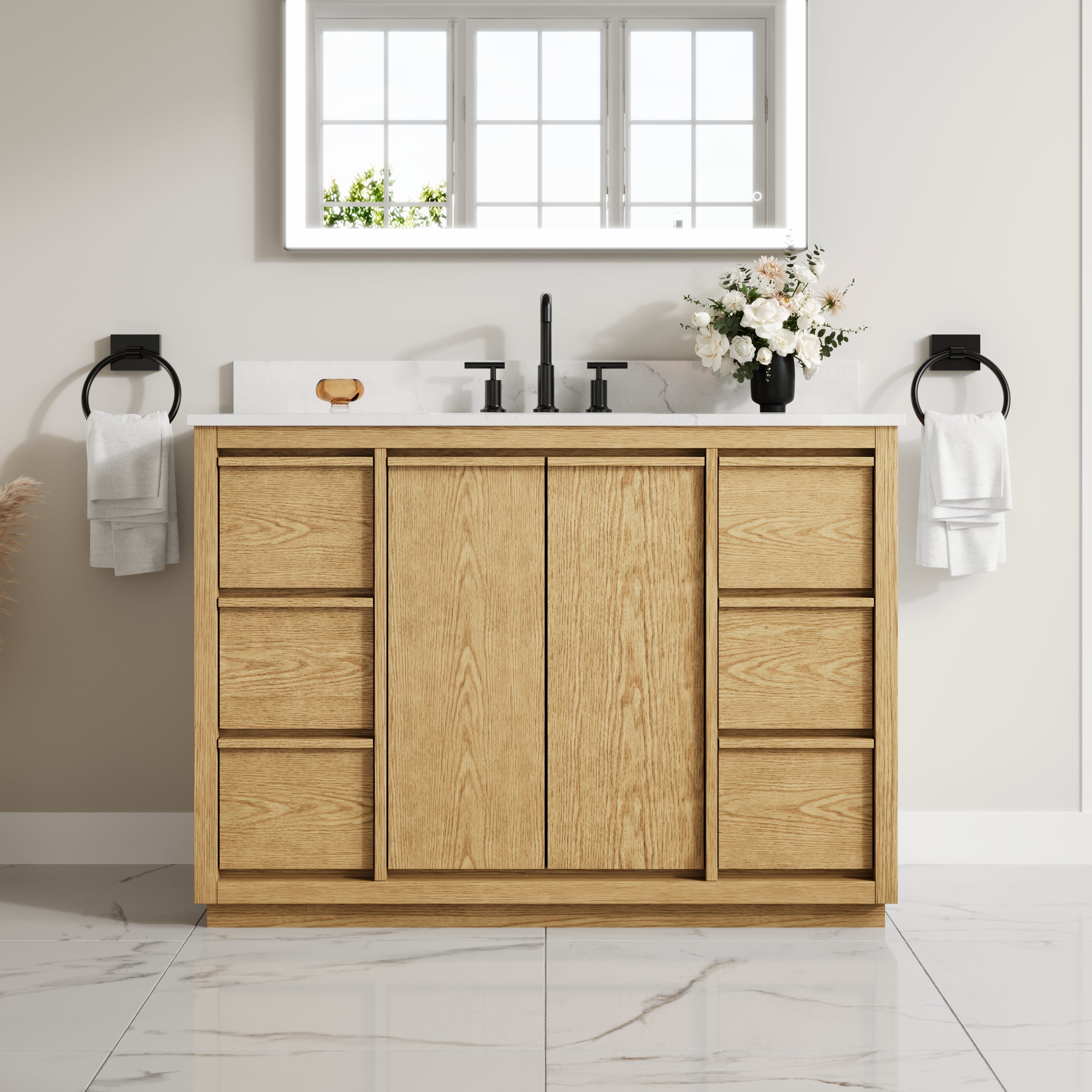
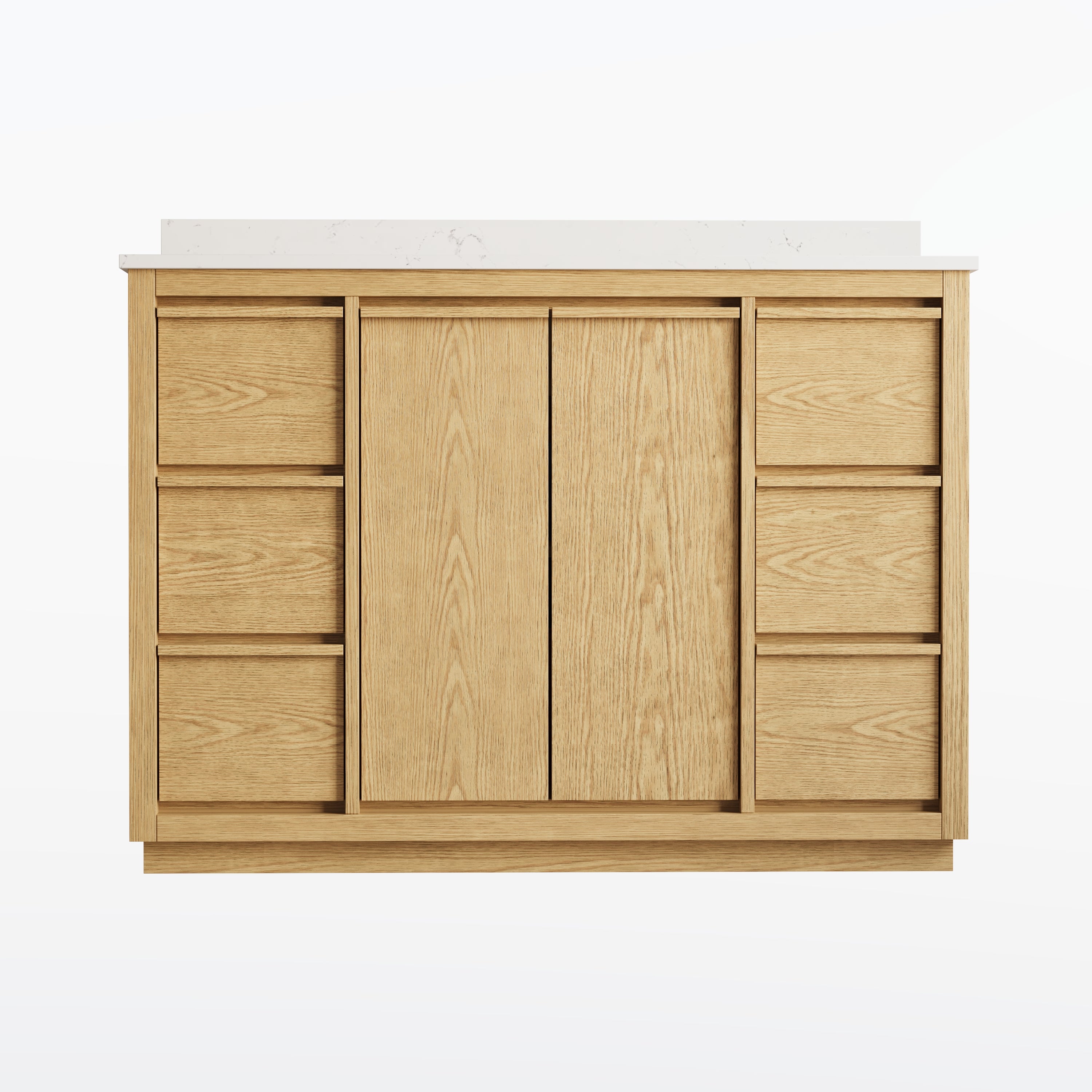
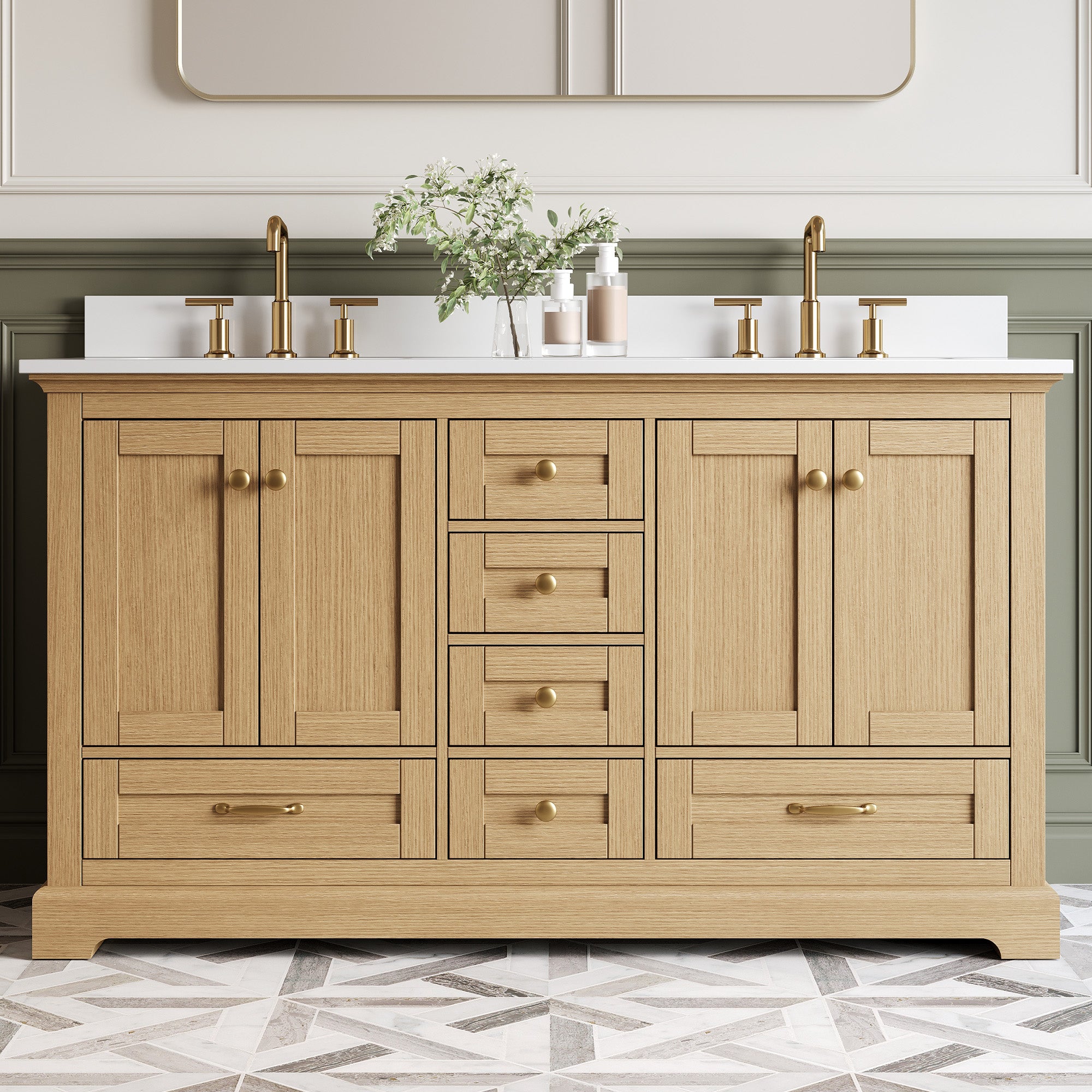
In the 36-inch single pot layout, the solid wood cabinet creates a natural material contrast with the quartz stone countertop; in the 60-inch double basin layout, the solid wood door panel enhances the overall sense of space.
Survey data show that in spaces that emphasize nature and long-term comfort, the visual satisfaction score for solid wood materials is significantly higher than that for high-gloss veneer panels.
This natural texture often stands the test of time better.
3. Long-term design stability superior to popular materials
The trend of residential design is constantly changing, but the visual representation of natural wood has strong durability. Solid wood cabinets do not rely on popular colors, but rely on the natural properties of the material itself.
Data show that in satisfaction evaluations conducted more than 5 years after renovation, the preservation of solid wood cabinet style is significantly higher than that of high-gloss or metal-textured panels.
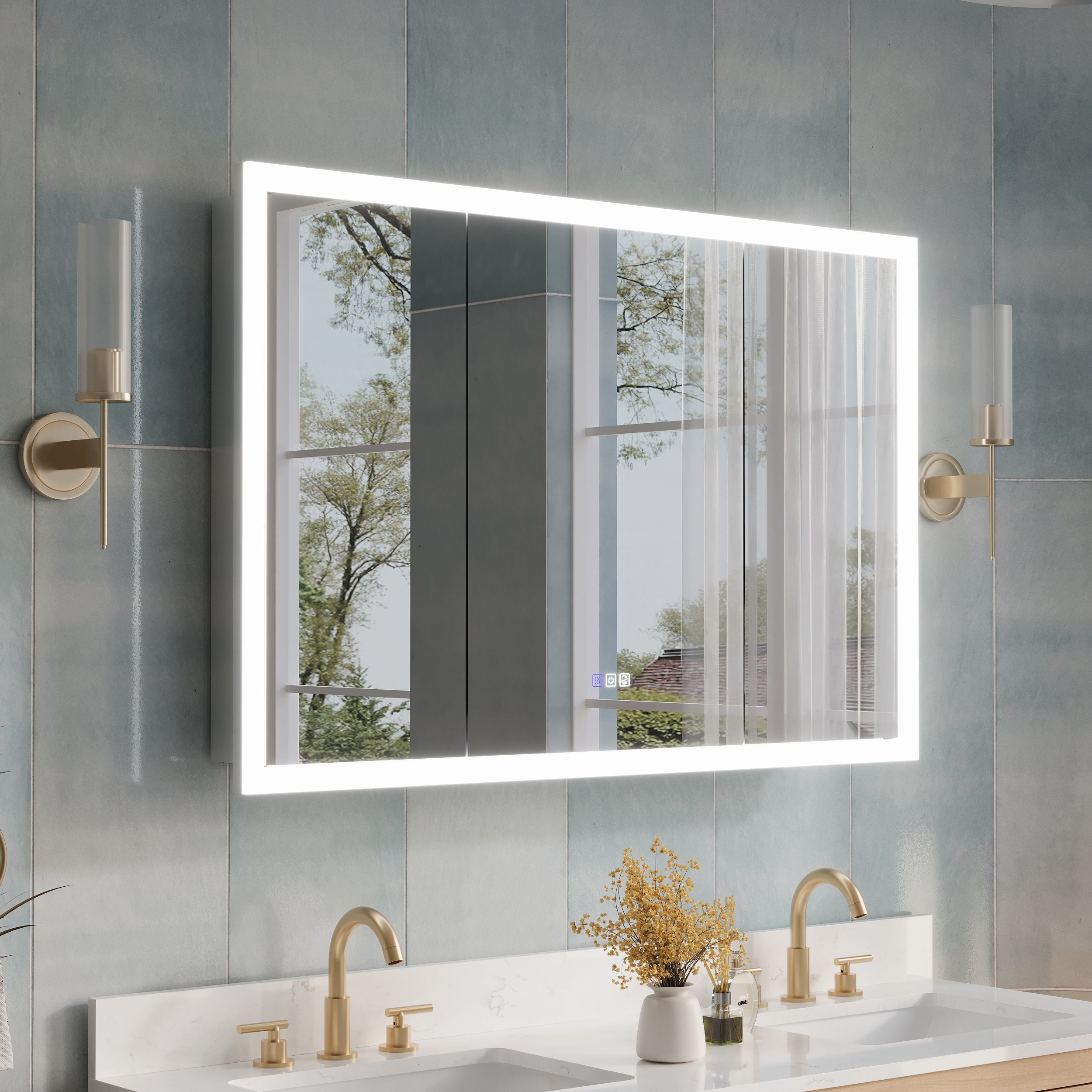
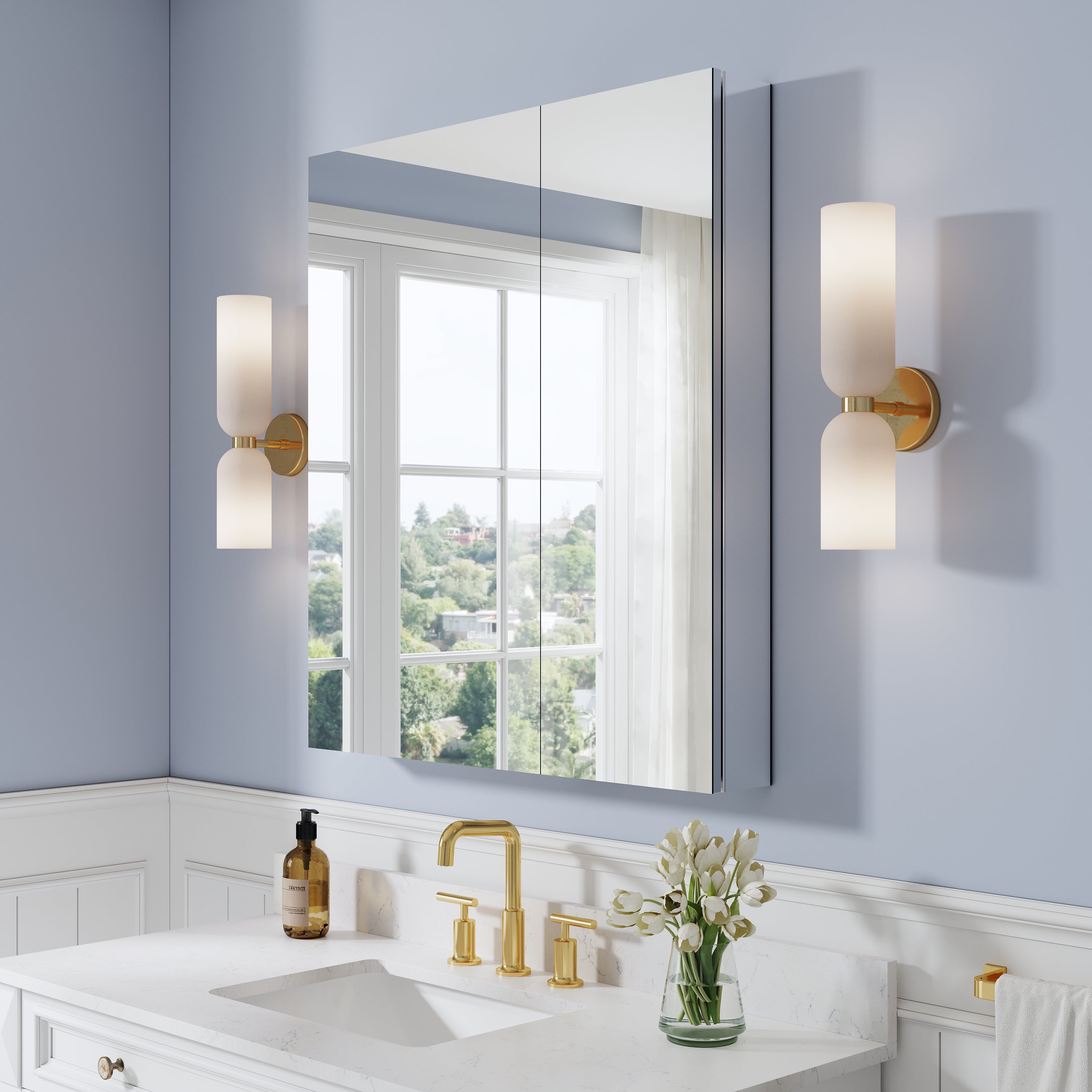
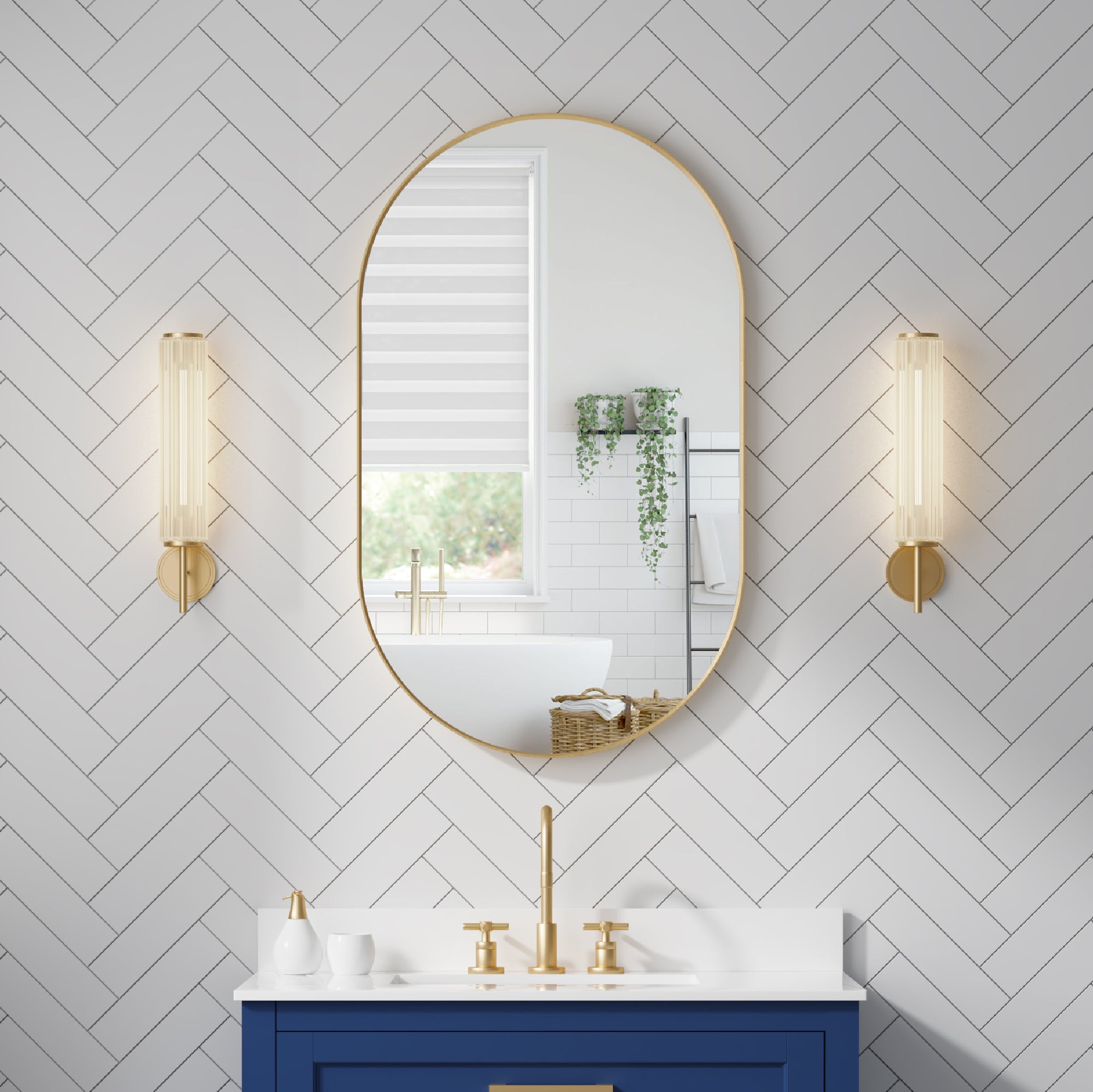
In the 8-foot-high floor space, solid wood cabinets ranging from 32 to 34 inches in height are coordinated with mirror proportions ranging from 30 to 36 inches, making it easier to establish a long-term, stable design language.
4. Load-bearing capacity and adaptability to large sizes
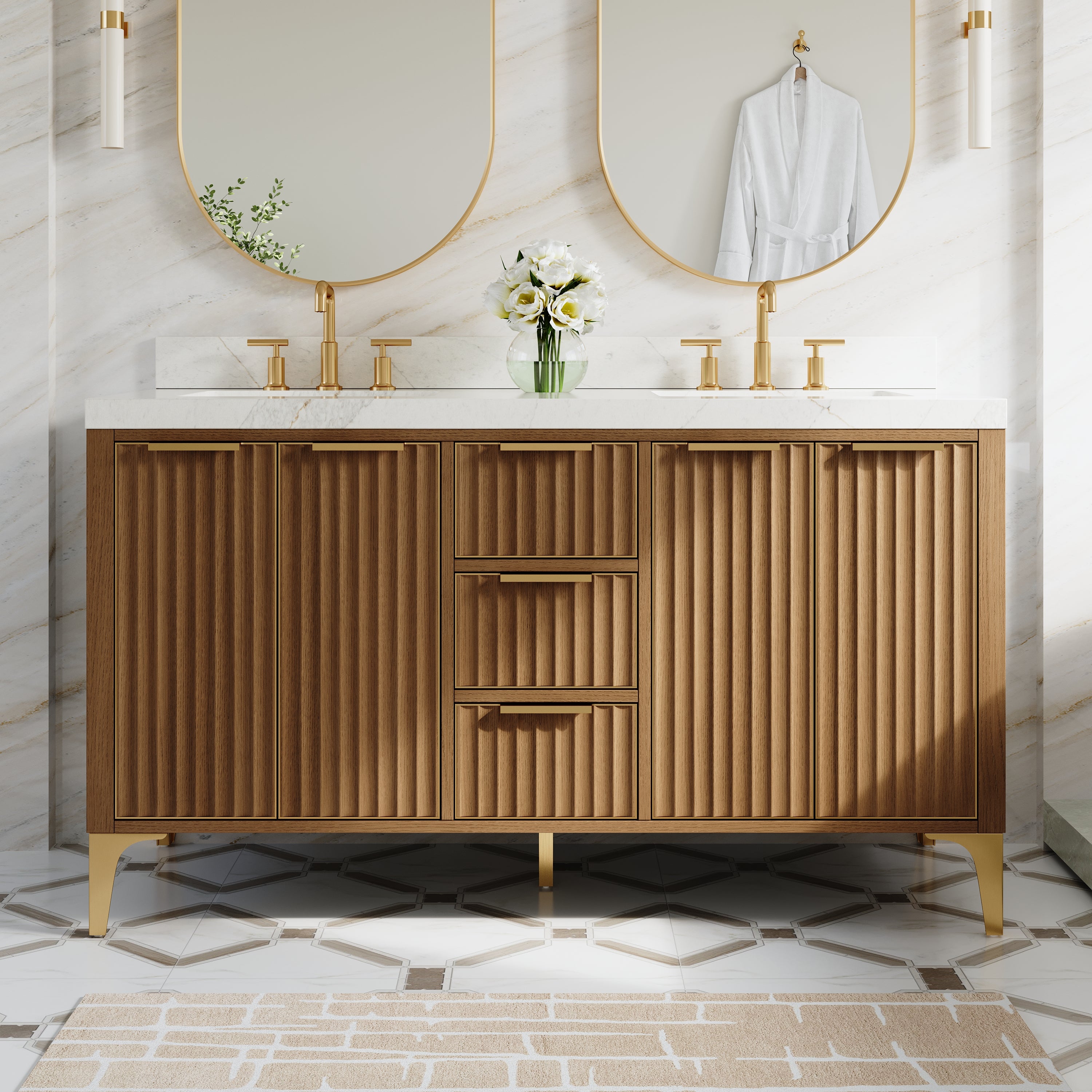
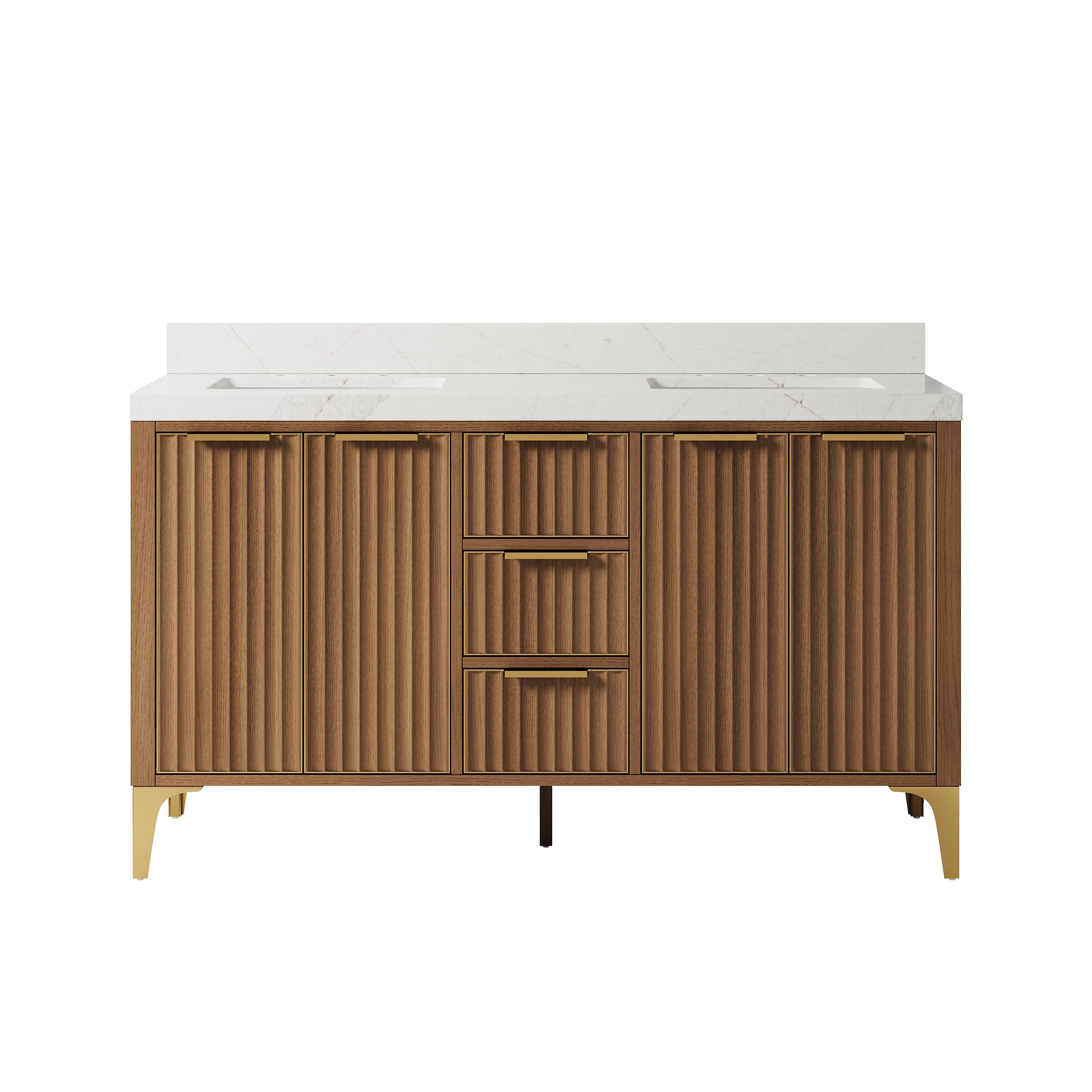
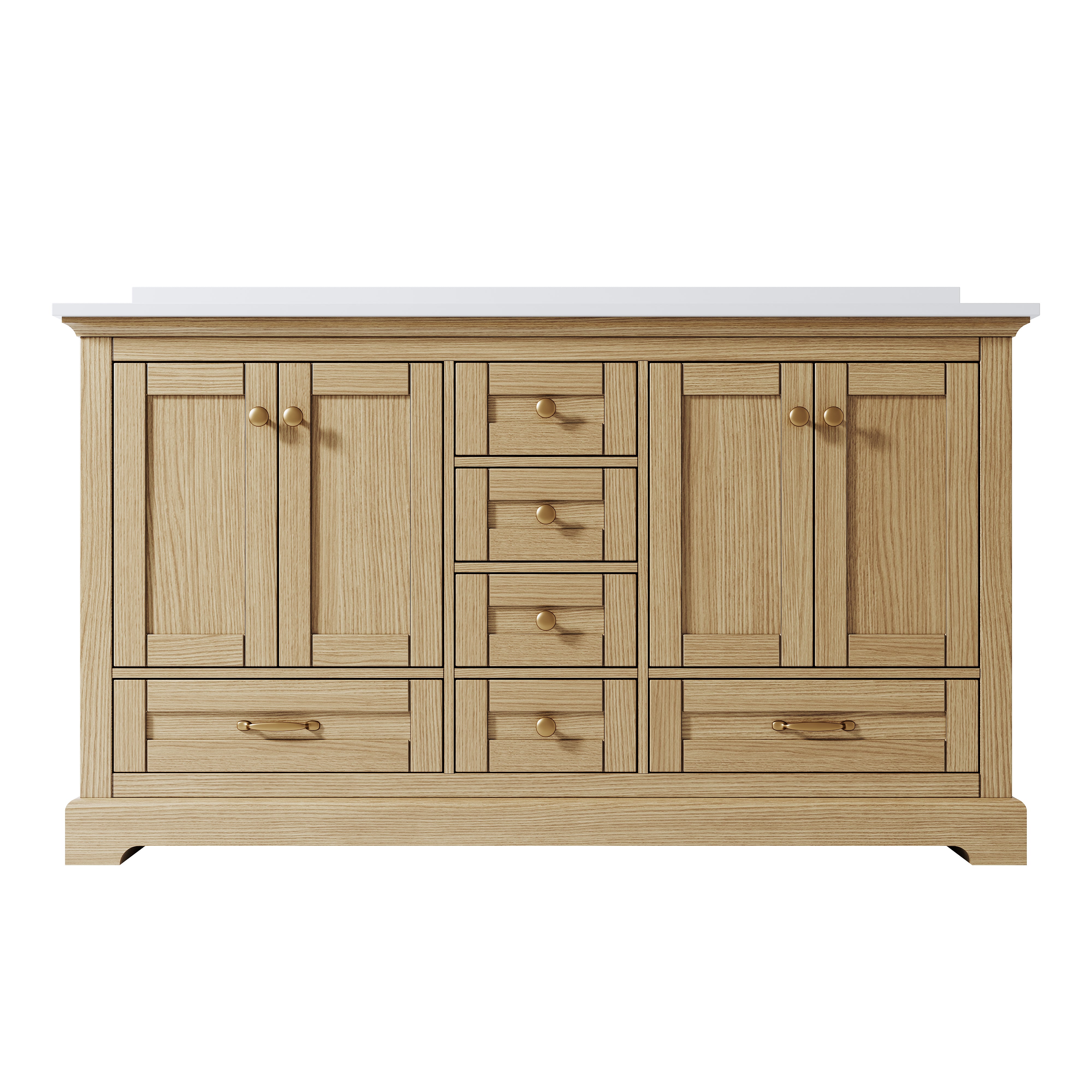
In a 60-inch dual-basin layout, the countertop is typically 1-inch-thick quartz or natural stone. Solid-wood frame structures offer significant advantages in load-bearing capacity.
Data show that under heavy countertop loads, the probability of structural deformation in solid-wood cabinets is lower than in composite panels.
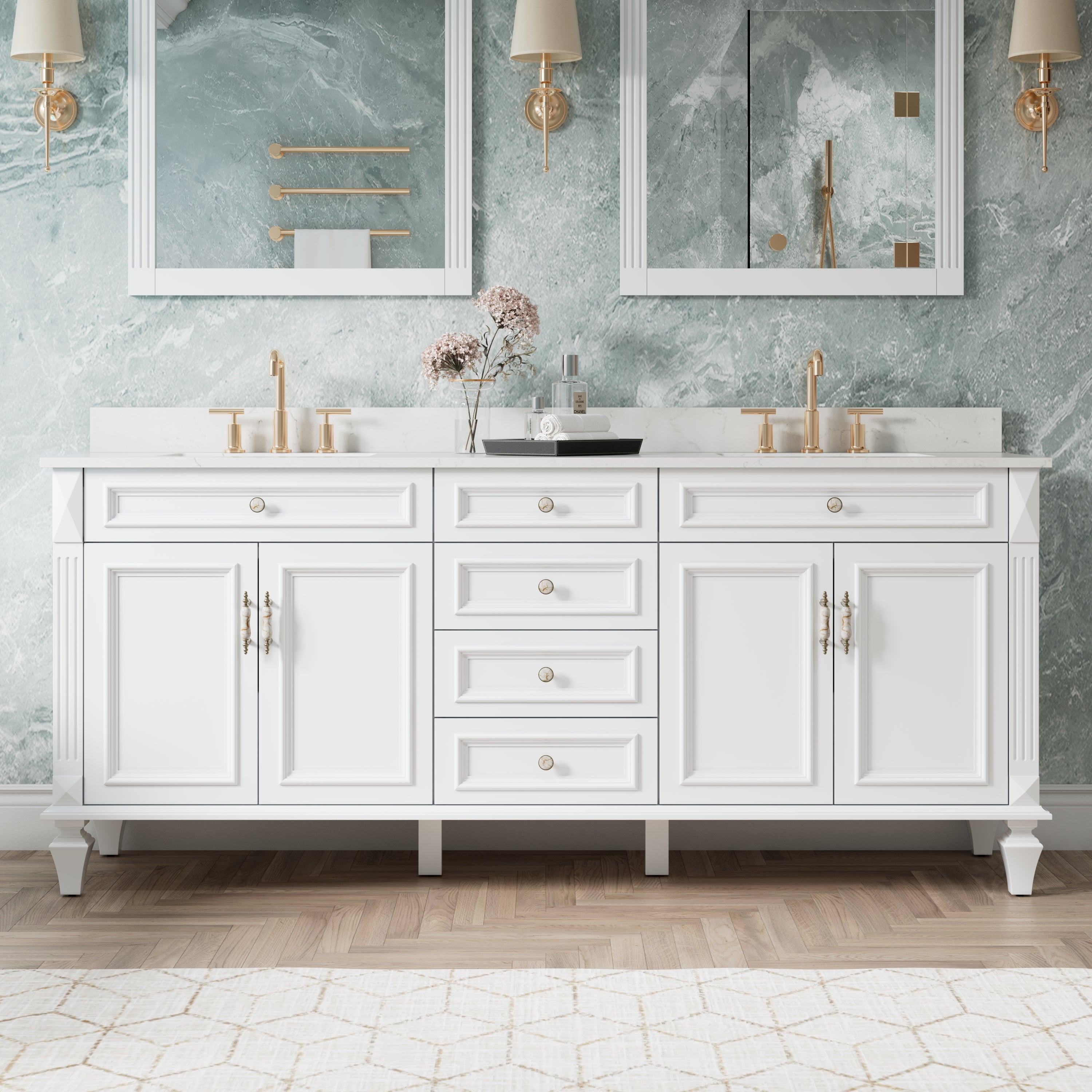
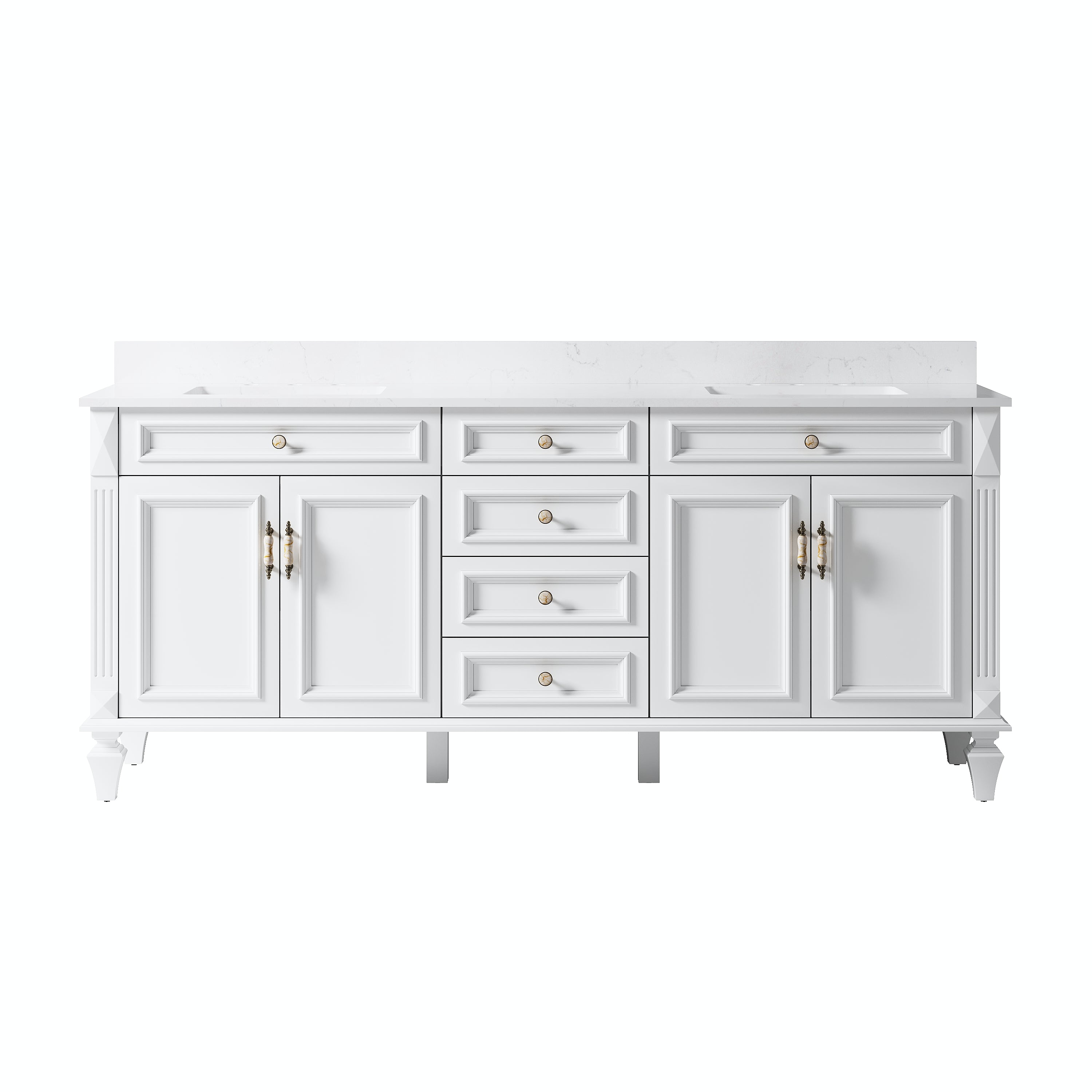
For large-sized customized cabinets with a width of 72 inches, solid wood materials can better ensure structural stability and safe use.
5. Humidity adaptation and protective treatment
The humidity in the bathroom environment often exceeds 70% after showering. High-quality solid wood cabinets are usually treated with multiple layers of waterproof coating and edge sealing.
Under reasonable ventilation conditions, solid wood cabinets can adapt to daily humidity fluctuations. Data show that the risk of cracking or deformation on solid wood surfaces is significantly reduced in environments that maintain stable indoor humidity.
The bottom of the cabinet is usually 4 to 6 inches above ground level, which helps reduce moisture intrusion from the ground.
6. Repackability enhances the lifecycle
One important advantage of solid wood materials is their repairability. Minor scratches or surface wear can be restored by polishing and repainting.
Compared to veneer panels, which are difficult to repair once damaged, solid wood cabinets offer greater long-term maintenance flexibility.
Data show that in long-term living environments, the maintenance costs of solid wood cabinets are more controllable.
7. Environmental and health considerations
Natural solid wood typically releases lower levels of volatile organic compounds. High-quality solid wood products show stable performance in environmental testing.
In space design that emphasizes a healthy living environment, the safety of solid wood materials has become an important consideration.
The data show that, in evaluating environmental performance, the comprehensive score for natural wood is higher than that for some composite board structures.
8. Style compatibility and design extension
Solid wood cabinets can adapt to various styles, from modern minimalism to traditional classics, and can be integrated.
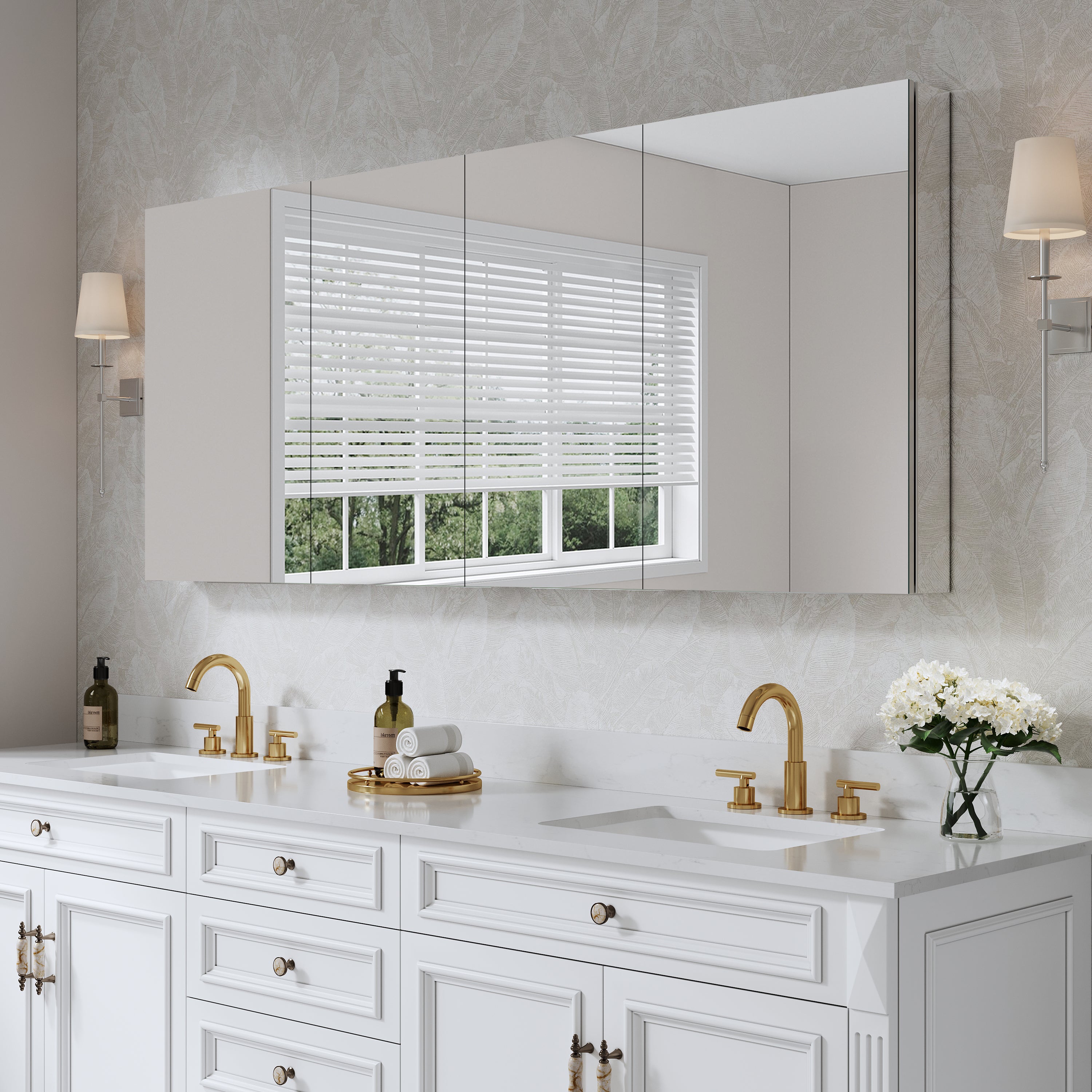
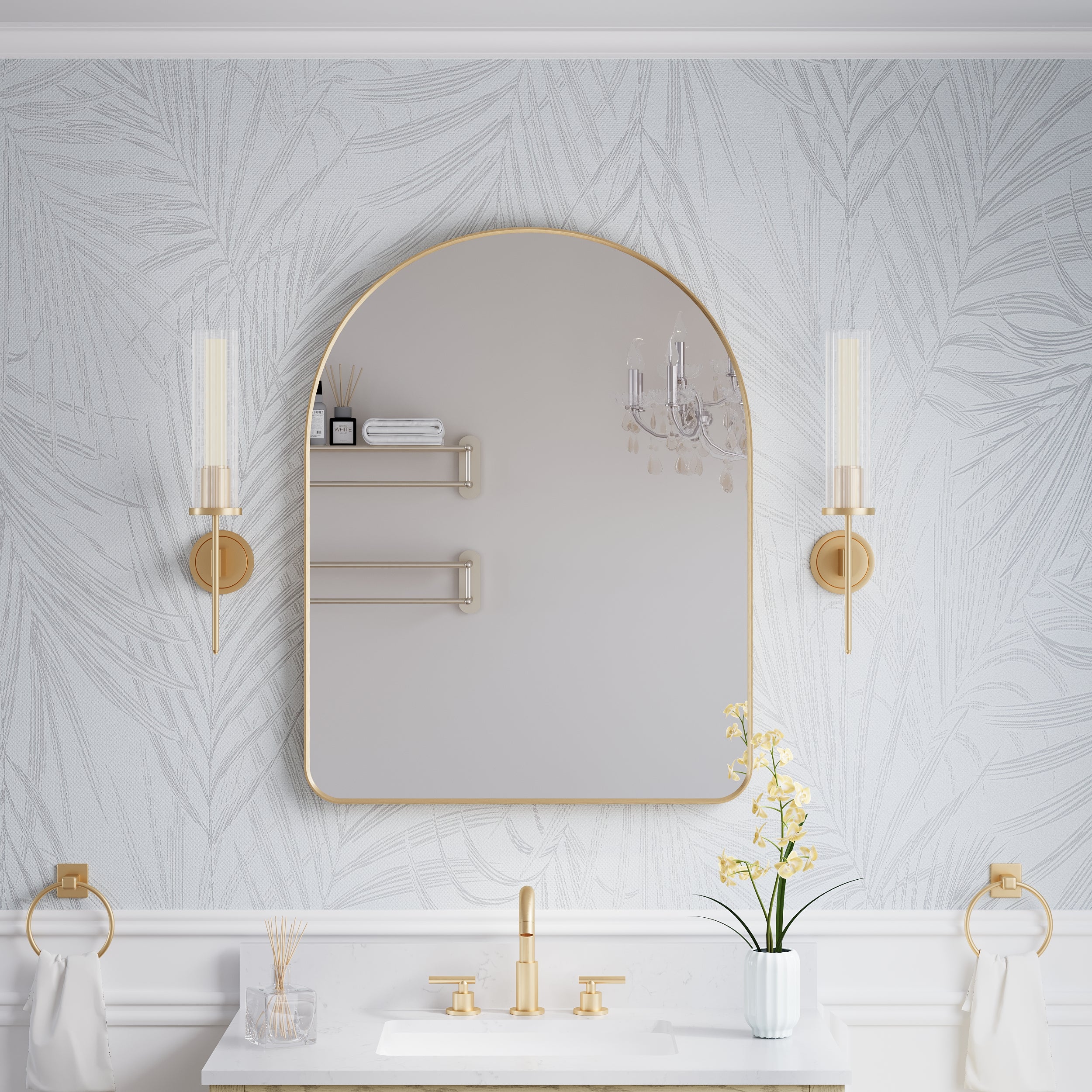
In common layouts ranging from 36 to 60 inches, solid wood cabinets can be paired with matte black, brushed nickel, or brushed gold hardware.
Data shows that in spaces that emphasize natural material contrast, solid wood cabinets offer greater flexibility.
This cross-style adaptability makes it a stable element in long-term design planning.
9. Investment return and long-term value
The initial investment for solid wood bathroom cabinets is usually about 20% to 40% higher than the baseboard. But when the usage cycle exceeds 15 years, its comprehensive cost advantage gradually becomes apparent.
Industry data shows that solid wood cabinets have become an important factor in enhancing the overall space value in high-quality renovation projects.
Reducing frequent replacement and maintenance costs in long-term residential planning is itself a part of design decisions.

10. Conclusion
The value of solid wood bathroom cabinets in long-term residential design stems from their structural strength, natural texture, and sustainable maintenance capabilities. From a compact 30-inch layout to a 60-inch dual-basin structure, each inch of size and thickness in each layer of the board will affect the final performance. With proper protection and humidity control, solid wood cabinets can not only meet daily high-frequency use needs but also maintain stability and beauty over time, making bathroom renovation an important component in enhancing the long-term value of residential properties.
















Leave a comment
This site is protected by hCaptcha and the hCaptcha Privacy Policy and Terms of Service apply.