





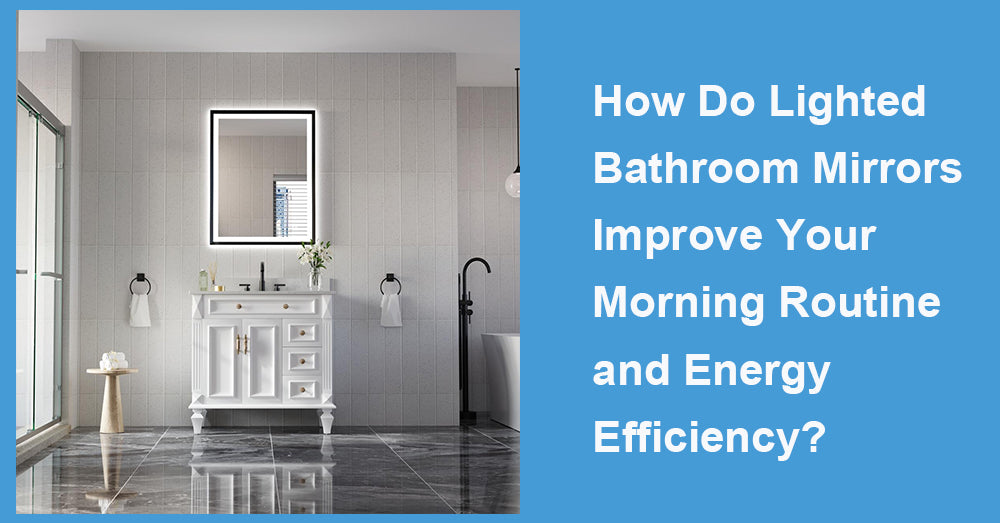
A bathroom mirror shouldn't make you work harder to see your own face. Yet plenty of bathrooms still rely on a single ceiling fixture that casts shadows under the eyes and chin. That's where lighted bathroom mirrors make a noticeable difference. By bringing illumination closer to where it's needed, they can make shaving, applying makeup, and handling daily grooming tasks considerably easier.
There's an energy benefit worth considering, too. But not every illuminated mirror delivers the same lighting quality or efficiency, and some expensive features contribute surprisingly little to everyday use.
1. Why Lighted Bathroom Mirrors Make Morning Routines Easier
Think about getting ready at 6:30 a.m., before natural daylight reaches the bathroom.
With a conventional overhead fixture, your forehead may receive plenty of light while your cheeks and jawline remain in shadow. This becomes frustrating when applying foundation, checking your skin, or shaving around the chin.
A properly designed illuminated mirror distributes light across the face more evenly.
The difference isn't necessarily brightness. It's placement.
In bathroom lighting guidance, the U.S. Department of Energy recommends illuminating the face from the sides and above to reduce shadows. (Source: U.S. Department of Energy)
For households where two people share a bathroom, consistent mirror lighting also means less dependence on overhead fixtures that might disturb someone getting ready nearby.
2. Front-Lighted vs. Backlit Mirrors: Which Works Better?
These two designs are frequently confused, although they serve different purposes.
Front-Lighted Mirrors for Daily Grooming
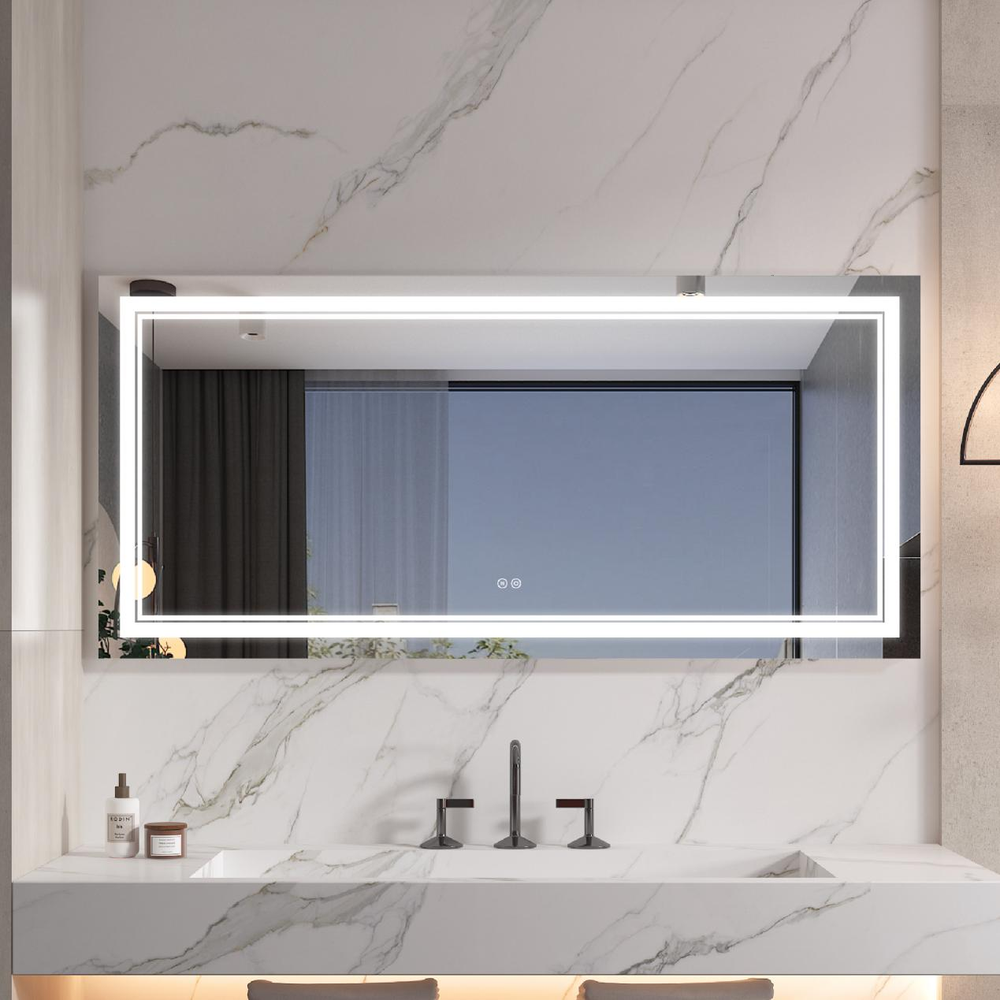
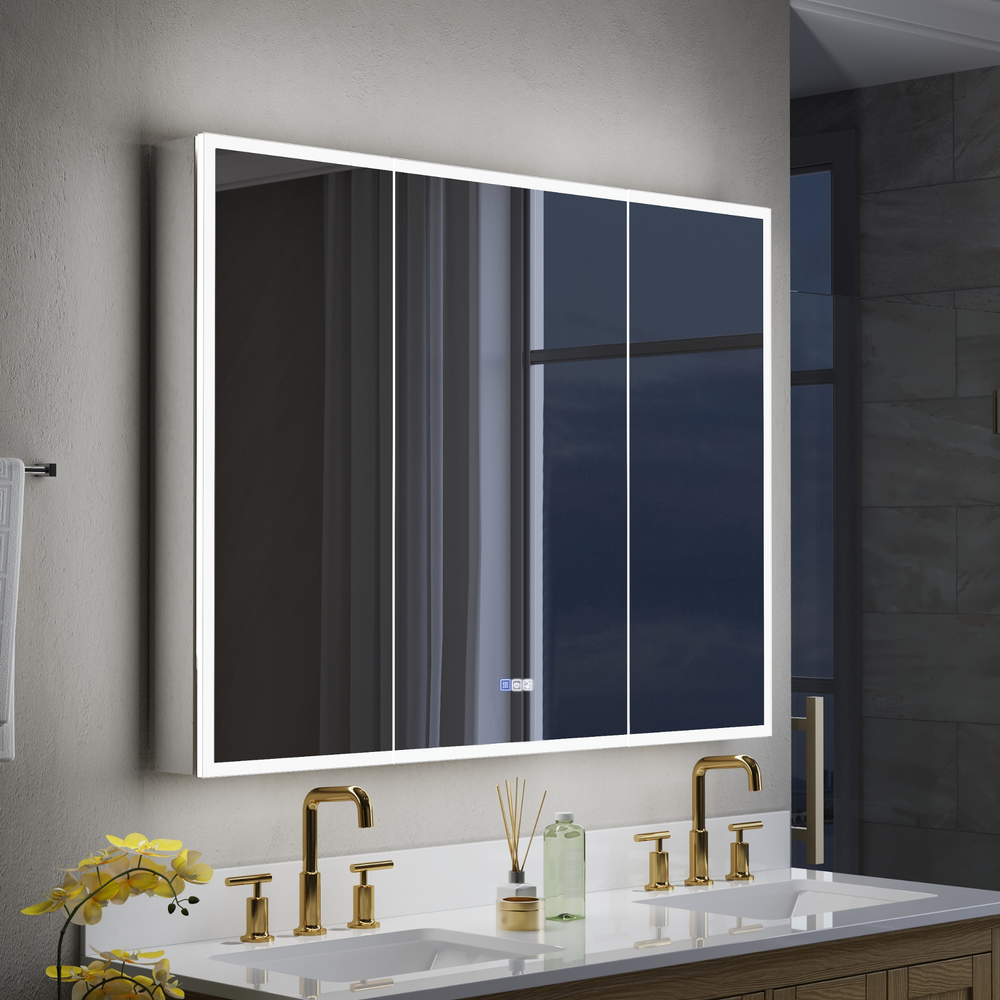
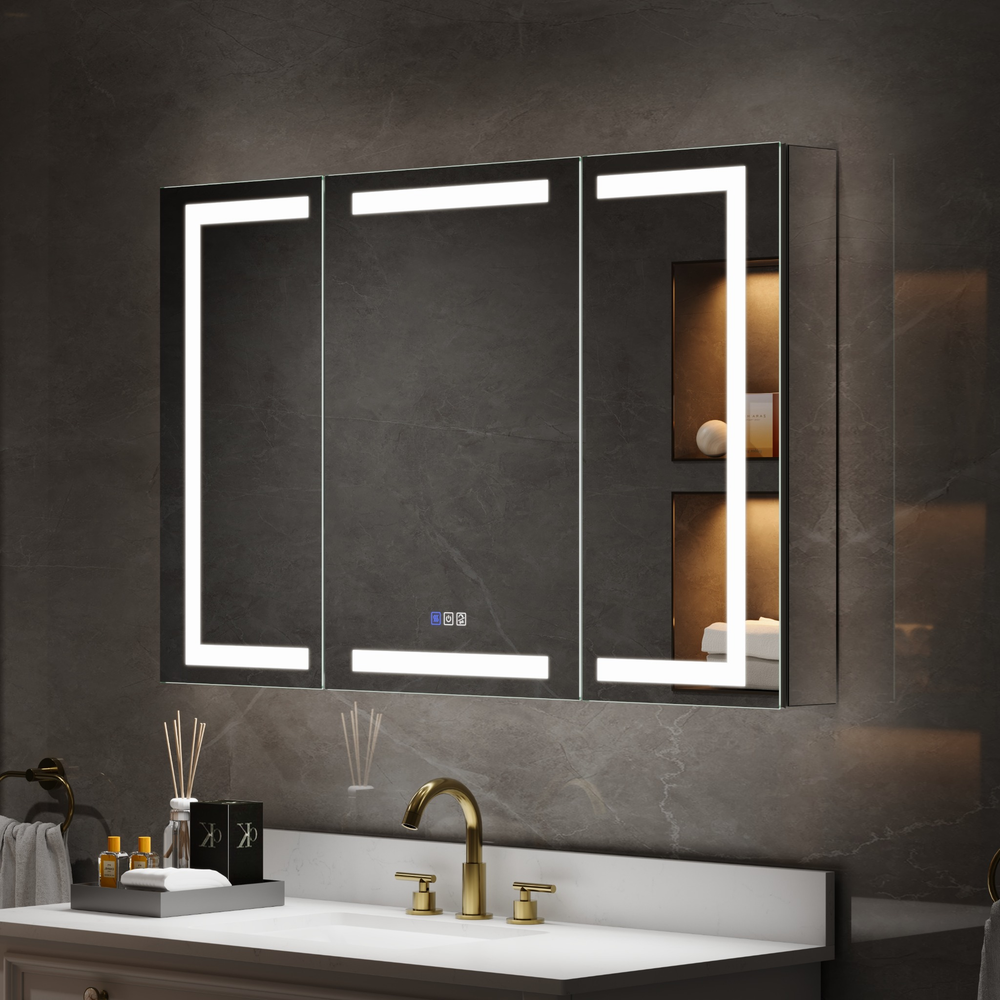
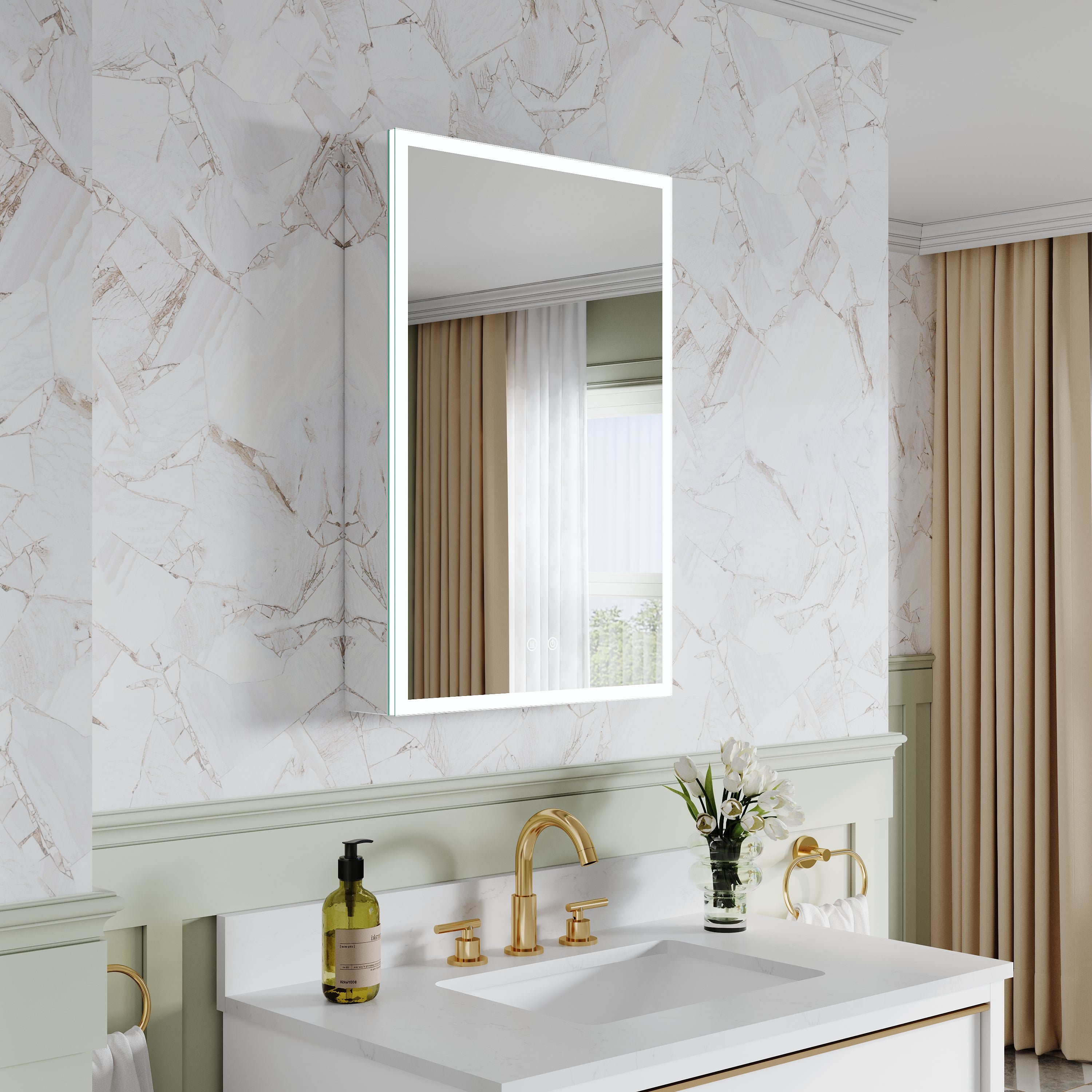
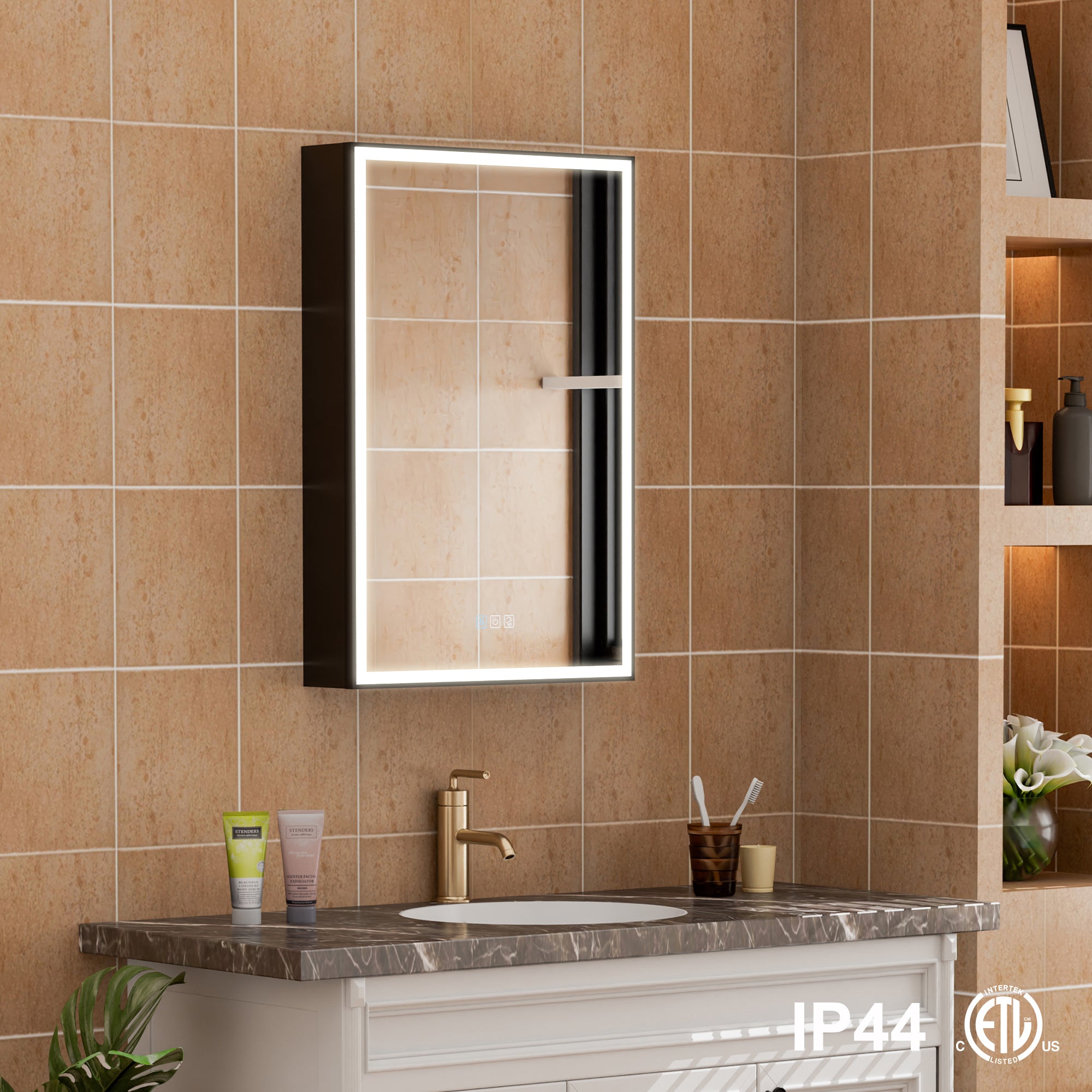
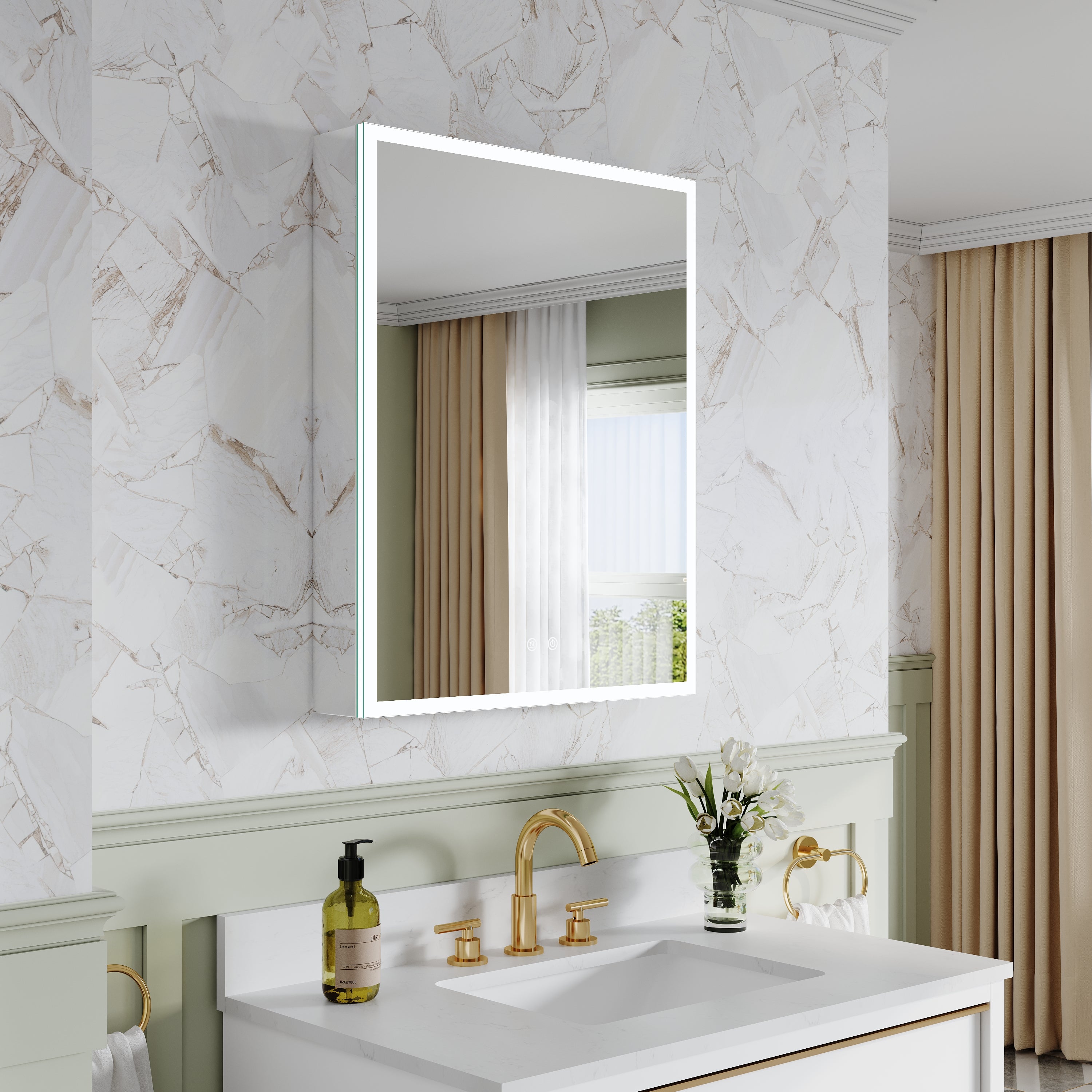
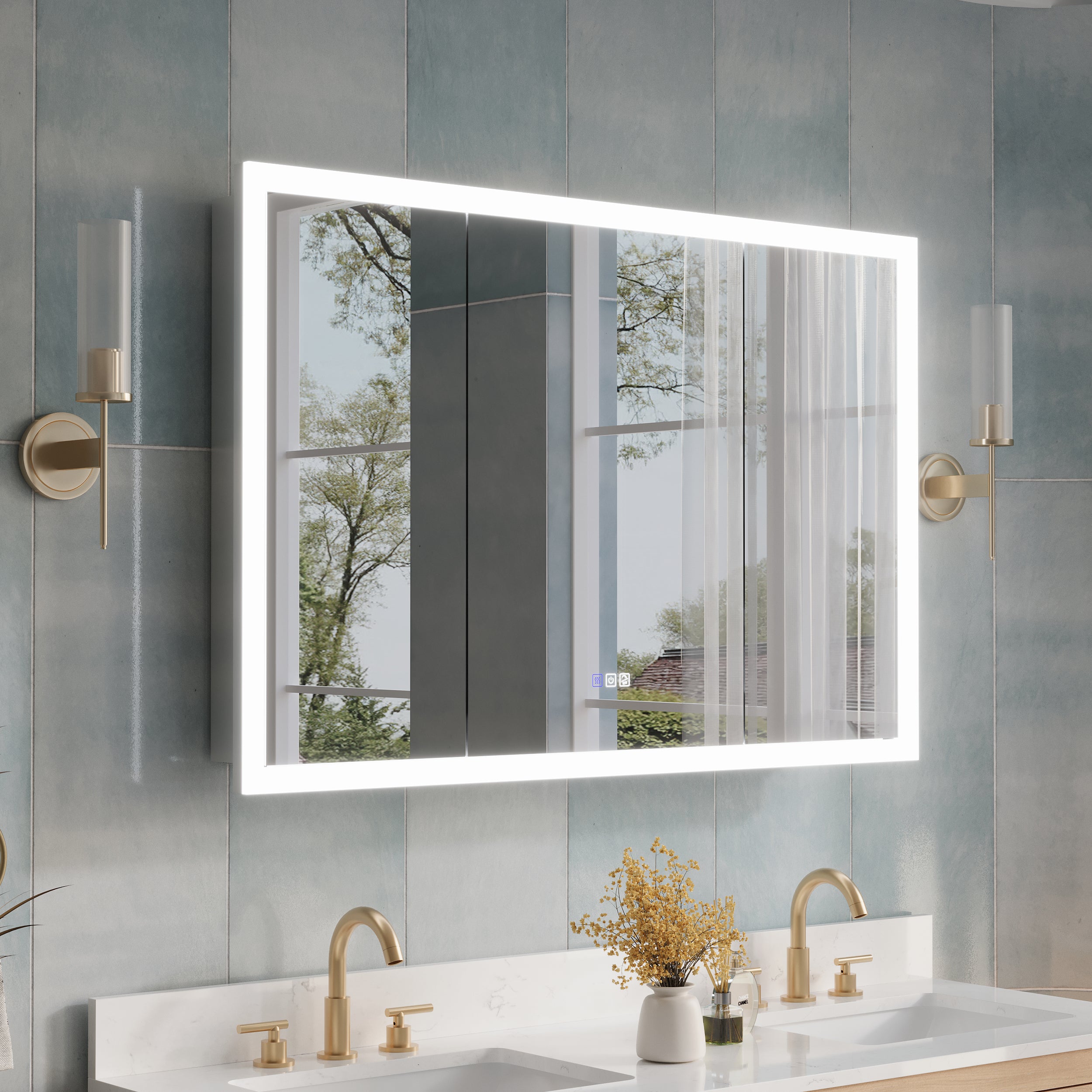
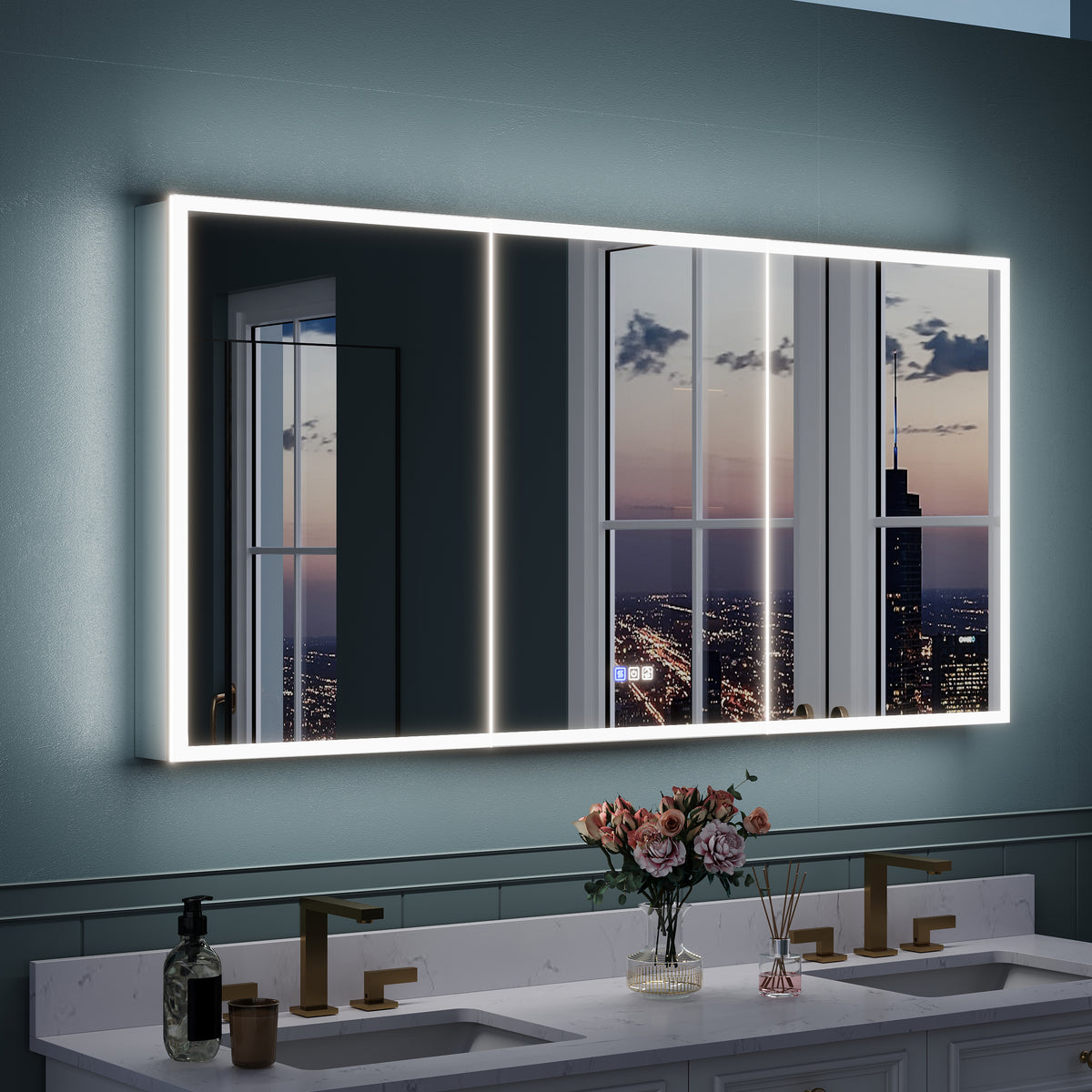
Front-lit mirrors direct illumination toward the person standing in front of them. Models with vertical lighting strips or illuminated borders can provide useful task lighting, particularly when the light reaches both sides of the face.
They're a practical choice for shaving, applying cosmetics, and inserting contact lenses.
However, poorly diffused LEDs can produce uncomfortable glare. Brightness alone doesn't guarantee comfortable lighting.
Backlit Mirrors for Bathroom Atmosphere
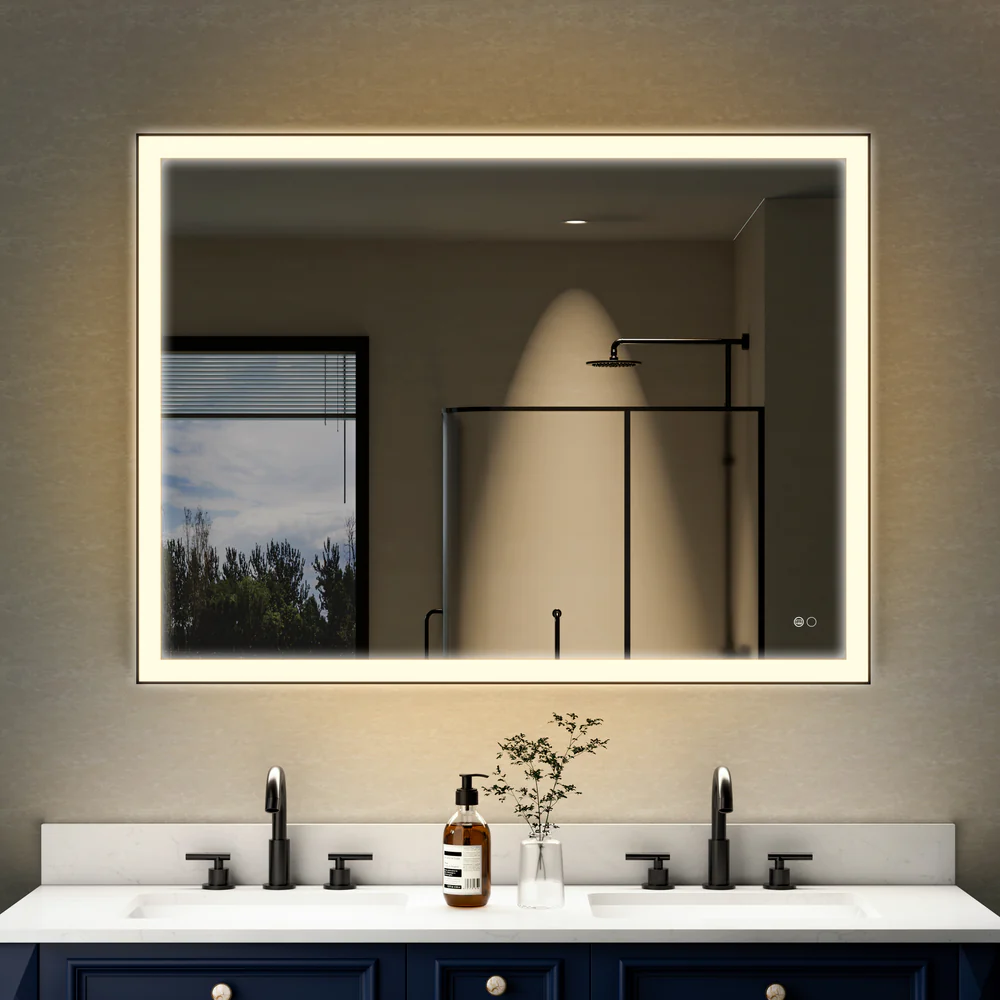
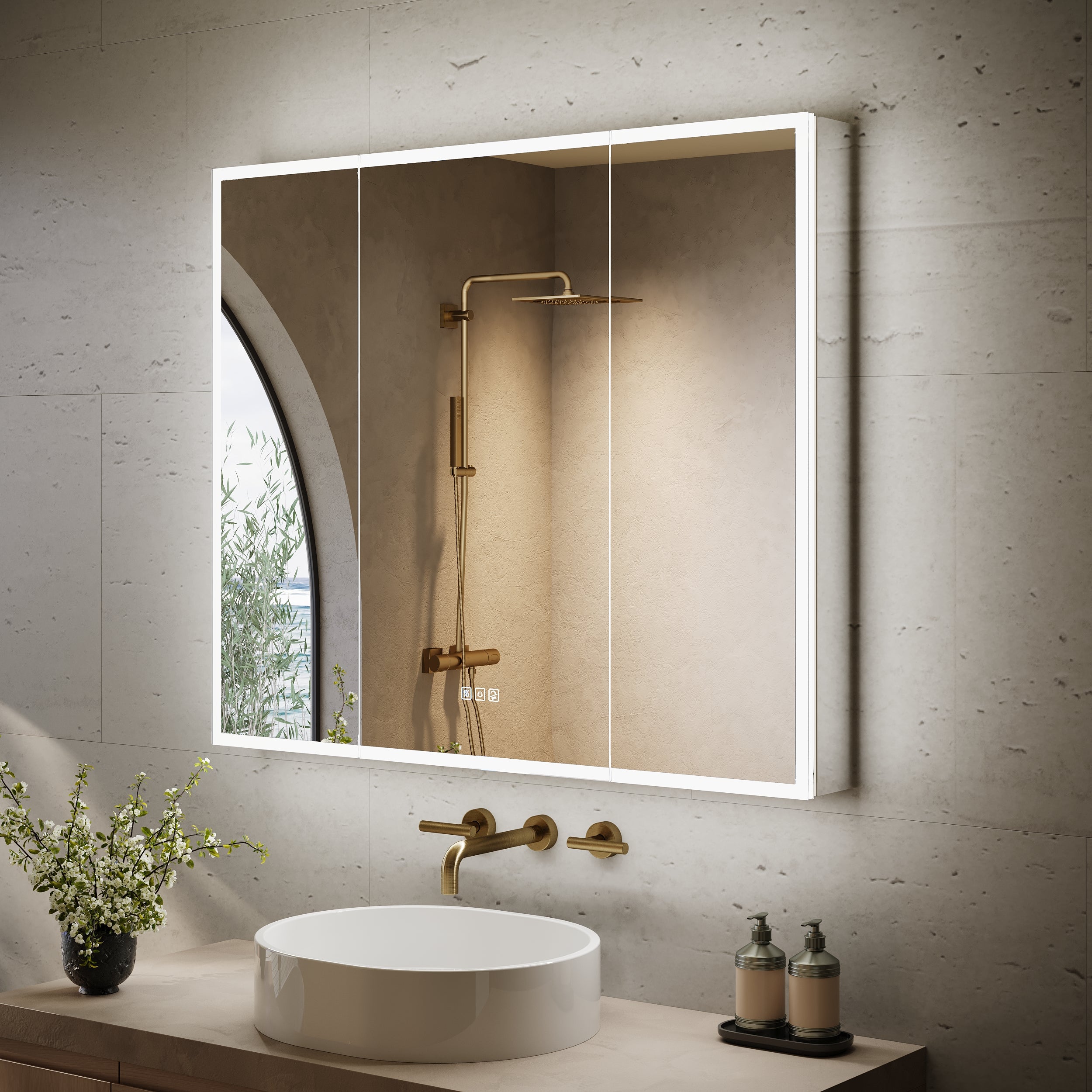
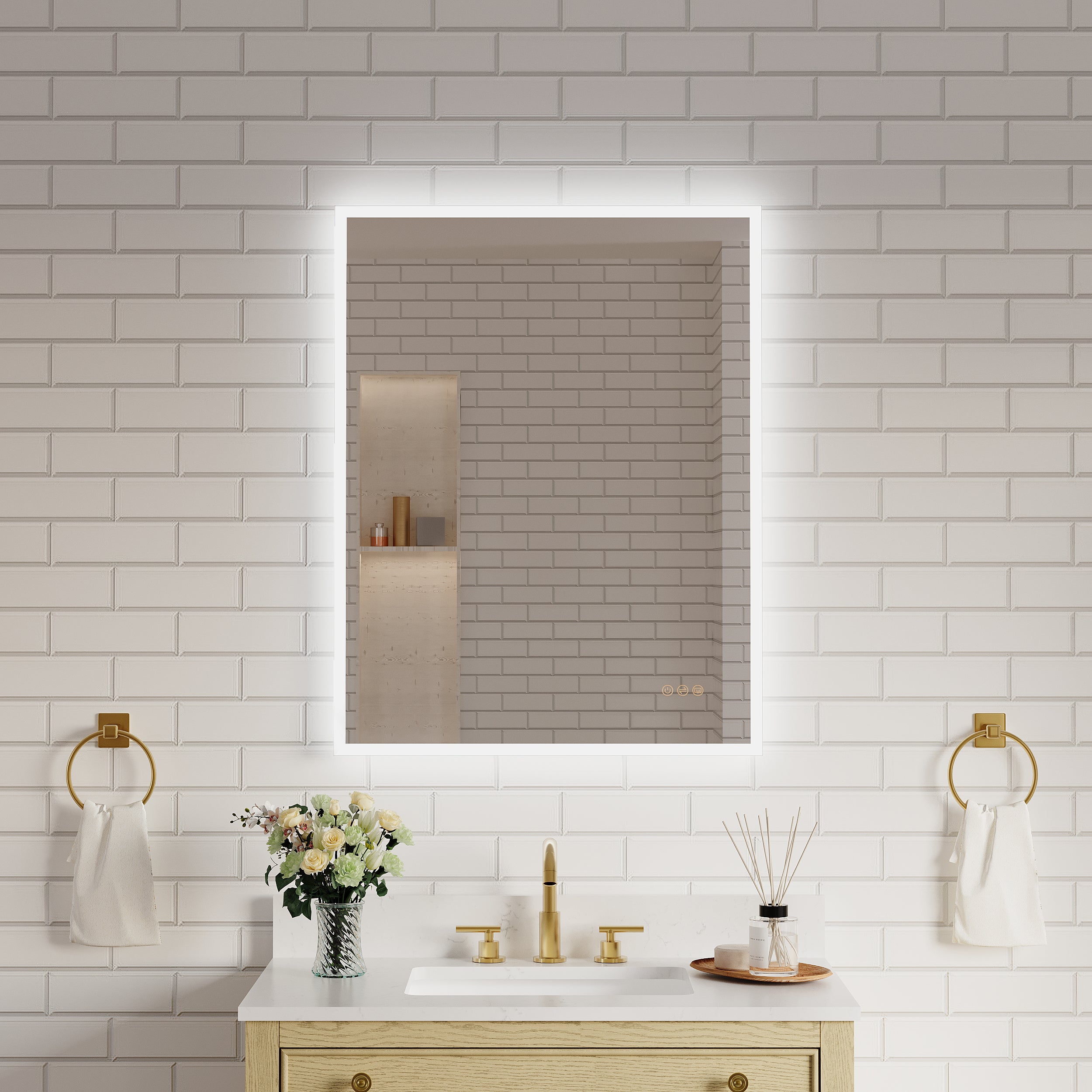
Backlit mirrors project light toward the wall, creating a soft glow around the mirror.
The effect looks attractive in contemporary bathrooms and can make a small vanity area feel more inviting.
The limitation is functional. Backlighting alone may not illuminate your face adequately, especially in a bathroom without dedicated vanity lights.
For primary bathrooms, I generally favor front-facing illumination or a design combining both lighting styles.
3. How Much Energy Can LED Bathroom Mirrors Actually Save?
Modern illuminated mirrors typically use LED technology, which consumes considerably less electricity than traditional incandescent lighting.
According to the U.S. Department of Energy, LEDs use at least 75% less energy than incandescent bulbs and can last substantially longer. (Source: U.S. Department of Energy)
That sounds impressive, but the comparison deserves some context.
Replacing an older incandescent vanity fixture with an LED mirror can reduce lighting electricity consumption. Replacing an already efficient LED fixture may produce little additional savings.
Look at the mirror's actual wattage rather than assuming every LED product operates equally efficiently.
Dimmable models can also reduce electricity use when operated below full brightness. Features such as built-in defoggers, illuminated displays, and touch controls may increase total consumption.
A mirror with fewer unnecessary features can sometimes be the more economical choice.
4. Choosing the Right Brightness and Color Temperature
Lighting specifications can be confusing because manufacturers often emphasize brightness without explaining how the light will appear in an actual bathroom.
Color temperature, measured in Kelvin (K), is particularly important.
Warm or Cool Lighting?
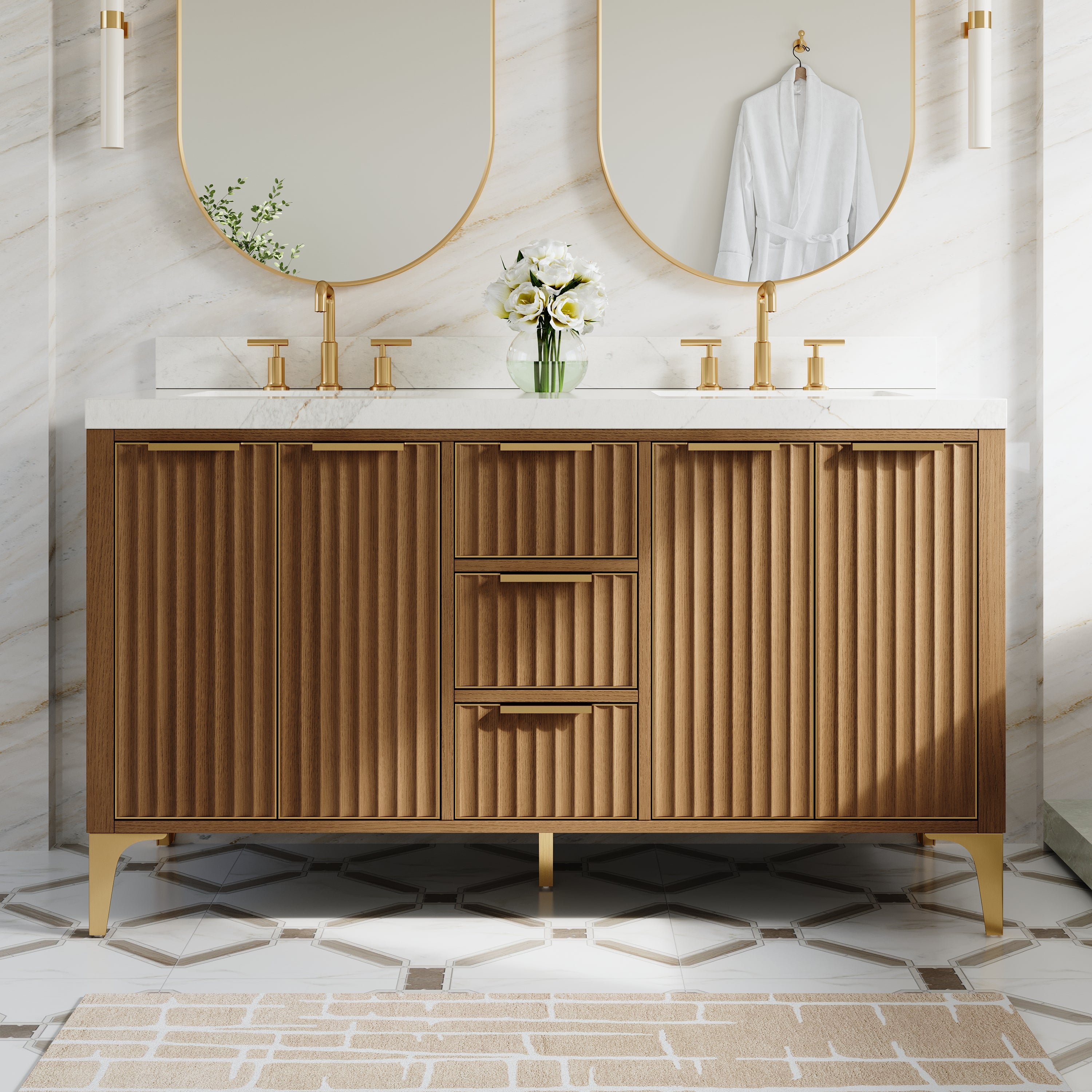
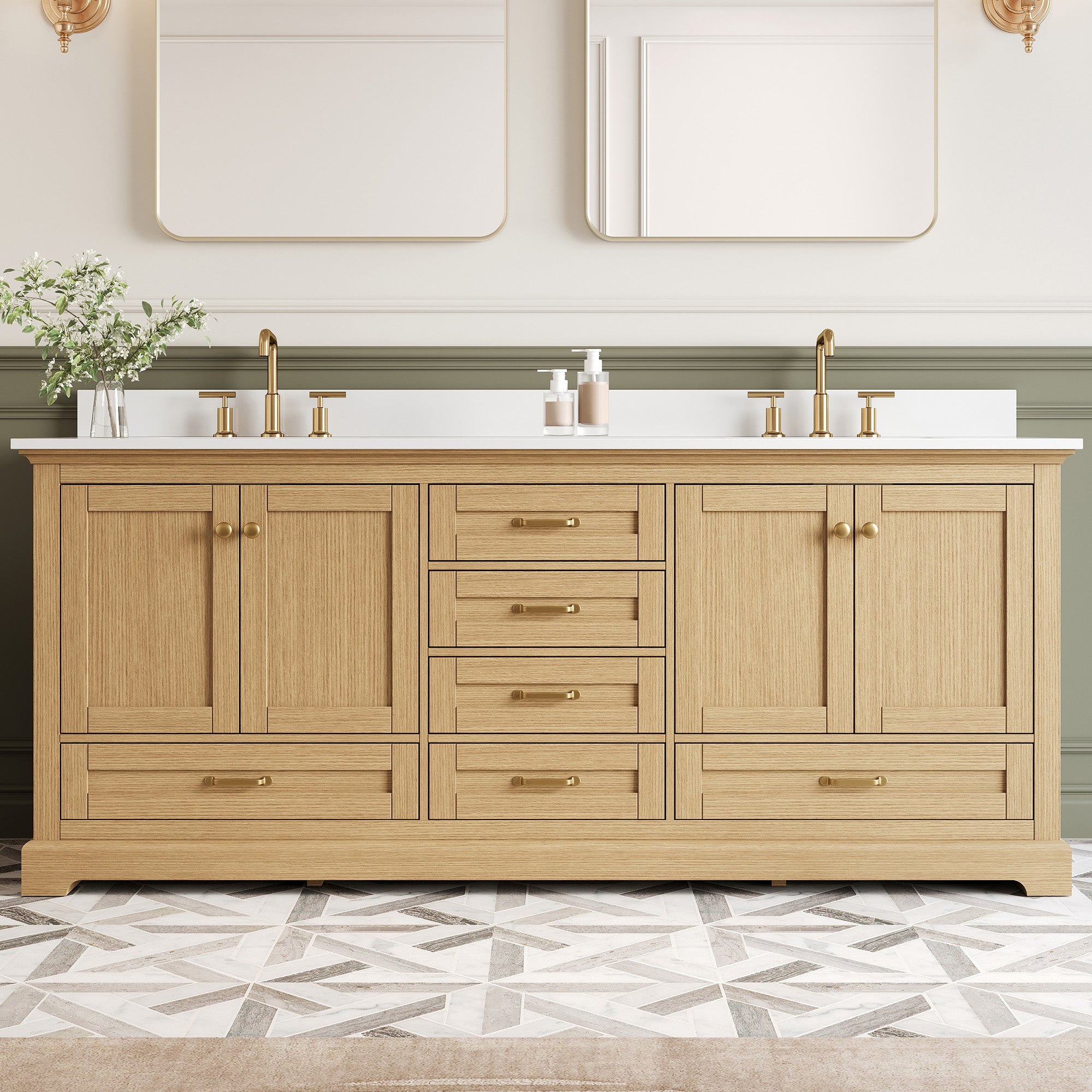
Warm white lighting around 2700K to 3000K creates a relaxed atmosphere. It's comfortable in bathrooms designed with wood vanities, warm tile, and brass fixtures.
Neutral white light around 3500K to 4000K often works better for detailed grooming because it provides a clearer appearance without the harshness of very cool lighting.
For makeup application, color accuracy matters as much as temperature. Look for a Color Rendering Index (CRI) of 90 or higher when available.
Adjustable color temperature is useful in shared bathrooms. One person may prefer brighter, neutral lighting for morning grooming, while another wants a softer setting before bed.
5. Which Mirror Features Are Worth Paying For?
Not every additional feature deserves a higher price.
An anti-fog function is genuinely convenient in bathrooms where steam regularly obscures the mirror after a shower. It uses a heating element to reduce condensation on the treated area.
Still, it doesn't replace proper bathroom ventilation.
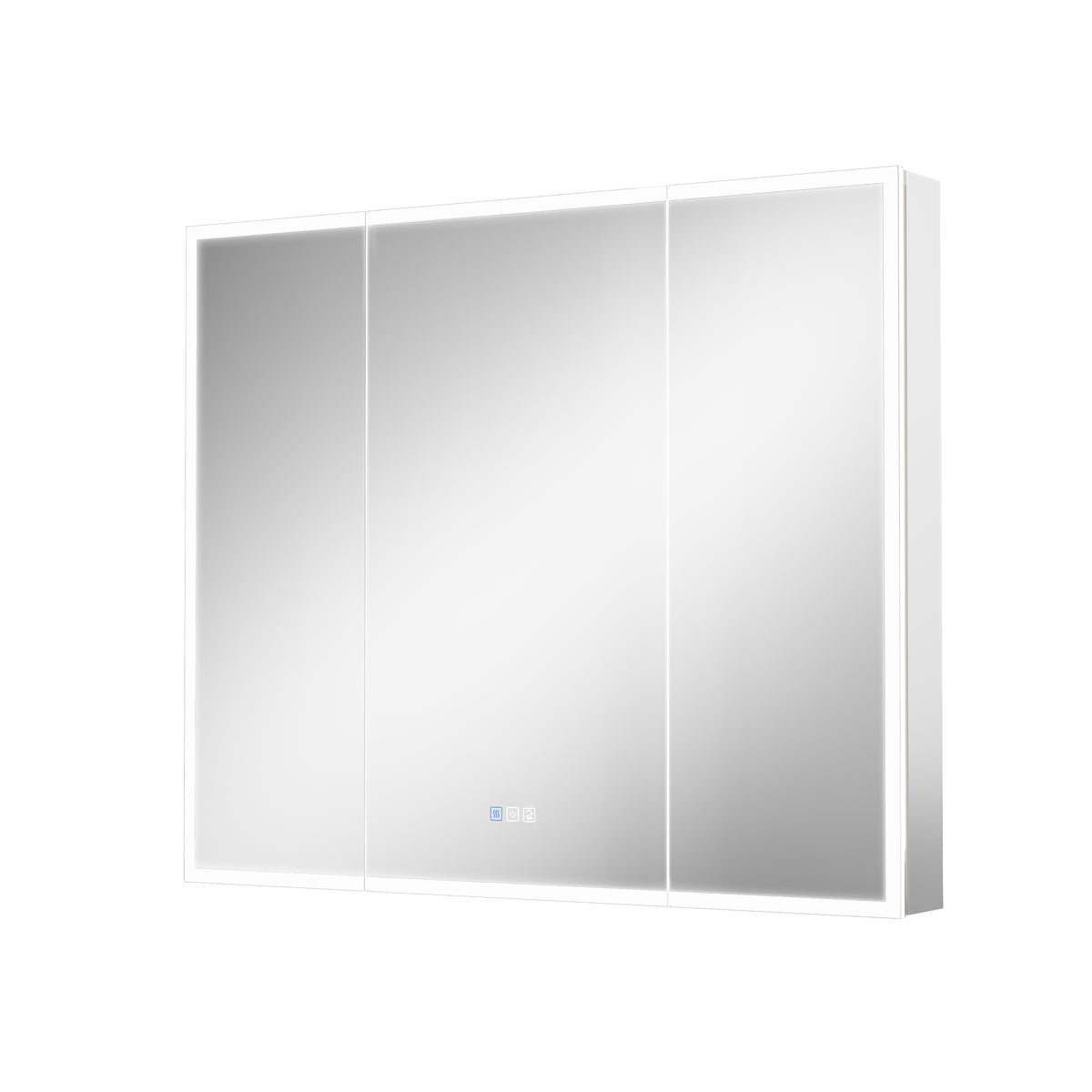
Touch controls and memory settings can make daily operation easier, particularly when several family members use the same mirror.
Bluetooth speakers, decorative displays, and elaborate lighting effects are less essential. They may appeal to some buyers, but they add complexity without necessarily improving mirror performance.
For most homeowners, adjustable brightness, dependable lighting, and effective moisture protection deserve priority.
6. Installation and Maintenance Considerations
Before purchasing, check whether the mirror requires hardwiring or supports a plug-in connection.
Hardwired installations provide a cleaner appearance but may require an electrician, particularly when existing wiring isn't positioned behind the planned mirror location.
Measure carefully. The mirror should fit the vanity without interfering with nearby cabinets, faucets, or wall fixtures.
Choose a product with electrical safety certification appropriate for its installation environment, and follow local electrical requirements.
Maintenance is relatively simple.
Use a soft microfiber cloth and a mirror-safe cleaner. Avoid spraying excessive liquid around touch controls, exposed edges, or electrical components.
Keep the bathroom ventilated to reduce moisture buildup and help protect the mirror's electronic components.

7. When Is a Lighted Bathroom Mirror the Right Investment?
An illuminated mirror makes particular sense in windowless bathrooms, shared family bathrooms, and vanity areas where overhead lighting creates persistent shadows.
It's also worth considering during a renovation when electrical work is already planned.
However, a bathroom with well-positioned wall sconces and efficient LED lighting may not benefit enough to justify replacing a perfectly functional mirror.
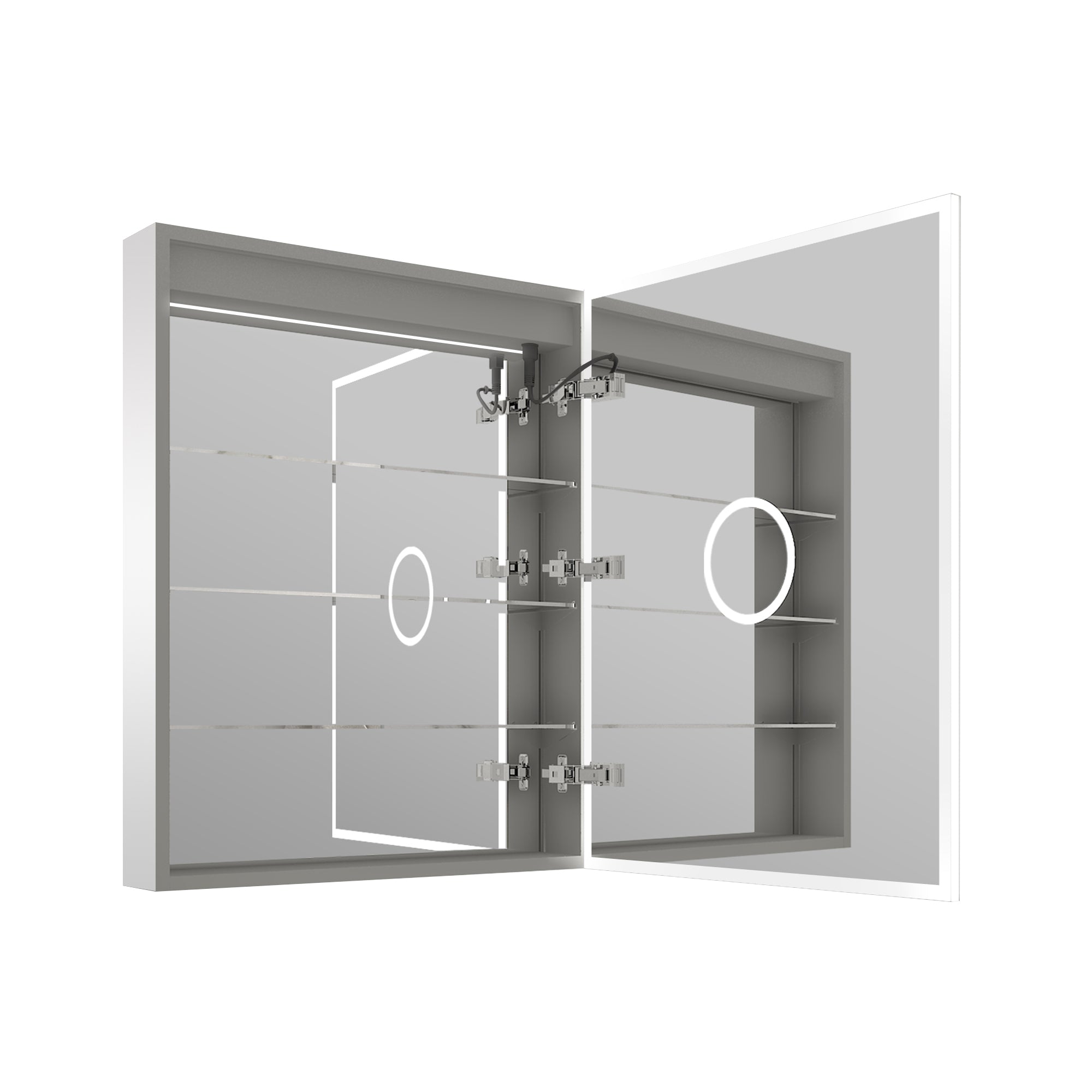
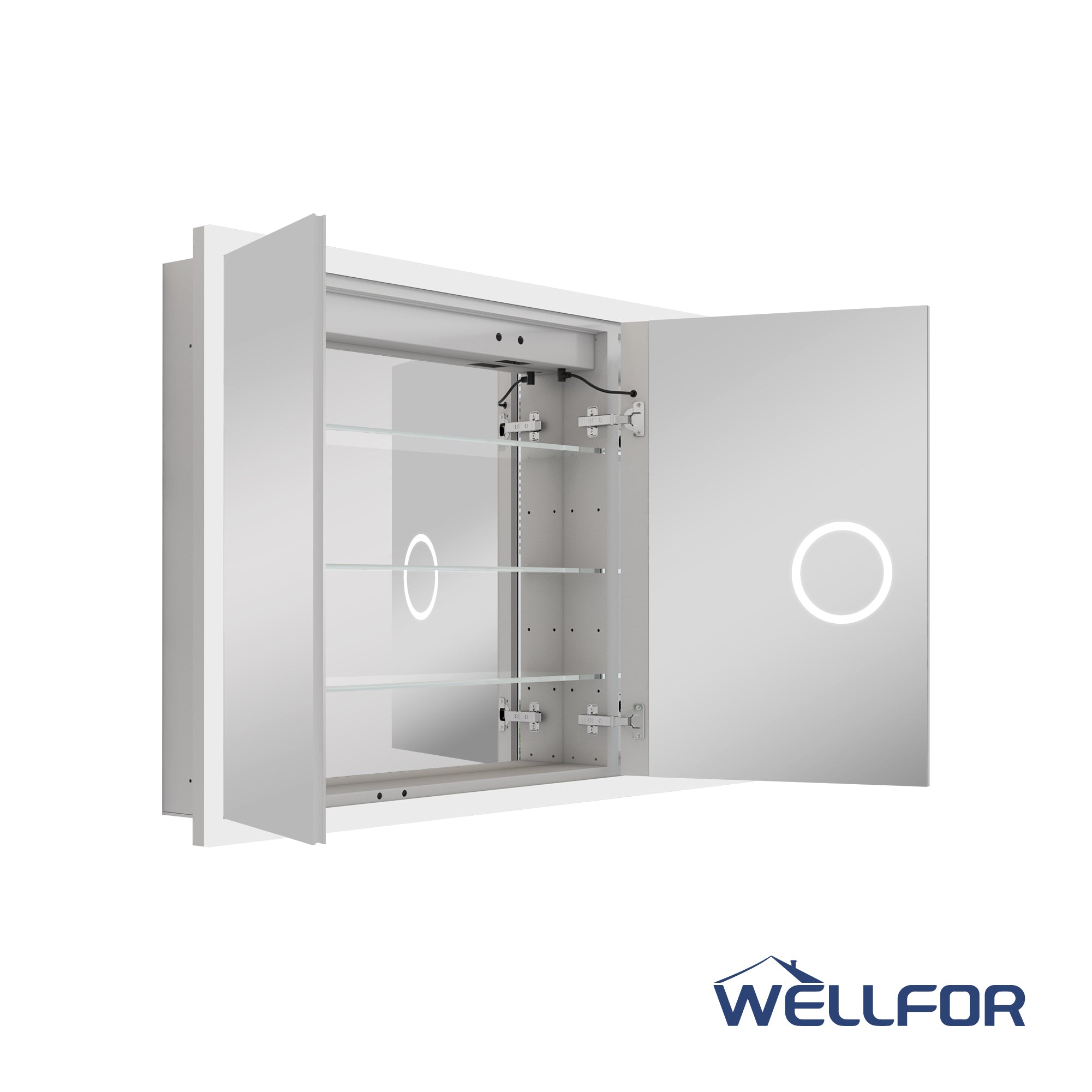
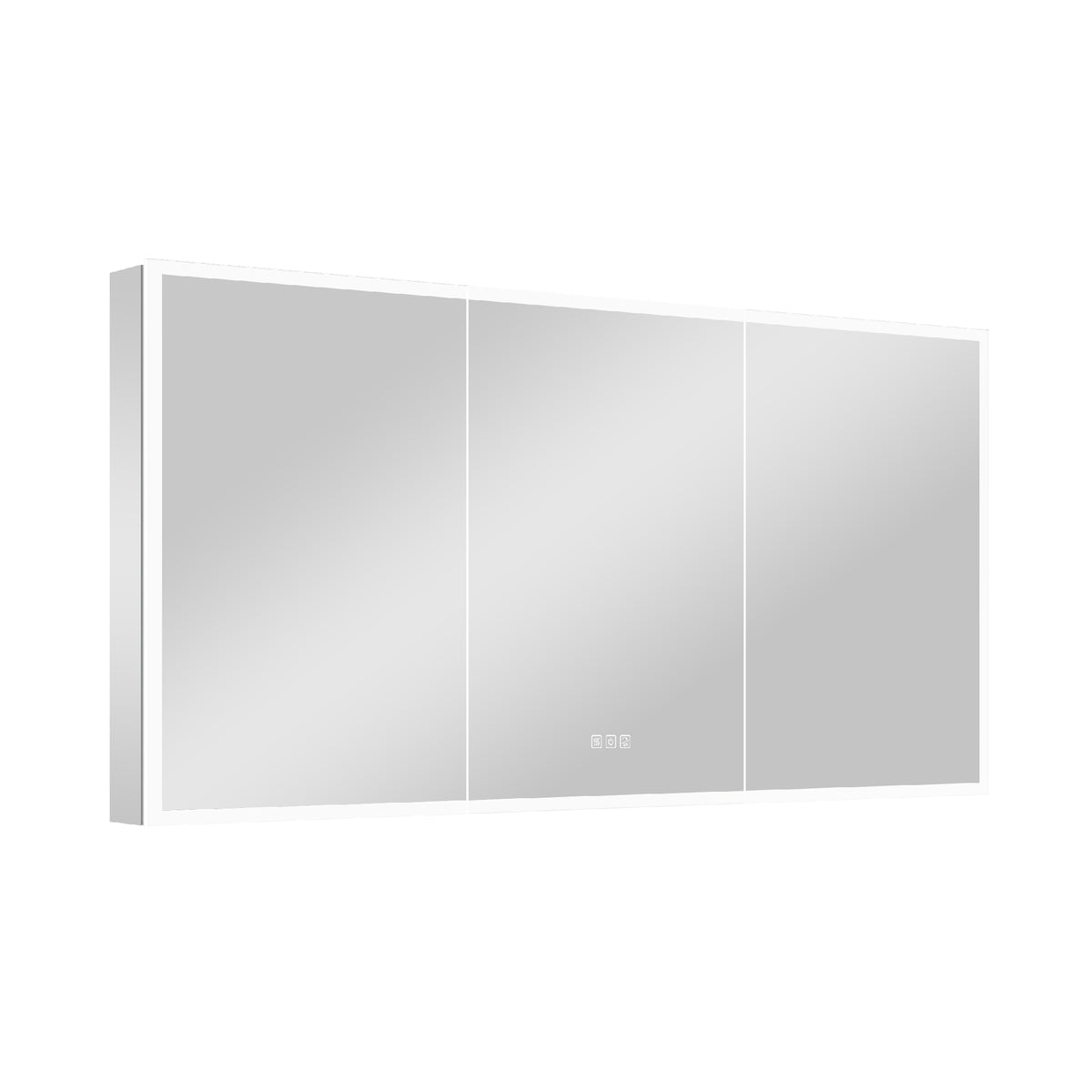
When comparing lighted bathroom mirrors at Wellfor, start with the lighting configuration, dimensions, electrical requirements, and available controls rather than appearance alone.
For daily grooming, prioritize front-facing illumination and adjustable brightness. If the bathroom receives plenty of natural light, a simpler model may be sufficient.
Before placing an order, mark the intended mirror dimensions on the wall and check where the light will reach your face. That small preparation can prevent an expensive purchase that looks beautiful but never quite solves the lighting problem.














Leave a comment
This site is protected by hCaptcha and the hCaptcha Privacy Policy and Terms of Service apply.