




















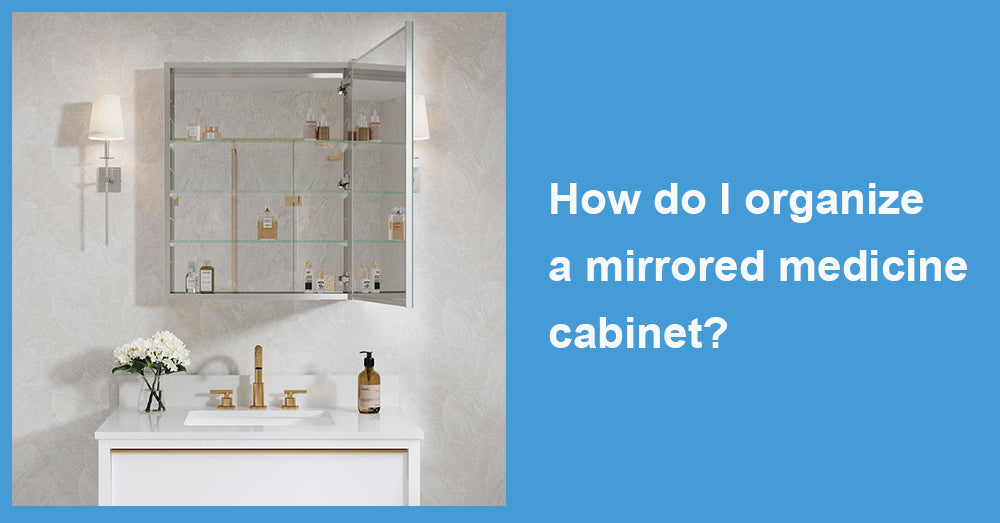
A mirrored medicine cabinet was once treated as a simple “hide-the-clutter” box. It is now being designed, upgraded, and discussed as a core wellness and storage feature. Recent renovation survey findings show that people increasingly associate a calm bathroom experience with practical storage, and that medicine cabinets are being upgraded with more features that change how items are arranged.
1. Why is organization suddenly an “industry topic,” not just a personal habit
In recent renovation reporting, “organized storage” is repeatedly tied to comfort and relaxation. One extensive bathroom renovation survey found that calmness from organized storage ranked as a primary relaxation helper, alongside cleanliness and a spacious shower. That same research also shows medicine cabinets evolving beyond basic shelving: hidden outlets, anti-fog systems, and lighting are becoming common.
At the same time, mounting preferences are shifting. The share of choosing surface-mounted medicine cabinets increased notably year over year in the newest report (31% surface-mounted vs. 66% recessed), which matters because surface-mount designs often have different internal depths and door clearances, changing what “fits” and how you access them.
2. Step one is not “buy containers,” it is deciding what should not live there
Before you sort, decide what doesn’t belong in a bathroom cabinet long-term.
1. Heat- and moisture-sensitive medications: Multiple health guidance sources emphasize that heat and moisture can damage medicines and recommend storing them in a cool, dry place, rather than in the bathroom.
2. Backup inventory you rarely use: If you have a “store shelf” worth of products, your cabinet becomes a warehouse, not a daily tool. Put backups elsewhere and keep only what you touch weekly.
3. Anything that becomes dangerous if accessed by kids: Safety isn’t just a parenting topic. A published study on household medicine storage found unsafe storage occurring in a meaningful share of homes, reinforcing the value of secure placement and limiting what’s reachable.
A practical rule: the cabinet should support your routine, not store your entire household supply.
3. Build a layout around real cabinet dimensions and daily reach
Most clutter problems come from fighting the cabinet’s geometry. Many popular mirrored medicine cabinets are sized around familiar footprints (for example, 24 in. wide by 30 in. high is a standard format), and typical depths are shallow enough that “one layer” storage works best.
Use three zones, arranged by how your hand naturally moves:
1. Prime zone (eye level, center shelf): Daily skincare, toothbrush items, contacts, deodorant, or your “every morning” kit. Keep this shelf at one item depth.
2. Support zone (upper shelf): Items you use weekly but want visible, such as hair products, shaving supplies, or a small first-aid kit.
3. Low zone (bottom shelf): Taller bottles and refills for the bathroom only (soap, extra razor heads, cotton pads). Keep height clearance so you are not scraping labels every time you pull something out.
If your cabinet is around 4–6 in. deep (standard for many designs), treat it like a narrow pantry: visibility beats volume.
4. Organize by “use case,” not by brand, and keep every category physically separated
Brand-based grouping looks tidy for a day, then collapses the moment someone is in a hurry. Instead, group by task:
1. Oral care (one small bin or one shelf corner)
2. Skin care (AM items front, PM items back)
3. Shave and grooming (razors, trimmer guards, shaving cream)
4. First aid (bandages, ointment, thermometer)
5. Hair (one bin, nothing loose)
Separation is the secret. When categories touch, they mix. When categories have rigid boundaries, your cabinet “self-resets” after each use.
A simple detail that works: leave about 1 in. of “space” next to each group so items can go back without perfect alignment.

5. Make vertical space work without turning shelves into a junk tower
Most medicine cabinets waste vertical space, then overcompensate by stacking. Better options:
1. Shelf risers for small items: If your shelf is tall enough, a low riser creates two viewing rows without stacking bottles on top of each other.
2. Clear bins for small chaos: Cotton swabs, floss picks, nail tools, travel sizes. The goal is not prettiness; it is containment.
3. Door interior, used carefully: Adhesive pockets can hold flat items (tweezers case, nail file, sheet masks), but avoid loading weight that stresses hinges over time.
If you must store small bottles, put them in a bin so you pull out one bottle, not six.
6. Safety organization: reduce risk while improving speed
A cabinet should make urgent items easier to find, not harder.
1. Put “high-risk” items at the top: Anything a child should not access goes on the top shelf or in a latching container. Research on home medicine storage shows unsafe practices are not rare, so treating safety as the default is intelligent design, not paranoia.
2. Create an “emergency front row”: Bandages, antiseptic wipes, a thermometer, and the one or two items you would reach for quickly.
3. Expiration discipline: If you keep any medication in the cabinet, check dates regularly and move long-term storage to a cooler, drier location as recommended by health guidance.
7. Organizing for modern features: outlets, lighting, and anti-fog change the rules
Newer cabinets often include tech features that affect organization. Renovation survey data shows hidden outlets and anti-fog systems are among the most common medicine-cabinet upgrades, and lighting (inside or outside) is becoming more common than in prior years.
That has two implications:
1. Heat management: If you store or charge tools inside, keep cords and devices away from damp items, and avoid crowding vents or anti-fog components.
2. Cable discipline: Assign one shelf area as a “power zone” and keep it clear except for the items that truly need it (electric toothbrush base, shaver).
3. Mirror performance: If you have interior lighting or a mirrored interior, clutter becomes more visually noisy. Cleaner categories read more premium, instantly.
8. The maintenance loop that keeps it organized all year
You do not need a “big clean” to stay organized; you need a rhythm:
1. Weekly 60-second reset: Put categories back, wipe one shelf edge, toss empty packaging.
2. Monthly 10-minute audit: Remove what is not being used, wipe the interior, check for leaks, and review anything date-sensitive.
3. Seasonal refresh: Swap products based on weather (dry-skin items forward in winter, SPF forward in summer), and remove duplicates.
This approach aligns with why organized storage is treated as part of comfort: it is not a single perfect setup; it is an easy system that stays calm under real use.




































Leave a comment
This site is protected by hCaptcha and the hCaptcha Privacy Policy and Terms of Service apply.