














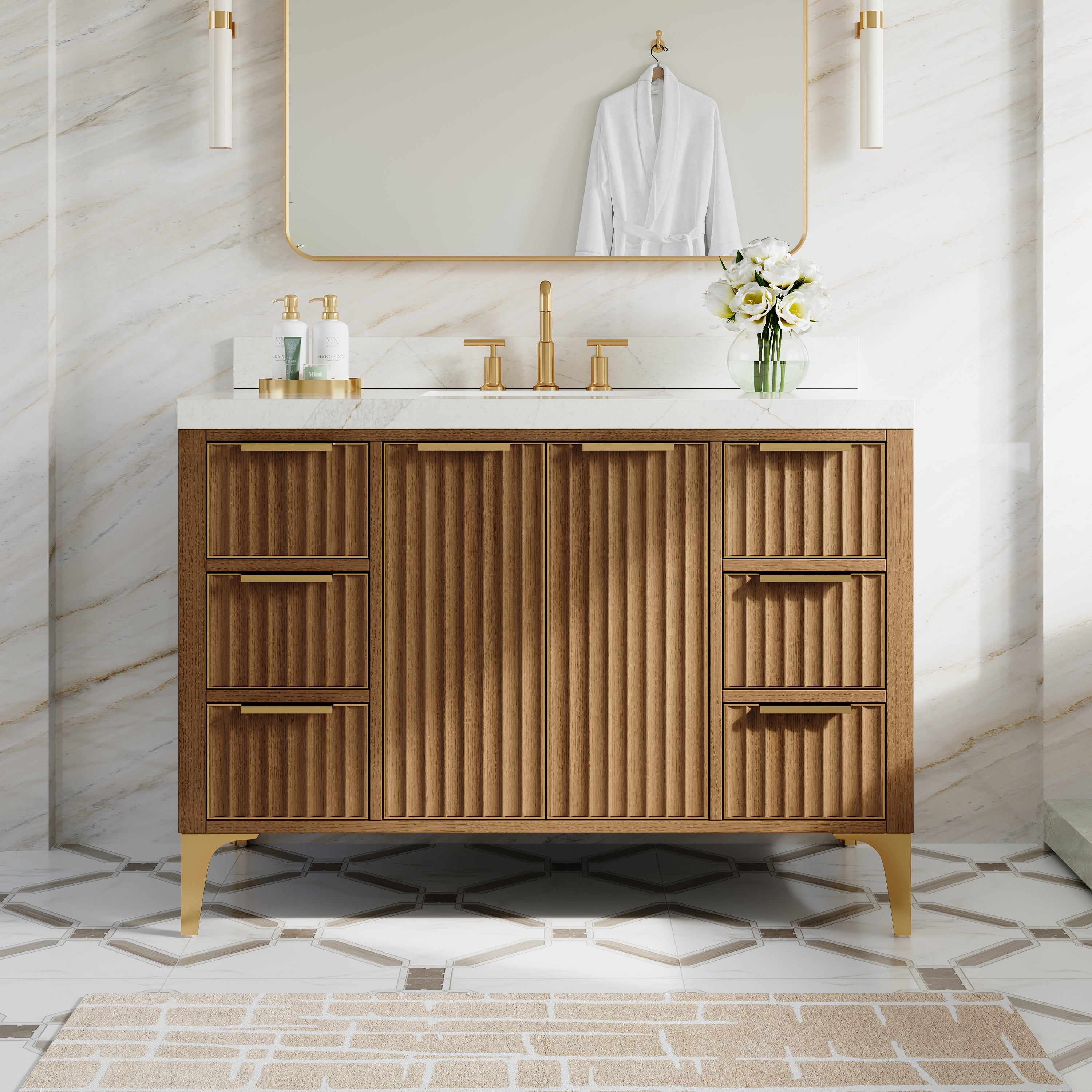
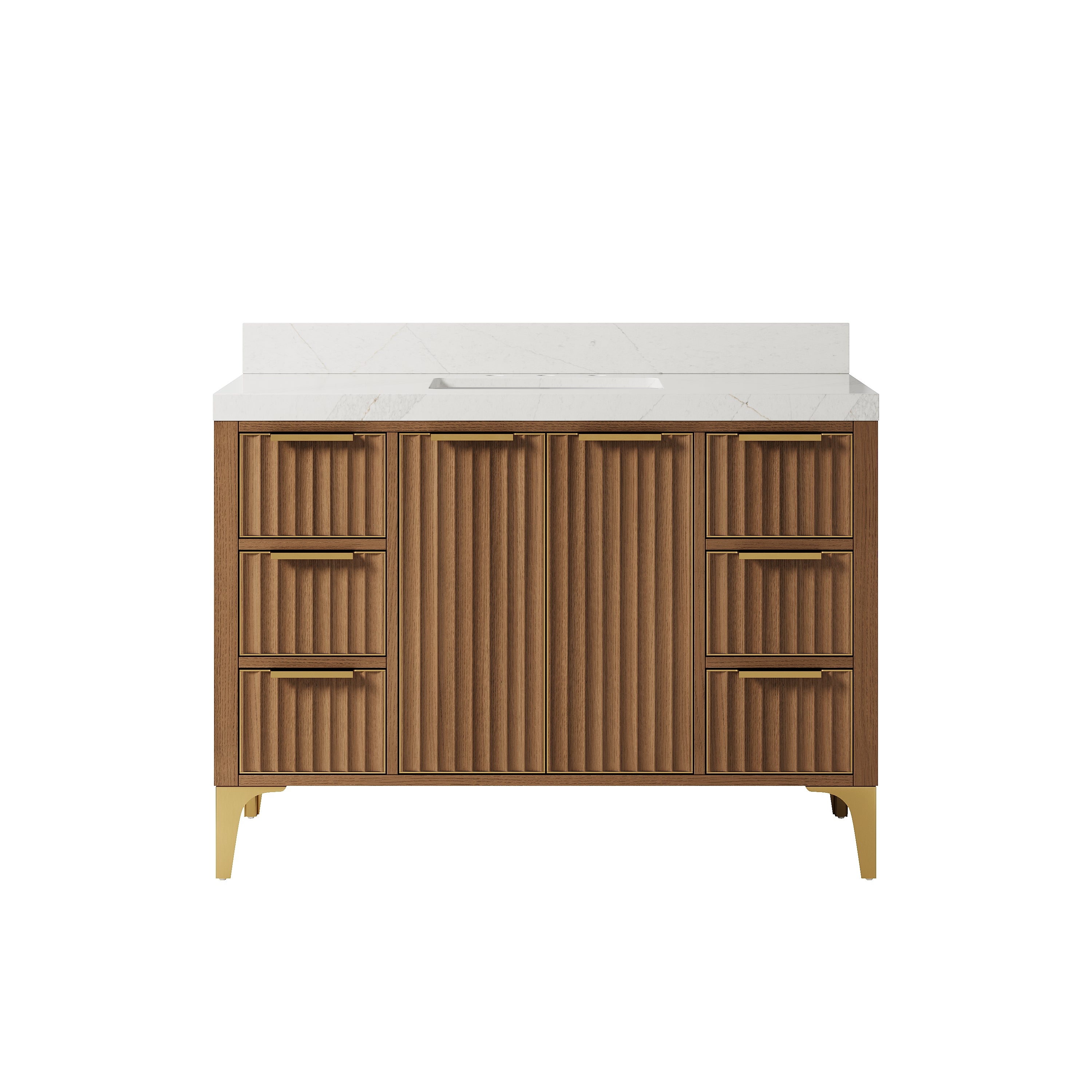


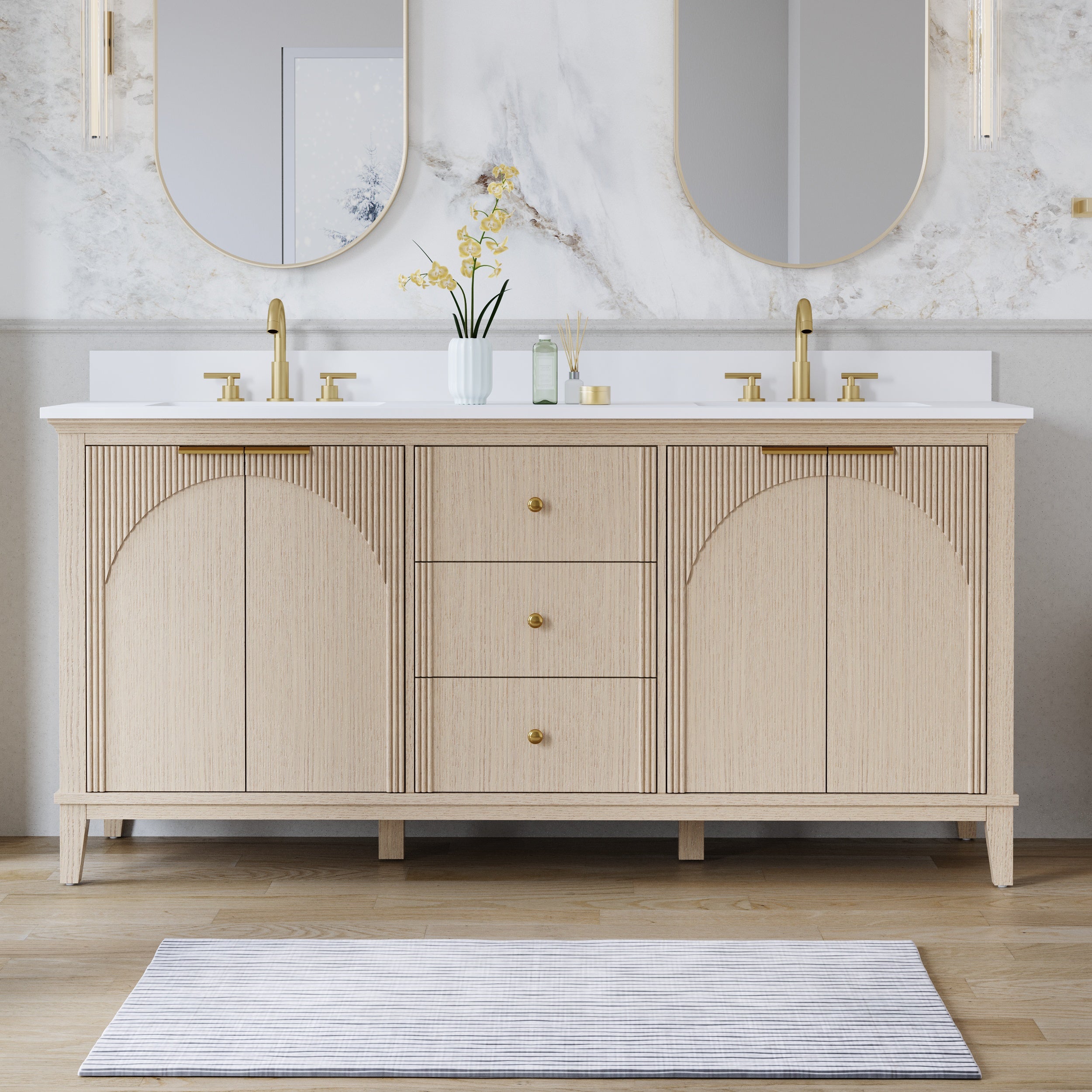
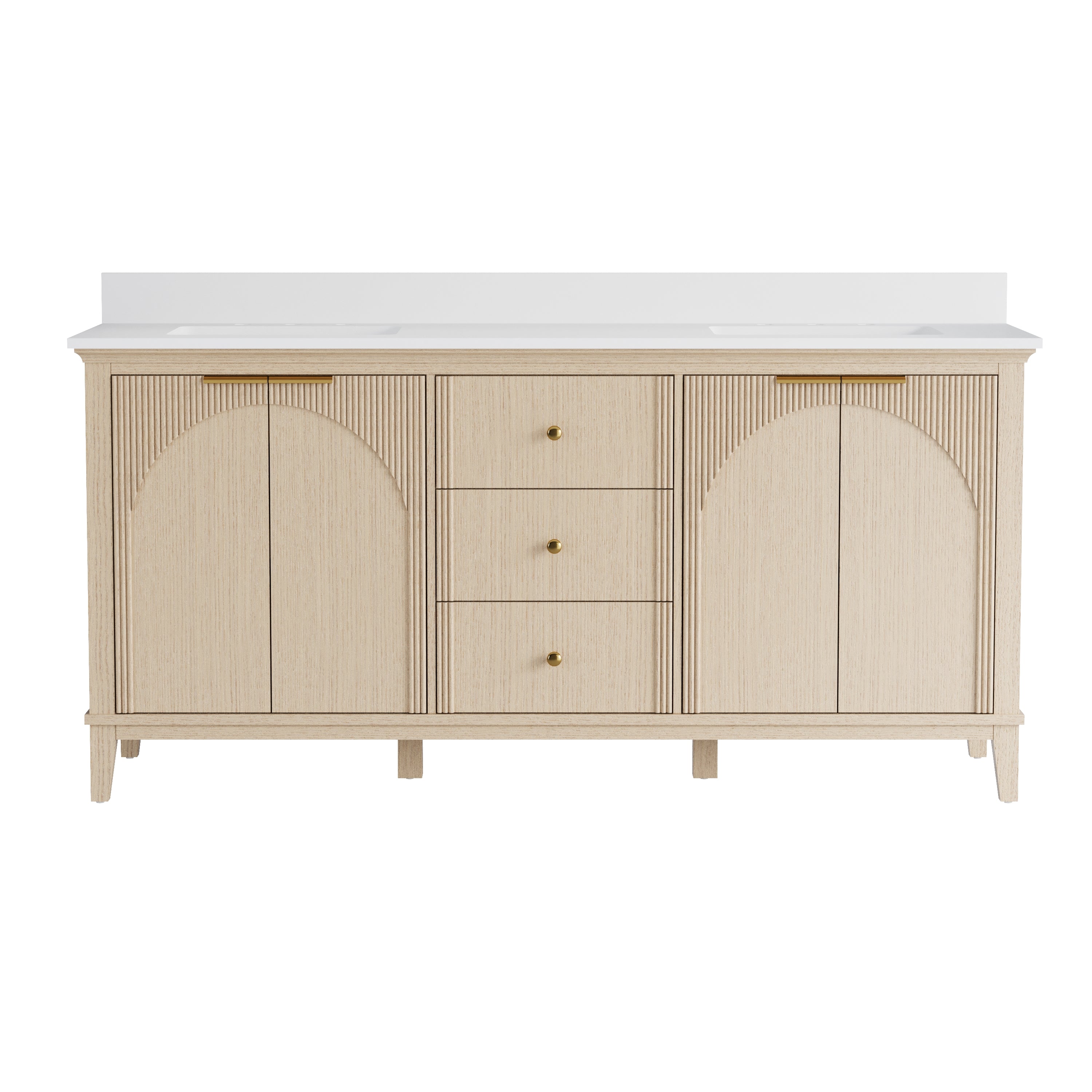


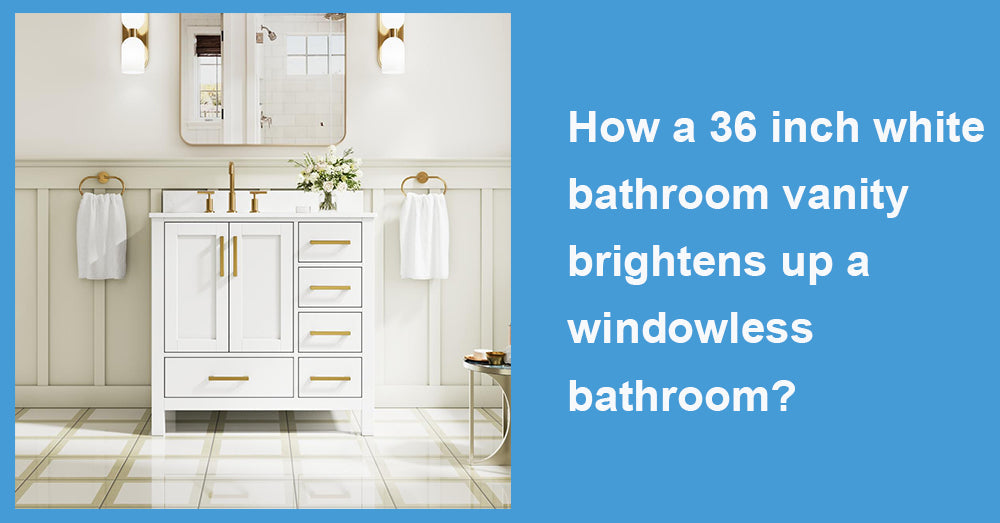
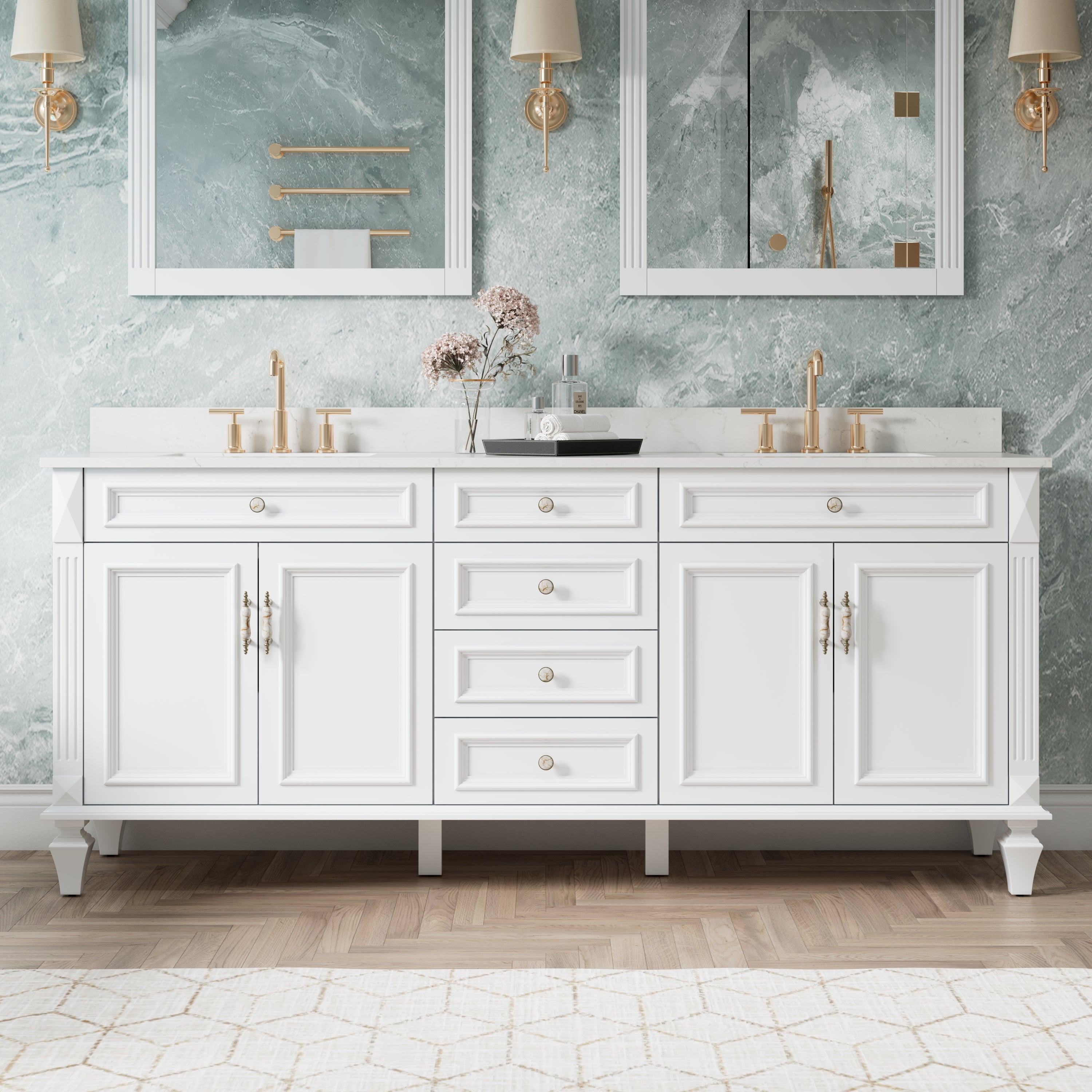
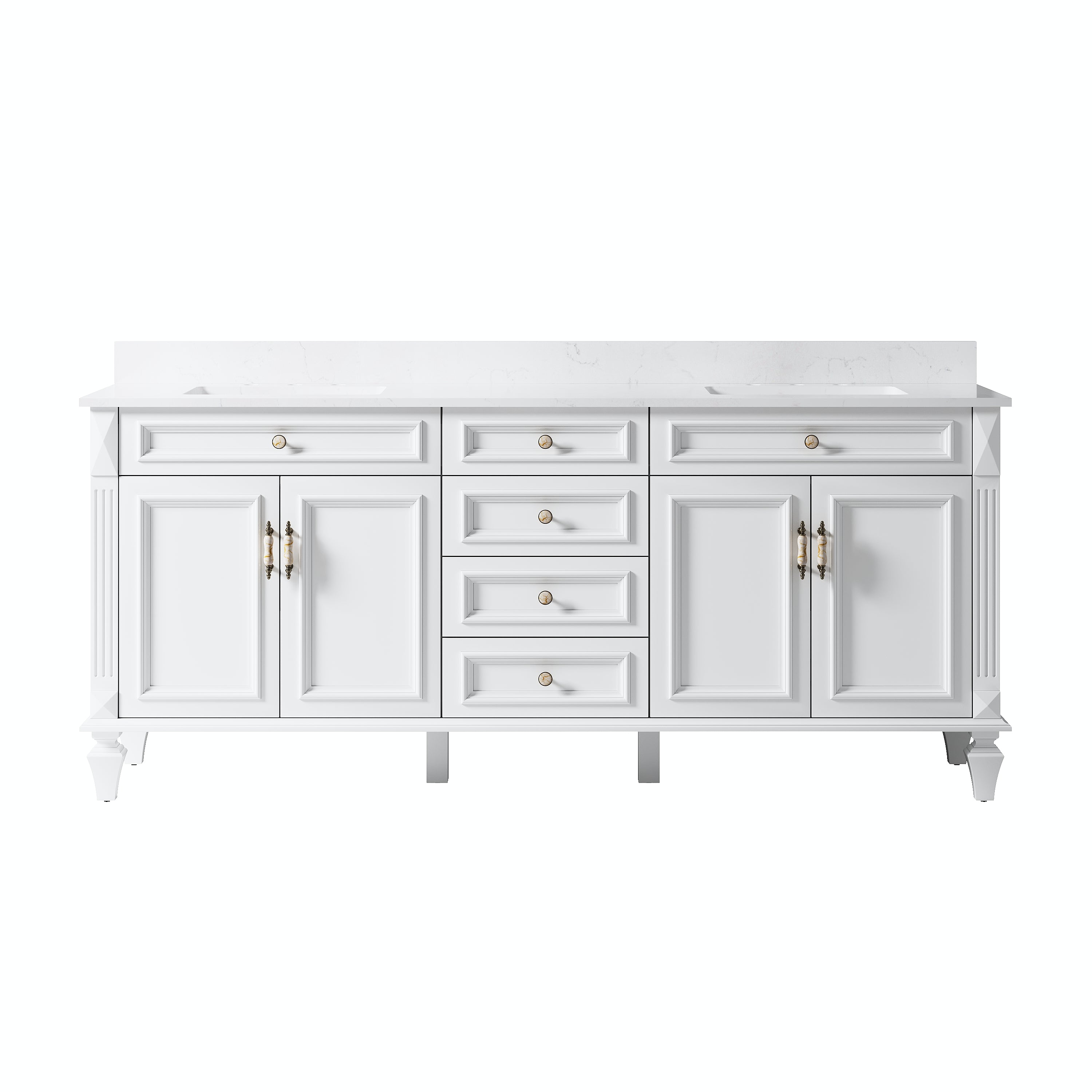
A 36-inch white bathroom vanity can do more for a windowless bathroom than simply provide storage. In a room with no daylight, every finish either helps move artificial light around or absorbs it. White cabinetry keeps the sink area visually open, while the 36-inch width offers enough presence to anchor the room without making a compact layout feel crowded. When paired with a light countertop, a well-sized mirror, and layered lighting, the vanity becomes part of the room’s lighting strategy rather than just another fixture.
1. White Surfaces Help the Room Feel Less Enclosed
Windowless bathrooms often feel darker than they really are because the eye picks up shadows around cabinetry, corners, and plumbing fixtures. A dark vanity can deepen those shadows, particularly when the flooring or shower surround is also dark.
White has the opposite effect. It reflects more of the light coming from the ceiling, sconces, or an illuminated mirror and spreads that brightness across the lower half of the room. The result is subtle, but noticeable during everyday use.
The cabinet does not need to be a cool, bright white. Warm white and soft ivory finishes often look more comfortable under 3000K lighting and pair easily with beige tile, brushed gold hardware, or natural wood accents.
The 2025 Houzz Bathroom Trends Study found that white remained one of the most selected vanity colors, while white and off-white together accounted for a large share of upgraded bathroom countertops. That preference makes sense in rooms where brightness has to come from materials as much as from fixtures.
2. The 36 Inch Size Avoids Two Common Problems
Using a too-small vanity may make the bathroom feel incomplete. In contrast, a vanity that is too large may cause problems for the toilet, shower entry, or door swing. Using a 36-inch cabinet usually offers enough counter space to accommodate everyday necessities while maintaining a good look for the bathroom.
The proportions for a single sink design also improve. A 24-inch vanity may feel cramped around the faucet and sink area, while a 48-inch vanity, on the other hand, may be excessive for the guest or extra bathroom. The standard size of 36 inches makes the vanity fall into the middle of the given sizes.
Prior to installation, wall measurements must be taken at all possible heights. The likelihood of improper fit increases due to factors like baseboards, casing, uneven walls, and overhanging countertops. Having a little wiggle room may work better than trying to fit the vanity into a tight space.
3. The Countertop Matters as Much as the Cabinet
A white cabinet with a dark top can still look attractive, but it will not brighten the room in the same way as a lighter surface. White quartz, off-white cultured marble, or a soft beige stone top keeps the entire sink zone visually connected.
For a 36-inch vanity, smaller-scale veining usually works better than dramatic patterns. The sink cutout already removes much of the surface, so wide veins may appear broken or awkward once the top is installed.
A lightly polished finish can reflect artificial light without creating too much glare. A 4-inch backsplash also helps by carrying the light color up the wall and protecting the area behind the faucet.
The combination does not have to be pure white. A warm white cabinet with a cream or pale gray top often feels softer and less clinical.
4. One Ceiling Light Is Usually Not Enough
A white vanity can improve brightness, but it cannot compensate for a weak lighting plan. Windowless bathrooms need light from more than one direction.
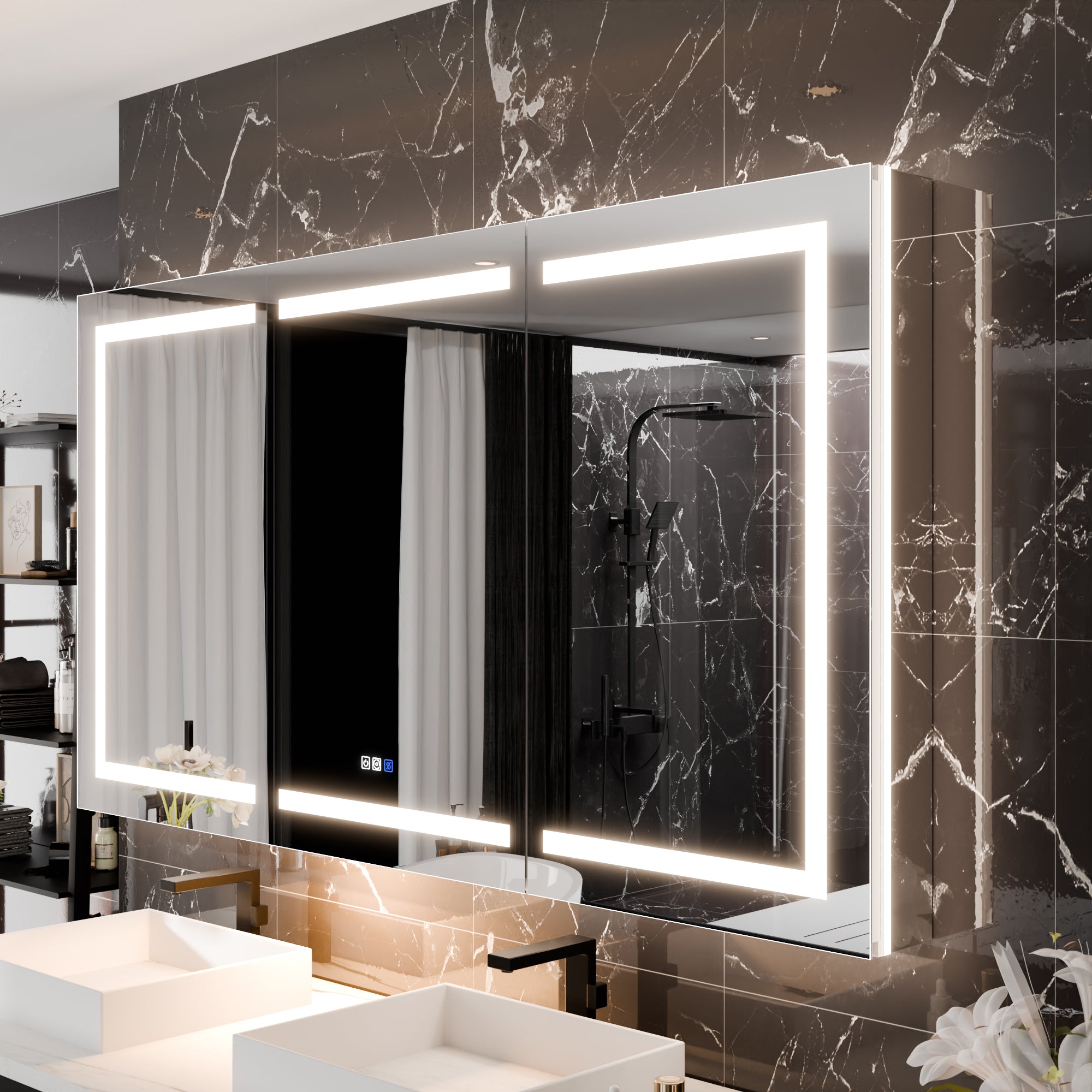
An overhead fixture is useful for general illumination, but it often creates shadows across the face. That becomes a problem during shaving, makeup application, or skincare. Side sconces or an LED mirror bring light closer to eye level and make the vanity area more usable.
The National Kitchen and Bath Association reports that lighting quality remains one of the highest priorities in bathroom design. Task lighting is especially important around the mirror, where general ceiling light often falls short.
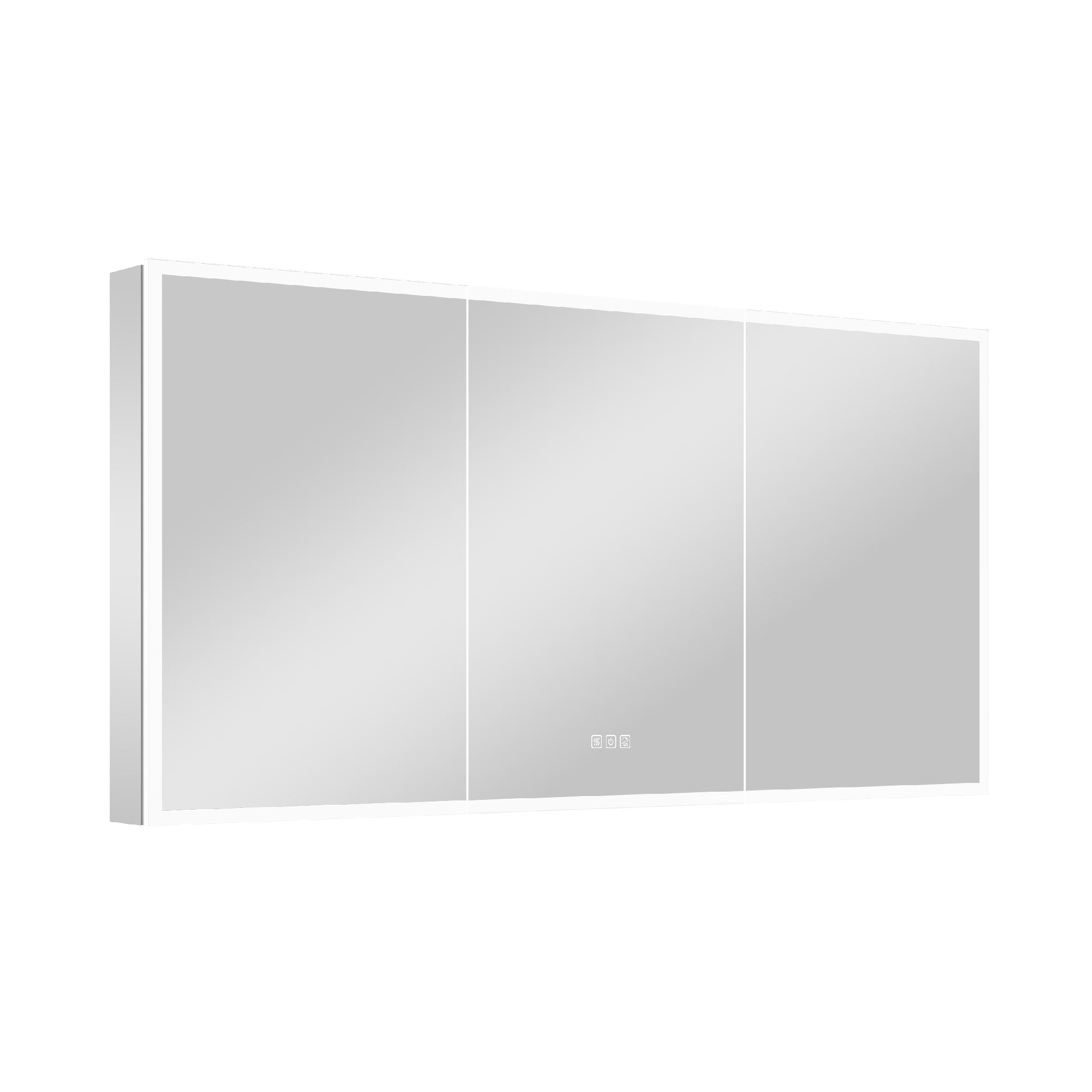
A mirror around 30 to 34 inches wide generally pairs well with a 36-inch vanity. It leaves enough space for a frame or side lighting while still reflecting a large portion of the room.

5. Color Temperature Changes the Look of White
White cabinetry can shift dramatically under different bulbs. Under very cool light, it may appear blue or gray. Under warm light, it may look creamier and more relaxed.
Lighting near 3000K works well with warm white cabinets, wood accents, and beige tile. Around 3500K, the room feels a little crisper without becoming harsh. At 4000K, the vanity will look brighter and cleaner, but too much cool light can make a small bathroom feel clinical.
High color rendering is also worth considering. Better-quality LEDs show cabinet finishes, skin tones, metal hardware, and stone veining more accurately.
The Department of Energy notes that LED lighting uses far less energy than traditional incandescent bulbs and lasts significantly longer, which makes layered lighting easier to justify in a bathroom used several times a day.
6. Storage Helps the Countertop Stay Bright
A cluttered countertop breaks up the white surface and creates more small shadows. Bottles, towels, hair tools, and cosmetic containers can quickly make the vanity look darker and busier.
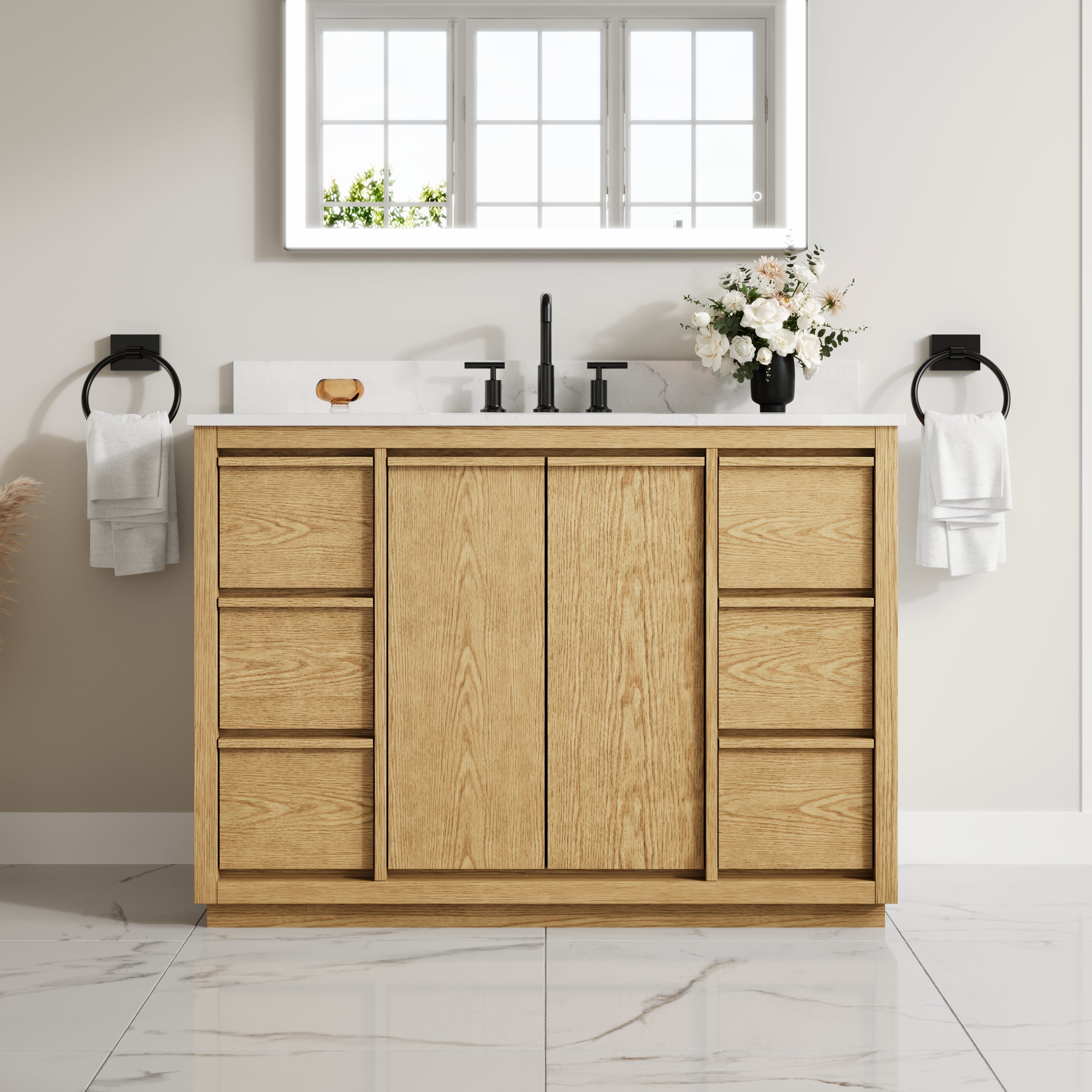
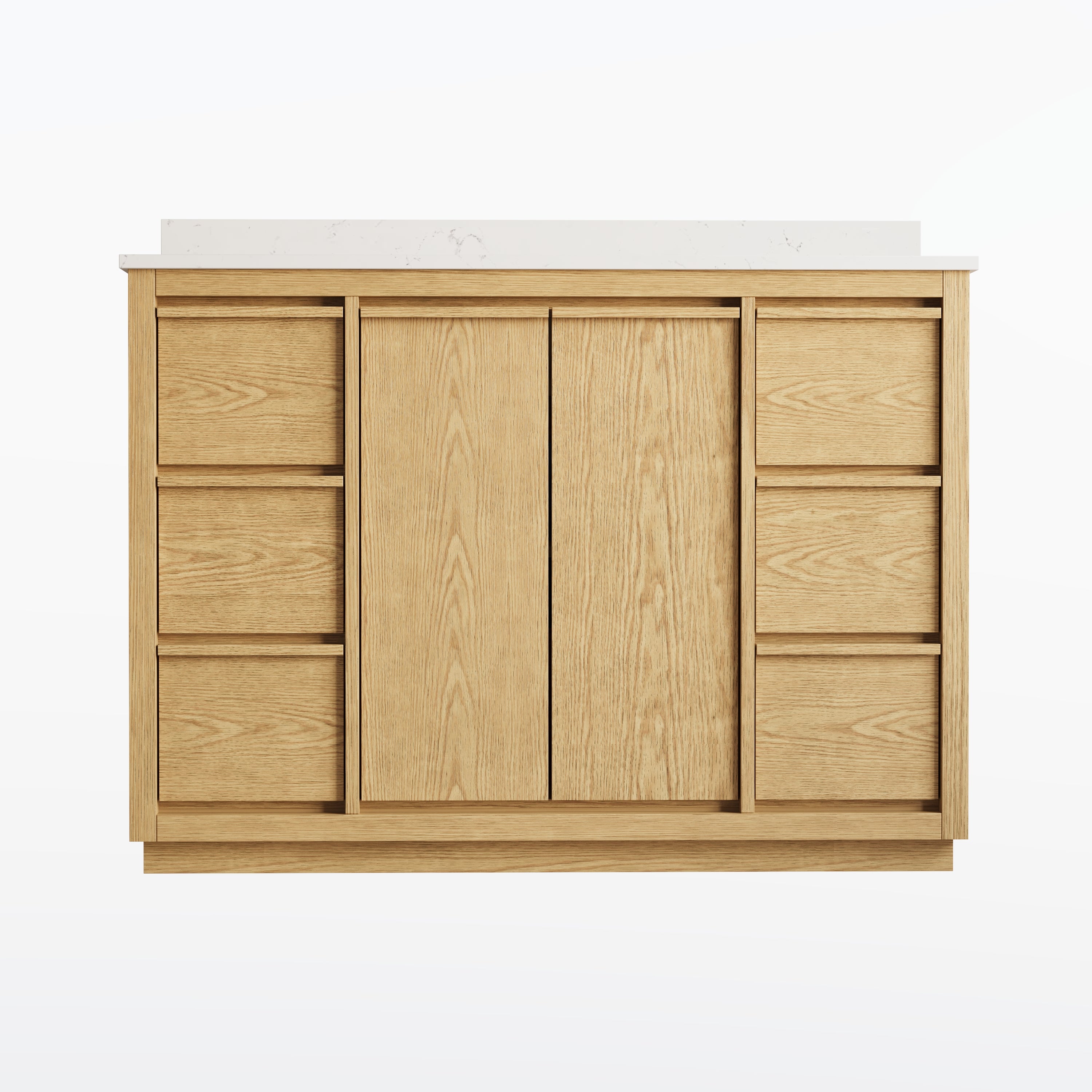
A 36-inch cabinet offers enough room for a useful mix of drawers and doors. Drawers keep small items within reach, while the larger cabinet area can hold towels, cleaning products, or taller bottles around the plumbing.
This is one reason soft-close storage has become so common. Houzz found that 78% of upgraded vanities included soft-close drawers and 75% included soft-close doors.
When most items can be put away, more of the light countertop remains visible. The vanity then looks brighter without any change to the electrical plan.
7. A Small Change With a Visible Effect
A windowless bathroom will always depend on artificial light, but the room does not have to feel dim. A 36-inch white vanity gives the eye a brighter central surface, adds practical storage, and works well in many single-sink layouts.
With a light top, a mirror sized to the cabinet, balanced LED lighting, and a controlled amount of contrast, the vanity can change the atmosphere of the room without moving walls or adding a window.
Census Bureau data shows that a significant share of home improvement work is still completed as DIY projects, and bathroom upgrades remain one of the more common areas of spending. Replacing the vanity is one of the few projects that can improve storage, appearance, and perceived brightness at the same time.






























Leave a comment
This site is protected by hCaptcha and the hCaptcha Privacy Policy and Terms of Service apply.