
















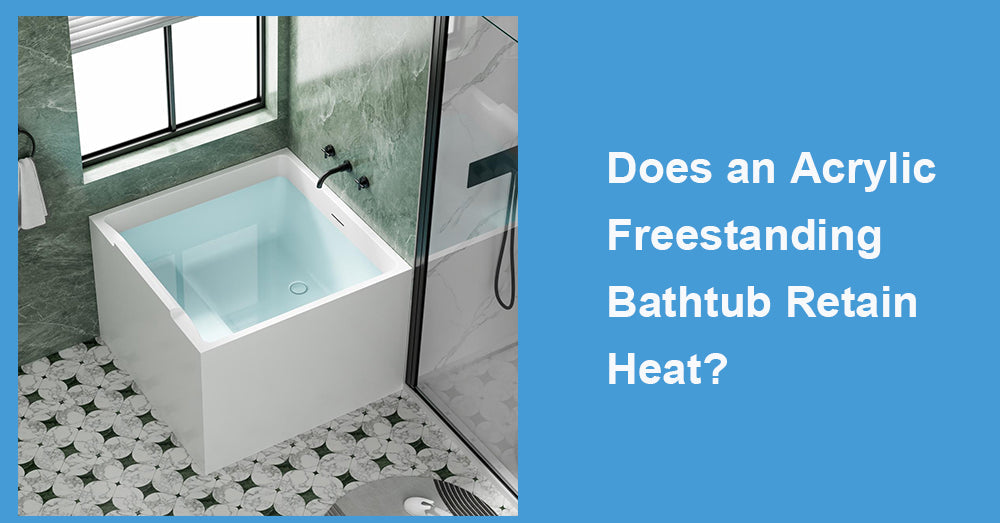
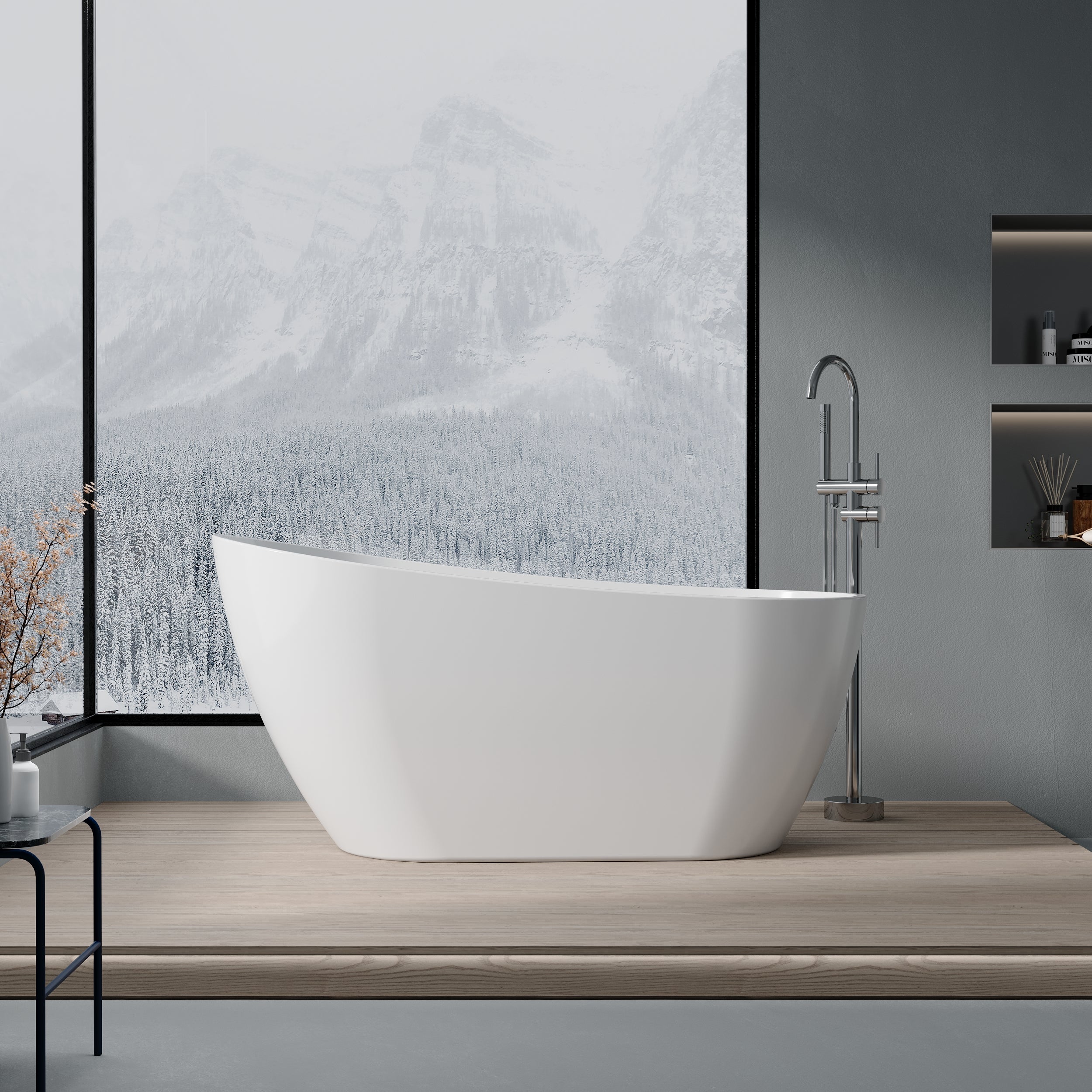
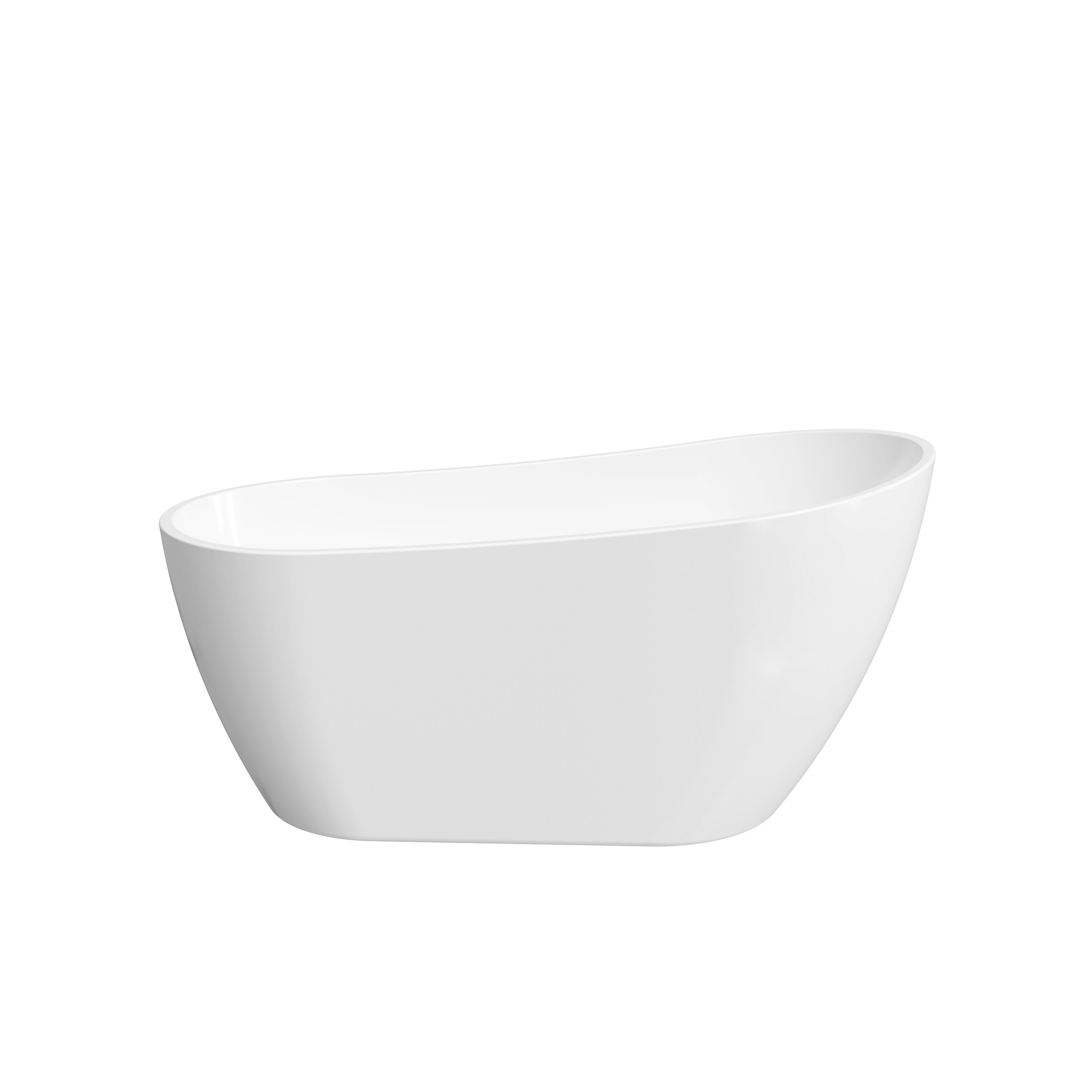
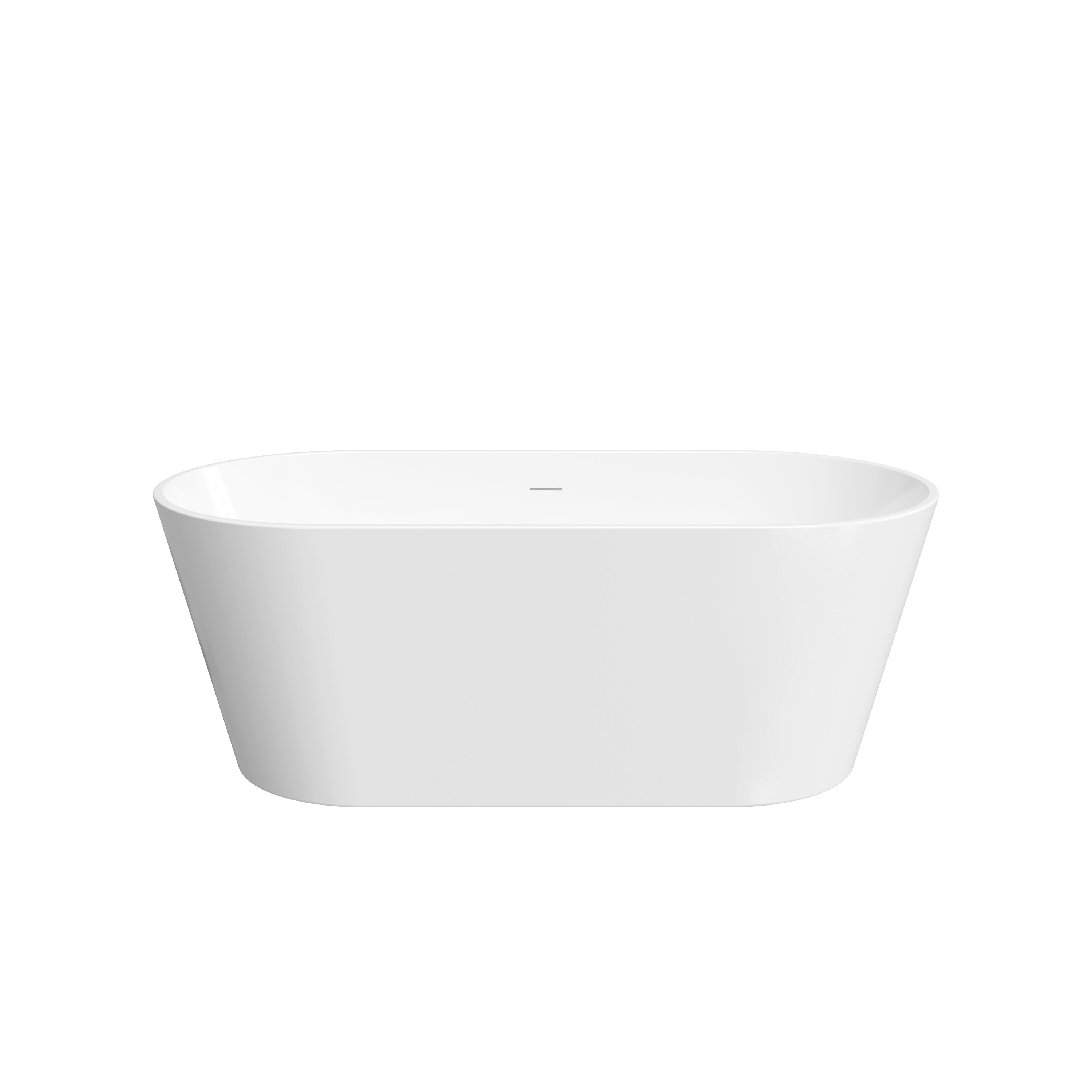
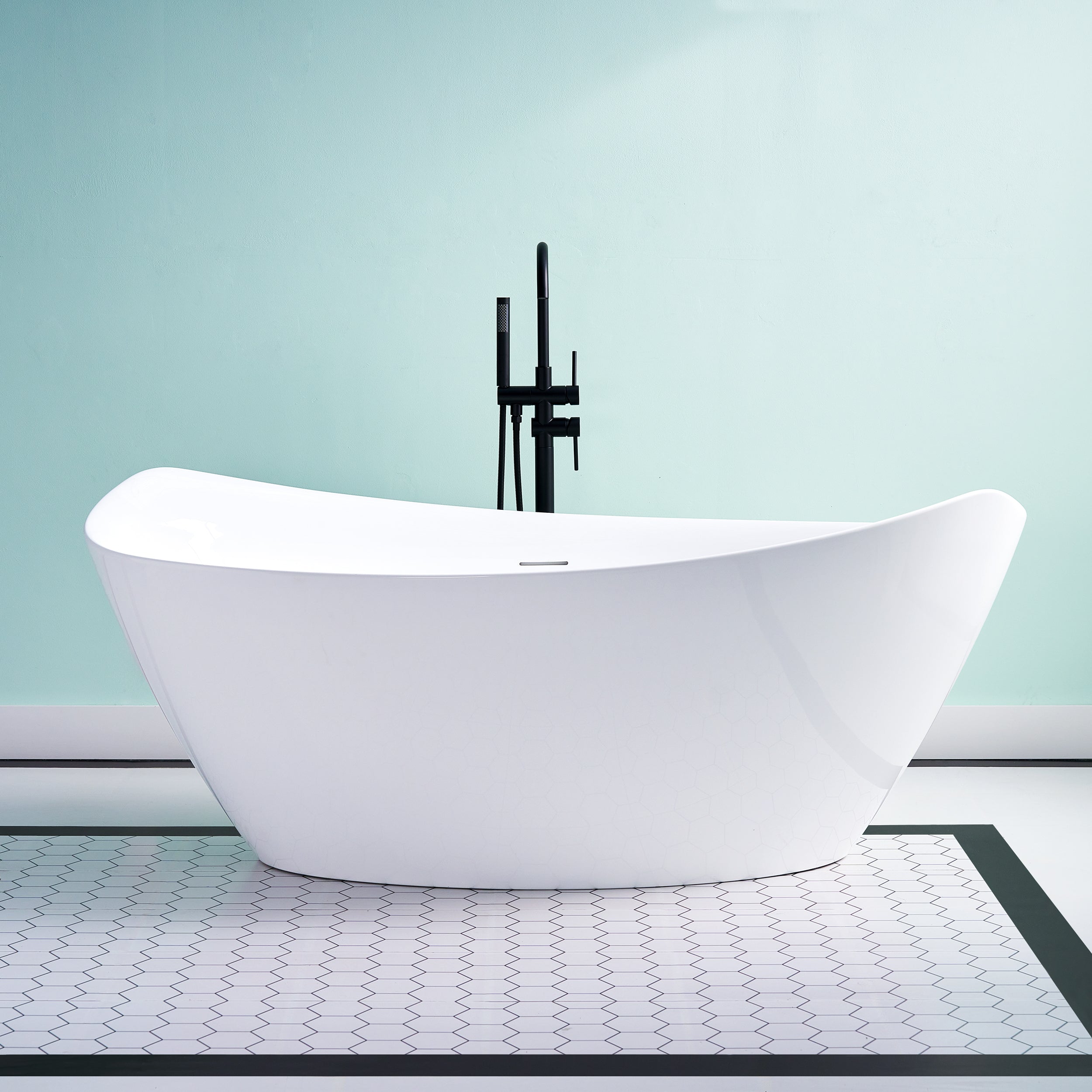
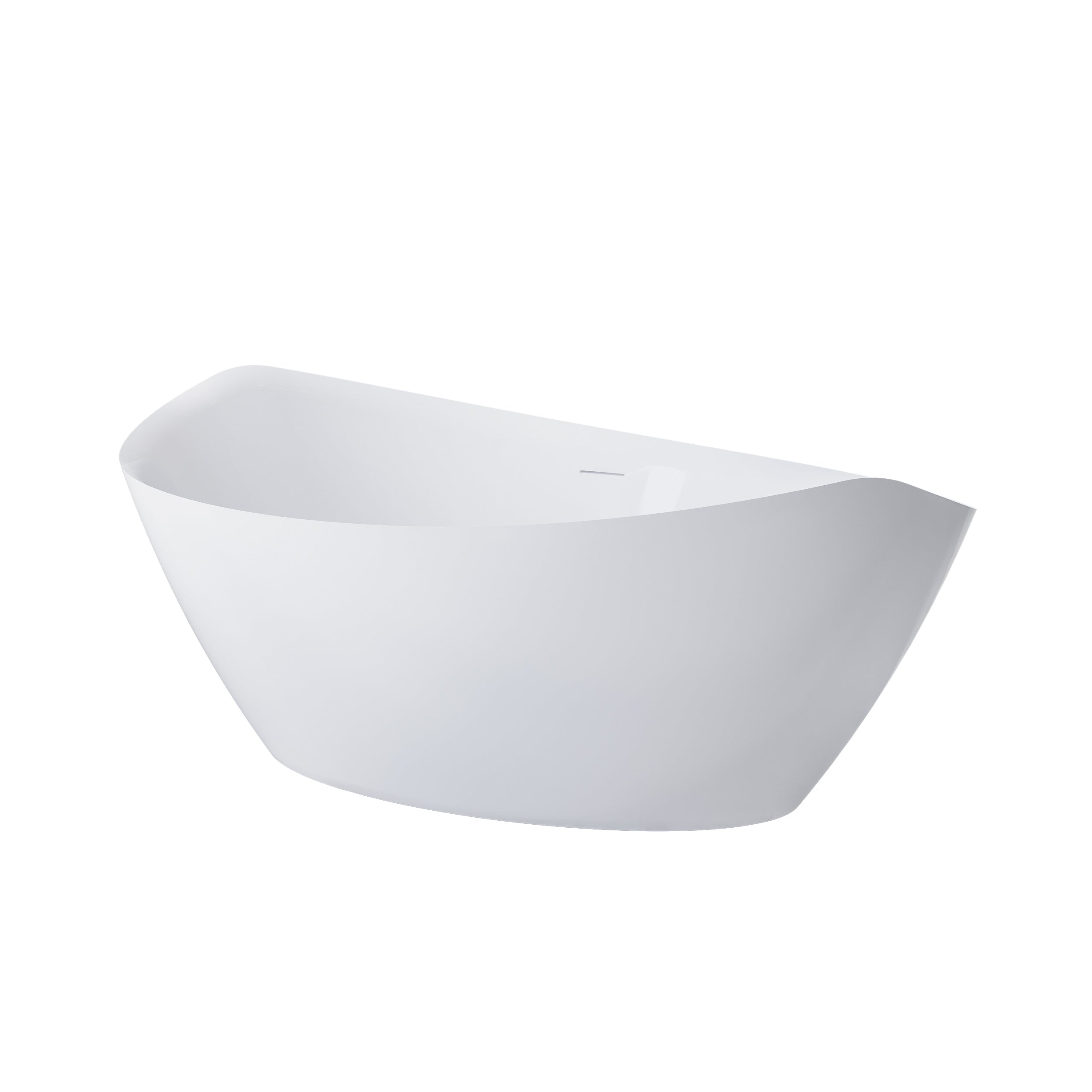
As the residential renovation market continues to heat up, freestanding bathtubs are becoming an important element in modern bathroom design. In the past few years, consumers have paid more attention to the appearance, size, and installation method when choosing a bathtub. Nowadays, "bath experience" and "energy-saving performance" have gradually become new purchasing standards. Among them, acrylic freestanding bathtub has become one of the fastest-growing bathtub categories in the market due to their lightweight, diverse shapes, and good insulation performance. Industry insiders point out that although acrylic bathtubs may not have the strongest insulating properties among materials, through structural optimization and upgraded insulation technology, their actual user experience can already meet the daily bathing needs of most families.

Why does acrylic material have insulation advantages?
Acrylic bathtubs are usually made of polymethyl methacrylate (PMMA) material, which is formed by heating and reinforced with glass fiber or resin. Compared to traditional metal bathtubs, acrylic has a lower thermal conductivity, so it does not quickly absorb the hot water's temperature.
Simply put, when consumers enter the bathtub, the acrylic surface does not produce a noticeable icy sensation like steel or cast iron surfaces. This "warm touch" is also one of the important reasons why acrylic bathtubs are popular. Due to the material's slow heat transfer, the water temperature in the bathtub usually drops more slowly.
Data from the bathroom industry shows that consumers' demand for long-term baths is increasing. With the development of the concept of home wellness, more and more users hope that the bathroom not only serves the cleaning function, but also becomes a relaxing space. Therefore, bathtubs that can maintain a comfortable water temperature are becoming a key product in upgrading decoration.
Actual insulation time: How does acrylic perform?
From a practical usage perspective, the insulation performance of acrylic freestanding bathtubs is affected by multiple factors, including bathtub thickness, internal structure, installation environment, and the addition of insulation layers.
Some industry tests have shown that ordinary acrylic bathtubs can usually maintain a comfortable bath temperature for about 25 to 40 minutes, while high-end models with double-layer structures or additional insulation materials can further extend the insulation time. In contrast, ordinary thin-walled steel bathtubs dissipate heat faster, and users often need to replenish hot water frequently.
Some market research data indicates that under the same environmental conditions, the cooling rate of acrylic bathtubs is usually lower than that of ordinary metal bathtubs. For example, tests have shown that the temperature drop in acrylic bathtubs within 30 minutes ranges from several degrees Fahrenheit, while metal bathtubs have higher thermal conductivity and more pronounced initial heat dissipation.
However, acrylic bathtubs also differ from cast-iron bathtubs. Cast iron has a higher density and can slowly release heat after absorbing it, making it advantageous in long-term baths. However, cast iron bathtubs typically weigh over 300 pounds, while acrylic freestanding bathtubs may weigh only about 70 to 150 pounds, making them more suitable for ordinary residential installations, especially for upstairs bathroom renovations.
Structural design determines the insulation level.
Industry experts believe that the insulation ability cannot be judged solely by the three words "acrylic". Bathtubs made of the same material may have significant structural differences.
At present, high-performance acrylic independent bathtubs on the market mainly improve insulation through the following methods:
Firstly, increase the thickness of the acrylic sheet.
A thicker acrylic layer can reduce rapid heat transfer. The common thickness of acrylic on the market ranges from 1/8 inch to 1/4 inch, and thicker designs typically have better temperature retention.
Secondly, a double-layer bathtub structure is adopted.
The double-layer wall design can form an air barrier, reducing heat loss directly outward. As with insulating glass in buildings, the air layer can reduce the heat transfer rate.
Third, add an environmental foam insulation layer.
Some manufacturers will fill the space between the bathtub shell and the reinforcement layer with thermal insulation foam to retain more heat in the water. Industry data shows that acrylic bathtubs with an insulation design can increase water temperature retention time by about 20% to 30% compared to ordinary models without insulation.
Why do consumers prefer acrylic freestanding bathtubs?
In addition to insulation performance, easy installation is a key driver for the rapid development of acrylic bathtubs.
Although traditional cast iron bathtubs are durable, they are heavy and have high transportation and installation costs. In contrast, acrylic freestanding bathtubs are lighter and have lower ground load-bearing requirements, making them suitable for a wider range of residential environments.
In addition, acrylic has strong design flexibility. Modern bathrooms are popular for oval, egg-shaped, narrow-frame, and deep bath designs. At the same time, acrylic materials are easier to shape into complex curves, allowing bathtubs to balance aesthetics and ergonomics.
In recent years, consumers have also become increasingly concerned about the maintenance costs of bathroom products. Acrylic has a smooth surface and is not easy to absorb stains. Daily cleaning usually only requires mild cleaning agents and a soft cloth.
How to choose a high-insulation acrylic bathtub?
For consumers planning to purchase a freestanding bathtub, the industry recommends focusing on several indicators:
Firstly, check if the bathtub adopts a thickened acrylic structure. Thicker materials usually mean better stability and insulation performance.
Secondly, check if there is an insulation design. Products with bottom and side insulation layers offer greater advantages in winter bathroom environments.
Thirdly, check the bathtub's depth. Deep soaking bathtubs can reduce the exposed water surface area and minimize heat loss from evaporation, making them generally more suitable for long-term bathing than shallow bathtubs.
Finally, it is necessary to combine family usage habits. If users soak for about 15 to 30 minutes every day, high-quality acrylic bathtubs can already provide a comfortable experience. If you are pursuing a long bath time exceeding 1 hour, you can consider high-end models with enhanced insulation or choose materials with greater heat capacity.
Conclusion
Overall, the insulation performance of the acrylic independent bathtub is among the best among modern bathtub materials. It relies on low thermal conductivity, lightweight structure, and insulation technology to achieve a balance between comfort, installation convenience, and design freedom.
As the residential market continues to develop towards "health, comfort, and energy efficiency", acrylic freestanding bathtubs are expected to remain a focus. In the future, more brands may enhance the bathtub experience through thicker materials, environmentally friendly insulation layers, and intelligent temperature-control technology, making home bathrooms truly relaxing spaces.















Leave a comment
This site is protected by hCaptcha and the hCaptcha Privacy Policy and Terms of Service apply.