
















1. Introduction
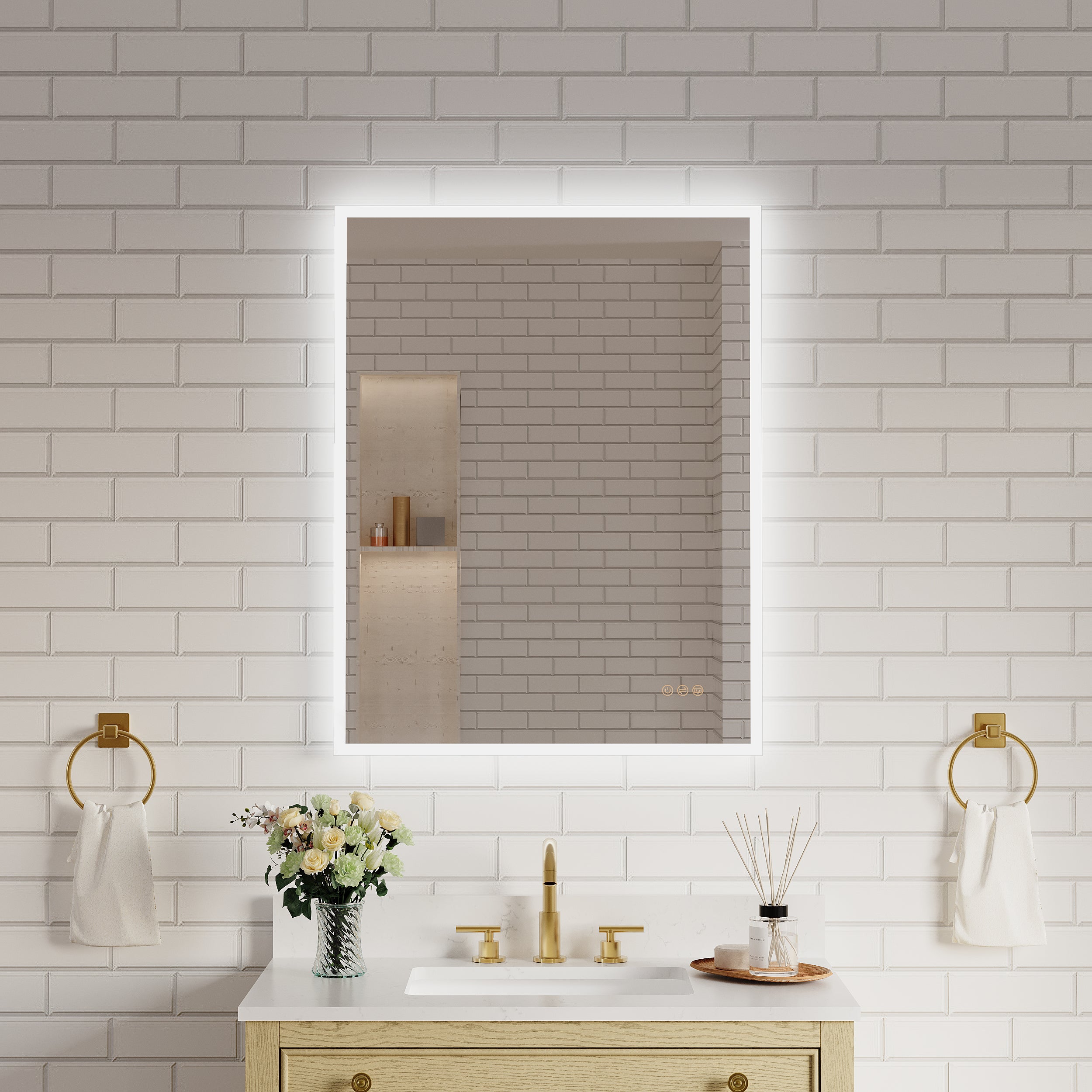
In modern bathroom configurations, anti fog bathroom mirror with led lights are gradually becoming a must-have feature in the hearts of many people, rather than a "functional highlight." Especially in enclosed or poorly ventilated bathroom environments, mirror fogging is almost a daily annoyance. So, a fundamental question arises: are these LED bathroom mirrors claiming to have an anti-fog function efficient, or are they just marketing gimmicks?
2. The Essence of Fogging Is Not Just "A Lot of Water Vapor"
To understand the effectiveness of anti-fog mirrors, it is first necessary to understand the reasons for the fogging of the mirror surface. When taking a hot bath or washing with hot water for a long time, the water vapor in the air will quickly condense into small water droplets when it encounters a low-temperature mirror surface, forming a misty film. This phenomenon is not closely related to the size of the bathroom, but rather depends on the temperature difference and the rate of change in humidity.
In shared home bathrooms, indoor humidity often rises to 70%-90% within a short time after bathing, and the surface temperature of ordinary mirrors is usually 5-10 °F lower than the air temperature, which is the range where fogging is most likely to occur.
3. The Anti-Fog Principle Is Actually Not Complicated
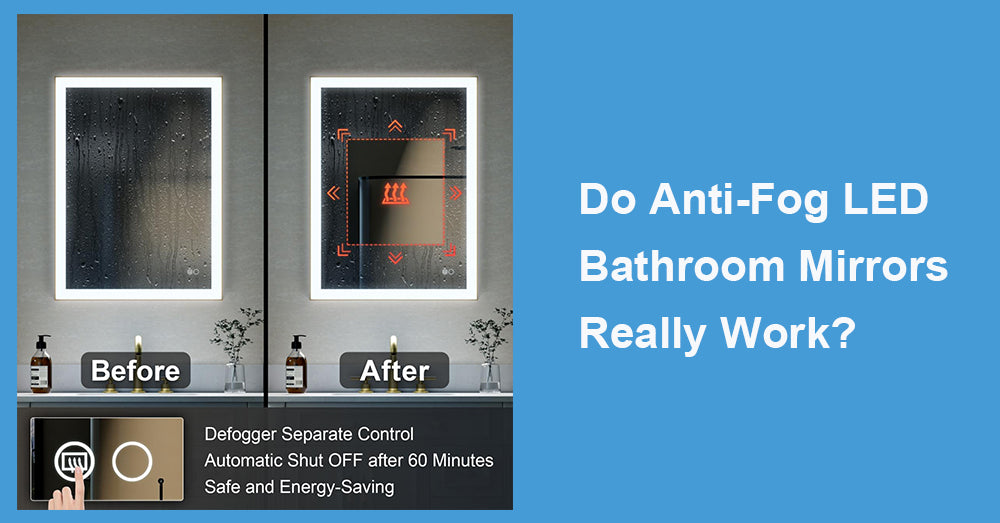
Currently, the mainstream anti-fog LED bathroom mirrors mostly use heating films or heating pads. The core logic is not to "prevent water vapor from appearing," but to reduce the conditions for water vapor condensation by slightly raising the temperature of the mirror surface, always to be somewhat higher than the dew point of the air.
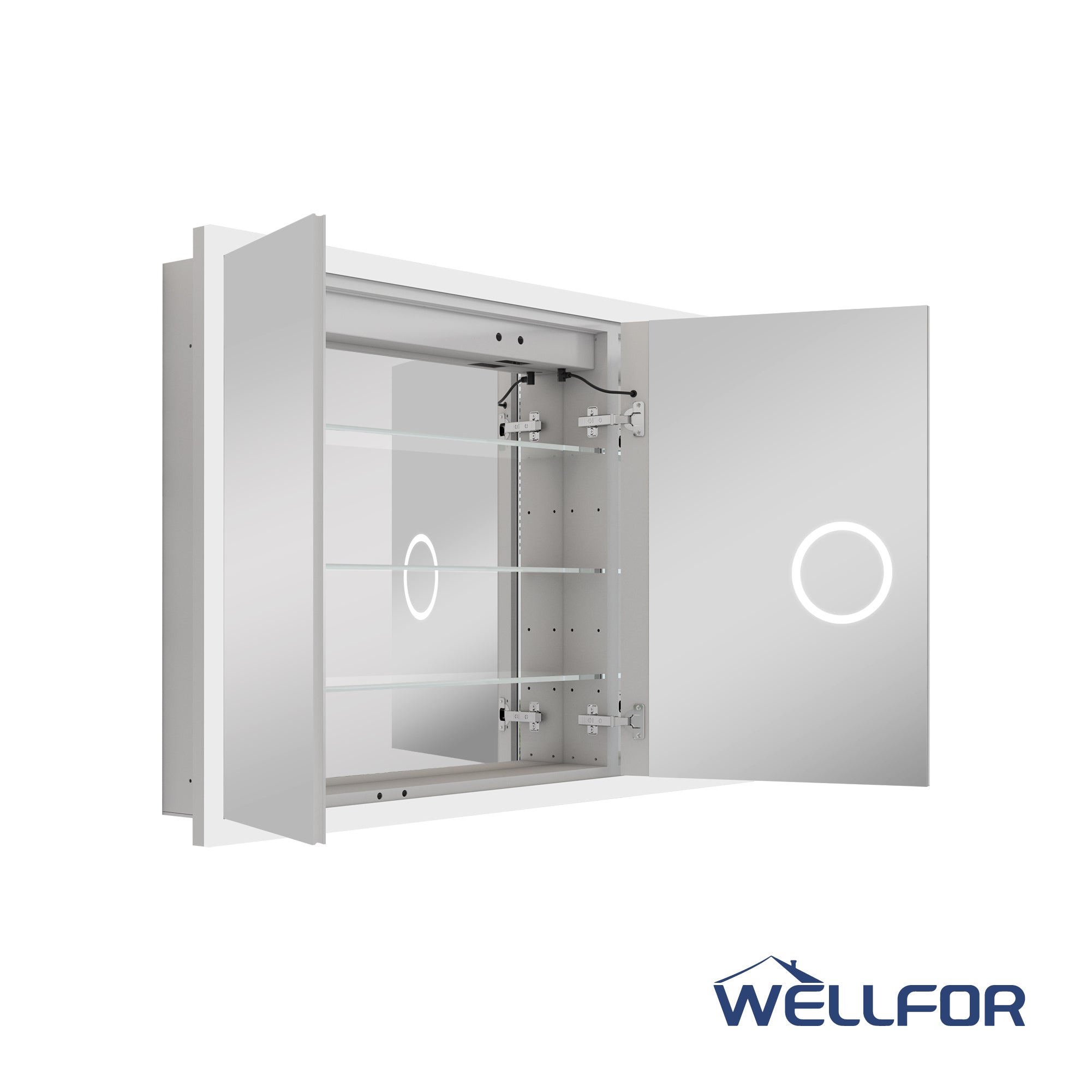
This type of heating system is usually distributed in the central area of the mirror back, covering a core usage range of about 10-16 inches in diameter, ensuring that the most commonly used field of view for people during daily grooming remains clear. In actual operation, the temperature rise of the mirror surface is usually controlled between 5-15 °F, and it will not have a significant impact on touch or safety.
4. At the Data Level, Is the Anti-Fog Effect "Perceptible"?
According to the test data, under the same bathroom environment, it takes an average of 10-15 minutes for ordinary mirrors to naturally restore clarity after taking a hot shower. The LED bathroom mirror with anti-fog function can usually maintain a usable state in the core area for 30-60 seconds, and there is basically no obvious fogging during the entire bathing process.
It is worth noting that this "effectiveness" does not mean the entire mirror will not fog at all, but instead prioritizes ensuring the clarity of the facial-use area. This is also why many anti-fog mirrors may still have slight moisture at the edges, but it does not affect the actual user experience.
5. Will the Anti-Fog Function Consume a Lot of Power?
This is another concern for many people when making a purchase. In fact, the power consumption of the anti-fog system is much lower than intuitively expected. The power of standard anti-fog modules is usually 15 or 40W, and their operating time is primarily short-term, such as during bathing or washing.
If calculated based on 30 minutes of daily use, its energy consumption is much lower than that of traditional bathroom heaters or heating equipment. In addition, most LED bathroom mirrors are designed with independent anti-fog switches that activate only when needed, further reducing unnecessary energy consumption.
6. Anti-Fog and LED Are Not Simply Stacked on Top of Each Other
In the early days of the industry, anti-fog mirrors and lighting mirrors were often combined into a single system. But in recent years, product design has placed more emphasis on overall collaboration.
LED lights themselves generate a small amount of heat during operation. Although this heat alone is not sufficient to perform anti-fogging, it can complement the heating film, making the mirror's temperature distribution more uniform. This is also why anti-fog LED mirrors are more stable and less prone to local blurring in practice than early single anti-fog mirrors.
7. Why Do Some People Think That "Anti-Fog Is Useless"?
In user feedback, there is a significant difference in the evaluation of anti-fog function, and the reason is usually not the product itself, but the expected use.
Firstly, it is a misconception that the entire mirror will not fog up.
As mentioned earlier, the focus of anti-fog design is on the "effective use area" rather than the edge decoration area.
Secondly, the bathroom environment is extreme.
In bathrooms with small areas, low ceilings, and poor ventilation, water vapor accumulates rapidly, and the anti-fog system requires a preheating period to achieve optimal results. If you start showering before the anti-fogging function of the mirror is turned on, slight fog may still appear for a short time.
Thirdly, the product size does not match the anti-fog area.
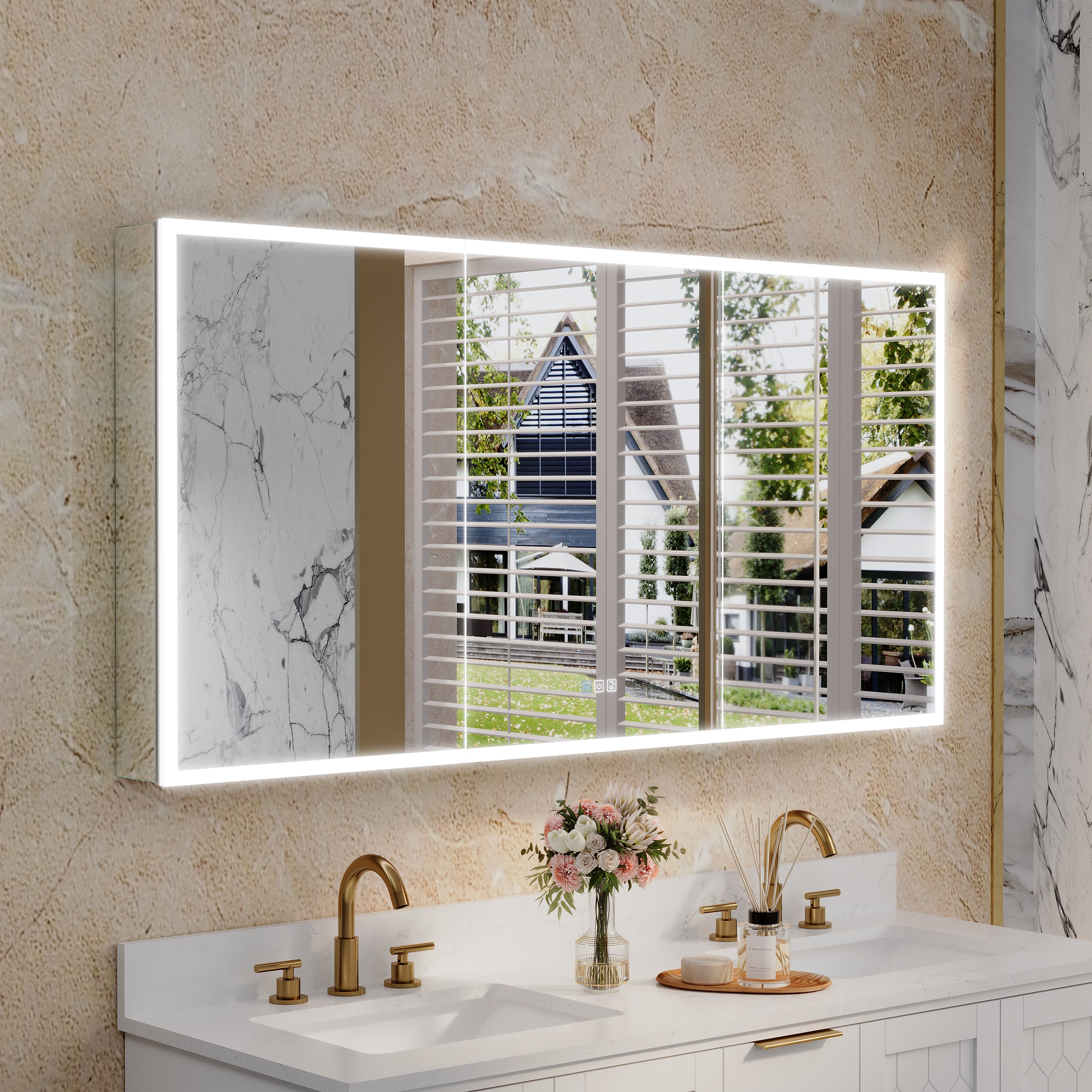
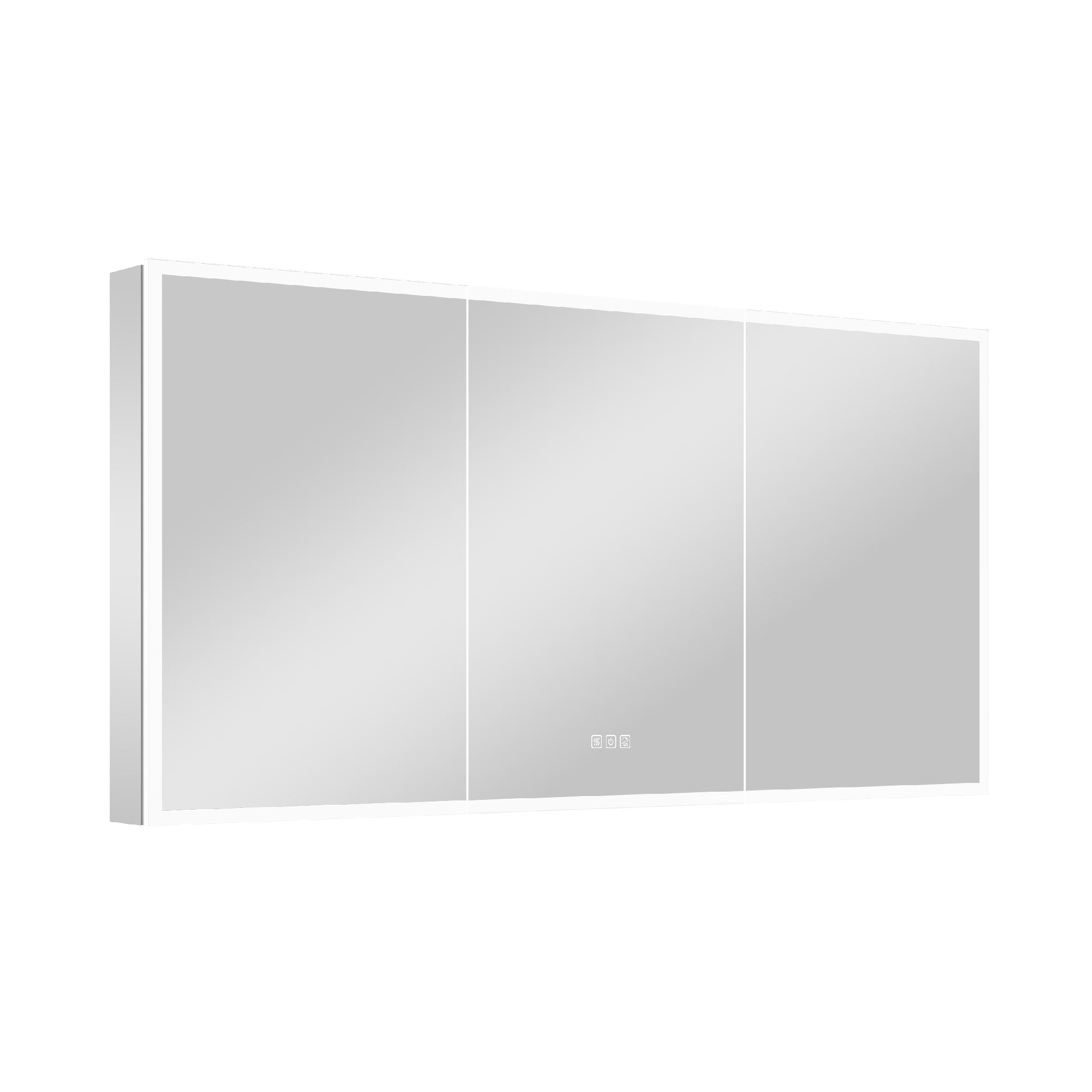
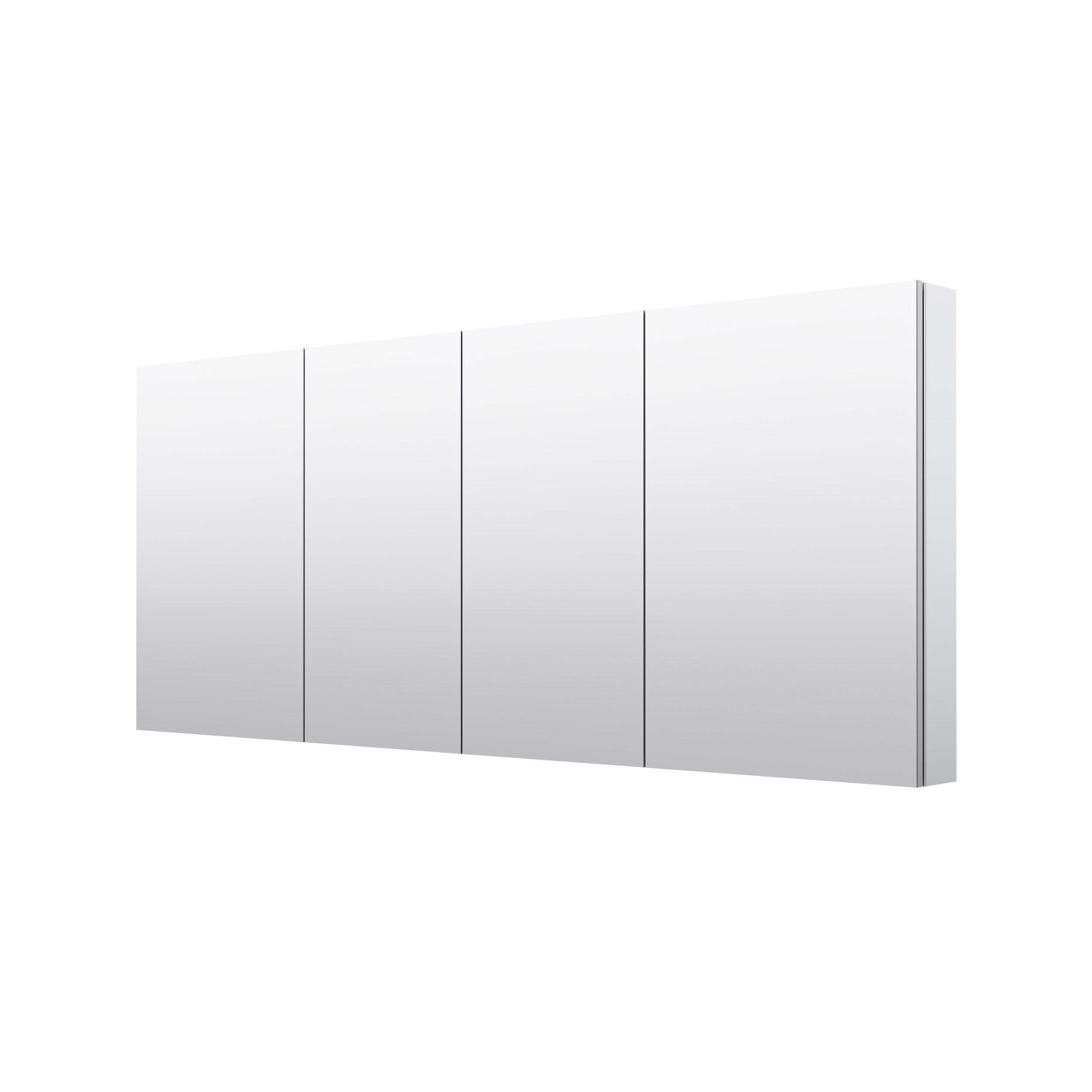
For example, on mirrors with a width exceeding 40 inches, if the anti-fog area is still the standard size, it is easy to create a psychological gap of "local clarity and overall blurring."
8. From an Industry Perspective, Anti-Fog Is No Longer Just a Gimmick
From the overall development trend, the anti-fog function is shifting from an "optional" option to one of the standard features of mid to high-end LED bathroom mirrors. With the decrease in heating material costs and the maturity of control systems, their stability and safety have been significantly improved.
More importantly, the anti-fog function does not bring a flashy experience, but a slight but continuous improvement to the daily use process: after taking a shower, there is no need to wipe the mirror with a towel, makeup, or shaving is not interrupted, and the mirror surface remains cleaner for a long time.

9. So, Is an Anti-Fog LED Bathroom Mirror Really Worth It?
If we look at it from the perspective of whether it is useful, the answer is clear: it solves a long-standing, frequently occurring pain point in usage. Although it cannot change the bathroom humidity itself, it significantly reduces, or even eliminates, the time when the mirror is unavailable through a simple, stable physical method.
In modern bathroom design that emphasizes comfort and efficiency, anti-fog LED bathroom mirrors are no longer just additional features but an evolutionary result closer to daily real needs.












Leave a comment
This site is protected by hCaptcha and the hCaptcha Privacy Policy and Terms of Service apply.