


















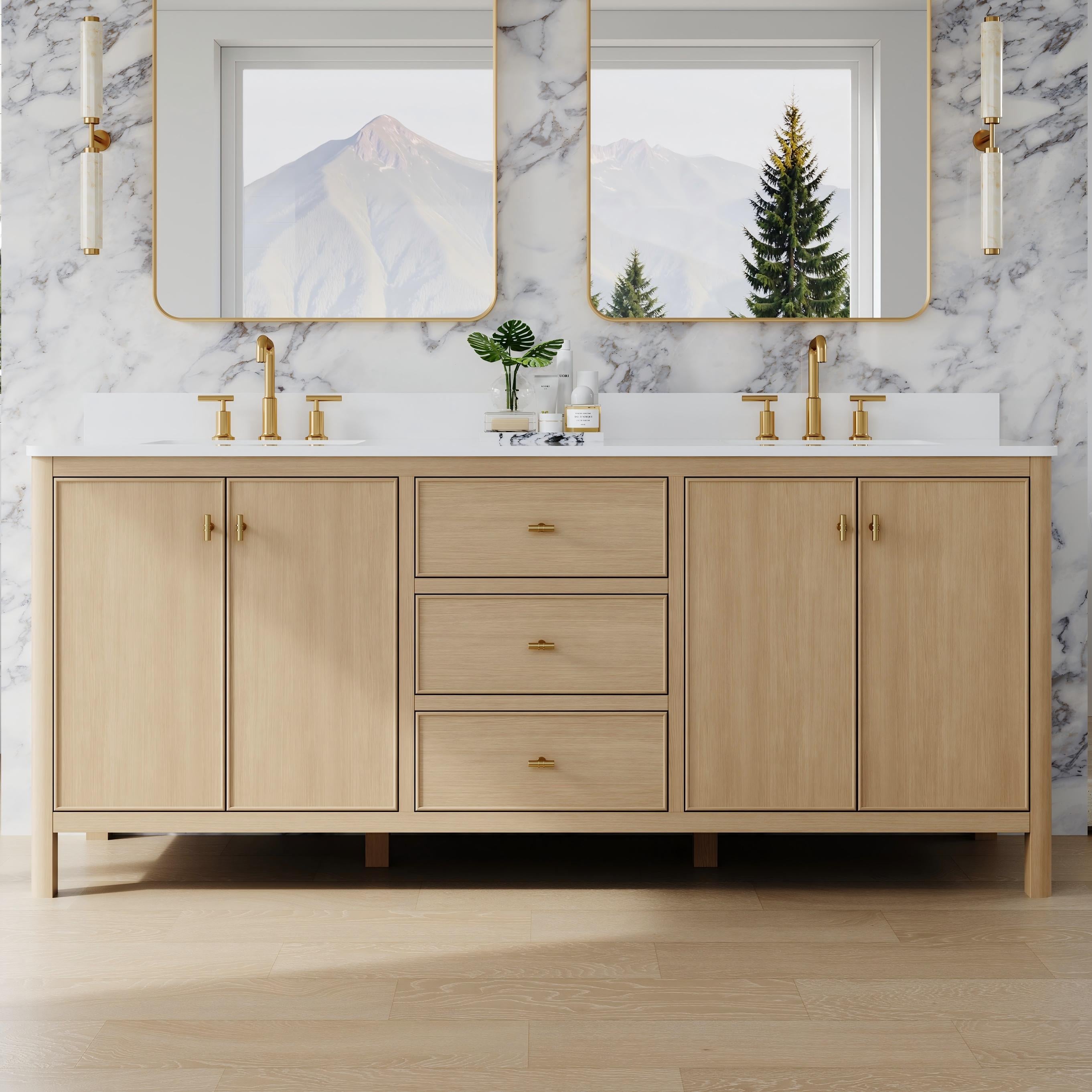
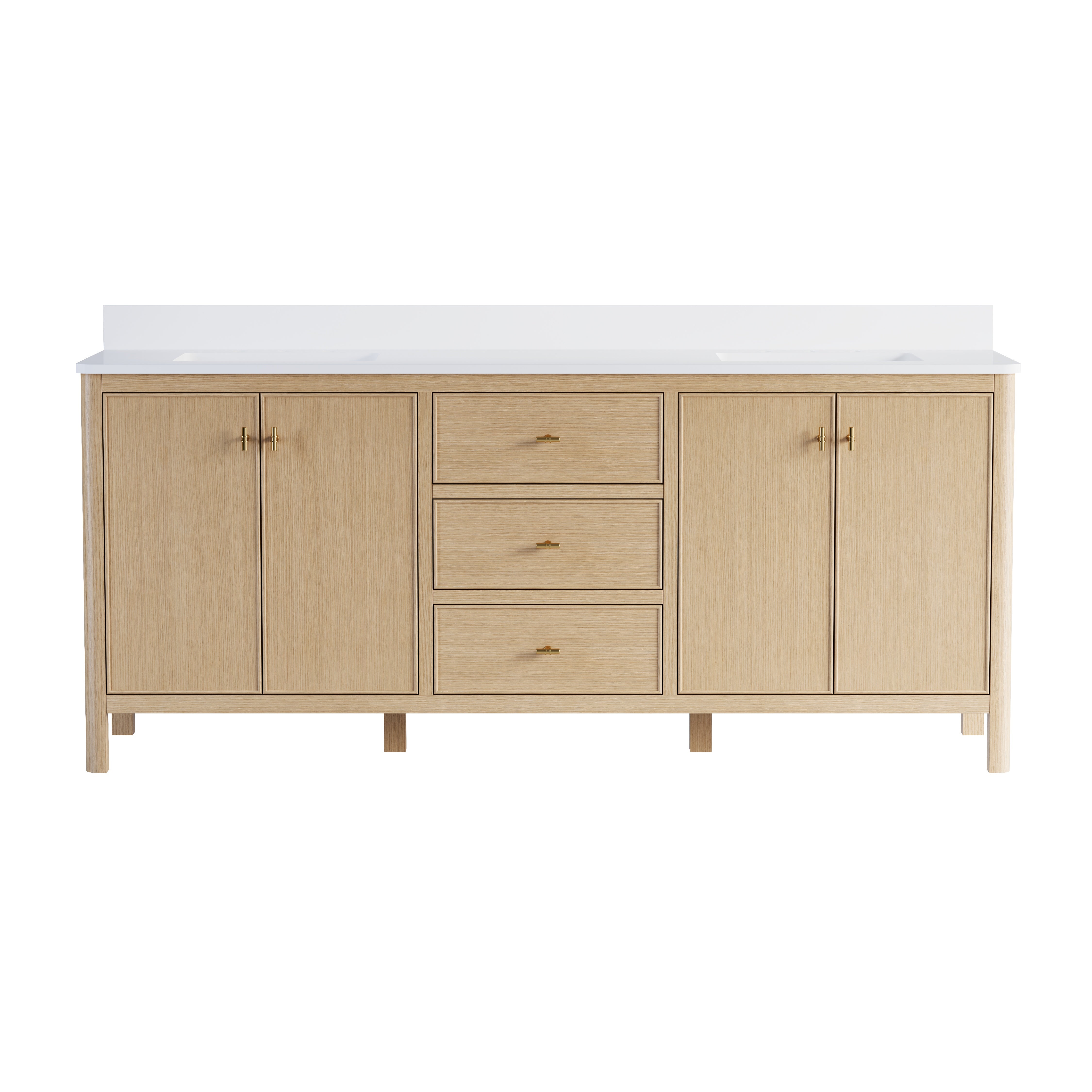


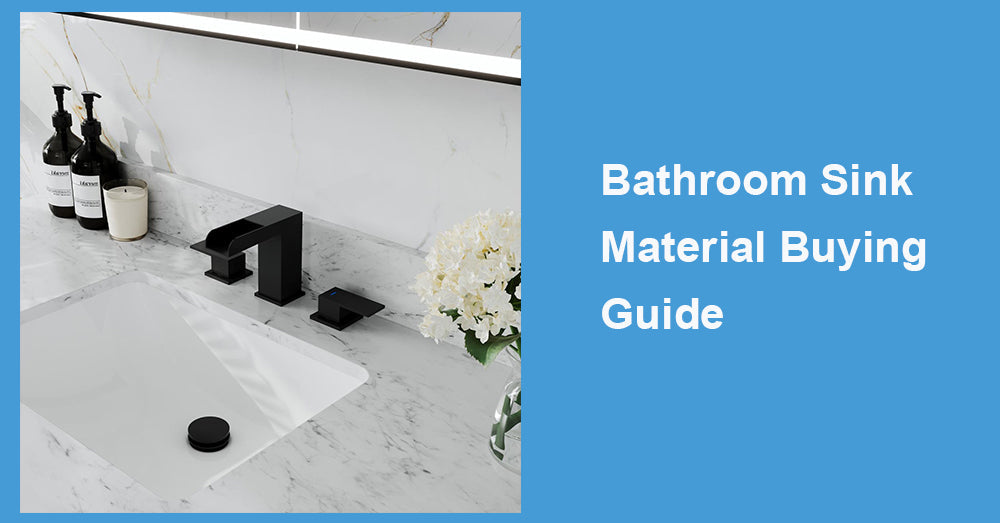
Bathroom sinks look simple, but the material you pick will decide how it wears, how easy it is to clean, and whether it still looks good five years from now. In the U.S. market, the category is active: big-box retailers keep wide selections in stock, e-commerce offers fast delivery on standard sizes, and showrooms push premium finishes and integrated tops. At the same time, homeowners want low-maintenance surfaces and slimmer, lighter forms that still meet code and hold up to daily use. Here’s a clear, news-style guide to what’s selling, what’s new, and how to choose.
What’s trending across U.S. retailers
· Matte, thin-rim profiles. The modern look is clean and slim. New molds and composites make stronger, thinner edges that don’t feel fragile.
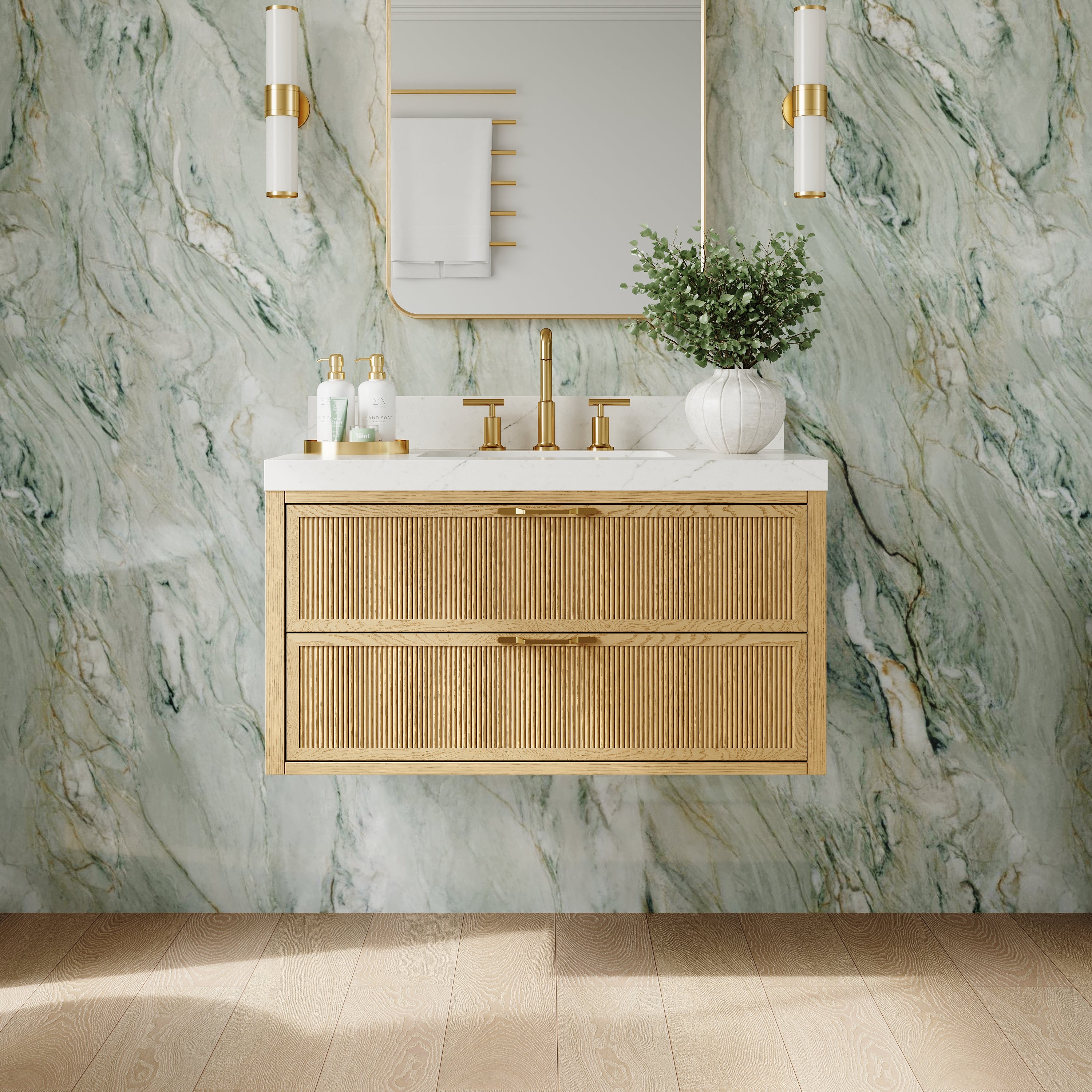
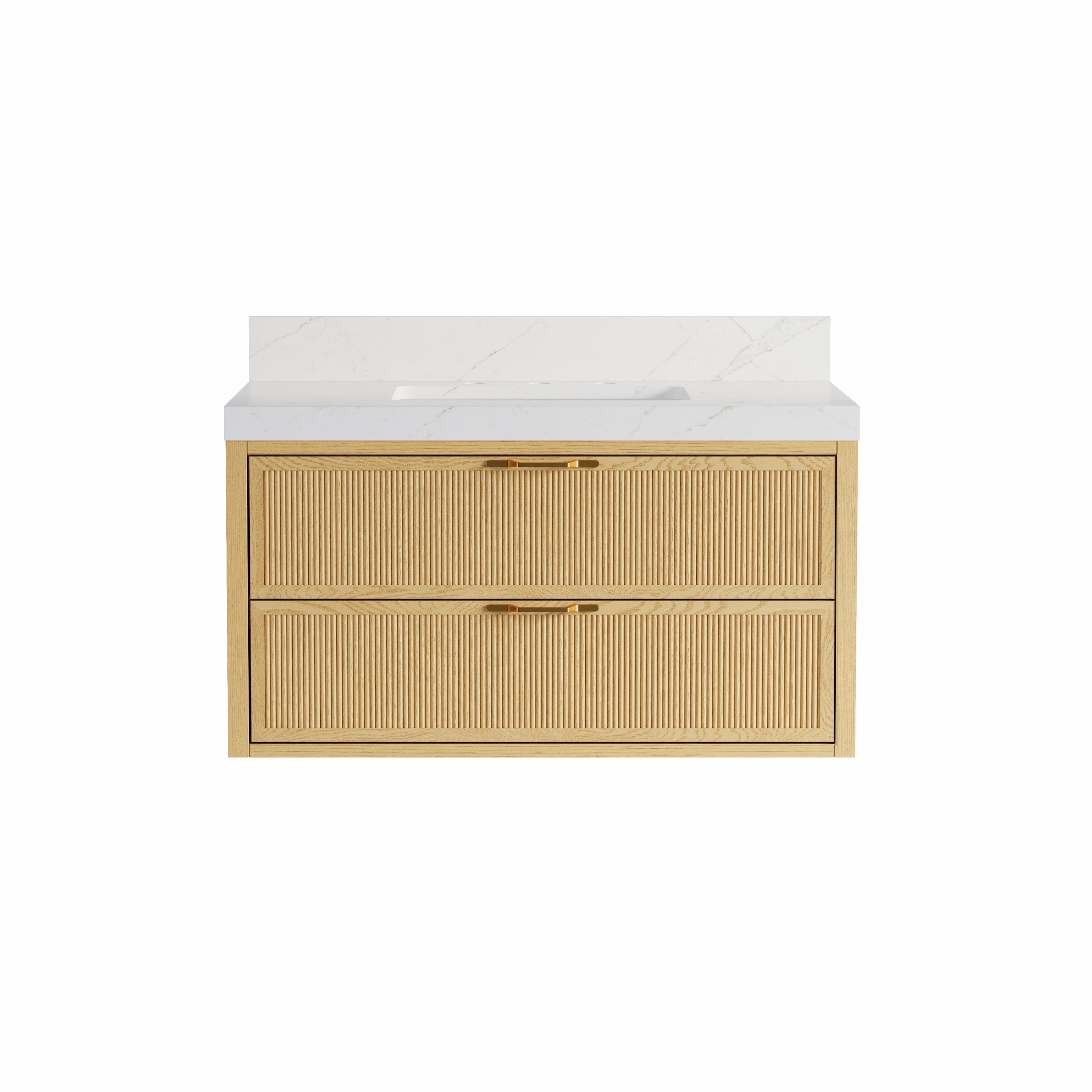
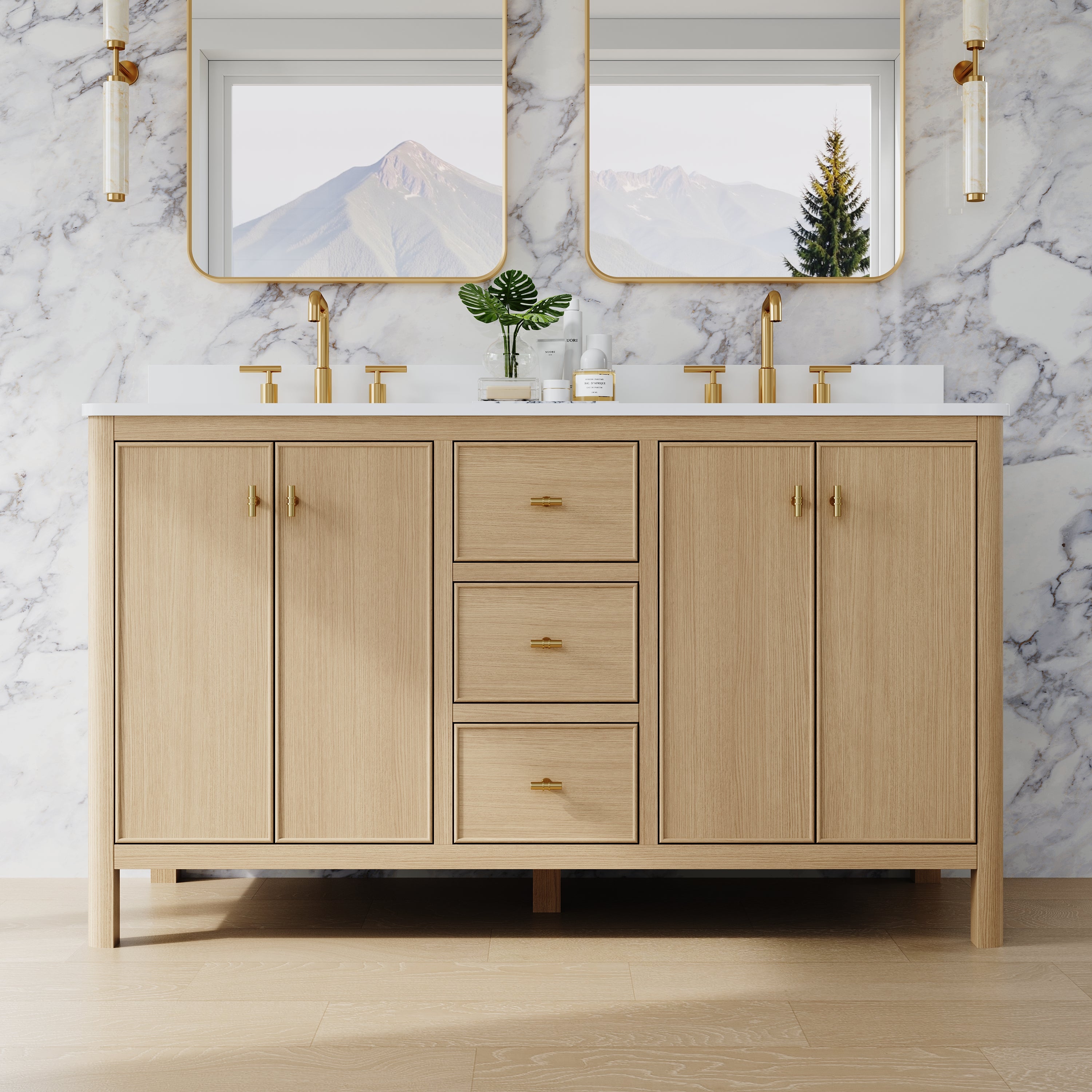
· Integrated tops and one-piece vanities. Fewer seams mean faster cleaning and fewer leak paths—popular with property managers and busy families alike.
· Repairable, refinishable surfaces. Solid-surface and mineral-composite sinks can be sanded or spot-repaired, extending service life.
· Softer palettes. Whites still dominate, but warm beige, light gray, and off-white concrete or stone looks are common in mid-market lines.
· More small footprints. Urban condos and powder rooms drive wall-hung sinks and compact vanities; weight and mounting strength matter.
The core materials—pros, cons, and best uses
Vitreous China
Why it leads: It’s the U.S. default for a reason—glossy, smooth, and easy to clean. It shrugs off toothpaste and soap scum and comes in nearly every shape: undermount, drop-in, pedestal, vessel.
Watch-outs: It can chip if struck by a hard object, and cheap glazes can craze over time. Use non-abrasive cleaners.
Best fit: Family bathrooms, rentals, quick refresh projects.
Fireclay
The pitch: A denser, higher-fired ceramic with a classic, handcrafted vibe.
Upsides: Tough glaze, slightly better impact resistance than standard porcelain.
Trade-offs: Heavier and pricier; fewer shapes.
Best fit: Traditional and coastal looks, long-term remodels.
Cast Iron with Porcelain Enamel
The pitch: Old-school durability—an iron body coated in thick enamel.
Upsides: Extremely stable, holds water heat, and has a deep, glossy finish.
Trade-offs: Very heavy; needs solid support. Chips show a dark substrate (repair kits help, but rarely fully disappear).
Best fit: Primary baths where permanence matters; vintage aesthetics.
Stainless Steel
The pitch: Hygienic, crack-proof, and often contains recycled content.
Upsides: Won’t shatter, great for utility spaces, fits modern or industrial design.
Trade-offs: Shows scratches and water spots; thickness (gauge) affects noise and feel.
Best fit: Laundry/bath combos, modern lofts, high-use spaces.
Solid Surface
The pitch: Non-porous, warm-to-the-touch surfaces that can be molded into a seamless top-and-bowl.
Upsides: Easy daily wipe-downs; light scratches can be sanded out.
Trade-offs: Sensitive to harsh chemicals and high heat; follow brand cleaning guides.
Best fit: Minimal, hotel-style vanities; multifamily projects prioritizing quick turnover and easy maintenance.
Mineral Composite / Stone Resin / Cultured Marble
The pitch: Crushed stone bound with resin, cast into stable shapes with thin edges.
Upsides: Smooth, consistent, often repairable; good thermal feel.
Trade-offs: Strong chemicals can dull the finish; avoid direct UV through skylights if the brand warns about yellowing.
Best fit: Mid-market remodels, integrated countertops, sleek undermounts.

Natural Stone
The pitch: Nothing beats real stone for unique veining and luxury.
Upsides: One-of-a-kind patterning; heavy, substantial look.
Trade-offs: Needs sealing; marble etches with acids from skincare. Heavy to mount; support plan.
Best fit: Statement powder rooms and primary suites where owners accept a little patina.
Engineered Stone
The pitch: Consistent, non-porous slabs and bowls that look like stone without stone’s fussy care.
Upsides: Stain-resistant; easy to live with.
Trade-offs: Not invincible to heat; choose compatible cleaners.
Best fit: Busy family baths seeking a “stone” look and minimal upkeep.
Tempered Glass
The pitch: Light-catching vessels in clear, frosted, or colored finishes.
Upsides: Design impact at fair prices.
Trade-offs: Shows spots and splatter; needs frequent wipe-downs; can scratch with abrasives.
Best fit: Guest powder rooms, not the kids’ bath.
Concrete
The pitch: Custom sizes and sculptural forms with an earthy vibe.
Upsides: Fully bespoke; integral shelves and troughs are doable.
Trade-offs: Requires sealing and periodic resealing; micro-cracks and tonal variation are normal. Heavy.
Best fit: Design-driven projects and spacious vanities with strong support.
Terrazzo
The pitch: A cement or resin base studded with stone or glass chips—playful and durable.
Upsides: Big visual texture; when sealed, it’s sturdy.
Trade-offs: Like stone/concrete, wants pH-neutral cleaners and sealing.
Best fit: Trend-forward powder rooms and boutique vibes at home.
Wood
Upsides: Warm, spa feel; certain species resist moisture.
Trade-offs: Needs oiling or sealing; best in low-splash settings.
Best fit: Controlled-use powder rooms or as decorative vanities with careful habits.
Mounting styles that affect material choice
· Undermount: Clean look; favors rigid rims (porcelain, quartz, solid surface). Ensure the countertop cutout is sealed.
· Drop-in (self-rimming): Easiest retrofit across materials; the rim hides the cut edge.
· Vessel: Sits on the counter; pairs well with stone, glass, and concrete. Check the overall height so it’s comfortable to use.
· Wall-hung: Space saver; requires wall blocking and rated brackets. Heavy materials (stone, cast iron, concrete) need planning.
· Pedestal: Classic; the pedestal hides plumbing, but the bowl typically bolts to the wall for real support.
Cleaning and care—keep it simple
· Glazed ceramic/fireclay: Mild bathroom cleaner and a soft sponge; avoid steel wool.
· Cast iron enamel: Non-abrasive creams; consider a basin mat to cushion dropped items.
· Stainless: Microfiber and gentle cleaners; expect a brushed patina.
· Solid surface/mineral composite: Use brand-approved cleaners; the matte can be refreshed with light sanding.
· Stone/terrazzo/concrete: pH-neutral products; seal on schedule; wipe acidic spills quickly.
· Glass: Glass cleaner or vinegar-water; squeegee to prevent spots.
· Wood: Re-oil or reseal; never leave standing water.
Price tiers and where U.S. shoppers find value
· Entry: Standard porcelain undermounts and drop-ins dominate, with a few stainless-steel utility bowls. Good for flips and rentals.
· Mid-range: Fireclay, better-finished porcelain, solid surface, or mineral-composite integrated tops—popular for primary bath refreshes.
· Premium: Cast iron enamel, carved stone, custom concrete or terrazzo, designer glass. Expect higher install costs due to weight or fabrication.
Remember to budget for a quality drain, P-trap, and matching faucet; a great sink paired with a flimsy pop-up is a false economy.
Common mistakes to avoid
· Choosing by looks only (a marble vessel in a kids’ bath will frustrate you).
· Forgetting faucet height and reach with vessel sinks.
· Ignoring bowl geometry—flat bottoms can pool water and leave rings.
· Underestimating weight; don’t mount heavy basins on weak cabinets.
· Using harsh chemicals that etch or dull surfaces.
Bottom line
There isn’t one “best” bathroom sink material—there’s the best match for how you live, clean, and design. If you want set-and-forget simplicity, glazed porcelain is still the U.S. workhorse. Suppose you like seamless looks and repairability, and a solid-surface or mineral-composite shine. For natural drama, and you don’t mind maintenance, stone delivers. Cast iron is heirloom-tough, stainless is utility-smart, and glass, concrete, terrazzo, and wood offer style statements with care trade-offs. Decide how the bath is used, pick a mounting style, confirm size and support, and choose the material that makes everyday life easier—and makes you smile at the sink every morning.



































Leave a comment
This site is protected by hCaptcha and the hCaptcha Privacy Policy and Terms of Service apply.