
















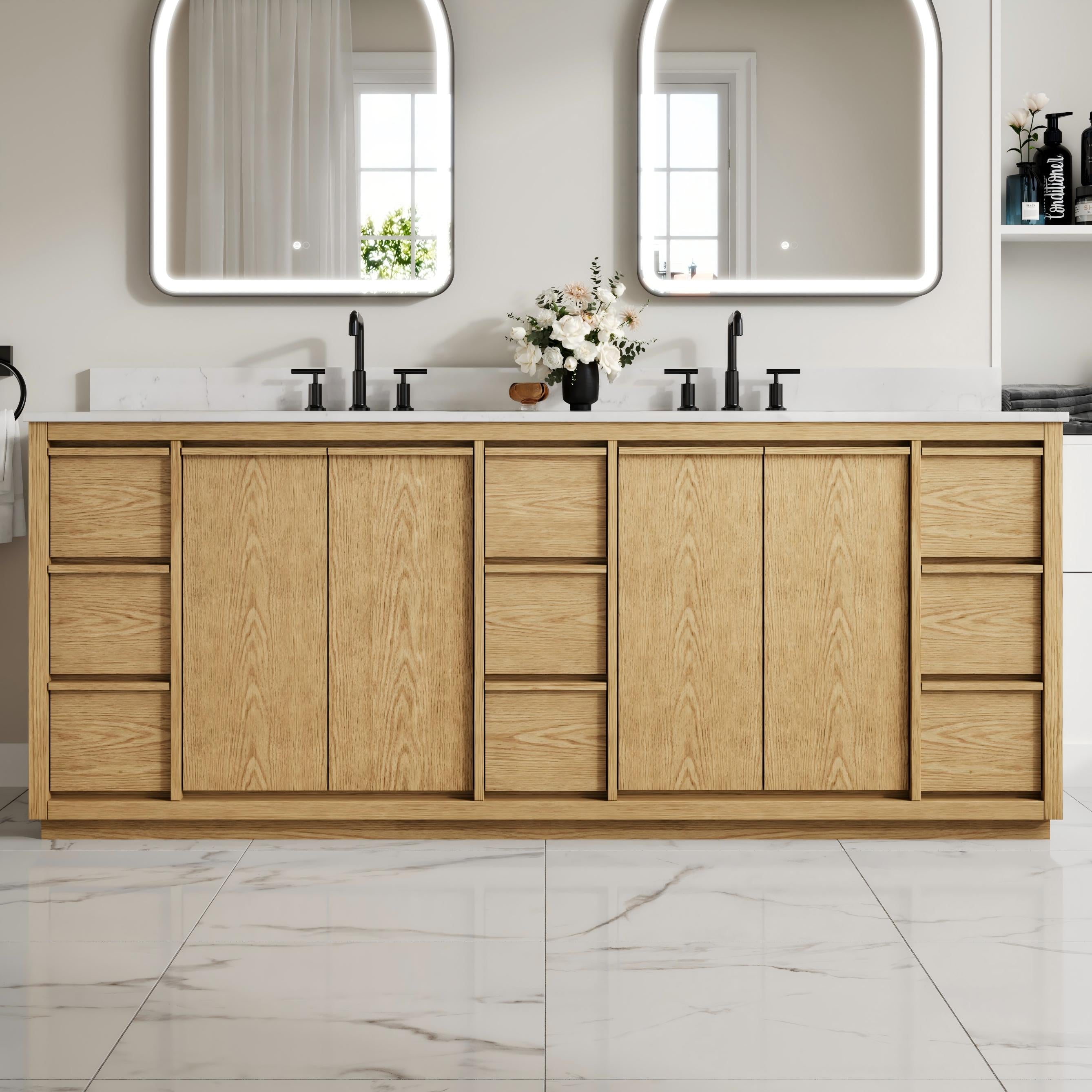
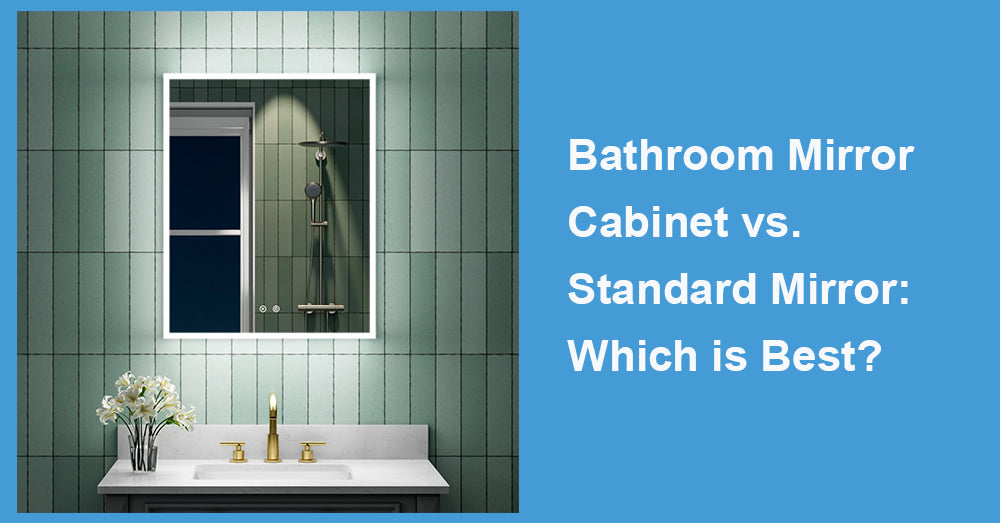
In modern bathroom design, the choice between a bathroom mirror cabinet and a traditional flat mirror is no longer just a matter of style preference, but a comprehensive judgment of space efficiency, storage capacity, and overall functional planning. With the refinement of residential area structure, vertical space utilization has become the core trend. Industry data shows that in bathrooms with an area of less than 70 square feet, over 50% of renovation projects prioritize mirror cabinet systems with storage. In spaces that emphasize minimalist aesthetics, standard mirrors still maintain a stable demand. Both have their own advantages; the key lies in spatial conditions and usage habits.
1. Infrastructure differences: storage vs. pure visual
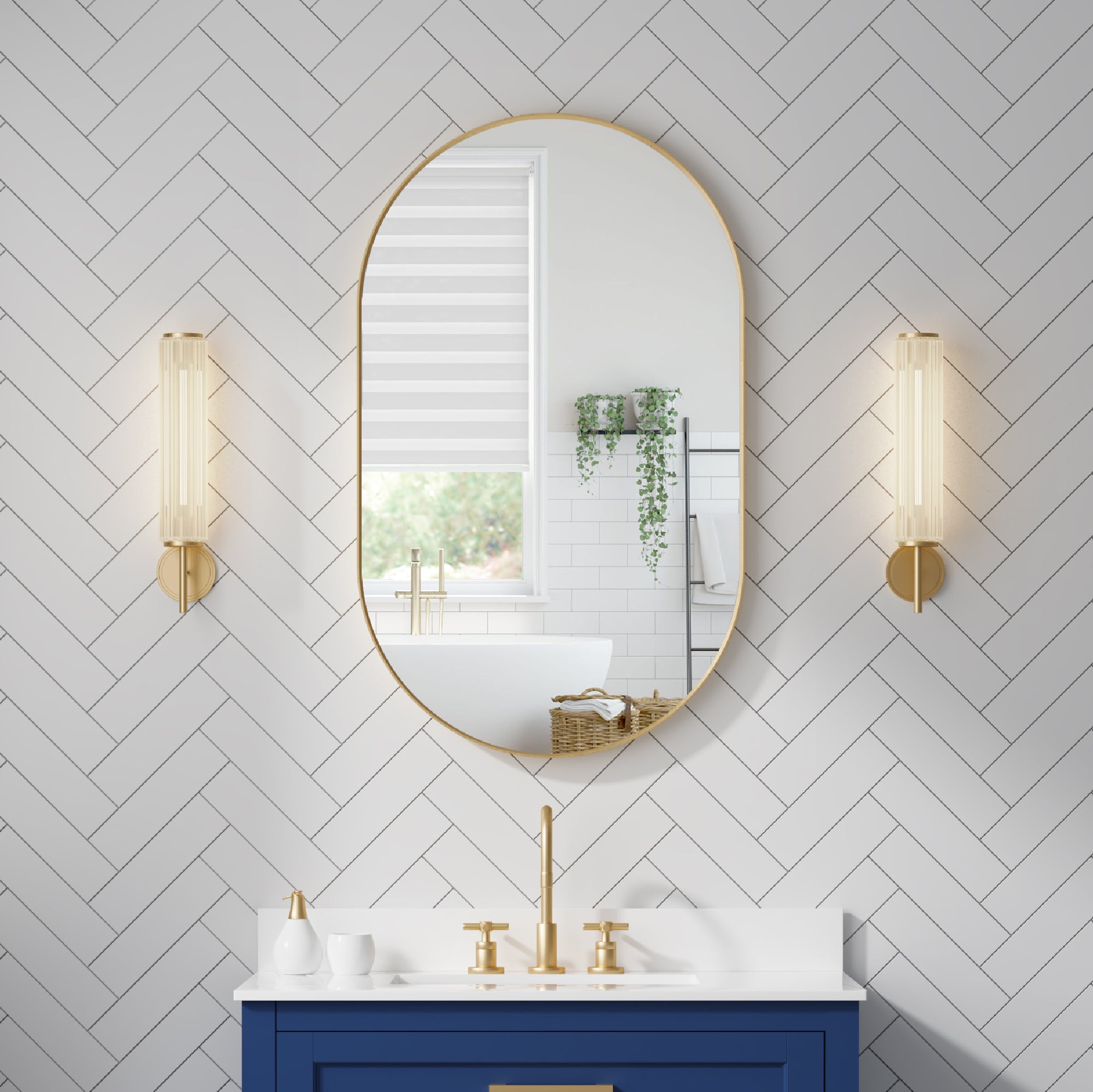
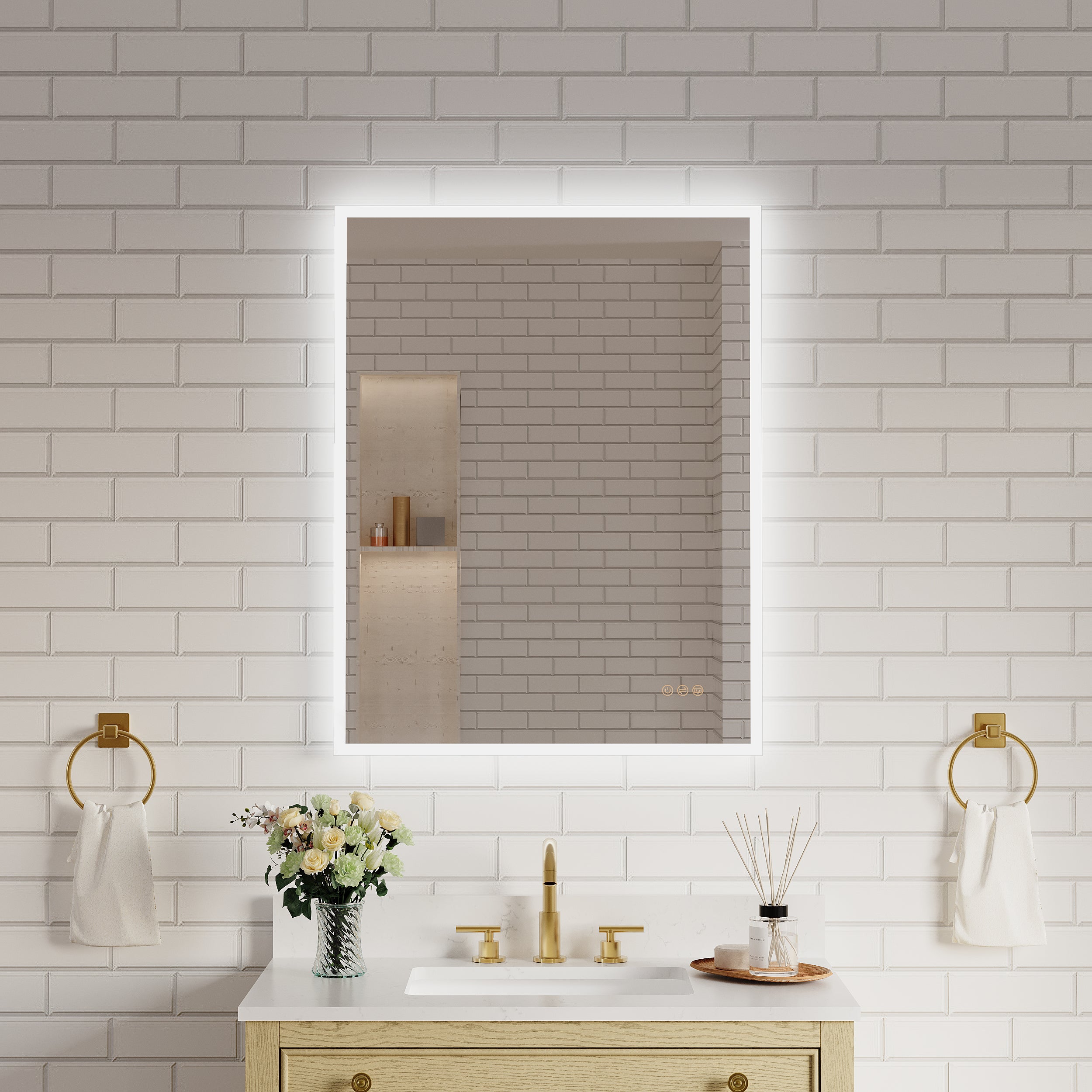
A standard mirror is usually a single-layer glass structure with a thickness of about 1/4-inch. The installation method is simple and occupies minimal wall space. Its advantage lies in its visual lightness, which is suitable for designs that emphasize spatial transparency.
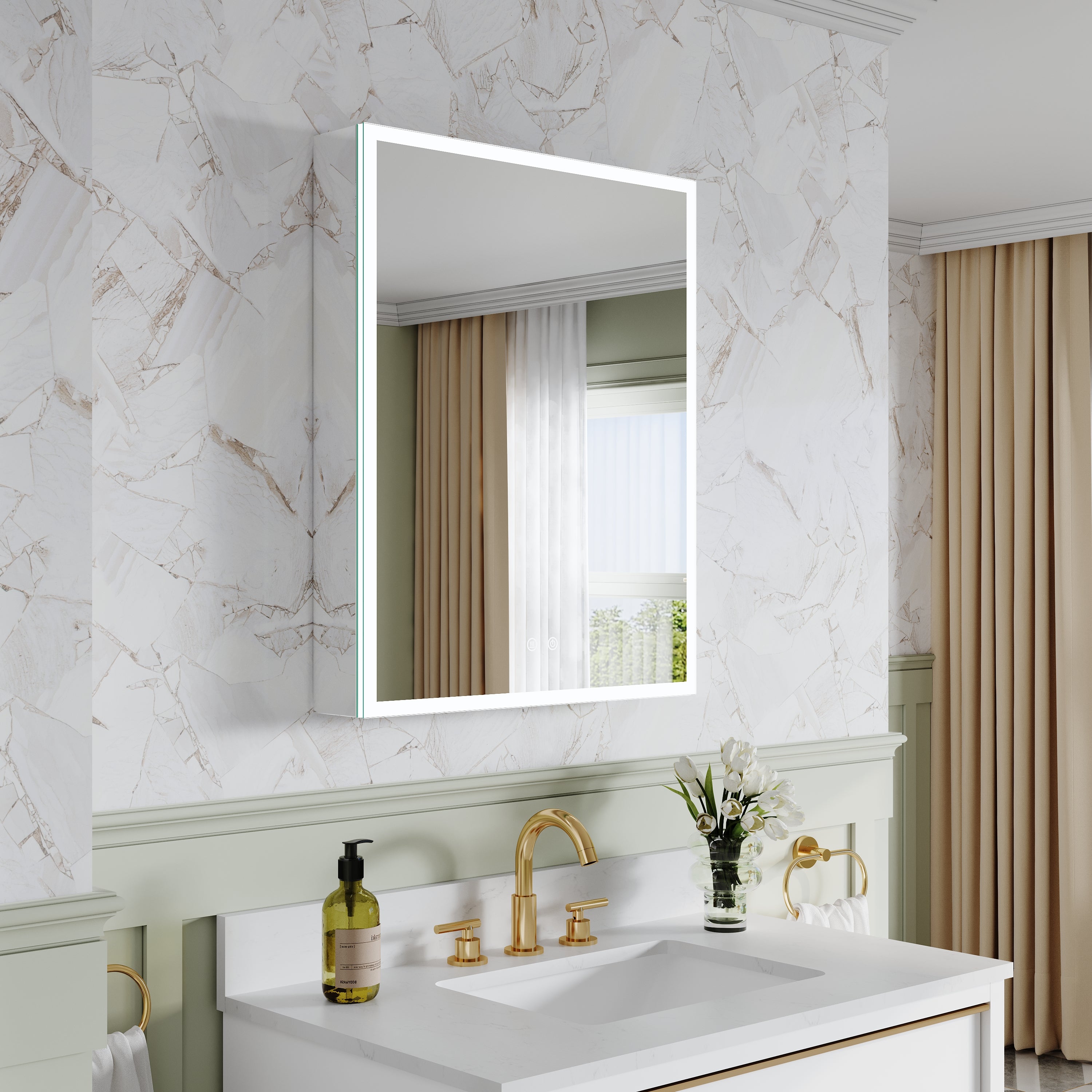
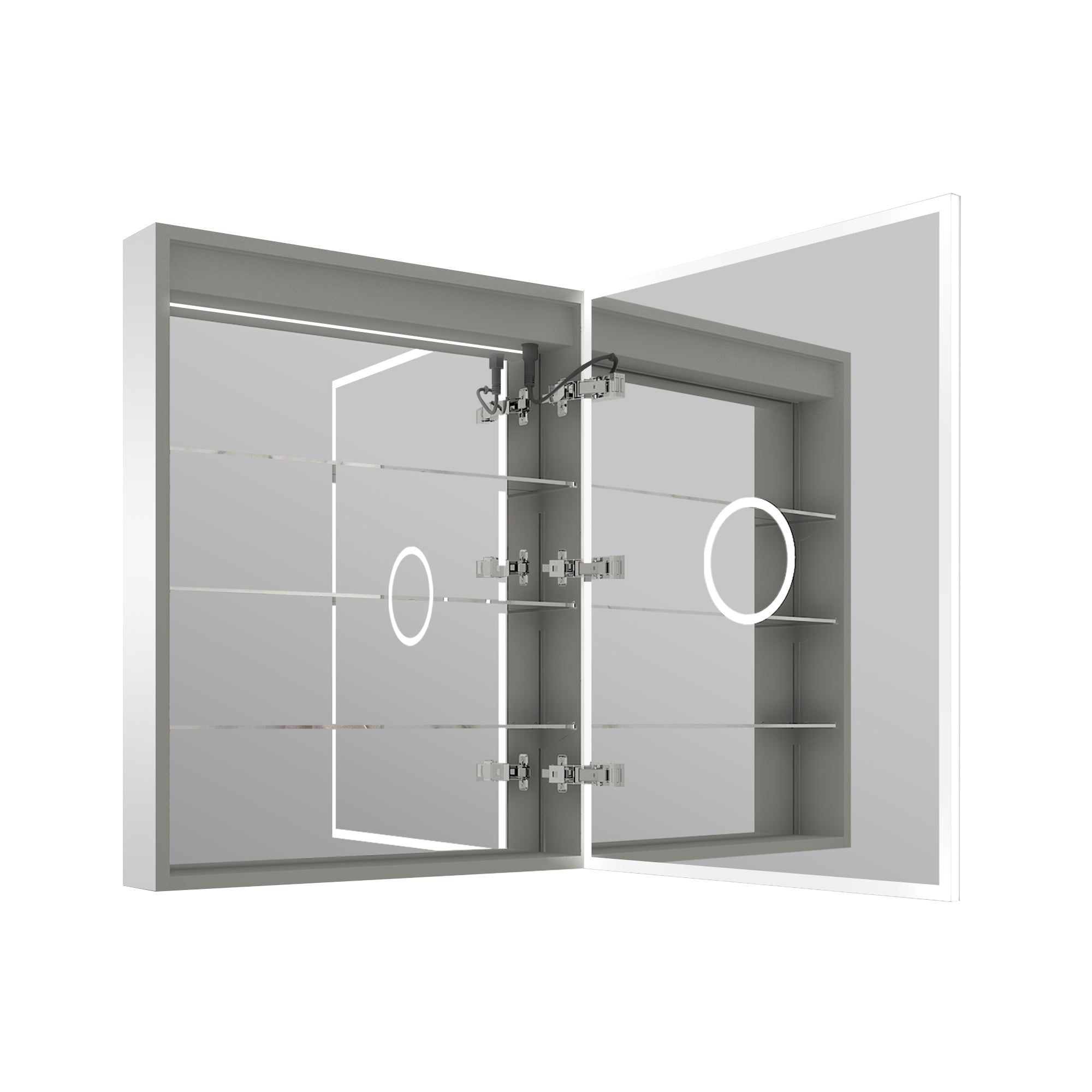
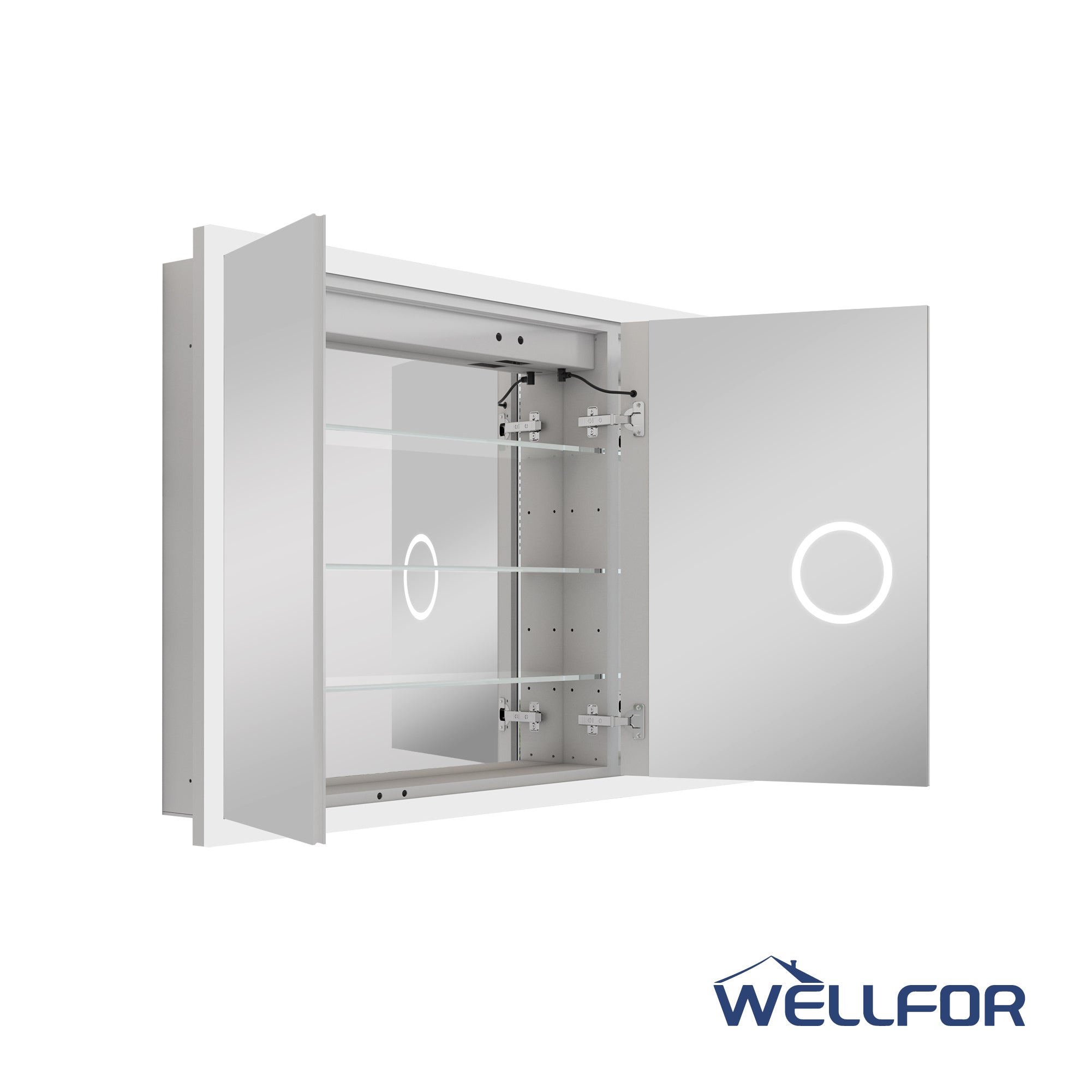
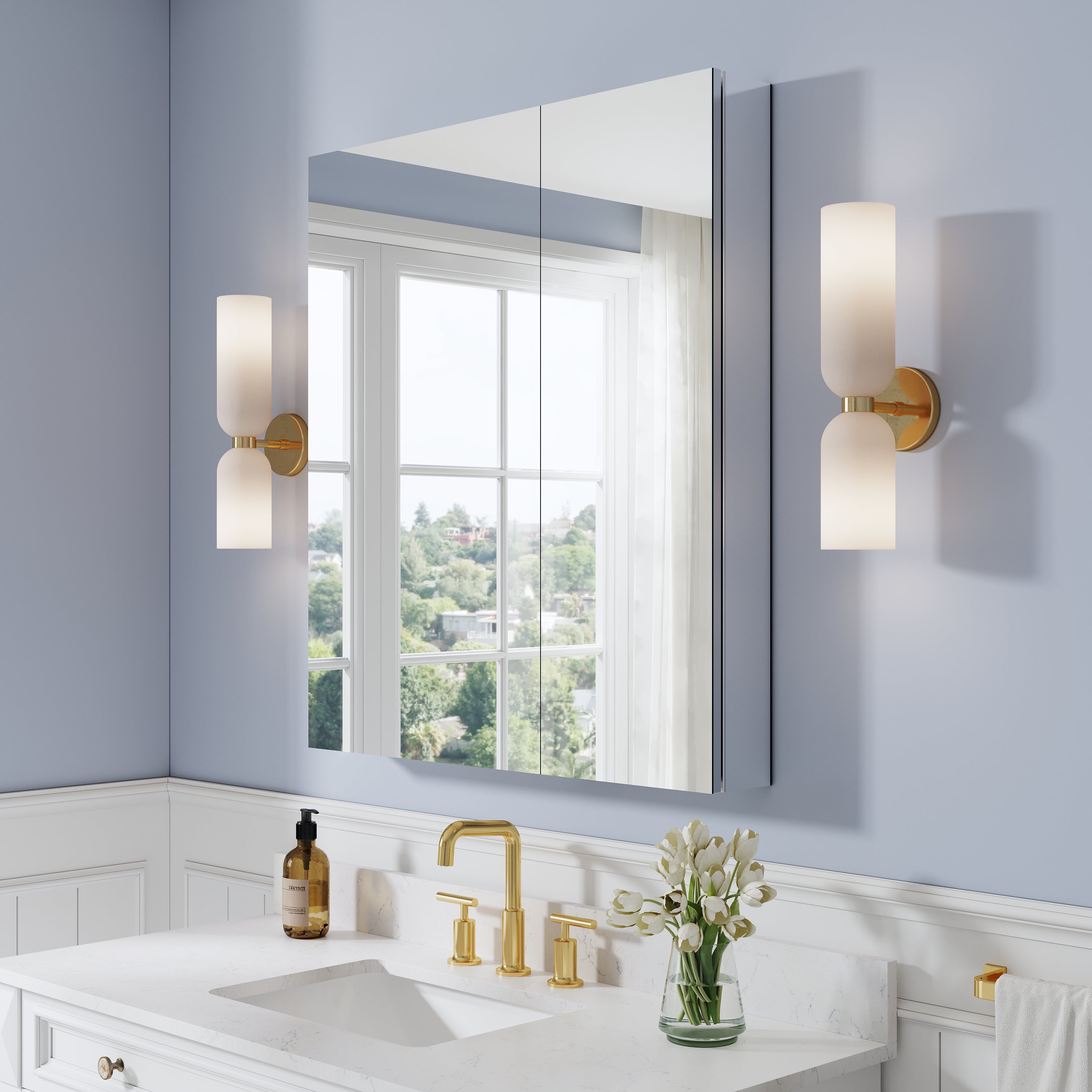
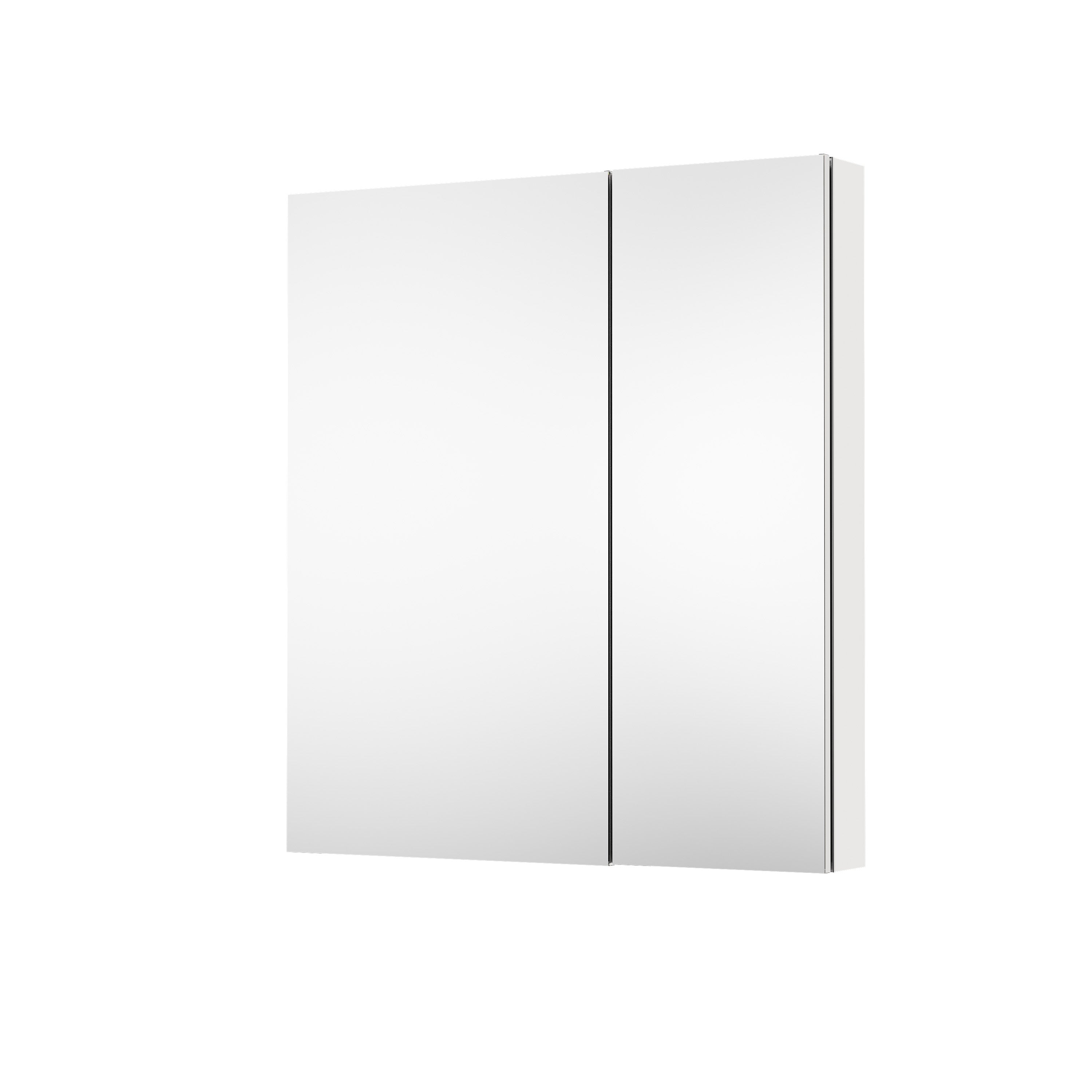
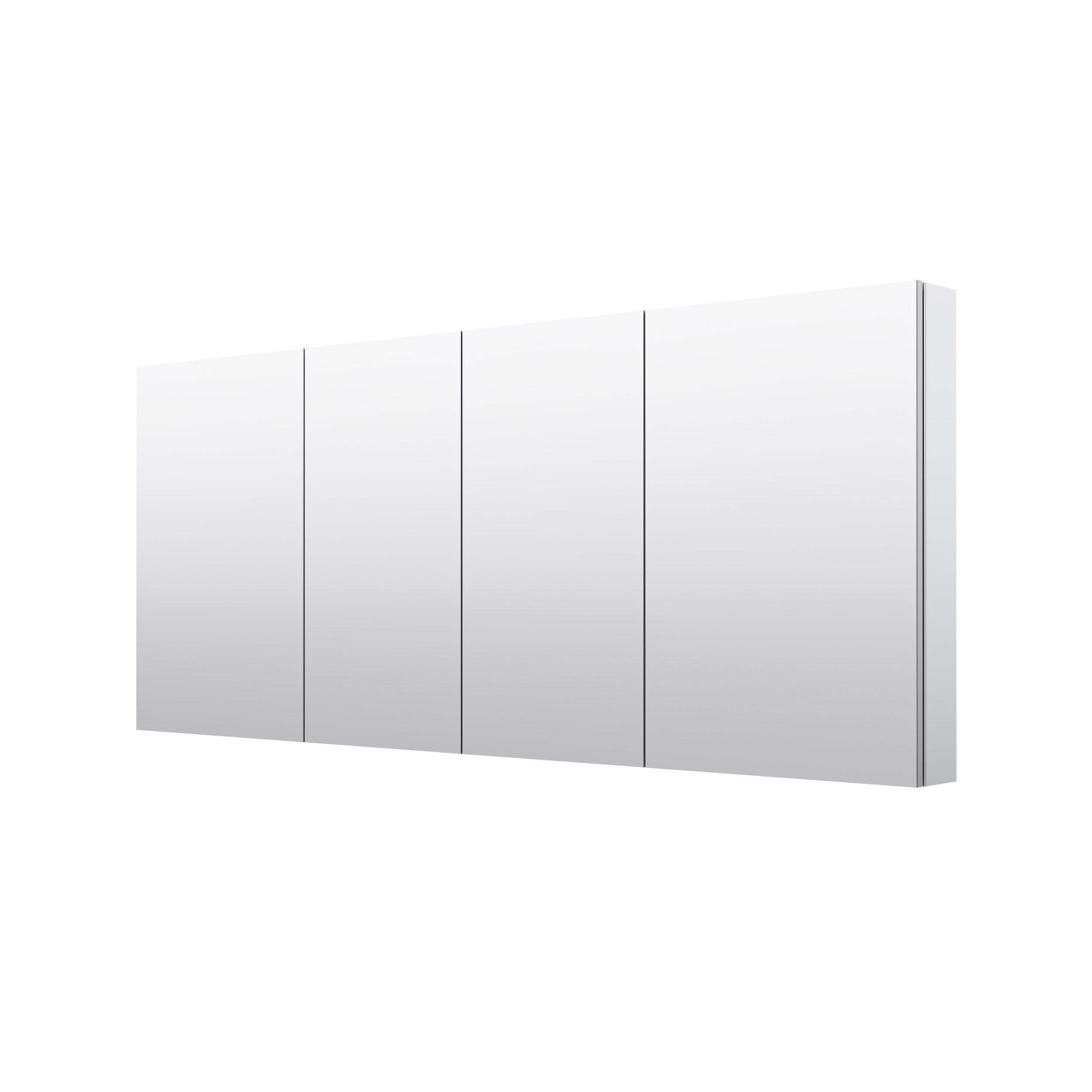
The depth of the mirror cabinet structure is usually between 4 and 6 inches, with an internal height of about 24 to 30 inches, and 3 to 4 adjustable partitions can be installed. Compared to standard mirrors, mirror cabinets can increase vertical storage capacity by approximately 50%-70%.
Data shows that in small bathrooms, the use of mirror cabinets reduces countertop clutter by about 30% and significantly improves overall visual cleanliness.
2. Size matching and spatial proportion
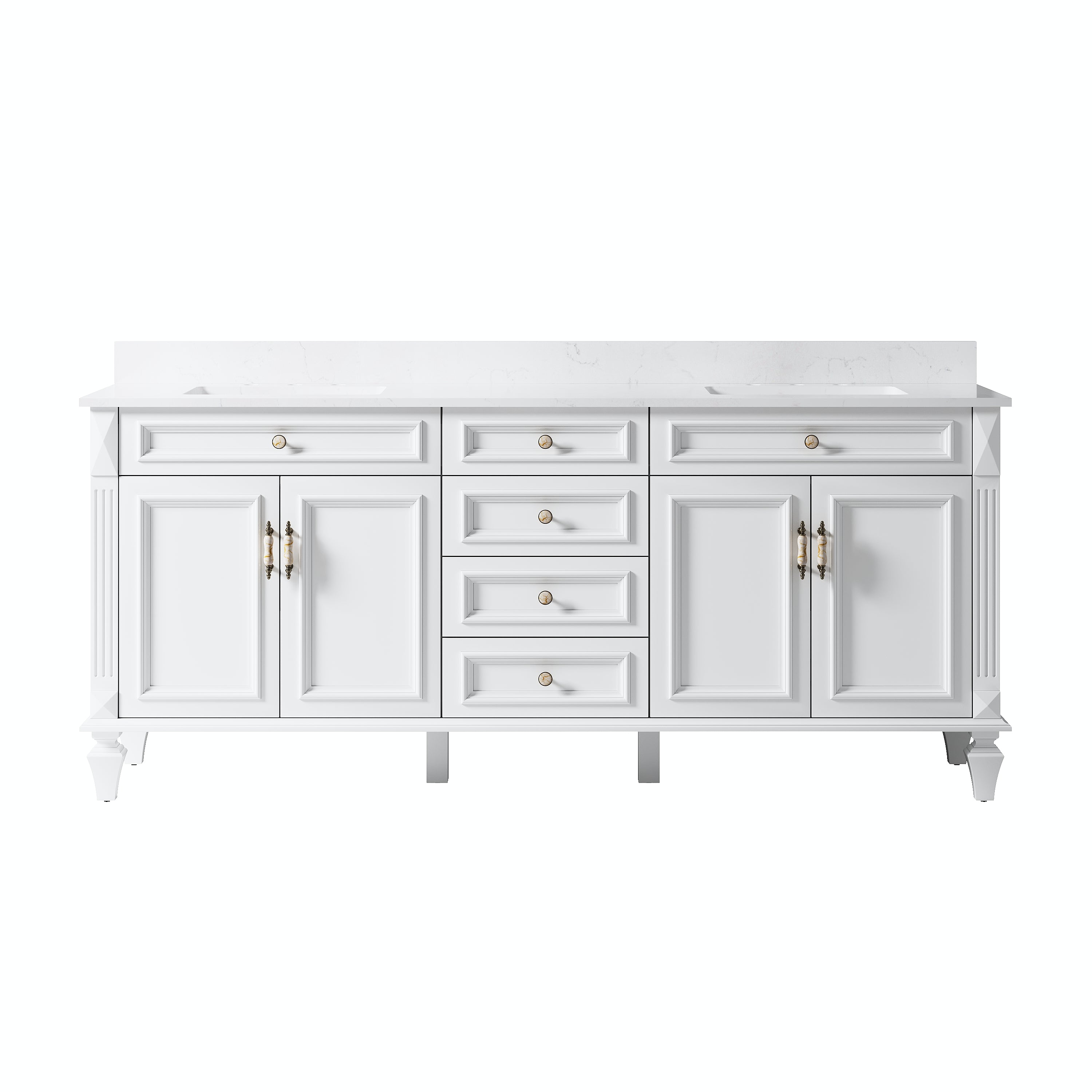
The logical size match between the two should be coordinated with the countertop width. Common countertop specifications include 24, 30, 36, 48, 60, and 72 inches.
It is recommended to control the width of the mirror or mirror cabinet to 80%-100% of the tabletop width. For example:
30-inch countertop → 24-30 inch mirror or mirror cabinet
36-inch countertop → 28-36-inch mirror or mirror cabinet
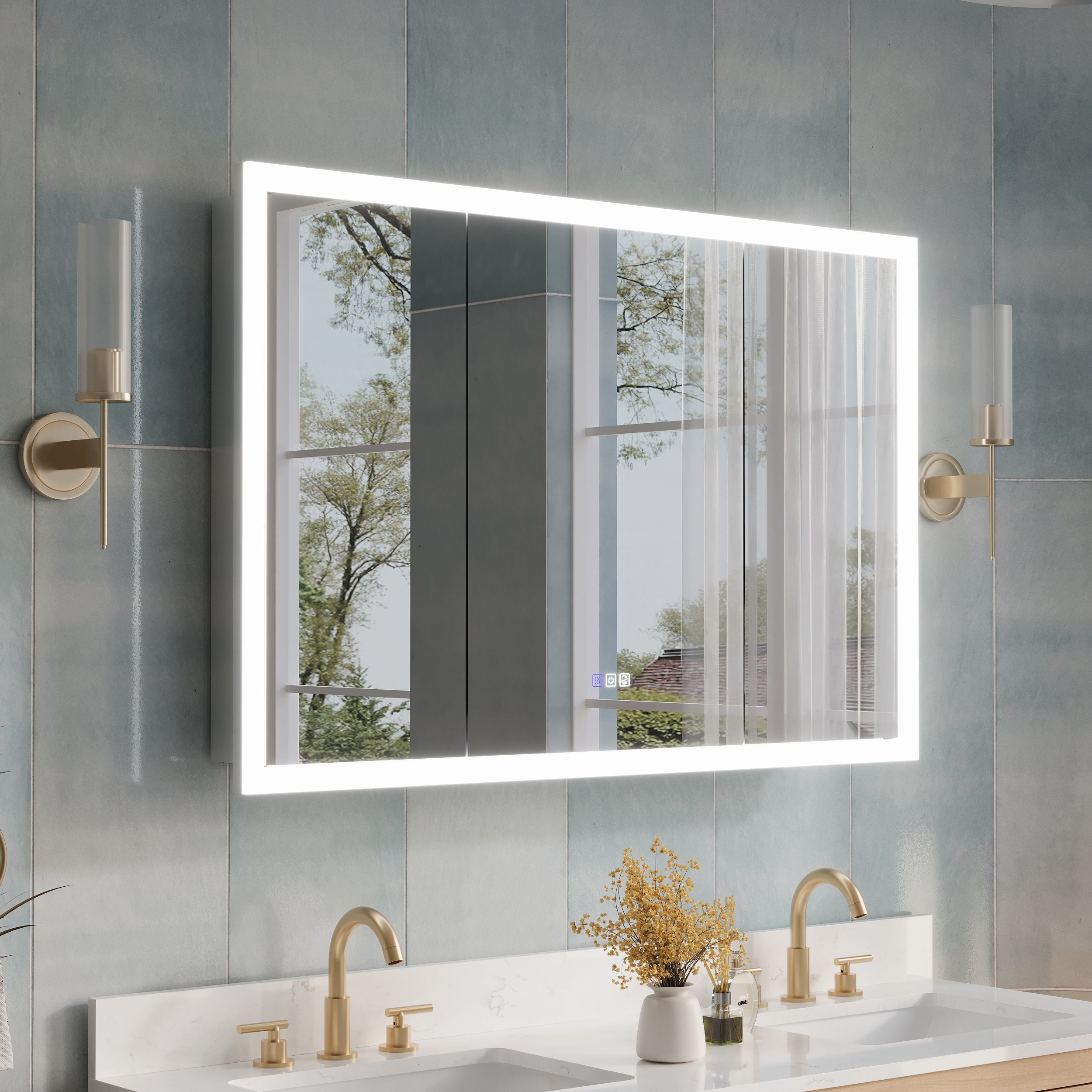
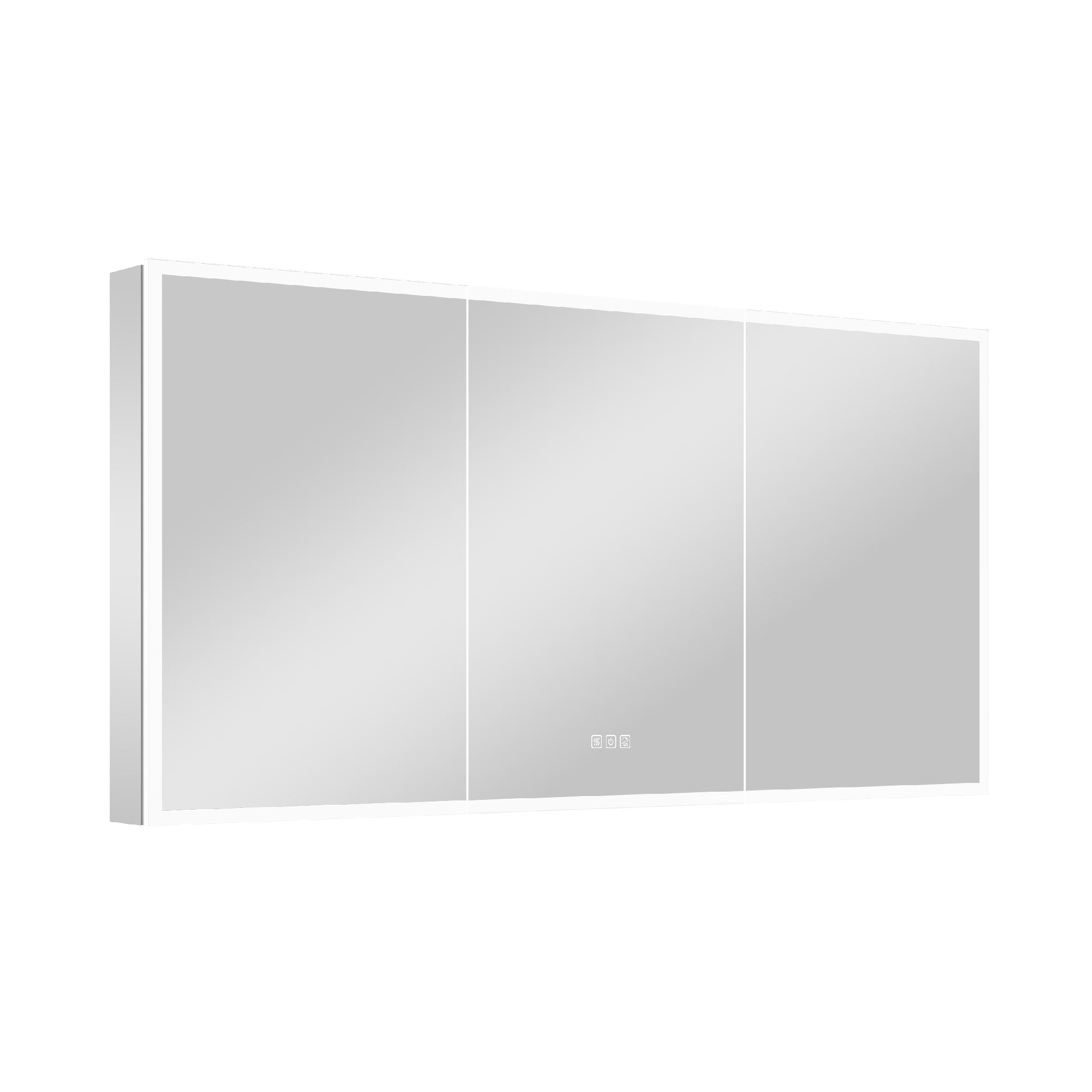
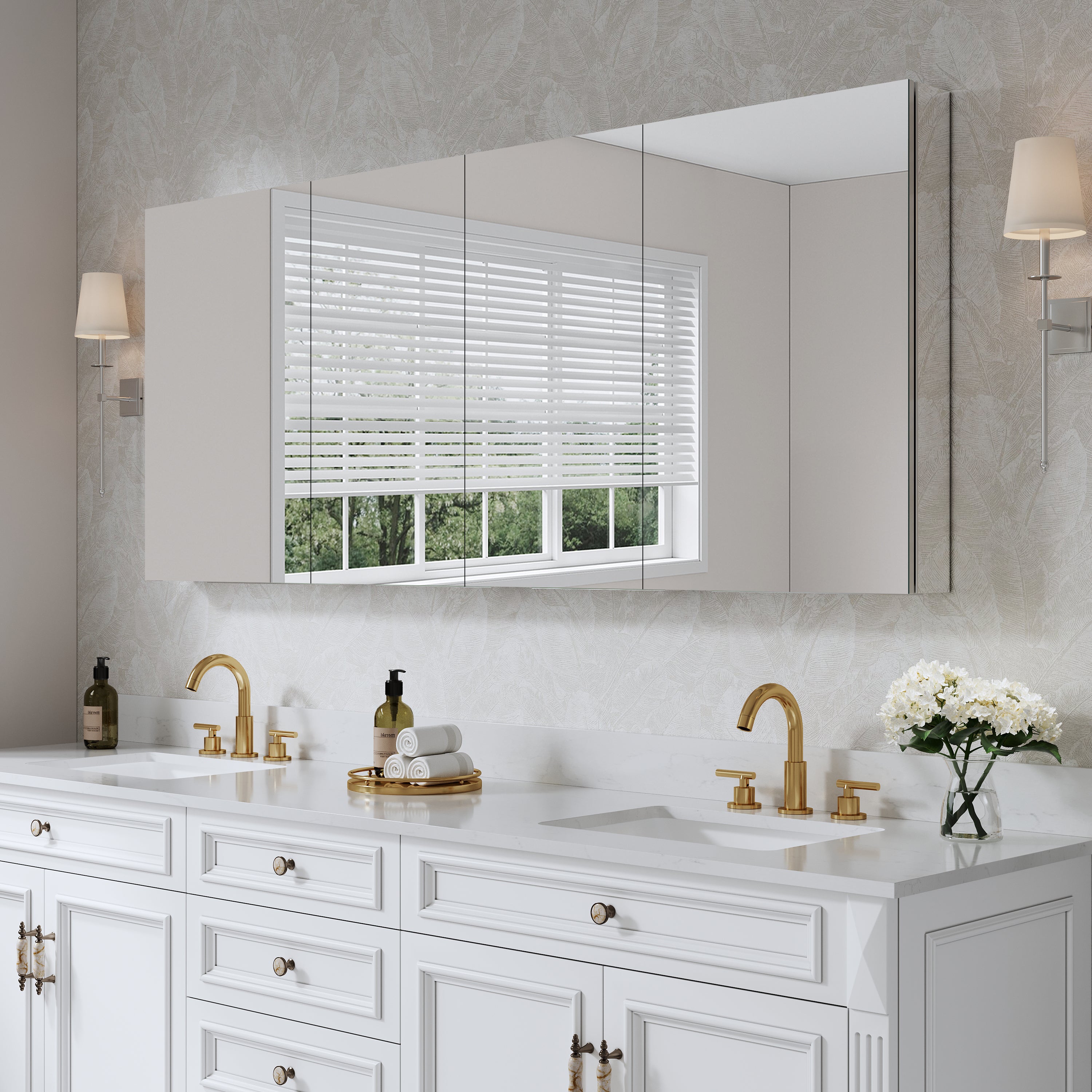
60-inch double basin → optional full mirror or double door mirror cabinet
Standard mirrors are more suitable for compact layouts due to their lack of thickness extension. If the mirror cabinet is surface-mounted, it will protrude about 4-6 inches outward, so caution should be exercised when evaluating spaces less than 60 square feet.
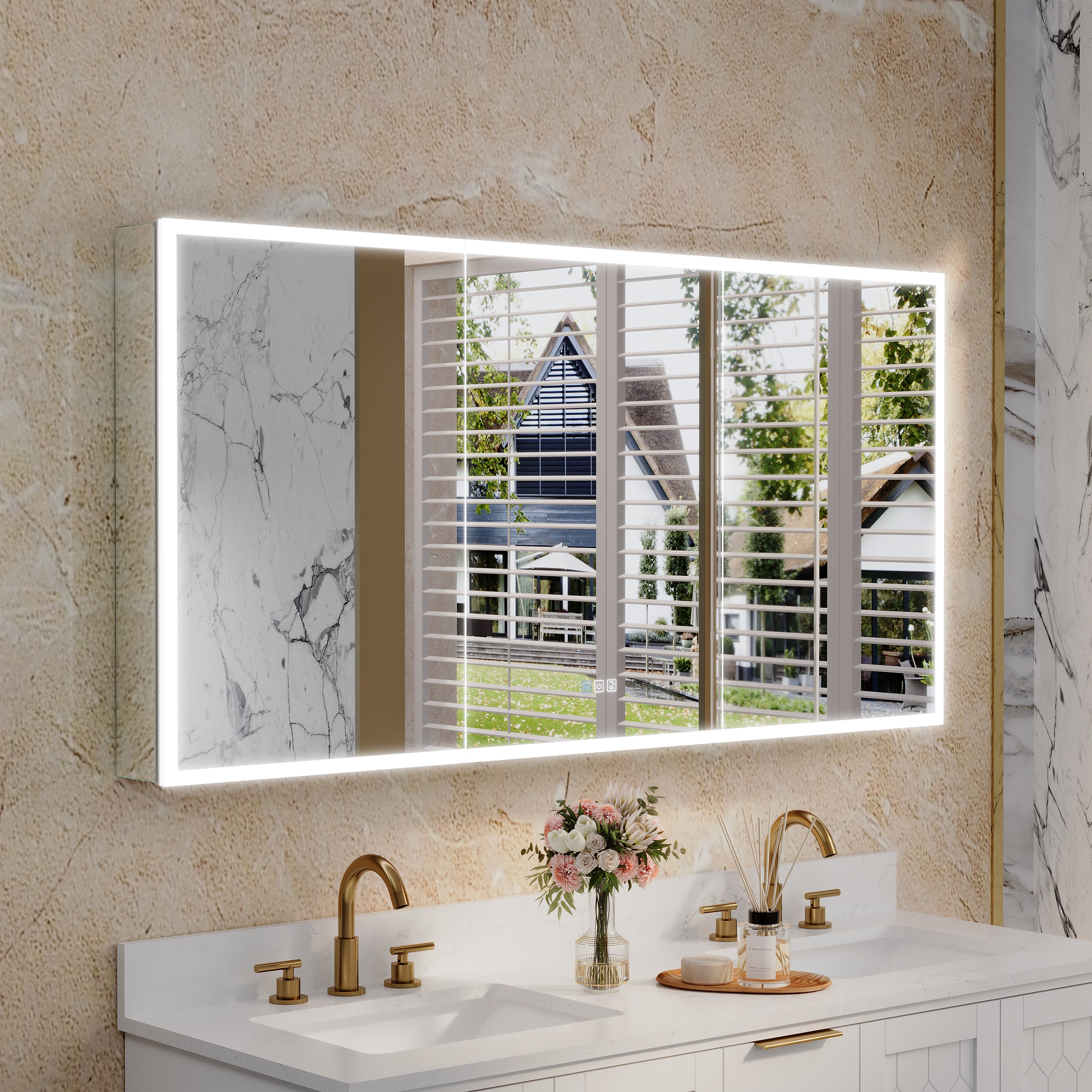
If an embedded installation is allowed on the wall, the mirror cabinet can be flush with the wall, with only about 1 inch of exposed frame, providing a visual effect closer to that of a standard mirror.
3. Function comparison: Who is more practical?
The core advantages of standard mirrors are simplicity and low cost. It is easy to install and maintain, and does not involve internal structures or circuitry.
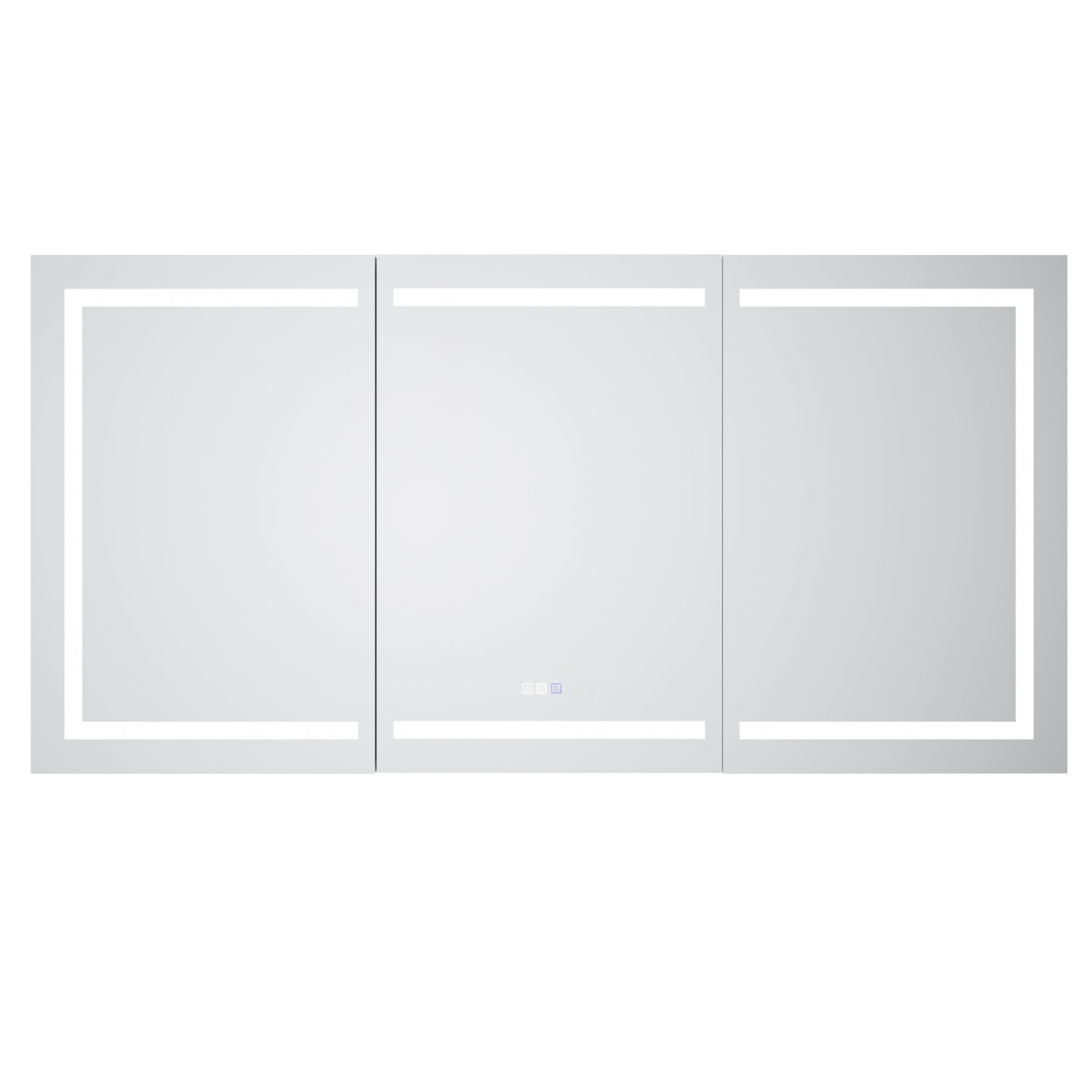
Mirror cabinets emphasize functional integration. Its advantages include:
Hidden storage reduces stacking on countertops
Can be classified for storing drugs, skincare products, and power tools
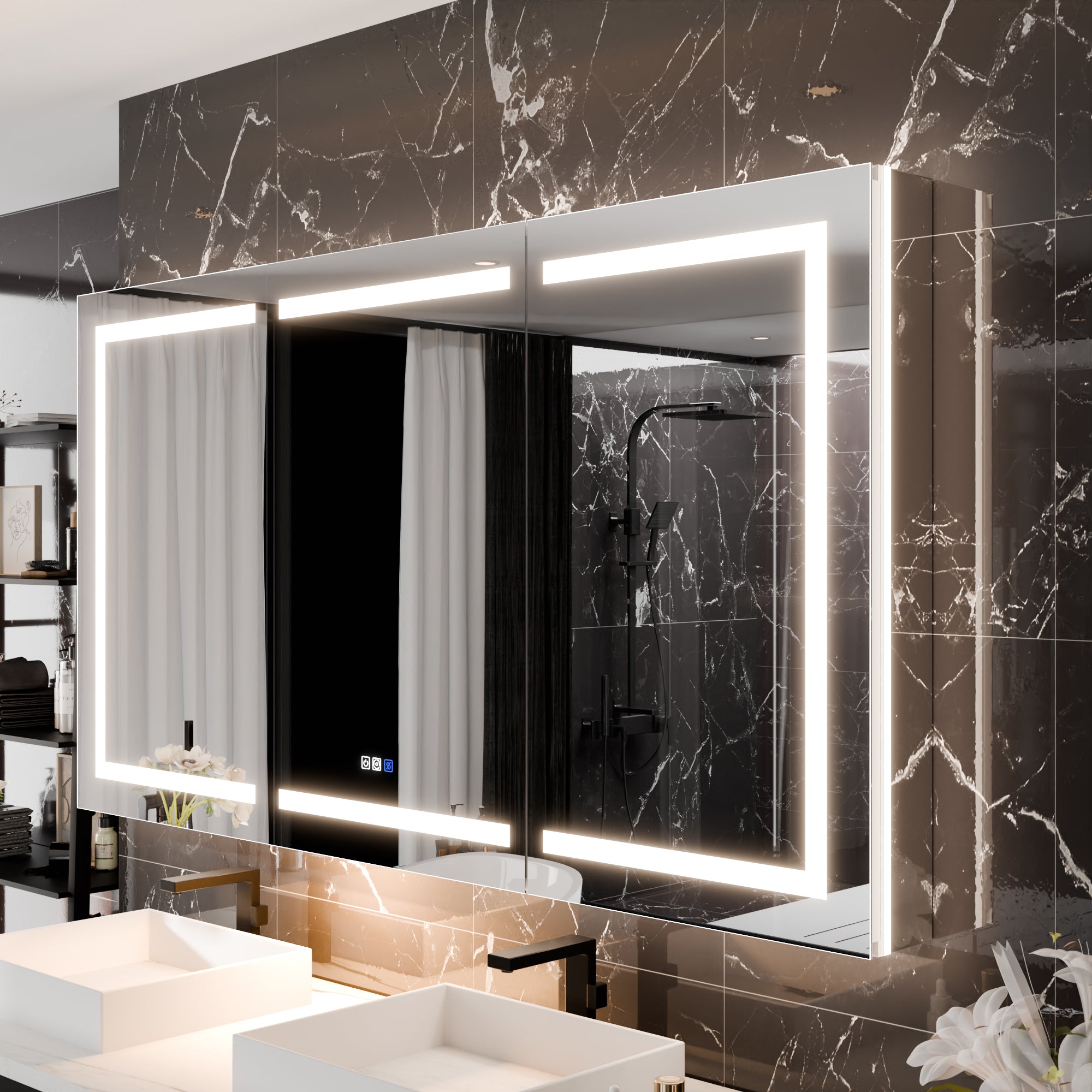
Can integrate LED lighting and an anti-fog function
Data shows that in spaces equipped with illuminated mirror cabinets, the overall illumination is increased by about 20%-30%, especially in environments with insufficient natural light, which is more advantageous.
For households with a large number of daily necessities, mirror cabinets can significantly improve usage efficiency; for layouts that pursue minimalist visuals or have sufficient storage space, standard mirrors are sufficient.
4. Installation complexity and cost difference
Installing standard mirrors is relatively simple, and in most cases, only a fixed bracket or pendant is needed to complete the installation.
The installation of mirror cabinets requires consideration of wall load-bearing capacity and power supply reservation (if equipped with lights or an anti-fog function). Embedded installation usually requires wall-opening construction, which may cost about 20%-30% more and take about 20%-30% longer.
However, from a long-term usage perspective, mirror cabinets can reduce the need for additional storage cabinet purchases and may achieve a balance in the overall budget.
5. Visual Style and Design Trends
In modern, minimalist styles, large-area frameless standard mirrors remain popular, especially in 48-inch or 60-inch-wide spaces, which can enhance the sense of spatial extension.
In the modern light-luxury style that emphasizes functional integration, mirror cabinets with lighting are more popular. Data shows that the usage rate of mirror cabinets with integrated lighting and storage functions has been increasing year by year in high-end renovation projects.
Frameless mirrors emphasize pure reflective effects; mirror cabinets emphasize practicality and hidden aesthetics.
6. Maintenance and Durability
Standard mirrors require almost no additional maintenance and only need regular cleaning.
For mirror cabinets, attention should be paid to the internal shelves, moisture-proof structure, and hinge hardware. It is recommended to check the hardware connectors every 6-12 months.
If the mirror cabinet is equipped with an electrical system, ensure the safety and stability of the power supply and wiring. The service life of high-quality LED systems is usually over 40000 hours.
7. Applicable scenario analysis
Which option to choose can refer to the following scenarios:
Small public restrooms (24-inch or 30-inch countertops) with high storage requirements → Mirror cabinets are more practical.
Large main bathroom (60-inch or 72-inch double basin) with independent storage cabinet → Standard mirror is more concise.
Insufficient natural light space → The light mirror cabinet has more advantages.
Minimalist visual style → Standard mirror is purer.
Industry data shows that in households with clear storage needs, mirror cabinet satisfaction is about 25% higher than standard mirrors.

8. Conclusion
There is no absolute superiority or inferiority between a bathroom mirror cabinet and a standard mirror; rather, it is a matter of choice in terms of functionality and style. Standard mirrors emphasize simplicity and transparency, while mirror cabinets emphasize integration and efficiency.
In practical decision-making, a comprehensive evaluation should be conducted based on the bathroom area (e.g., compact spaces below 60 square feet), countertop width (e.g., 36-inch or 60-inch), storage requirements, and design style. By making reasonable choices, not only can spatial order be improved, but also an ideal balance can be found between visual and functional aspects.












Leave a comment
This site is protected by hCaptcha and the hCaptcha Privacy Policy and Terms of Service apply.