














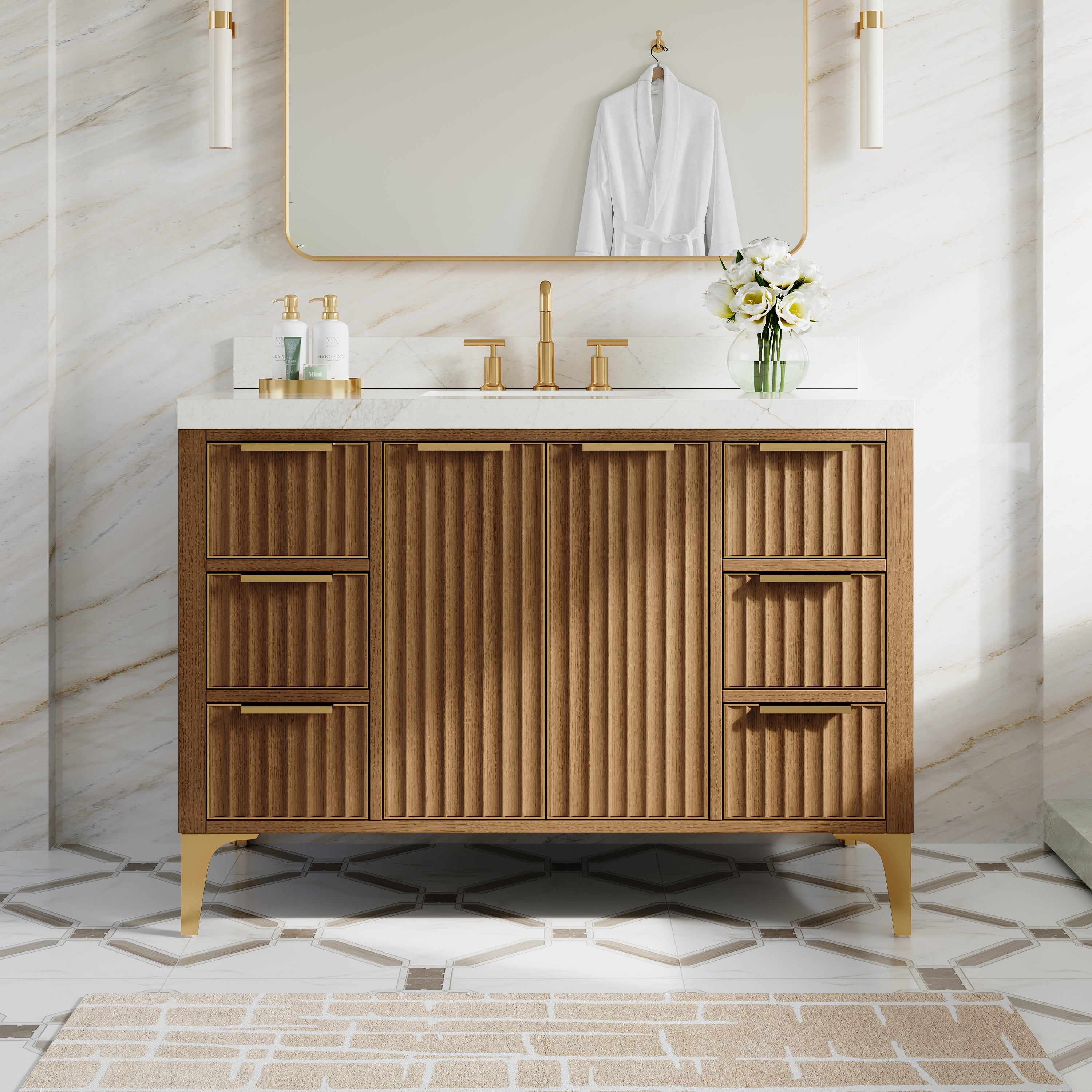
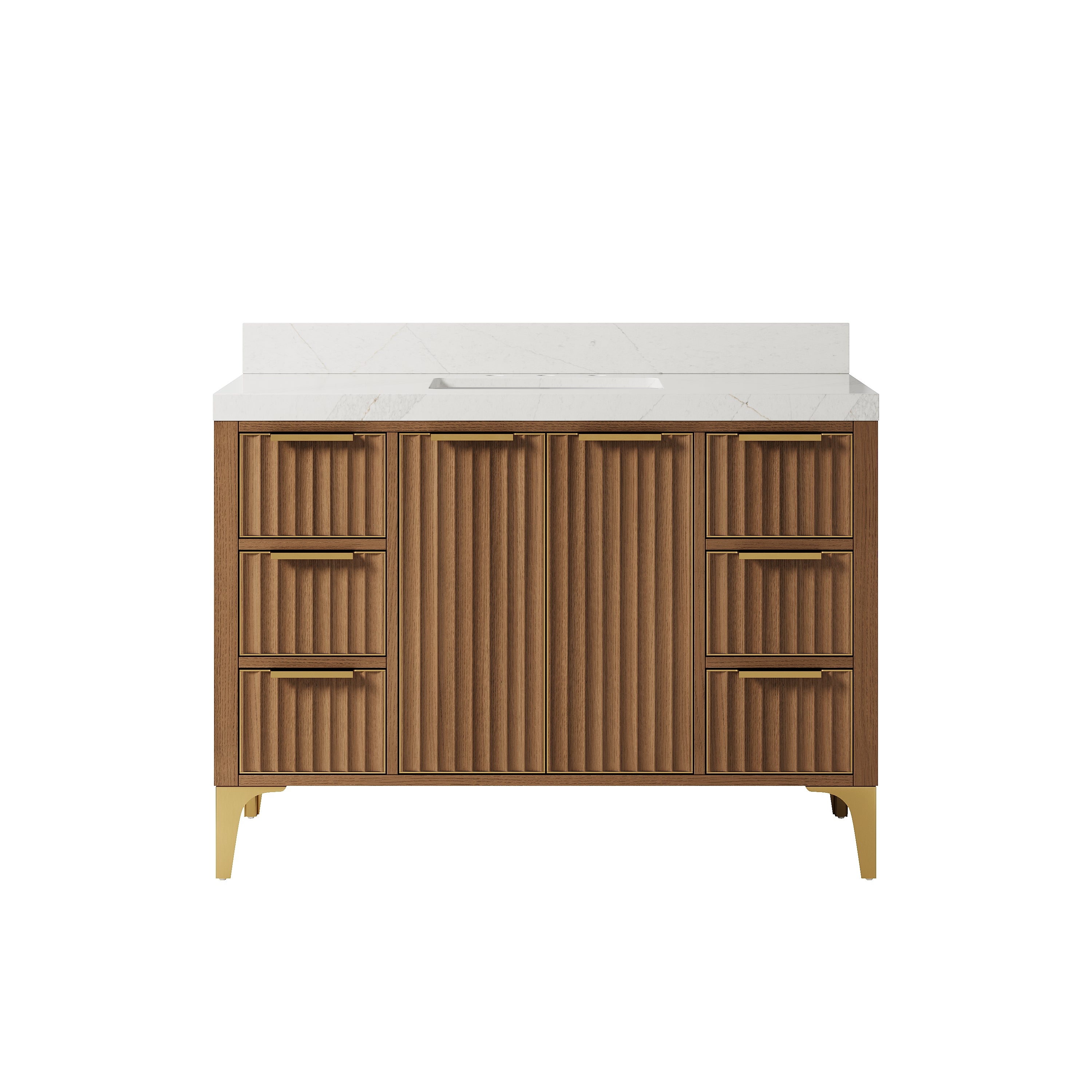


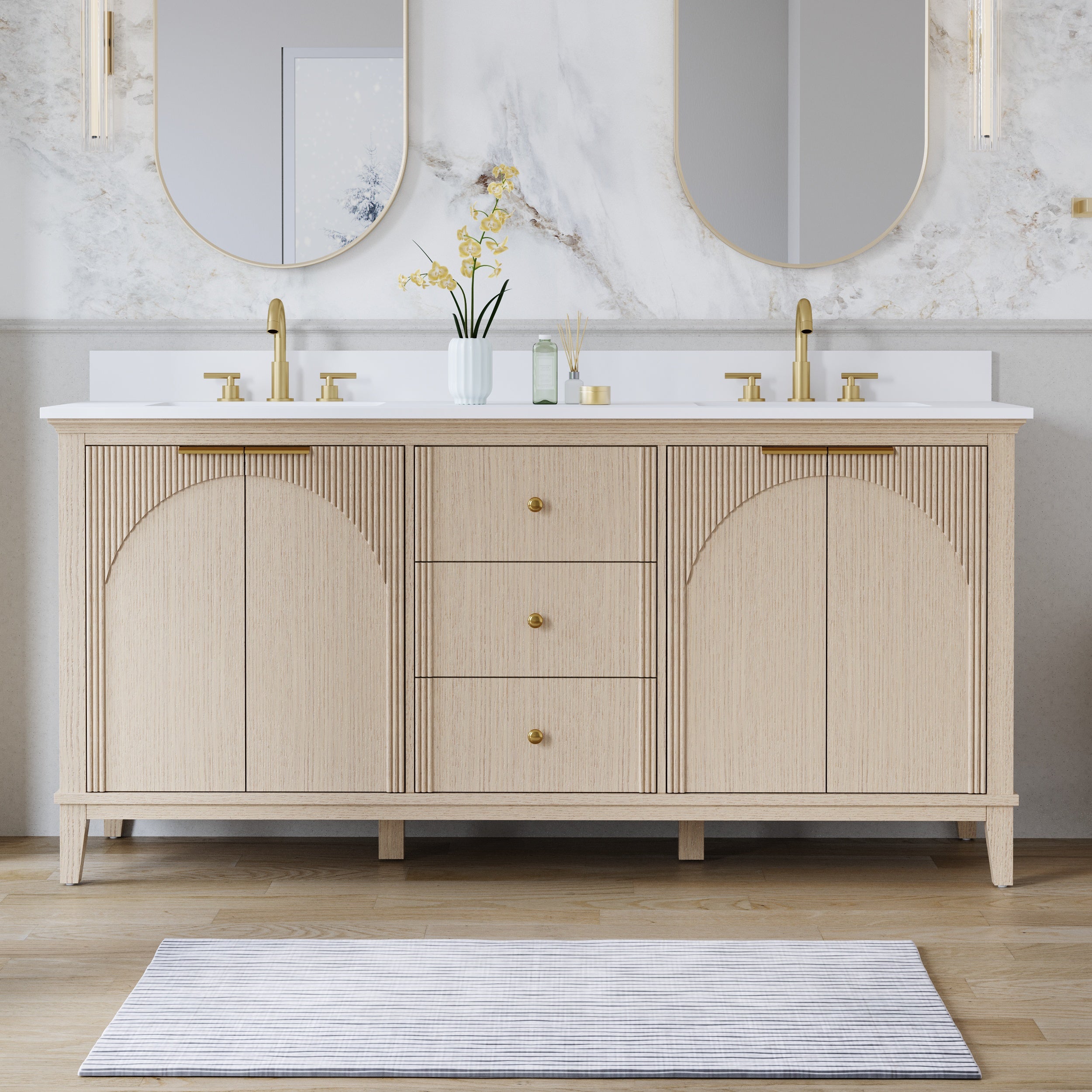
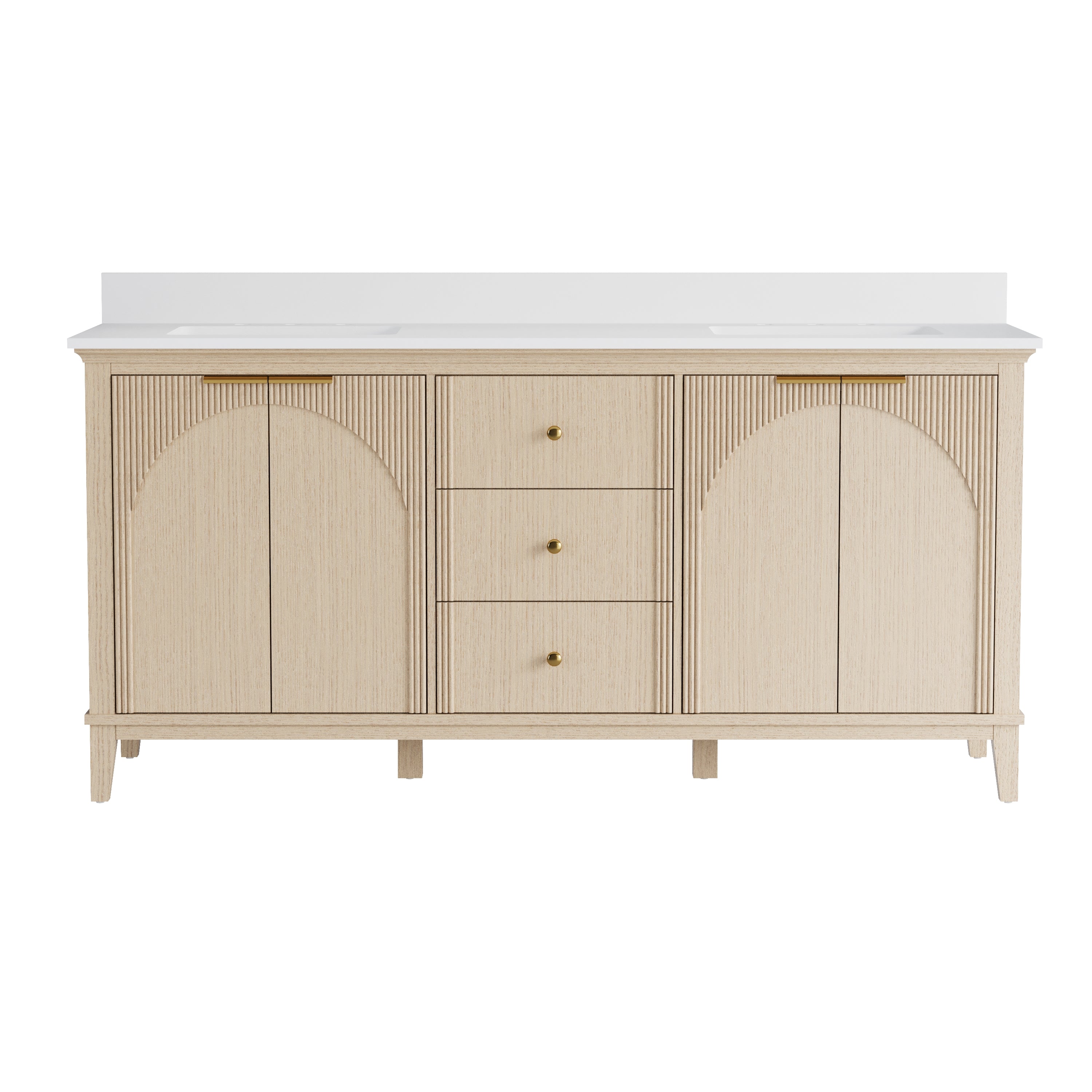
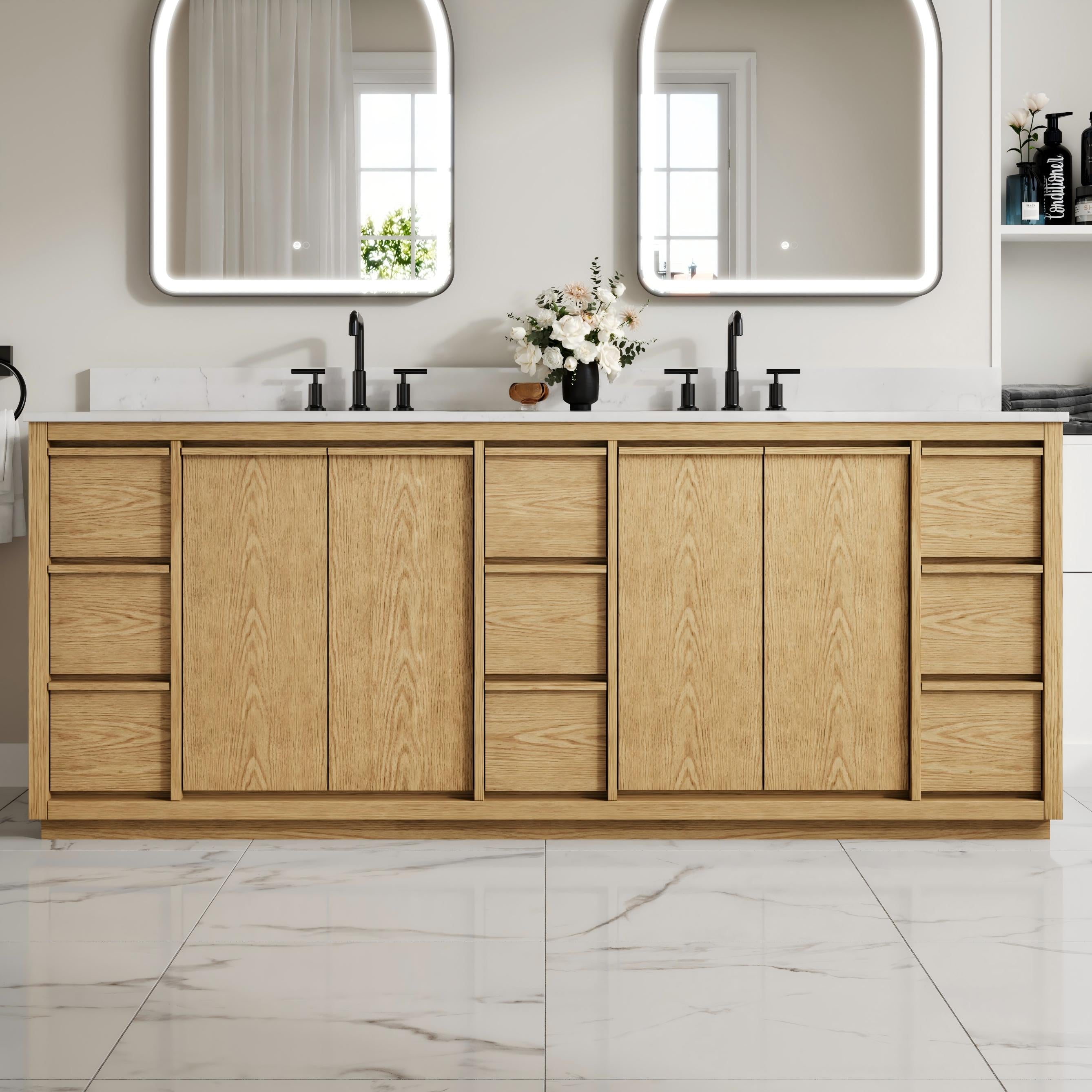
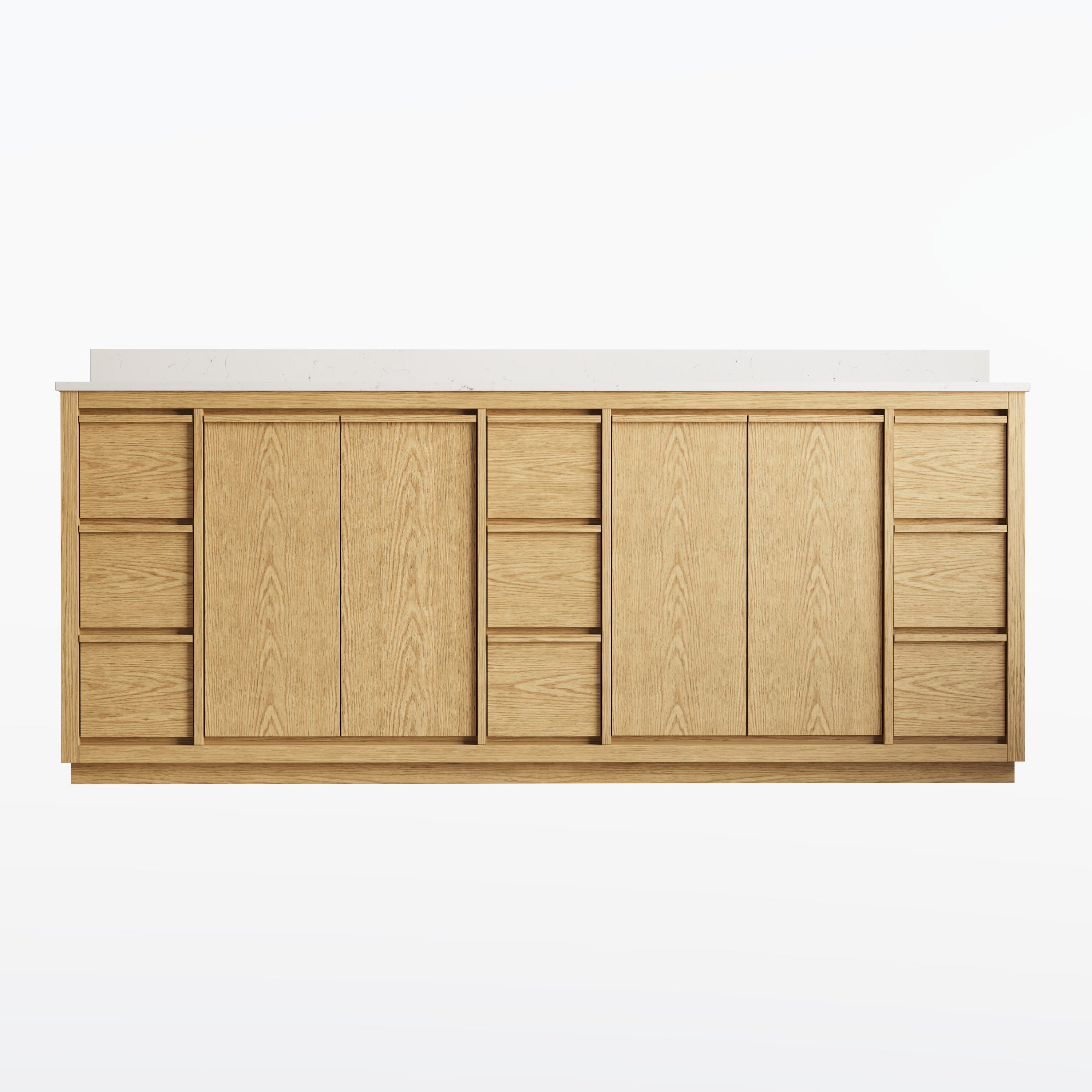
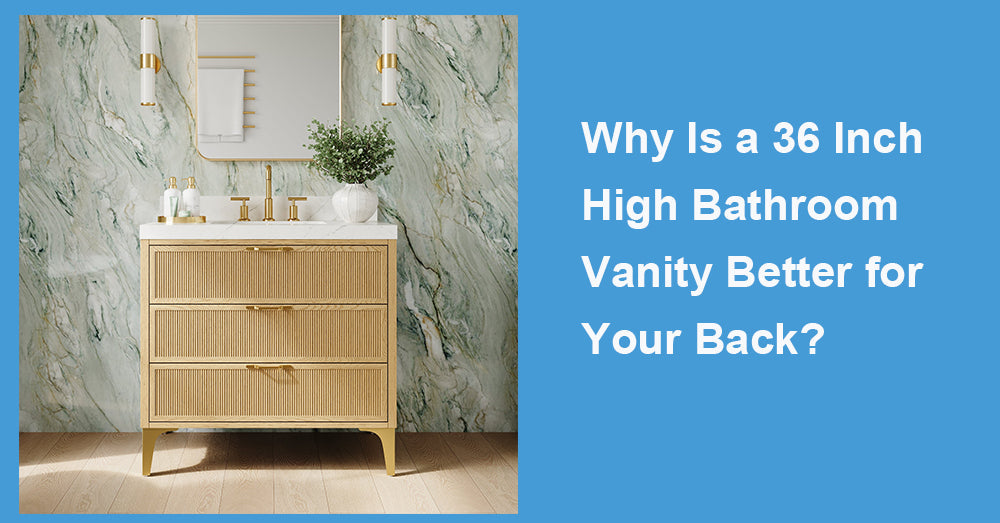
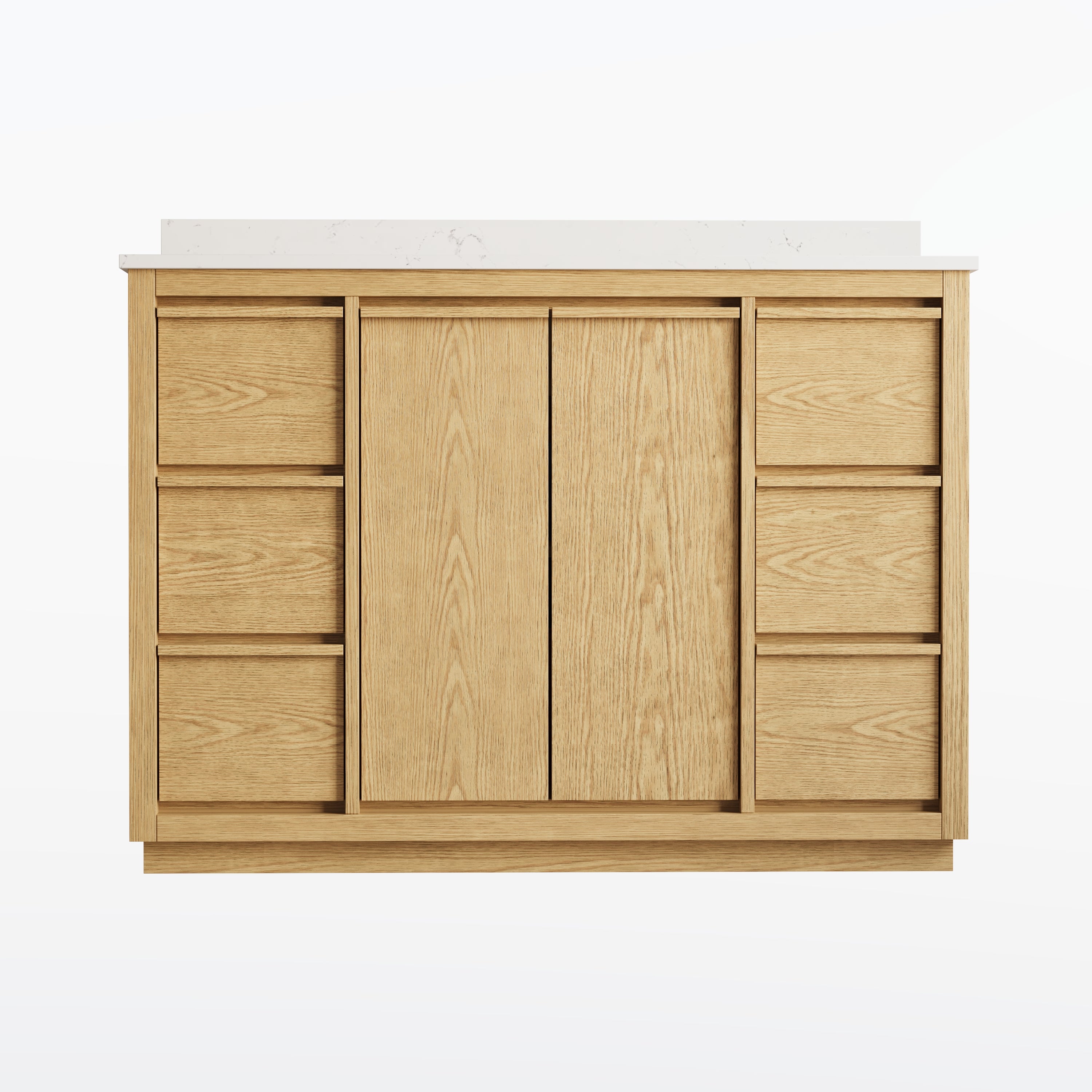
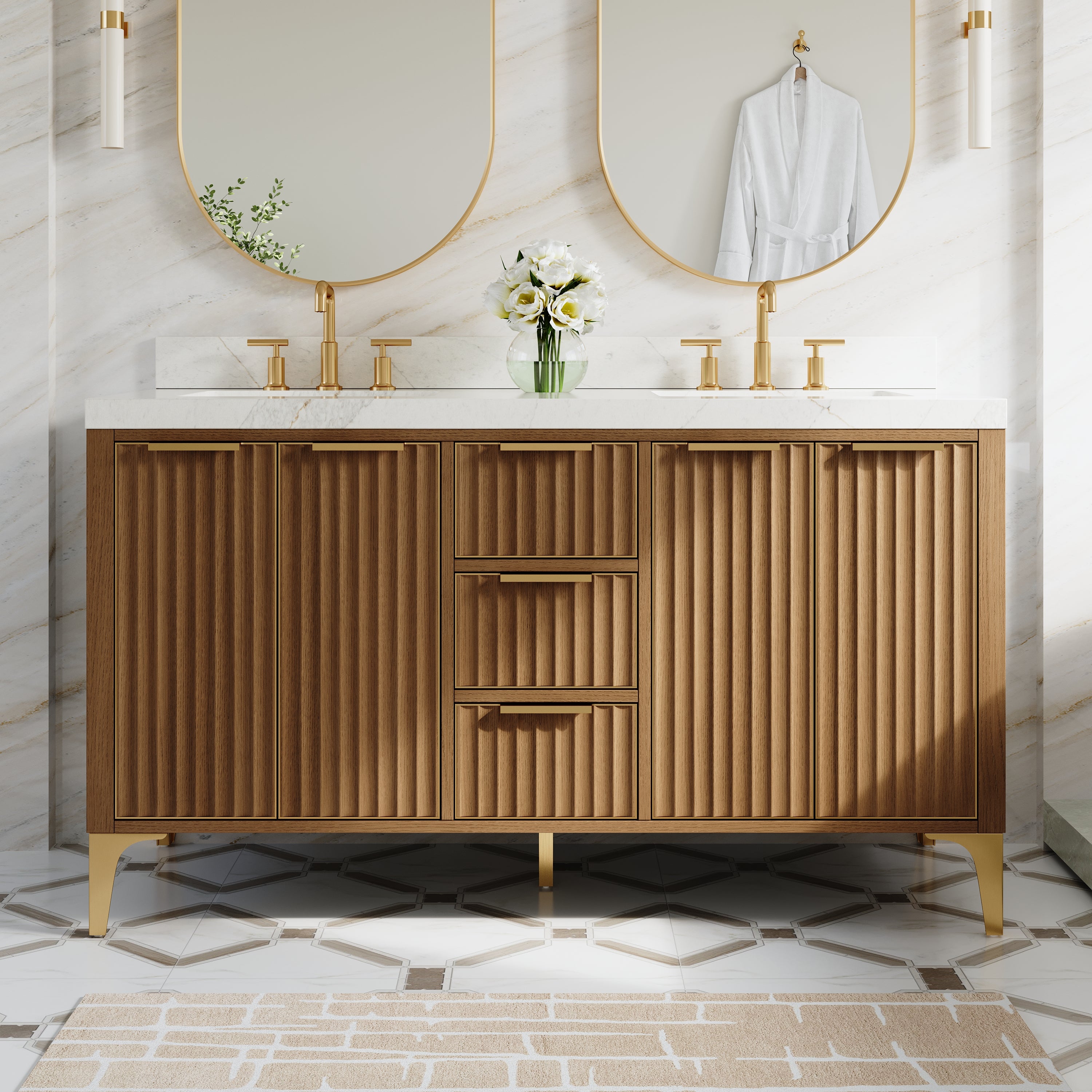
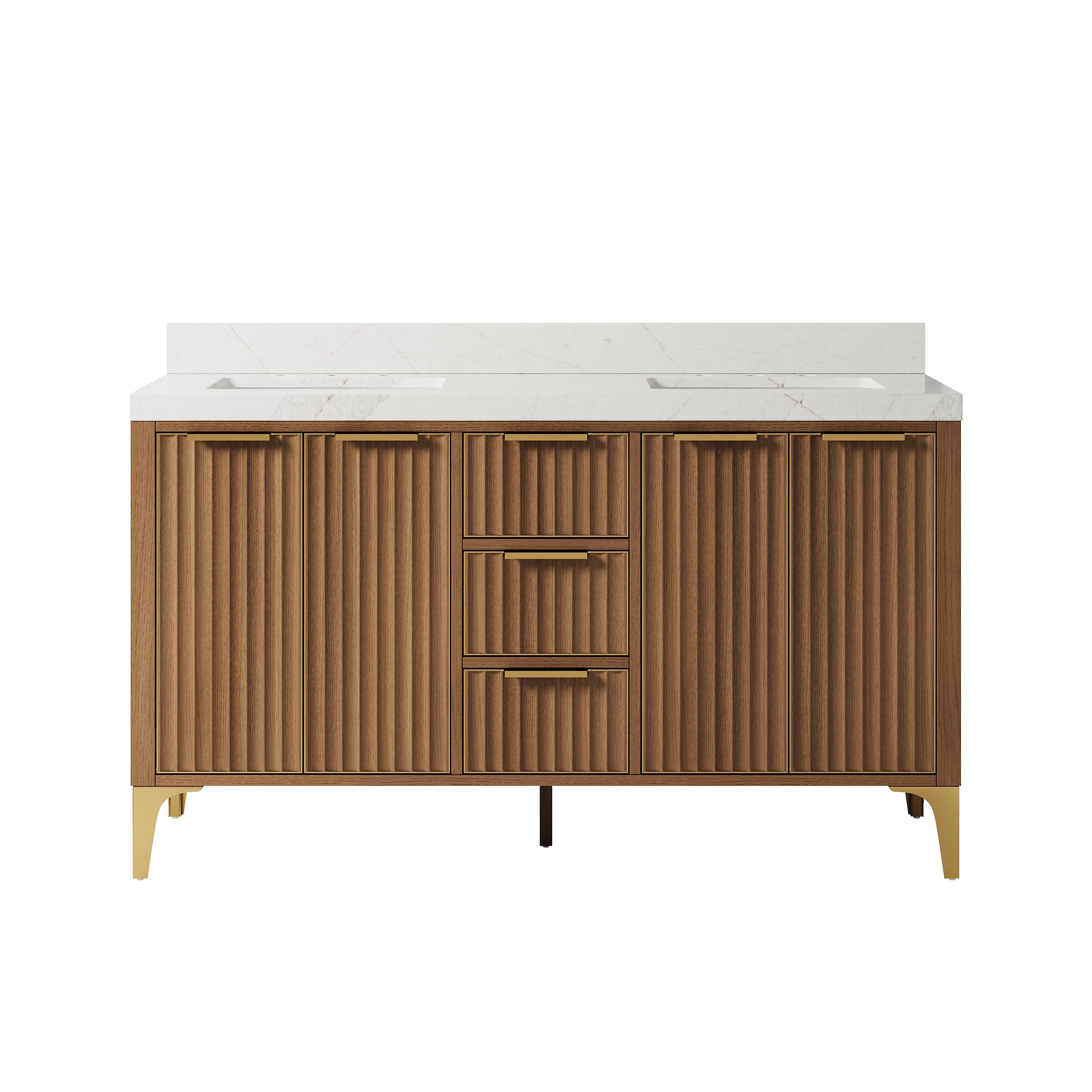
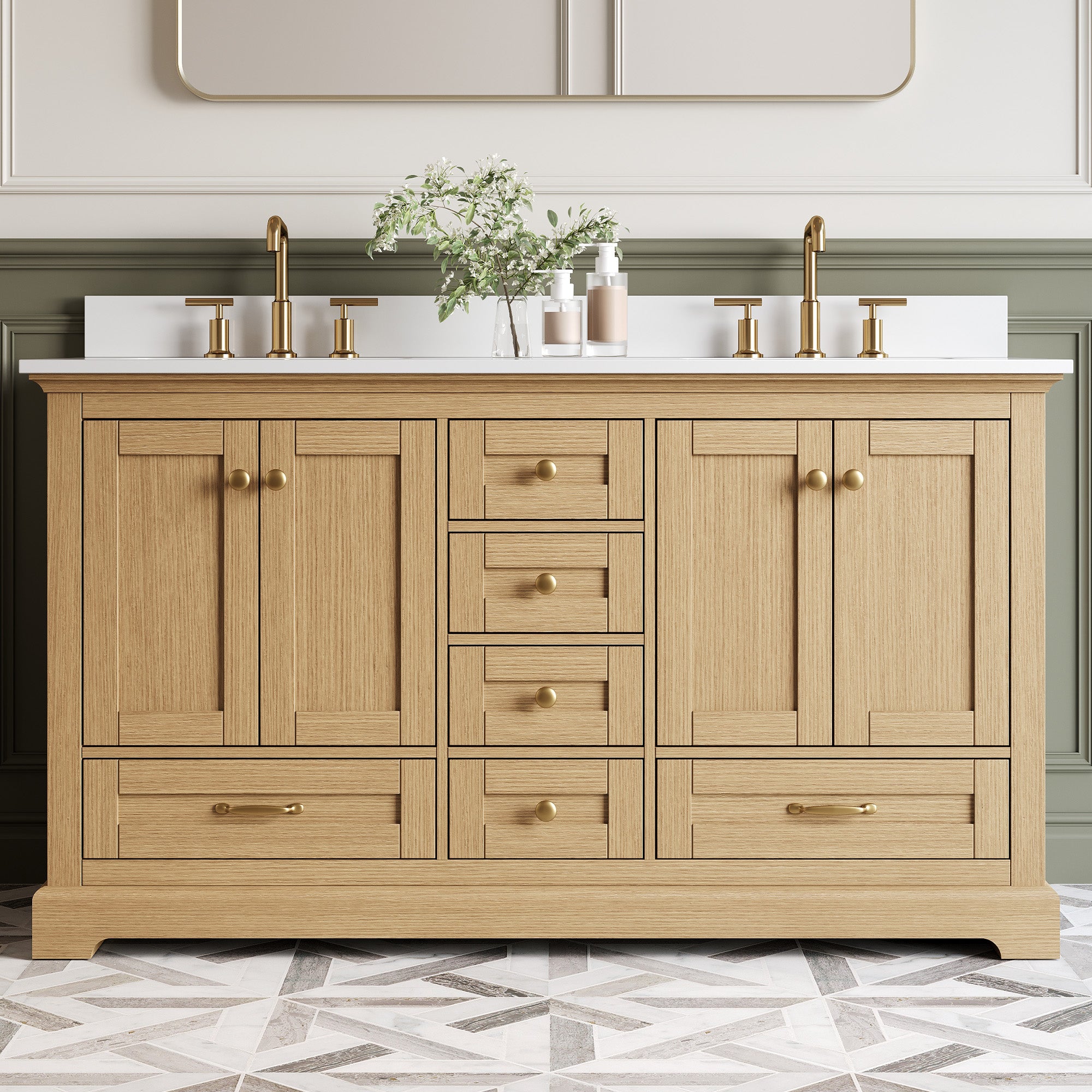
A 36 inch high bathroom vanity can make daily grooming more comfortable by reducing how far many standing adults must bend toward the sink. That difference may seem minor, but toothbrushing, face washing, shaving, skin care, and countertop cleaning involve repeated forward-reaching movements. Back discomfort is already widespread: CDC data shows that 39% of adults reported back pain during the previous three months, making it the most frequently reported pain location in the study. A taller vanity cannot prevent or treat back pain, but a properly selected counter height may reduce unnecessary bending during everyday bathroom routines.
A Higher Counter Can Reduce Forward Bending
Traditional bathroom vanities were often designed around lower countertop heights. For taller users, that can place the basin well below a comfortable working level.
A 36-inch-high surface may help by:
· Bringing the sink closer to the user
· Reducing the distance between the hands and counter
· Limiting repeated forward flexion
· Making short grooming tasks feel less tiring
· Supporting a more upright standing posture
NIOSH identifies awkward or unnatural postures as an ergonomic risk because they require greater effort from muscles, tendons, joints, and other body structures. The agency also specifically lists leaning over a counter among examples of awkward posture.
Industry judgment: Vanity height should be treated as an ergonomic specification, not merely a style preference.
Small Height Differences Matter During Repeated Tasks
A bathroom routine may last only a few minutes, but the same movements occur every day. A low sink can require a user to bend forward while brushing, rinsing, washing, or cleaning around the faucet.
The concern is not one brief movement. It is the combination of:
· Repetition
· Forward bending
· Extended reaching
· Poor foot position
· Remaining in the same posture
NIOSH notes that maintaining one position for an extended period can contribute to muscle fatigue and disrupted blood flow, even when the posture initially feels neutral. Repeatedly leaning toward a low basin can therefore feel increasingly uncomfortable for someone who already experiences lower-back stiffness.
A counter raised from 32 inches to 36 inches does not eliminate bending, but it can shorten the reach and reduce the depth of the movement for many standing users.
The Benefit Is Often Greater for Taller Adults
Vanity comfort depends on the relationship between the counter and the user’s body, not on one universal height. A 30-inch vanity may work reasonably well for a shorter adult but feel noticeably low to someone taller.
A 36-inch vanity often suits:
· Taller adults
· Primary bathrooms used mainly by standing adults
· Users who prefer kitchen-height counters
· People who find low sinks uncomfortable
· Households replacing older 30-inch or 32-inch cabinets
To estimate comfort, stand in front of a 36-inch-high surface and imitate common tasks. Reach toward the center as though washing your face, then hold the position for several seconds. The shoulders should remain relaxed, and the user should not need to round the back excessively.
A showroom test is more informative than choosing a vanity based only on an online dimension.
Sink Style Changes the Real Working Height
The cabinet height is not always the finished vanity height. Countertop thickness and sink design can raise the practical washing surface.
Consider the complete assembly:
· A 34-inch cabinet with a 2-inch top finishes near 36 inches
· A 35-inch cabinet with a 1-inch top also finishes near 36 inches
· An undermount sink keeps the rim below the countertop
· An integrated sink usually maintains a consistent working level
· A vessel sink can add several inches above the counter
A vessel basin placed on a 36-inch-high countertop may become too tall for comfortable use. In that situation, the cabinet may need to be lower so the sink rim remains practical.
Faucet height and reach also matter. A short faucet can force the user to lean farther over the basin, while an excessively tall spout may increase splashing. The cabinet, countertop, sink, and faucet should be evaluated as one ergonomic system.

A 36-Inch Vanity Can Make Countertop Tasks Easier
Not every bathroom activity takes place inside the basin. Users also apply makeup, style hair, insert contact lenses, organize medication, and clean grooming tools at the counter.
A taller surface can bring these tasks closer to a comfortable hand level. It may reduce the need to rest body weight on the vanity edge or hold a prolonged forward lean.
For better daily use:
· Keep frequently used items near the front
· Store heavy products between waist and shoulder level
· Avoid placing daily items at the back of a deep counter
· Use organizers that bring products into view
· Position outlets where cords do not require extended reaching
Counter depth deserves attention as well. A vanity around 21 to 22 inches deep offers useful surface area, but items placed against the backsplash may still require a long reach. A taller counter does not correct an inefficient storage arrangement.
Drawer Organization Can Support Better Posture
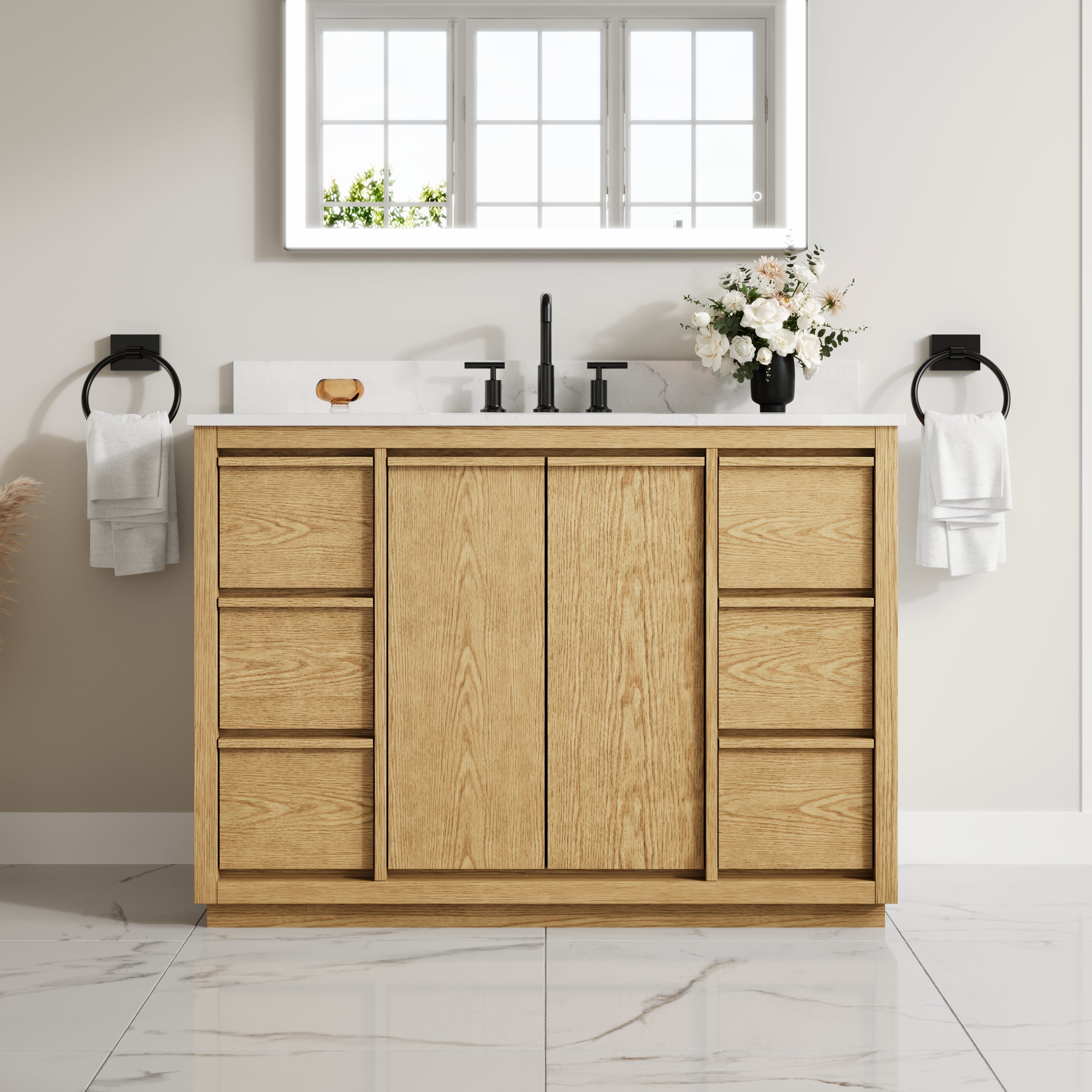
The way products are stored influences how often a user bends or reaches. A 36-inch-high vanity with full-extension drawers can keep daily items closer to standing height than a cabinet with one large open compartment.
Useful features include:
· A shallow upper drawer for daily grooming items
· Full-extension slides for access to the back
· Interior outlets for electric toothbrushes or grooming tools
· Dividers that prevent products from shifting
· A deeper lower drawer for towels and refill supplies
Houzz’s 2025 bathroom study found that 78% of upgraded vanities included soft-close drawers and 75% included soft-close doors. It also found that 29% incorporated electrical outlets, while 22% included drawer organizers. These features suggest that vanity design is moving beyond storage volume toward easier daily access.
Industry judgment: Better posture comes not only from counter height, but also from reducing unnecessary bending to find stored items.
Installation Accuracy Determines the Finished Height
A product described as 36 inches high may refer to the cabinet alone or to the complete cabinet-and-top assembly. Before purchasing, verify:
· Cabinet height
· Countertop thickness
· Sink rim position
· Finished floor level
· Backsplash height
· Adjustable leg range
Flooring changes can also affect the result. Installing the vanity before new tile may leave the finished counter slightly lower relative to the completed floor. Adjustable legs can compensate for uneven surfaces, but they should not be used to create a major height change unless the manufacturer allows it.
Wall-mounted vanities provide more installation flexibility because their height can be set during mounting. However, the drain, supply lines, wall blocking, mirror, and outlets must all coordinate with the selected position.



















Leave a comment
This site is protected by hCaptcha and the hCaptcha Privacy Policy and Terms of Service apply.