




















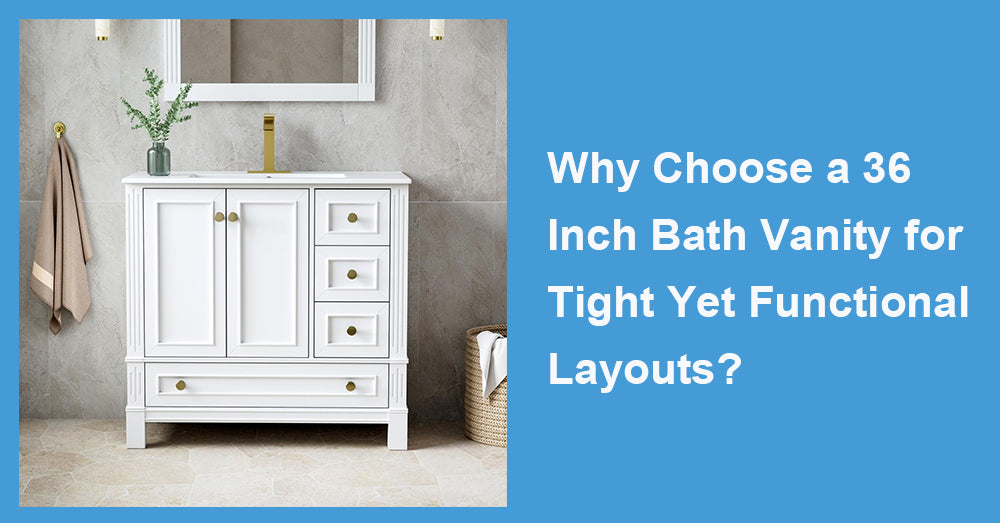
A 36 inch bath vanity is one of the most useful sizes for bathrooms where space is limited but daily function still matters. After more than 20 years of working with bathroom cabinetry and remodel layouts, I have found this width especially effective in guest baths, hallway bathrooms, condos, and smaller primary bathrooms. It provides more storage and counter space than a compact powder-room vanity without automatically overwhelming the floor plan. The real advantage comes from how well 36 inches balances proportion, storage, sink size, and circulation.
1. A 36 Inch Bath Vanity Fits the Middle Ground
Small bathrooms often force homeowners to choose between storage and open floor space.
A 24- or 30-inch vanity saves room but may provide very little usable counter area. A 42- or 48-inch cabinet offers more storage, yet it can quickly make a narrow bathroom feel crowded.
Thirty-six inches sits between those extremes.
For one person using the sink at a time, it usually provides enough width for a comfortable basin, a few daily items on the countertop, and meaningful cabinet storage underneath.
That makes it a practical size rather than simply a compact one.
2. Depth Matters Just as Much as Width
The biggest sizing mistake I see is measuring only the wall.
A vanity may fit perfectly across the available width while projecting too far into the room. This becomes a problem when the toilet, shower door, or main walkway sits directly opposite the cabinet.
Test the Footprint Before Ordering
Use painter's tape to mark both the width and depth on the floor.
Open the bathroom door and shower enclosure. Stand in front of the proposed sink. Walk through the room as you normally would.
If the layout feels tight, consider a shallower 36-inch model rather than immediately dropping to a smaller width.
Saving a few inches of depth can sometimes improve circulation more than sacrificing six inches of storage.
3. The Size Allows Useful Counter Space
Countertop area matters more than many homeowners expect.
A very small vanity can leave almost no room for soap, skincare, a toothbrush, or a guest's toiletry bag once the sink is installed.
With a 36-inch cabinet, there is usually enough space to make the sink area feel comfortable rather than cramped.
Sink proportion still matters.
I generally prefer a moderately sized undermount or integrated basin for this width. Oversized sinks can consume both counter space and the upper portion of the cabinet.
Bigger is not always better.
4. Storage Can Be Surprisingly Efficient
A well-designed 36-inch vanity can hold much more than its footprint suggests.
Deep drawers work well for brushes, razors, cosmetics, skincare, and grooming tools. Under-sink cabinet space is better for cleaning products, tall bottles, and spare paper goods.
Look at the Interior, Not the Drawer Fronts
Some upper drawer fronts are decorative because the sink occupies the space behind them.
Plumbing can also reduce the depth of functional drawers.
Before buying, look at interior photographs or dimensional drawings. Full-extension drawers, adjustable shelves, and plumbing cutouts often matter more than the number of visible doors.
For a frequently used bathroom, usable storage should always come before decorative symmetry.
5. Floating and Freestanding Models Serve Different Needs
A floating 36-inch vanity can make a tight bathroom feel more open because more flooring remains visible underneath.
It also makes floor cleaning easier.
The downside is that wall-mounted cabinetry usually gives up some vertical storage and requires secure structural support. Plumbing placement must also be neat because exposed pipes can weaken the floating effect.
A freestanding vanity generally provides more total storage and is easier to install around existing plumbing.
Its larger base can feel heavier in a narrow room.
Choose floating for openness. Choose freestanding when storage is the stronger priority.
6. A 36-Inch Vanity Works Best for One User
This size is usually most comfortable as a single-sink vanity.
It works especially well in guest bathrooms, children's baths, hallway bathrooms, and smaller primary spaces where only one person uses the sink at a time.
Trying to fit two sinks into 36 inches would create poor proportions and almost no useful countertop space.
If two adults regularly get ready together, a wider vanity is a better investment.
Do not force more function into the cabinet than the width can realistically support.
7. Plumbing Can Make or Break the Layout
Measure the drain and hot and cold supply-line positions before ordering the cabinet.
Compare those measurements with the interior drawer layout.
If plumbing passes directly through a functional drawer, the installer may have to modify the cabinet or move the pipes. Either option can reduce storage or increase labor costs.
During a full remodel, plumbing can be planned around the vanity.
For a straightforward replacement, I usually recommend choosing a cabinet that works with the existing connections whenever possible.
8. Know When 36 Inches Is Still Too Large
Some powder rooms are simply too narrow.
If a 36-inch cabinet reduces the walkway, interferes with the door, or places the vanity uncomfortably close to the toilet, a 30-inch or shallow model may work better.
The opposite can happen in a large primary bathroom.
A 36-inch vanity may look undersized and fail to provide enough storage for the room.
The right size should match both the available space and the visual scale of the bathroom.
9. Construction Quality Still Matters in a Compact Vanity
Limited space does not mean construction should be compromised.
Look at drawer boxes, hinges, slides, edge sealing, and the cabinet floor beneath the sink.
Solid wood components can provide strength, while quality plywood is often a practical choice for cabinet boxes. Well-sealed engineered materials can also perform successfully in bathroom conditions.
What matters most is protection from moisture and repeated daily use.
A compact cabinet with strong construction is a better investment than a larger vanity with weak drawers and exposed edges.

10. Installation and Maintenance Protect the Space You Gain
Install the vanity level so doors and drawers open smoothly.
Seal the sink, faucet openings, countertop joints, and backsplash carefully. Test every plumbing connection before filling the cabinet.
For maintenance, use a mild, non-abrasive cleaner, wipe standing water promptly, and run the exhaust fan after showers. Check beneath the sink periodically for slow leaks.
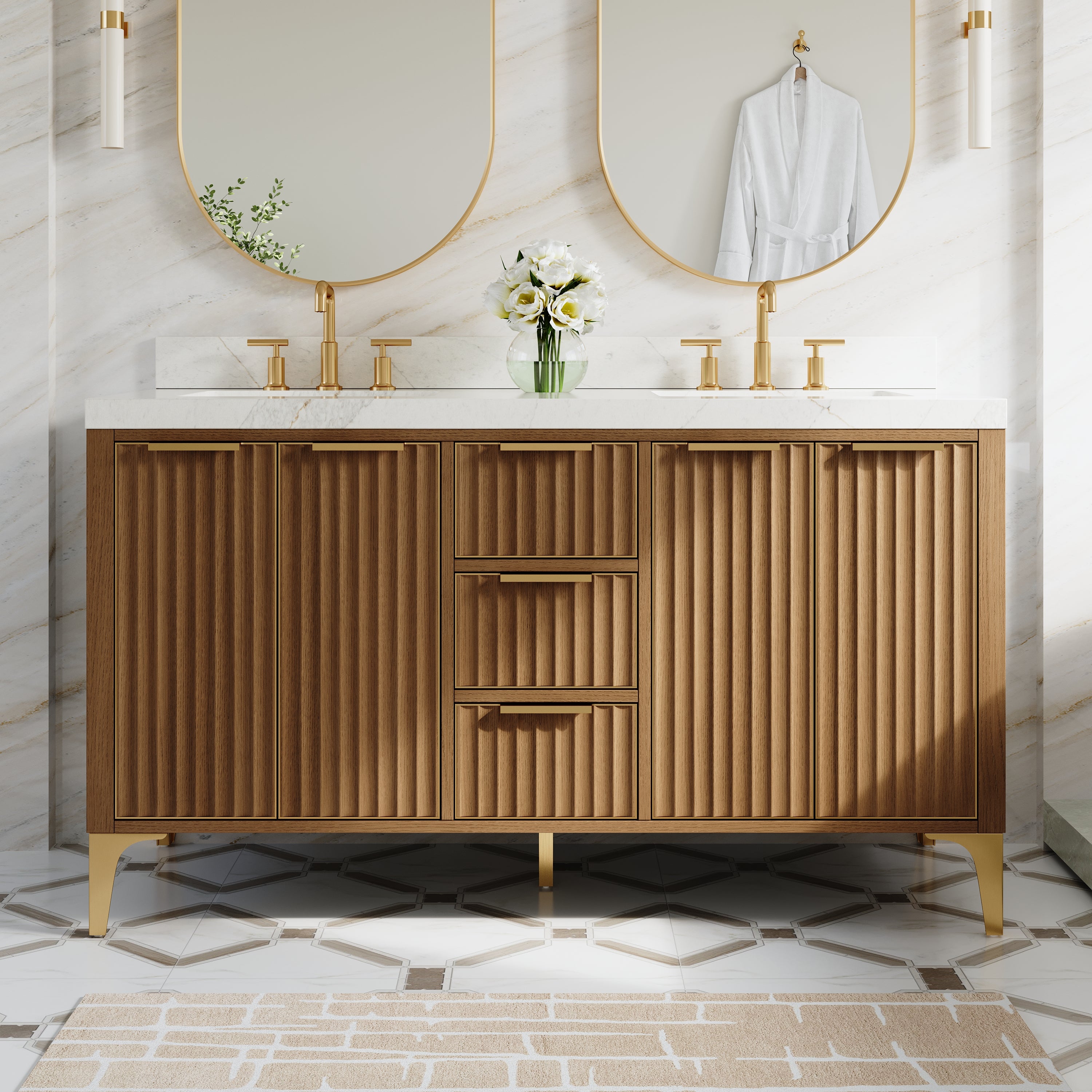
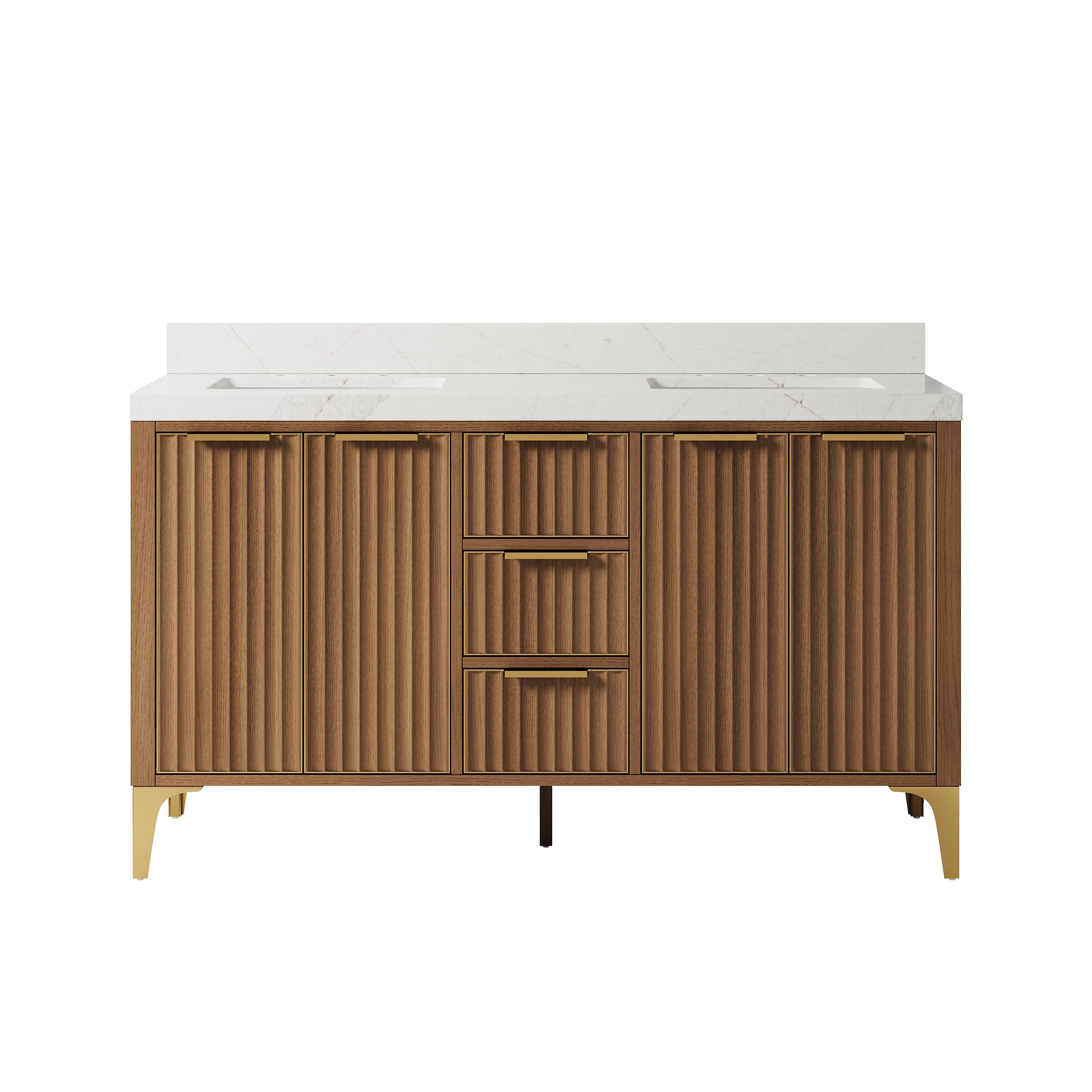
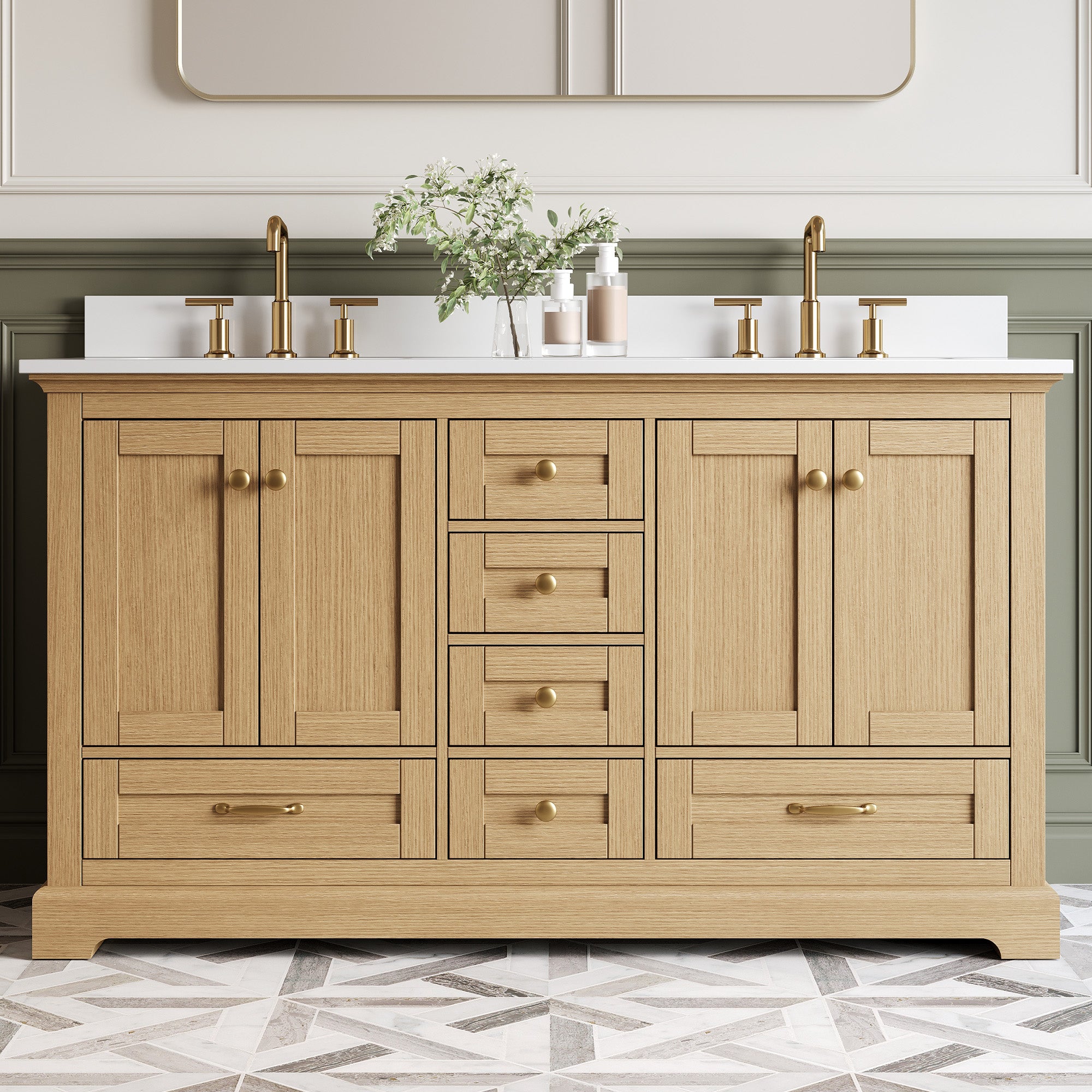
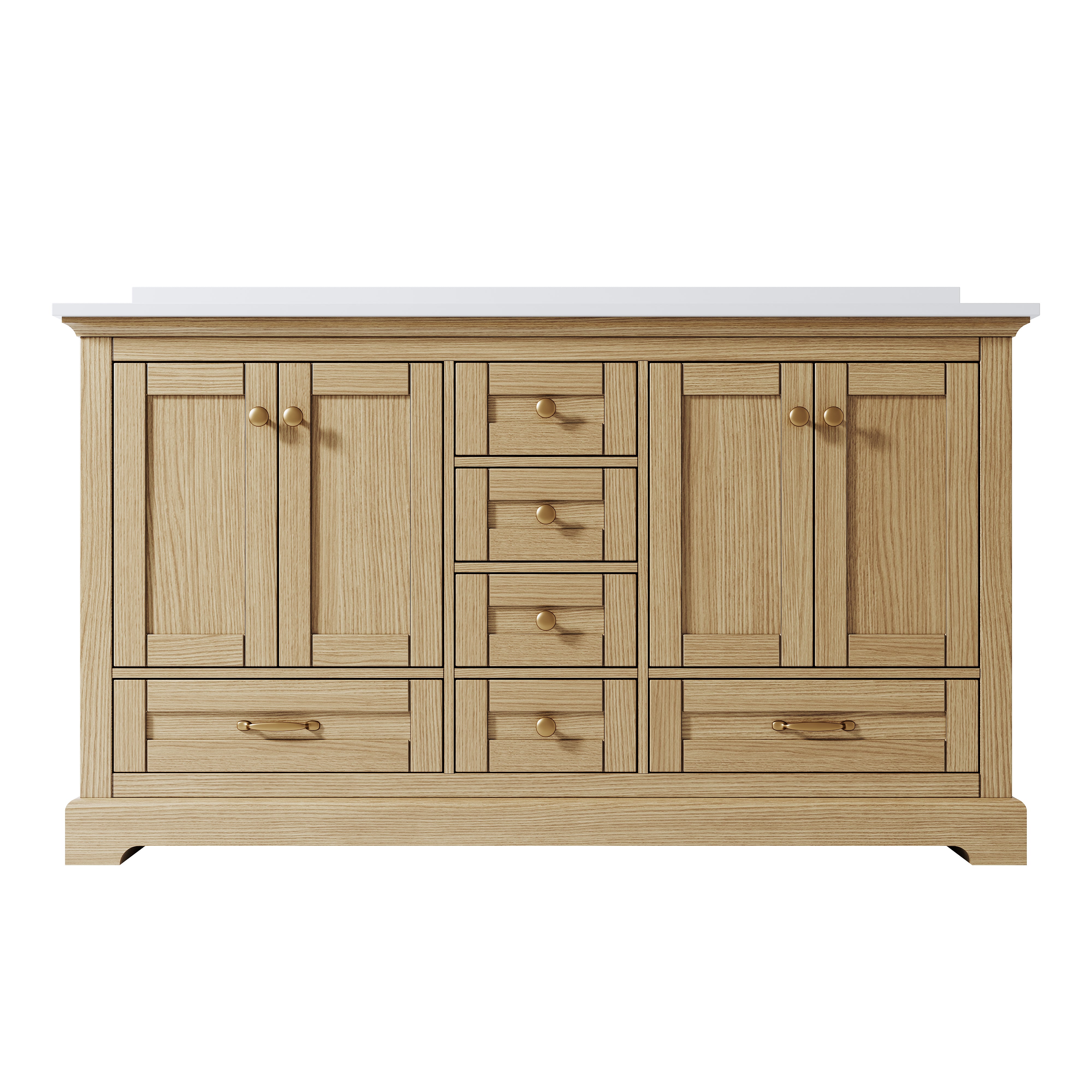
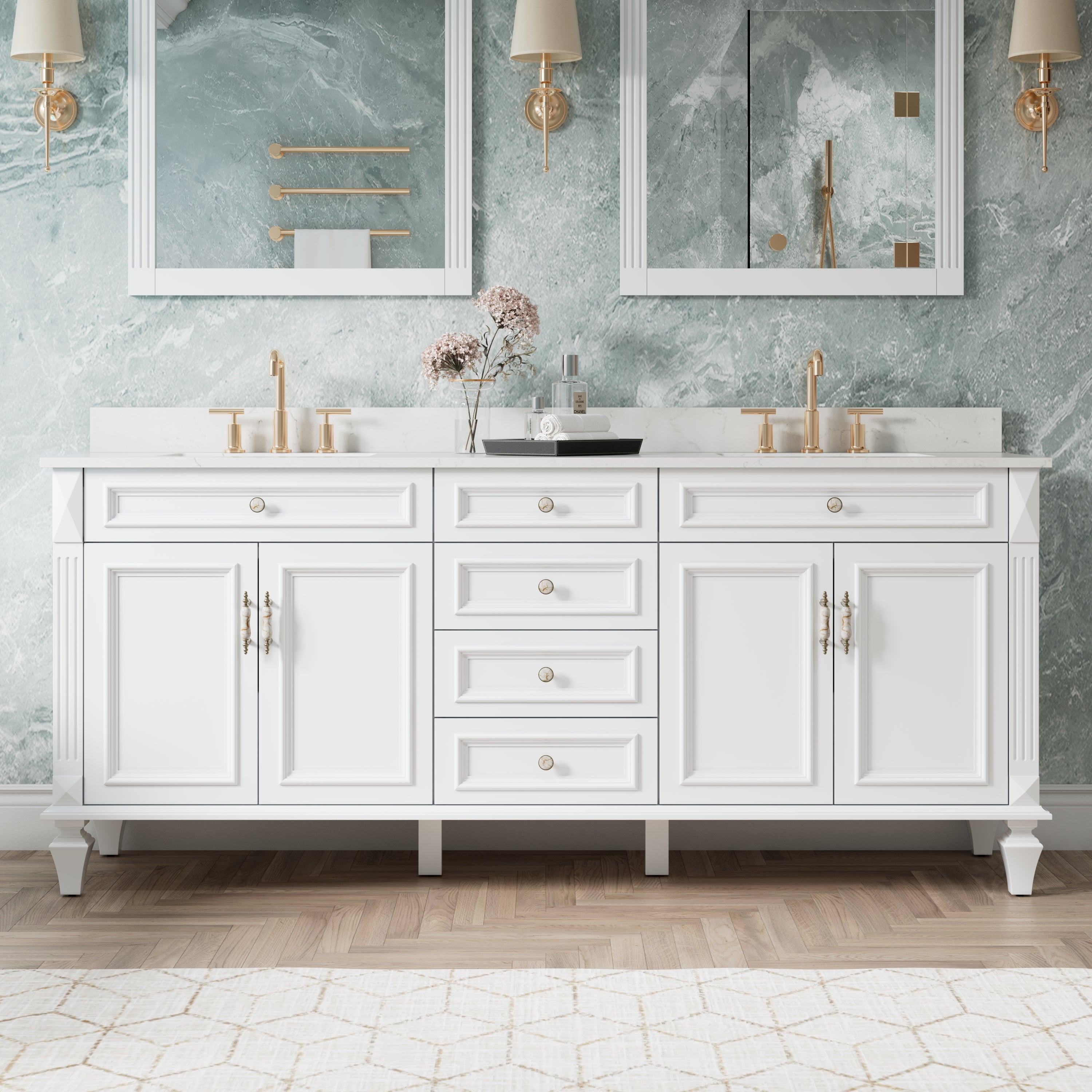
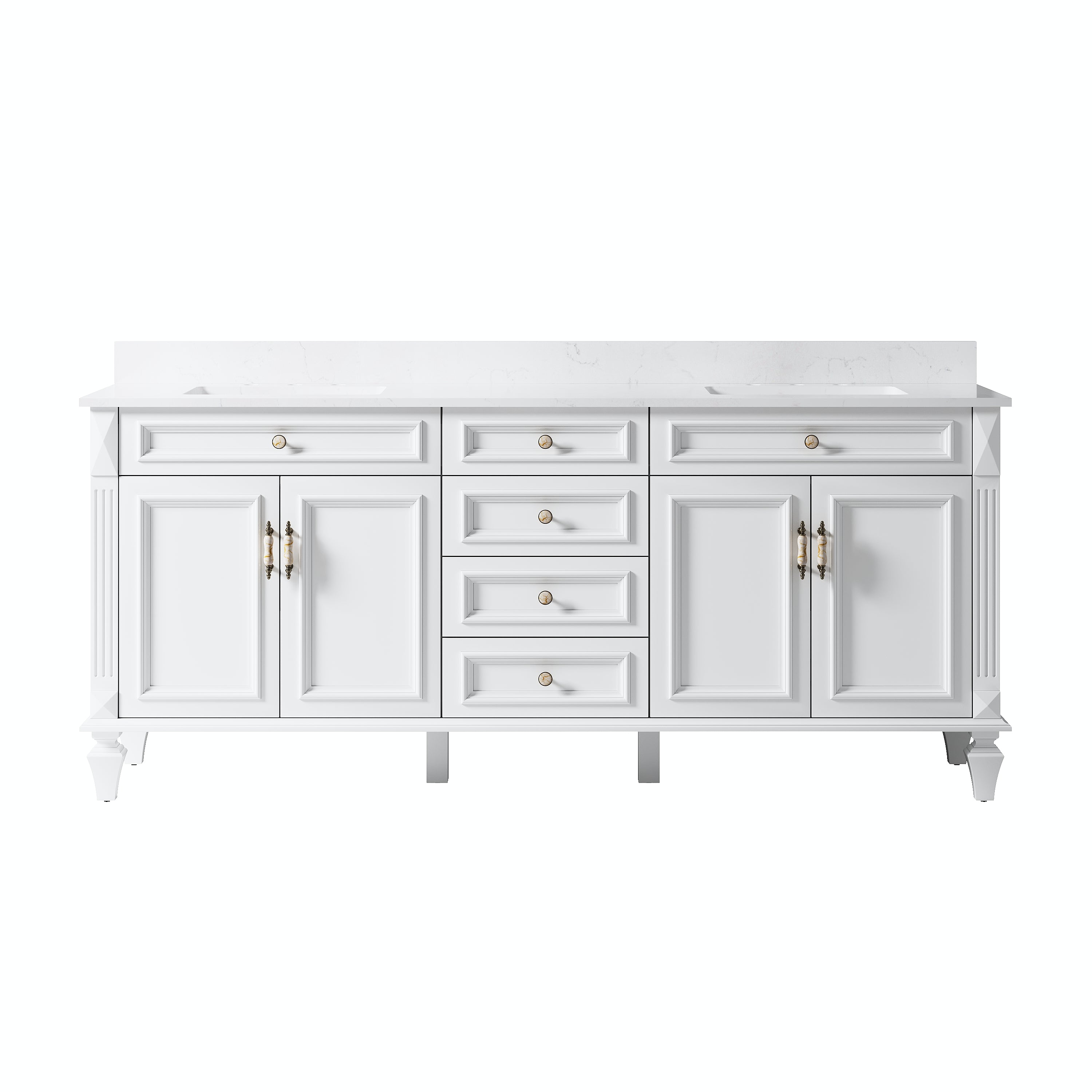
When comparing Wellfor options, start with cabinet depth, usable storage, sink size, plumbing compatibility, and room clearance before choosing finish or hardware. A 36 inch bath vanity works especially well in tight yet functional layouts because it gives one user enough room to store, wash, and organize without forcing the rest of the bathroom to surrender valuable circulation space.
































Leave a comment
This site is protected by hCaptcha and the hCaptcha Privacy Policy and Terms of Service apply.