























A white bathroom vanity remains one of the safest and most versatile choices for a bathroom remodel because it creates a clean foundation without forcing the rest of the room into one specific style. After more than 20 years of working with bathroom cabinetry and renovation projects, I have seen white vanities work equally well in compact guest baths, family bathrooms, and large primary suites. Their appeal comes from visual lightness, easy coordination, and long-term flexibility. Still, the right shade, construction, storage layout, and maintenance requirements deserve careful thought.
1. A White Bathroom Vanity Makes the Room Feel Brighter
White cabinetry reflects available light better than most dark finishes.
That is especially helpful in bathrooms with small windows, limited natural light, or darker flooring. The vanity can make the lower half of the room feel less visually heavy, which creates a cleaner, more open impression.
This effect is particularly useful in guest baths and narrow layouts.
Color cannot physically enlarge the room, but it can influence how spacious the bathroom feels.
2. White Works With More Materials Than Most Finishes
One reason white cabinetry has stayed relevant is its ability to adapt.
It pairs naturally with marble-look quartz, warm beige stone, gray tile, black hardware, brushed brass, polished nickel, and natural wood accents.
You Do Not Have to Match Everything
A common mistake is trying to make every white surface identical.
That is rarely necessary.
The vanity can be slightly warmer than the wall paint or slightly cooler than the countertop as long as the undertones feel related. Texture and contrast often make a bathroom look more intentional than perfect matching.
I prefer to compare samples together rather than choosing each finish separately.
3. White Can Support Traditional or Modern Design
A white vanity does not belong to one particular design category.
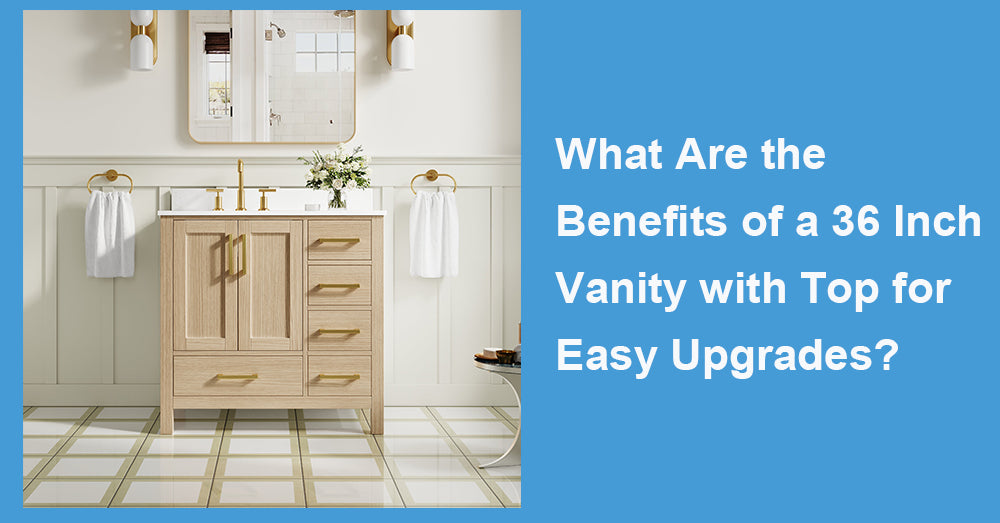
Shaker-style doors and classic hardware create a traditional or transitional appearance. Flat-front drawers, simple pulls, and a floating installation move the same color in a modern direction.
A furniture-style freestanding cabinet feels more substantial, while a wall-mounted design exposes more flooring and creates visual lightness.
This flexibility makes white particularly useful if you expect to update mirrors, lighting, or hardware later without replacing the vanity itself.
4. The Right Shade of White Matters
White is not one color.
Some finishes have cool blue or gray undertones. Others lean toward cream, ivory, or beige.
Bathroom Lighting Can Change the Finish
A cool white vanity may look crisp under daylight but slightly harsh beside warm stone. A creamier white can feel inviting with beige tile yet appear yellow against cool gray flooring.
Always evaluate the finish under the lighting that will actually be used in the bathroom.
Warm bulbs, daylight, and LED mirror lighting can all change how the cabinet appears.
If possible, bring a finish sample into the room before placing the order.
5. White Helps Large Vanities Feel Less Bulky
A 48-, 60-, or 72-inch vanity can dominate a bathroom wall, especially when the cabinet reaches the floor.
White reduces some of that visual weight.
This can be useful in primary bathrooms where generous storage is necessary but you do not want the cabinetry to become the strongest visual element in the room.
A floating white vanity can feel even lighter because the floor remains visible underneath.
The tradeoff is storage. Wall-mounted vanities often sacrifice some cabinet volume, so function should come before the floating look.
6. Storage Design Matters More Than Color
A beautiful vanity is not useful if everyday products cannot be organized properly.
Deep drawers work well for skincare, grooming tools, cosmetics, and brushes. Under-sink cabinets are better for cleaning supplies, tall bottles, and spare paper goods.
Do not assume every drawer front is functional.
The sink can occupy space behind upper drawers, while plumbing cutouts reduce usable capacity.
Before buying, inspect interior photographs or dimension drawings. In a family bathroom, I would choose a better drawer layout over decorative detailing every time.
7. White Finishes Have Some Real Drawbacks
White cabinetry is not maintenance-free.
Makeup, hair dye, toothpaste, dark dust, and fingerprints can be more noticeable than they are on medium-tone wood.
High-gloss finishes may also reveal streaks under bright bathroom lighting.
For frequently used bathrooms, satin or low-sheen finishes are often easier to live with. They still look clean but are less likely to emphasize every small mark.
White also makes chips obvious when darker material appears underneath, so damaged edges should be repaired promptly.
8. Construction Quality Still Comes First
Color should never distract from cabinet quality.
Check drawer boxes, hinges, edge sealing, plumbing cutouts, and the interior beneath the sink.
Solid wood components can provide strength and repairability. Quality plywood is often an excellent material for cabinet boxes because it handles changing humidity reasonably well.
Well-sealed engineered materials can also perform successfully.
What concerns me most is exposed material around edges and plumbing areas where moisture can enter.
A well-built vanity in a simple white finish will usually outlast a more decorative cabinet with weak construction.
9. White Is Not Ideal for Every Bathroom
Some spaces benefit from stronger contrast.
A very large bathroom with white walls, white tile, and a white countertop can feel flat if the vanity adds no texture or variation.
In that situation, natural wood or a darker cabinet may give the room more depth.
White may also be less practical in bathrooms where hair dye, heavy cosmetics, or children's messes are part of the daily routine.
The color is flexible, but it should still match the household.

10. Installation and Maintenance Protect the Clean Look
Install the vanity level so doors and drawer gaps remain aligned. White surfaces make uneven lines easy to notice.
Check the drain and supply-line locations before cutting into the cabinet. Seal the sink, faucet openings, countertop joints, and backsplash carefully.
Test all plumbing connections before filling the storage areas.
For routine care, use a soft cloth and mild, non-abrasive cleaner. Wipe standing water, toothpaste, and makeup residue before they dry. Run the exhaust fan after showers and inspect beneath the sink periodically for slow leaks.
When comparing Wellfor options, start with dimensions, storage layout, construction quality, plumbing compatibility, and the shade of white. Then consider countertop, hardware, and mirror choices. A white bathroom vanity is a smart pick when you want a clean, timeless foundation that can adapt as the rest of the bathroom changes, while still delivering the storage and everyday function a good vanity should provide.









































Leave a comment
This site is protected by hCaptcha and the hCaptcha Privacy Policy and Terms of Service apply.