
Introduction
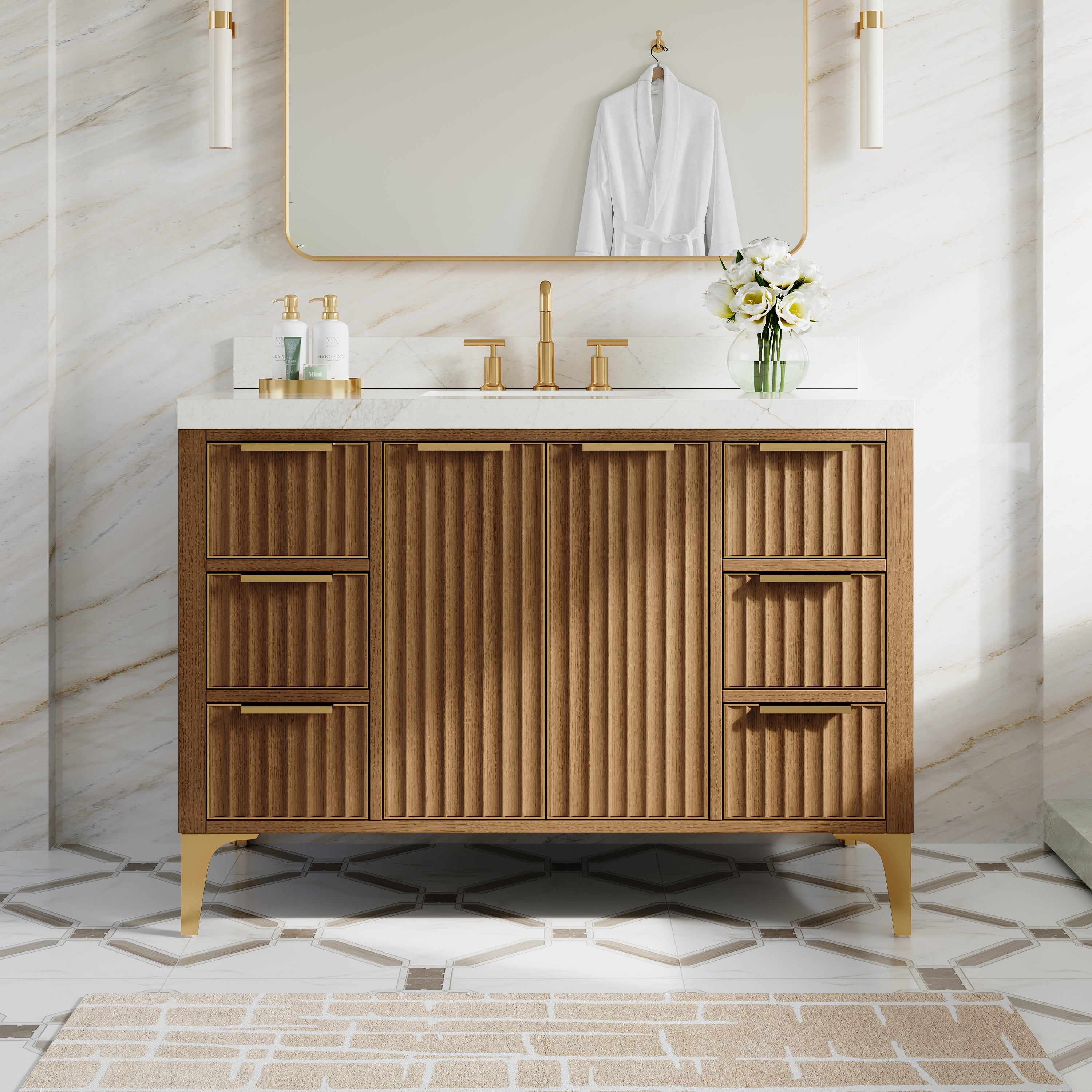
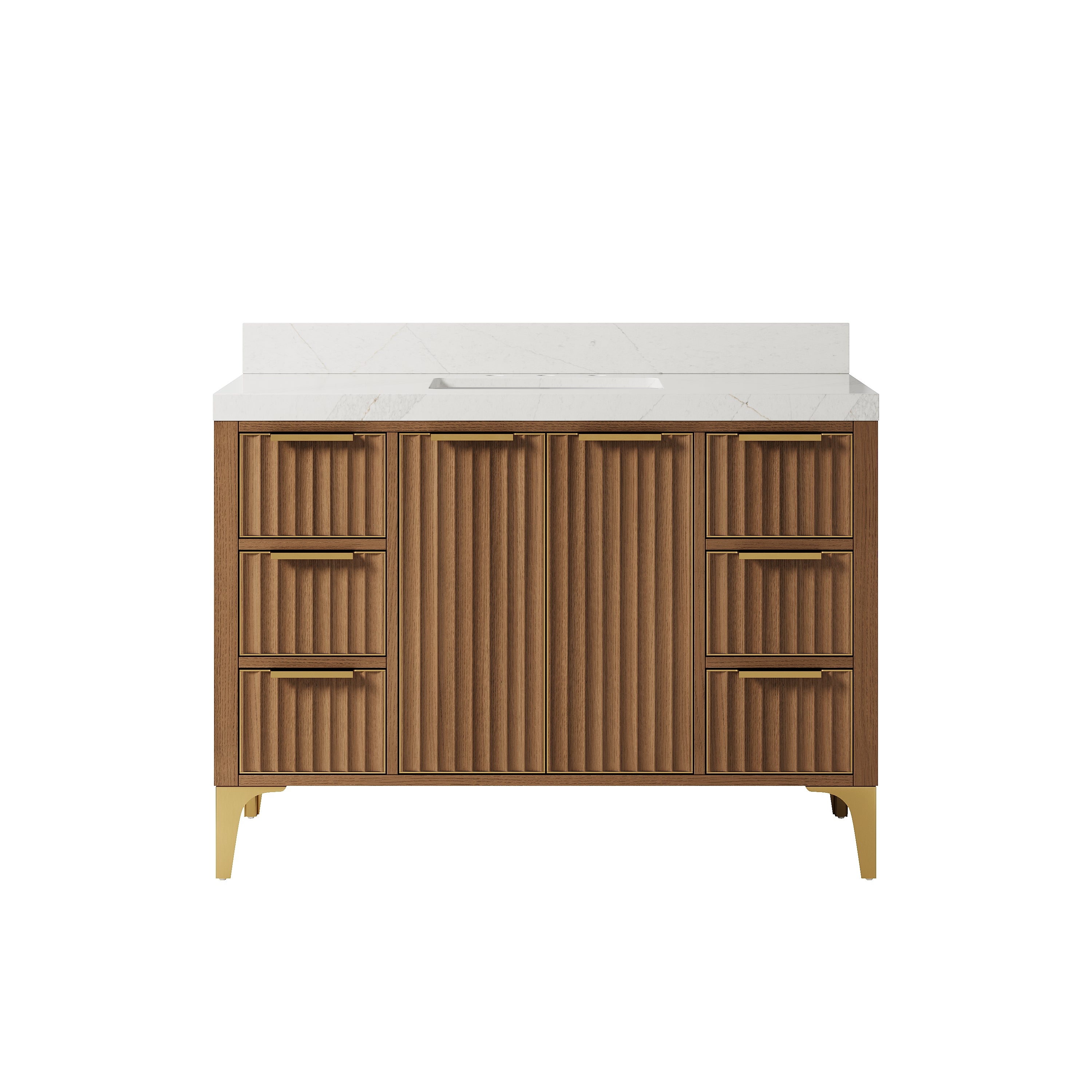
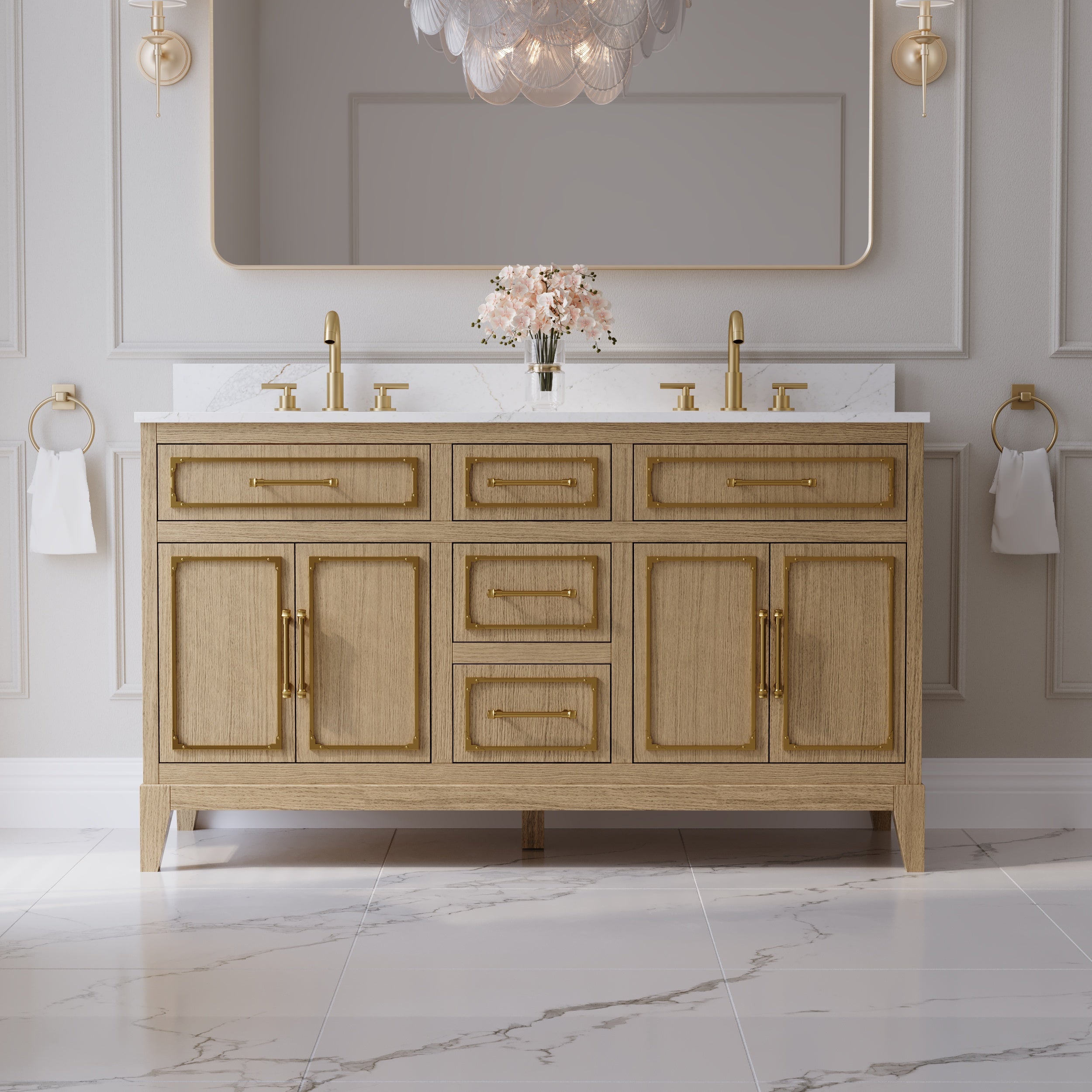
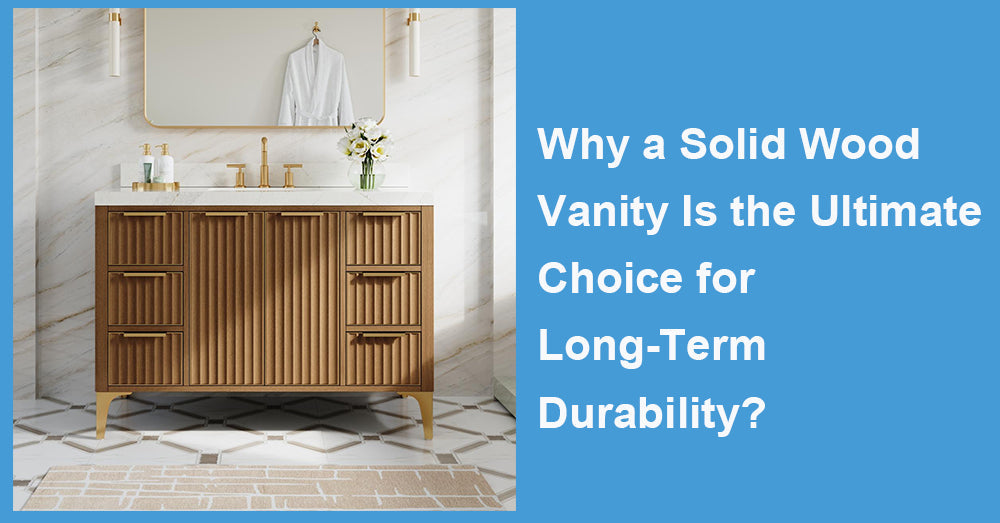
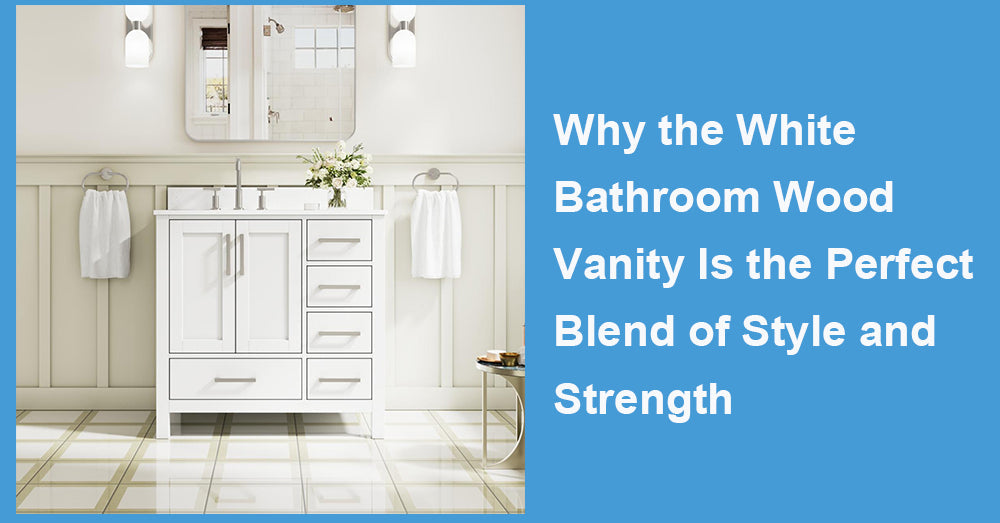
A solid wood vanity earns its reputation the hard way: by surviving real bathrooms. I have seen vanities in busy family homes, guest baths that sit untouched for weeks and then get heavy use over a holiday, and primary bathrooms where steam, splashing water, and daily routines test every finish and joint. In those spaces, durability is never theoretical. It shows up in drawer alignment, cabinet stability, finish wear, and whether the vanity still feels worth keeping after years of use.
That is why I keep coming back to solid wood when homeowners ask what will actually last. It is not perfect. No bathroom material is. Still, when the construction is good and the piece is installed properly, solid wood gives you a stronger foundation than many cheaper alternatives that look fine online and age badly in real life.
1. Why Solid Wood Performs Differently From Lower-Grade Vanity Materials
The first difference is structural integrity. A solid wood vanity usually feels more stable because the cabinet does not rely on thin printed surfaces or weak interior materials to create the illusion of quality. Doors tend to feel more substantial. Drawer fronts carry more weight without looking tired. The whole piece has more presence, not just visually but physically.
That matters in a bathroom because this is not a quiet environment. Humidity rises and falls. Cabinet doors get opened half-asleep in the morning. Towels brush against the finish. The sink area gets wet. Over time, flimsy materials start telling on themselves. Corners chip. Edges swell. Drawer fronts loosen. A solid wood vanity usually resists that cycle better because the material itself has more integrity before the finish is even applied.
I have also found that solid wood tends to age with more dignity. Small nicks or light wear often read as part of the material rather than a sharp failure. That does not mean damage should be ignored. It means the vanity stays believable as it matures.
2. Why a Solid Wood Vanity Holds Up Better Over Time
Long-term durability is not just about surviving moisture. It is also about surviving daily use without becoming annoying. A vanity can technically remain standing and still feel like a bad purchase if the drawers start sticking, the finish wears unevenly, or the cabinet loses its alignment.
This is where solid wood often separates itself.
A well-built solid wood vanity tends to handle repeated opening and closing better, especially when paired with decent hardware and proper joinery. In family bathrooms, that matters fast. The difference between a vanity that still feels solid after three years and one that already feels loose usually begins with materials and construction, not styling.
There is also a maintenance advantage people do not always think about. If a solid wood vanity gets superficial wear, it is often more forgiving to repair or refresh than cheaper laminated or paper-finished pieces. That repairability is part of durability. A vanity that can be touched up or refinished has a longer practical life.
A common mistake buyers make
Many people assume “solid wood” means the vanity is automatically better in every way. That is not quite true.
Solid wood is a strong starting point, but construction still matters. If the joinery is poor, the seal is weak, or the design leaves vulnerable areas exposed to constant water, even a solid wood vanity can disappoint. I have seen buyers focus so hard on the material label that they forget to ask better questions about drawer slides, interior finishing, sink cutout protection, and how well the cabinet is assembled.
Where its limits show up
Solid wood is durable, though it is not invincible. Bathrooms with chronic moisture problems, weak ventilation, or small plumbing leaks can wear down any vanity faster than expected. Wood can expand and contract with humidity. If the finish is poor or water is allowed to sit repeatedly around sink edges and seams, the material will eventually show stress.
So yes, solid wood is one of the best long-term choices. It is not a license to ignore the room around it.
3. Where It Makes the Most Sense, and Where It May Not
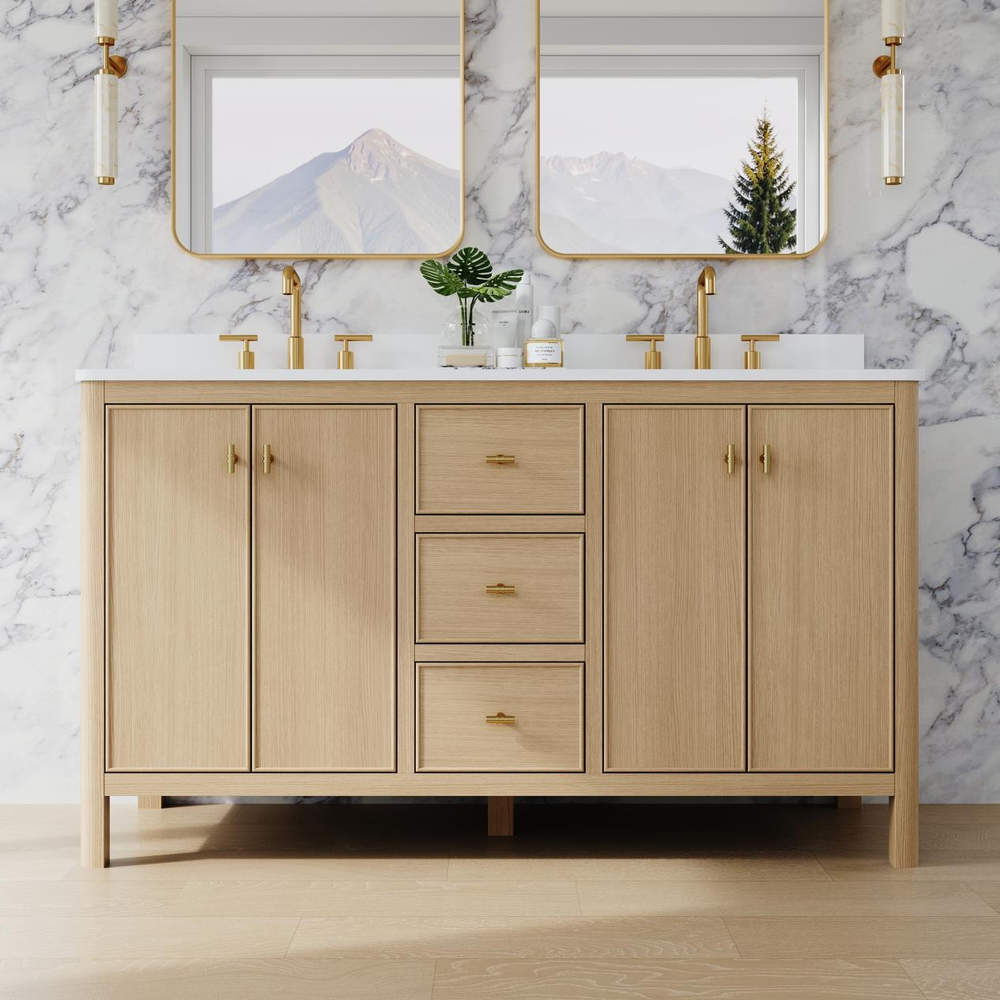
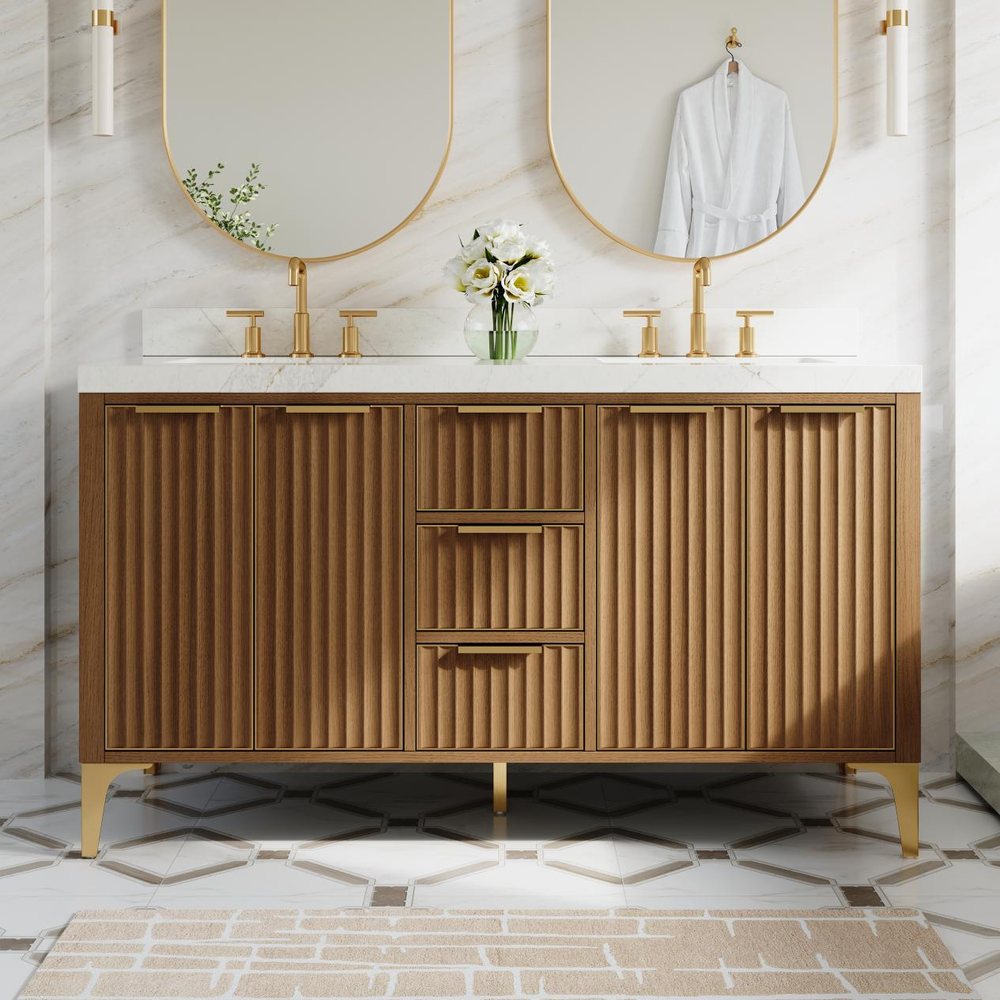
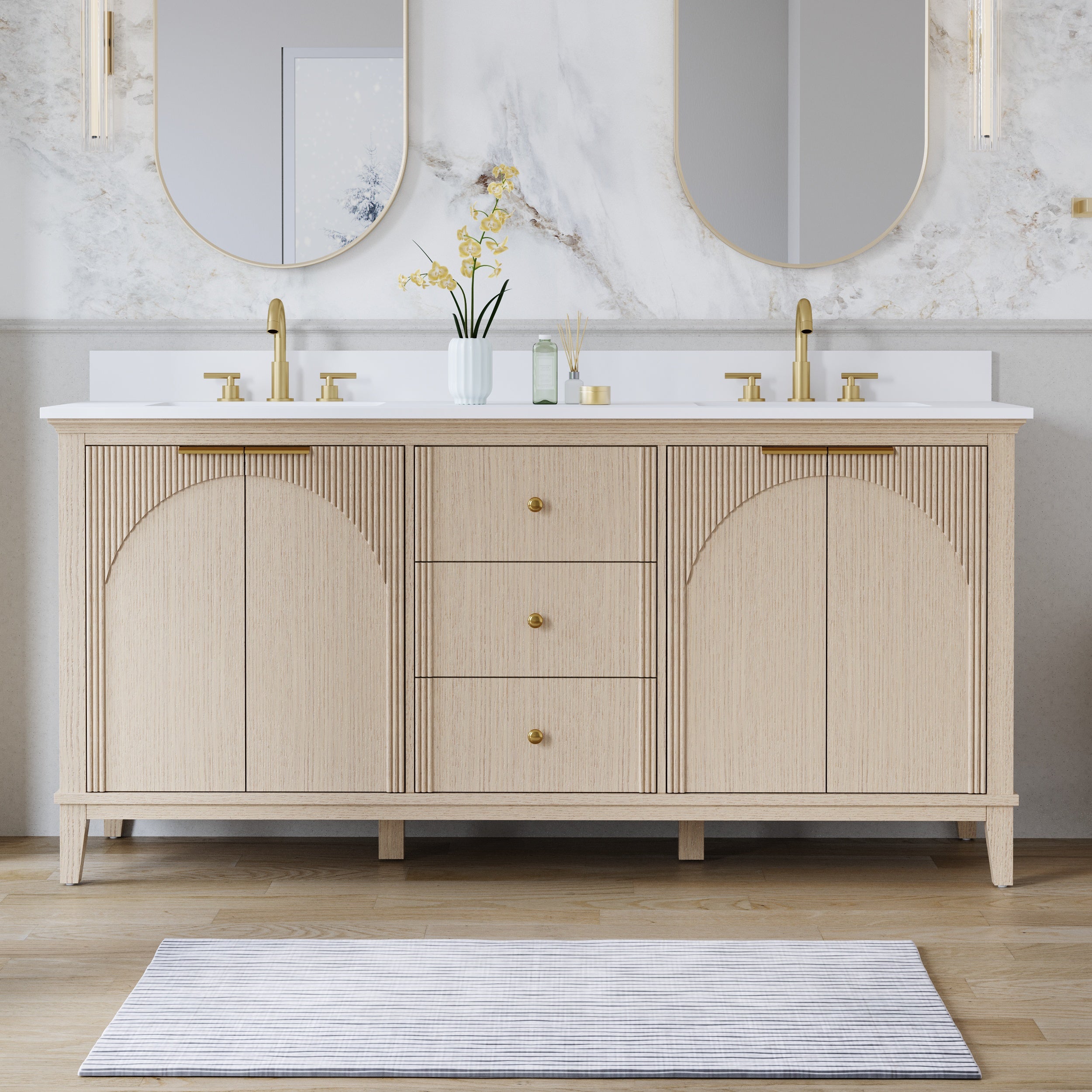
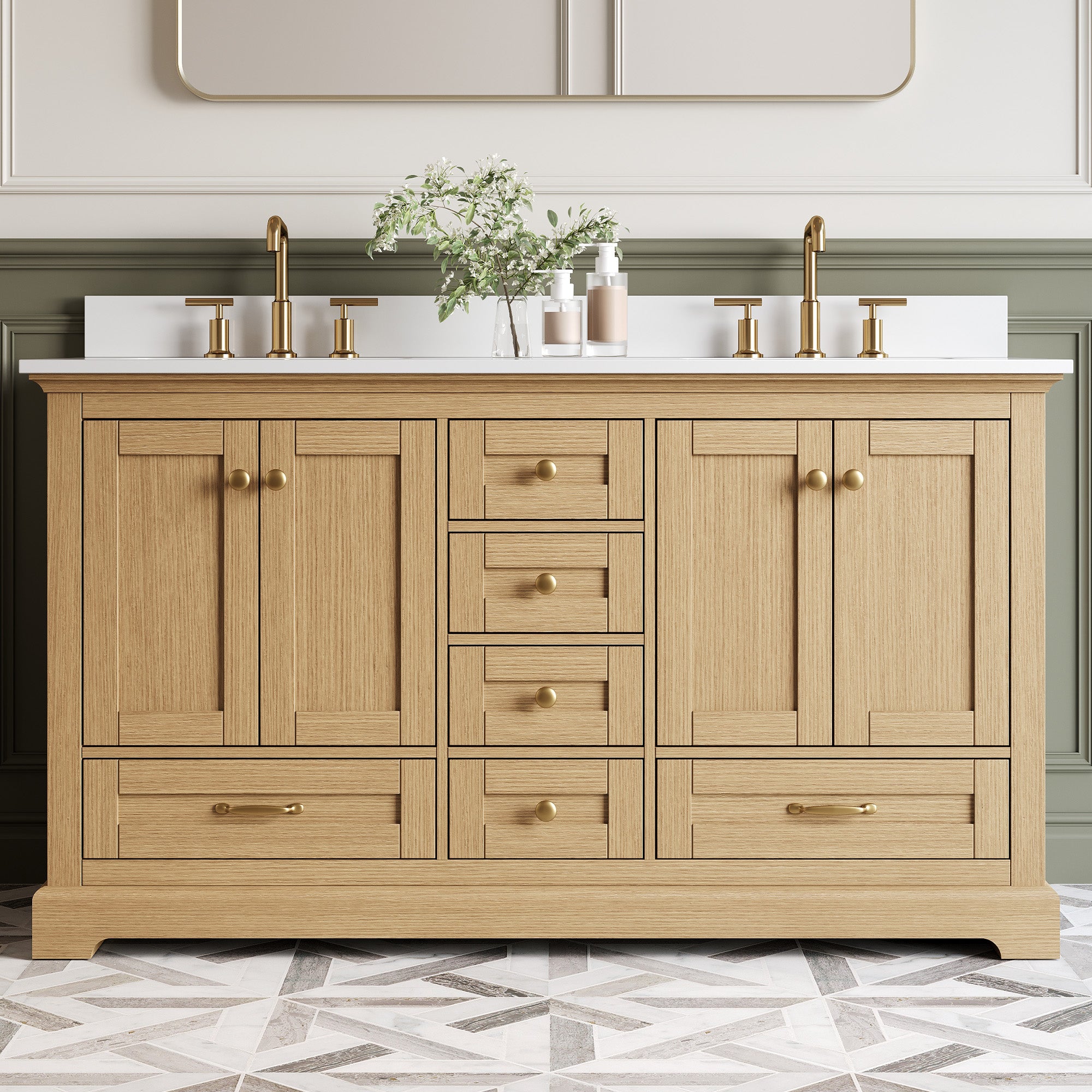
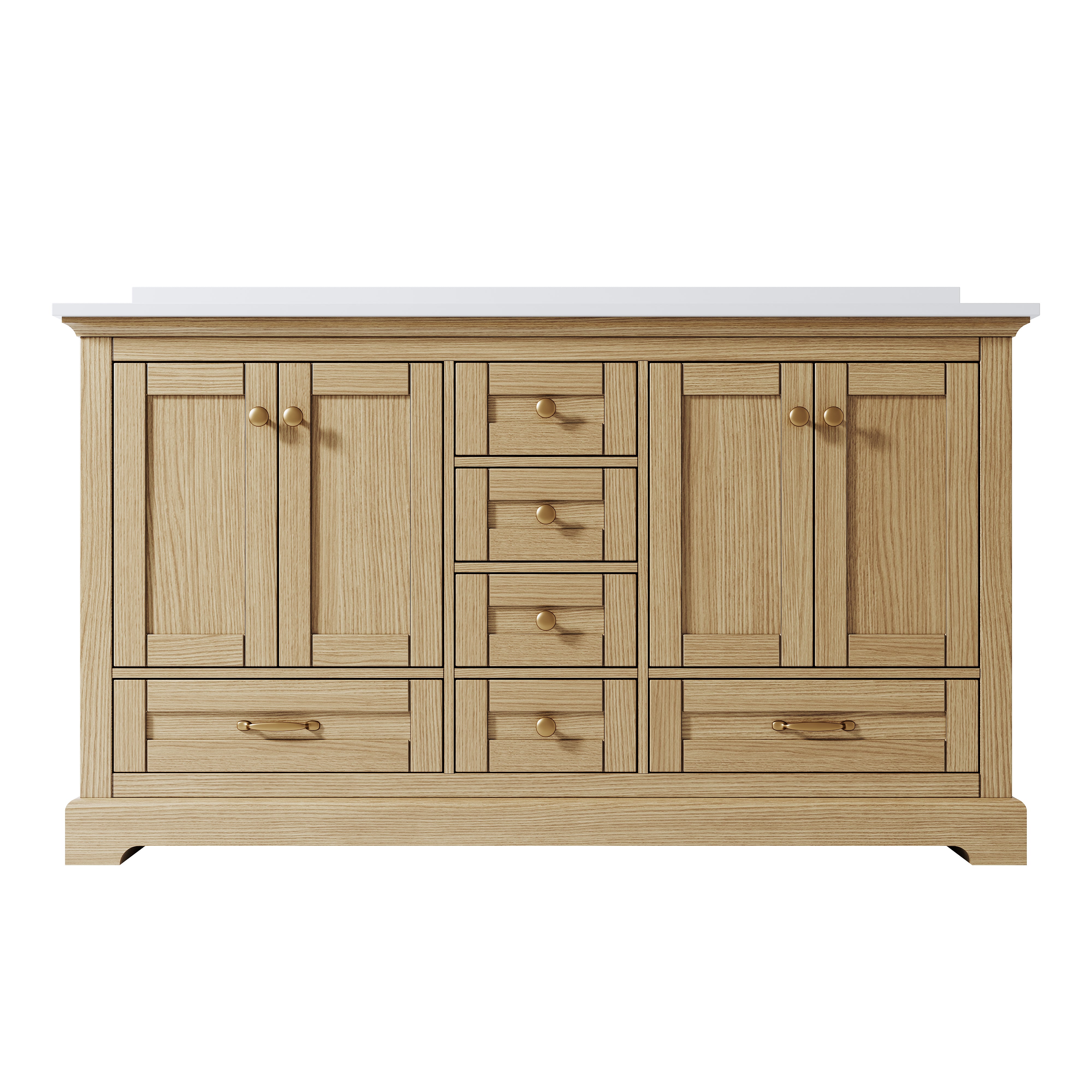
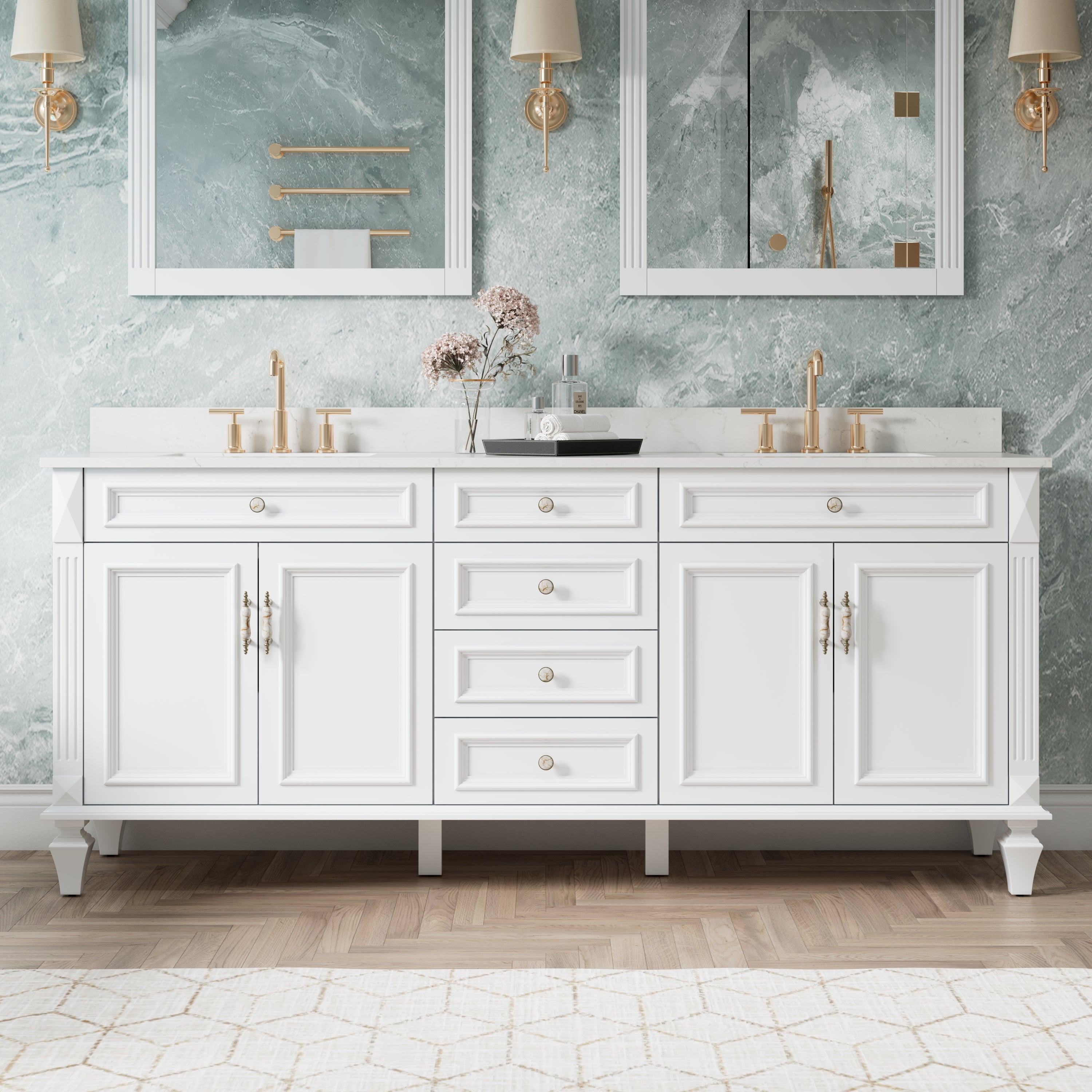
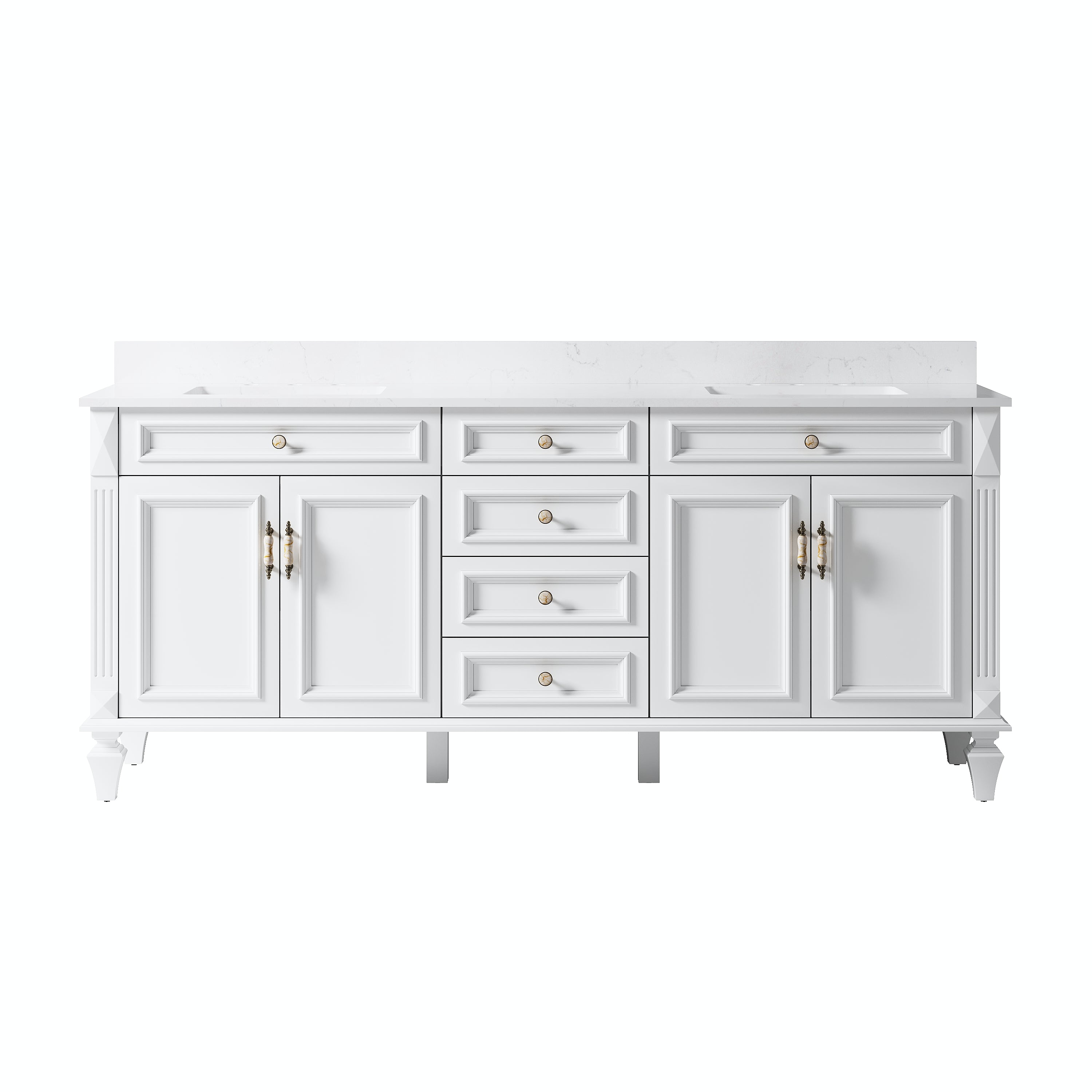
A solid wood vanity is especially well suited to primary bathrooms, family bathrooms, and higher-use guest bathrooms where reliability matters as much as looks. It is also a smart choice in homes where the owner wants the bathroom to feel grounded and lasting rather than trendy. Mid-tone wood, lighter natural finishes, and classic painted solid wood pieces all tend to hold their appeal well.
I also like solid wood in renovation projects where the vanity is expected to anchor the room. If the countertop, mirror, and lighting are relatively restrained, a strong vanity can carry a surprising amount of the bathroom’s quality.
There are cases where I would be more cautious. In a very tight budget remodel, paying extra for solid wood may not be the best move if it forces compromises in ventilation, plumbing quality, or countertop durability. In very small powder rooms with minimal use, the full durability benefit may not matter as much as overall fit and proportion. And if the bathroom stays damp for hours after every shower, I would fix the airflow issue before investing in any wood vanity, no matter how good it is.
Industry observation from real projects
What I keep seeing is this: homeowners regret replacing weak vanities more often than they regret buying stronger ones. The upfront price of solid wood can feel like a stretch. The replacement cost of a failed vanity, plus labor, plus disruption, usually feels worse.
That is why durability has to be priced over time, not just on purchase day.

4. What to Check Before You Buy, Install, and Live With One
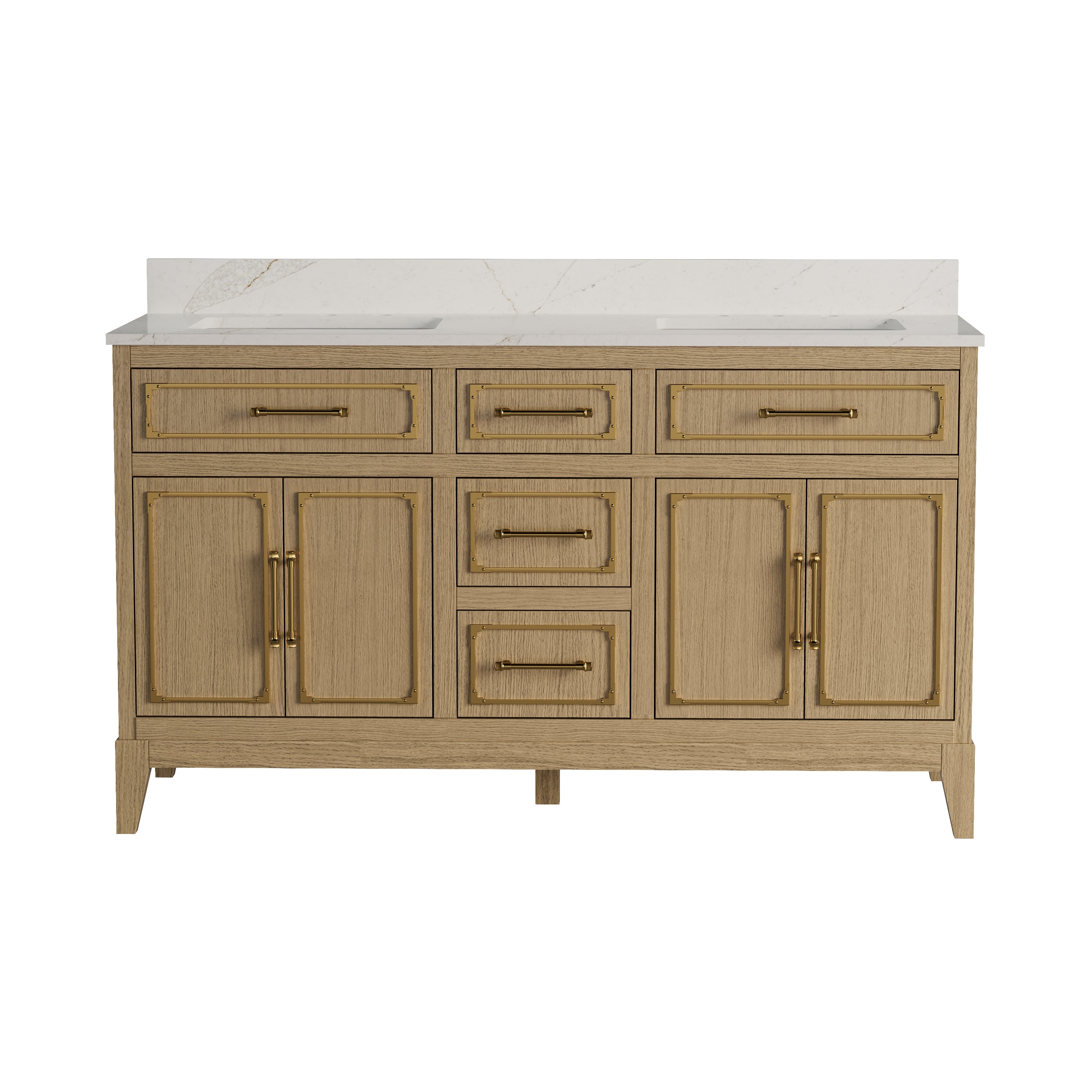
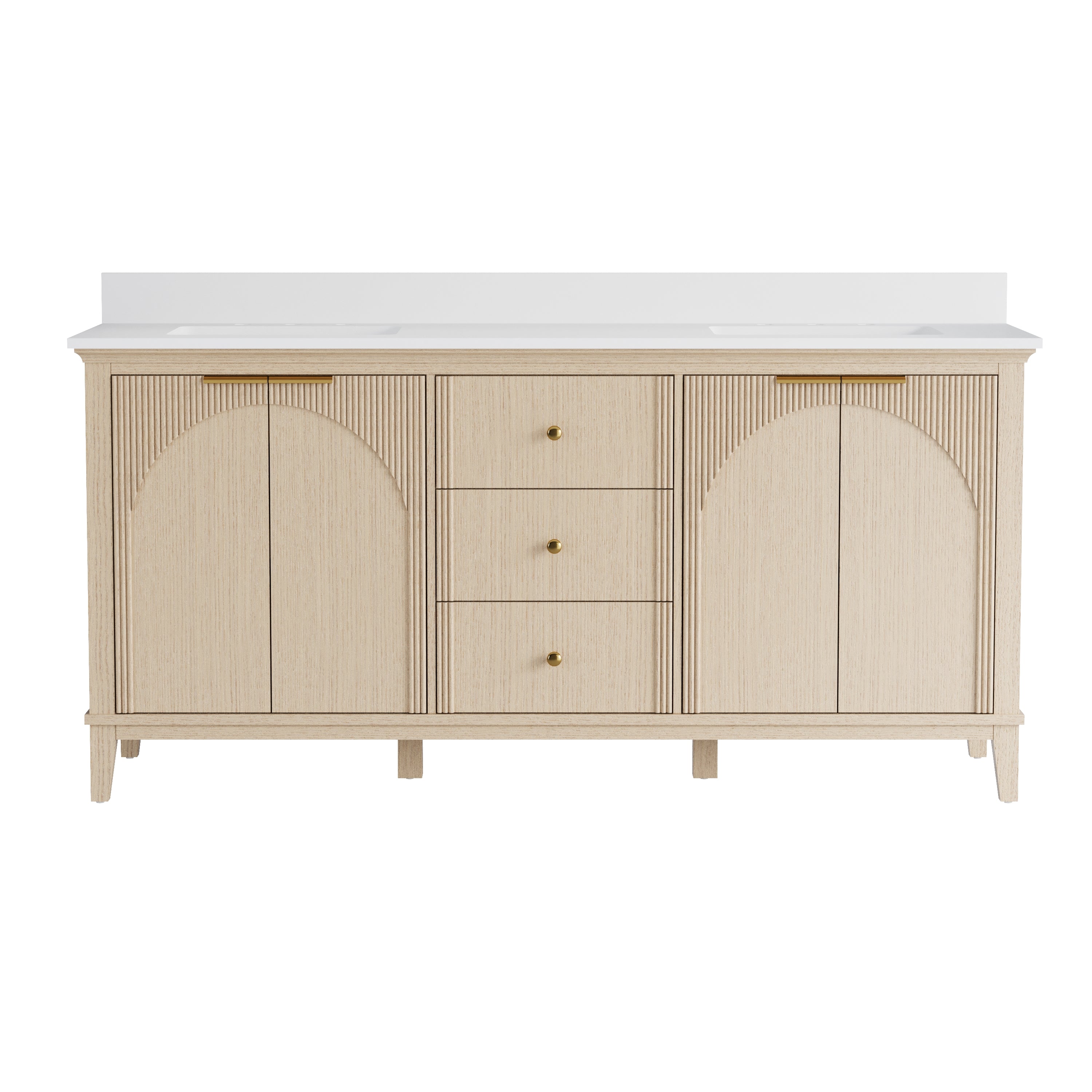
Start by looking beyond the word “solid.” Check how much of the vanity is actually solid wood and where it matters most. Then look at the joinery, drawer construction, finish quality, and interior sealing. A good cabinet should feel carefully built, not simply marketed well.
Pay attention to installation too. A solid wood vanity should be level, properly supported, and protected from sloppy plumbing work. I have seen slow leaks ruin beautiful cabinets from the inside long before the exterior showed obvious damage. Good caulking, clean sink installation, and secure water connections matter more than people think.
Maintenance is not difficult, but consistency helps. Wipe standing water near the faucet and sink edge. Do not leave wet towels draped over the cabinet face day after day. Use a soft cloth and a gentle cleaner instead of harsh abrasives. Run the exhaust fan long enough to clear steam. Those small habits protect the finish and extend the life of the vanity far more effectively than homeowners expect.
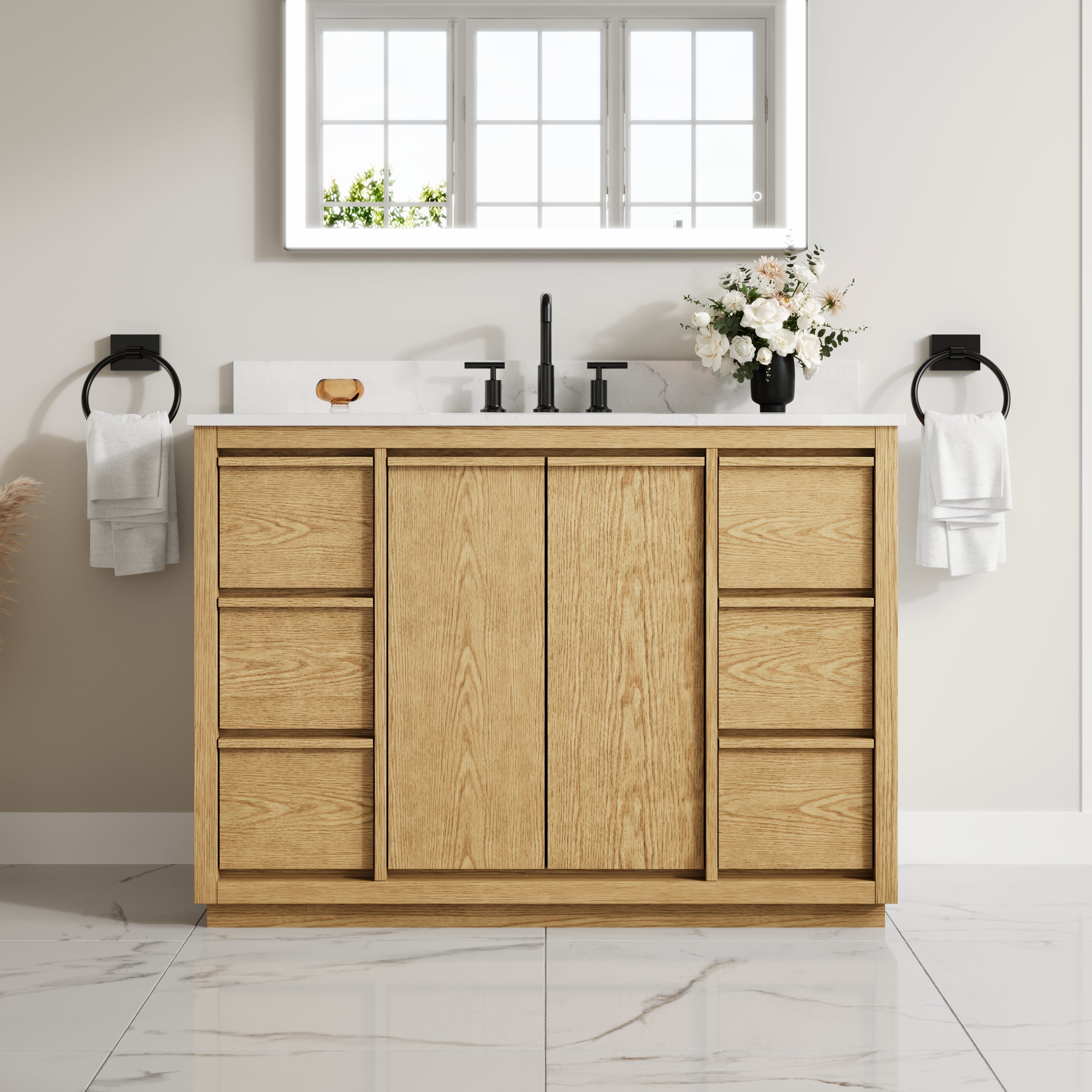
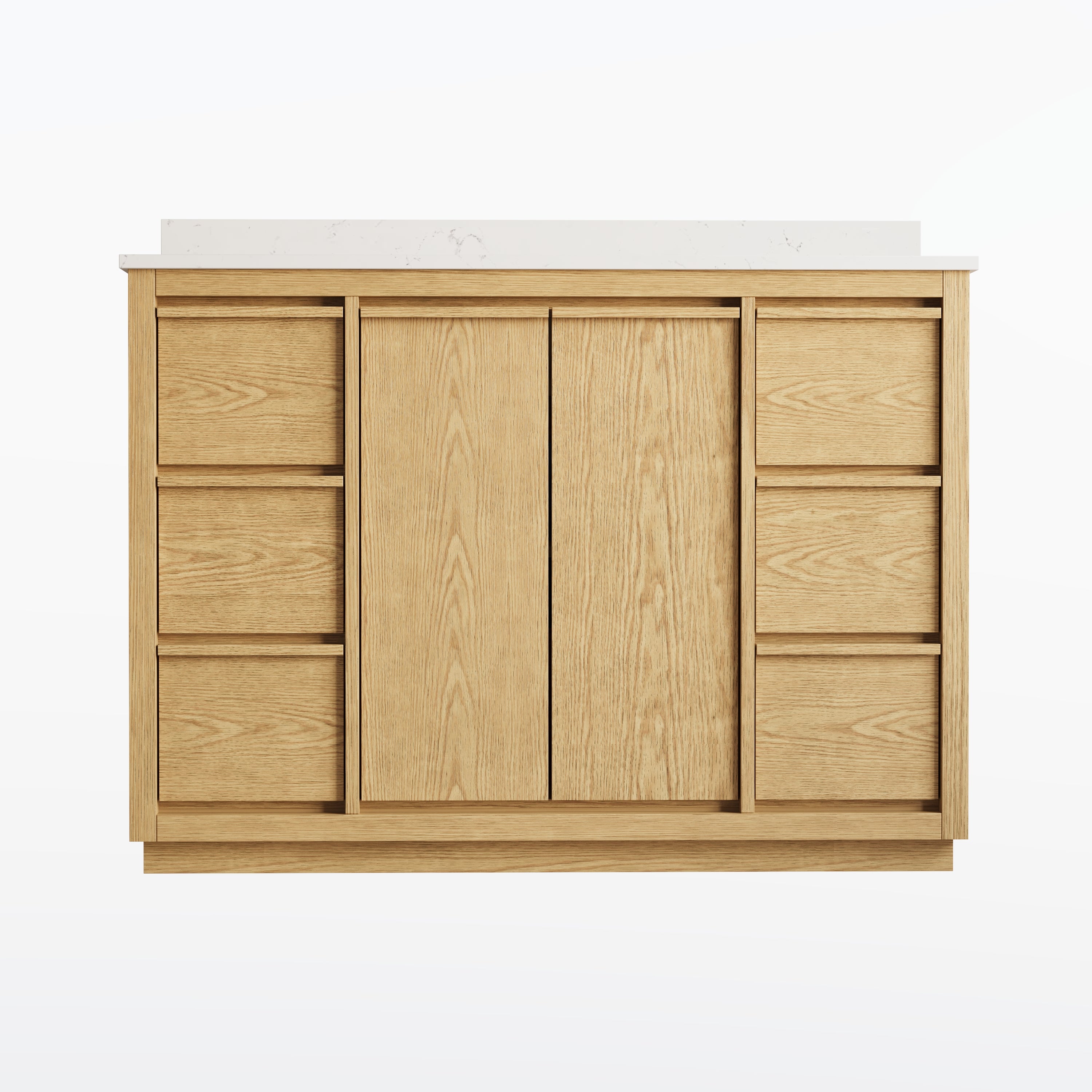
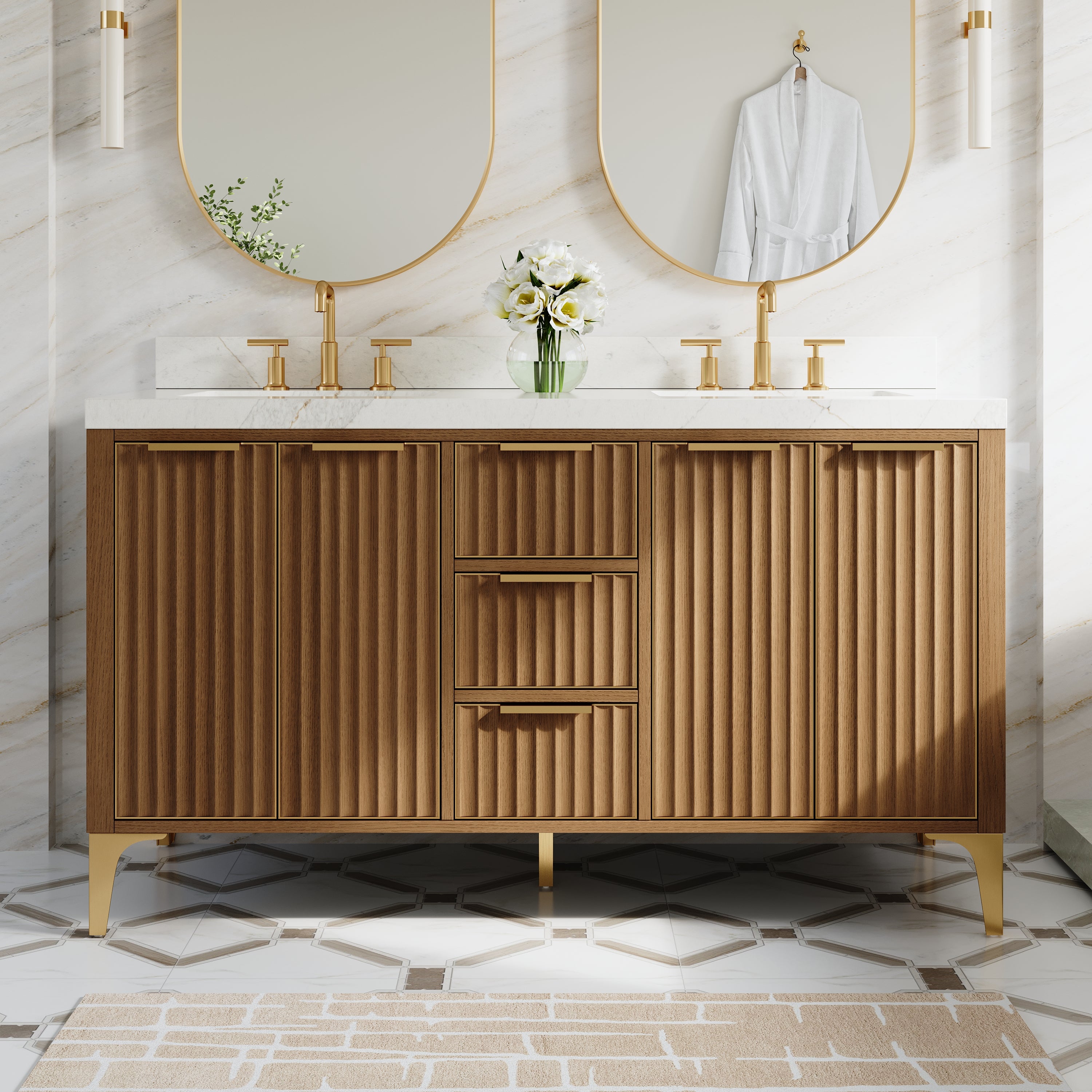
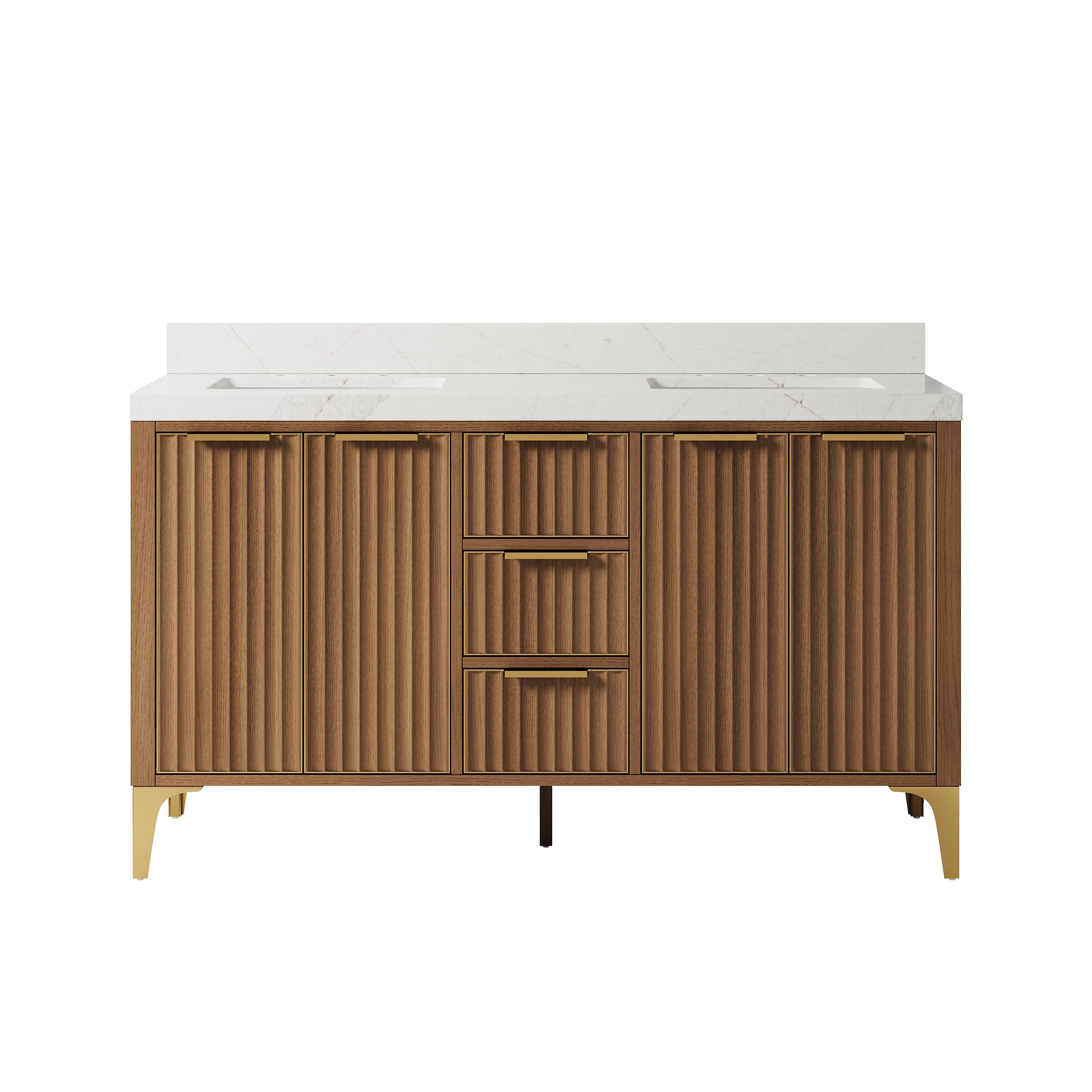
For anyone considering a brand like Wellfor, my practical advice is simple: choose a solid wood vanity when you want the bathroom to hold up not just in photos, but in real use. Buy it for the way it is built, not just the way it is styled. If the construction is sound, the finish is protected, and the room itself is managed well, a solid wood vanity remains one of the strongest long-term decisions you can make in a bathroom.













Leave a comment
This site is protected by hCaptcha and the hCaptcha Privacy Policy and Terms of Service apply.