














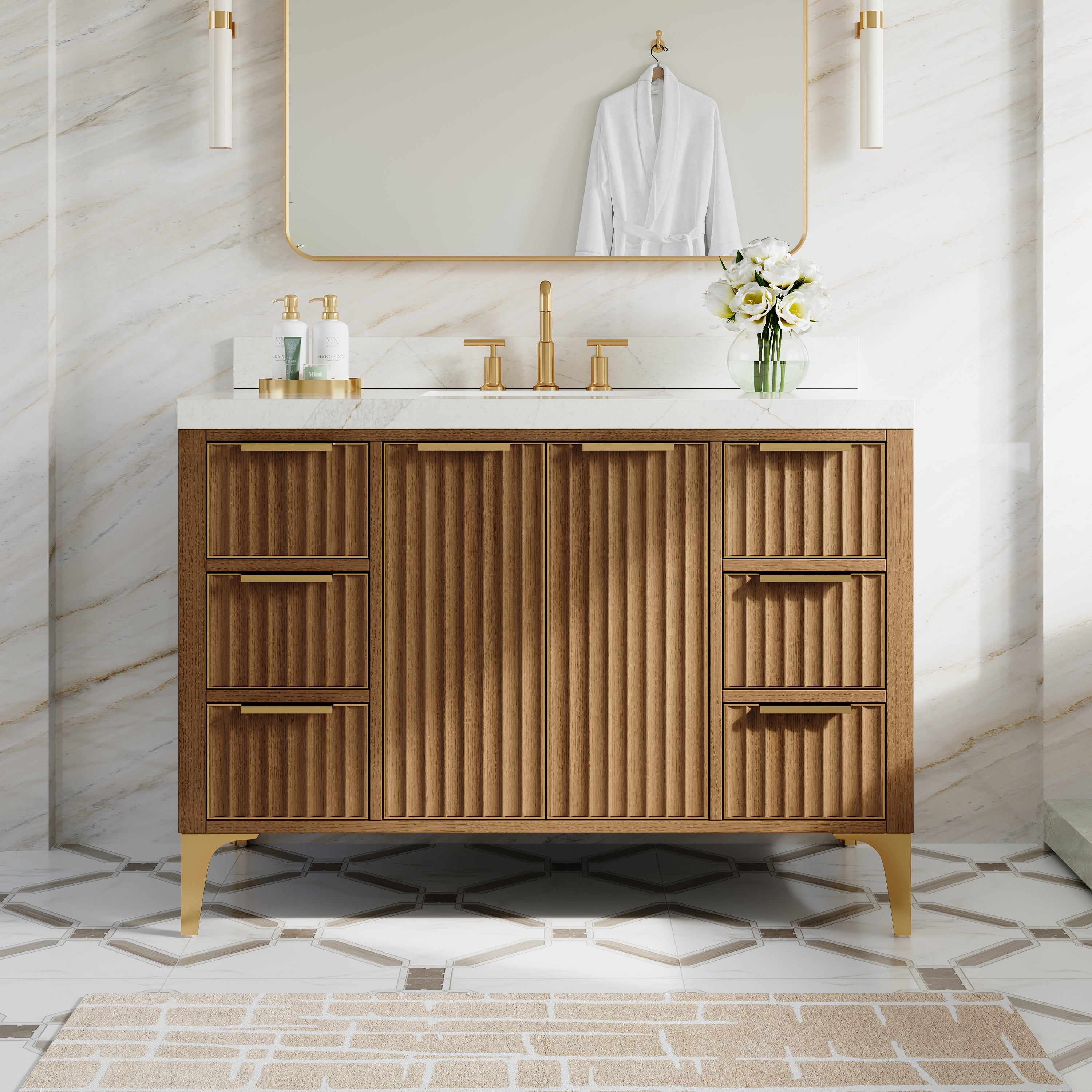
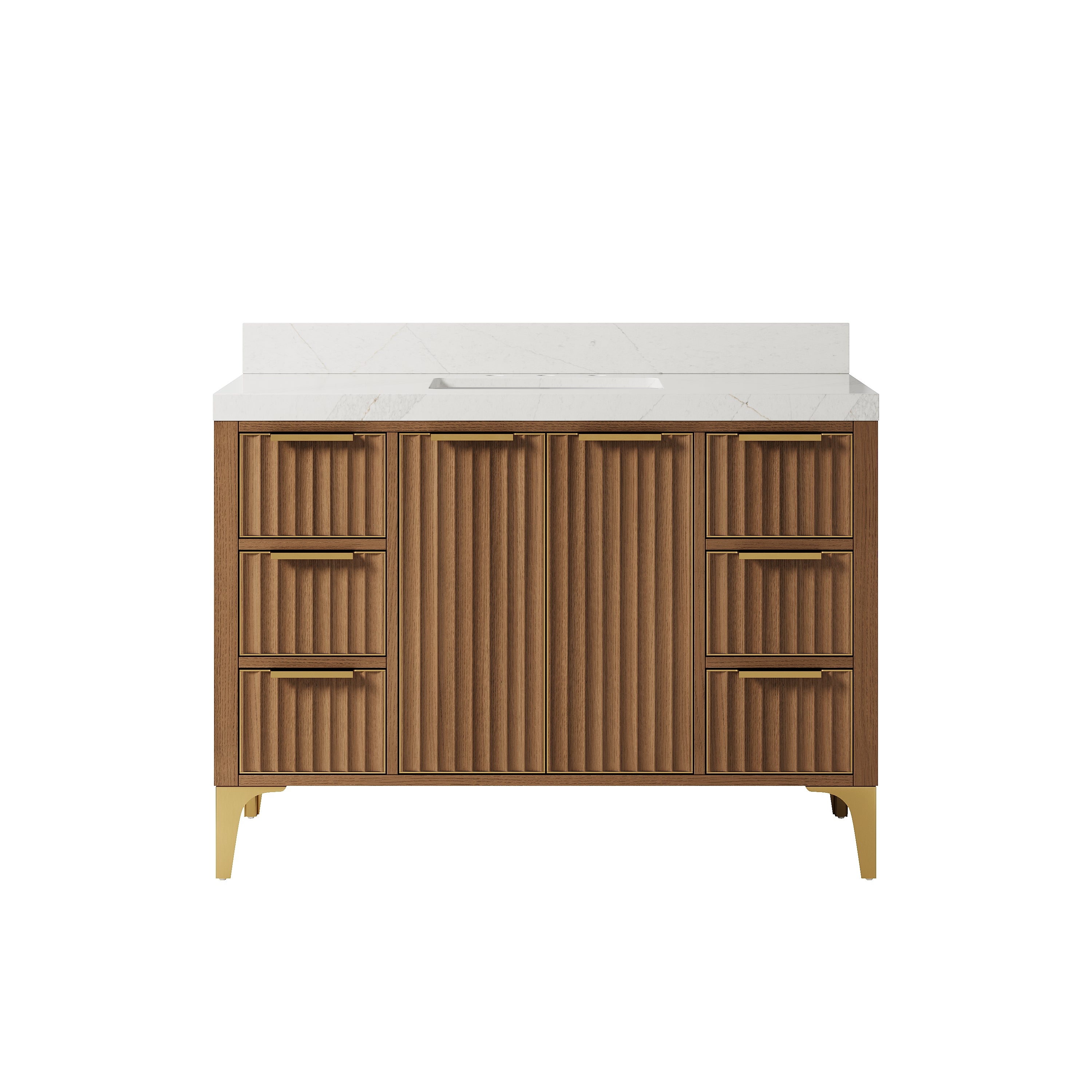


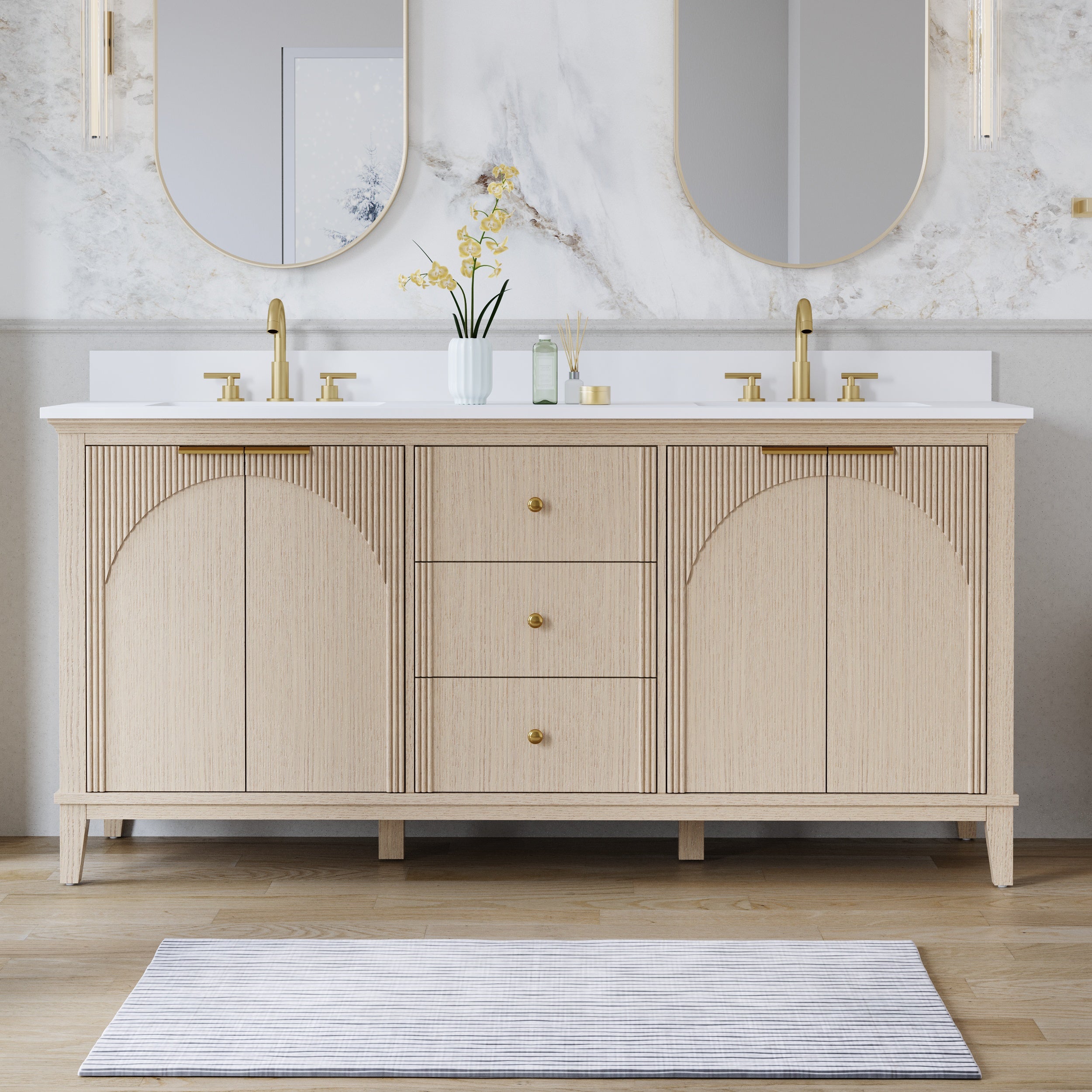
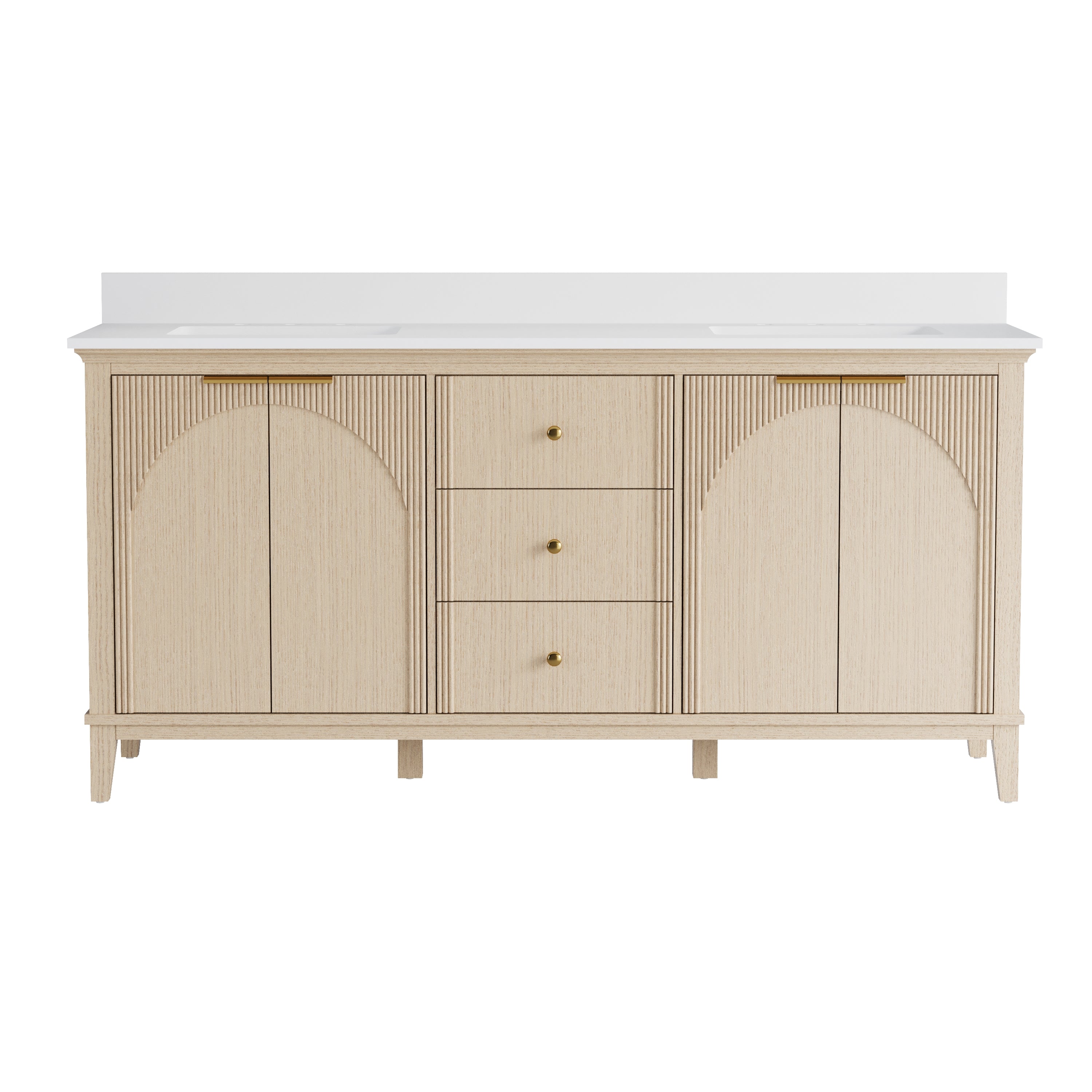
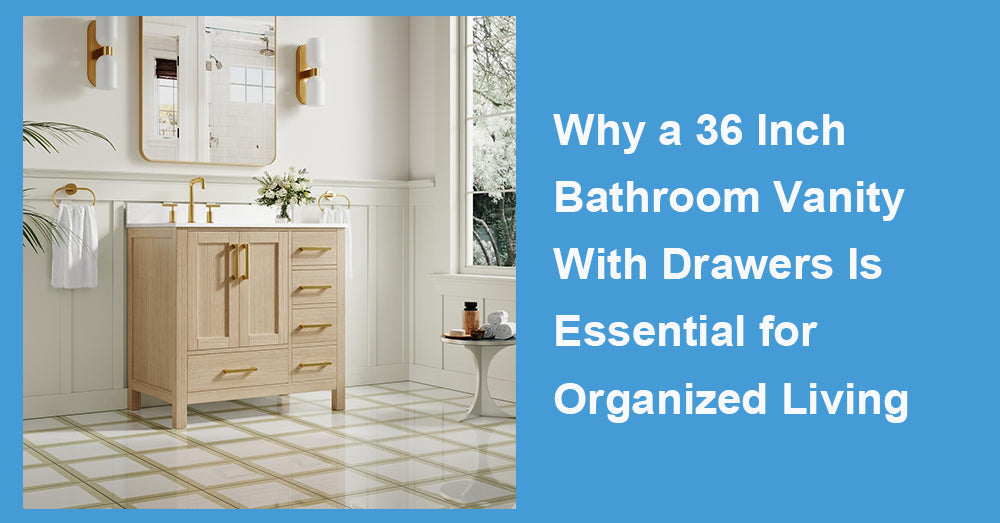
A bathroom can look beautifully finished and still be frustrating to use when everyday items have nowhere to go. Toothpaste gathers beside the faucet, hair tools compete for outlet space, and extra toiletries disappear into the back of a deep cabinet. A 36 inch bathroom vanity with drawers offers a practical answer to this familiar problem. It provides enough countertop and storage space for daily routines while remaining compact enough for many guest bathrooms, hall bathrooms, and smaller primary suites.
A Practical Size for Many American Bathrooms
A 36-inch vanity is in an advantageous position. It is bigger than a simpler powder room cabinet but smaller than a 48-inch or 60-inch one. For homes with a small bathroom size, the equilibrium makes the room practical without giving up on space.
This size typically provides room for a single sink, practical counter space, and multiple storage options. There is usually enough space for soap, a toothbrush holder, and several everyday essentials. The cabinet can also fit into bathrooms where a larger vanity might block the door, interfere with the toilet or shower, or reduce the available walking space.
There are many things to pay attention to when getting one. It is not enough to measure the wall; you need to see how wide, deep, and high the area is. Also, the locations of different lines need to be taken into account.
Drawers Make Everyday Items Easier to Reach
Traditional vanity cabinets often include two doors and one large open compartment. That space can hold tall bottles and cleaning products, but smaller items tend to become buried behind one another. Reaching something at the back may require kneeling down and removing several products first.
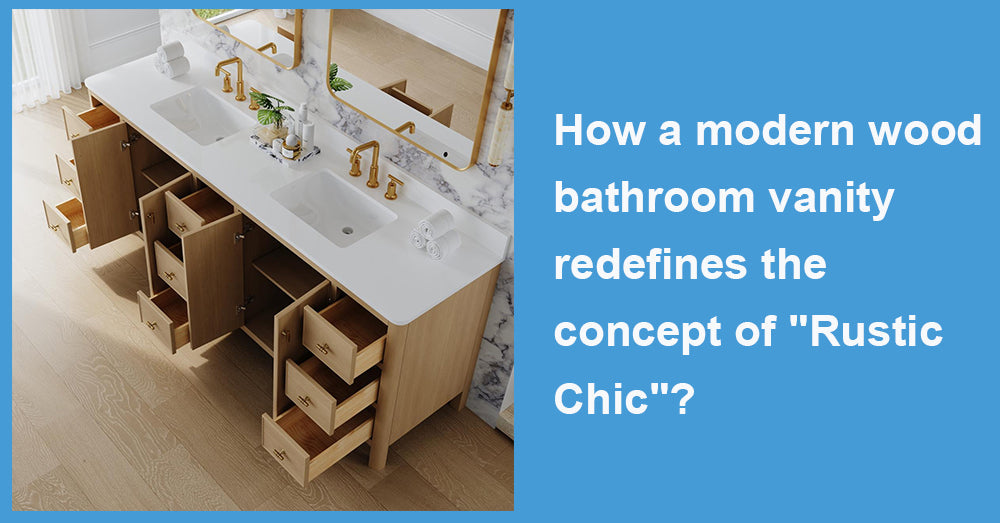
Drawers work differently. Instead of reaching into a dark cabinet, the user pulls the contents forward. Toothbrushes, cosmetics, shaving supplies, washcloths, and first-aid items are visible from above. This simple change can reduce the time spent searching during busy mornings.
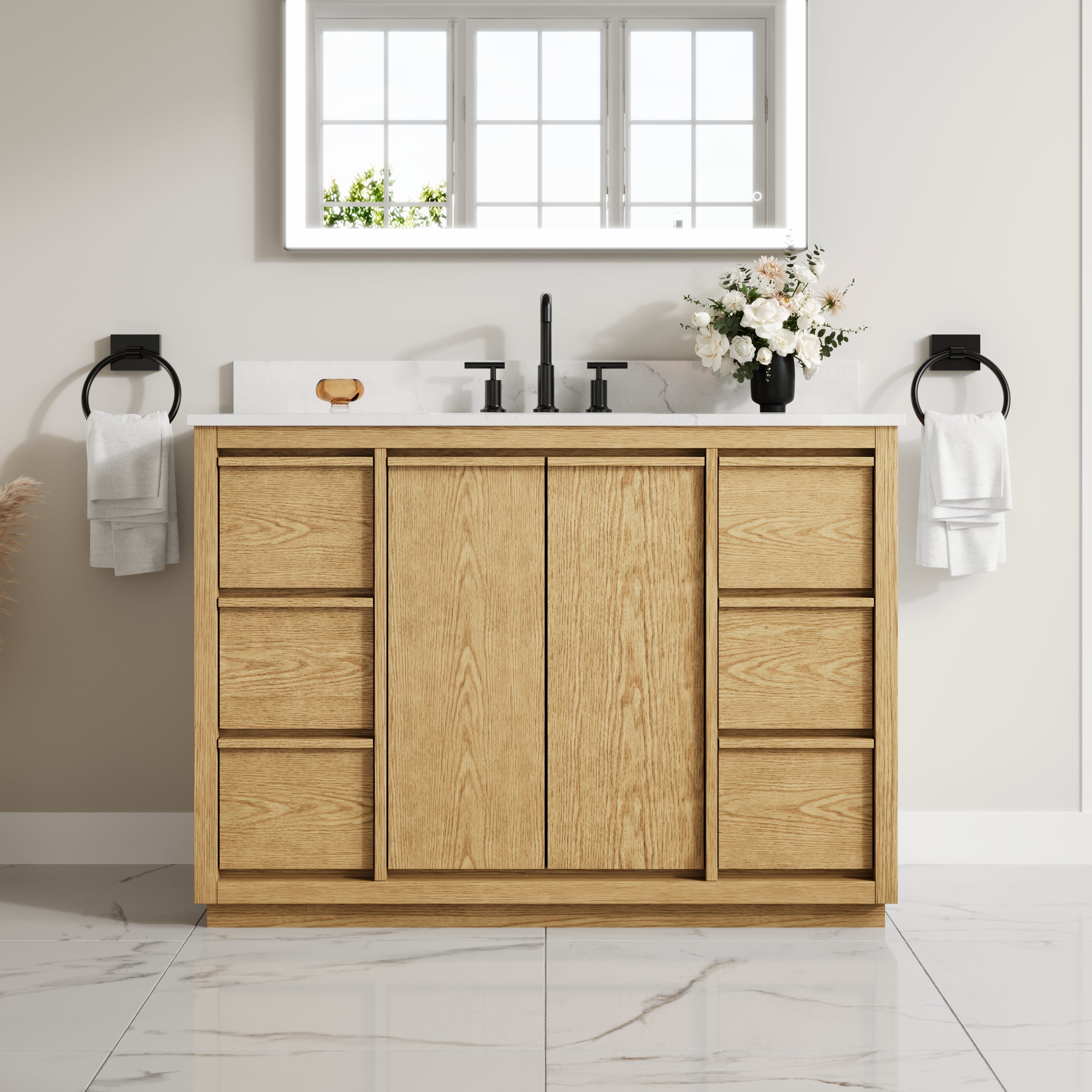
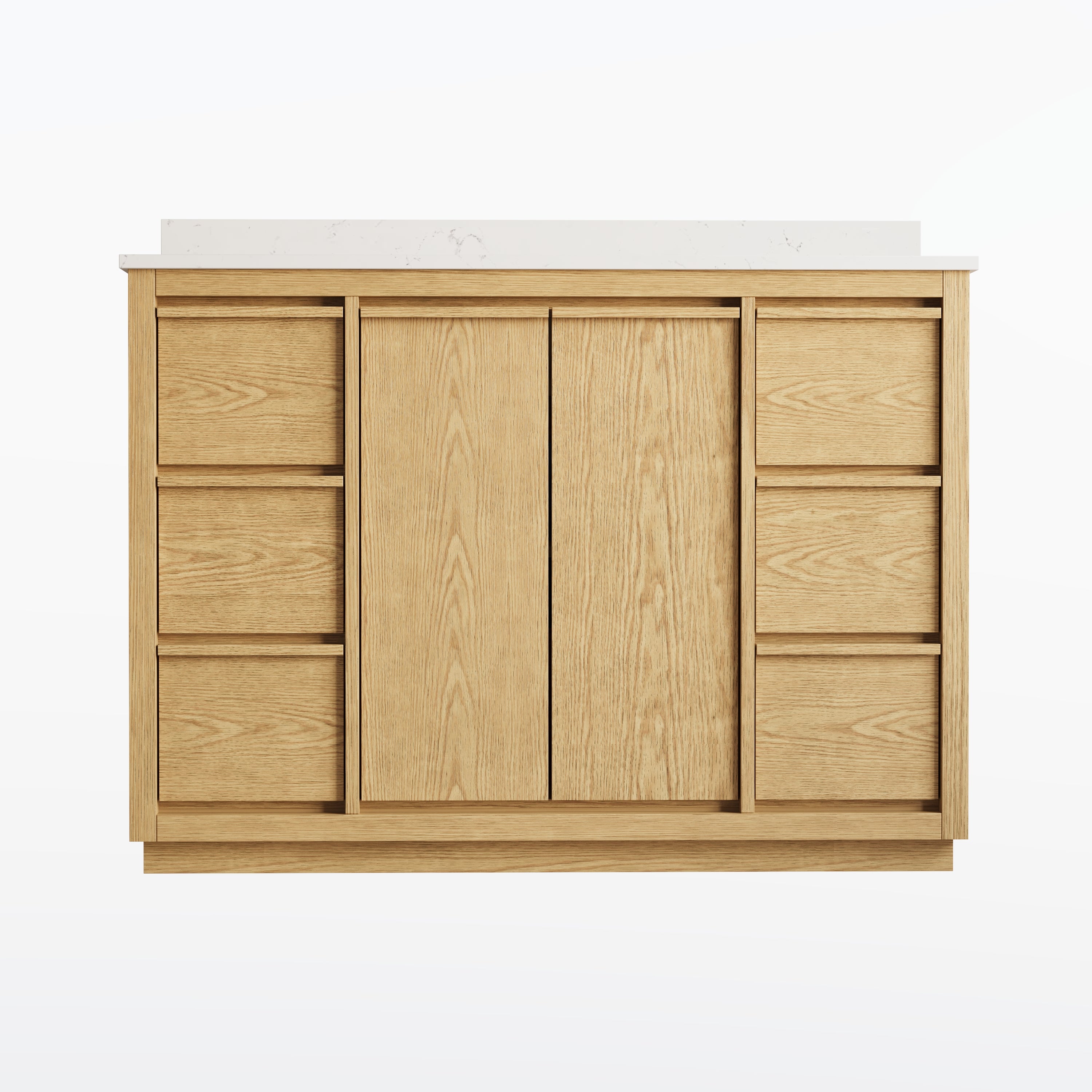
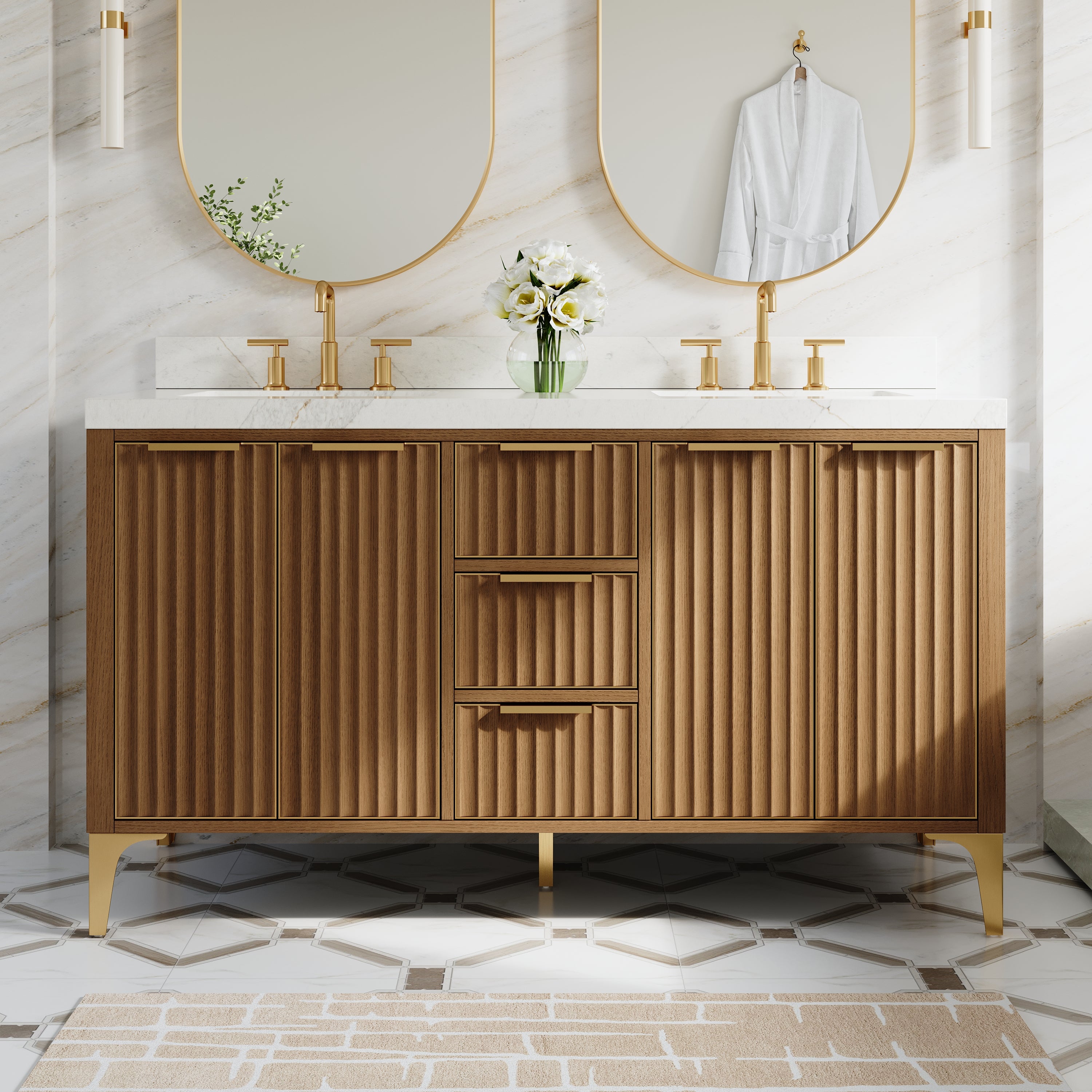
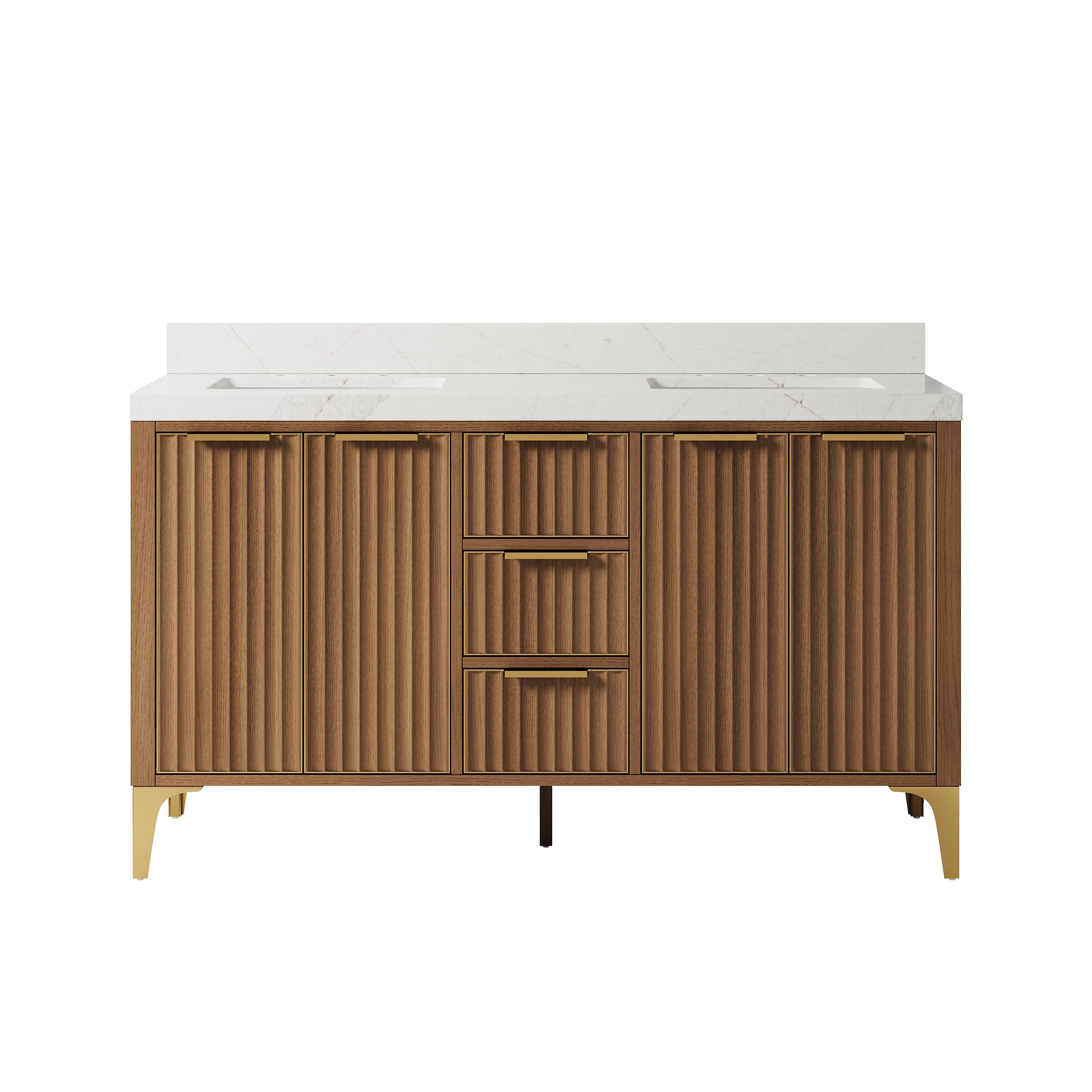
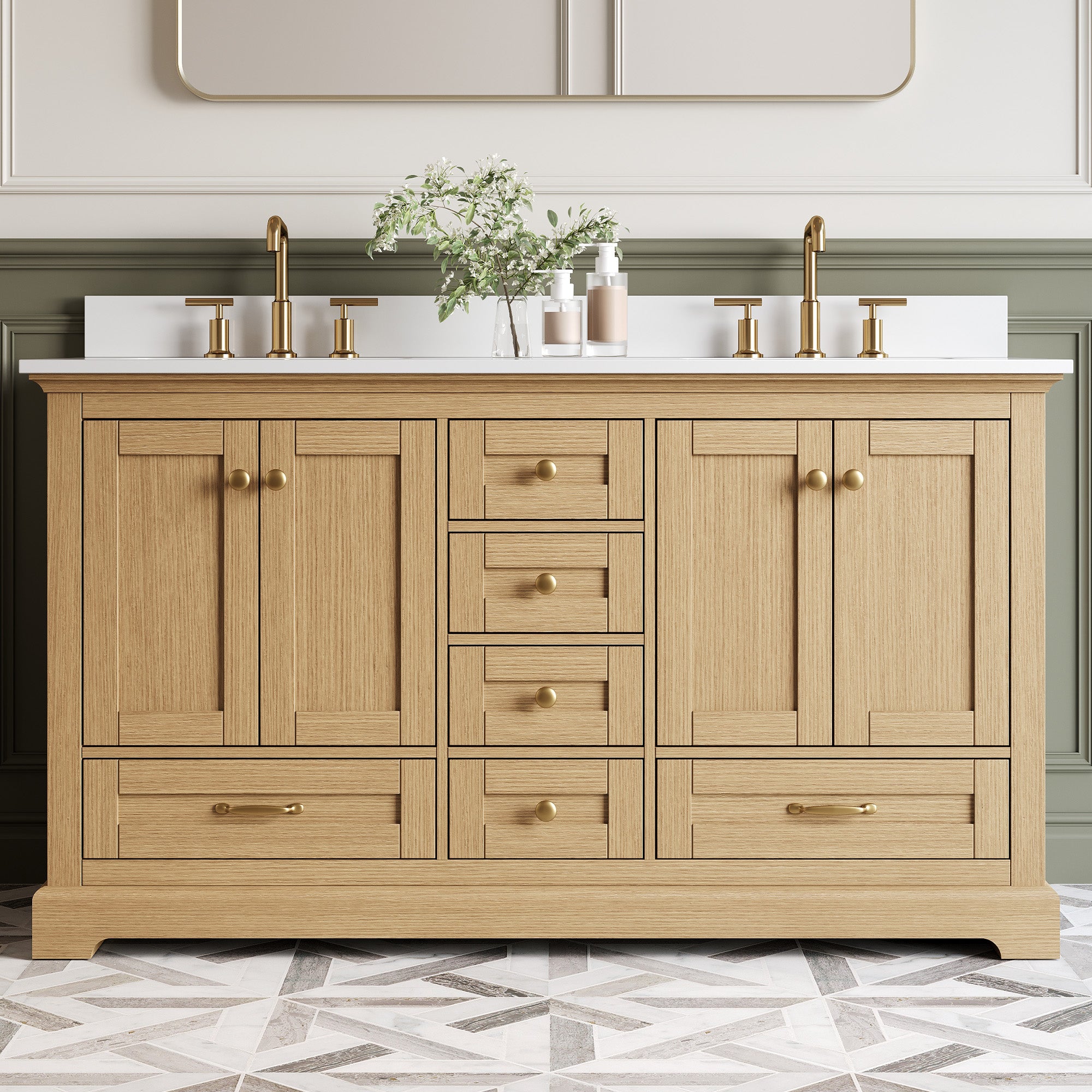
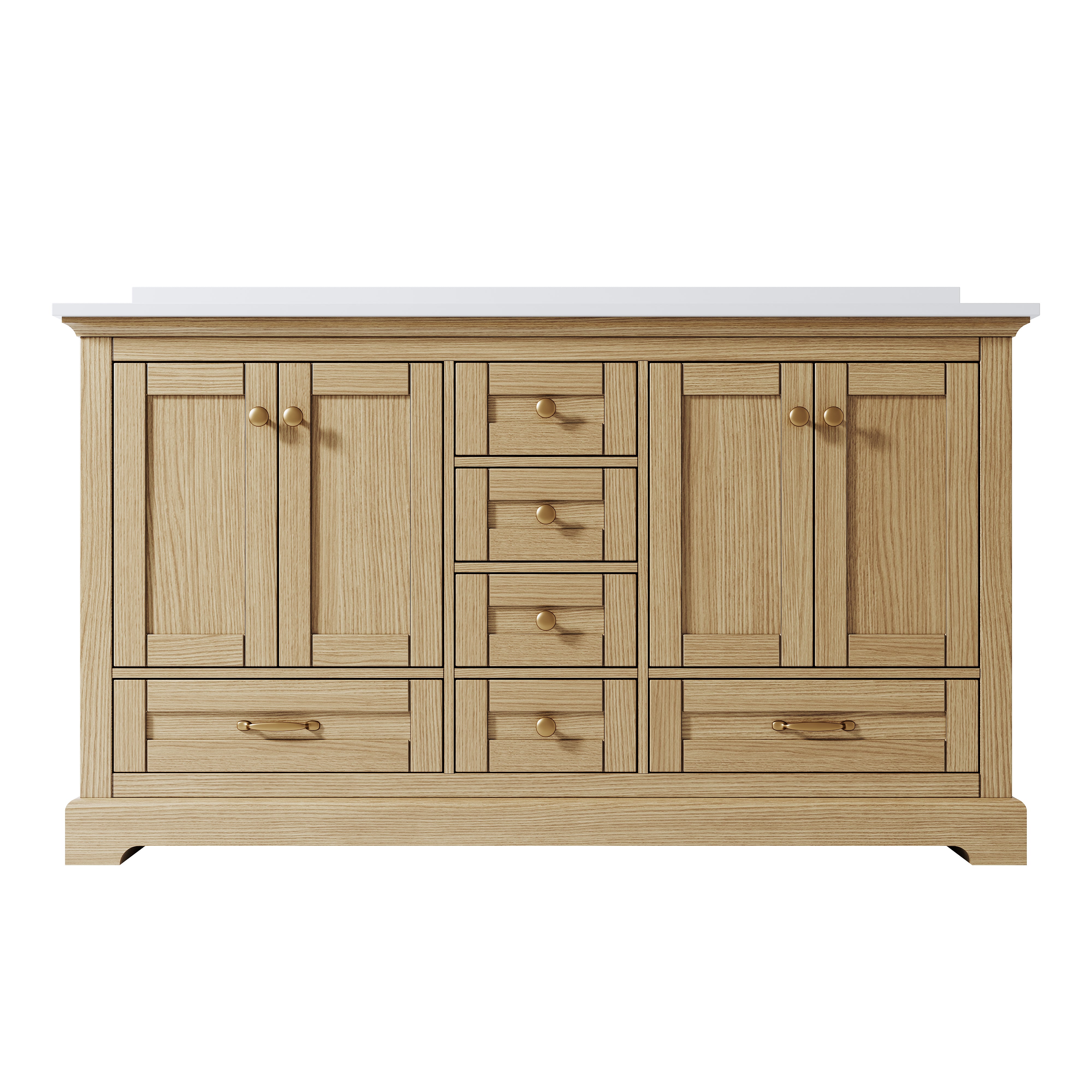
Drawer storage is especially effective when the vanity includes a mix of depths. Shallow drawers can hold small grooming products without stacking them in layers. Deeper drawers are better for folded towels, backup toiletries, brushes, or a hair dryer. A divided layout also makes it easier to assign specific areas to different family members.
The preference for drawer-based storage is reflected in bathroom remodeling research. Houzz reported that 82% of homeowners upgrading their vanities selected soft-close drawers, while 27% included built-in drawer organizers.
Source: Houzz, “8 Bathroom Features Homeowners Want Now.”
Better Organization Can Protect the Countertop
Countertop clutter is not only a visual issue. Bottles and containers placed around the sink can trap water beneath them. Hair tools left beside a basin may also create an awkward mix of electrical cords and wet surfaces.
A well-planned vanity gives these items a proper home. Frequently used products can stay in the top drawer, while refills and larger containers can be stored below. When the countertop is easier to clear, wiping away water, toothpaste, cosmetics, and dust takes less effort.
This does not mean every item should be hidden. Soap and one or two daily essentials may remain on the counter. The goal is to avoid turning the vanity top into permanent storage.
Drawer organizers can help. Small trays prevent cosmetics and grooming tools from rolling around, while adjustable dividers make the space easier to change as household needs evolve. Before purchasing organizers, measure the usable interior dimensions rather than assuming that a “36-inch vanity” has 36-inch-wide drawers. Cabinet walls, plumbing channels, and hardware all reduce interior space.
Smart Drawers Work Around the Plumbing
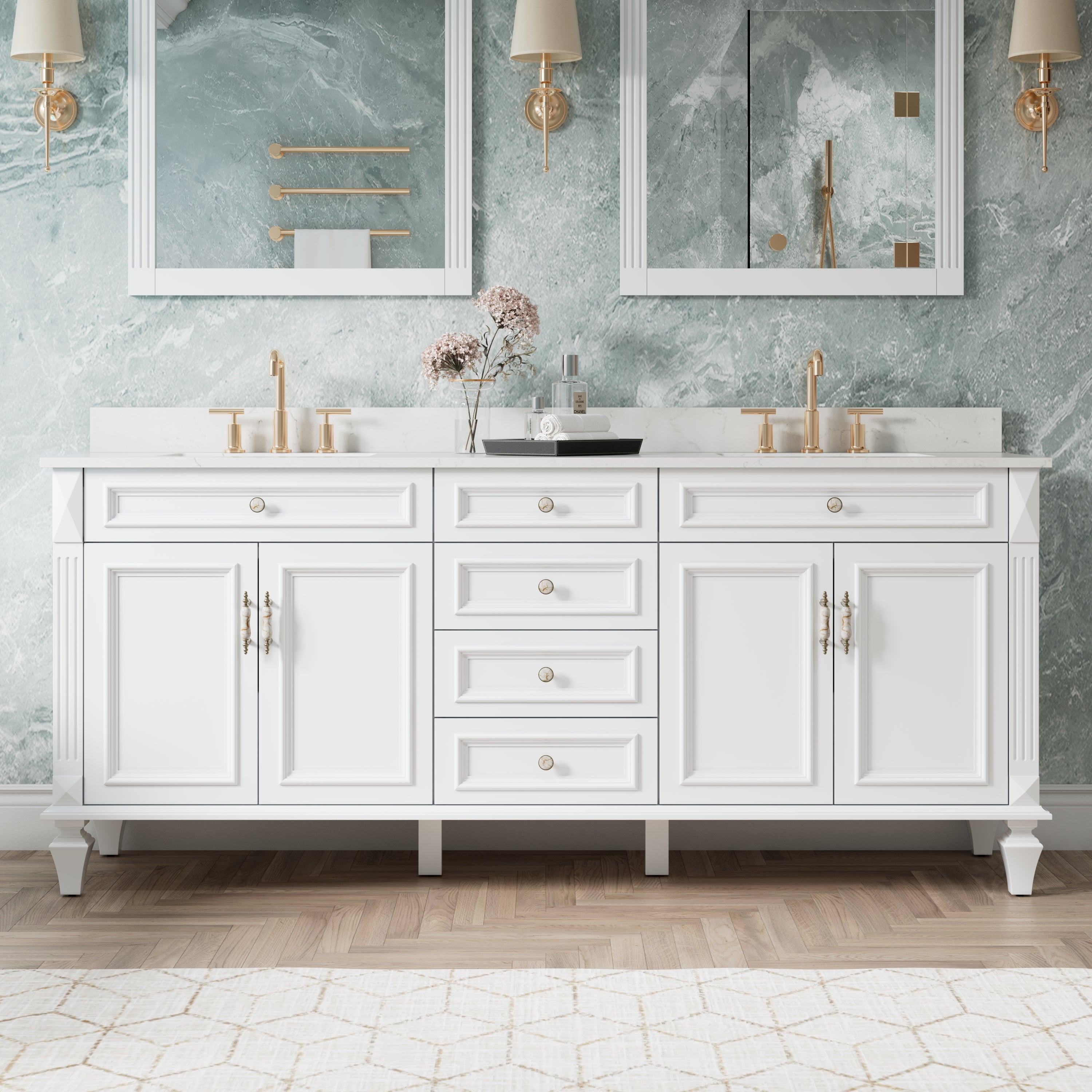
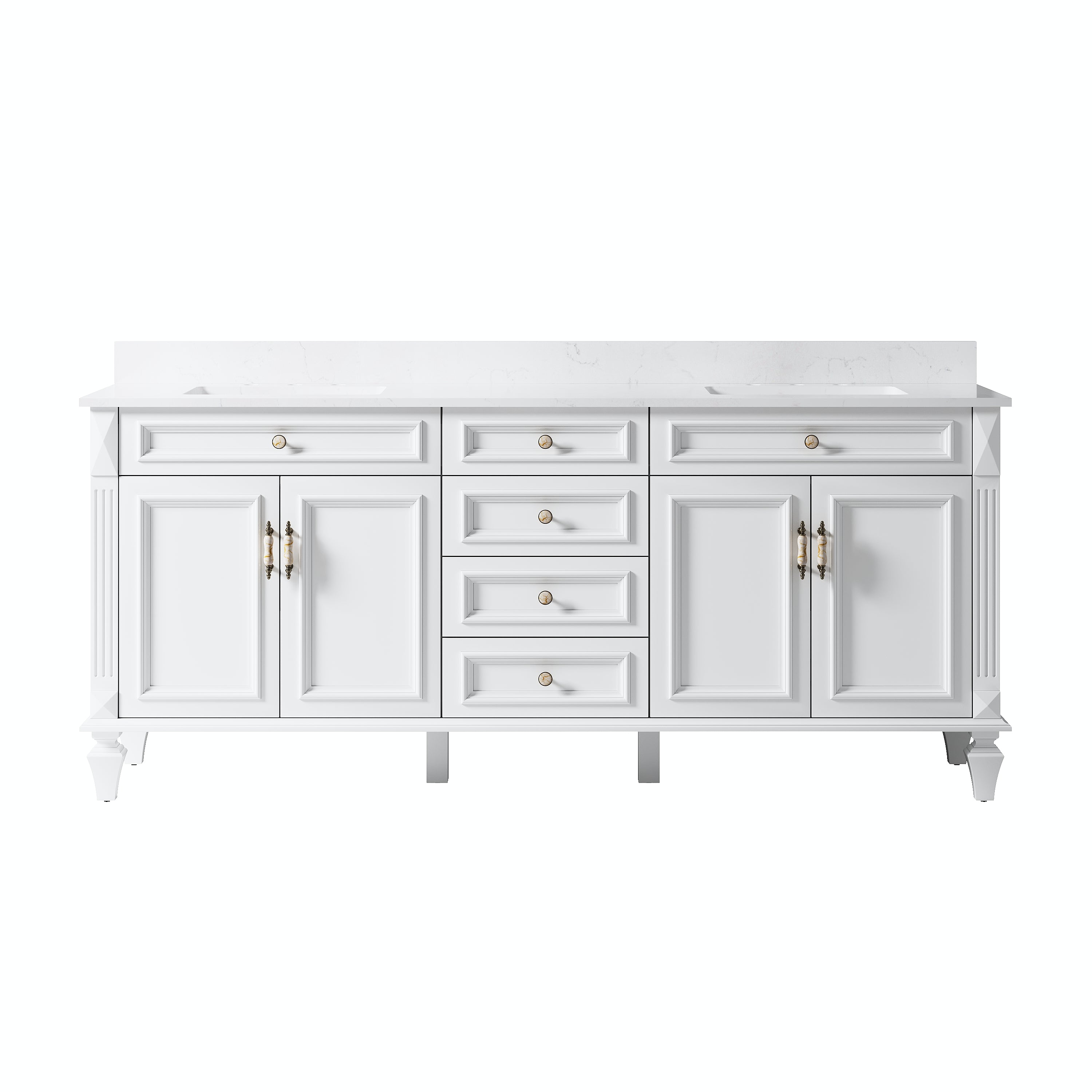
One challenge in vanity design is the space required for the sink and drain. A standard full-width drawer may not fit directly beneath the basin. Better-designed models solve this with U-shaped drawers, divided compartments, offset sinks, or false drawer fronts paired with functional drawers below.
Each solution has advantages. U-shaped drawers use the area around the drain, although the center section remains unavailable. Side drawers can provide uninterrupted storage but may reduce the width of the cabinet compartment. An offset sink may create a larger drawer stack on one side, which can be useful for households that value storage over perfect symmetry.
Homeowners should review the product diagrams and interior photographs before ordering. It is important to confirm which drawer fronts actually open, how far the drawers extend, and whether the existing plumbing will fit the cabinet configuration.

Hardware Quality Matters in Everyday Life
Bathroom drawers are frequently opened throughout the day, which means that the quality of the hardware is very important. Full-extension slides move quickly, making it easier to take out the needed items at the end of the drawer. The soft-close feature makes sure that the last part of the motion happens slowly, decreasing slamming, which helps to keep the bottles and bottles standing.
Pay attention to the quality of materials used in building the drawers. Check the drawer box when it is extended and see if all corners are firmly connected to each other. Although dovetail joints are known for their durability, they do not make the drawer strong alone. Sliding quality, cabinet alignment, thickness of the material, and installation matter too.
The soft-close hardware works quite well, but it does not mean that the whole vanity has been produced well. The specifications of the product, the warranties offered, the availability of spare parts, and genuine clients’ reviews together give an overall picture of the product.
A Storage Upgrade in a Frequently Remodeled Room
Bathroom remodeling remains a major priority in the United States. The National Association of Home Builders reported that bathroom remodeling was the most common remodeling project in 2025, with 73% of remodelers rating it as common or very common.
Source: National Association of Home Builders, “Top 5 Remodeling Projects in 2025.”
That popularity is understandable. Bathrooms are used every day, and poor storage becomes noticeable quickly. Replacing an undersized pedestal sink or an inefficient cabinet with a drawer-based vanity can improve the room without requiring a complete change to the bathtub, shower, or flooring.
The vanity area is also an opportunity to improve water efficiency.
Source: U.S. Environmental Protection Agency, WaterSense Bathroom Faucets.
Choosing the Right Vanity
Start with accurate measurements and confirm that a 36-inch cabinet leaves comfortable room around nearby fixtures. Then review the internal layout. Count the functional drawers, compare their depths, and look for compartments that match the items your household actually uses.
Also consider the countertop material, sink position, faucet-hole configuration, moisture-resistant finish, drawer-slide type, and installation requirements. A vanity should be secured, level, and properly connected to the plumbing. Water leaks should be repaired immediately because even a slow leak can damage stored products and cabinet materials.
Final Thoughts
Organized living is often built through small, practical decisions. A 36-inch vanity with drawers does not require a large bathroom or a complicated storage system. It simply places everyday necessities where they can be seen, reached, and returned after use.
With the right drawer layout, reliable hardware, and careful installation, this vanity size can keep the countertop clearer, shorten morning routines, and make a modest bathroom feel more thoughtfully designed. That combination of compact dimensions and accessible storage is exactly why it has become such a useful choice for organized American homes.
















Leave a comment
This site is protected by hCaptcha and the hCaptcha Privacy Policy and Terms of Service apply.