
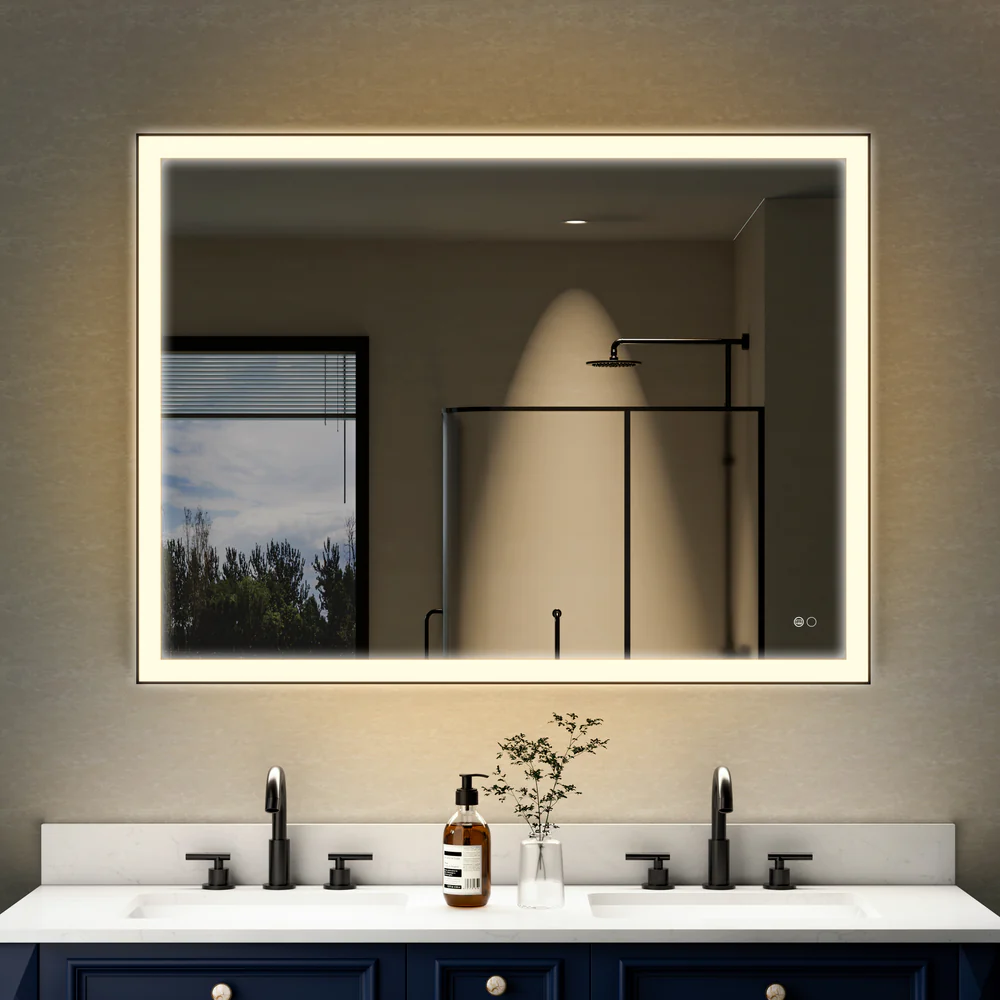
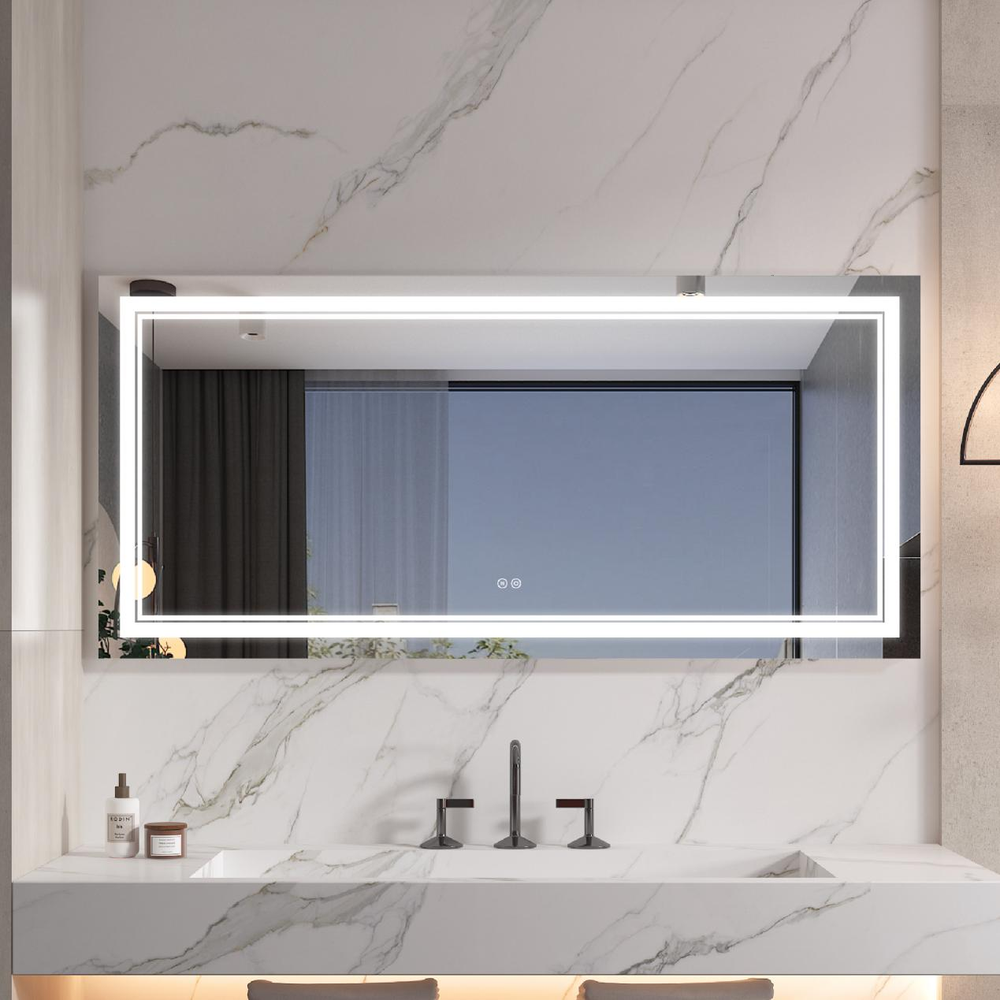
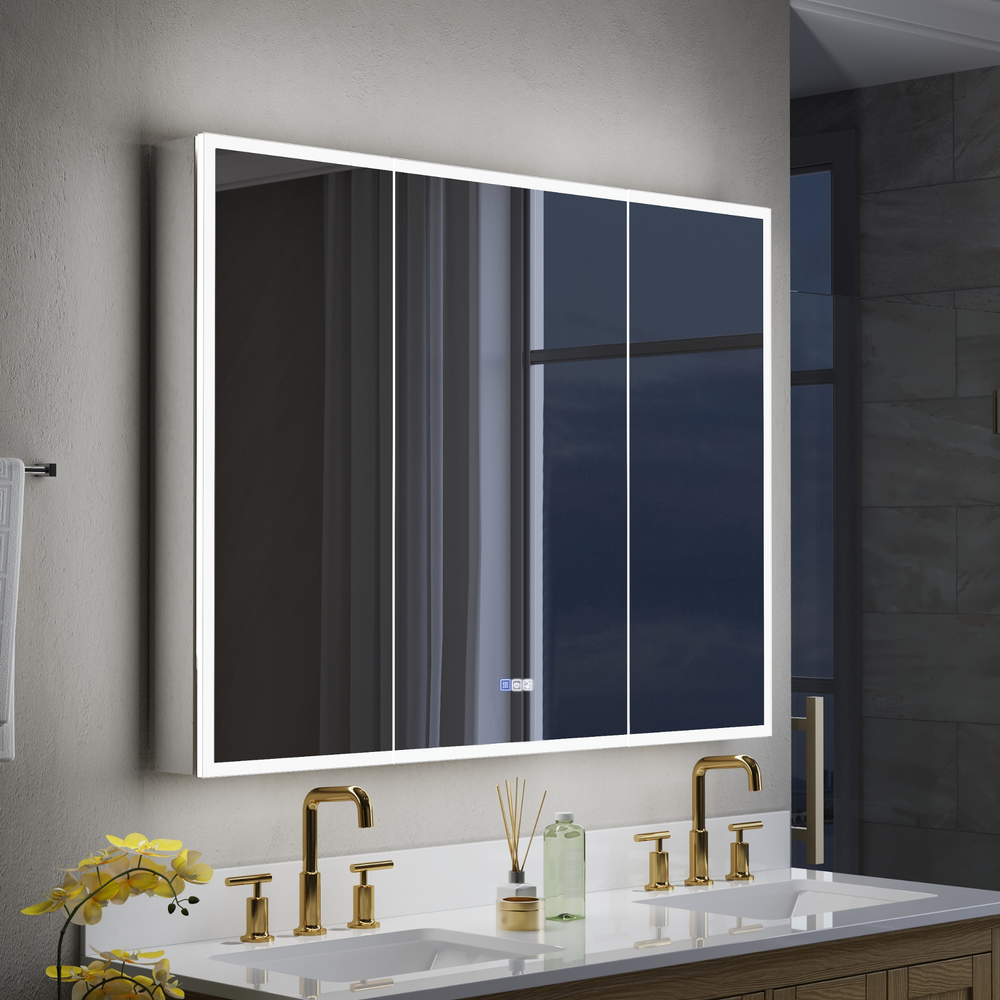
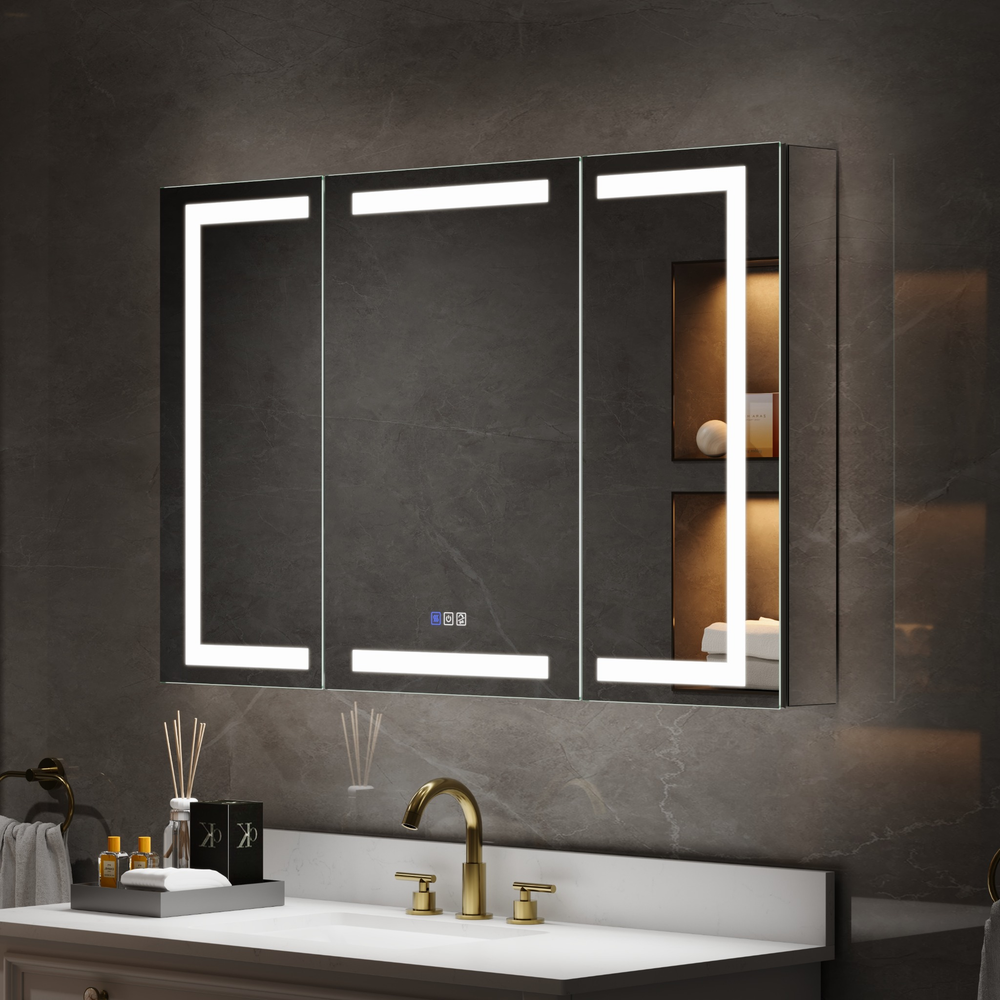
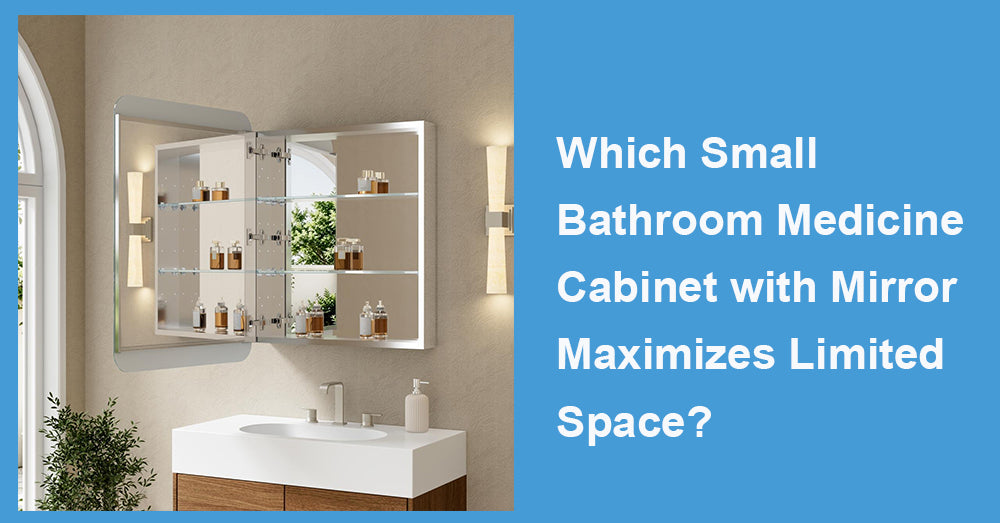
The best small bathroom medicine cabinet with mirror is usually a shallow recessed model with adjustable shelves and a door that opens away from the room's busiest side. It stores daily items inside the wall plane, replaces a separate mirror, and clears the vanity counter. When framing, plumbing, wiring, or a rental agreement rules out a recess, a slim surface-mounted cabinet can work nearly as well if its depth and door swing are chosen carefully.
Define What Space Saving Really Means
A compact cabinet should save more than wall width. It should reduce counter clutter, avoid blocking movement, and keep frequently used products visible. A narrow cabinet with poor shelf spacing may hold less than a slightly wider model with adjustable shelves. A deep box can add storage while intruding into a tight room.
Group the intended contents by height: short jars, toothpaste, deodorant, tall pump bottles, and backups. Measure the tallest everyday item. This inventory reveals whether three close shelves or two taller compartments are more efficient. Store towels and cleaning products elsewhere; medicine cabinets work best for small, frequently reached items.
Recessed Cabinets Deliver the Cleanest Footprint
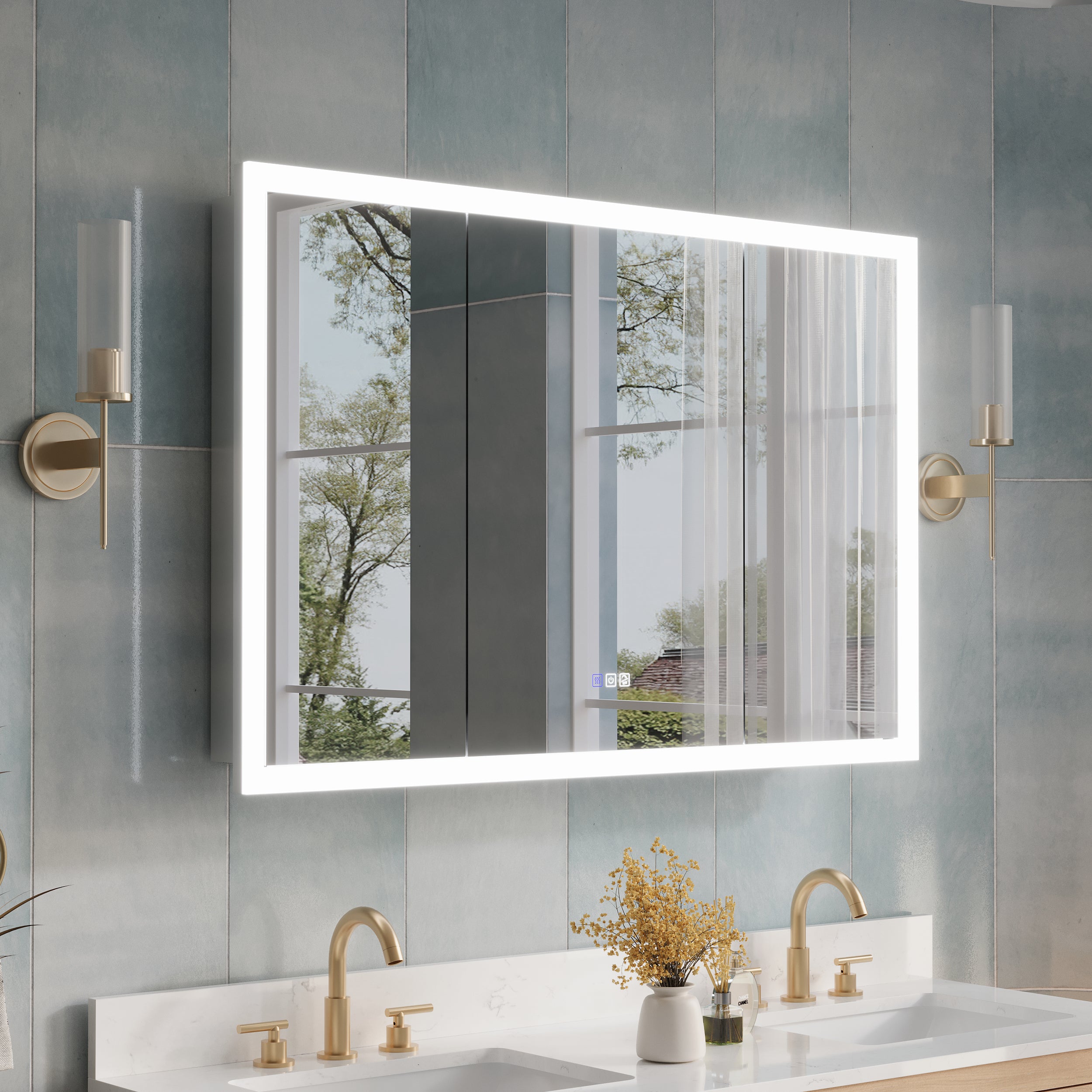
A recessed cabinet places most of its box between wall studs, leaving mainly the frame and door visible. This reduces visual bulk and limits projection over a small sink. It is often the strongest choice where every inch at shoulder and head height matters.
The wall must cooperate. Before cutting, determine stud spacing and check for plumbing, wiring, and ductwork. Exterior walls may contain insulation or vapor-control layers. Framing changes move the project beyond a simple accessory installation. Confirm the rough-opening dimensions and consult a qualified professional when hidden conditions are uncertain.
A Slim Surface Mount Can Be the Smarter Choice
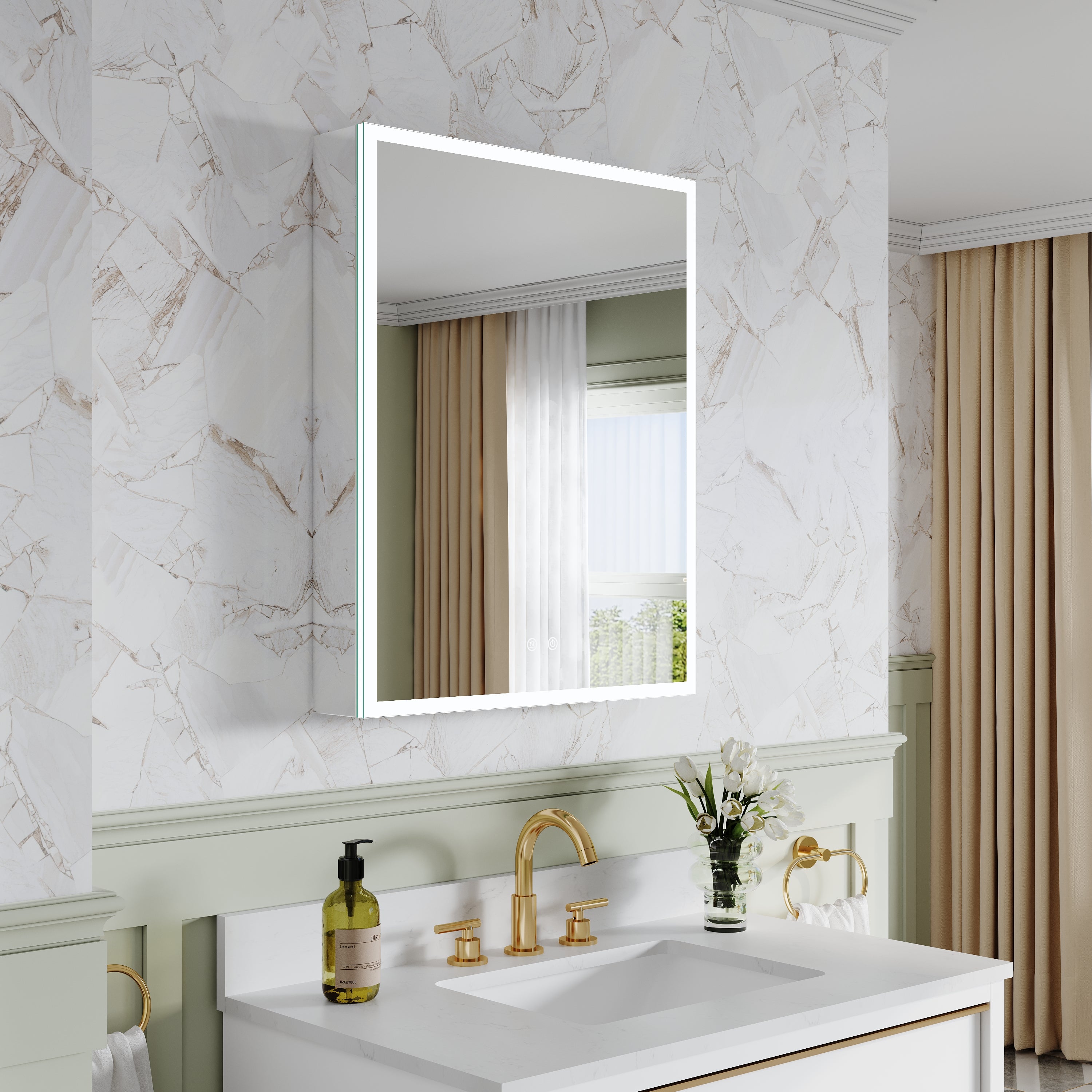
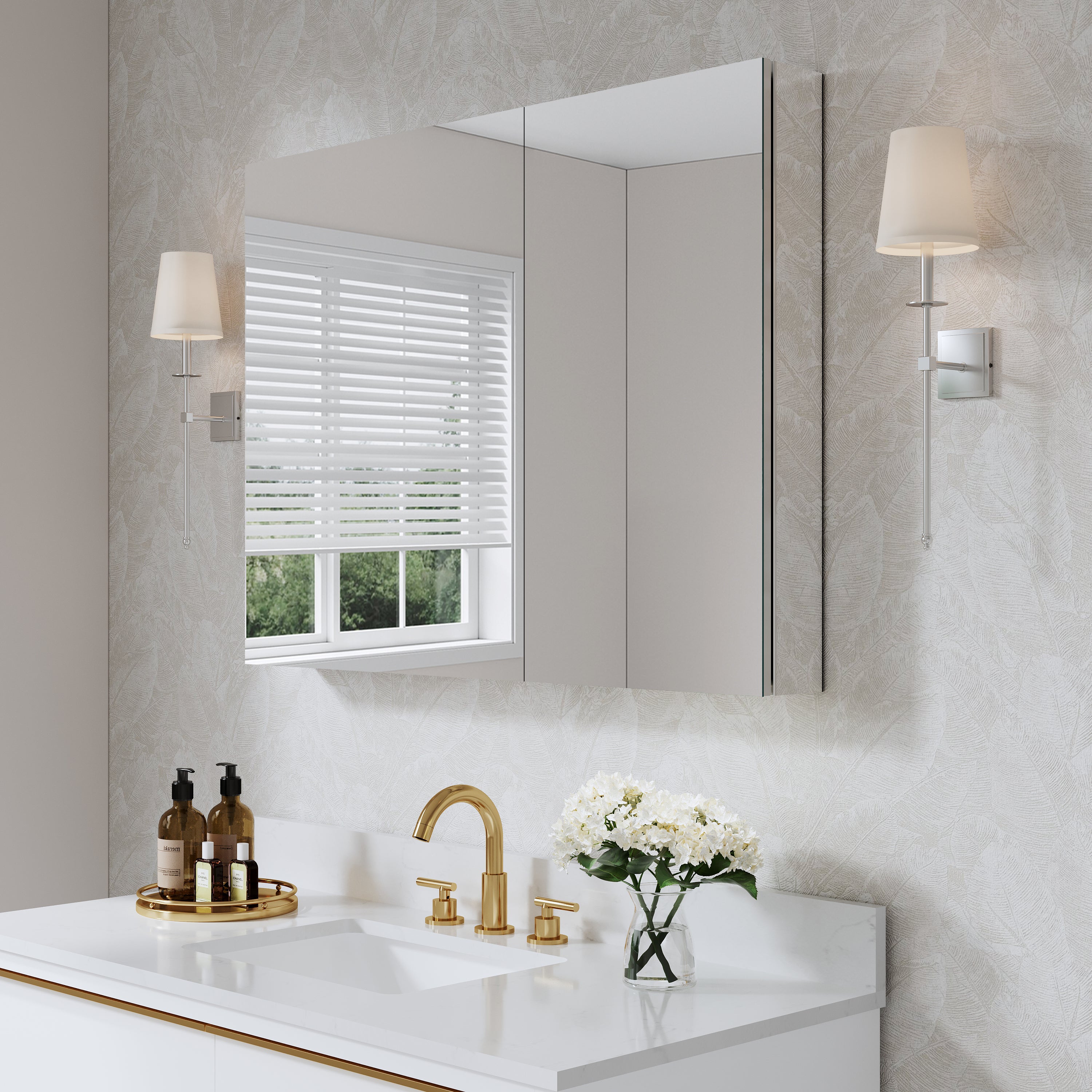
Surface-mounted cabinets attach over the finished wall, making them practical for rentals, masonry, or remodels where opening the wall is undesirable. The best version has modest depth, a visually restrained frame, and hinges that let the door open without striking a sidewall or light fixture.
Depth deserves special attention when the cabinet borders a walking route. ADA rules for covered facilities limit certain wall-mounted objects with leading edges more than 27 in. above the floor to a 4 in. projection into circulation paths. The rule does not automatically govern every private residence, but it offers a useful planning reference in a tight layout. (Source: U.S. Access Board, “Chapter 3: Protruding Objects”) Measure from the finished wall to the cabinet's outermost point, including the door and trim.
Match the Door to the Room's Traffic
A single mirrored door gives the largest uninterrupted reflection. Test whether a left- or right-hinged door is safer by mimicking the motion at the sink. The open door should not collide with a return wall, shower enclosure, sconce, towel ring, or another person's route.
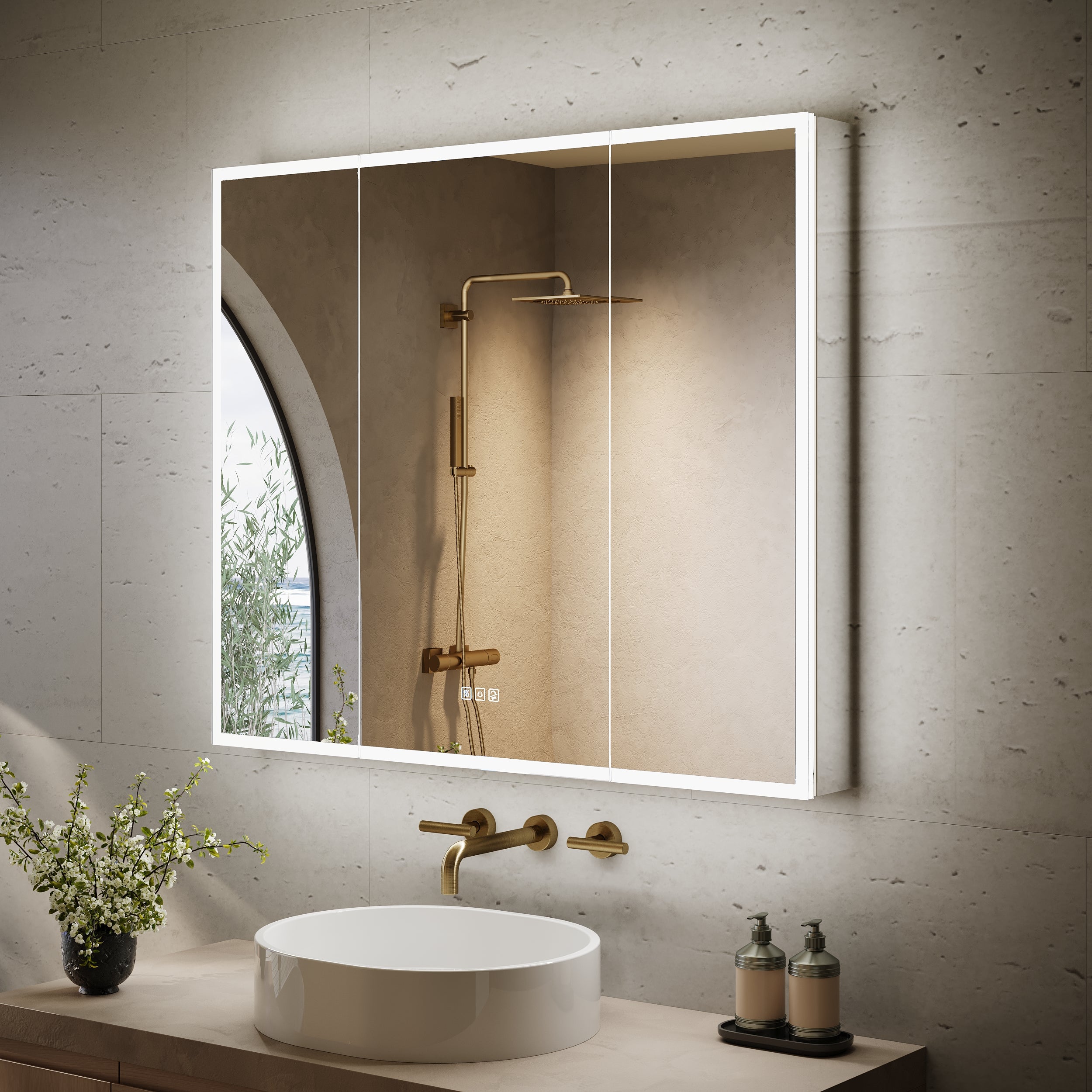
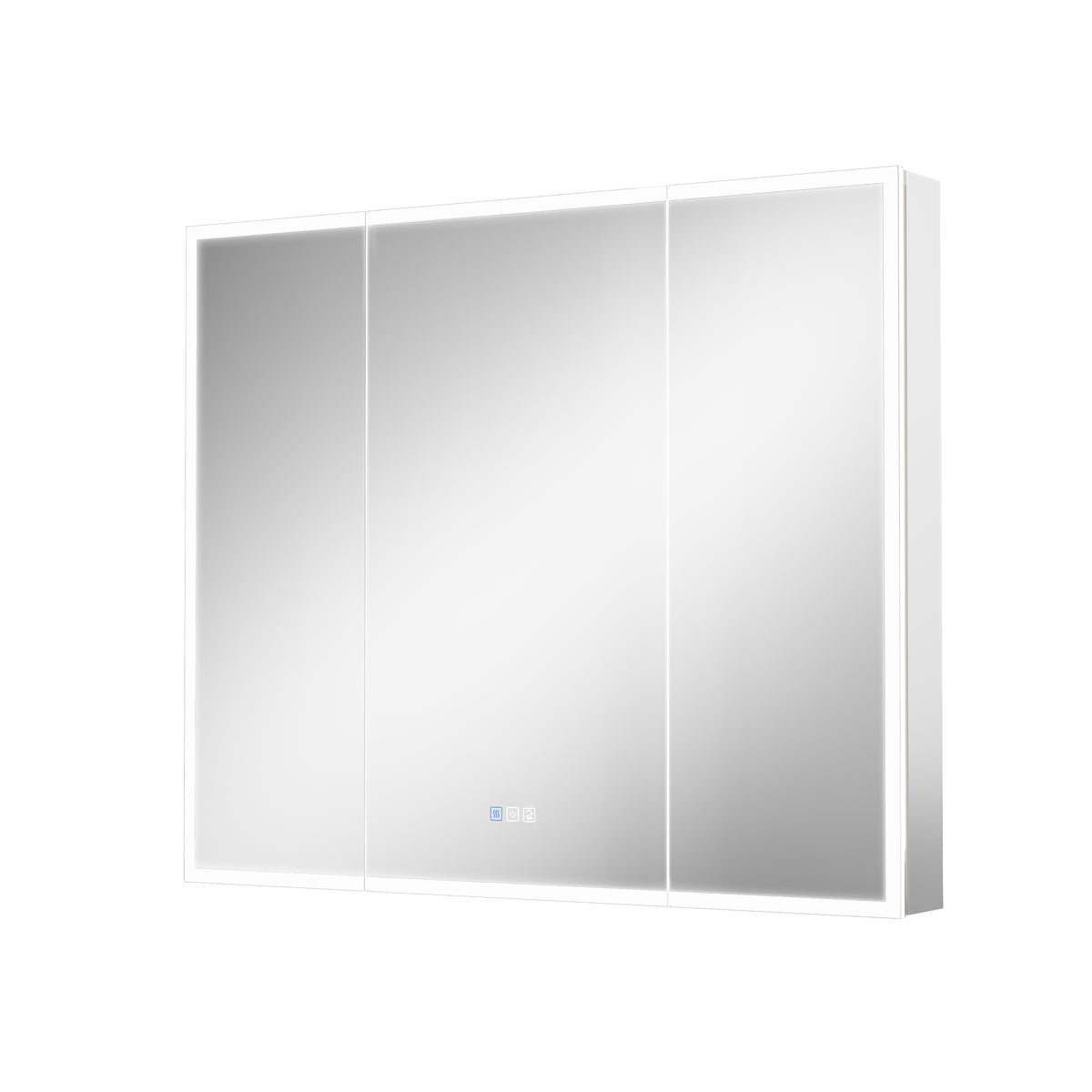
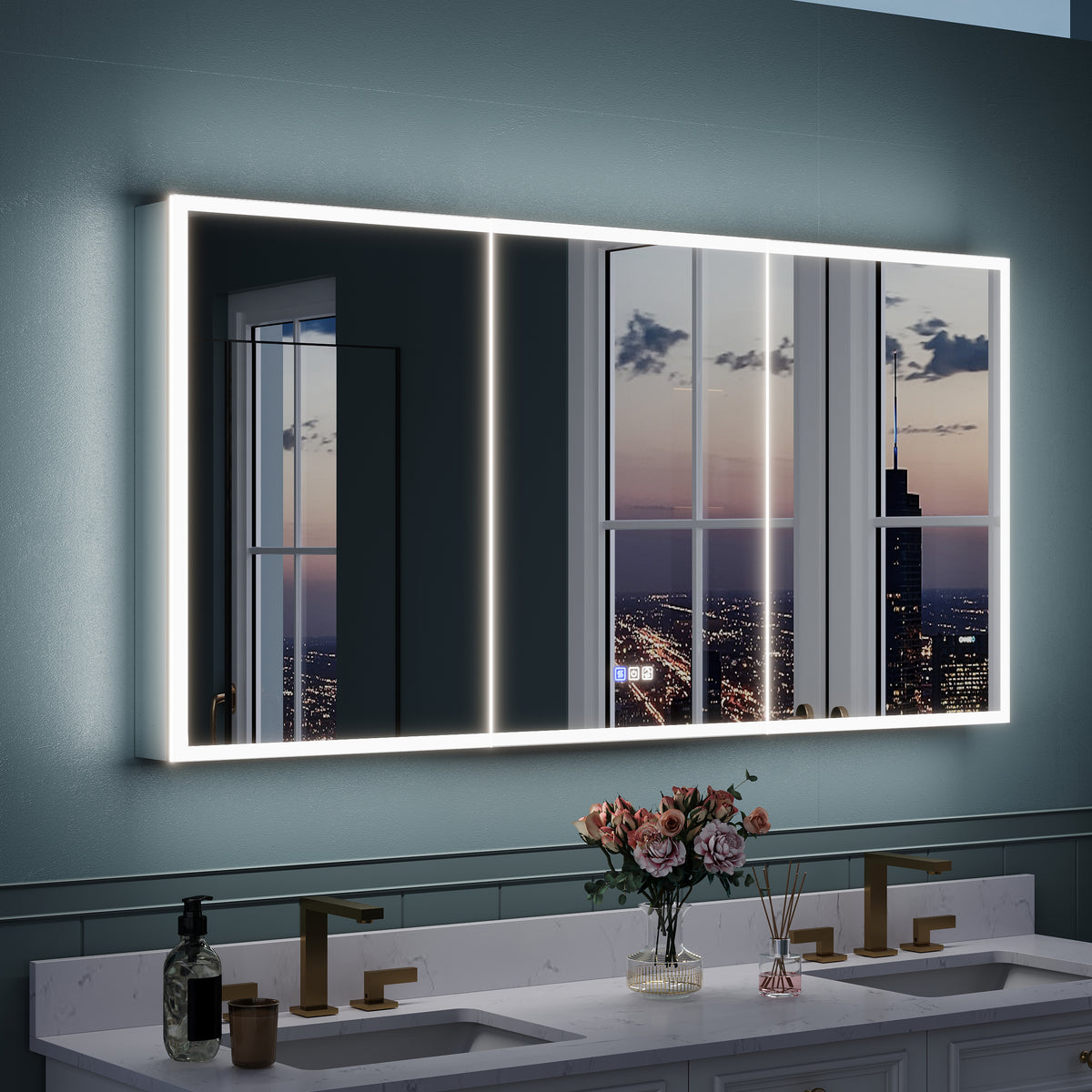
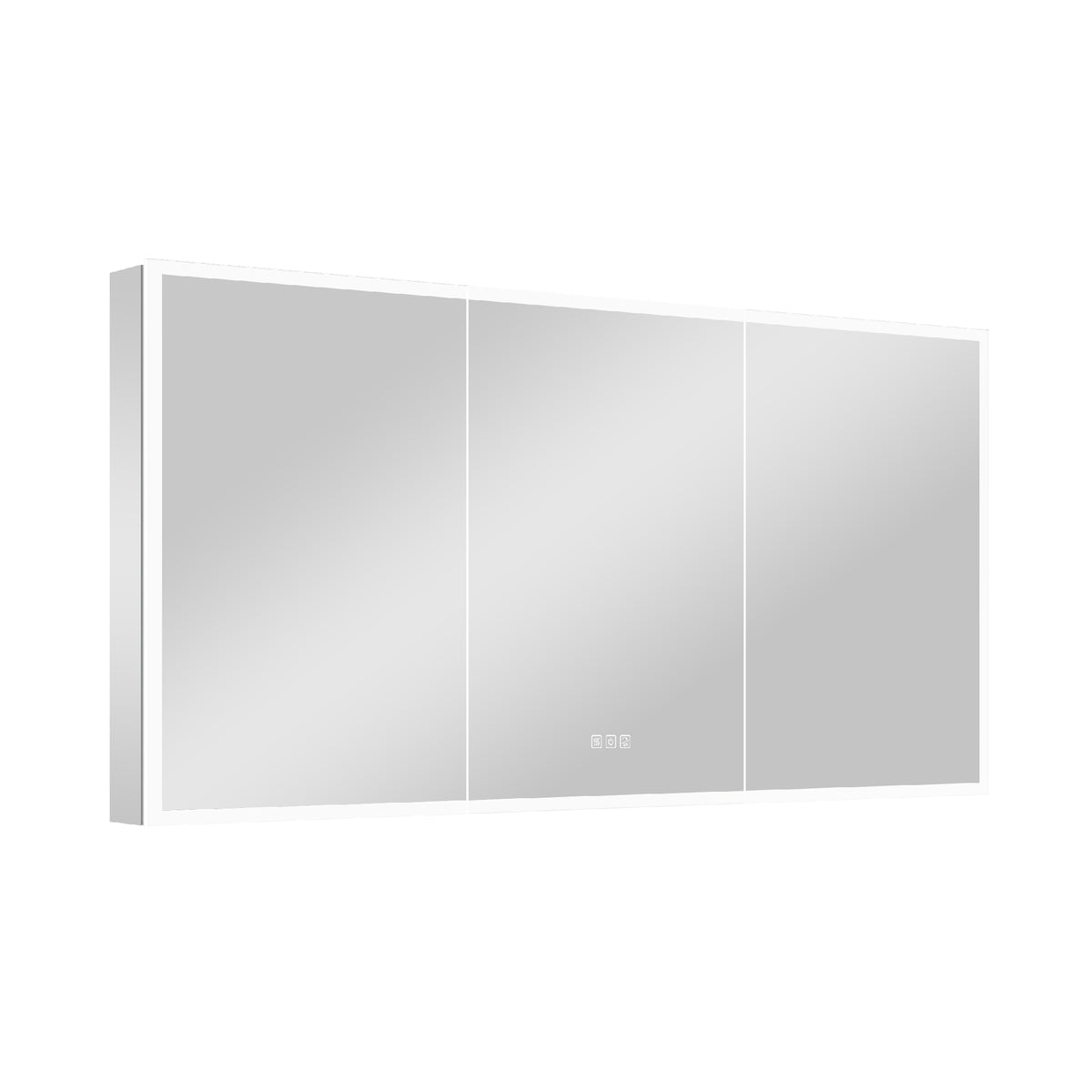
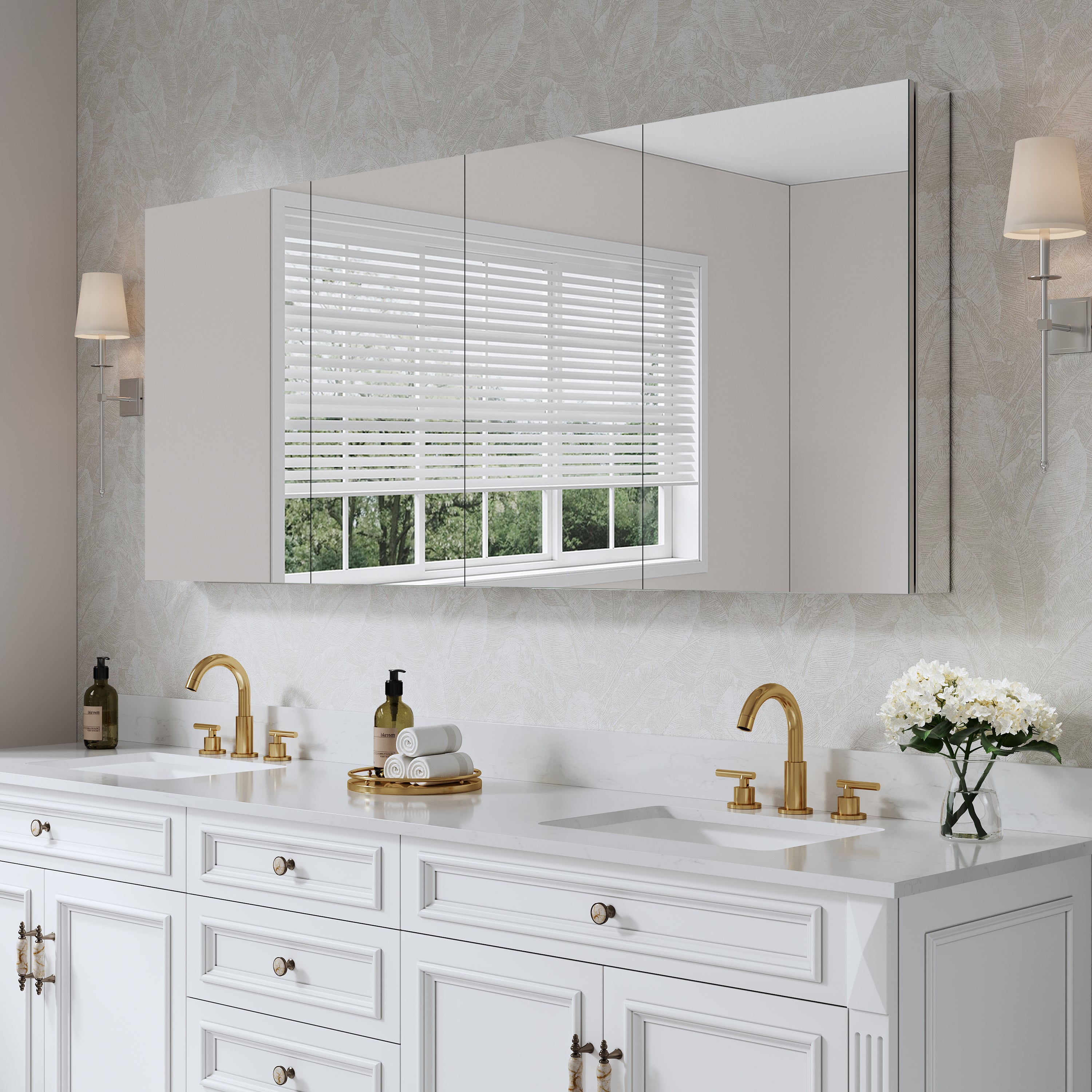
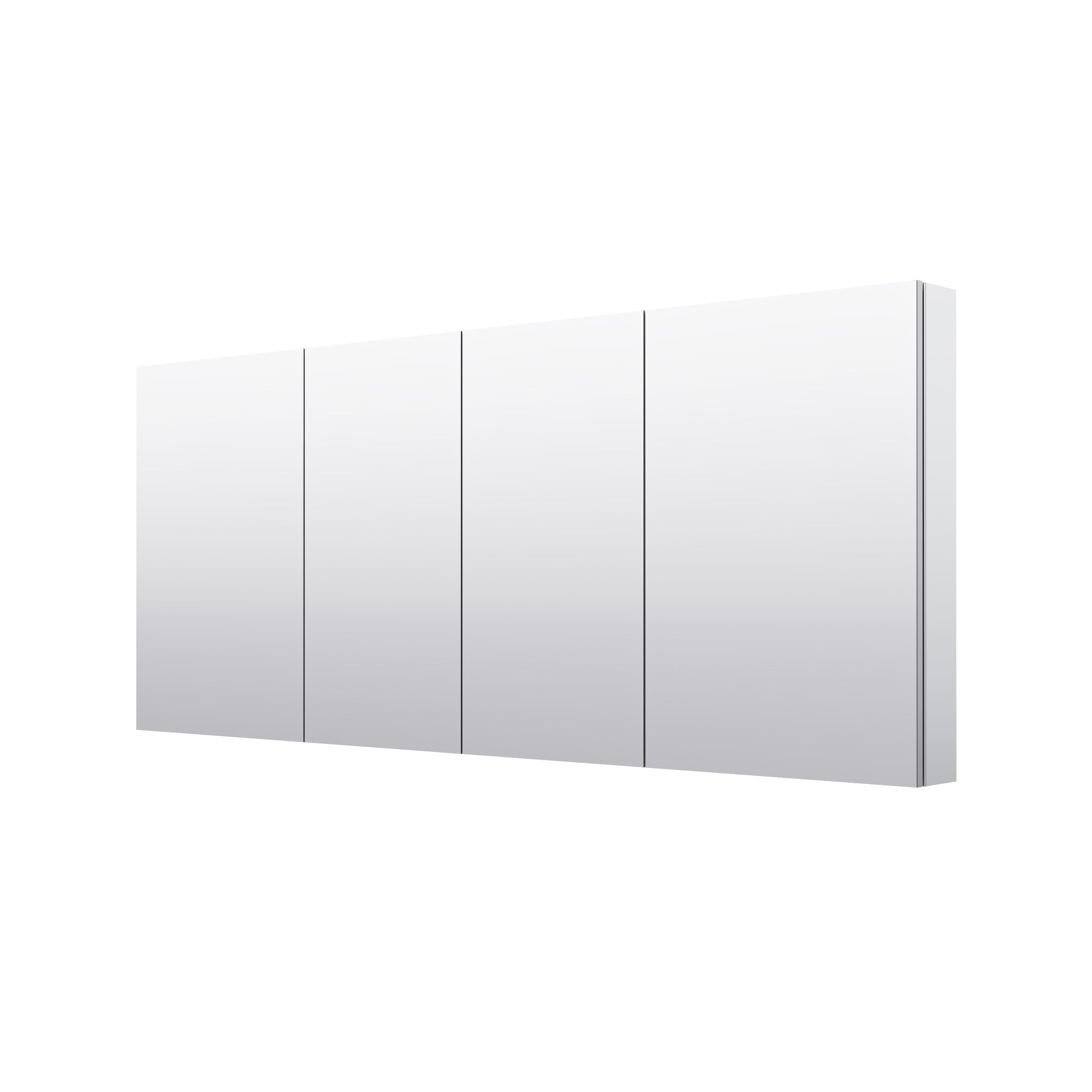
Double doors need less swing per panel and may work well above a wider compact vanity, though the center seam interrupts the reflection. A sliding mirror avoids a large door arc, but one side of the cabinet remains covered at any moment. Tri-view doors add viewing angles, yet more hinges and seams can make a very small wall feel busy. Choose the mechanism for access first and appearance second.

Use the Interior, Not Just the Exterior Dimensions
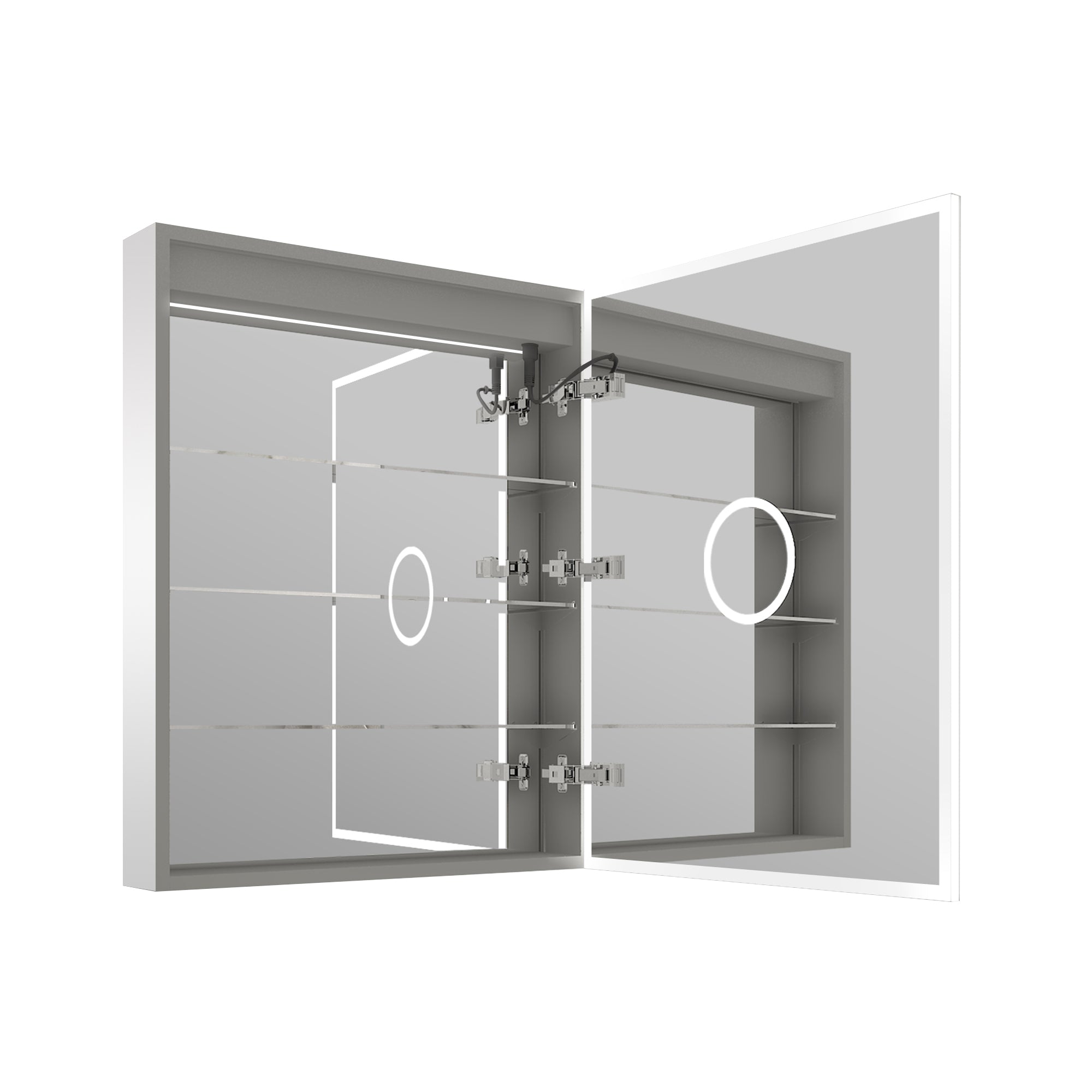
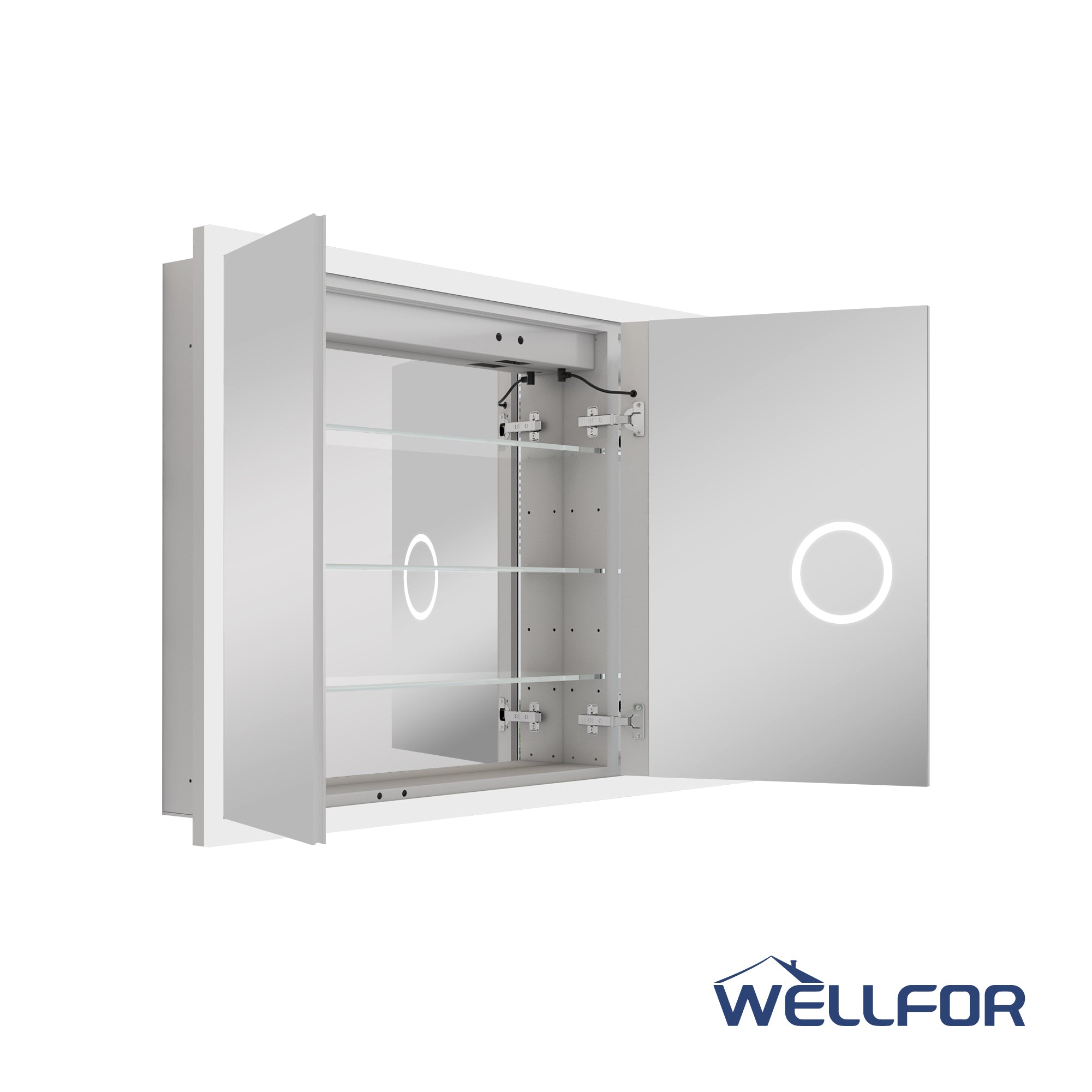
Product width and height do not reveal usable capacity. Review drawings for shelf width and depth, hinge intrusion, fixed dividers, and frame loss. Adjustable tempered-glass shelves are easy to wipe and accept mixed item heights. Retaining lips or bins keep small tubes from falling when the door opens.
Inside-door mirrors let users see their reflection while reaching products, and two mirrored surfaces can provide a side view without another wall mirror. Magnetic strips can organize tweezers or small steel tools but should not interfere with the door or hinges.
Choose Proportion That Visually Opens the Wall
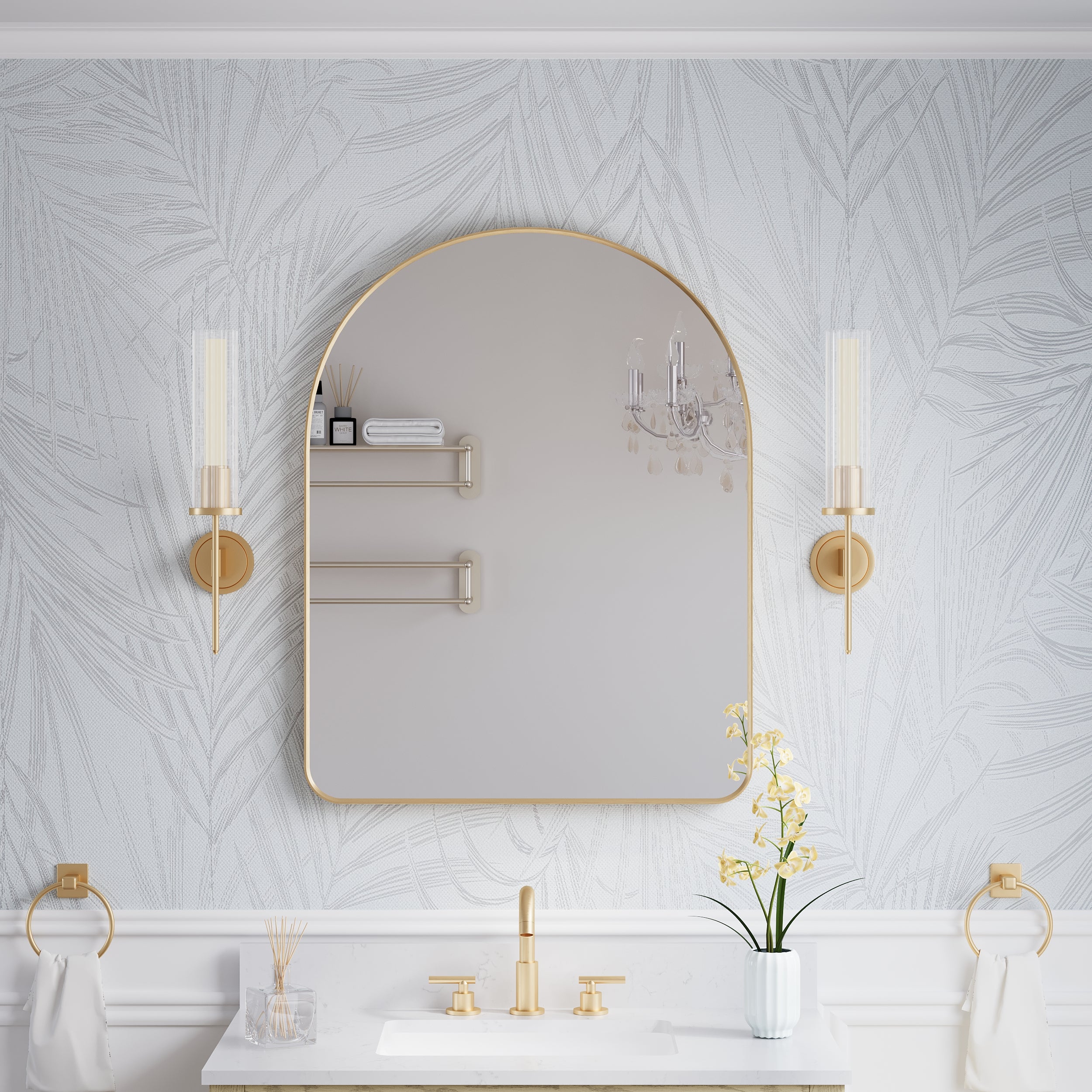
A cabinet close to the vanity width creates a stable composition, but should not crowd walls or sconces. Vertical proportions draw the eye upward and provide shelf height without using more horizontal space. A frameless or thin-frame mirror generally appears lighter than a heavy decorative surround.
Mounting height should serve actual users. Tape the cabinet outline on the wall, then mark the bottom and top of the reflective area rather than relying on overall dimensions. Confirm that shorter household members can see comfortably and reach everyday shelves. If seated access is part of the plan, review the complete approach and reach requirements with a qualified designer instead of treating mirror height as an isolated decision.
Plan for Bathroom Moisture
Look for protected edges, a finish intended for bathrooms, corrosion-resistant hardware, and removable shelves. Do not pack damp cloths into an unventilated interior. Wipe condensation and repair splashes or leaks promptly.
The U.S. Environmental Protection Agency notes that bathrooms are often among the dampest areas in a home and recommends using ventilation to control moisture and inhibit mold growth. (Source: U.S. EPA, “Text Version of the Indoor Air Quality House Tour”) The exhaust fan protects more than the cabinet; it also helps the wall, ceiling, and stored packaging cope with repeated showers.
Inspect the Mounting System and Mirror
Small does not mean lightweight. Check the product weight, required fasteners, mounting rail, wall construction, and blocking needs. Anchors must suit the substrate and the fully loaded cabinet, not merely the empty box. Protect shelves and the door until the cabinet is secure and level.
Past recalls show why attachment details matter. In 2014, the U.S. Consumer Product Safety Commission recalled about 14,000 bathroom medicine cabinets because the mirror or back panel could separate and fall; two detachment reports had been received at the time. (Source: U.S. Consumer Product Safety Commission, “RSI Recalls Bathroom Medicine Cabinets”) Check current recall information, inspect glass retention and back-panel connections, and follow the supplied installation instructions.
The Best Choice Depends on the Wall
For maximum space efficiency, choose a recessed cabinet when the wall can accept it and a shallow surface-mounted model when it cannot. Prioritize useful shelf spacing, a conflict-free door swing, restrained projection, comfortable mirror height, and secure mounting. A cabinet that holds the right daily items while almost disappearing from the room will outperform a larger, poorly organized box.











Leave a comment
This site is protected by hCaptcha and the hCaptcha Privacy Policy and Terms of Service apply.