























Wood bathroom vanities can handle busy family bathrooms very well, but high-traffic use exposes weaknesses that may never appear in a lightly used guest bath. After more than 20 years of working with bathroom cabinetry, I have seen the difference come down to construction, finish quality, hardware, storage layout, and moisture control—not simply the type of wood advertised. If several people use the same vanity every morning and evening, durability has to be considered alongside appearance from the beginning.
1. Choose Wood Bathroom Vanities for Construction First
A busy bathroom puts constant stress on doors, drawers, joints, and hardware.
Solid wood components can provide excellent strength, particularly for frames and drawer fronts. Quality plywood is also a practical cabinet-box material because its layered structure tends to remain stable as bathroom humidity changes.
Do not assume an all-solid-wood cabinet is automatically superior.
A poorly assembled solid wood vanity can develop alignment problems faster than a carefully constructed cabinet using a combination of solid wood and high-quality plywood.
Inspect What the Product Photos Do Not Emphasize
Look closely at drawer bottoms, cabinet backs, joints, plumbing cutouts, and lower edges.
Those details often tell you more about durability than the front finish.
2. Pay Attention to the Protective Finish
High-traffic bathrooms produce more splashes, damp hands, toothpaste, cosmetics, and cleaning.
The finish is the barrier between those everyday conditions and the wood underneath.
Check whether edges and corners appear fully sealed, especially near the sink and around plumbing openings. Raw or poorly protected material can absorb moisture quickly once water reaches it.
Small chips should also be repaired rather than ignored.
A durable finish will not make wood waterproof, but it gives you considerably more protection during normal bathroom use.
3. Drawer Hardware Matters Every Single Day
Think about how many times a family of four may open the vanity drawers in one week.
That repeated movement makes hardware quality important.
Full-extension slides are useful because they make items at the back easier to reach. Soft-close hardware reduces slamming and can make a heavily used cabinet feel more refined.
Soft-Close Alone Is Not a Quality Guarantee
The mechanism should feel smooth and securely mounted.
If a drawer twists when extended or has excessive side-to-side movement, the cabinet may not age well under frequent use.
I would choose fewer sturdy drawers over a complicated layout built with weak hardware.
4. Storage Should Match High-Traffic Routines
Busy bathrooms need organization more than sheer cabinet volume.
Deep drawers work well for skincare, grooming tools, brushes, cosmetics, and smaller toiletries. Items remain visible instead of disappearing into a large under-sink space.
Cabinets below the basin are useful for tall bottles, cleaning supplies, and spare paper goods.
For families, separating storage zones can also reduce morning clutter. One drawer for each user often works better than forcing everyone to share one oversized compartment.
Do not count drawer fronts without checking which ones actually open. Sink bowls and plumbing can remove more storage than expected.
5. Sink Size Can Reduce Useful Storage
An oversized basin may look luxurious, but it occupies valuable room above and inside the cabinet.
For a medium vanity, I usually favor a moderately sized undermount or integrated sink.
This keeps enough counter space for daily products while leaving more flexibility underneath.
Large vessel sinks can create visual impact, but they raise the finished sink height and require careful faucet placement.
When storage matters, choose the sink and cabinet together rather than treating them as separate purchases.
6. Consider Whether the Bathroom Is Too Wet for Wood
Wood performs well with normal bathroom humidity. Constant water exposure is different.
A bathroom where several family members shower back-to-back may remain humid much longer than a guest bath. Poor ventilation makes that harder on cabinetry.
Run an effective exhaust fan during and after showers.
Avoid leaving wet towels against cabinet doors, and wipe standing water around the sink promptly.
If shower spray regularly reaches the vanity or water pools around the base, address the layout or moisture problem first.
Premium wood will not compensate for a persistently wet room.
7. Freestanding and Floating Vanities Handle Traffic Differently
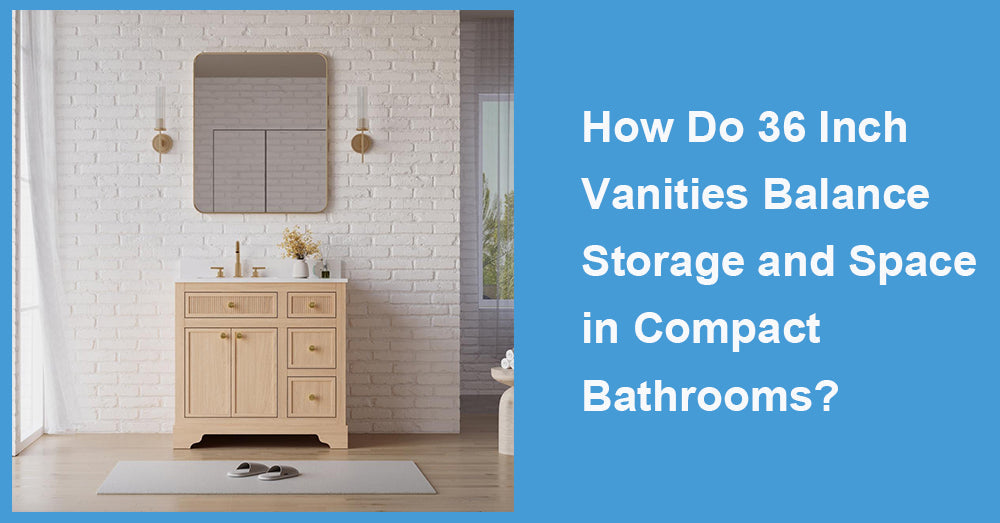
Freestanding models generally offer more storage, which can be valuable in family bathrooms.
They are also easier to retrofit around existing plumbing in many homes.
Their lower edges, however, sit closer to wet floors and require regular cleaning around the base.
Floating vanities keep the cabinet away from floor-level moisture and simplify cleaning underneath. They can also make a busy bathroom feel visually lighter.
The tradeoff is reduced storage and more demanding installation. The wall must securely support the cabinet, countertop, sink, and stored products.
8. Choose a Finish That Hides Daily Wear
Very dark wood can show dust and dried water spots quickly. Extremely pale finishes may reveal makeup, hair dye, or darker stains.
Medium natural wood tones are often forgiving.
Visible grain can disguise small fingerprints and ordinary wear better than a completely uniform painted surface.
Still, appearance should fit the room.
Light oak works well where brightness matters, while walnut can create a richer look in larger bathrooms. Bring the wood tone together with the countertop and flooring rather than choosing it in isolation.
9. Installation Can Determine How Long the Vanity Lasts
A durable cabinet can still fail early if installation is poor.
Set the vanity level so doors and drawers stay aligned. Check existing drain and supply-line positions before cutting into cabinet panels.
Keep modifications as small as practical.
Seal the sink, faucet openings, countertop joints, and backsplash carefully. Once plumbing is connected, run the faucet, fill the sink, drain it, and inspect every fitting.
Slow leaks are among the most damaging problems for bathroom cabinetry.
10. Make Plumbing Easy to Inspect
High-traffic bathrooms often accumulate a lot of products beneath the sink.
Do not fill that area so tightly that the plumbing disappears completely.
Leave shutoff valves accessible and check the drain and supply connections periodically. A small leak hidden behind cleaning bottles can continue for weeks before anyone notices.
I recommend checking beneath the sink several times a year, even when everything appears to be working normally.
Early detection is much cheaper than replacing a swollen cabinet floor.

11. Keep Maintenance Realistic
A family vanity should not require delicate care every day.
Use a soft cloth and mild, non-abrasive cleaner. Wipe standing water, toothpaste, makeup, and spills before they sit for long periods.
Check hardware occasionally and adjust doors or drawers if alignment changes.
When comparing Wellfor options, prioritize cabinet construction, sealed surfaces, practical drawer layouts, durable hardware, plumbing compatibility, and the moisture conditions in the room. The best wood bathroom vanities for high-traffic use are not necessarily the heaviest or most expensive models; they are the ones built to tolerate frequent handling while remaining easy to organize, inspect, clean, and maintain.









































Leave a comment
This site is protected by hCaptcha and the hCaptcha Privacy Policy and Terms of Service apply.