
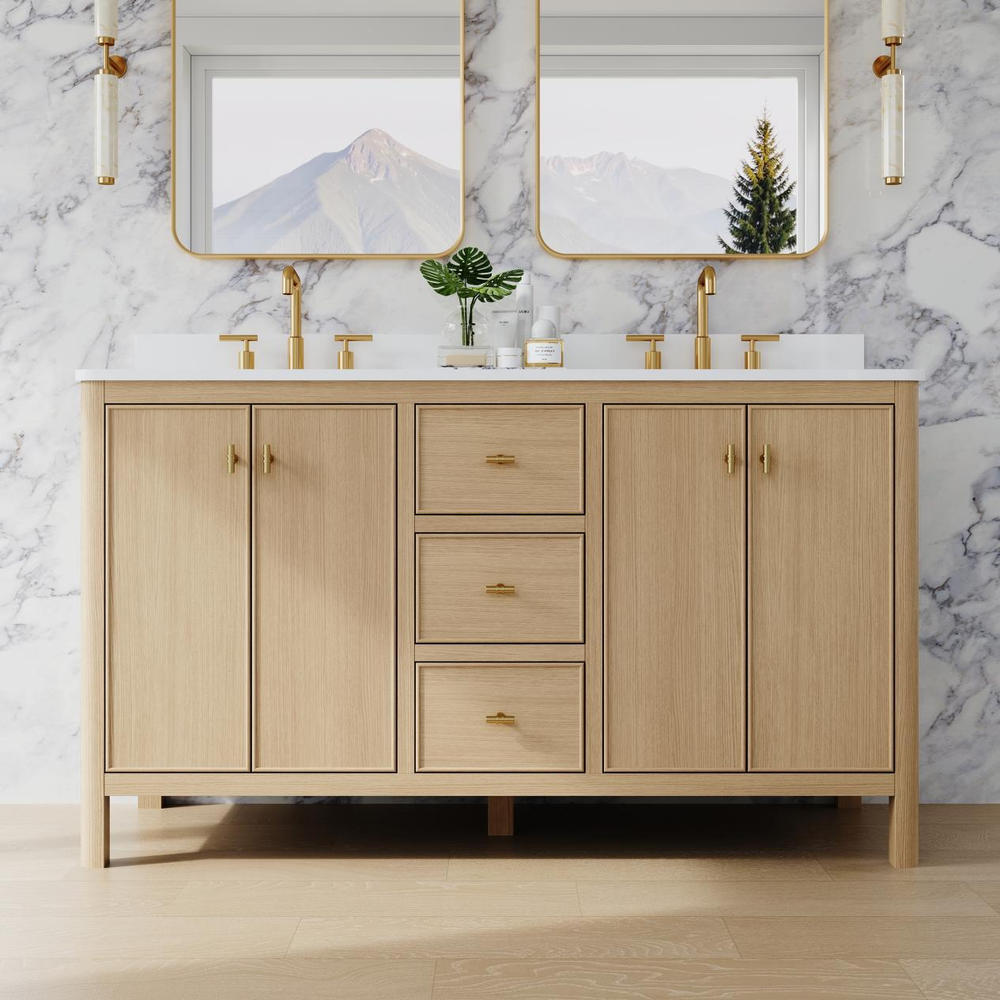
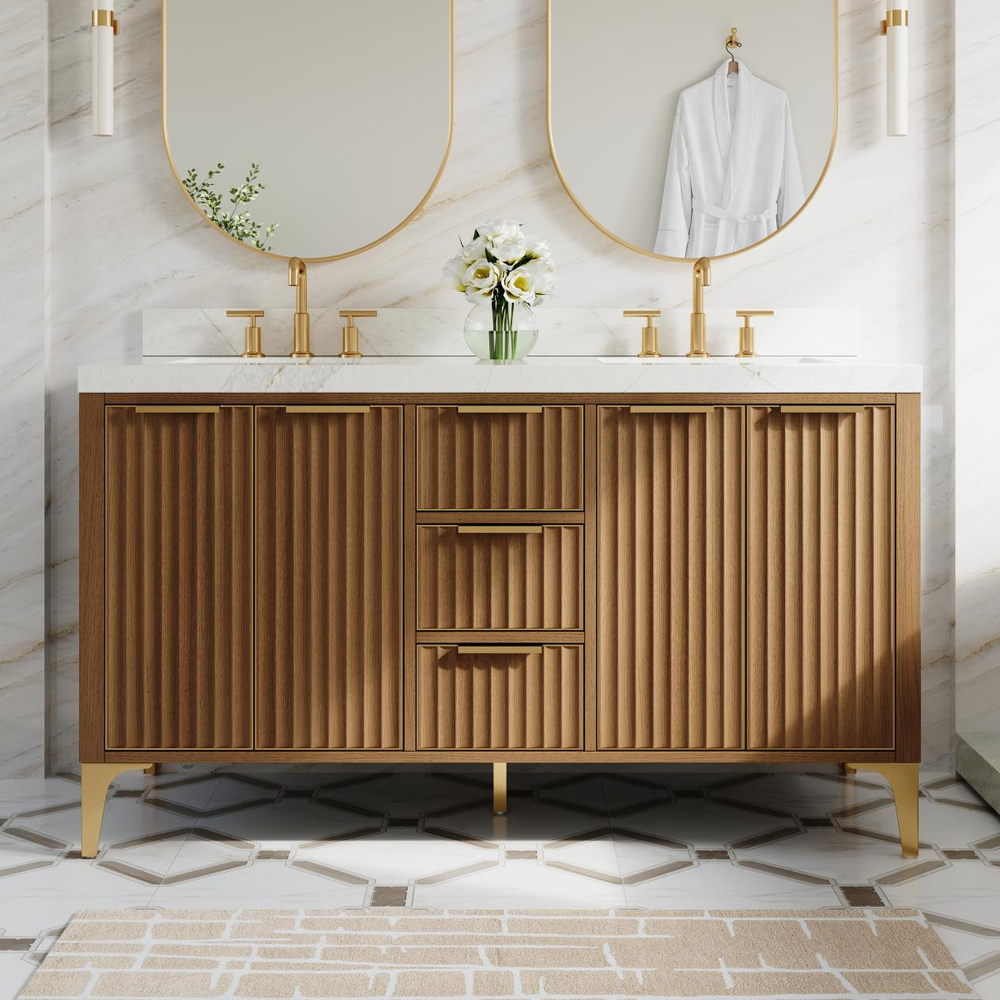
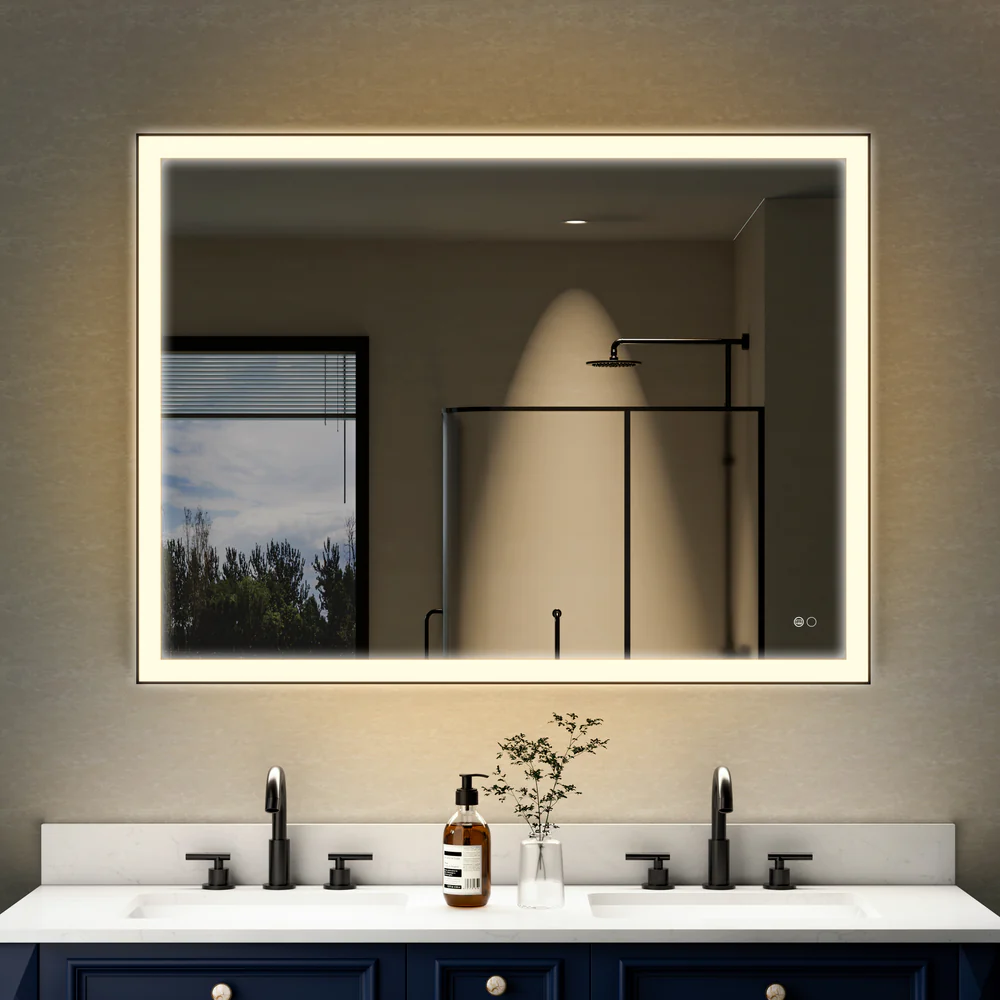
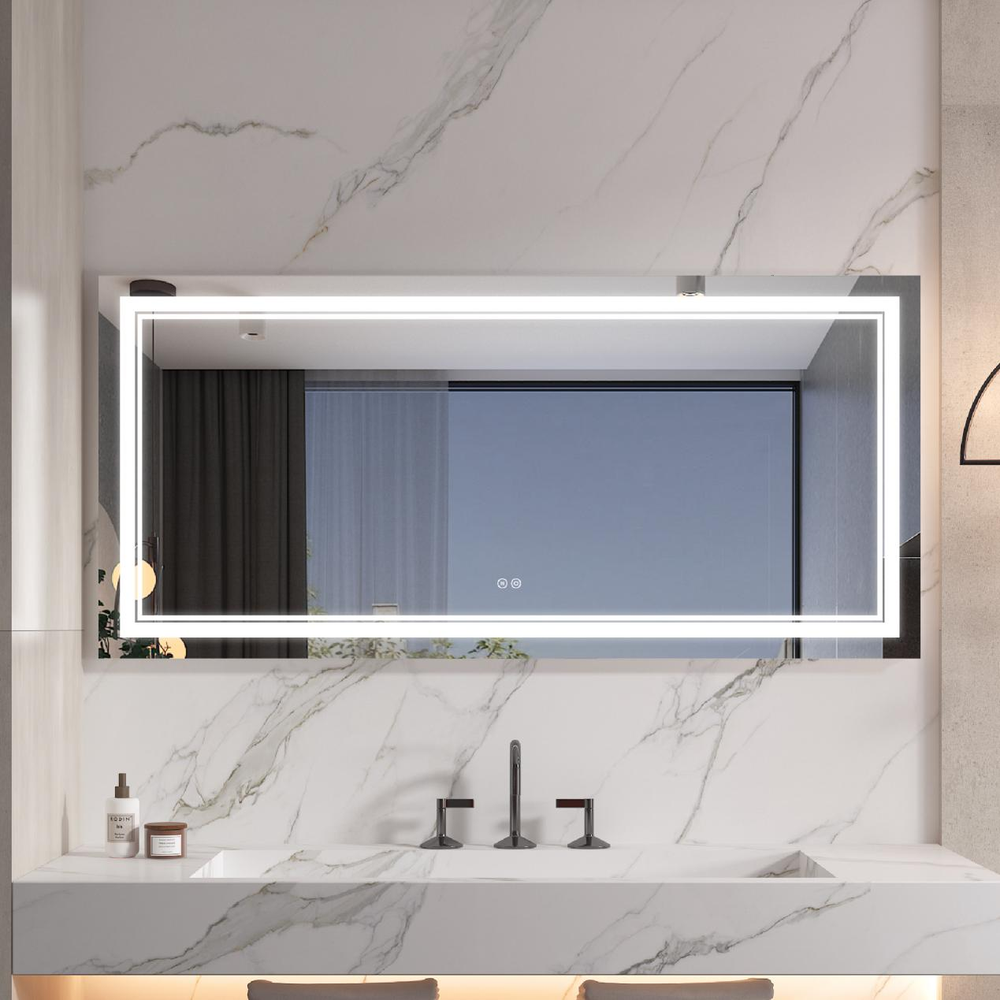
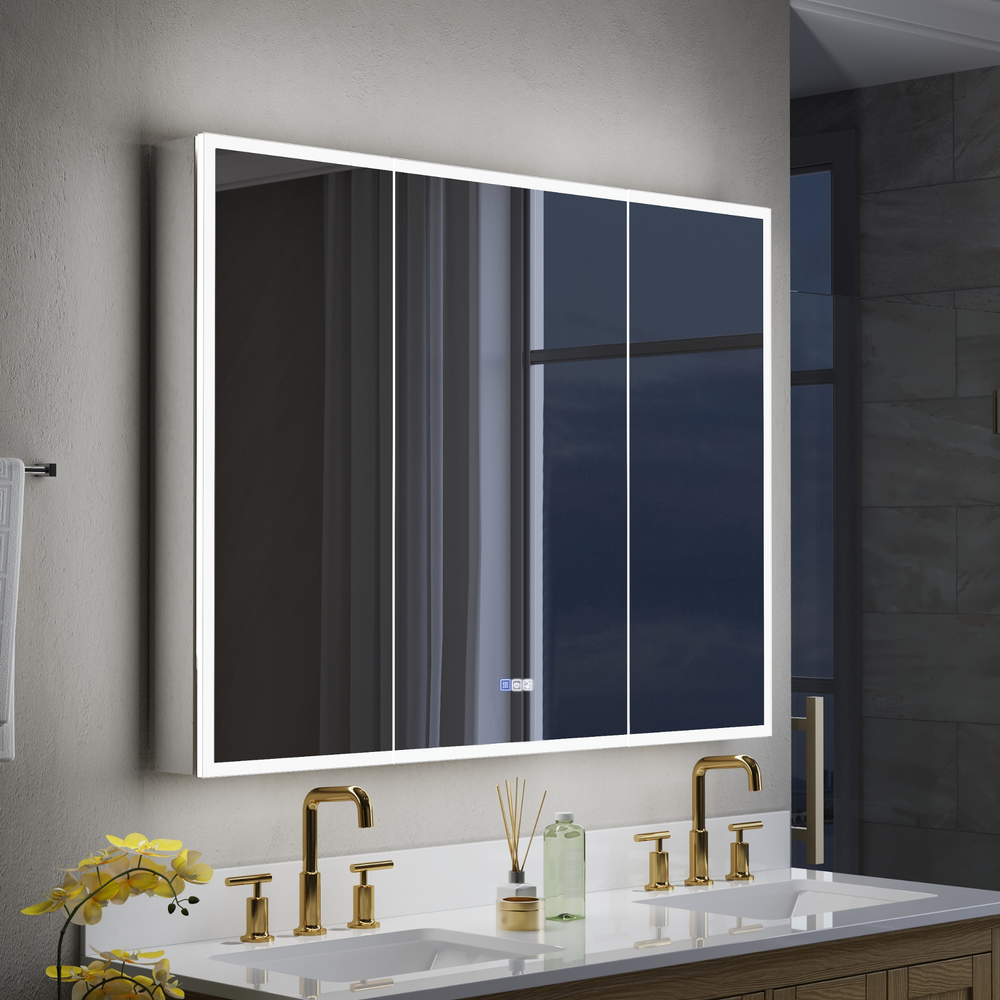
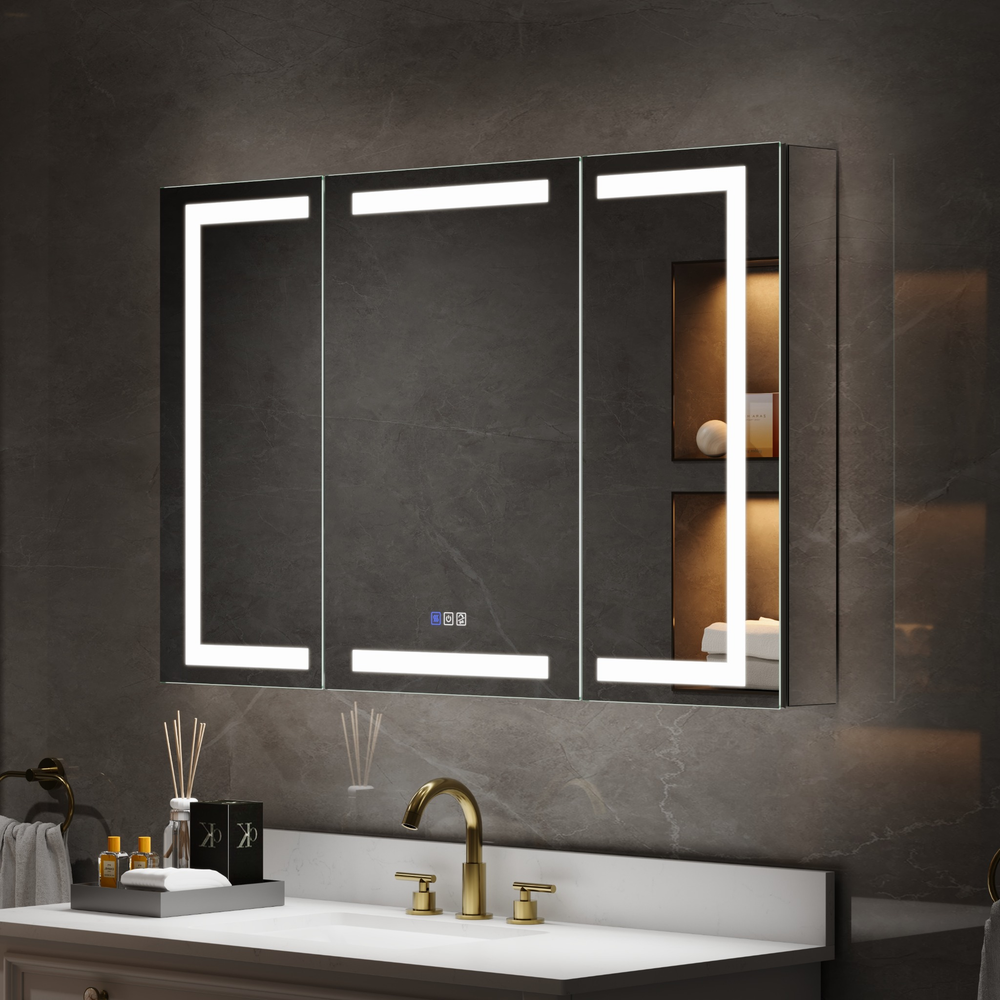


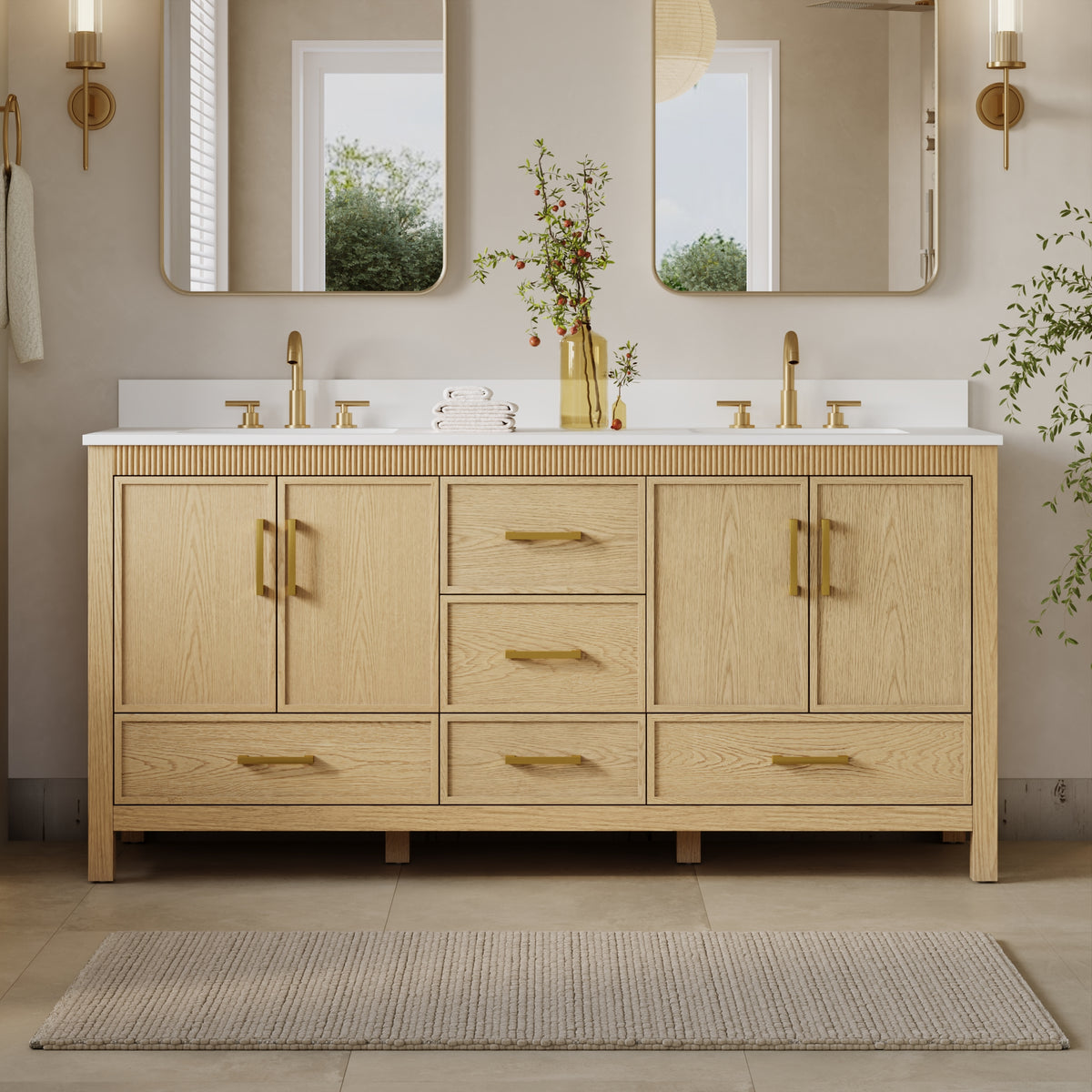
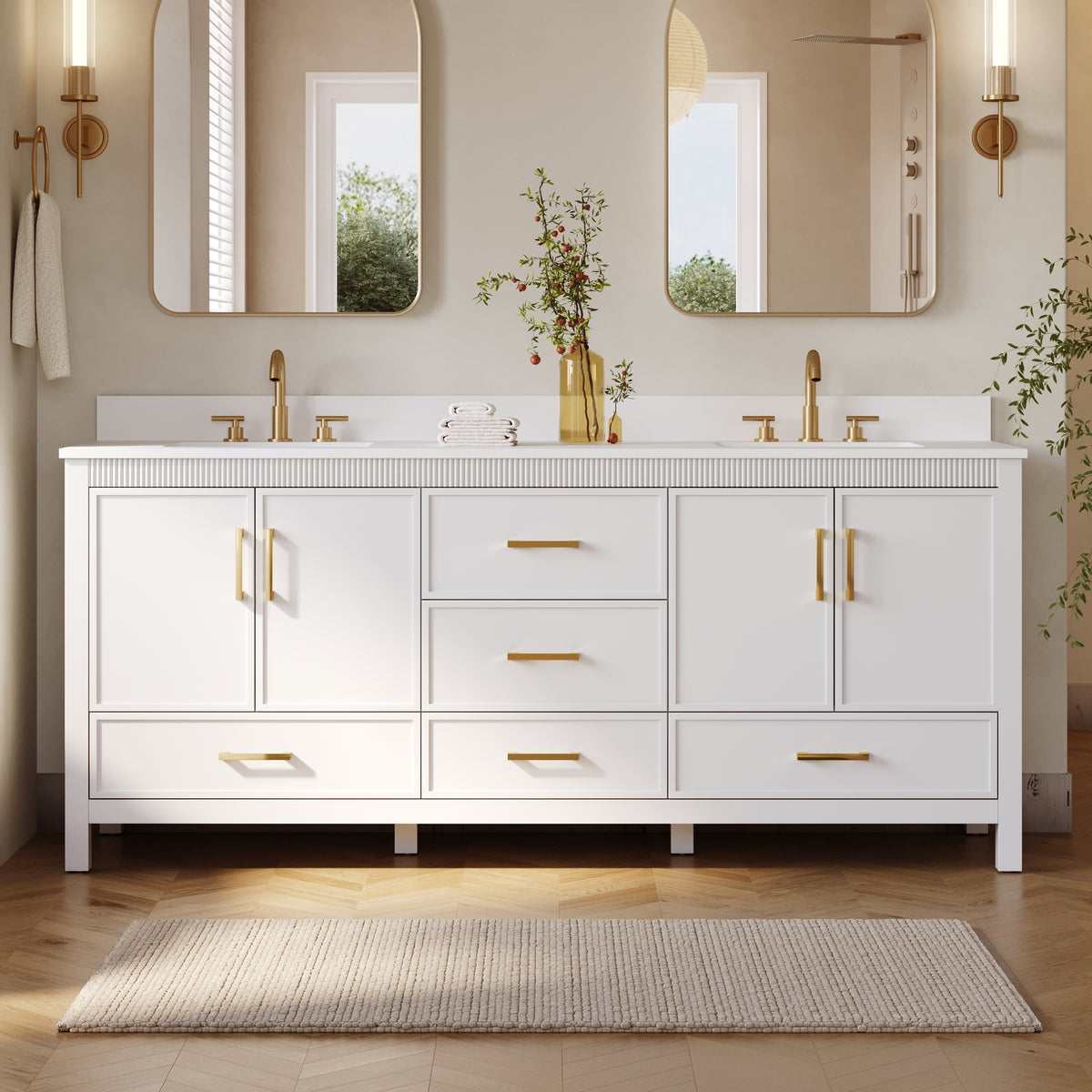

A mirror with lights can improve a bathroom routine, but the best purchase is not always the model with the longest feature list. Light placement, color quality, controls, electrical requirements, and mounting details determine whether it is useful after installation. Before comparing shapes, decide whether the mirror must support close grooming, add ambient light, or provide both. That purpose gives every specification practical context.
Begin with the Light, Not the Reflection
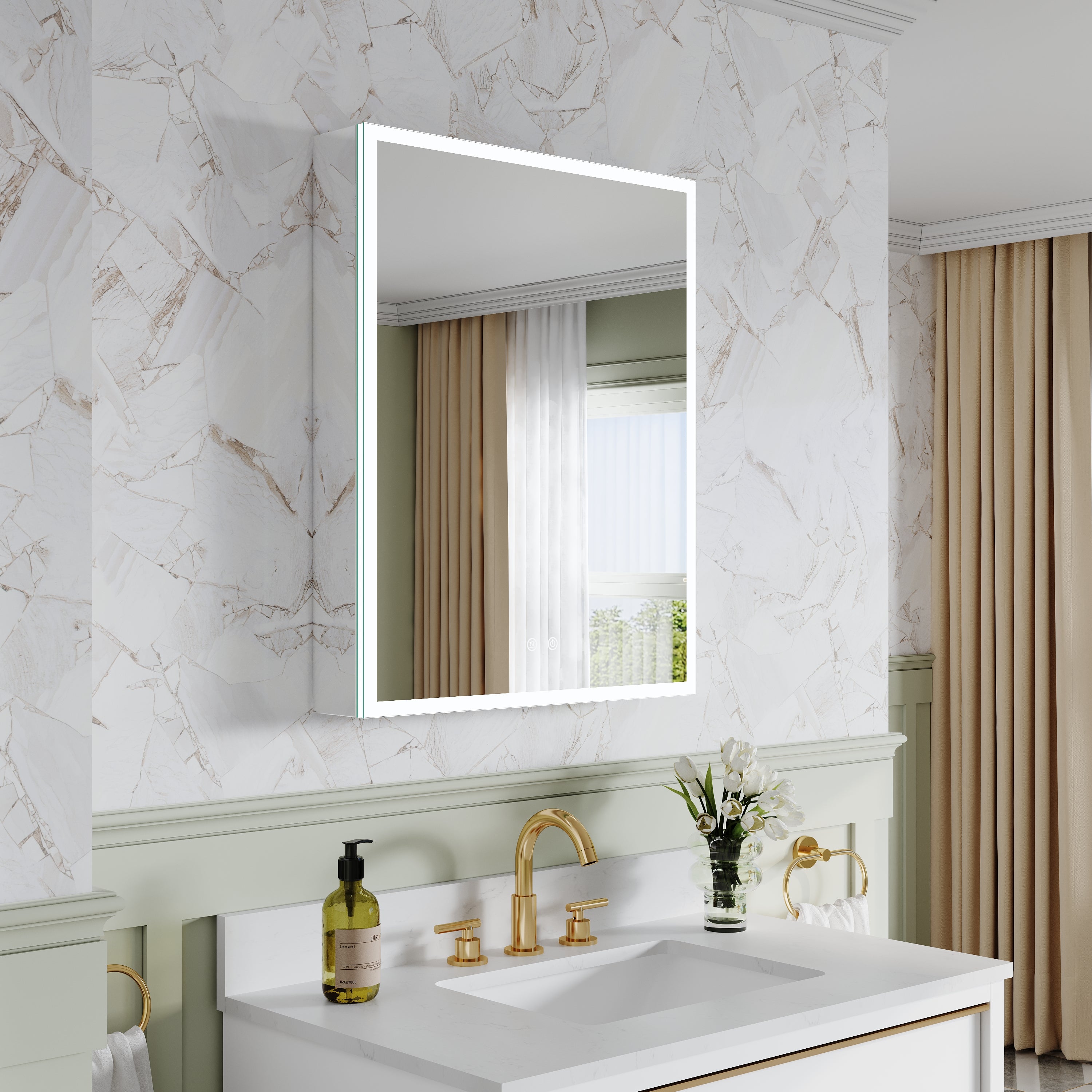
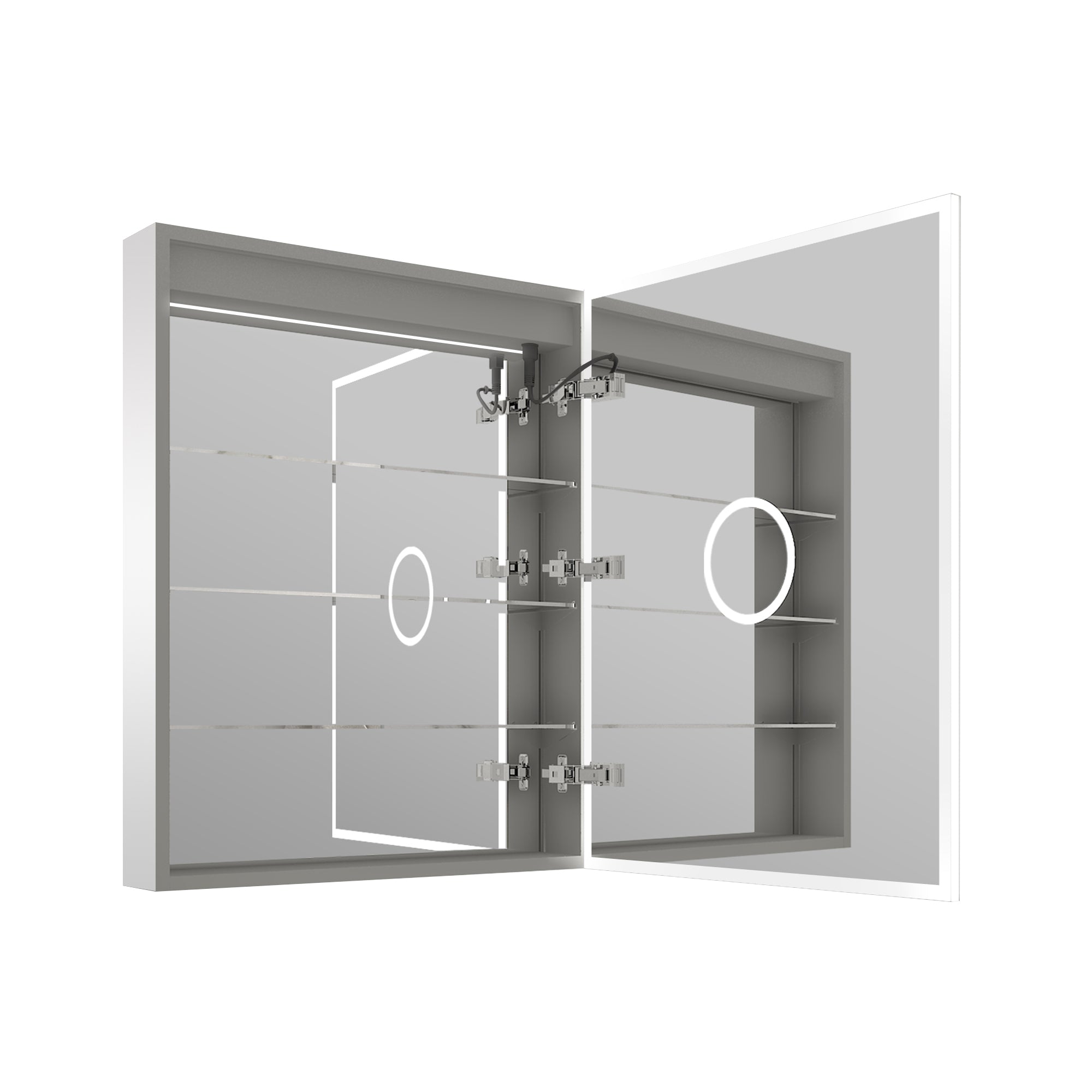
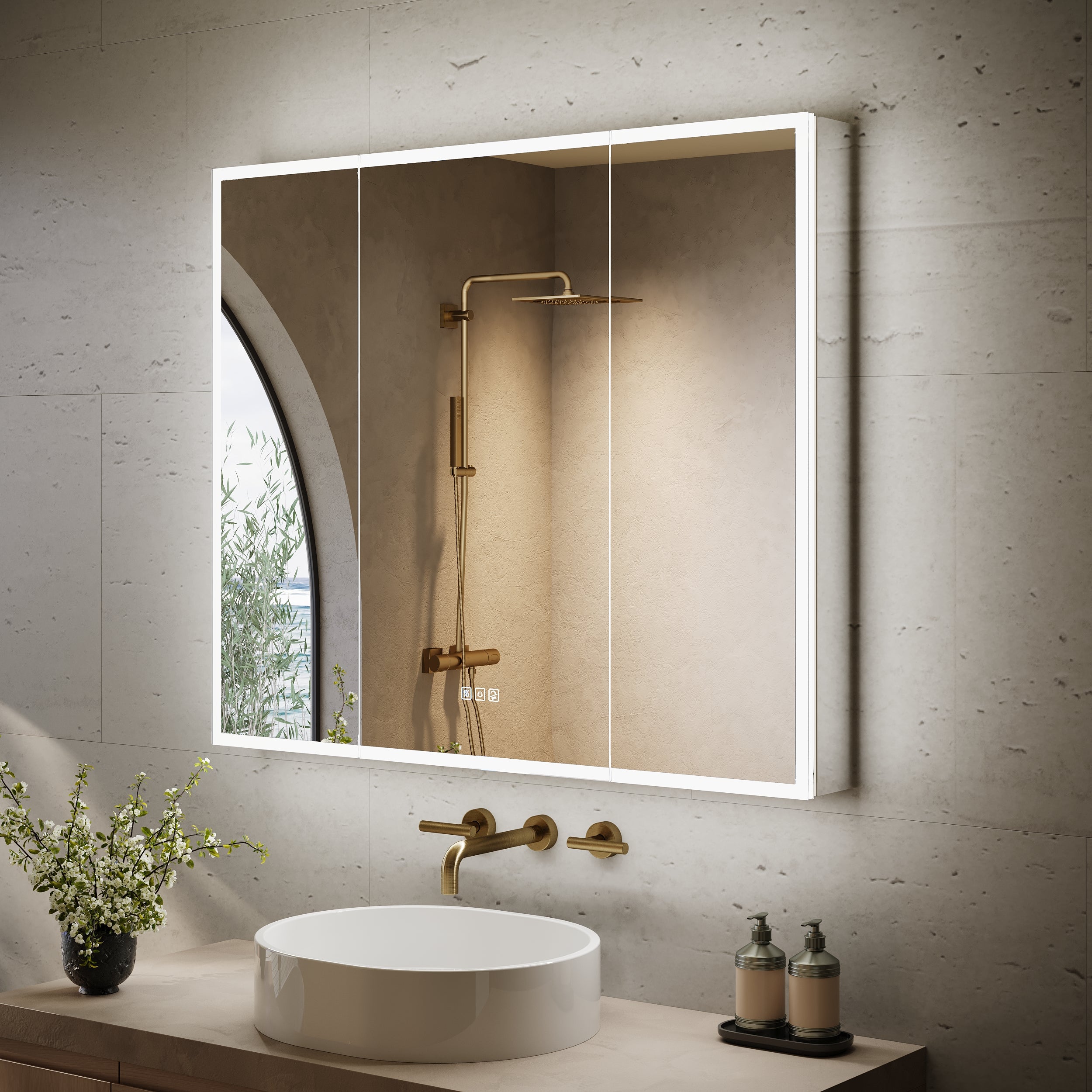
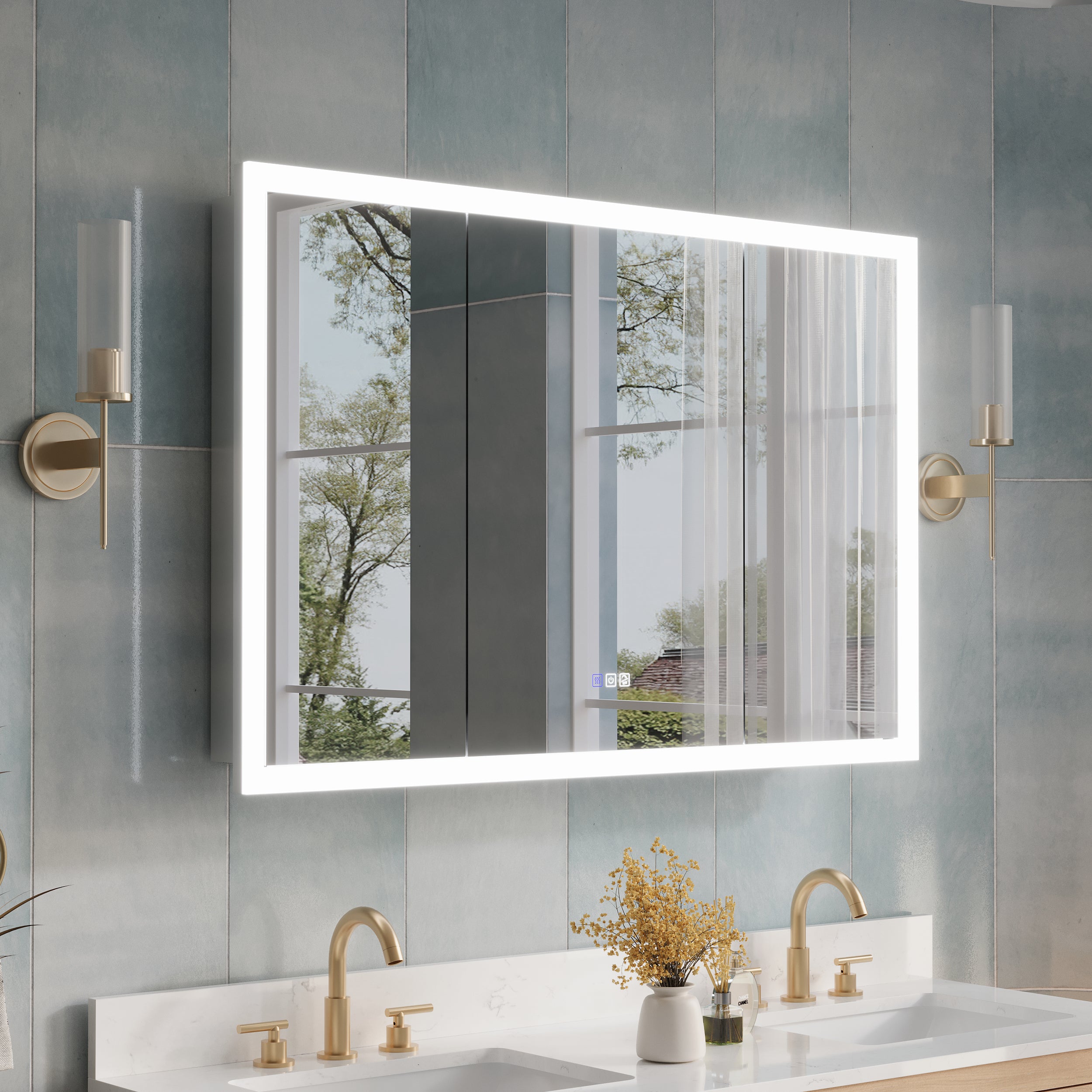
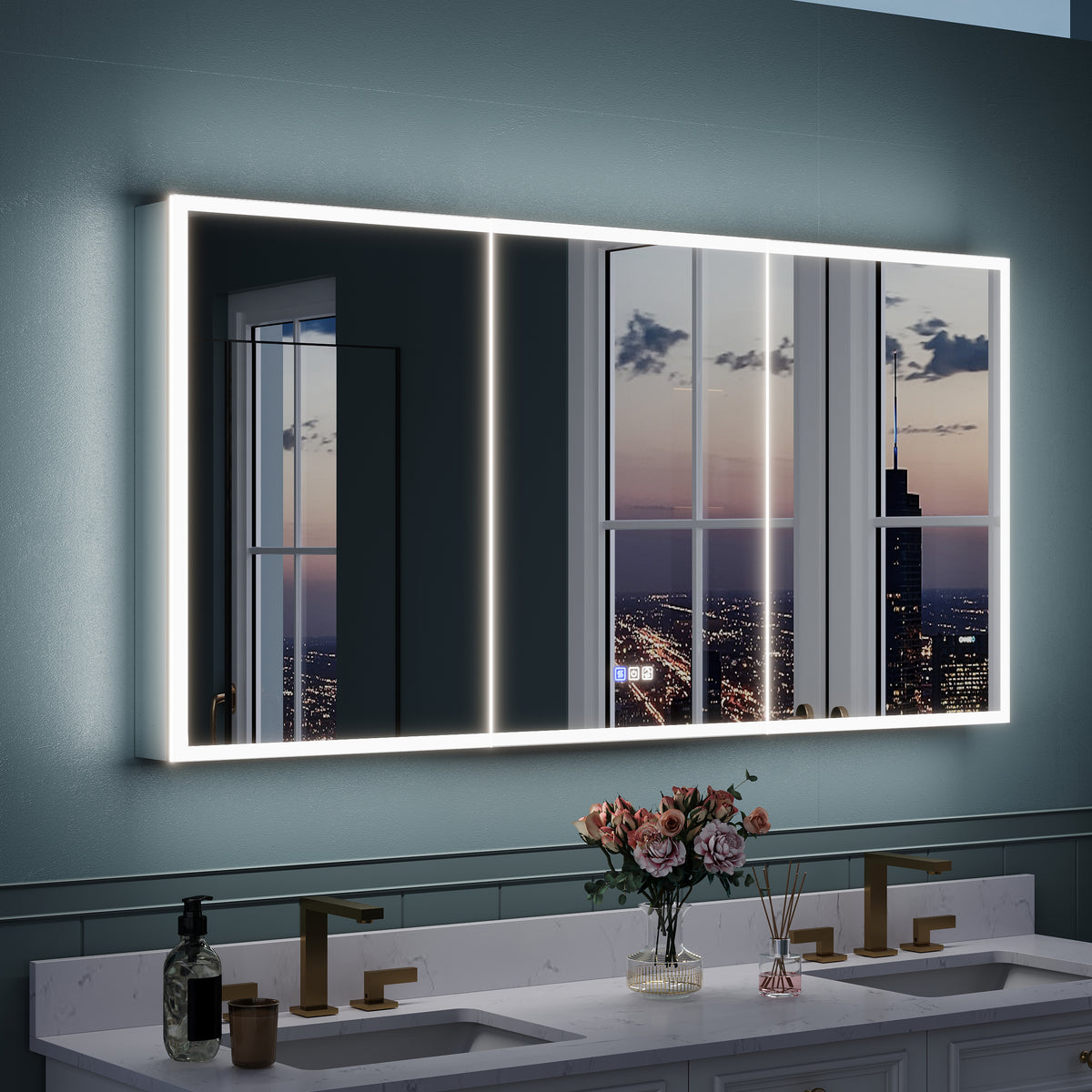
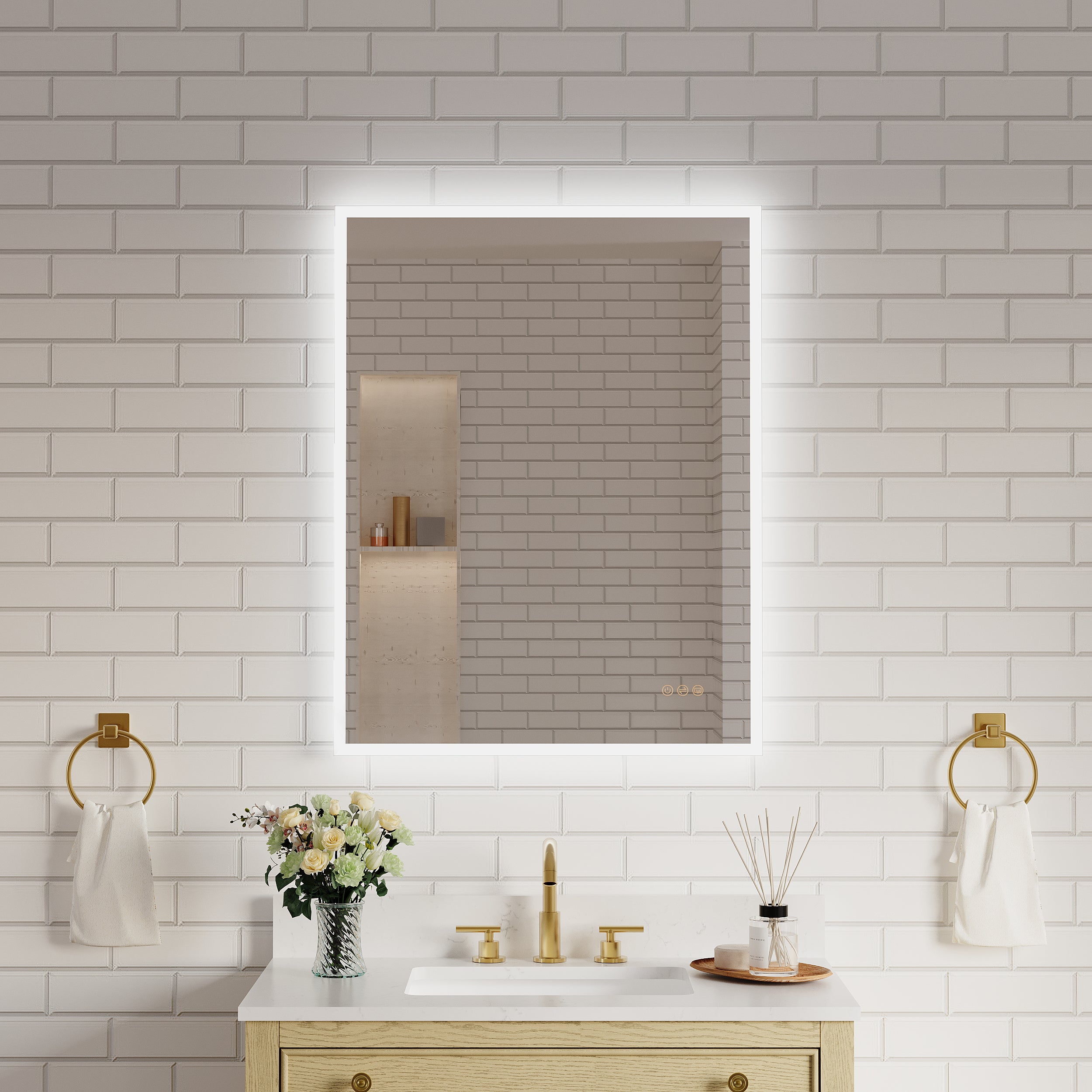
A lighted mirror should illuminate your face evenly. Front-facing light around two or more sides generally reduces shadows from a ceiling fixture. Backlighting produces a floating effect, but may not deliver enough light for shaving or makeup alone. If a product uses both, check whether the front and rear lighting operate separately.
Look for published lumen output rather than judging product photography. Camera exposure and a dark showroom can make a modest LED strip appear powerful. Watts describe energy use, not visible light. Dimming is valuable because one brightness rarely suits both morning grooming and a late-night visit.
Understand Color Temperature and Color Rendering
Color temperature describes whether white light looks warm or cool. Lower values around 2700K to 3000K appear warmer, while 4000K and above look cooler or bluer. ENERGY STAR explains this relationship using the Kelvin scale. (Source: ENERGY STAR, “Downlights Key Product Criteria”) A selectable-color mirror can coordinate with warm decorative lighting at night and brighter task lighting during grooming, but only if changing modes is simple.
Color Rendering Index, or CRI, addresses a different issue: how faithfully colors appear under the light compared with a reference source. For skincare, makeup, or checking clothing colors, a listed CRI of 90 or higher is a useful shopping target. Do not confuse a high Kelvin number with better color accuracy. Ask for both the CCT options and the CRI when a listing provides only phrases such as “natural light.”
Treat the Mirror as Part of the Room Lighting Plan
Integrated LEDs do not automatically replace every bathroom fixture. A narrow illuminated border may light the face while leaving the shower, floor, and storage dim. A powerful ceiling light above the user can create eye-socket shadows even when the room feels bright. Treat the mirror as task lighting and add general illumination where needed.
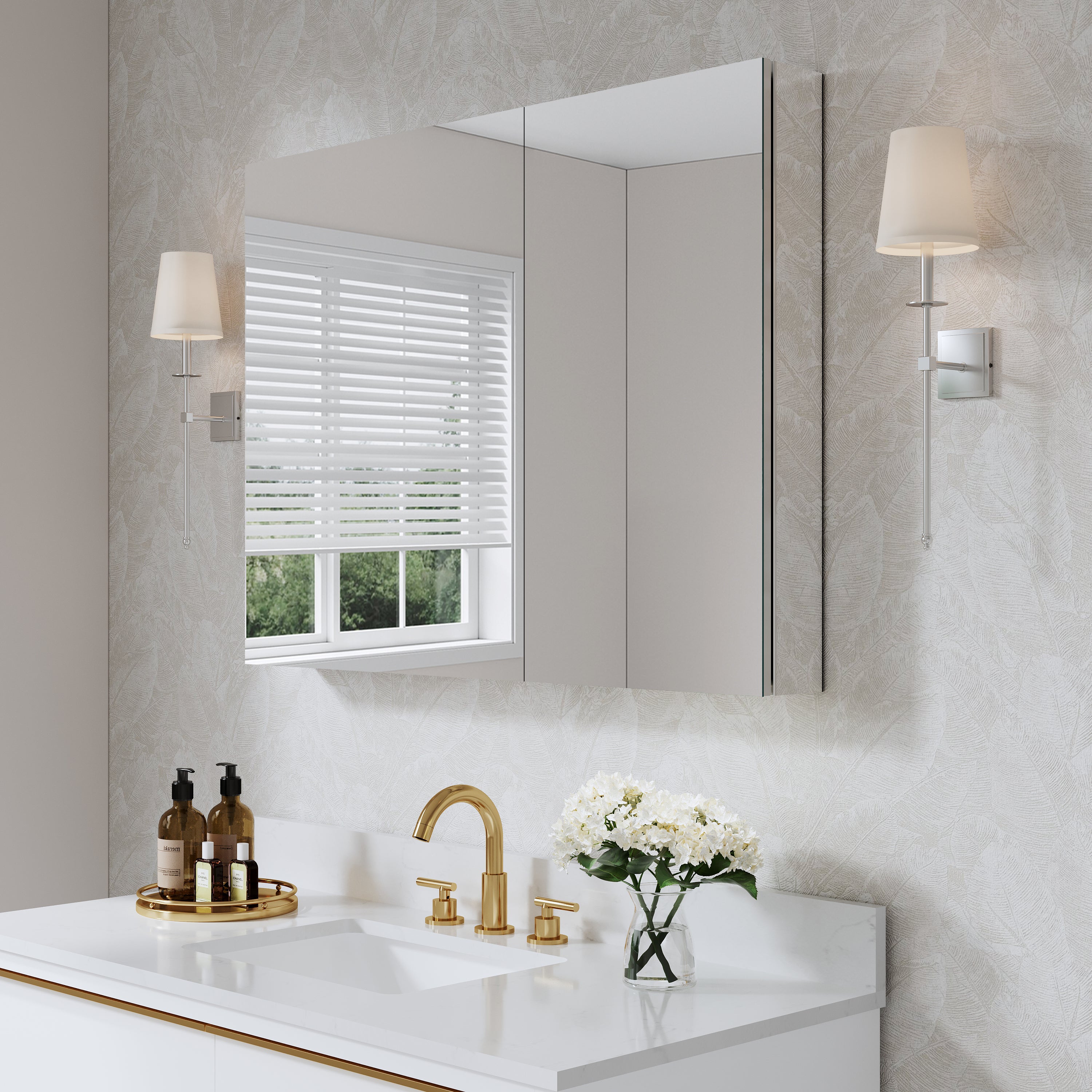
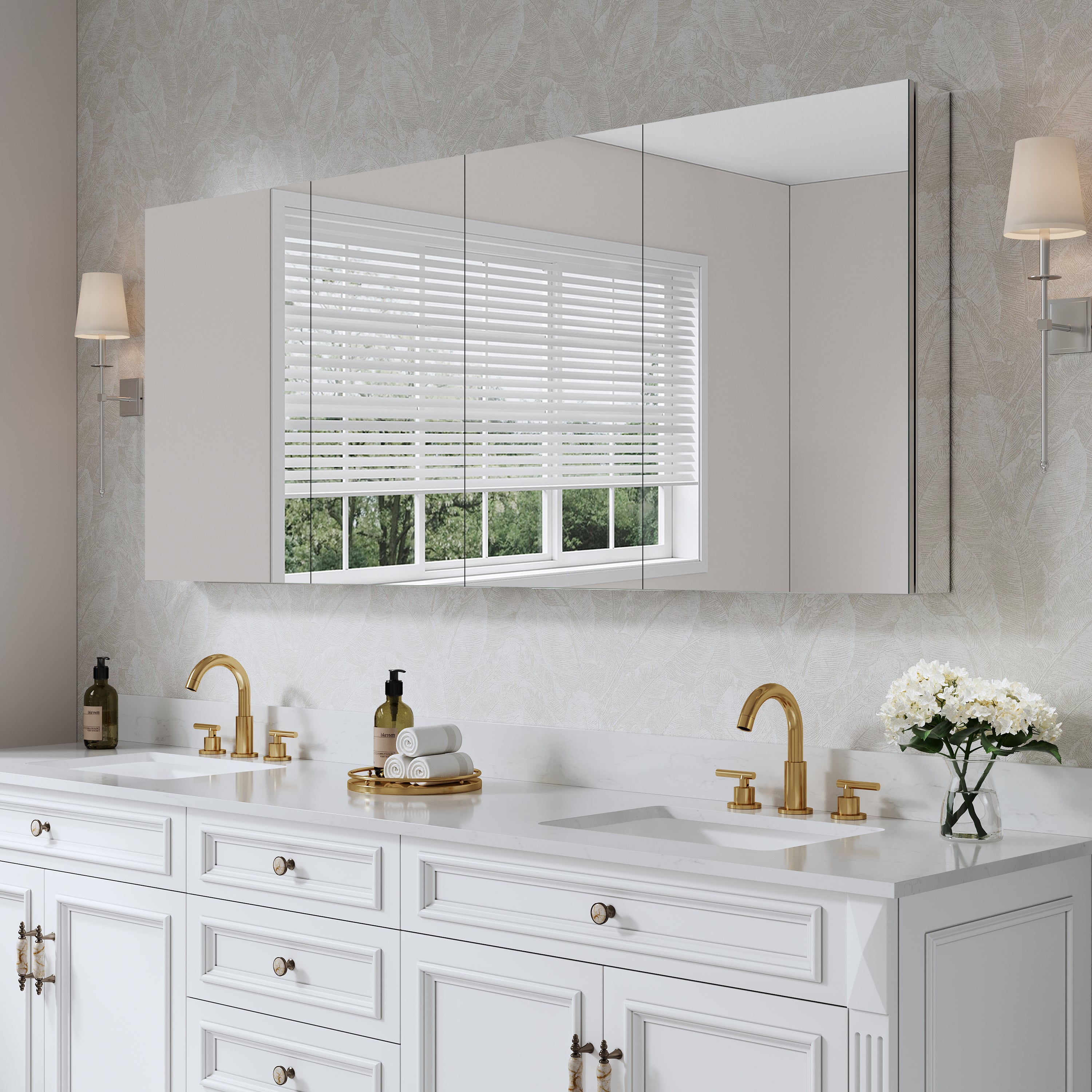
Measure the wall in relation to the vanity, backsplash, outlets, and sconces. A mirror slightly narrower than the vanity often looks balanced, but proportion matters more than a formula. Mark its outline with painter's tape and check the reflection for the tallest and shortest regular users before choosing the mounting height.
Choose Controls You Will Actually Use
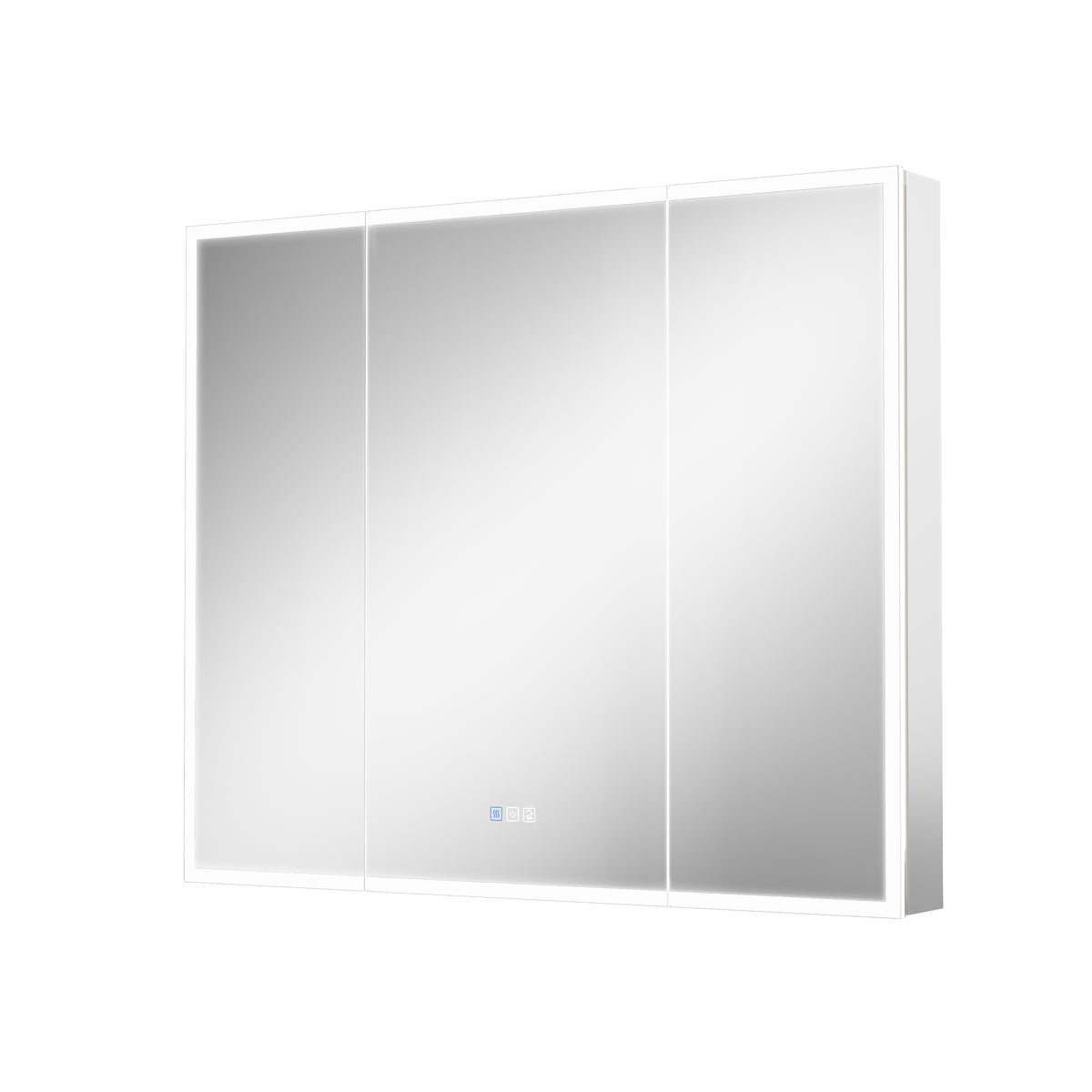
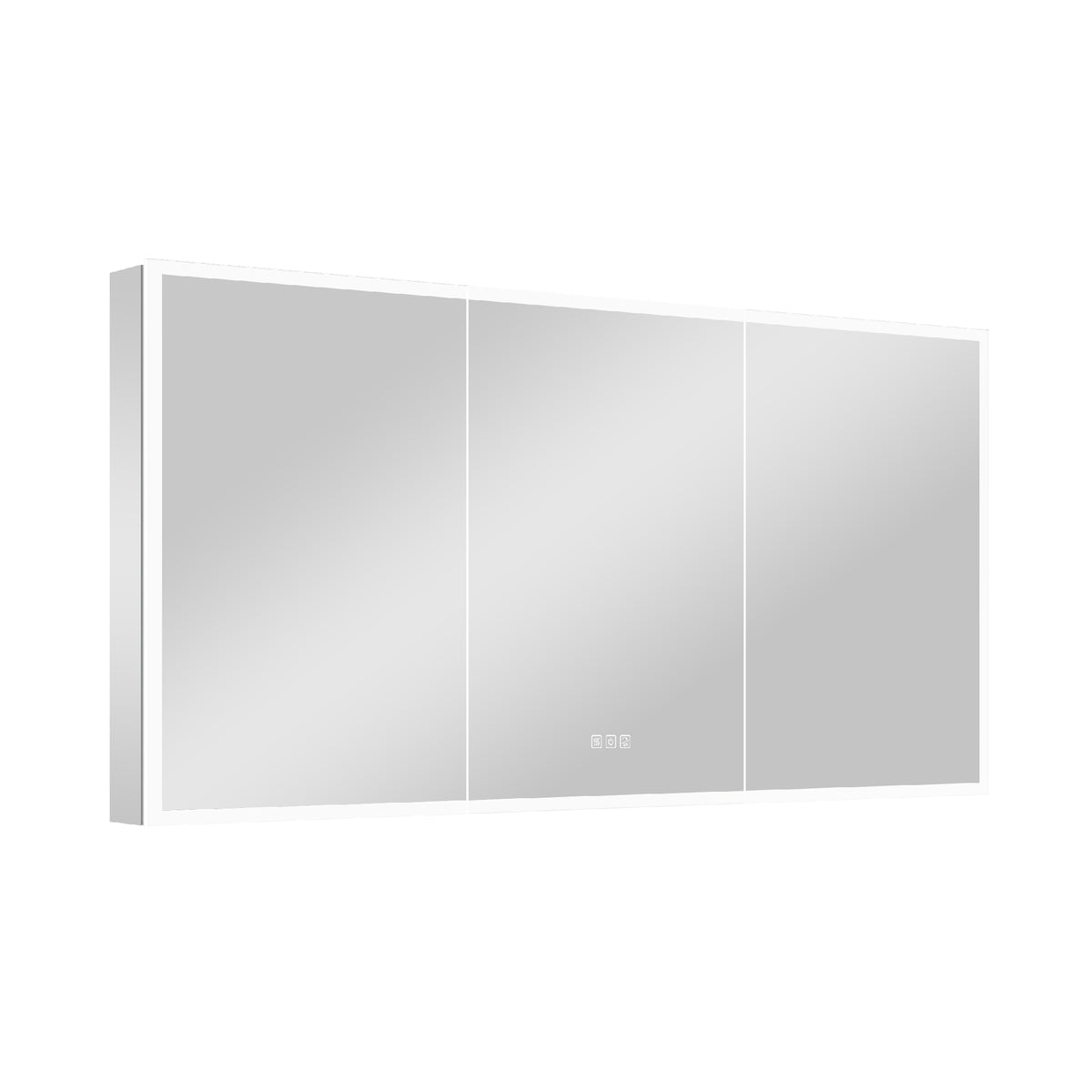
Touch buttons create a clean surface, yet their behavior varies. Confirm how taps and long presses change brightness or color, and whether the button glows at night. A memory function may restore the last setting after shutdown, but some models lose it when power is cut at the wall switch.
Smart features deserve the same test. Bluetooth speakers, clocks, motion sensors, and phone apps can be convenient, but they add electronics that may become outdated before the mirror does. Buy them only when they solve a real need. For a household that uses a wall switch every day, reliable switch compatibility may matter more than an app.

Check Electrical and Moisture Suitability
Determine whether the mirror is hardwired, plug-in, or supports either method. Hardwiring looks cleaner but may require a licensed electrician, a junction box, and code-compliant work. A plug-in cord needs a suitable receptacle and a safe route. A nearby outlet does not make every installation acceptable.
Verify that the complete product—not merely its LED driver—has a recognized U.S. safety certification that can be confirmed in the certifier's directory. Also check the stated environmental location. UL guidance distinguishes damp locations, which may experience condensation, from wet locations, where water may drip, splash, or flow against electrical equipment. (Source: UL Solutions, “Environmental Location Markings”) An IP claim alone is not a substitute for confirming the product's certification and intended installation location in the U.S.
Do Not Treat the Defogger as Magic
A defogging pad warms a defined area behind the glass; it does not necessarily clear the entire mirror. Compare the pad dimensions with the full reflective area, and find out whether the defogger has its own control or turns on with the light. It may take several minutes to create a clear viewing zone, especially after a hot shower. Good exhaust ventilation still matters because the heater addresses condensation on the glass, not moisture throughout the room.
Examine Mounting and Glass Safety
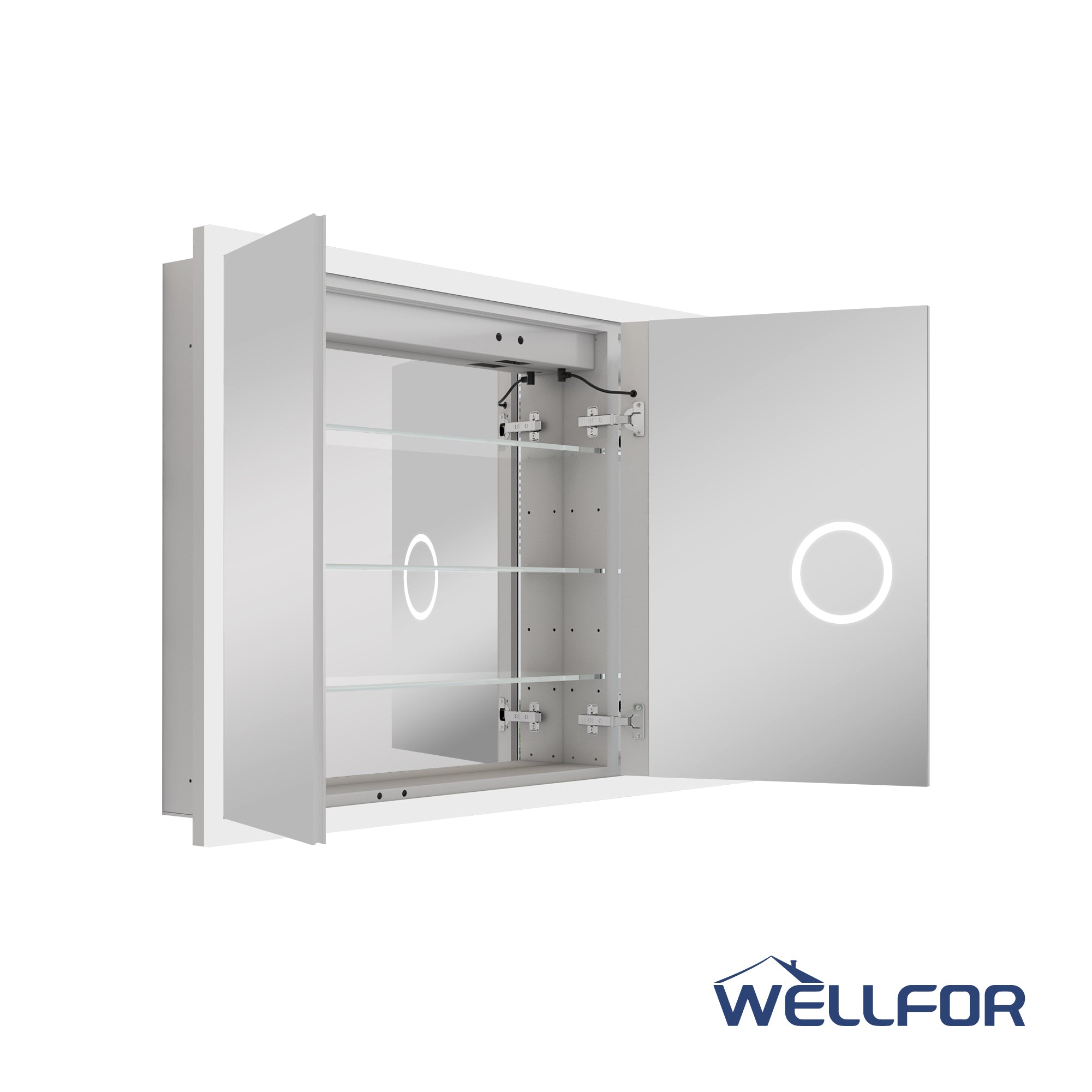
Study the installation drawing before ordering. Note the weight, hanging system, orientation, required wall clearance, and electrical connection location. The mounting method must suit the wall construction and appropriate support. Large mirrors usually require two people to lift and align safely.
This is not an insignificant fact. In 2024, the U.S. Consumer Product Safety Commission recalled some lighted bathroom mirrors because the glass could separate from others and fall. (source: U.S. Consumer Product Safety Commission, "Homewerks Worldwide Recalls Allen + Roth Lighted Bathroom Mirrors") Make sure to look over the glass, backing, brackets, and fasteners prior to installing the mirror and adhere to the manufacturer's instructions instead of improvising.
Read the Warranty as a Repair Plan
LEDs usually fade gradually rather than failing like a traditional bulb. ENERGY STAR notes that LED lifetime is commonly based on a 30% decline in light output and that thermal management affects useful life. (Source: ENERGY STAR, “Learn About LED Lighting”) Ask whether the warranty covers the driver, sensor, defogger, and LED strip. Check exclusions for labor, removal, or replacement shipping.
Review the damage-reporting window and return procedure before delivery. Open the carton carefully, photograph the packaging, and inspect the mirror before removing protective film or booking installation. Confirm that replacement electronic parts are available; otherwise, a small control failure may require replacing the entire mirror.
Make the Final Choice Around Daily Use
The right lighted mirror should show your face clearly, fit the wall comfortably, and behave predictably every day. Compare verified light specifications, usable controls, installation method, moisture suitability, mounting hardware, and service support—not just shape and promotional photos. When those fundamentals are sound, features such as tunable white light or a defogger can add real convenience instead of complexity.













Leave a comment
This site is protected by hCaptcha and the hCaptcha Privacy Policy and Terms of Service apply.