

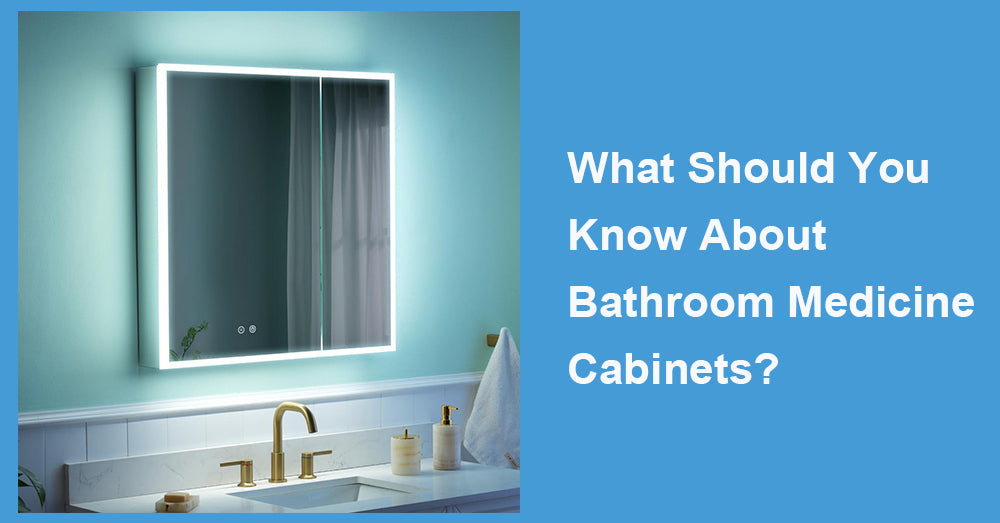
Thinking about upgrading your bathroom storage? Here is the real, no-nonsense guide on what you should know about bathroom medicine cabinets before you buy.
Buying a new cabinet shouldn't be a headache, but here we are. If you are tired of your bathroom counter looking like a miniature CVS exploded, it's time to start shopping. But before you swipe your credit card, there is a lot of stuff you need to know about bathroom medicine cabinets.
I’ve seen way too many DIYers buy a beautiful mirrored box, get it home, and realize it doesn’t fit their wall. Or worse, they cut into the drywall and hit a water pipe. It's a nightmare. So, let's save you the trouble. Here is the unfiltered rundown on dimensions, installation realities, and the features that actually matter.
The Wall Cavity Reality Check
First things first: you need to decide between a recessed or a surface-mounted cabinet. This choice dictates everything.
If you want that seamless, high-end look that doesn't stick out into the room, you want a recessed unit. It sits inside the wall, completely flush with the drywall. Sounds great, right? Well, hold your horses. You need to verify your wall depth first. Most recessed models require a cavity that is at least 4 inches deep. (Source: Family Handyman)
Here is the catch: older American homes often have plumbing pipes or HVAC ducts running right where you want to put the cabinet. If you have a finished wall and you don't want to do major surgery on your bathroom, measuring is crucial. If you can't find 4 clear inches, forget it.
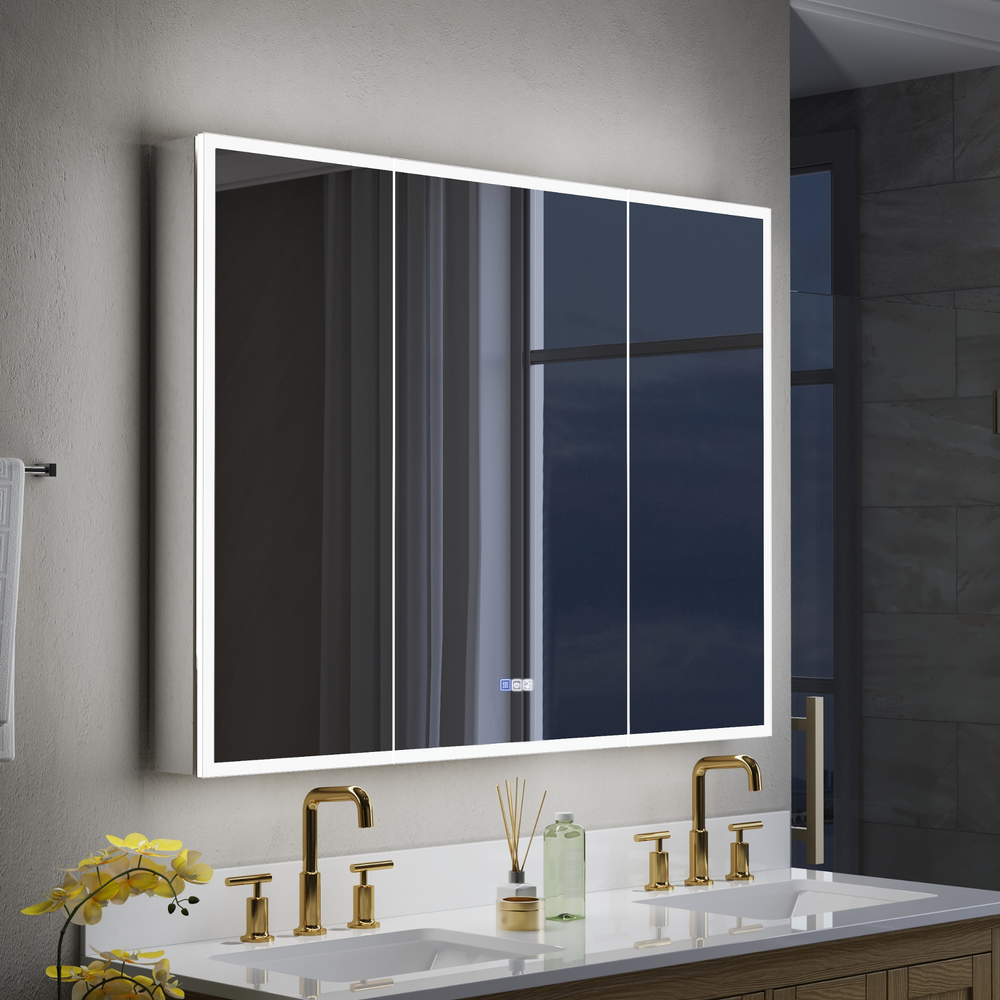
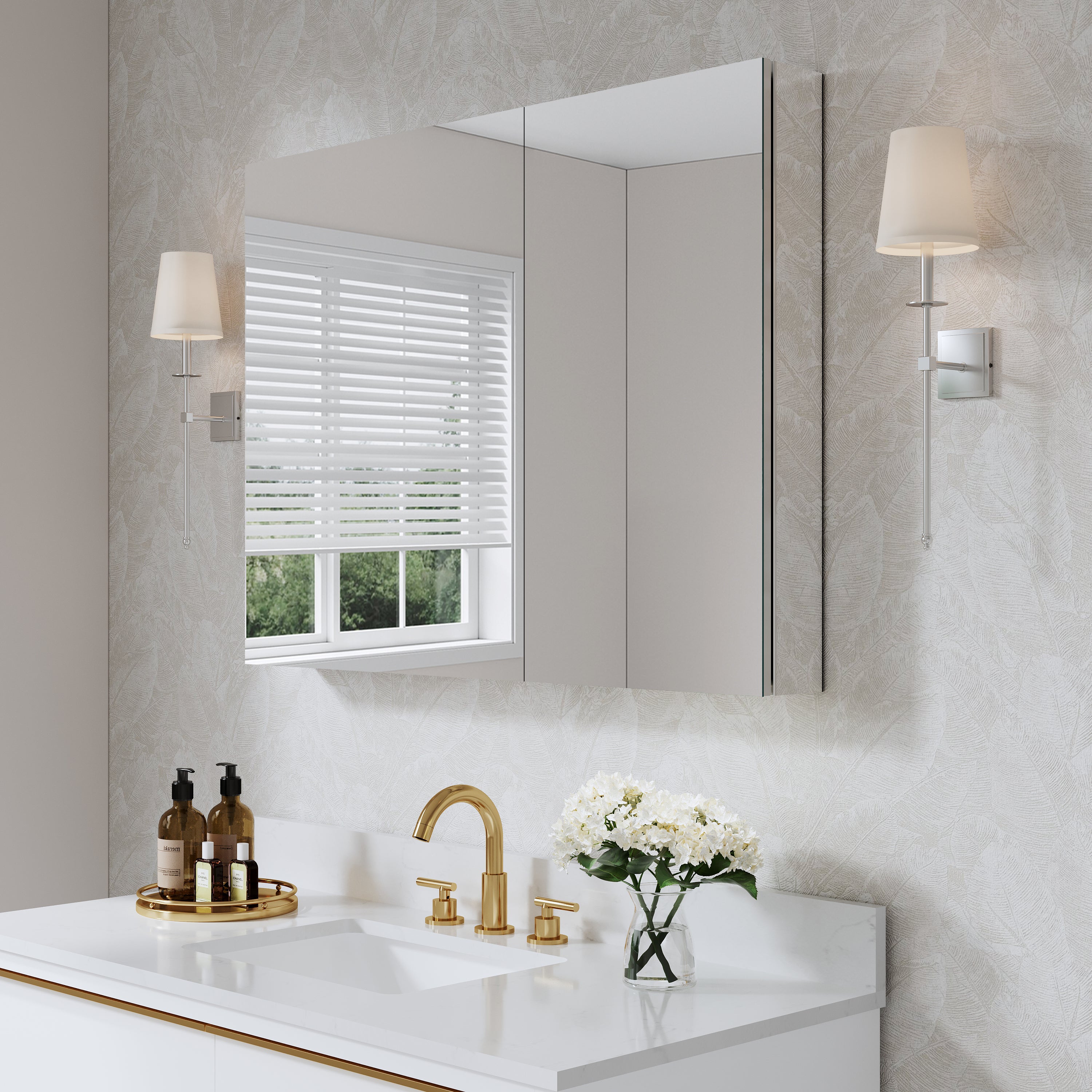
If you live in an apartment or just don't want to deal with drywall dust, a surface-mounted cabinet is your best friend. You literally just screw it into the wall. The trade-off? It juts out into the room, usually by a few inches. It gives you more internal storage depth, but it can make a tight bathroom feel incredibly claustrophobic. I've bumped my head on these more times than I'd like to admit.
Sizing: Don't Skip the Tape Measure
There is no such thing as a "one size fits all" bathroom.
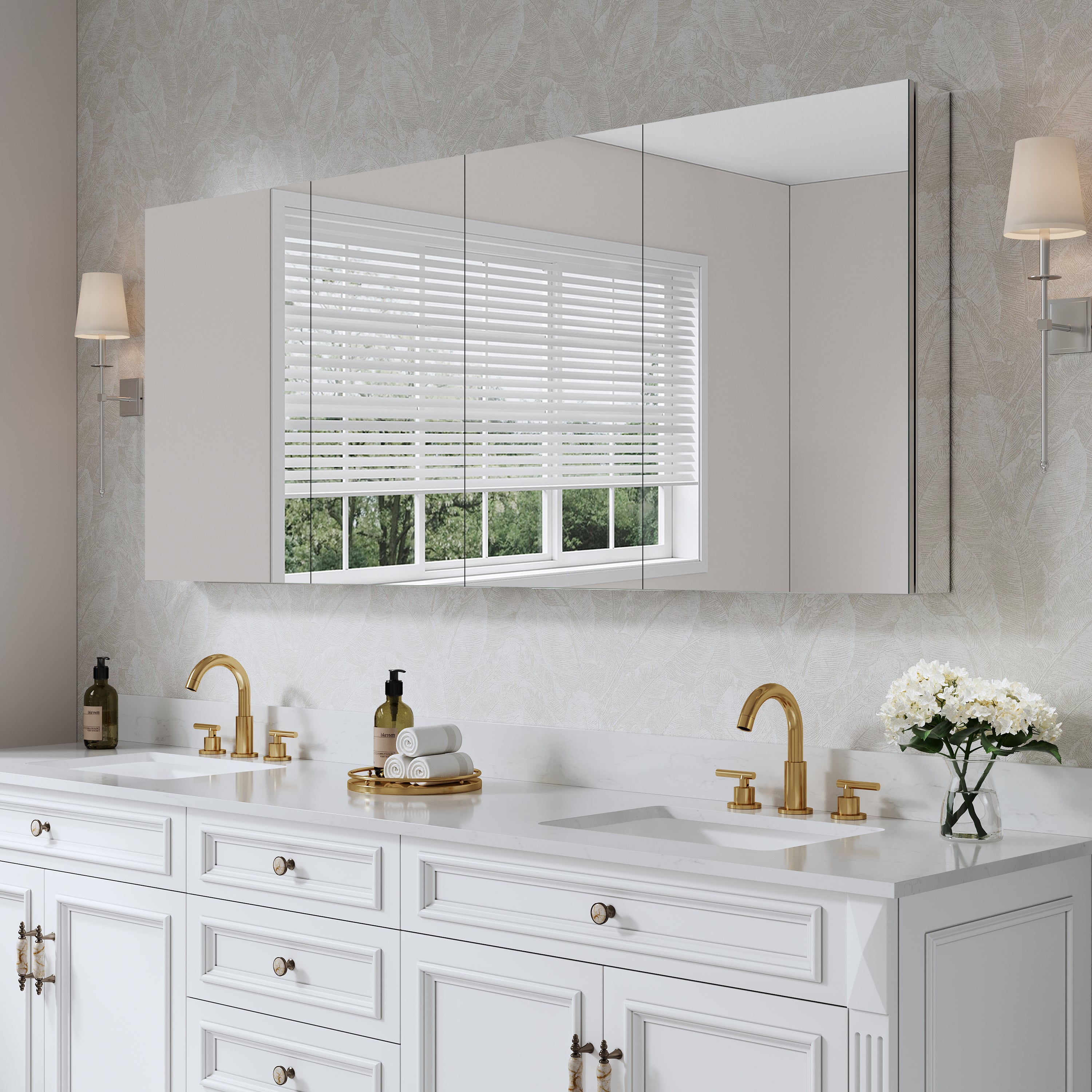
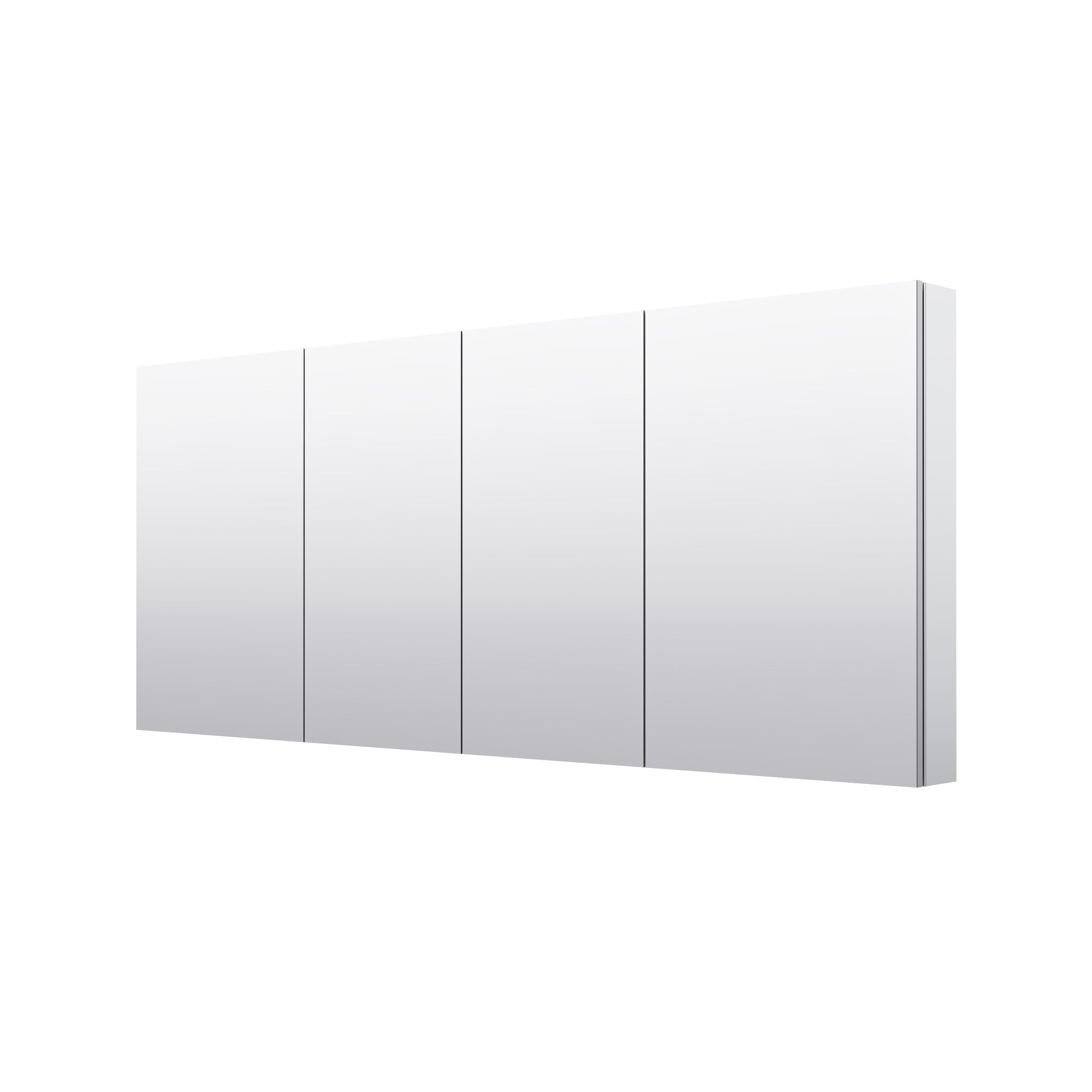
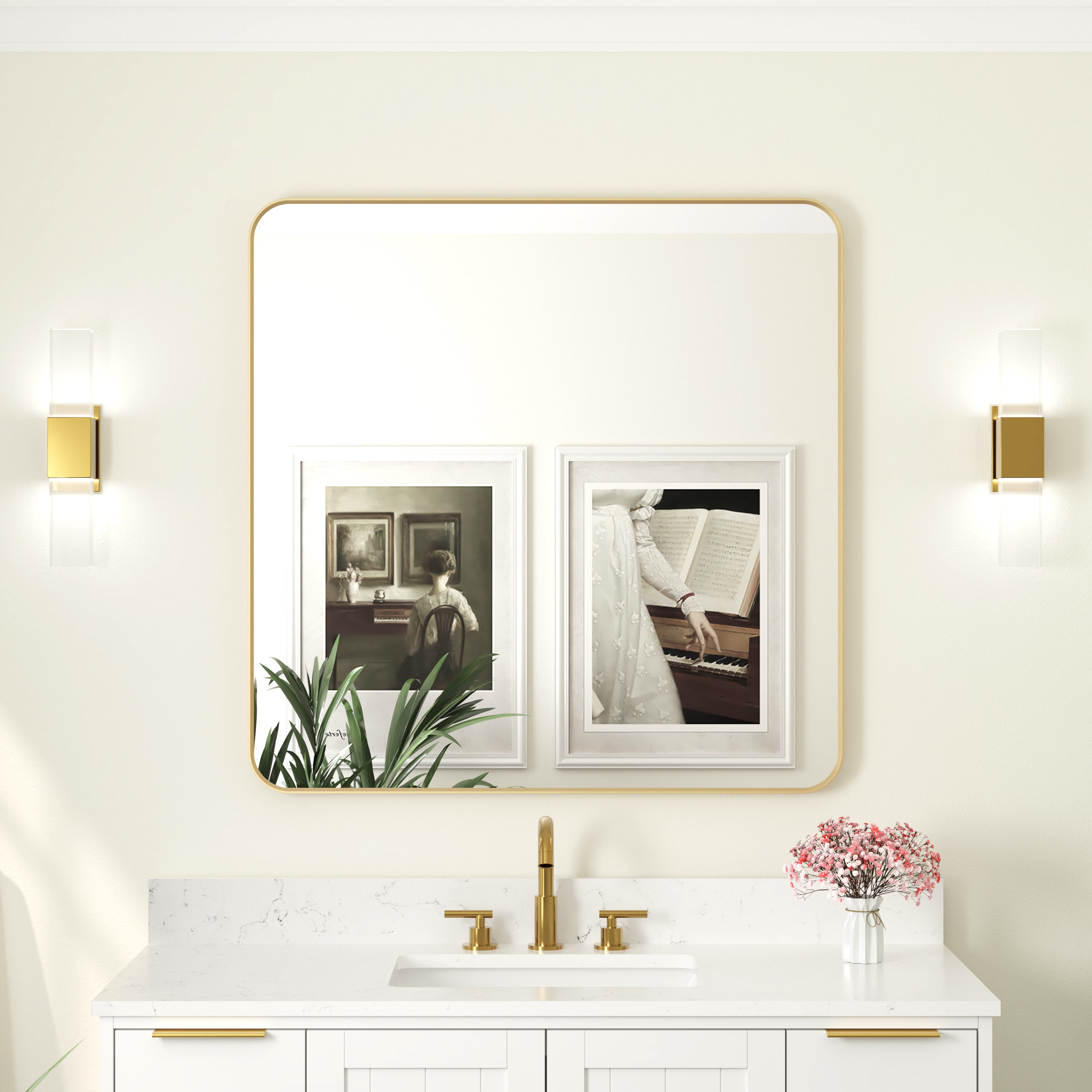
While a standard cabinet might be around 15 x 30 inches up to 36 x 28 inches, you have to match it to your vanity. (Source: Lowe's) If your vanity is 36 inches wide, a cabinet that's 30 inches wide looks fantastic. But if you slap a 36-inch mirror over a tiny vanity, it looks top-heavy and weird.
Also, think about the door swing. If the hinges are on the right, but your toilet or shower door is on the right, you're going to be playing a frustrating game of bumper cars every morning. Right-hand openings are standard, but you can easily buy reversible or left-hand hinges.
The Magic of Adjustable Shelves
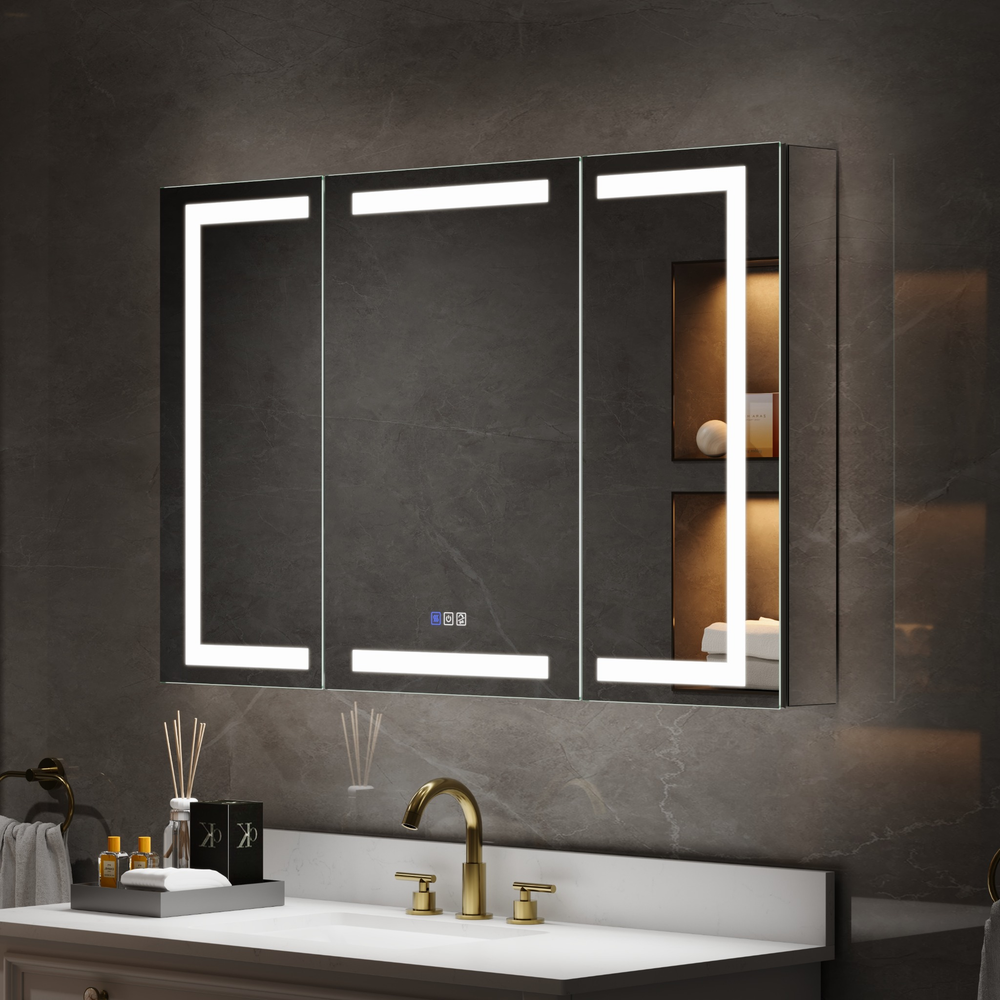
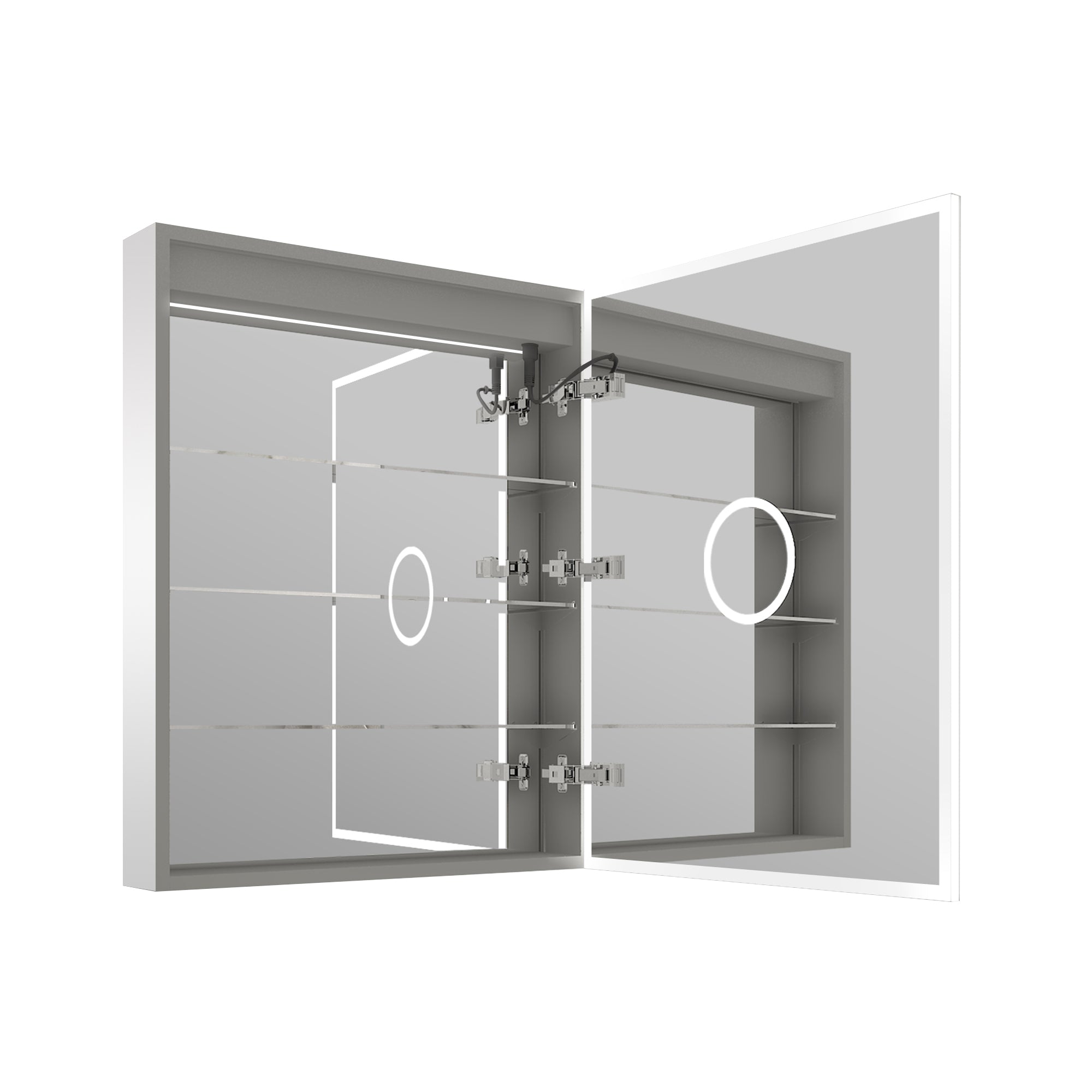
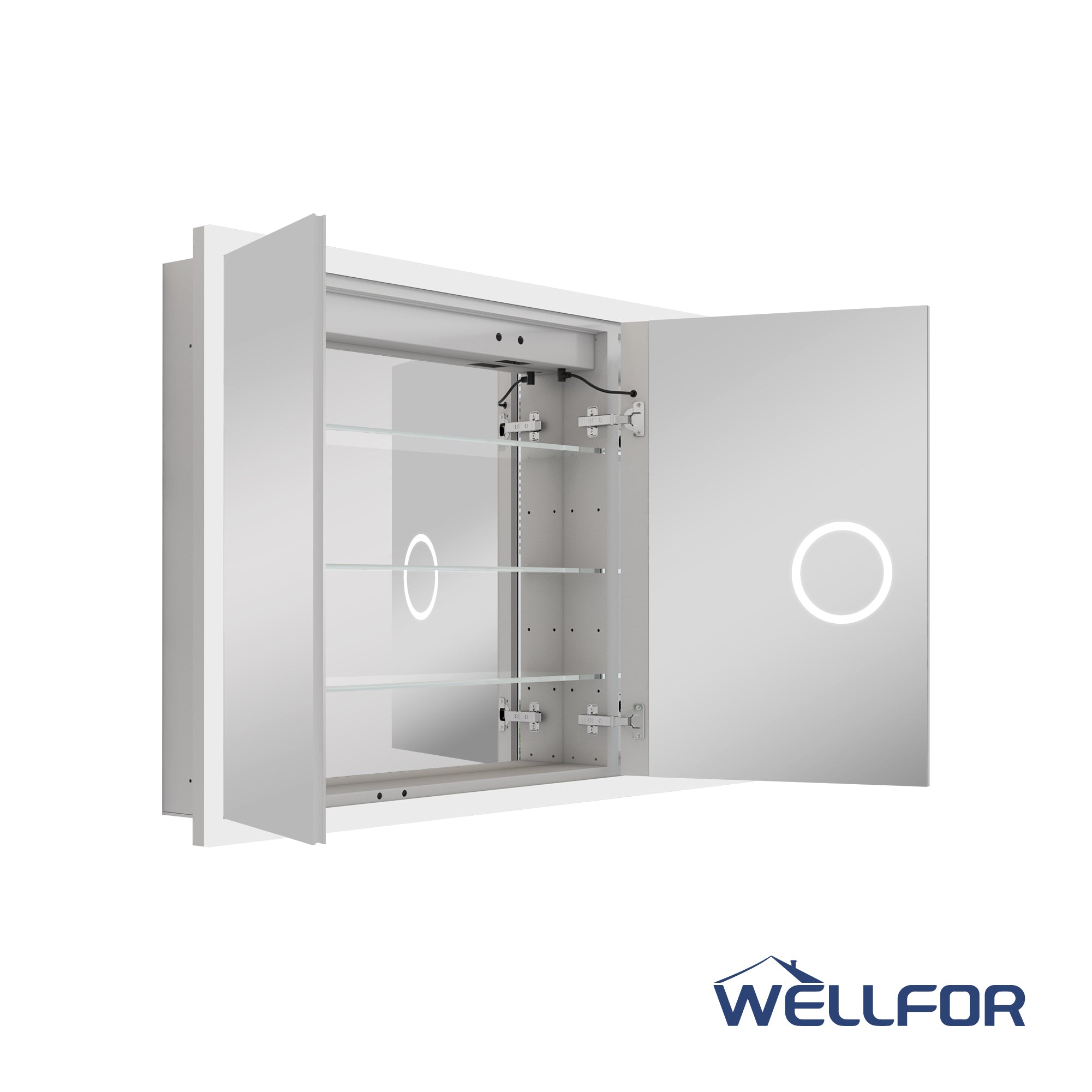
Nothing frustrates me more than a cabinet with fixed shelves. Look for units with tempered glass shelves that have multiple adjustment notches.
Why? Because your storage needs change. Right now, maybe you just have toothpaste and razors. But tomorrow? You might buy a giant bottle of mouthwash or a tall hairspray can. Adjustable shelves let you customize the interior so you aren't stuck stacking things on top of each other.
Dealing With Fog and Bad Lighting
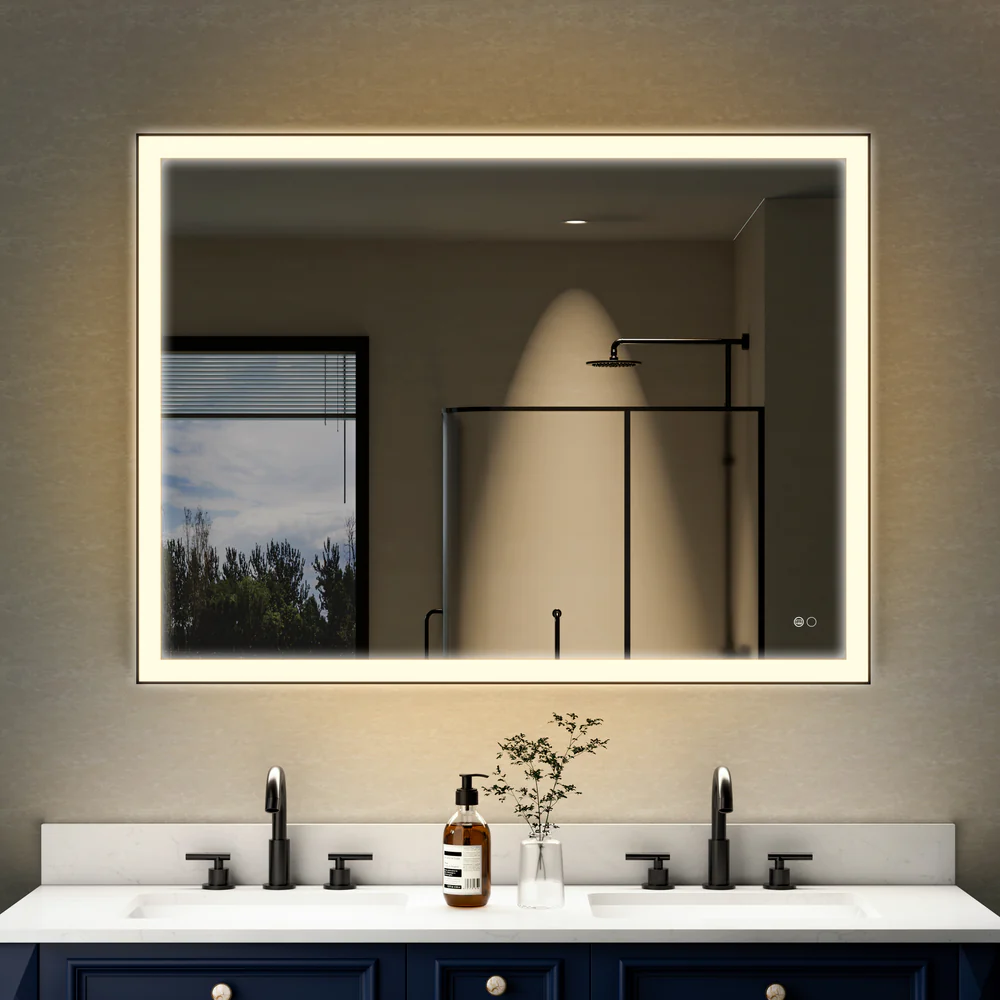
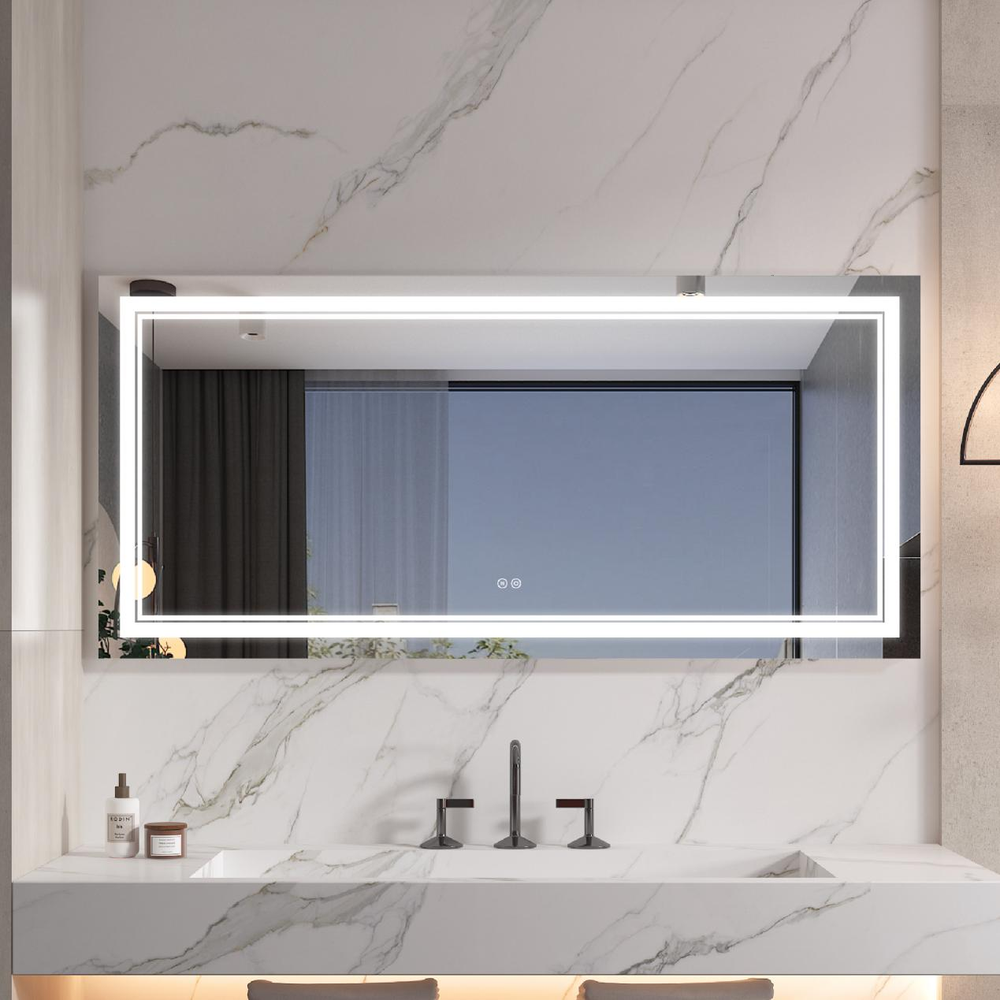
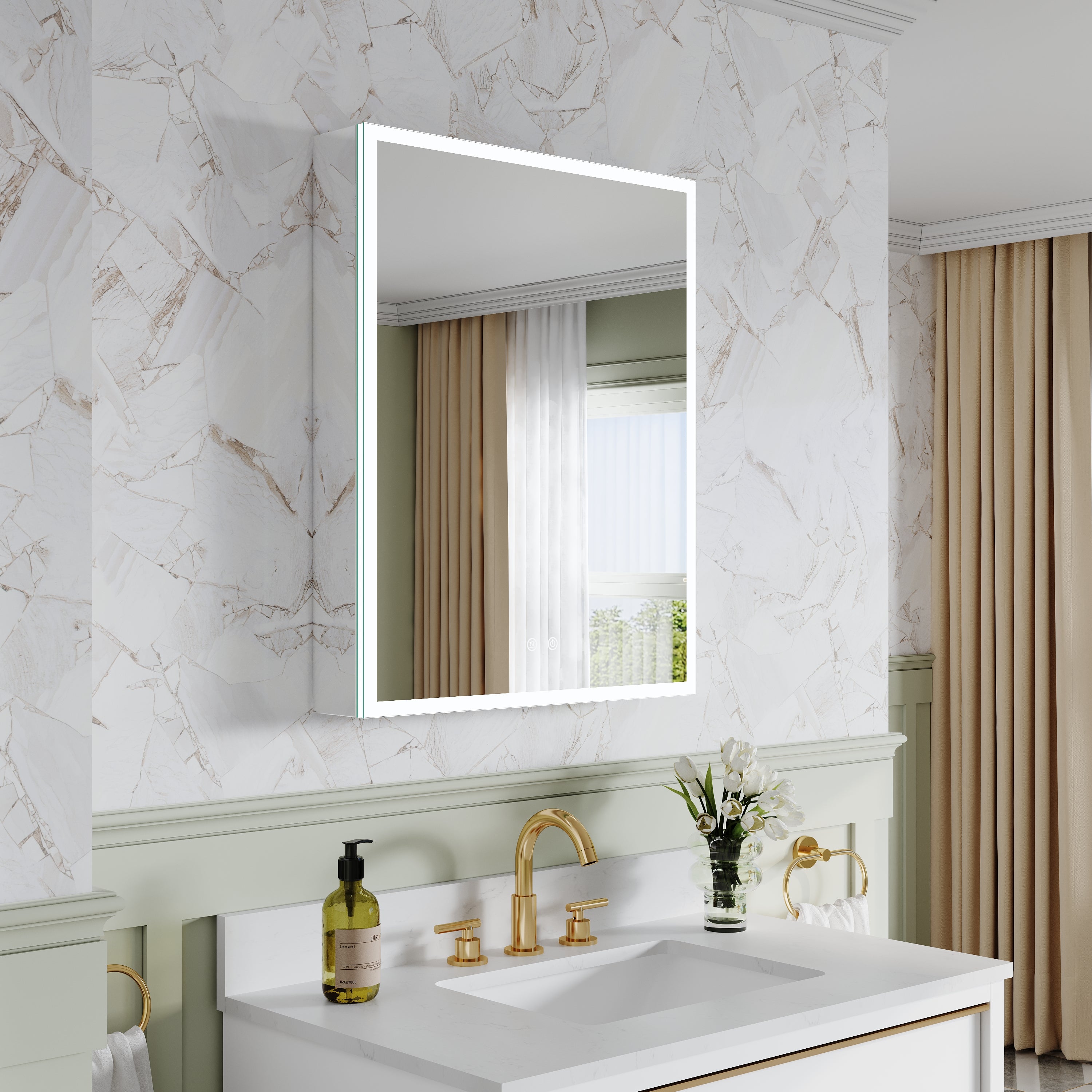
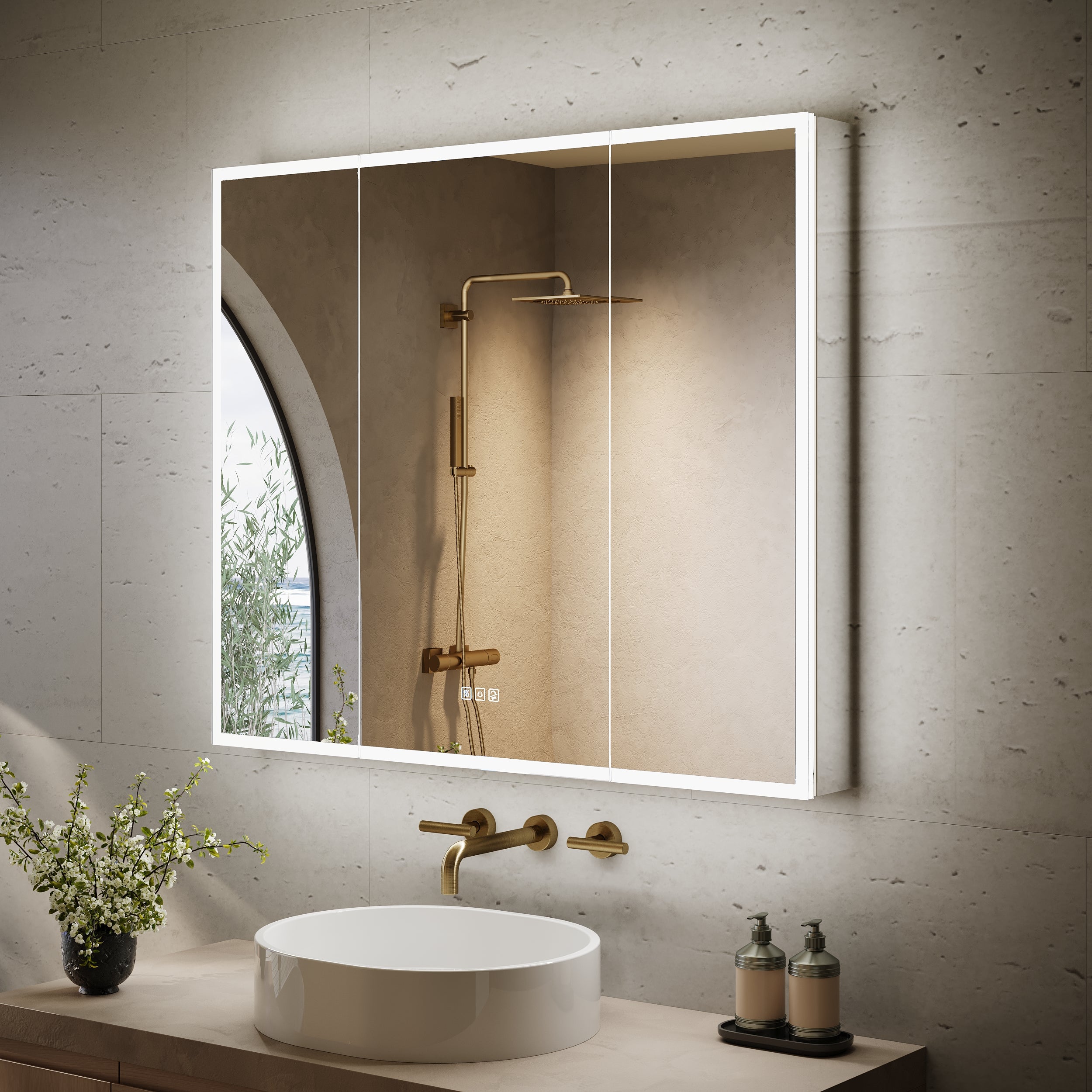
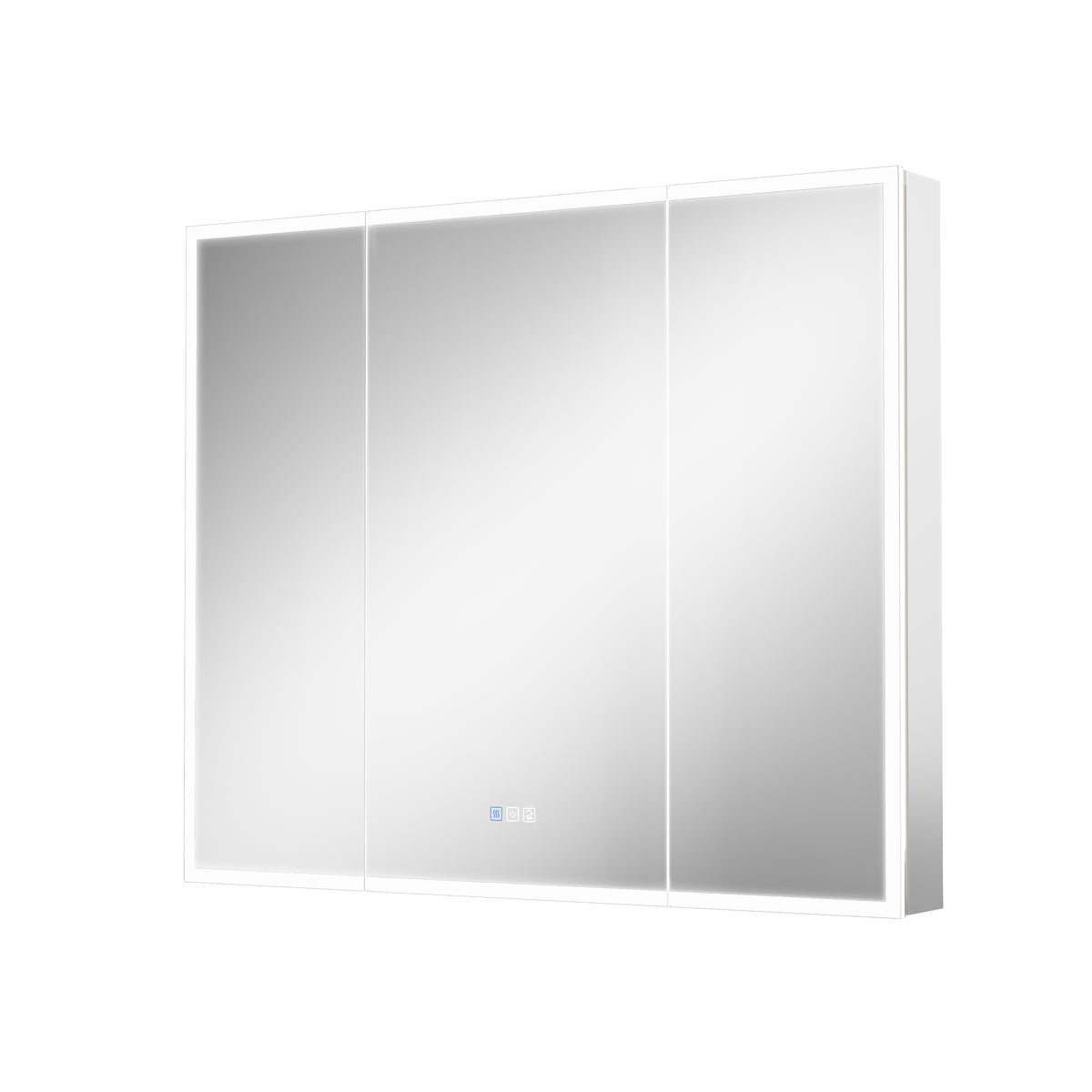
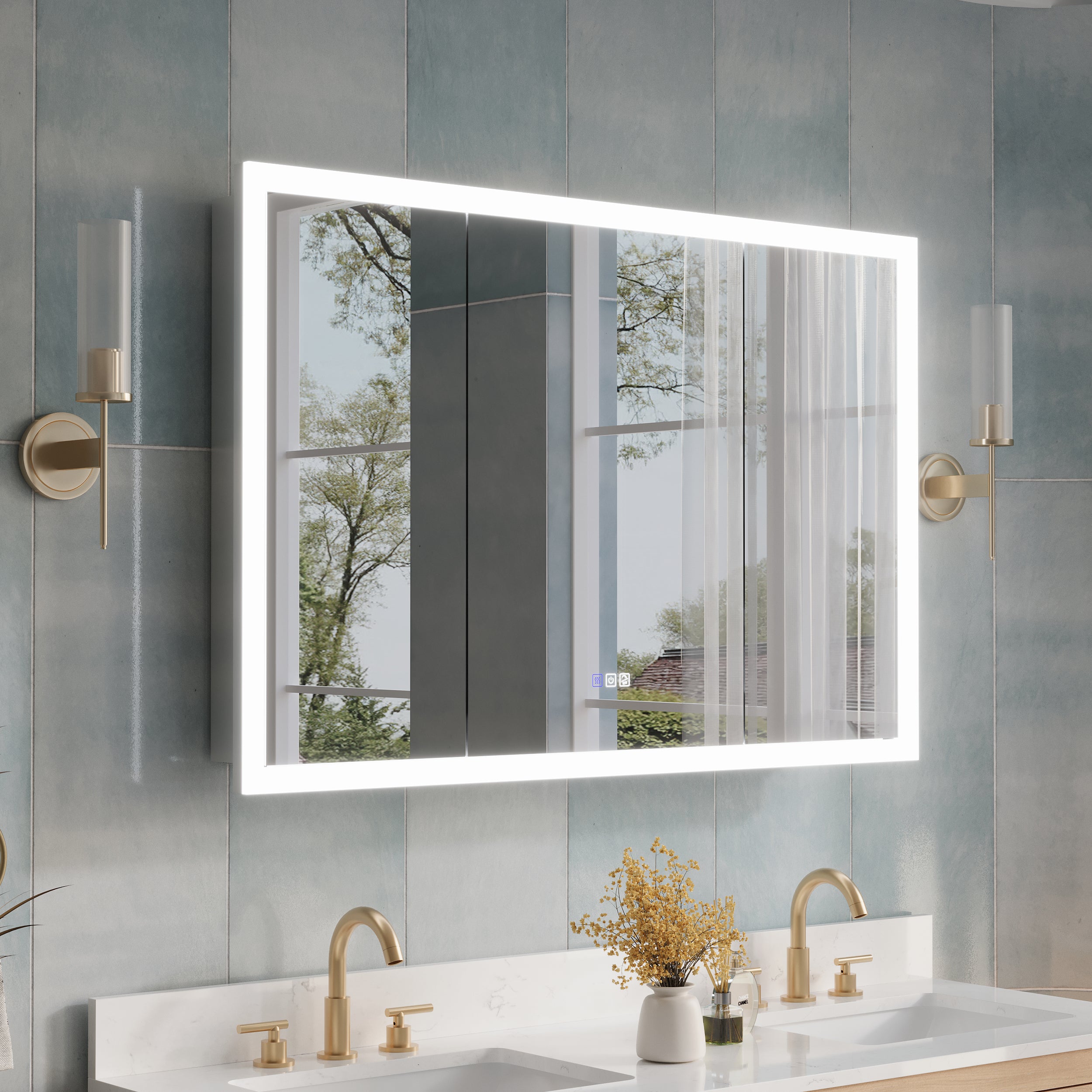
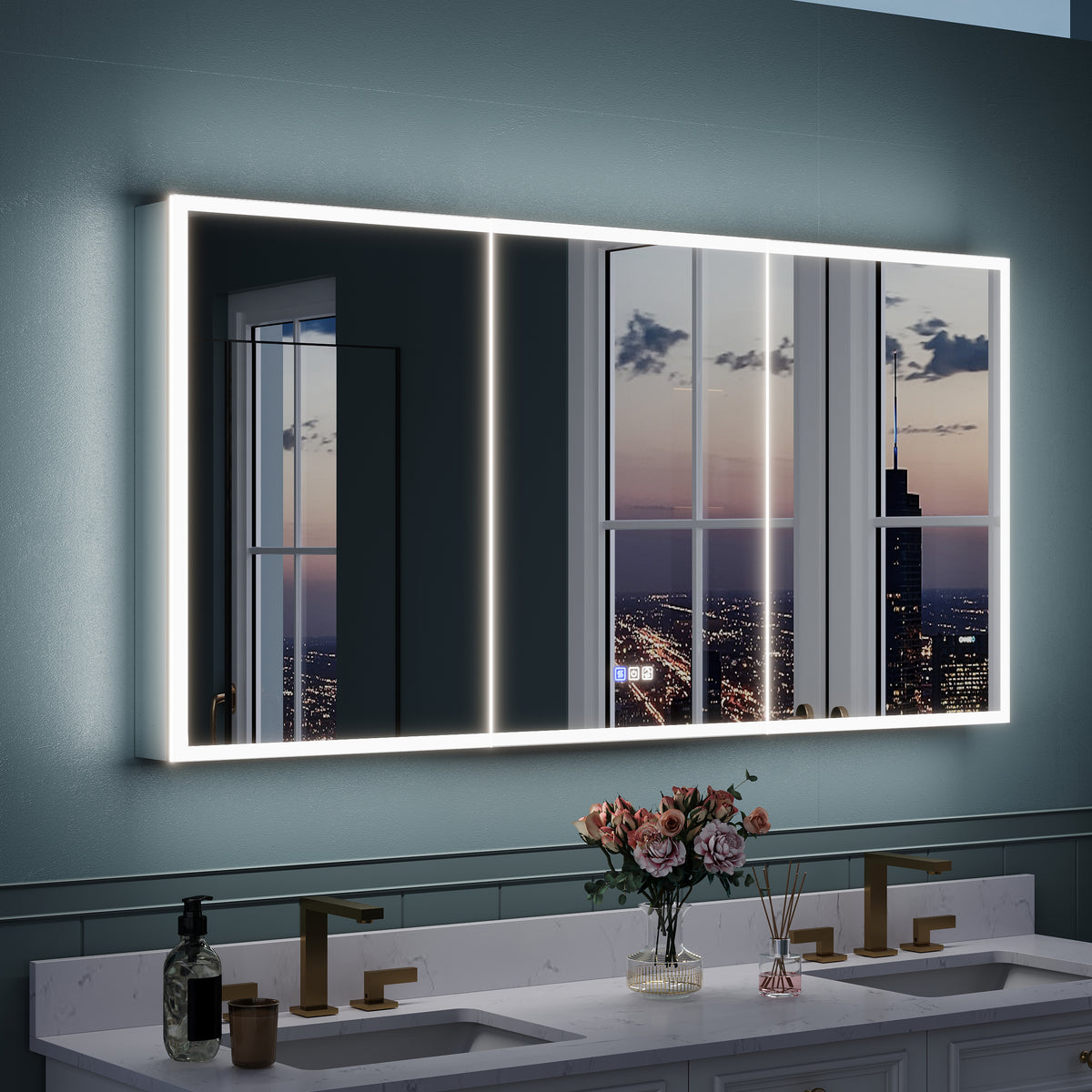
Let's be honest: traditional bathroom lighting usually sucks. It casts shadows on your face, making it impossible to shave or put on makeup properly. This is why lighted medicine cabinets are a game-changer.
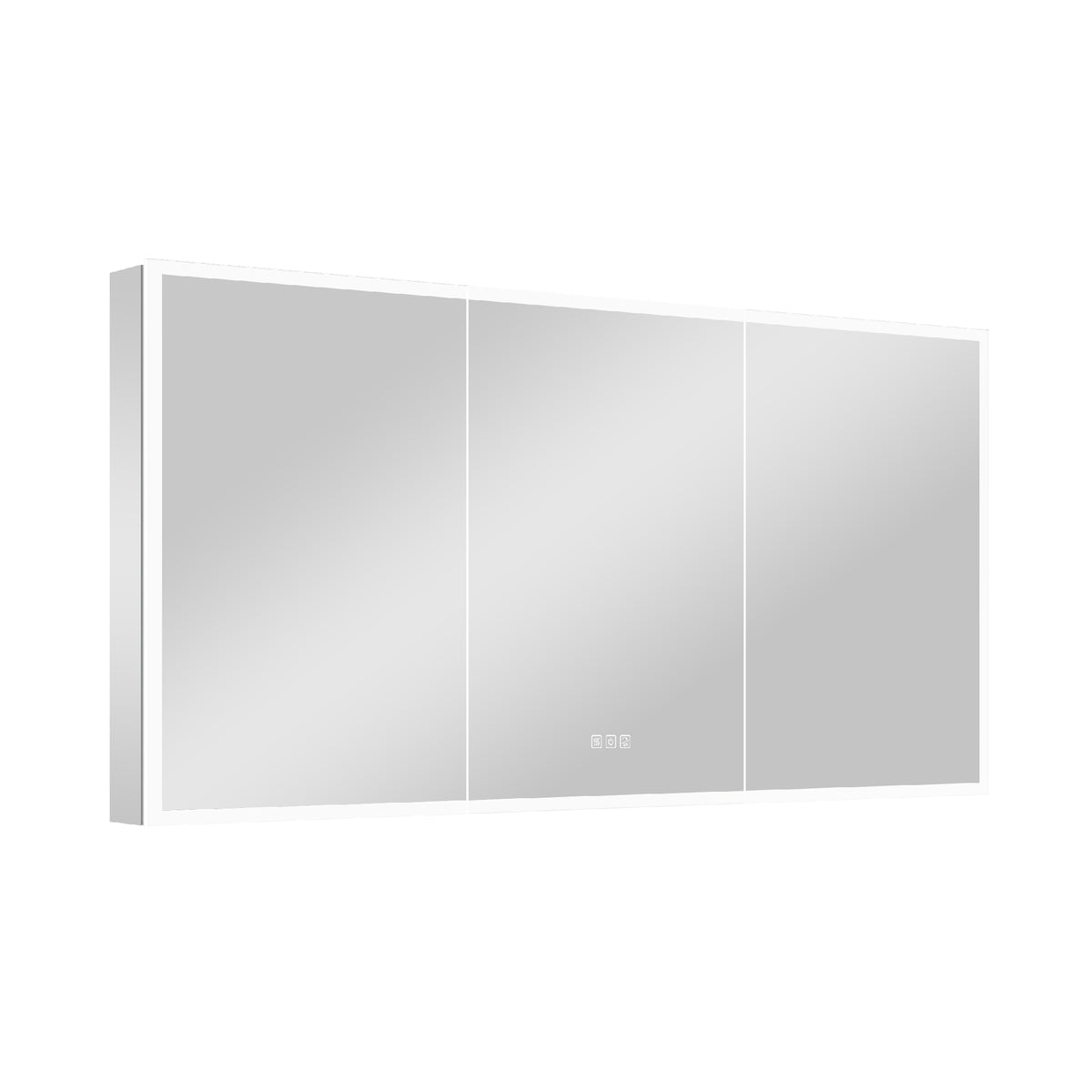
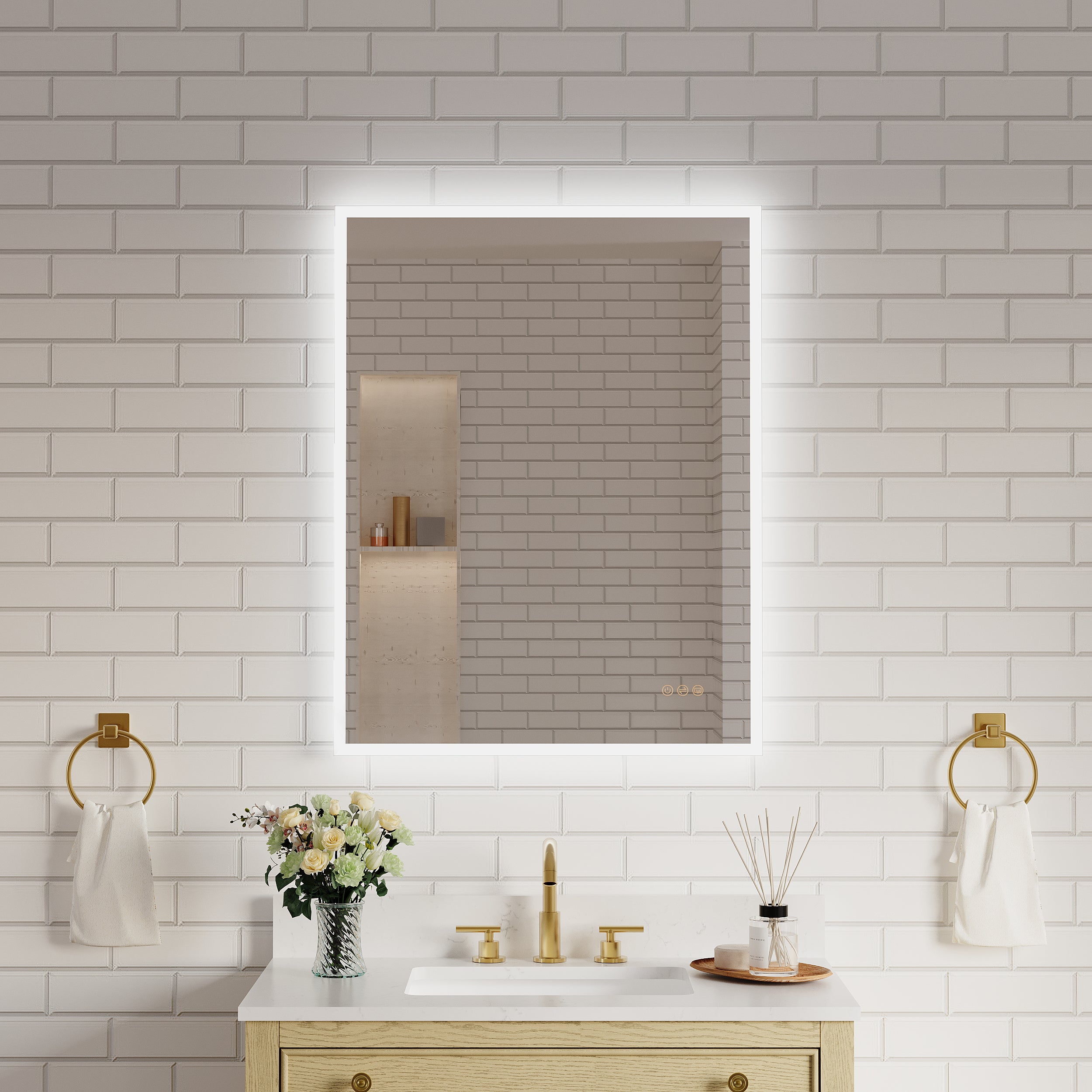
With integrated LED lights built right into the frame, you get perfect, shadow-free illumination. Plus, many modern models include anti-fog technology. (Source: Kohler) You step out of a steaming hot shower, and the mirror is instantly clear. No more wiping it down with a towel.
But here's the practical warning: if you don't have an existing electrical outlet near the cabinet, installing a lighted one means hiring an electrician. That can easily add hundreds of dollars to your project.
What About Electrical Outlets Inside?

If you use an electric toothbrush or a rechargeable razor, look for a cabinet with an internal electrical outlet.
It is a brilliant feature. Instead of having messy cords and toothbrush bases cluttering up your clean sink deck, you just charge your devices inside the cabinet. It's hidden, sleek, and keeps your counter space totally clear.
The Finishing Touches
Don't ignore the frame material. If you have a humid bathroom, look for a powder-coated aluminum frame or a high-quality solid wood frame that is properly sealed. Cheap MDF or particleboard will eventually swell if water leaks onto it.
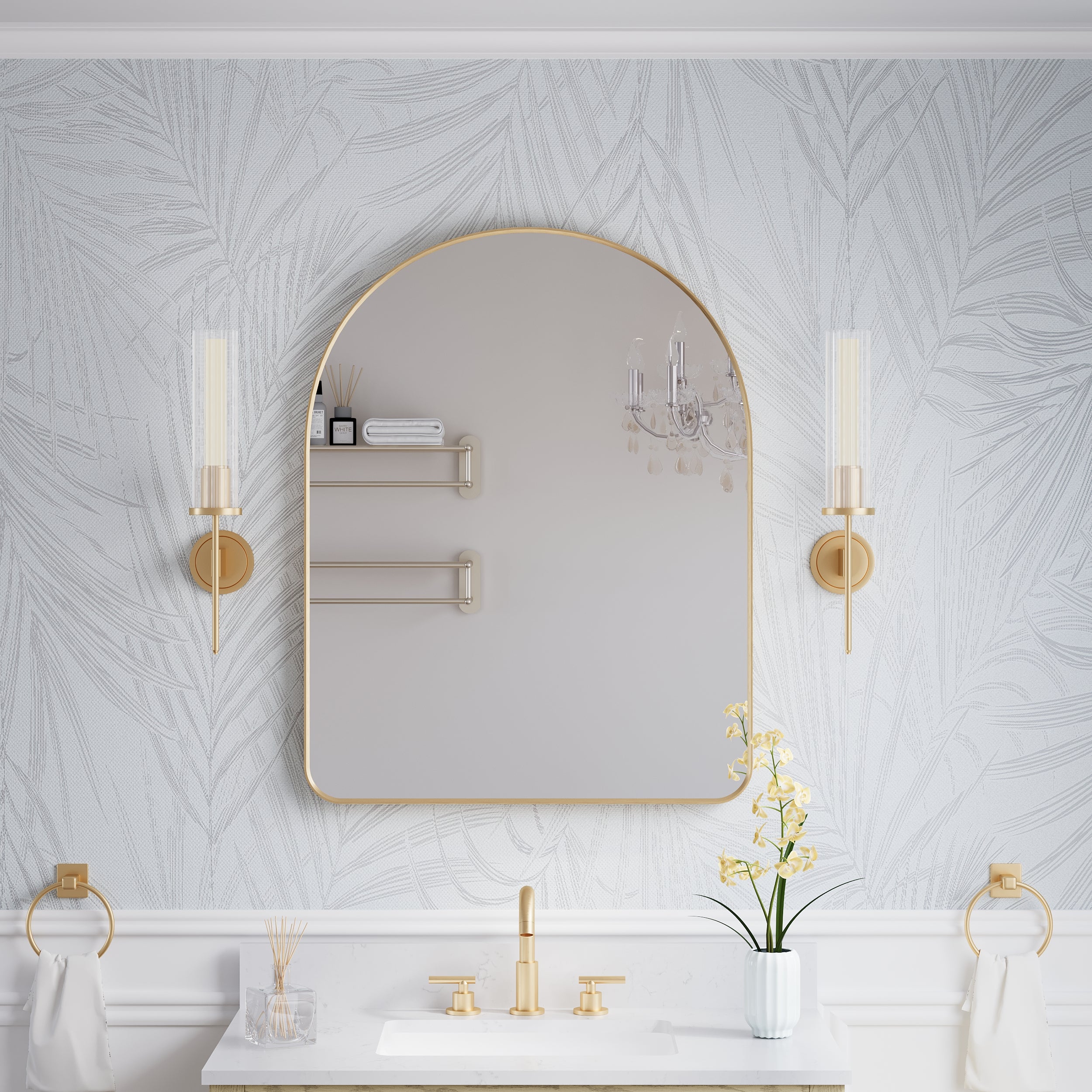
And what about style? As Architectural Digest notes, medicine cabinets are having a massive design moment right now. (Source: Architectural Digest) You aren't stuck with boring wood boxes anymore. You can get sleek frameless mirrors for a modern vibe, or rich walnut finishes to make the room feel cozy.
The Bottom Line
Don't rush your purchase. Measure your wall cavity, measure your vanity width, and think about how you actually use your bathroom. A quality, well-sized medicine cabinet will instantly clean up your counter and make your daily routine so much easier.














Leave a comment
This site is protected by hCaptcha and the hCaptcha Privacy Policy and Terms of Service apply.