
















Introduction
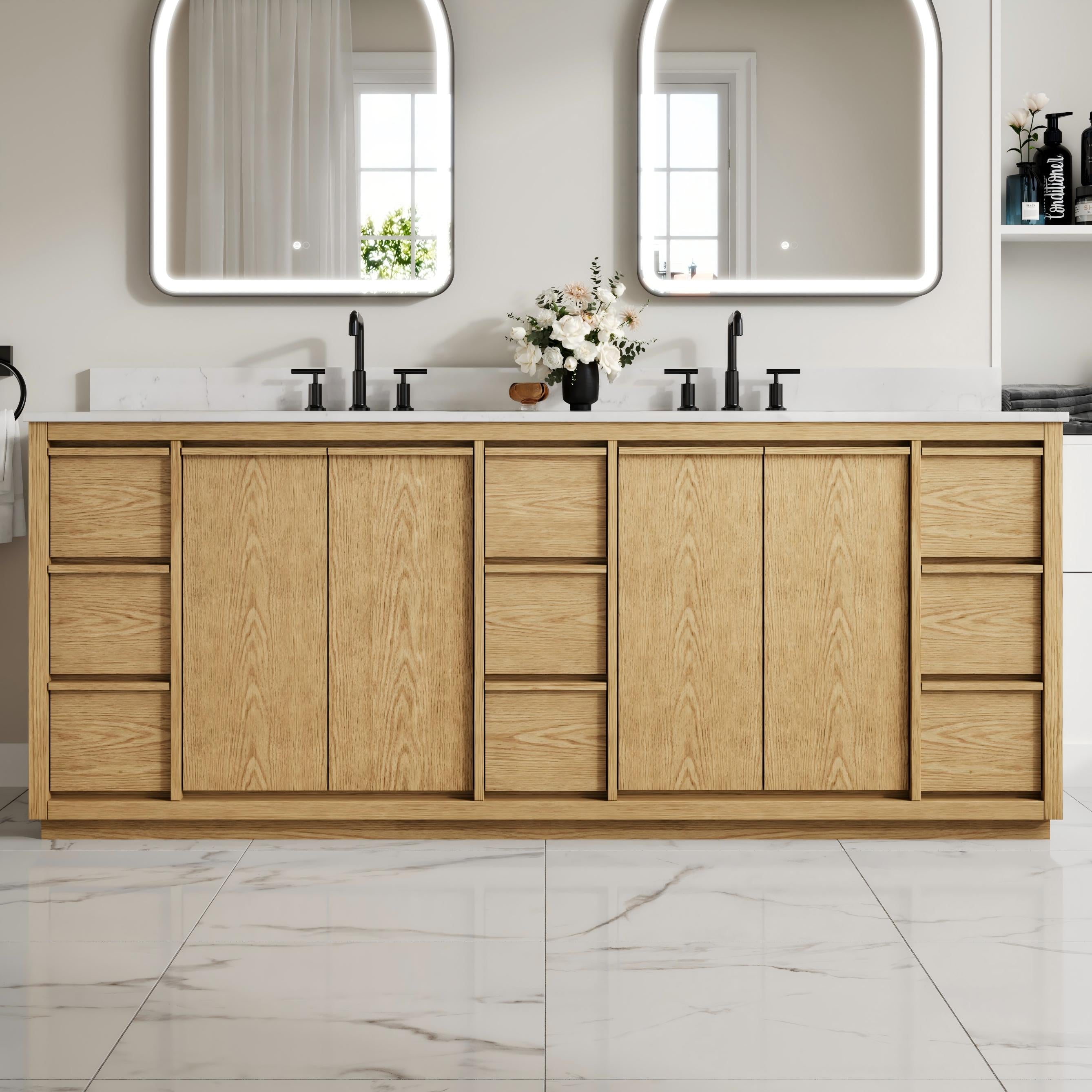
Wood bathroom vanities are often called a style choice, but in real remodeling work, they are just as much a value decision. I’ve seen homeowners spend carefully on flooring, lighting, and fixtures, then realize the vanity is the piece that affects daily use the most. A well-made wood vanity can bring warmth, practical storage, and a more finished look without forcing the bathroom into a short-lived trend. That is a big reason it continues to earn attention from homeowners who want their money to go somewhere visible and useful.
Still, “good value” does not mean “cheap,” and it definitely does not mean every wood vanity is worth buying. Some offer years of solid performance. Others look convincing online, then disappoint once humidity, splashing water, and real family use start testing the finish.
1. Why Wood Often Gives More Back Than It Costs
Value in a bathroom is not just about price tags. It is about what holds up, what still looks good after daily use, and what keeps the room from needing another update too soon. Wood vanities tend to do well here because they solve two needs at once: function and appearance.
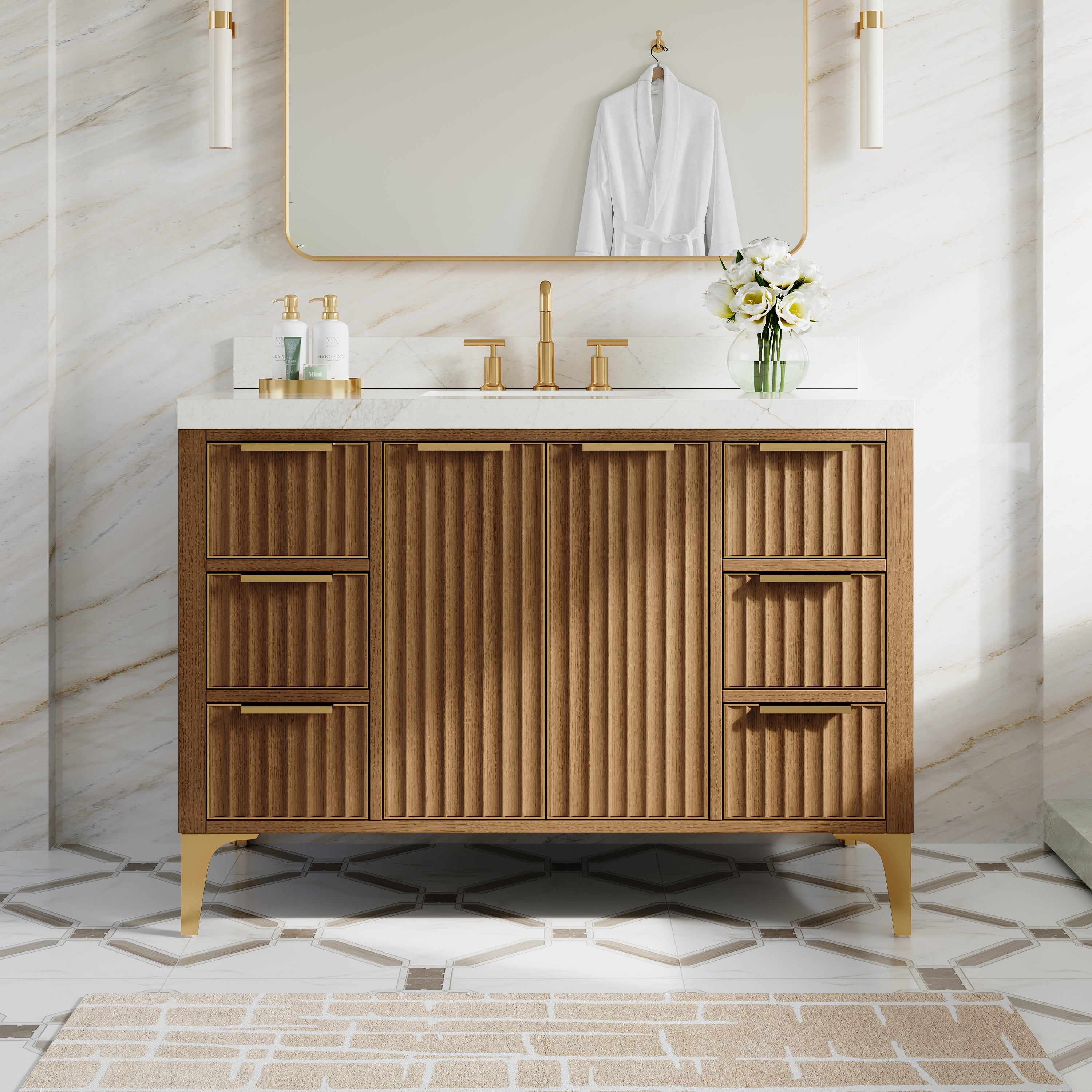
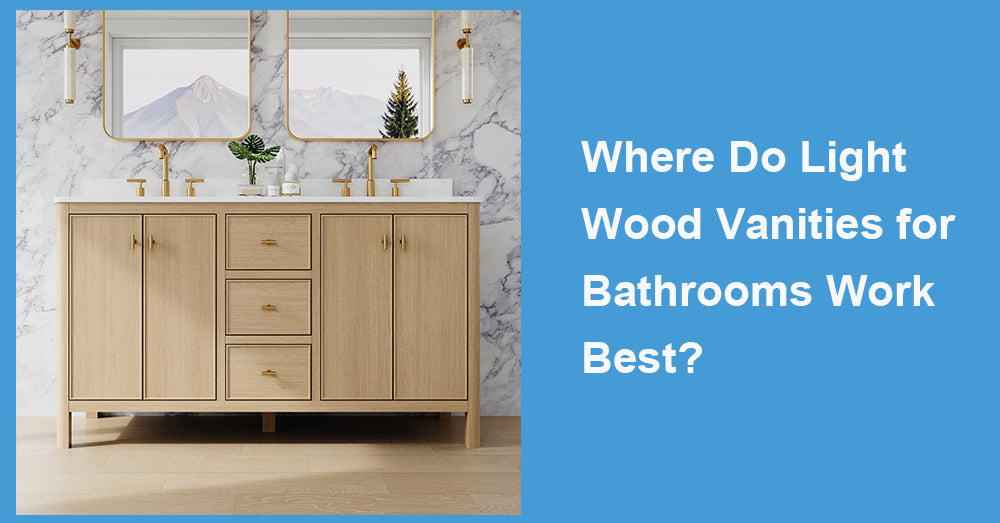
From a design standpoint, wood adds warmth faster than almost any other finish. Bathrooms are filled with hard surfaces—porcelain, mirrors, chrome, quartz, tile. A wood vanity balances those materials and makes the room feel less cold. That alone can save homeowners from having to add too many decorative layers just to make the bathroom feel inviting.
From a practical standpoint, wood vanities also age more gracefully than many people expect. Minor wear does not always jump out the way it can on stark painted finishes. A small mark or a bit of everyday use often blends into the character of the grain, especially on mid-tone finishes.
That does not make wood indestructible. It simply means the vanity often continues to look lived-in rather than worn-out.
2. Where Wood Bathroom Vanities Make the Most Financial Sense
A wood vanity is usually a smart value choice in primary bathrooms, guest bathrooms, and family bathrooms where the vanity needs to work hard and still hold the room together visually. In a guest bathroom, it can raise the perceived quality of the entire space without requiring a full custom design approach. In a primary bath, it often gives the room a more grounded, lasting feel than trend-driven colors.
I also like wood vanities in renovation projects where the rest of the materials are relatively simple. If the tile is understated and the wall color is quiet, a wood vanity can become the feature that gives the bathroom character. That lets homeowners spend more carefully elsewhere.
This is where value becomes obvious. Instead of trying to make a plain bathroom feel expensive with lots of extra finishes, the vanity does more of the heavy lifting.
A common buying mistake
Many shoppers assume all wood-look vanities offer the same value if the color is appealing. They do not.
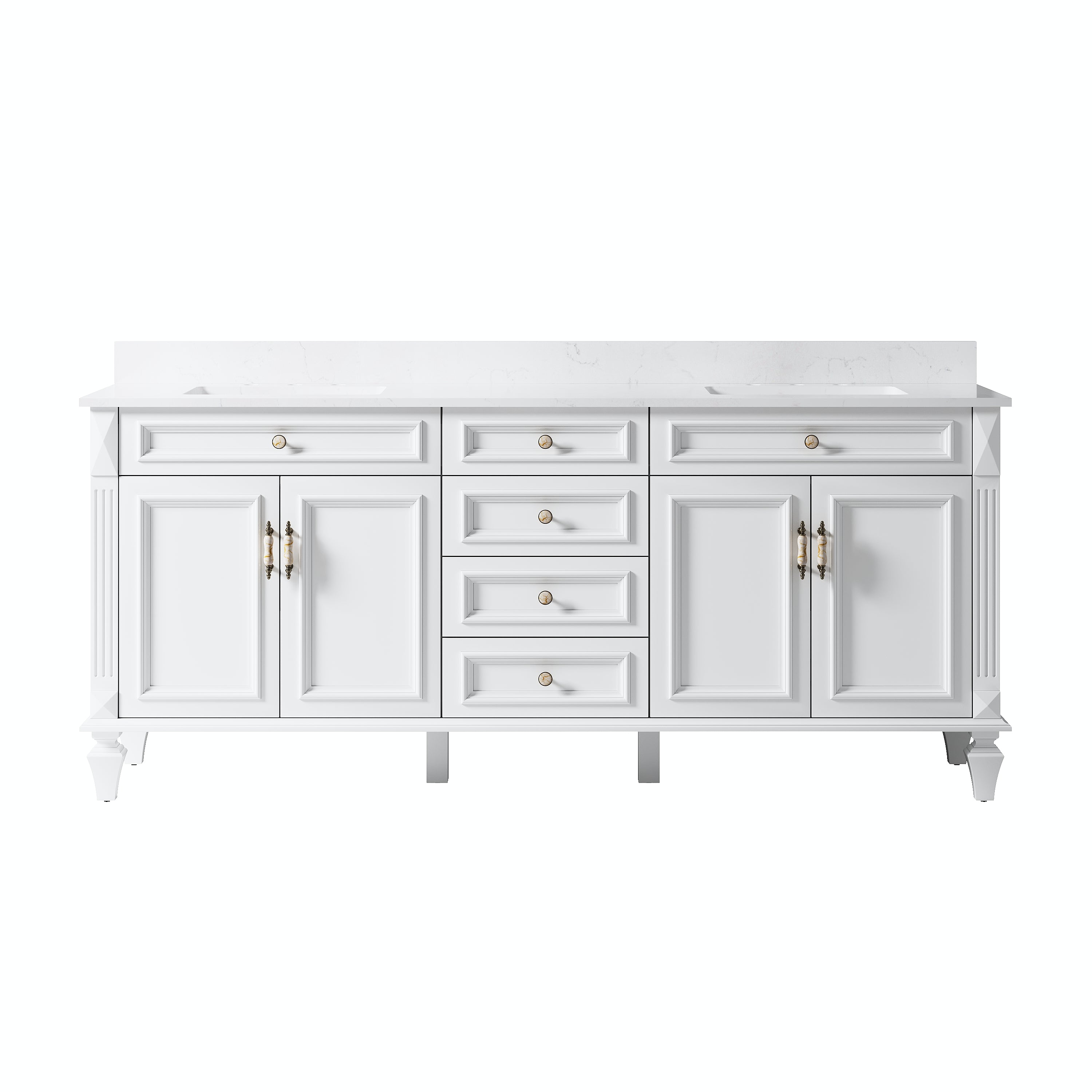
Some vanities use solid wood or quality plywood with durable veneer, which can perform very well in a bathroom. Others rely on weak engineered material with a printed finish that only looks like wood from a distance. I’ve seen buyers choose the lower price, thinking they found a bargain, only to deal with swelling edges, peeling finishes, or a cabinet that feels flimsy after installation. Cheap and good value are not the same thing.
3. The Advantages That Make Wood Worth Considering
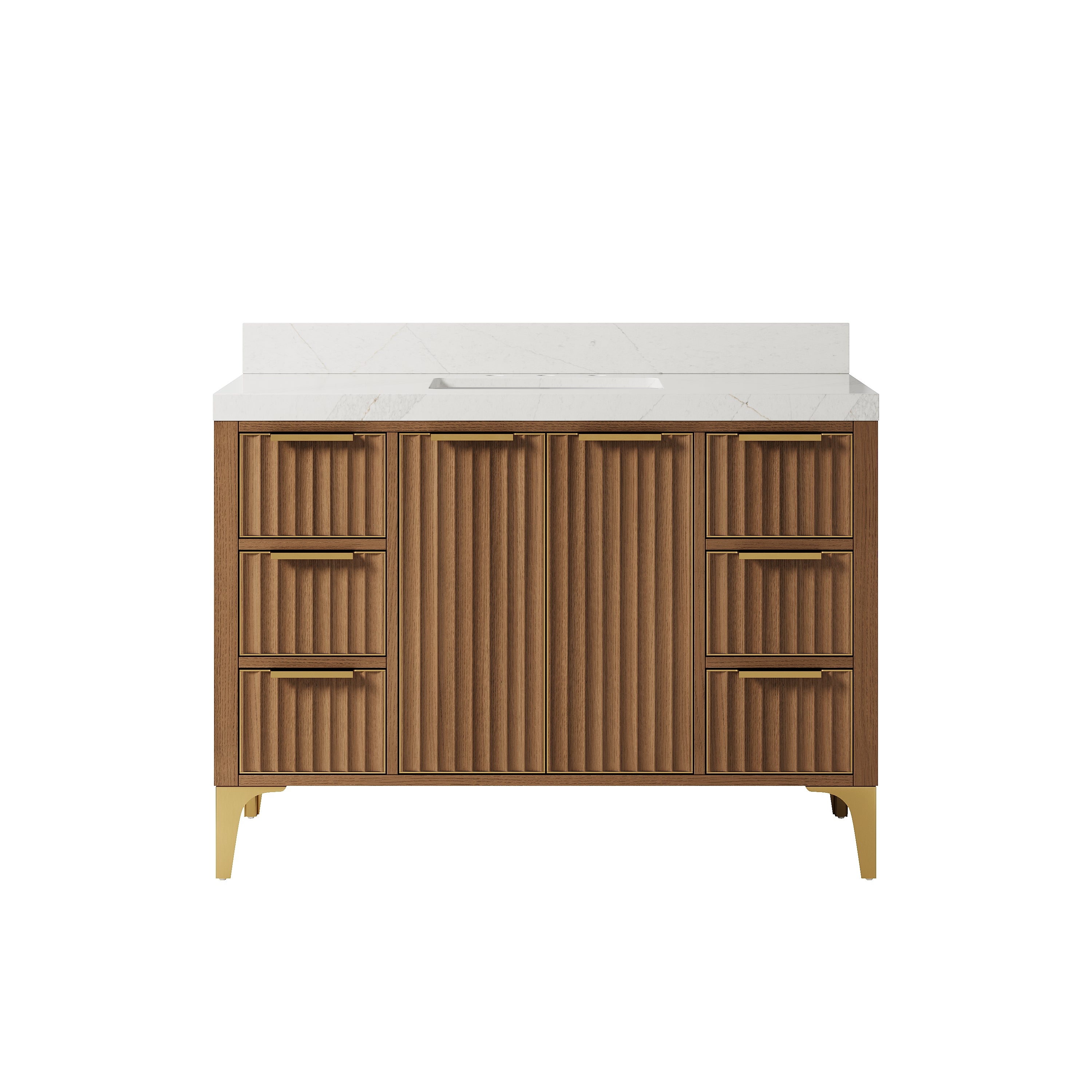
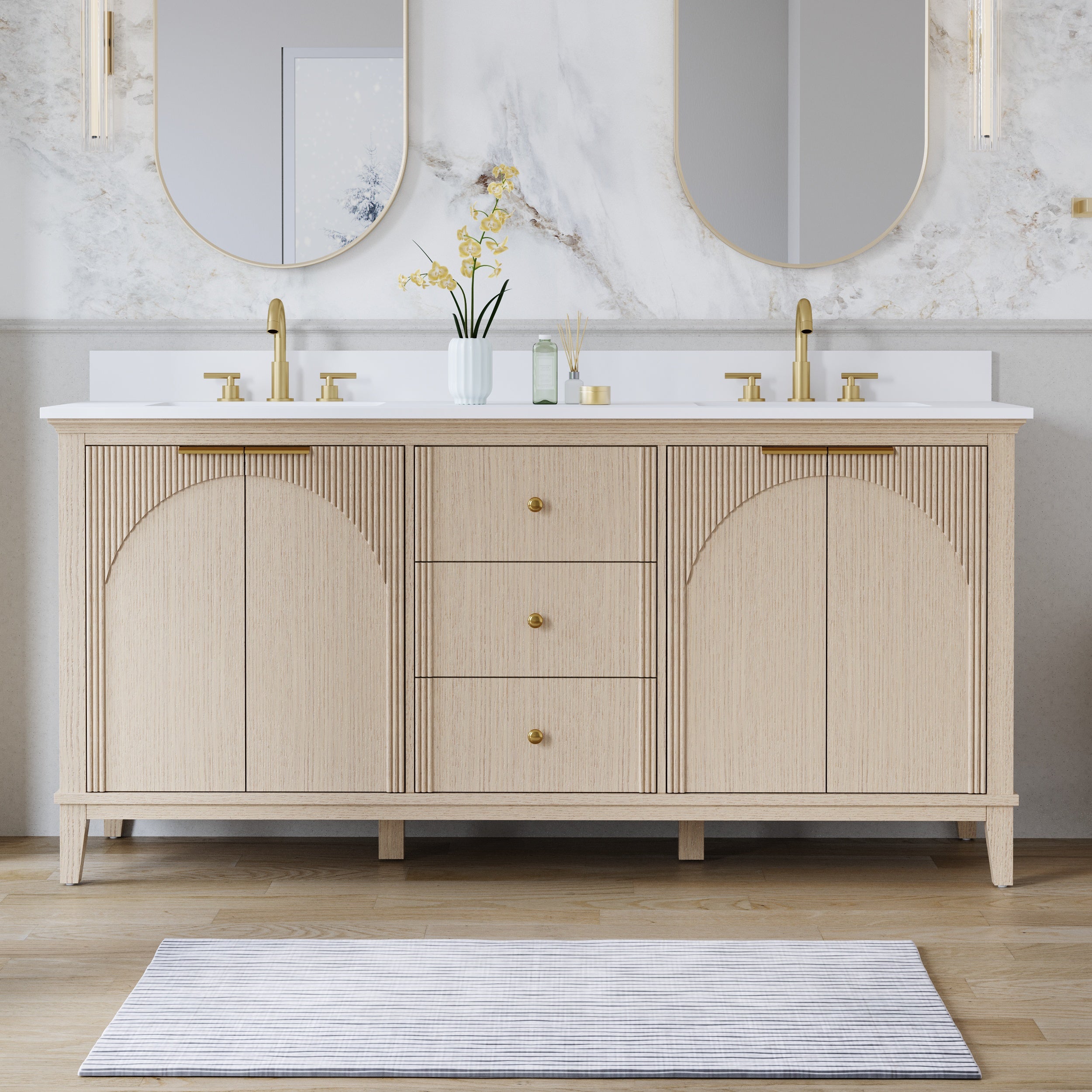
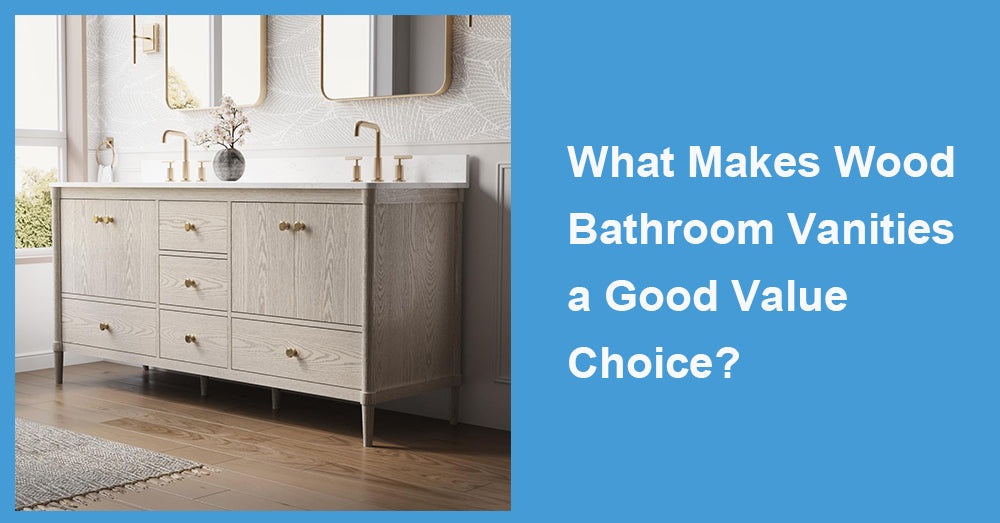
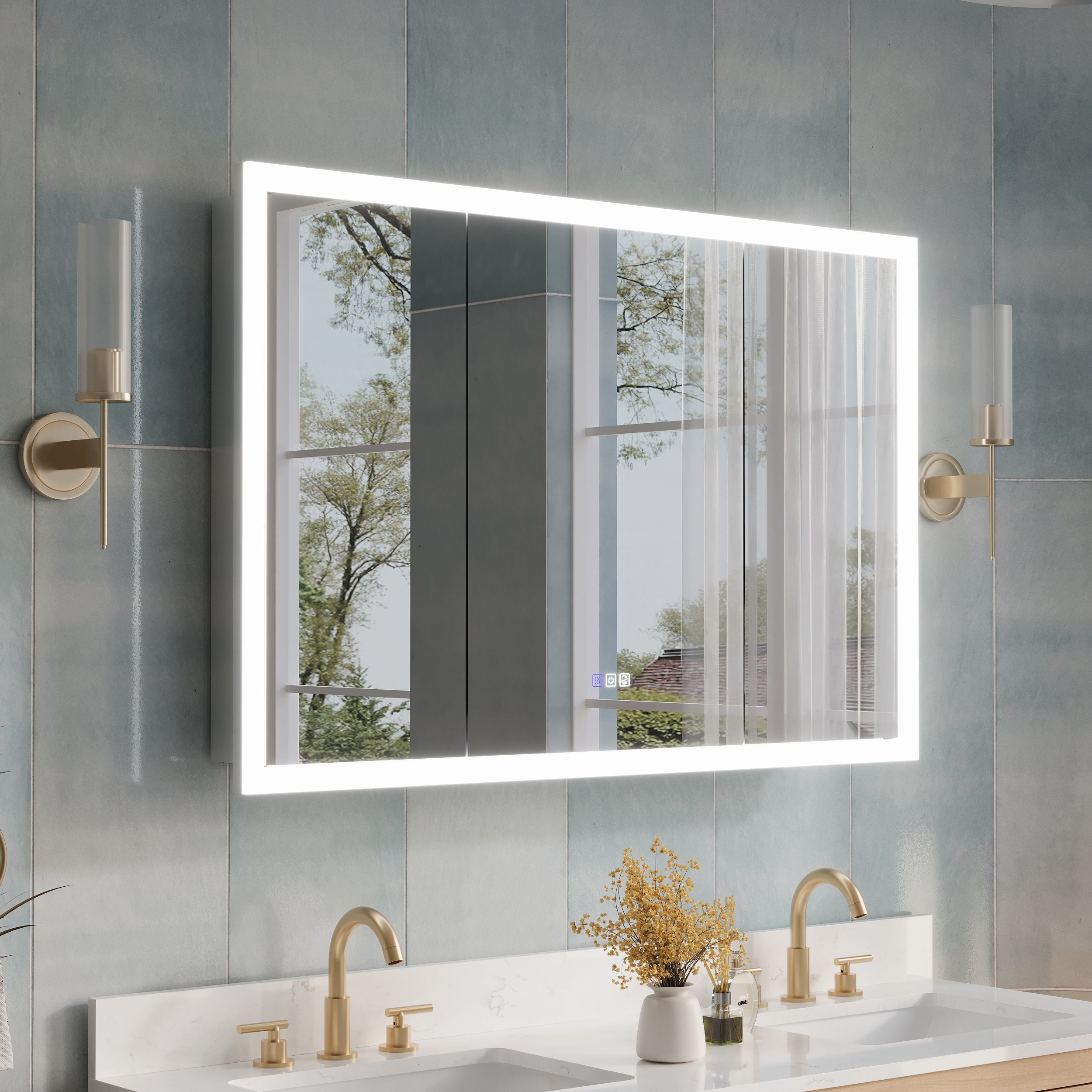
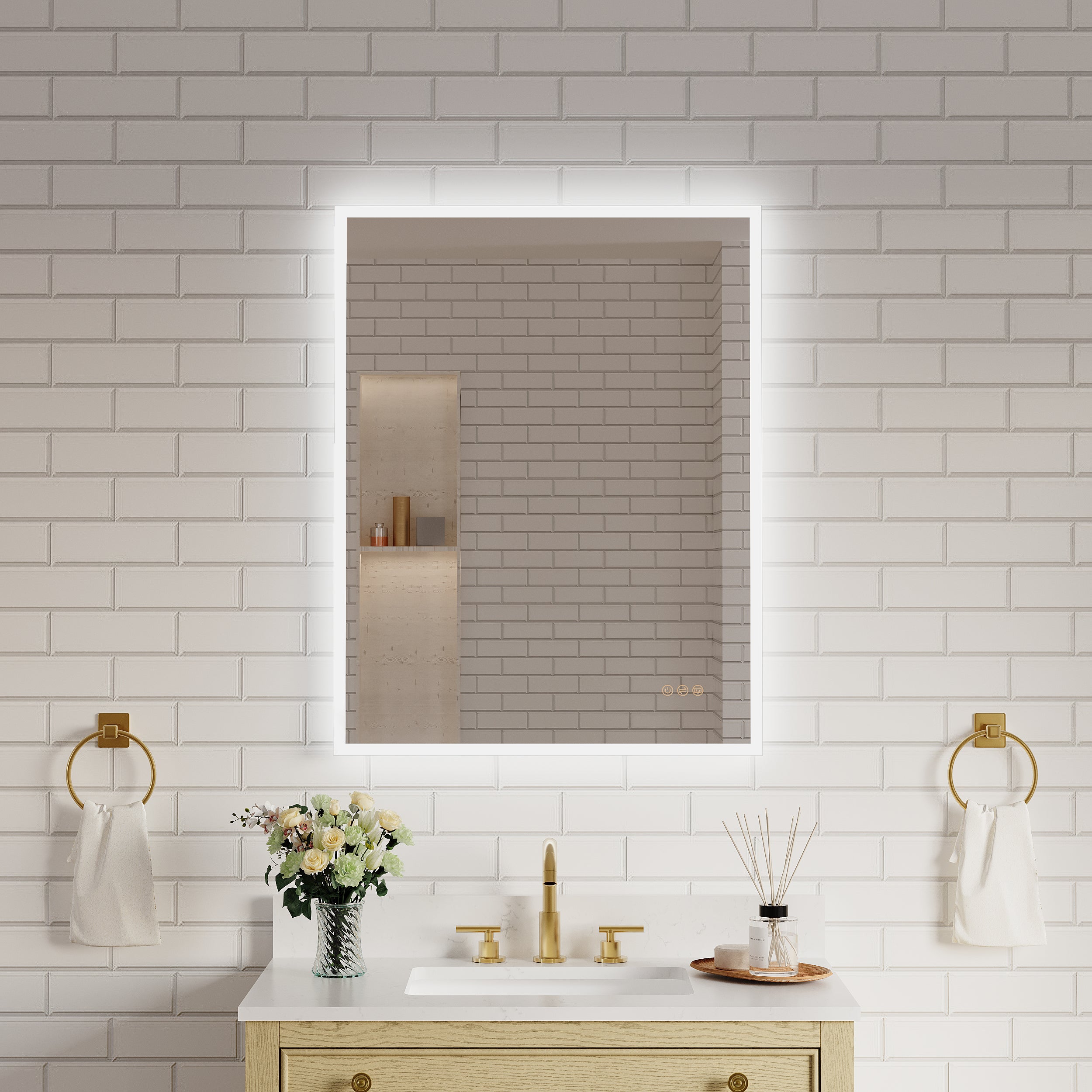
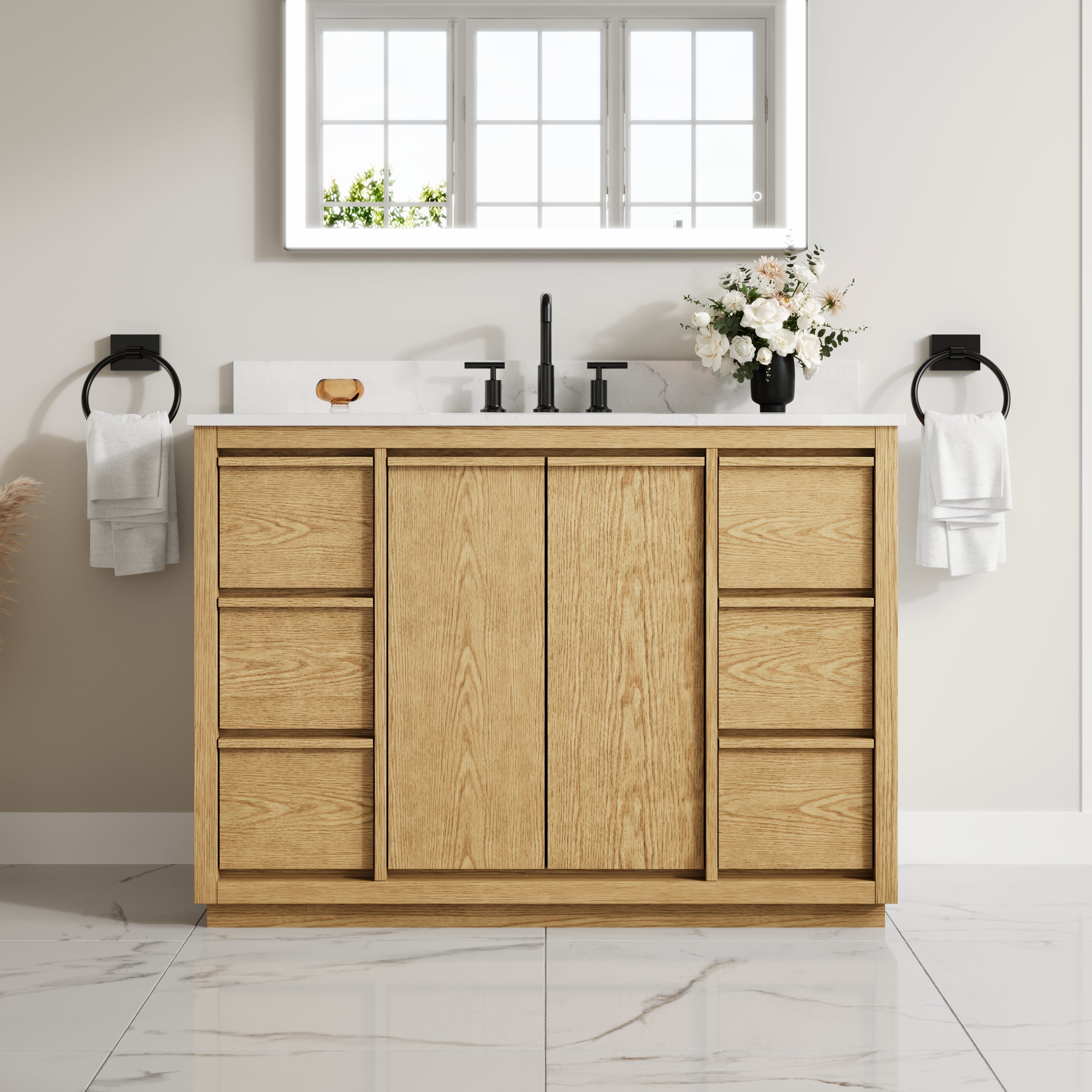
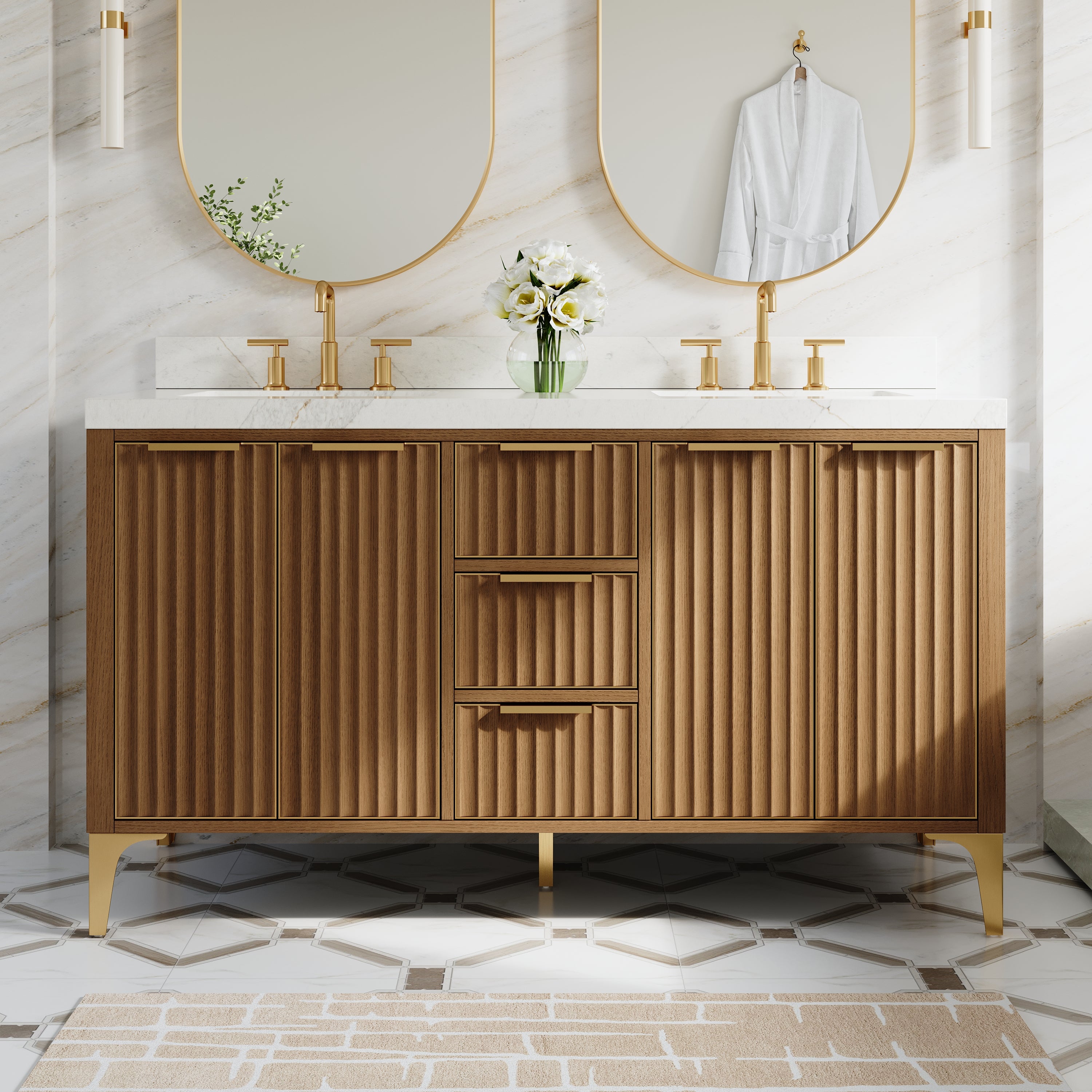
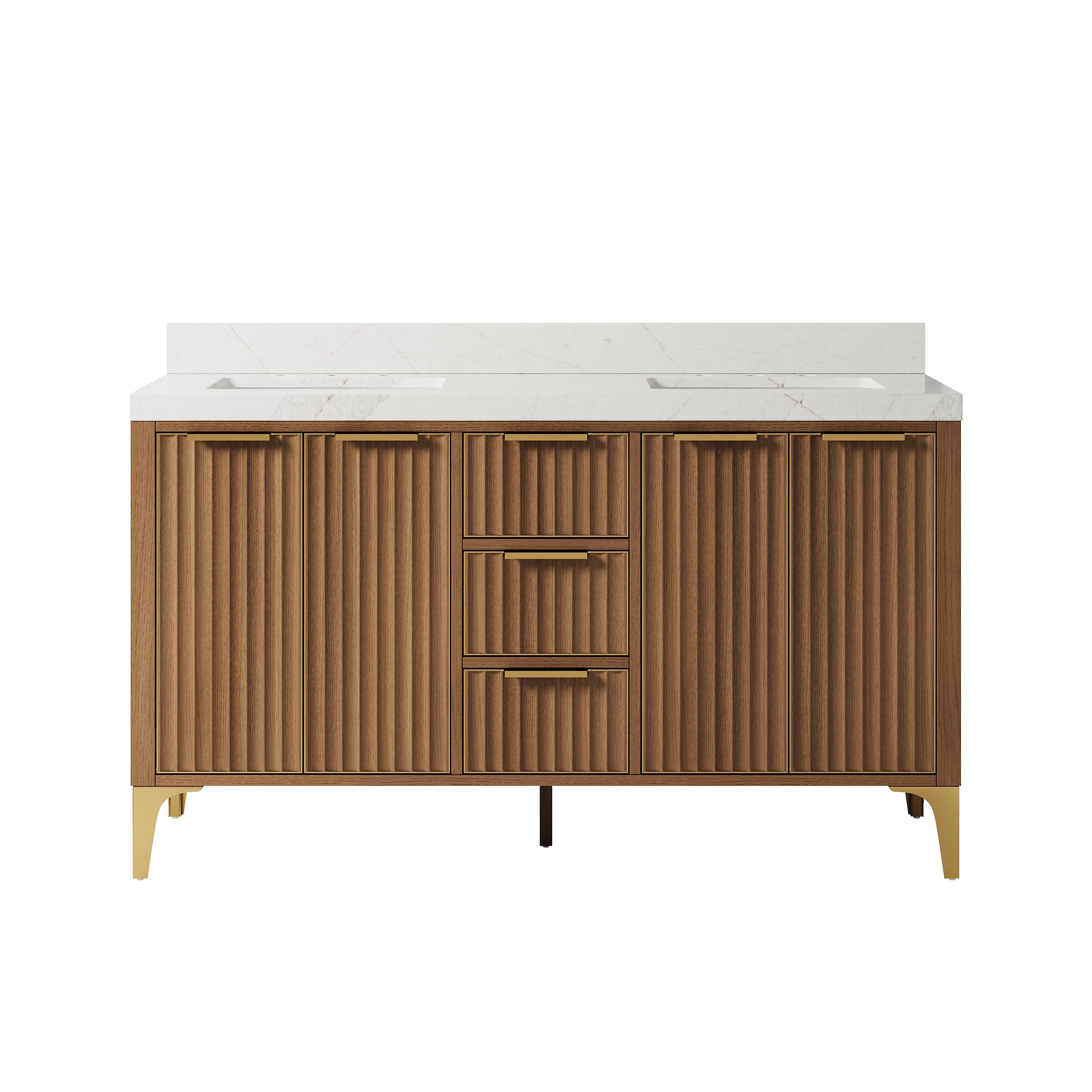
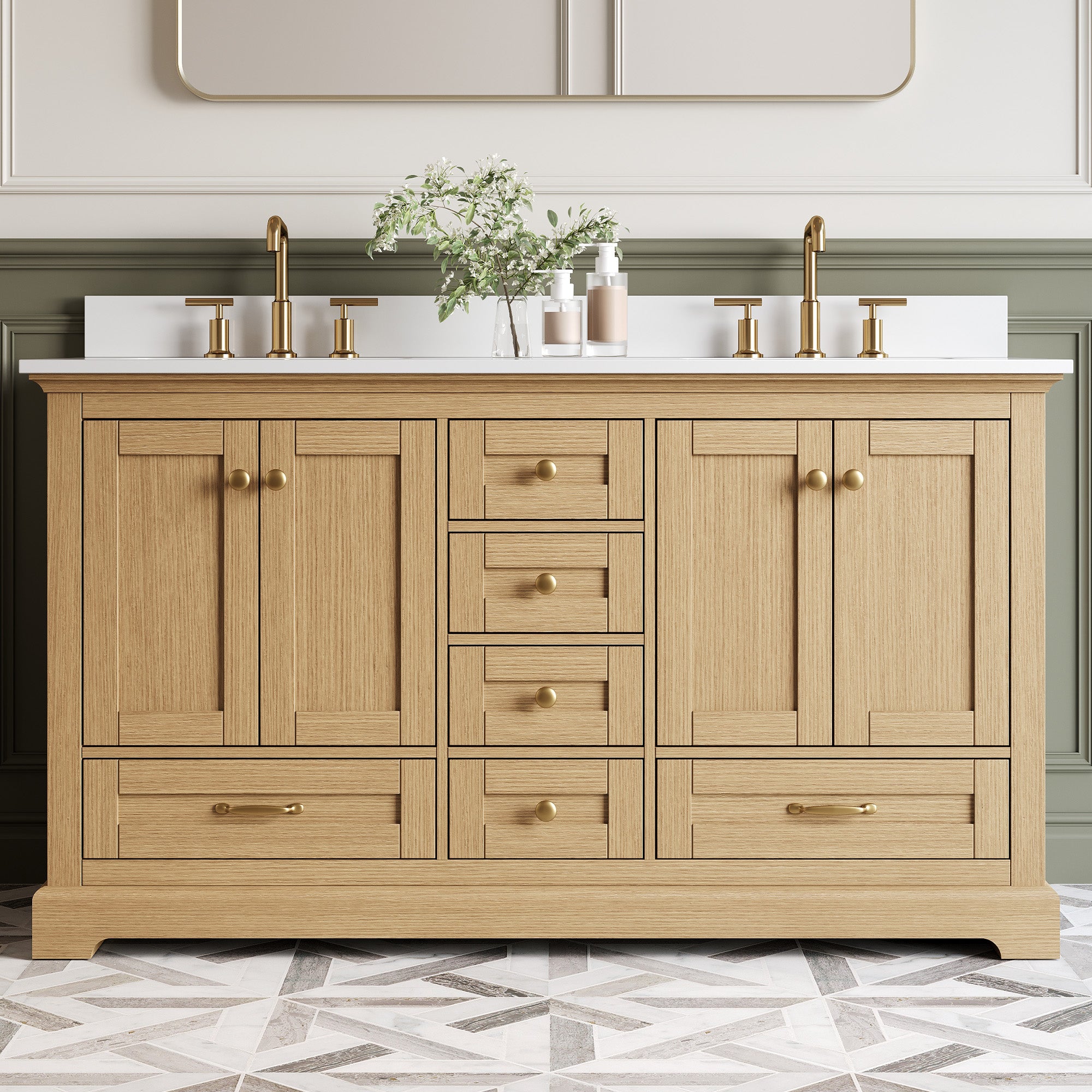
One of the strongest advantages is design flexibility. Wood works with matte black, chrome, brushed nickel, and brass hardware. It can sit comfortably under a white quartz top, a marble-look counter, or a more textured stone surface. If the homeowner wants to update the mirror or lighting later, the vanity rarely becomes the obstacle.
That matters because good value includes adaptability. The more easily a vanity fits future updates, the longer it stays relevant.
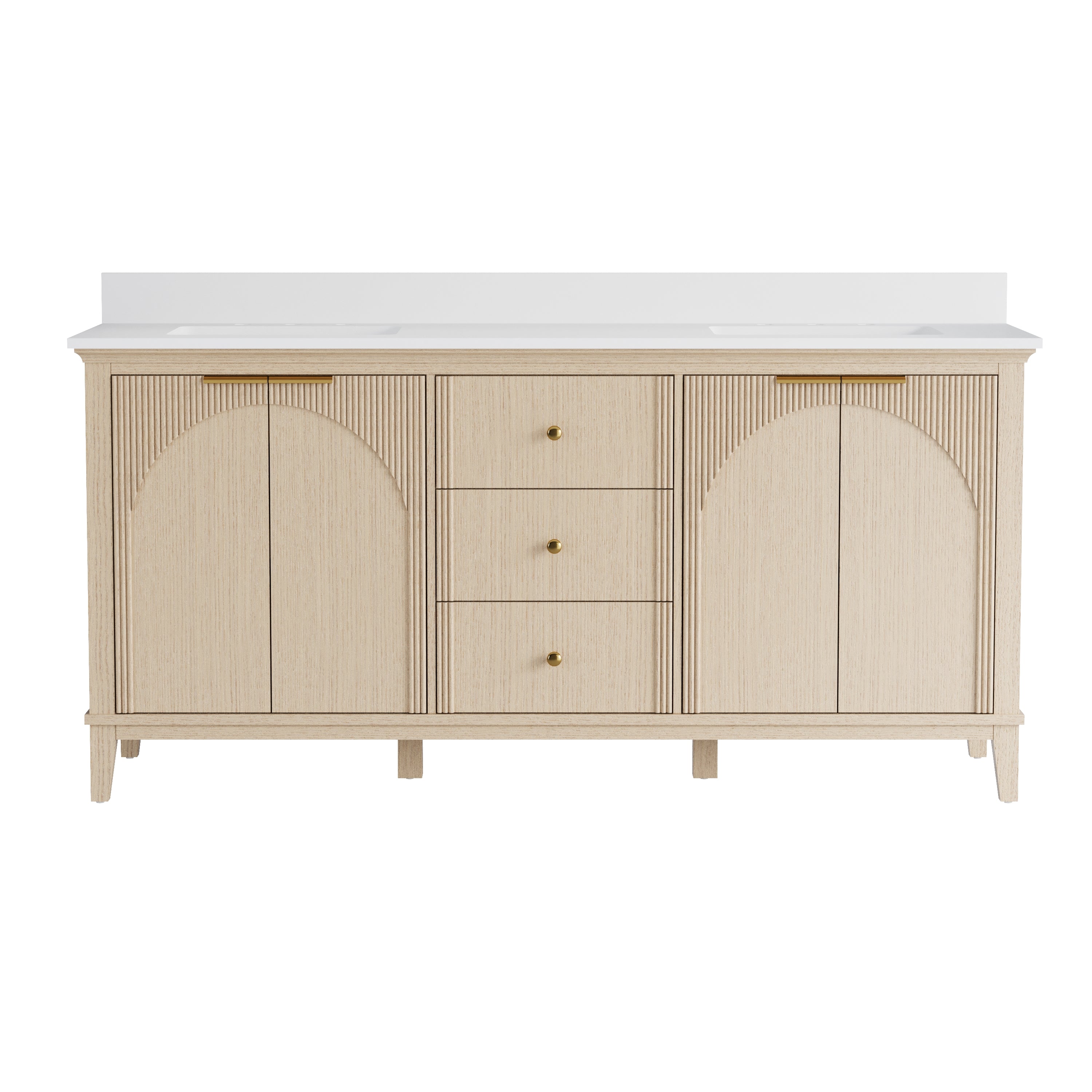
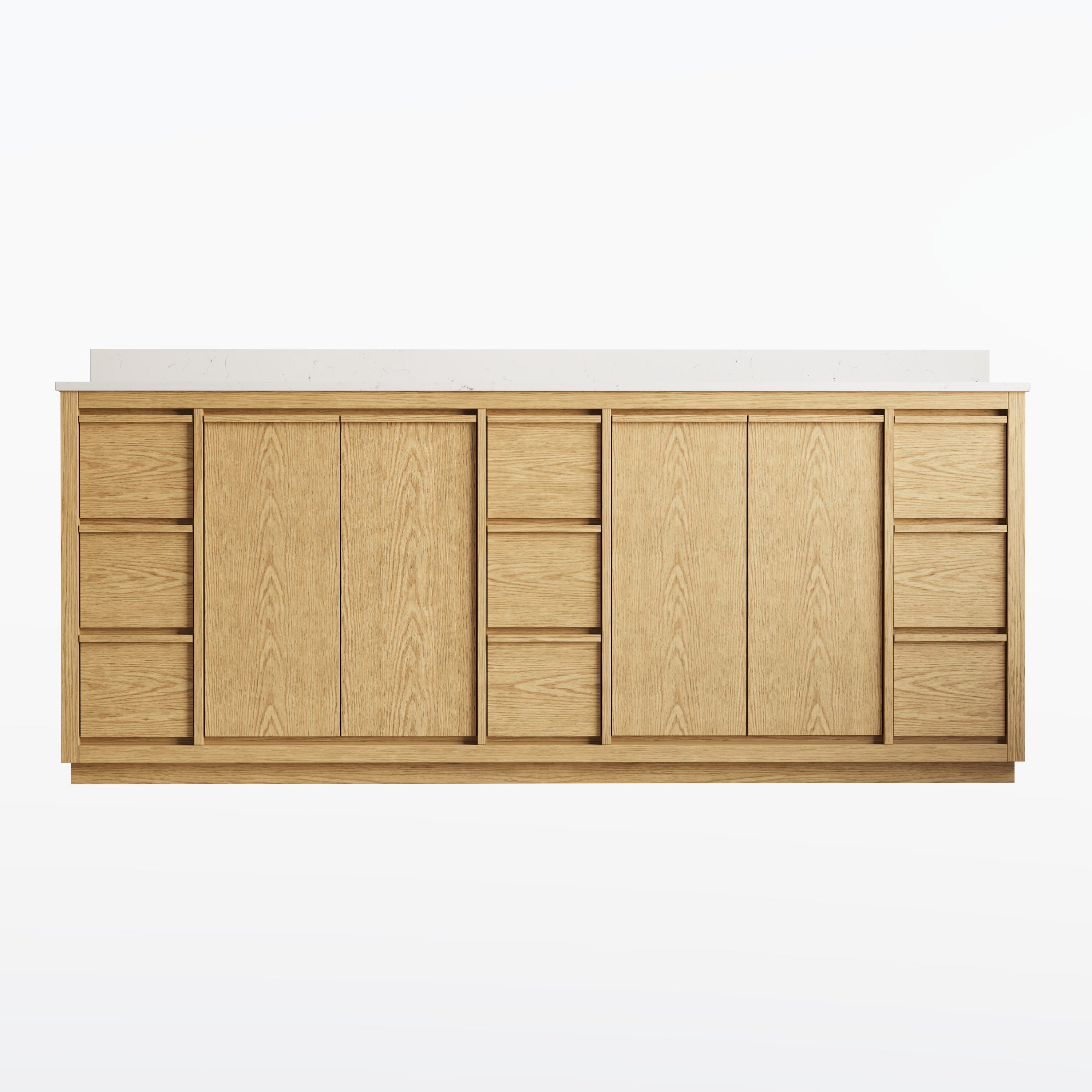
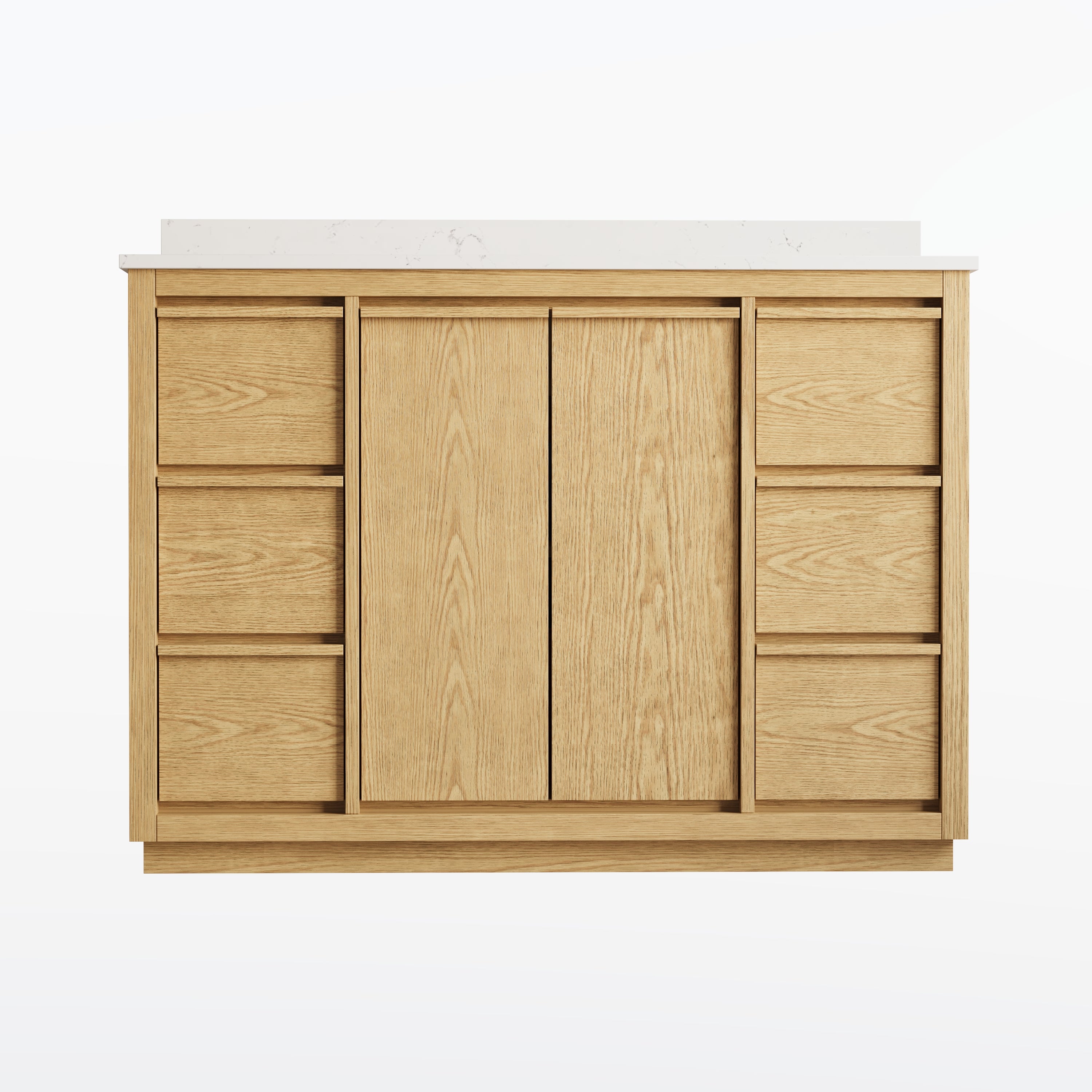
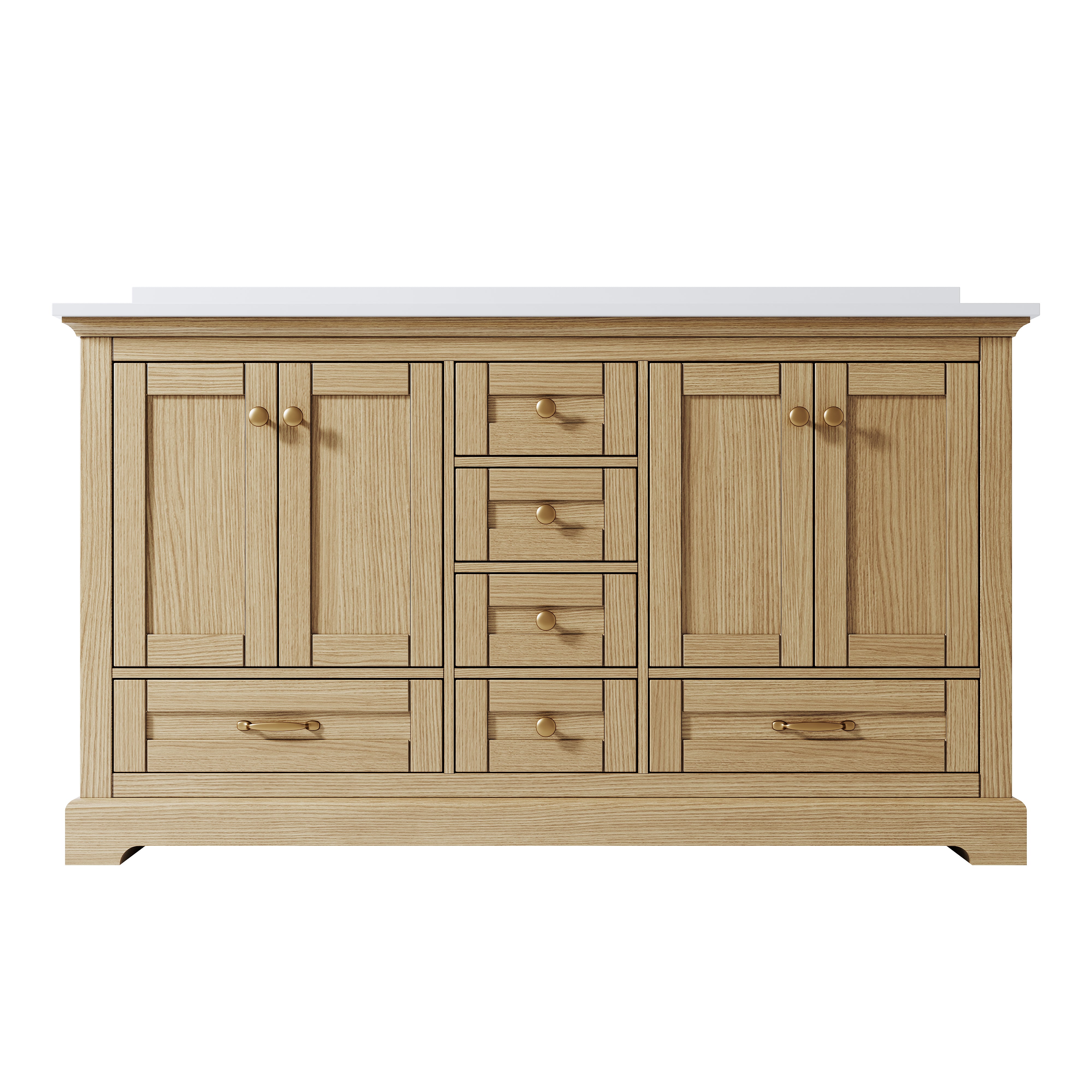
Storage is another reason wood vanities often feel worth the money. Many models come in practical layouts with a mix of drawers and cabinet space, which makes them useful in real life, not just attractive in a product photo. A vanity that can organize toiletries, extra hand towels, and cleaning supplies well will always feel like a better purchase than one that looks beautiful but stores very little.
There is also a resale consideration. Buyers may not always remember the faucet model or countertop brand, but they notice when a bathroom feels warm, solid, and thoughtfully finished. A wood vanity often contributes to that impression more than people expect.
The limits buyers should be honest about
Wood is not always the best value if the bathroom has poor ventilation, recurring plumbing problems, or a user who does not want to think about maintenance at all. Moisture is the biggest risk. A well-finished vanity can handle normal bathroom conditions, but repeated standing water, trapped steam, and unnoticed leaks will shorten its life.
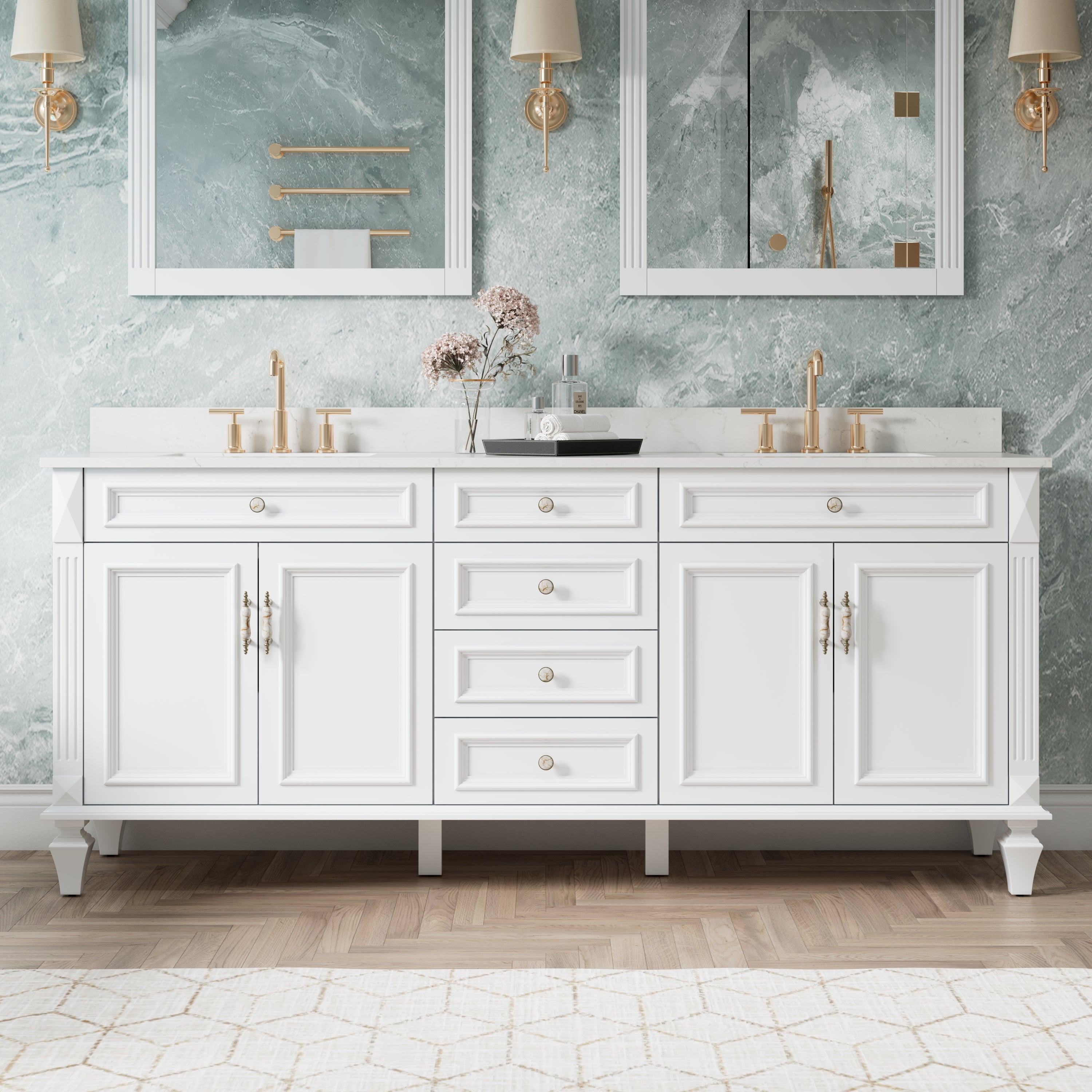
It is also not the right fit for every design direction. If the goal is a very bright, ultra-clean, hotel-style bathroom, a painted white vanity may suit the room better. And in very small bathrooms, a dark, bulky wood vanity can make the room feel heavier than it should.
4. What to Check Before You Buy
If you want real value, start with construction. Ask what the cabinet box is made from. Check whether the finish is sealed for bathroom use. Look at the drawer hardware, hinges, and overall build quality. The front view tells only part of the story. The inside of the cabinet says much more.
Pay attention to tone, too. Some wood finishes lean warm and golden. Some are more neutral. Some have a gray cast. The right tone should work with your flooring, countertop, and wall color. A vanity can be well built and still feel wrong if the undertones fight the rest of the room.
Size and layout matter just as much. A wood vanity is only a good value if it fits the bathroom properly and supports how the room is used. In a shared bathroom, drawer access and sink clearance matter. In a guest bath, appearance may matter slightly more than deep storage. The best purchase is usually the one that matches the actual routine of the household.

Installation and maintenance affect the value more than people think
A vanity installed out of level, exposed to poor caulking, or connected to sloppy plumbing can lose value quickly, no matter how nice it looked in the box. Good installation protects the cabinet, keeps moisture where it belongs, and helps drawers and doors work properly over time.
Maintenance is not difficult, though it should be steady. Wipe away standing water. Do not leave wet towels draped over the cabinet face every day. Use mild, non-abrasive cleaners. Run the exhaust fan long enough to clear humidity after showers. These habits matter.
For homeowners comparing options from brands like Wellfor, the best approach is simple: judge the vanity like a long-term purchase, not a quick visual upgrade. Look for strong construction, a finish that suits real bathroom conditions, and storage that works for daily life. When those details are right, wood bathroom vanities offer the kind of value that lasts longer than a price cut ever will.
















Leave a comment
This site is protected by hCaptcha and the hCaptcha Privacy Policy and Terms of Service apply.