














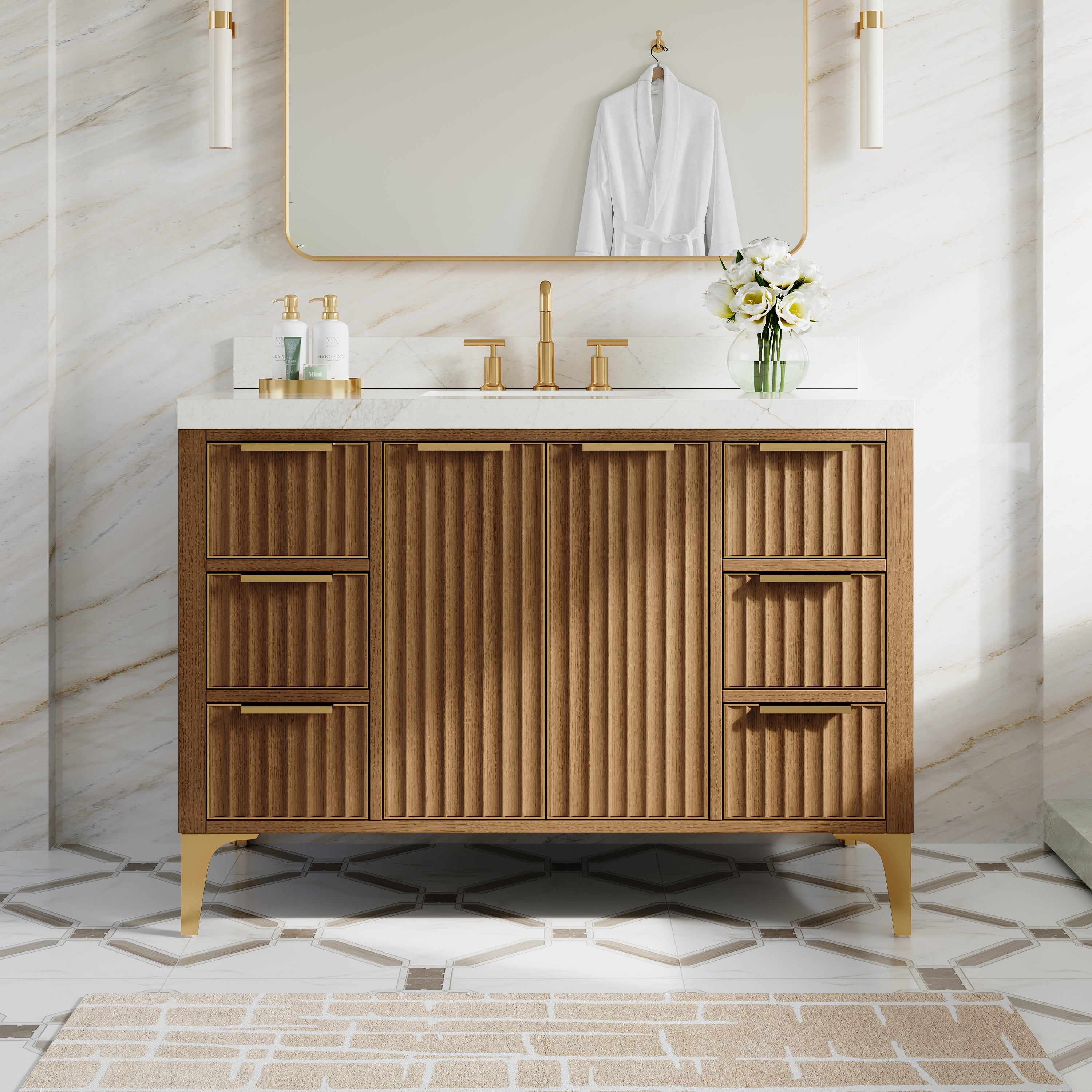
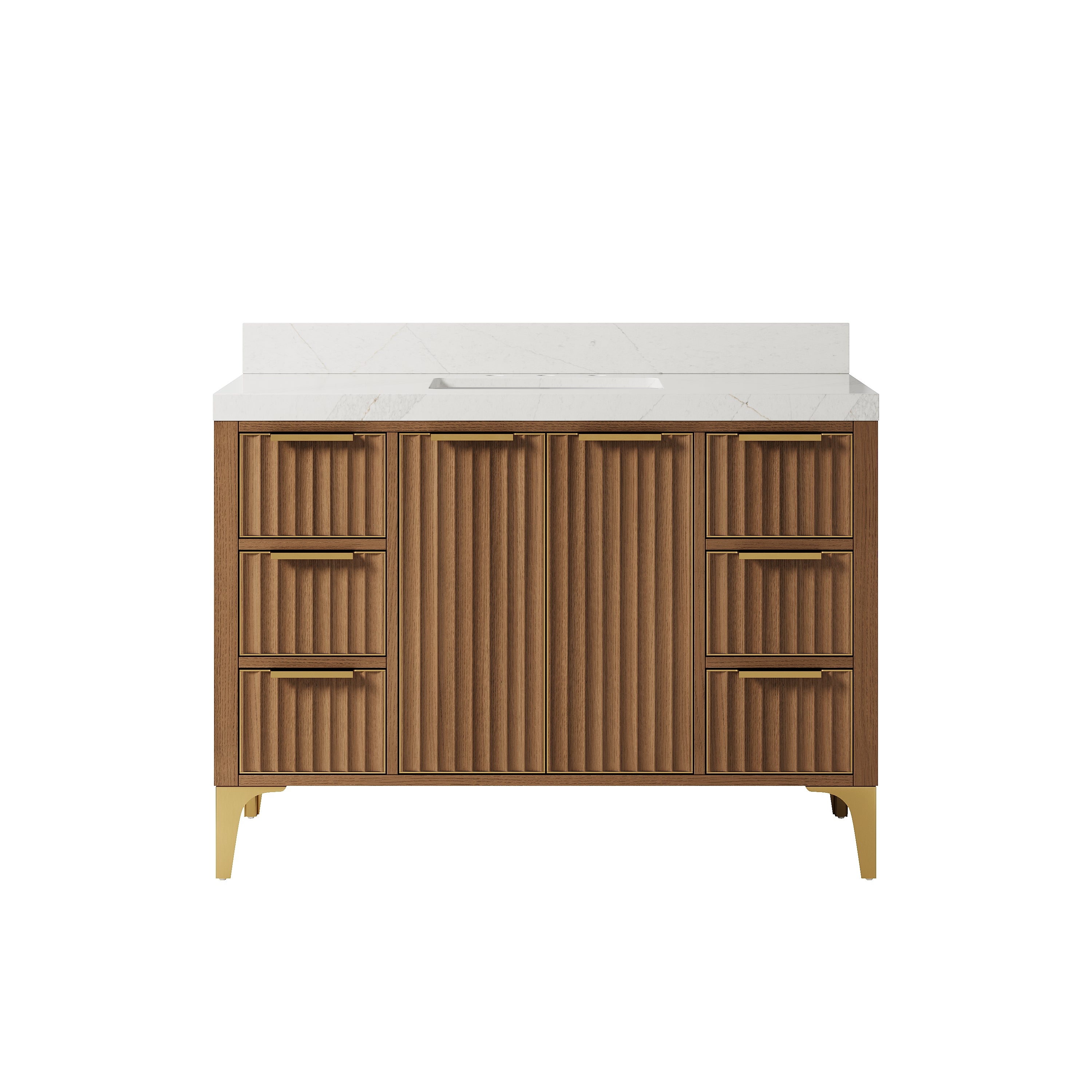


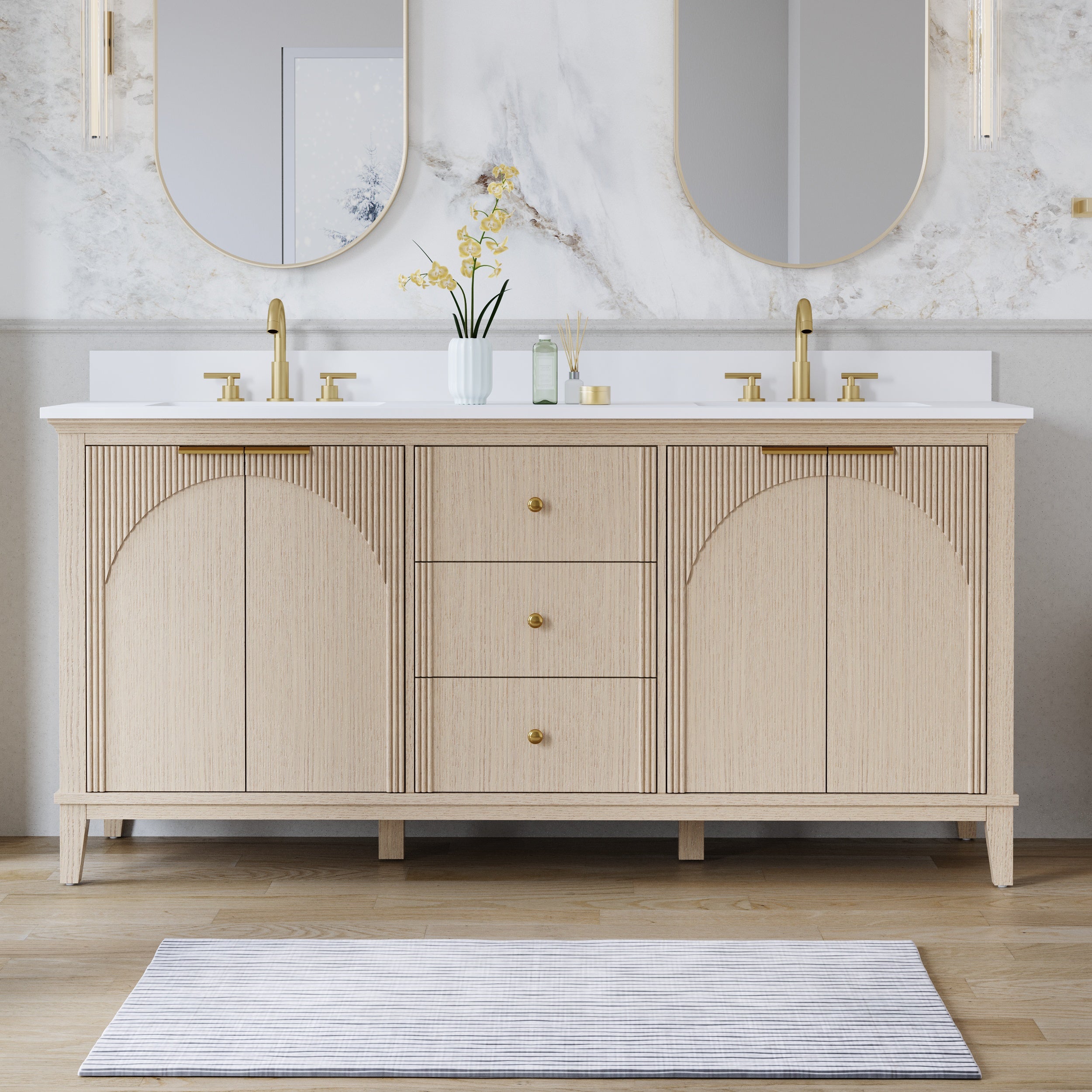
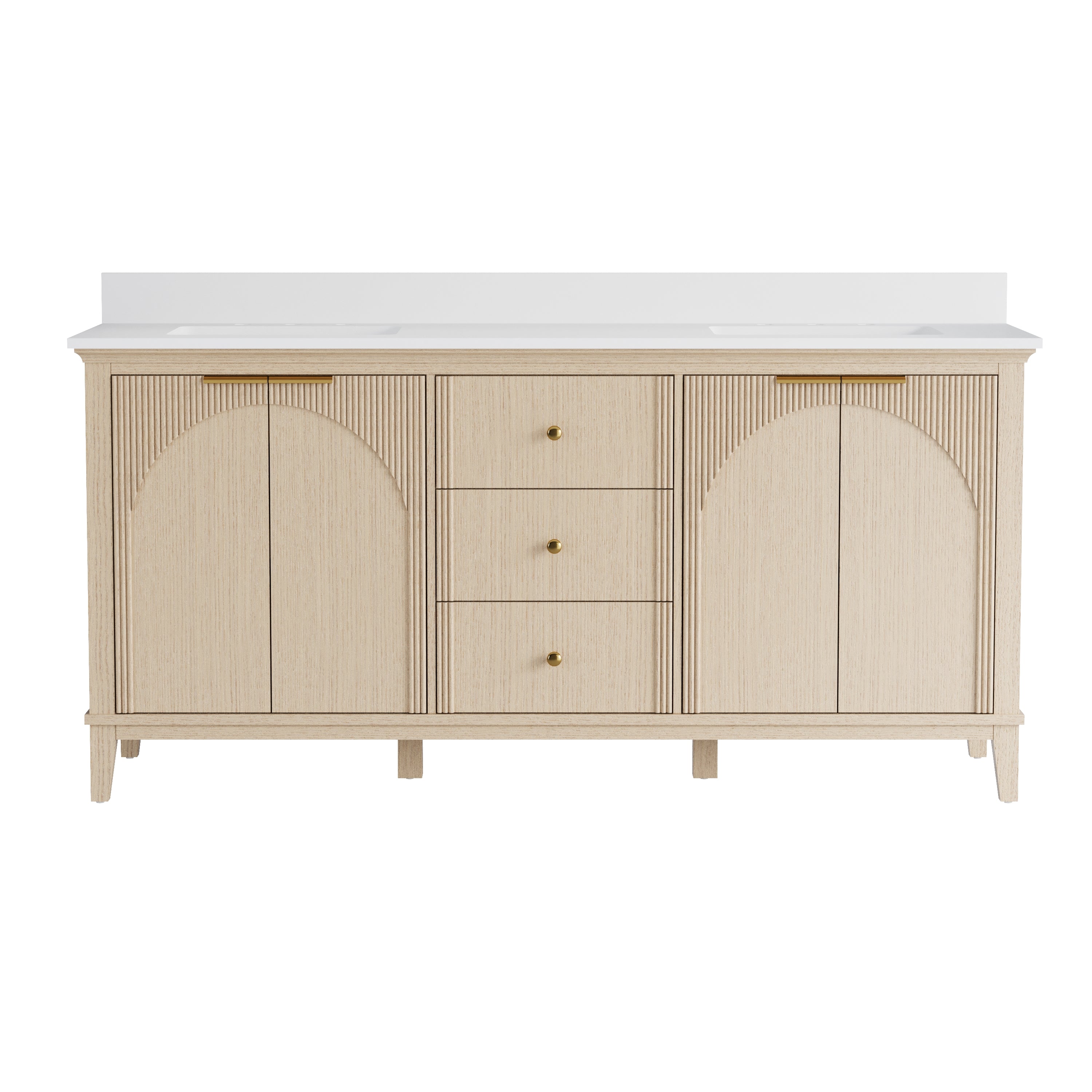
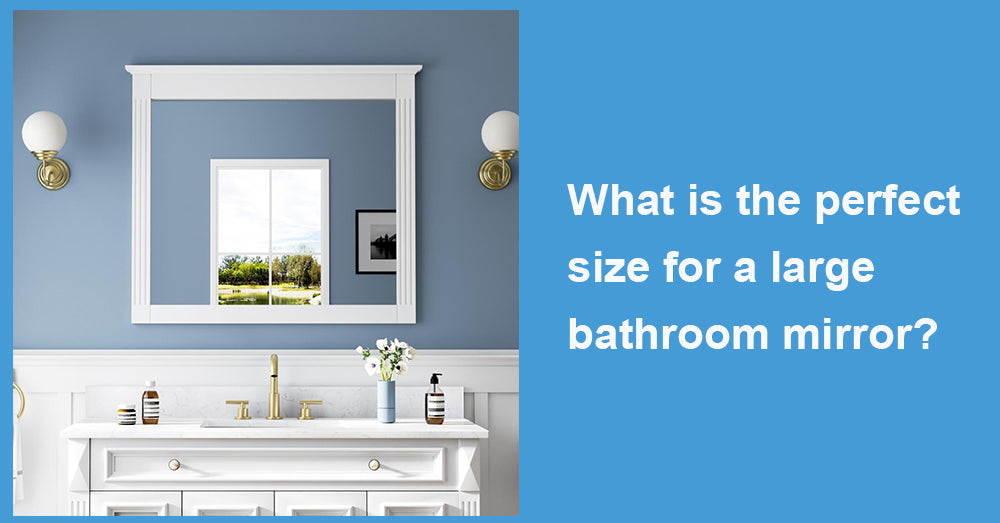
In bathroom design, the large bathroom mirror not only serves a functional role but also directly affects visual spatial perception, light reflection, and the overall style presentation. With the popularity of larger mirrors in interior design, the issue of "optimal size" has gradually received more attention. A reasonable size can meet usage needs while avoiding space compression from wall occupancy. To determine the optimal size, a comprehensive assessment is needed that considers multiple factors, including the width of the dressing table, wall-to-wall ratio, ceiling height, and lighting method.
1. The basis for determining large-sized mirrors: the width of the dressing table as a key reference
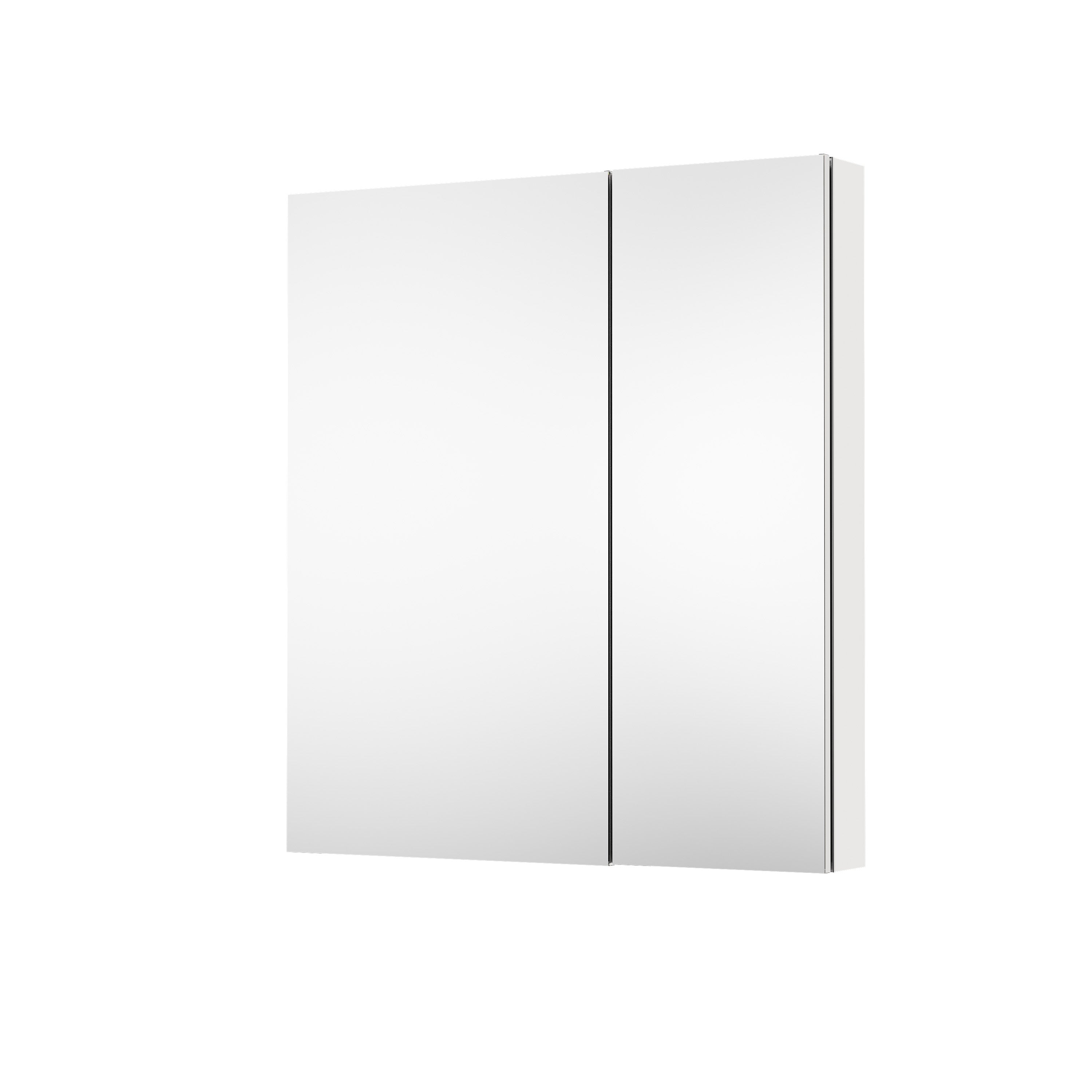
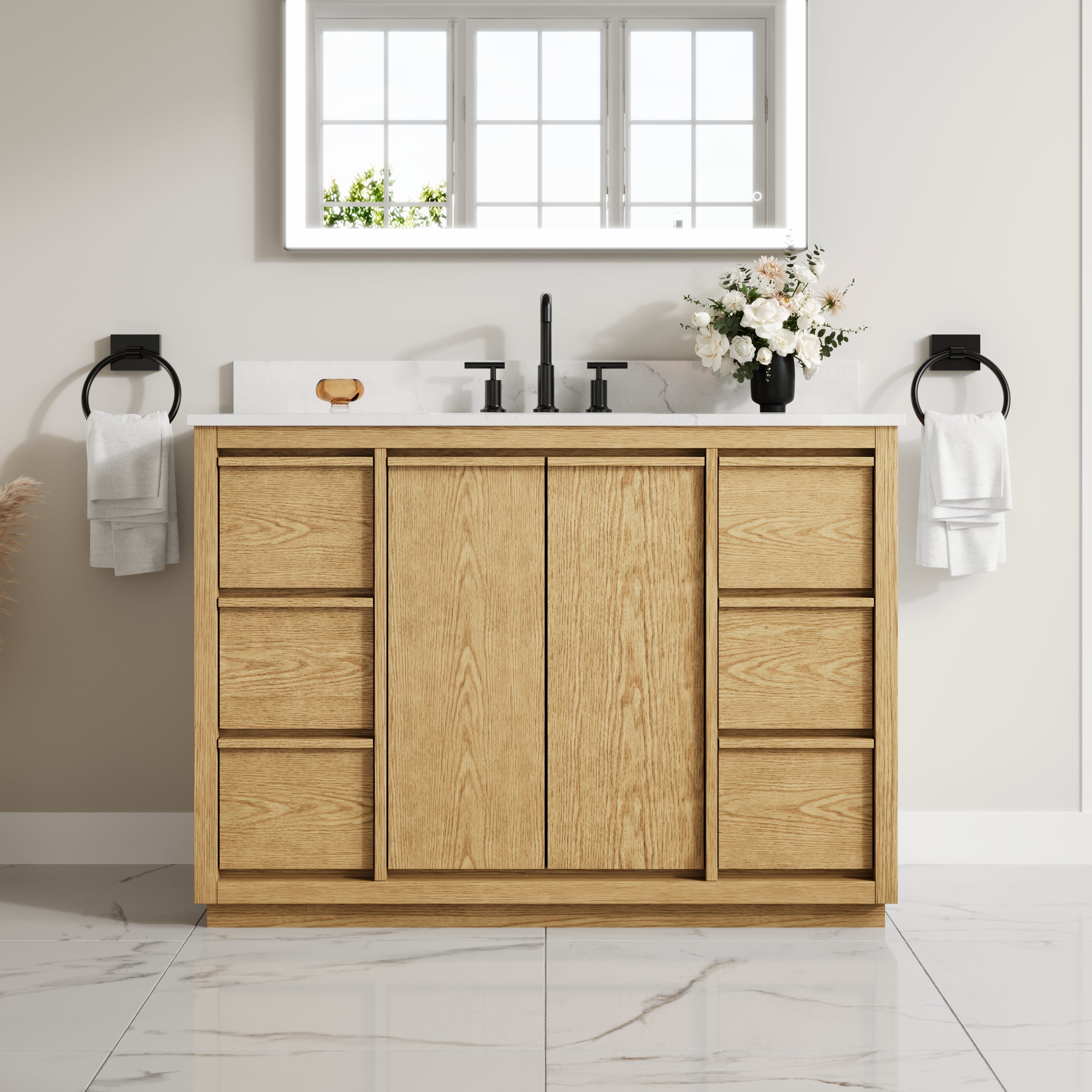
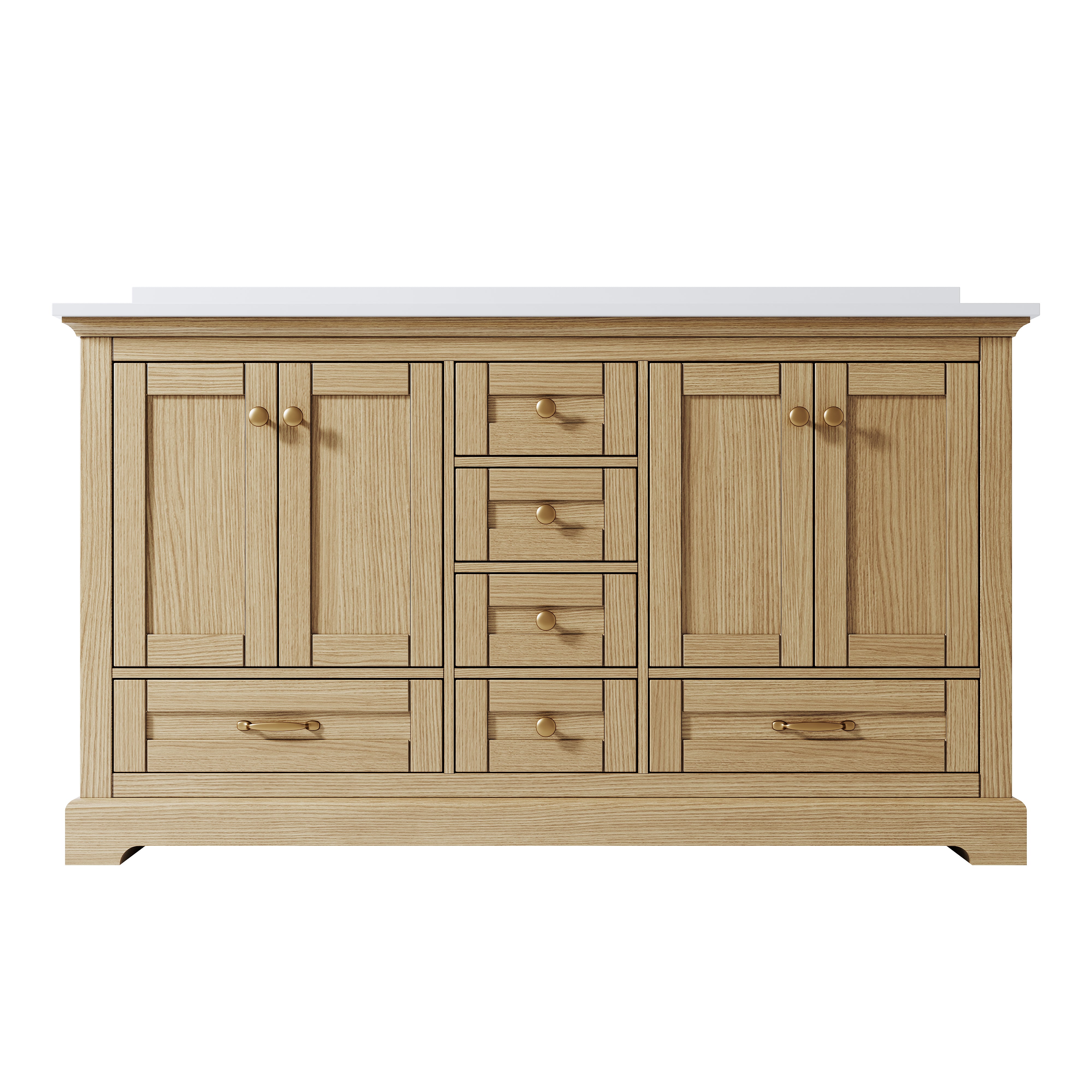
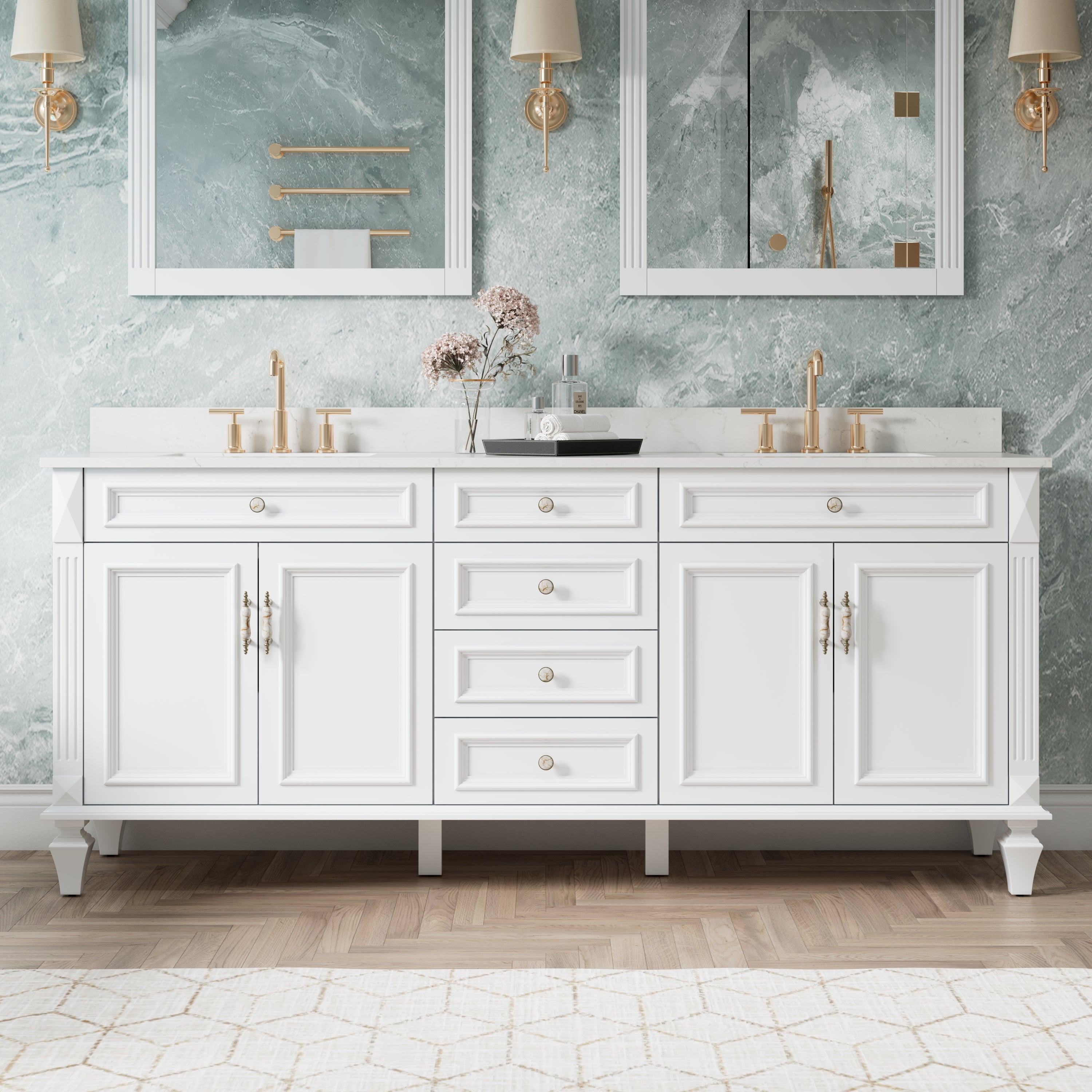
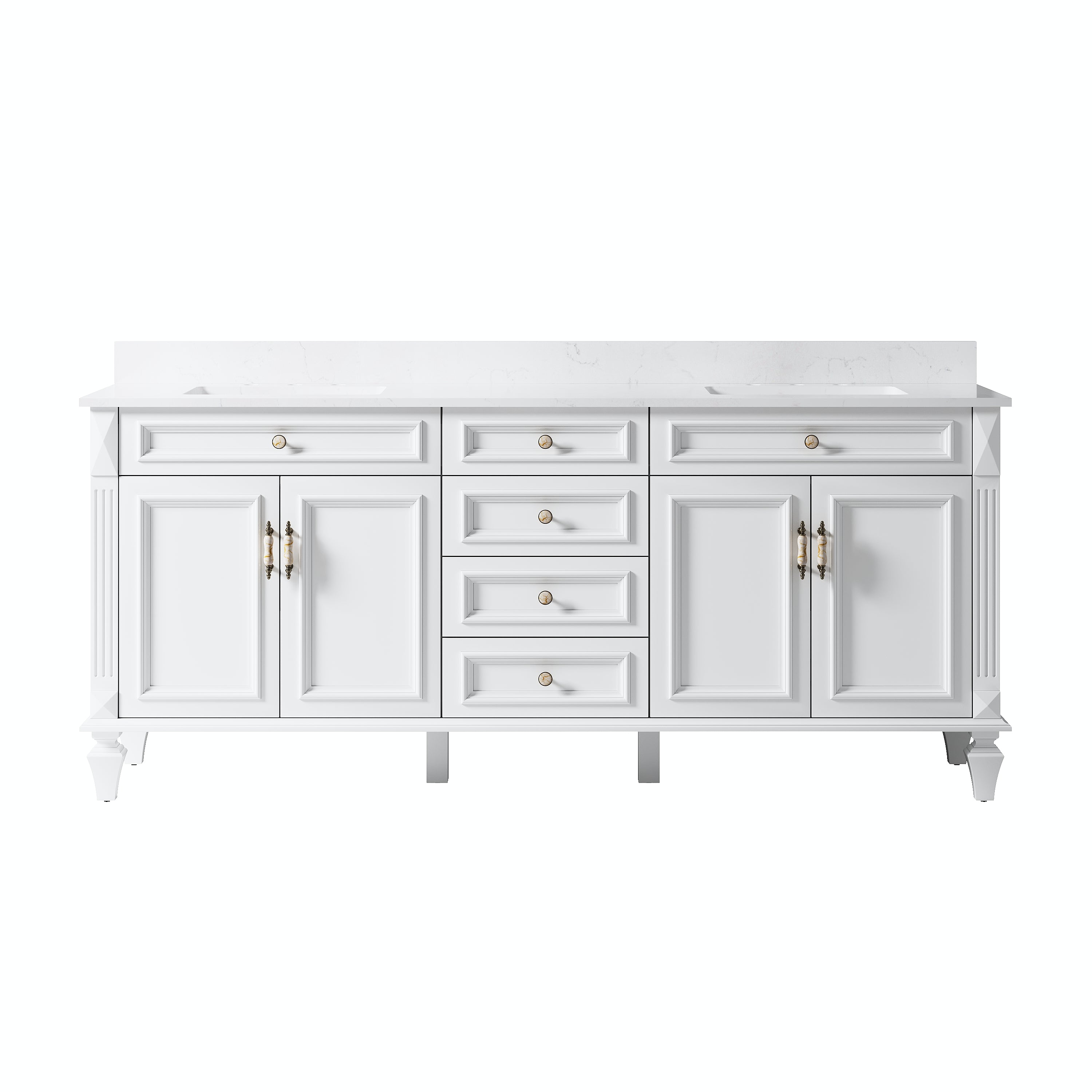
When choosing large bathroom mirrors, it is generally recommended to use the vanity's width as the primary reference. Most design guidelines recommend keeping the mirror width within the range of 70%- 100% of the dressing table's width to ensure visual balance and provide sufficient reflective area.
According to the official Home Depot renovation guide, the standard width of most home bathroom vanity tables ranges from 24 to 72 inches, with 48 and 60 inches being standard intervals (source: HomeDepot.comHomeDepot.com). Within this size range, the most common width for large bathroom mirrors is 40 to 70 inches.
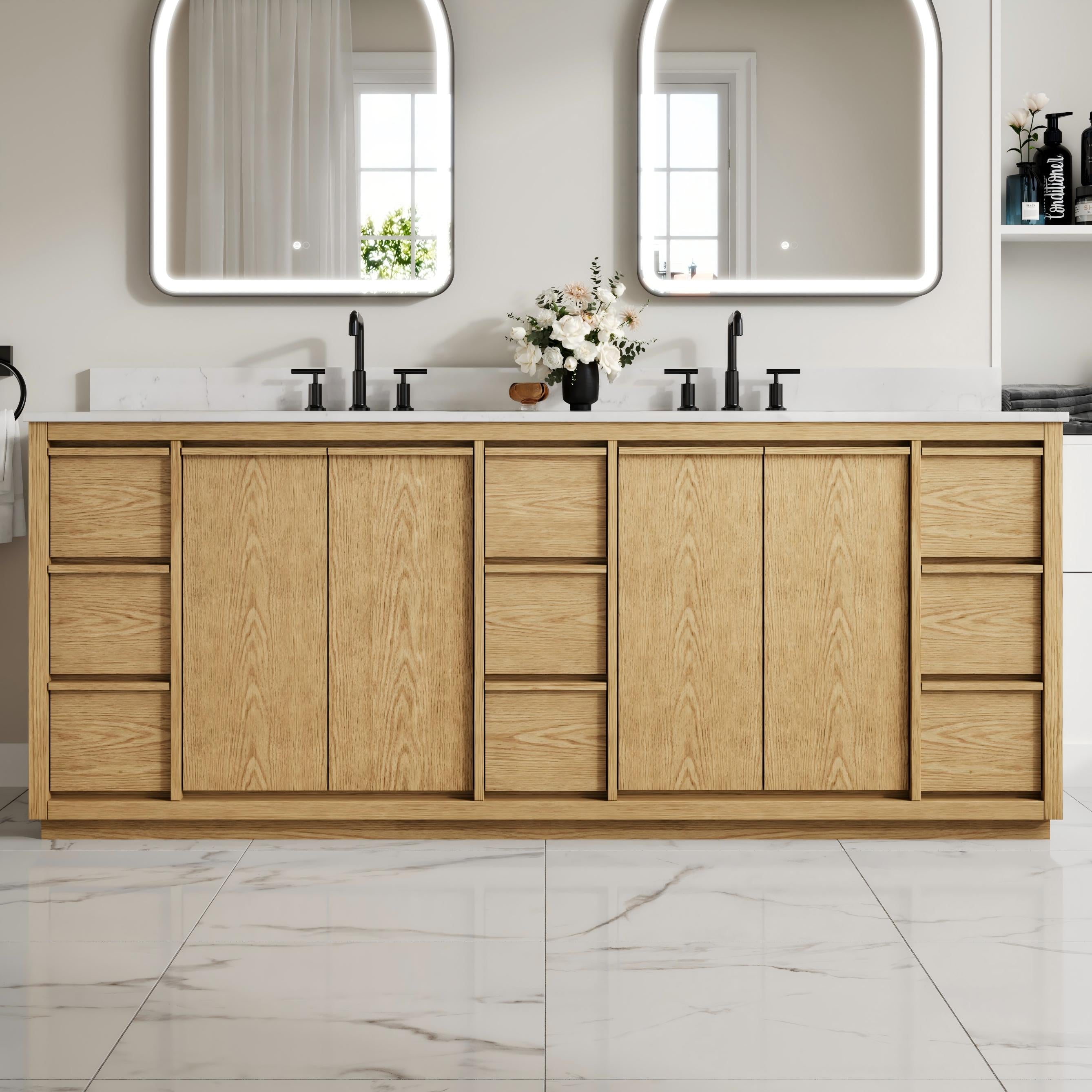
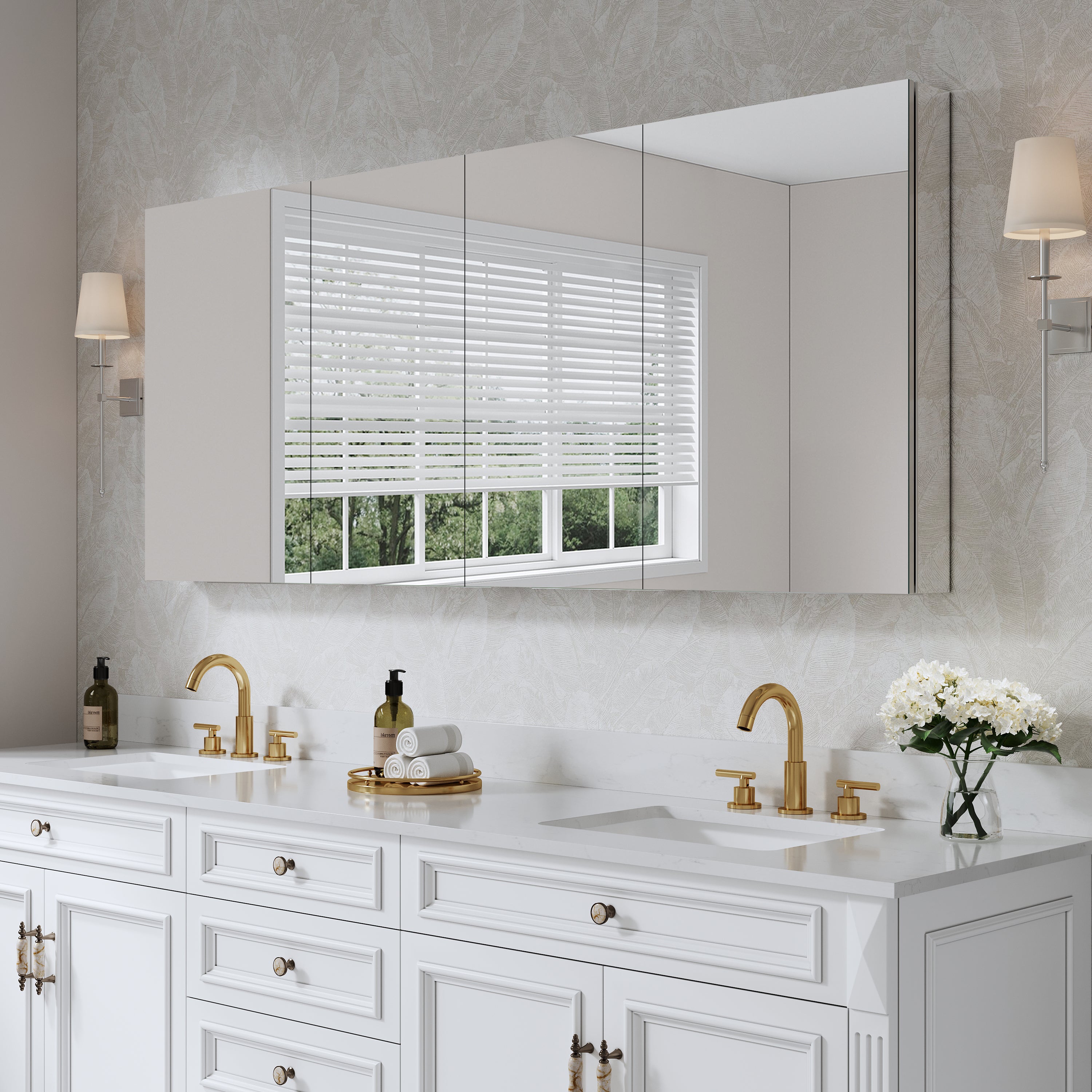
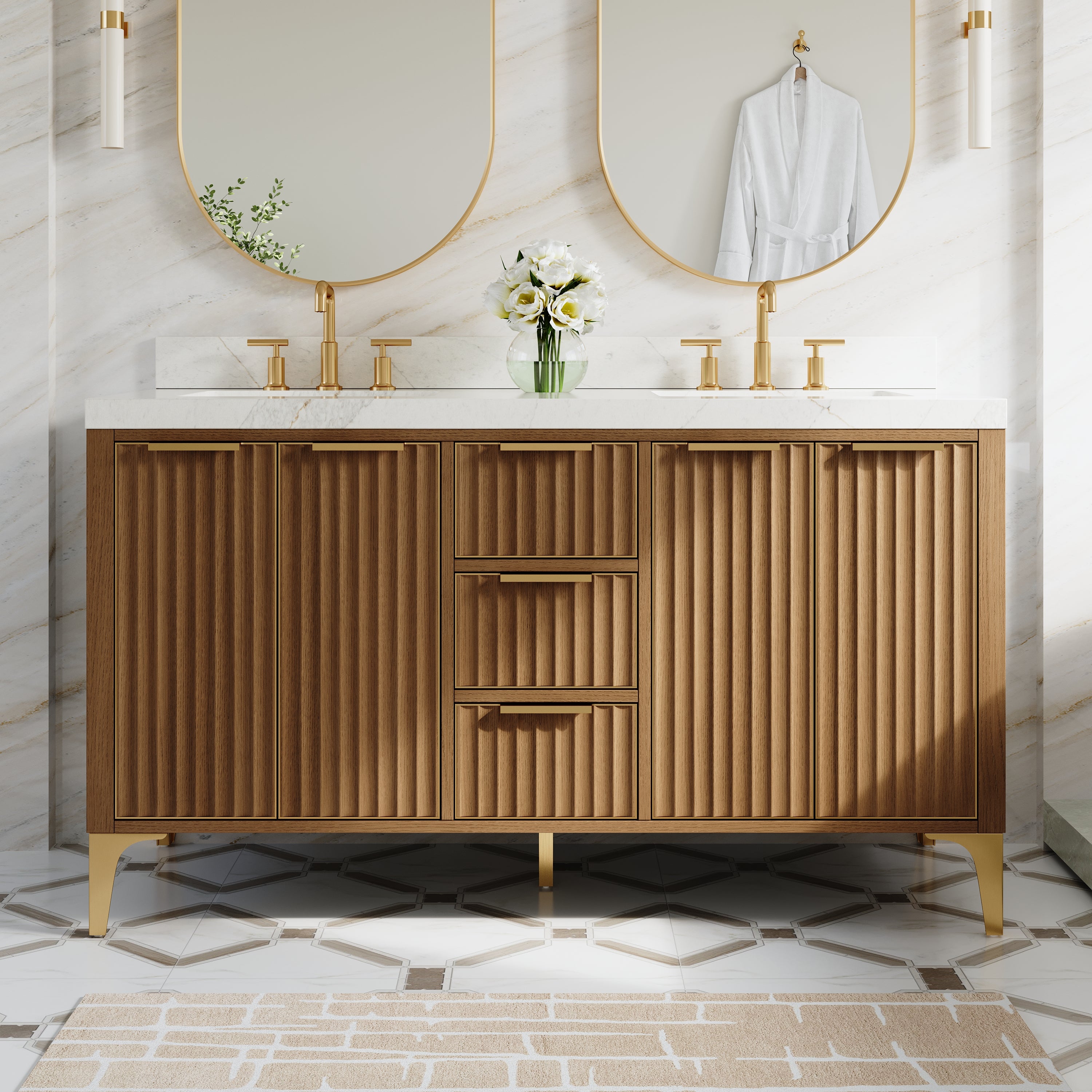
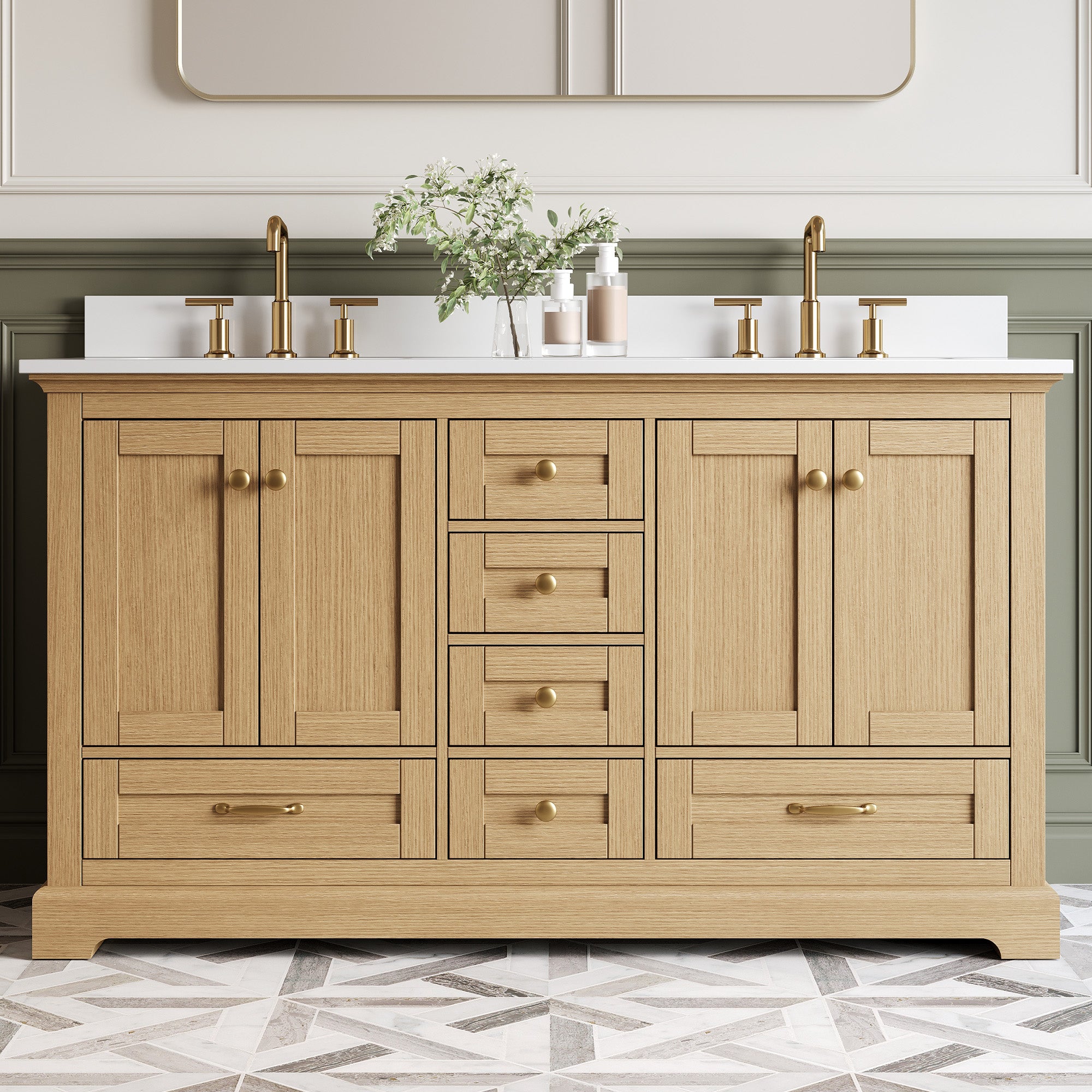
Suppose you want the mirror to convey a stronger sense of openness and a more uniform lighting effect. In that case, matching the width to the dressing table or slightly wider (not exceeding 2-3 inches) is a feasible design approach, especially suitable for a double dressing table.
2. The height of large-sized mirrors is related to the ceiling height and lighting position
There is no strict standard for height, but the typical design range is 30 to 40 inches. This height ensures the whole presentation of a person's face and upper body while also accommodating mainstream ceiling heights (usually 96 inches).
According to Houzz's bathroom update research, the height of mirrors is generally adjusted based on the user's height range and lighting installation method, and 36 inches is one of the most frequently installed heights (source: Houzz.com).
If the bathroom area is large, the height can also be increased to over 50 inches to create a panoramic half-mirror effect. To avoid conflicts with wall lamps and cabinets, plan the lighting and potential layout before installation.
3. Different types of large mirrors have different optimal size ranges
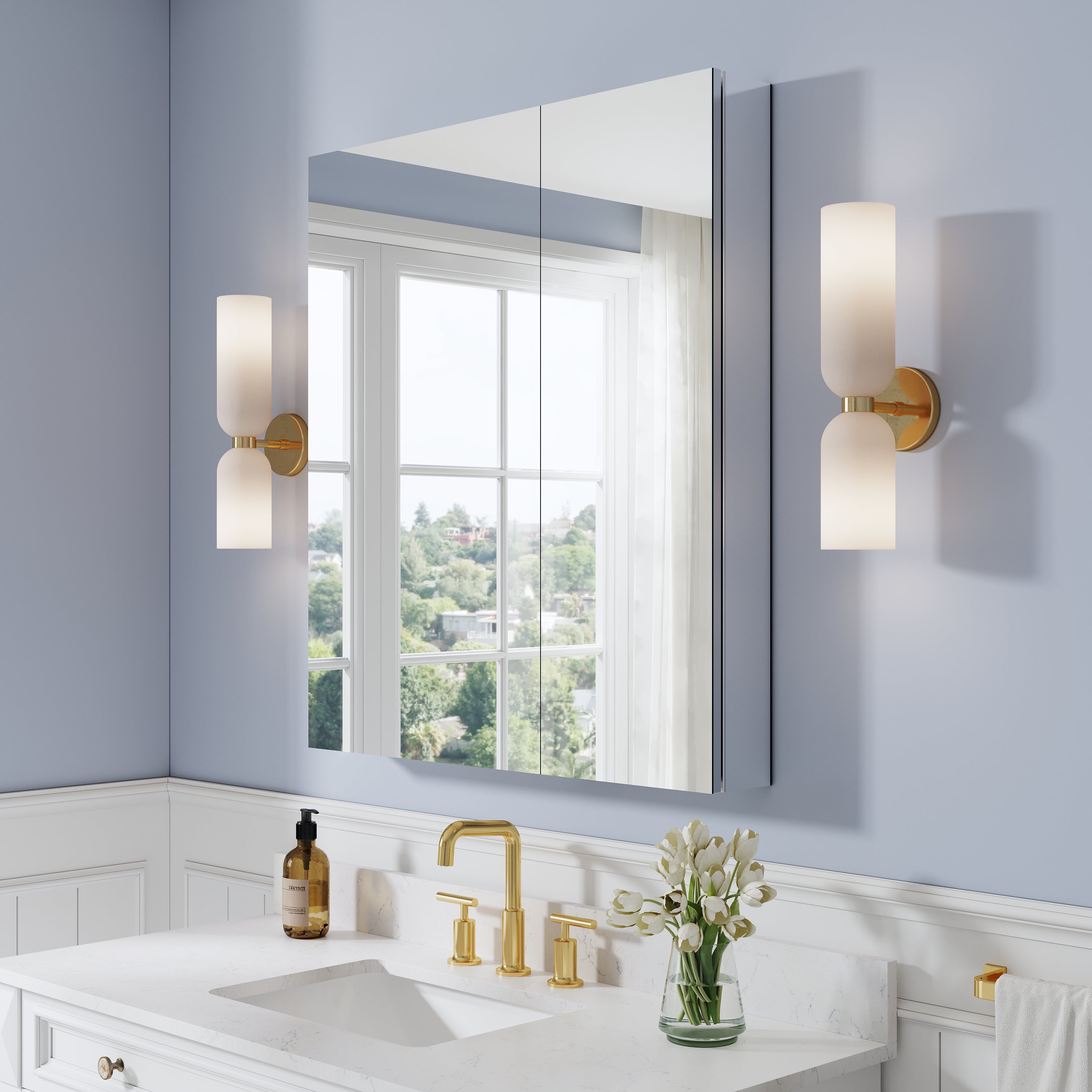
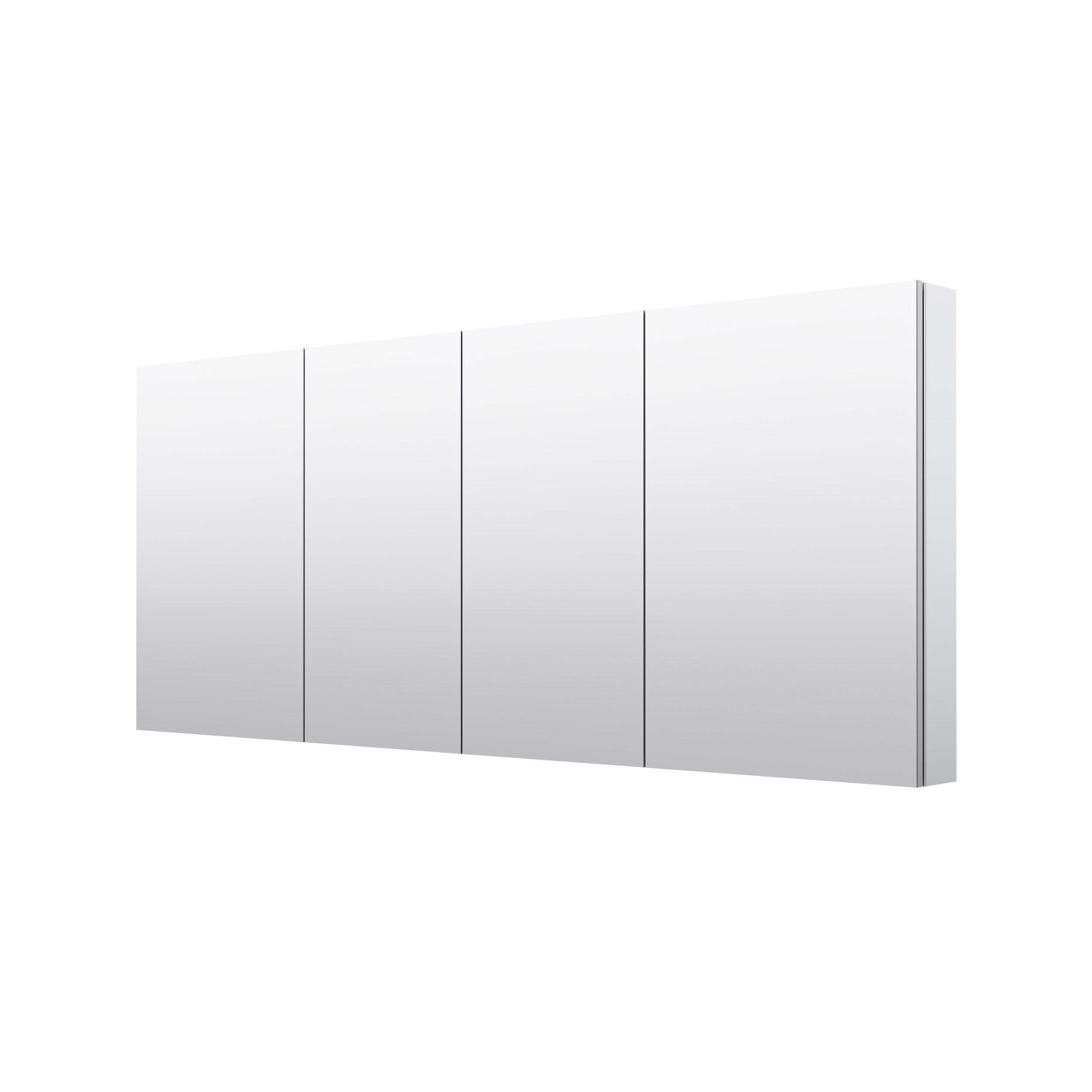
(1) Frameless Large Mirror Design
This type of mirror is visually lightweight and has a large reflective area, making it suitable for wider or higher applications.
Typical sizes: 48 × 36 inch, 60 × 40 inch, 72 × 40 inch
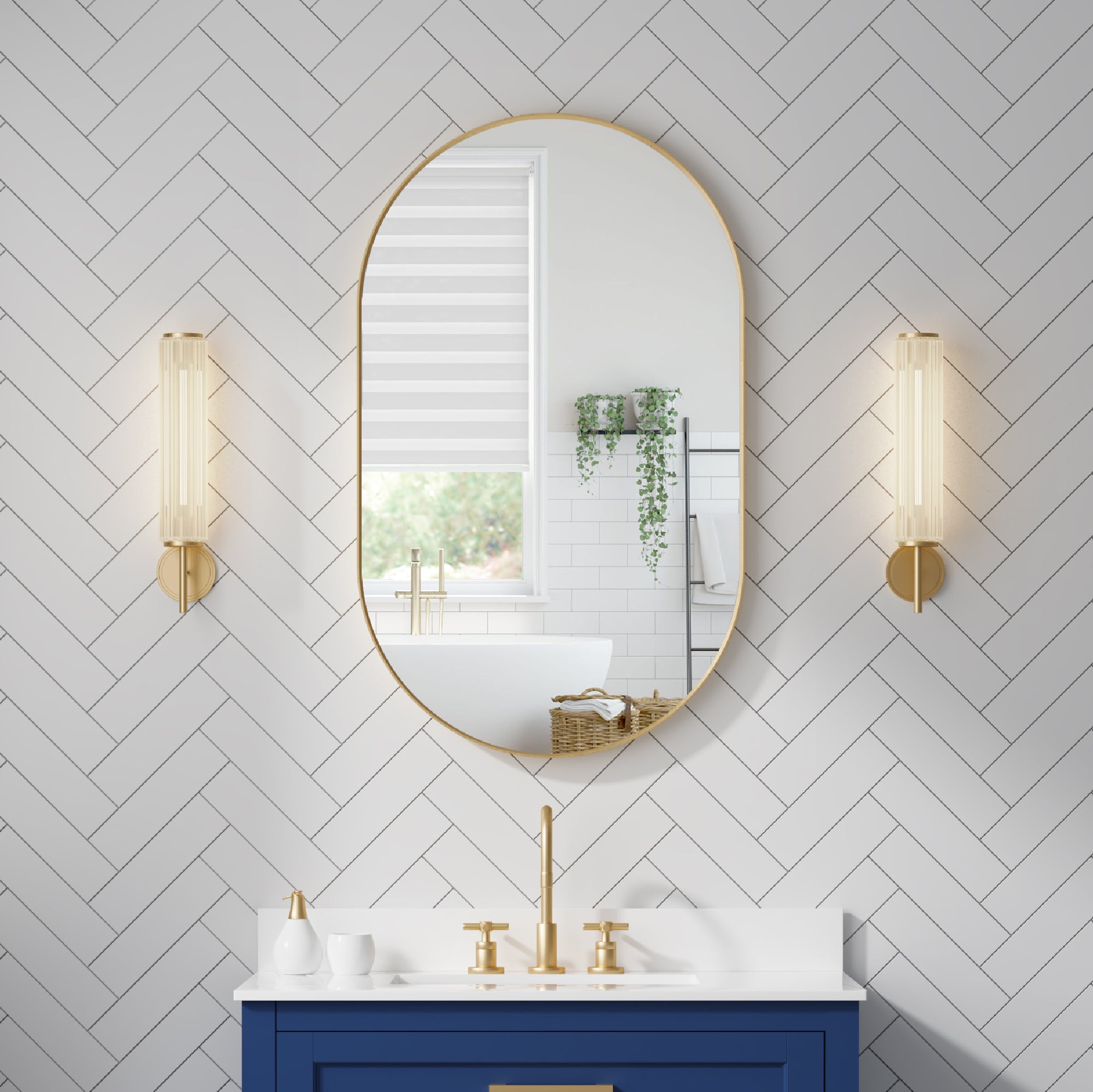
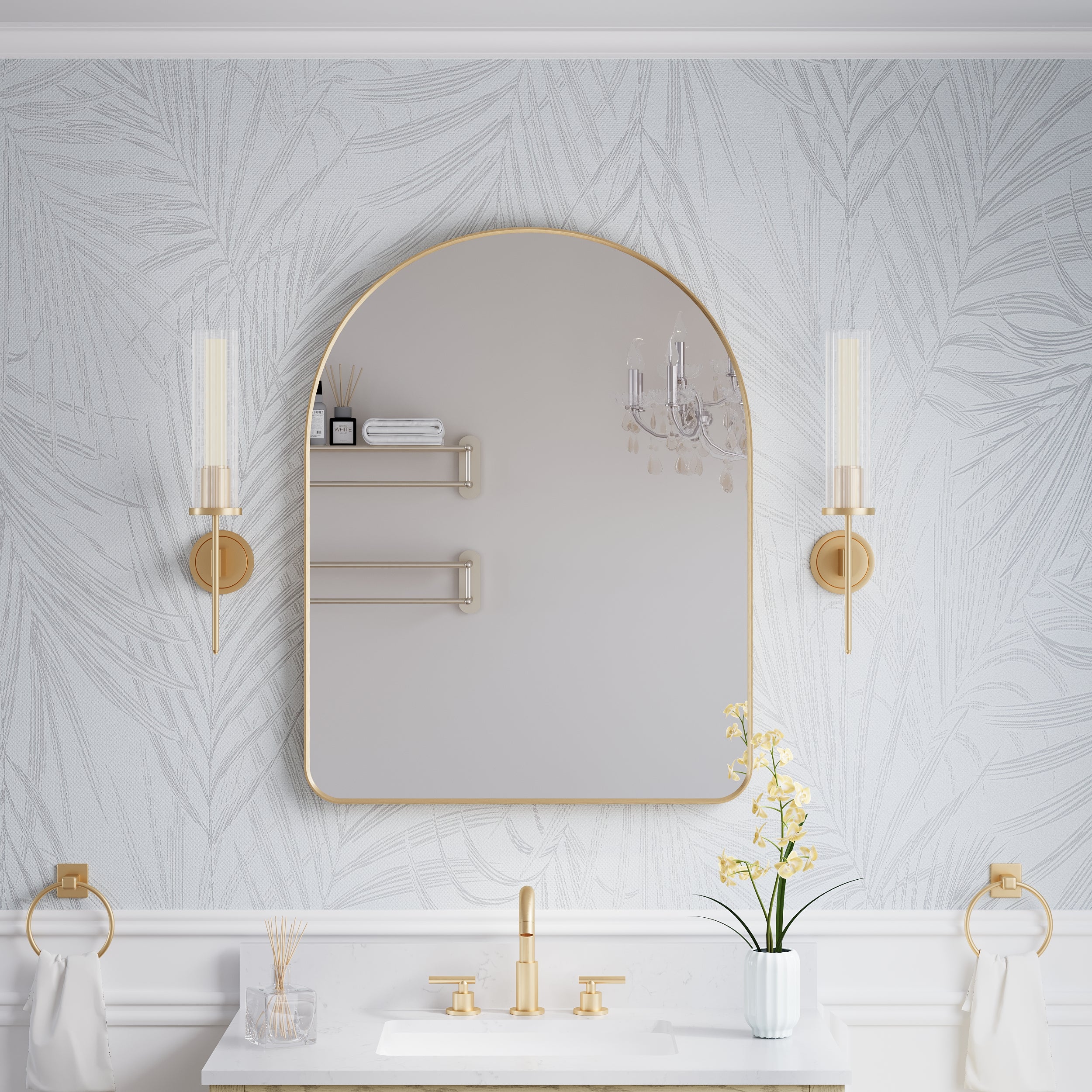
(2) Framed Large Mirror
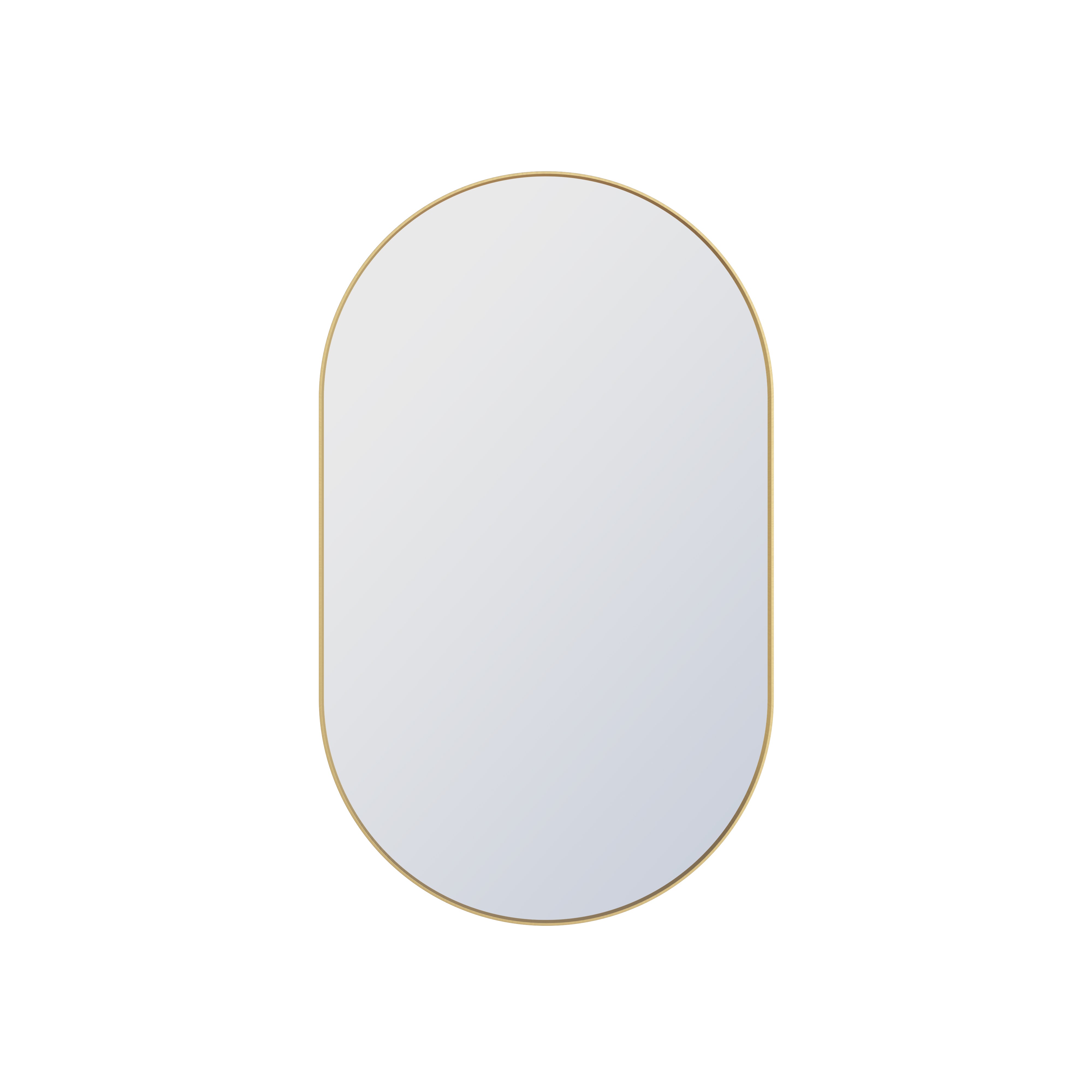
Due to the presence of an outer frame, the visual proportion emphasizes a sense of "boundary". The optimal size is usually slightly smaller than frameless mirrors.
Common sizes: 40 × 30 inch, 48 × 32 inch, 55 × 36 inch
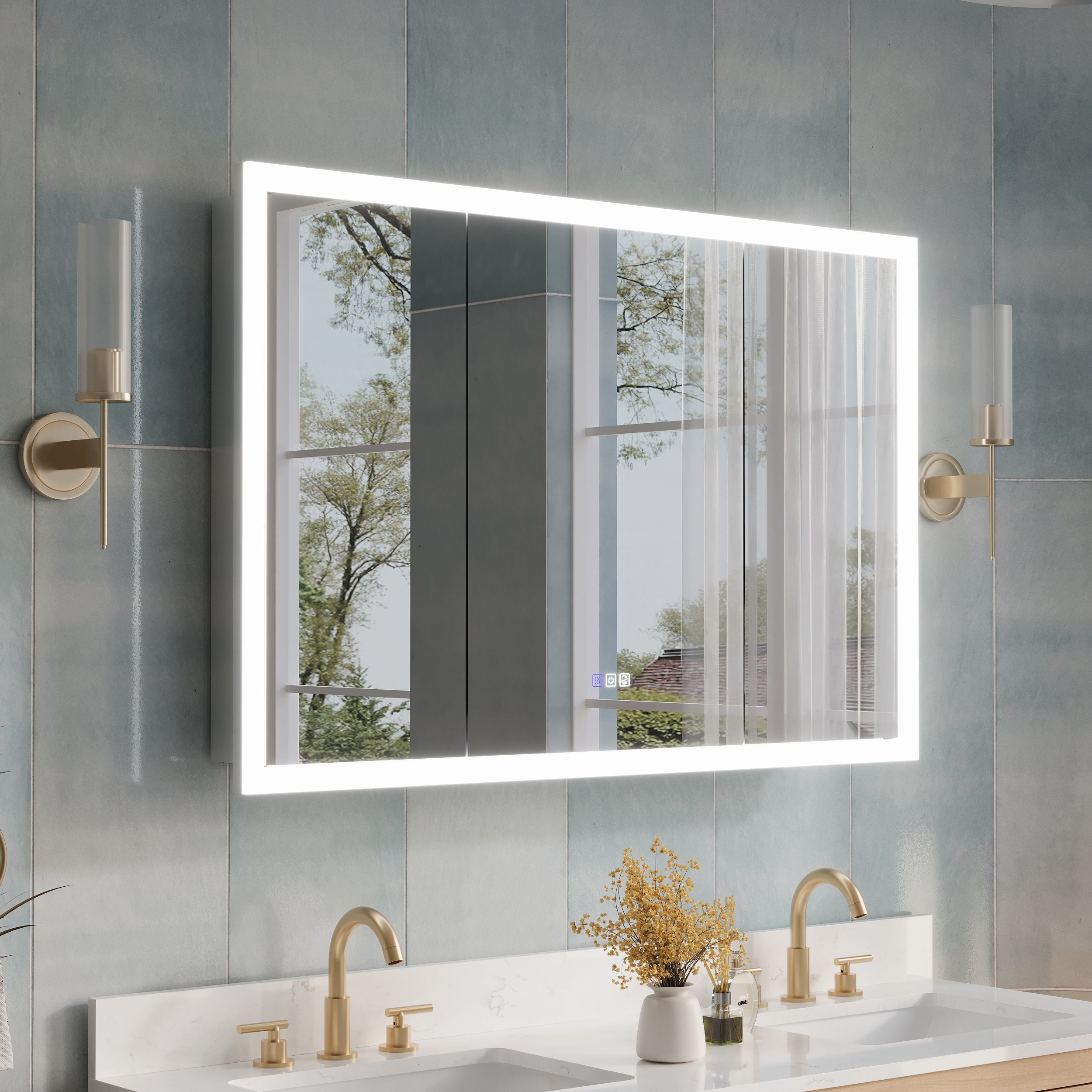
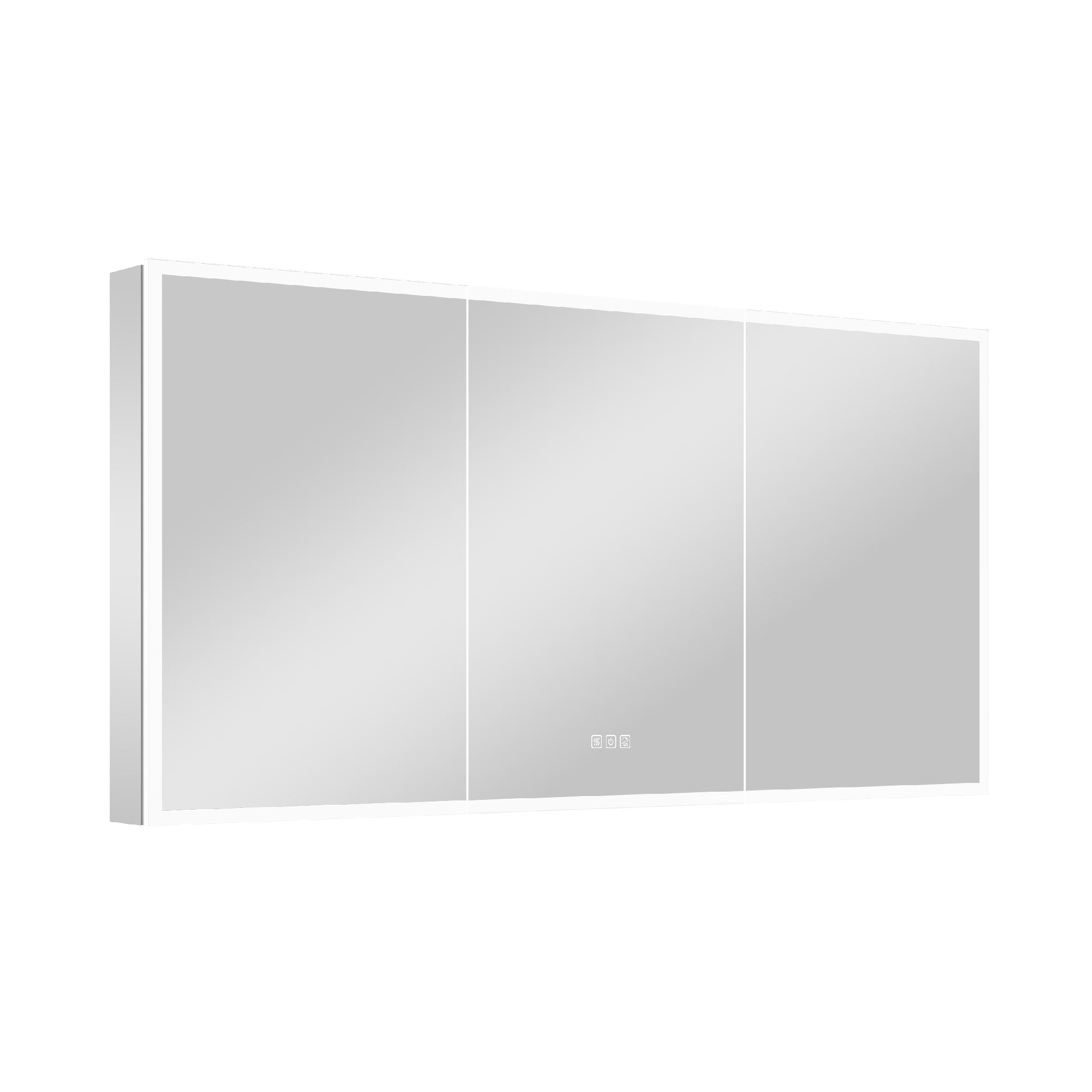
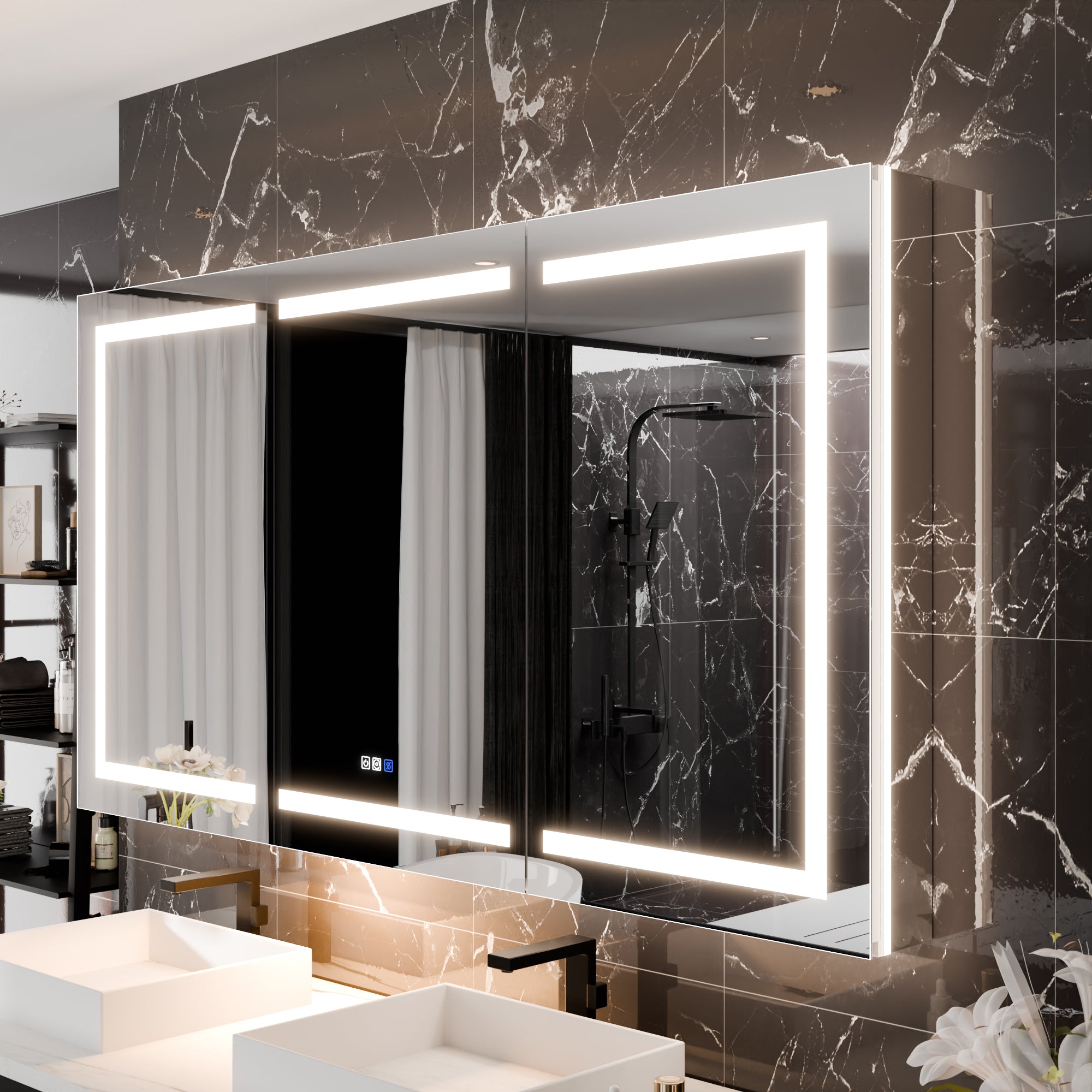
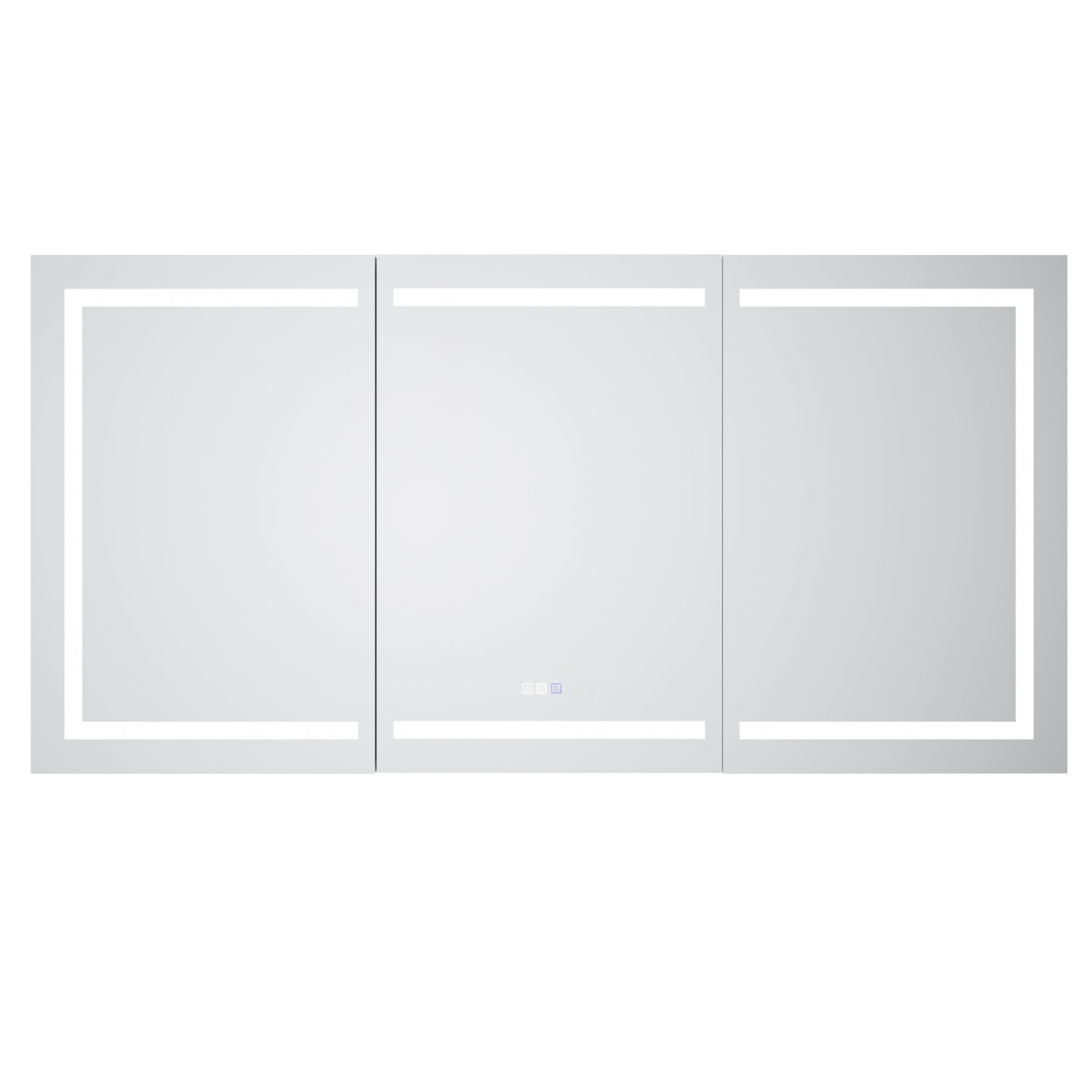
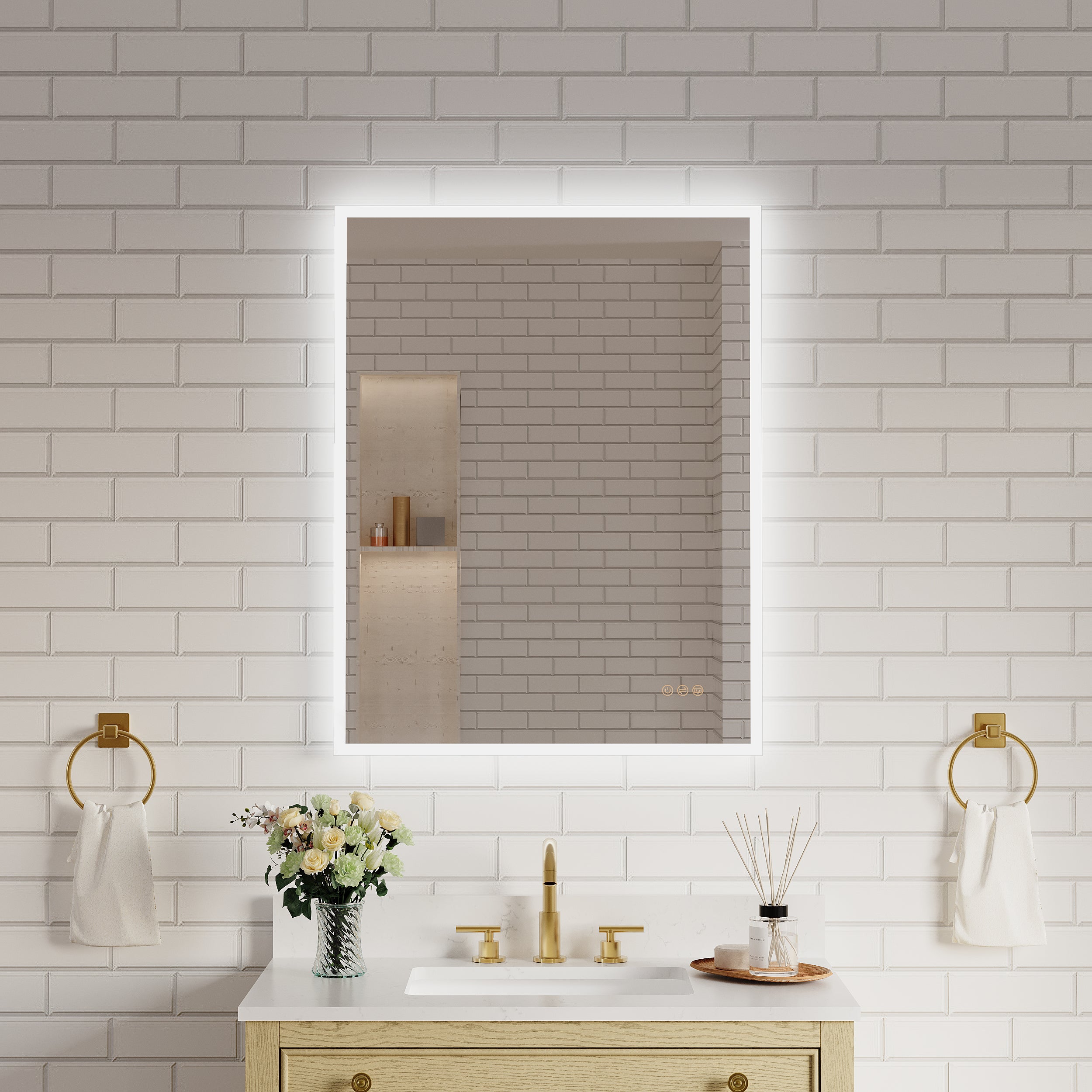
(3) LED Lighted Large Mirror
The LED light effect needs to be evenly distributed to allow standardized manufacturing sizes.
Popular sizes: 48 × 36 inch, 60 × 36 inch, 72 × 36 inch
According to Architectural Digest's trend analysis of bathroom mirrors, LED mirrors measuring 48-72 inches are the fastest-growing segment in the large-size market (source: ArchitecturalDigest.com.
4. Determine 'to what extent' based on the size of the bathroom
Large mirrors not only serve as dressing table mirrors but also enhance the sense of space. The optimal mirror size for different bathroom areas can refer to the following range:
1. Small bathroom (40-60 square feet)
Best mirror width: 24-36 inches
If you want to "expand the visual", you can choose 40-48 inches, but make sure it does not conflict with the side cabinet or socket.
2. Medium-sized bathroom (70-100 square feet)
Best mirror width: 40-60 inches
This is also the most common size range for large mirrors, which can create a strong visual extension.
3. Large bathroom (100+square feet)
Best mirror width: 60-80 inches
It can even be used as a whole-wall mirror to improve the overall look and enhance lighting.
Some luxury homes and high-end apartments even choose oversized mirrors that occupy 80% -100% of the walls to double the amount of light in the space.
5. Structural details that cannot be ignored when selecting the optimal size
Although size is the key factor in determining appearance and functionality, details about the mirror's position cannot be ignored.
(1) The distance from the bottom of the mirror to the top of the dressing table
Usually maintained at 5-8 inches, it helps prevent splashing water and facilitates the placement of faucets and sockets.
(2) The distance between the top of the mirror and the ceiling/wall lamp
The standard interval is 2-6 inches, which is both aesthetically pleasing and conducive to uniform light scattering.
(3) Mirror thickness and weight
Large mirrors generally have a thickness of 0.2-0.3 inches; being too thin can easily cause deformation, and if too thick, it will increase the load-bearing pressure on the wall.
According to Wayfair product statistics, the average weight of large-sized mirrors is between 20 and 45 pounds, and even larger sizes can reach over 60 pounds (source: Wayfair.com).

6. Final judgment of optimal size: balance between visual proportion and usage requirements
Based on industry data and interior design trends, the optimal size for Large bathroom mirrors can be summarized as follows:
The most universal and error-free size: 48 x 36 inches
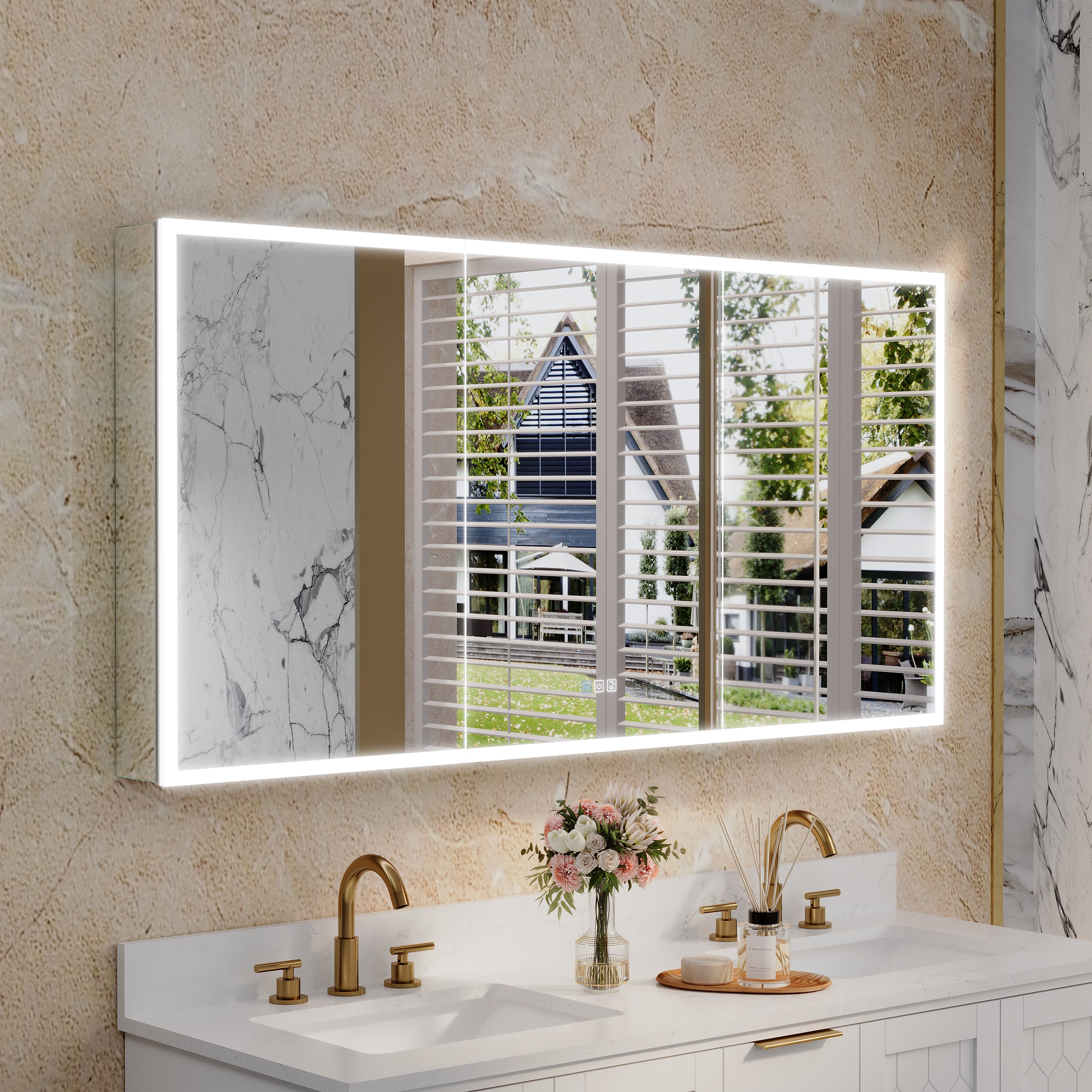
The optimal size for a double dressing table is 60 x 36 inches or 72 x 36 inches
Solution for maximizing spatial visual appeal: Try to approach the 90% -100% width range of the dressing table as closely as possible
If there are wall lights or side cabinets in the bathroom, adjust the size according to the lighting position first
In contemporary bathroom design, mirrors are no longer just functional components, but important visual centers that determine bathroom style. Reasonable size selection can significantly improve makeup, shaving, daily care, light reflection, and overall spatial atmosphere. The optimal size of a large bathroom mirror is not fixed, but is determined by the width of the dressing table, wall proportions, lighting layout, and usage habits.
In the design process, as long as you master the three core principles of adapting to the width of the dressing table, ensuring proportional balance, and taking into account the layout of the light source, you can easily choose large-sized bathroom mirrors that are both beautiful and practical.














Leave a comment
This site is protected by hCaptcha and the hCaptcha Privacy Policy and Terms of Service apply.