
















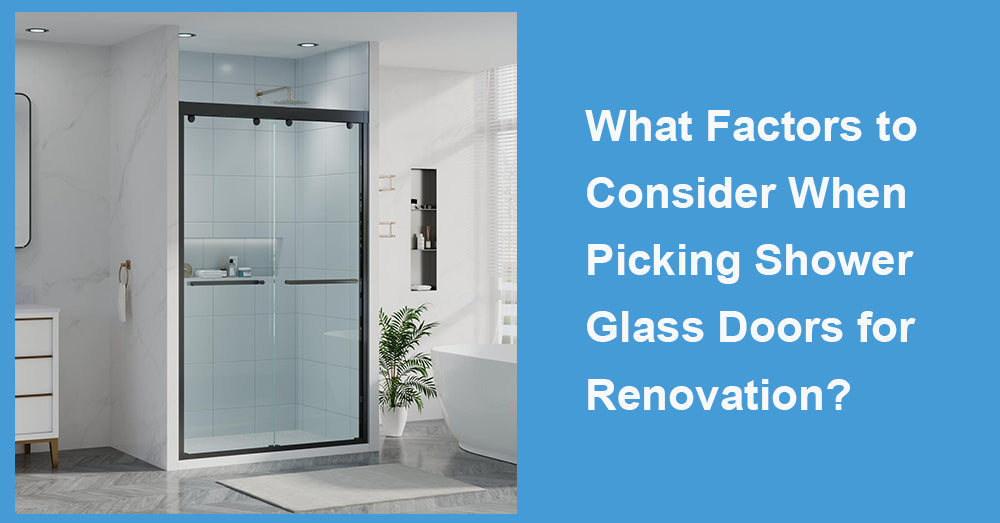
In modern bathroom design, shower glass doors have become an essential element in enhancing spatial awareness and overall aesthetics.
Compared with traditional shower curtains or semi-enclosed partitions, glass shower doors not only effectively prevent splashing water but also make the bathroom look brighter, more transparent, and tidier.
However, choosing the right glass door is not just about selecting a transparent panel. Different materials, safety performance, opening and closing methods, and design details can all affect the user experience and decoration effect.
This article will systematically analyze the key factors to consider when selecting shower glass doors for bathroom renovation, from the perspectives of practicality, safety, aesthetics, maintenance difficulty, and budget.
1. Space Layout: The First Step in Determining Door Type
Before choosing shower glass doors, the most important thing is to evaluate the spatial layout of the bathroom. Different types of shower doors are suitable for different space sizes and structures:
1. Pivot Door
Suitable for larger bathroom spaces, the opening radius needs to leave enough space. The advantages are smooth opening and closing, and strong sealing. The disadvantage is that it requires a high level of space.
2. Sliding Door
It is an ideal choice for small bathrooms. It does not occupy external space and can effectively save space. Modern sliding doors adopt a silent track system, which has a longer service life and smoother daily pushing and pulling.
3. Bi-Fold Door
Between the above two, a large opening can be achieved in a limited space. For corner shower areas or compact bathrooms, it is a good solution that balances functionality and space utilization.
4. Frameless Walk-In Design
This design emphasizes minimalism and visual transparency, making it particularly suitable for modern style decoration. But the installation requirements are high, usually requiring professional construction to ensure stability and waterproof performance.
Only after determining the bathroom layout and door type can a balance between aesthetics and practicality be achieved in subsequent material selection and design.
2. Safety: The Core Consideration for Bathroom Glass Doors
The shower door should not only be aesthetically pleasing but also safe and reliable. Glass is frequently used in humid and high-temperature environments, and safety performance is crucial.
1. Tempered Glass Is the Preferred Standard
According to the standards published by the Consumer Product Safety Commission, shower doors should use tempered safety glass with a thickness of not less than 1/4 inch (approximately 6mm). Tempered glass will break into small particles without forming sharp fragments, significantly reducing the risk of injury.
2. Safety Film and Explosion-Proof Layer Protection
Some high-end products will add explosion-proof protective film on the inside of the glass, which can maintain the overall structure and prevent the glass from scattering even in extreme cases of breakage.
3. The Importance of High-Quality Hardware Components
The durability of the entire system is determined by hardware components such as door shafts, tracks, and handles. Stainless steel or brass material should be selected to prevent moisture and rust.
Especially in coastal or high-humidity areas, low-quality hardware is prone to oxidation, affecting structural stability.
4. Products That Have Been Certified Are More Secure
When purchasing, pay attention to whether the product complies with ANSI Z97.1 or SGCC safety glass certification standards, which are industry standards for product safety.
3. Glass Thickness and Transparency: Balanced Stability and Aesthetics
The thickness of glass directly affects stability and visual effects. Standard specifications include 1/4 inch, 3/8 inch, and 1/2 inch.
1/4 inch (6mm): Lightweight and economical, suitable for sliding door design;
3/8 inch (10mm): Higher strength, commonly used in frameless designs;
1/2 inch (12mm): Thick and sturdy, visually more advanced, but with higher installation requirements.
In terms of transparency, in addition to standard transparent glass, there are multiple options to choose from:
Frosted Glass: Enhances privacy and is suitable for home bathrooms.
Tinted Glass: Can create a warm atmosphere, such as light gray or bronze tones.
Patterned Glass: Strong decorative effect, able to echo the bathroom style.
When choosing, one should consider the balance between natural lighting and spatial perception. For small bathrooms, transparent or light-colored glass can enhance the visual extension effect and make the space appear more spacious.

4. Waterproof and Ventilation: Details Determine Experience
Good sealing performance is an essential condition for ensuring the separation of wet and dry areas in the bathroom.
1. Sealing Strip and Bottom Waterproof Barrier
High-quality shower doors should be equipped with waterproof sealing strips to prevent water from seeping out from the door seams. Simultaneously installing waterproof threshold strips at the bottom can further reduce water overflow.
2. Reasonable Ventilation Design
Excessive sealing can easily lead to moisture retention, so it is essential to ensure smooth ventilation in the bathroom. It is recommended to pair it with a ventilation system or window vents to maintain air circulation and avoid long-term moisture damage to the glass.
3. Sloping Ground Design
Before installation, the ground should be kept slightly inclined (usually 1/8 inch per foot) to allow water to flow naturally towards the drainage outlet and prevent water accumulation.
5. Maintenance and Cleaning: The Key to Long-Term Use
Although transparent glass is beautiful, it is prone to water stains and soap stains. To maintain long-term smoothness, priority should be given to products that are easy to clean and handle.
1. Nano Coating for Waterproof Coating
This coating can form a protective film on the surface of glass, reducing water droplet adhesion and making cleaning easier.
According to a report by the Home Improvement Research Institute (2024), shower doors with nano anti-fouling layers can reduce cleaning frequency by approximately 40%.
2. Regular Cleaning Recommendations
It is recommended to use a wiper to remove residual water droplets after each use, and wipe with a neutral cleaner once a week to avoid mineral deposition.
Avoid using cleaning agents containing ammonia or acid, as they may damage the surface coating of the glass.
3. Maintenance of Hardware Components
Regularly check whether the track and hinge are loose, and add rust-proof lubricating oil if necessary to extend their service life.
6. Budget and Installation: Balancing Cost Performance
The price of shower glass doors varies depending on the material, door type, glass thickness, and customization requirements.
The price of standard sliding doors is generally between $300 and $800.
Frameless custom doors may reach between $1000 and $2500.
If exceptional glass craftsmanship or high-end hardware is included, the price will further increase.
Although the customization cost is higher, its size matching and aesthetics are also better.
In the long run, choosing products with reliable quality and professional installation can reduce additional expenses for maintenance and replacement.
7. Installation Timing and Professional Advice
The installation of shower doors is usually carried out after the tile laying is completed and the floor is leveled.
It is recommended that a professional installation team complete the measurement and fixation to ensure that the door is vertical and waterproof.
Especially when installing frameless designs, glass requires precise angles and strong fasteners, and any errors can compromise sealing and safety.
8. Summary: Balancing Function and Aesthetics
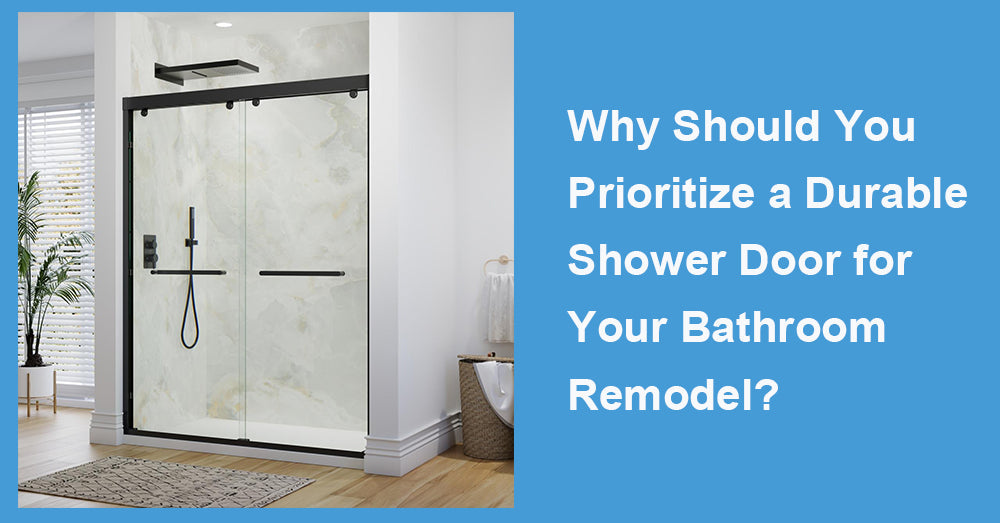
The value of shower glass doors lies not only in dividing space, but also in making the bathroom look clean, modern, and transparent.
When choosing, factors such as spatial layout, safety performance, glass thickness, sealing structure, and later maintenance should be comprehensively considered.
High-quality shower doors not only enhance the overall design of the bathroom but also provide a more comfortable, durable, and safe user experience.
A well-designed shower door can often become the most eye-catching detail in a bathroom, making daily life more aesthetically pleasing.














Leave a comment
This site is protected by hCaptcha and the hCaptcha Privacy Policy and Terms of Service apply.