
















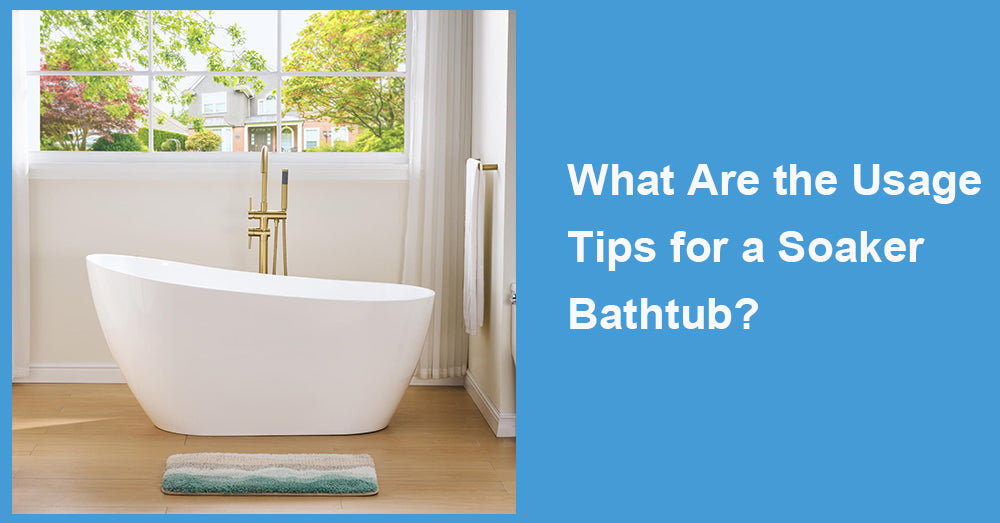
When it comes to "relaxation", many people will have such a picture in their minds: warm yellow lights, a bathroom with aromatherapy, and a tub of just the right amount of hot water - yes, this is the charm of a soaking bathtub. Compared with traditional bathtubs, soaking bathtubs are deeper, wider, and more "immersive", allowing you to really "soak in" and relax both physically and mentally.
But do you know? Bathing is not just a matter of "sitting in it and it's over". Water temperature, bathing time, frequency of use, and cleaning method... these details are handled well, allowing you to soak comfortably every time and making the bathtub last longer and worth using.
Today, we will discuss using a soaker bathtub more effectively and carefully and how it can genuinely become a "healing artefact" in your life.
1. What is the "correct way to open" a soaking bathtub?
① Don't make the temperature too high, 38°C~40°C is the most suitable
Many people like to take a "hot bath", thinking that the hotter, the more relaxing, but it is not true. Excessive water temperature can easily increase blood pressure and heart rate and even cause dizziness and collapse after prolonged soaking.
It is recommended to control the water temperature between 38 °C and 40 °C when taking a bath, which is slightly higher than body temperature, making it comfortable and not too burdensome. Want to be more precise? You can buy a bathtub thermometer, a small item of dozens of yuan, which is very practical.
② How long is the best bath? 20 minutes is just right
The longer the bath, the better. If it exceeds 30 minutes, the skin will start to dry and dehydrate, which is counterproductive to the intended effect.
The best bath time is 15~20 minutes. If you would like to extend the time a little longer, it is recommended to drink some warm water to replenish body fluids in the middle and pay attention to whether the body feels uncomfortable.
③ Don't forget these little moves before and after taking a bath
l Take a shower before taking a bath: A simple shower can remove dust and sweat stains from your body, making the bath more hygienic;
l Wipe dry and moisturise after taking a bath: Taking a bath removes the oil on the skin's surface. Remember to dry your body thoroughly and apply moisturiser or body lotion immediately after getting out to prevent dryness.
2. These tips make your bath more comfortable
Add some "ingredients" to create new ways of bathing
Want to make bathing more ritualistic? You can try the following bath combinations:
l Essential oil: Lavender relaxes and helps you sleep; citrus refreshes your mind (dilute before use);
l Bath ball/bath salt: Rich in fragrance, it can also soften cuticles and promote blood circulation;
l Milk + honey: Natural skin care formula, making the skin smoother and more delicate;
l Fresh flowers or dried flowers: Roses, marigolds, and chamomile not only have a fragrant smell but also look very beautiful (it is recommended to use a special bath bag to avoid blocking the water).
Reasonably adjust the water level and posture
Don't fill the water too full; soak below the chest, which can relax the muscles without increasing the burden on the heart and lungs.
If you are prone to backache, choose a bathtub with a backrest or ergonomic curve design, which will make it easier to soak. You can also use a bath pillow to relieve neck fatigue.
Don't forget the "environmental layout" for bathing
l Soft lighting: yellow light or night light, which makes it easier for people to relax;
l Soft music: choose natural sounds, light music or piano music;
l Keep quiet: avoid interruptions and give yourself 20 minutes of "alone time".

3. Daily cleaning and maintenance are also important
A good bathtub should not only look at the current comfort but also see whether it can "live well for ten years".
1. Rinse briefly after each bath
After bathing, rinse the bathtub wall with a spray head to remove foam, grease, and essential oil residues, preventing residual dirt.
2. Deep cleaning once a week
Use a mild detergent (avoid strong acids or alkalis) and a soft brush to clean the corners and the surrounding area around the drain. There are also special bathtub cleaning sprays on the market; use them according to the instructions.
3. Be careful to prevent mildew, slip and blockage
Keep the edge of the bathtub dry to avoid water stains and mould accumulation;
A non-slip mat can be placed on the bottom of the bathtub, especially if there are elderly or children at home;
It is recommended to use a filter cover for the drain outlet to prevent blockage by regularly cleaning hair or debris.
4. When is it not suitable to take a bath?
Even if the bath is comfortable, it is not recommended to take a bath in some exceptional cases:
Within 30 minutes after a meal: Taking a bath right after a meal can easily cause indigestion;
Taking a bath immediately after a lot of exercises: At this time, the body is hot, and blood vessels are dilated, and taking a bath will further increase the burden; When you have a cold, fever, or physical weakness, You are prone to dizziness or even fainting;
Late pregnancy: Be cautious; it is recommended to consult a doctor before deciding whether to take a bath.
5. How do you choose an immersion bathtub that suits you?
The last sentence is for friends who are planning to buy a bathtub:
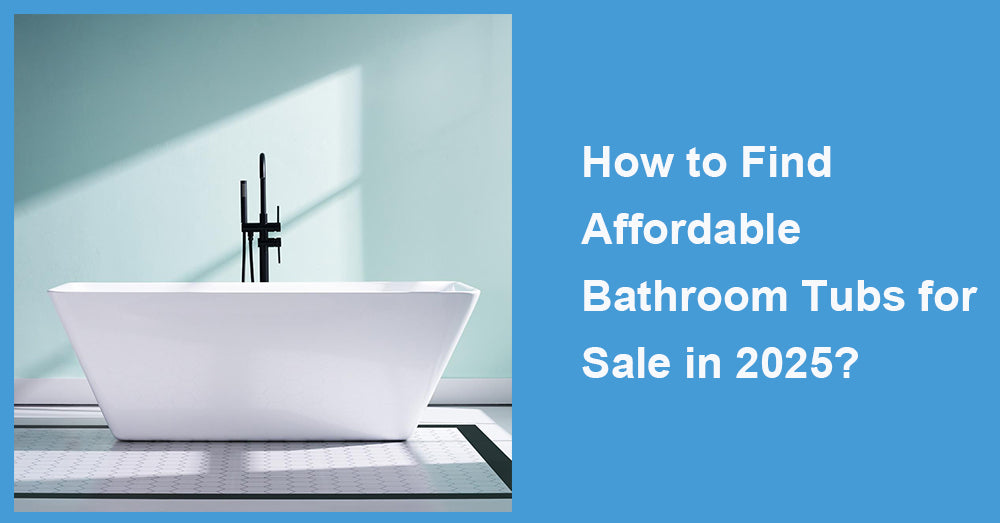
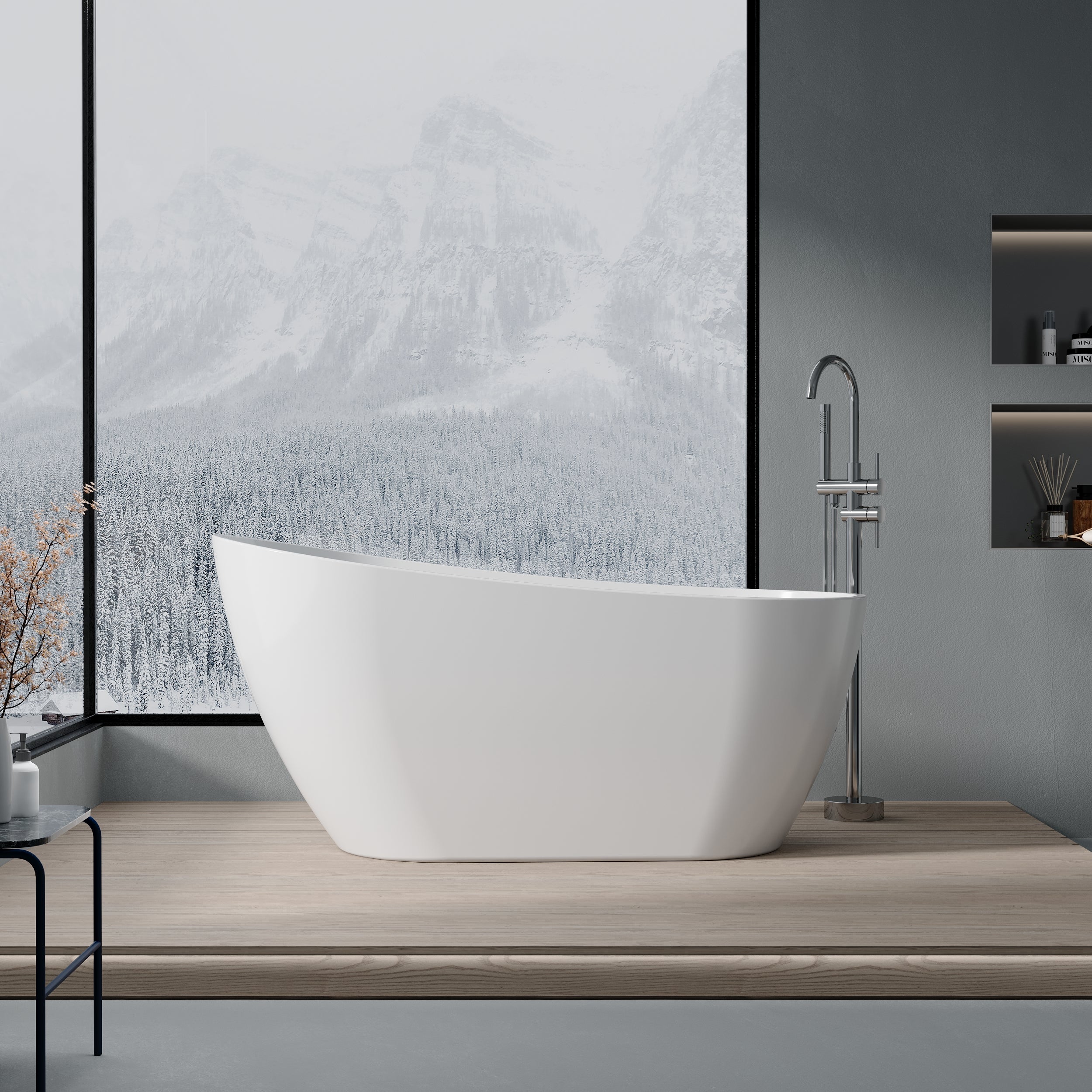
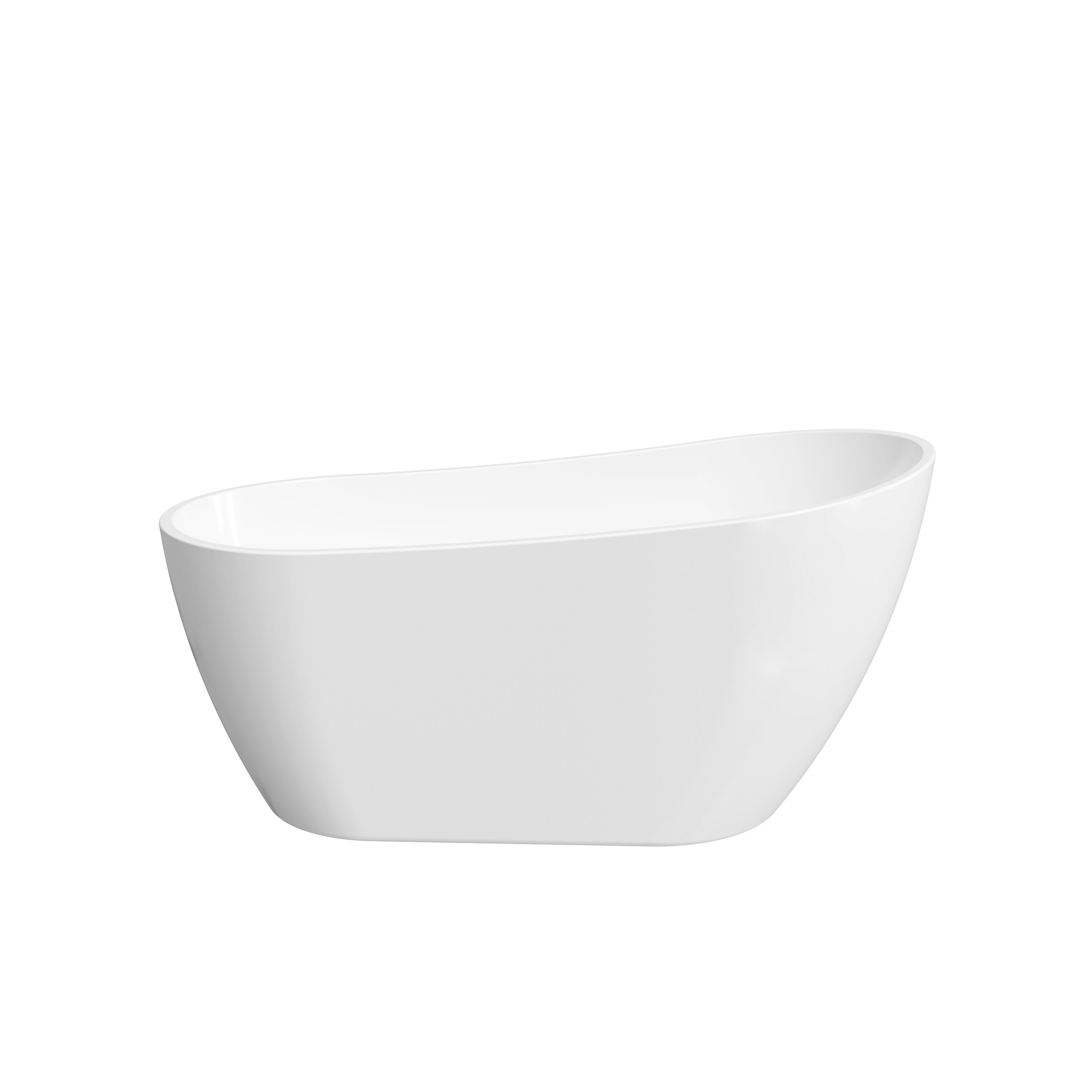
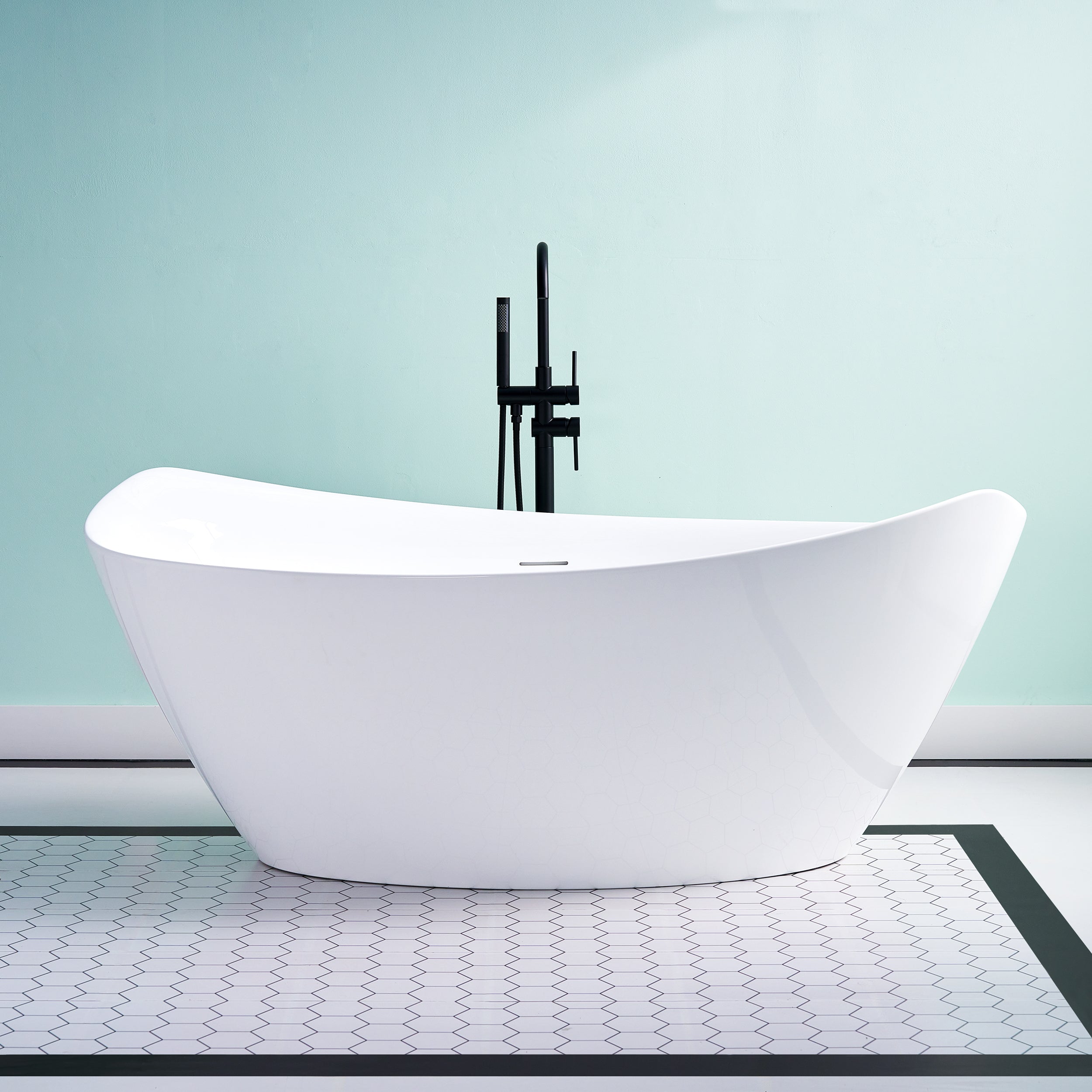
If you have an ample space, choose a stand-alone, which is beautiful and has a strong aura;
If you have a small space, choose an embedded, which is practical and does not take up space;
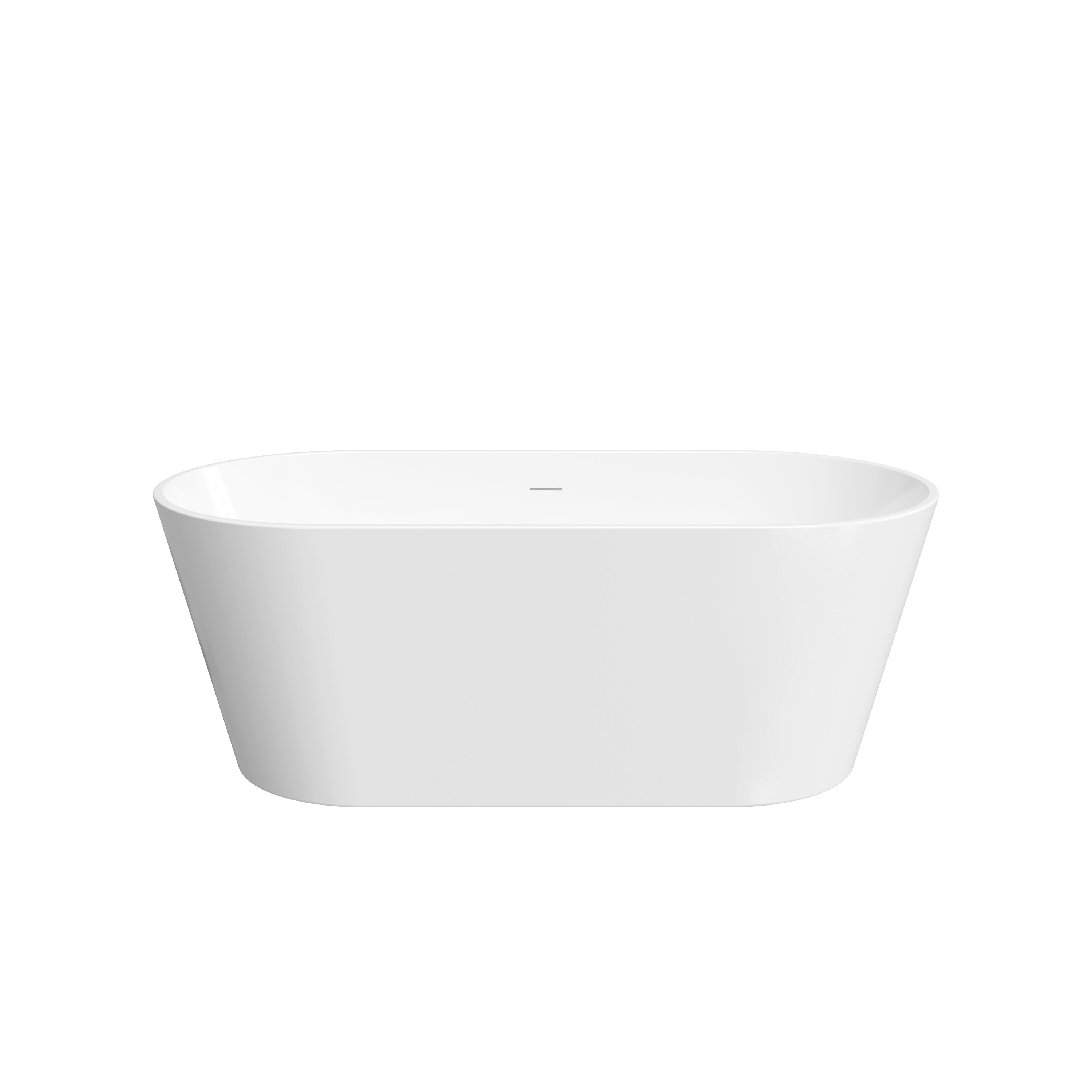
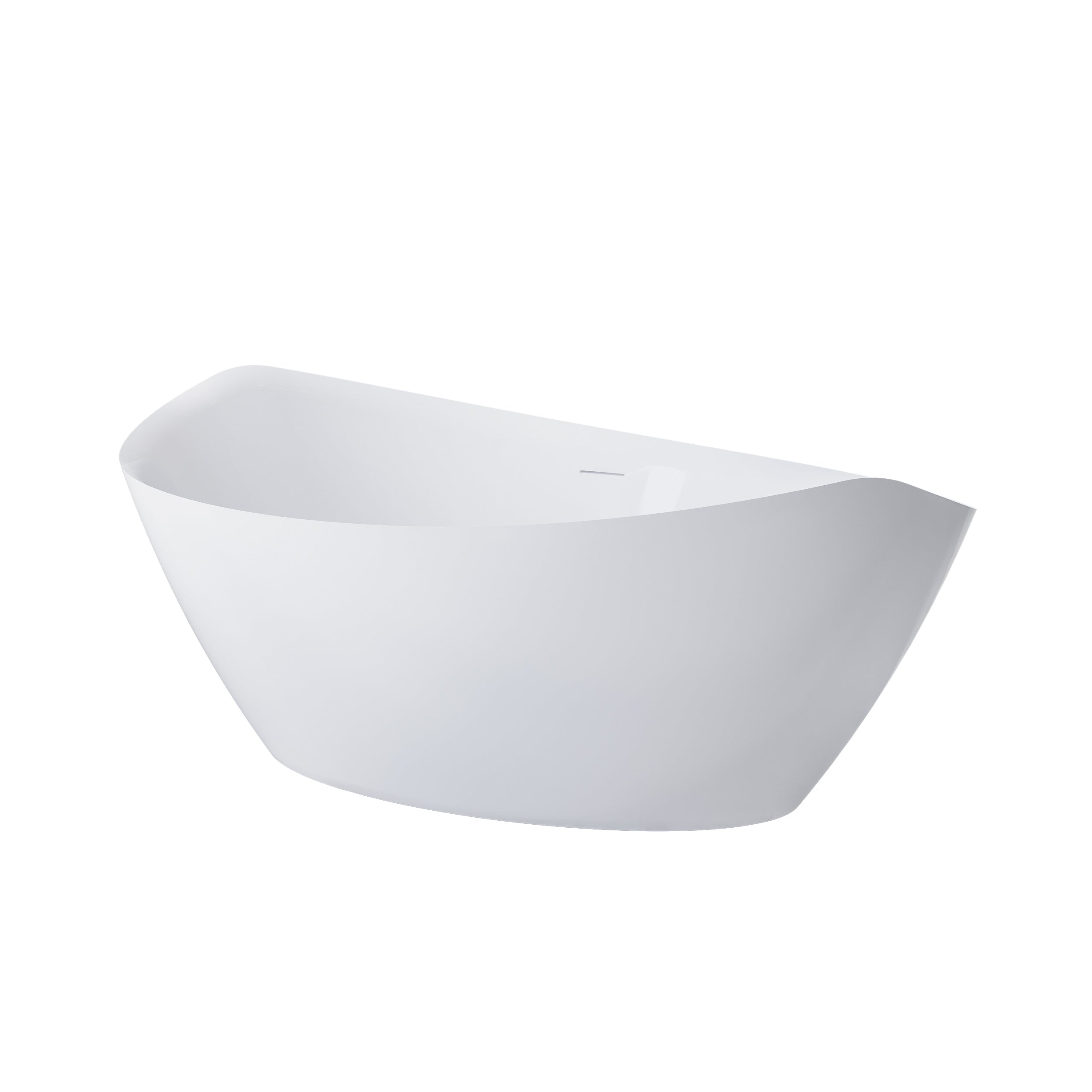
If you like design, choose an oval or egg-shaped;
If you pursue cost-effectiveness, choose an acrylic material;
For high-end enjoyment, consider an artificial stone or cast iron bathtub.
You can visit a bathroom store to try it out and see if the depth is suitable and whether the backrest angle is comfortable. Only after experiencing it can you make an informed decision so that you won't regret it after bringing it home.
Conclusion
Taking a bath is never a casual thing. An immersion bathtub brings not only warm water but also the tenderness and care you give yourself day after day.
I hope this article can help you turn the "little thing" of taking a bath into the most relaxing and healing "big enjoyment" every day.
Don't forget that every bath time deserves to be taken seriously.















Leave a comment
This site is protected by hCaptcha and the hCaptcha Privacy Policy and Terms of Service apply.