
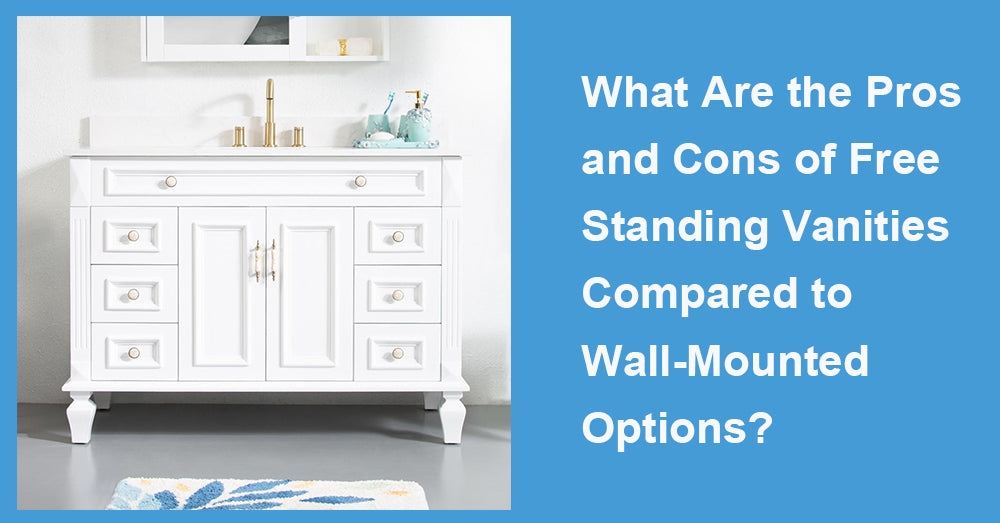
Choosing a bathroom vanity sounds simple until you start comparing styles. Free standing vanities offer familiar storage and a solid, furniture-like appearance, while wall-mounted models create a lighter look with open space underneath. Both can work beautifully, but they solve different problems. A floating vanity might transform a cramped powder room, yet feel impractical in a family bathroom overflowing with toiletries. Before deciding which style looks better, it's worth considering how each one handles storage, installation, cleaning, and everyday wear.
1. Why Are Free Standing Vanities Still So Popular?
Walk into almost any established home, and you'll probably find a freestanding bathroom vanity. There's a reason this design has remained popular for decades.
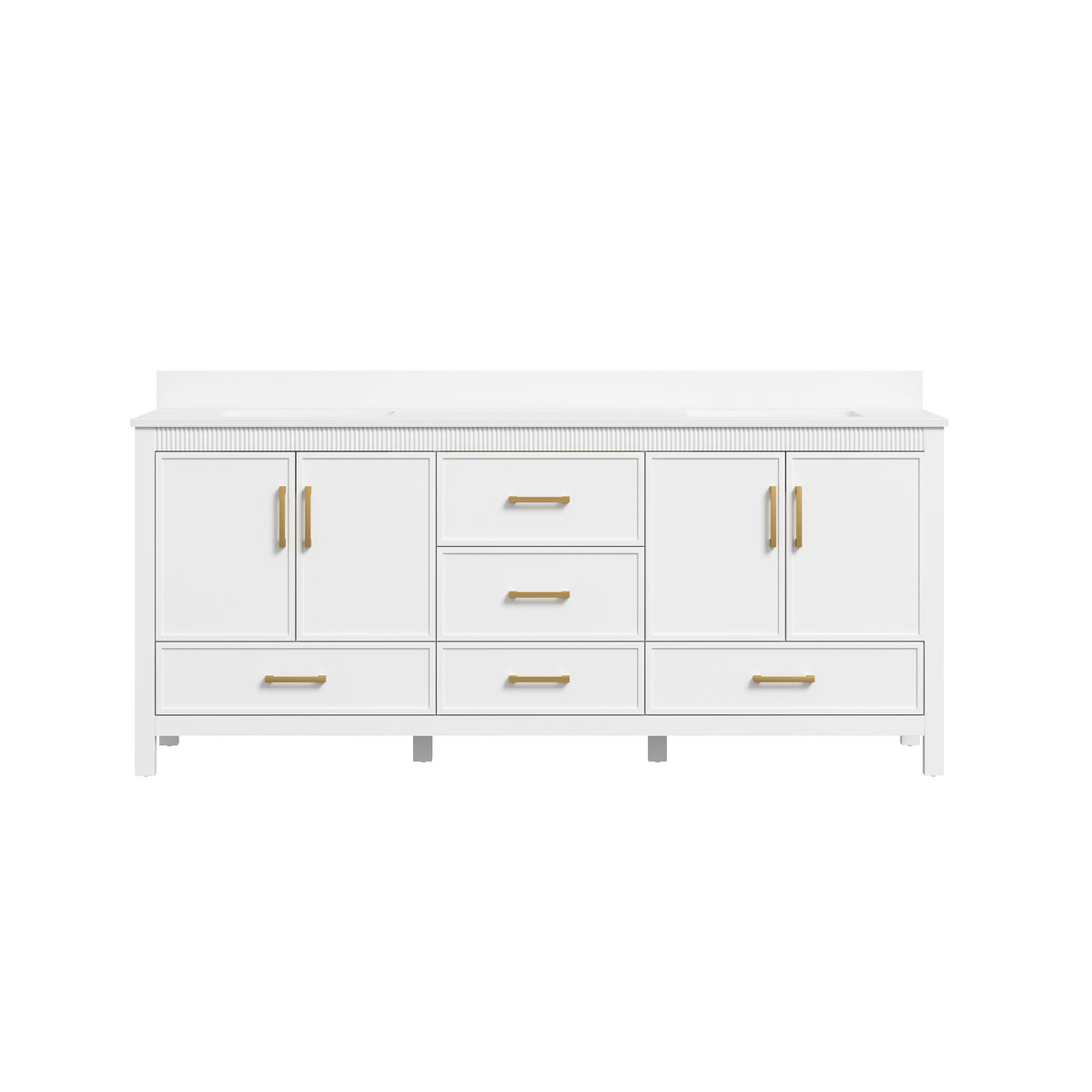
A floor-standing cabinet makes excellent use of the space beneath the sink. Depending on its configuration, it can accommodate deep drawers, adjustable shelves, or enclosed compartments for cleaning supplies and spare towels.
There's also something reassuring about a vanity that rests on the floor. Whether it has decorative legs or a solid cabinet base, the design feels substantial.
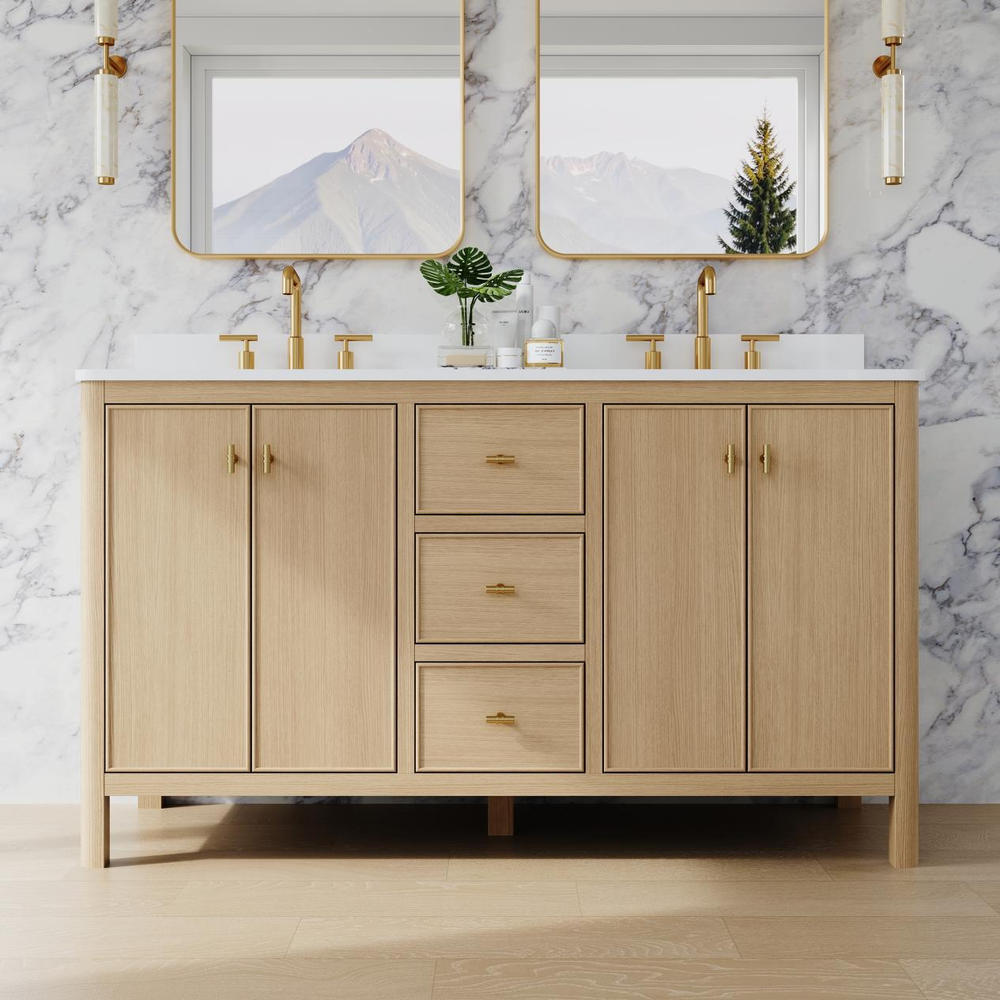
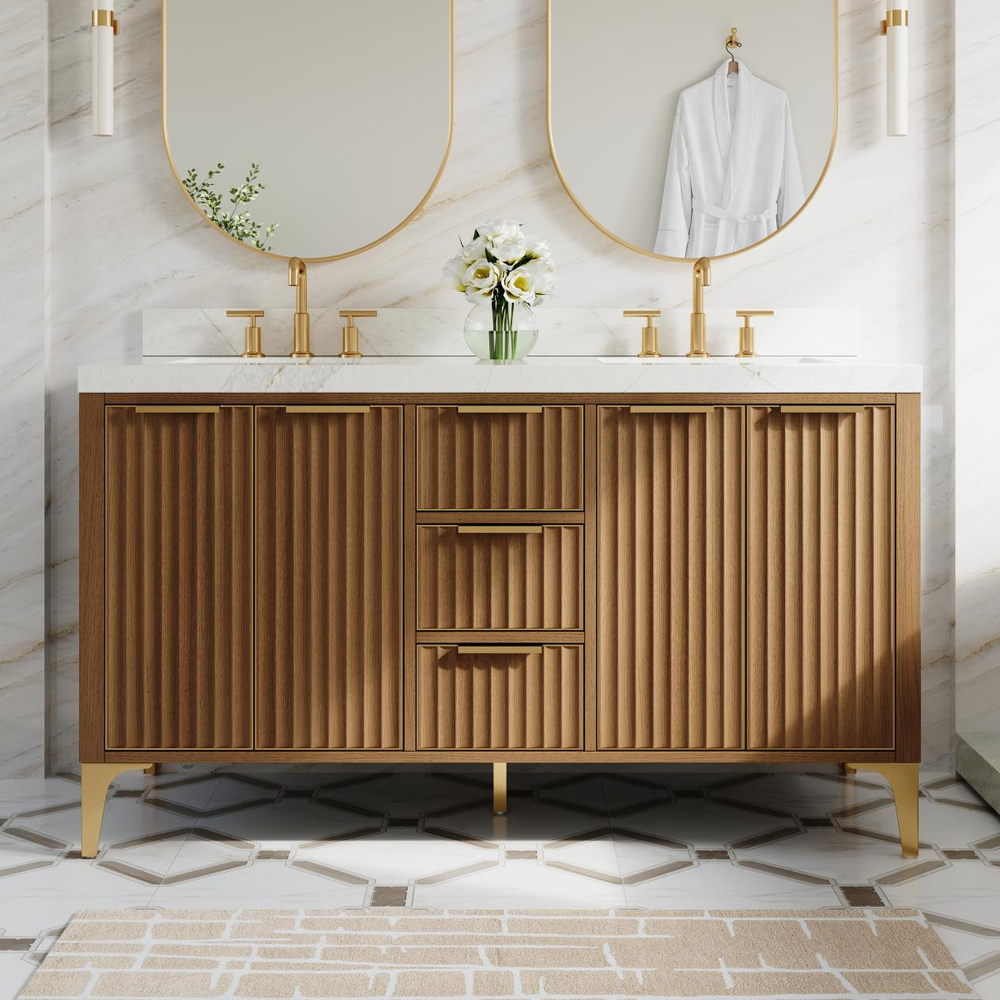
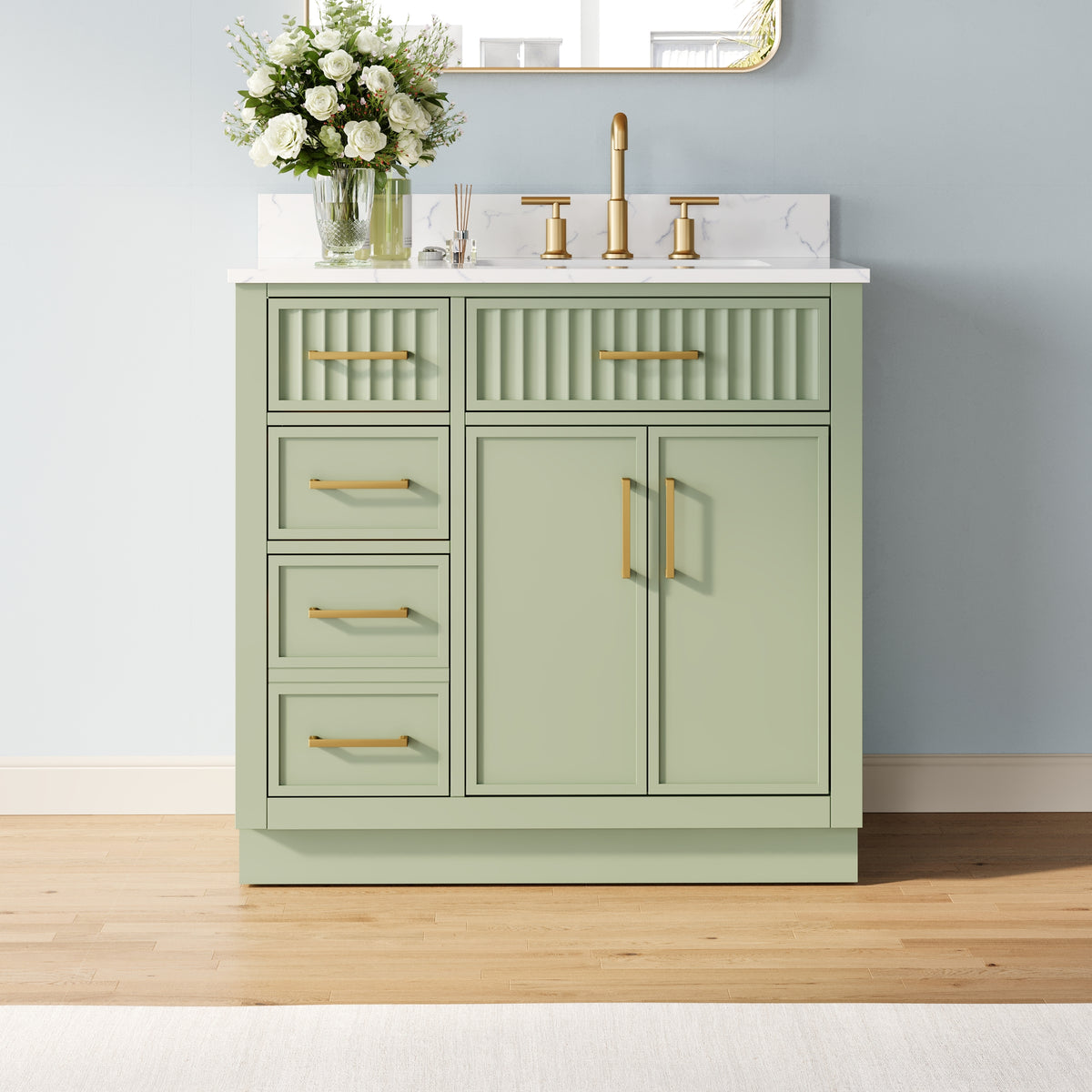
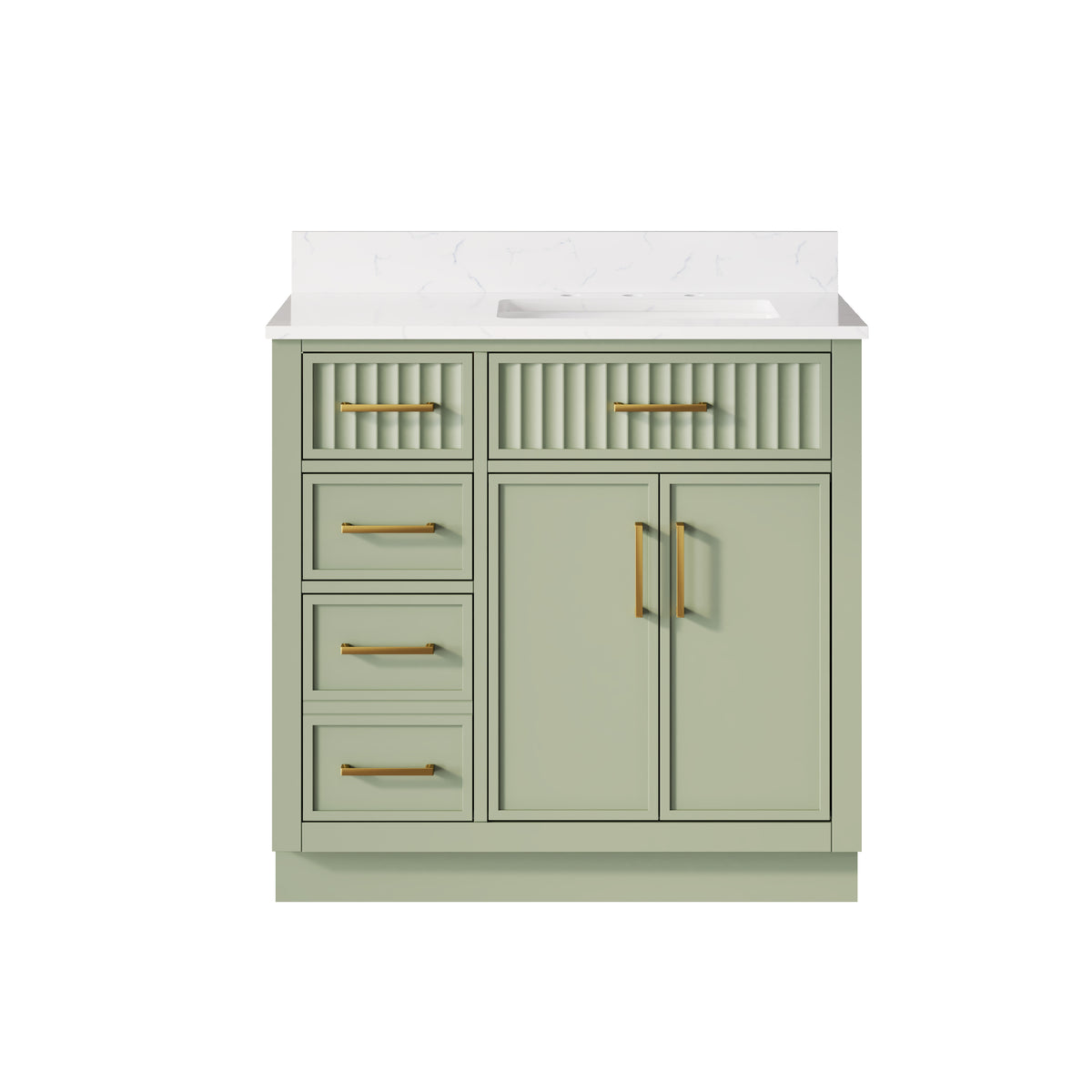
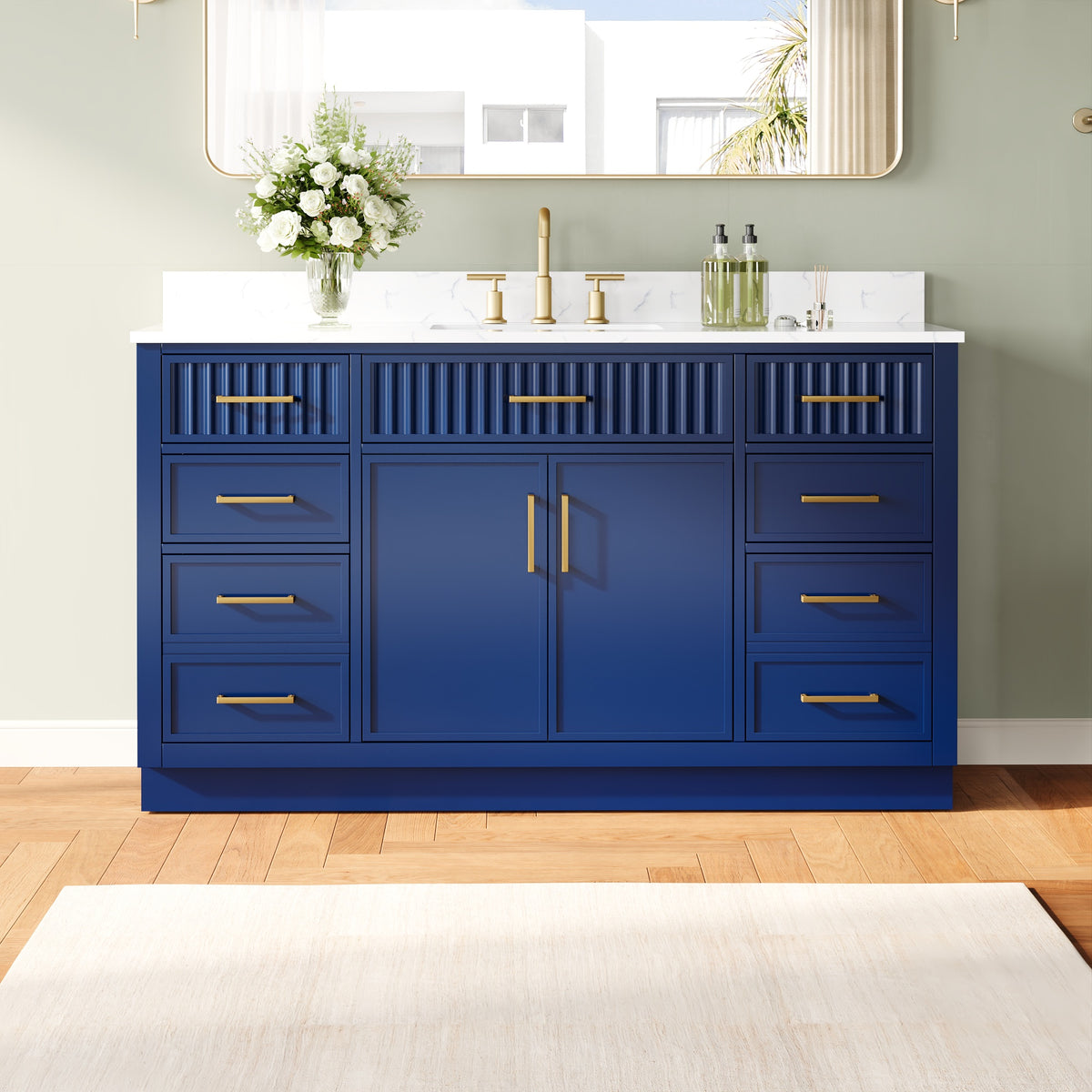
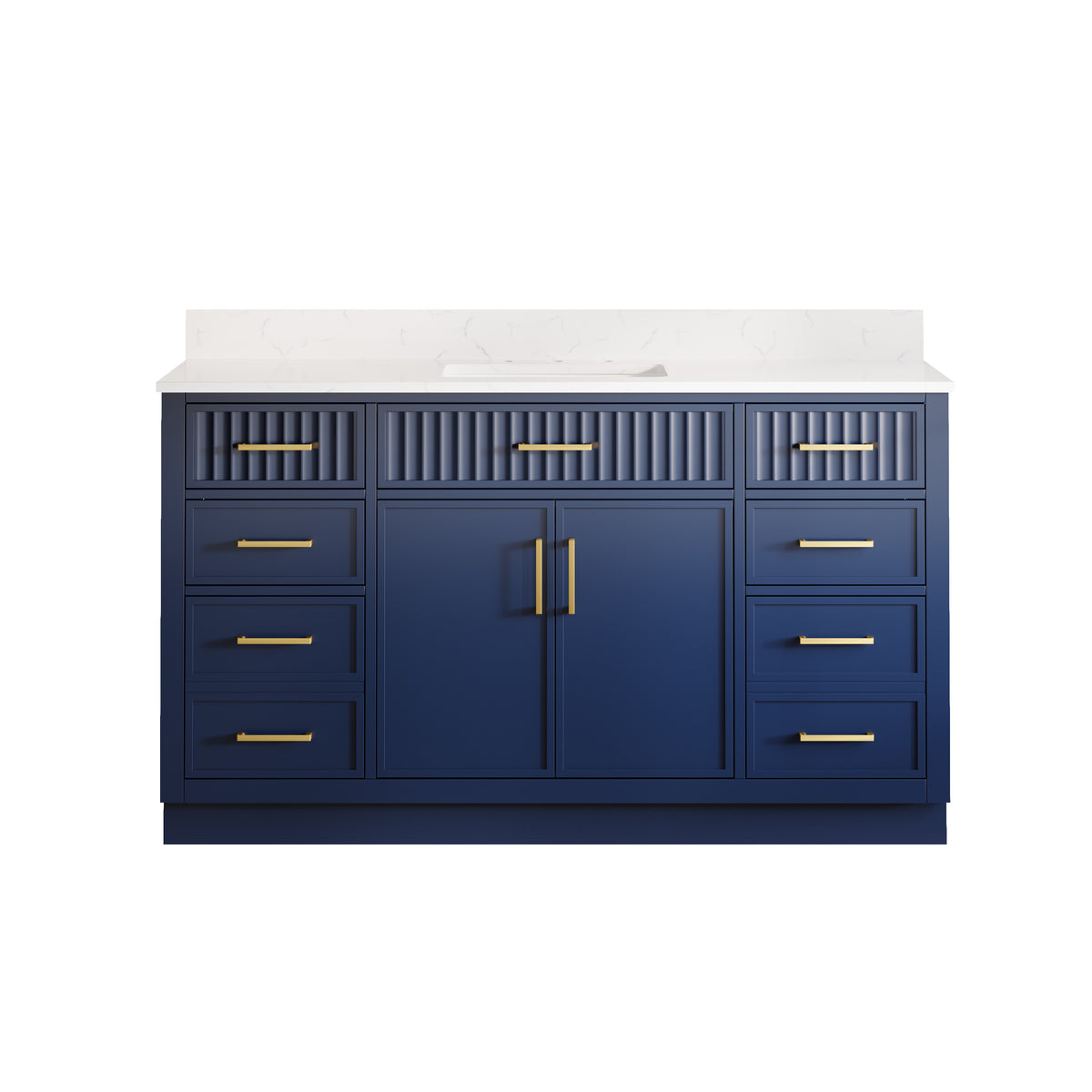
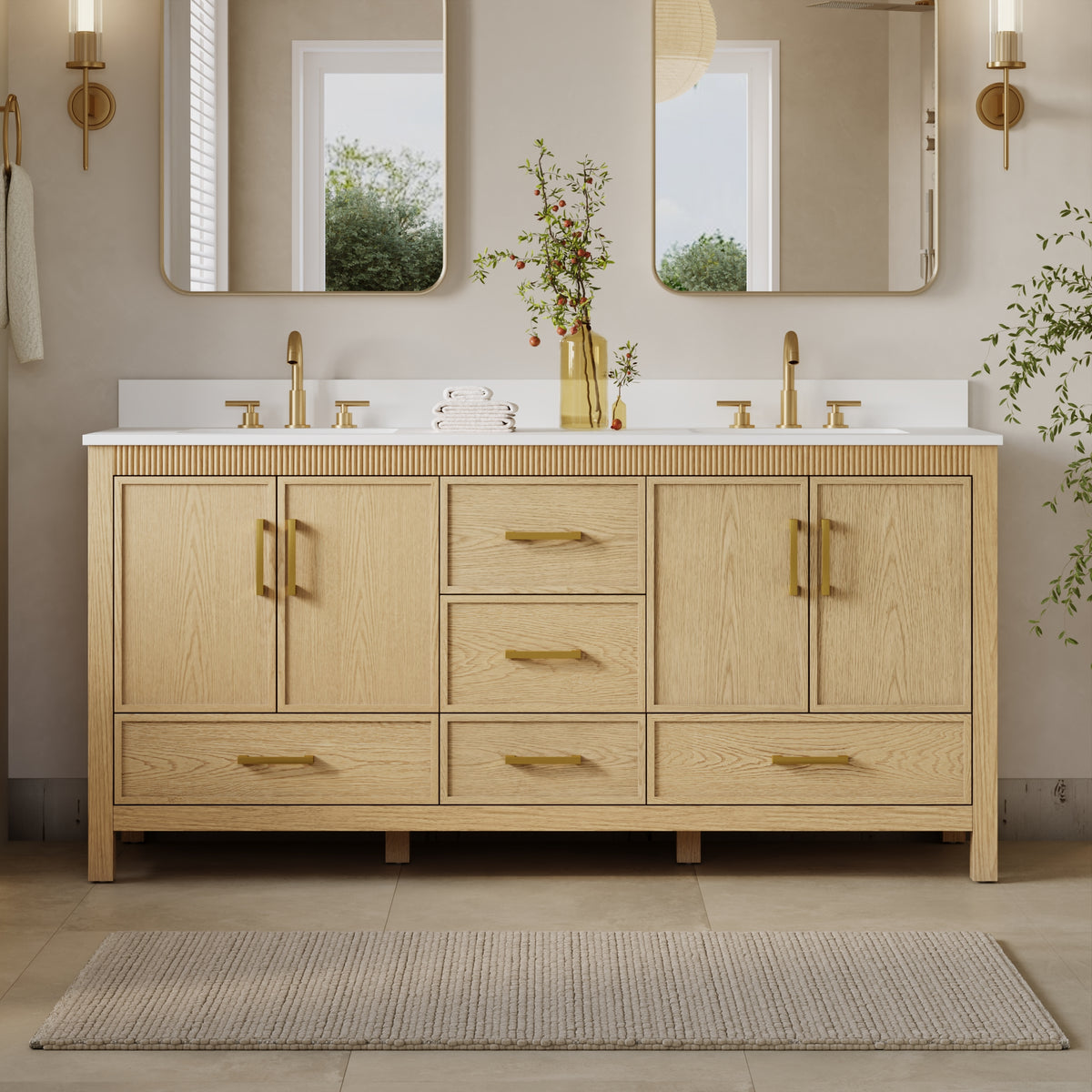
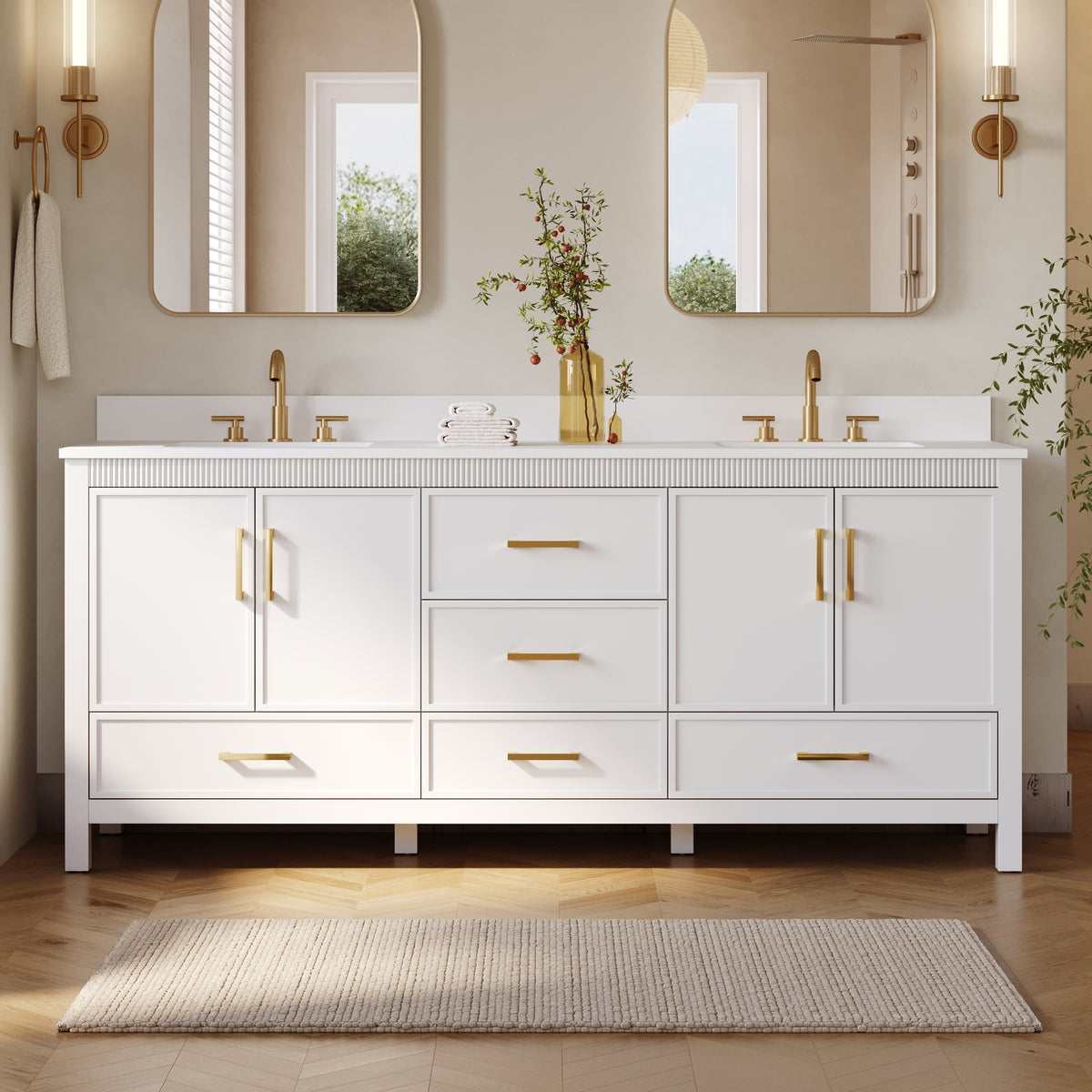
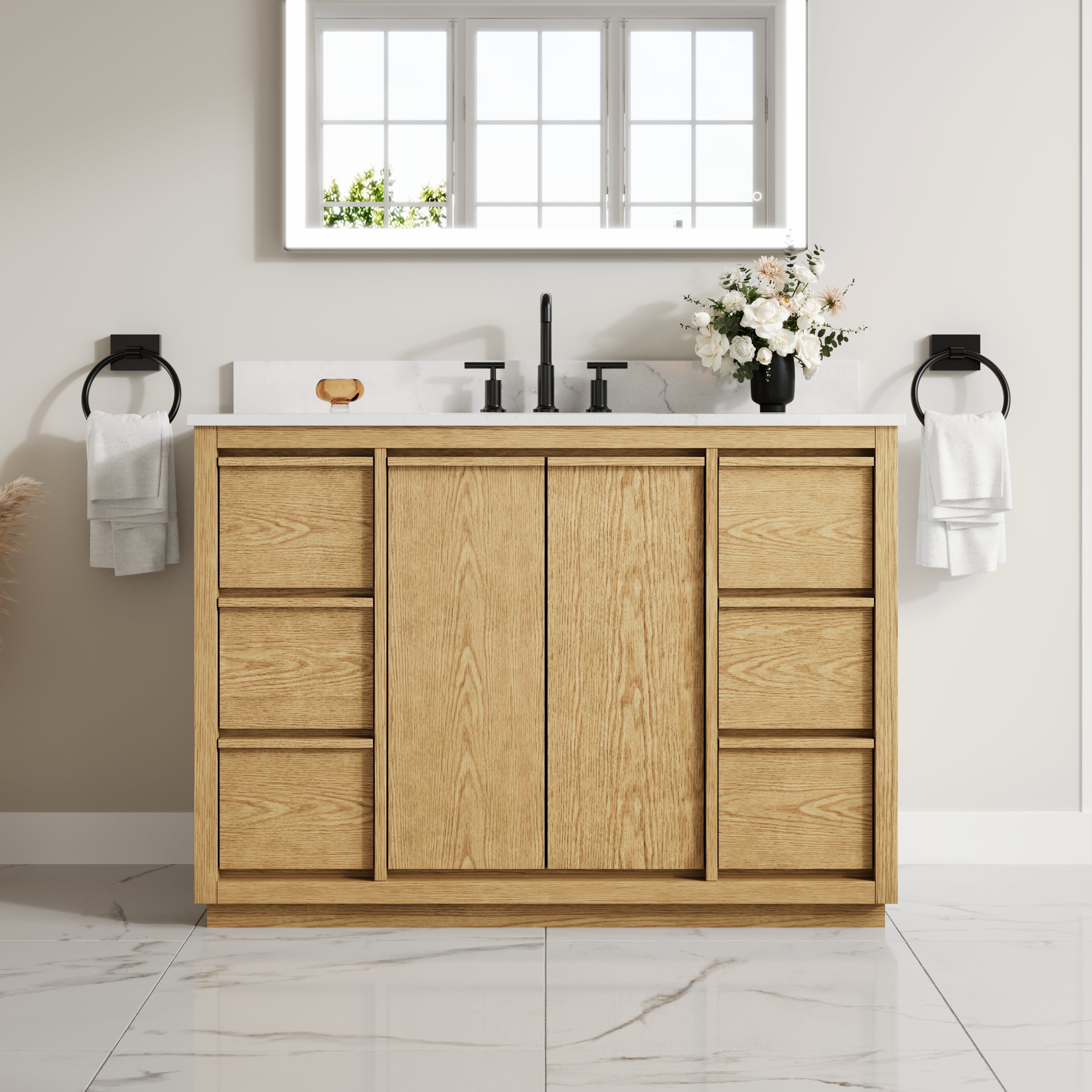
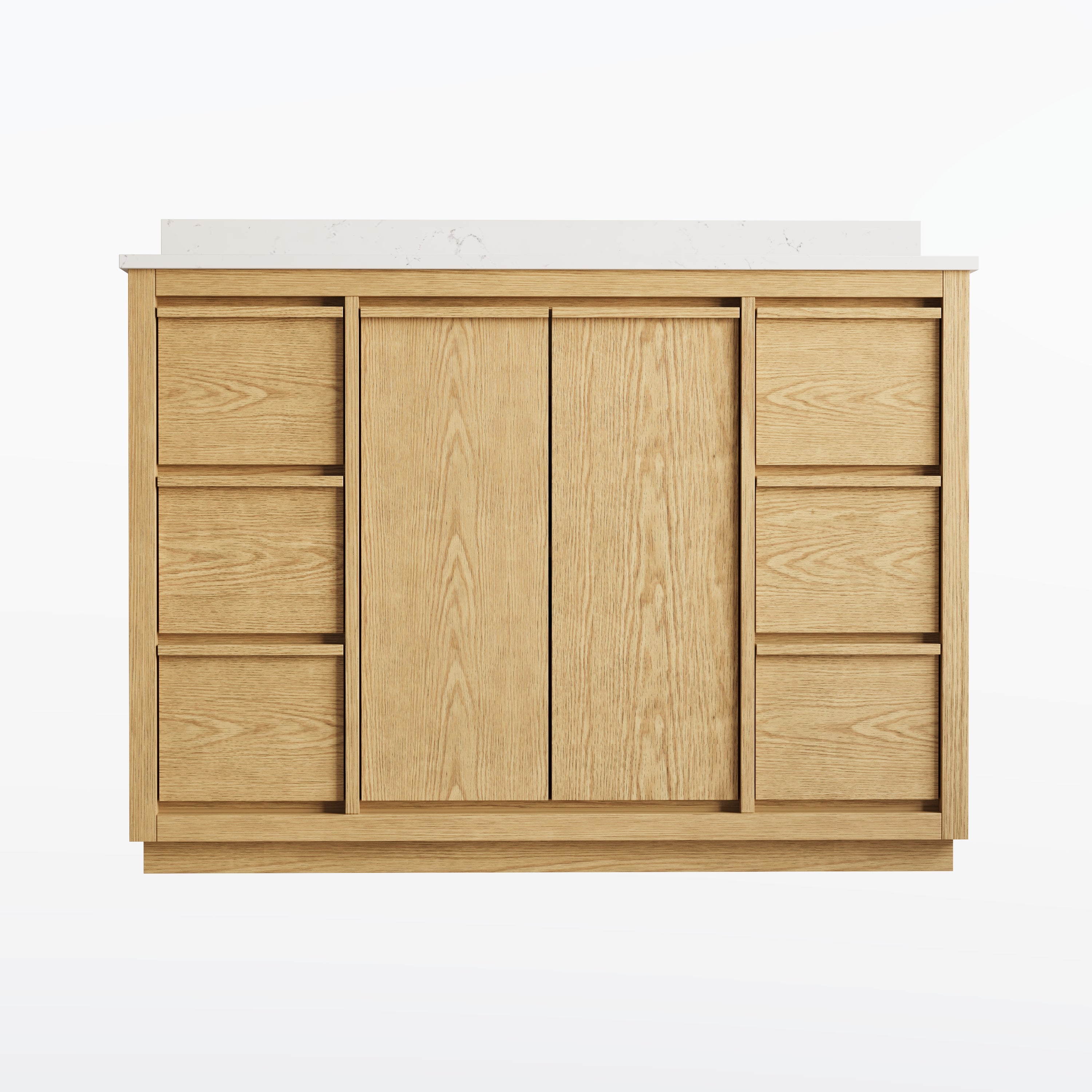
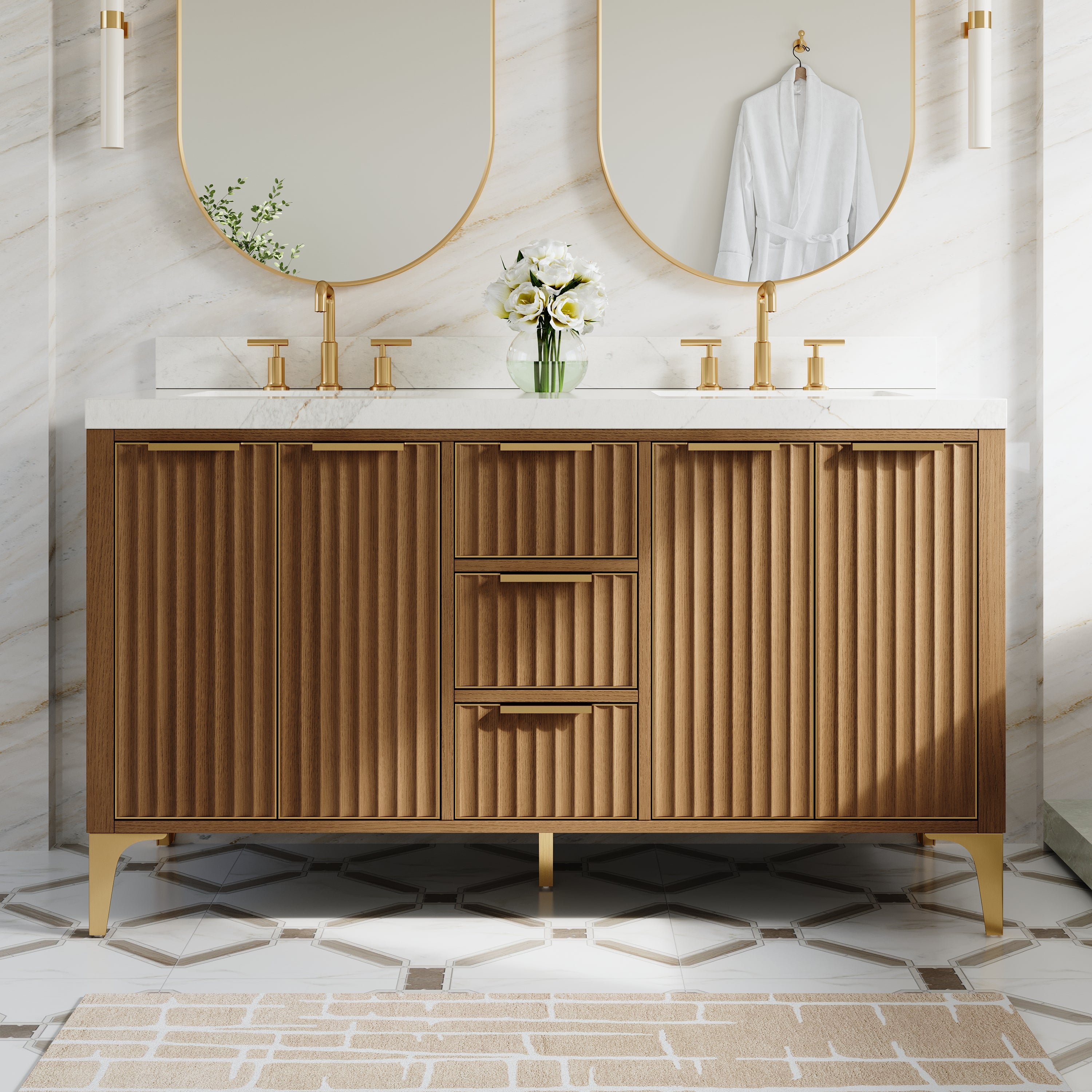
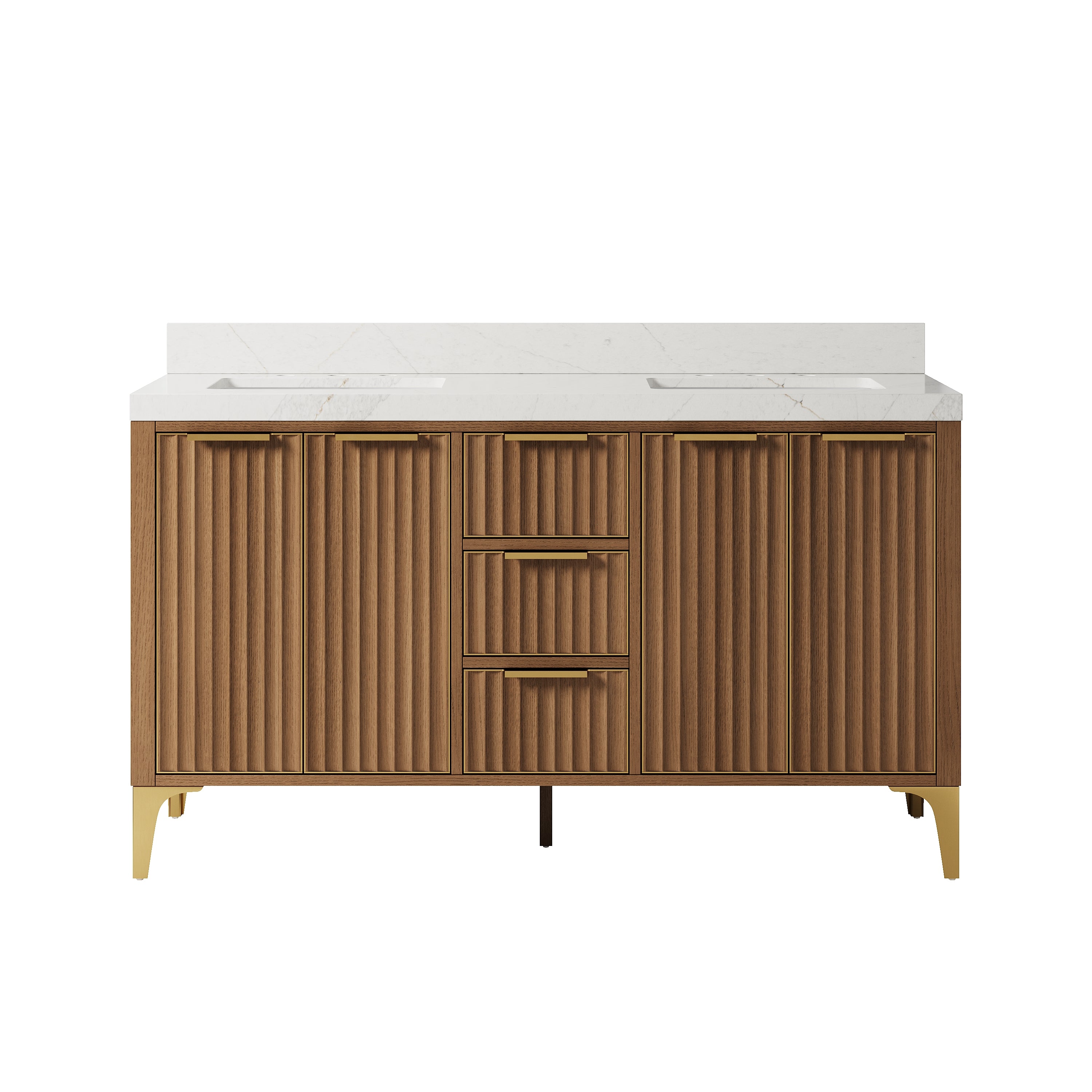
Freestanding models aren't limited to traditional bathrooms, either. Natural oak, fluted wood fronts, minimalist hardware, and stone countertops have given them a much more contemporary appearance.
The biggest limitation? They occupy more visual space. In a narrow bathroom, a large cabinet extending to the floor can make the room feel crowded, even when its dimensions technically fit.
2. What Are the Main Advantages of Free Standing Vanities?
There's a lot to like about a freestanding vanity, especially if your bathroom never seems to have enough storage. With a cabinet that extends toward the floor, you generally have more room to tuck away towels, hair tools, and the products you'd rather not leave beside the sink.
Installation is another reason people stick with this style. Since the cabinet rests on the floor, you don't usually need to open up the wall to add extra support. Of course, it still needs to be properly leveled and secured according to the manufacturer's instructions.
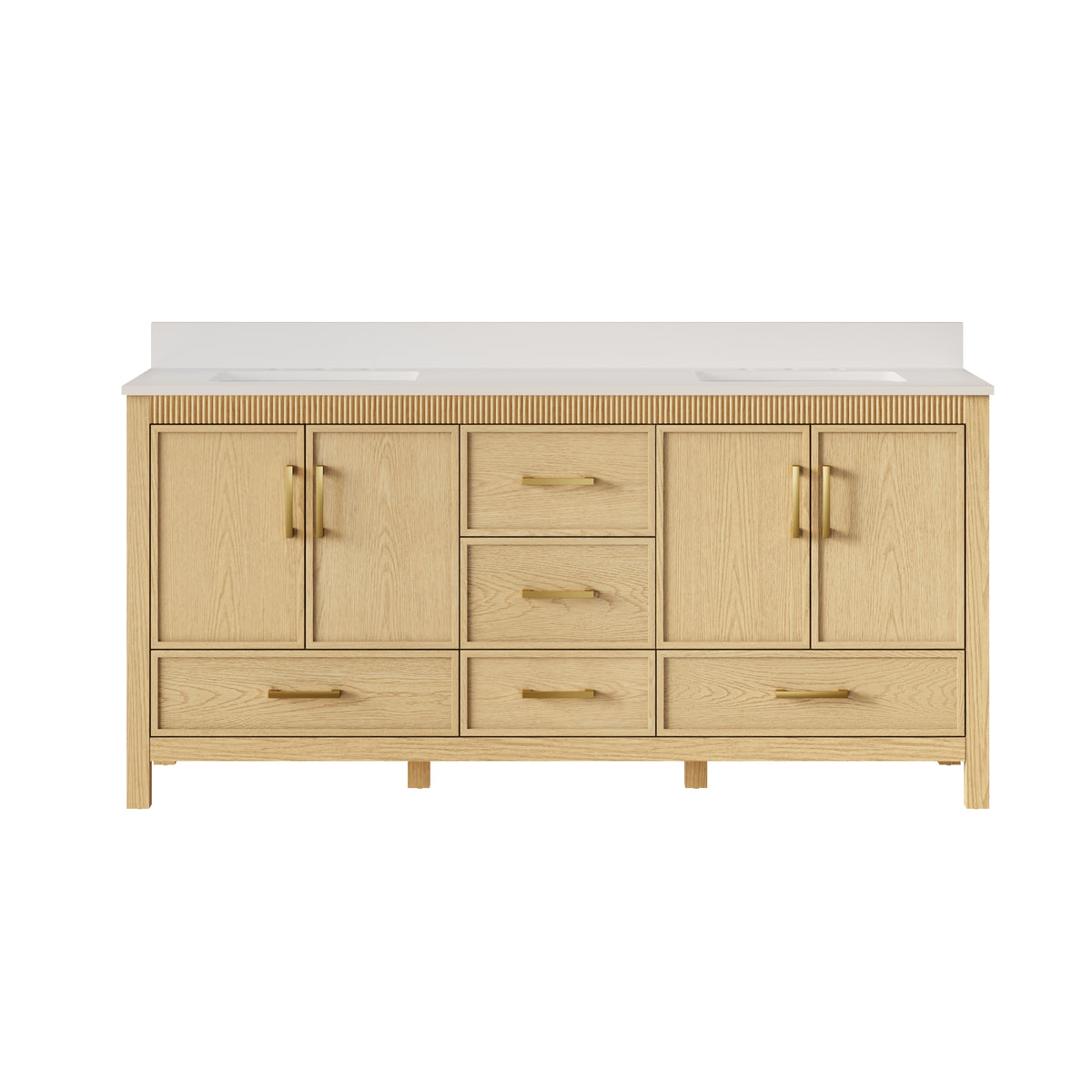
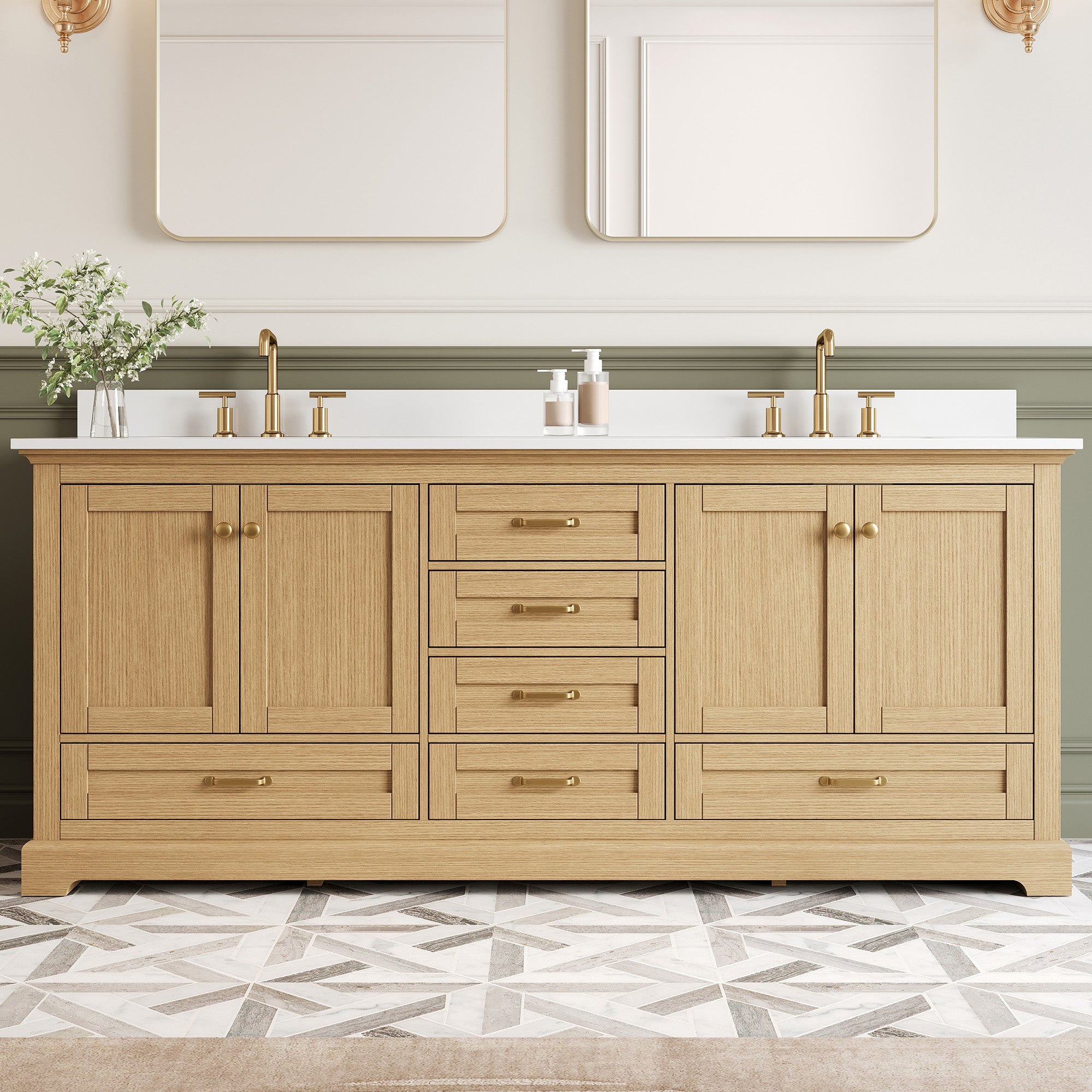
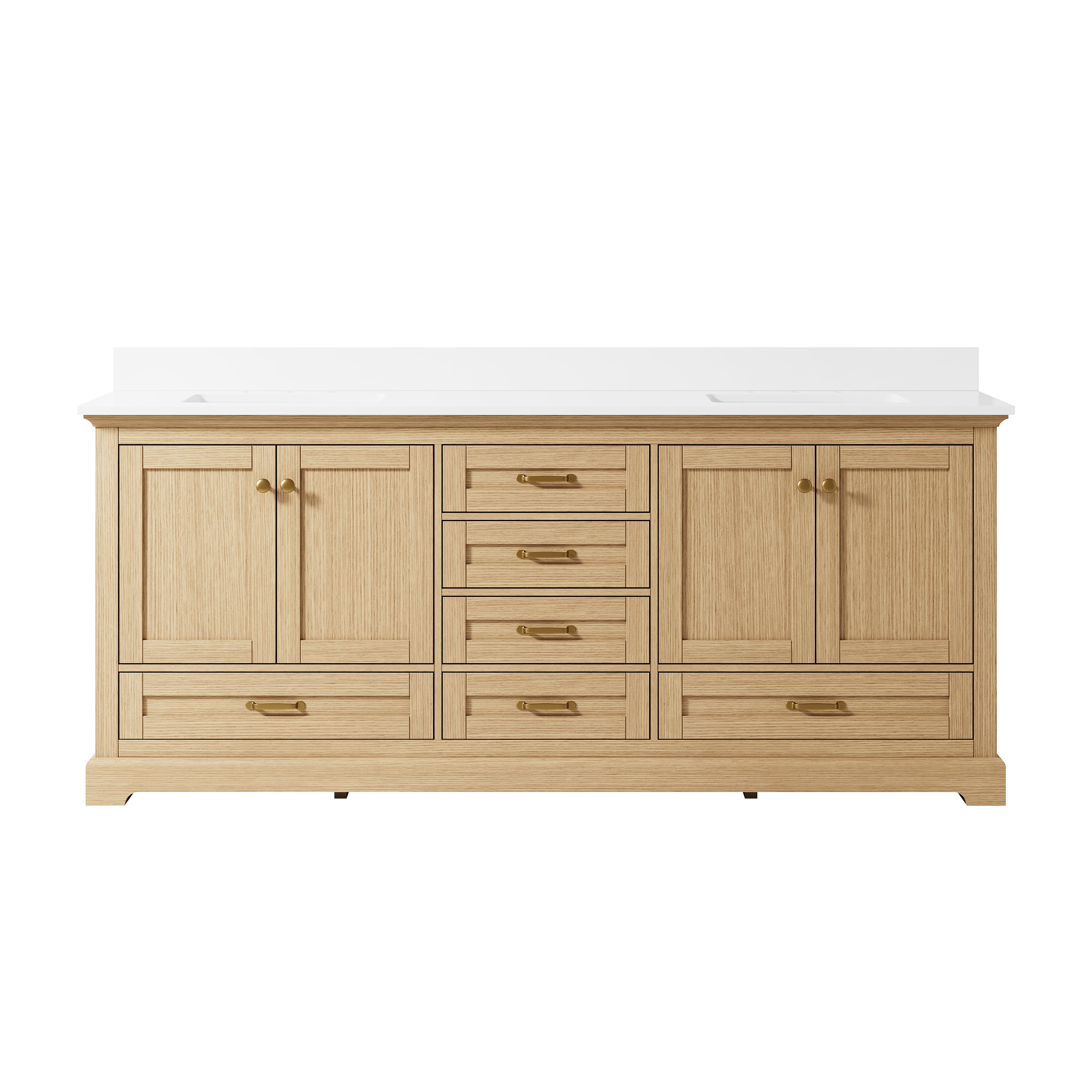
Then there's the way it looks. A 36-inch oak vanity can make an ordinary guest bathroom feel a little warmer, while a 72-inch double-sink cabinet can give a larger bathroom the presence it needs. Wood finishes, painted cabinets, and different countertop materials leave plenty of room to work with the rest of the space.
Wellfor offers freestanding vanities in a range of sizes and finishes, including designs with quartz countertops and soft-close storage. One thing I'd check before ordering is whether the vanity comes assembled. It's convenient to skip the cabinet-building process, but a large, fully assembled unit isn't always easy to carry upstairs or maneuver through a narrow hallway.
3. Where Do Freestanding Vanities Fall Short?
The space beneath a freestanding vanity is often difficult to clean, especially when the cabinet sits on short decorative legs.
Dust and moisture can collect around the base. If the vanity has a solid toe-kick, the floor underneath may be inaccessible without moving the cabinet.
Another concern is flexibility. Most freestanding vanities have a fixed countertop height, typically around 34 to 36 inches, although dimensions vary by model.
That height works for many households but won't suit everyone equally.
Floor conditions also matter. Uneven tiles may require adjustable levelers or careful shimming to keep the countertop straight and cabinet doors aligned.
And while floor-standing construction generally makes supporting a heavy countertop easier, it doesn't eliminate the need to check the cabinet's structural specifications.
4. Why Are Wall-Mounted Vanities Appealing?

Wall-mounted vanities, often called floating vanities, have become a familiar feature in contemporary bathroom design.
Their appeal is immediately visible. With the cabinet suspended above the floor, more tile remains exposed, giving the bathroom a less crowded appearance.
This can be particularly effective in a small powder room, where even a few inches of visible floor can change how the space feels.
Cleaning is another advantage. Instead of working around cabinet legs, you can mop beneath the vanity, provided there's enough clearance.
Floating designs also allow more flexibility in installation height. The cabinet can be positioned to suit the household rather than relying on a standard floor-standing height, within the manufacturer's installation requirements.
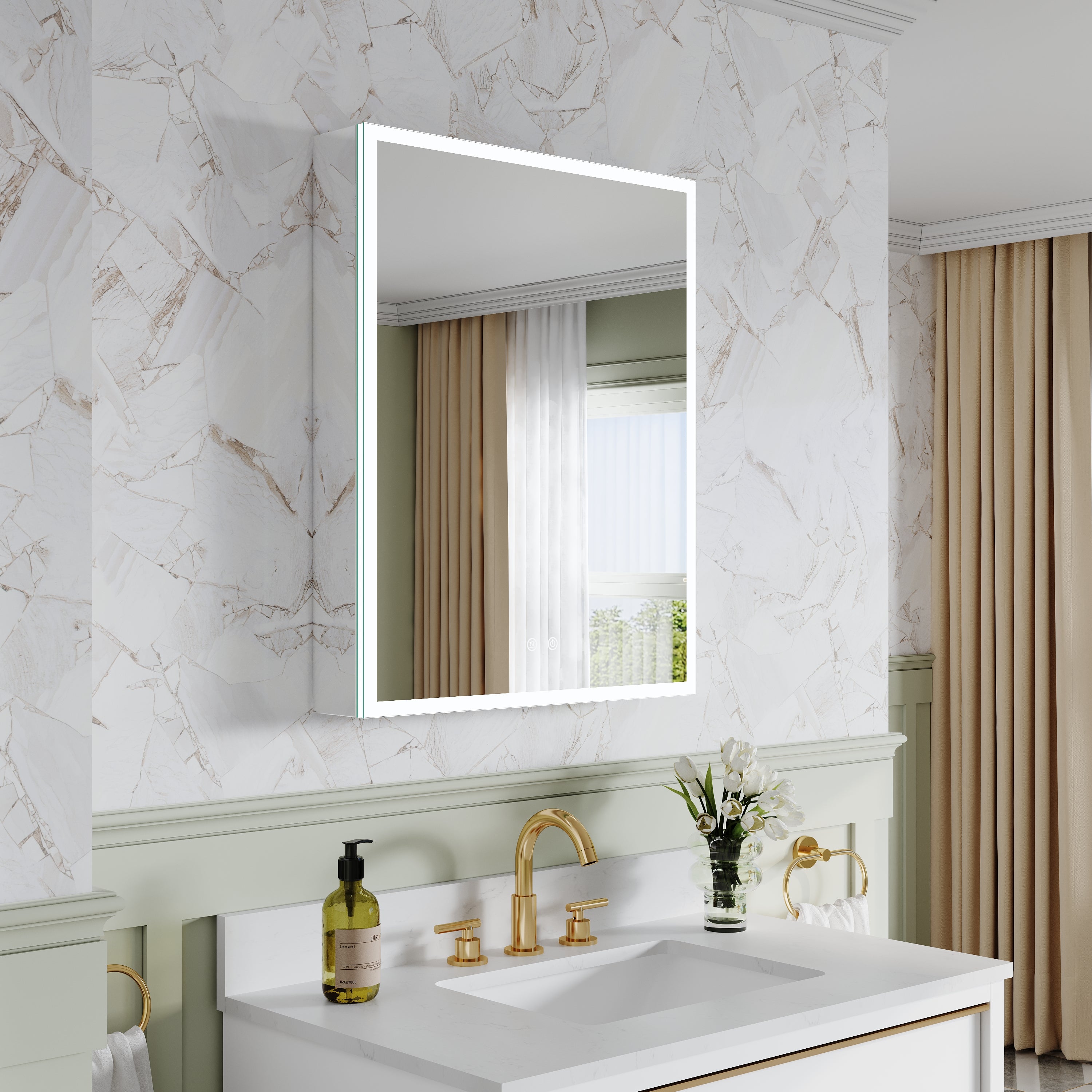
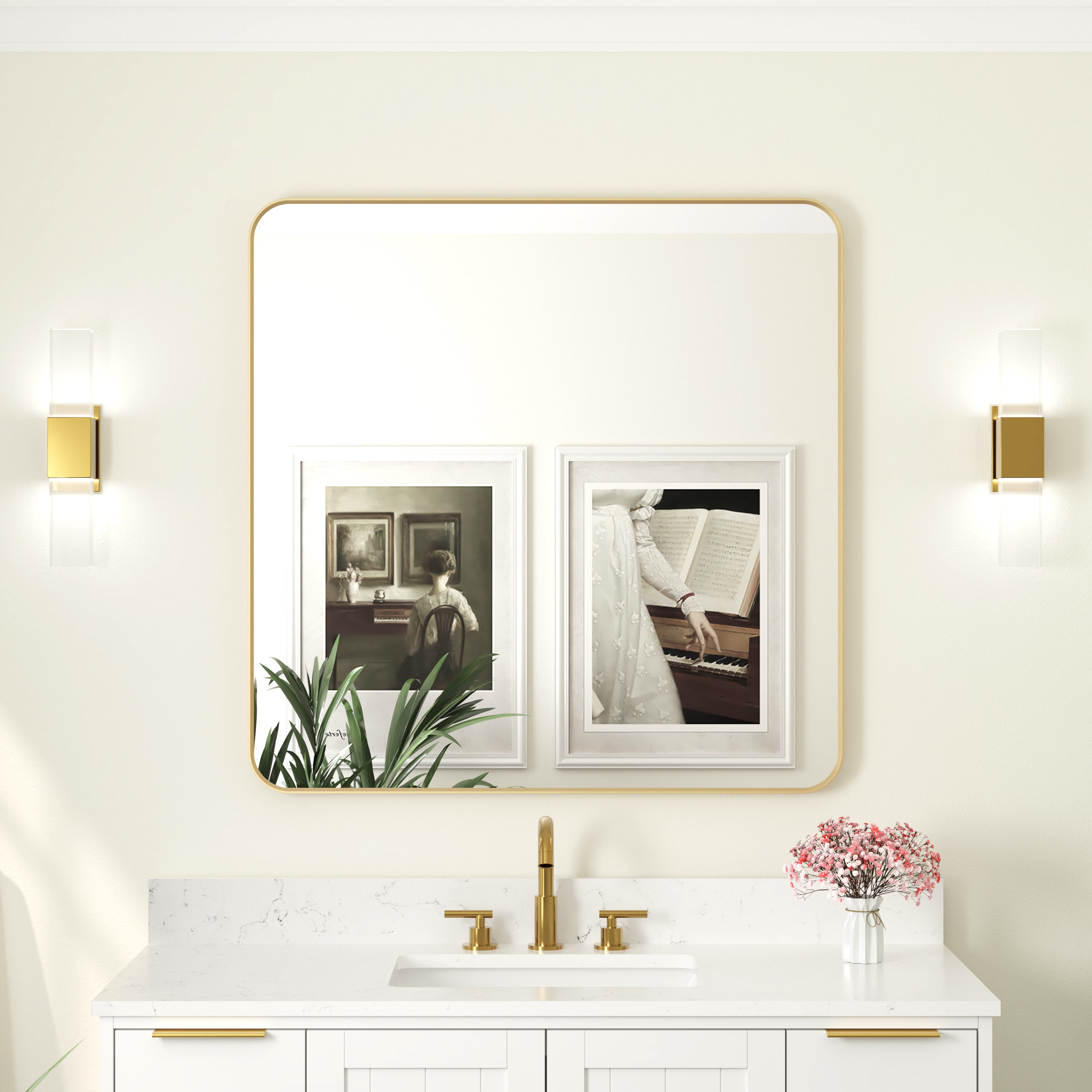
Wellfor's floating vanity options include streamlined designs that pair particularly well with contemporary mirrors, simple faucets, and natural stone finishes.
Still, that clean appearance comes with practical compromises.
5. What Are the Disadvantages of Wall-Mounted Vanities?
The wall itself is the first concern.
Unlike a freestanding cabinet, a floating vanity transfers its weight, including the countertop, sink, stored products, and forces from everyday use, into its wall-mounted support system.
That means drywall alone isn't sufficient. Depending on the design, installation may require structural studs, reinforced blocking, or a manufacturer-approved mounting system.
Plumbing can complicate matters as well. Existing drainpipes may interfere with drawers or extend below the cabinet into the visible space.
Storage is another possible limitation. Some floating vanities have shallower or shorter cabinets to maintain their suspended appearance.
This doesn't mean they always provide less storage. A well-designed floating vanity with deep drawers can be surprisingly practical. It's simply worth comparing actual internal dimensions rather than exterior width alone.
Installation expenses may also rise when walls need reinforcement or plumbing must be relocated.
6. Free Standing Vanities vs. Wall-Mounted Vanities: A Practical Comparison
|
Consideration |
Freestanding Vanity |
Wall-Mounted Vanity |
|
Appearance |
Substantial, furniture-inspired |
Open, streamlined |
|
Storage |
Often more cabinet capacity |
Depends on drawer configuration |
|
Installation |
Generally less structural work |
Requires suitable wall support |
|
Floor Cleaning |
May be difficult around the base |
Easier access underneath |
|
Countertop Height |
Usually predetermined |
More flexible during installation |
|
Best Application |
Family bathrooms and larger vanities |
Small or contemporary bathrooms |
The differences become clearer when you consider how the vanity will be used rather than how it looks in a showroom.
Neither style is automatically better quality. Materials, hardware, countertop construction, and installation standards have a much greater influence on long-term performance.















Leave a comment
This site is protected by hCaptcha and the hCaptcha Privacy Policy and Terms of Service apply.