














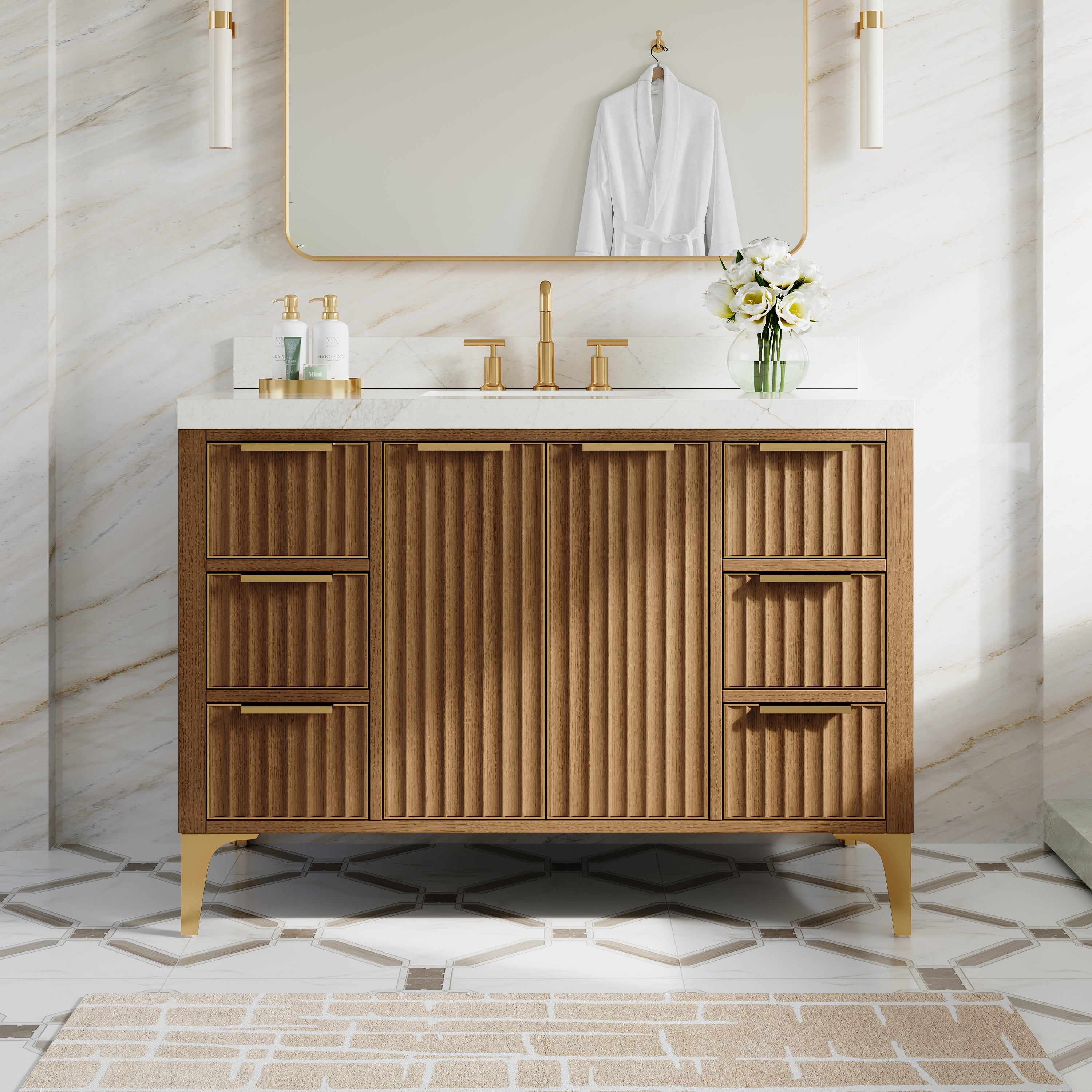


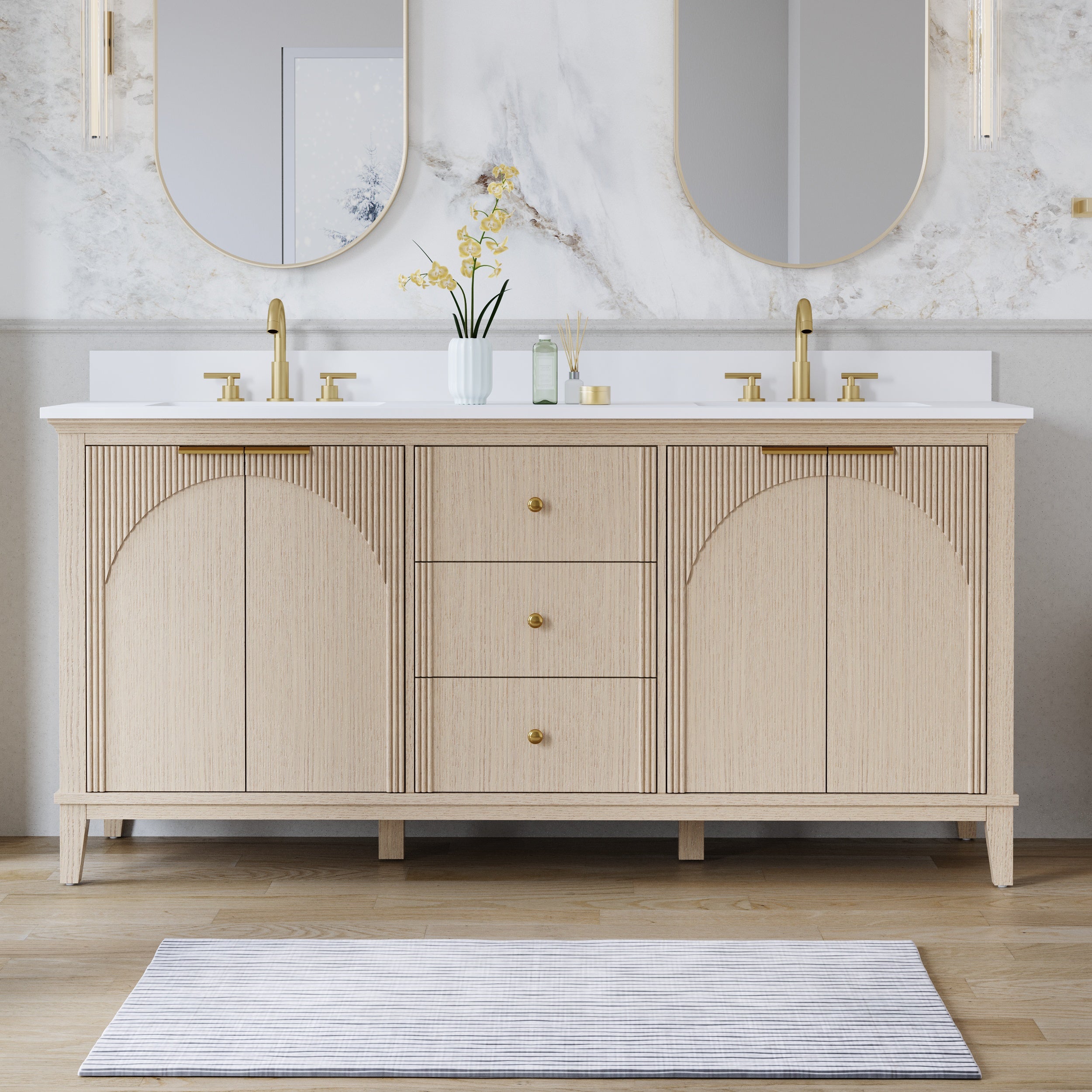
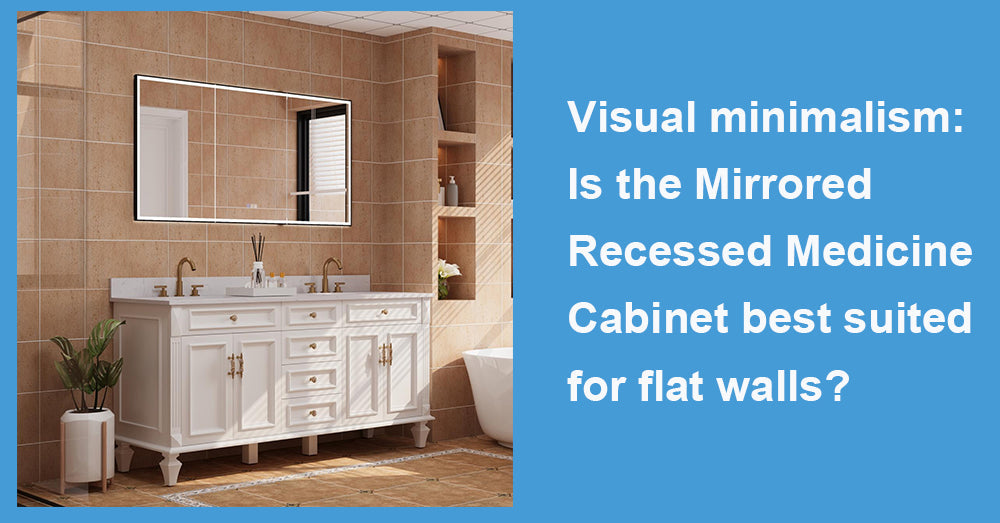
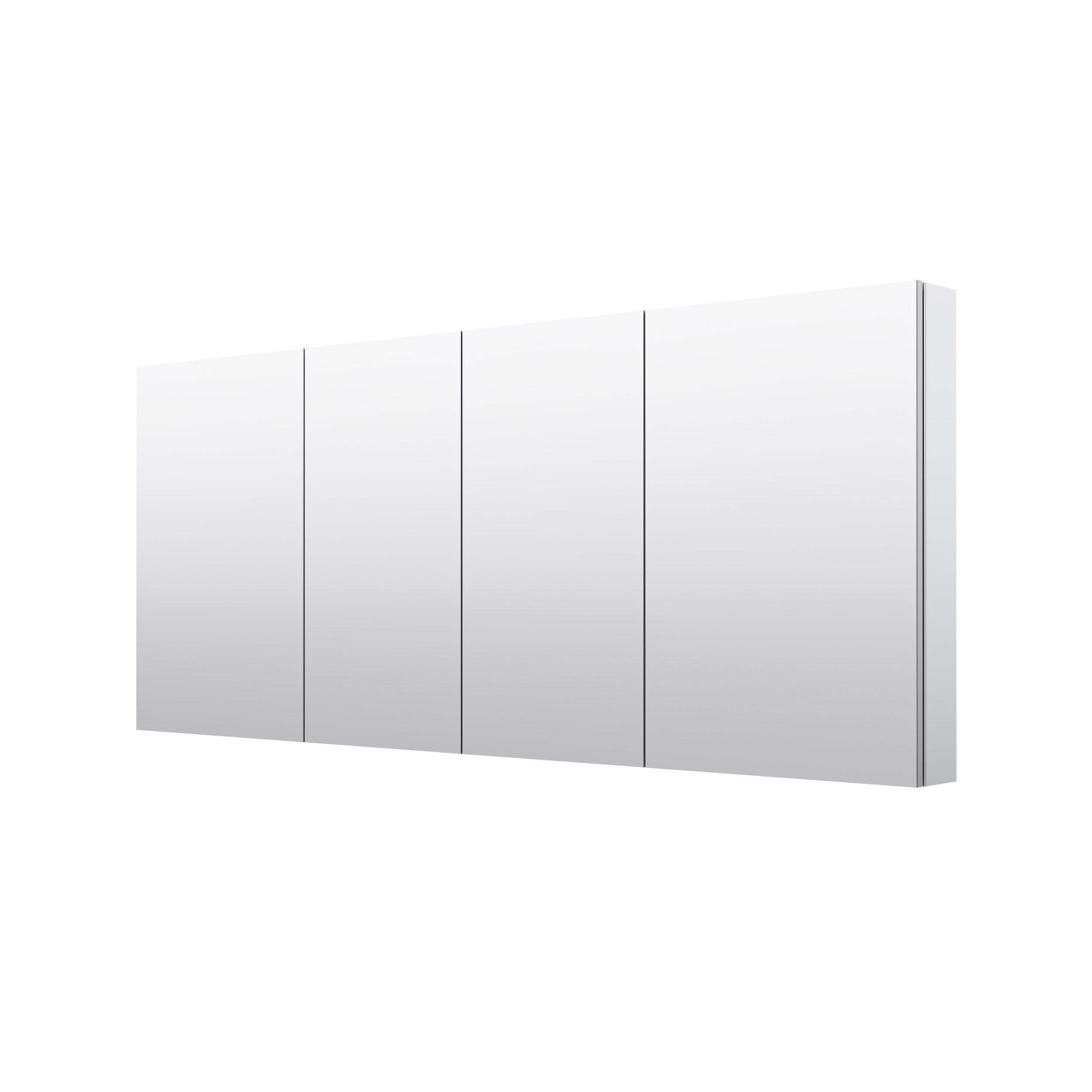
In the field of bathroom renovation in 2026, "minimalism" has evolved from an aesthetic tendency to a mandatory spatial standard. As residents' demands for washroom cleanliness reach unprecedented levels, the Mirrored Recessed Medicine Cabinet has once again become the ace in designers' hands.
This design, which completely hides the cabinet inside the wall and only retains a pure mirror on the surface, seems to be born for "leveling the wall". However, as a structural renovation project, is it really the "best partner" for all flat walls? What are the hidden engineering barriers and design traps in the pursuit of ultimate flatness? This article will delve into this topic from seven dimensions: structural mechanics, visual engineering, and installation practice.
1. The pinnacle of visual logic: the "hidden art" of flat walls
The core charm of embedded mirror cabinets lies in their physical reduction of space.
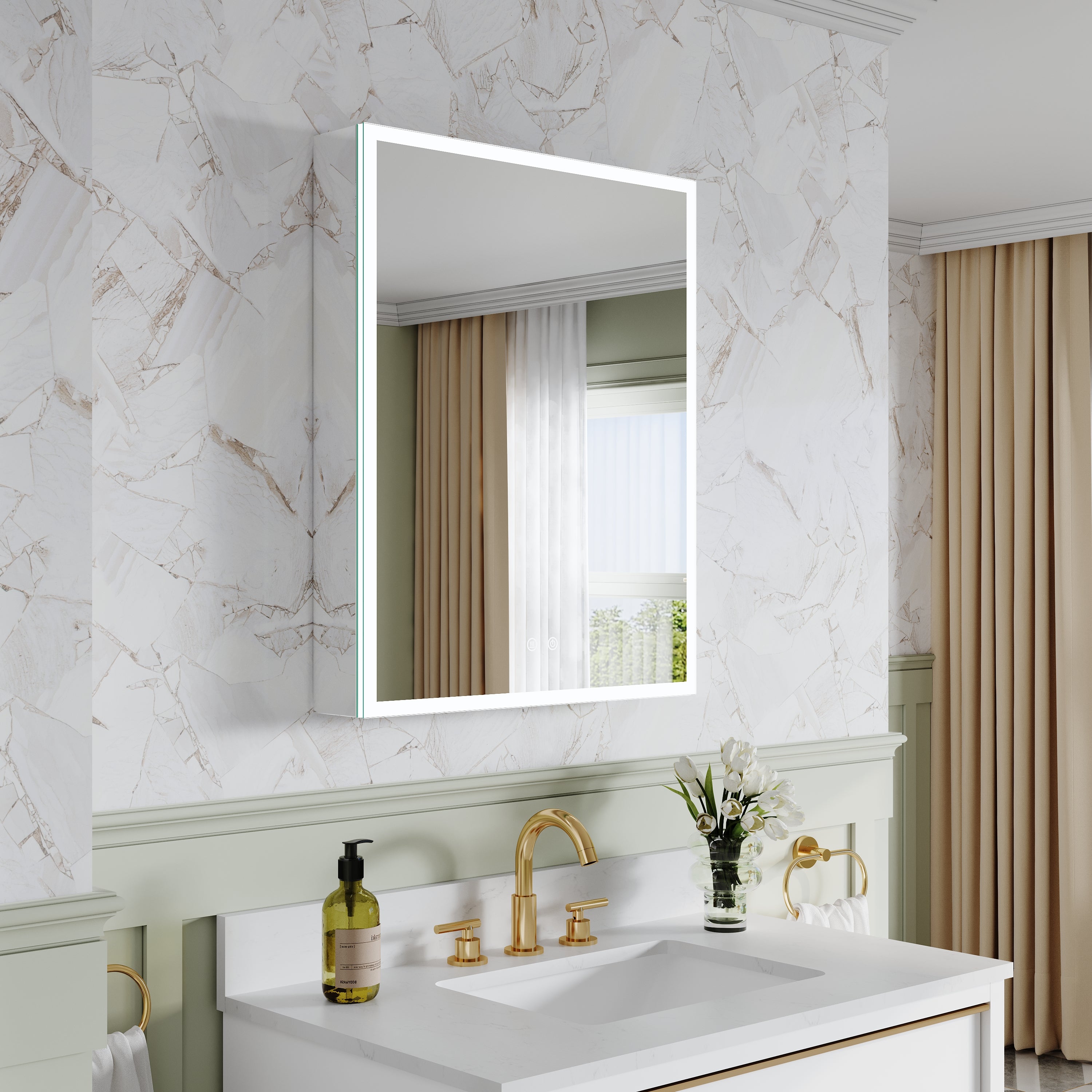
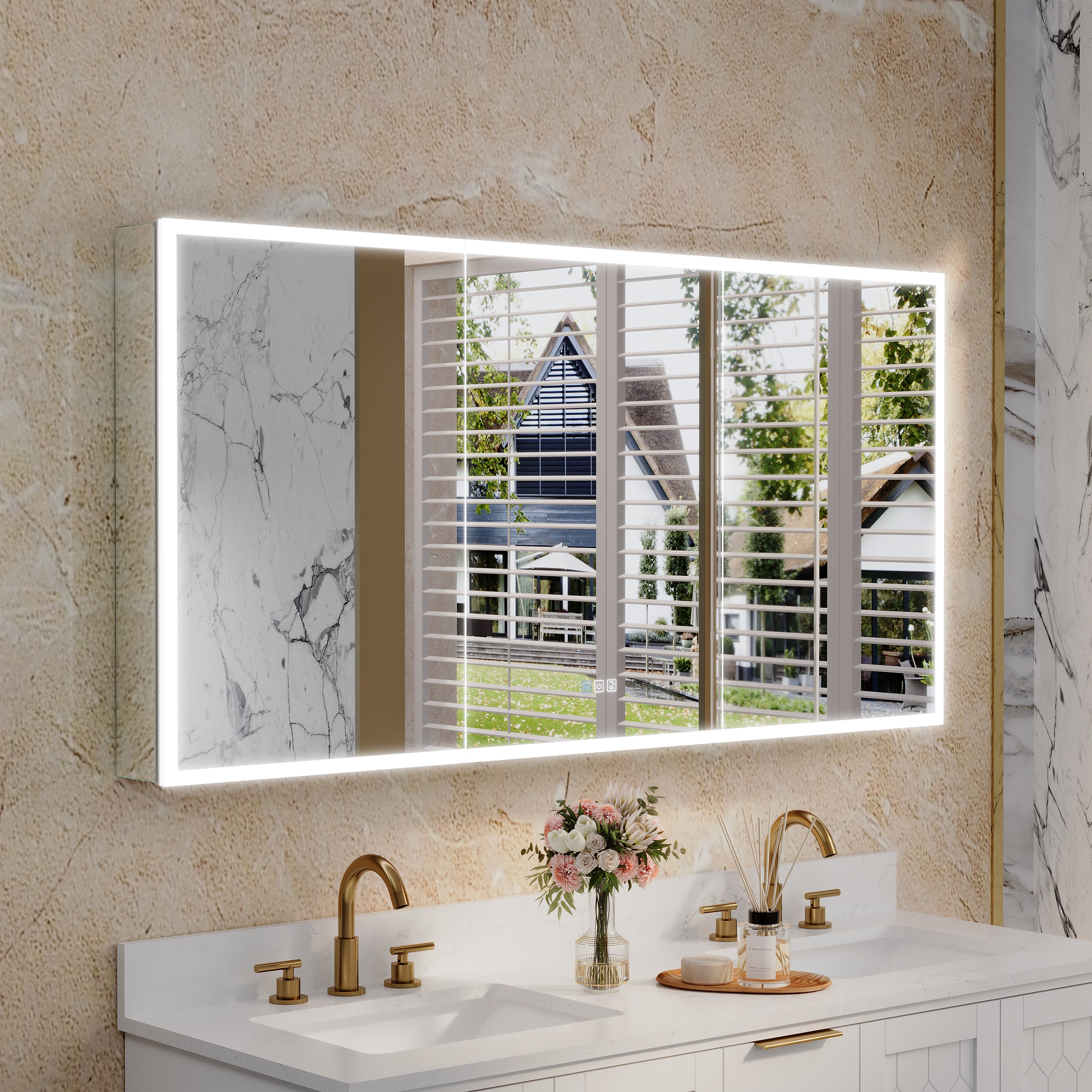
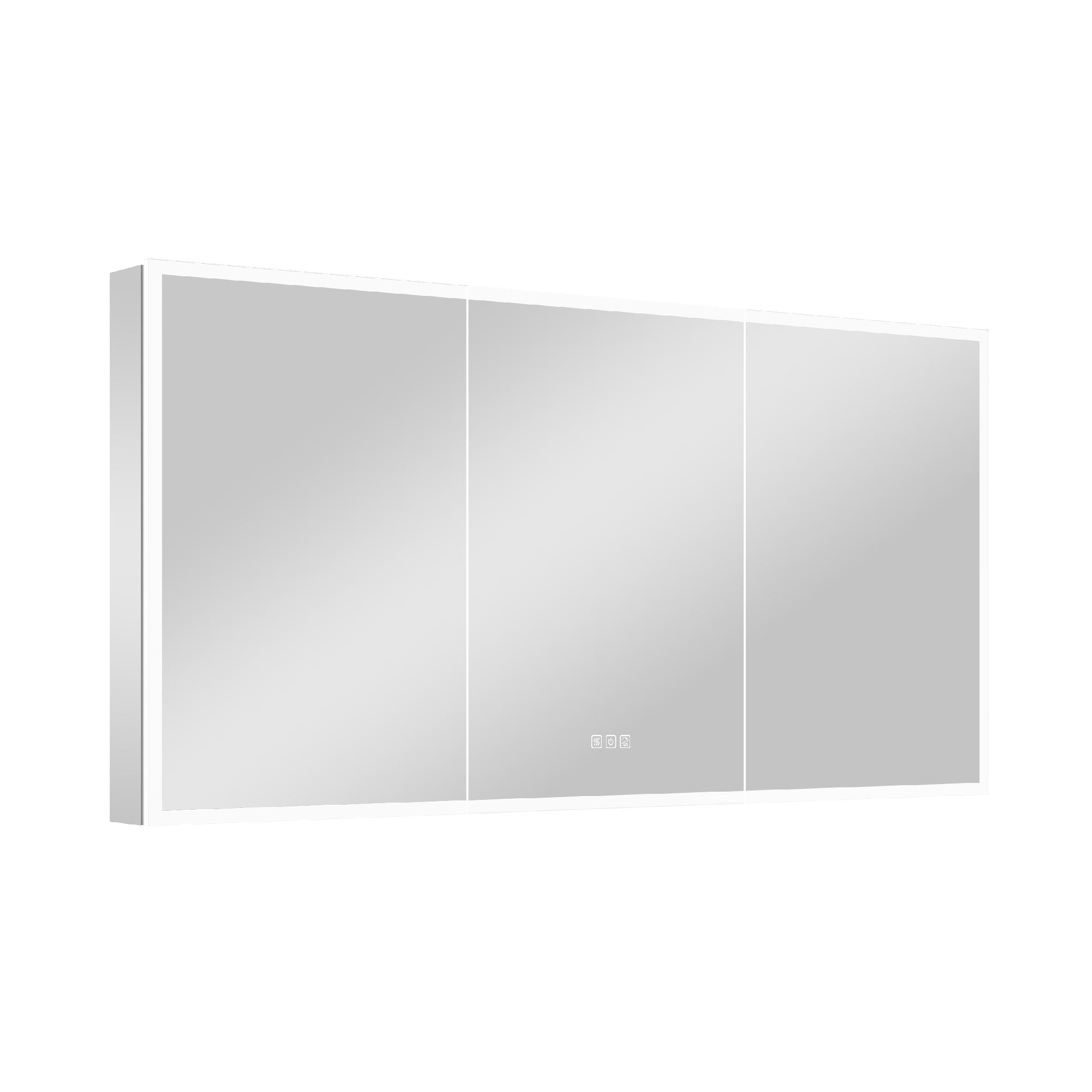
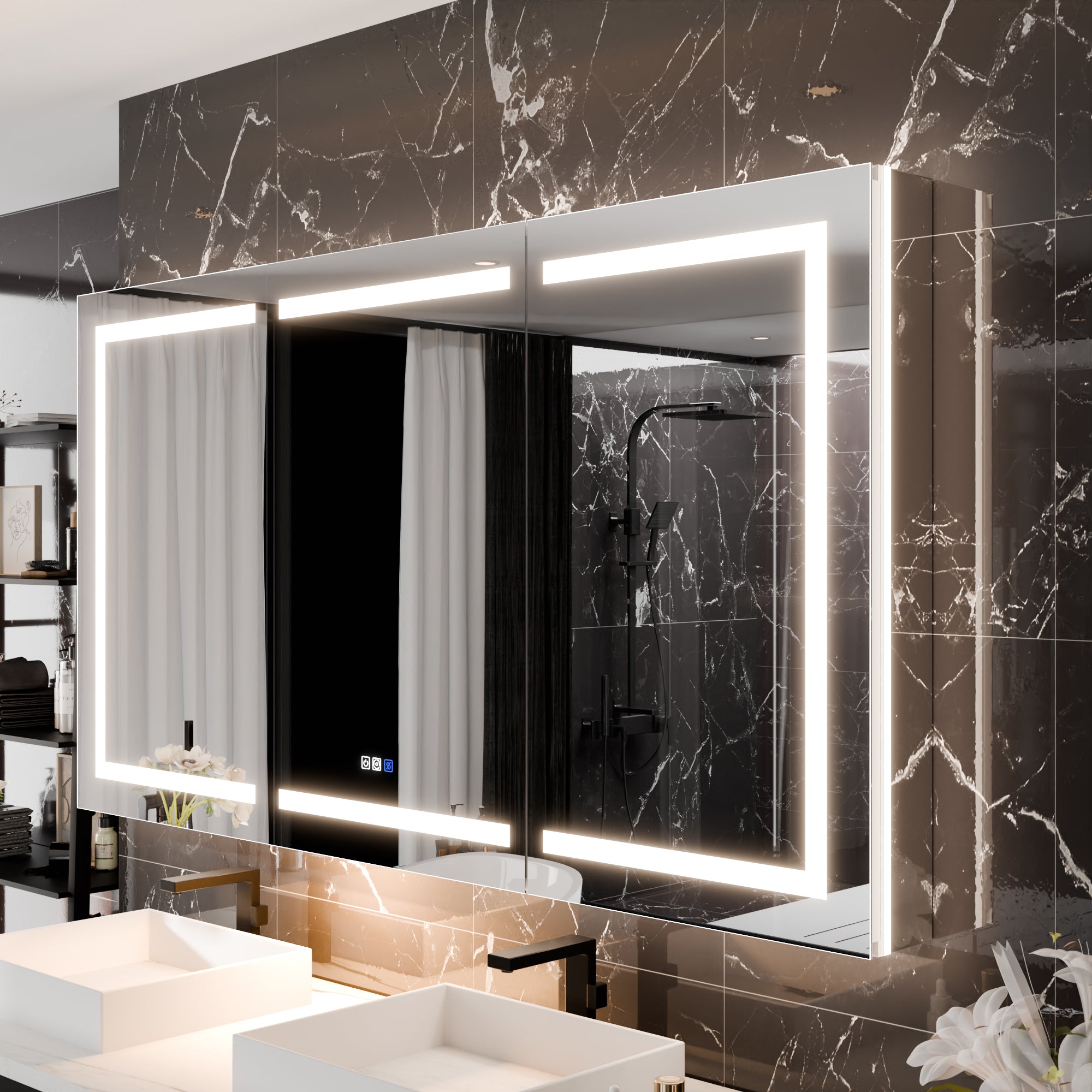
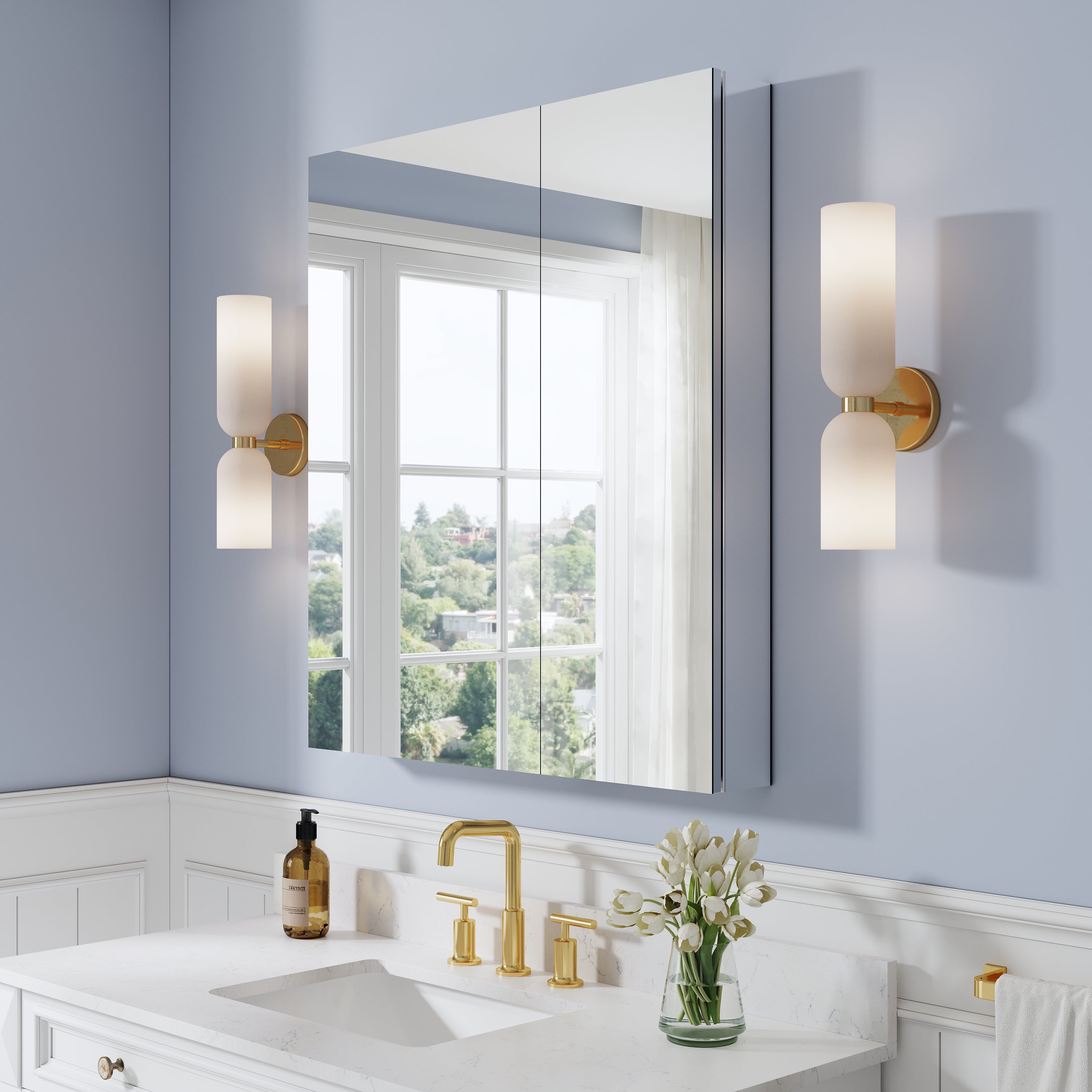
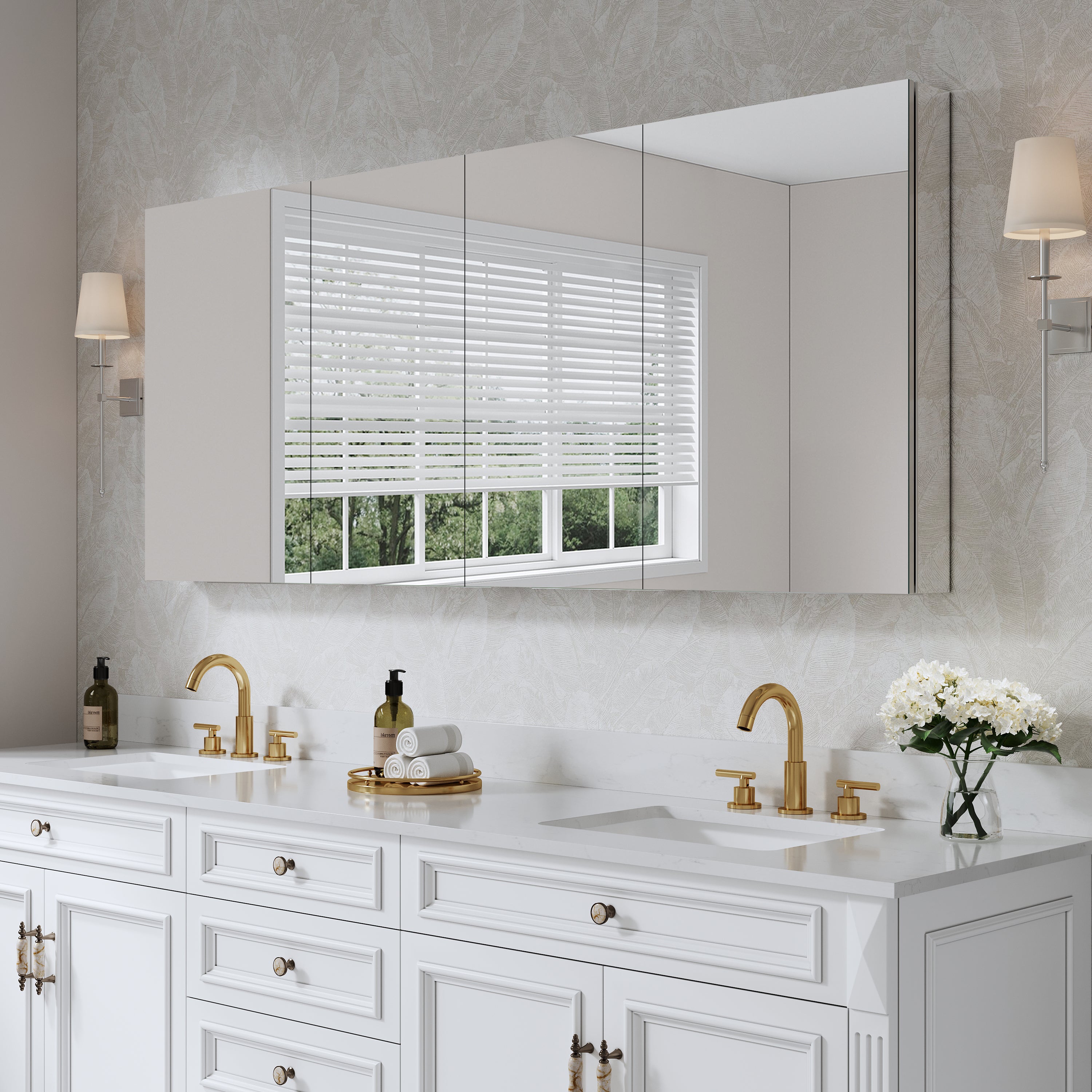
Eliminating visual protrusions: For a bathroom that pursues a flat aesthetic, any furniture that protrudes outward, such as a surface-mounted medicine cabinet, will break the continuity of the wall. Embedded design allows the mirror and tiles to be on the same plane, creating a sense of "flatness" that allows the line of sight to smoothly pass through, giving the illusion that the wall extends infinitely inward.
The Science of Space Expansion: As discussed in "Can Mirrored Medicine Cabinets Create the Illusion of Expansion?", embedded medicine cabinets eliminate physical thickness and side shadows, fully focusing the visual on the mirror's reflective function. In the renovation of small-sized apartments in 2026, this design is recognized as the optimal path to achieving "visual zero burden".
2. The 'life and death line' of structural walls: not all flat walls have movable knives
Although embedded mirror cabinets visually best fit flat walls, their physical installation has extremely strict requirements for walls.
Load-bearing wall exclusion zone: The vast majority of flat concrete load-bearing walls are not allowed to have large areas of slotting up to 4 inches (about 10 centimeters) deep, which can seriously damage the structural safety of the house.
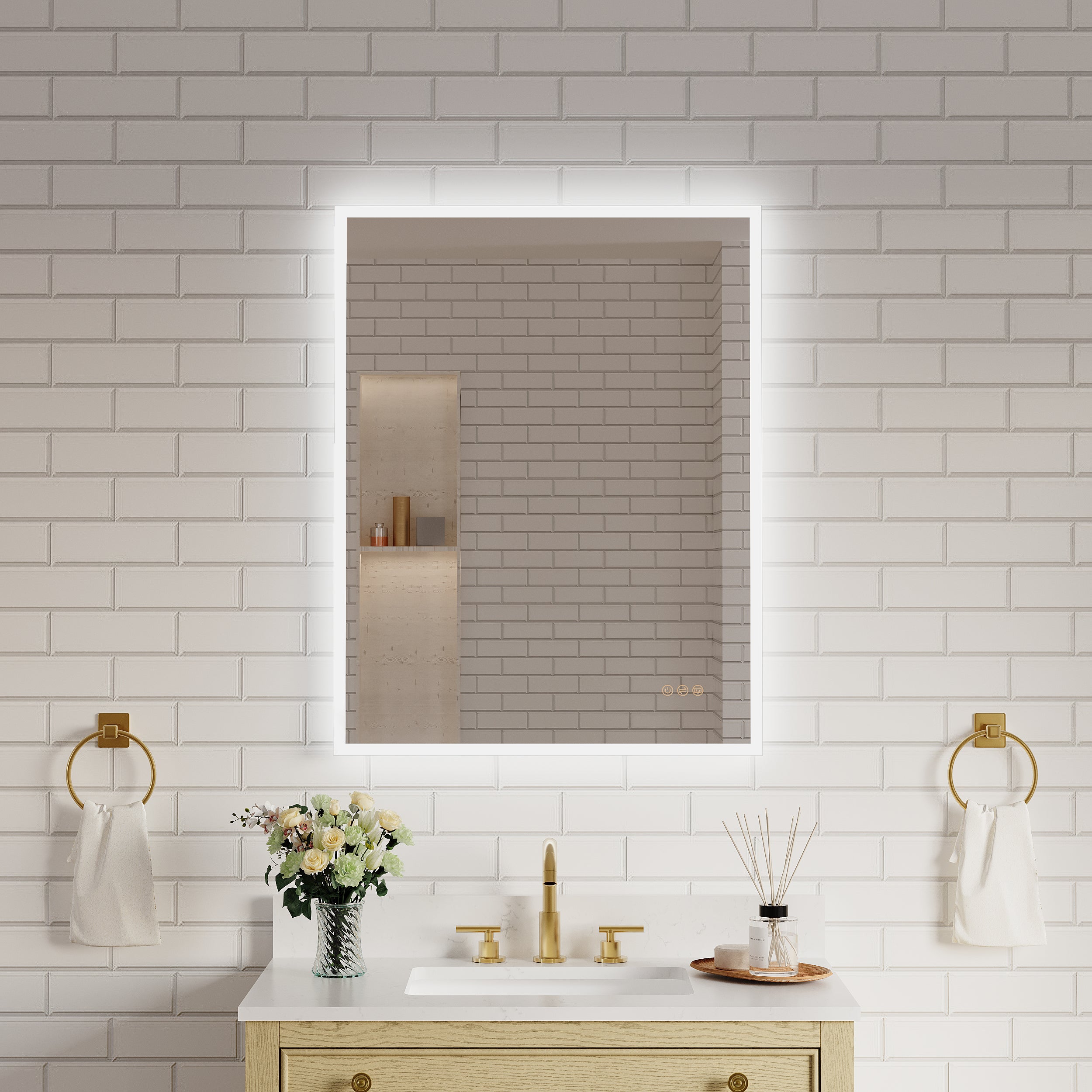
Pipeline conflict: The interior of bathroom walls often contains intricate drainage pipes, vent stacks, and power-supply wires for Vanity Mirrors with LED lights.
Professional advice: Embedded medicine cabinets are most suitable for non-load-bearing light steel keel gypsum board walls or specially thickened decorative back walls. If your wall is very flat but part of a structural shear wall, choosing an ultra-thin surface-mounted medicine cabinet may be a more rational decision.
3. Proportion and Alignment: Vertical Relationship with 36-inch Vanity
In a space that pursues ultimate flatness, misalignment is the biggest enemy of aesthetics.
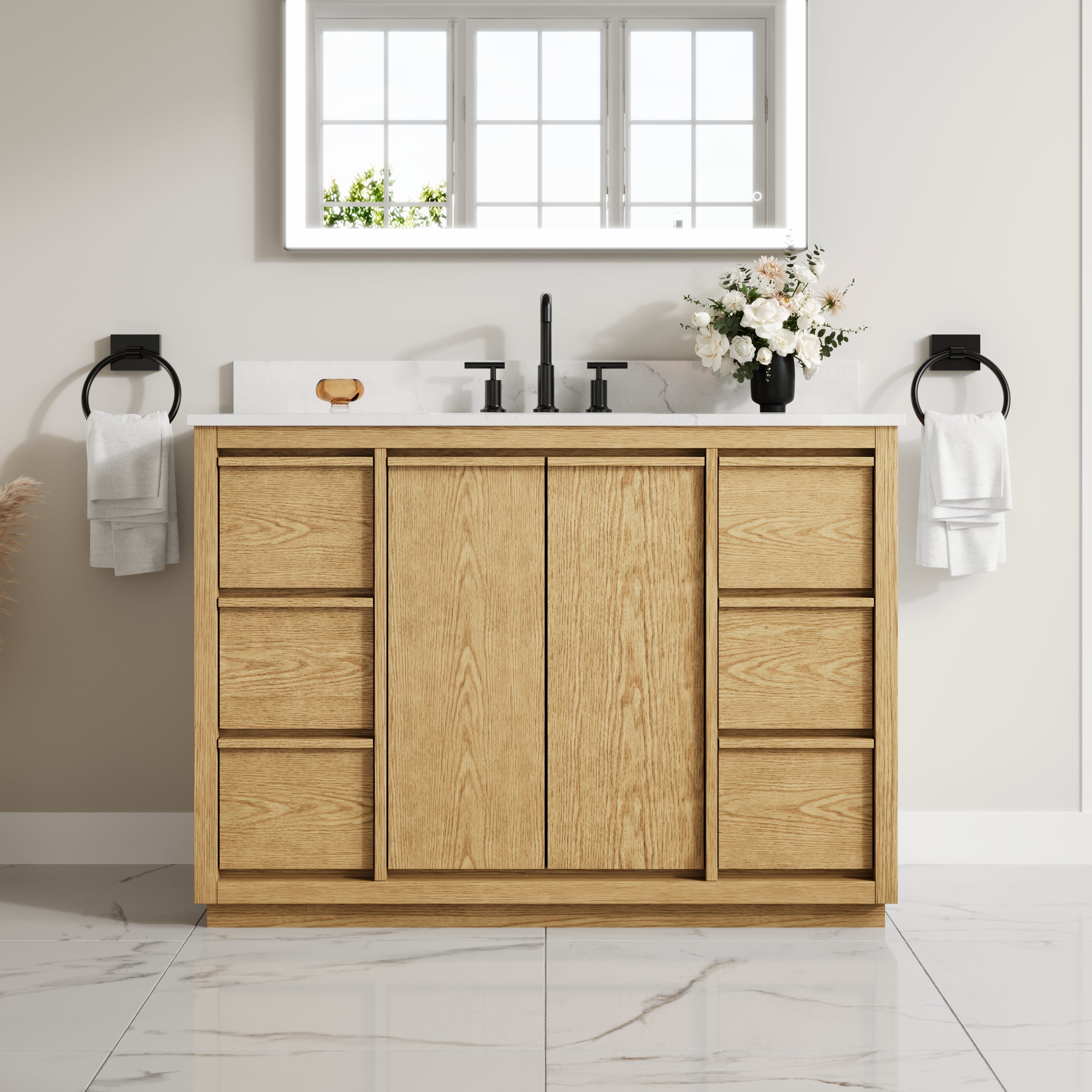
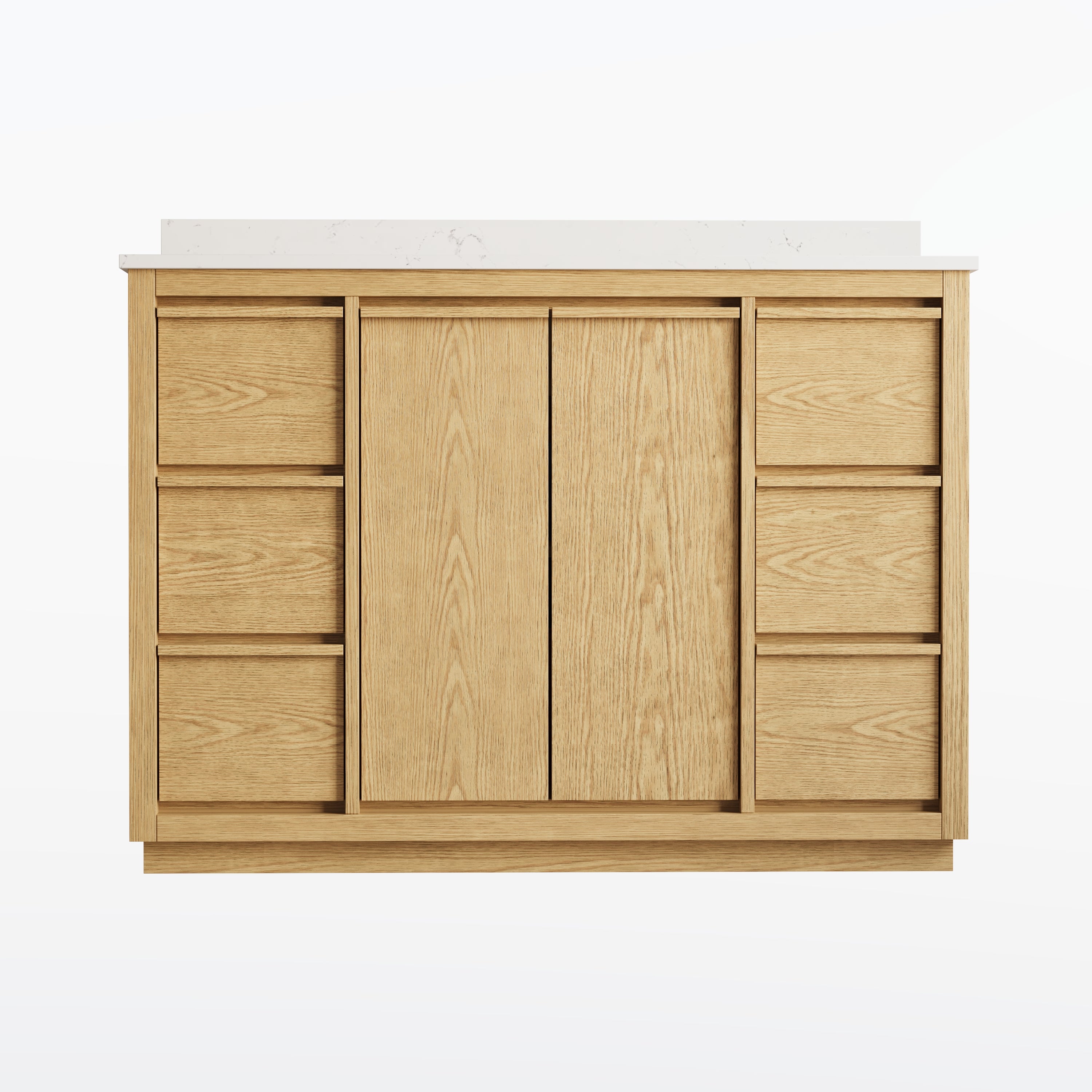
Width alignment: When paired with 36-inch vanities, the embedded medicine cabinet opening must be strictly perpendicular to the center point of the cabinet below.
Gap control: Embedded installation tests the master's leveling skills the most. The gap (Grout line) between the frame of the mirror cabinet and the cutting edge of the tiles should be controlled within 2 millimeters. If the gaps are too large or uneven, the original intention of pursuing flatness will actually appear cheap due to these "black edges".
4. Edge processing technology: the choice between framed or unframed
To achieve the best effect on a flat wall, edge treatment is crucial.
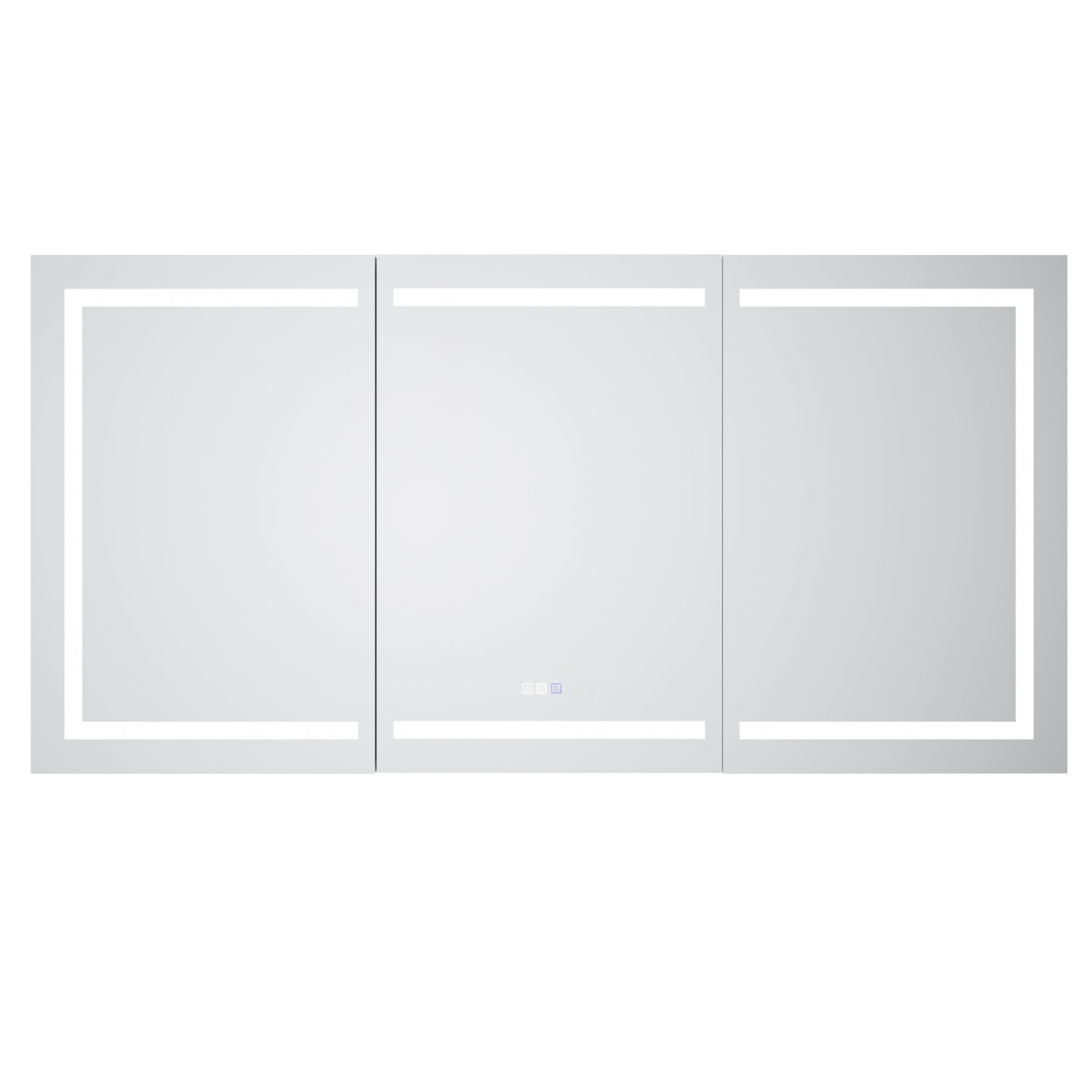
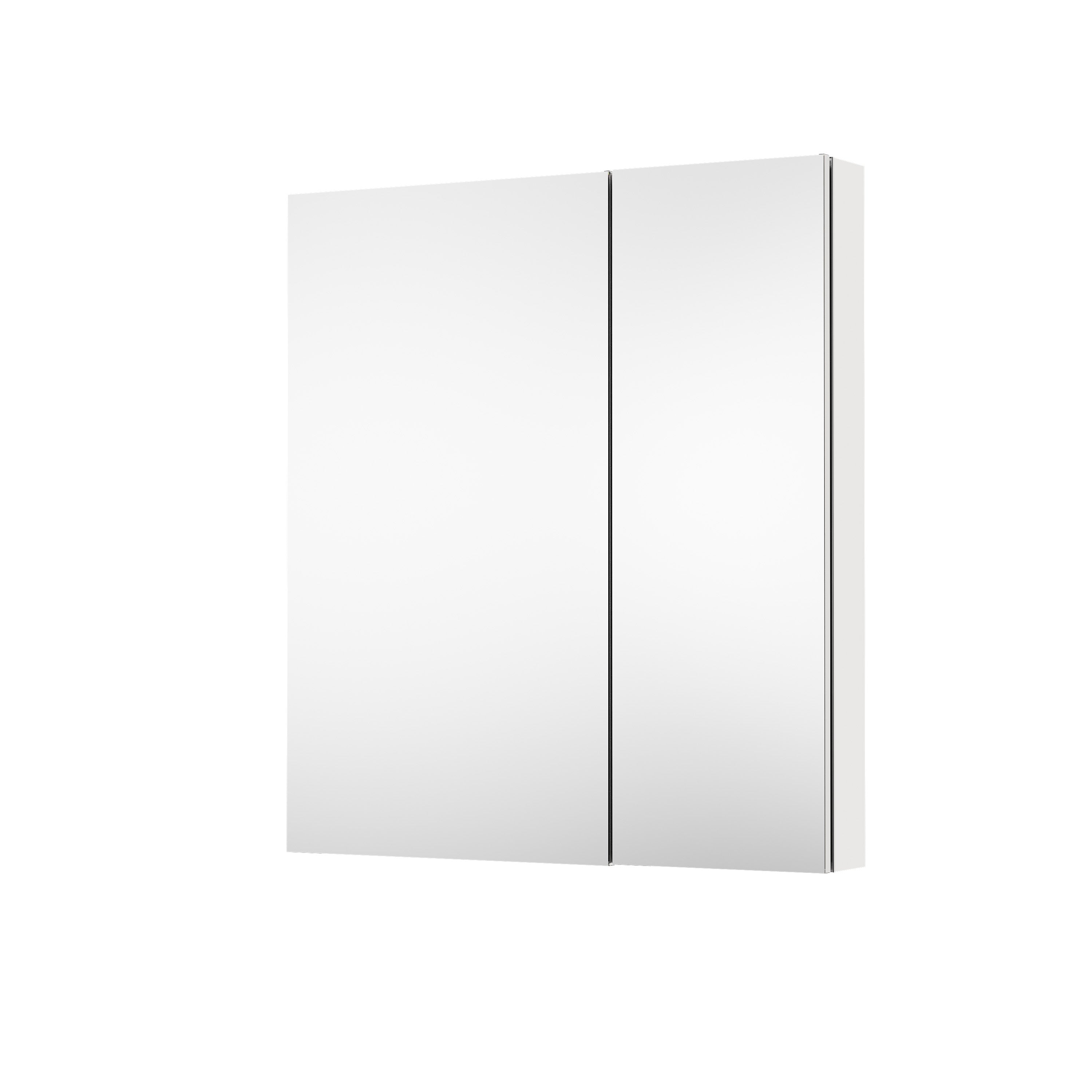
Frameless Diagonal: The most popular practice in 2026. The edge of the lens is pressed directly against the tile or flush with it. This design can minimize visual interference as much as possible, making the mirror appear to be directly embedded in the wall.
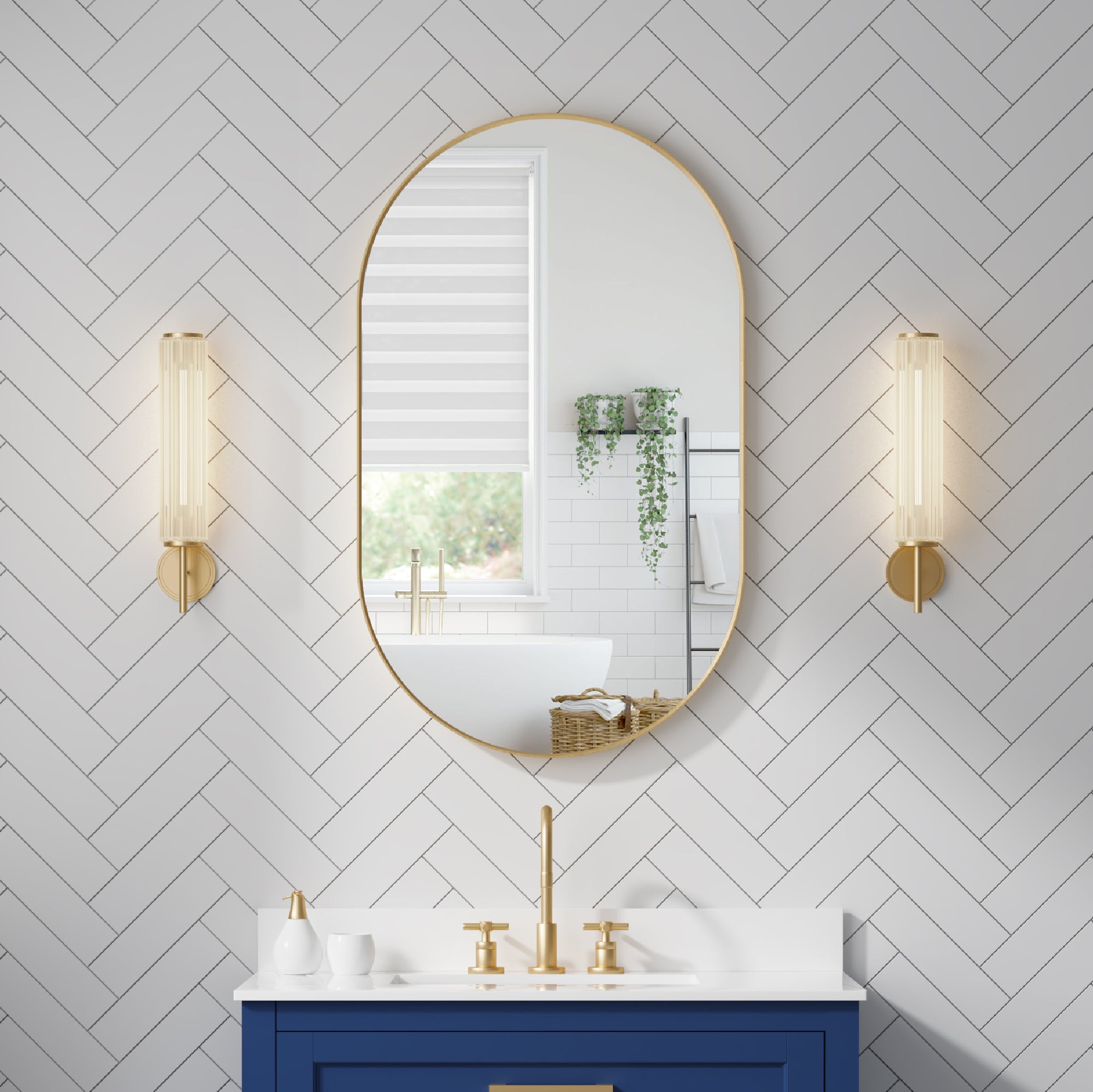
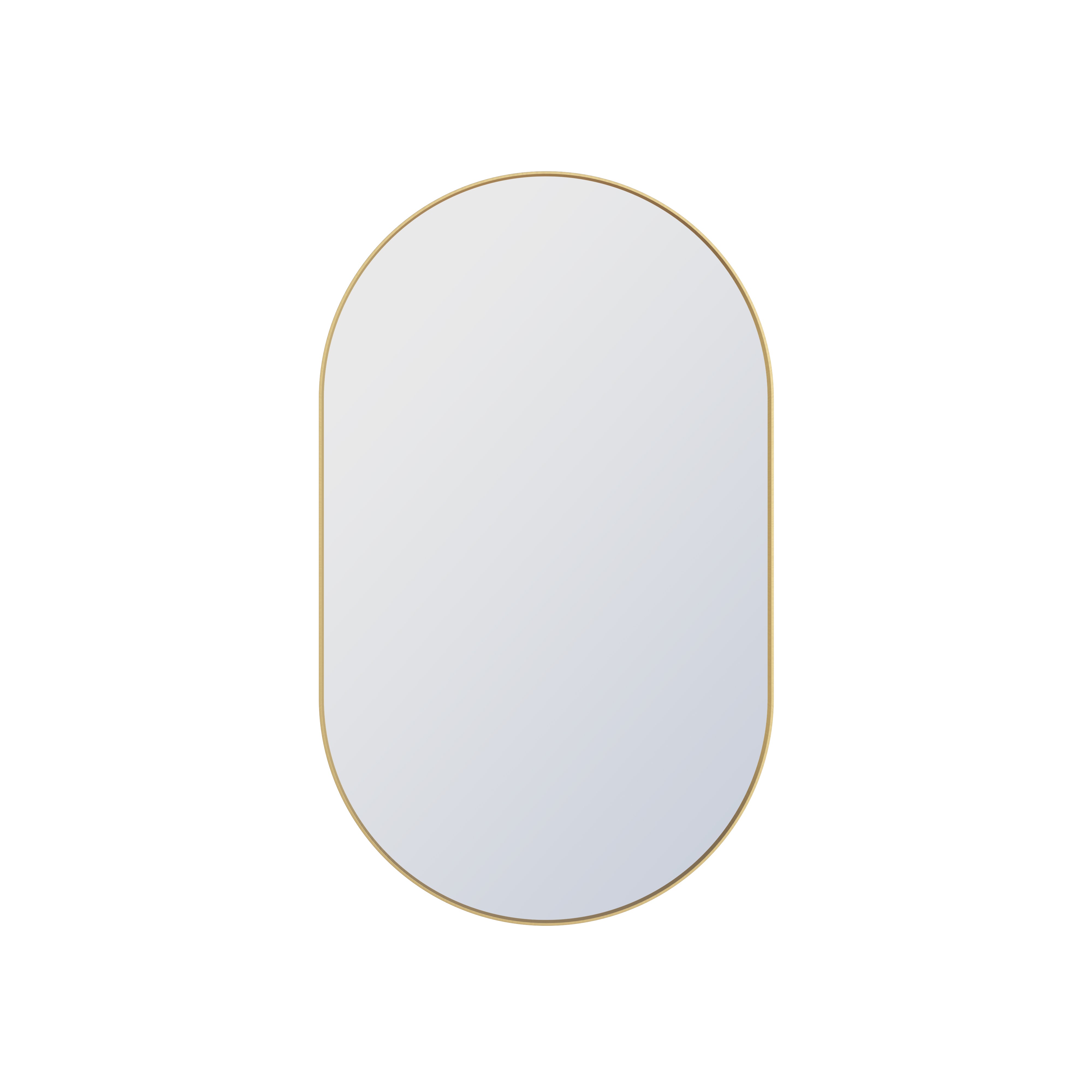
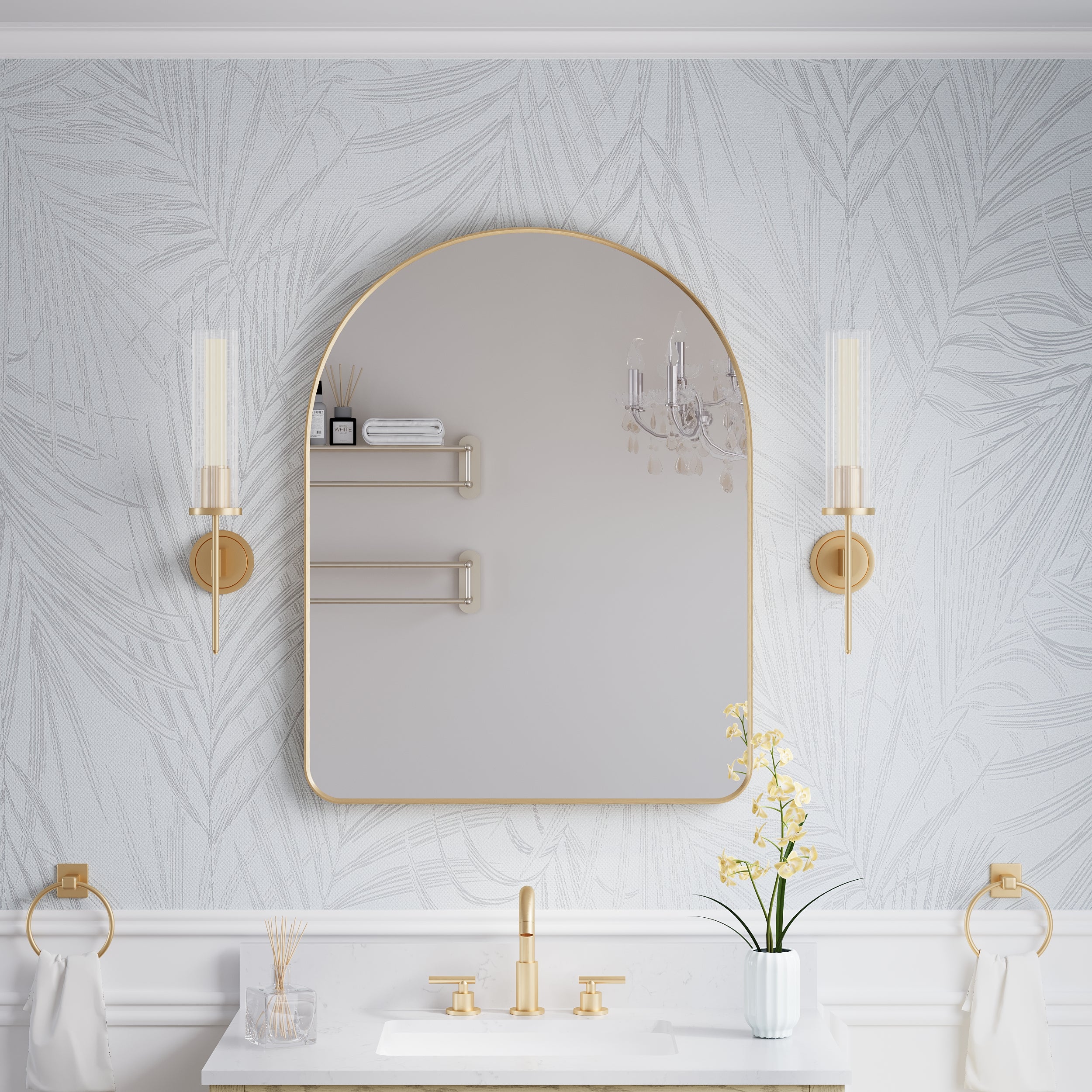
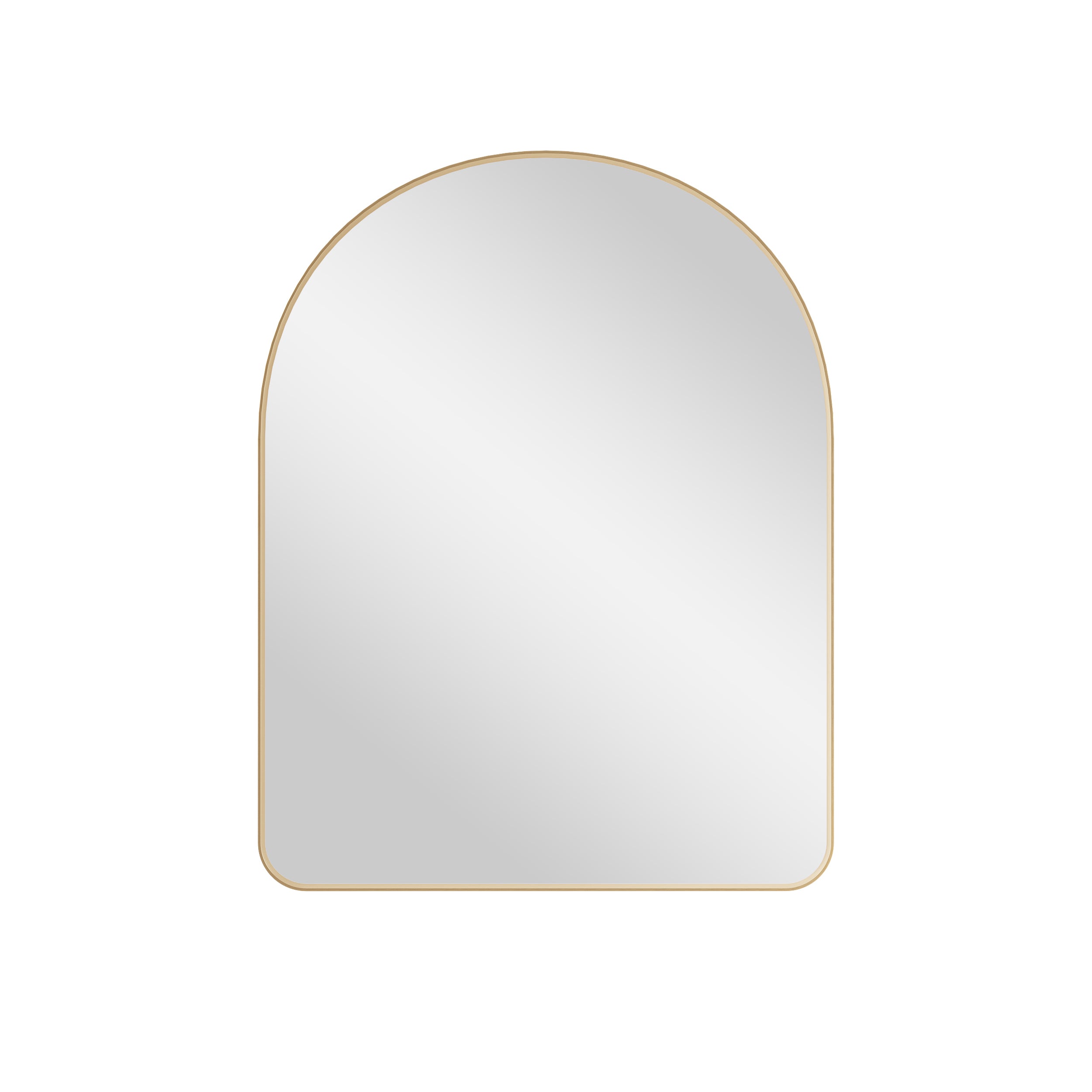
Ultra-fine metal frame: If you choose Gold Bath Fixtures for your bathroom hardware, an embedded medicine cabinet with a 1-2mm ultra-fine gold border can serve as a delicate decoration on a flat wall, adding the finishing touch without compromising the overall smoothness.
5. The challenge of electrical integration: behind-the-scenes layout of LED and defogging functions
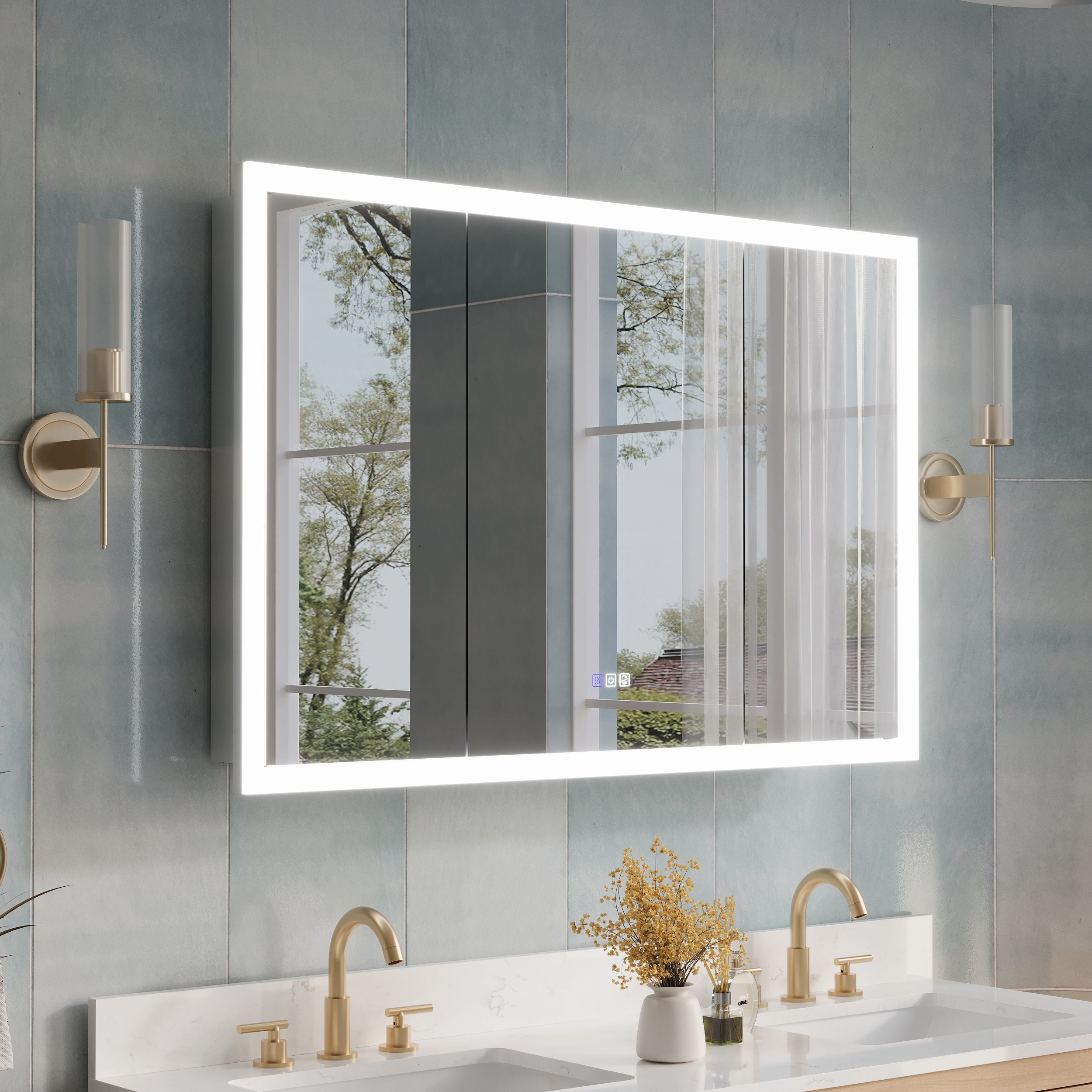
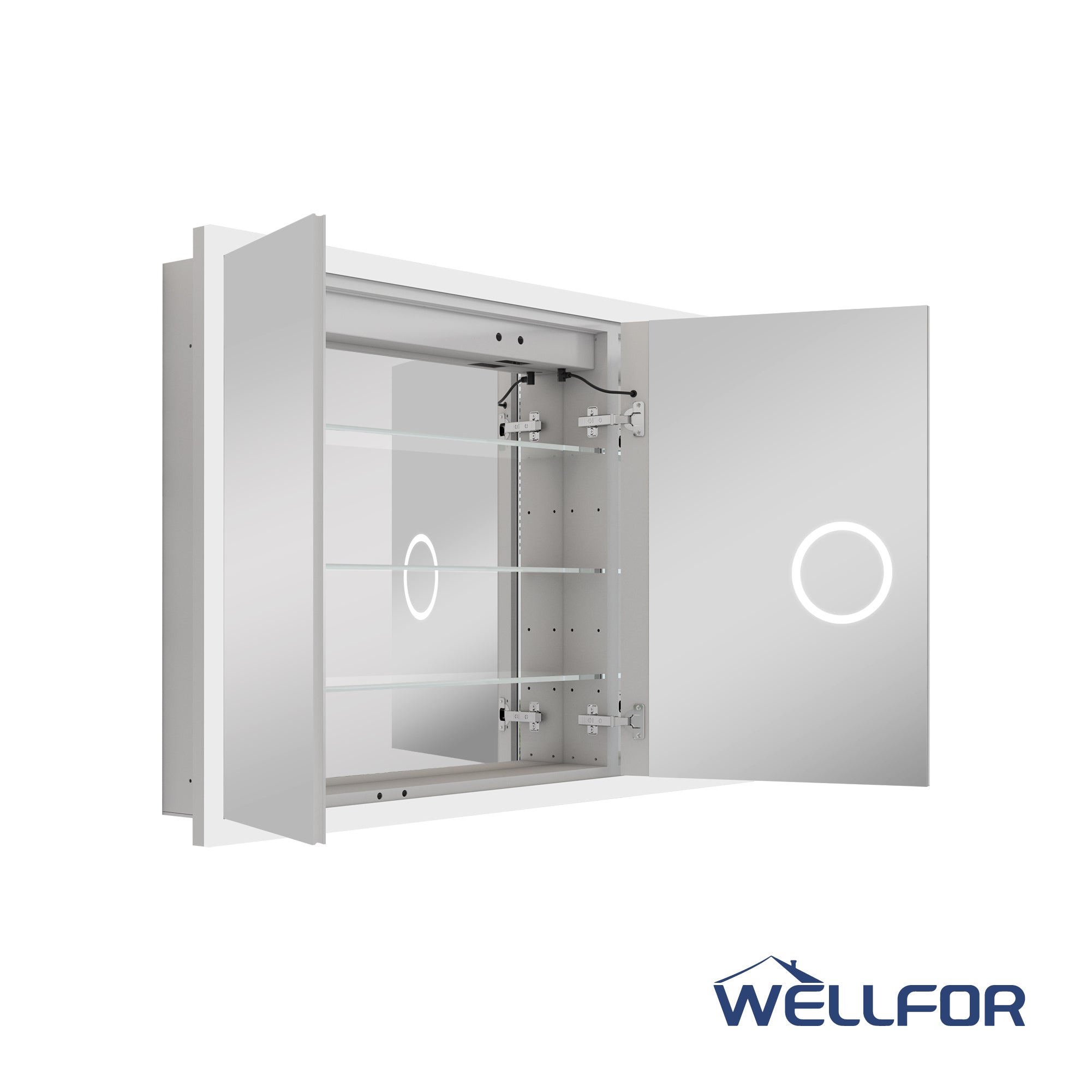
Modern embedded medicine cabinets typically integrate LED lights and defogging modules, which pose secondary requirements for the internal space of flat walls.
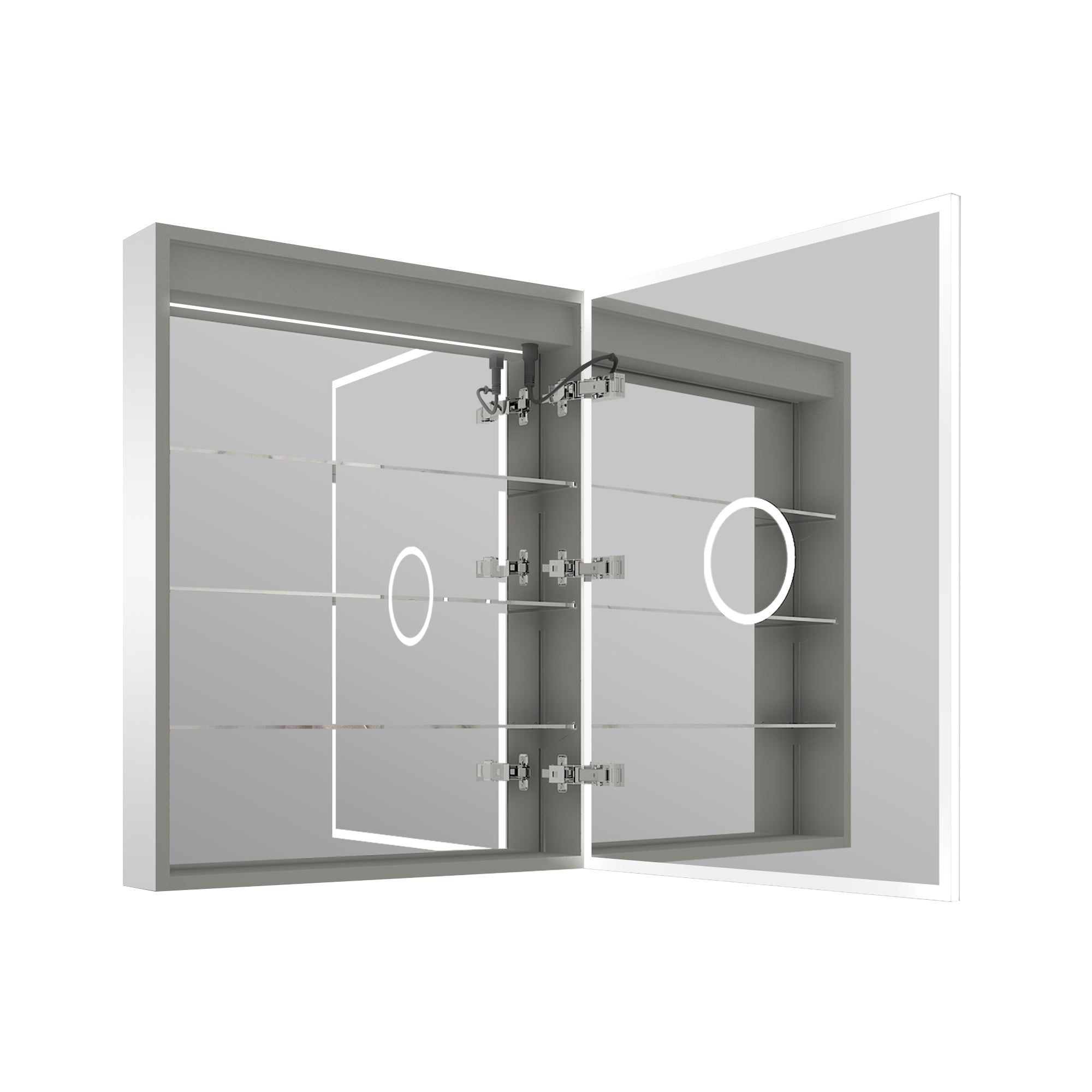
Hidden wiring: Unlike surface-mounted cabinets that can be wired from the back, embedded medicine cabinets require reserved junction boxes inside the wall.
Heat dissipation space: Even with a flat embedding, a small air gap must be maintained between the cabinet and the wall cavity to prevent the driver's lifespan from being shortened by heat accumulation when using LEDs at high frequencies. In the electrical layout, ensure the outlet point is located above or to the side of the opening, rather than directly behind the squeezed space.

6. The contradiction between internal depth and flatness
When choosing an embedded medicine cabinet, homeowners often face a trade-off: how thick should the wall be for storage?
Standard depth: Most embedded medicine cabinets require a wall penetration depth of 4 inches. If your wall is thin, to achieve "flatness," you may need to thicken the entire build-out wall.
Storage capacity: Although the surface is flat, the internal shelves are wide enough to store electric toothbrushes, skincare products, and medicines. This 'flat on the outside and deep on the inside' design is the fundamental means to solve the problem of messy washbasins and maintain a clean, tidy space for a long time.
7. Maintenance and Long-term Risks: Moisture and Opening Loss
Installing embedded medicine cabinets on flat walls also requires consideration of long-term durability.
Moisture-proof sealing: The connection between the edge of the mirror cabinet and the wall must be sealed with high-quality anti-mold silicone. Otherwise, the water vapor generated by showering can easily seep into the wall's internal cavities, causing corrosion of the keel or mold growth on the gypsum board.
Hinge quality: Because the mirror surface is flush with the wall, the rotation radius during opening and closing is very small. A 170 ° hinge with buffering and the ability to open at a large angle must be selected to prevent the mirror door from colliding with adjacent flat tile edges and causing breakage when opened.
Summary: Embedded mirror cabinet - a "high-level plugin" for flat aesthetics
Is the Mirrored Recessed Medicine Cabinet the most suitable for flat walls?
The conclusion is that visually, it is the ultimate form of flat aesthetics, but in engineering, it is a highly customized challenge. It requires the wall to have specific depth and non-load-bearing properties, precise wiring prediction by electricians, and millimeter-level tile cutting technology by bricklayers.
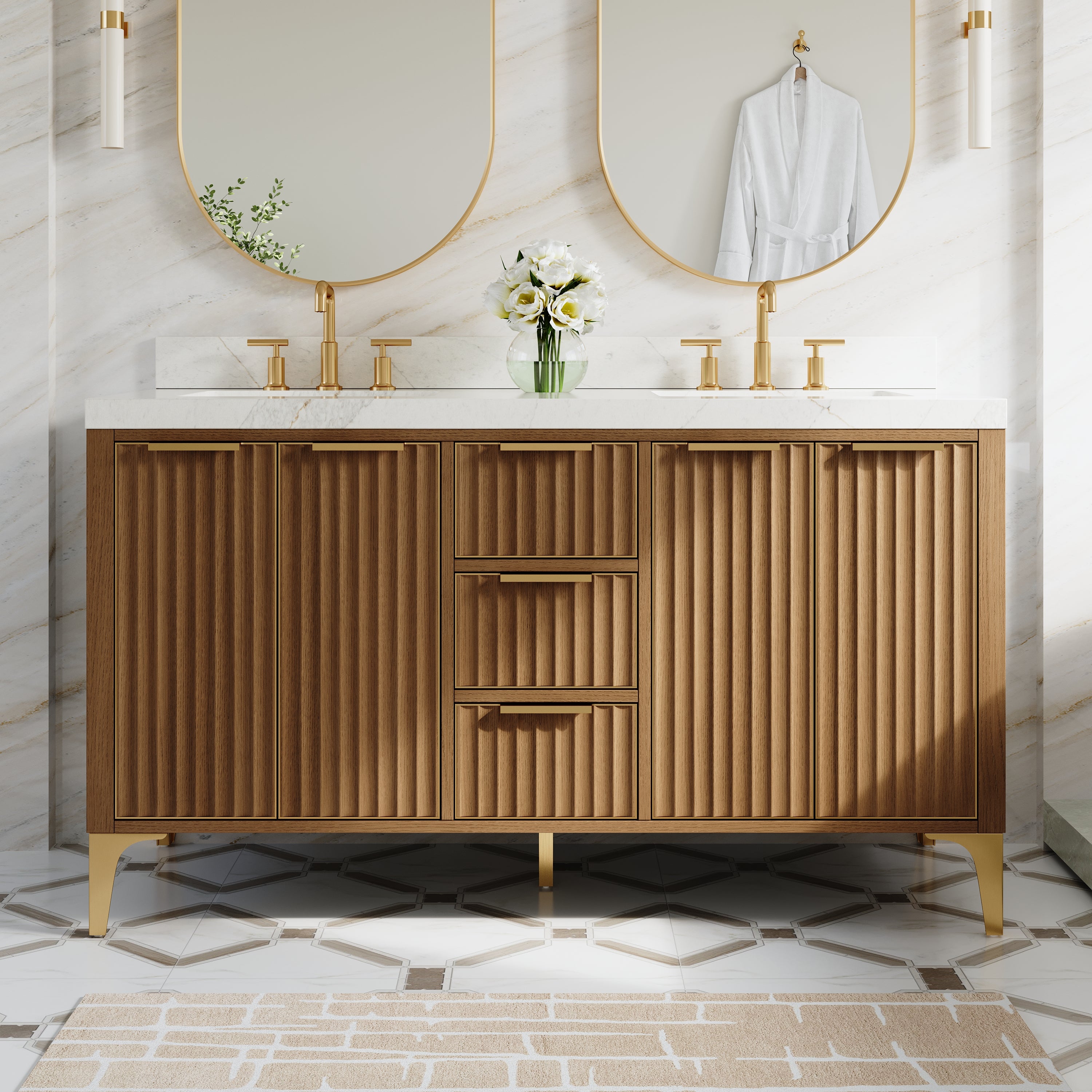
If you are renovating a modern minimalist-style bathroom and have the means to renovate the walls, an embedded medicine cabinet combined with a White Bath Vanity and Gold Shower Fixtures will create a visually unobtrusive, structurally robust, and extremely luxurious grooming space. It shows that in 2026, the best designs are often 'invisible'.










Leave a comment
This site is protected by hCaptcha and the hCaptcha Privacy Policy and Terms of Service apply.