






















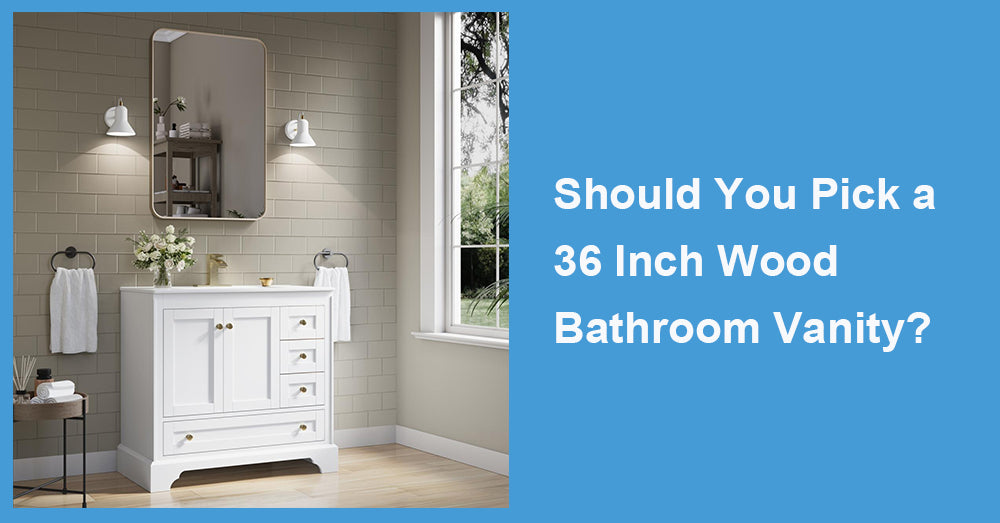
A 36 inch wood bathroom vanity can be an excellent choice when you want genuine warmth, useful single-sink storage, and a cabinet that feels more like furniture than a utility box. Its width suits many guest baths and compact primary bathrooms, while wood grain adds character that painted finishes cannot fully copy. Still, “wood vanity” is a broad description. The right answer depends on the materials, finish, room ventilation, plumbing layout, and care you are willing to provide.
Why the 36-Inch Size Is Effective
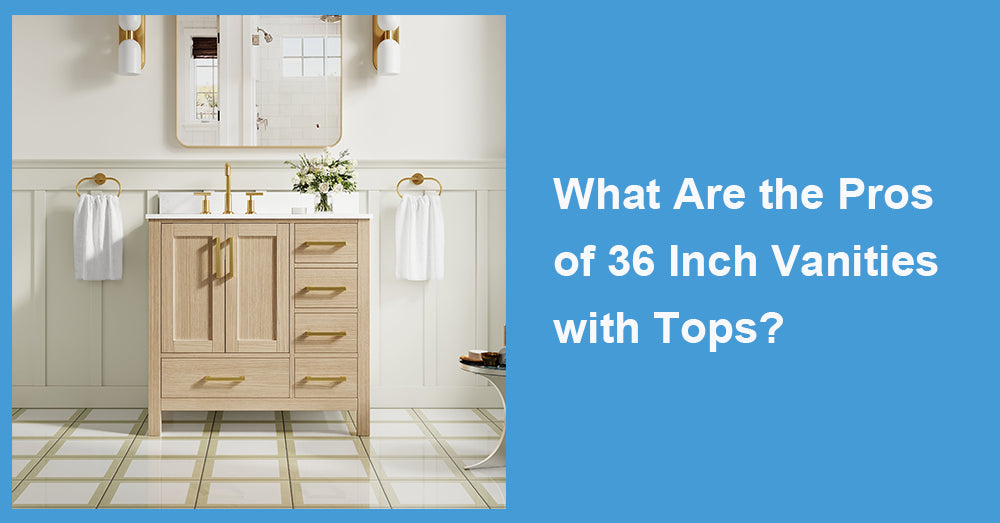
A 36-inch-wide vanity typically provides more cabinet and counter space than a smaller 24-inch or 30-inch vanity. The 36-inch vanity requires less wall space than a 48-inch model. The impressive size includes the ability to add a large sink and drawer bank.
The 36-inch vanity adds a lot of value to an average-sized bathroom. It provides convenient storage options in the same space.
Wood Brings Natural Variation
Wood grain introduces movement, depth, and warmth. Oak can feel light and relaxed, walnut often looks richer and more dramatic, and stained finishes can shift either species toward a chosen color story. Because grain varies, two cabinets from the same collection may not look identical. Many buyers consider that variation part of the appeal.
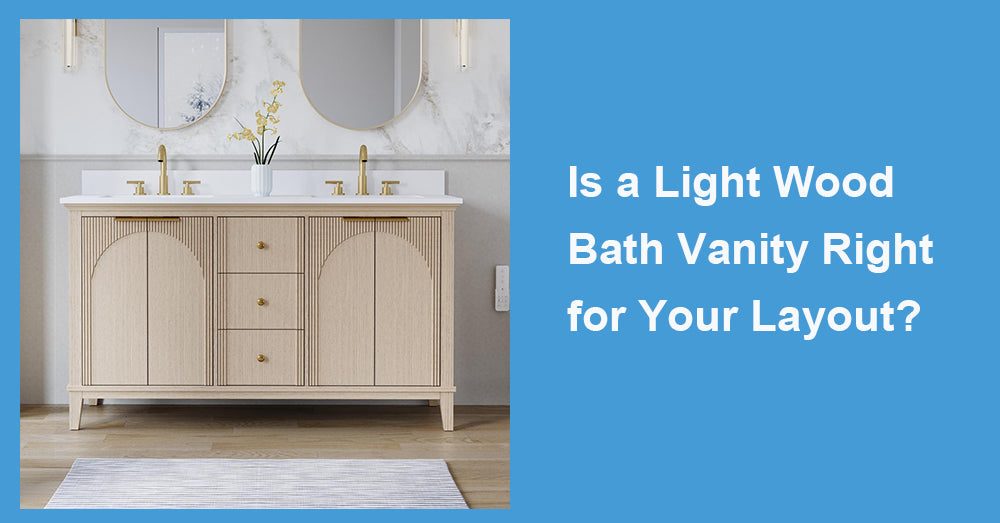
Wood suits many U.S. bathroom styles. Light oak supports Organic Modern or coastal rooms, medium brown fits transitional spaces, and dark walnut complements Modern European interiors. Hardware and countertops shift the cabinet from casual to tailored.
Understand What “Wood” Actually Means
A listing may use “wood” for several construction methods. Solid wood may be used for the face frame, legs, or doors, while plywood or MDF appears in side panels, backs, and drawer components. Veneer is a thin layer of real wood applied over a stable core. None of these descriptions alone proves quality.
Read the material breakdown for the frame, doors, drawers, panels, back, and shelves. Check close-ups for sealed edges, clean joinery, consistent gaps, and a smooth finish. A well-engineered mixed-material cabinet may outperform poorly finished “solid wood.”
Moisture Is the Deciding Factor
Wood naturally interacts with moisture. The USDA Forest Products Laboratory explains that wood can change dimension as its moisture content changes below the fiber-saturation point. (Source: USDA Forest Products Laboratory, Wood Handbook: Wood as an Engineering Material, Chapter 4.) Movement is one reason finish quality, panel design, and installation conditions matter in a bathroom.
Ventilation protects both the vanity and the room. The U.S. Environmental Protection Agency advises that bathroom ventilation should exhaust moisture directly outdoors and notes that moisture control helps prevent mold and mildew. (Source: U.S. EPA, “Remodeling Your Home and Indoor Air Quality.”) Run the fan during bathing, dry splashes, and repair leaks promptly. No wood finish can compensate for a dripping supply line or water trapped inside the cabinet.

The Finish Matters as Much as the Species
A bathroom-ready finish should cover exposed faces and vulnerable edges. Inspect the sink cutout, doors, drawer fronts, legs, and toe kick. Ask about touch-up material and water-damage exclusions.
Daily care should be simple: wipe splashes with a soft cloth and use only cleaners approved by the manufacturer. Avoid saturating the surface, leaving wet towels against the cabinet, or using abrasive pads. Direct sunlight can also change some wood tones over time, so expect natural aging rather than a permanently frozen color.
Check for Composite-Wood Compliance
If the vanity contains MDF, particle board, or wood plywood, look for TSCA Title VI information. According to the EPA in the U.S.A., composite wood products and completed products containing composite wood must comply with regulations pertaining to formaldehyde labeling and certification in the country. (Source: U.S. EPA, “Formaldehyde Emission Standards for Composite Wood Products.”)
Compliance is a minimum baseline requirement and does not translate to quality. Still examine factors such as the thickness of panels, type of fasteners, whether the drawers are constructed in a simple form, edge-sealing characteristics, and warranty details.
Make Sure the Storage Fits the Plumbing
The sink bowl, drain, supply lines, and shutoff valves consume interior space. A centered basin may leave balanced storage on both sides but interfere with the upper drawer area. An offset sink can free a full drawer bank. U-shaped drawers use space around the drain, although their shape may require smaller organizers.
Before buying, measure the drain centerline, valve positions, and height above the finished floor. Compare them with the manufacturer’s rear opening and drawer diagram. Count functional drawers rather than decorative fronts, and check usable interior dimensions for towels, bottles, and hair tools.
Coordinate the Top and Hardware
Wood pairs well with white quartz, cultured marble, natural stone, and solid-surface tops. A pale top creates contrast and keeps the room bright; darker stone produces a moodier furniture look. Follow the care instructions for the exact top, particularly if sealing is required.
Hardware influences wood undertones: brass emphasizes warmth, black adds contrast, and polished nickel feels cooler. View samples under the bathroom’s actual lighting.
Verify Fit, Delivery, and Package Contents
Measure the wall at floor, counter, and backsplash heights. Mark the vanity depth and open-door or open-drawer area with painter’s tape. Check clearances at the bathroom door, shower door, toilet, outlet, and floor vent.
Confirm whether the price includes the cabinet, countertop, sink, backsplash, faucet, drain, and pulls. Determine whether the top ships attached or separately, and measure the delivery route through doors, hallways, and stairs. Read damage-reporting deadlines and inspect every component before installation.
Final Verdict
Choose a 36-in. wood vanity if you value natural character, need useful single-sink storage, and can maintain good ventilation and prompt leak control. Skip it if the room has unresolved moisture problems or if you want a perfectly uniform, maintenance-indifferent surface. The best purchase combines transparent material specifications, a durable finish, plumbing-compatible storage, and accurate dimensions. With those details verified, wood can make a small bathroom feel warmer and more considered for years.








































Leave a comment
This site is protected by hCaptcha and the hCaptcha Privacy Policy and Terms of Service apply.