

















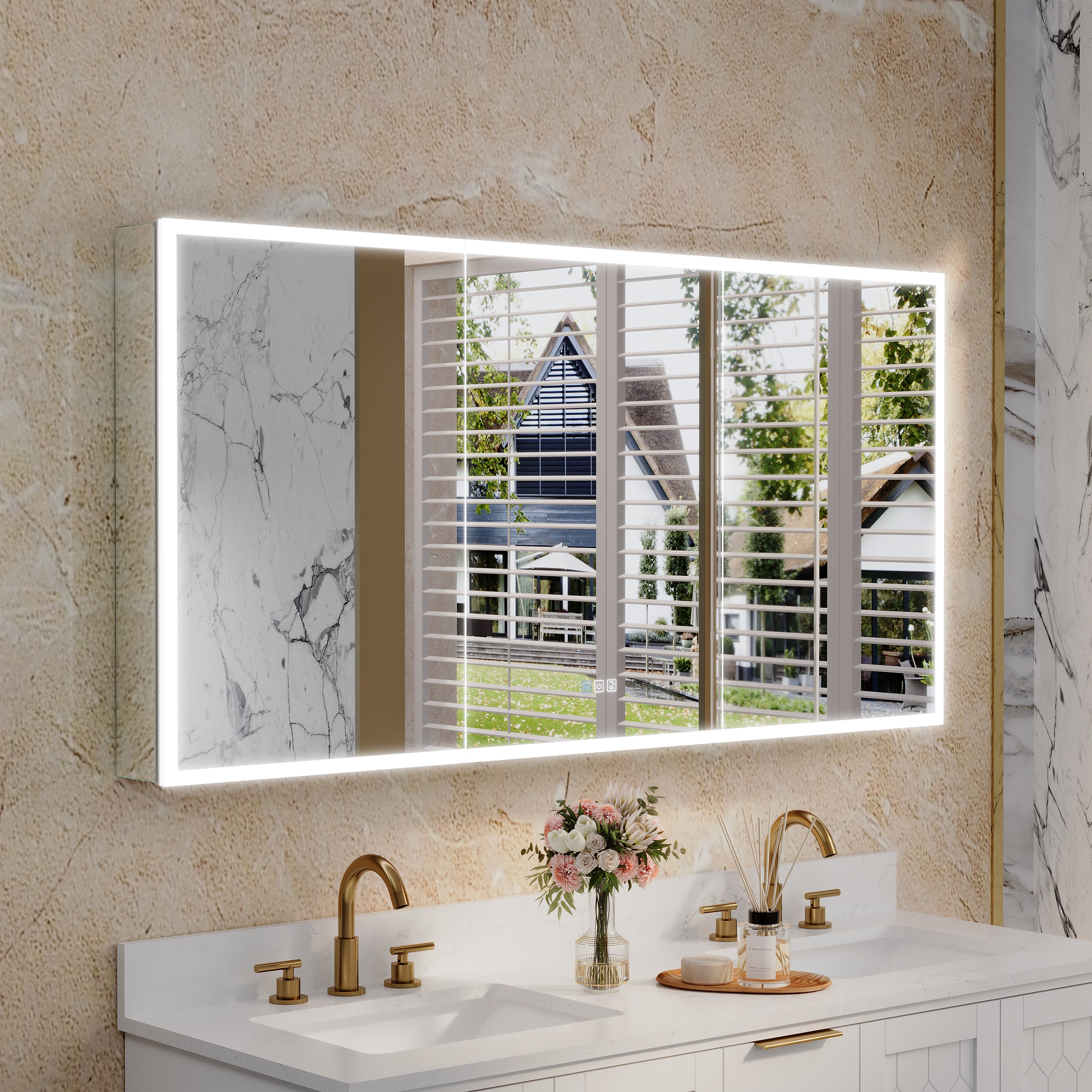
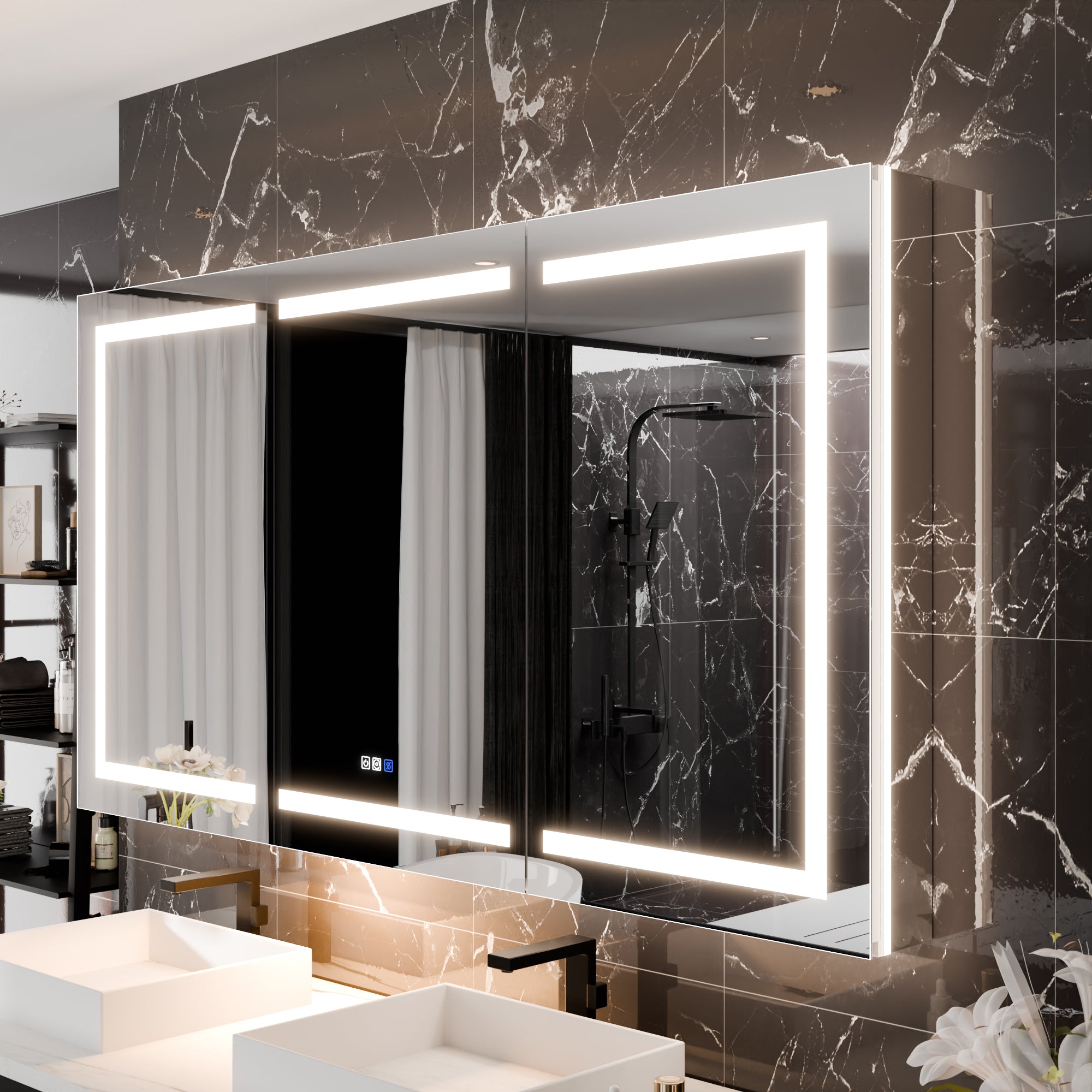
In the continuous evolution of bathroom renovation and space optimization, the traditional configuration of medicine cabinets is undergoing a redefinition of its role. In the past, it was seen more as a simple storage tool, and its presence was deliberately weakened. Today, Bathroom Medicine Cabinets with Lights are gradually becoming an essential component that balances functionality and visual effects.
Is it really necessary to have a medication cabinet with lights in the current trend of bathroom design and renovation? Is it just a design upgrade, or has it become an indispensable part of functional bathrooms?
1. The role of bathroom medicine cabinets is changing
From a design perspective, the bathroom has shifted from a "tool space" to a functional area that emphasizes experience and order.
Research has shown that the integration of storage systems has become an essential factor affecting spatial satisfaction in mid- to high-frequency renovation projects.
As the core component above the washbasin, the shape and function of the medicine cabinet directly affect daily efficiency and visual order.
2. Why has "lighting" become an important direction in the design of medicine cabinets?
Traditional medicine cabinets typically rely on external lighting, such as ceiling lights or wall lights. This method is prone to shadow occlusion in practical use, especially during delicate operations such as facial washing and care.
Lighting research has shown that placing the light source directly in front of the object of use can significantly reduce the shadow area and improve the effective lighting ratio.
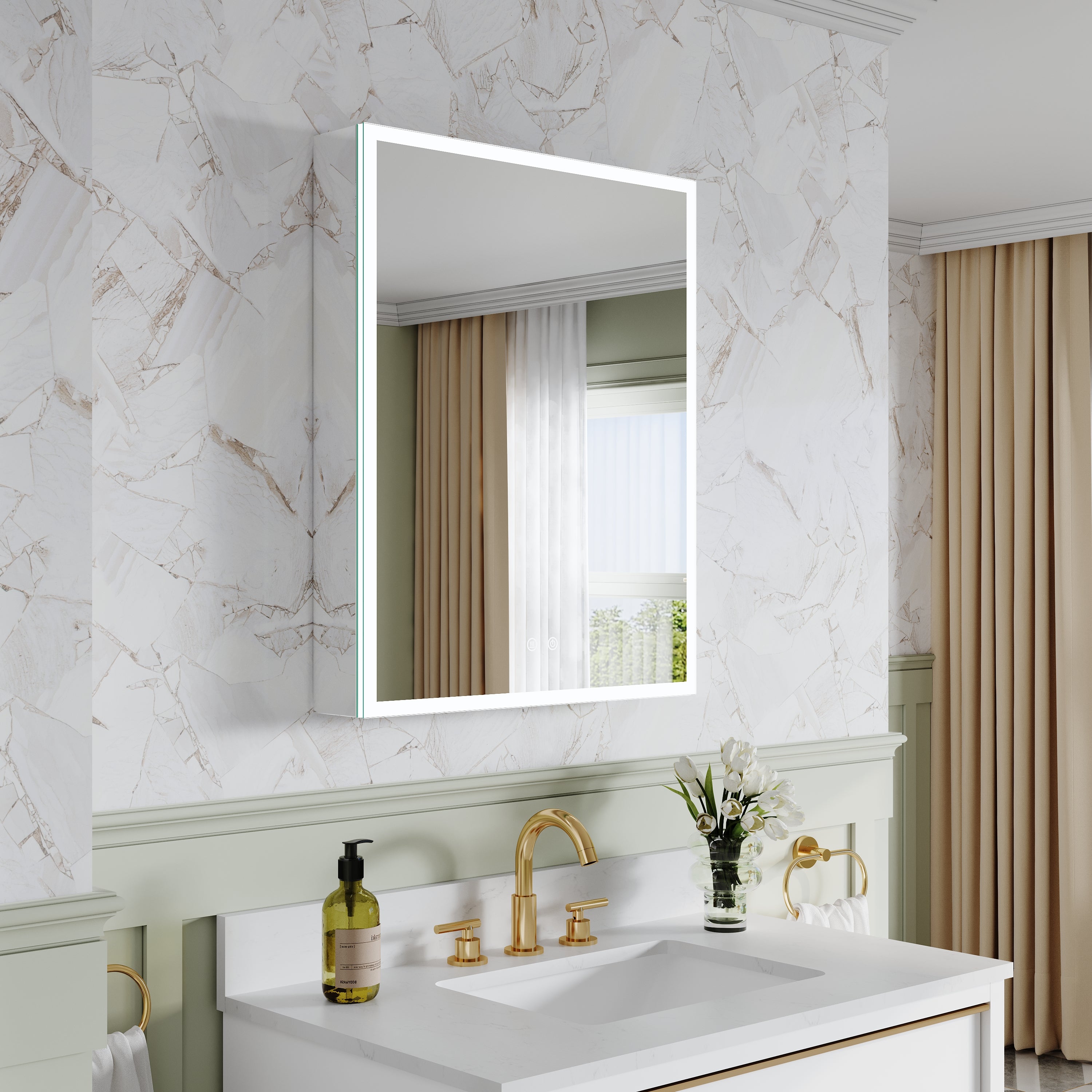
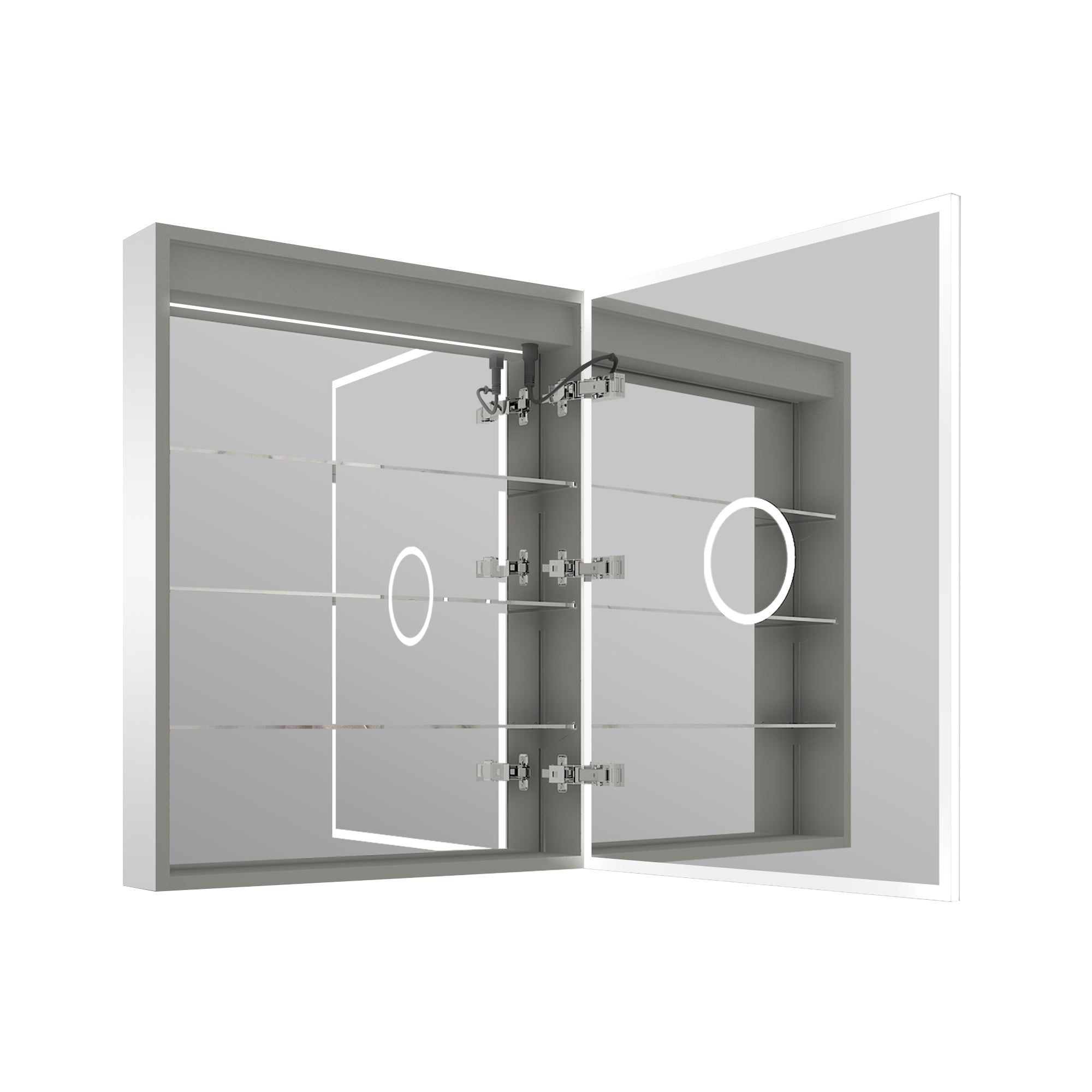
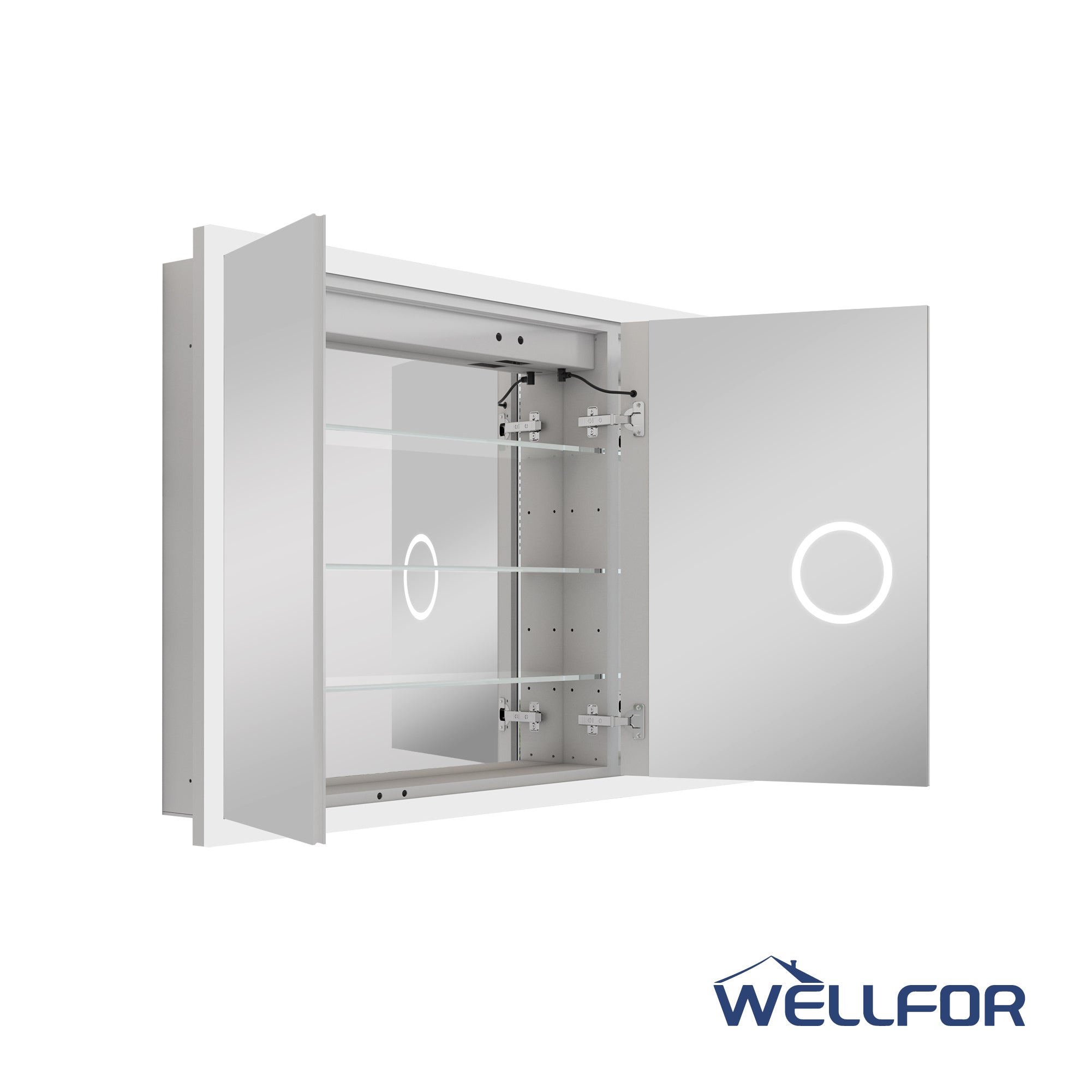
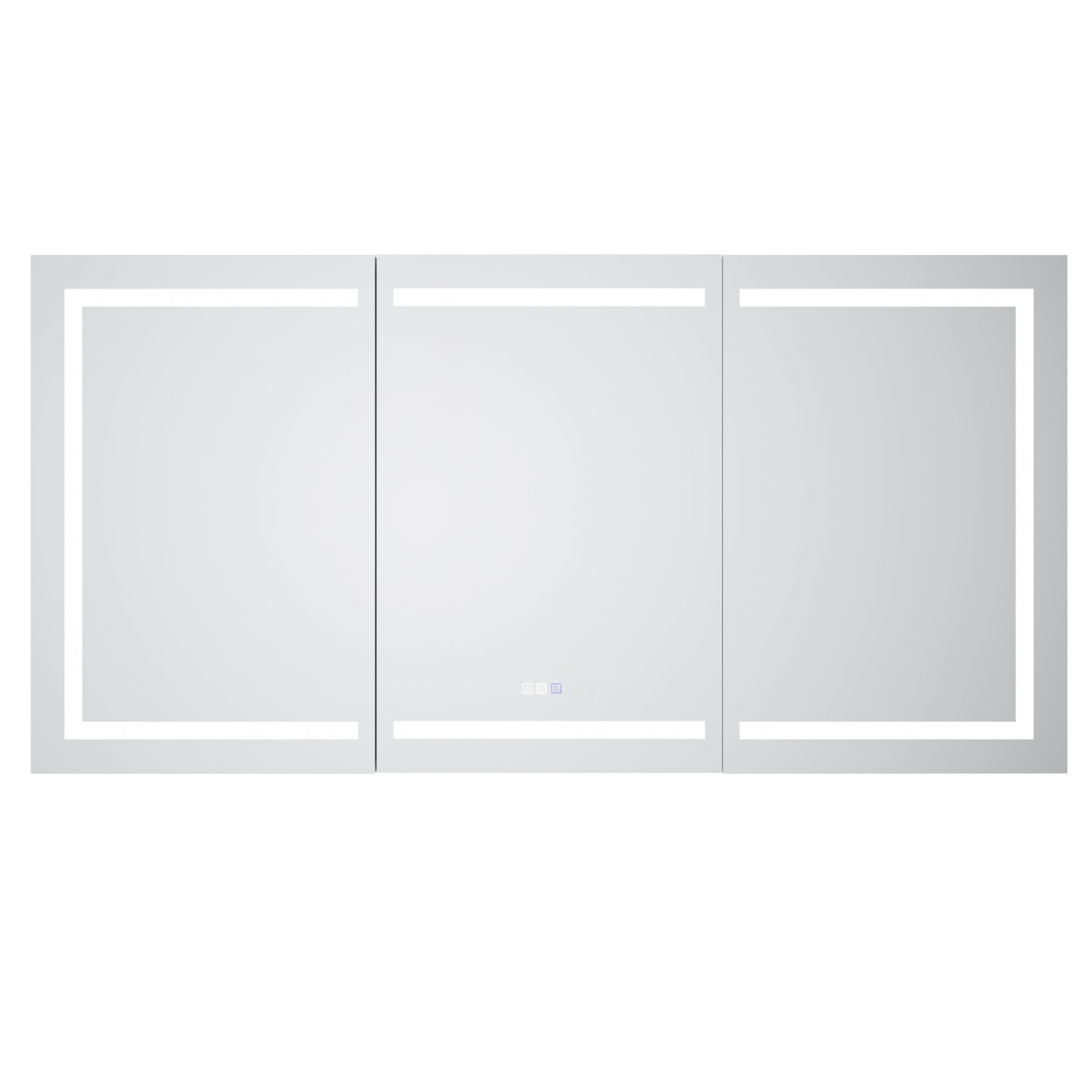
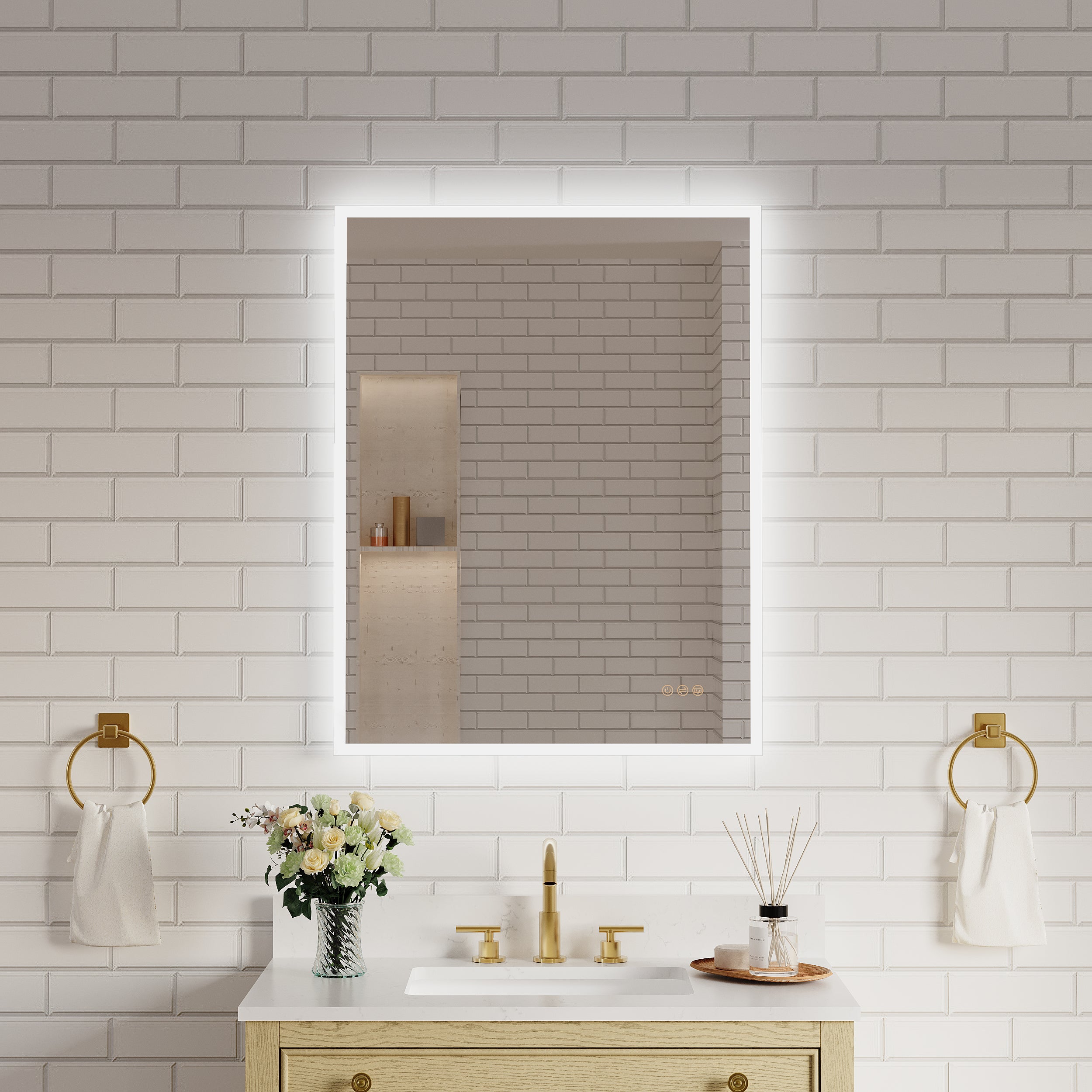
Bath Medicine Cabinets with Lights is based on this lighting logic, integrating light sources with mirrors and storage functions to achieve functional stacking rather than dispersion.
3. Lighting is not an additional decoration, but a functional supplement
Many people mistakenly believe that bringing a light medicine cabinet is to "look more upscale".
But in reality, integrated lighting delivers more direct improvements in usage.
Data show that in bathroom configurations with auxiliary light sources in front of the mirror, users' satisfaction with the clarity of nursing operations is significantly higher than in solutions that rely solely on main lighting.
This means that lighting is not simply about enhancing aesthetics, but rather a part of improving the user experience.
4. Storage capacity remains the core value of medicine cabinets
Even with the added lighting, the Bath Medicine Cabinet remains a storage system.
The depth of standard medicine cabinets is usually controlled at 5-6 inches, which can accommodate toiletries, medicines, and commonly used care tools without causing space compression.
Research has shown that wall-mounted storage is easier to maintain space cleanliness than external storage, and is more stable over the long term.
5. The design with lights is actually more suitable for hidden storage logic
A highly representative trend is that medicine cabinets with lights often have a lower presence.
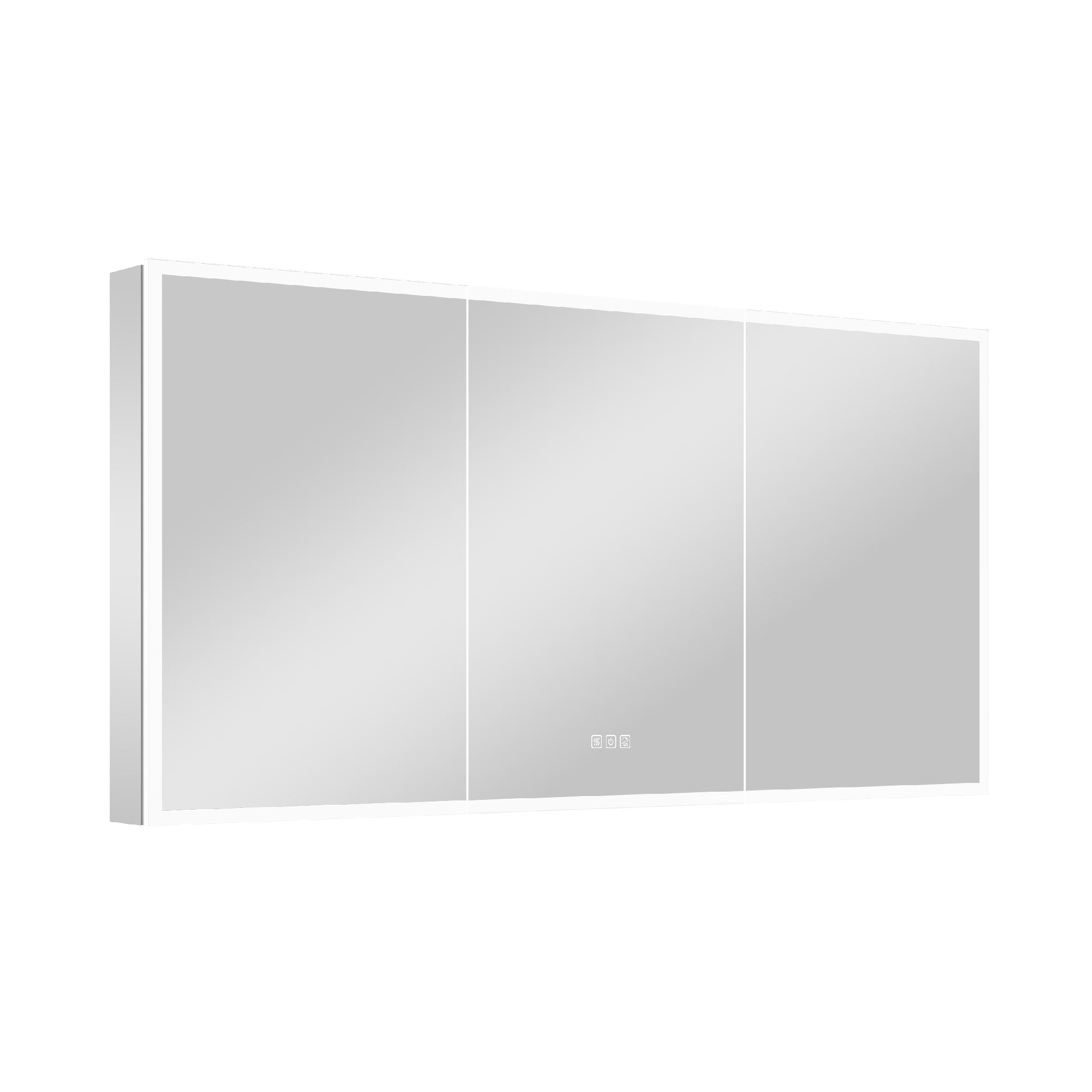
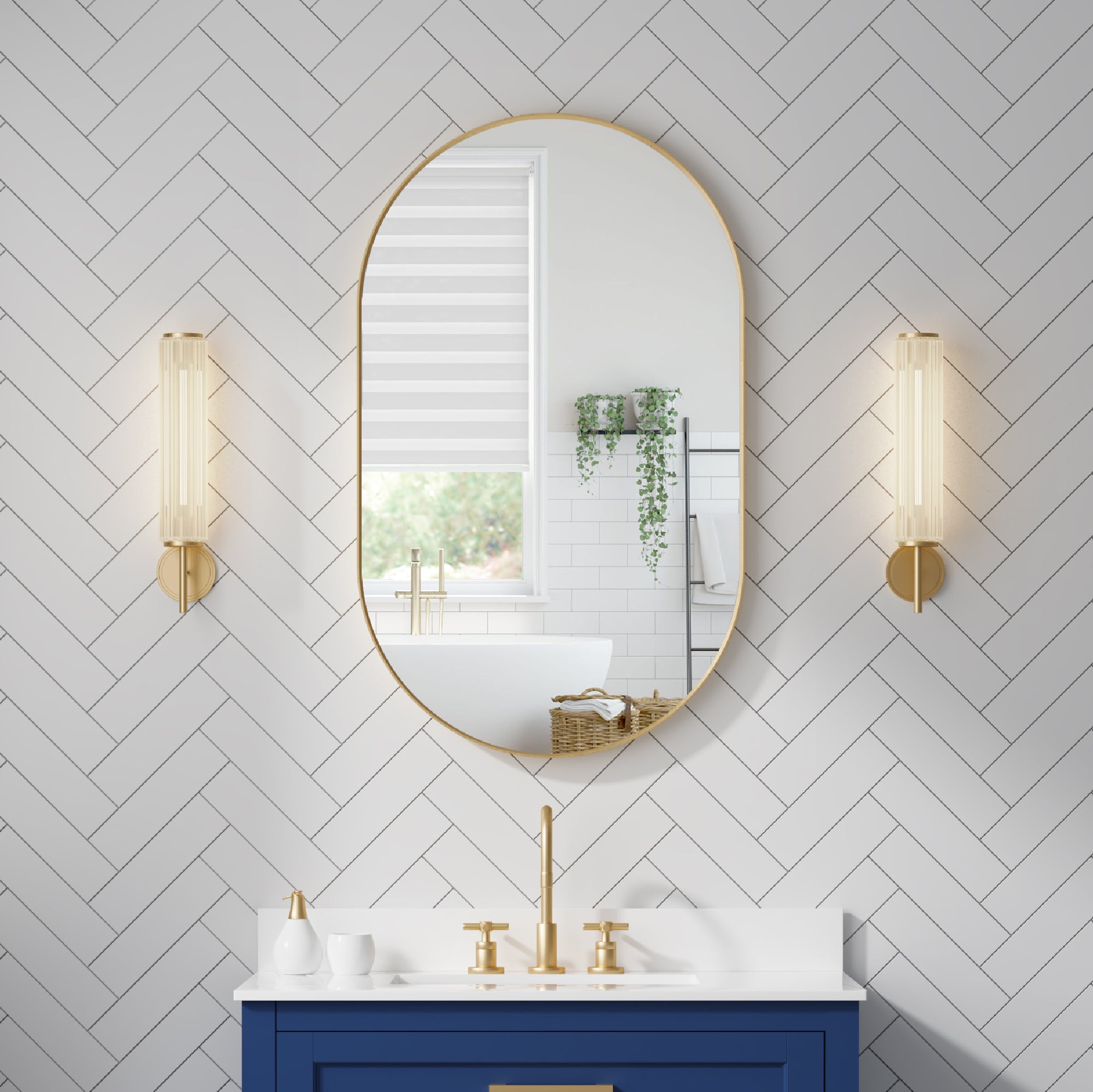
The lighting is precisely controlled at the edge of the mirror or backlight position, making the medicine cabinet appear as a clean mirror when closed.
Design research indicates that when storage systems include lighting, users are more inclined to reduce the number of wall accessories, making the space more concise.
6. Reasonable size selection affects overall aesthetics
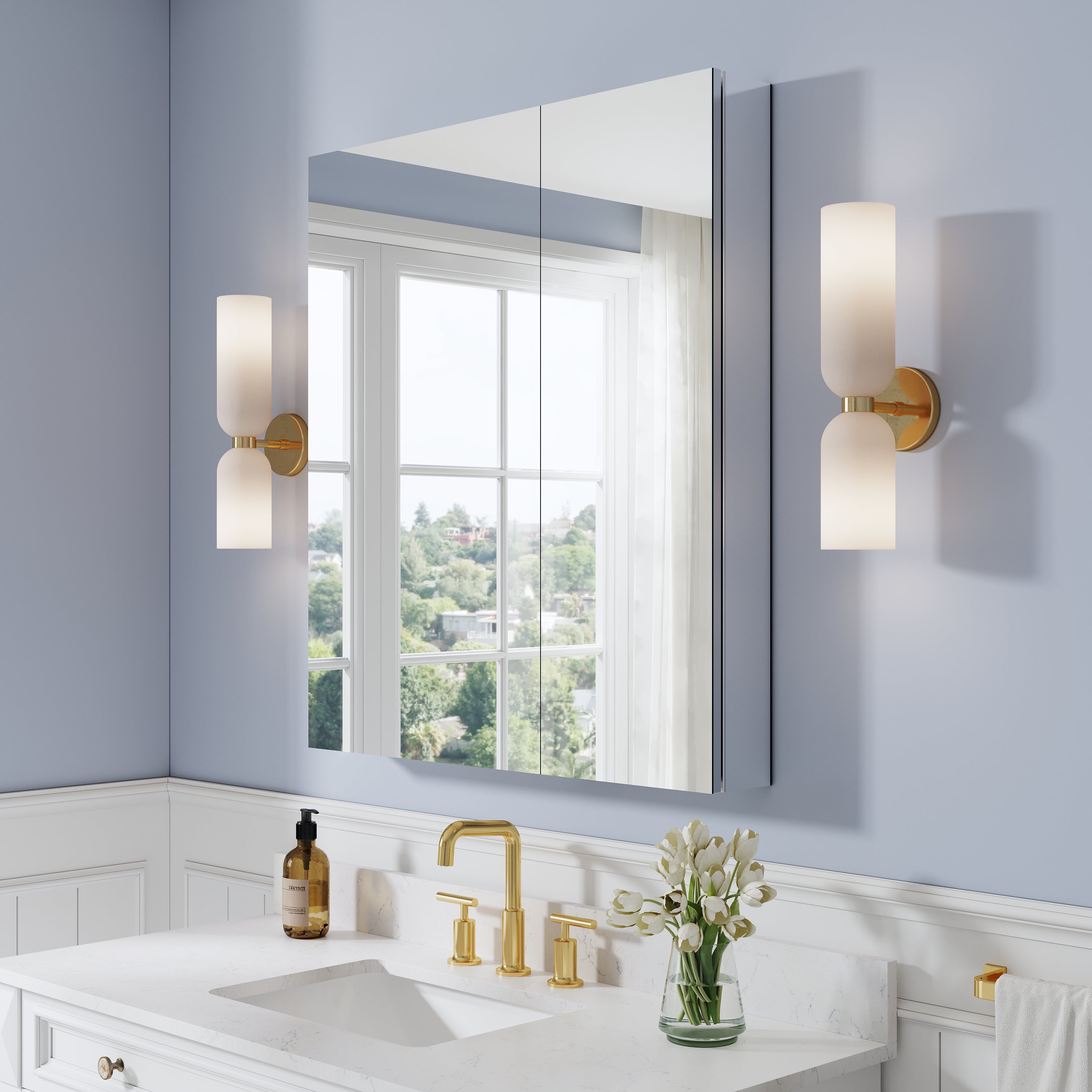
In most bathrooms, the width of the medicine cabinet is roughly proportional to the washbasin.
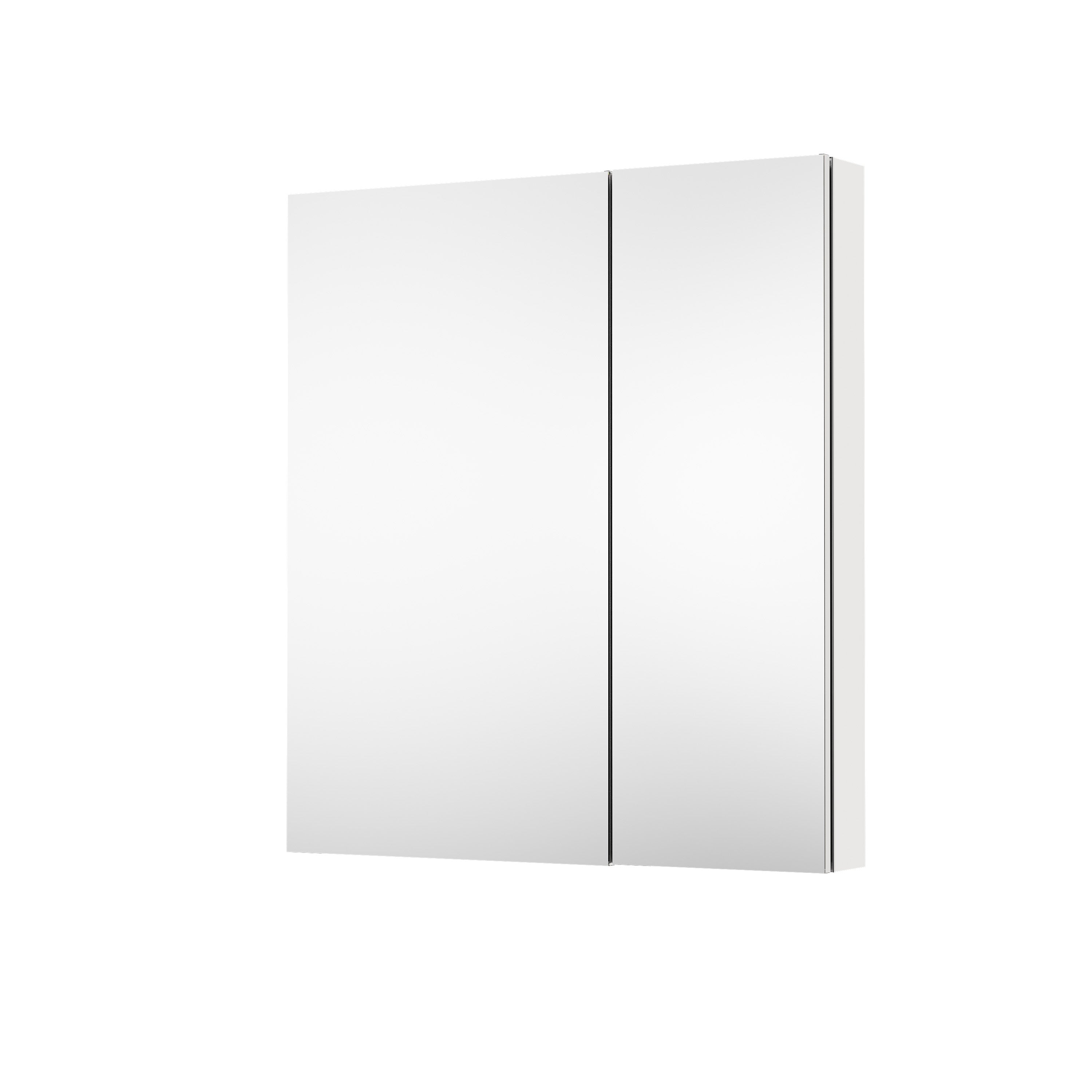
For example, a single basin washbasin is often paired with a 24-30 inch wide illuminated medicine cabinet;
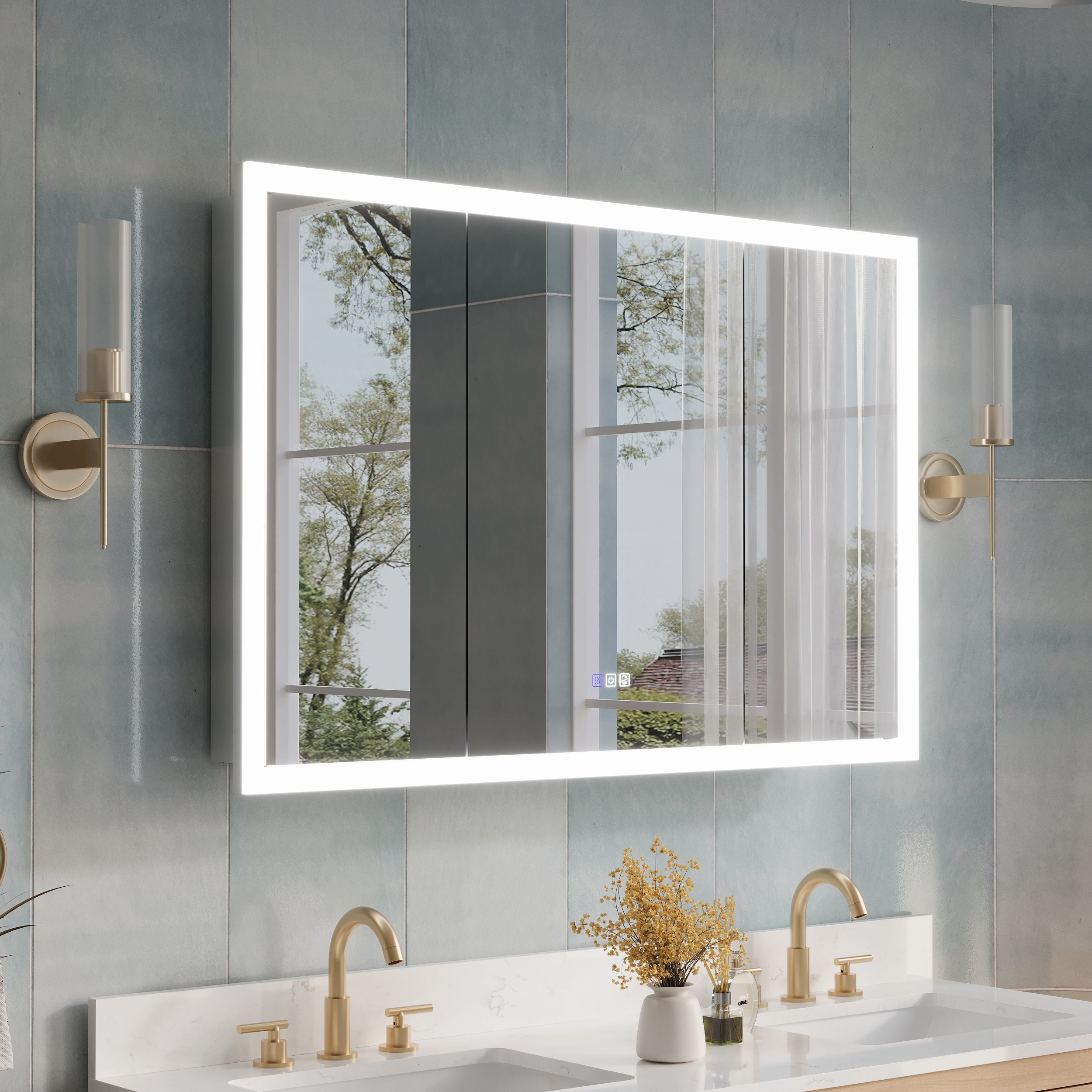
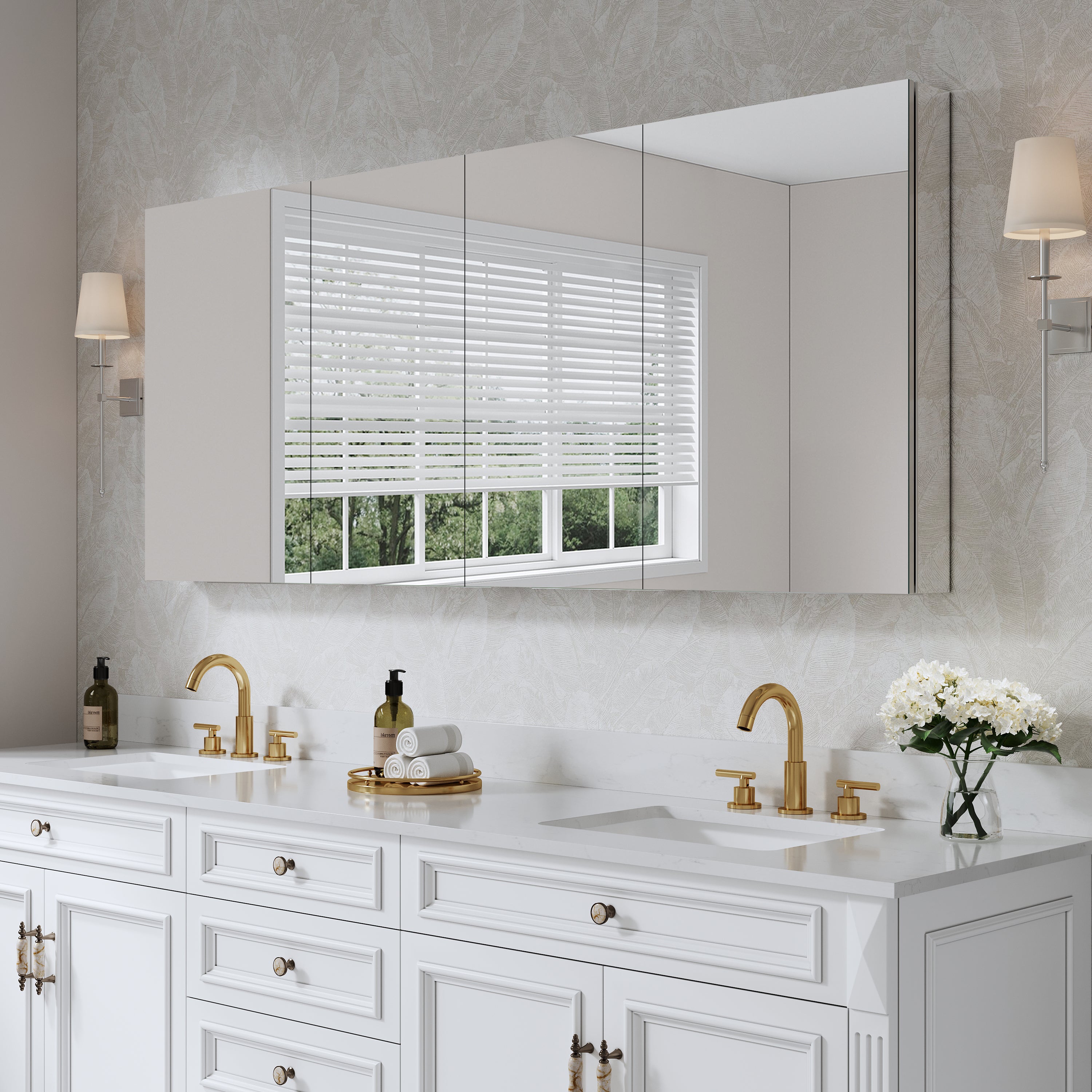
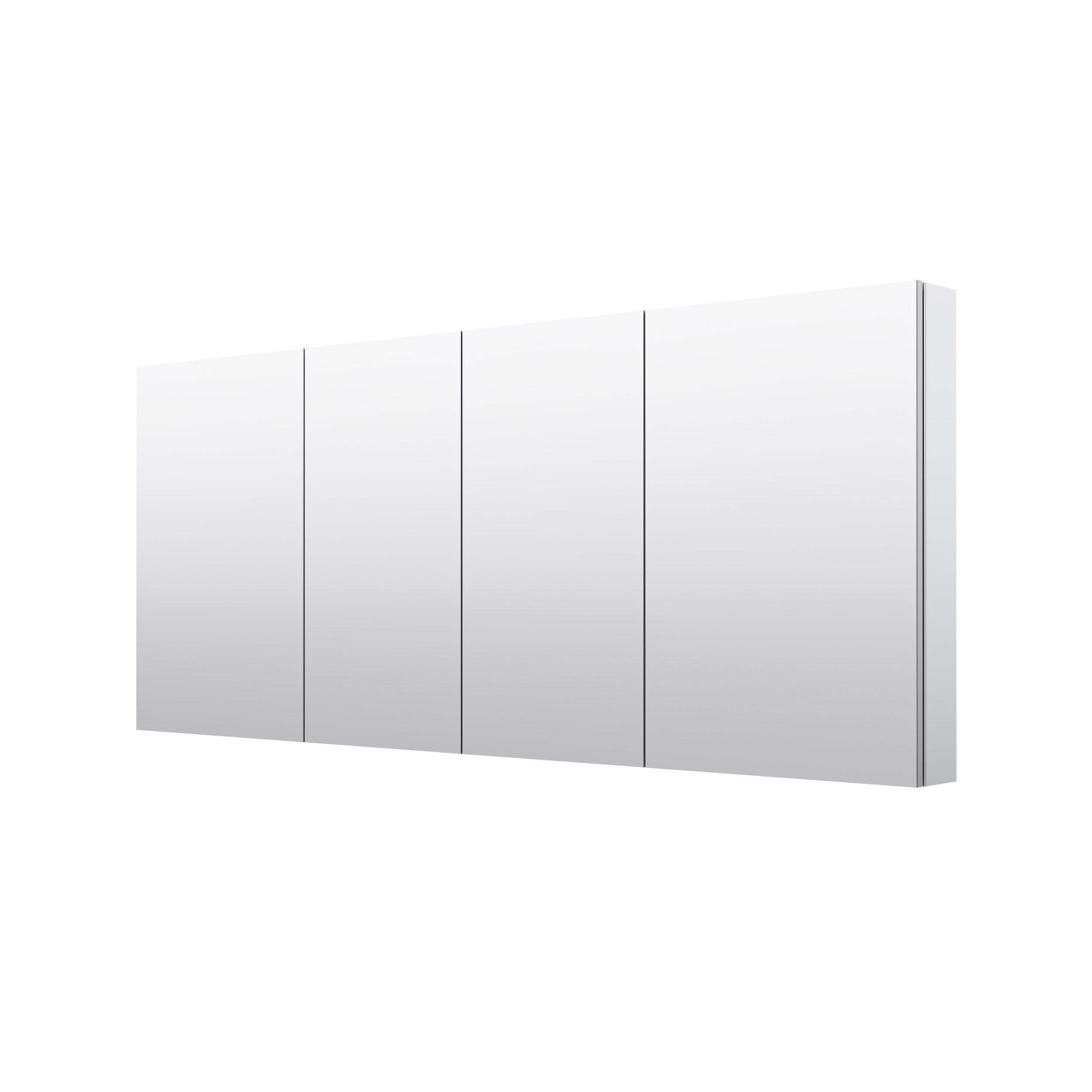
The double basin structure often uses 36-48 inches to ensure a balanced distribution of lighting and storage.
Research shows that when the width of the mirror cabinet is close to the width of the countertop, the visual order perception score is higher.
This is also one of the reasons why medicine cabinets with lights are more likely to "look reasonable" in modern bathrooms.
7. The Influence of Light Color Temperature on Visual Effects
Wearing lights does not necessarily mean the brighter the better.
Neutral light with a color temperature controlled between 4000 K and 5000 K often achieves a balance between functionality and comfort.
Lighting research has shown that excessively warm light sources can easily affect color judgment, while excessively cold light sources can reduce spatial temperature perception.
This neutral color temperature makes the illuminated medicine cabinet both practical and does not disrupt the bathroom's overall atmosphere.
8. Daily energy consumption and usage efficiency are not in conflict
The medicine cabinet with integrated LED lighting is not inferior to traditional lighting fixtures in terms of energy efficiency.
Relevant data shows that under the same usage conditions, the energy consumption of LED light sources is significantly lower than that of traditional lighting forms.
Meanwhile, with more precise lighting placement, users often lower their overall brightness requirements, thereby reducing energy consumption invisibly.
9. Will maintenance difficulty increase?
This is one of the common questions raised about medicine cabinets with lights.
In fact, most Bath Medicine Cabinets with Lights use LED light sources with longer lifespans, designed to last up to tens of thousands of hours.
From the perspective of the entire lifecycle, reducing the frequency of bulb replacements and the need for additional accessory maintenance is itself a cost-optimization approach.
10. The improvement of aesthetics comes from "integration" rather than superposition
The reason a medicine cabinet with lights can improve its aesthetics is not the addition of lights, but the reduction of other elements.
Integrated design often replaces multiple components, such as mirrors, wall lamps, and shelves, making the wall cleaner.
Space design research suggests that reducing the number of visual elements is an effective way to enhance the sense of sophistication in bathrooms.
11. Not all bathrooms must choose a medicine cabinet with lights
Bath Medicine Cabinets with Lights is not the only correct choice.
In bathrooms with excellent lighting or a retro decorative style, independent lighting fixtures and mirrors still have their value.
But in renovation projects that emphasize functional integration, spatial order, and long-term efficiency, the comprehensive advantages of illuminated medicine cabinets are becoming increasingly apparent.

12. Conclusion: Functionality and aesthetics do not necessarily require a trade-off
Choosing Bath Medicine Cabinets with Lights for bathroom medicine cabinets is not a choice between functionality and aesthetics, but a search for a more efficient integration method.
When storage, lighting, and mirrors are uniformly planned, the bathroom will become quieter, more orderly, and better aligned with modern expectations for efficiency and comfort.
For bathroom renovations focused on long-term use value, illuminated medicine cabinets are not an "upgrade option" but are increasingly a rational and mature choice.












Leave a comment
This site is protected by hCaptcha and the hCaptcha Privacy Policy and Terms of Service apply.