






















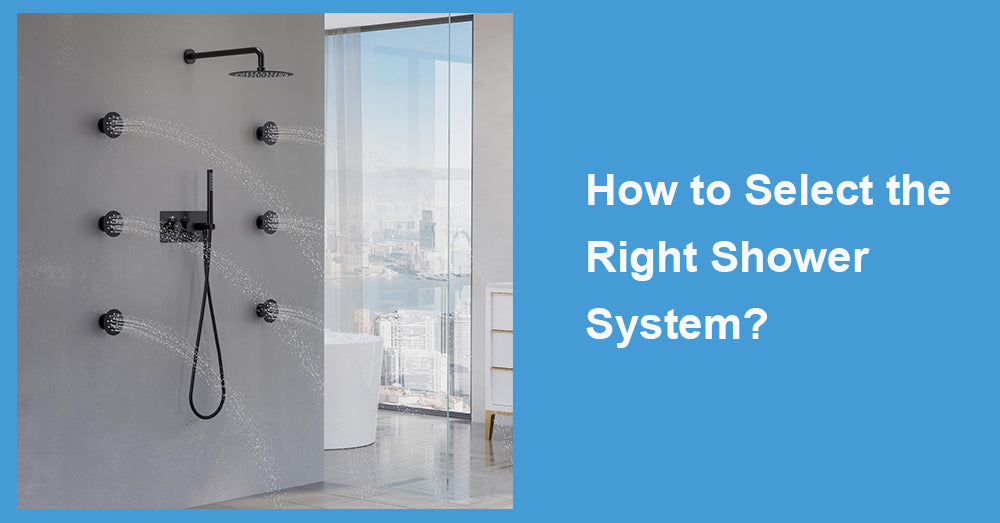
In modern bathroom design, shower system are no longer seen as mere cleaning tools but as essential components in creating comfortable experiences, relaxing the body and mind, and enhancing quality of life. With the continuous development of bathroom product design and technology, the functions and configurations of shower systems have become more diversified, including pressure regulation, constant-temperature control, multi-outlet combination, SPA-style sprinkler, water-saving system, and intelligent control. Choosing a shower system that truly suits one's bathroom space and usage habits when faced with different types of products is a key decision in many home decoration, renovation, or improvement projects.
According to research from the home and bathroom industry, demand for multifunctional shower systems has been steadily increasing in recent years, particularly for systems with temperature control and energy-saving features (source: statista.com). This indicates that people are more concerned with water temperature stability, water efficiency, and comfort during bathing than with the basic water outlet function.
Below, we will summarize how to choose a suitable shower system from six aspects: spatial layout, water outlet method, control method, installation structure, safety performance, and maintenance convenience.
1. Determine the system type based on the bathroom space
Adapt different types of shower systems to different bathroom areas and layouts:
Wall-mounted Shower Head
Suitable for compact bathrooms, with simple installation and easier maintenance. The standard water outlet diameter is between 6 inches and 10 inches.
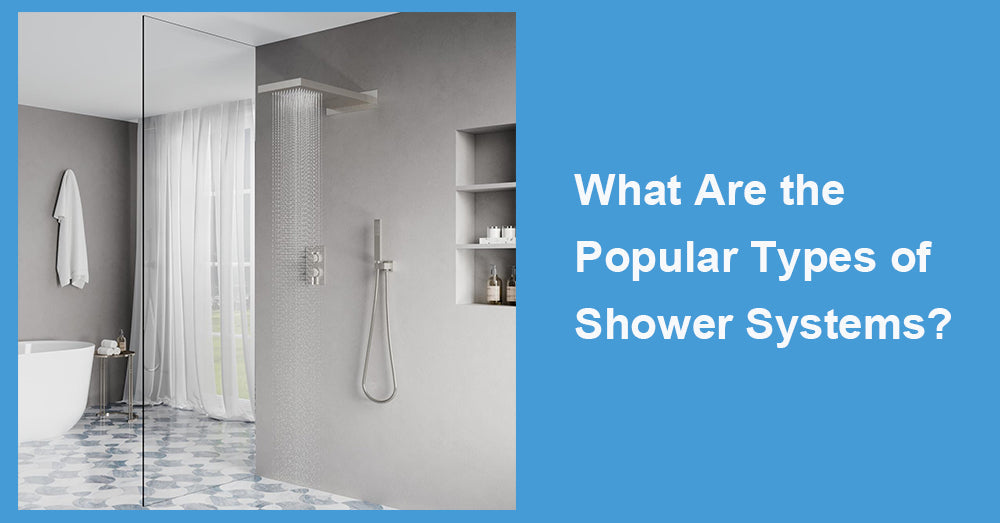
Overhead Rain Shower
It can provide a rain-like wrapped bathing experience, with standard top-spray sizes ranging from 8 to 16 inches. When space permits, the larger the top spray, the more uniform the water flow coverage.
Dual showerhead combination with handheld function (Shower Head+Handheld Shower)
It is more flexible for cleaning, rinsing the back, and local cleaning, and is also suitable for households with children or pets.
Equipped with a shower bar or spray massage function (Shower Panel/Body Jets)
Add a SPA-like experience, but with relative requirements for water pressure and installation space.
If the bathroom space is small, such as a shower area with a width of 32-36 inches, prioritizing wall-mounted or handheld combination systems will make the space feel less crowded. For shower spaces 48 inches or more, top spray and additional spray points can enhance immersion.
2. Choose the appropriate water outlet method and sensory effect
The core experience of the shower system comes from the flow of water. The currently standard modes include:
Rainfall style: With fine water flow and strong coverage, it is suitable for relaxing scenes.
Massage pulse type: The water flow is concentrated and rhythmic, suitable for relieving pressure on the shoulders, neck, and back.
Mist atomization: Soft atomization creates a more visually appealing atmosphere.
Cascade waterfall style: With a significant drop in water flow, it is suitable for quick flushing and enhancing shower pleasure.
According to industry user research, satisfaction with a multi-level adjustable showerhead system is significantly higher than with a single-mode system (source: homeinnovation.com).
3. The importance of water pressure and flow rate
When choosing a shower system, ensure the household water supply pressure matches the flow rate of the shower accessories.
Multifunctional showerheads or large top sprays typically require higher water pressure to be adequate.
If the water pressure is low, you can choose a nozzle with a pressure-boosting structure or use a smaller outlet aperture.
If water-saving devices are used in residential areas, it can ensure that the system supports a stable flow compensation mechanism.
Some high-end systems support constant-pressure and constant-temperature control, which can maintain a stable water temperature even when external water flow changes. Research shows that constant-temperature systems can effectively reduce discomfort from water-temperature fluctuations during bathing (source: energy.gov).
4. Control mode and operational convenience
Modern shower systems are becoming increasingly diverse in their control methods, including:
Single Handle Control: With a simple structure, it is suitable for quick adjustment in daily life.
Dual control partition (Volume+Temperature): It can accurately control the water output and temperature.
Thermostatic Valve: Automatically maintains the set temperature, preventing the water temperature from fluctuating between cold and hot.
Intelligent touch control panel: adjustable modes, brightness, music, ambient lighting, etc.
Suppose there are older adults or children in the family. In that case, constant-temperature control is a key feature that improves safety and reduces the risk of burns from accidental contact or temperature differences.

5. Material and Durability: Copper Body, Coating, and Anti-Corrosion Performance
The service life of the shower system is closely related to the materials used.
It is recommended to choose brass or stainless steel as the primary material, as they offer a stable structure and better corrosion resistance.
Among the materials used in surface coating processes, chrome and brushed nickel are more common. The former is bright and easy to clean, while the latter has a low-key style and is more fingerprint-resistant.
Experimental data on the durability of bathroom products show that corrosion-resistant coatings can significantly delay surface wear and water stains in challenging water environments (source: buildingscience.com).
6. Installation method and subsequent maintenance
The installation methods are mainly divided into:
Exposed: The structure is visible, easy to maintain, and suitable for renovation projects.
Concealed: Concealed pipelines for a simpler visual experience, but installation and adjustment require higher construction standards.
If there is a possibility of partial renovation or replacement of the bathroom in the future, the exposed system will have more flexibility in the later stage. If pursuing minimalism and unity in the overall space, the concealed system is better aligned with aesthetic requirements.
In addition, the easily removable nozzle filter, replaceable internal valve core, and adjustable joint structure can all reduce daily maintenance costs.










































Leave a comment
This site is protected by hCaptcha and the hCaptcha Privacy Policy and Terms of Service apply.